Free Printable Animals Worksheets for Kindergarten
Explore Wayground's free kindergarten animals worksheets and printables that help young learners discover different creatures, their habitats, and characteristics through engaging practice problems with comprehensive answer keys.
Explore printable Animals worksheets for Kindergarten
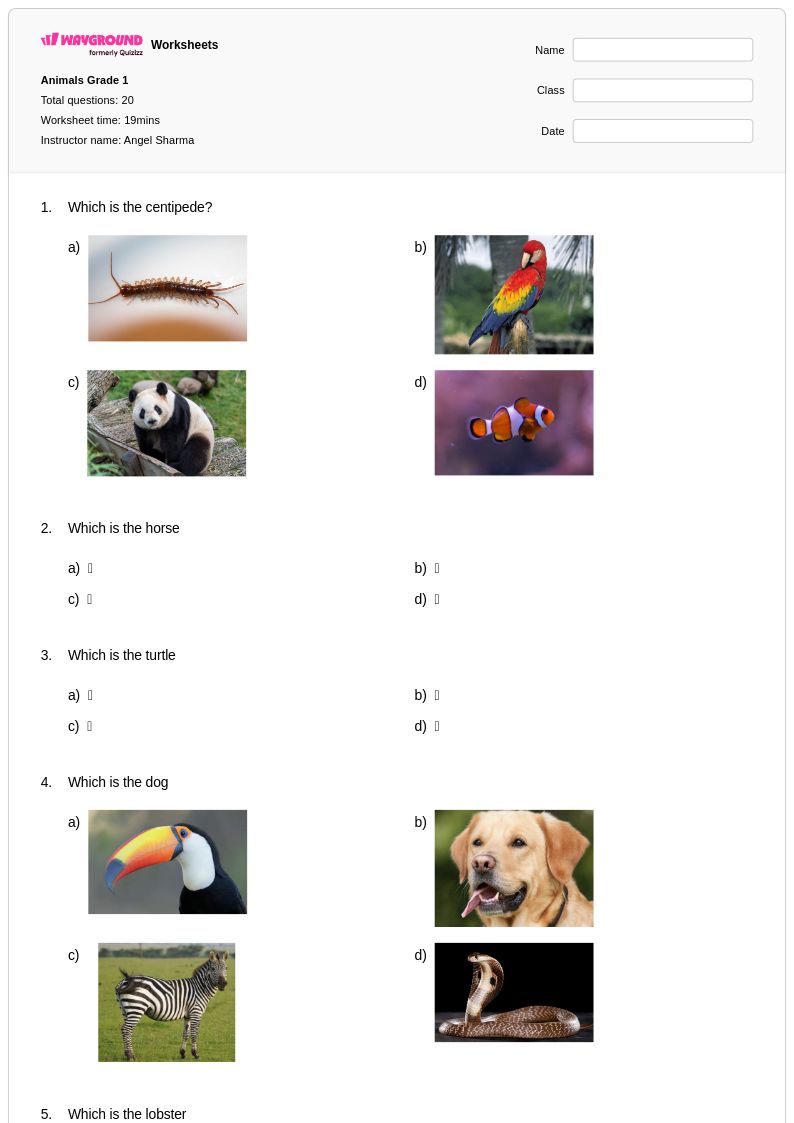
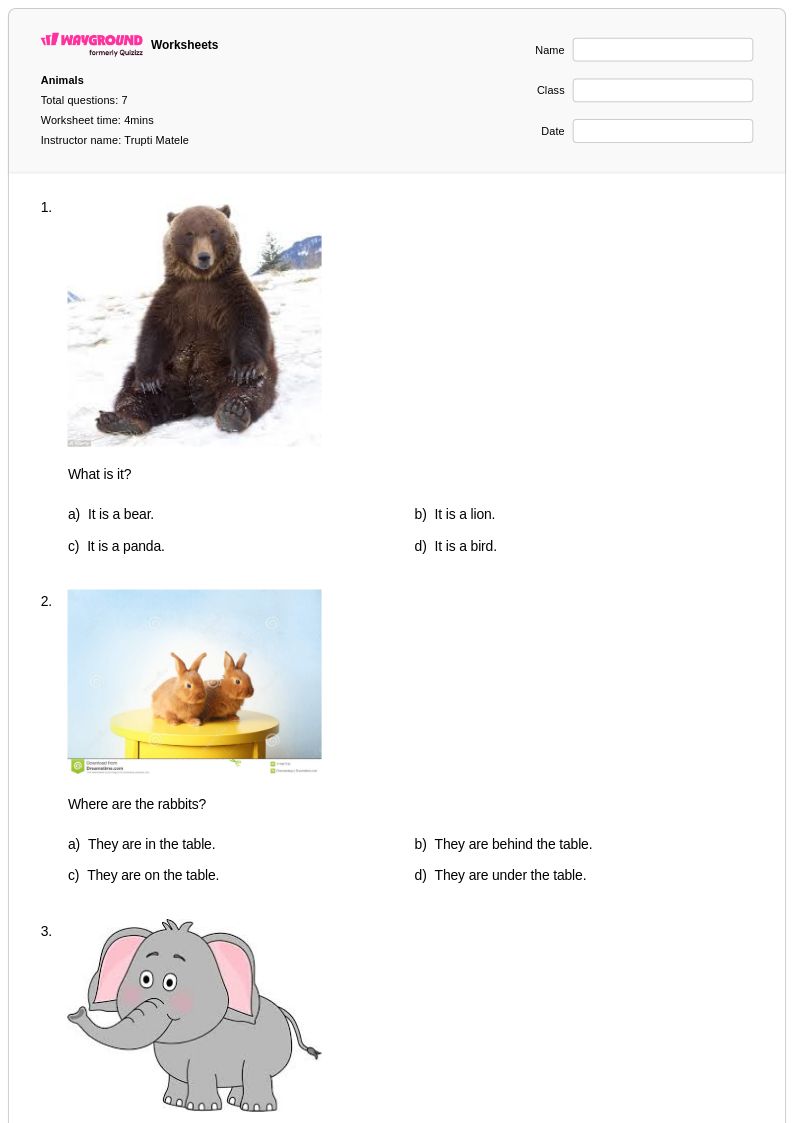
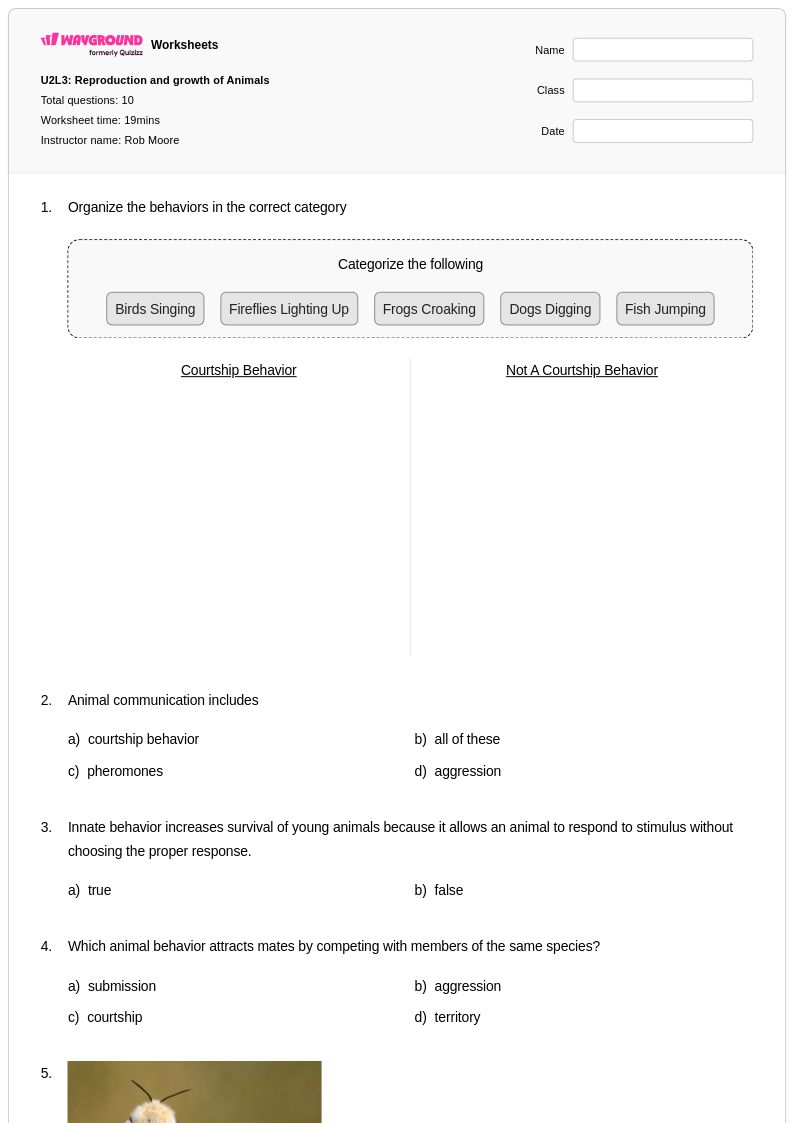
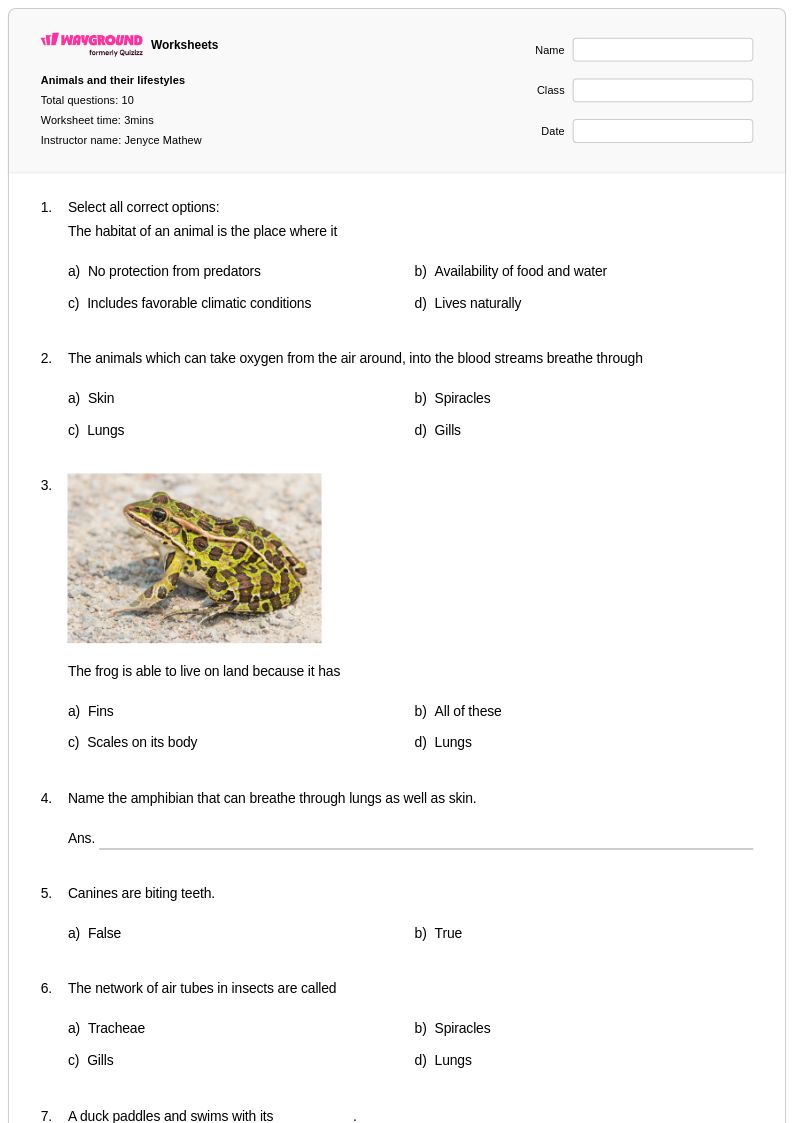
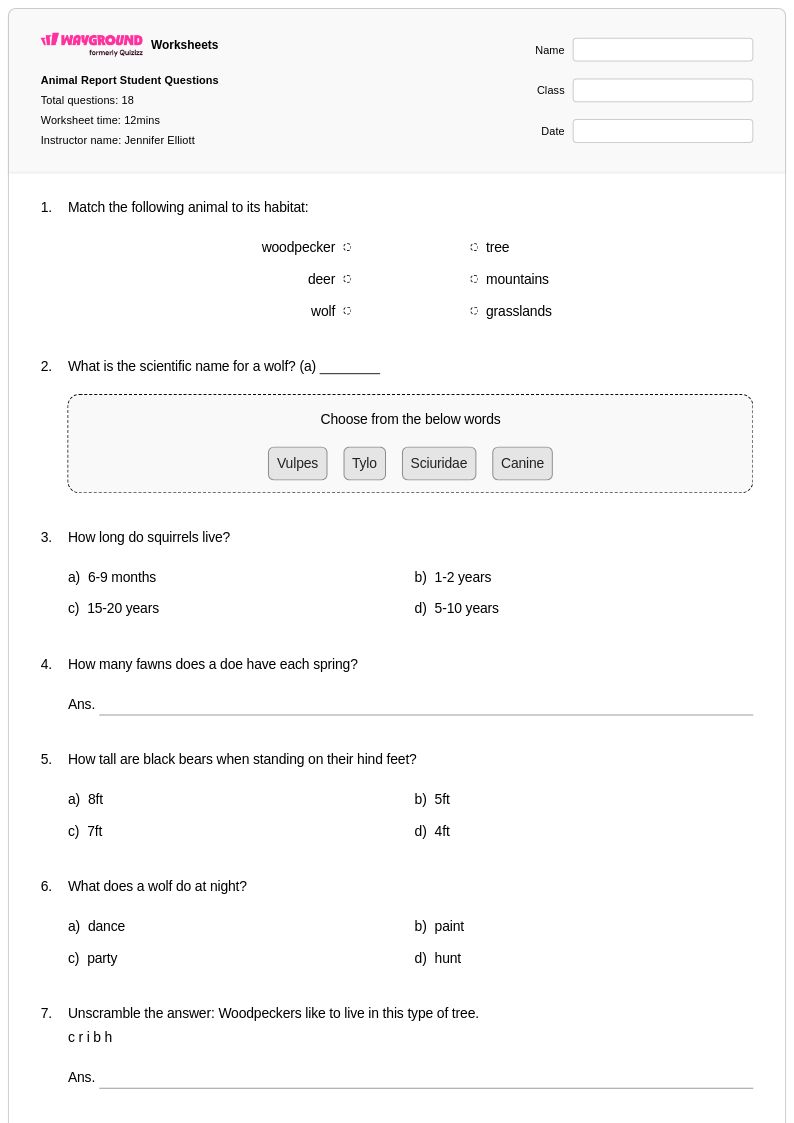
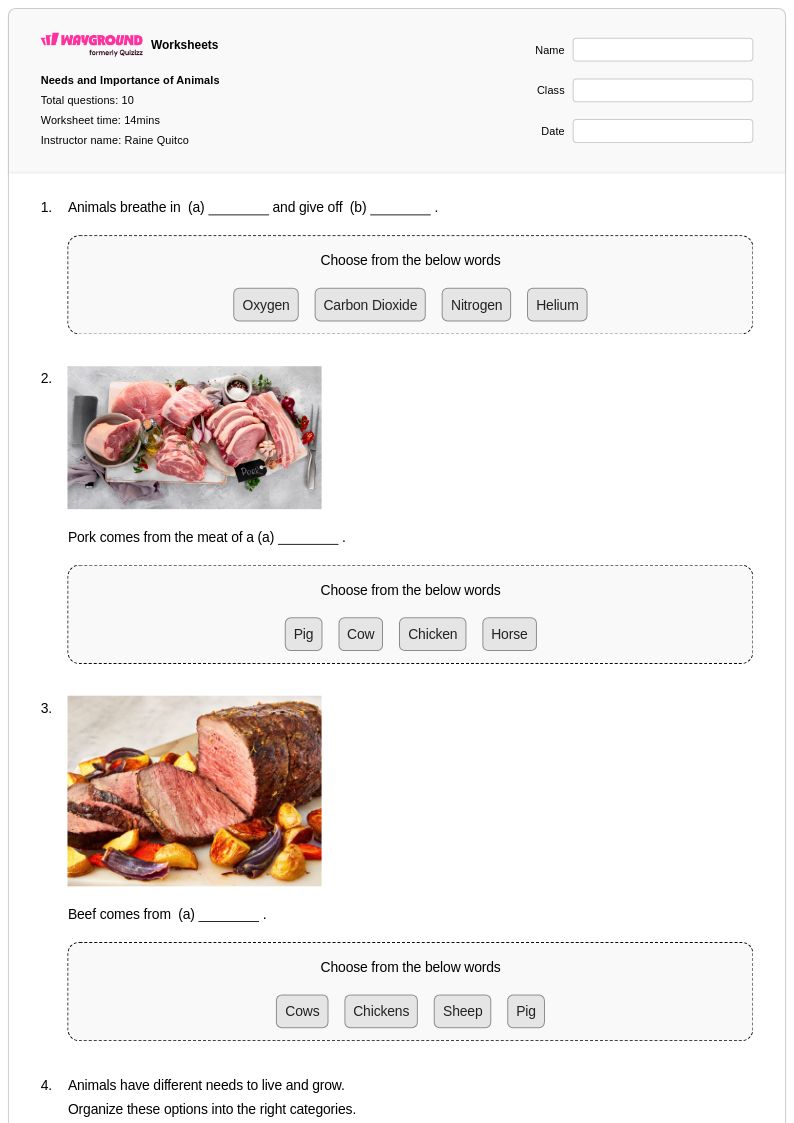
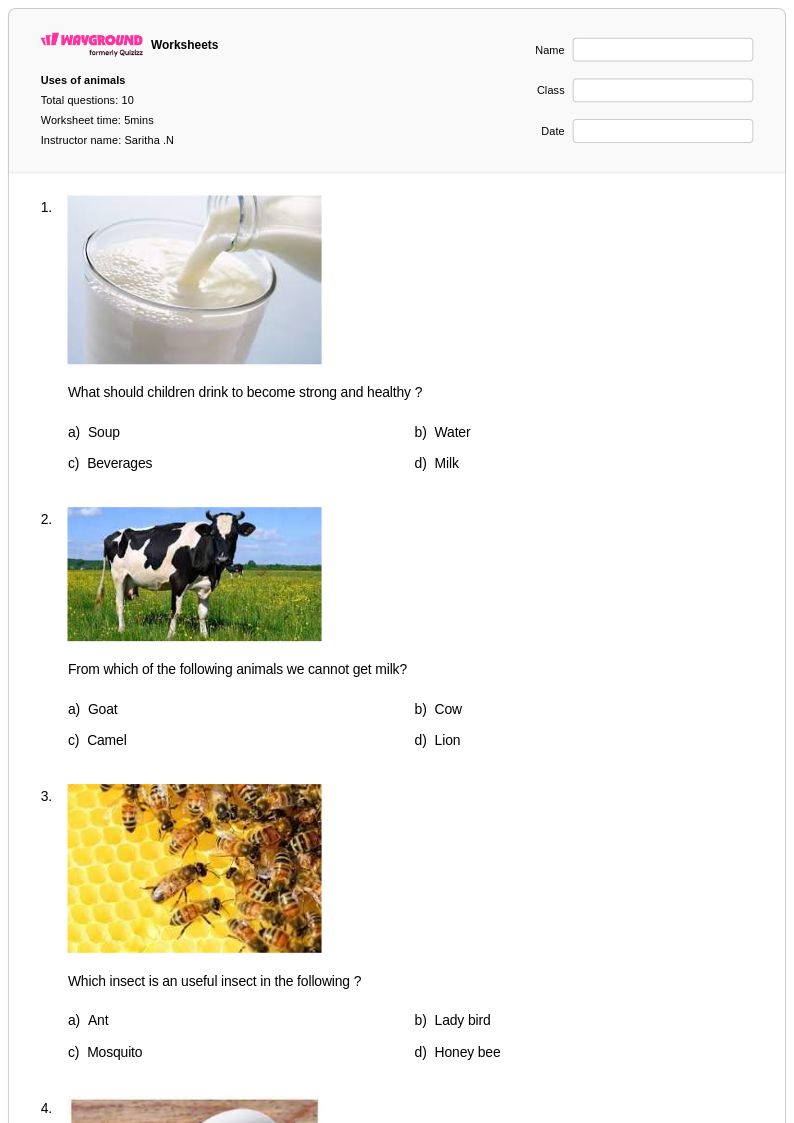
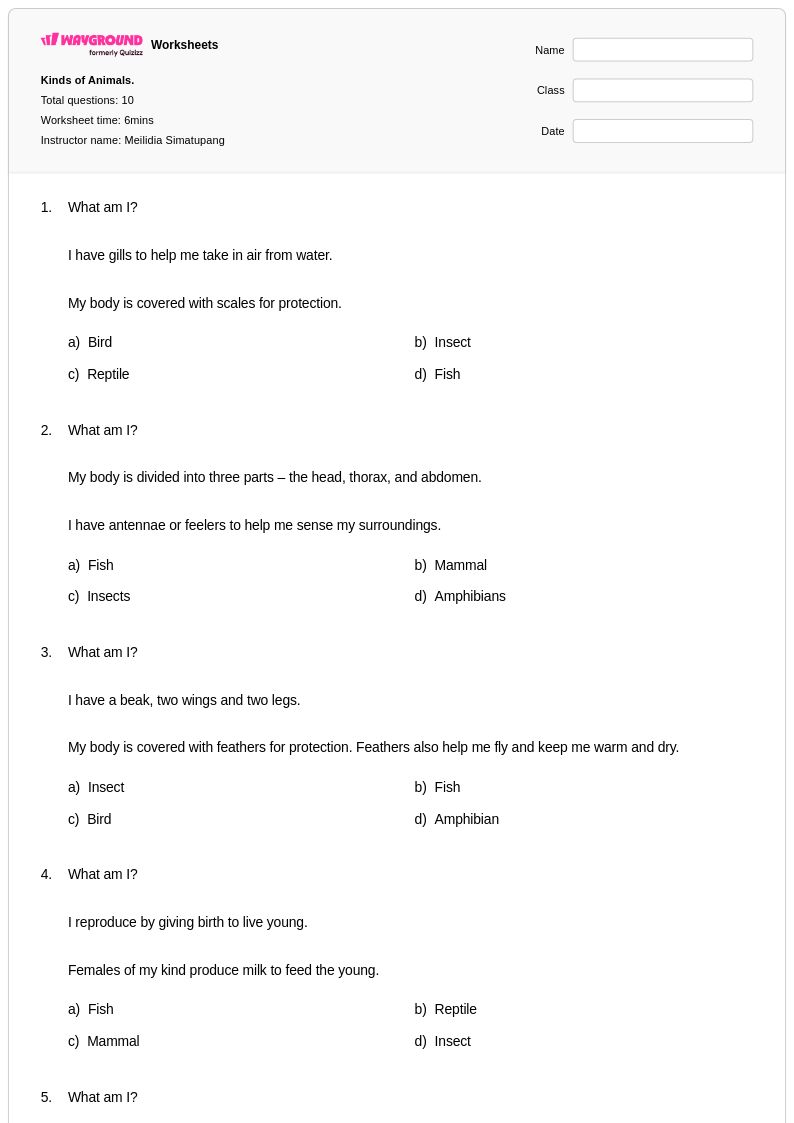
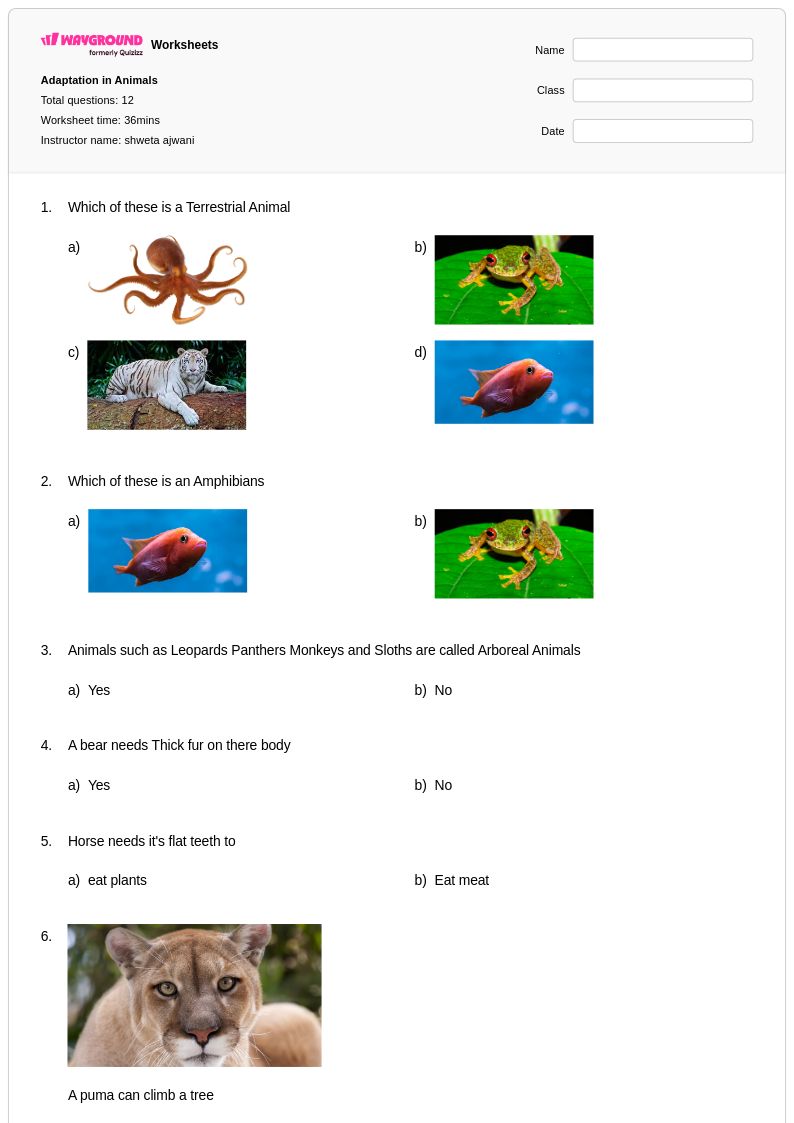
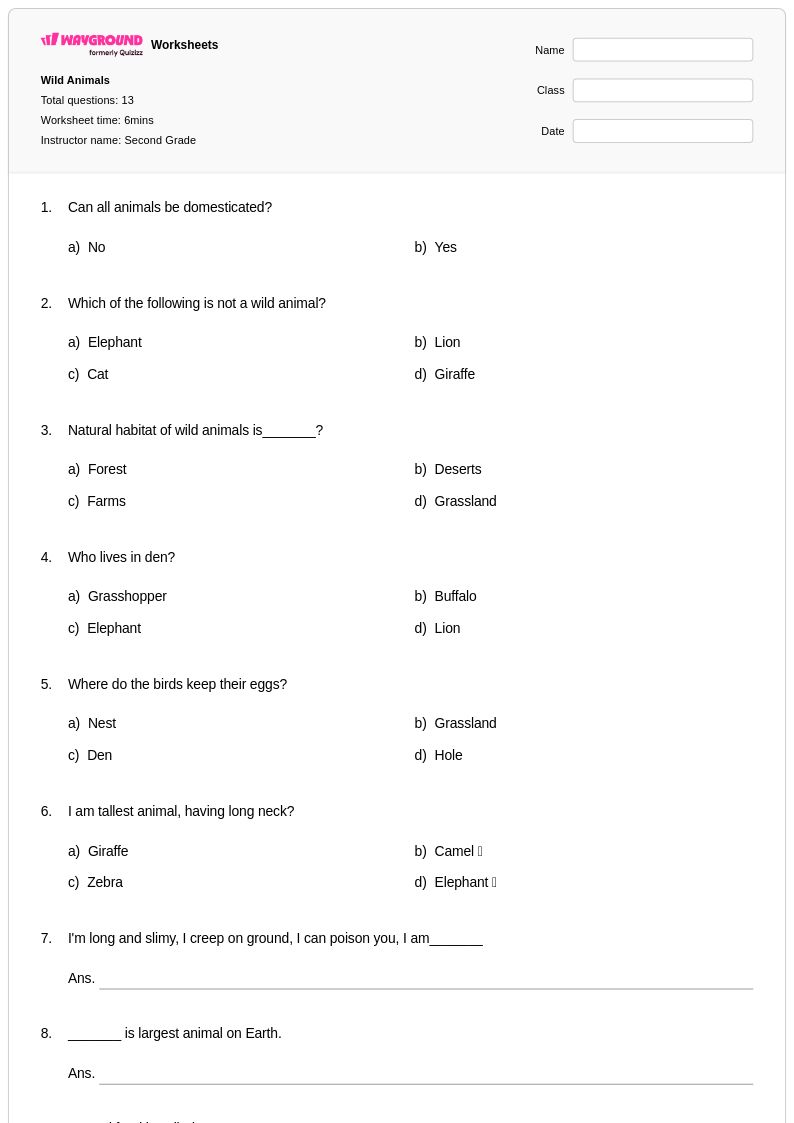
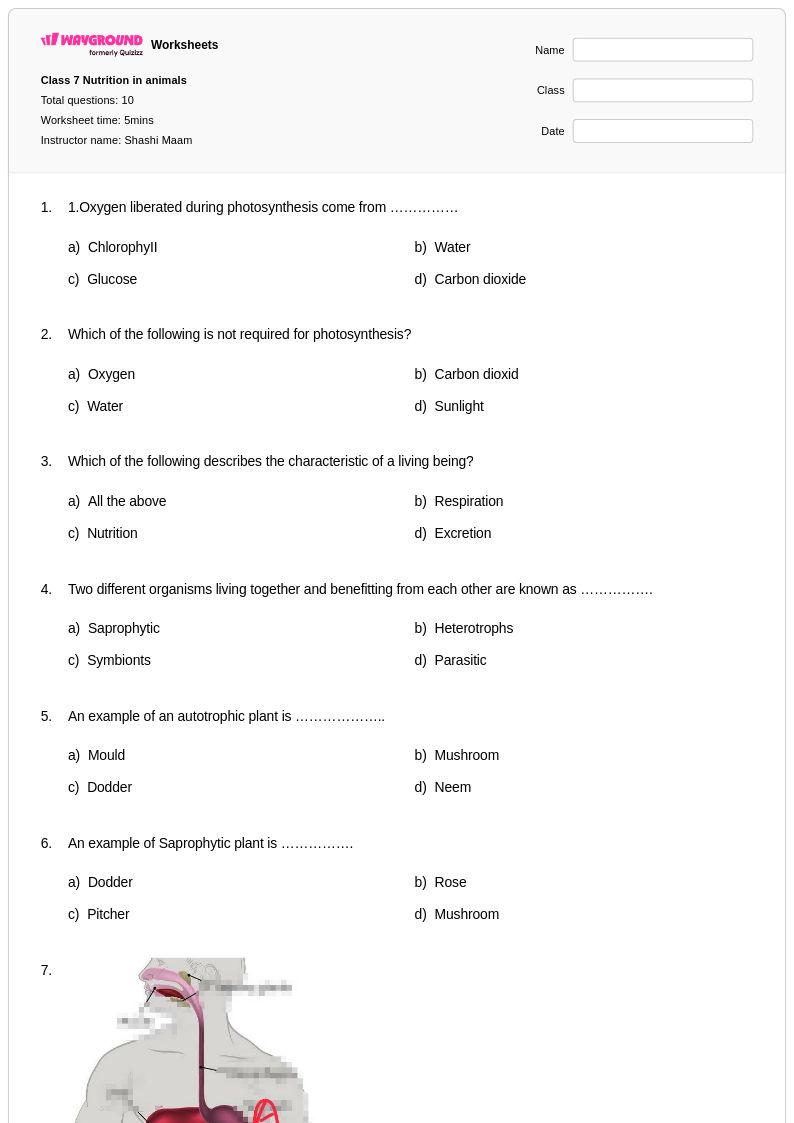
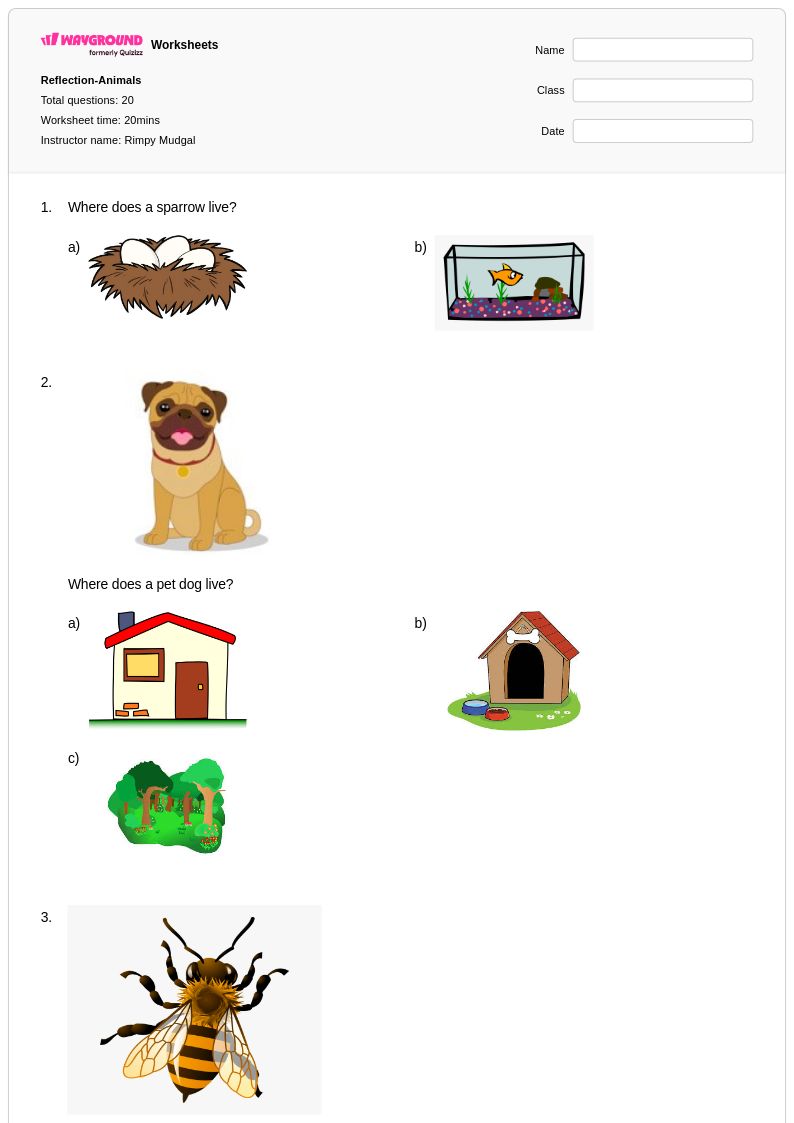
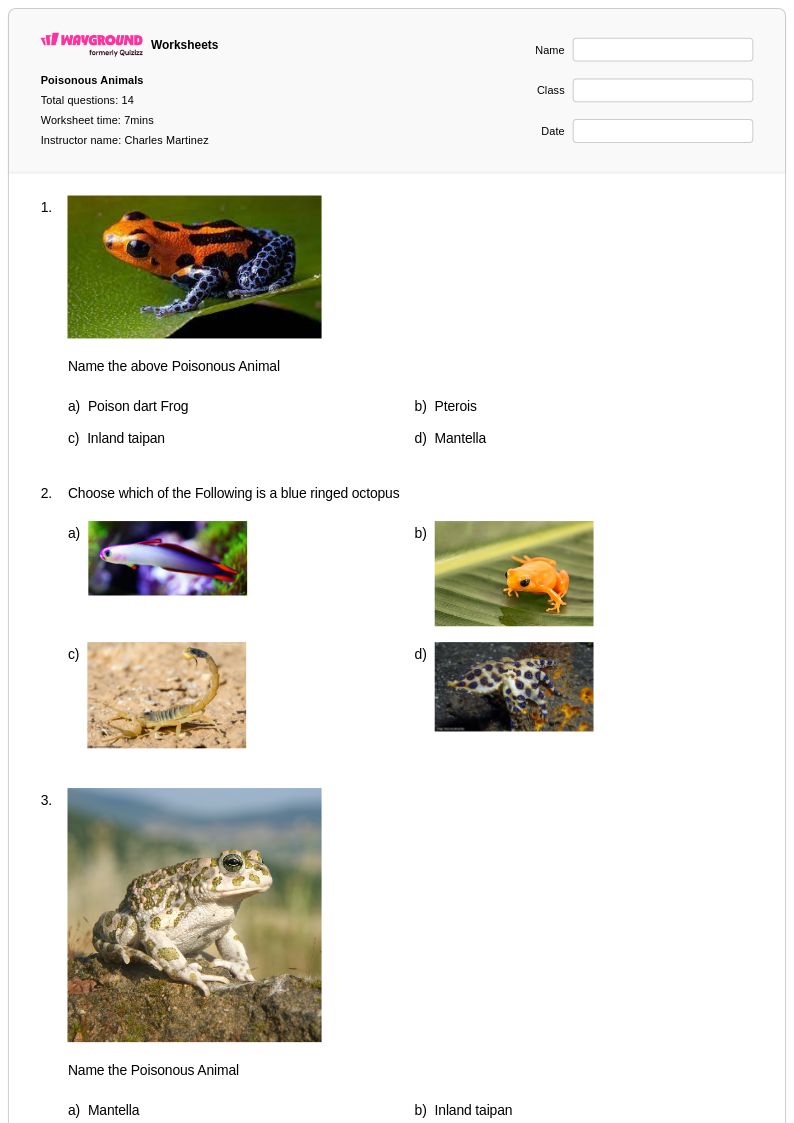
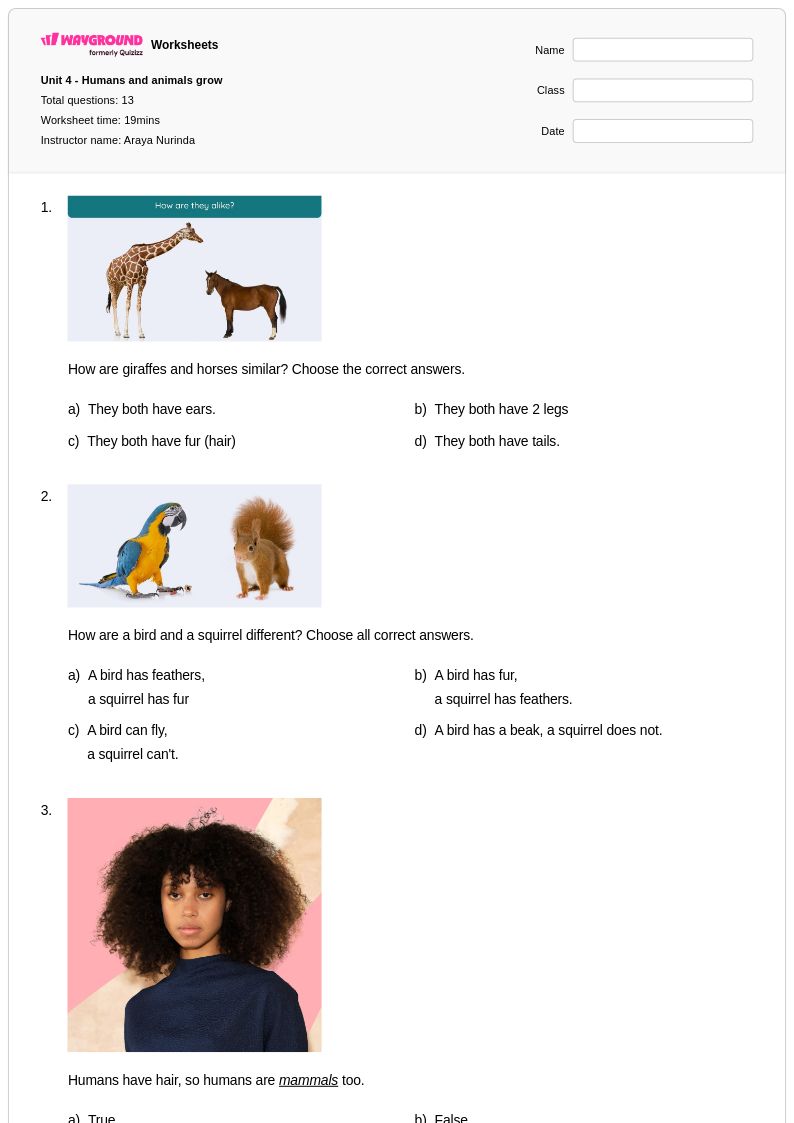
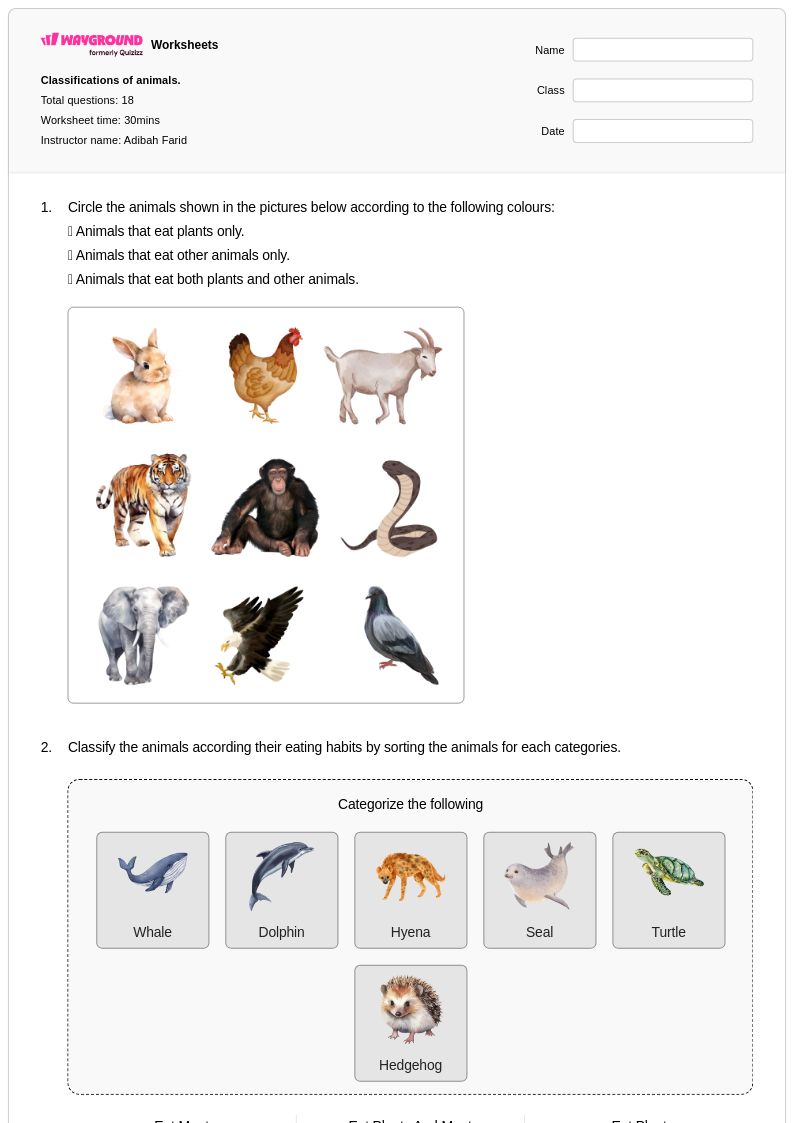
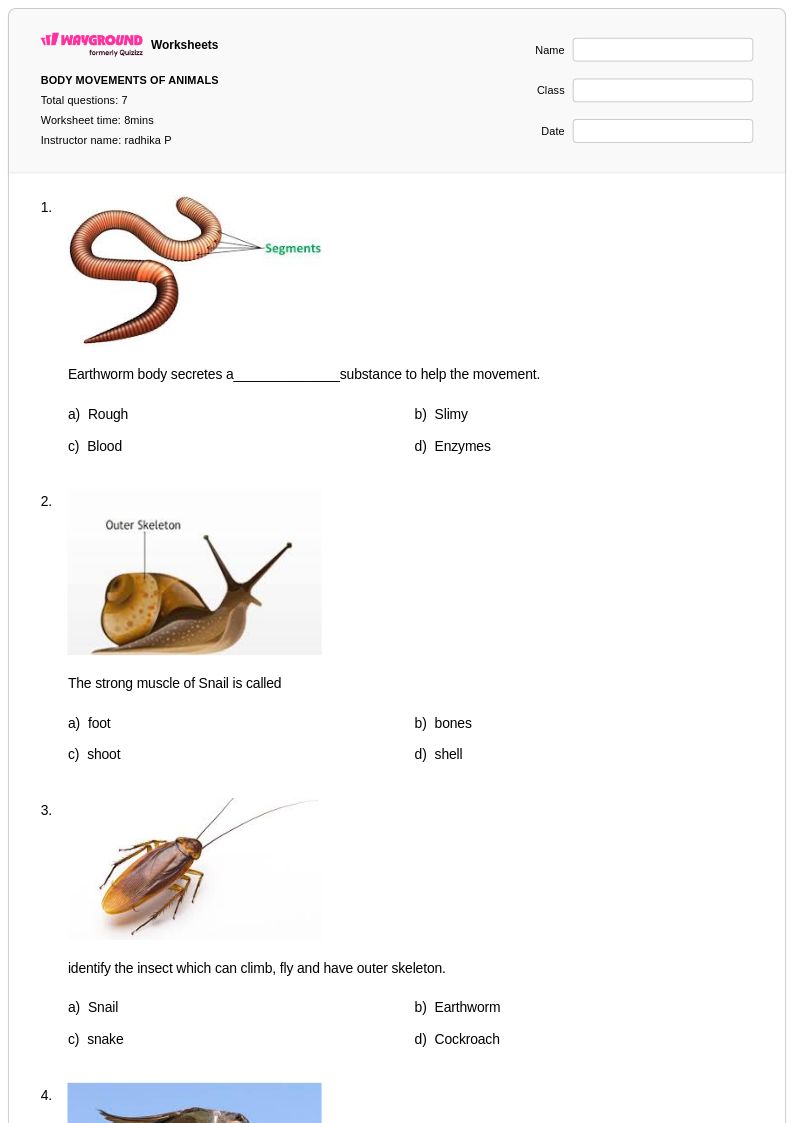
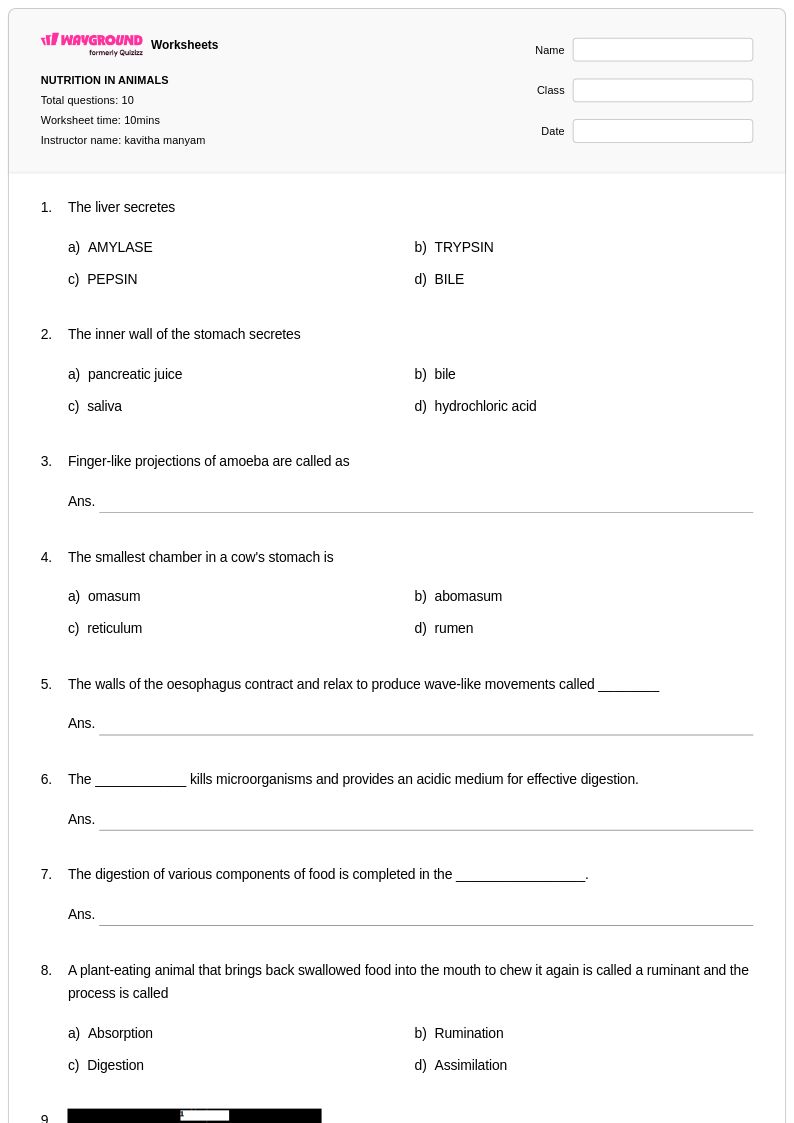
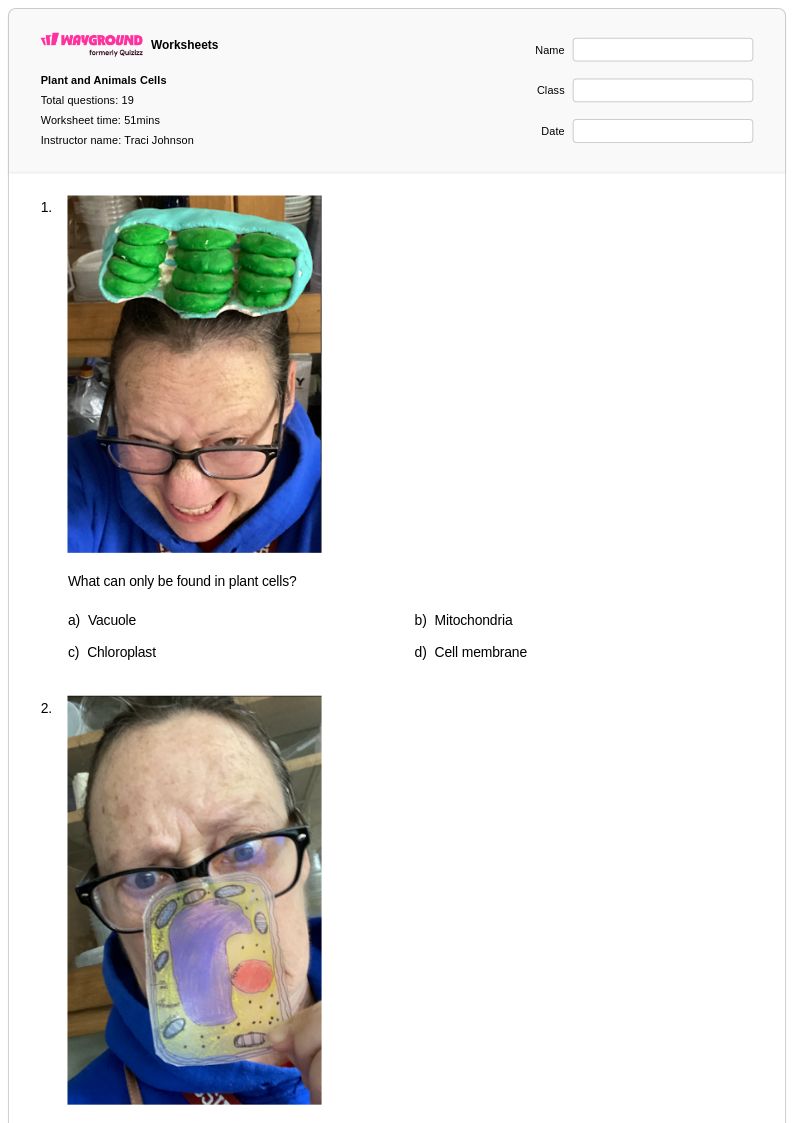
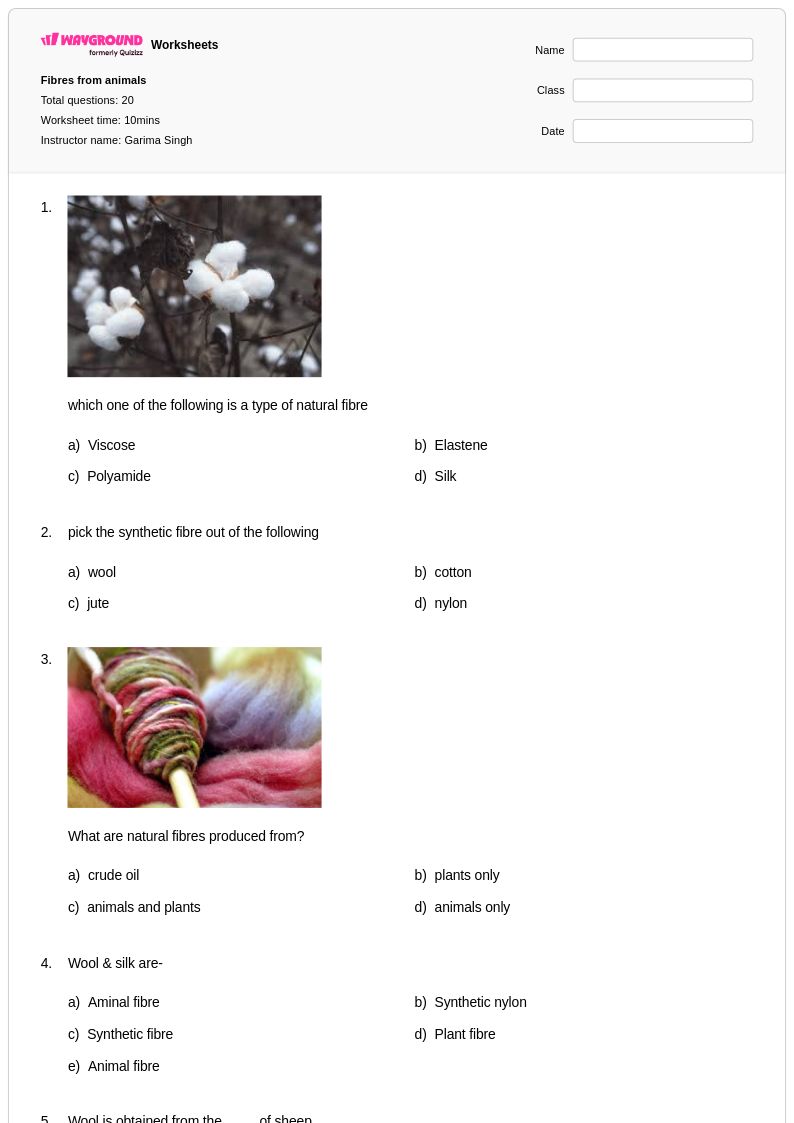
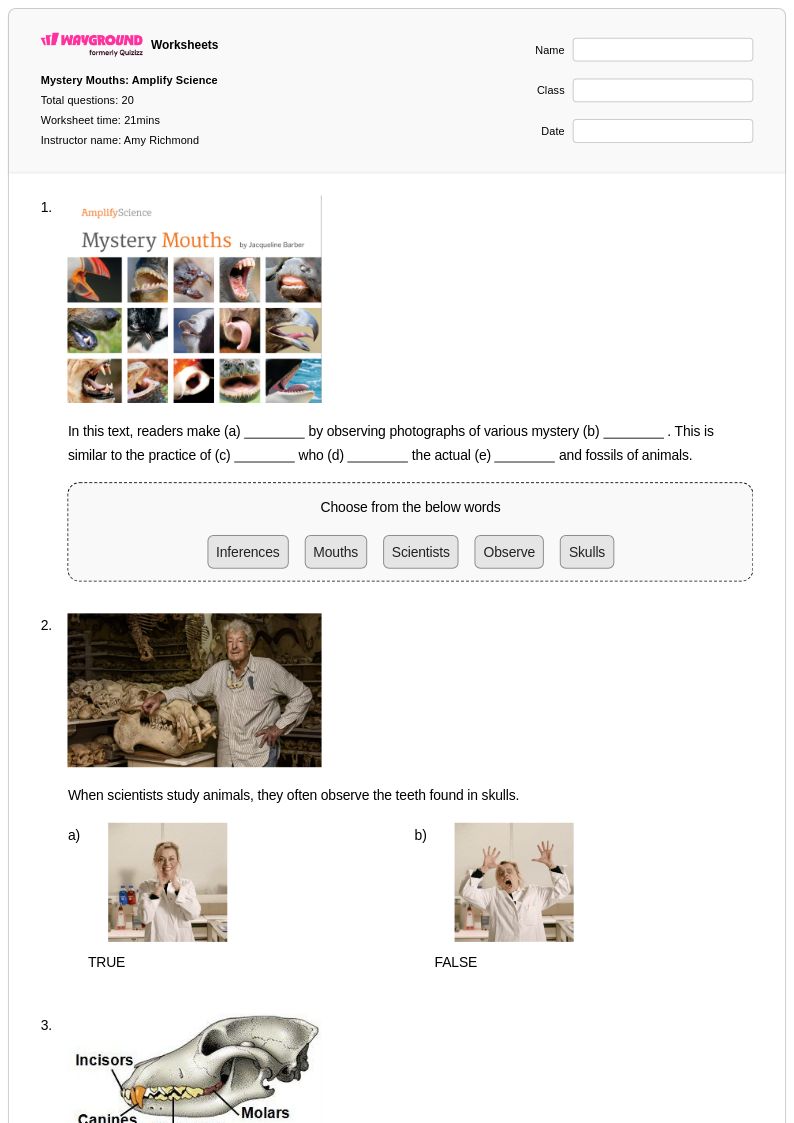
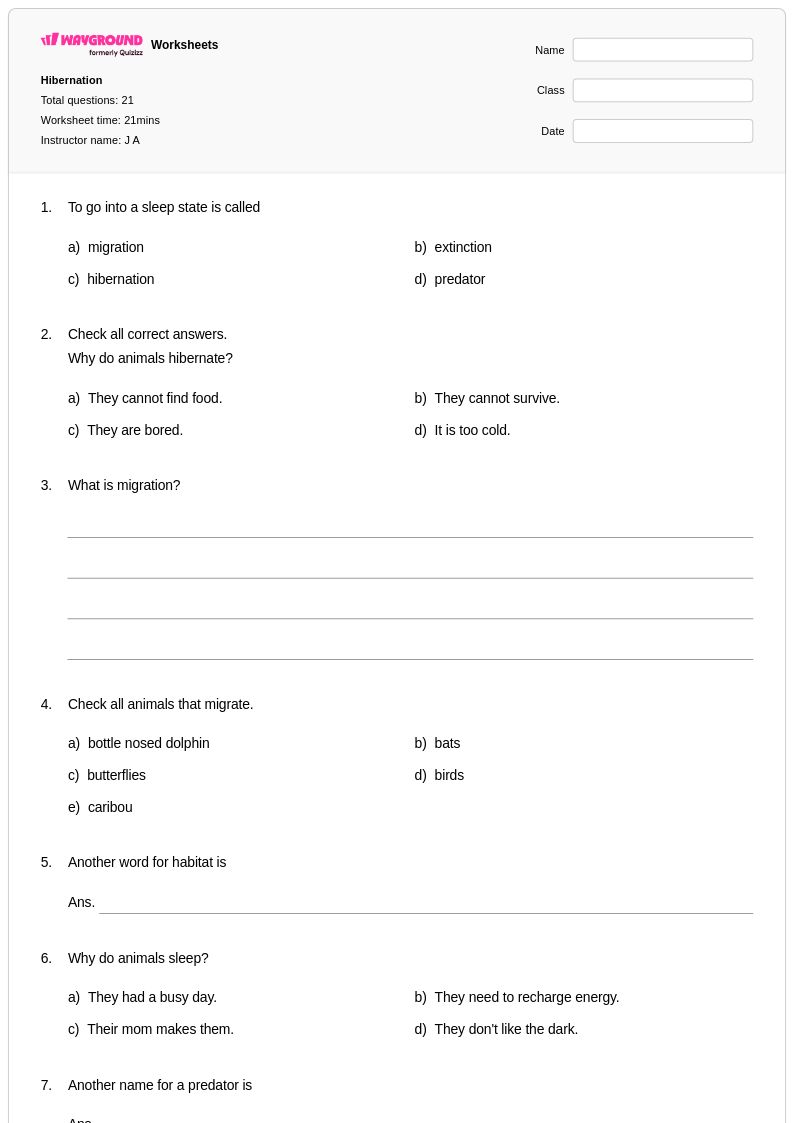
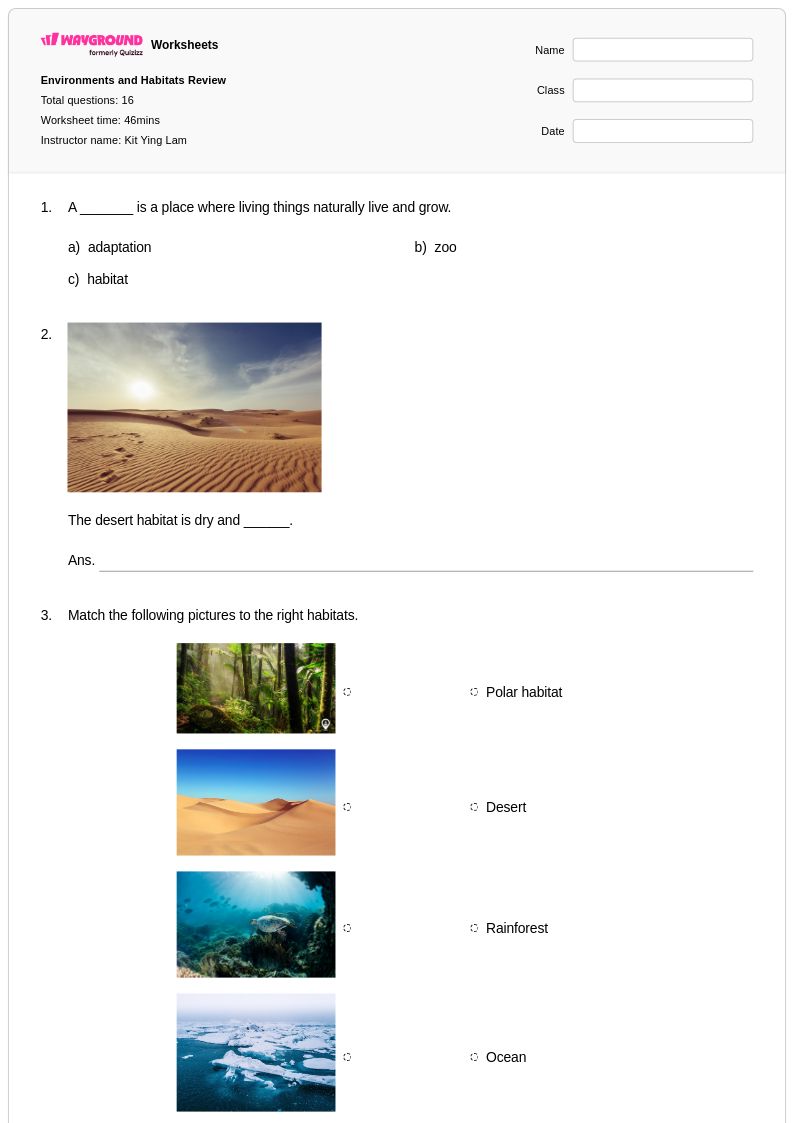
Animals worksheets for kindergarten students through Wayground (formerly Quizizz) provide foundational learning experiences that introduce young learners to the fascinating world of living creatures. These carefully designed printables help kindergarteners develop essential observation and classification skills as they explore different animal types, habitats, body parts, and basic needs. The collection includes engaging activities that strengthen vocabulary development, critical thinking, and scientific inquiry skills through hands-on practice problems that make learning about animals both educational and enjoyable. Each worksheet comes with a comprehensive answer key, and the free pdf format ensures easy access for both classroom instruction and home learning support.
Wayground (formerly Quizizz) empowers educators with an extensive collection of millions of teacher-created animal worksheets specifically tailored for kindergarten-level instruction. The platform's robust search and filtering capabilities allow teachers to quickly locate resources that align with curriculum standards and match their students' developmental needs. These versatile materials are available in both printable and digital formats, including downloadable pdf versions, making them ideal for differentiated instruction, remediation activities, and enrichment opportunities. Teachers can easily customize worksheets to accommodate diverse learning styles and use them for skill practice, assessment preparation, or as supplementary materials that support comprehensive animal science education in early childhood classrooms.
FAQs
How do I teach animal classification to elementary and middle school students?
Start by introducing the major animal groups (mammals, birds, reptiles, amphibians, fish, and invertebrates) using concrete examples students already recognize. Have students sort animals by shared characteristics such as body covering, method of reproduction, and warm- or cold-bloodedness before introducing formal taxonomic vocabulary. Connecting classification to real-world examples, like comparing a whale to a fish to challenge assumptions, helps students build genuine conceptual understanding rather than memorizing labels.
What exercises help students practice identifying animal adaptations?
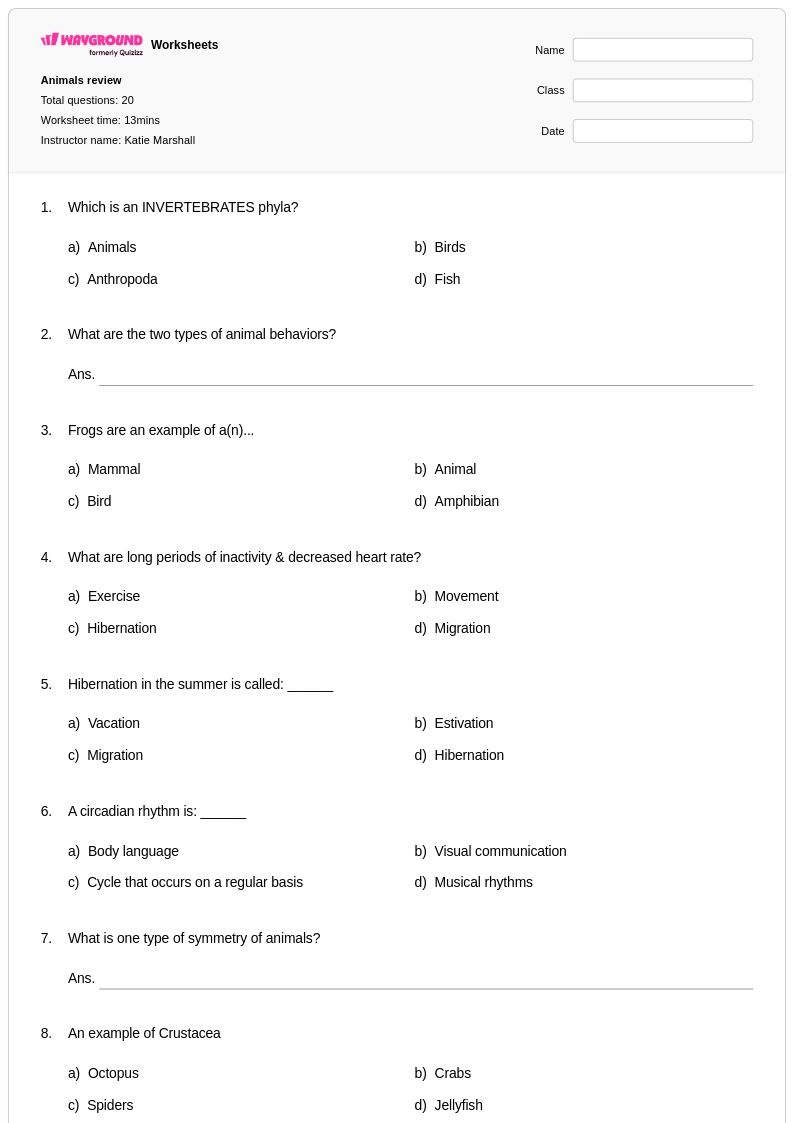
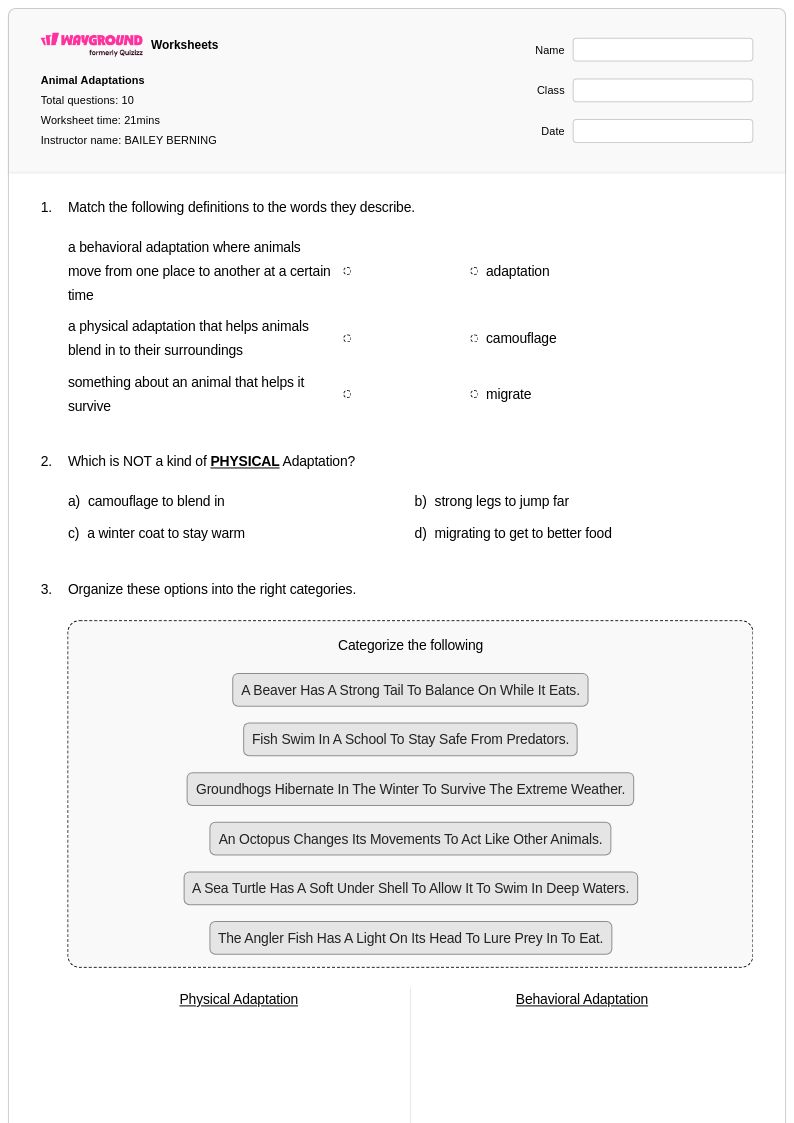
Effective practice activities ask students to match specific physical or behavioral traits to the environmental challenge they solve, such as a polar bear's thick fat layer and Arctic survival. Worksheets that present an unfamiliar animal and ask students to infer its habitat from its features push higher-order thinking rather than simple recall. Comparing two animals from different biomes side by side also reinforces why adaptation is environment-specific, not a general trait.
What misconceptions do students commonly have about animal habitats and ecosystems?
A common misconception is that animals choose their habitat based on preference rather than evolutionary adaptation, leading students to overlook why a species cannot simply relocate when its environment changes. Students also frequently confuse habitat with biome, treating them as interchangeable when habitat refers to a specific organism's living space within a broader biome. Predator-prey relationships are another area where students often assume predators always control prey populations, missing the bidirectional nature of these dynamics.
What common mistakes do students make when learning about animal life cycles?
Students frequently overgeneralize, assuming all animals undergo metamorphosis because they are familiar with butterflies and frogs, when most mammals and birds follow a continuous growth pattern without distinct larval stages. Another frequent error is treating life cycle stages as universal in duration, not recognizing that environmental conditions and species biology both affect how long each stage lasts. Reinforcing that life cycles are species-specific, not a single shared pattern, helps correct this early.
How can I use Wayground's animal worksheets in my classroom?
Wayground's animal worksheets are available as printable PDFs, making them straightforward to distribute in a traditional classroom setting, and in digital formats that support technology-integrated or remote instruction. Teachers can also host worksheets directly as a quiz on Wayground, enabling real-time student responses and built-in answer key grading. Each worksheet includes a comprehensive answer key, so the same material can be used for guided practice, independent work, or formative assessment without additional preparation.
How can I differentiate animal science worksheets for students at different skill levels?
For foundational learners, focus on single-attribute sorting tasks and labeled diagrams before introducing multi-step classification. Advanced students benefit from open-ended questions that ask them to compare species across taxonomic groups or analyze how a habitat change would affect an animal's survival. On Wayground, teachers can apply accommodations such as reduced answer choices or read-aloud support to individual students, allowing the same worksheet to serve the full range of learners in one class without requiring separate materials.