
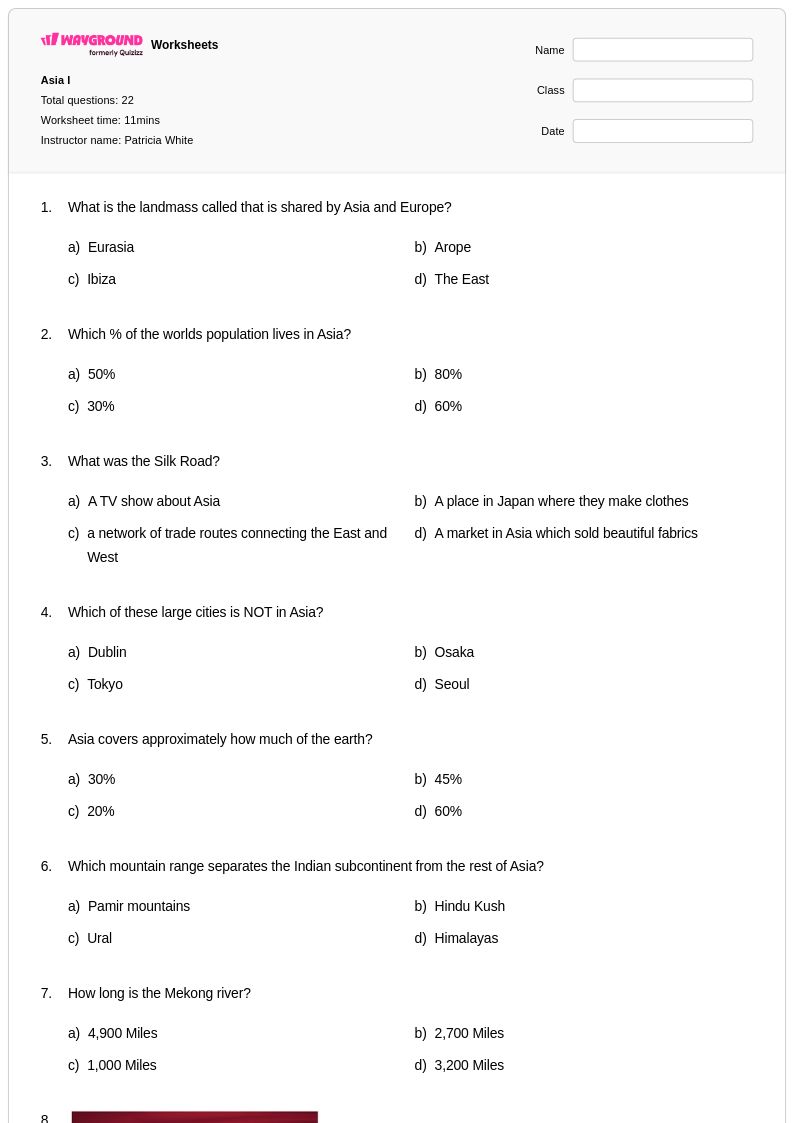
22 Hỏi
1st - 4th
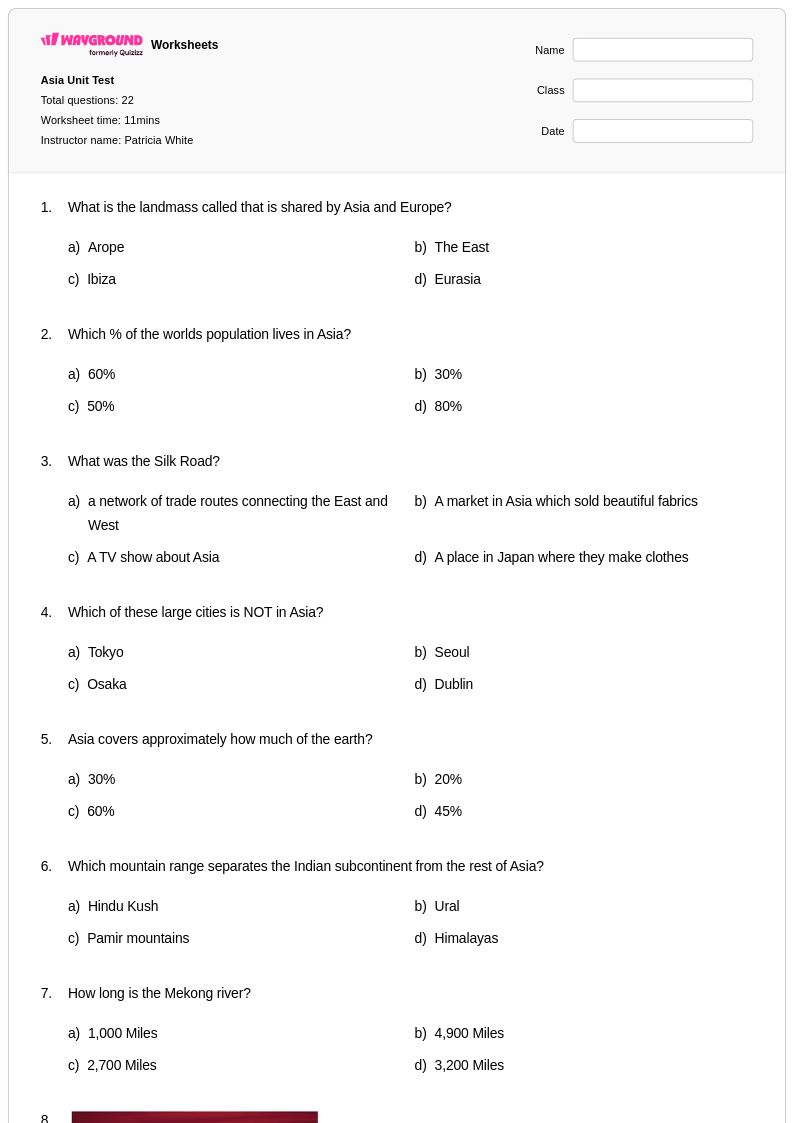
22 Hỏi
1st - 4th
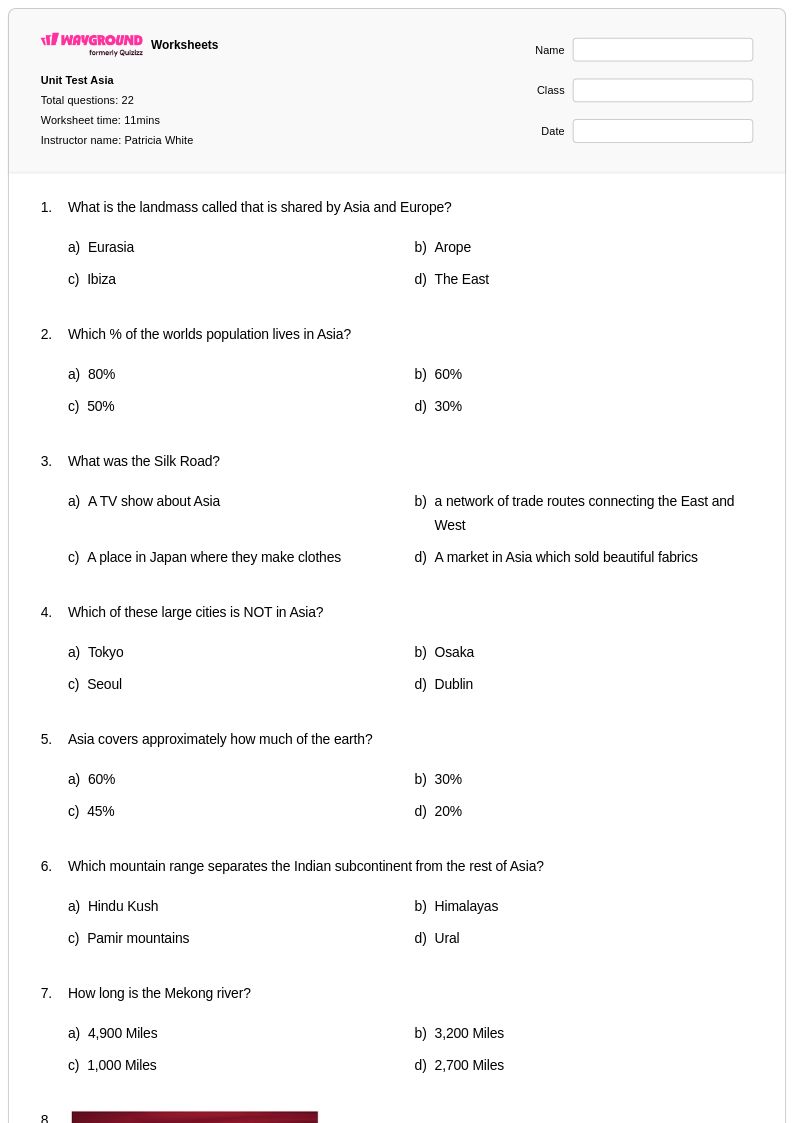
22 Hỏi
1st - 4th
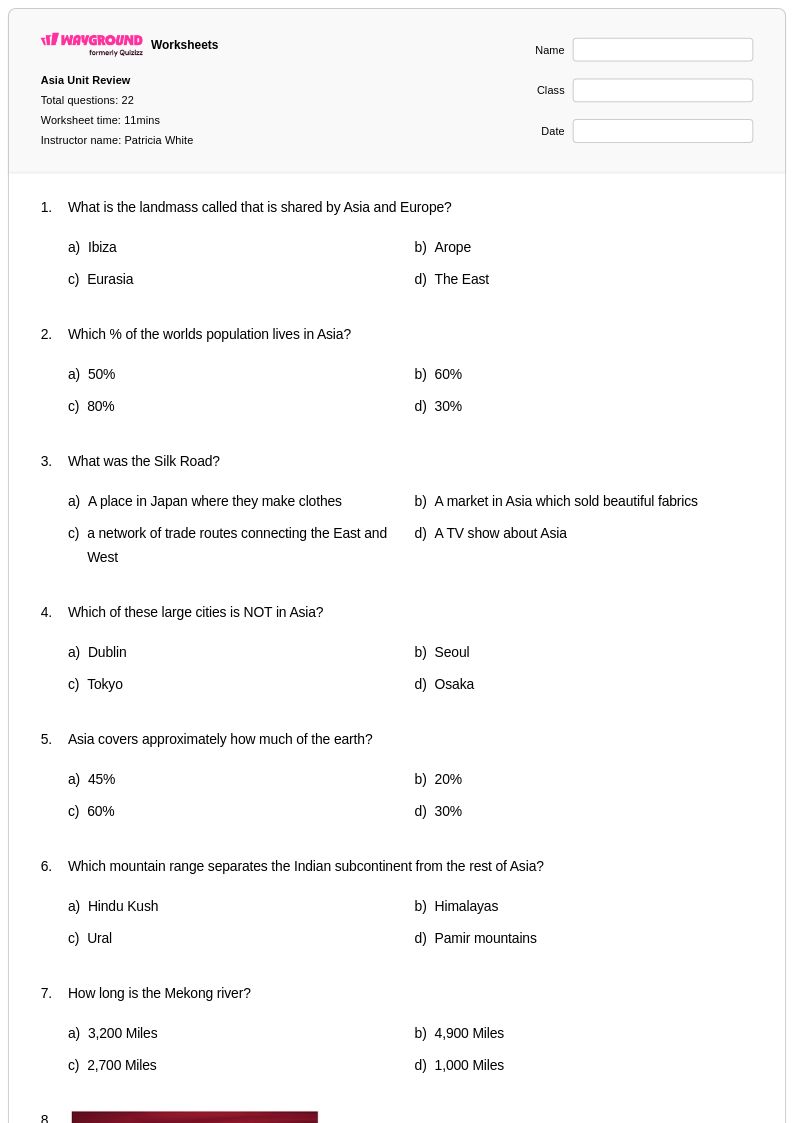
22 Hỏi
1st - 4th
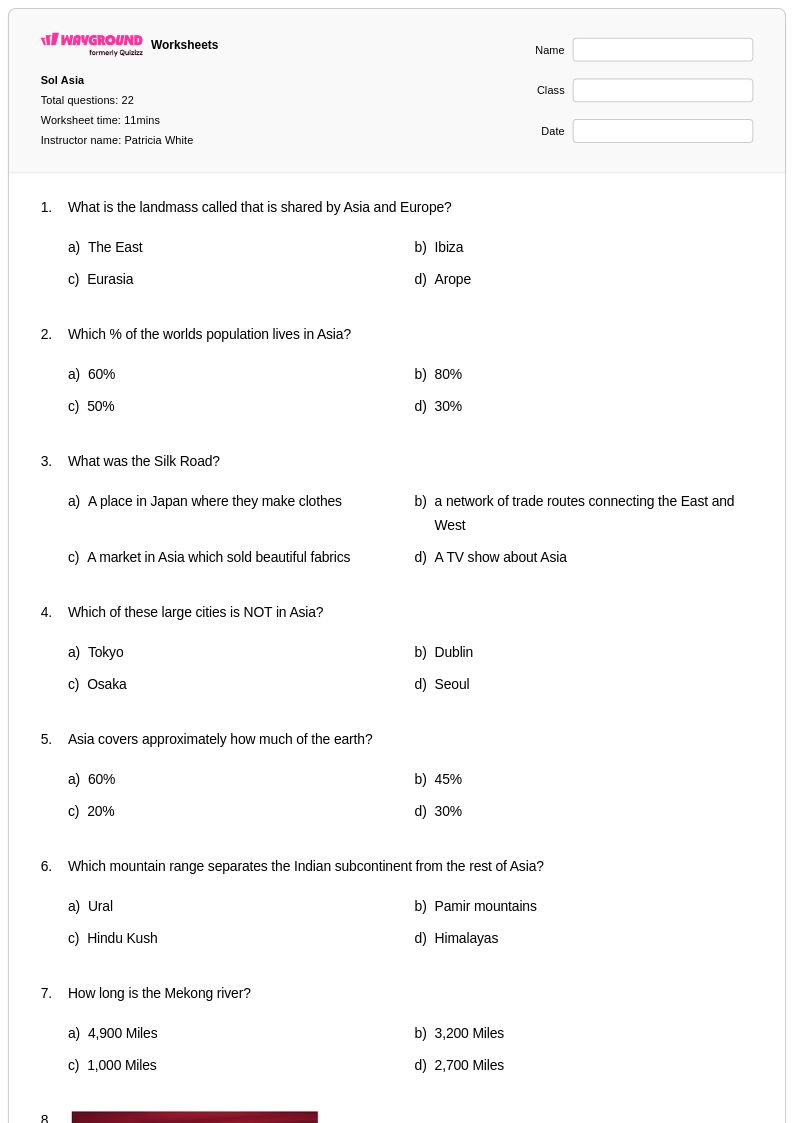
22 Hỏi
1st - 4th
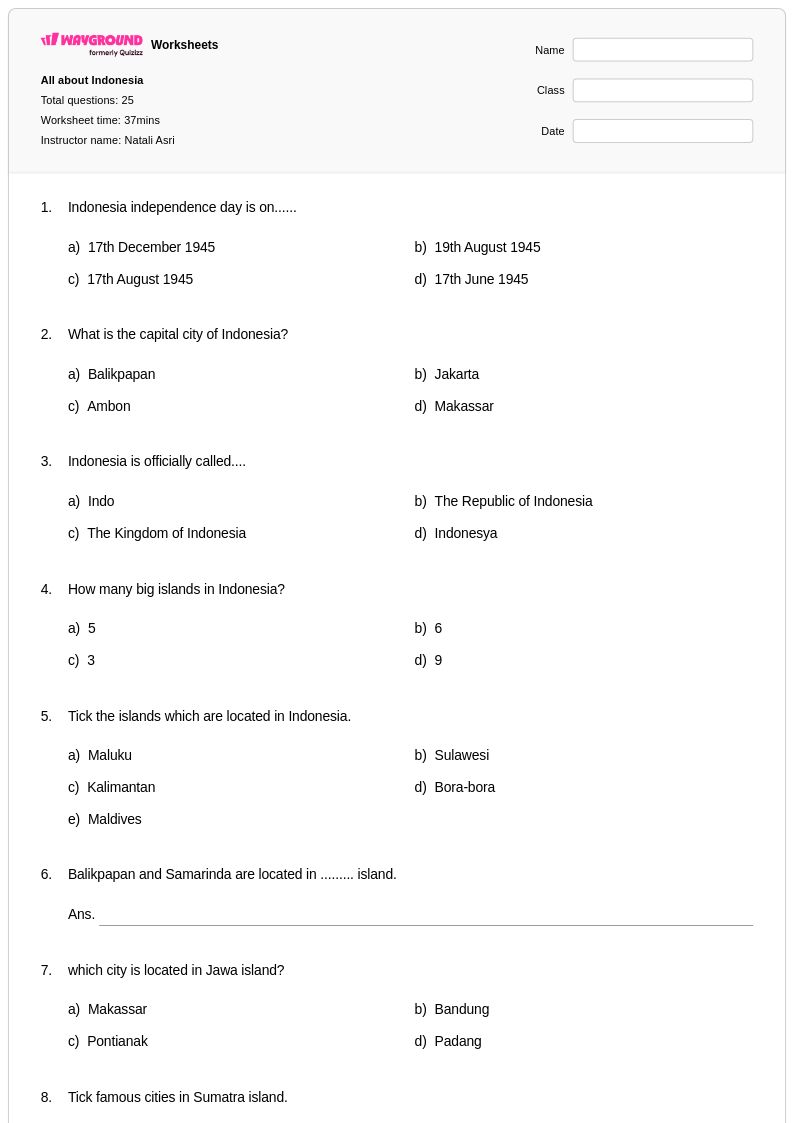
25 Hỏi
1st - 3rd
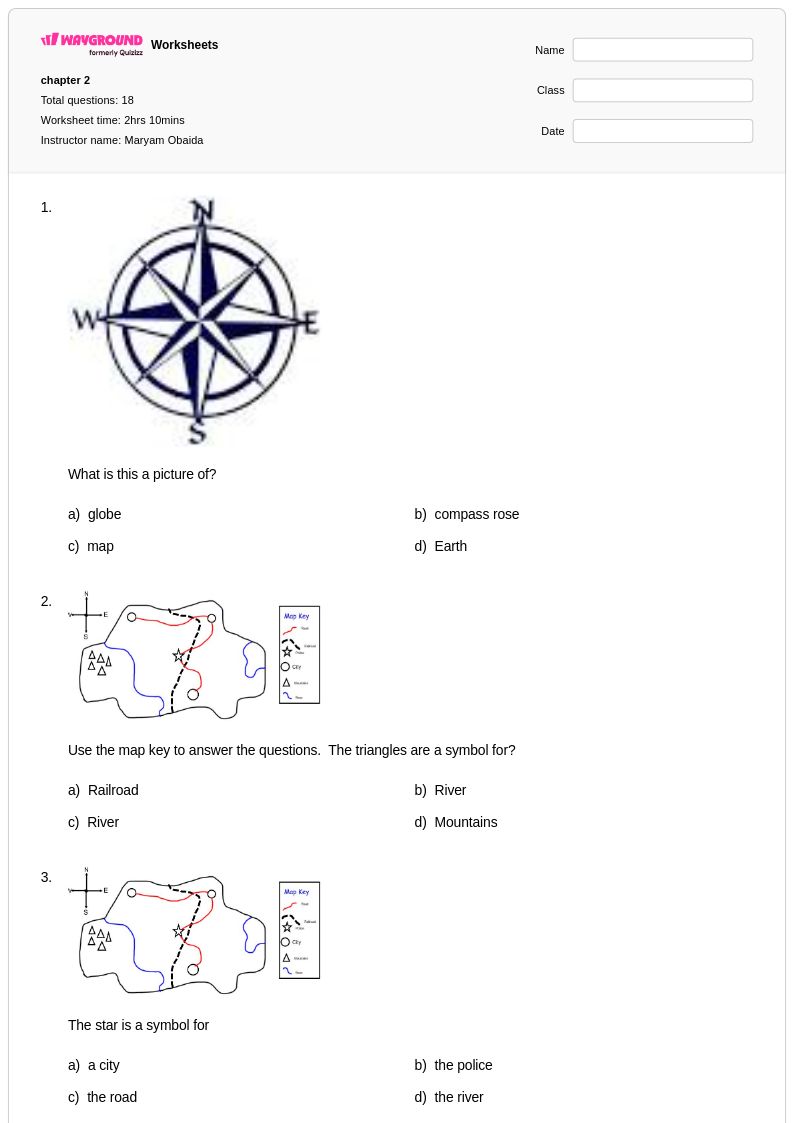
18 Hỏi
1st
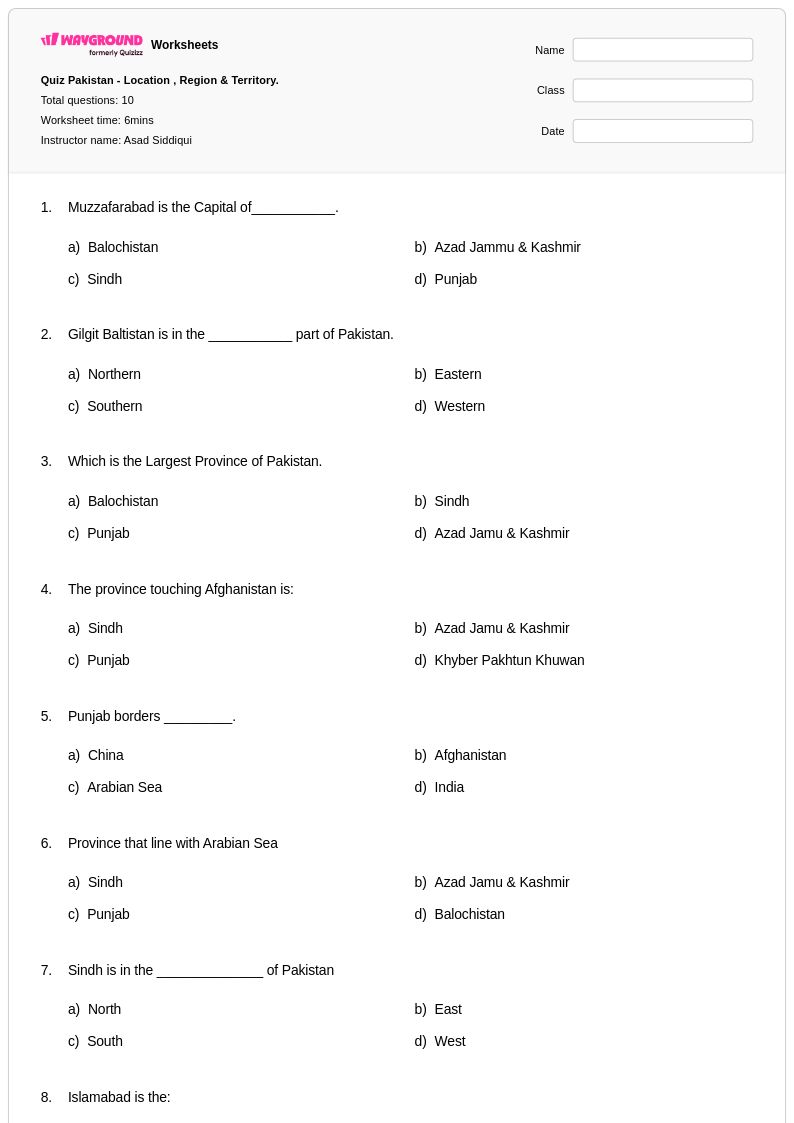
10 Hỏi
KG - 3rd
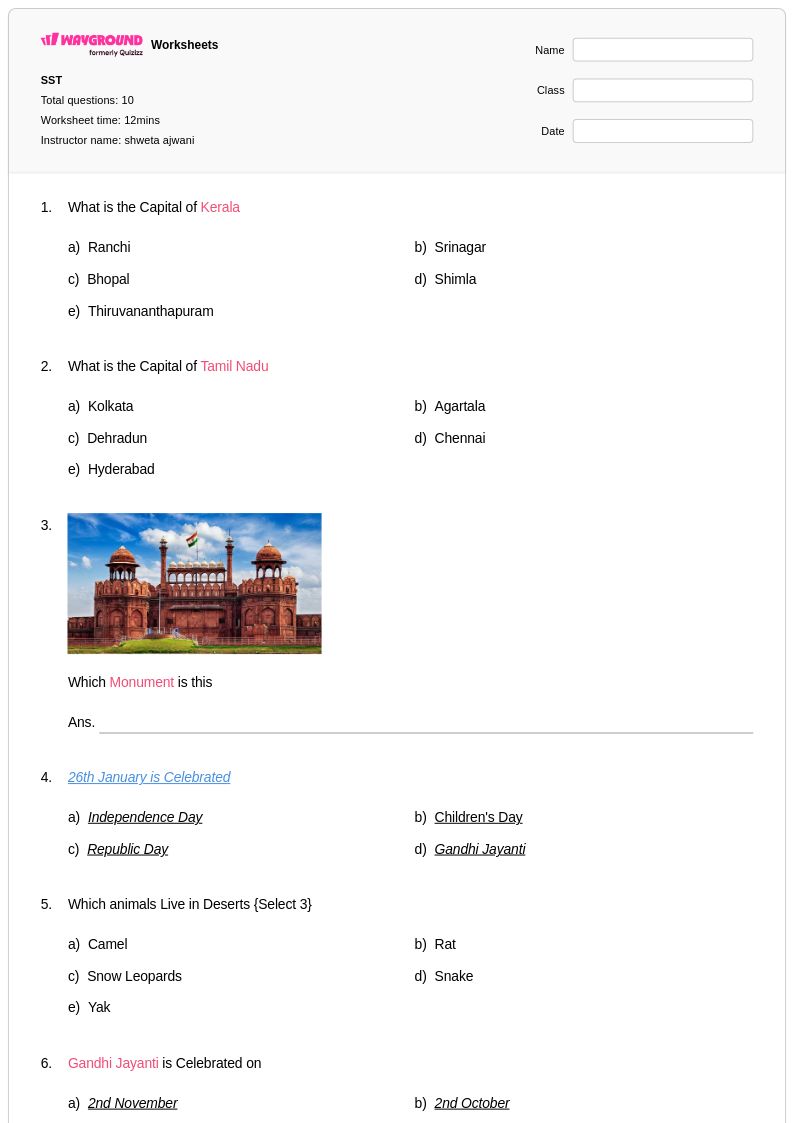
10 Hỏi
1st
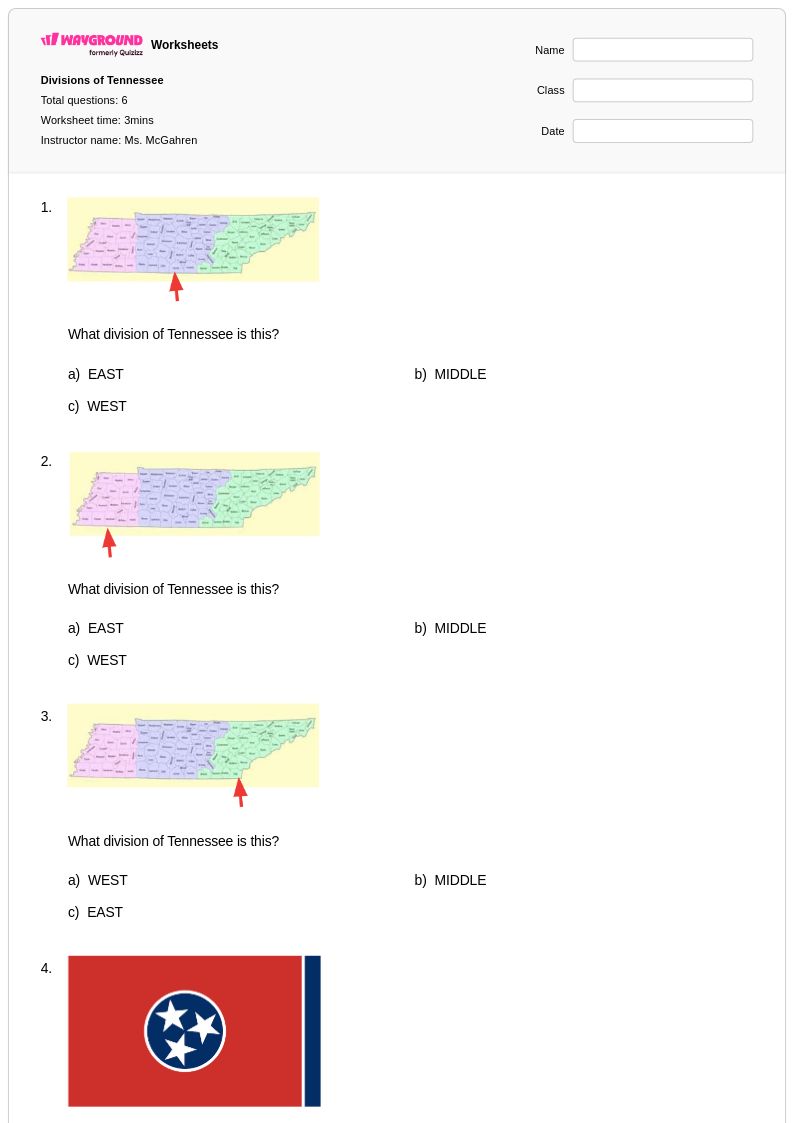
6 Hỏi
KG - 1st
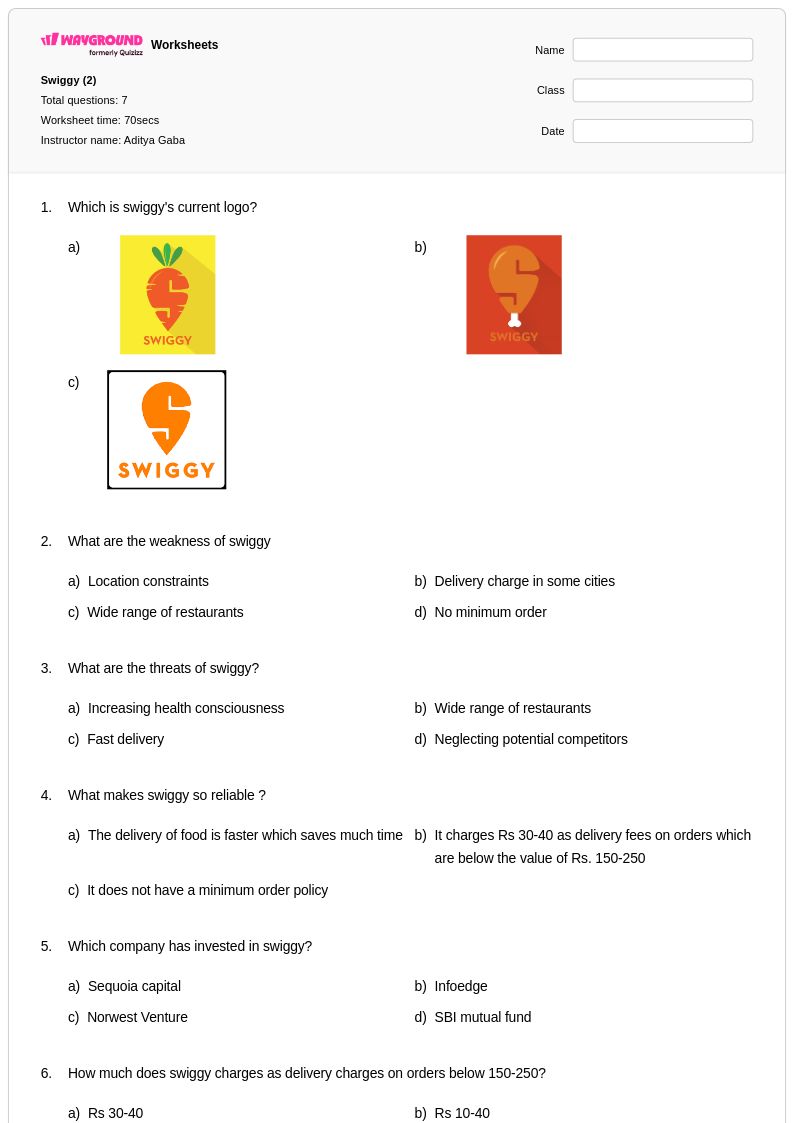
7 Hỏi
KG - PD
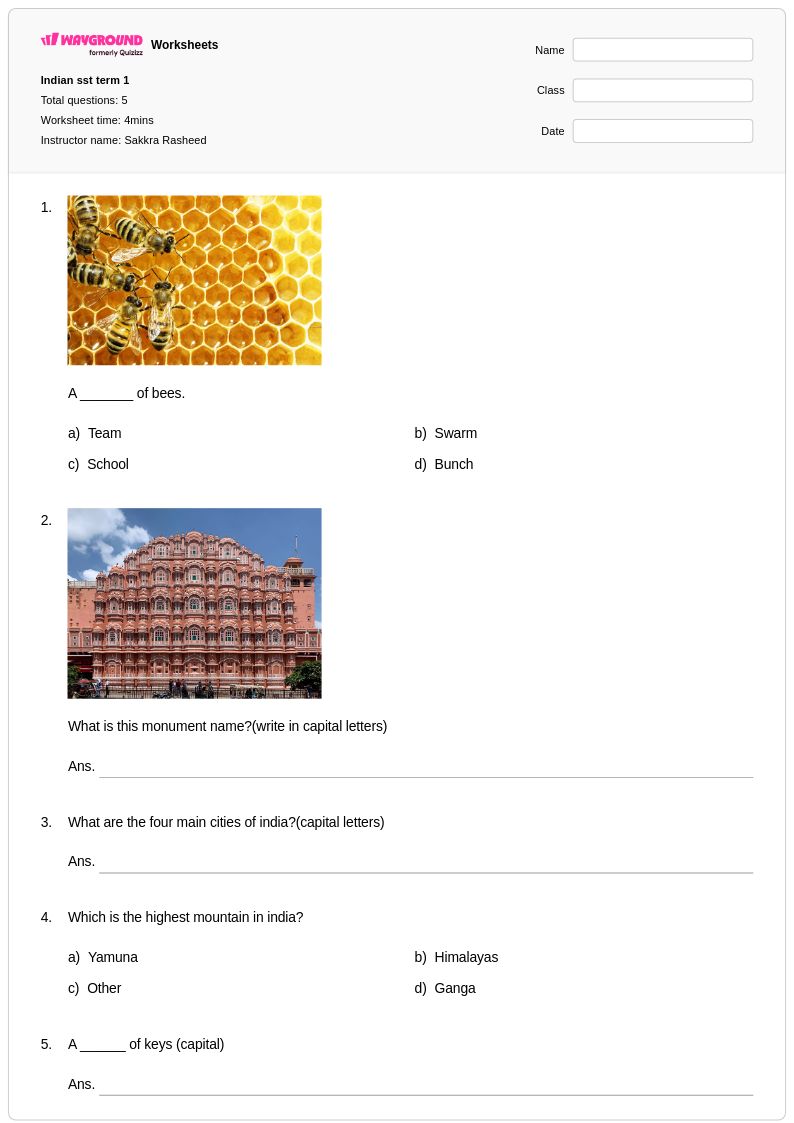
5 Hỏi
1st
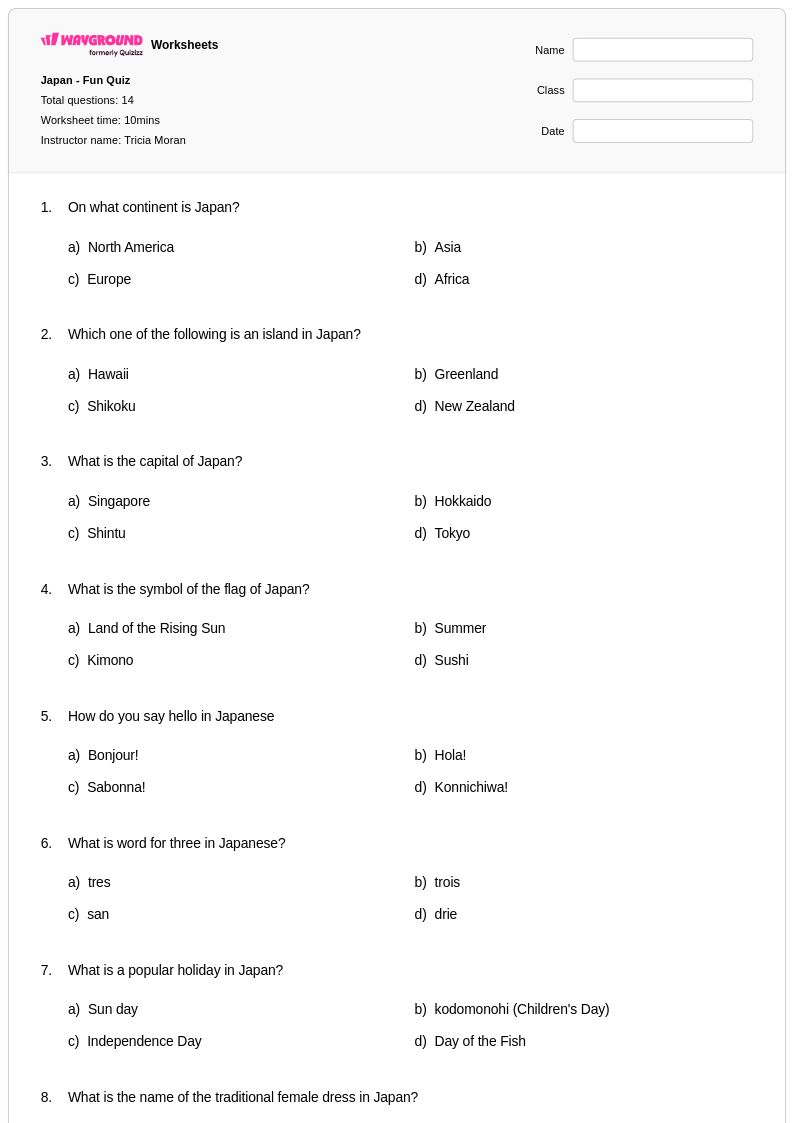
14 Hỏi
1st
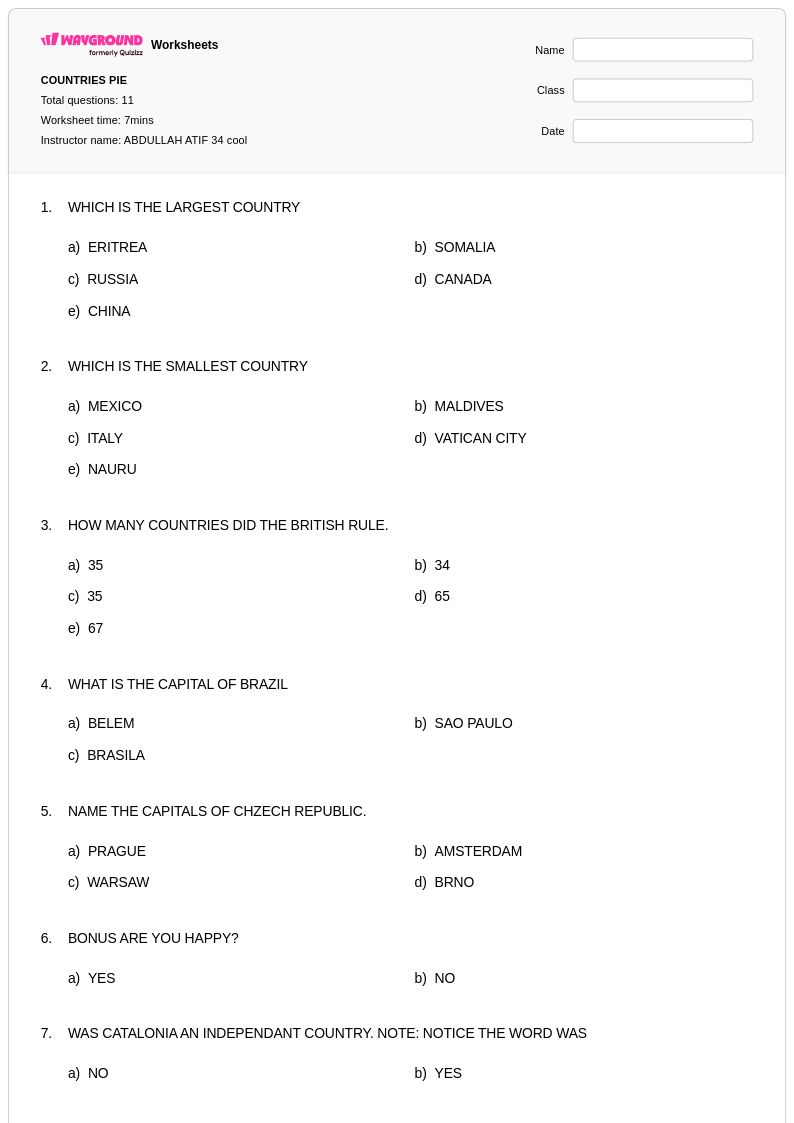
11 Hỏi
1st - 7th
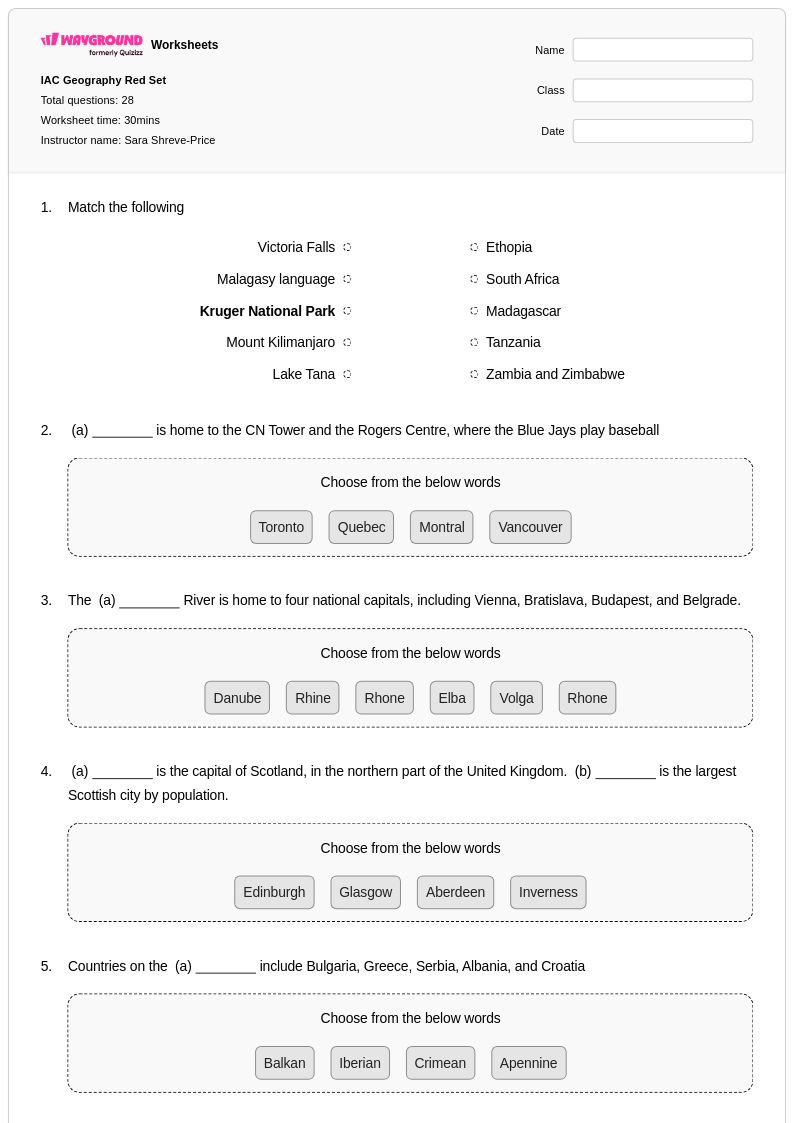
28 Hỏi
1st - 5th
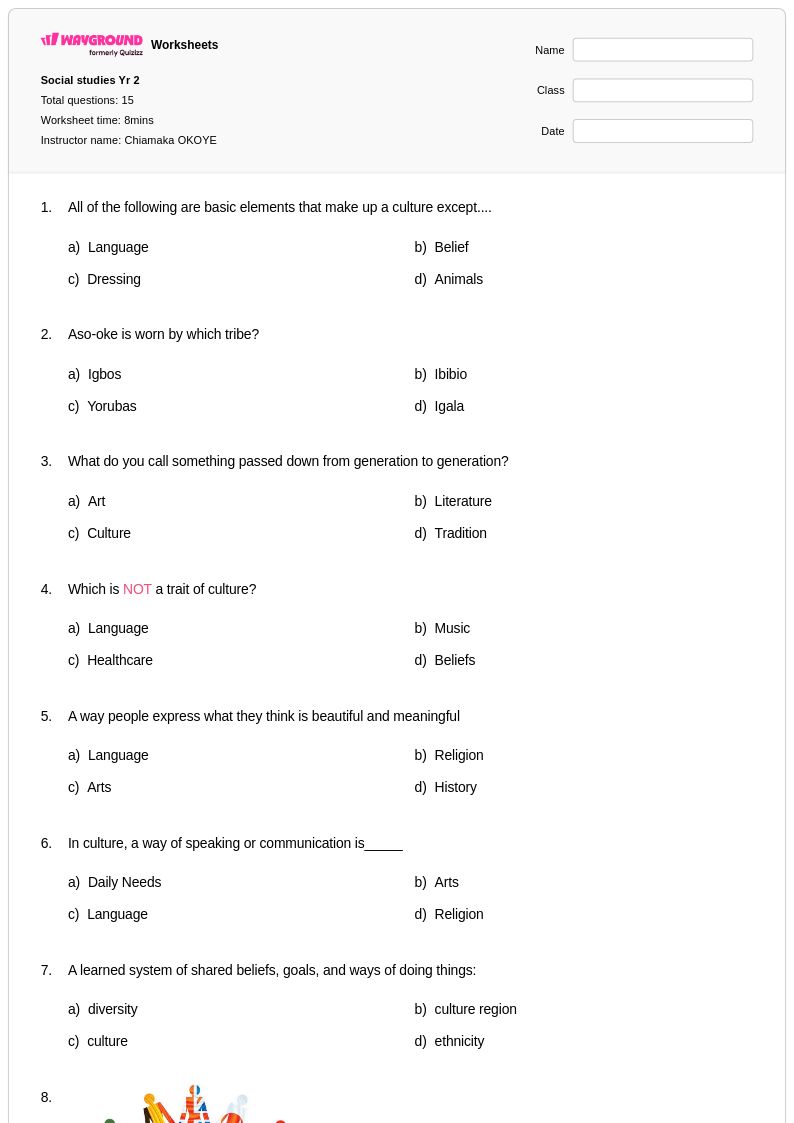
15 Hỏi
1st - 2nd
10 Hỏi
1st - 6th
20 Hỏi
1st - 10th
40 Hỏi
1st - 5th
29 Hỏi
1st
30 Hỏi
1st
12 Hỏi
1st - 5th
10 Hỏi
1st - 10th
15 Hỏi
1st - 5th
Khám phá các bảng tính chủ đề khác cho class 1
Explore printable Capital Cities worksheets for Class 1
Capital cities worksheets for Class 1 students available through Wayground (formerly Quizizz) introduce young learners to the fundamental concept of governmental centers and important places within countries and states. These educational resources help first-grade students develop essential geography skills by teaching them to identify and locate major capital cities, understand the relationship between countries and their capitals, and build foundational knowledge about different places around the world. The worksheets feature age-appropriate activities such as matching exercises, simple maps, and visual recognition tasks that make learning about capitals engaging and accessible for beginning readers. Teachers can access comprehensive answer keys and utilize these free printables as effective practice problems that reinforce classroom instruction while building students' spatial awareness and cultural knowledge.
Wayground (formerly Quizizz) empowers educators with an extensive collection of teacher-created capital cities resources specifically designed for Class 1 learners, drawing from millions of high-quality educational materials that support diverse teaching needs. The platform's robust search and filtering capabilities allow teachers to quickly locate worksheets that align with curriculum standards and match their students' developmental levels, while built-in differentiation tools enable customization for various learning abilities and styles. These versatile resources are available in both printable and digital formats, including downloadable PDF versions that facilitate seamless integration into lesson planning, homework assignments, and assessment preparation. Teachers can effectively use these materials for targeted skill practice, remediation support for struggling learners, and enrichment opportunities for advanced students, ensuring that all first-graders develop a solid foundation in geography concepts related to capital cities and governmental structures.
FAQs
How do I teach capital cities to students effectively?
What exercises help students practice identifying capital cities?
What mistakes do students commonly make when learning capital cities?
How can I use capital cities worksheets to support different skill levels in my classroom?
How do I use Wayground's capital cities worksheets in my class?
How do I assess whether students have mastered capital cities?