
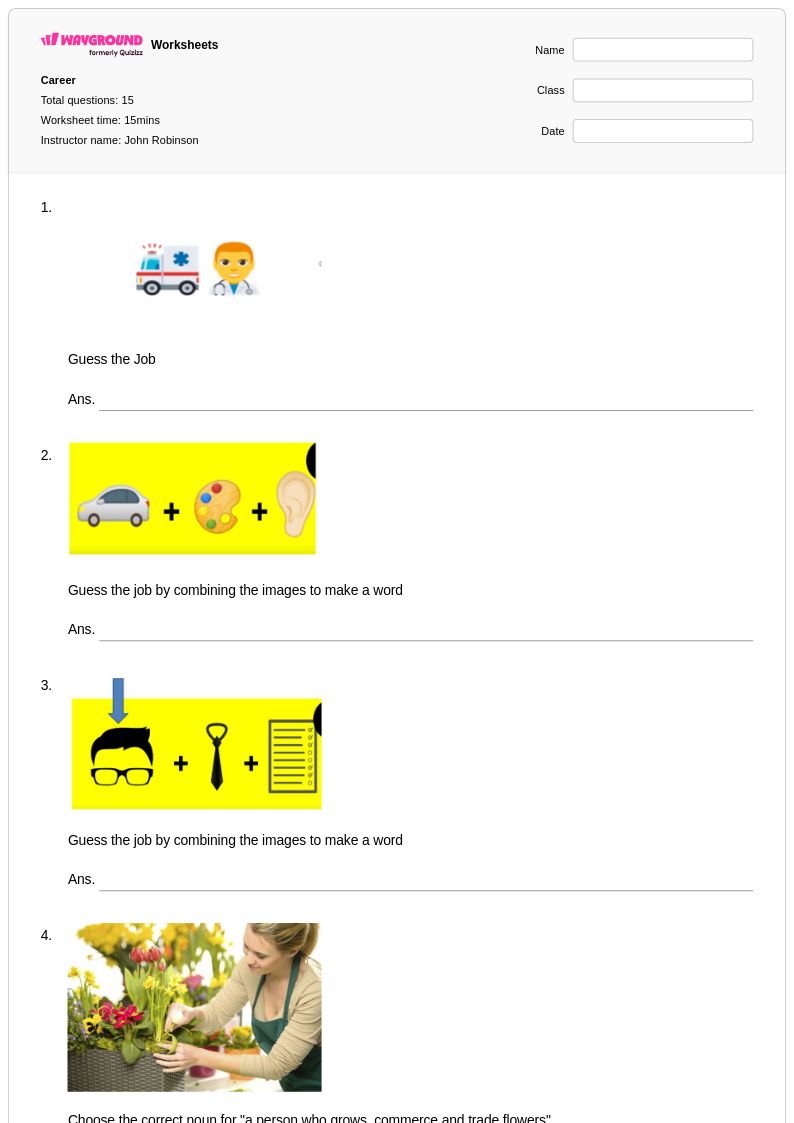
15 Q
10th - Uni
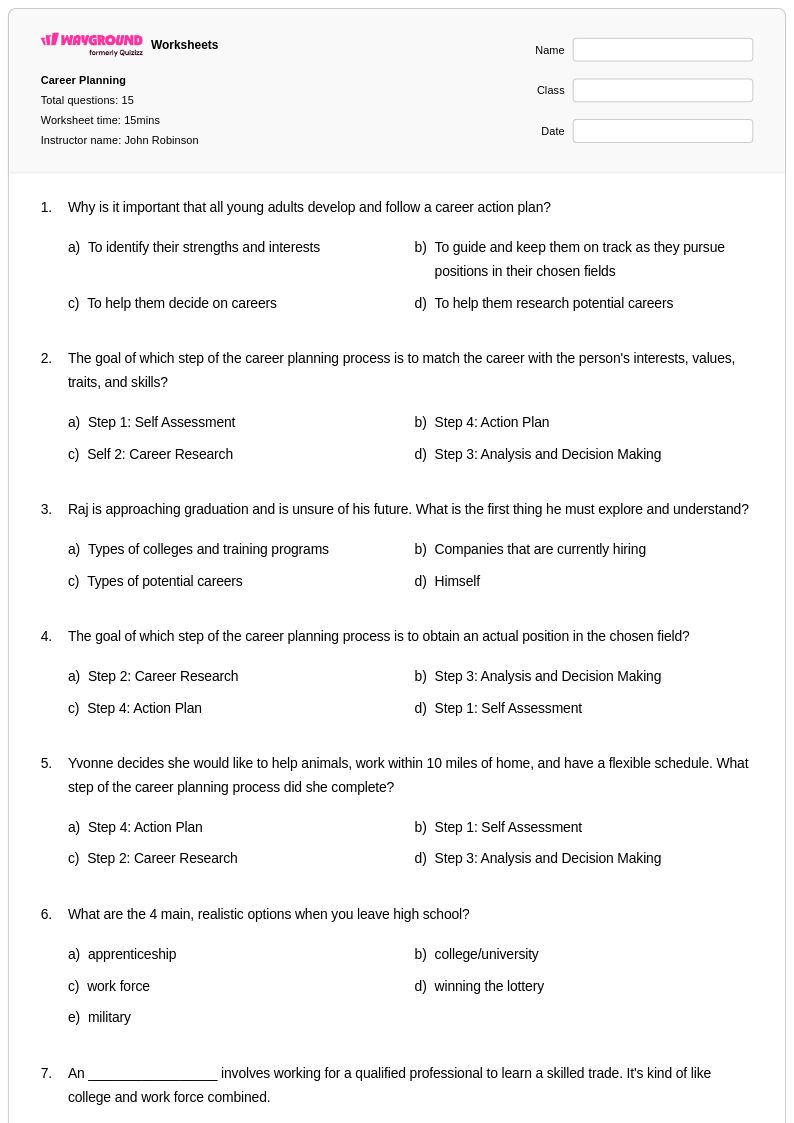
15 Q
8th - Uni
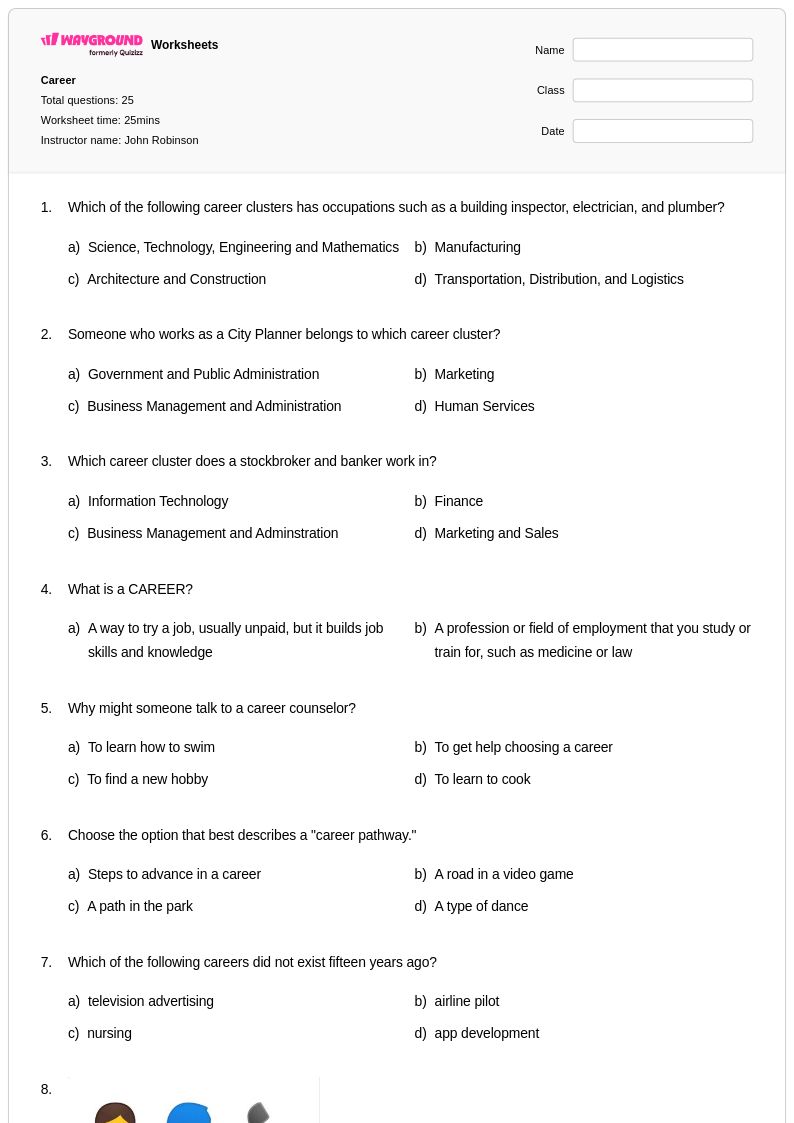
25 Q
10th - Uni
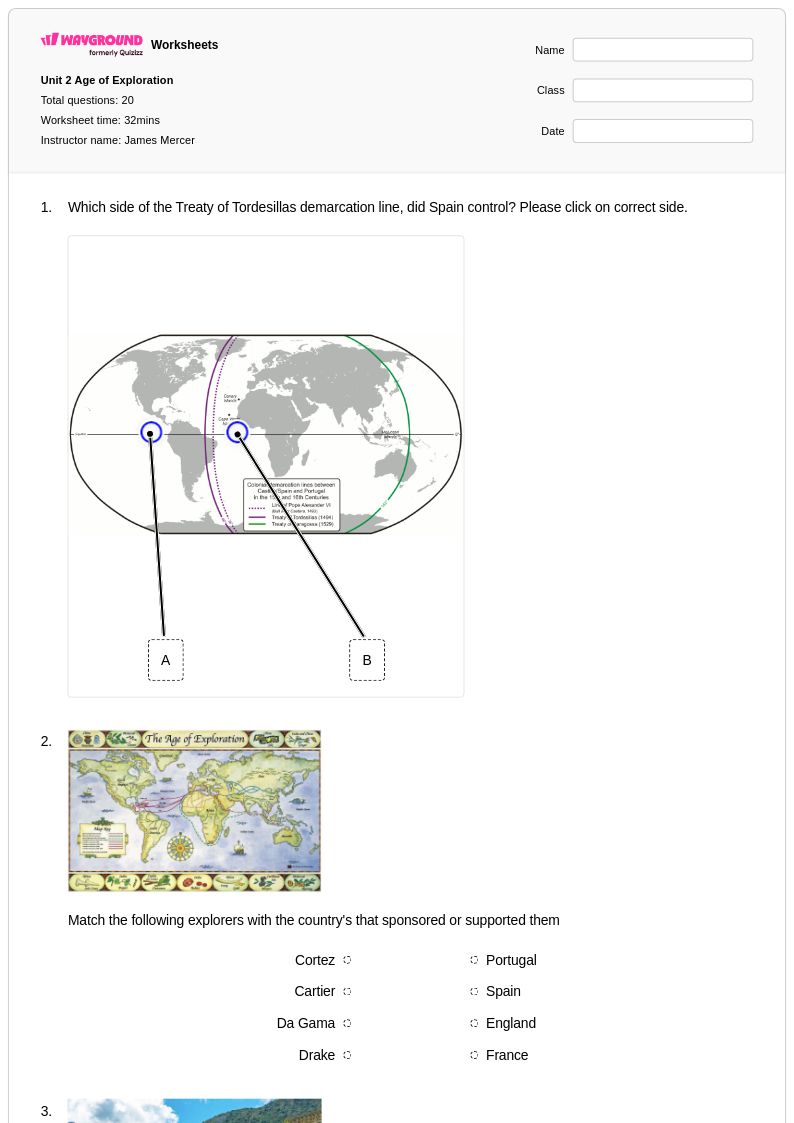
20 Q
9th - 12th
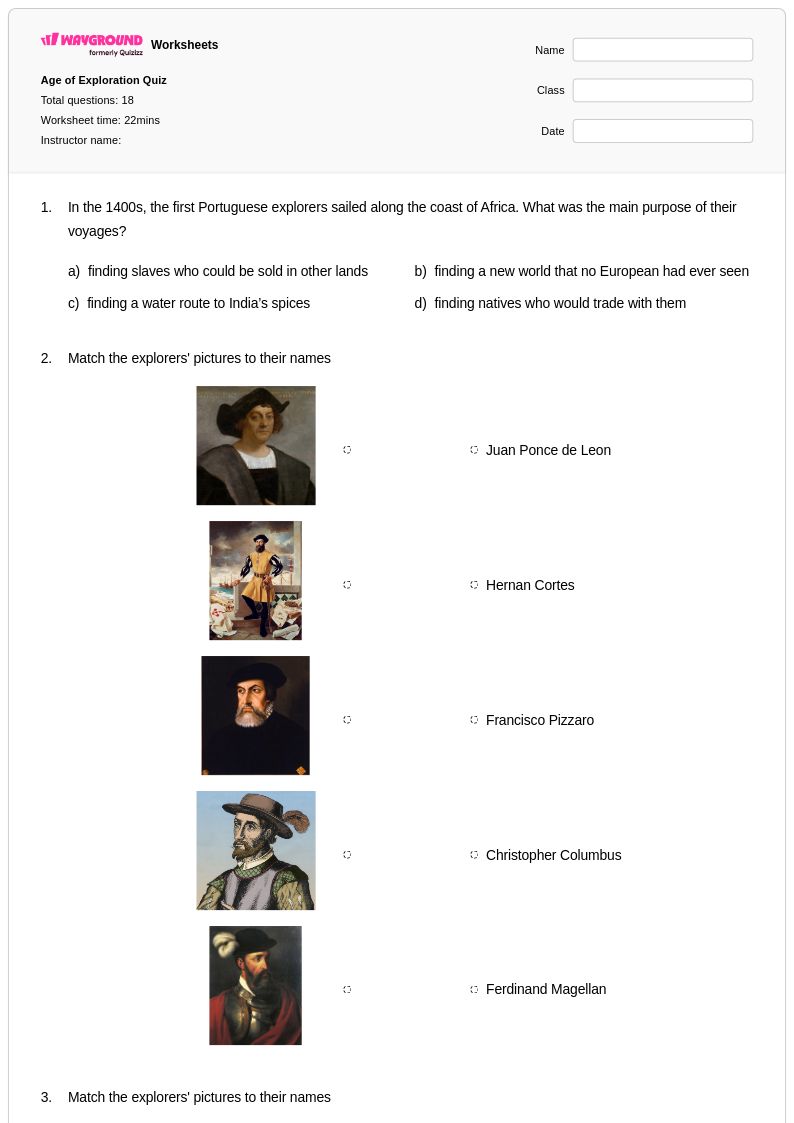
18 Q
9th - 12th
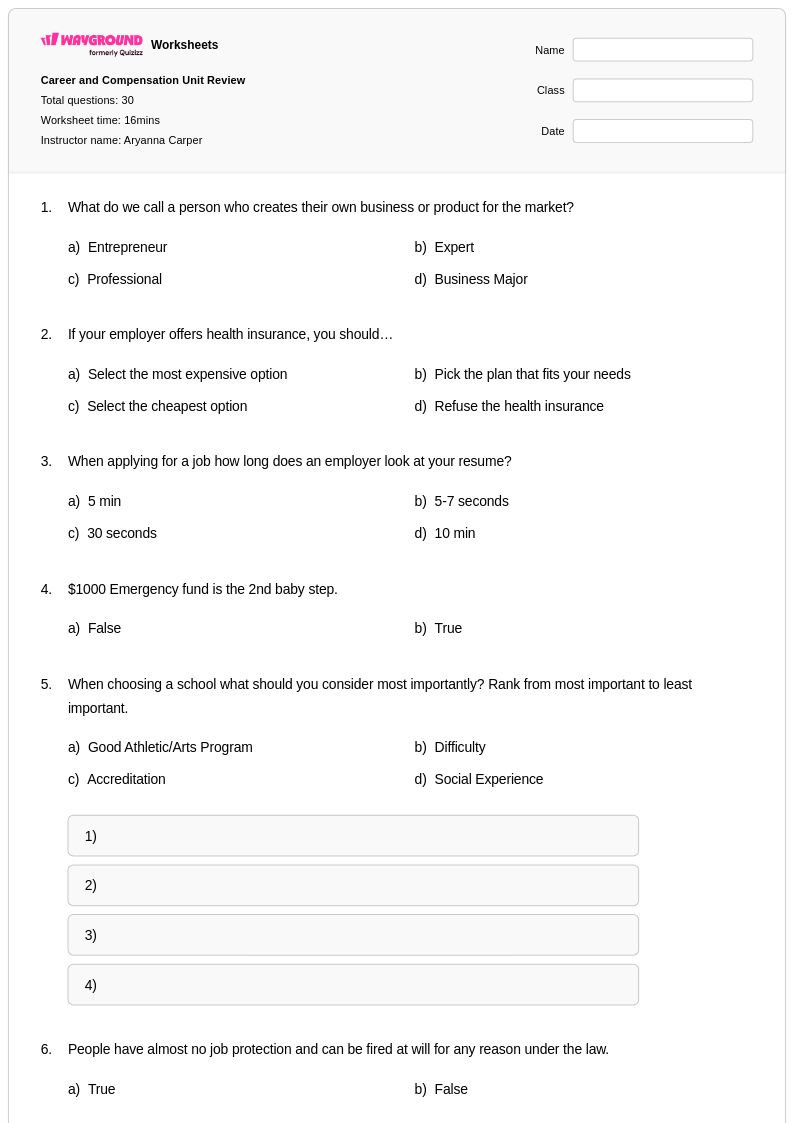
30 Q
11th
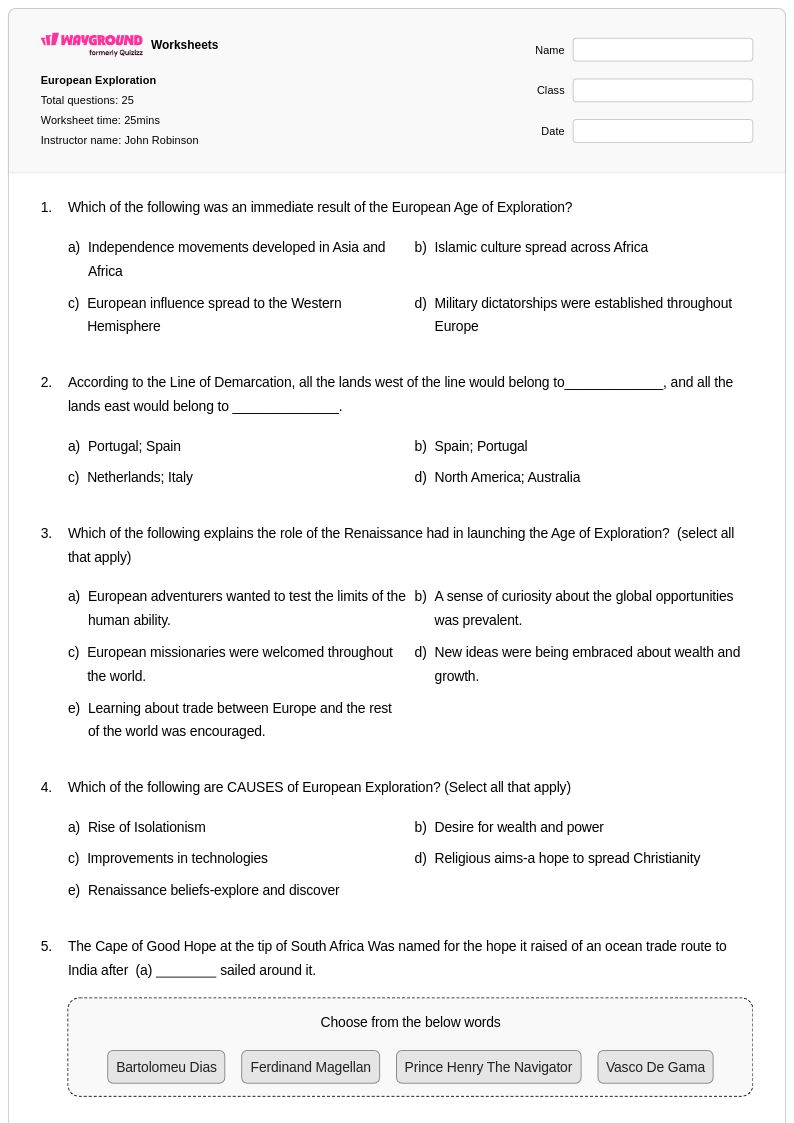
25 Q
8th - Uni
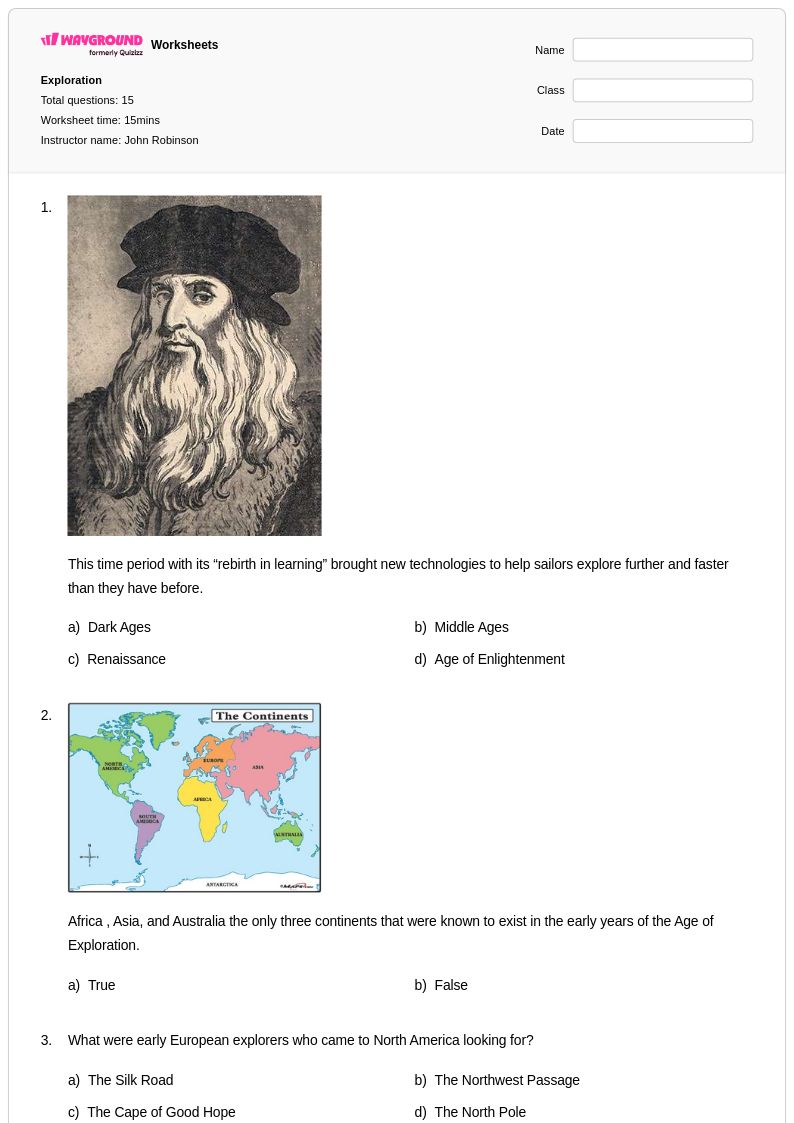
15 Q
8th - Uni
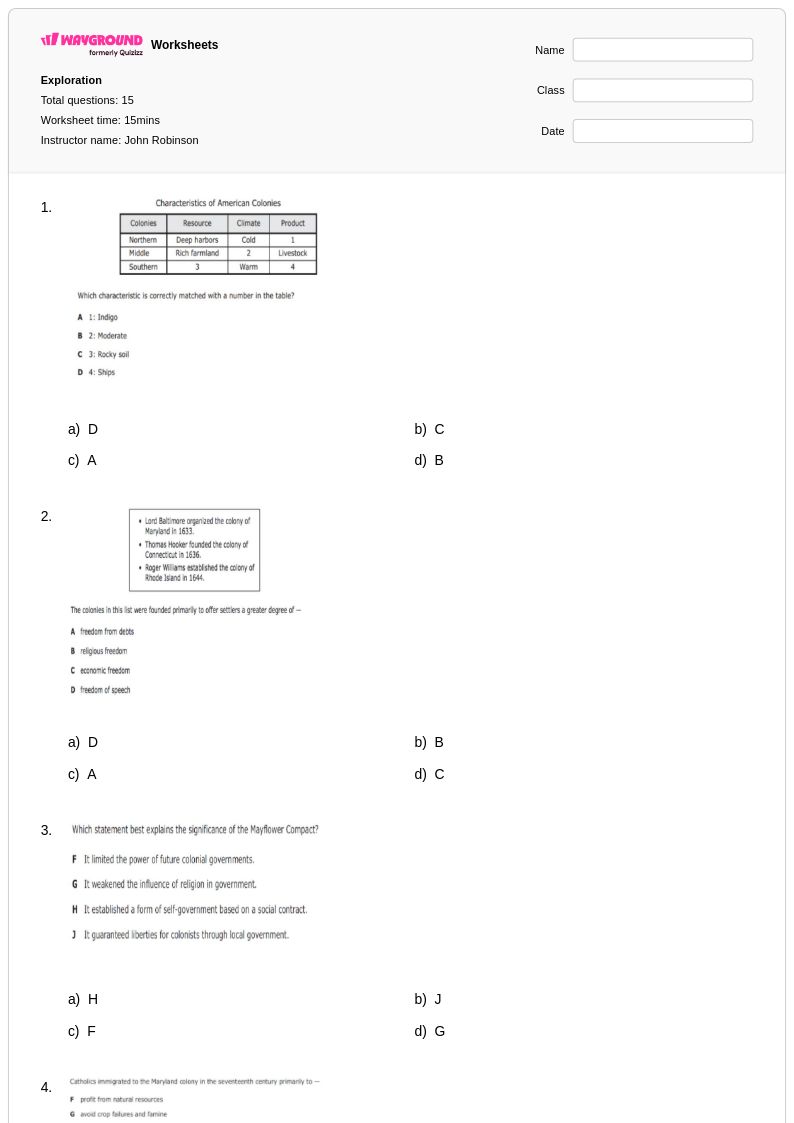
15 Q
8th - Uni
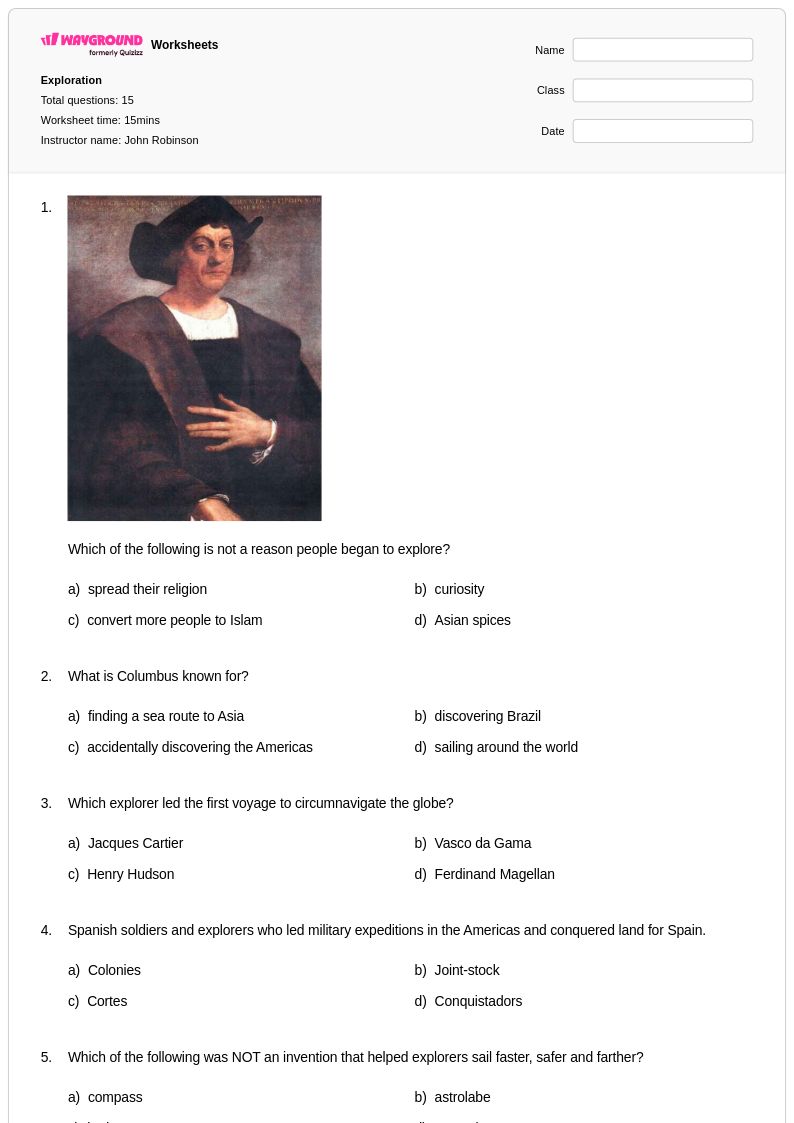
15 Q
8th - Uni
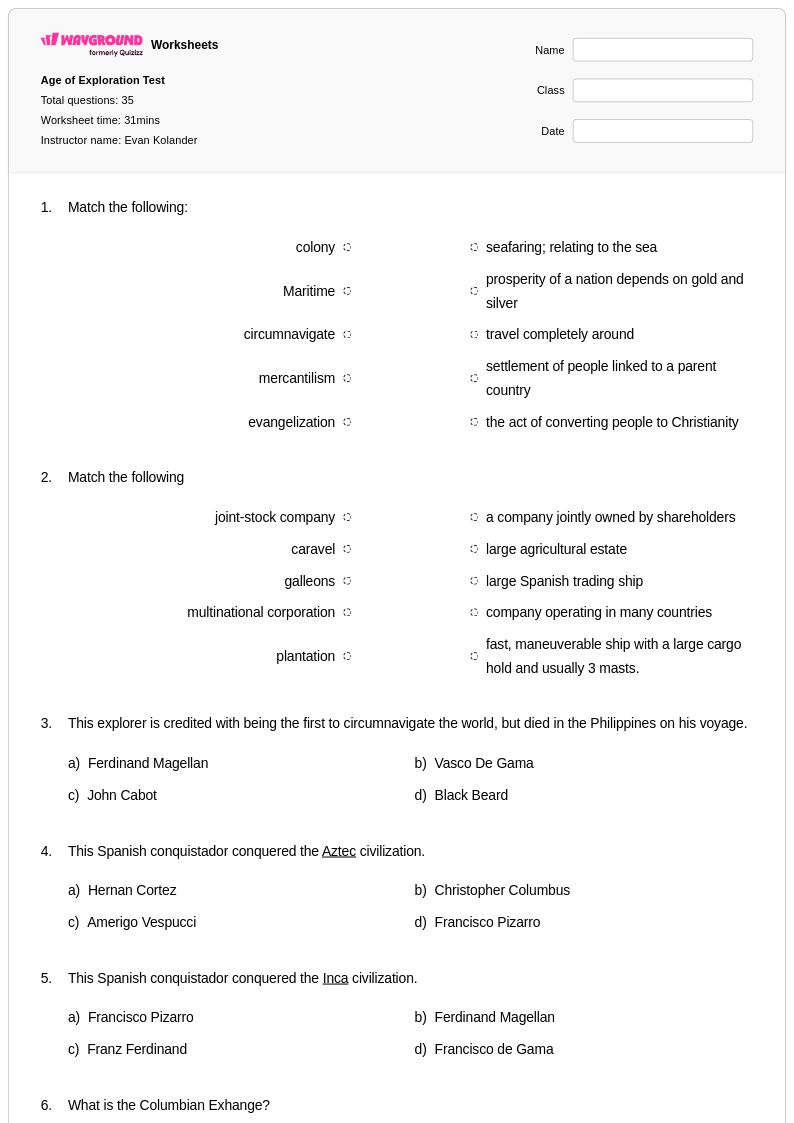
35 Q
9th - 12th
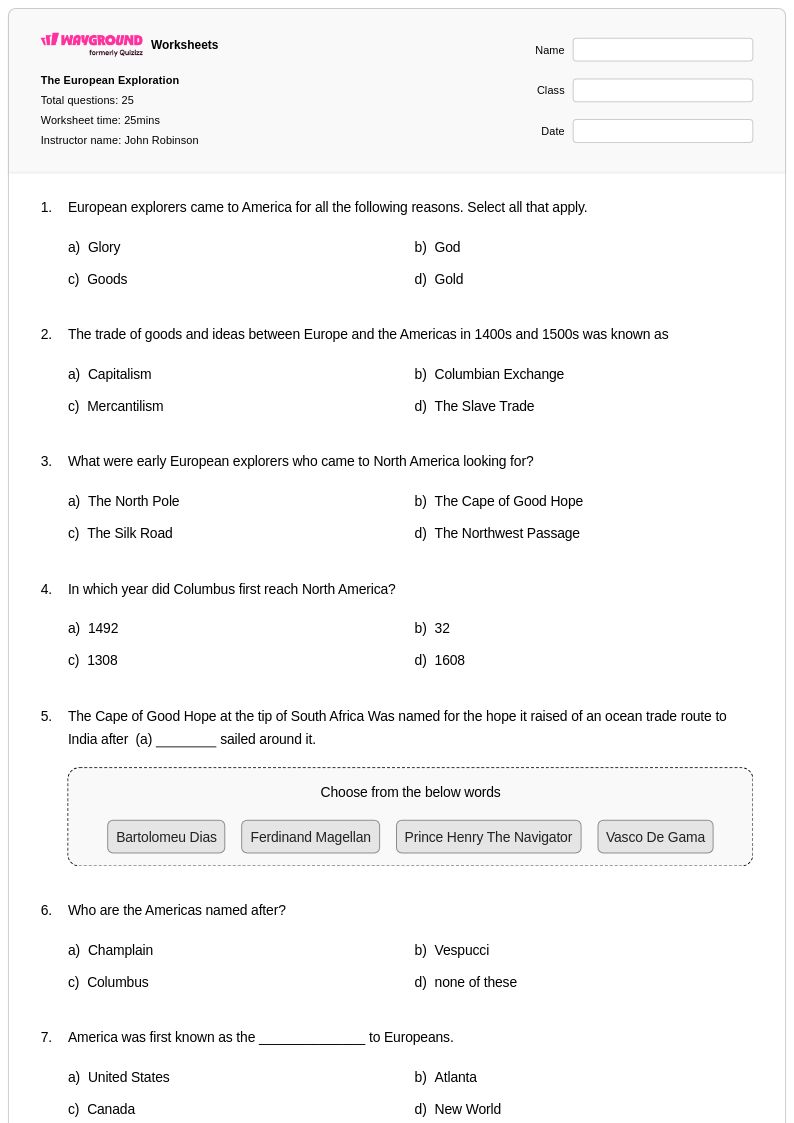
25 Q
8th - Uni
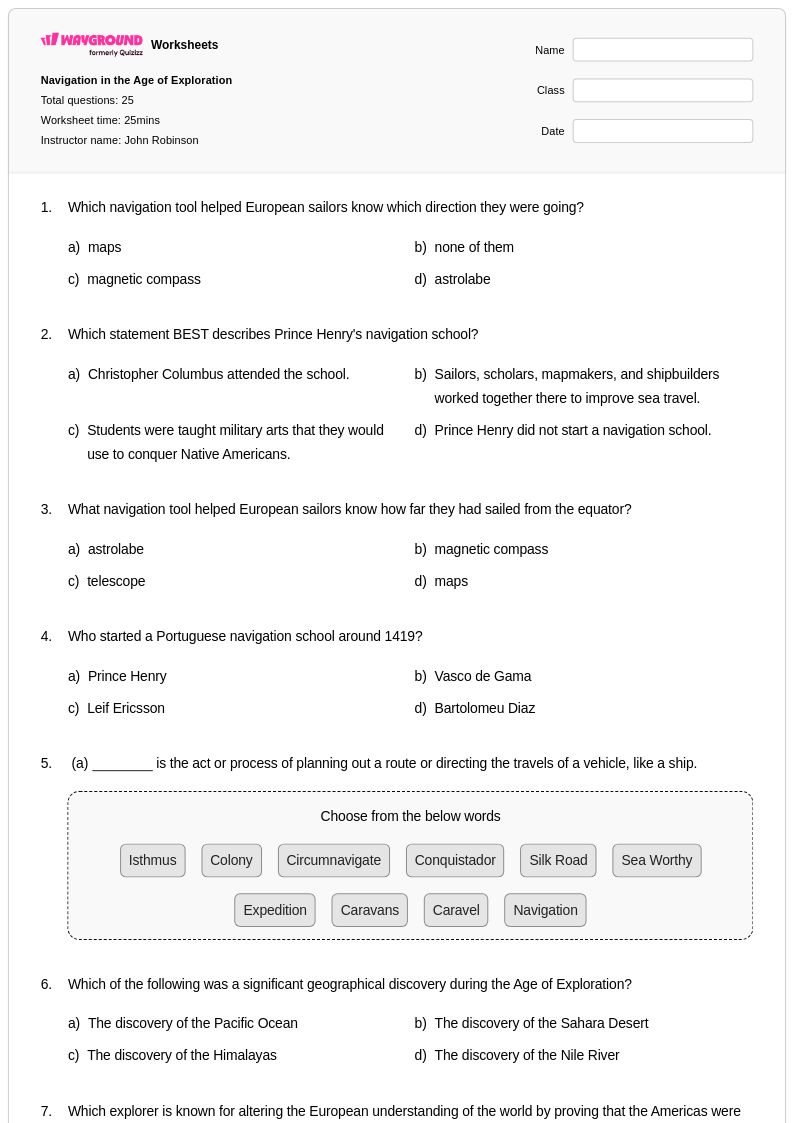
25 Q
5th - Uni
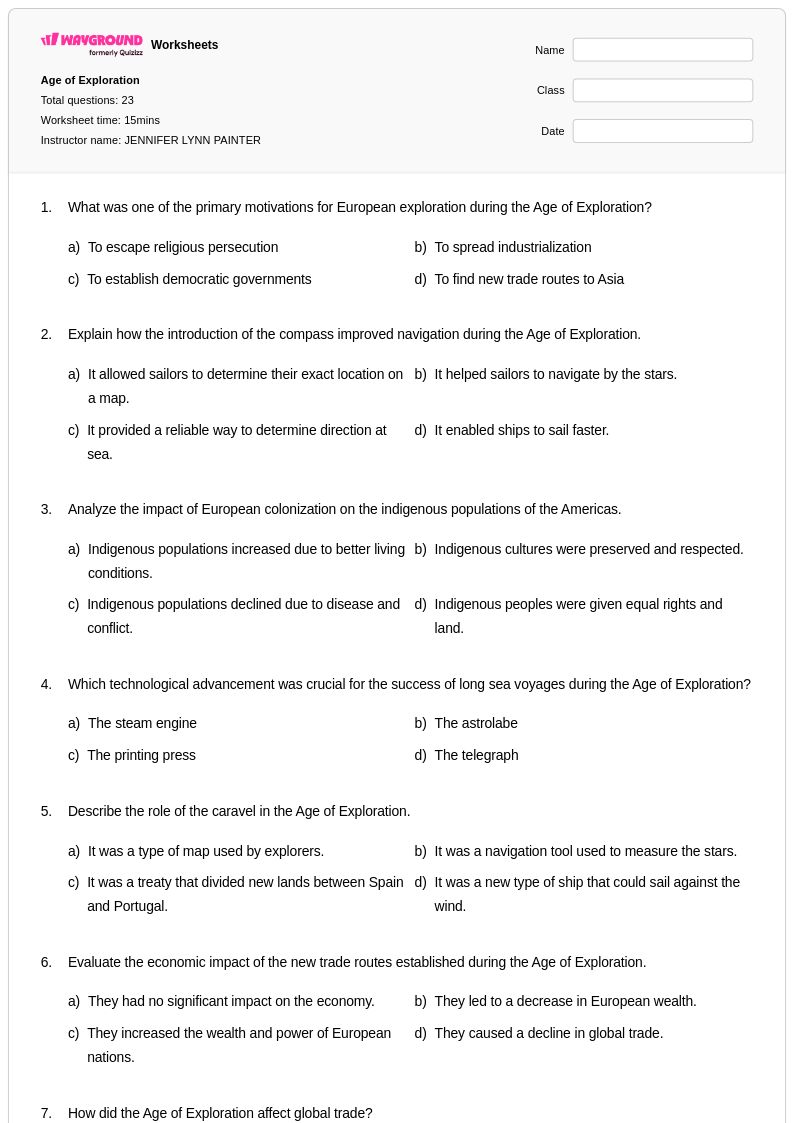
23 Q
9th - 12th
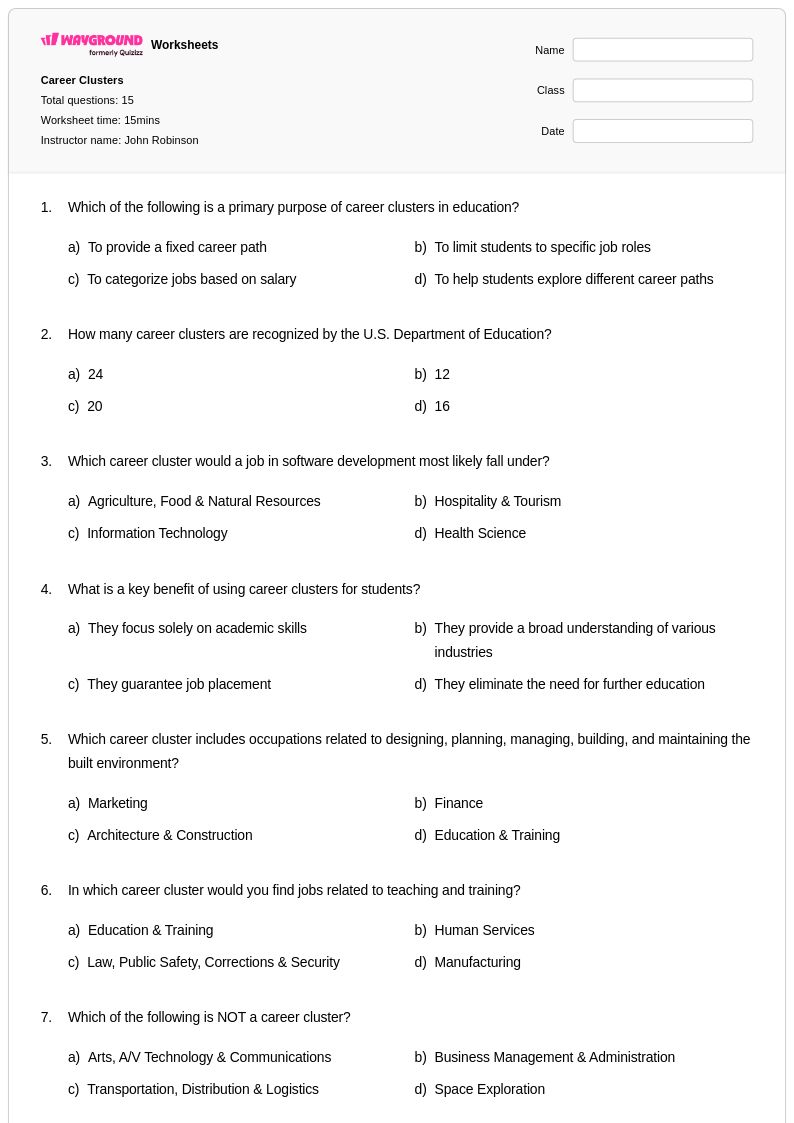
15 Q
10th - Uni
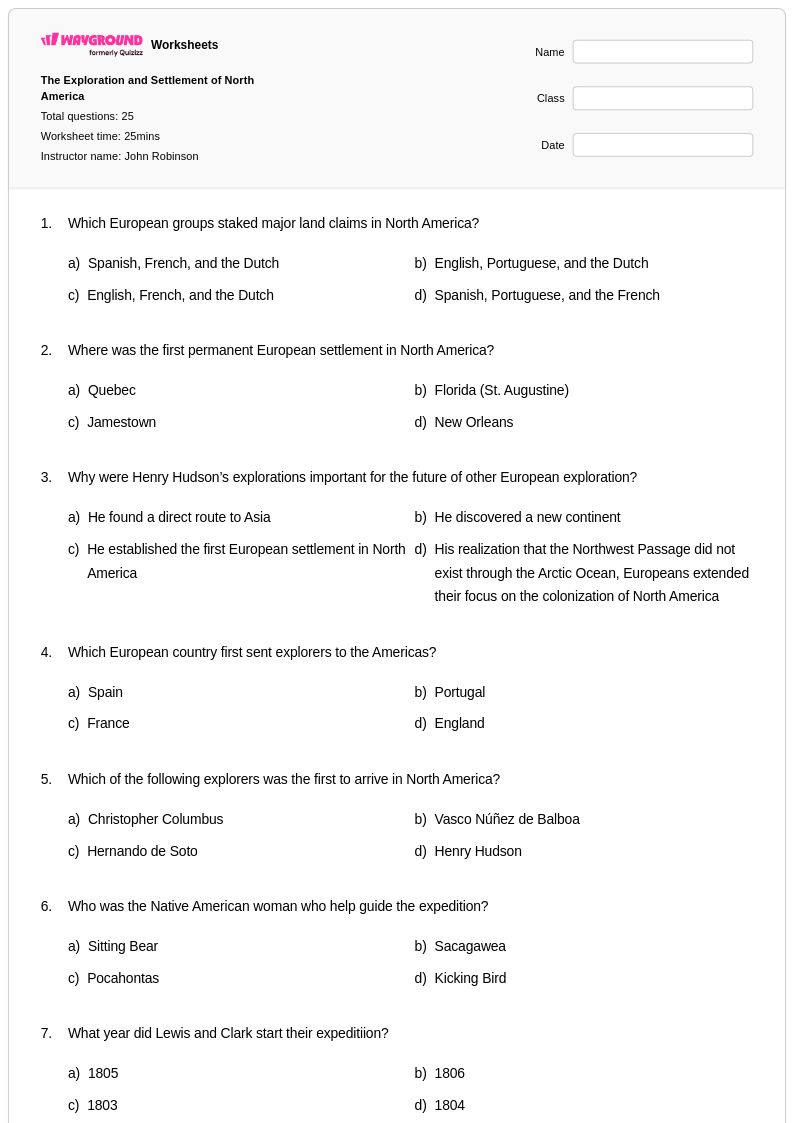
25 Q
5th - Uni
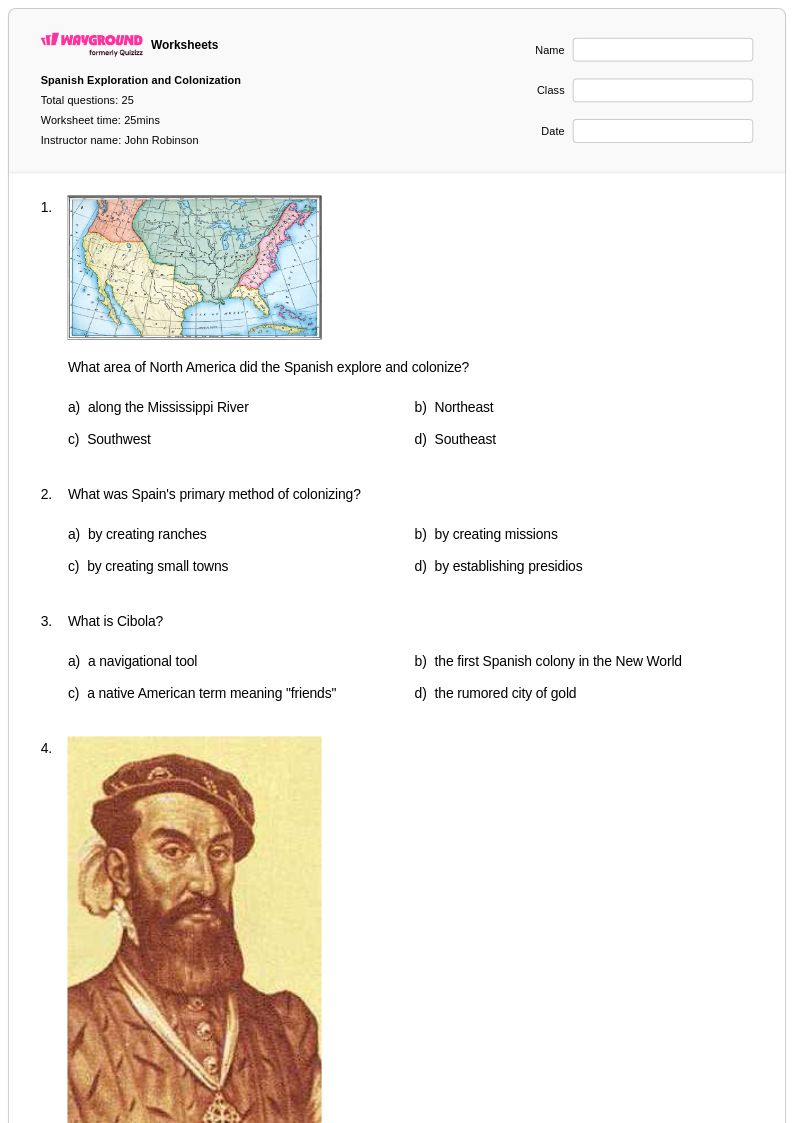
25 Q
7th - Uni
20 Q
10th - 12th
15 Q
8th - Uni
16 Q
11th
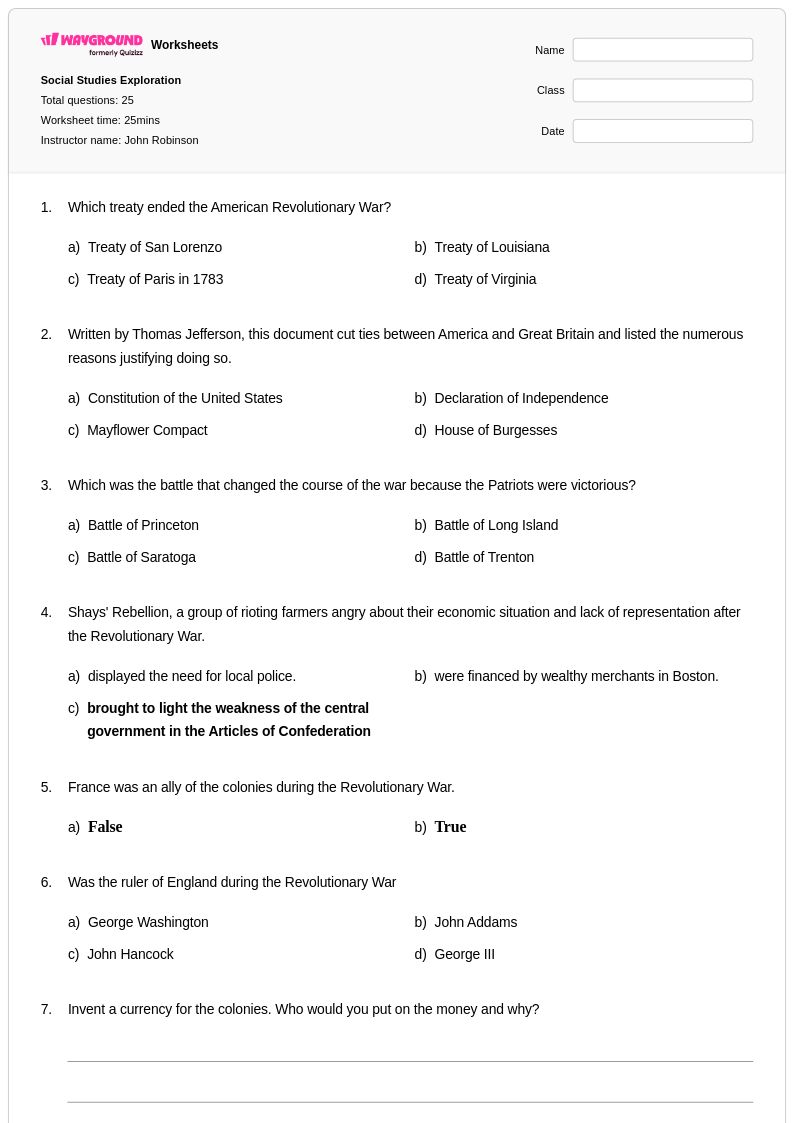
25 Q
8th - Uni
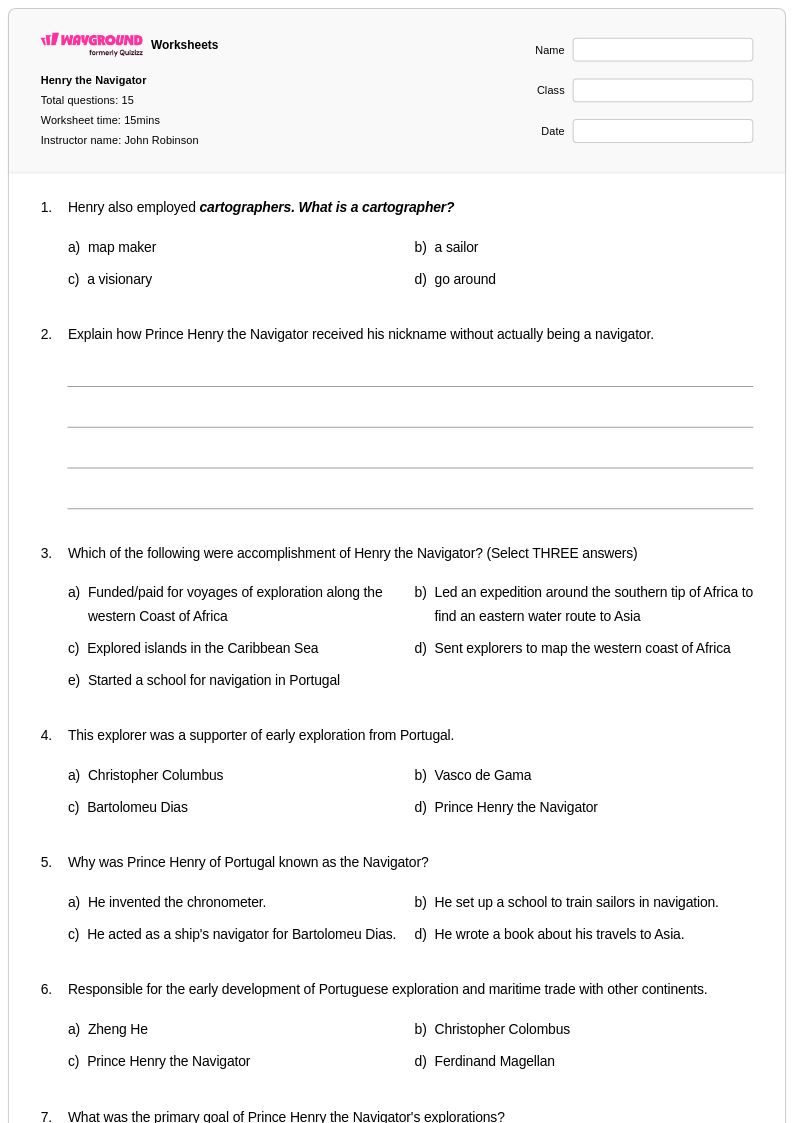
15 Q
7th - Uni
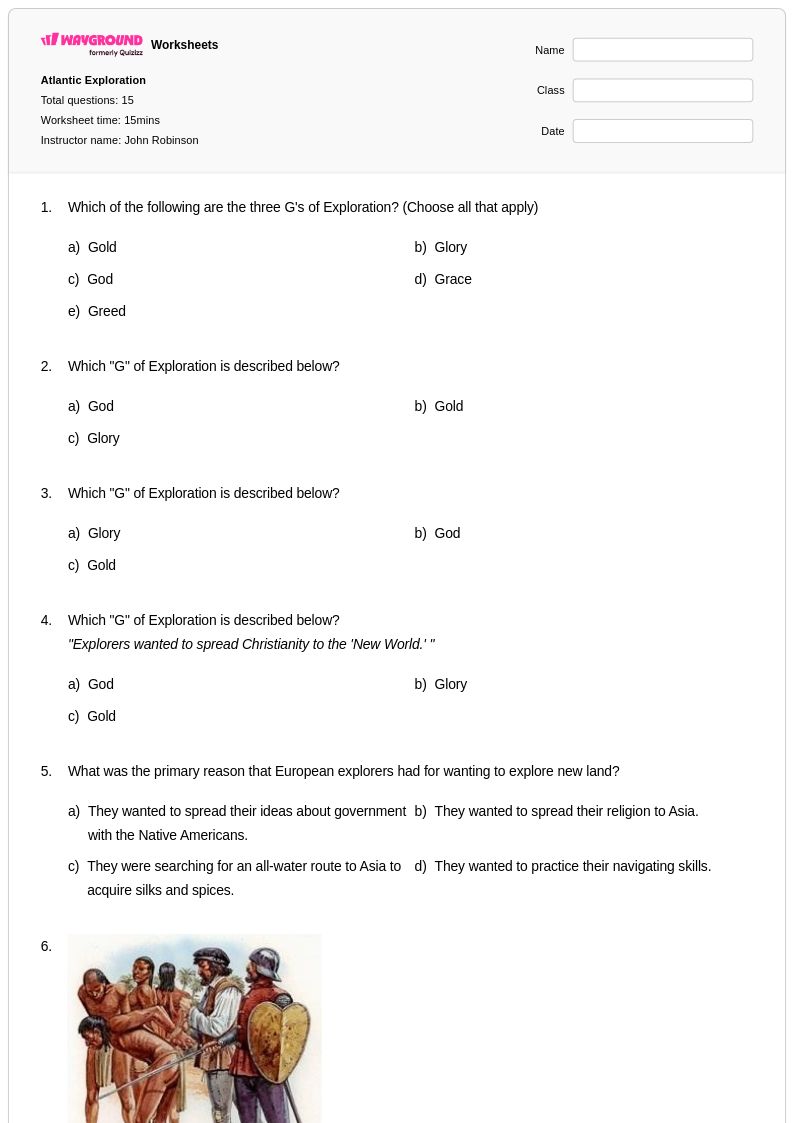
15 Q
9th - Uni
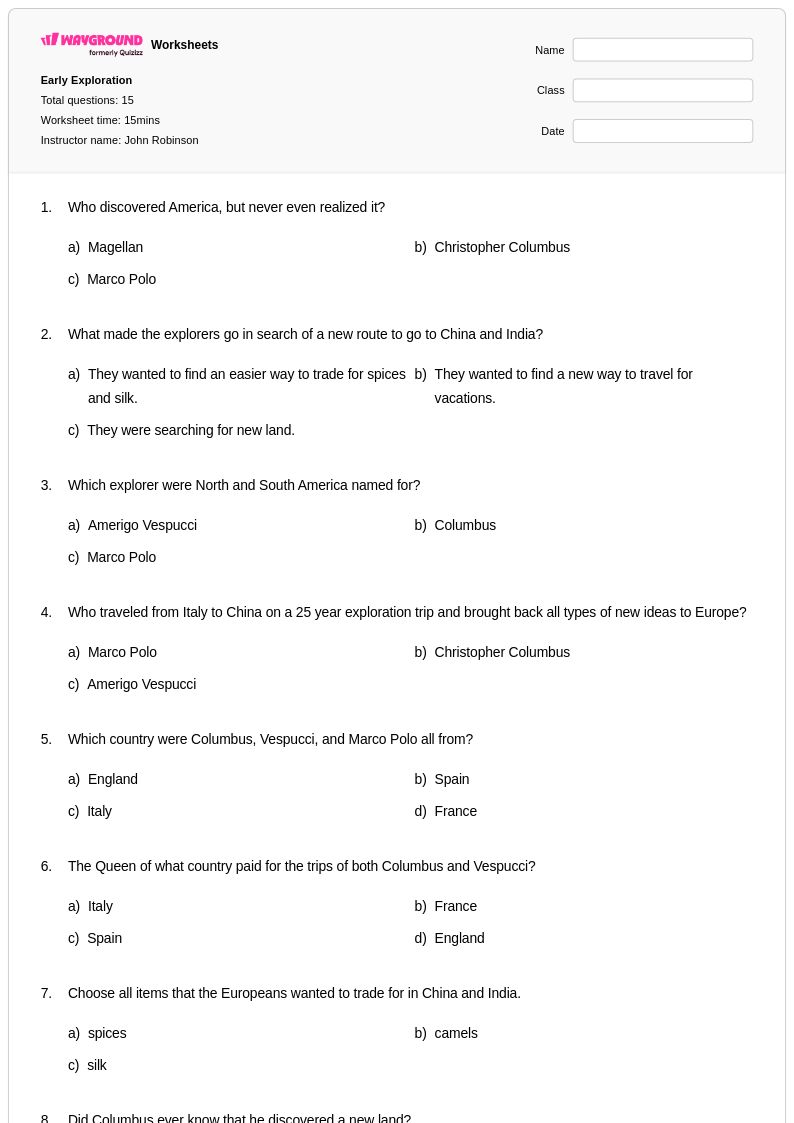
15 Q
5th - Uni
Explore Career Exploration Worksheets by Grades
Explore Other Subject Worksheets for class 11
Explore printable Career Exploration worksheets for Class 11
Career exploration worksheets for Class 11 students available through Wayground (formerly Quizizz) provide comprehensive resources to help high school juniors navigate critical decisions about their future professional paths. These carefully designed materials strengthen essential skills including self-assessment, research methodology, goal setting, and decision-making while guiding students through systematic exploration of career options that align with their interests, values, and abilities. Students engage with practice problems that simulate real-world career planning scenarios, from analyzing job market trends to evaluating educational requirements for different professions. Each worksheet collection includes detailed answer keys that enable both independent study and structured classroom discussions, while printable pdf formats ensure accessibility for diverse learning environments. These free educational resources emphasize the development of practical life skills that extend far beyond traditional academic subjects, preparing students to make informed choices about post-secondary education and career trajectories.
Wayground (formerly Quizizz) empowers educators with an extensive library of millions of teacher-created career exploration resources specifically designed to meet the developmental needs of Class 11 students. The platform's sophisticated search and filtering capabilities allow teachers to quickly locate materials that align with curriculum standards and match their specific instructional objectives, whether focusing on particular career clusters, skill assessments, or college and career readiness benchmarks. Advanced differentiation tools enable customization of worksheets to accommodate diverse learning levels within the same classroom, supporting both remediation for students who need additional guidance and enrichment opportunities for those ready for more complex career planning challenges. Available in both digital and printable pdf formats, these resources facilitate flexible lesson planning and provide teachers with reliable materials for skill practice, formative assessment, and individualized student support throughout the career exploration process.
FAQs
How do I teach career exploration to students who don't know where to start?
What exercises help students practice career exploration skills in the classroom?
What mistakes do students commonly make when exploring career options?
How can I use career exploration worksheets to support students at different skill and readiness levels?
How do I use Wayground's career exploration worksheets in my classroom?
How do career exploration activities build workplace readiness skills?