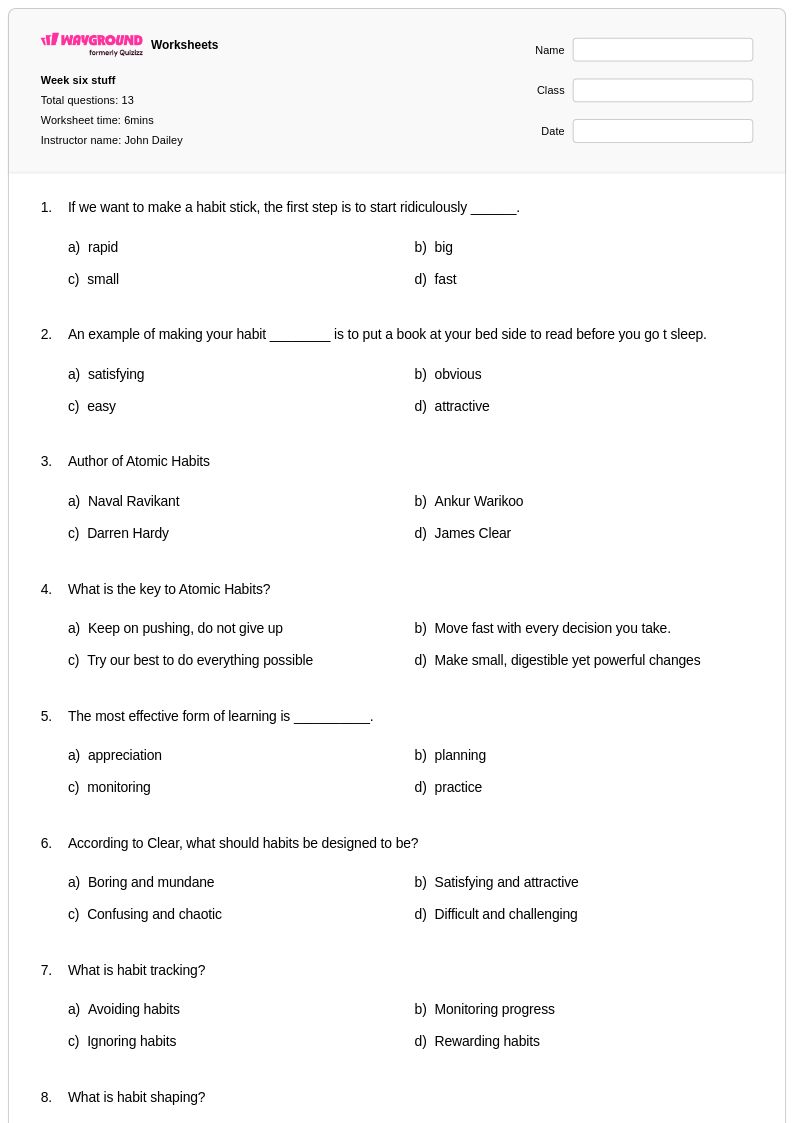
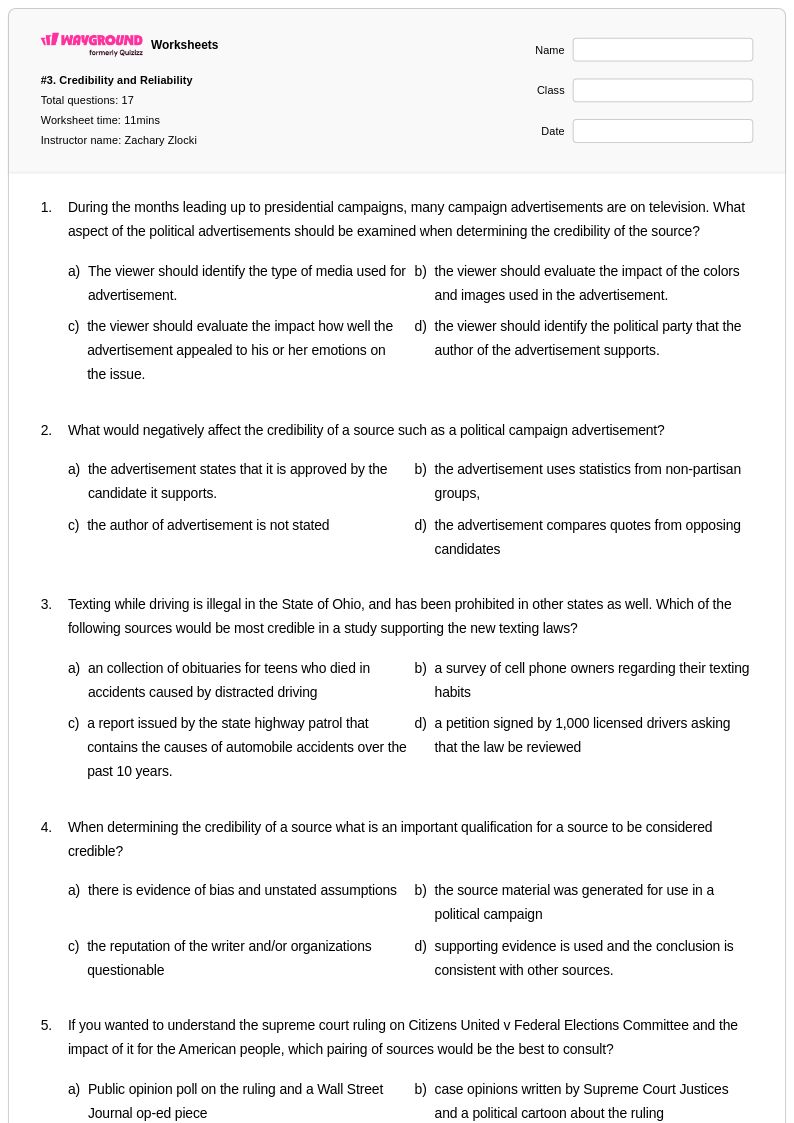
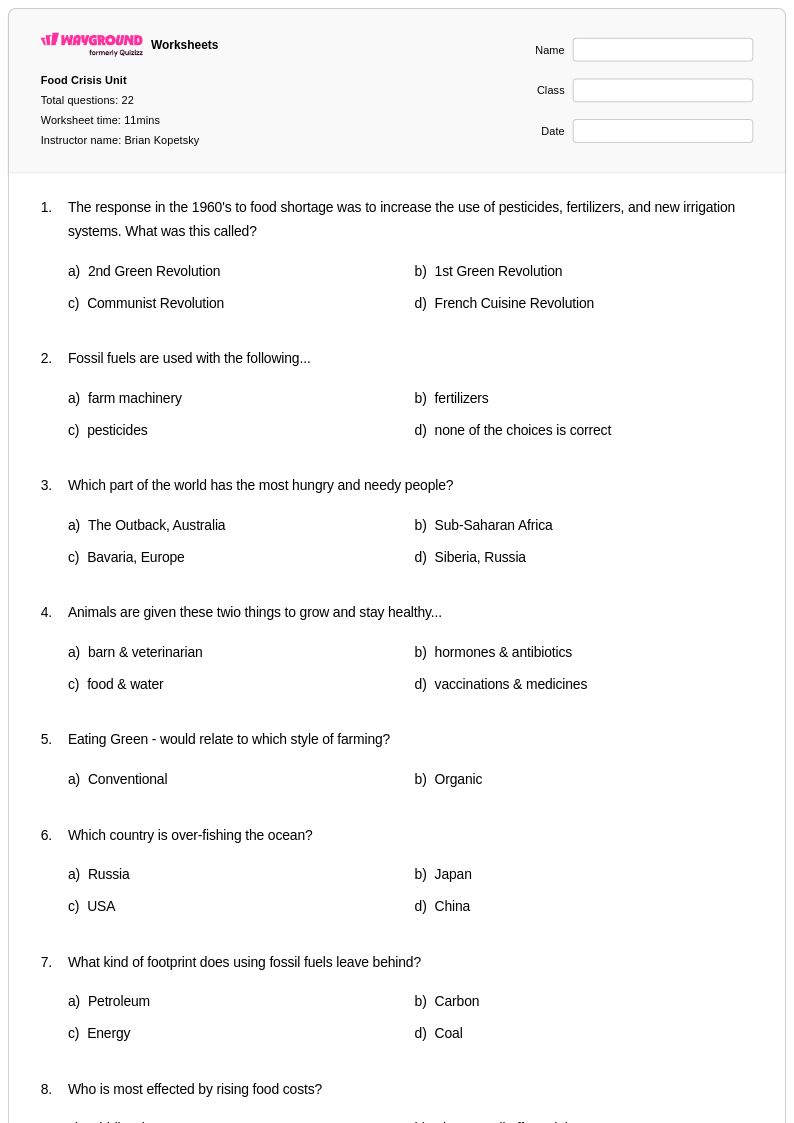
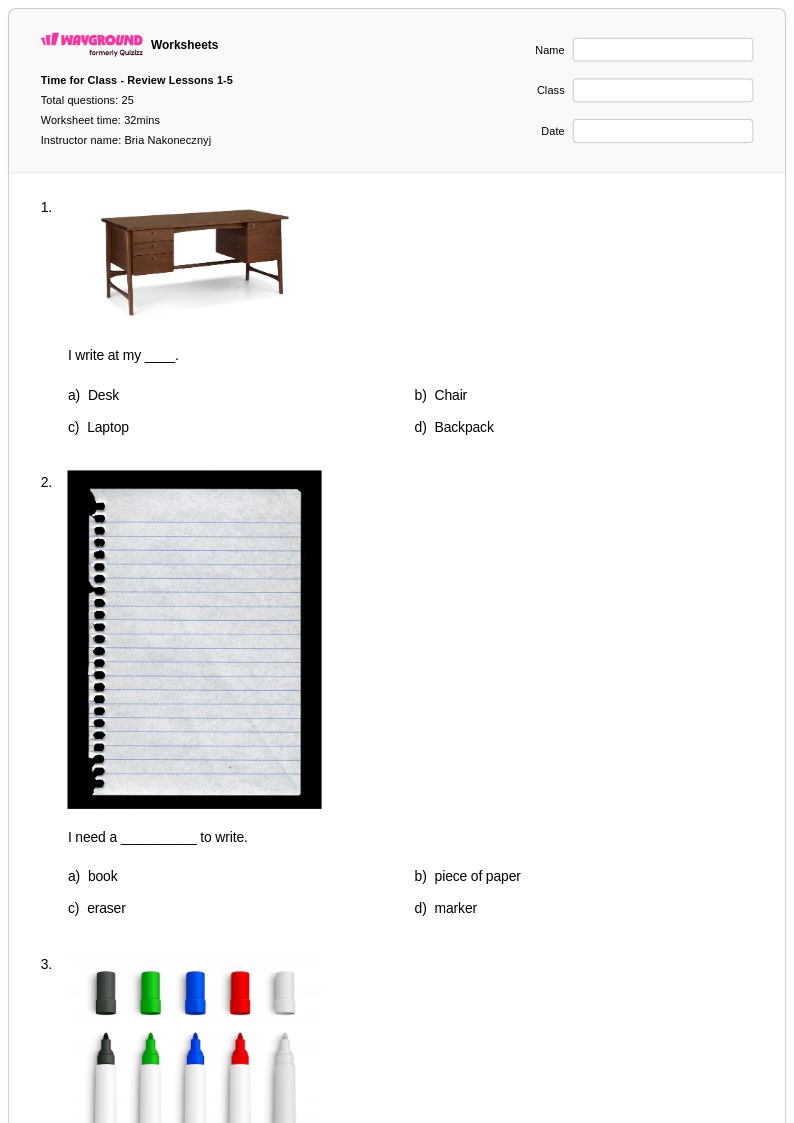
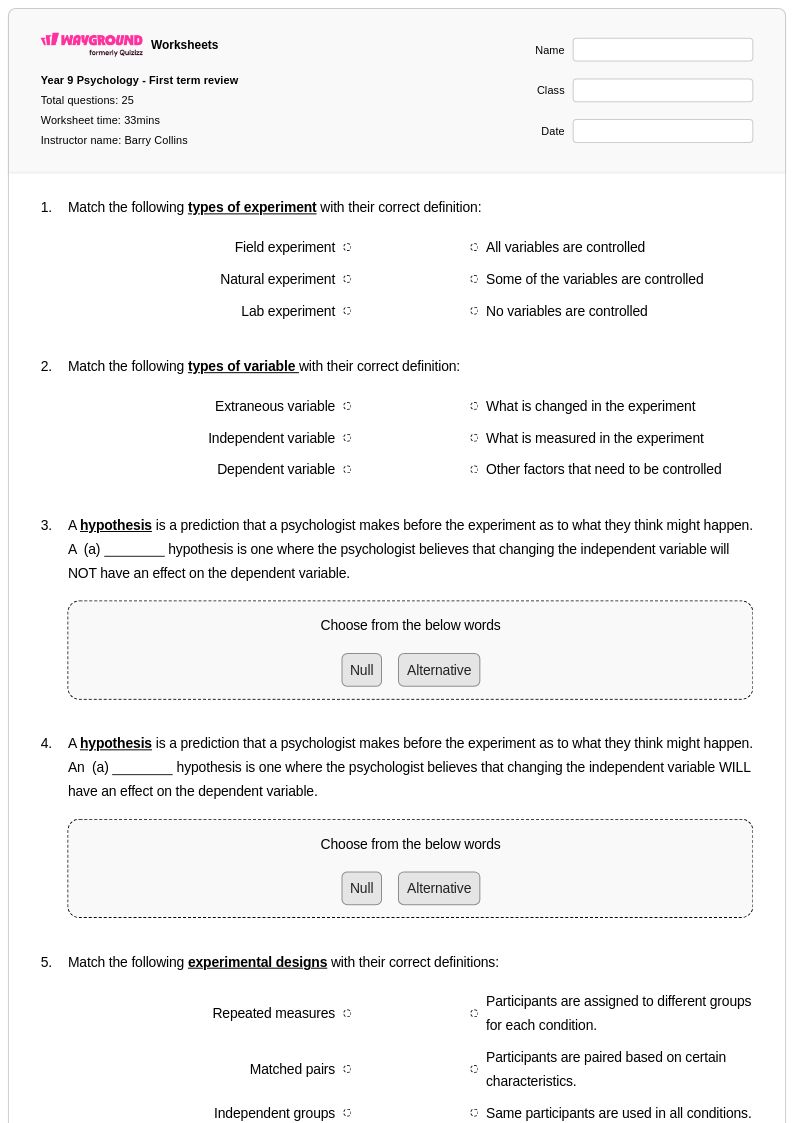
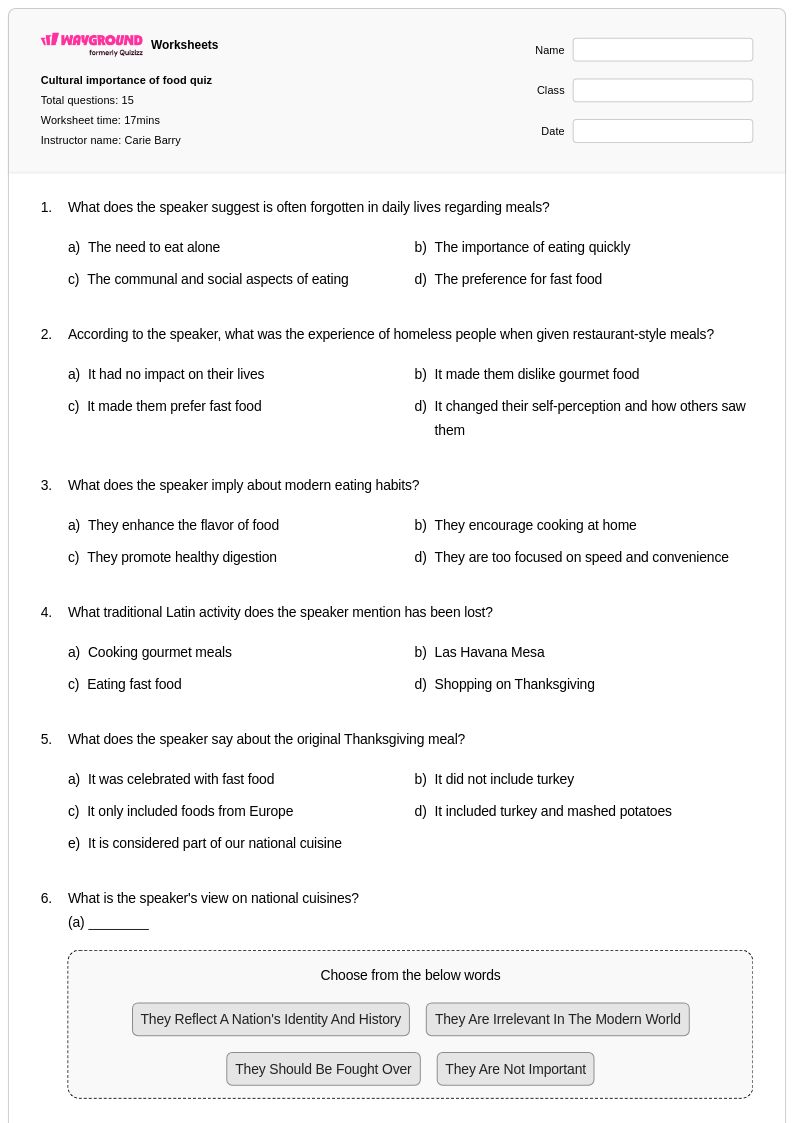
Free Printable Changing Habits Worksheets for Class 10
Discover free Class 10 changing habits worksheets and printables from Wayground that help students develop essential social skills through engaging practice problems and comprehensive answer keys in convenient PDF format.
Explore printable Changing Habits worksheets for Class 10
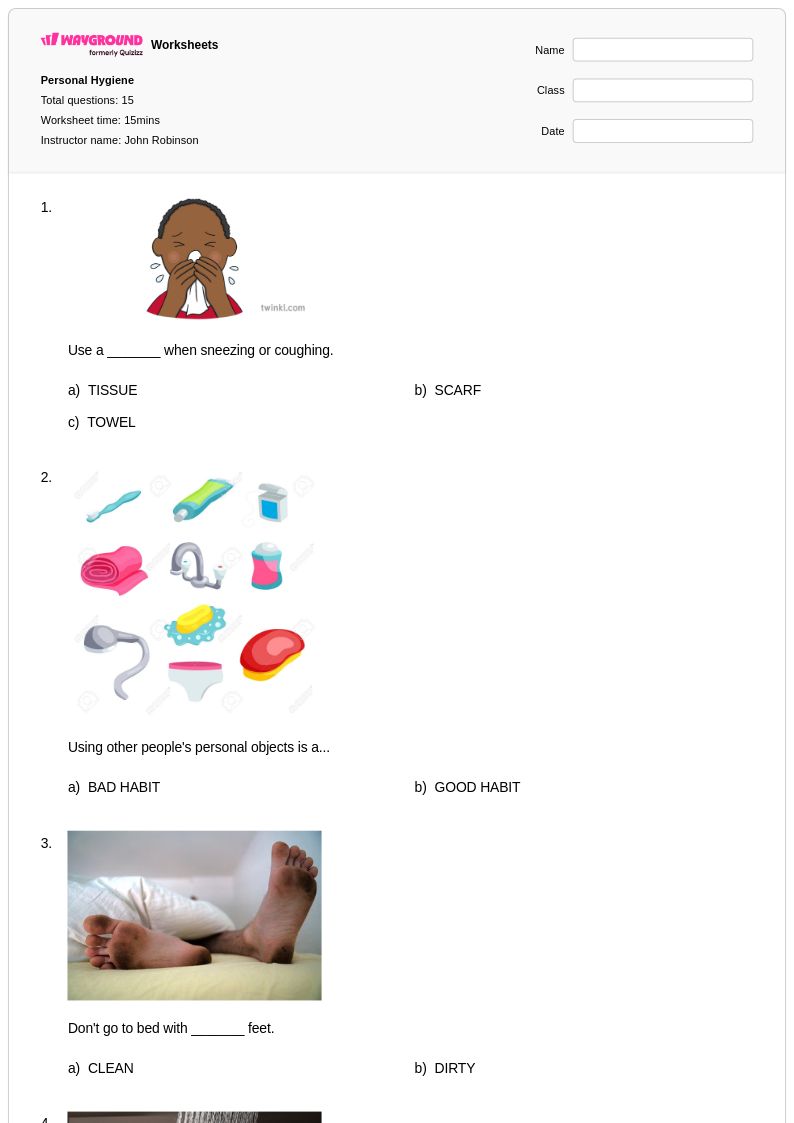
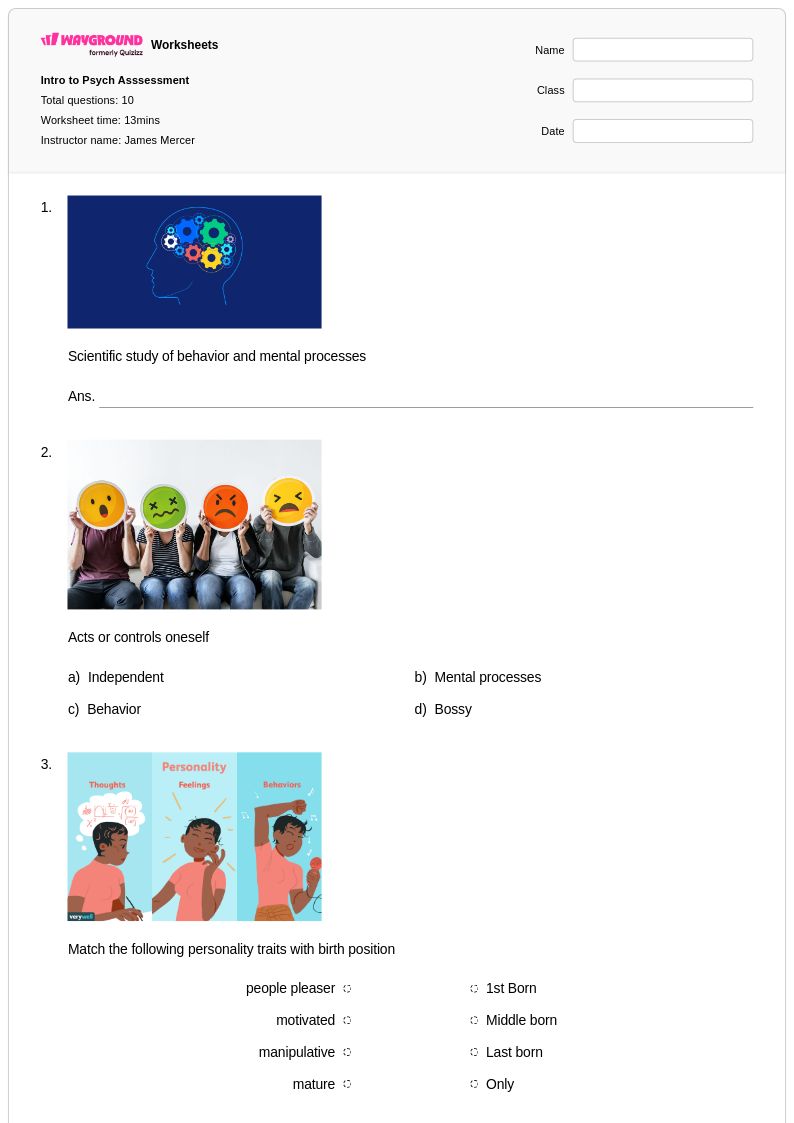
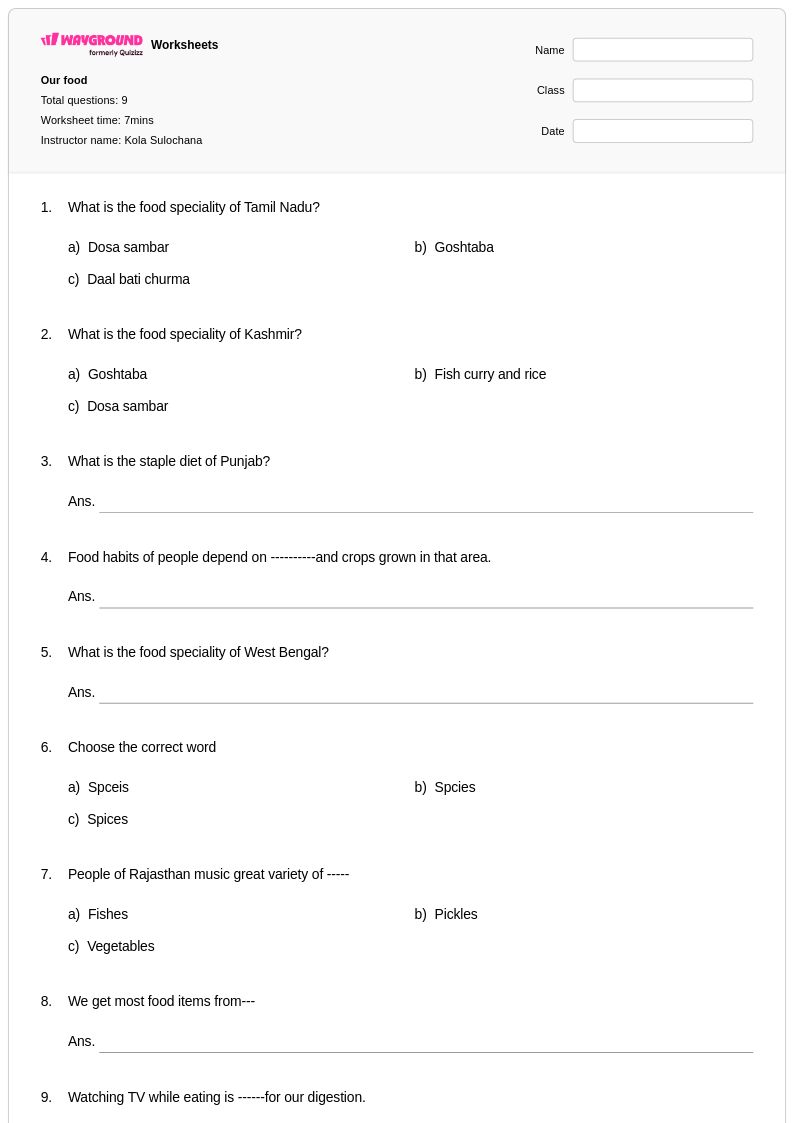
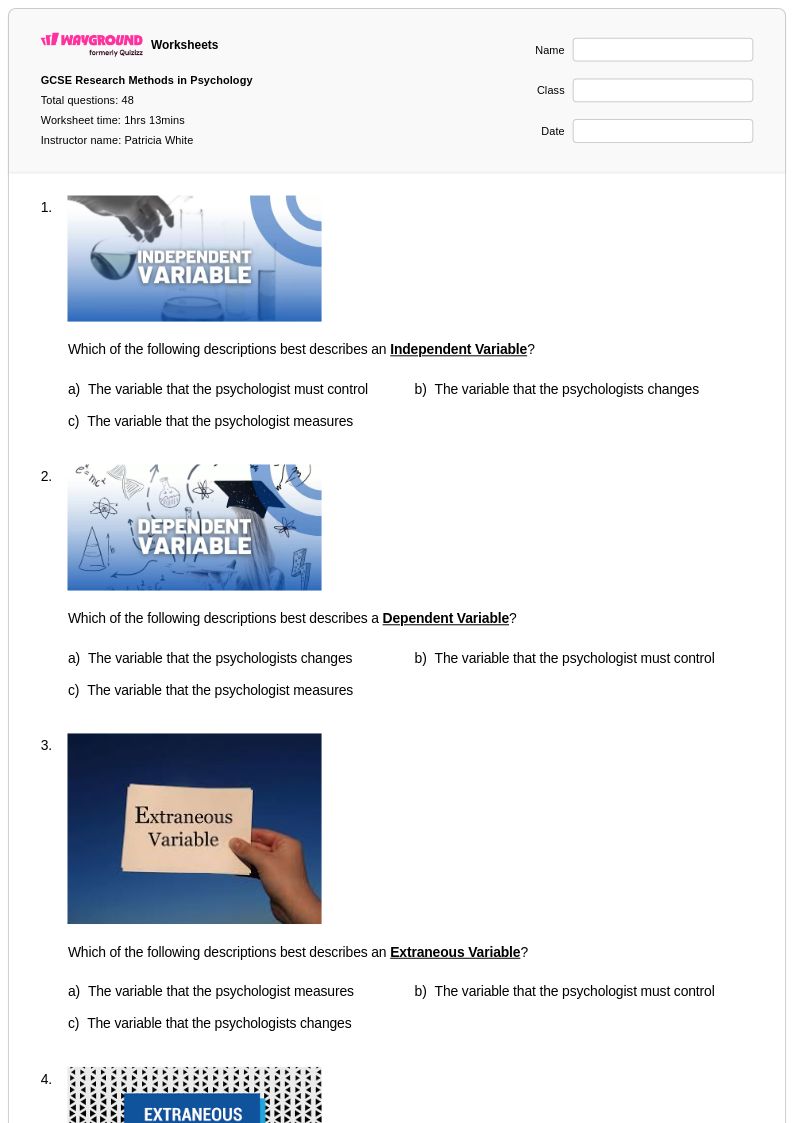
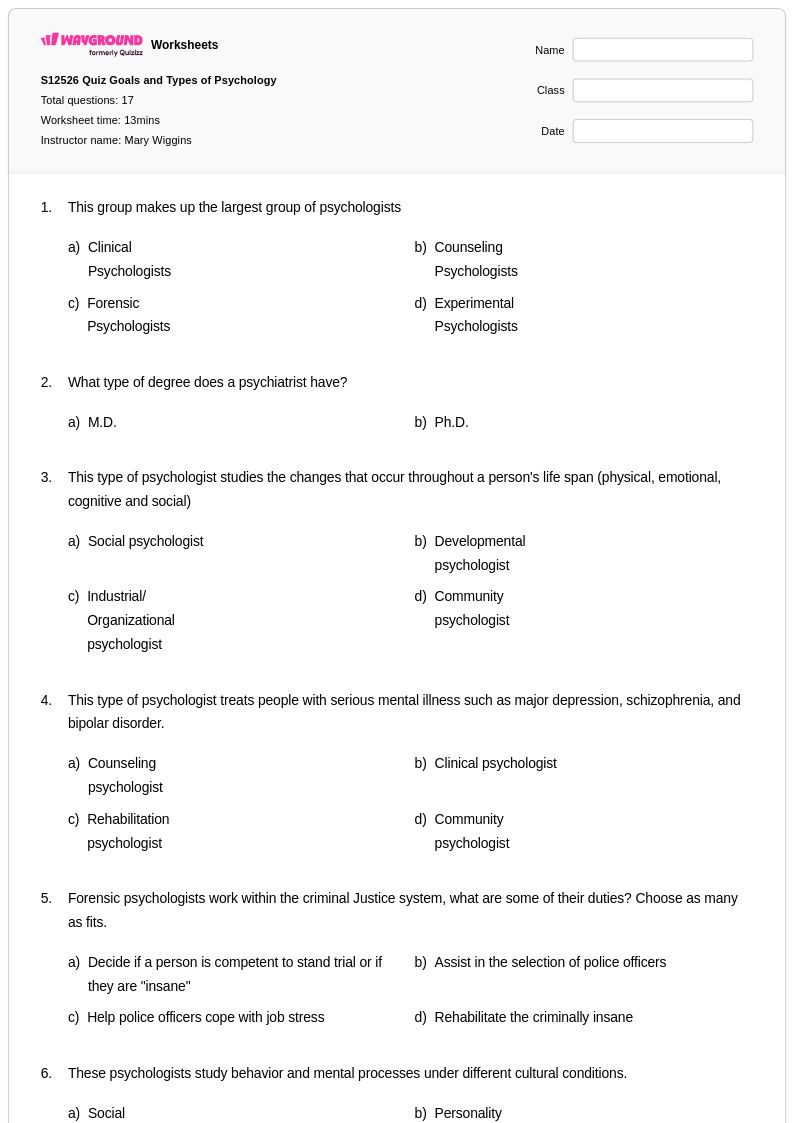
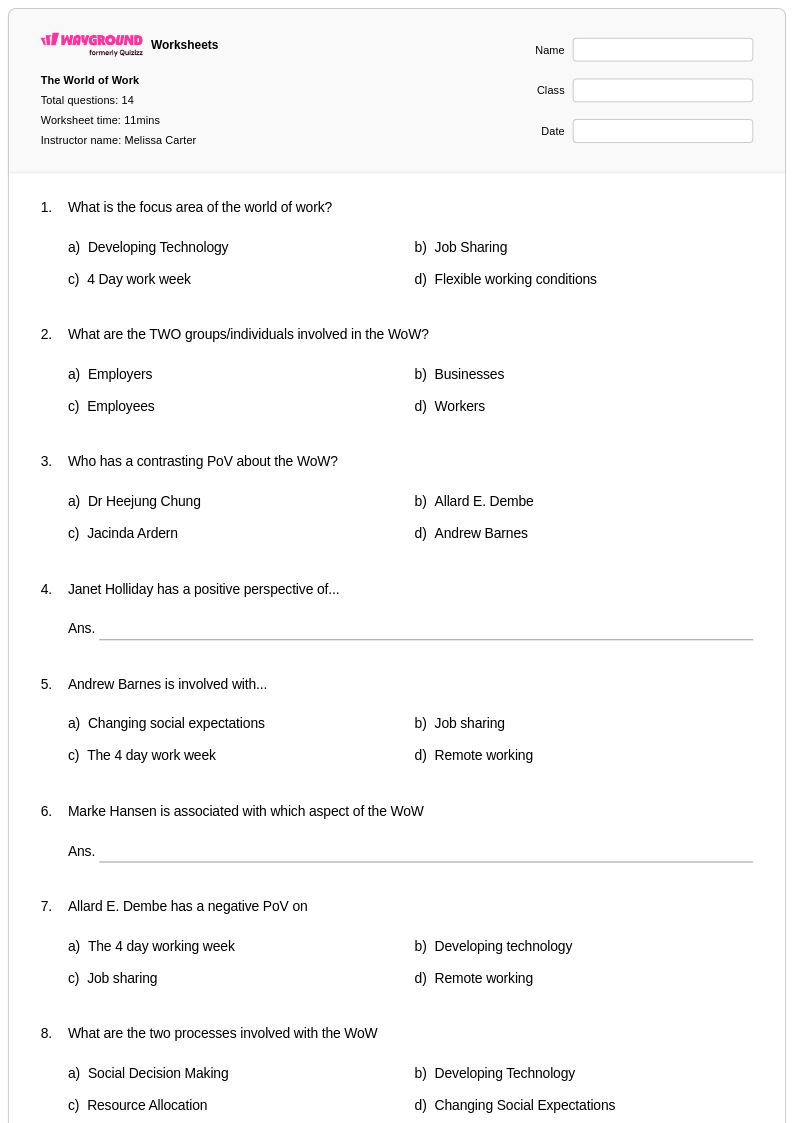
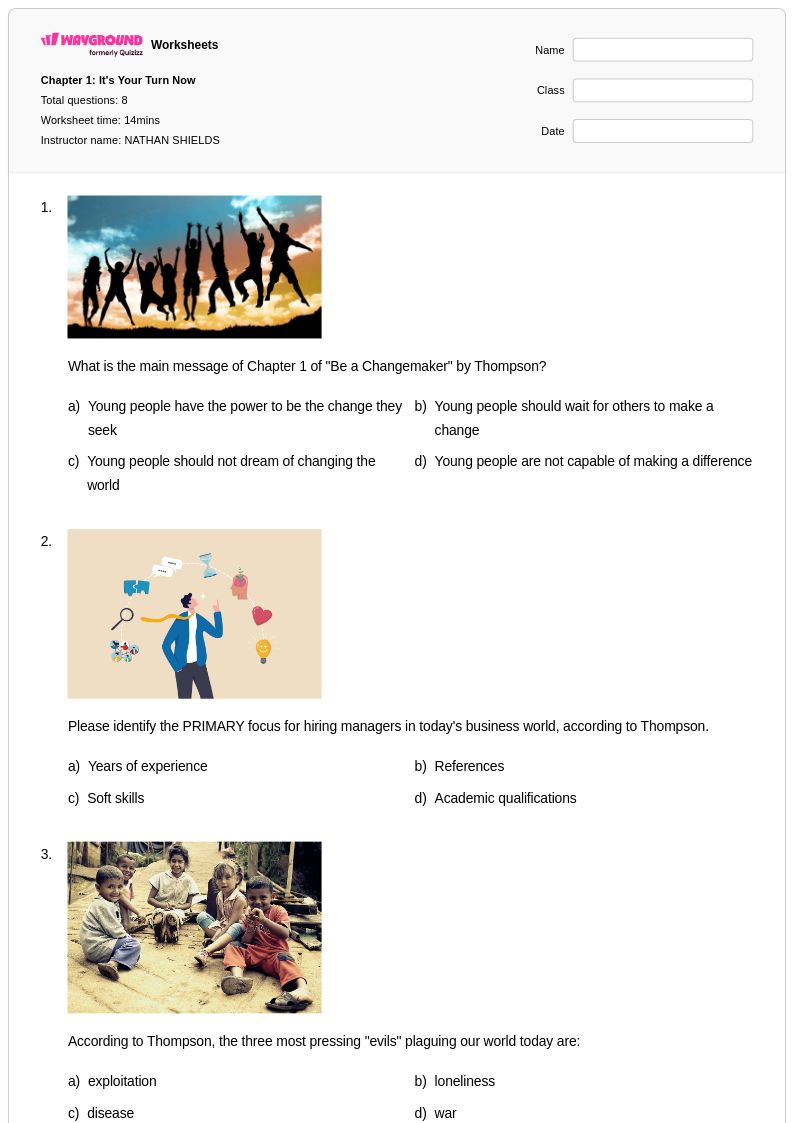
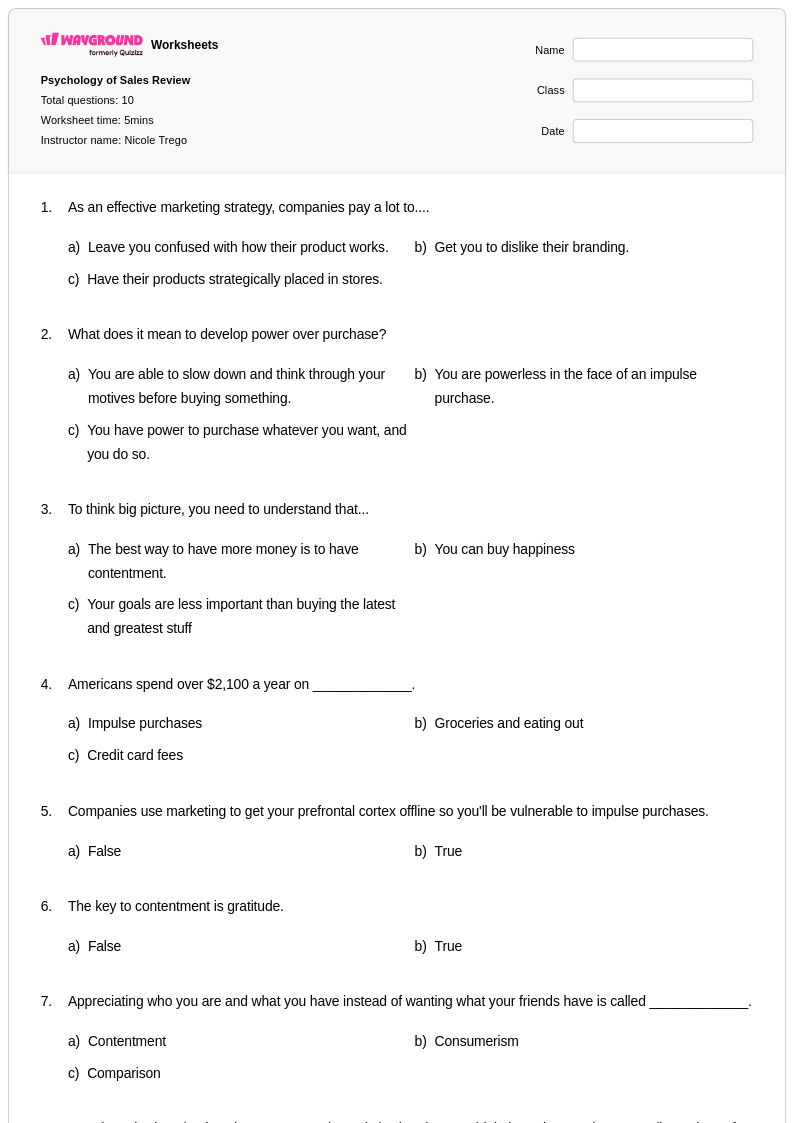
Changing habits worksheets for Class 10 social studies through Wayground (formerly Quizizz) provide comprehensive resources that help students develop essential life skills and self-awareness needed for personal growth and social success. These expertly designed worksheets guide students through the psychology of habit formation, enabling them to identify current behavioral patterns, understand the science behind habit loops, and develop strategies for implementing positive changes in their academic, social, and personal lives. Each worksheet collection includes detailed answer keys that support both independent study and classroom instruction, while the free printable format ensures accessibility for all learning environments. Practice problems within these resources challenge students to analyze real-world scenarios, reflect on their own habits, and create actionable plans for behavioral modification that align with their personal and academic goals.
Wayground's extensive library of millions of teacher-created resources makes it simple for educators to find high-quality changing habits worksheets that meet diverse Class 10 social studies curriculum requirements. The platform's robust search and filtering capabilities allow teachers to quickly locate materials that align with specific learning objectives and state standards, while built-in differentiation tools enable customization for varying skill levels and learning needs. Whether accessed as printable pdf documents for traditional classroom use or utilized through digital formats for remote learning, these worksheets provide flexible options for lesson planning, targeted remediation, and enrichment activities. Teachers can seamlessly integrate these resources into their curriculum to support students who need additional practice with self-reflection skills, goal-setting strategies, or behavioral analysis techniques essential for developing mature social competencies.
FAQs
How do I teach students about changing habits in a social studies context?
Teaching habit change effectively starts with helping students understand the neurological basis of routines, specifically how habits form through repeated cue-routine-reward cycles. From there, lessons should guide students through identifying personal triggers, evaluating behavioral patterns, and constructing realistic action plans for substituting unwanted habits with healthier alternatives. Connecting individual behavior change to broader concepts like community wellness and social responsibility gives the topic real-world relevance and deepens engagement.
What exercises help students practice identifying and changing habits?
Effective practice exercises include scenario analysis tasks where students identify the triggers and consequences of specific behaviors, self-reflection journals that prompt honest evaluation of personal routines, and structured goal-setting activities where students map out step-by-step plans for behavioral modification. Activities that ask students to examine real-world examples of habit change reinforce both critical thinking and practical application of self-regulation strategies.
What common mistakes do students make when learning about habit change?
A frequent misconception is that habits can be eliminated rather than replaced, leading students to focus on stopping a behavior without building a viable alternative. Students also tend to underestimate the role of environmental triggers, attributing habits entirely to willpower rather than situational cues. Another common error is setting vague or unrealistic goals, which makes it difficult to measure progress or sustain motivation over time.
How can I differentiate changing habits lessons for students with varying skill levels?
For students who struggle with self-regulation or abstract reflection, simplified scenarios with fewer variables and more concrete language help reduce cognitive load. Advanced learners can be challenged with tasks that explore the sociological implications of collective behavior change within communities, pushing beyond individual habit analysis. On Wayground, teachers can apply accommodations such as read-aloud support, reduced answer choices, and extended time on a per-student basis without disrupting the rest of the class.
How do I use Wayground's changing habits worksheets in my classroom?
Wayground's changing habits worksheets are available as printable PDFs for traditional classroom use and in digital formats for technology-integrated learning environments, giving teachers flexibility based on their setup. Teachers can also host worksheets directly as a quiz on Wayground, enabling real-time student interaction and automated scoring. Each worksheet includes a complete answer key, making them suitable for independent practice, guided instruction, or remediation sessions focused on self-awareness and impulse control.
How do changing habits worksheets support social-emotional learning goals?
Changing habits worksheets directly reinforce core SEL competencies including self-awareness, impulse control, and personal accountability, all of which are explicitly targeted through structured reflection and goal-setting activities. By analyzing behavioral triggers and designing actionable change plans, students practice the kind of deliberate thinking that underpins responsible decision-making. These skills also connect naturally to social studies standards around community responsibility and collective wellness.