Free Printable Consonant Doubling Worksheets for Class 1
Enhance Class 1 students' spelling skills with Wayground's free consonant doubling worksheets featuring engaging practice problems, printable PDFs, and comprehensive answer keys to master this essential phonics concept.
Explore printable Consonant Doubling worksheets for Class 1
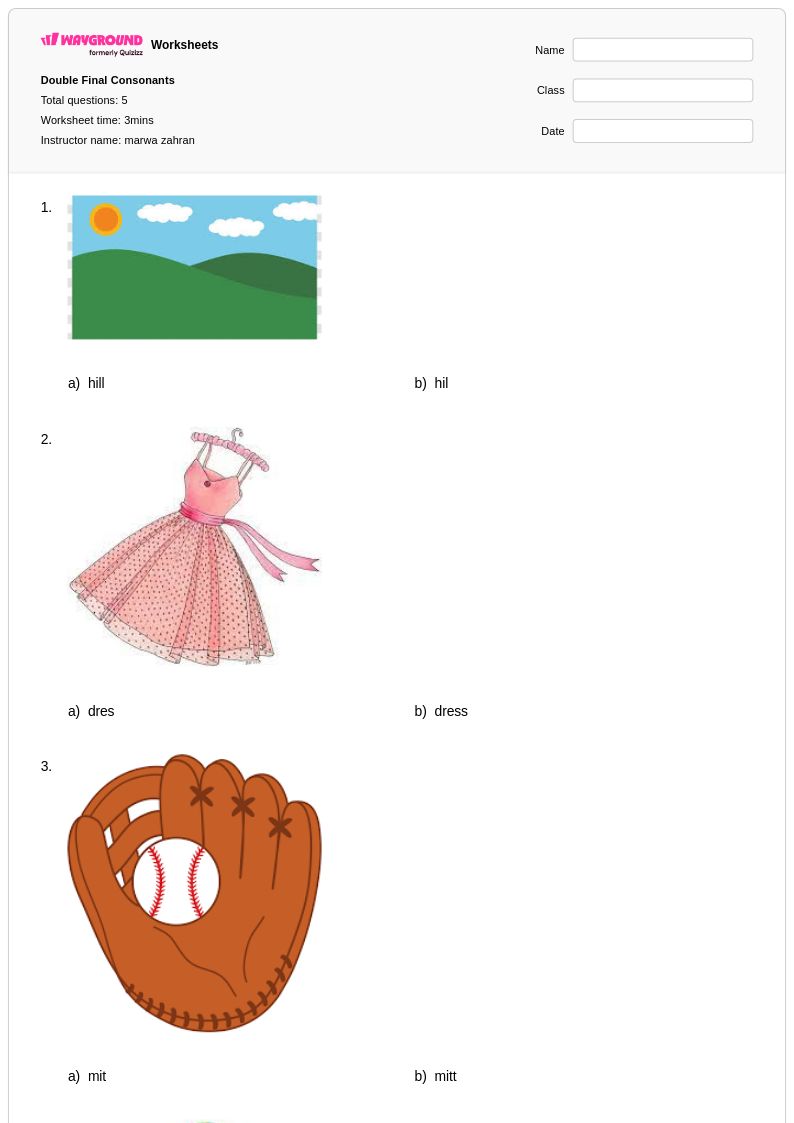
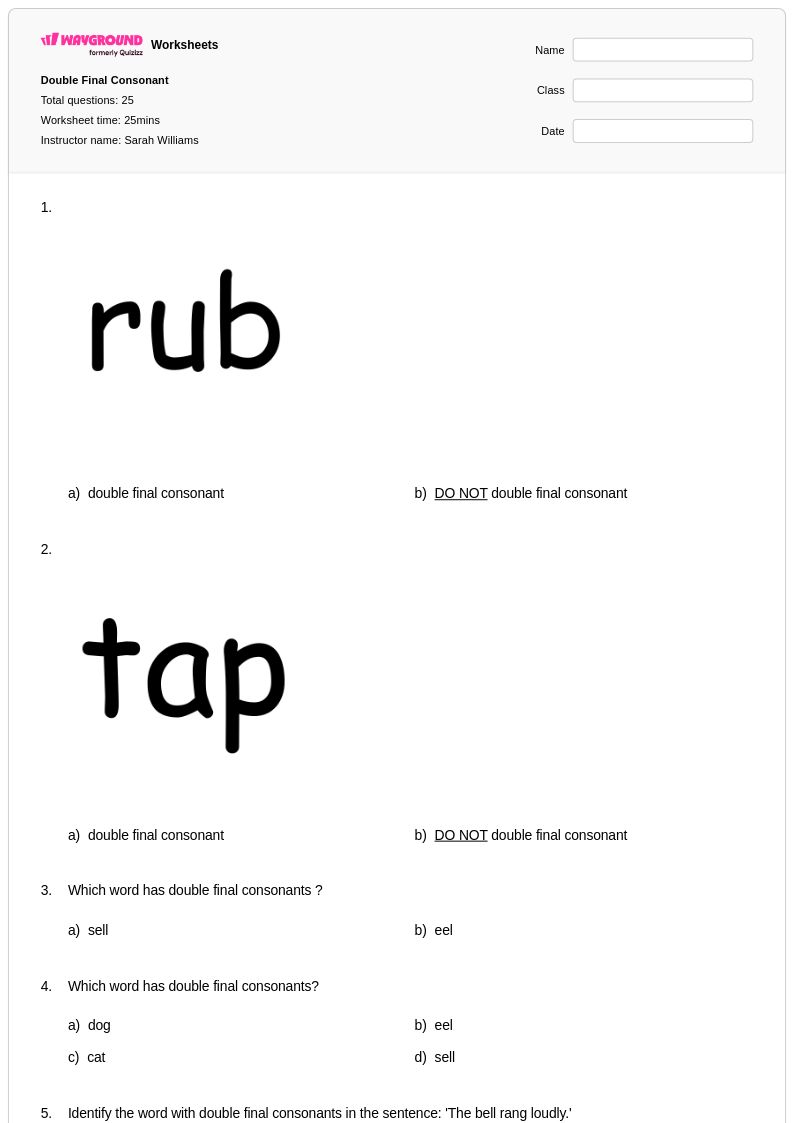
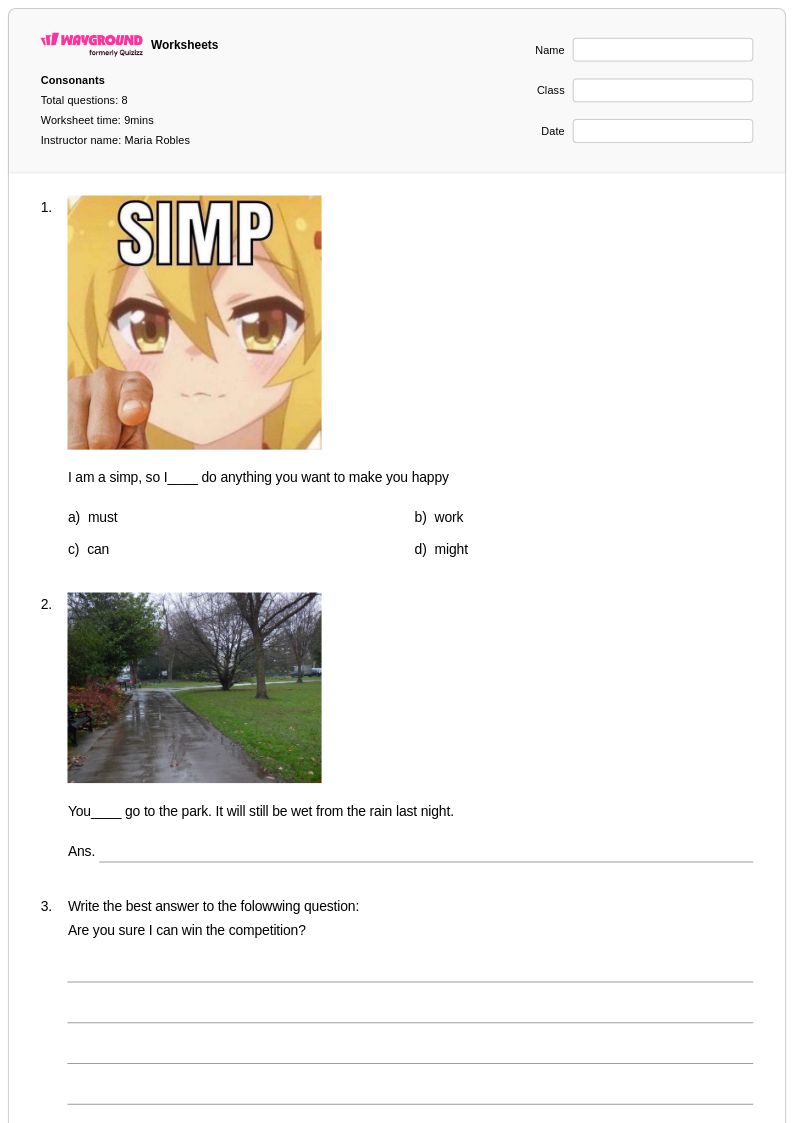
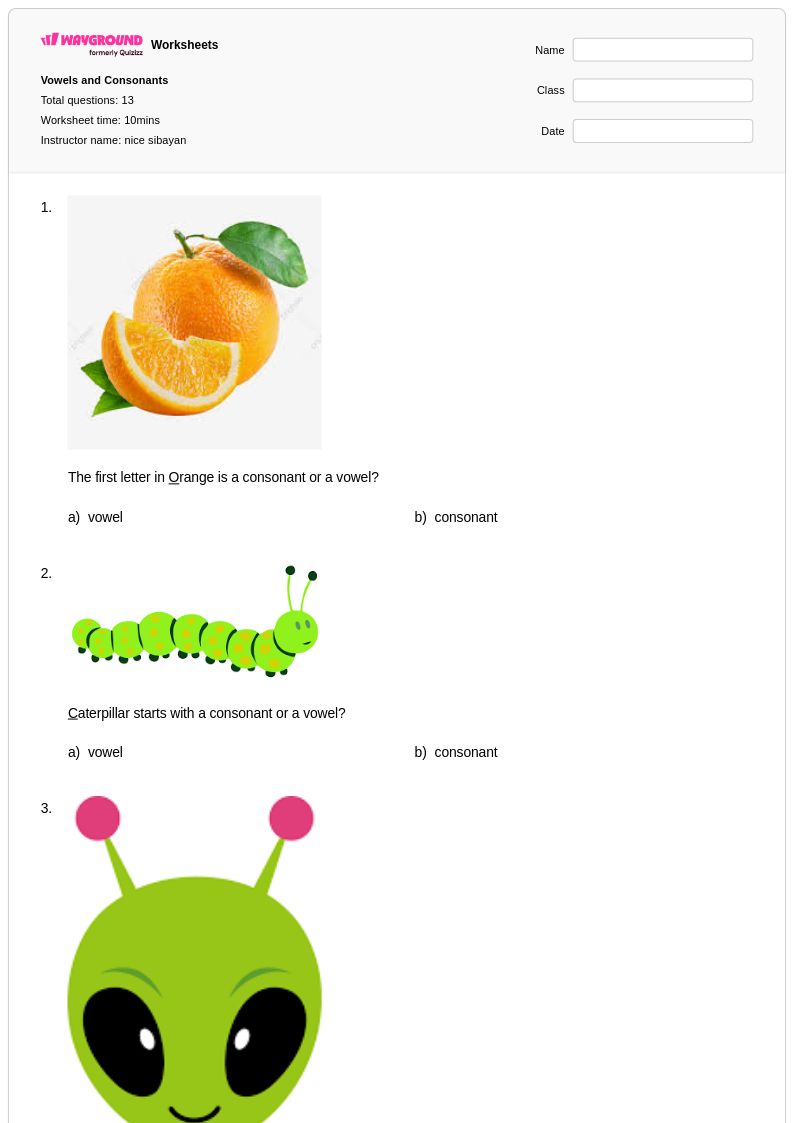
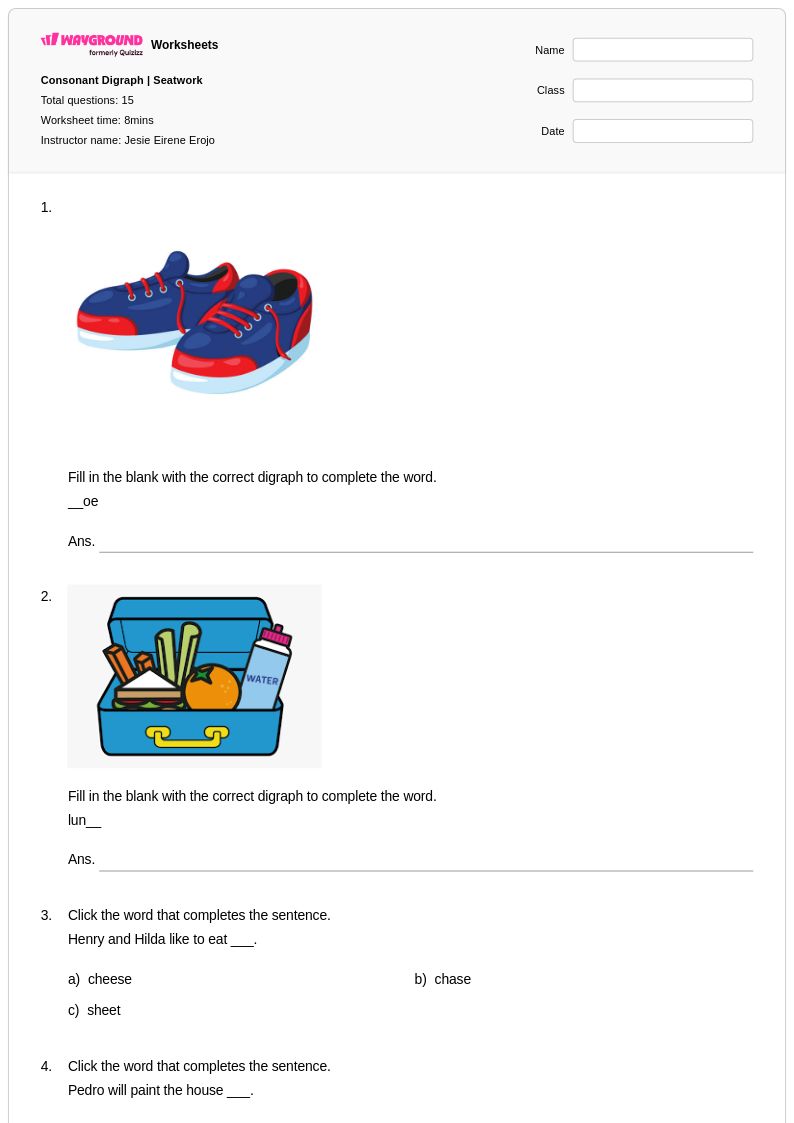
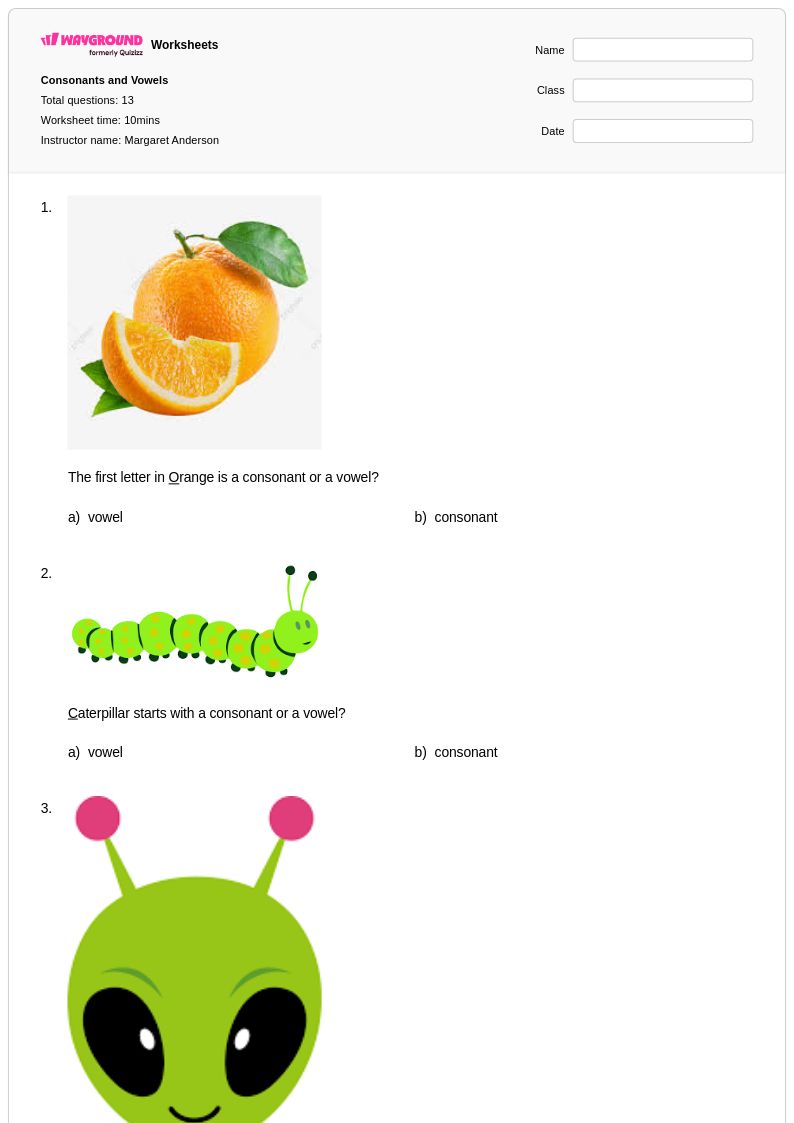
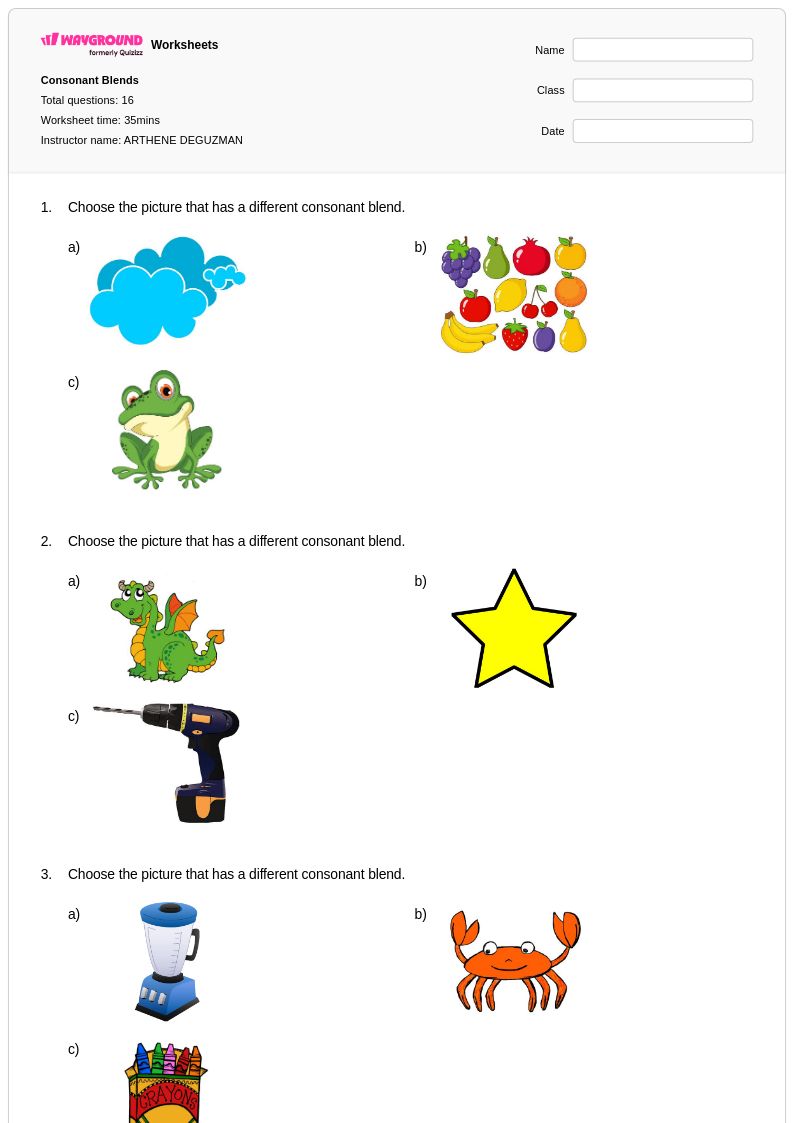
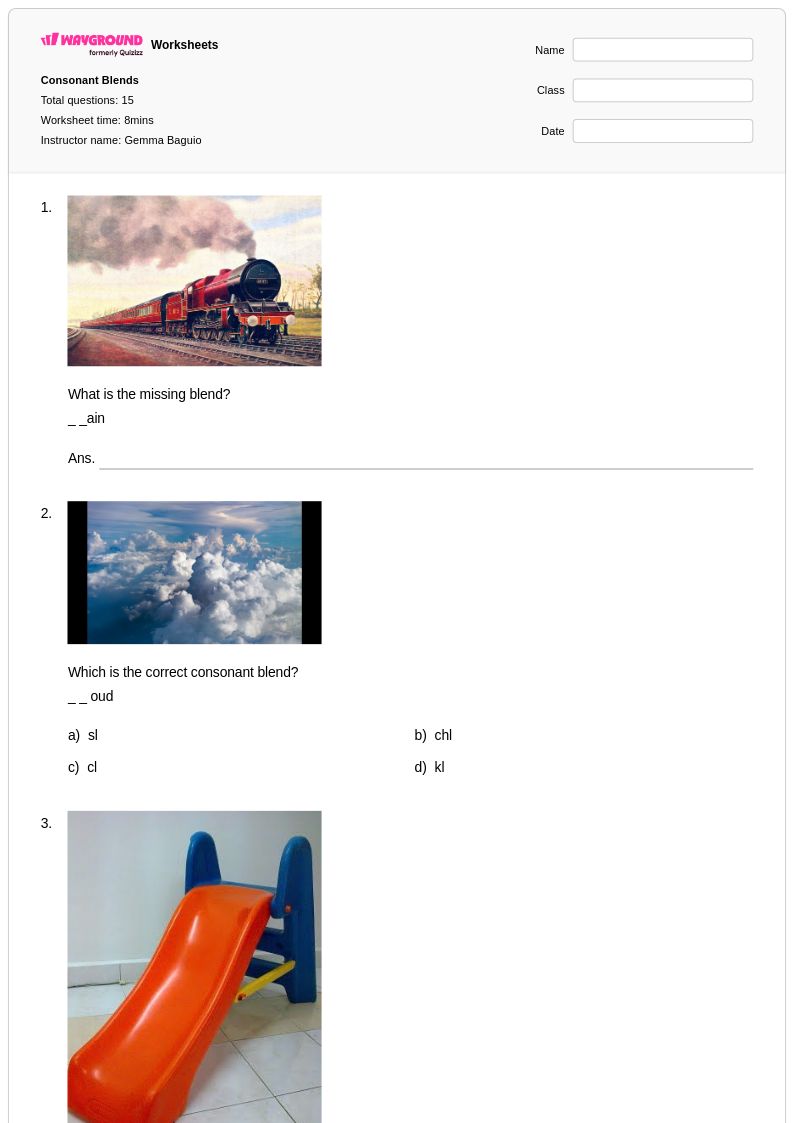
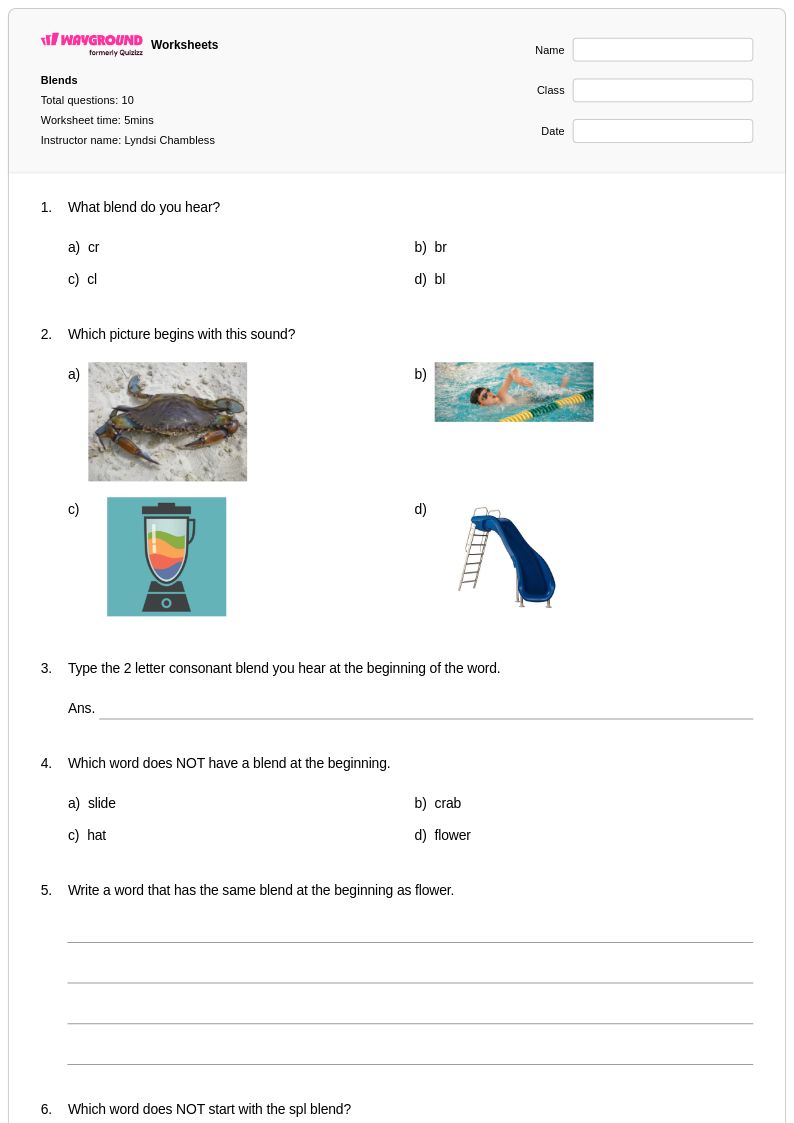
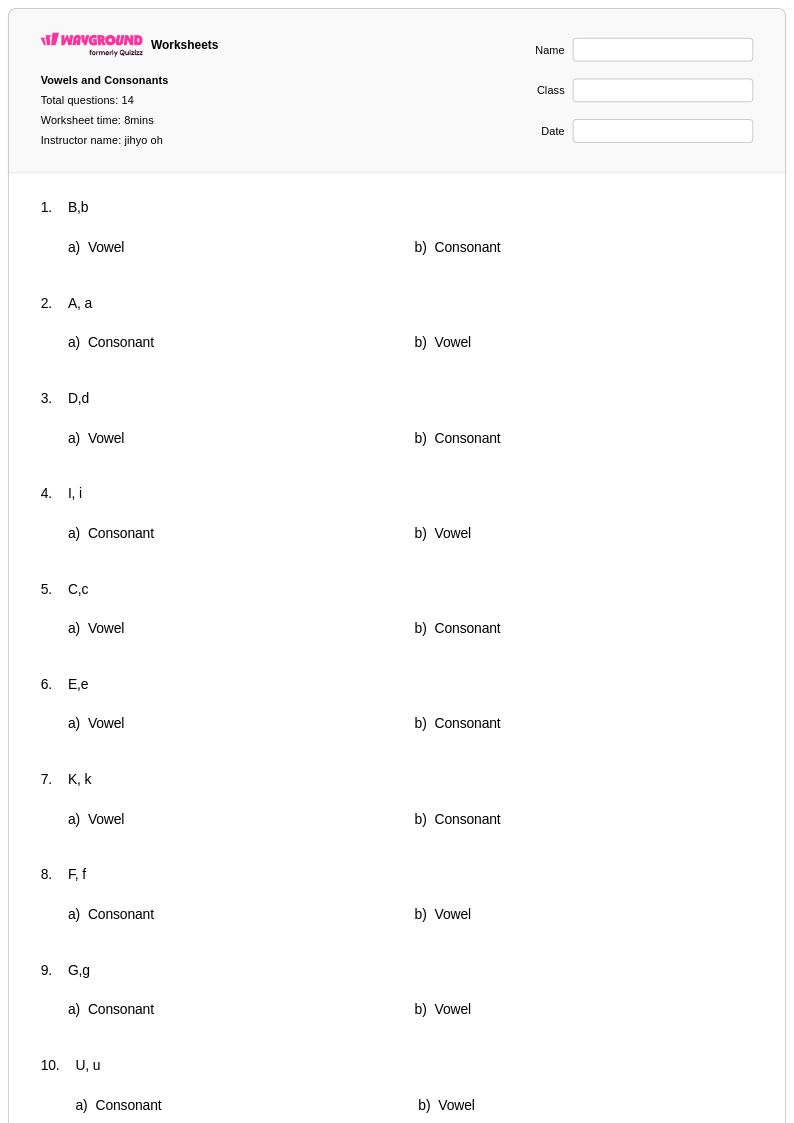
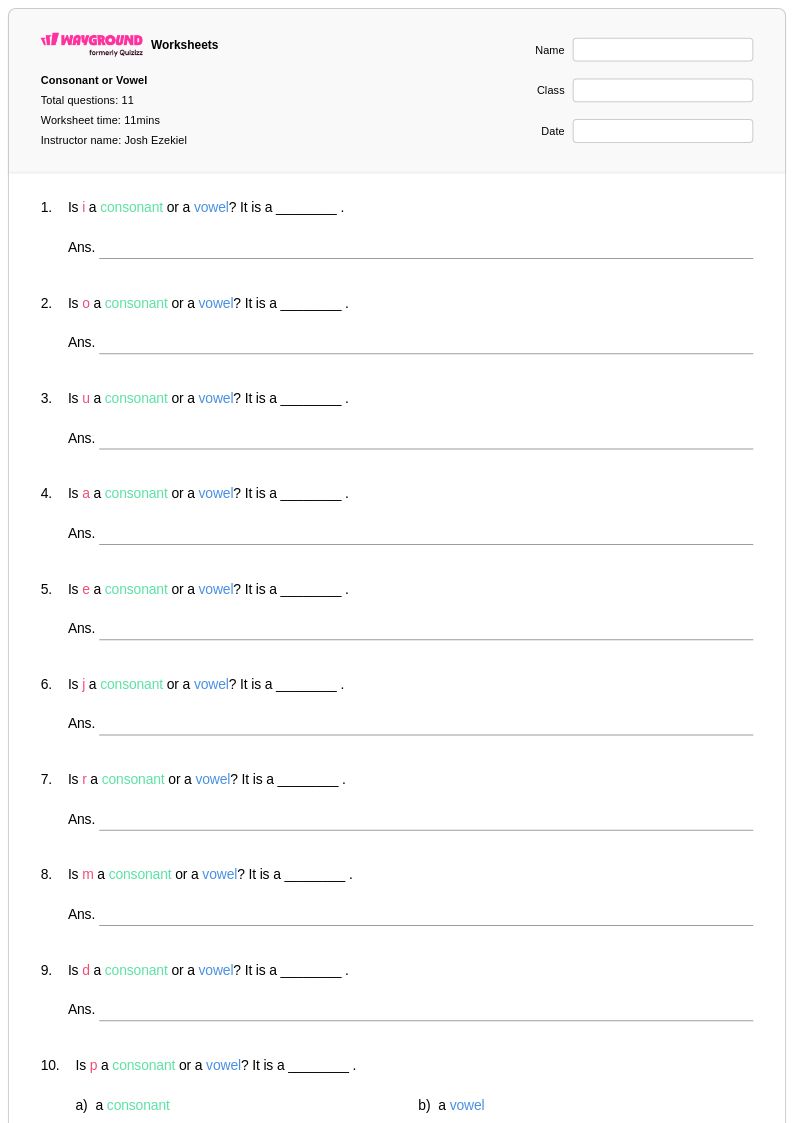
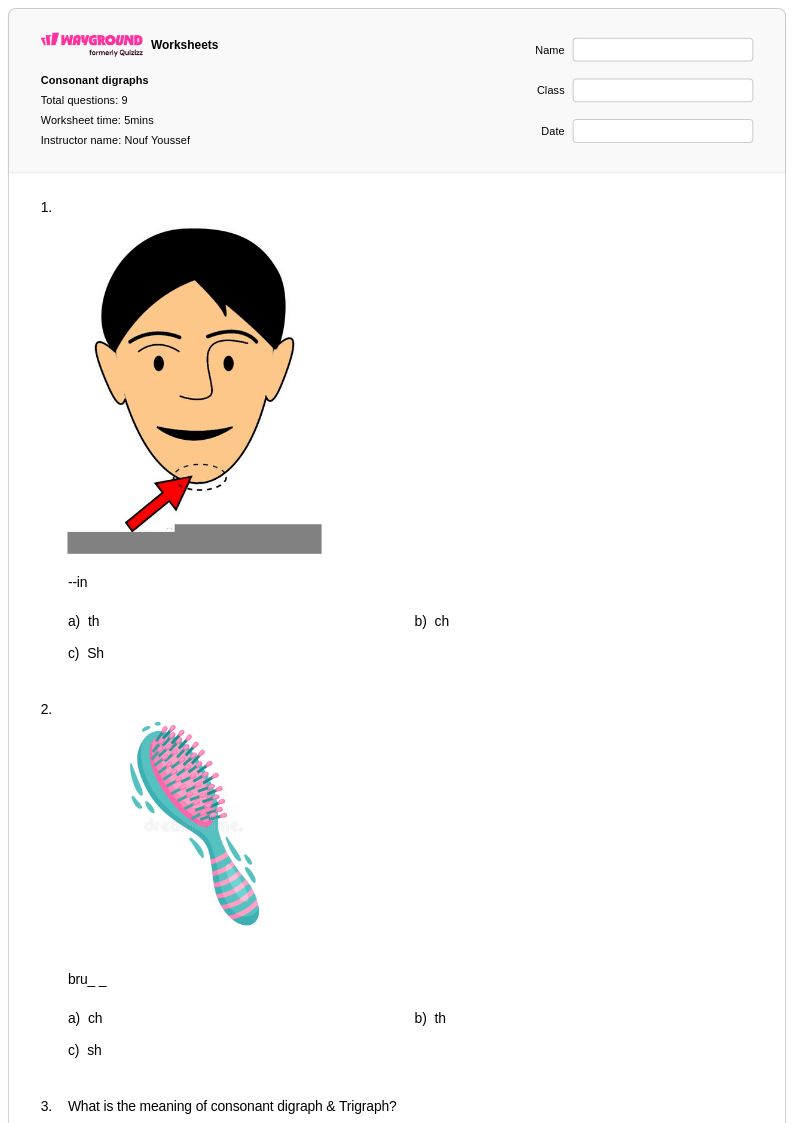
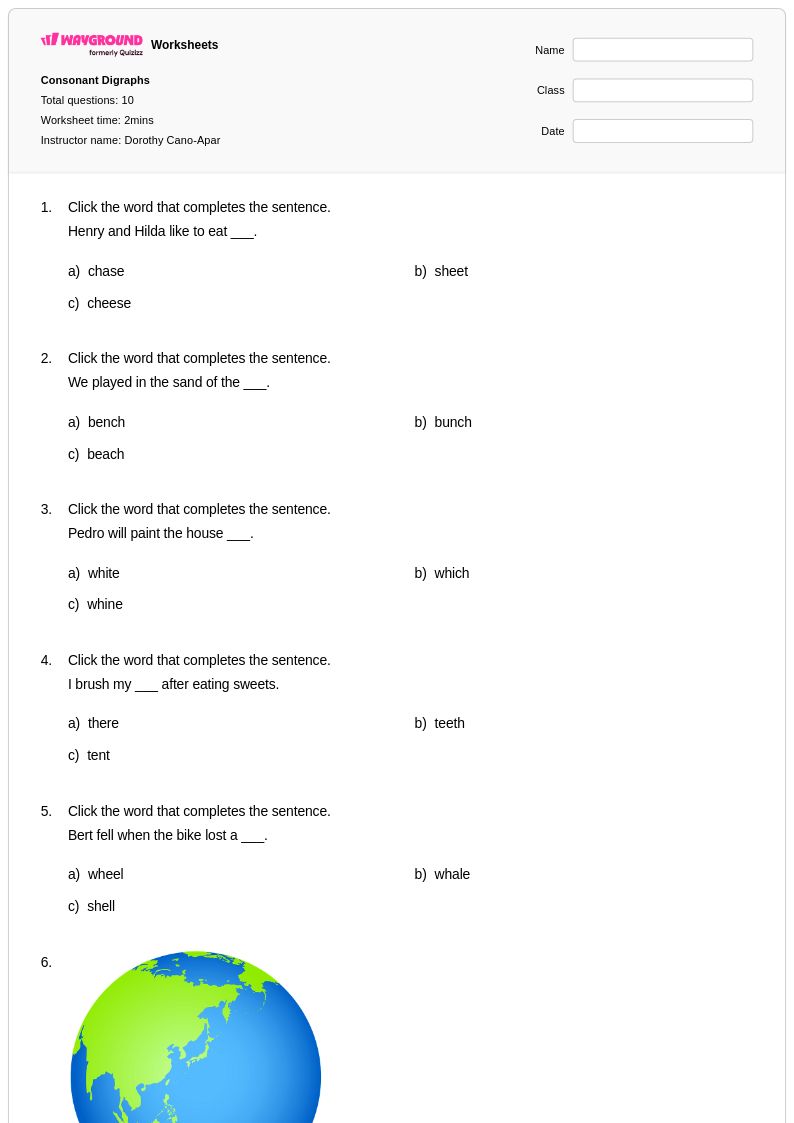
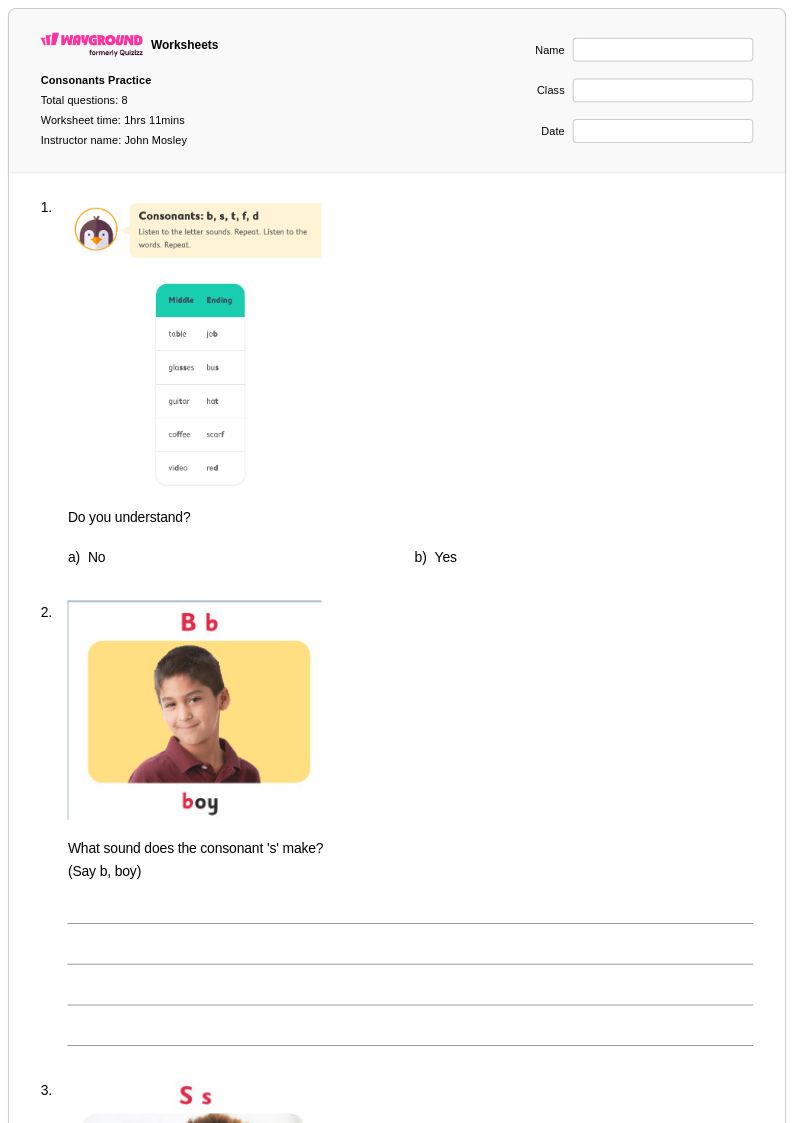
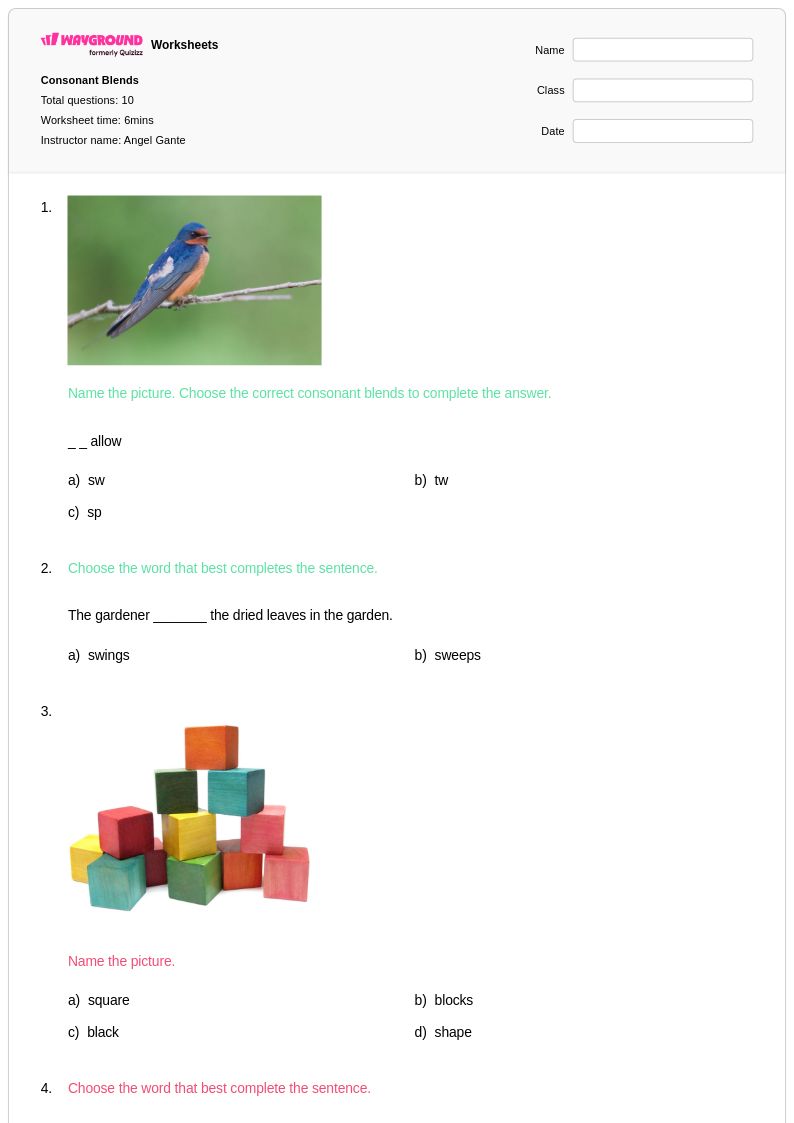
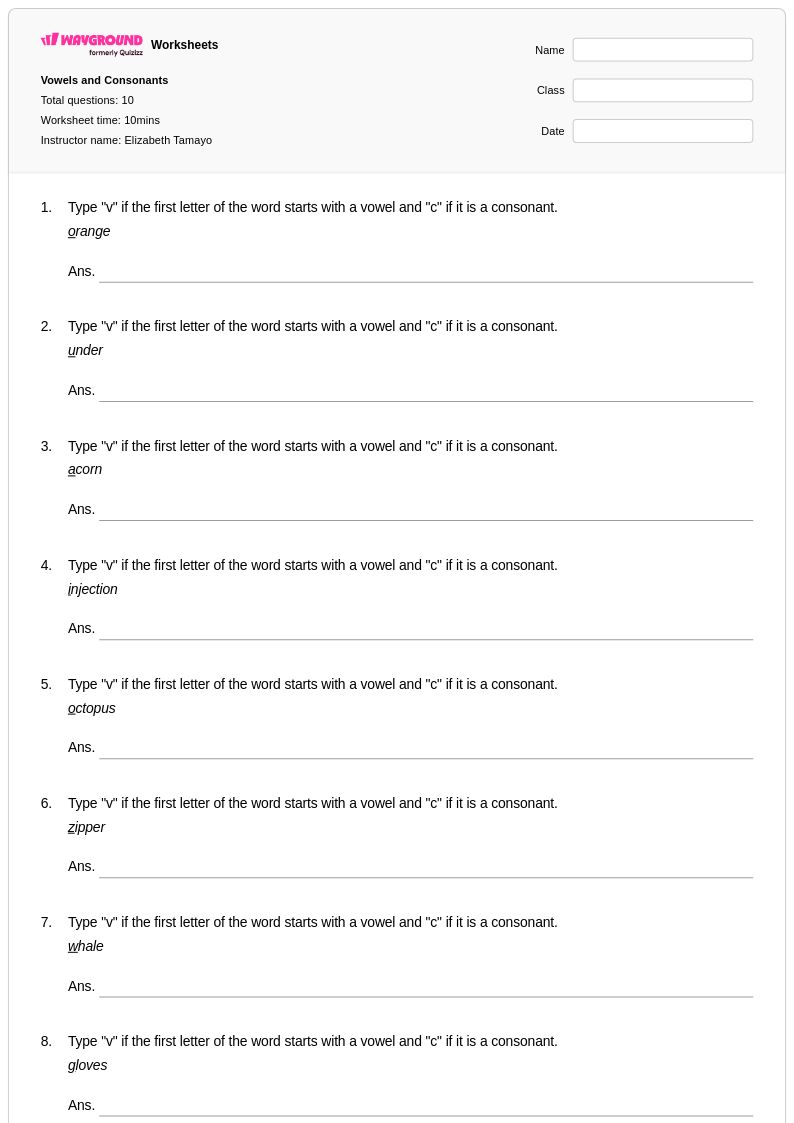
Consonant doubling worksheets for Class 1 students available through Wayground (formerly Quizizz) provide essential foundational practice for young learners mastering this critical spelling pattern. These carefully designed printables focus on helping first-grade students understand when to double consonants at the end of words, particularly with common examples like "bell," "doll," and "miss." The worksheets strengthen phonemic awareness and spelling accuracy through systematic practice problems that guide students in recognizing the visual and auditory patterns of doubled consonants. Each free resource includes comprehensive answer keys and structured exercises that build confidence in applying consonant doubling rules, making these pdf materials invaluable for both classroom instruction and independent practice.
Wayground (formerly Quizizz) empowers teachers with an extensive collection of millions of teacher-created consonant doubling worksheets specifically aligned to Class 1 spelling standards and developmental needs. The platform's robust search and filtering capabilities allow educators to quickly locate materials that match their students' specific skill levels, while differentiation tools enable seamless customization for diverse learning needs within the classroom. Teachers can access these resources in both printable and digital formats, including downloadable pdf versions, making lesson planning efficient and flexible. This comprehensive worksheet collection supports targeted remediation for struggling spellers, provides enrichment opportunities for advanced learners, and offers consistent skill practice that reinforces proper consonant doubling patterns essential for Class 1 spelling development.
FAQs
How do I teach consonant doubling rules to my students?
Start by anchoring the rule in a clear pattern: when a word ends in a single consonant preceded by a single short vowel, double the consonant before adding a vowel suffix (e.g., 'hop' becomes 'hopping'). Introduce the concept using high-frequency base words before moving to exceptions and multisyllabic words. Consistent, repeated exposure through word sorting, pattern analysis, and writing practice helps students internalize the rule rather than memorize it in isolation.
What exercises help students practice consonant doubling?
Effective practice includes suffix-addition exercises where students decide whether to double the final consonant before adding endings like -ing, -ed, or -er. Word sorting activities that contrast doubled and non-doubled forms help students recognize the short vowel pattern that triggers doubling. Targeted spelling dictation and error-correction tasks reinforce the rule in both recognition and production contexts.
What mistakes do students commonly make with consonant doubling?
The most common error is applying the doubling rule indiscriminately, including to words ending in two consonants or words with long vowel sounds (e.g., incorrectly writing 'dreamming' instead of 'dreaming'). Students also frequently confuse the rule for one-syllable words with multisyllabic words, where syllable stress determines whether doubling applies. Explicitly contrasting minimal pairs like 'hop/hopping' versus 'hope/hoping' helps students distinguish the short vowel trigger.
How do consonant doubling worksheets help with spelling accuracy?
Consonant doubling worksheets build spelling accuracy by giving students repeated, structured practice identifying short vowel sounds and applying the doubling rule before adding suffixes. Systematic exercises across different consonant patterns reduce guesswork and build automaticity, which transfers directly to writing. Because the rule is embedded in many common English words, mastering it has an outsized positive effect on everyday spelling performance.
How do I use Wayground's consonant doubling worksheets in my classroom?
Wayground's consonant doubling worksheets are available as printable PDFs for traditional classroom use and in digital formats for technology-integrated learning environments, and can also be hosted as a quiz directly on Wayground. Teachers can assign them as guided practice, independent work, or homework, and the included answer keys make self-checking and teacher review straightforward. For students who need additional support, Wayground's accommodation features, such as Read Aloud and reduced answer choices, can be applied individually so that targeted learners receive the scaffolding they need without disrupting the rest of the class.
How do I differentiate consonant doubling instruction for struggling spellers?
For struggling spellers, narrow the focus to one-syllable CVC words first before introducing multisyllabic words or exceptions. Pairing visual cues, such as marking the short vowel and final consonant before adding the suffix, with explicit rule rehearsal slows down the decision-making process and reduces errors. On Wayground, teachers can apply accommodations like Read Aloud and reduced answer choices to specific students, giving them targeted scaffolding while the rest of the class works with standard settings.