
16 Q
3rd - Uni
10 Q
4th - Uni
19 Q
5th - Uni
19 Q
4th - Uni
17 Q
6th - Uni
10 Q
4th - Uni
15 Q
5th - Uni
10 Q
5th - Uni
11 Q
5th - 8th
10 Q
6th - 8th
10 Q
8th
20 Q
8th
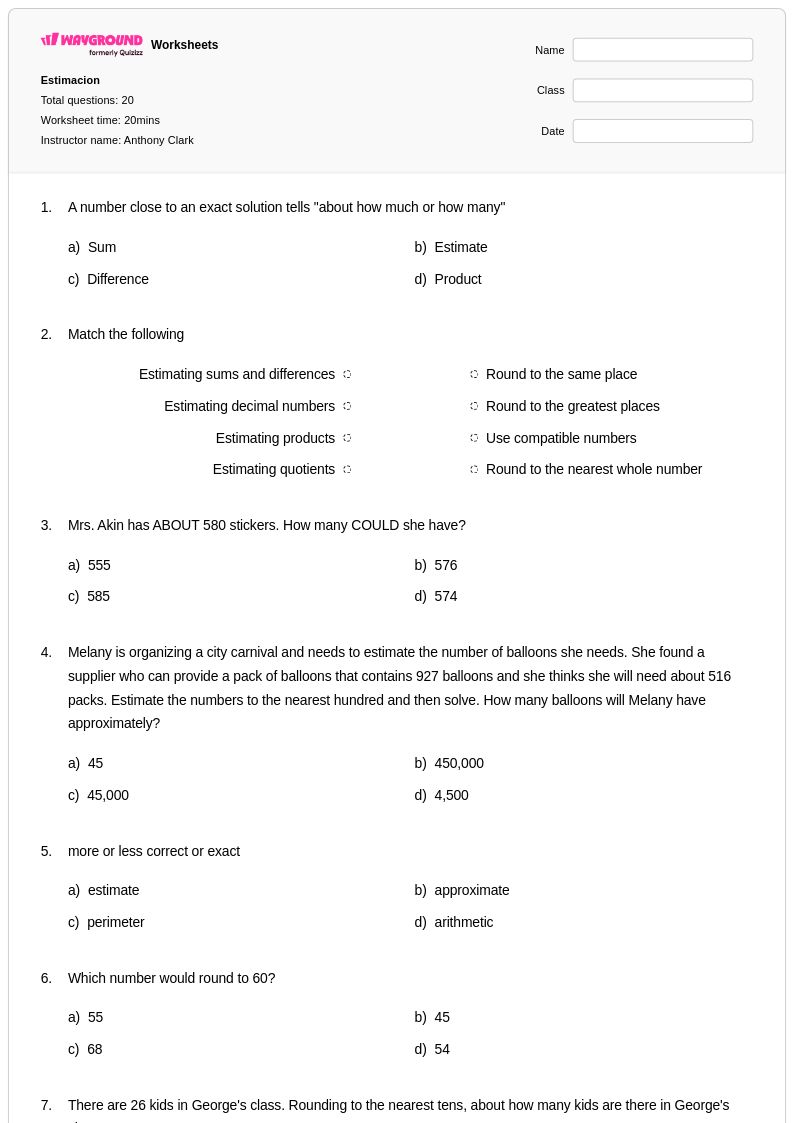
20 Q
3rd - Uni
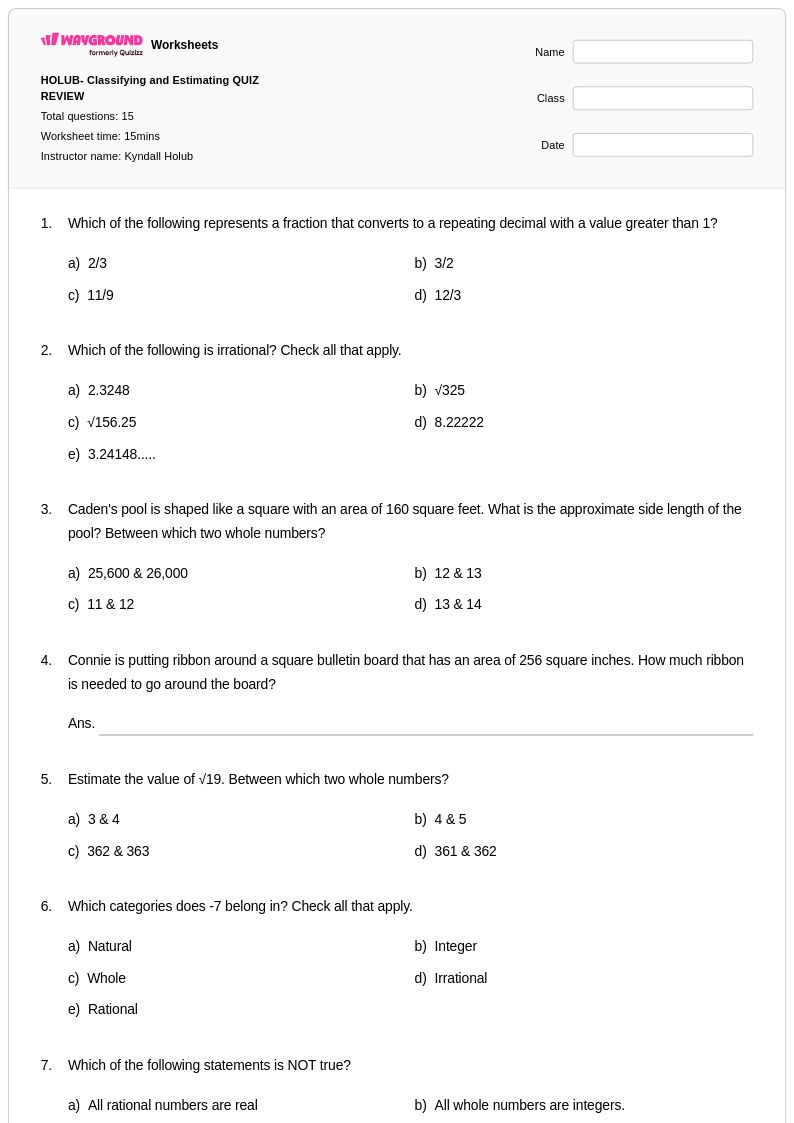
15 Q
8th
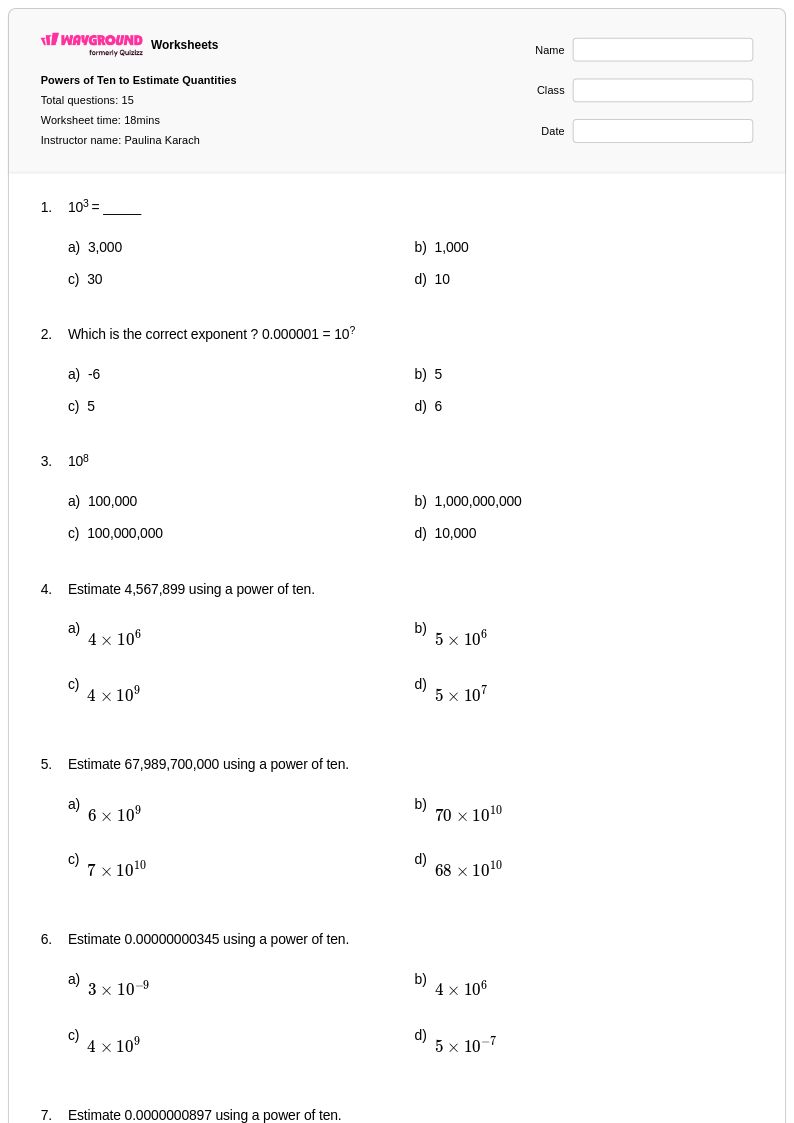
15 Q
8th
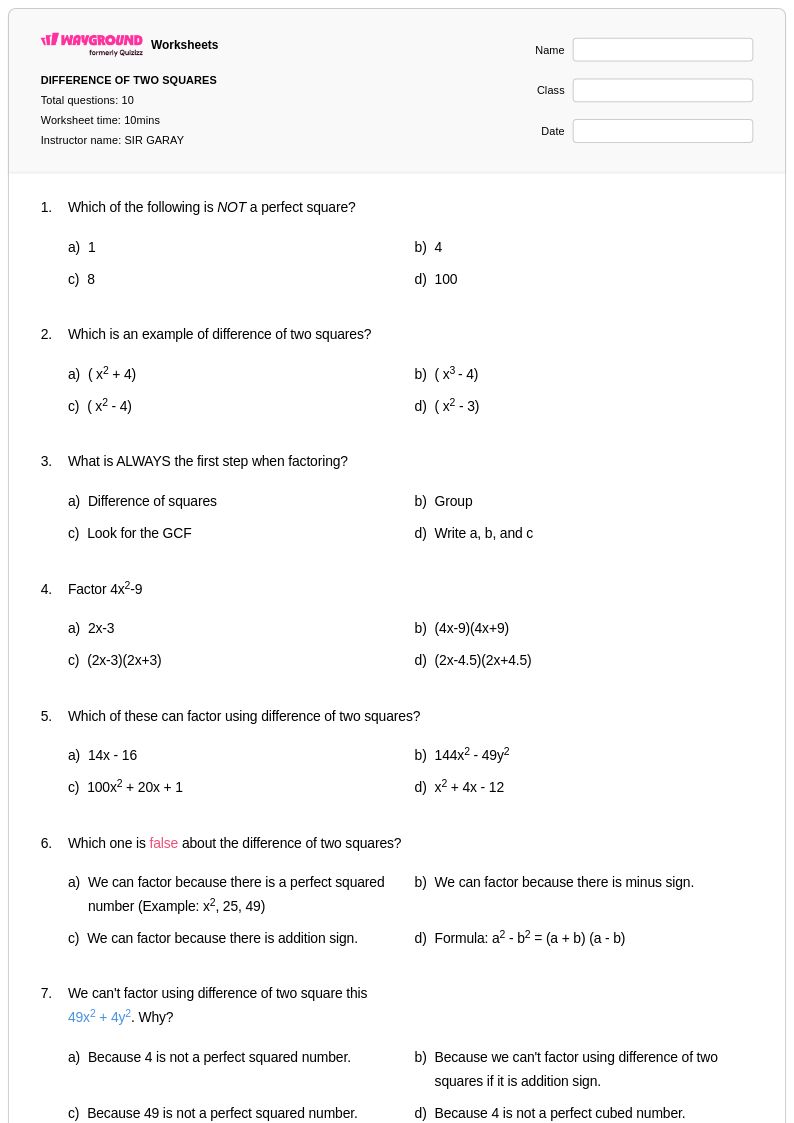
10 Q
8th
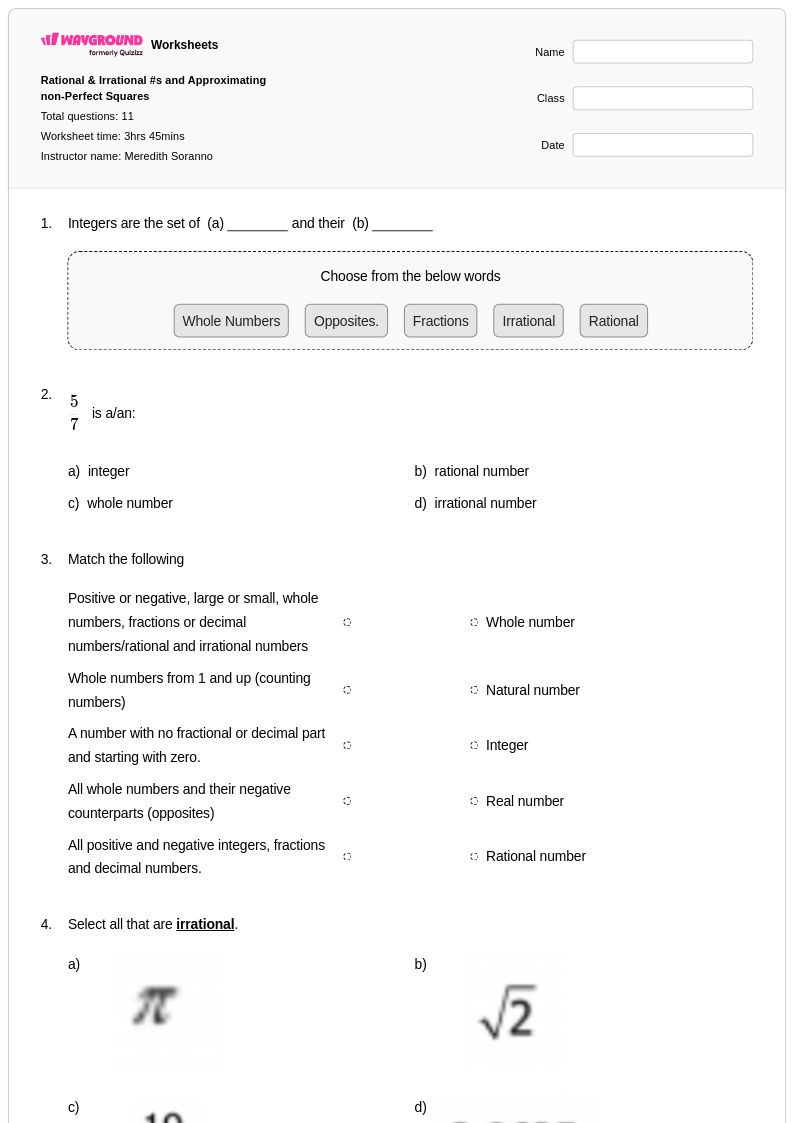
11 Q
8th
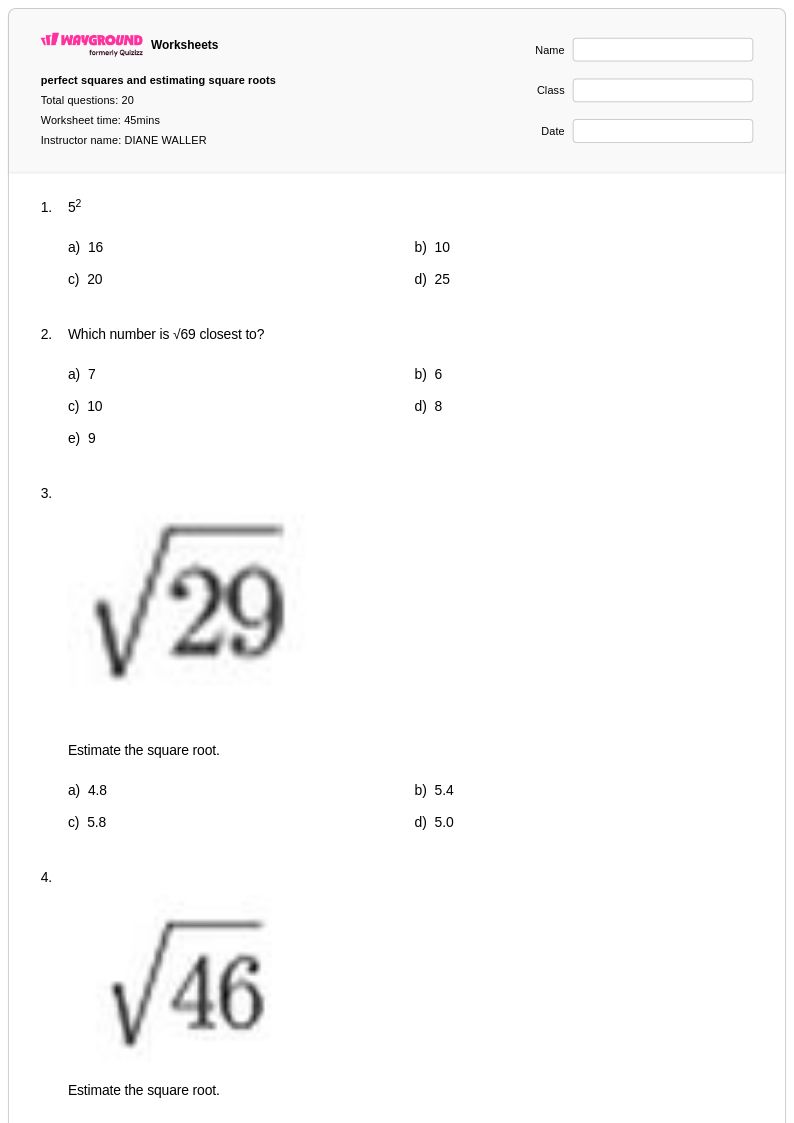
20 Q
8th
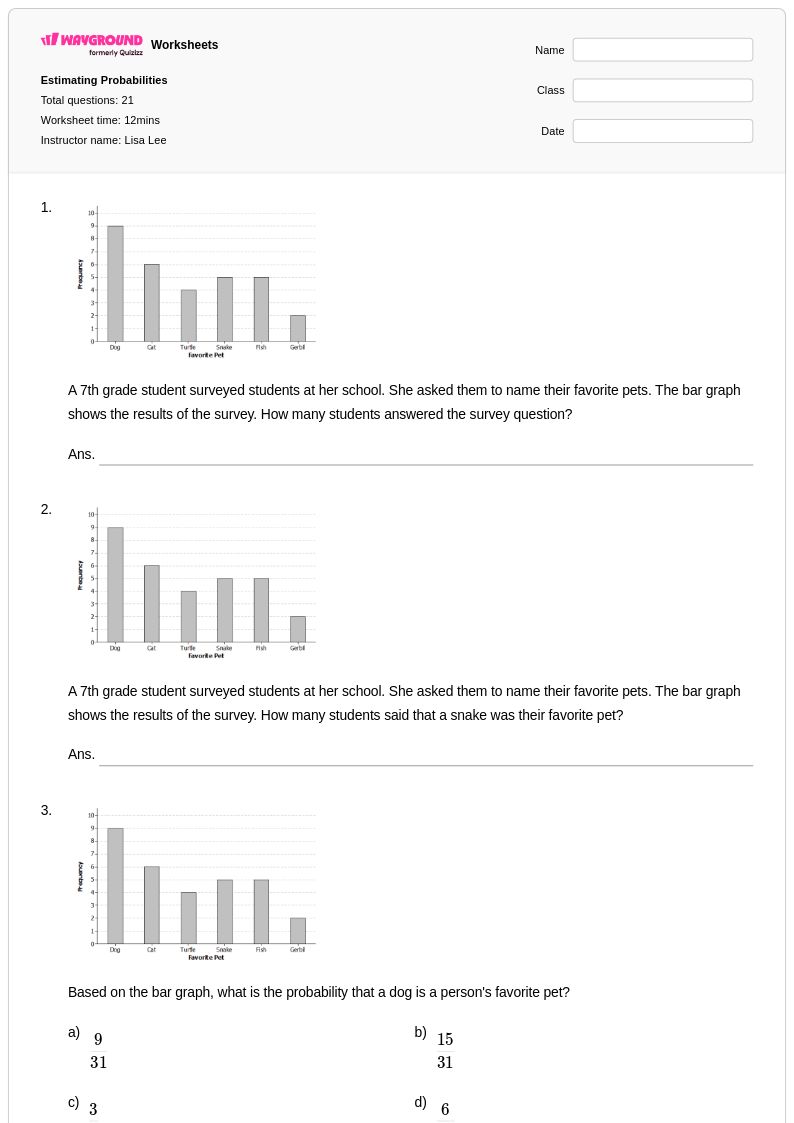
21 Q
6th - 8th
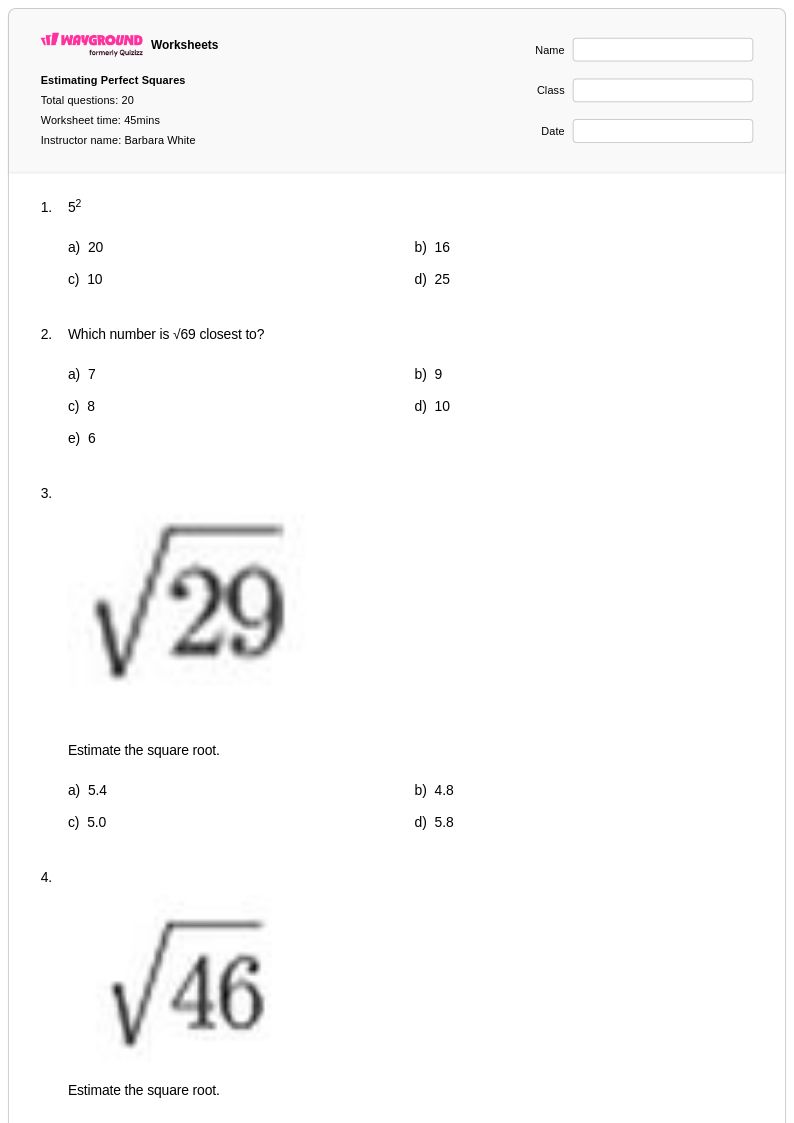
20 Q
8th
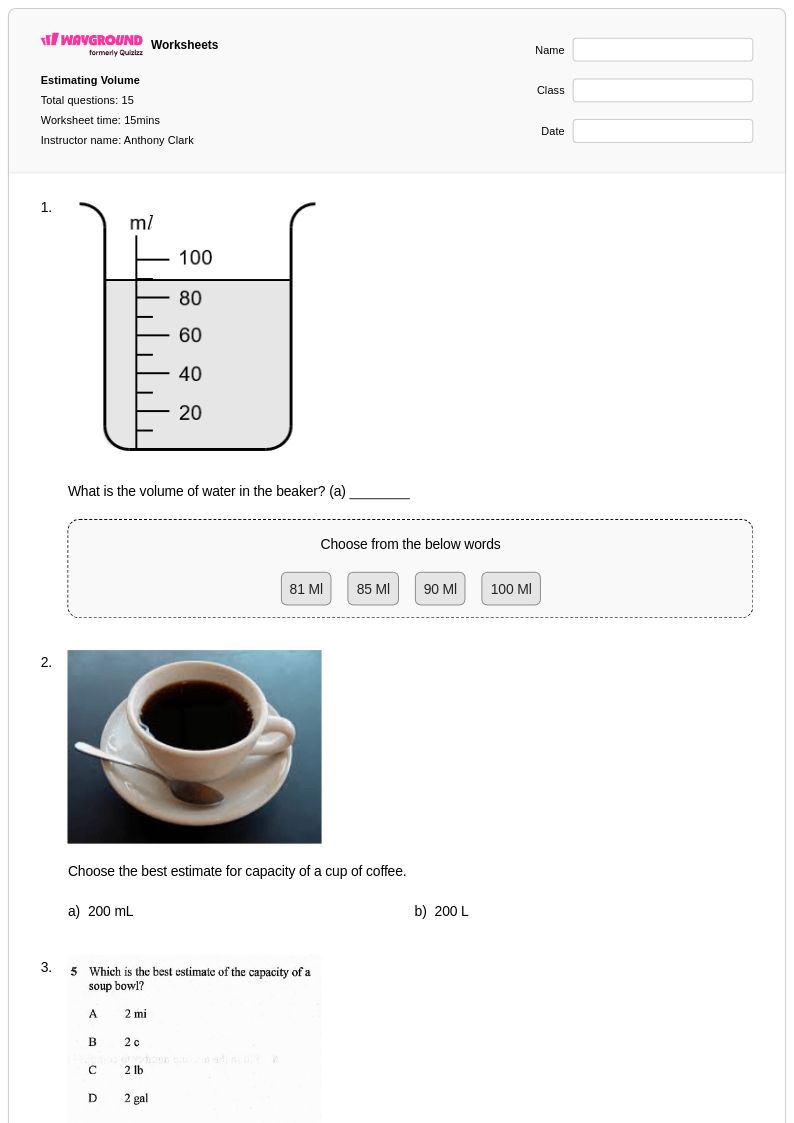
15 Q
3rd - Uni
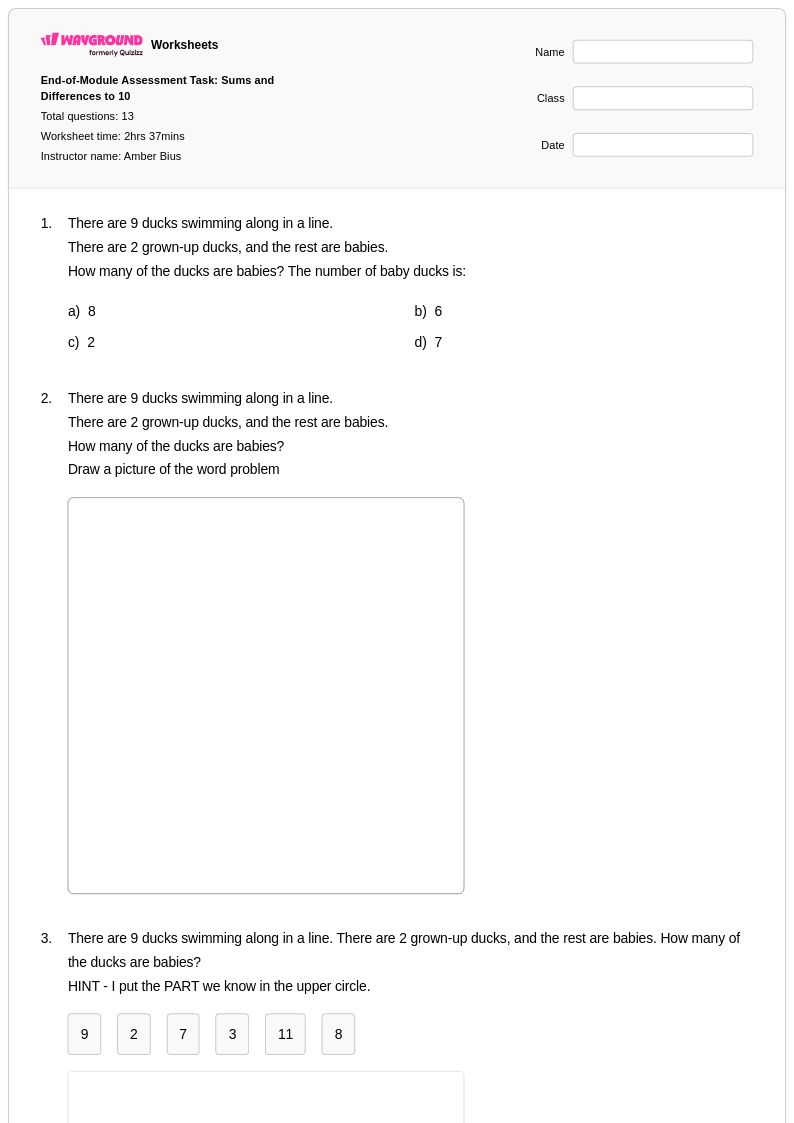
13 Q
1st - Uni
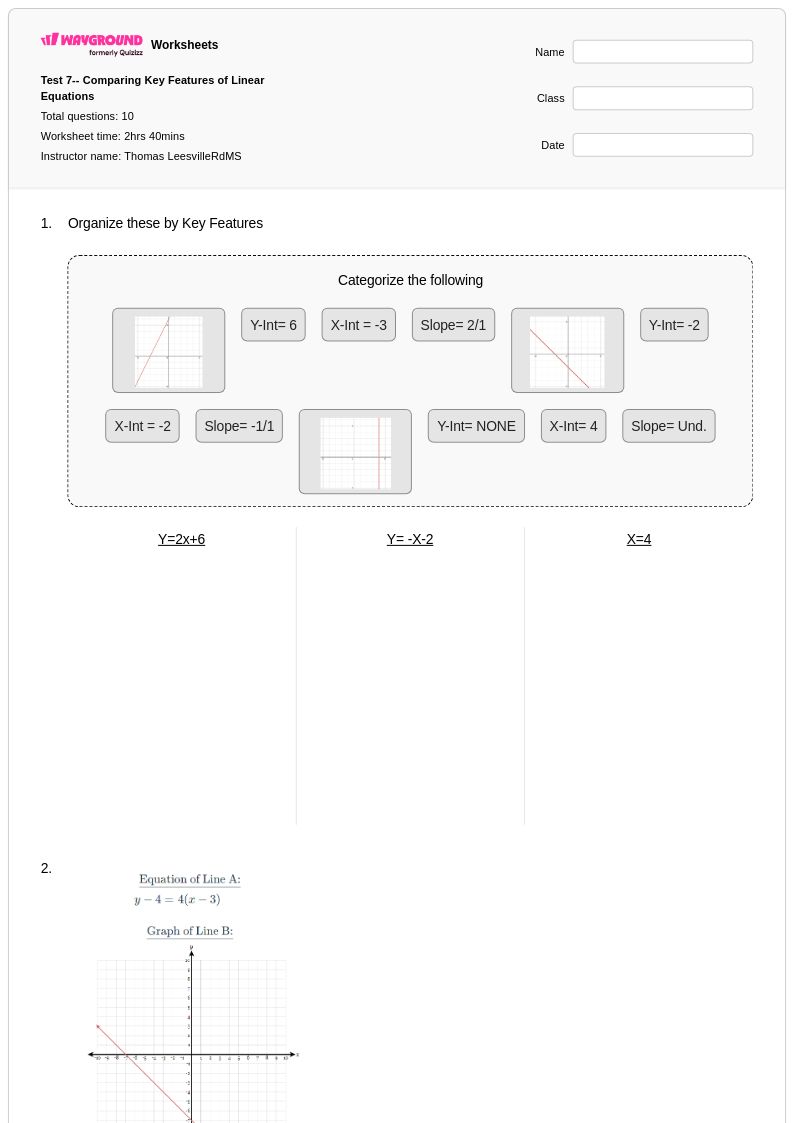
10 Q
8th
Explore Other Subject Worksheets for class 8
Explore printable Estimating Differences worksheets for Class 8
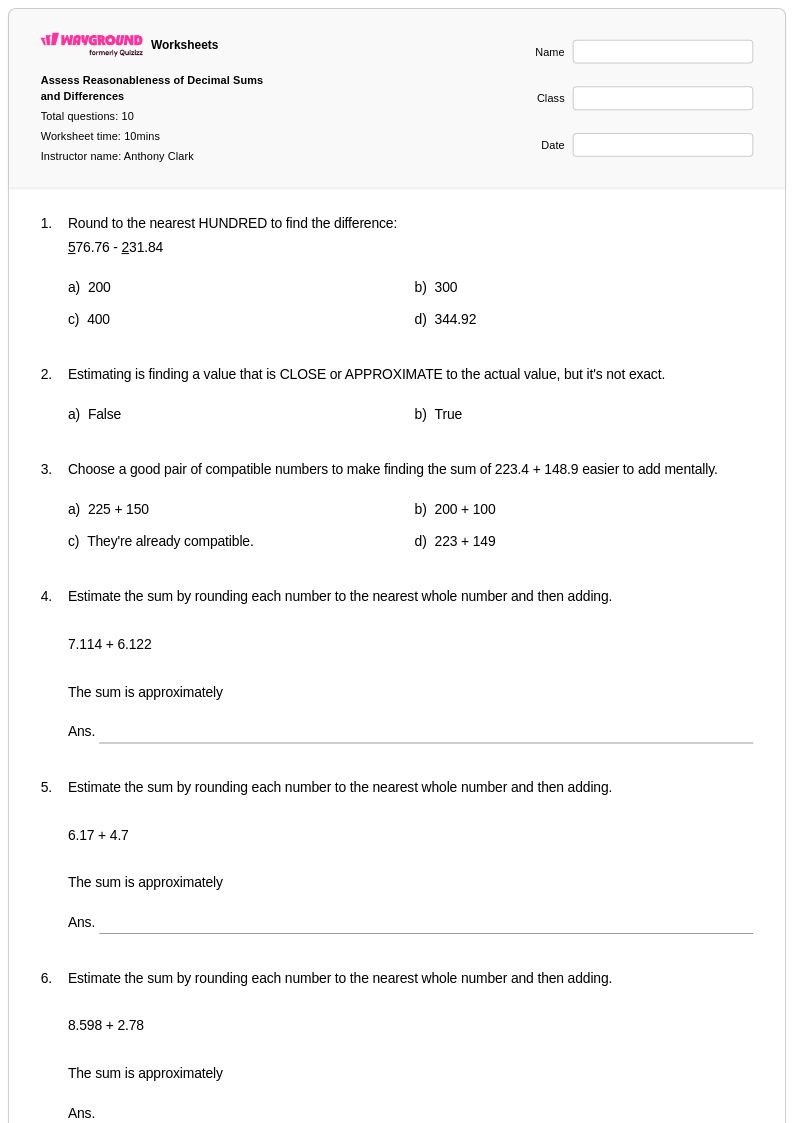
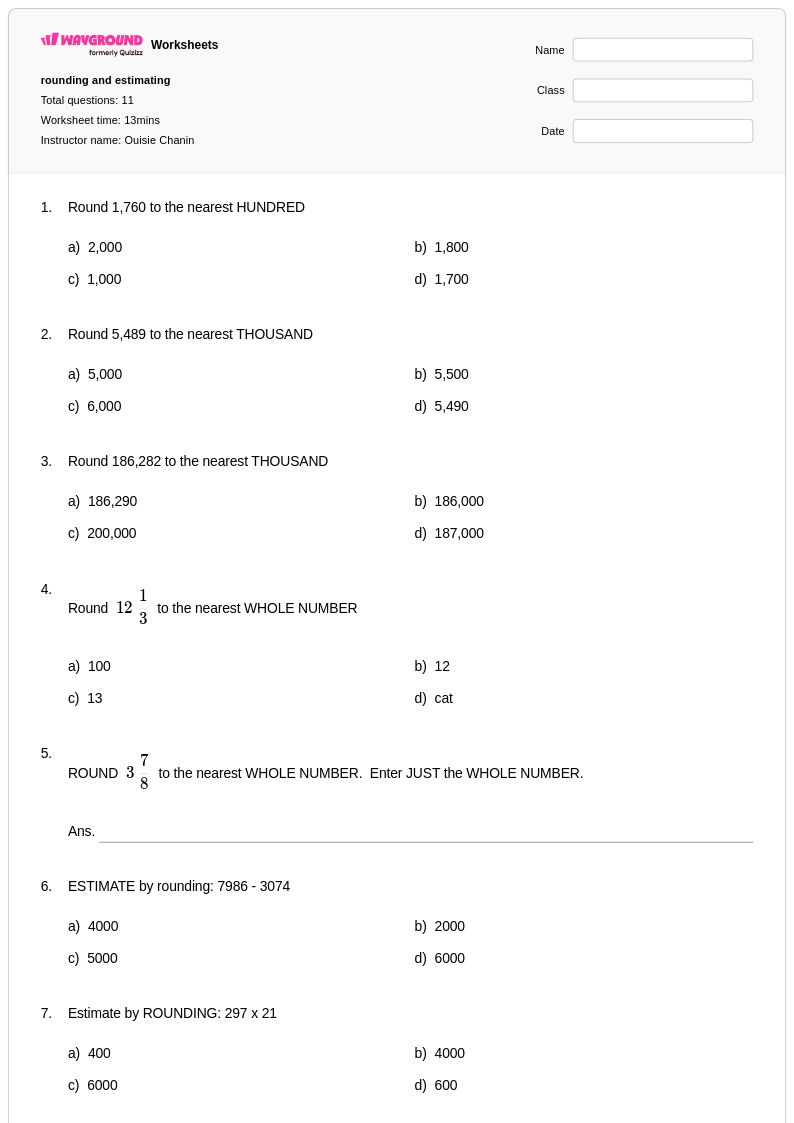
Estimating differences worksheets for Class 8 students available through Wayground (formerly Quizizz) provide comprehensive practice in developing crucial approximation skills that form the foundation of advanced mathematical reasoning. These carefully crafted worksheets focus on teaching students to mentally calculate approximate differences between whole numbers, decimals, and fractions without relying on precise computation methods. Students work through practice problems that emphasize rounding strategies, benchmark number identification, and front-end estimation techniques to quickly assess the reasonableness of their calculations. Each printable worksheet includes a detailed answer key that guides students through the estimation process step-by-step, while the free pdf format ensures accessibility for both classroom instruction and independent study sessions.
Wayground (formerly Quizizz) empowers educators with millions of teacher-created estimating differences resources specifically designed to meet Class 8 mathematics standards and accommodate diverse learning needs. The platform's robust search and filtering capabilities allow teachers to quickly locate worksheets that align with specific curriculum requirements, while differentiation tools enable customization based on individual student skill levels and learning objectives. These versatile resources are available in both printable and digital formats, including downloadable pdf versions that facilitate seamless integration into lesson planning, targeted remediation sessions, and enrichment activities. Teachers can efficiently modify worksheet difficulty levels, adjust problem complexity, and create personalized practice sets that strengthen students' number sense while building confidence in mental mathematics estimation strategies.
FAQs
How should I teach estimating differences in Grade 8?
What are effective Grade 8 activities for practicing estimated differences?
Why do students get estimating-differences problems wrong?
How do I assign a Wayground estimating differences worksheet?
How does estimating differences connect to Common Core math in Grade 8?
How can I scaffold estimating differences for Grade 8 students?
Is estimating differences a Grade 8 skill?