Free Printable Identifying Triggers in Social-emotional Learning Worksheets for Class 7
Class 7 students develop essential social-emotional learning skills through free printable worksheets focused on identifying triggers, featuring practice problems and comprehensive answer keys to strengthen self-awareness and emotional regulation abilities.
Explore printable Identifying Triggers in Social-emotional Learning worksheets for Class 7
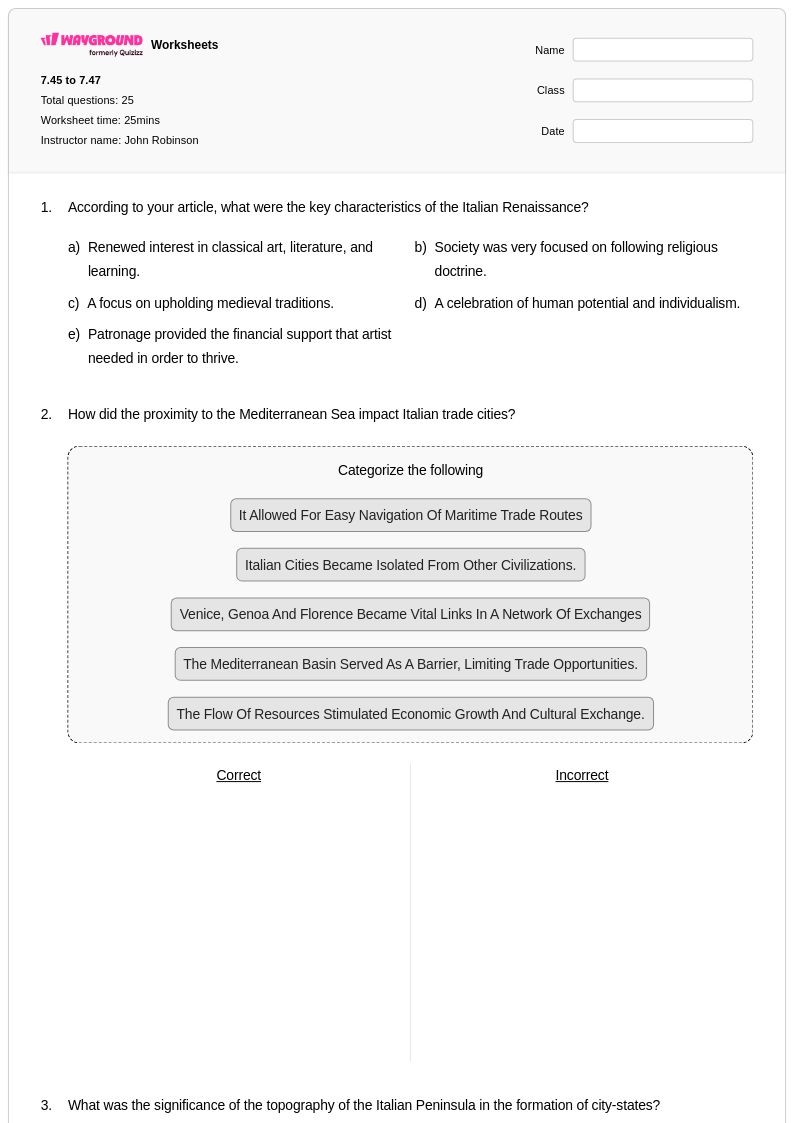
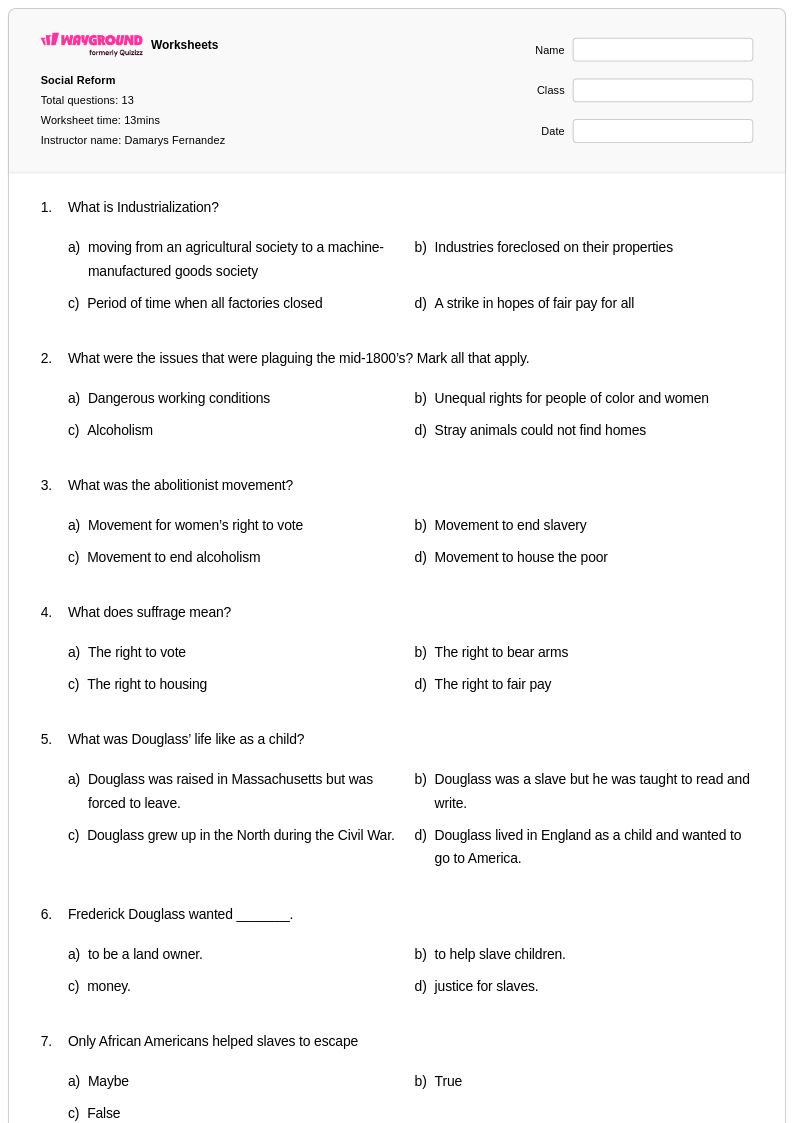
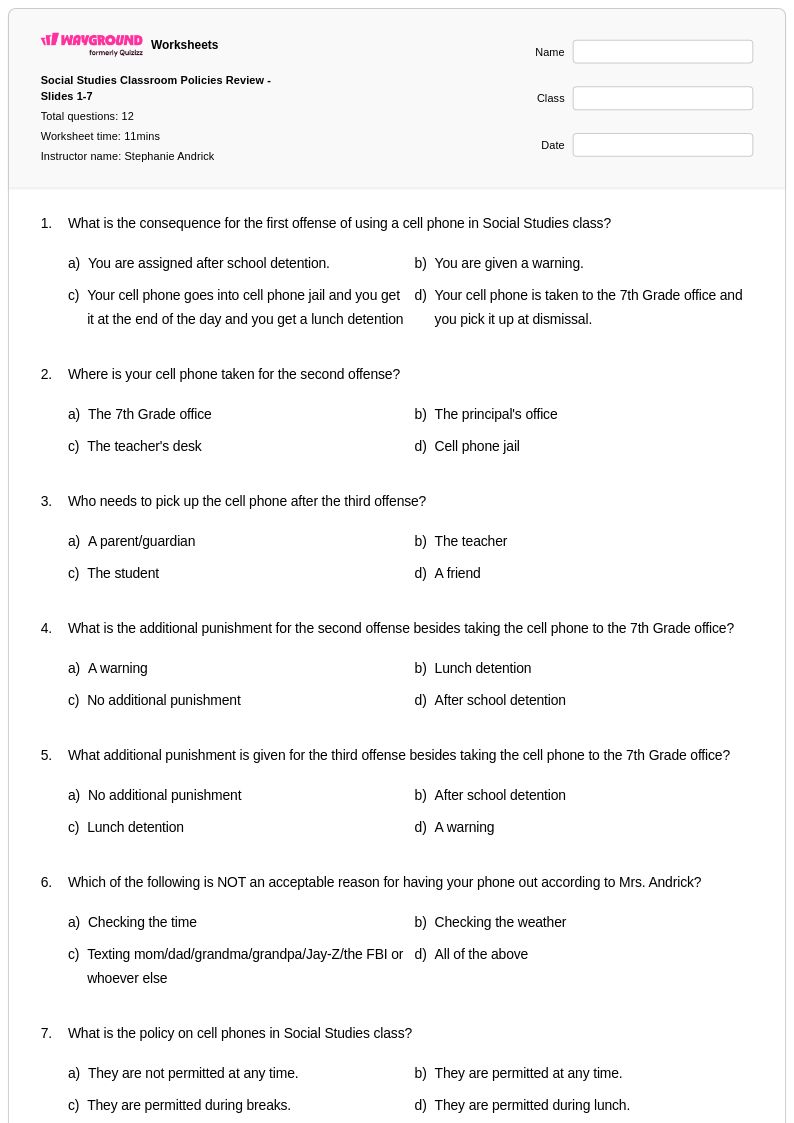
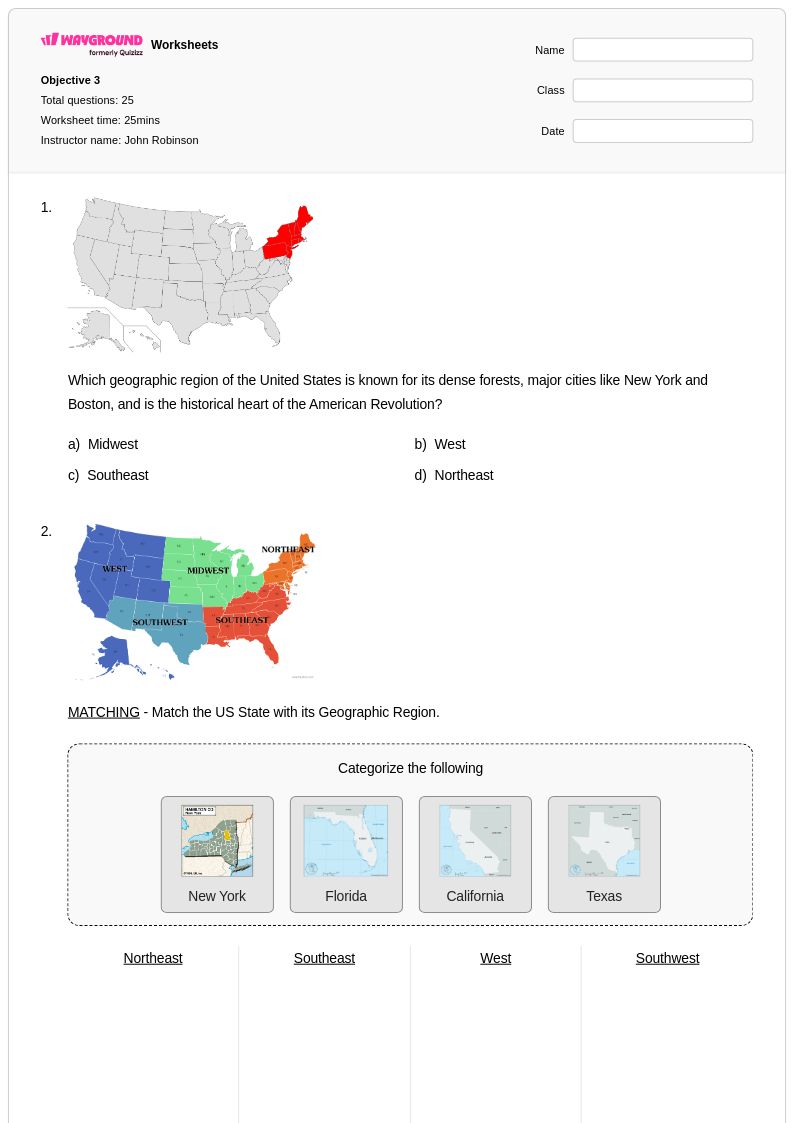
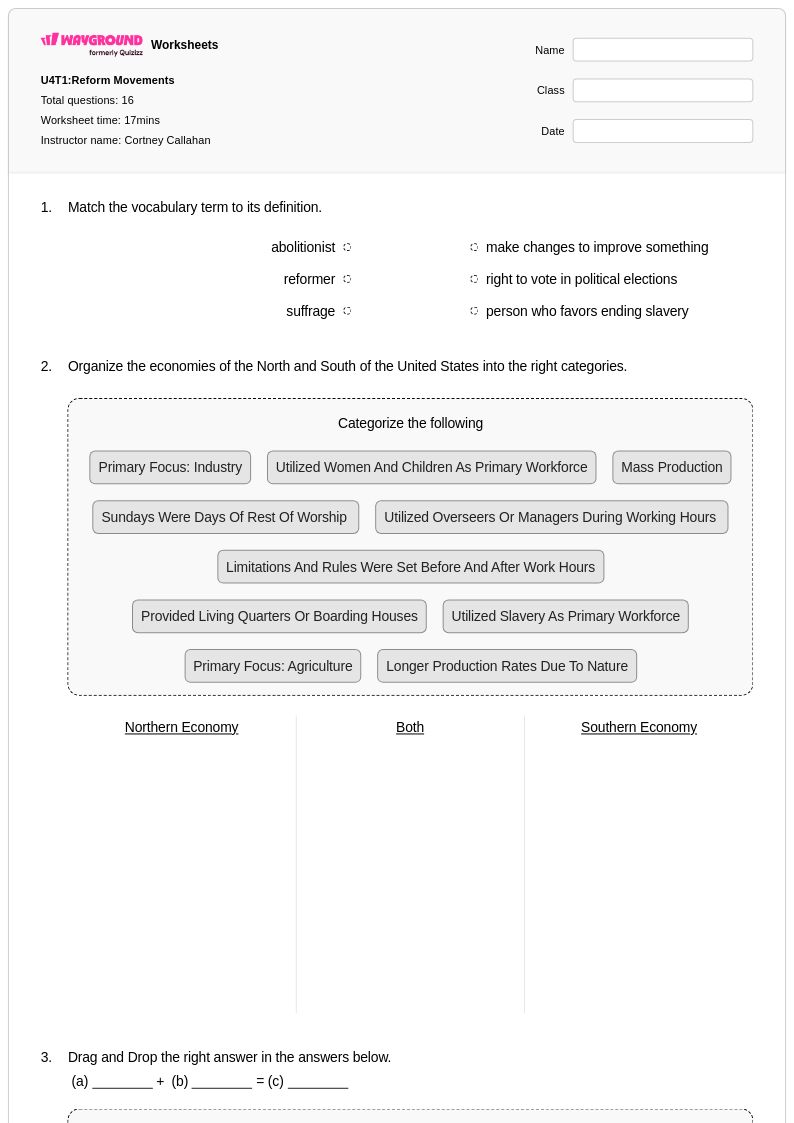
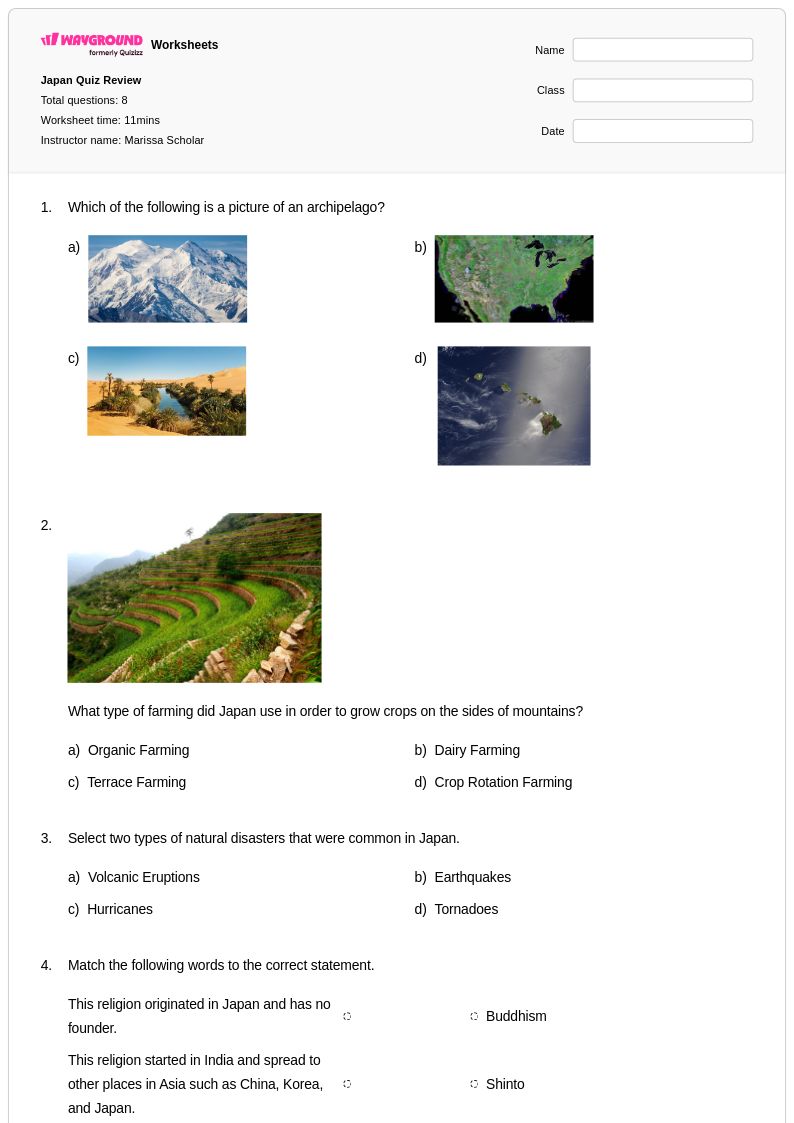
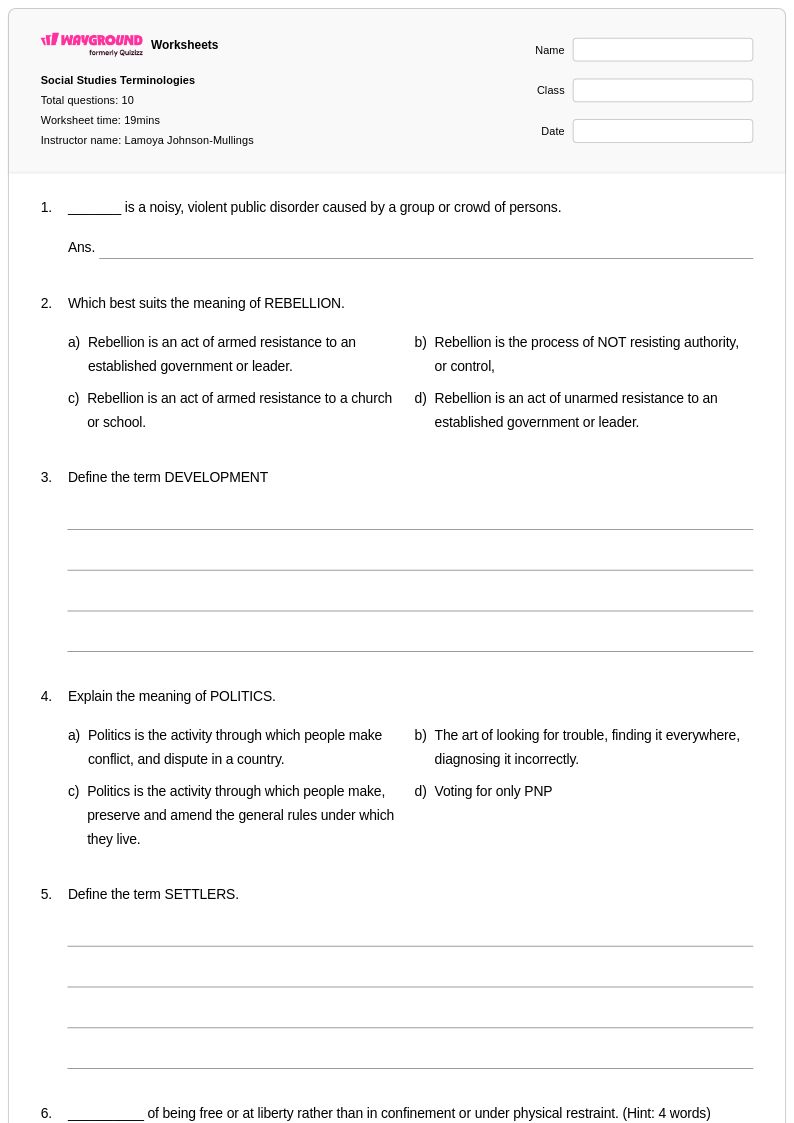
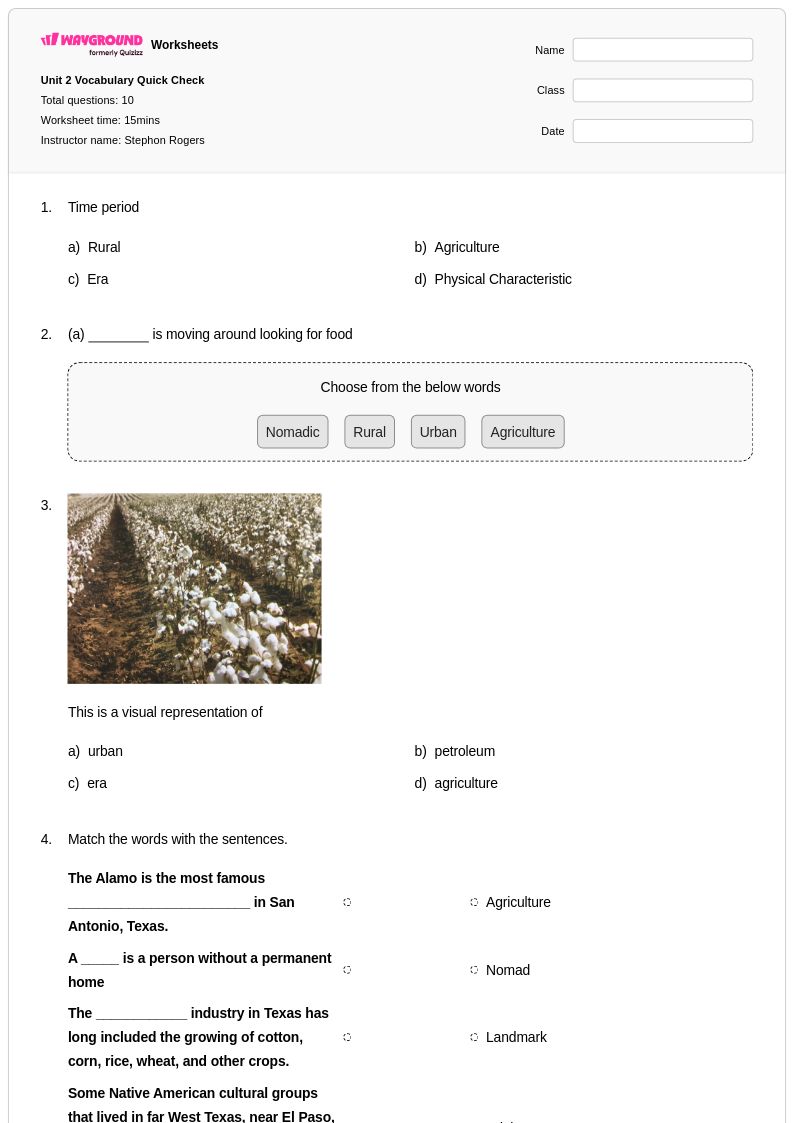
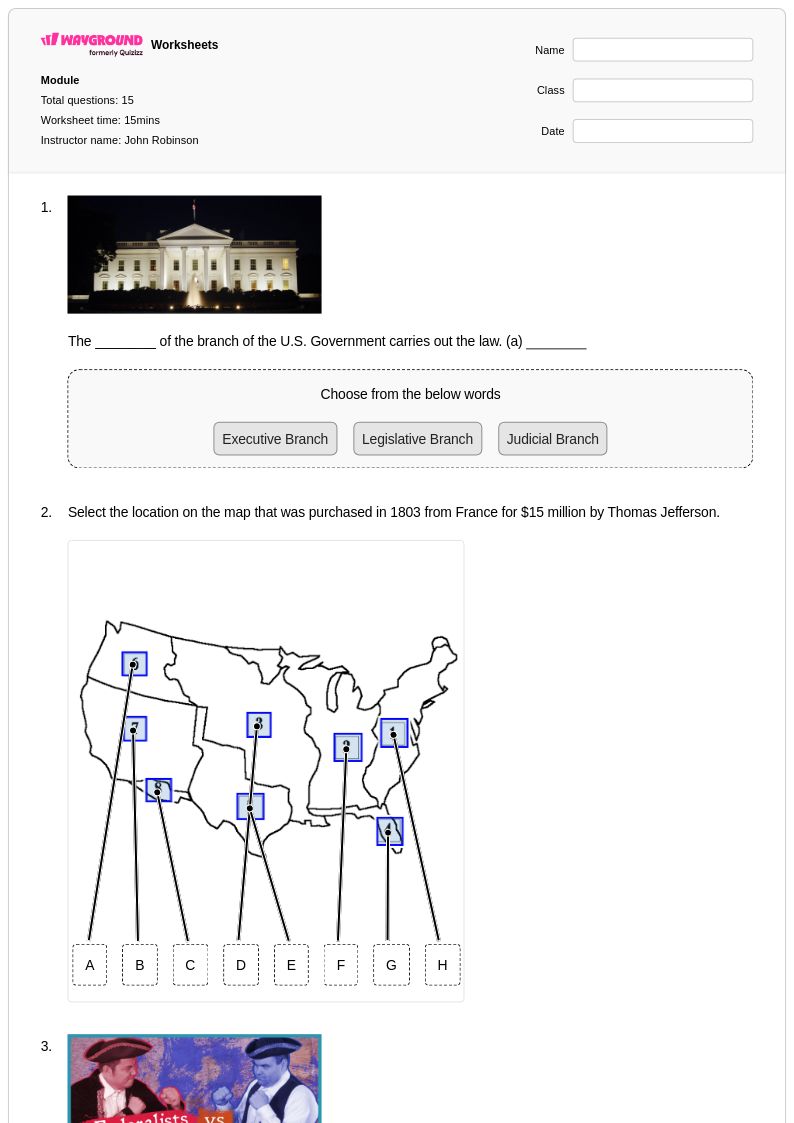
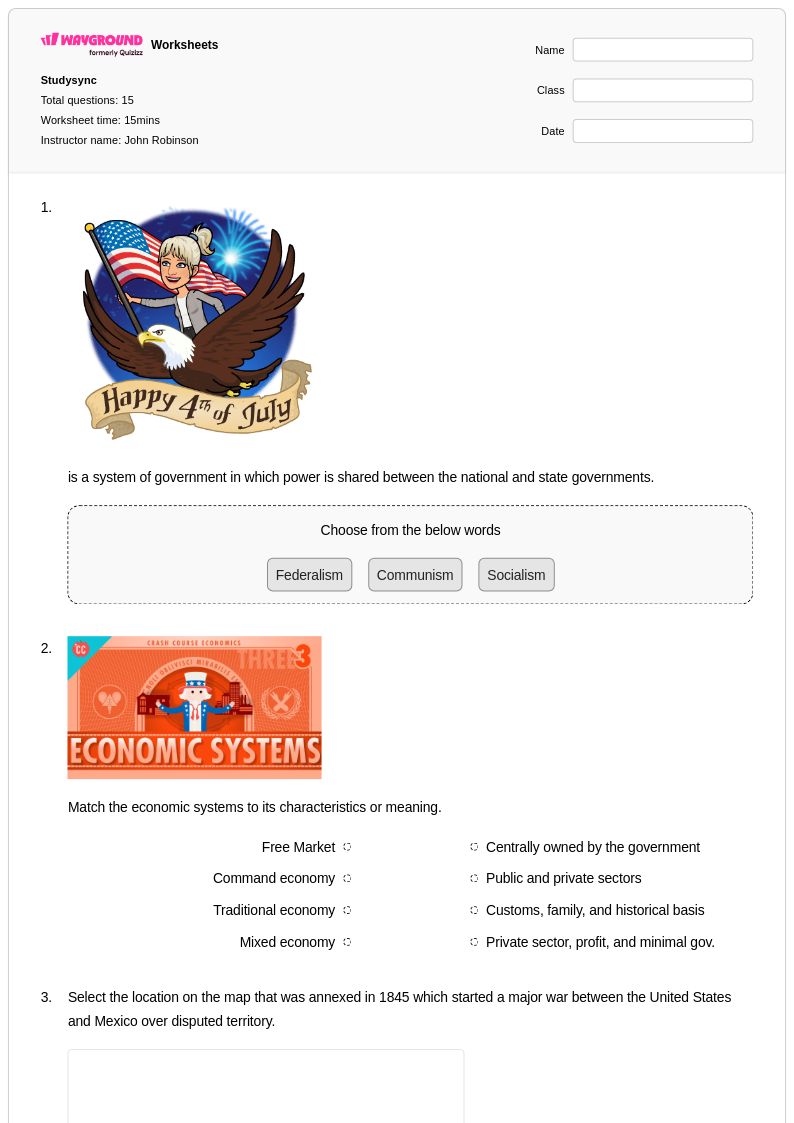
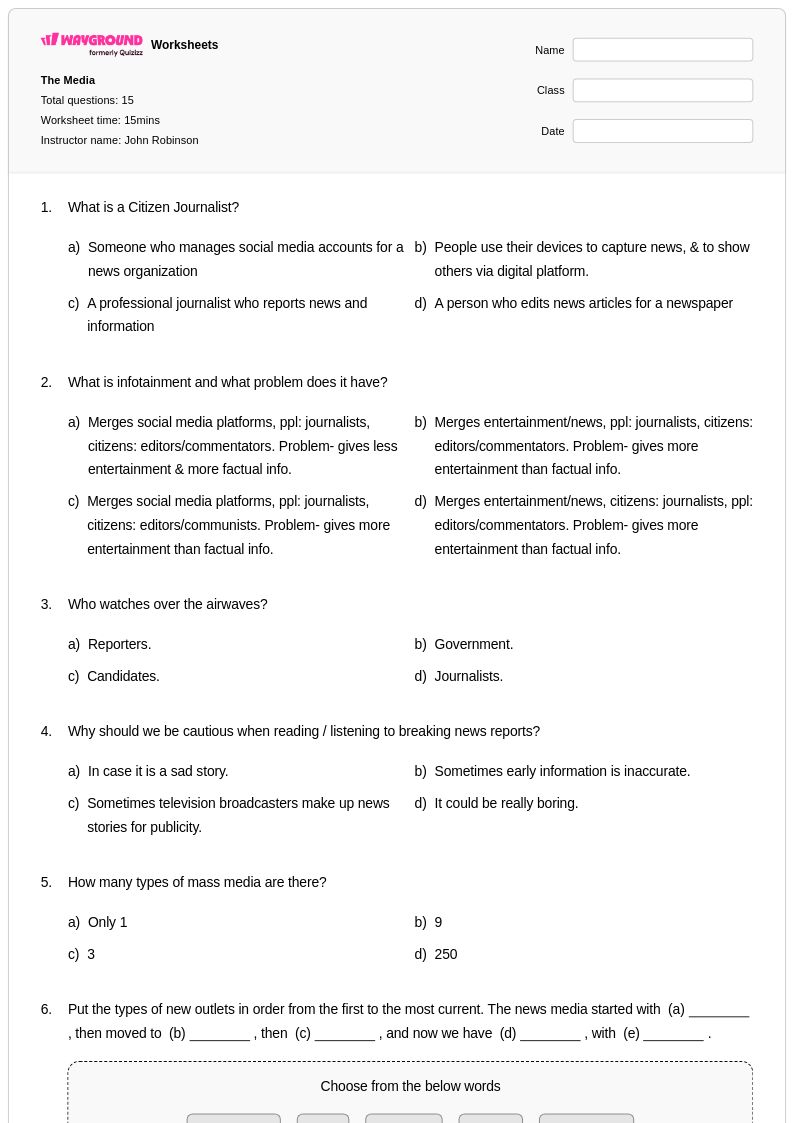
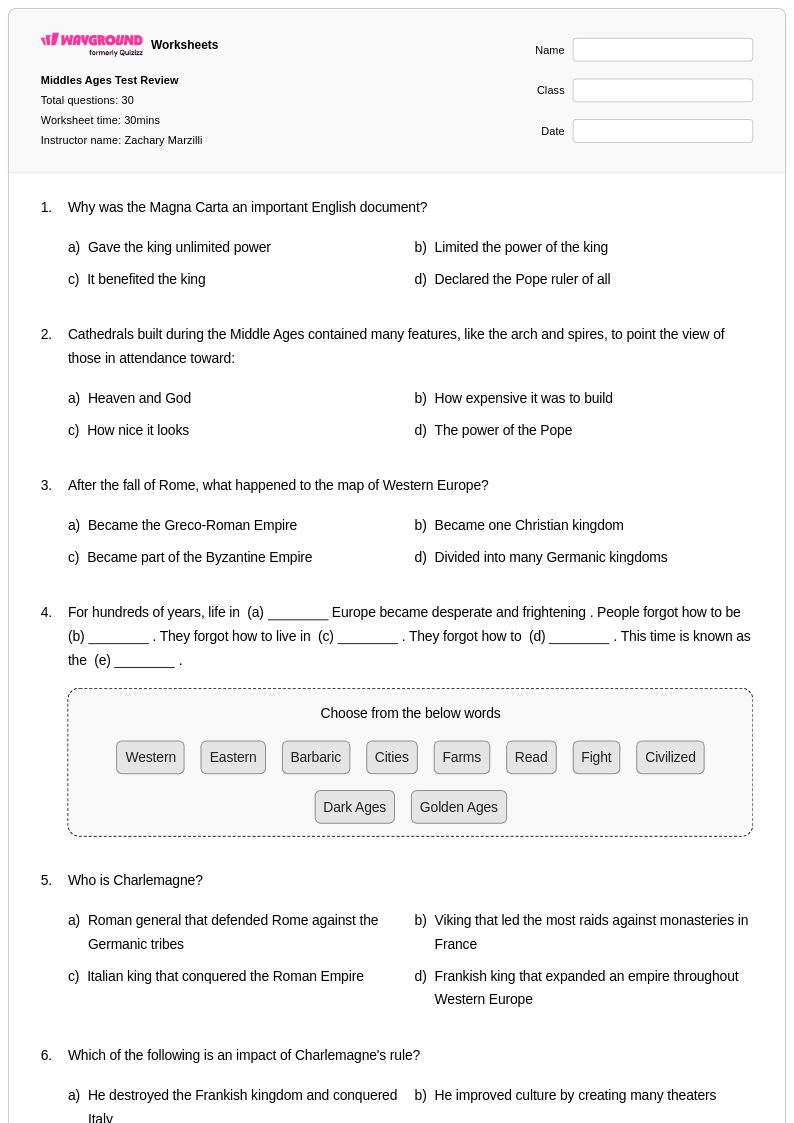
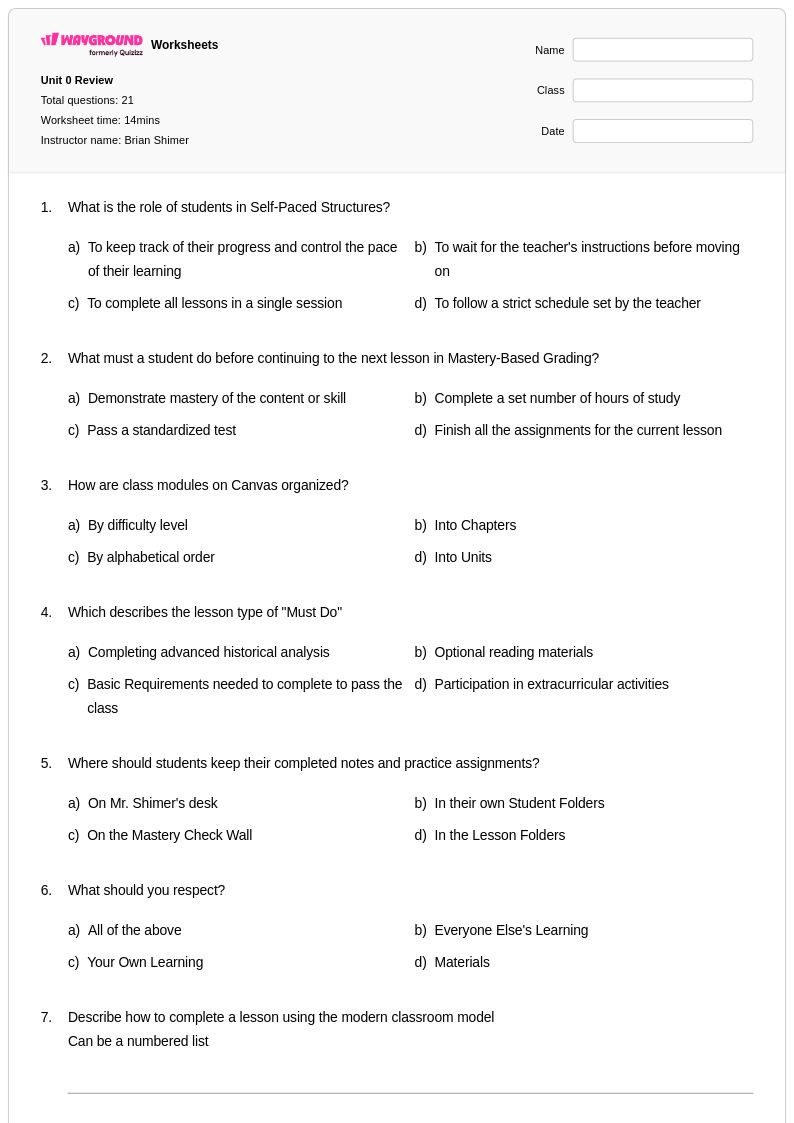
Identifying triggers in social-emotional learning represents a crucial component of Class 7 social studies education, helping students develop essential self-awareness and emotional regulation skills. Wayground's comprehensive collection of worksheets focuses specifically on helping seventh-grade students recognize personal and environmental factors that influence their emotional responses and social interactions. These carefully designed educational resources strengthen students' ability to identify internal triggers such as stress, fatigue, or specific thoughts, as well as external triggers including peer pressure, academic challenges, or social conflicts. Each worksheet includes detailed answer keys and practice problems that guide students through real-world scenarios, while the free printable pdf format ensures easy classroom implementation and individual study opportunities.
Wayground, formerly Quizizz, empowers educators with millions of teacher-created resources specifically designed to support social-emotional learning curriculum at the middle school level. The platform's robust search and filtering capabilities allow teachers to quickly locate worksheets aligned with specific social studies standards and grade-appropriate emotional intelligence objectives. Advanced differentiation tools enable instructors to customize content complexity and modify practice problems to meet diverse learning needs, while the availability of both printable and digital pdf formats provides flexibility for various classroom environments. These comprehensive features streamline lesson planning by offering ready-to-use materials for skill practice, targeted remediation for students struggling with emotional awareness concepts, and enrichment opportunities for advanced learners seeking deeper exploration of social-emotional competencies.
FAQs
How do I teach students to identify their emotional triggers?
Start by helping students build a common vocabulary for emotions before introducing the concept of triggers. Use structured reflection activities that walk students through specific scenarios, asking them to identify the situation, their emotional response, and what specifically prompted that reaction. Connecting triggers to observable physical cues (such as a racing heart or tense shoulders) helps students recognize patterns in their own responses over time.
What exercises help students practice identifying triggers?
Scenario-based worksheets are particularly effective because they allow students to analyze emotional situations at a safe distance before applying the same thinking to their own lives. Practice problems that present real-world social contexts, such as conflict with a peer or unexpected changes in routine, help students identify emotional, environmental, and social cues that drive reactions. Repeated exposure to varied scenarios builds the pattern recognition students need to apply this skill independently.
What are common mistakes students make when learning to identify triggers?
A frequent misconception is that a trigger is the same as the emotion itself — students often name the feeling rather than the specific cue or situation that preceded it. Students also tend to oversimplify triggers as purely interpersonal (e.g., 'someone made me mad') without recognizing environmental or sensory factors. Guiding students to slow down and trace the sequence of events before the emotional response helps correct this pattern.
How can I differentiate trigger identification activities for students with different emotional literacy levels?
For students who are newer to SEL concepts, reducing the complexity of scenarios and providing emotion word banks can lower the cognitive barrier to entry. For more advanced students, open-ended reflection prompts that require them to draw connections across multiple triggers and contexts deepen the skill. On Wayground, teachers can apply accommodations such as read aloud support and reduced answer choices to individual students, ensuring each learner engages with the material at an appropriate level without singling anyone out.
How do I use Wayground's identifying triggers worksheets in my classroom?
Wayground's identifying triggers worksheets are available as printable PDFs for traditional classroom use and in digital formats for technology-integrated learning environments. Teachers can also host these worksheets as a quiz directly on Wayground, making them suitable for independent practice, guided group work, or structured check-ins. The included answer keys support both self-paced student learning and teacher-led debriefs, making implementation straightforward across a range of classroom settings.
How does teaching trigger identification support broader social-emotional learning goals?
Recognizing personal triggers is a foundational step toward emotional regulation — students cannot manage their responses effectively if they cannot first identify what is prompting those responses. By developing this self-awareness skill, students build the groundwork for more advanced SEL competencies, including impulse control, empathy, and conflict resolution. Consistent practice with identifying triggers across varied social contexts helps students transfer this awareness into real behavioral change.