Free Printable Incident Command in Emergency Management Worksheets for Class 9
Class 9 Social Studies students can master incident command in emergency management through Wayground's comprehensive collection of free worksheets, printable PDFs, and practice problems with detailed answer keys.
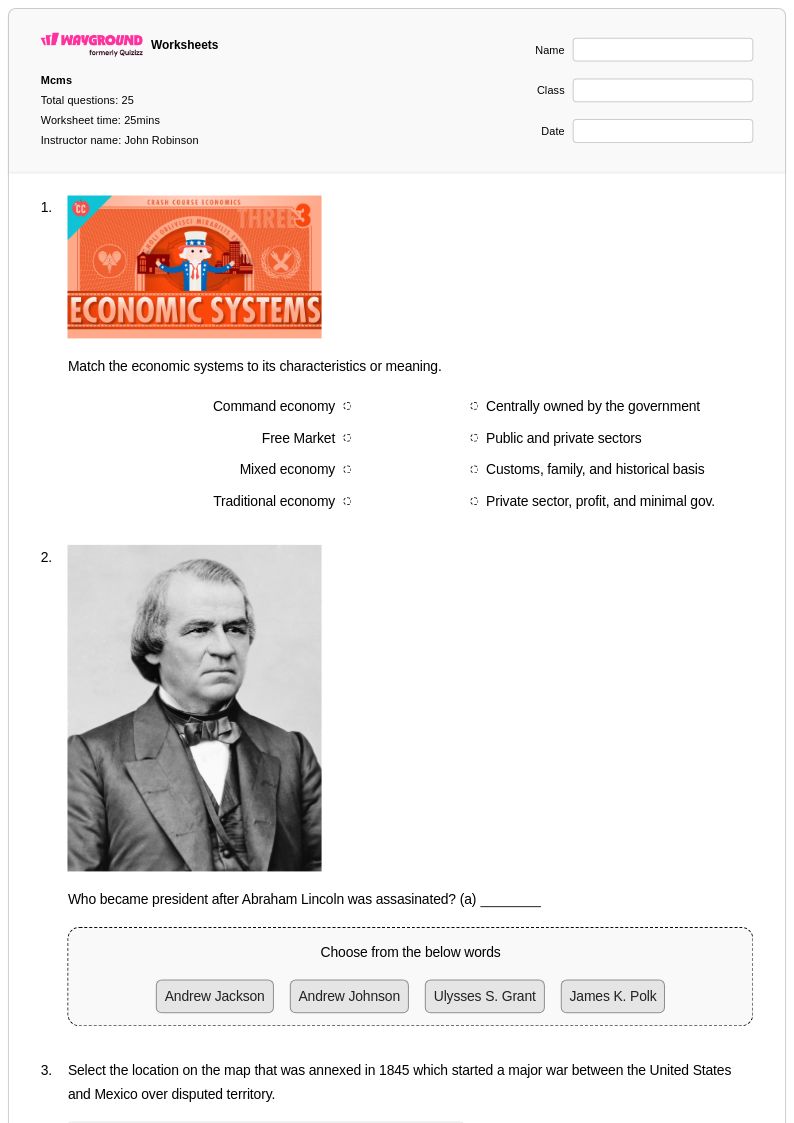
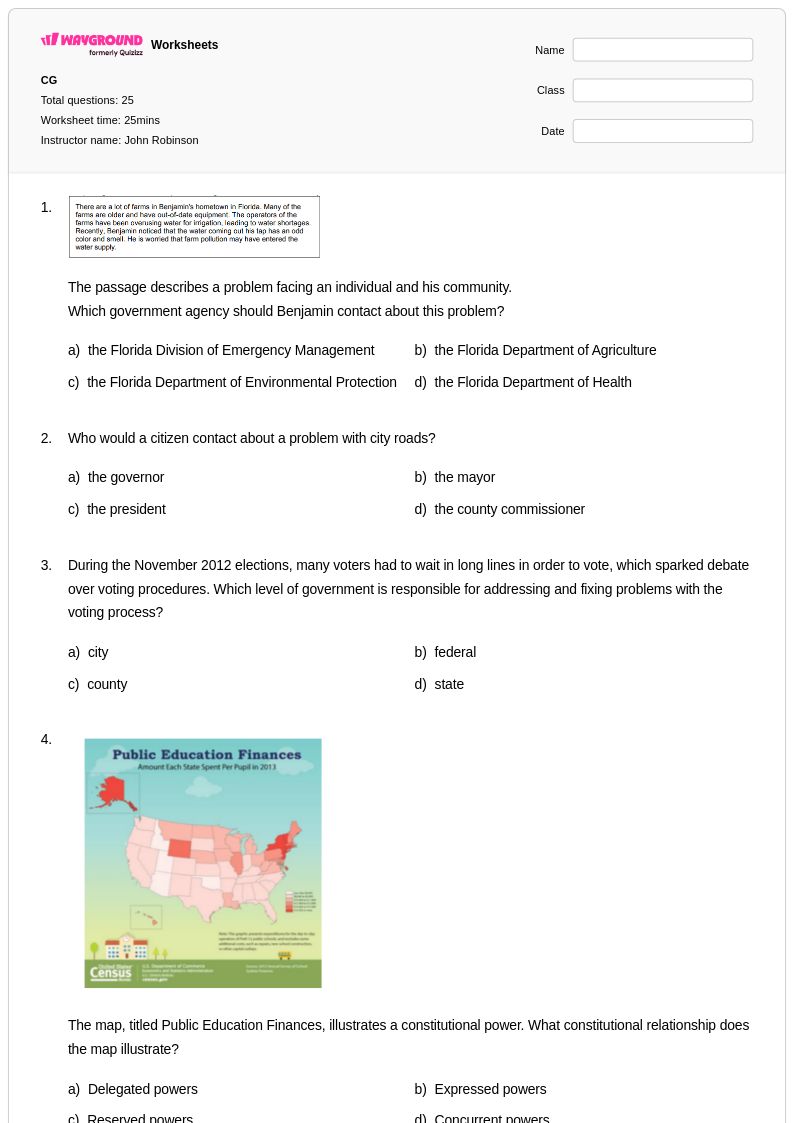
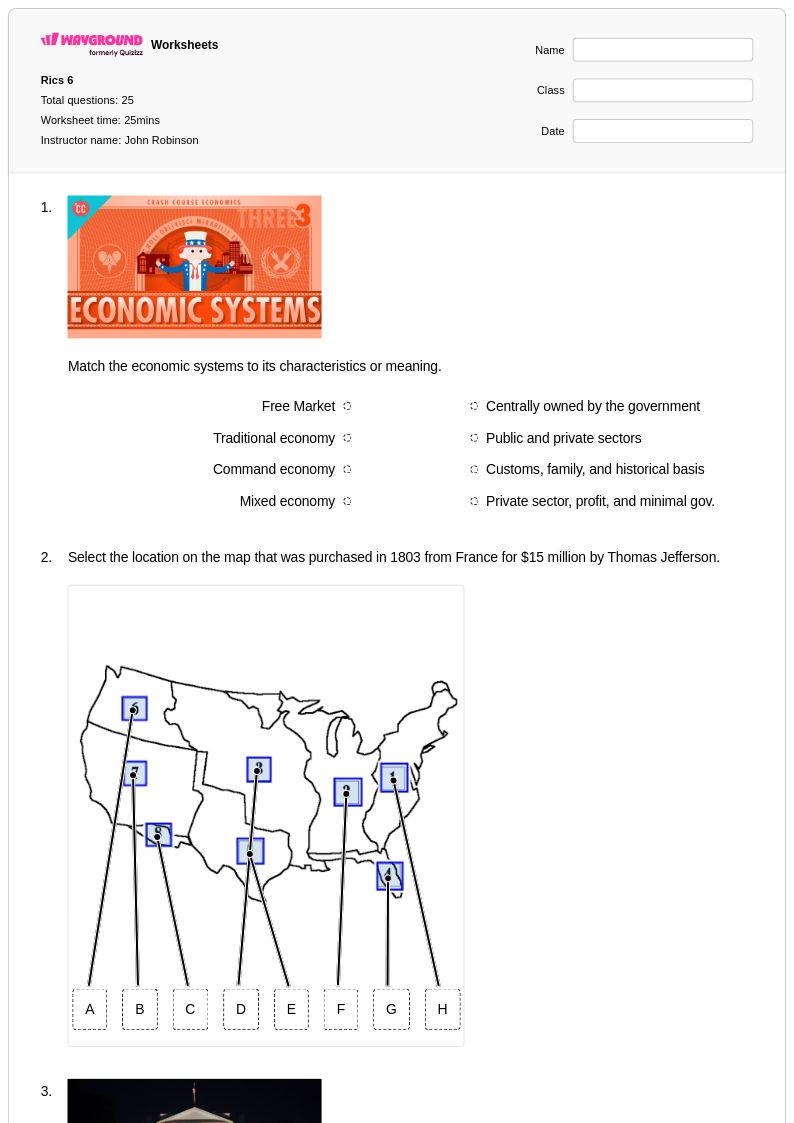
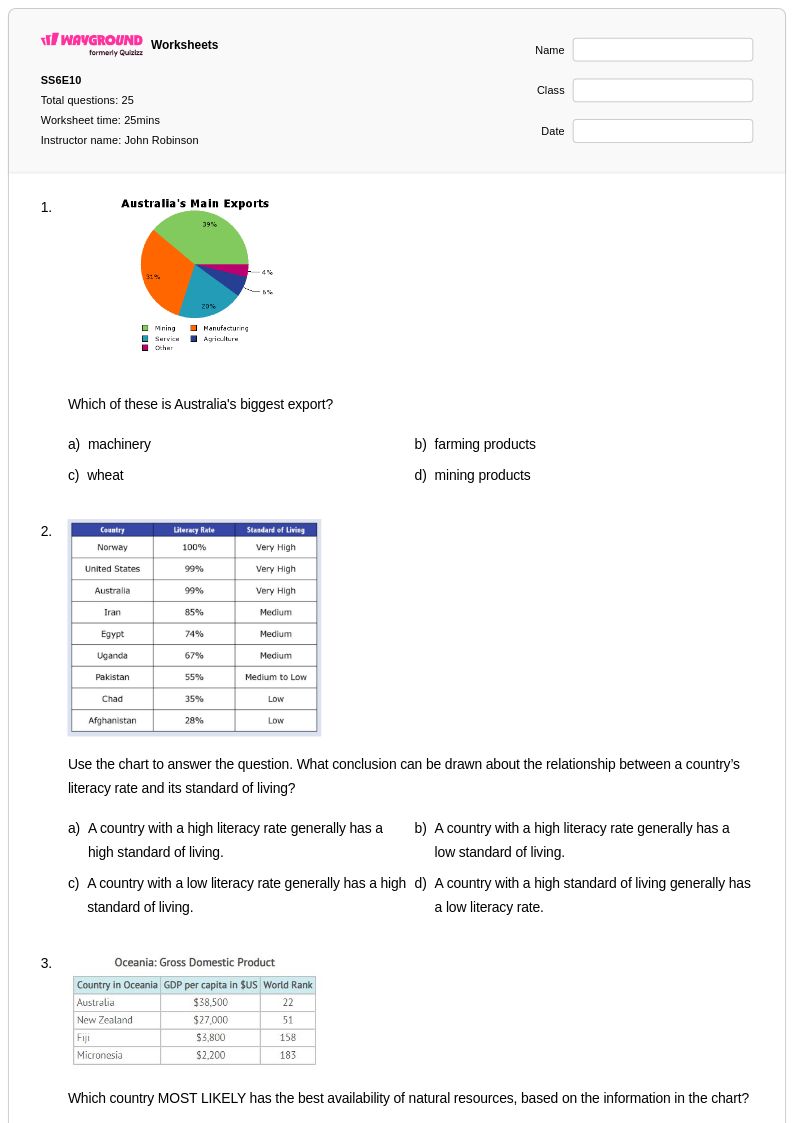
Explore printable Incident Command in Emergency Management worksheets for Class 9
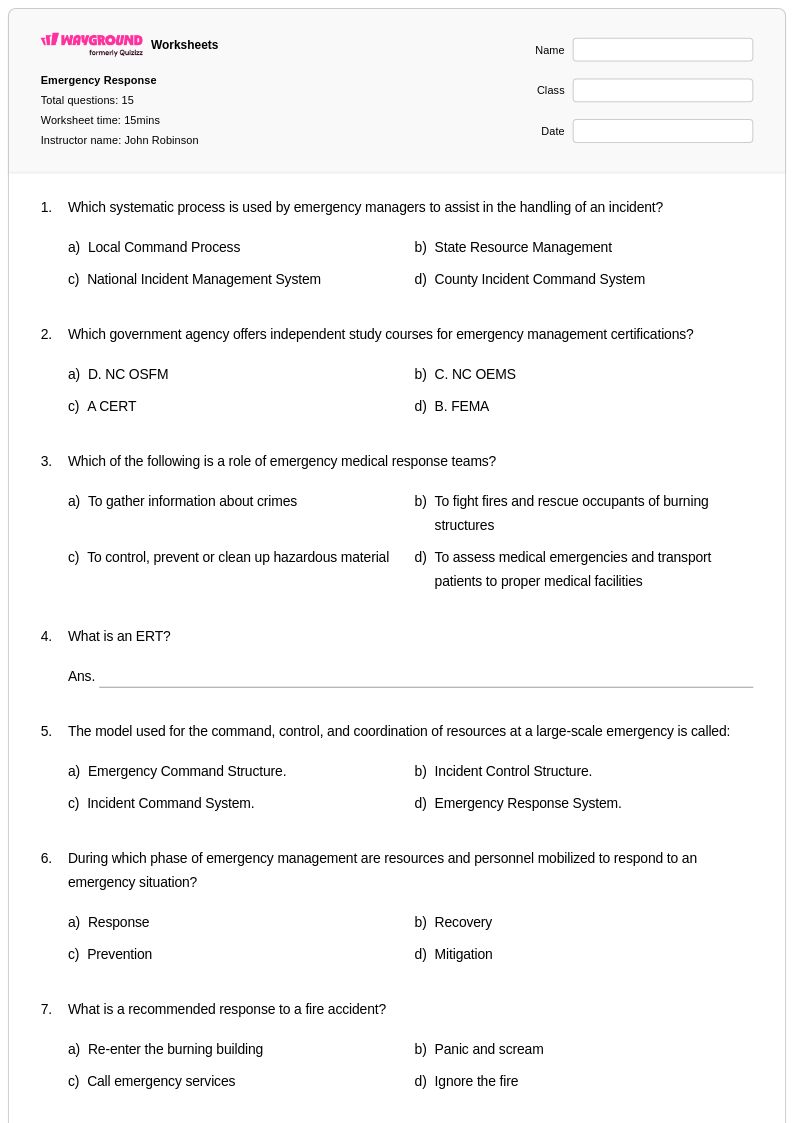
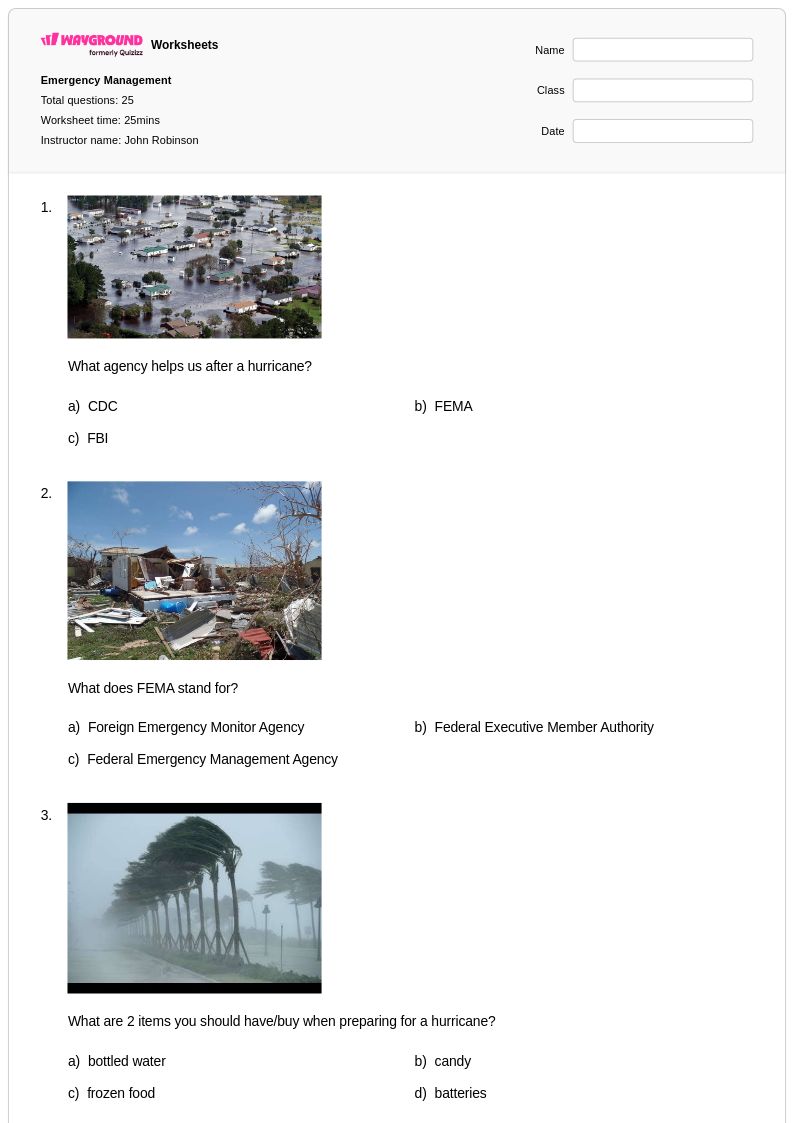
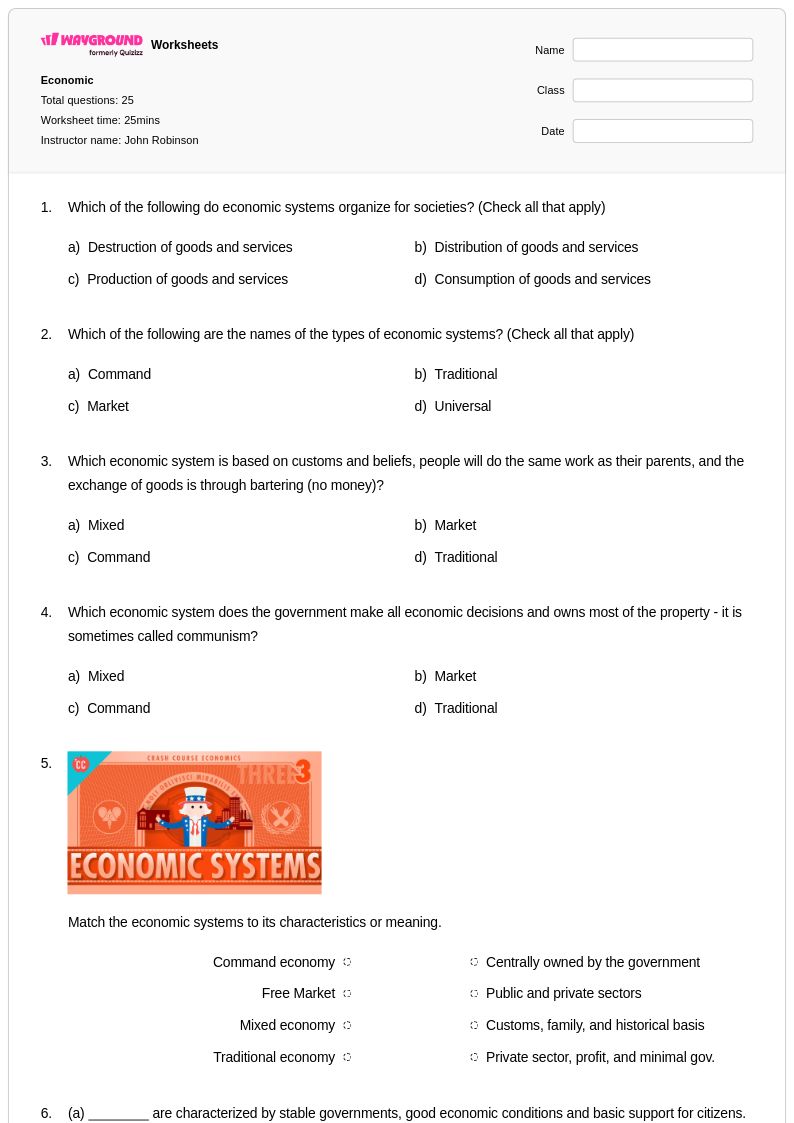
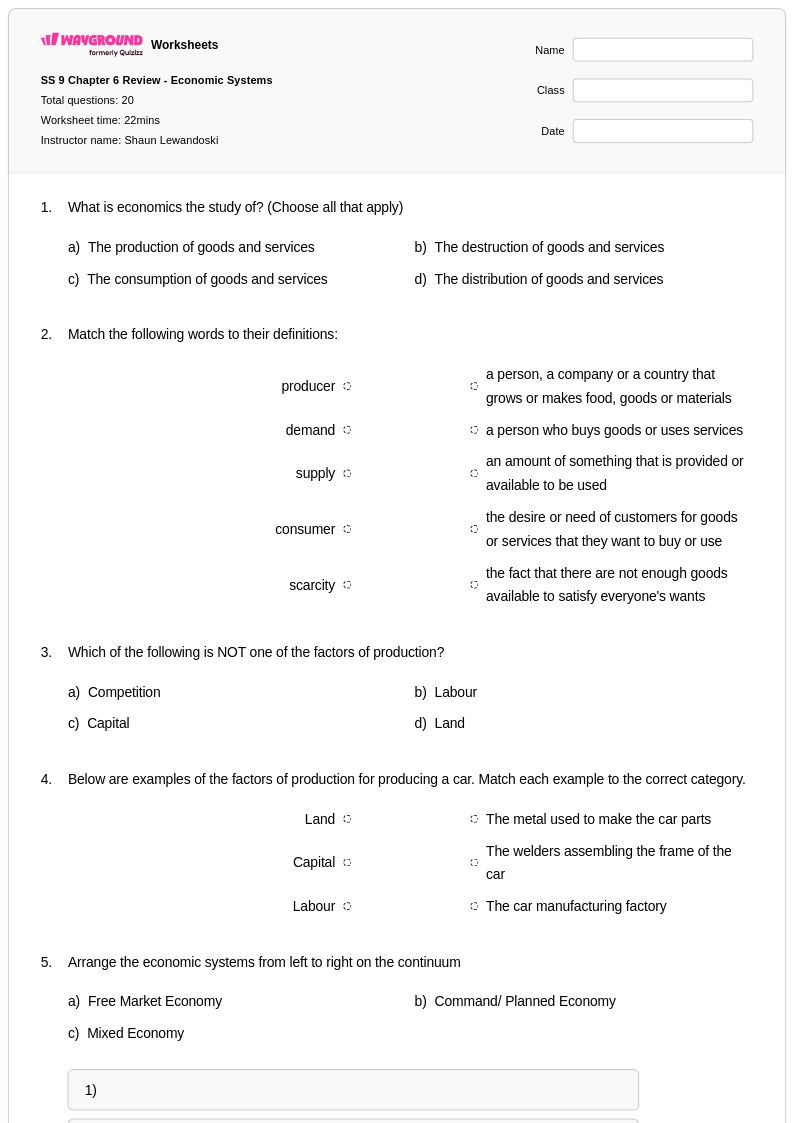
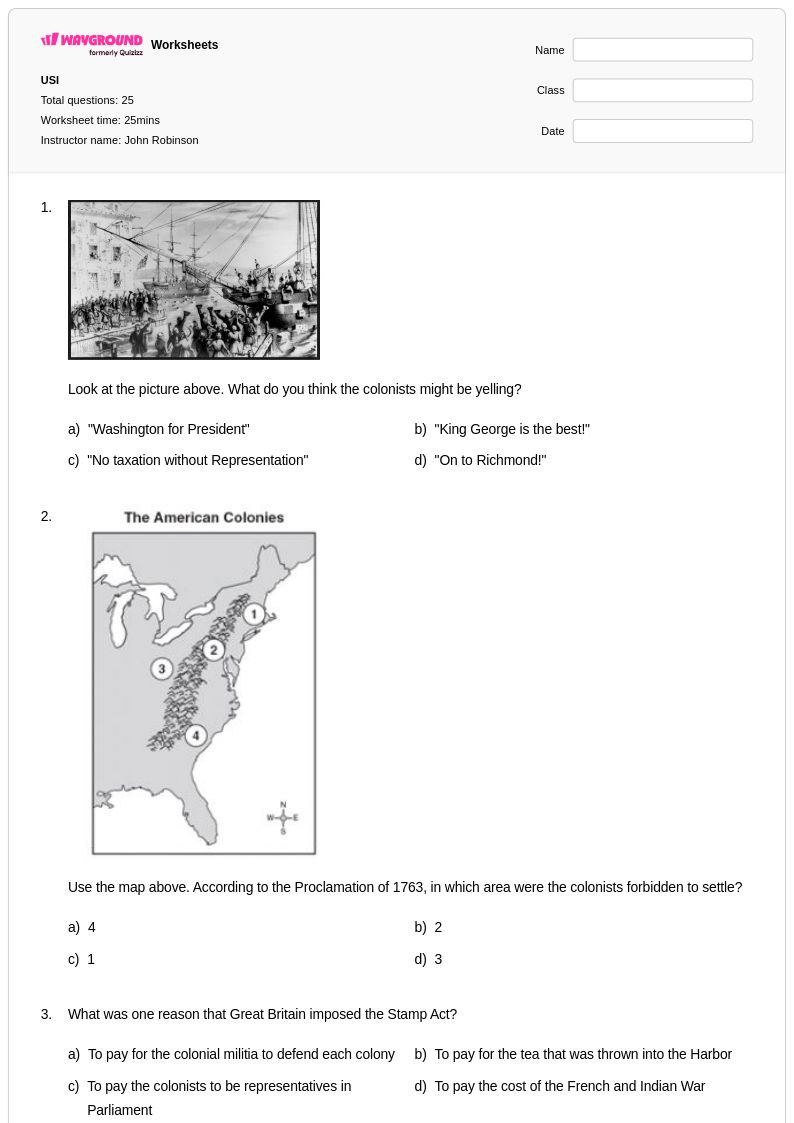
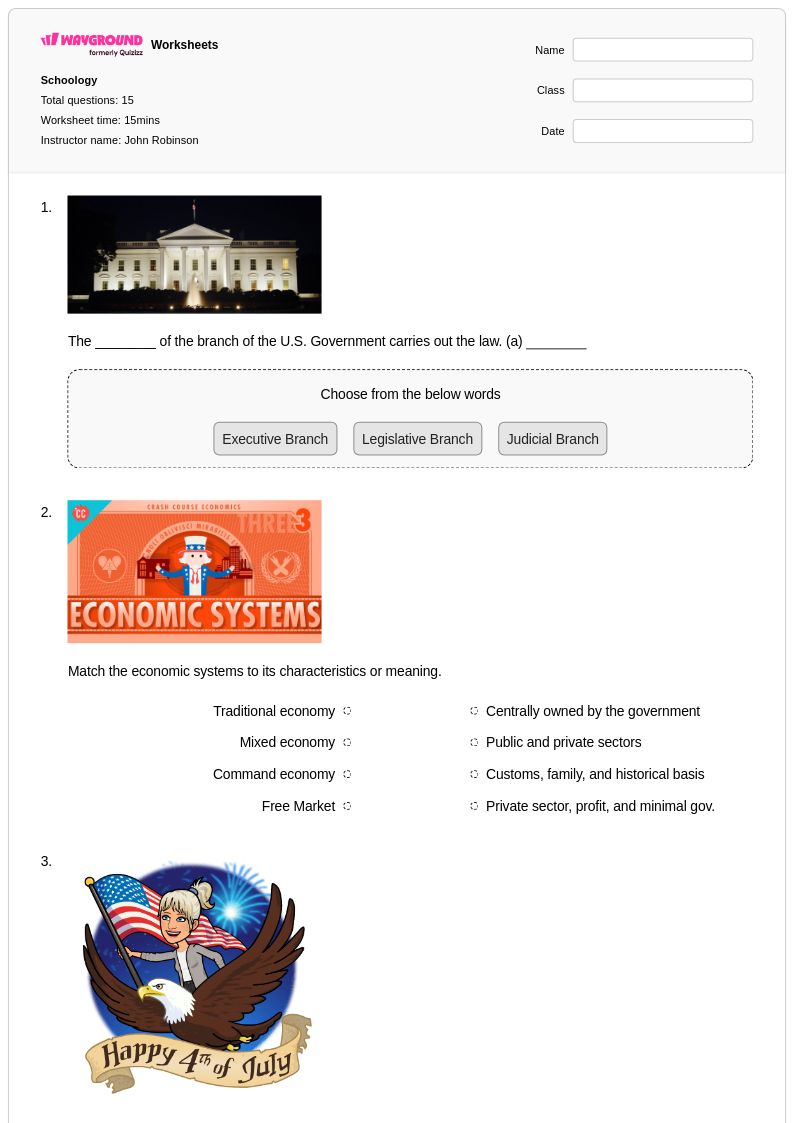
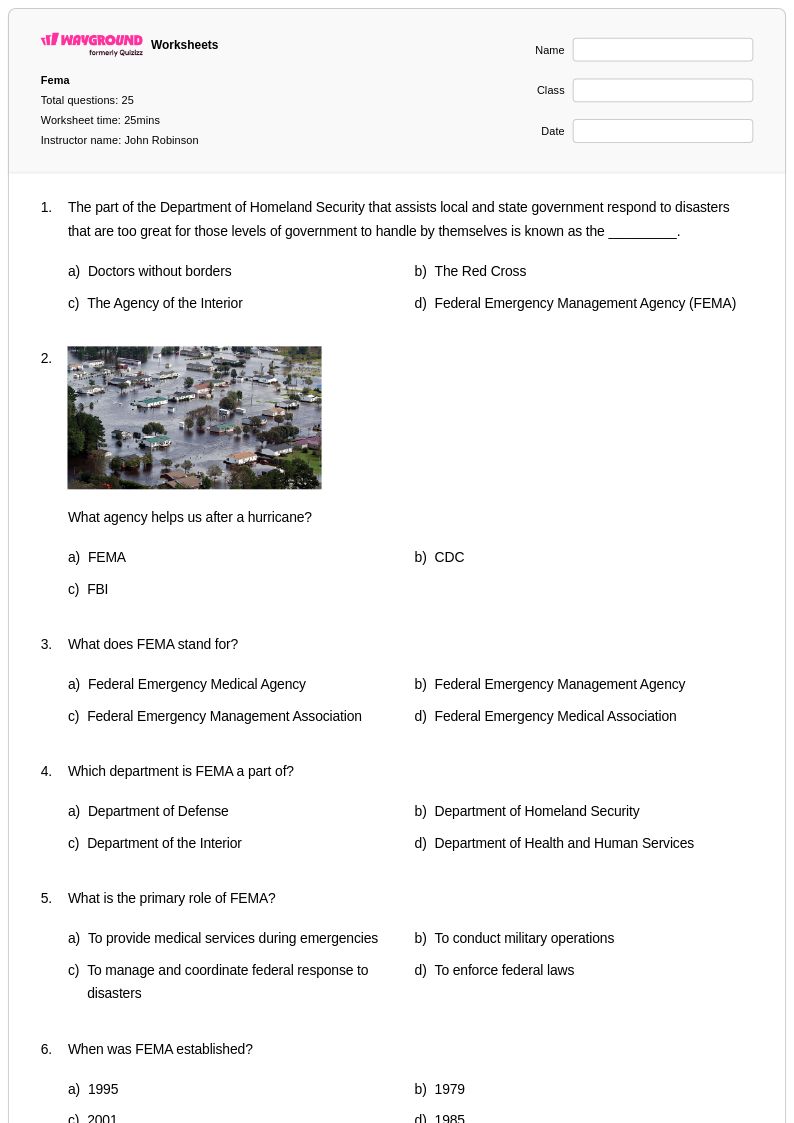
Incident Command in Emergency Management worksheets for Class 9 students on Wayground (formerly Quizizz) provide comprehensive practice materials that develop critical understanding of emergency response organizational structures and leadership protocols. These educational resources strengthen students' analytical skills as they explore the hierarchical command systems used during natural disasters, public health emergencies, and crisis situations. Students engage with practice problems that examine real-world scenarios involving incident commanders, unified command structures, and resource allocation strategies. The worksheets include detailed answer keys that help educators assess student comprehension of emergency management principles, while the free printable format ensures accessibility for diverse classroom environments and study sessions.
Wayground (formerly Quizizz) empowers teachers with an extensive collection of millions of teacher-created resources focused on emergency management and social skills development, featuring robust search and filtering capabilities that align with curriculum standards for Class 9 social studies instruction. The platform's differentiation tools enable educators to customize worksheet difficulty levels and content focus areas, supporting both remediation for struggling learners and enrichment opportunities for advanced students. Teachers can access these materials in flexible digital and printable pdf formats, facilitating seamless integration into lesson planning whether for in-class activities, homework assignments, or assessment preparation. The comprehensive resource library supports systematic skill practice in emergency preparedness concepts, helping students develop the critical thinking abilities necessary for understanding complex organizational structures and leadership roles in crisis management scenarios.
FAQs
How do I teach incident command systems to students with no emergency management background?
Start by grounding students in the core purpose of the Incident Command System (ICS): a standardized, hierarchical framework designed to coordinate multi-agency emergency responses efficiently. Introduce the five functional areas (Command, Operations, Planning, Logistics, Finance/Administration) using real-world scenarios such as wildfires or mass casualty events, which help students see why clear chains of command matter. Visual org charts and role-play activities where students fill specific ICS positions are especially effective for building conceptual familiarity before moving into analysis tasks.
What exercises help students practice understanding incident command structures?
Scenario-based practice problems are the most effective exercises for this topic, requiring students to identify the correct command structure for a given emergency, assign roles to personnel, and justify resource allocation decisions. Worksheets that present multi-agency incidents force students to think through coordination protocols and communication chains rather than simply recalling definitions. Repeated exposure to varied emergency types, from natural disasters to hazardous material spills, builds the flexible thinking that incident command comprehension demands.
What mistakes do students commonly make when learning about incident command systems?
The most common misconception is treating ICS as a rigid bureaucratic chart rather than a scalable, flexible system that expands or contracts based on incident complexity. Students often confuse the roles of Incident Commander and Operations Section Chief, or assume a full ICS structure is activated for every emergency. Another frequent error is overlooking the importance of Unified Command in multi-jurisdictional incidents, where no single agency has sole authority. Addressing these gaps directly in practice problems helps students build accurate mental models of how ICS functions in practice.
How do I assess whether students understand emergency coordination and resource allocation in ICS?
Effective assessment for this topic goes beyond recall and asks students to evaluate decisions within a scenario, such as whether a given command structure is appropriate for the incident's scale or whether a resource request follows proper channels. Questions that require students to analyze communication breakdowns or identify where an ICS structure failed during a simulated emergency reveal depth of understanding. Answer-key-supported worksheets that include scenario analysis items give teachers a reliable basis for formative and summative assessment.
How do I use Incident Command in Emergency Management worksheets from Wayground in my classroom?
Wayground's Incident Command in Emergency Management worksheets are available as printable PDFs for traditional classroom use and in digital formats for technology-integrated environments, giving teachers flexibility in how they deploy the materials. Teachers can also host worksheets as a quiz directly on Wayground, enabling real-time student responses and immediate feedback. The worksheets include comprehensive answer keys, making them suitable for independent student work, guided instruction, or sub-plans. Wayground also supports student-level accommodations such as read aloud, extended time, and reduced answer choices, which can be configured individually so that students who need support receive it without disrupting the rest of the class.
How can I differentiate Incident Command worksheets for students with varying skill levels?
For students who need additional support, simplify scenarios to single-agency incidents and focus on identifying the basic ICS command structure before introducing unified or area command concepts. Advanced students can be challenged with multi-jurisdictional scenarios requiring written justification of command decisions and evaluation of coordination strategies. On Wayground, teachers can assign accommodations such as reduced answer choices or read aloud to individual students, allowing differentiated access to the same worksheet without requiring separate material sets.