
7 Q
3rd - 8th
7 Q
3rd - 8th
8 Q
3rd - 8th
8 Q
3rd - 5th
10 Q
3rd
8 Q
3rd - 5th
17 Q
3rd - 8th
7 Q
3rd - 8th
7 Q
3rd - 8th
15 Q
3rd - 4th
10 Q
2nd - 3rd
15 Q
3rd - 8th
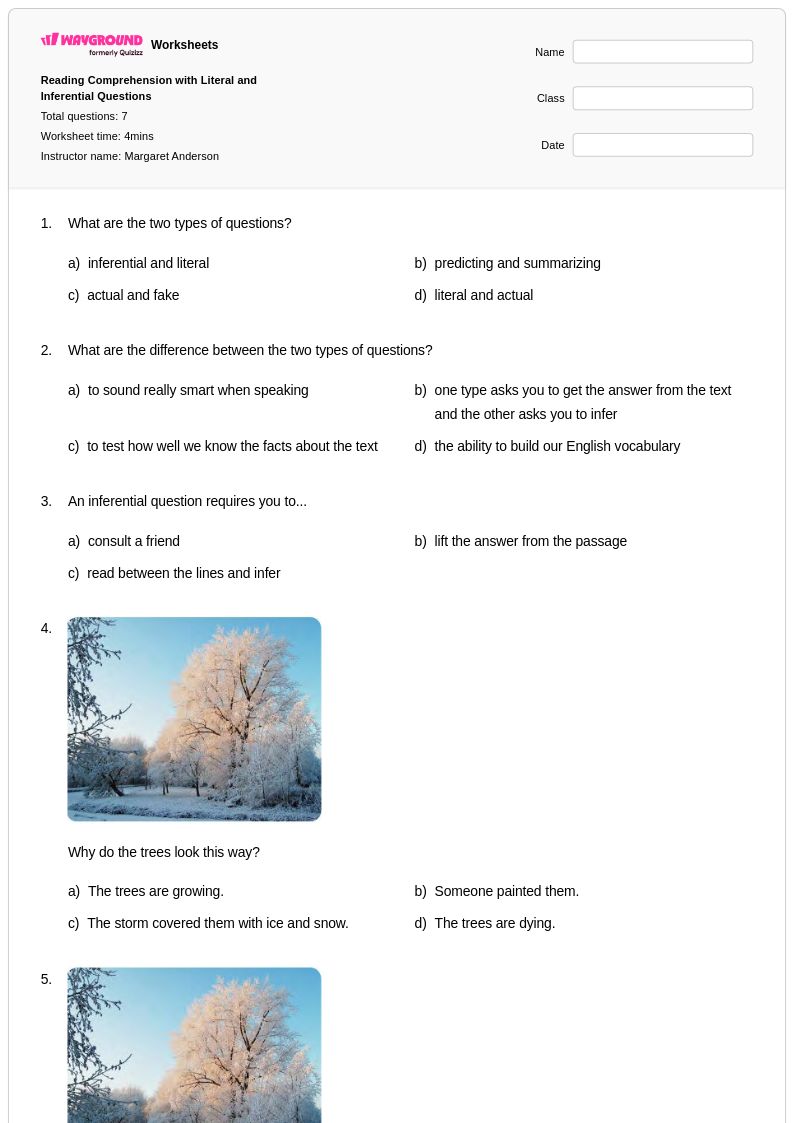
7 Q
3rd - 8th
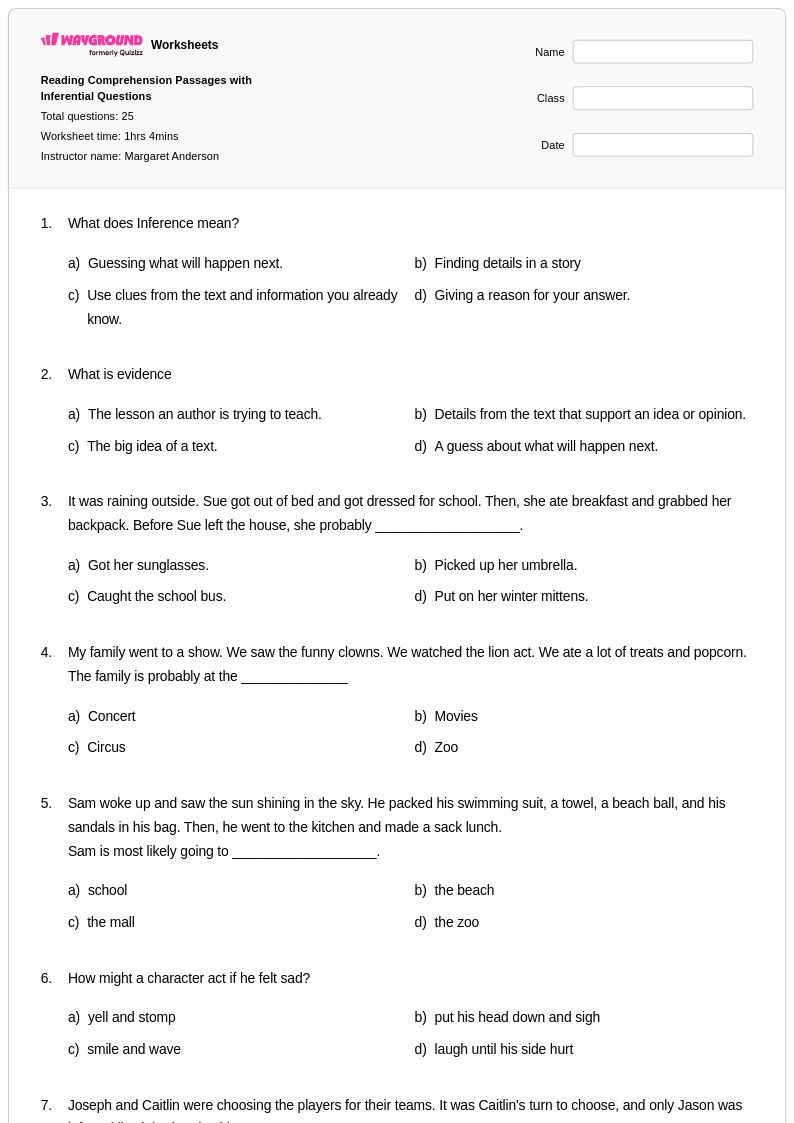
25 Q
3rd - 5th
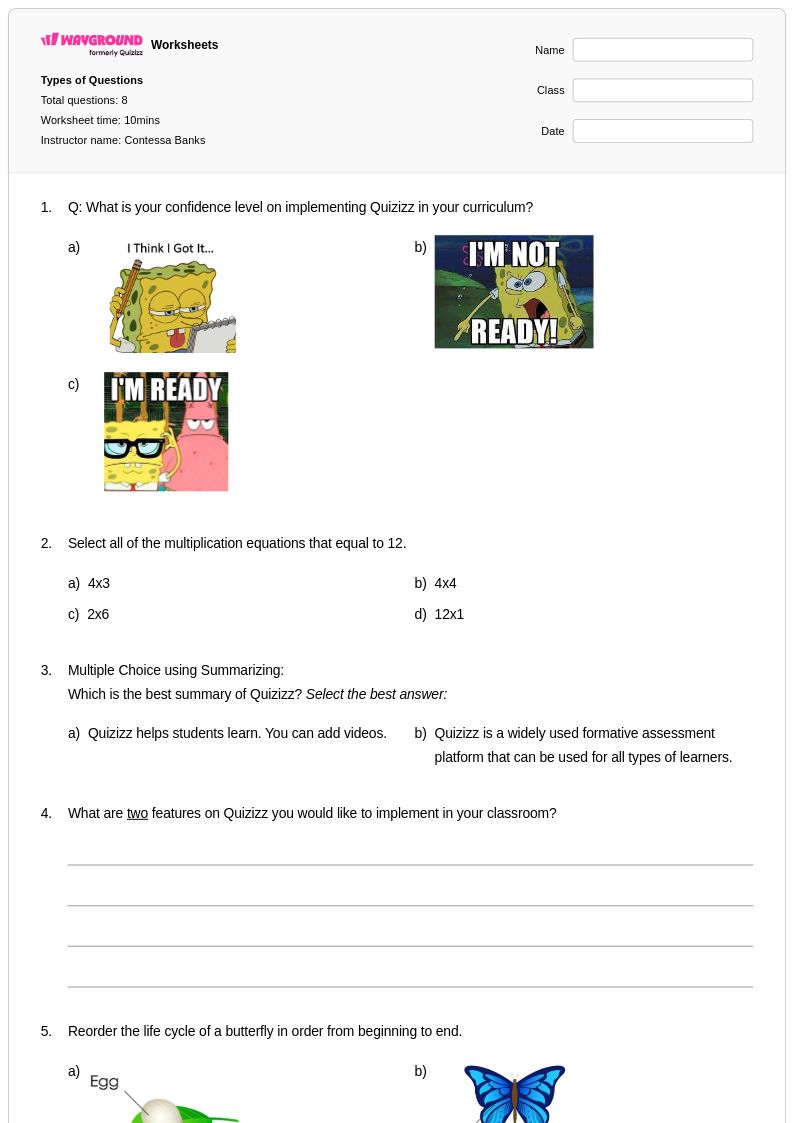
8 Q
1st - 5th
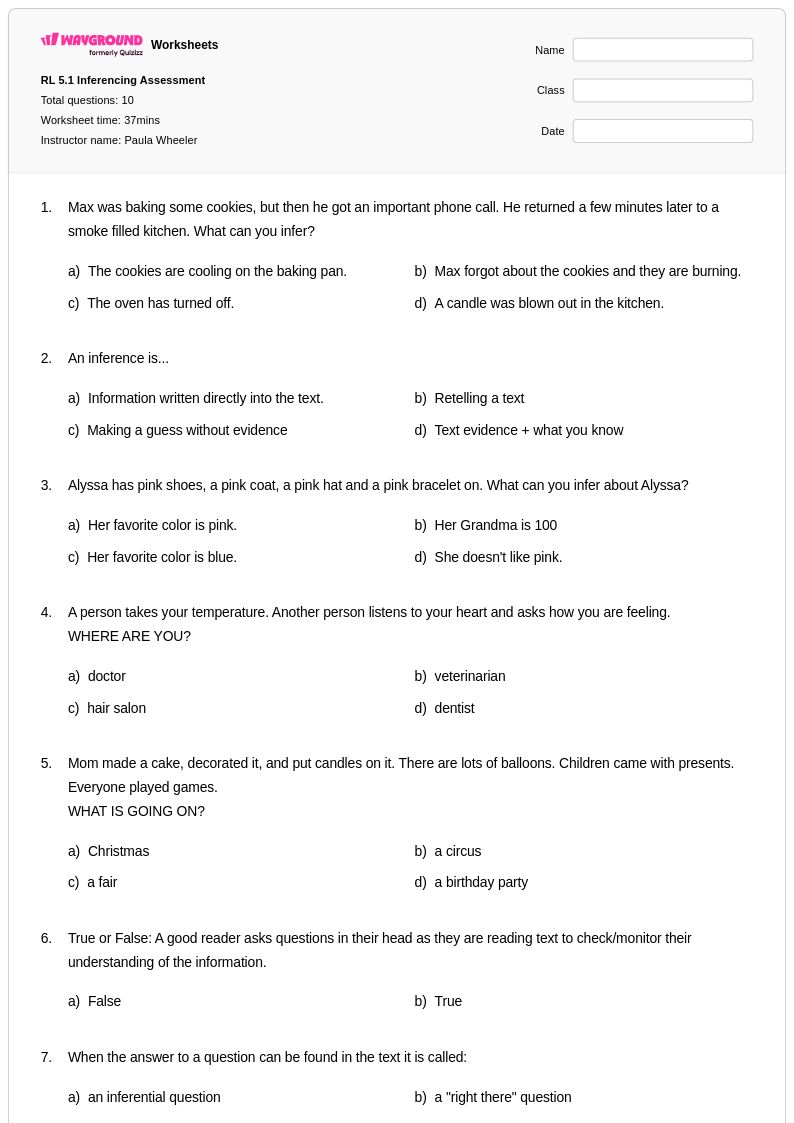
10 Q
3rd - 5th

7 Q
3rd - 8th
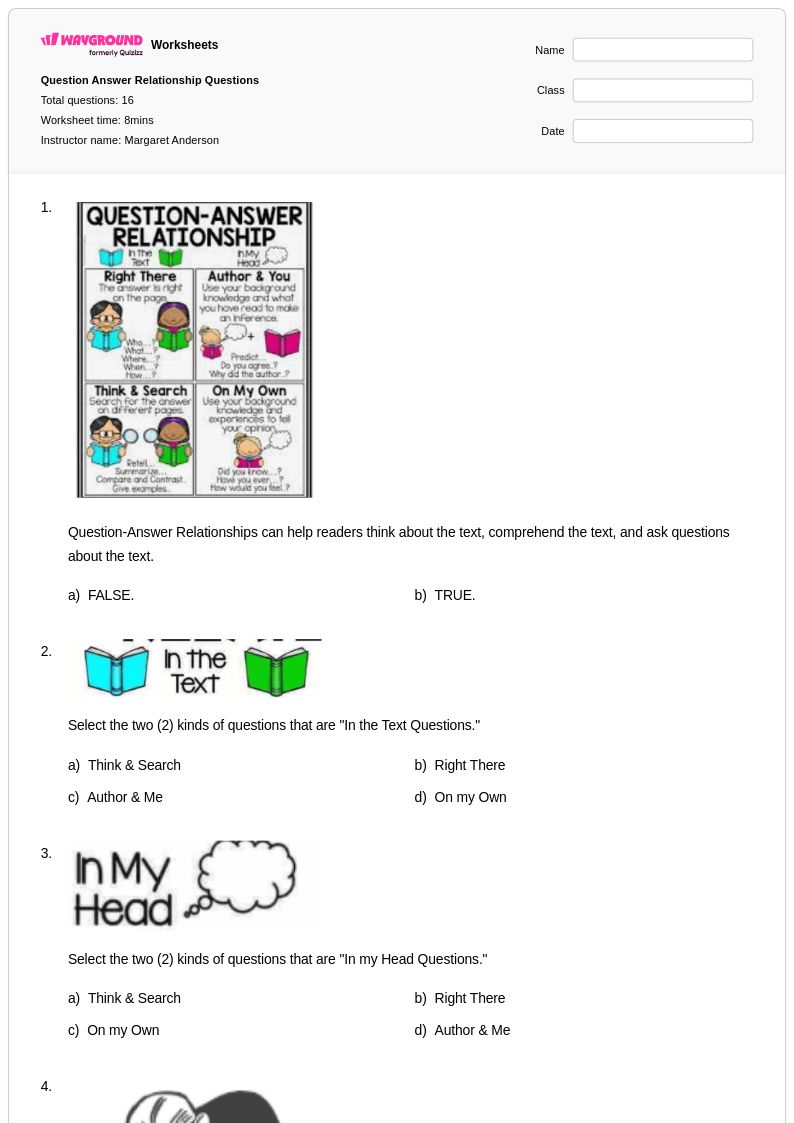
16 Q
2nd - 5th
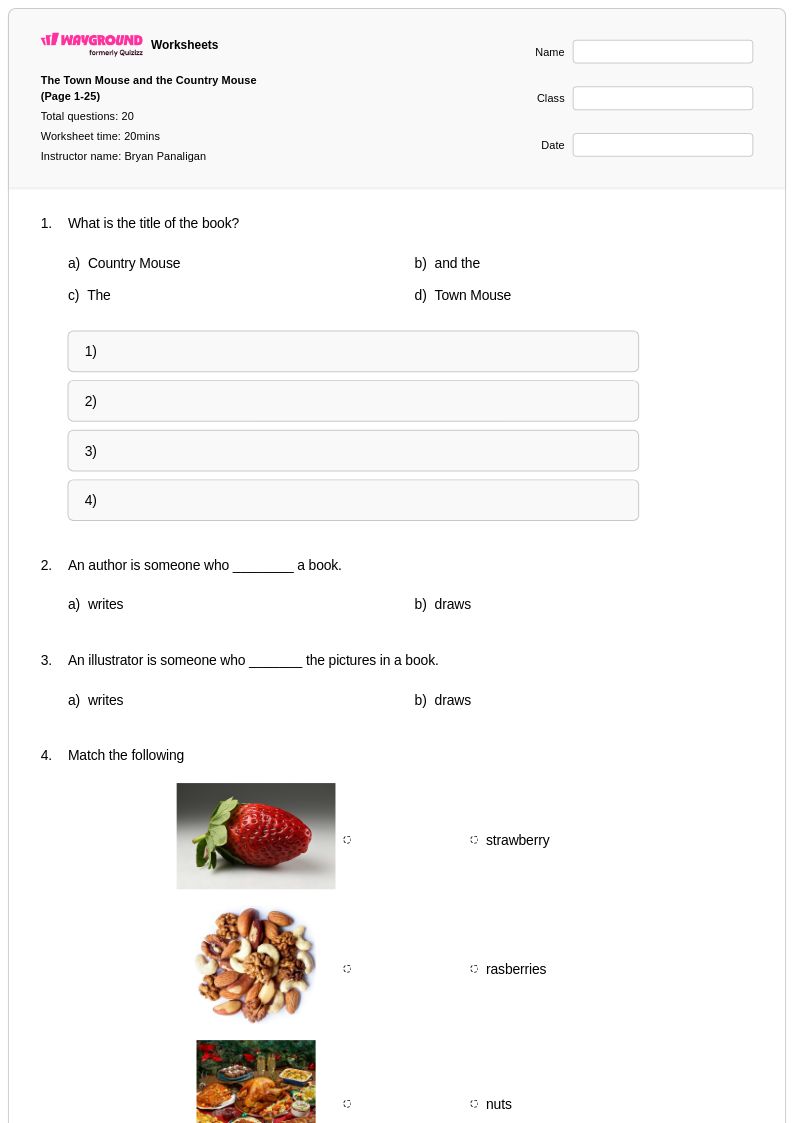
20 Q
3rd
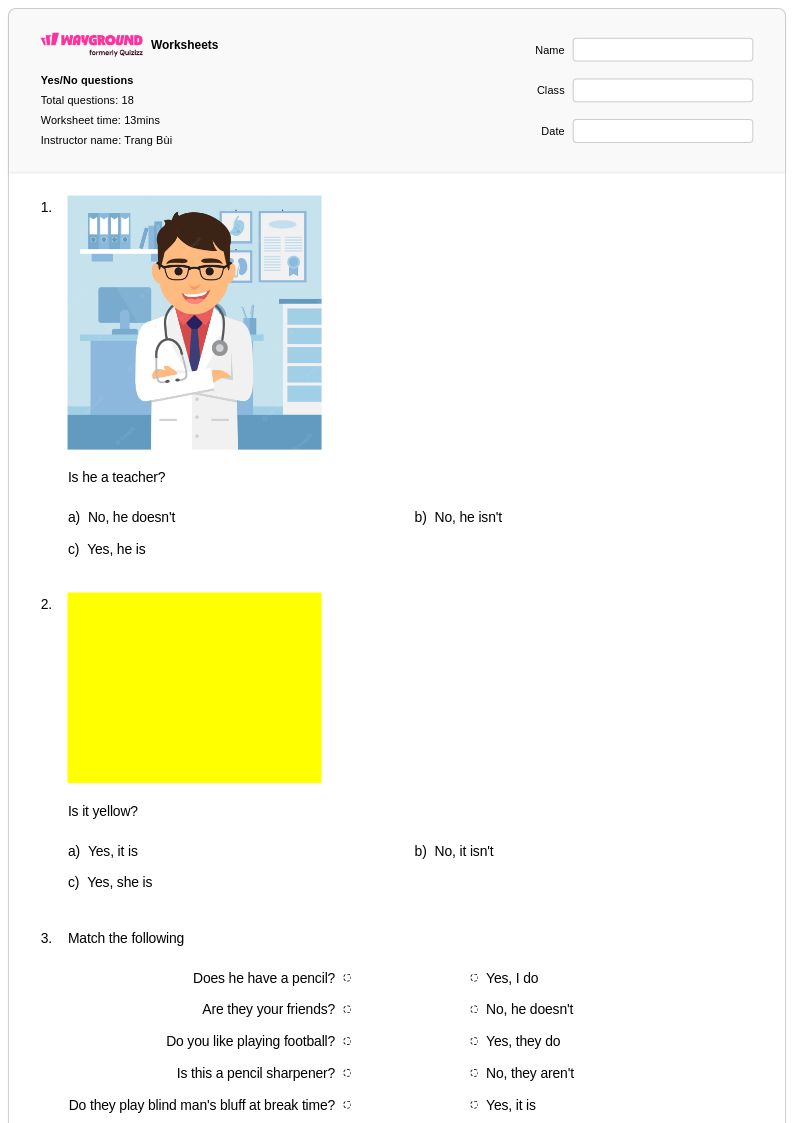
18 Q
1st - 3rd
13 Q
3rd
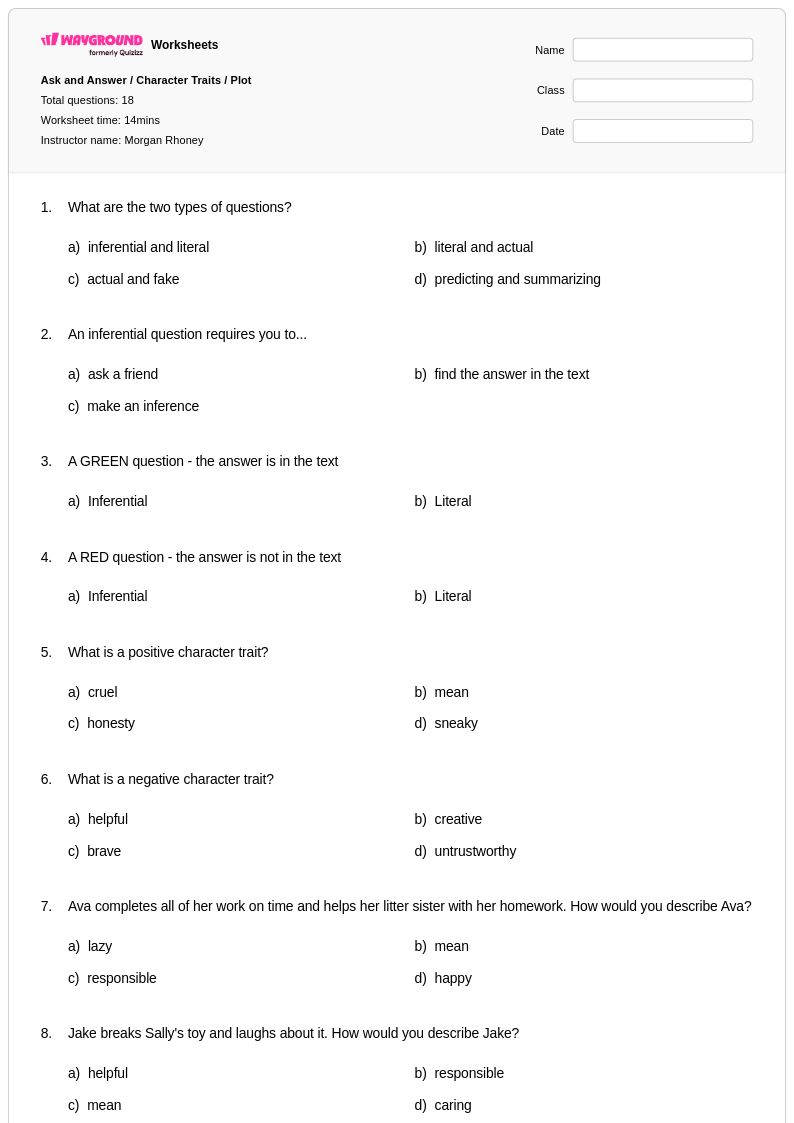
18 Q
3rd
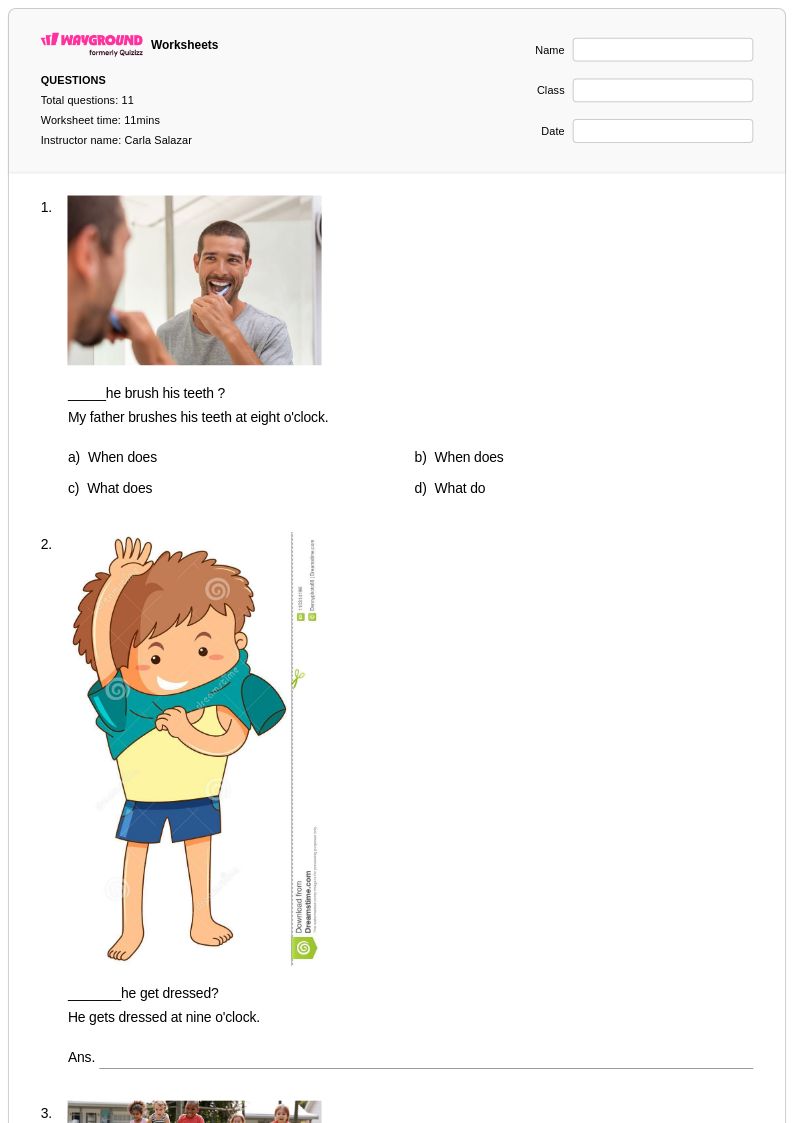
11 Q
3rd
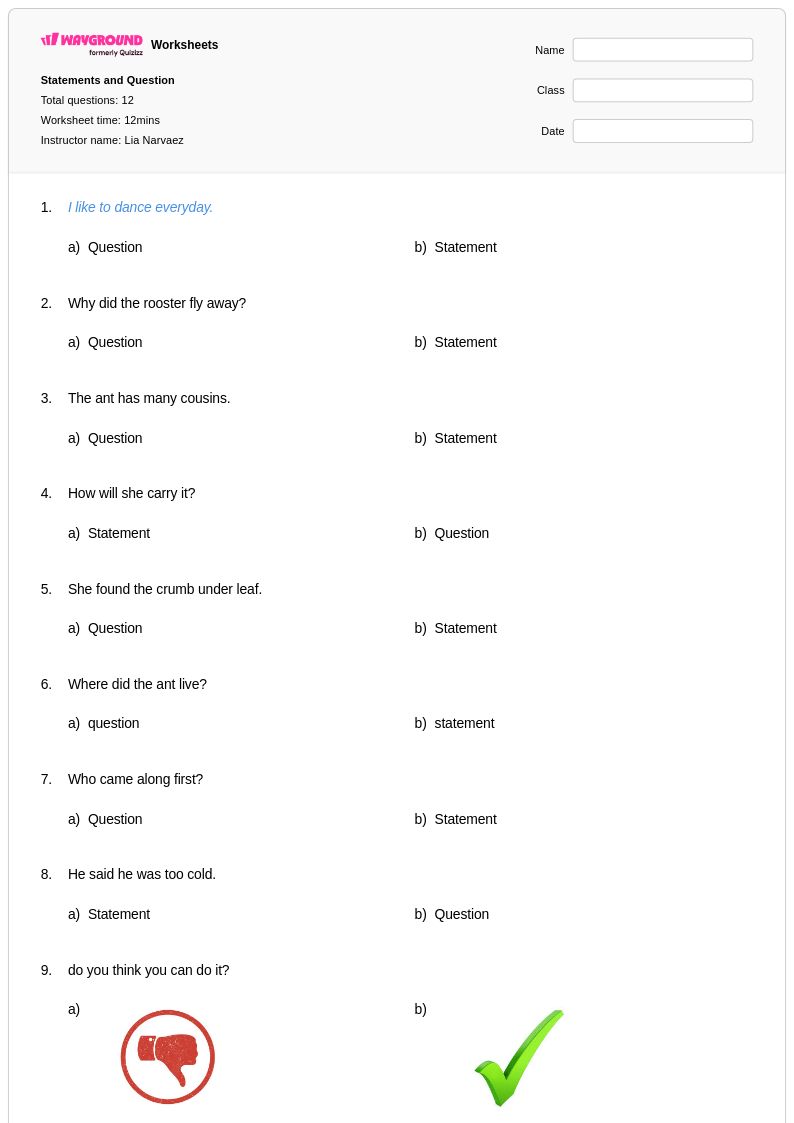
12 Q
3rd
Explore Inferential Questions Worksheets by Grades
Explore Other Subject Worksheets for class 3
Explore printable Inferential Questions worksheets for Class 3
Inferential questions for Class 3 students represent a critical milestone in developing advanced reading comprehension skills, and Wayground's extensive worksheet collection provides educators with comprehensive resources to strengthen these analytical abilities. These carefully designed worksheets guide third-grade learners beyond surface-level understanding, teaching them to read between the lines and draw logical conclusions from textual evidence. Students engage with age-appropriate passages while practicing essential inferencing skills such as determining character motivations, predicting outcomes, and understanding implied meanings. Each worksheet includes detailed answer keys that help teachers assess student progress effectively, while the free printable format ensures easy classroom distribution. These practice problems systematically build students' capacity to think critically about text, moving them from literal comprehension toward the sophisticated analytical thinking required for academic success.
Wayground's teacher-created resource library contains millions of inferential question worksheets specifically tailored for Class 3 reading comprehension instruction, offering educators unparalleled support in developing these complex cognitive skills. The platform's advanced search and filtering capabilities enable teachers to quickly locate materials that align with specific learning standards and match individual student needs. Whether delivered through printable pdf formats for traditional classroom use or accessed digitally for interactive learning environments, these resources provide the flexibility modern educators require. Teachers can seamlessly customize worksheets to support differentiated instruction, creating targeted practice opportunities for remediation or enrichment based on each learner's developmental stage. This comprehensive approach to inferential question practice ensures that educators have access to high-quality, standards-aligned materials that systematically develop students' ability to construct meaning from text through careful analysis and logical reasoning.
FAQs
How do I teach students to answer inferential questions?
What kinds of exercises help students practice making inferences from text?
What mistakes do students commonly make when answering inferential questions?
How do I help struggling readers build inference skills?
How can I use inferential questions worksheets in my classroom?