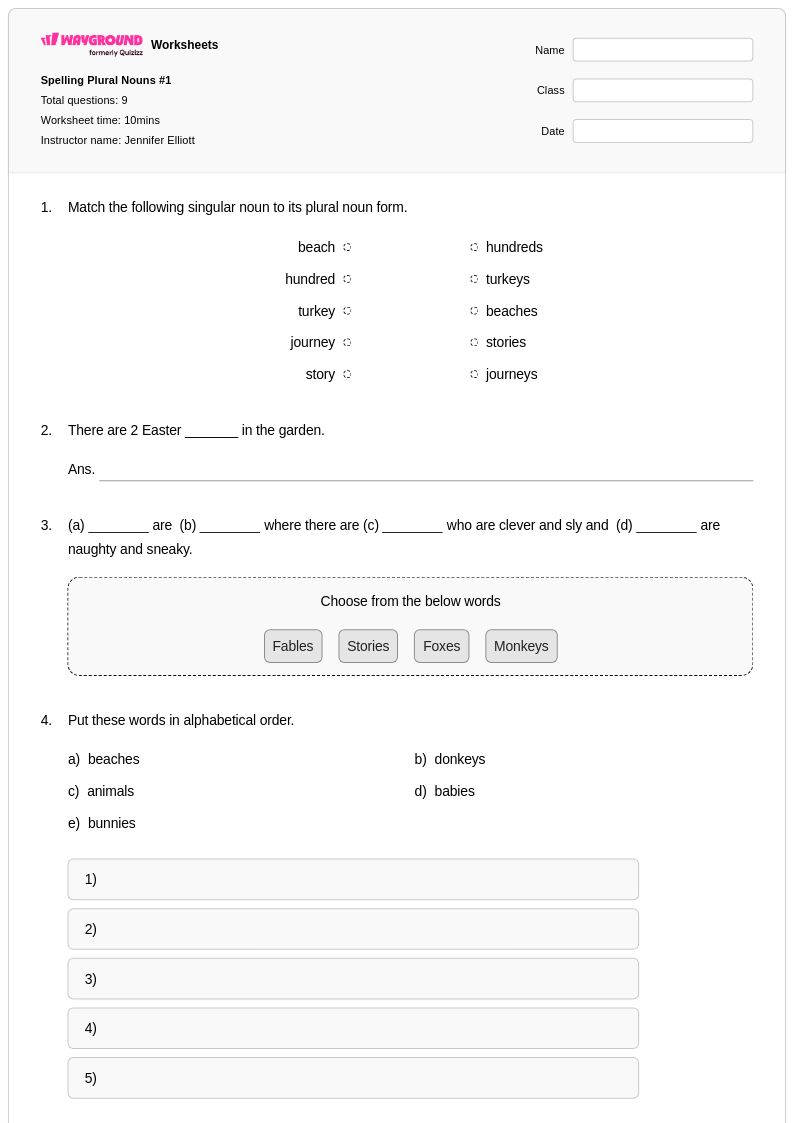
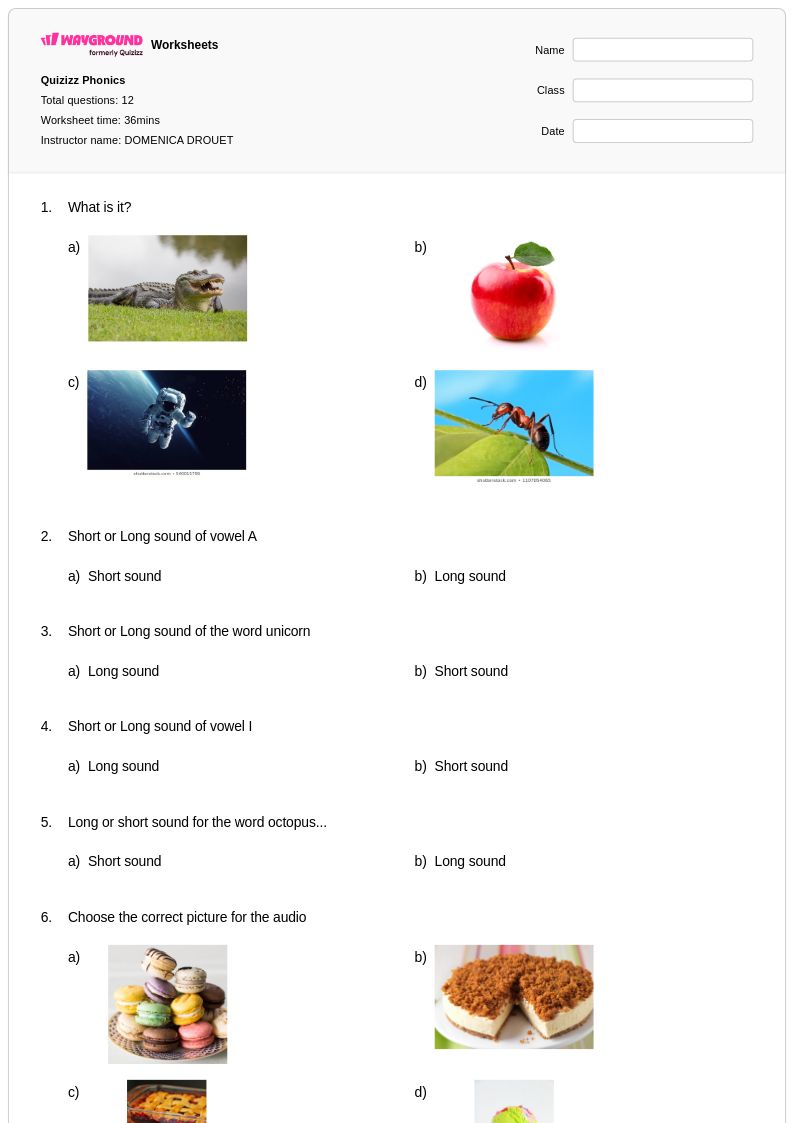
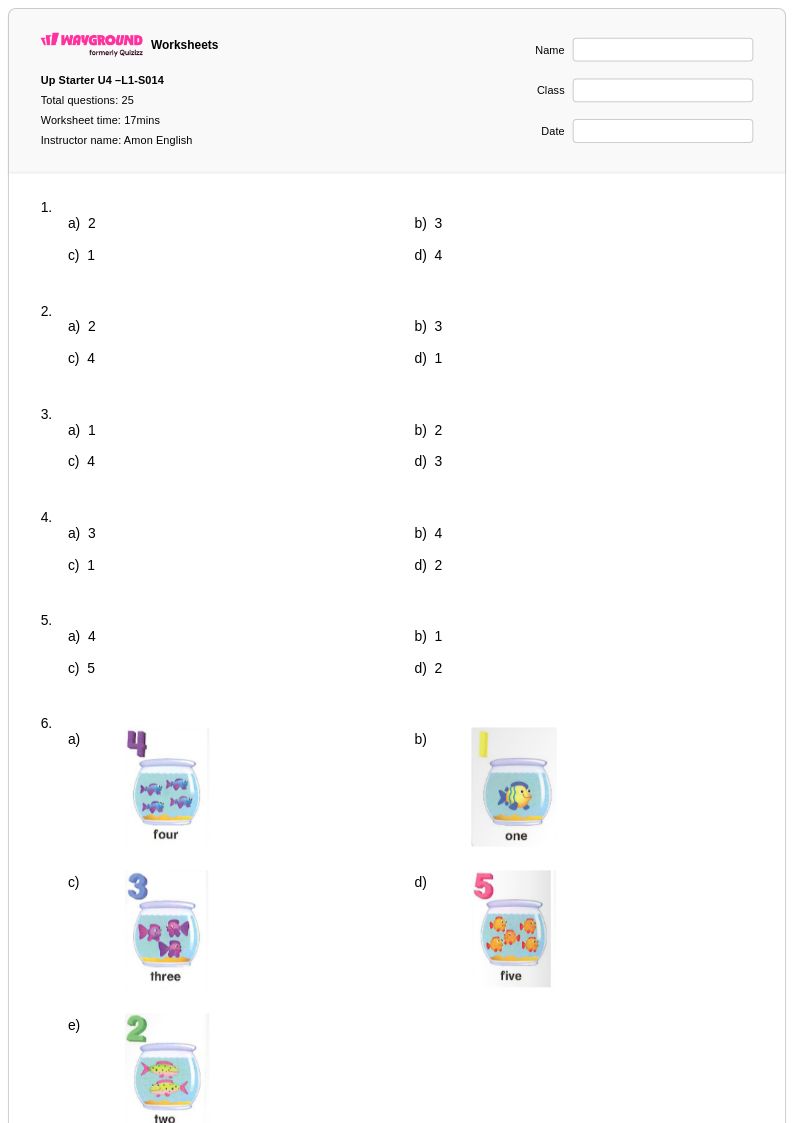
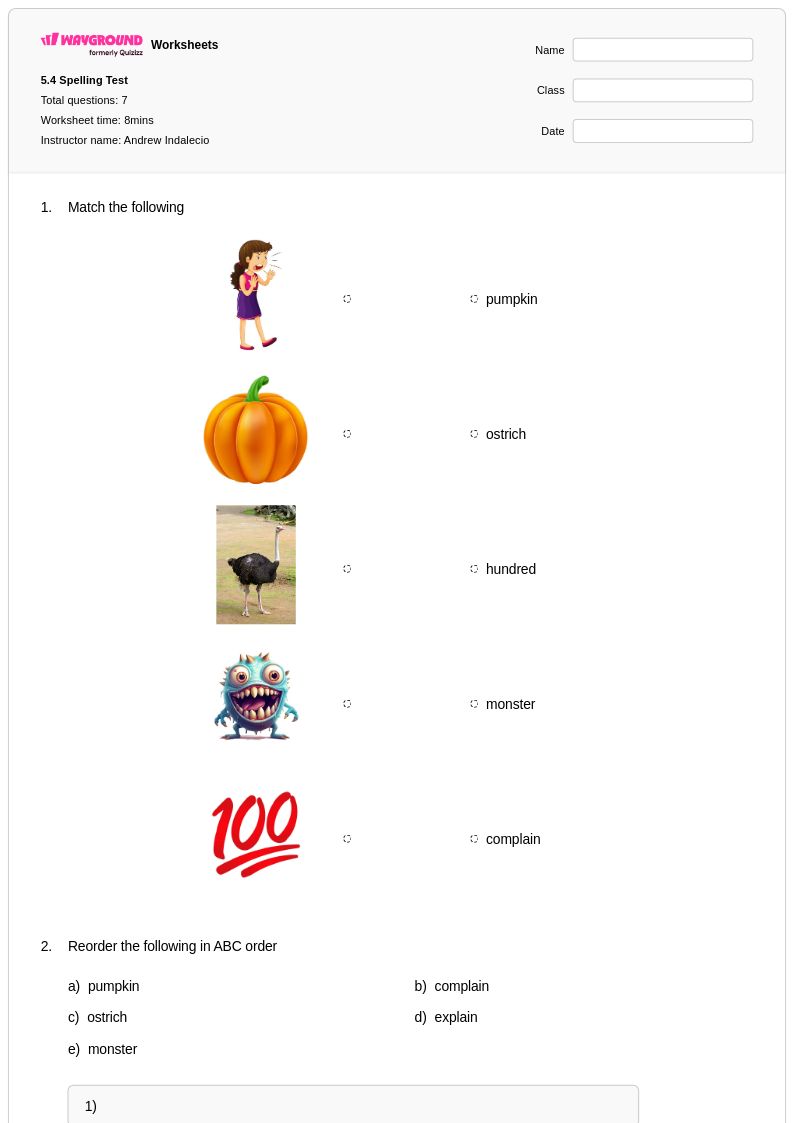
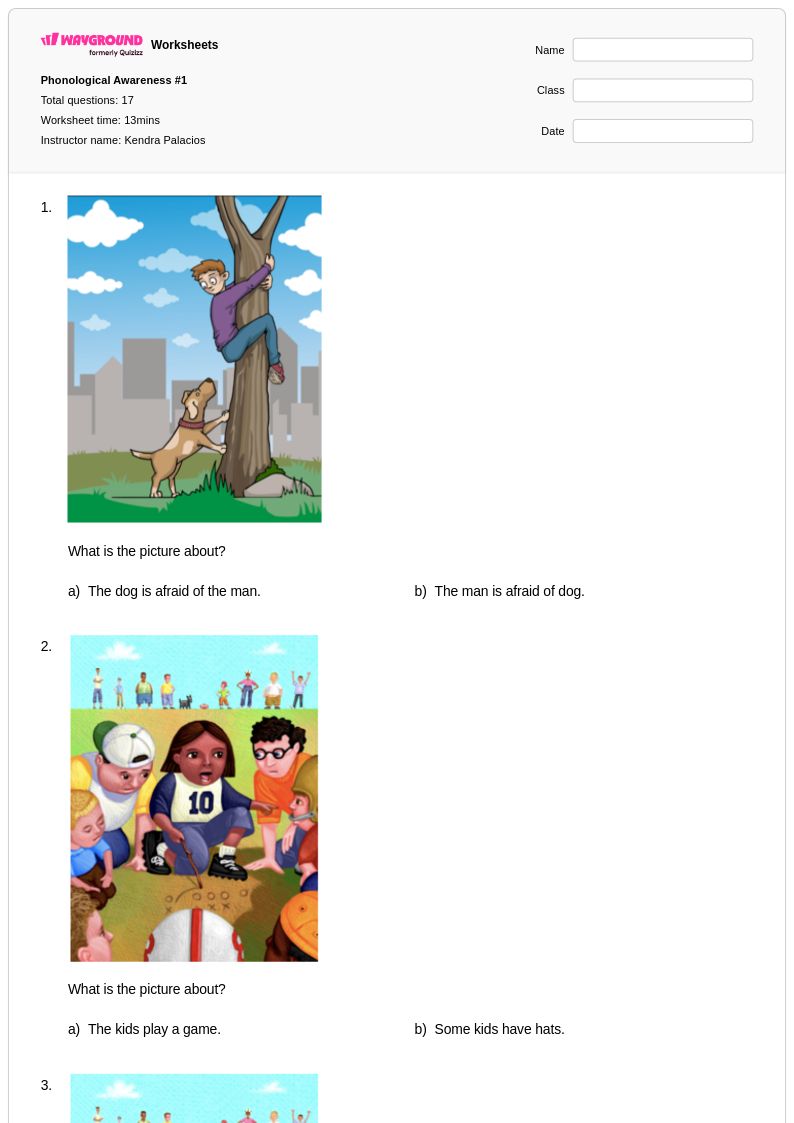
Free Printable Letter Matching Worksheets for Class 2
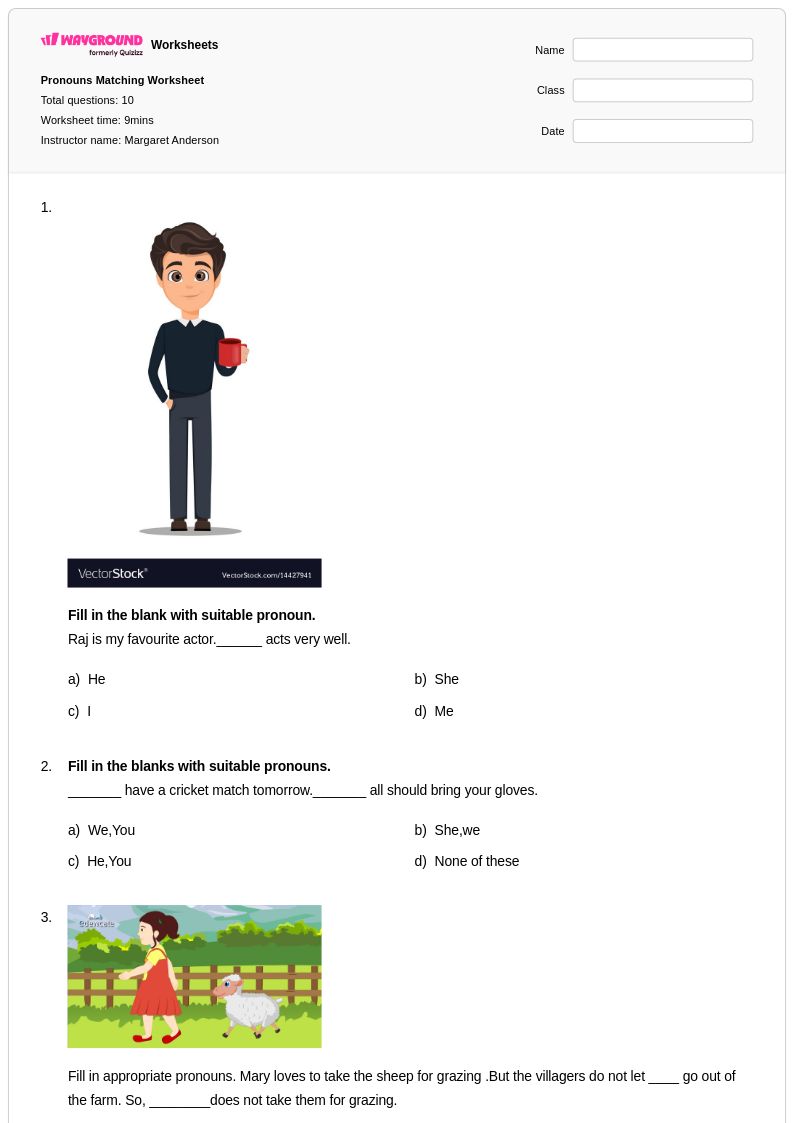
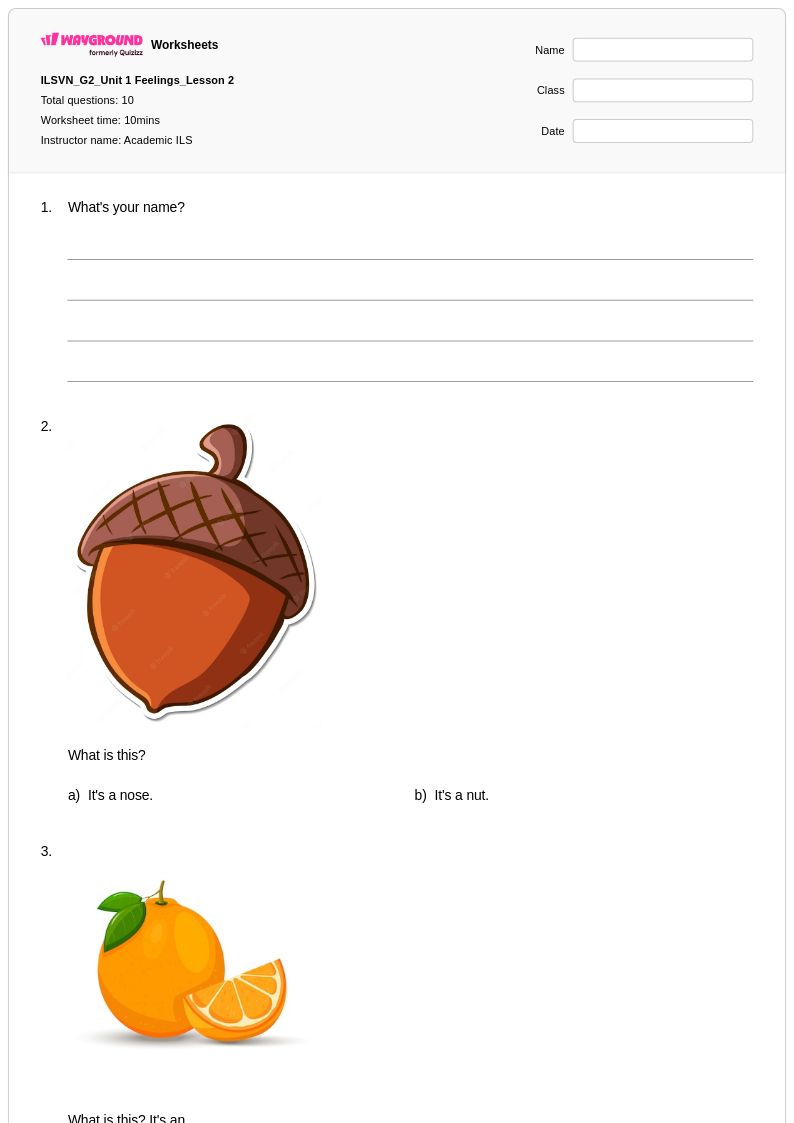
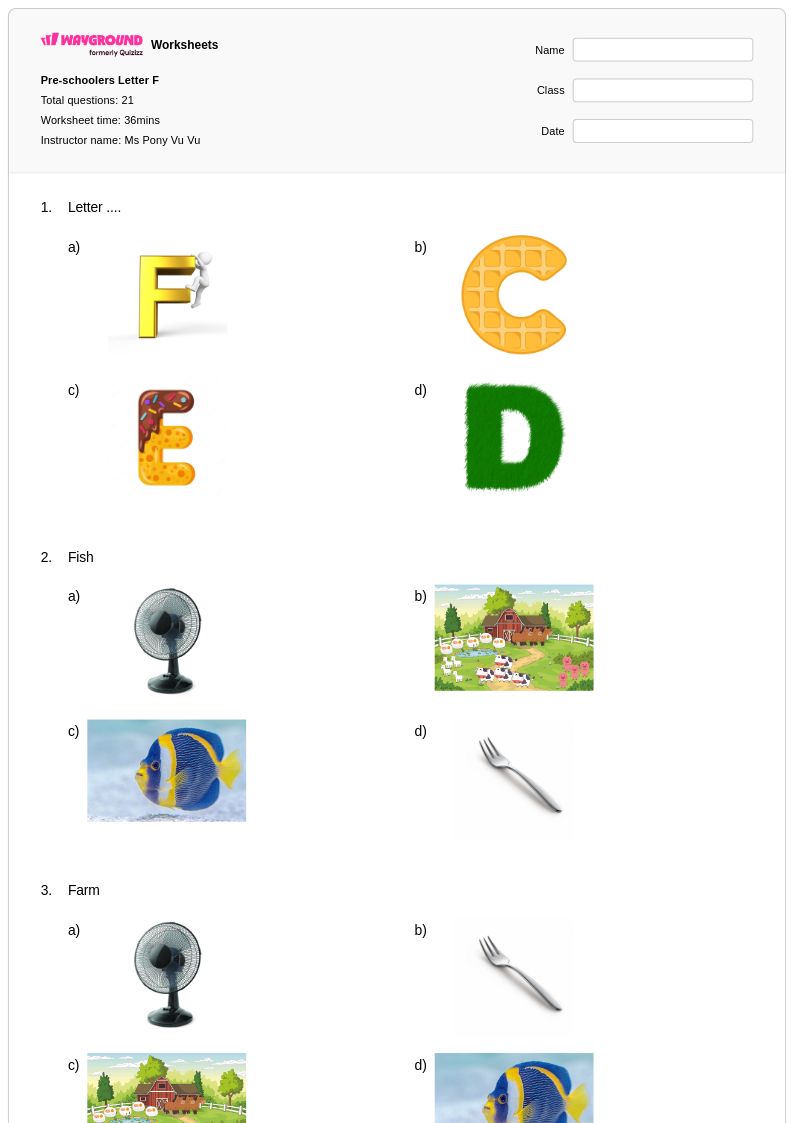
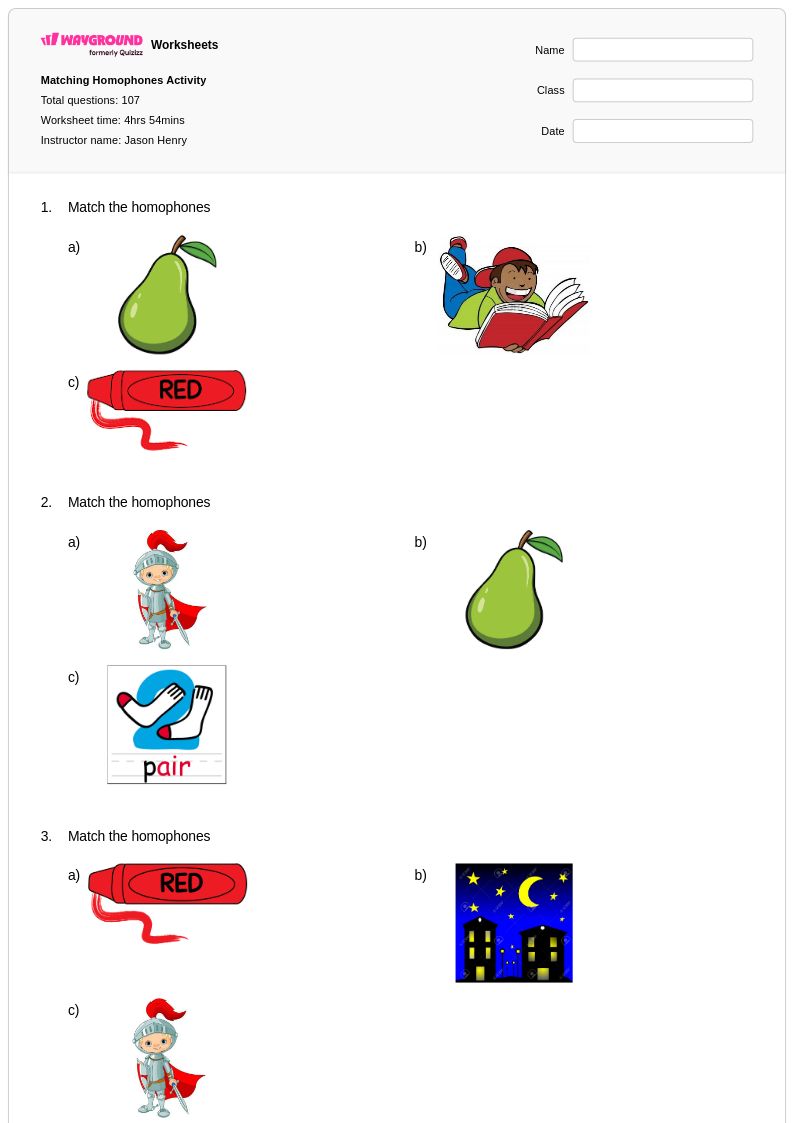
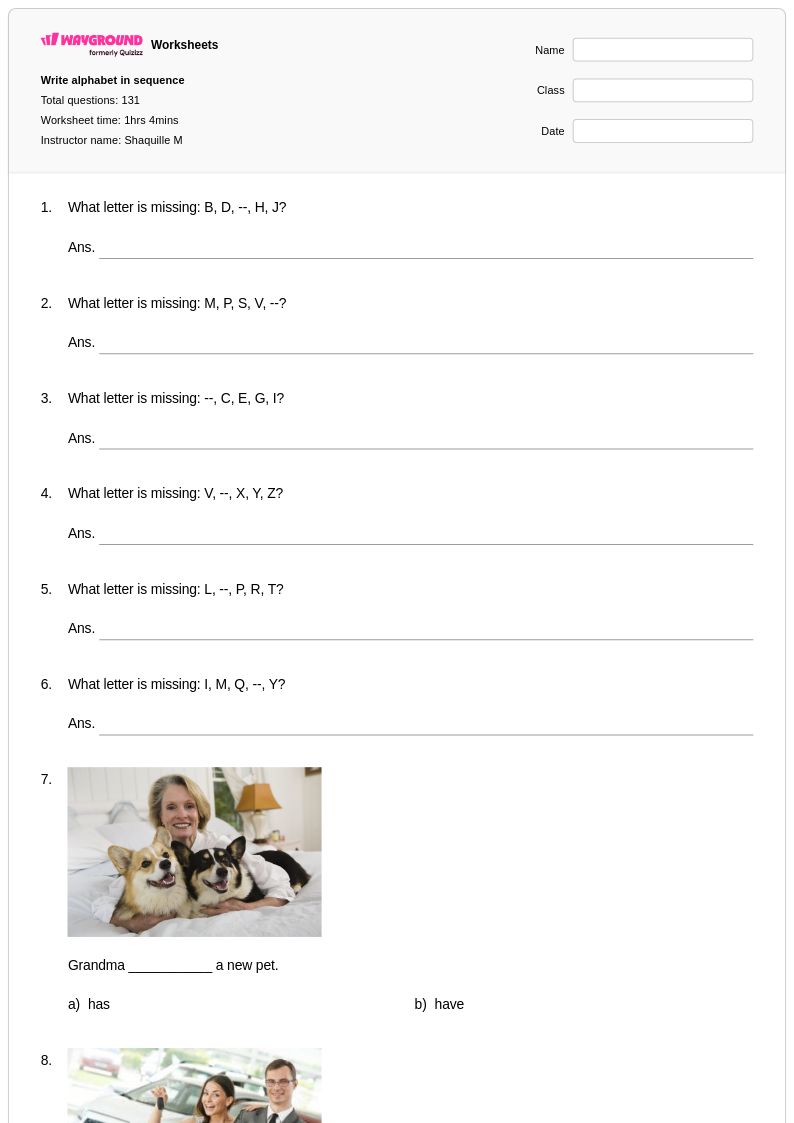
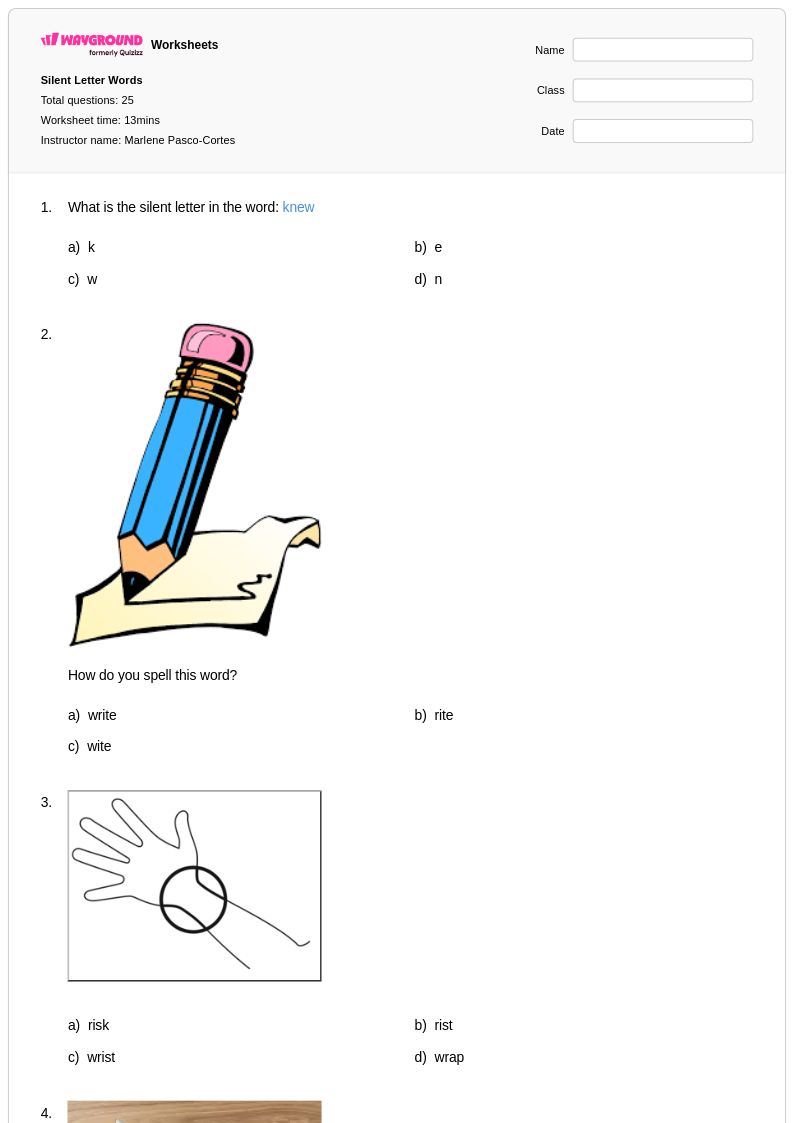
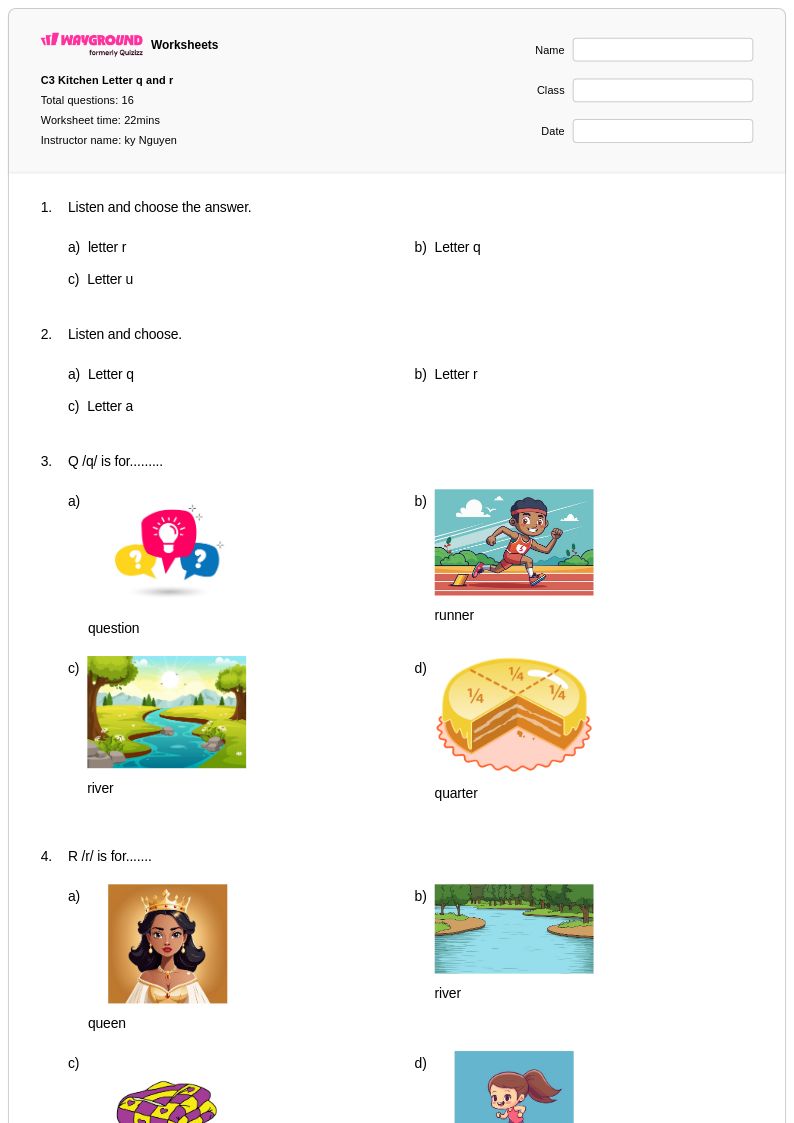
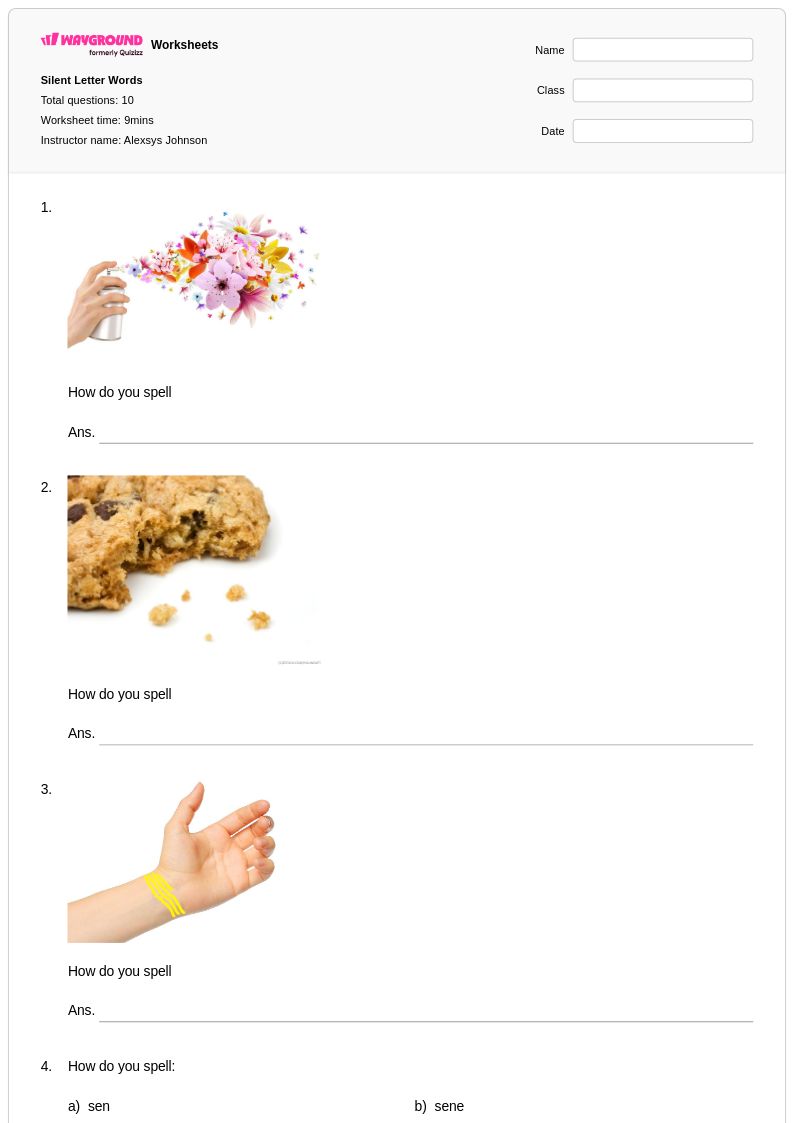
Class 2 letter matching worksheets from Wayground help students strengthen early literacy skills through engaging printable activities that include practice problems and answer keys for effective learning.
Explore printable Letter Matching worksheets for Class 2
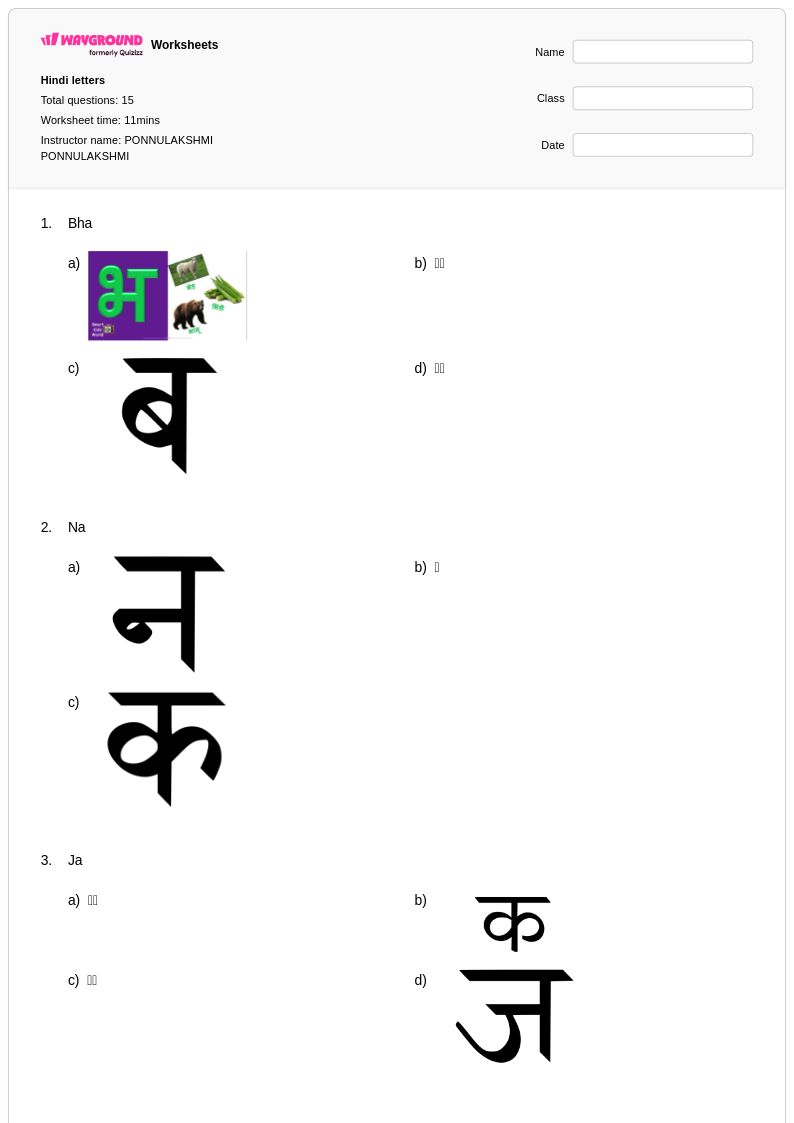
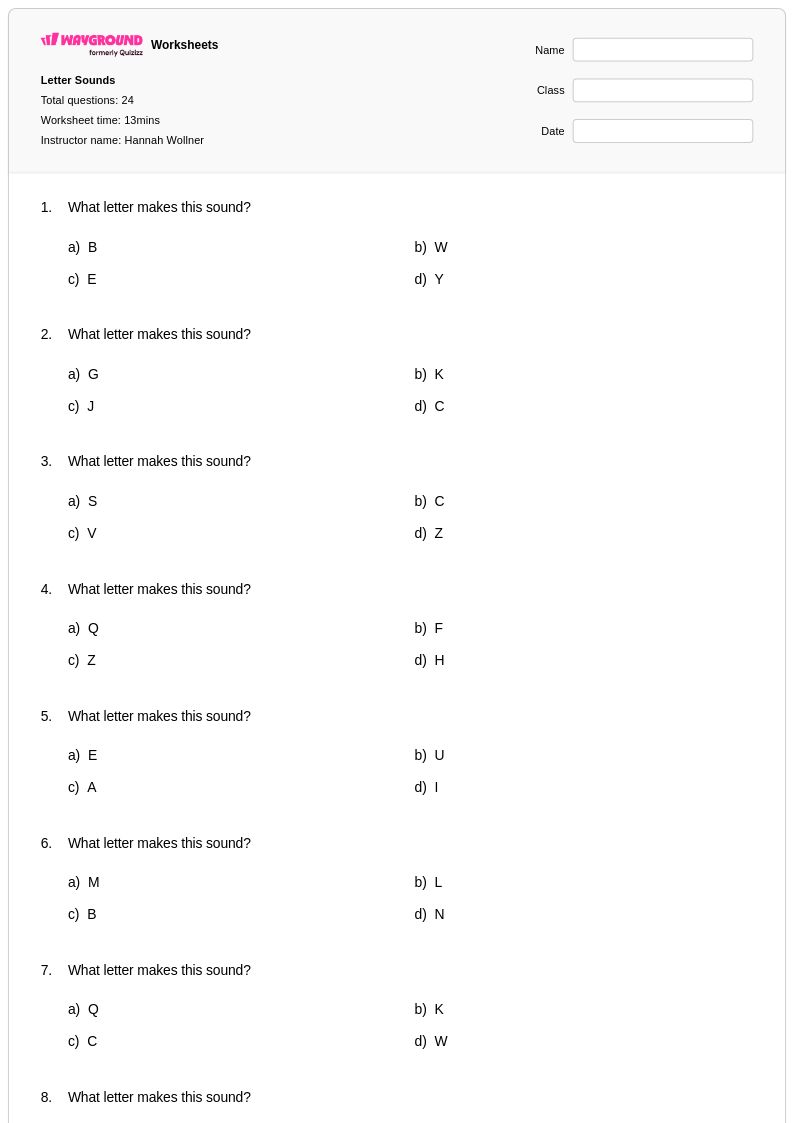
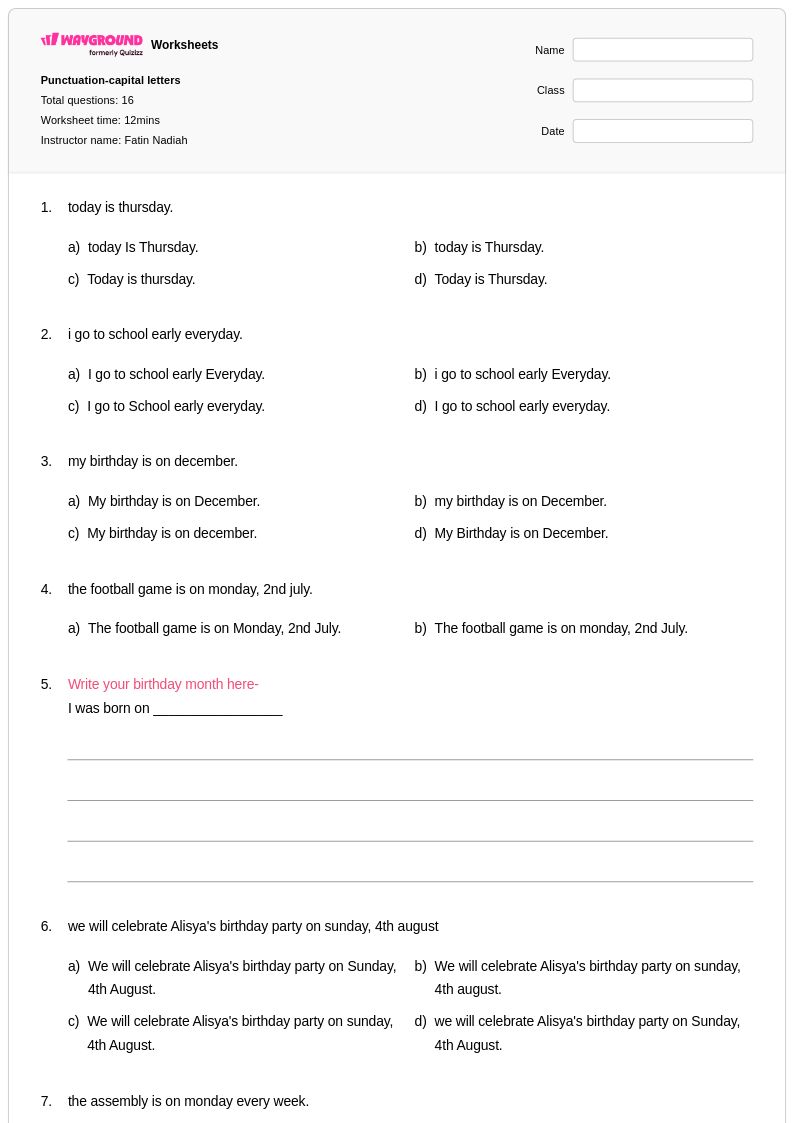
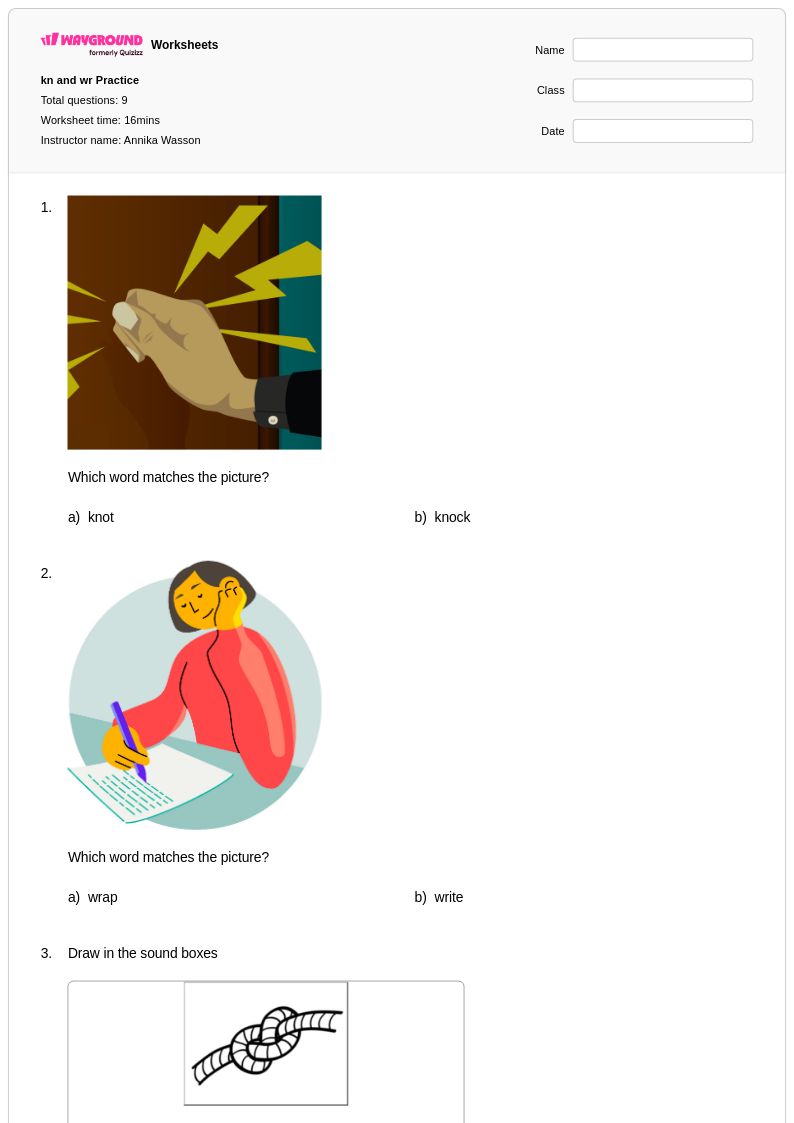
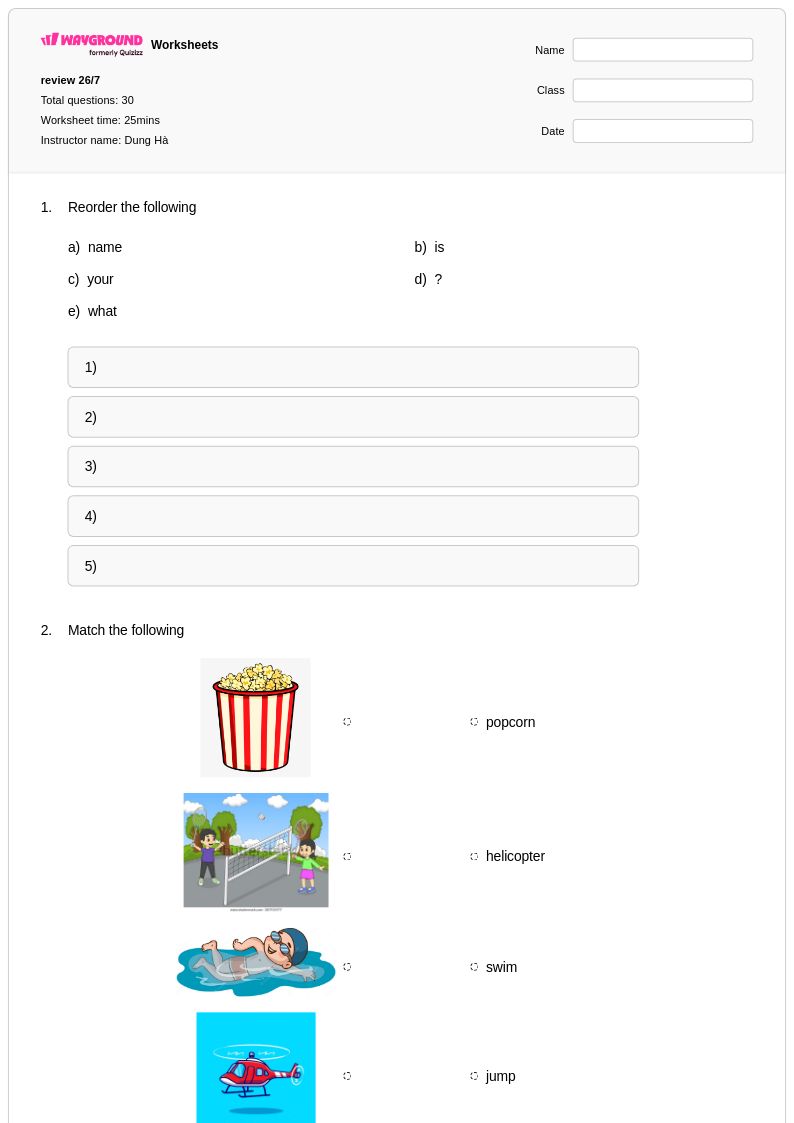
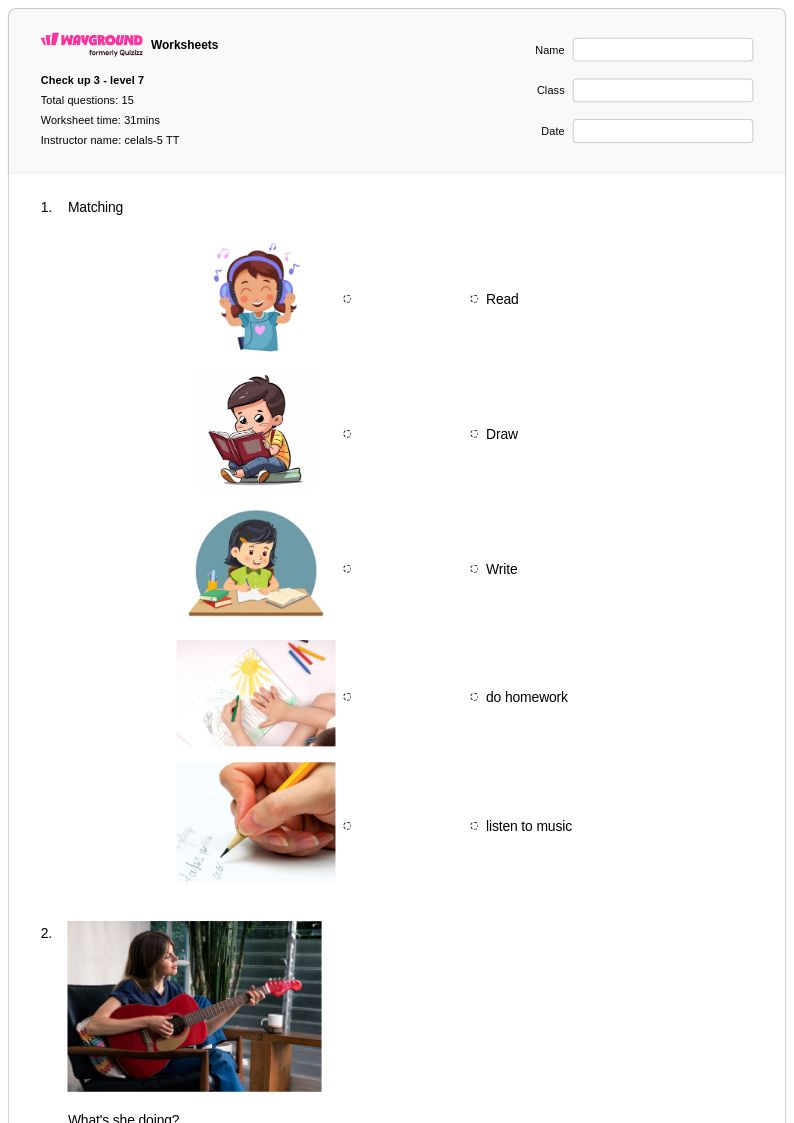
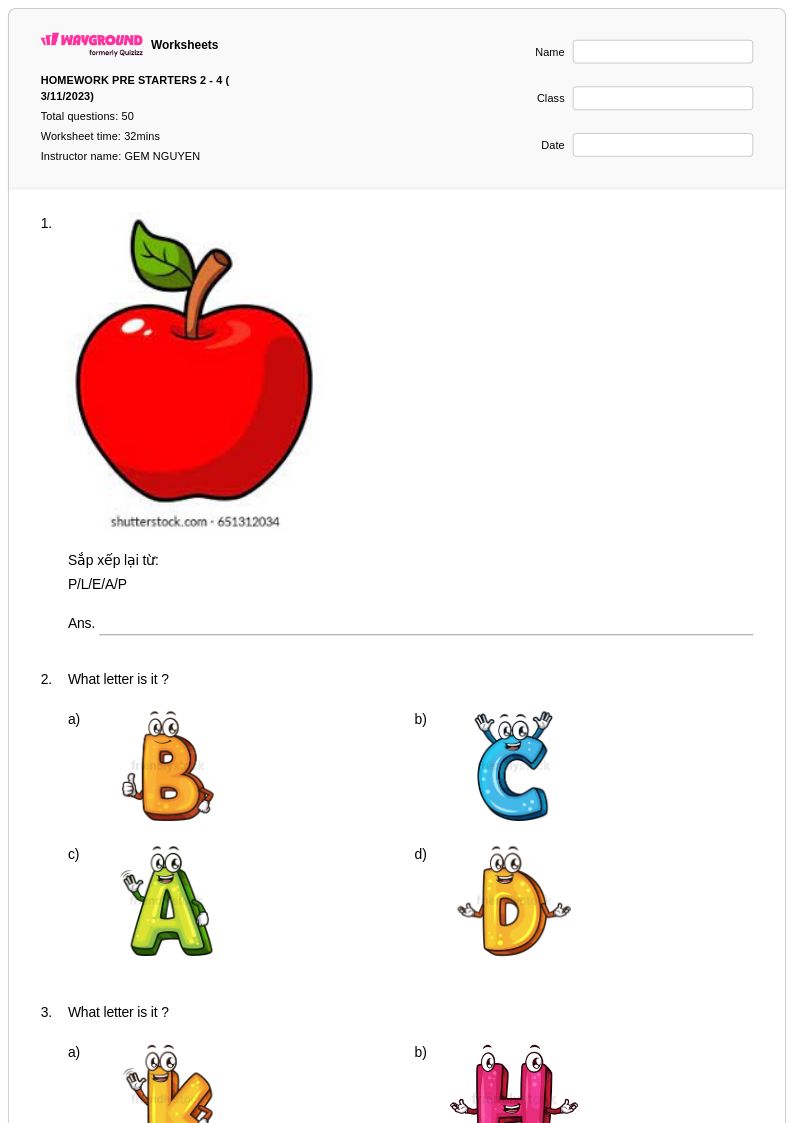
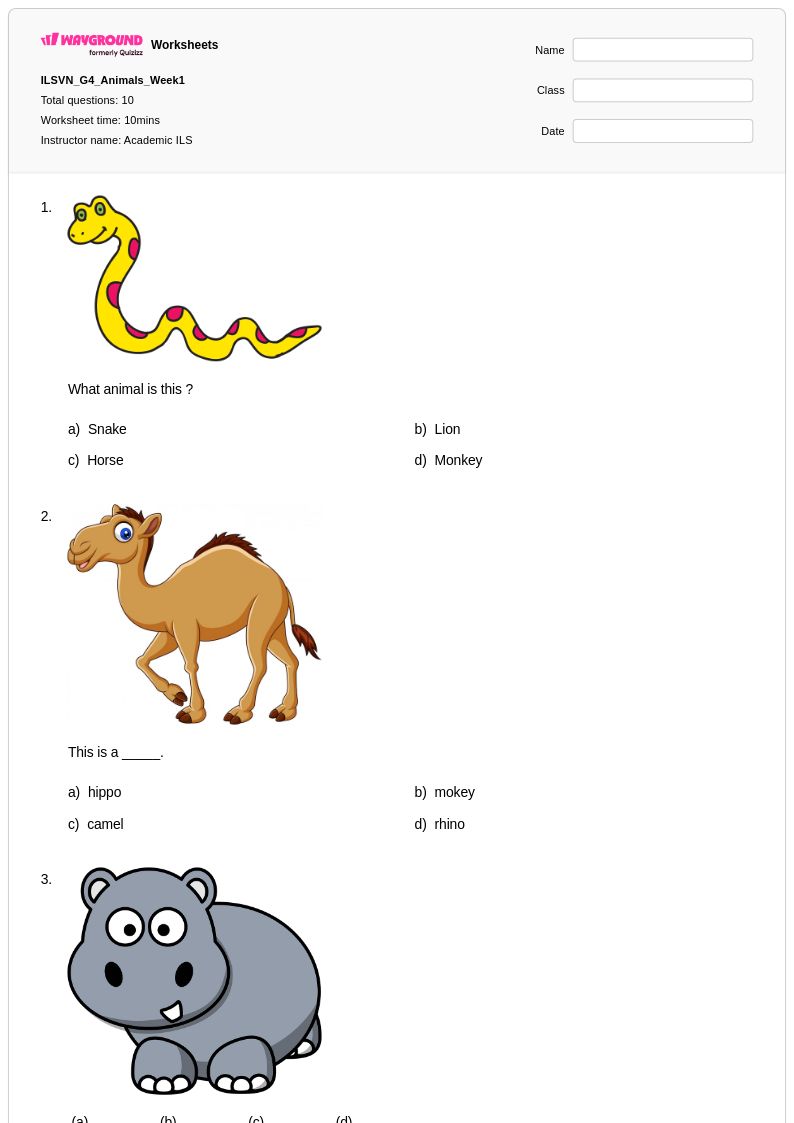
Letter matching worksheets for Class 2 students available through Wayground (formerly Quizizz) provide essential practice for developing foundational reading skills during this critical early literacy stage. These comprehensive printables focus on helping second graders strengthen their ability to recognize, differentiate, and connect uppercase and lowercase letters through various engaging activities. Students work through practice problems that require them to match corresponding letter pairs, identify letters in different fonts and contexts, and complete letter recognition exercises that build automatic letter identification skills. Each worksheet collection includes detailed answer keys to support both independent learning and guided instruction, with free pdf resources that can be easily printed for classroom or home use.
Wayground (formerly Quizizz) empowers educators with an extensive library of millions of teacher-created letter matching resources specifically designed for Class 2 early literacy instruction. The platform's robust search and filtering capabilities allow teachers to quickly locate worksheets that align with specific learning standards and match their students' developmental needs. These versatile tools support effective lesson planning by offering both printable pdf formats for traditional paper-based activities and digital versions for interactive learning experiences. Teachers can easily customize worksheets to provide targeted remediation for struggling readers, offer enrichment opportunities for advanced students, or create differentiated skill practice sessions that accommodate diverse learning styles and paces within their Class 2 classrooms.
FAQs
How do I teach letter matching to early learners?
Letter matching is best taught by first establishing that every uppercase letter has a corresponding lowercase partner, then using visual exercises that place both forms side by side so students can compare shapes and features. Start with high-frequency or visually distinctive letters like A, B, and O before introducing letters that look similar, such as b, d, p, and q. Consistent, short practice sessions using both tactile and visual materials help young learners build reliable alphabet recognition.
What exercises help students practice matching uppercase and lowercase letters?
Effective letter matching practice includes drawing lines to connect uppercase and lowercase pairs, sorting letter cards into matched sets, and filling in missing letter halves within a guided alphabet chart. Worksheets that use visual discrimination tasks, such as circling the matching lowercase letter from a row of options, reinforce both recognition and decision-making speed. Repetition across multiple formats strengthens the cognitive connections students need to automatize letter knowledge.
What mistakes do young students commonly make when matching letters?
The most common errors involve visually similar letter pairs: students frequently confuse b and d, p and q, and n and u because their shapes are mirror images or rotations of each other. Some students also struggle to connect uppercase and lowercase versions of letters that look visually unrelated, such as A and a, G and g, or R and r. Targeting these specific pairs with focused practice problems and explicit comparison helps students overcome these persistent errors.
How can letter matching practice support students who are struggling with alphabet recognition?
For students who struggle with alphabet recognition, reducing the number of letter choices presented at once lowers cognitive load and allows them to build confidence with a smaller letter set before expanding. Pairing visual exercises with read-aloud support, where students hear the letter name as they match it, reinforces the connection between letter form and name simultaneously. On Wayground, teachers can apply accommodations such as reduced answer choices and read-aloud support to individual students, so struggling learners receive targeted support while the rest of the class works through standard tasks.
How do I use Wayground's letter matching worksheets in my classroom?
Wayground's letter matching worksheets are available as printable PDFs for traditional classroom use and in digital formats for technology-integrated instruction, giving teachers flexibility to assign them as seat work, homework, or intervention practice. Each worksheet includes a complete answer key, making it straightforward to review work or conduct self-correction activities. Teachers can also host the materials as a quiz on Wayground, enabling real-time digital delivery in both in-person and remote learning environments.