
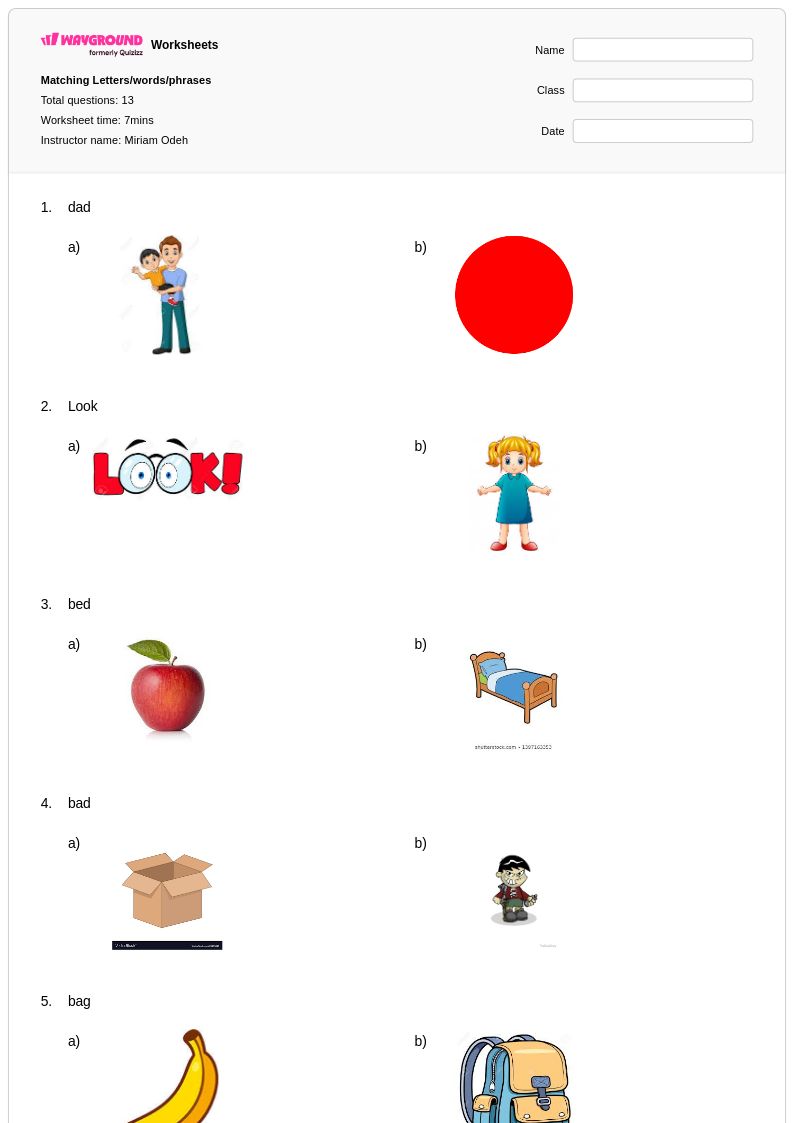
13 Q
3rd - 4th
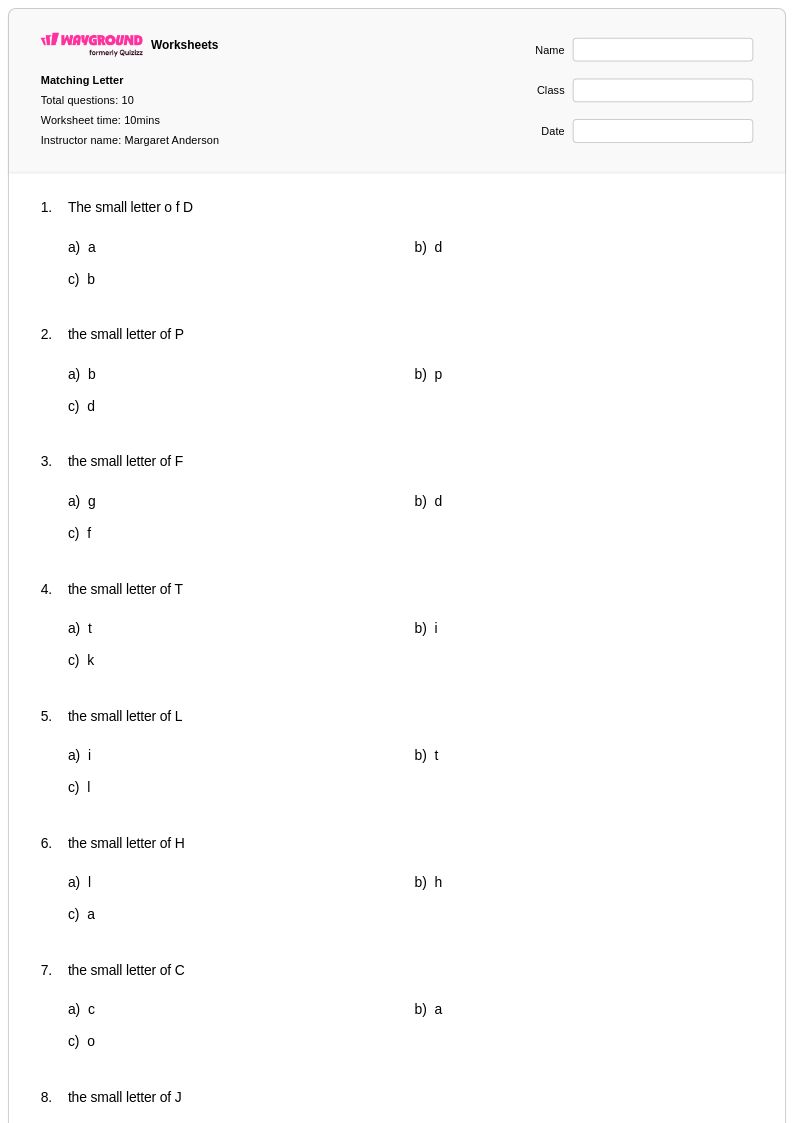
10 Q
1st - 3rd
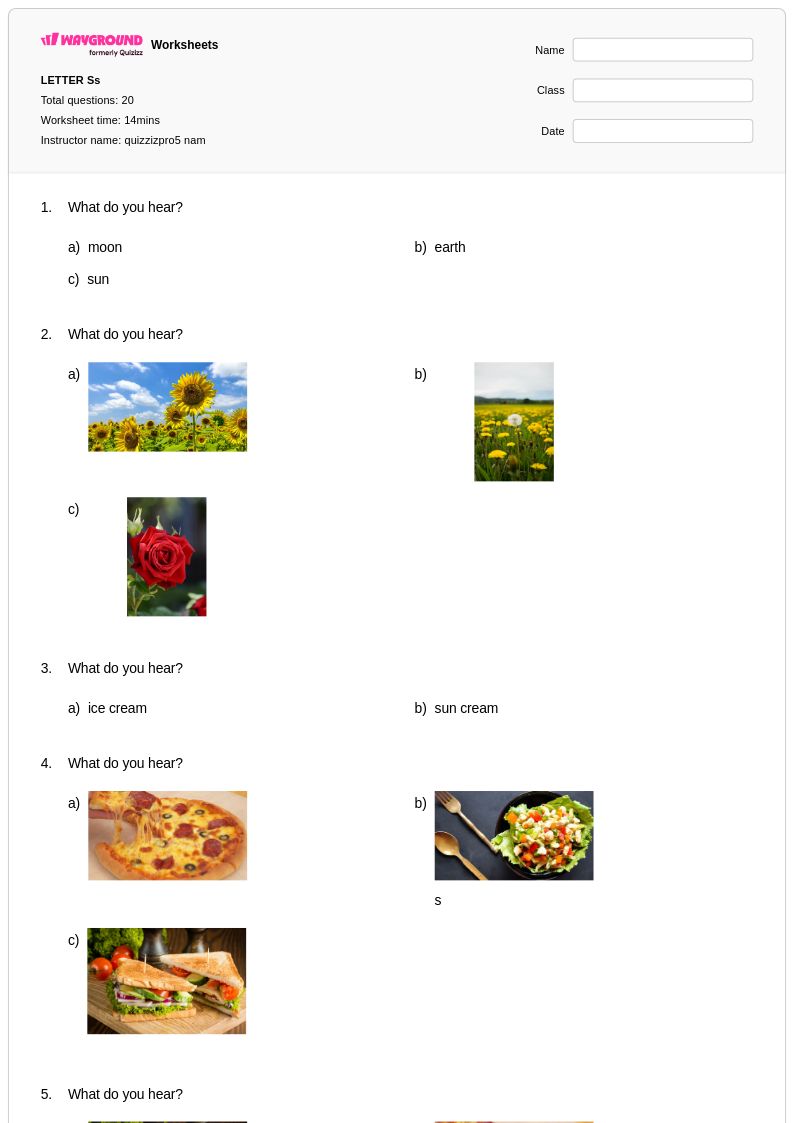
20 Q
1st - 5th
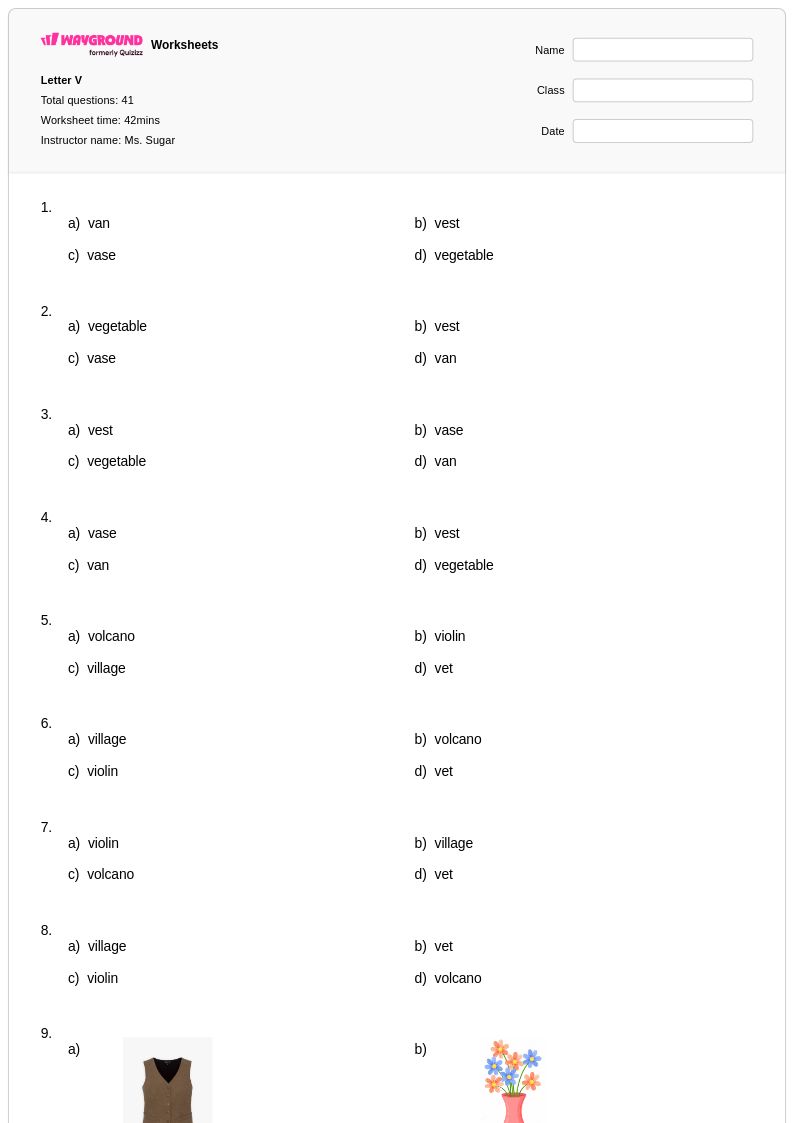
41 Q
1st - 5th
20 Q
1st - 5th
10 Q
1st - 5th
21 Q
3rd
15 Q
2nd - Uni
10 Q
1st - 5th
25 Q
1st - 5th
15 Q
1st - 6th
6 Q
3rd
16 Q
1st - 5th
20 Q
2nd - Uni
10 Q
1st - 5th
31 Q
1st - 5th
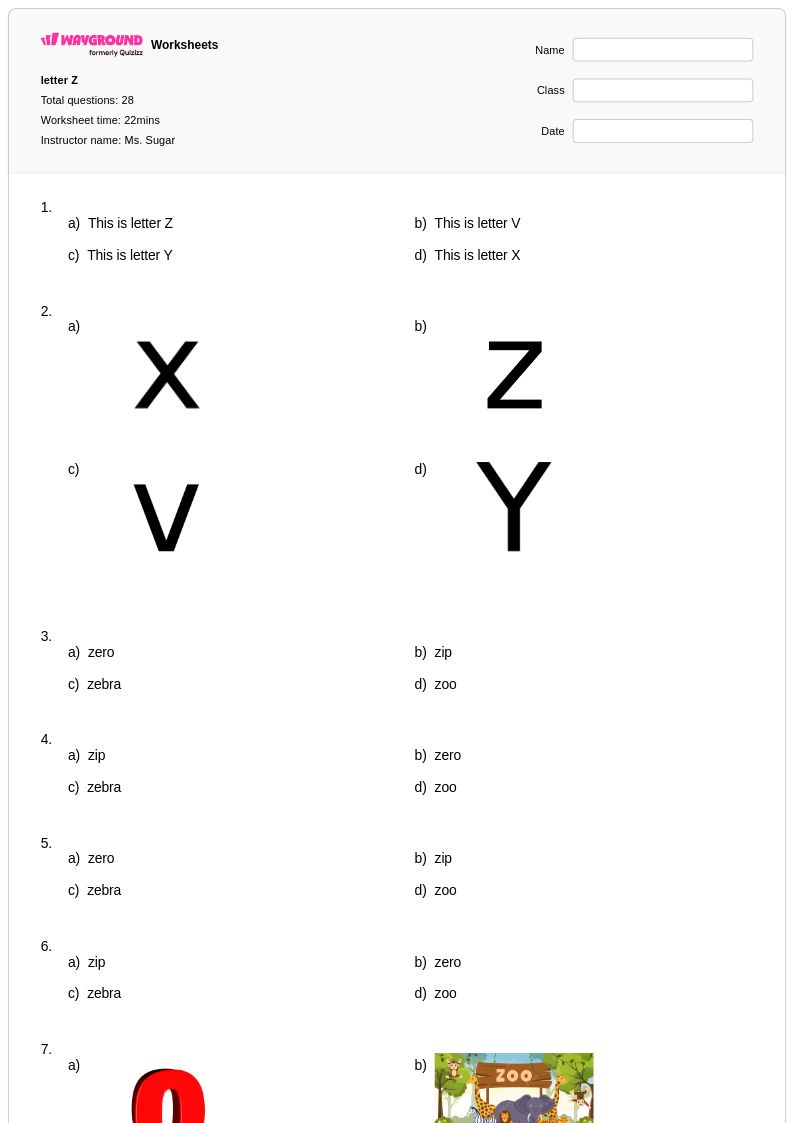
28 Q
1st - 5th
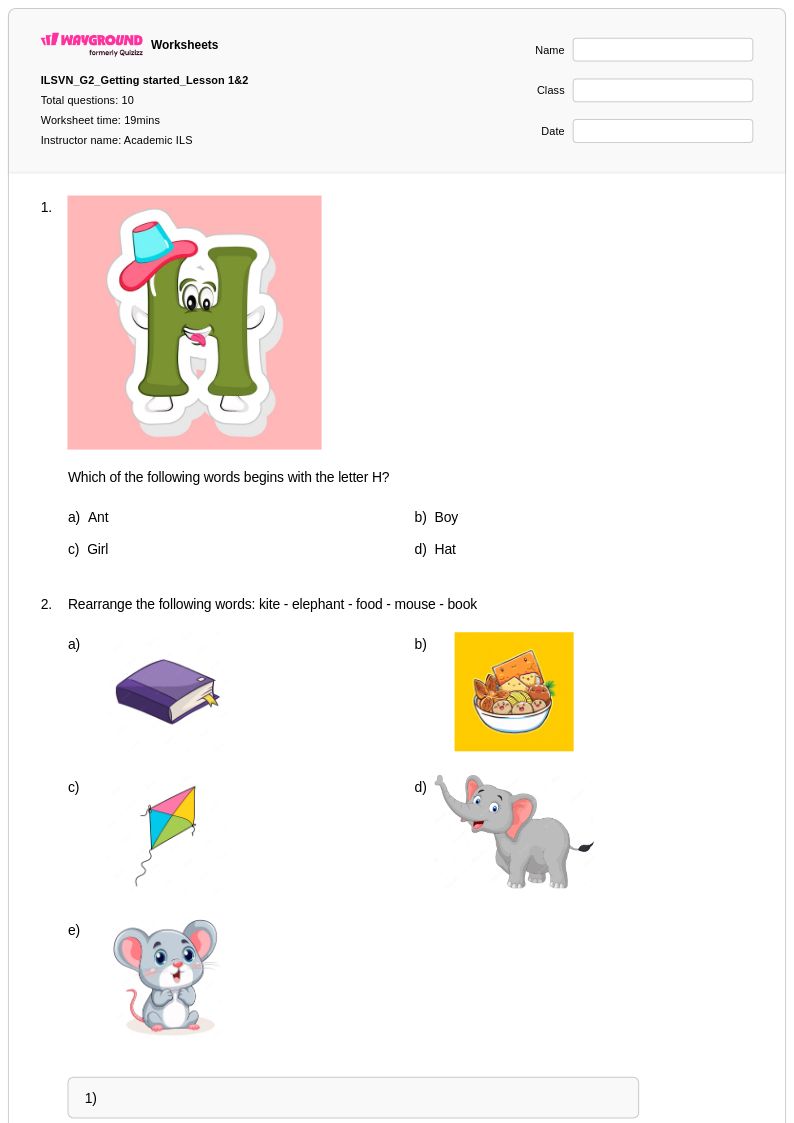
10 Q
1st - 5th
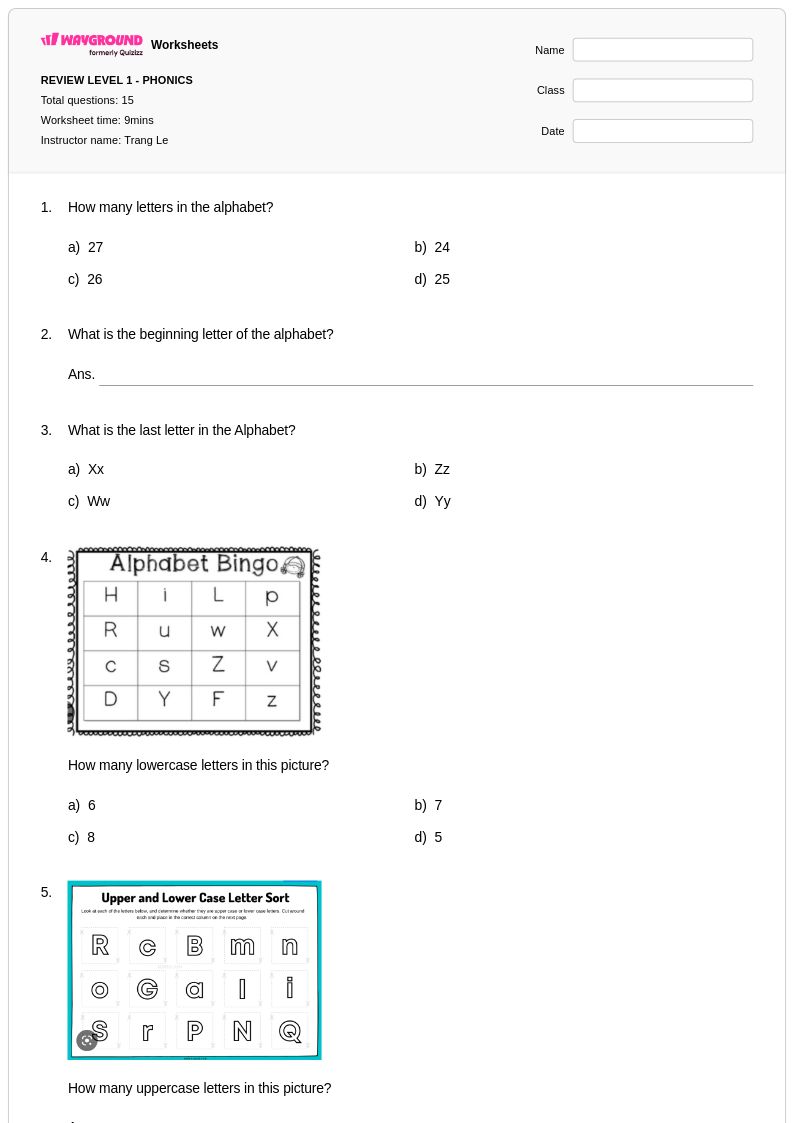
15 Q
1st - 5th
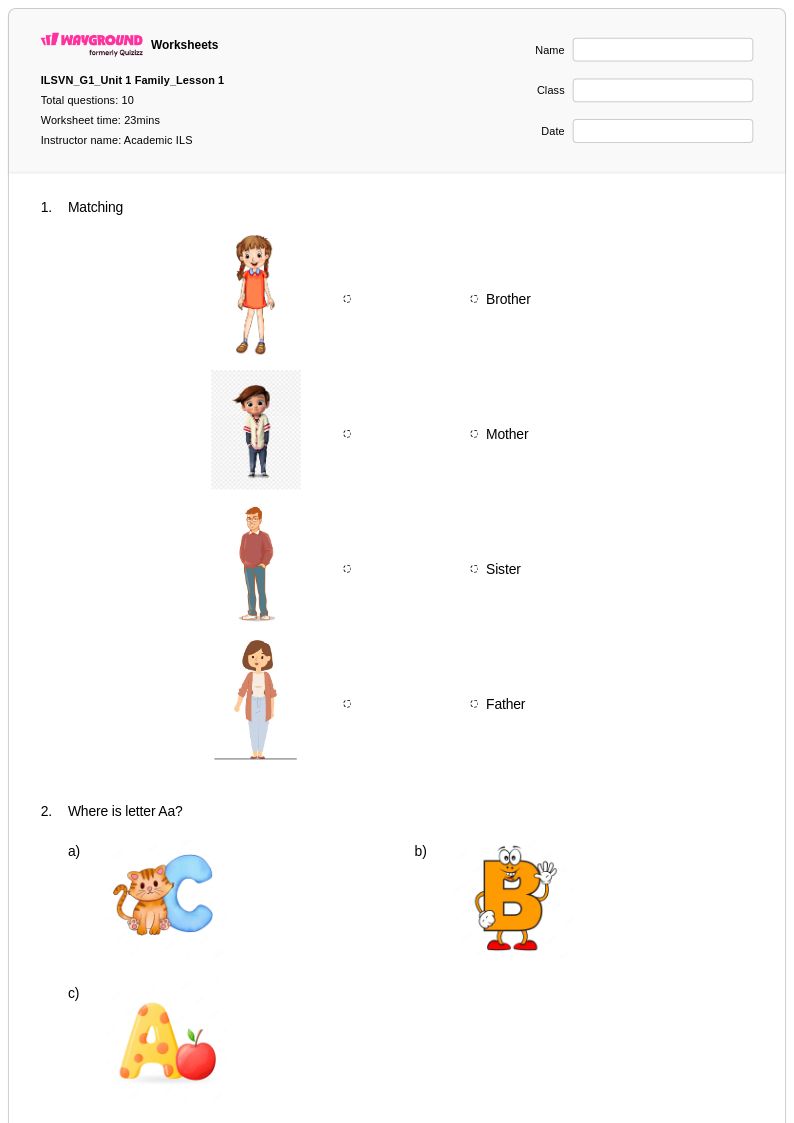
10 Q
1st - 5th

10 Q
1st - 5th
25 Q
3rd
15 Q
3rd
13 Q
2nd - 5th
Explore Letter Matching Worksheets by Grades
Explore Other Subject Worksheets for class 3
Explore printable Letter Matching worksheets for Class 3
Letter matching worksheets for Class 3 students available through Wayground (formerly Quizizz) provide essential foundational practice for developing visual discrimination and letter recognition skills that support reading fluency and comprehension. These comprehensive printables challenge third-grade learners to identify corresponding uppercase and lowercase letters, match letters within different fonts and styles, and recognize letter patterns in various contexts. Each worksheet includes structured practice problems that systematically build students' ability to quickly and accurately process letter forms, a critical skill for automatic word recognition. Teachers can access complete answer keys alongside each pdf worksheet, enabling efficient grading and immediate feedback to support student learning and track progress in this fundamental literacy area.
Wayground (formerly Quizizz) empowers educators with millions of teacher-created letter matching resources specifically designed to meet diverse Class 3 classroom needs through robust search and filtering capabilities that align with literacy standards. The platform's differentiation tools allow teachers to customize worksheets based on individual student readiness levels, providing both remediation support for struggling readers and enrichment opportunities for advanced learners. Available in both printable pdf format and interactive digital versions, these letter matching collections seamlessly integrate into lesson planning workflows, independent practice sessions, and targeted intervention programs. Teachers benefit from flexible customization options that enable modification of difficulty levels, visual layouts, and practice formats to ensure every third-grade student receives appropriate skill-building opportunities in letter recognition and visual processing.
FAQs
How do I teach letter matching to early learners?
What exercises help students practice matching uppercase and lowercase letters?
What mistakes do young students commonly make when matching letters?
How can letter matching practice support students who are struggling with alphabet recognition?
How do I use Wayground's letter matching worksheets in my classroom?