Free Printable Manatee Worksheets for Kindergarten
Explore our free kindergarten manatee worksheets and printables that help young students discover these gentle sea creatures through engaging activities, practice problems, and comprehensive answer keys.
Explore printable Manatee worksheets for Kindergarten
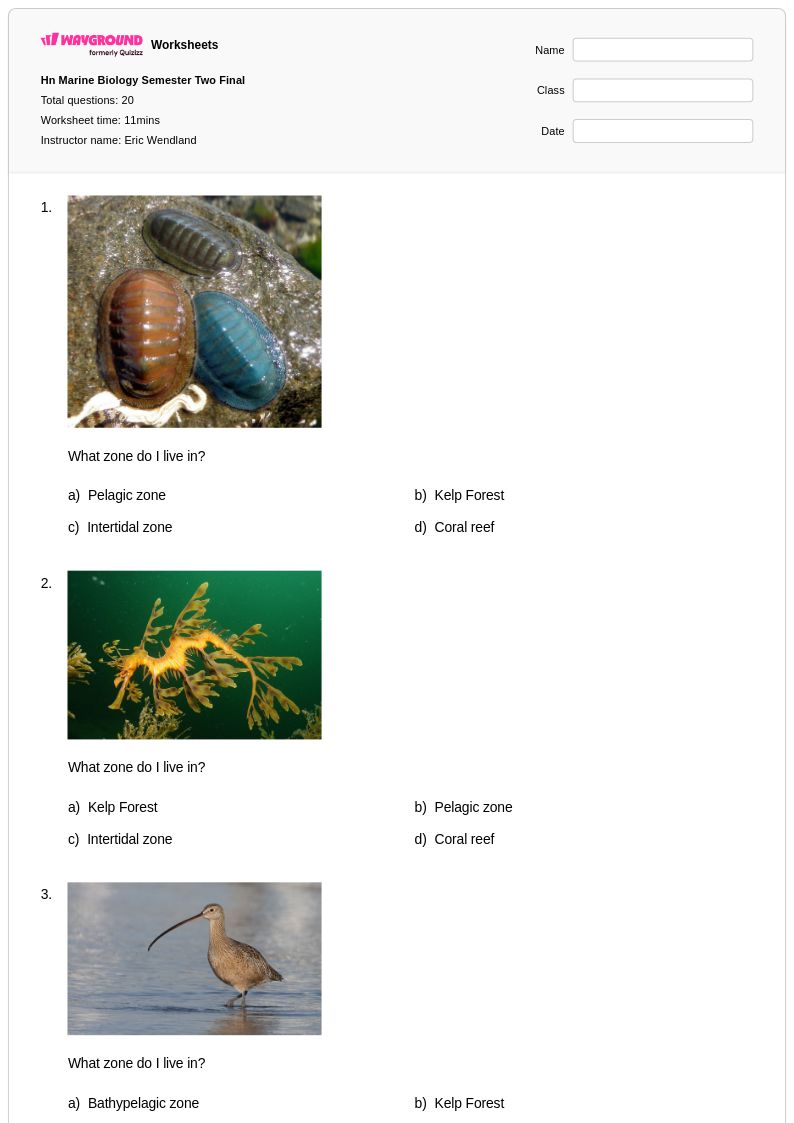
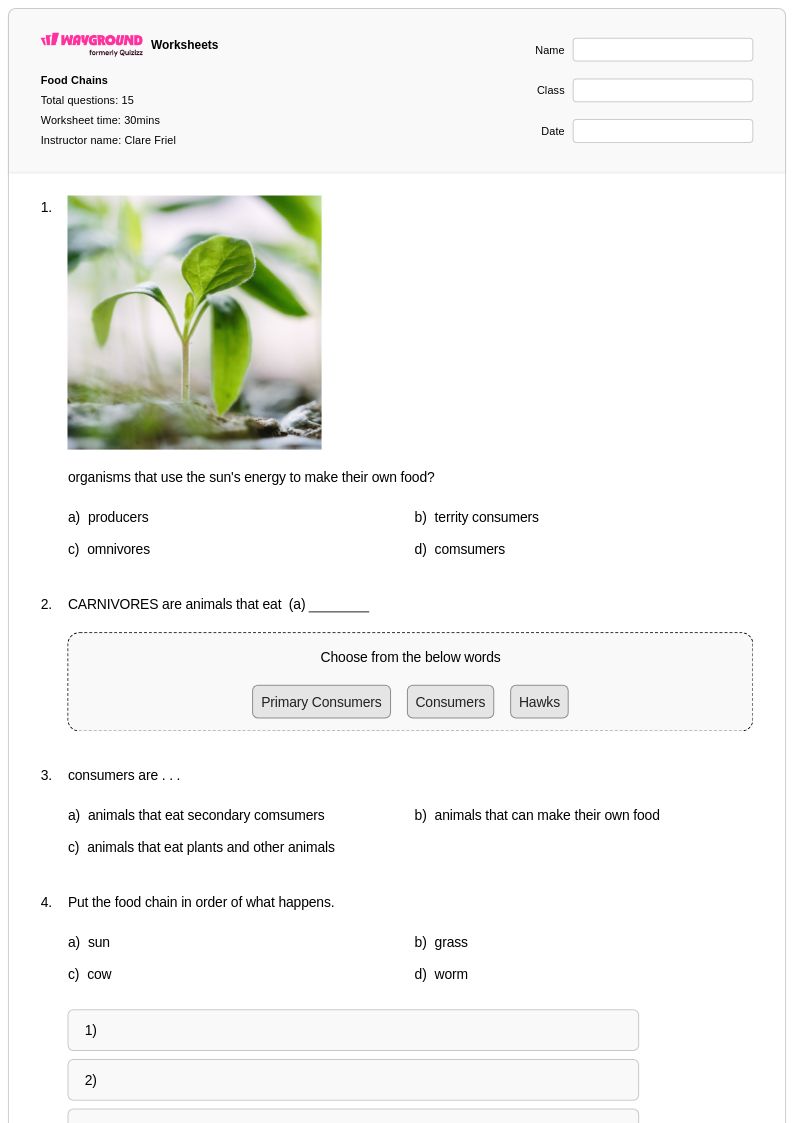
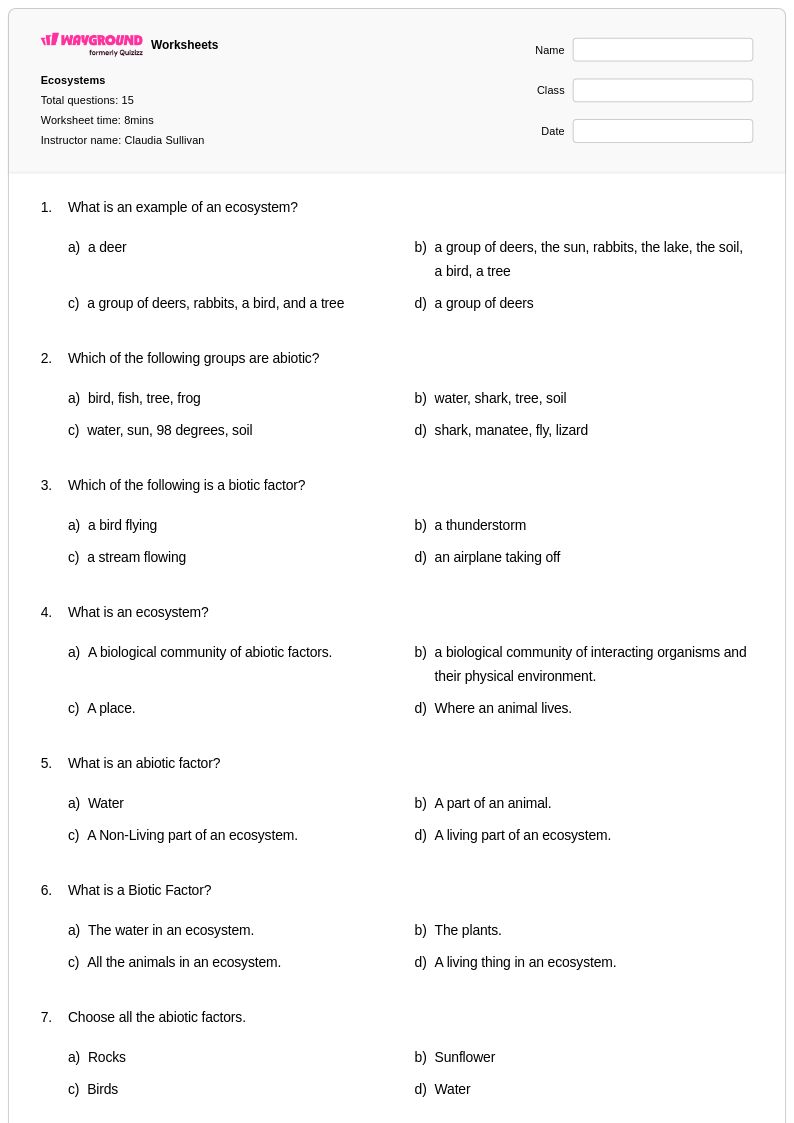
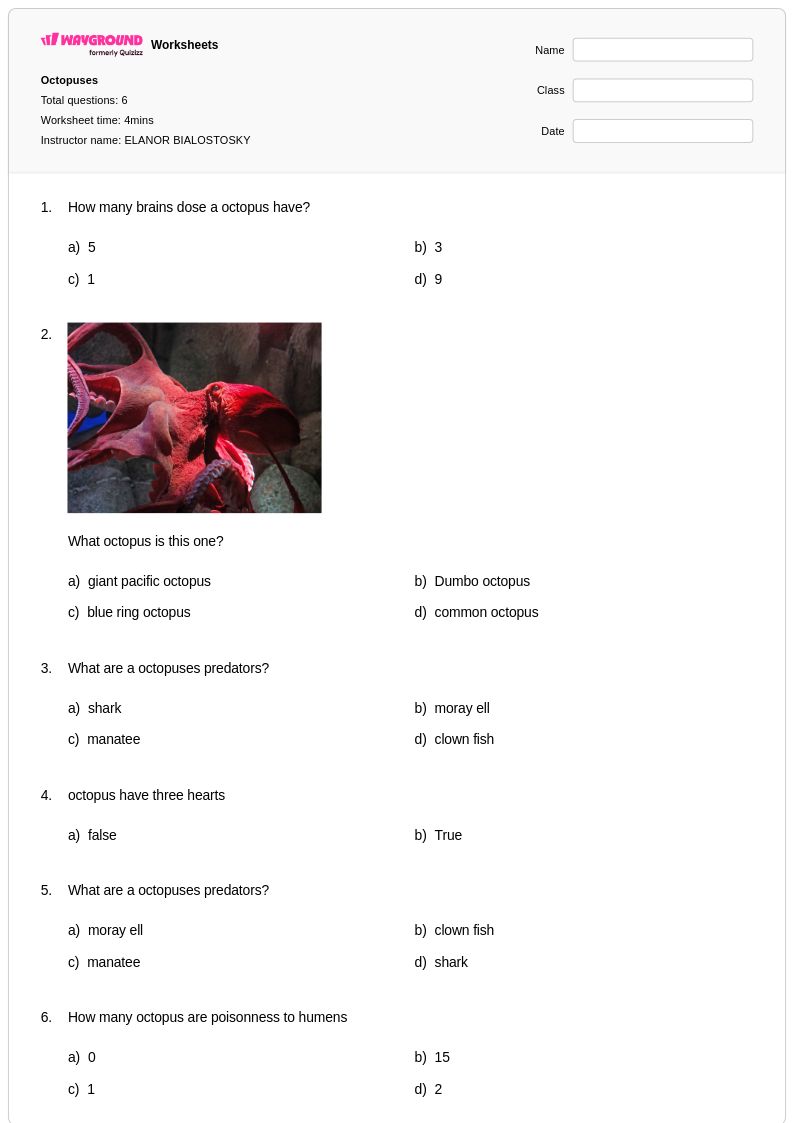
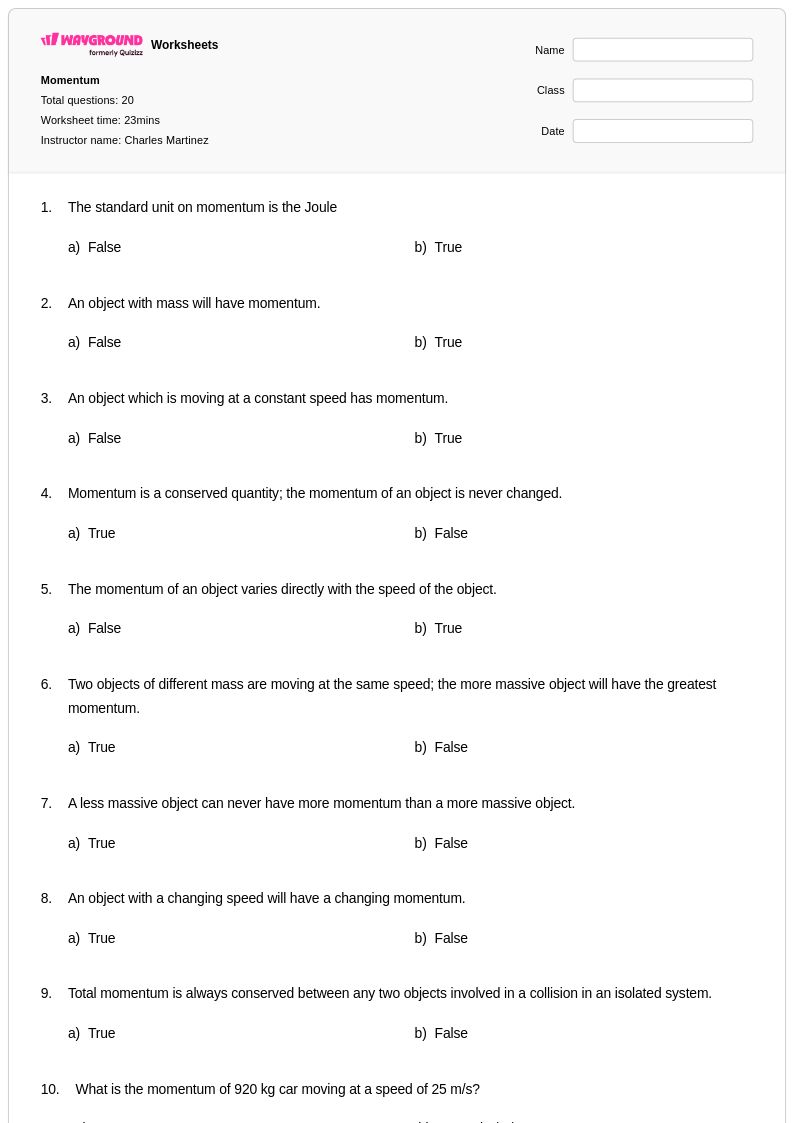
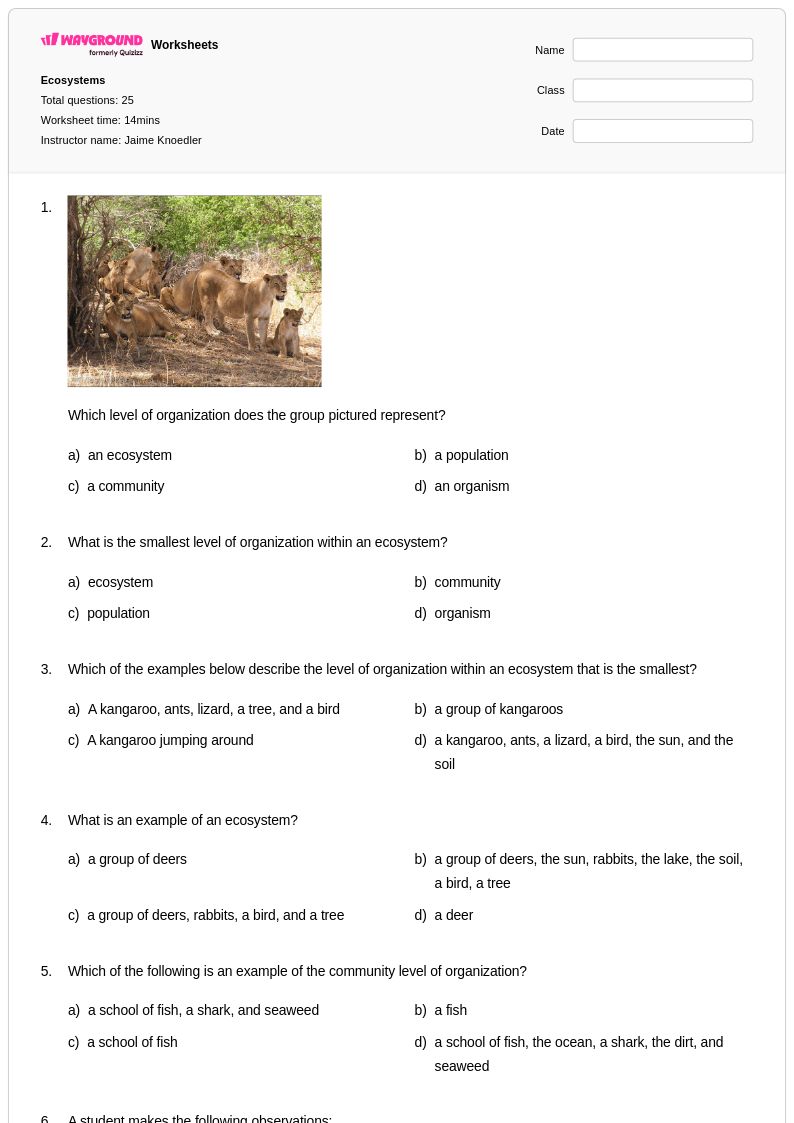
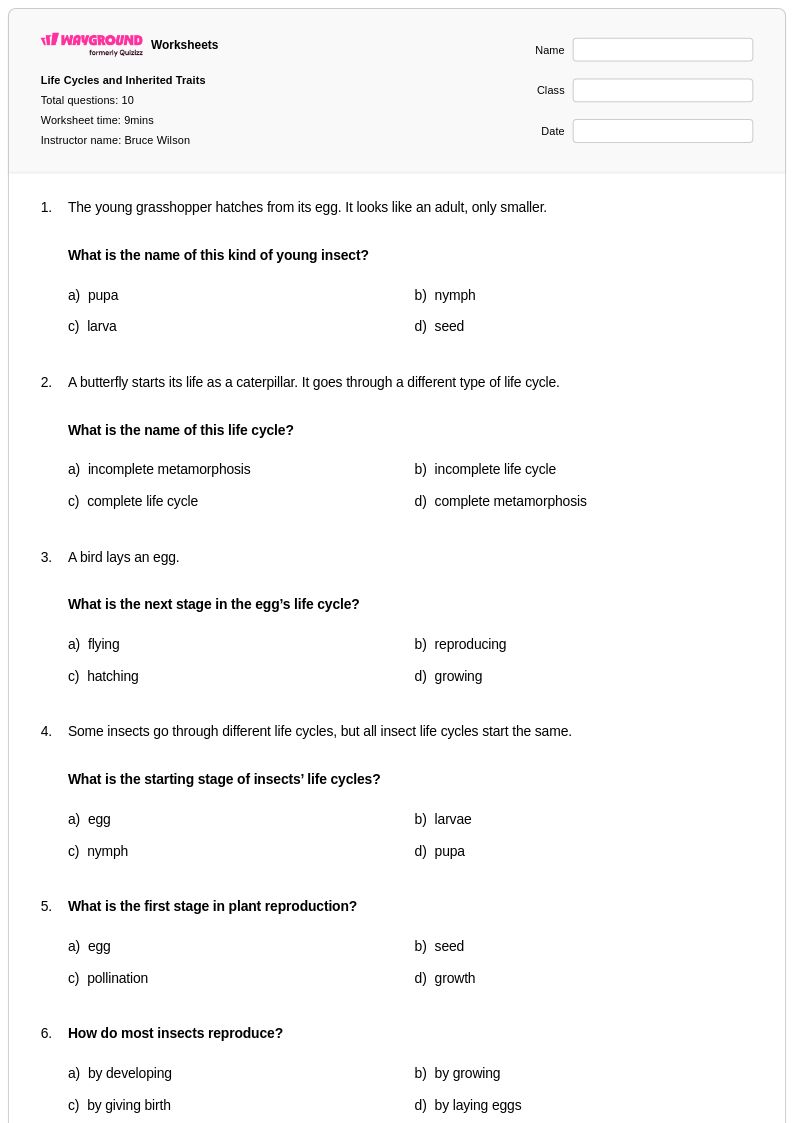
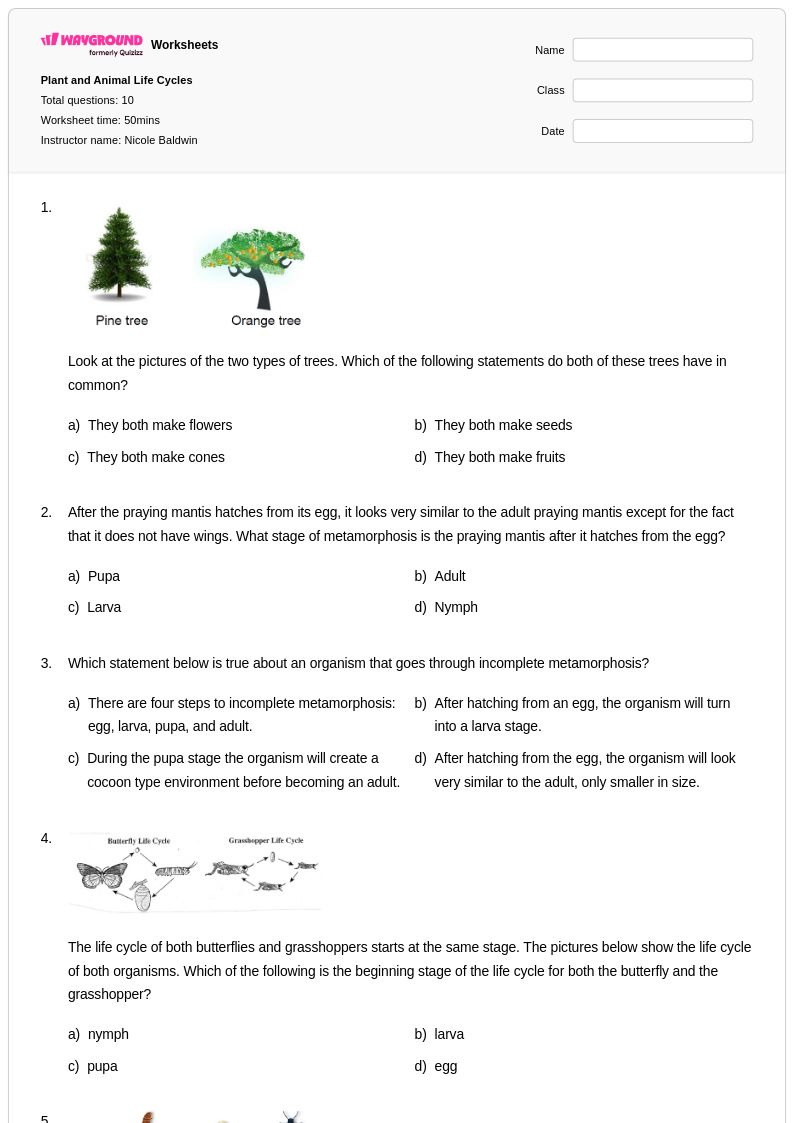
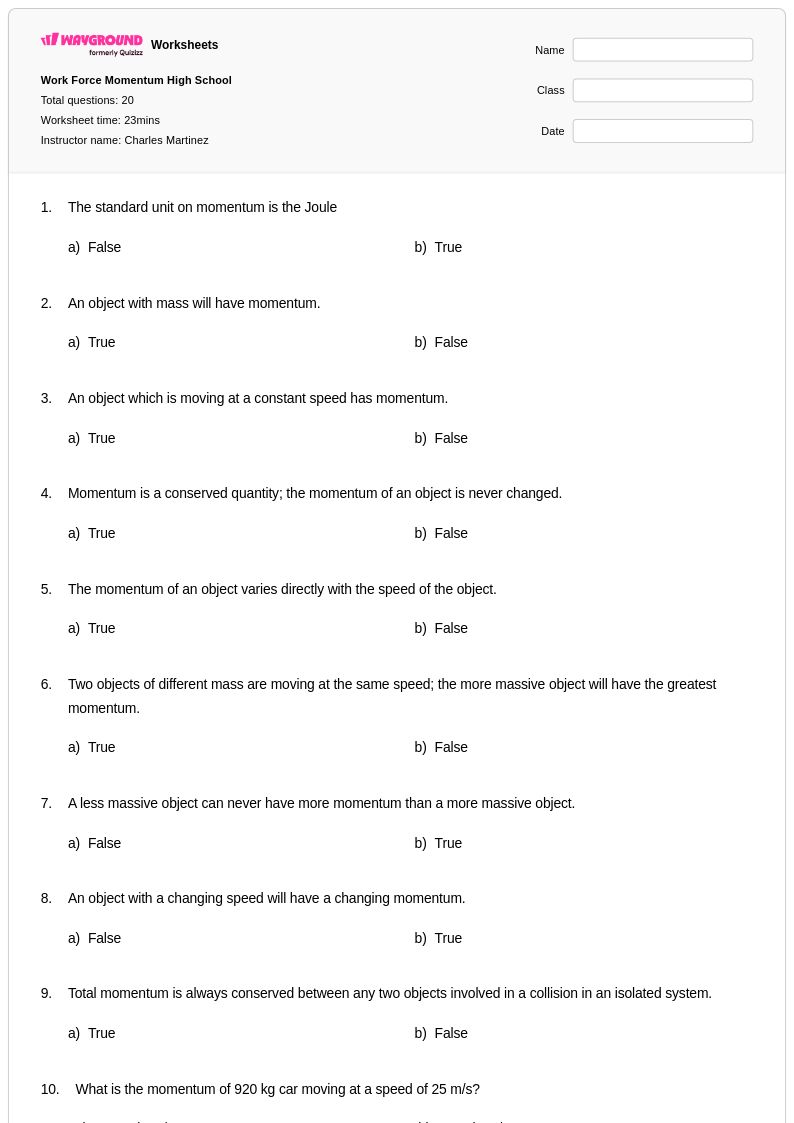
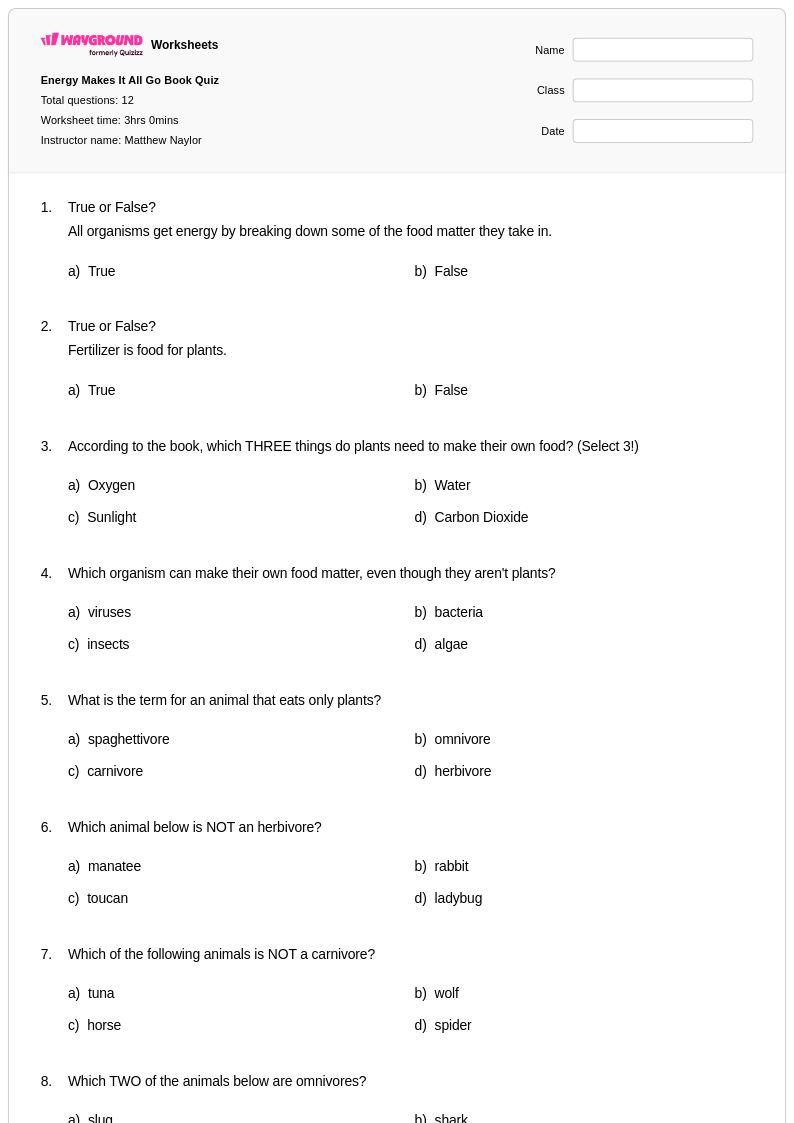
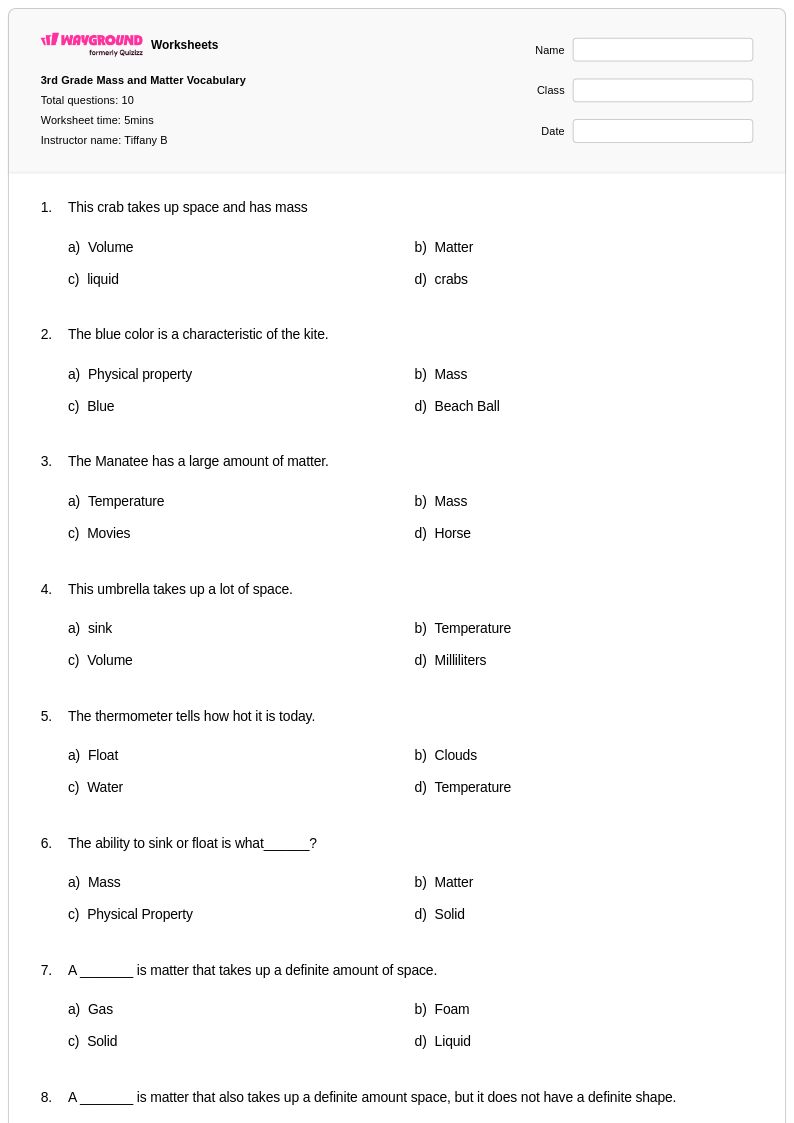
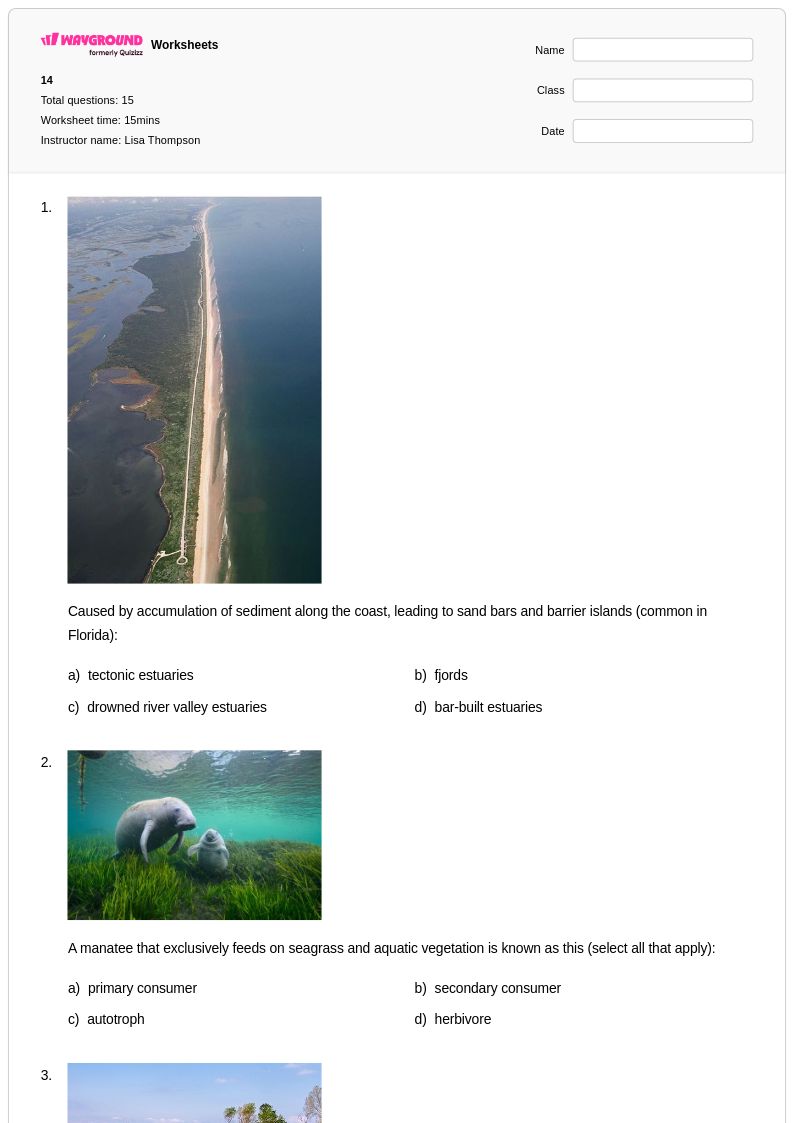
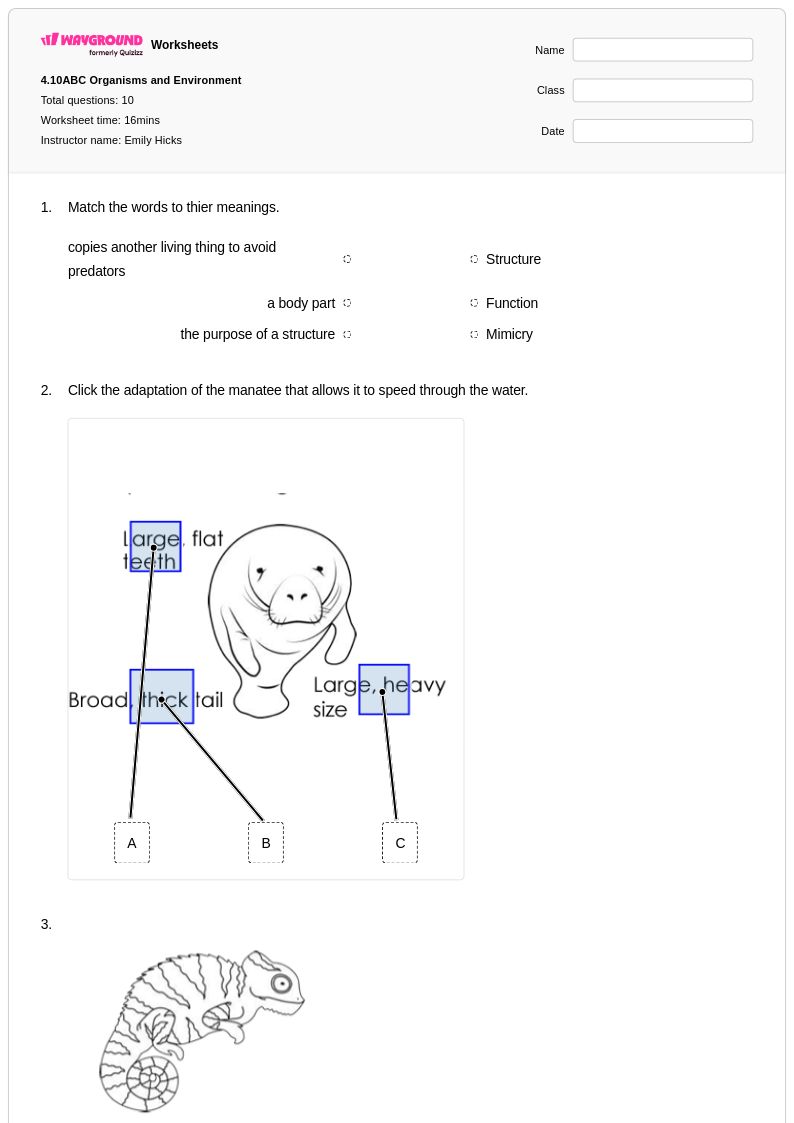
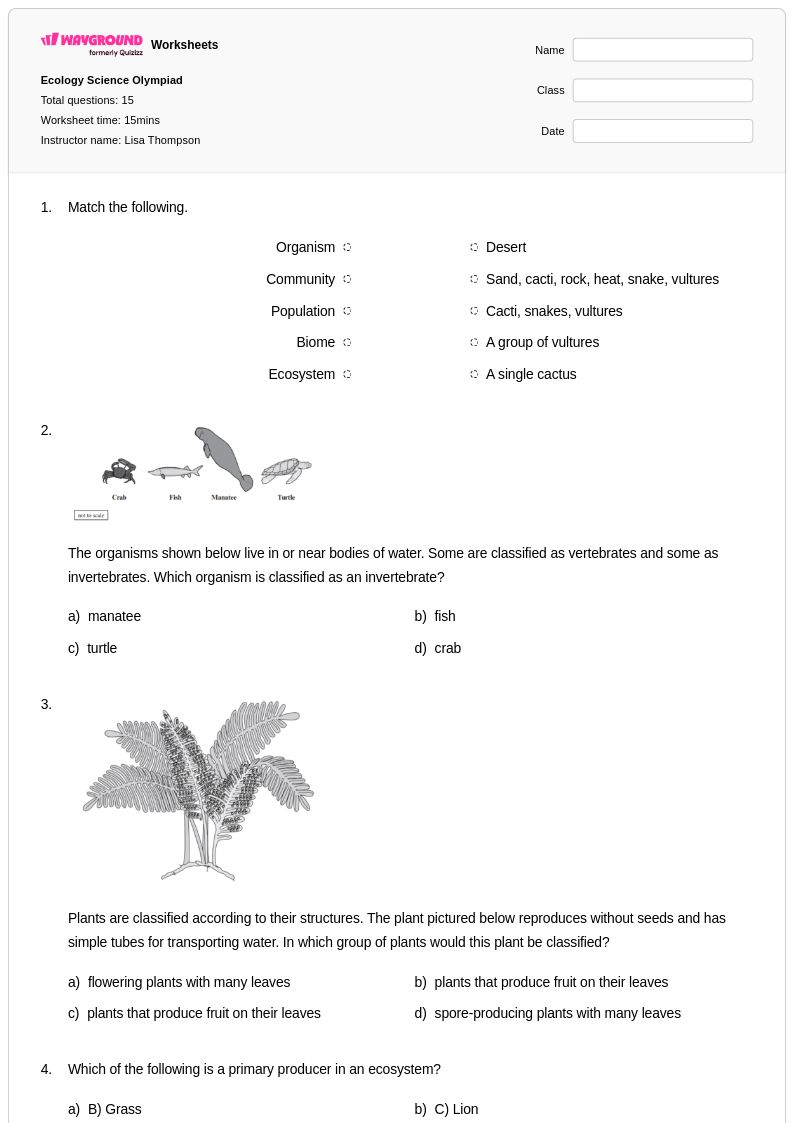
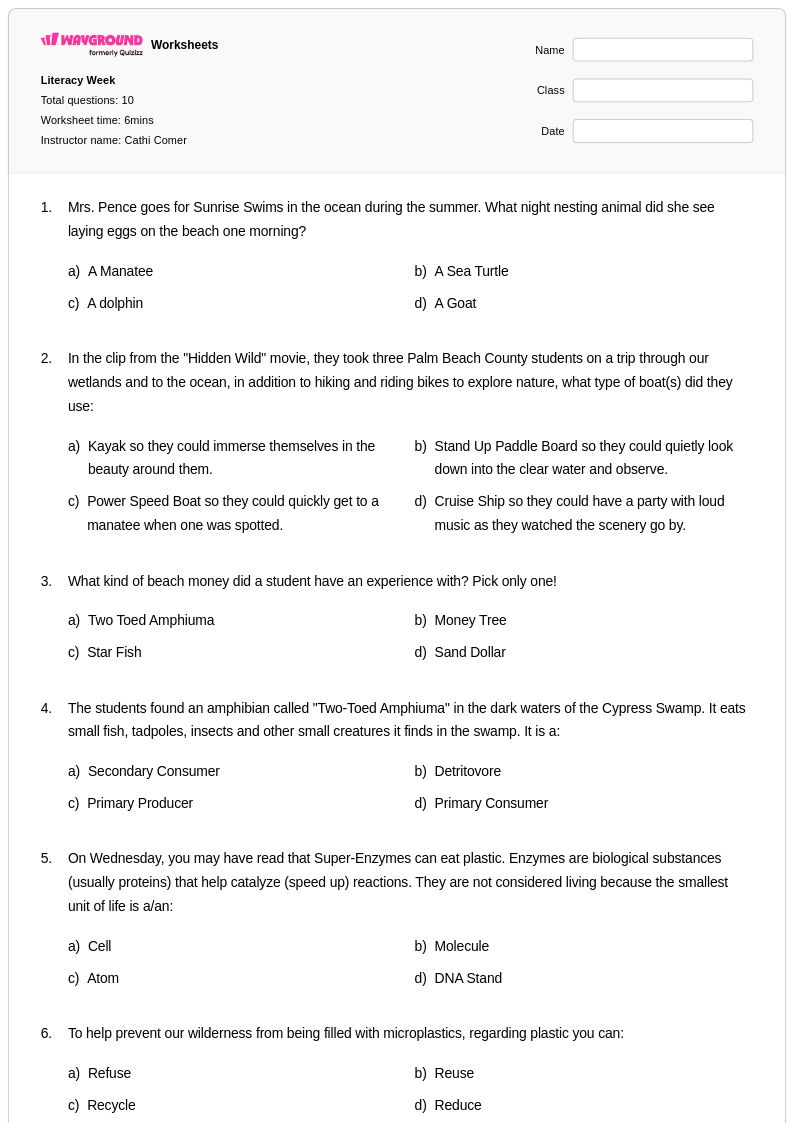
Manatee worksheets for kindergarten students through Wayground (formerly Quizizz) introduce young learners to these gentle marine mammals through age-appropriate activities that build foundational science observation skills. These carefully designed printables help kindergarten children develop early biological concepts by exploring manatee characteristics, habitats, and behaviors through coloring exercises, simple matching activities, and basic fact identification practice problems. Each worksheet collection includes comprehensive answer key materials that support both independent learning and guided instruction, while free pdf formats ensure easy classroom integration and home practice opportunities.
Wayground (formerly Quizizz) empowers educators with millions of teacher-created manatee resources specifically curated for kindergarten-level biology instruction, featuring robust search and filtering capabilities that allow teachers to quickly locate materials aligned with early childhood science standards. The platform's differentiation tools enable seamless customization of worksheet difficulty levels, supporting both remediation for struggling learners and enrichment opportunities for advanced students. Available in both printable pdf formats and interactive digital versions, these comprehensive manatee worksheet collections streamline lesson planning while providing flexible options for skill practice, formative assessment, and engaging marine life education that captures young students' natural curiosity about ocean animals.
FAQs
How do I teach students about manatee biology and conservation in a meaningful way?
Effective manatee instruction connects biology to real-world conservation challenges. Start by grounding students in manatee anatomy and physiology, then move into habitat requirements and threats such as boat strikes, habitat loss, and cold stress events. Linking biological traits, like their slow metabolism and need for warm water, directly to why they are endangered helps students understand conservation as a science issue, not just an emotional one. Case studies from Florida's coastal ecosystems give students concrete geographic and ecological context.
What exercises help students practice understanding manatee life cycles and feeding patterns?
Practice problems that sequence manatee life cycle stages, from calf to adult, build procedural understanding and reinforce developmental biology concepts. Feeding pattern exercises that ask students to identify manatees as herbivores, map their seagrass diet to specific ecosystems, and calculate approximate daily intake develop both content knowledge and quantitative reasoning. Diagram labeling activities focused on manatee anatomy, such as flippers, paddle-shaped tails, and nostrils, support vocabulary acquisition alongside conceptual learning.
What are the most common misconceptions students have about manatees?
Students frequently confuse manatees with other marine mammals, particularly dolphins or walruses, not recognizing that manatees are more closely related to elephants. Another common error is assuming manatees are fully aquatic like fish; students often overlook that manatees are air-breathing mammals that must surface regularly. Many students also underestimate the severity of manatee endangerment, treating conservation status as abstract rather than connecting it to specific, documentable population data and habitat pressures.
How do manatee worksheets help students connect habitat science to conservation outcomes?
Worksheets that examine manatee habitat requirements, specifically warm, shallow coastal waters rich in seagrass, allow students to trace the direct relationship between ecosystem health and species survival. When students analyze how water temperature drops or seagrass degradation affect manatee populations, they practice systems thinking that is central to environmental science. This approach moves students beyond memorizing facts toward understanding cause-and-effect relationships in marine ecosystems.
How do I use Wayground's manatee worksheets in my classroom?
Wayground's manatee worksheets are available as printable PDFs for traditional classroom use and in digital formats for technology-integrated learning environments, so they fit a range of instructional setups. Teachers can also host these materials as a quiz directly on Wayground, enabling interactive student responses and immediate feedback. All worksheets include complete answer keys, which reduces grading time and supports independent student review. For students who need accommodations, Wayground allows teachers to enable features such as read aloud, extended time, and reduced answer choices on a per-student basis.