
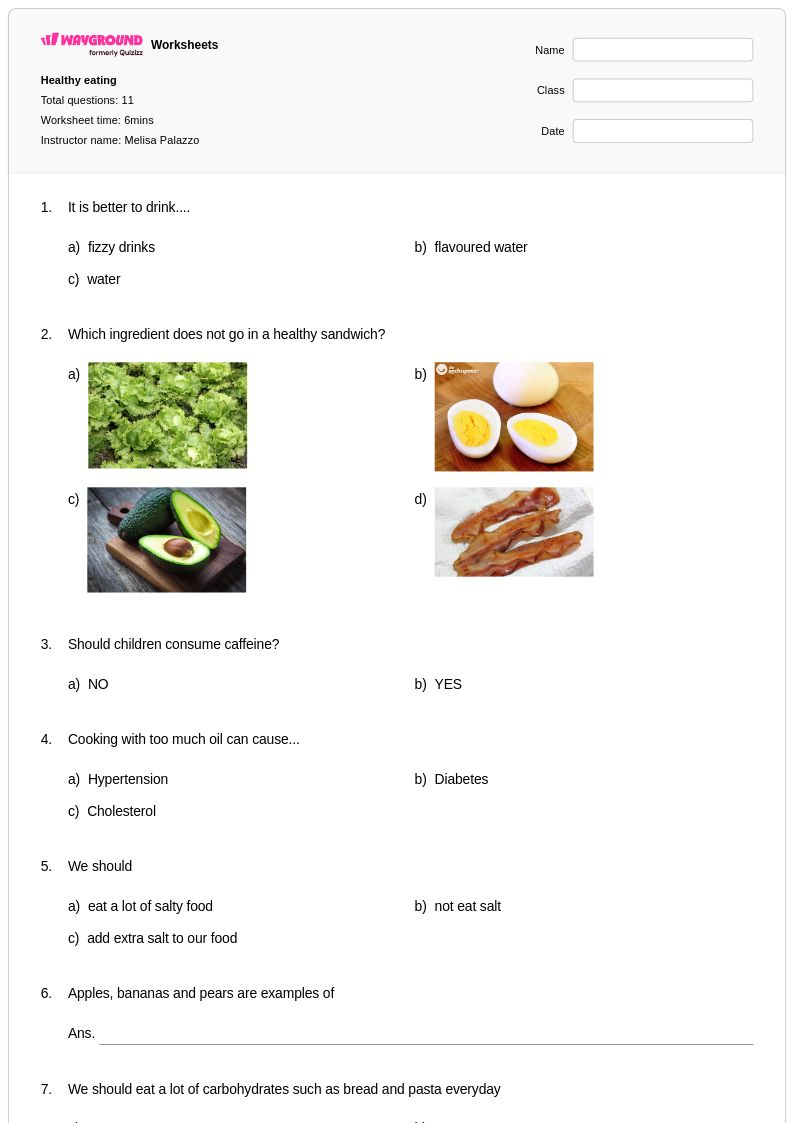
11 Q
4th - 12th
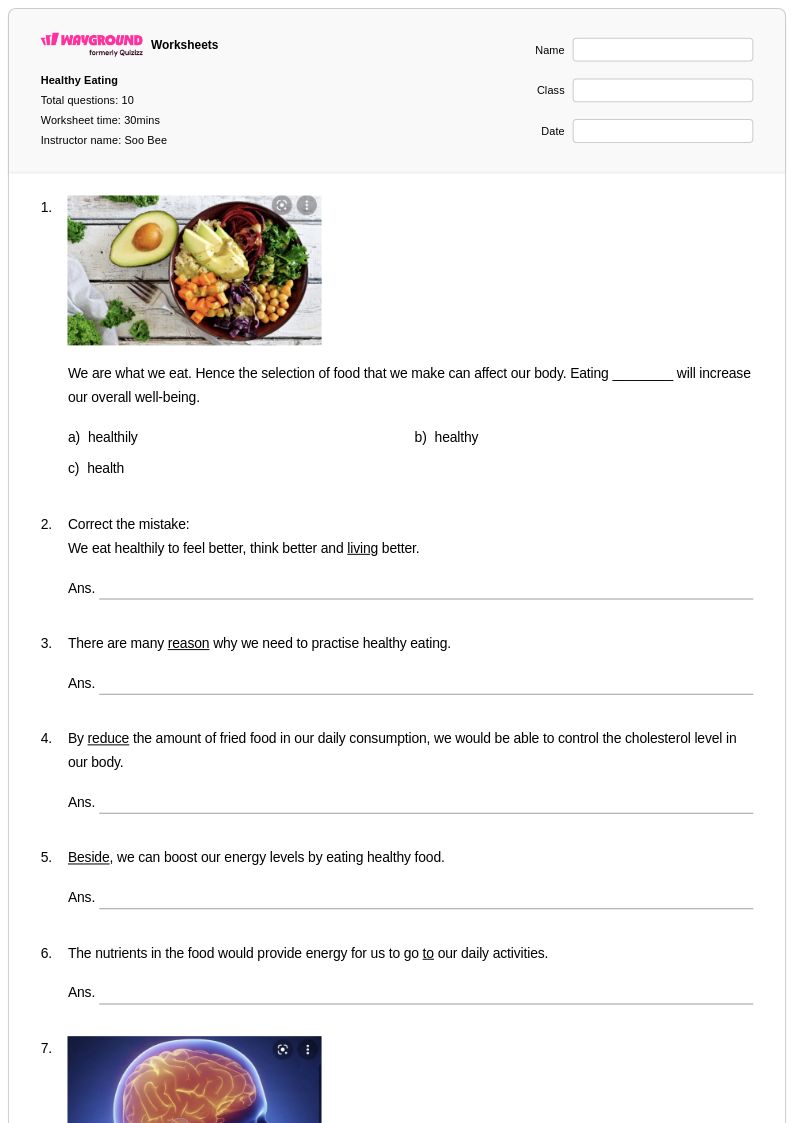
10 Q
10th
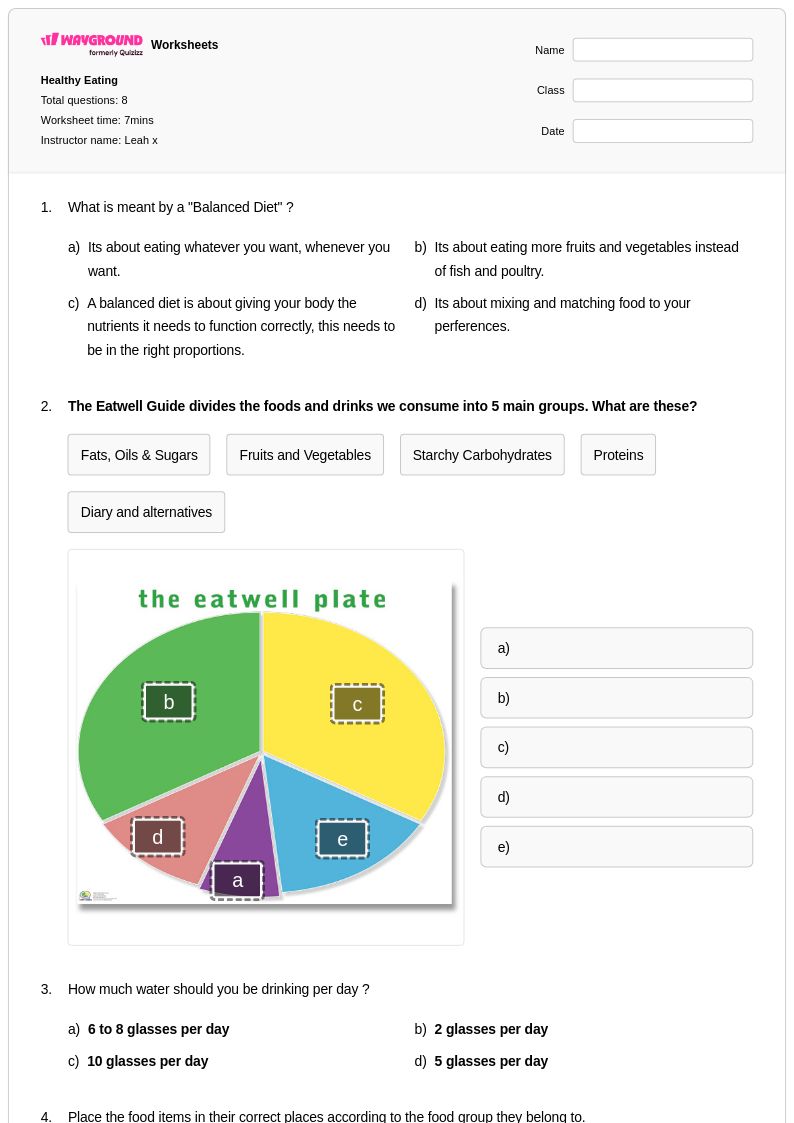
8 Q
10th
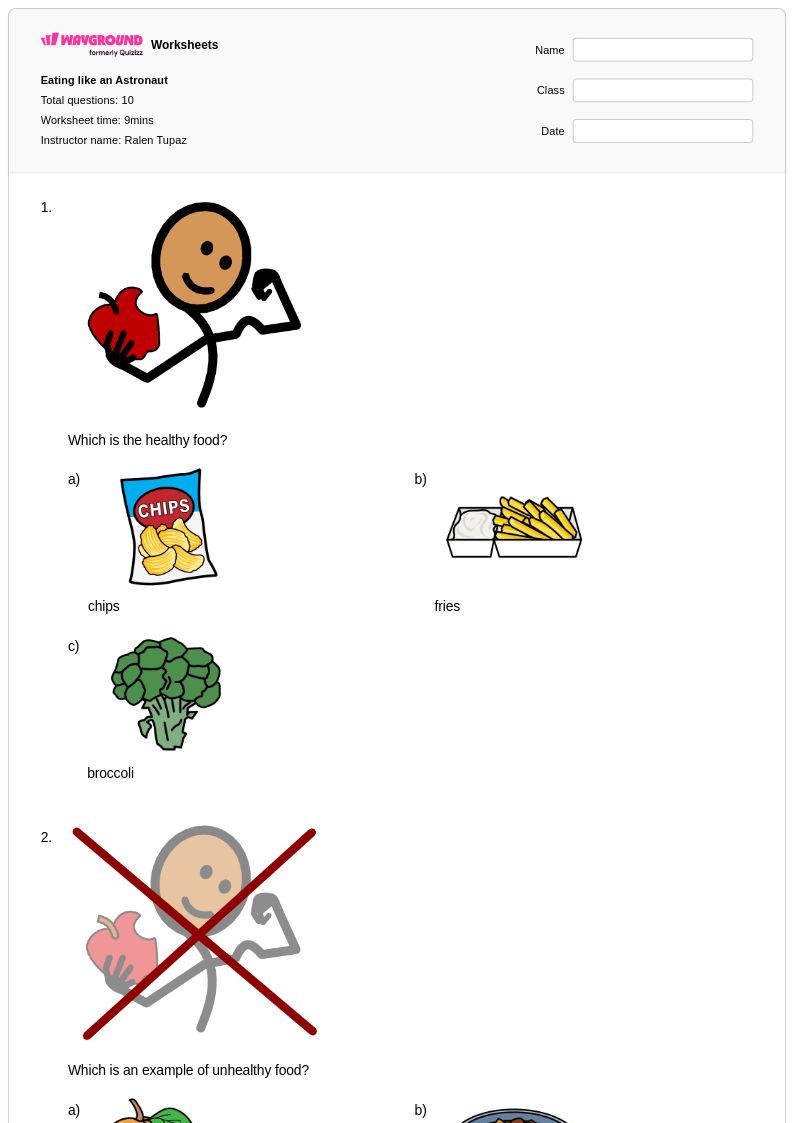
10 Q
9th - 12th
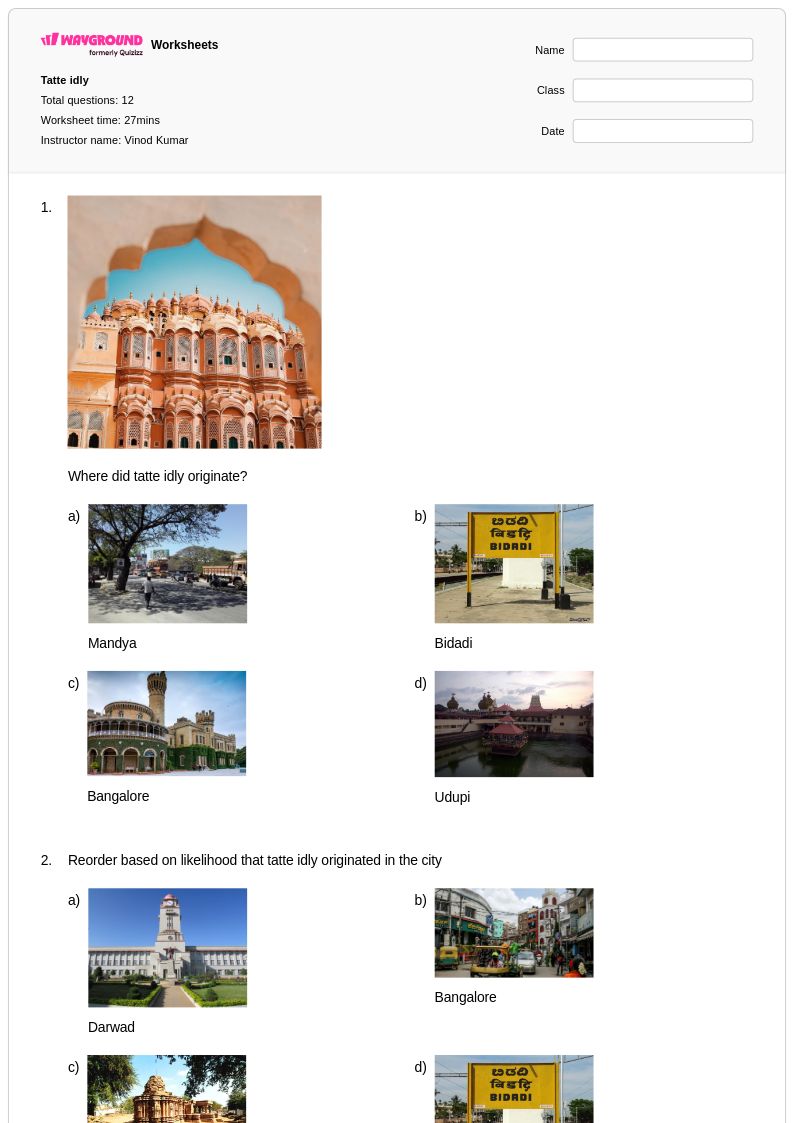
15 Q
9th - 12th

15 Q
9th - Uni
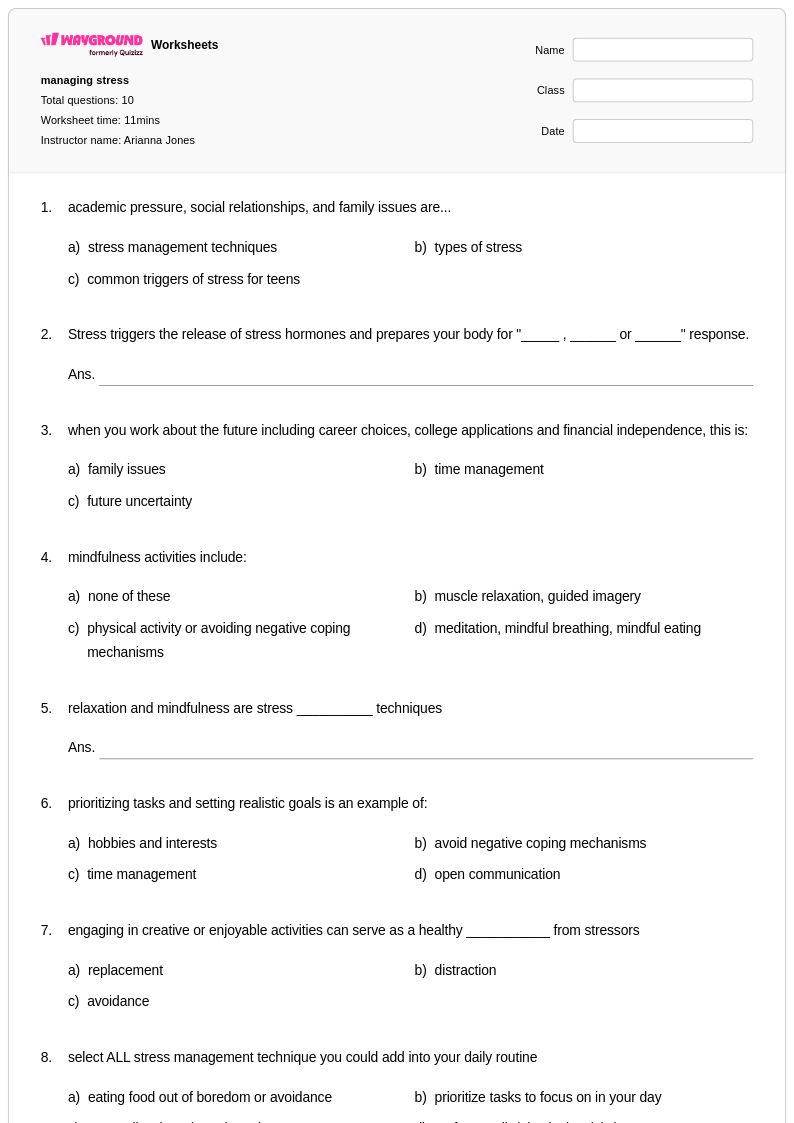
10 Q
10th

10 Q
9th - 12th
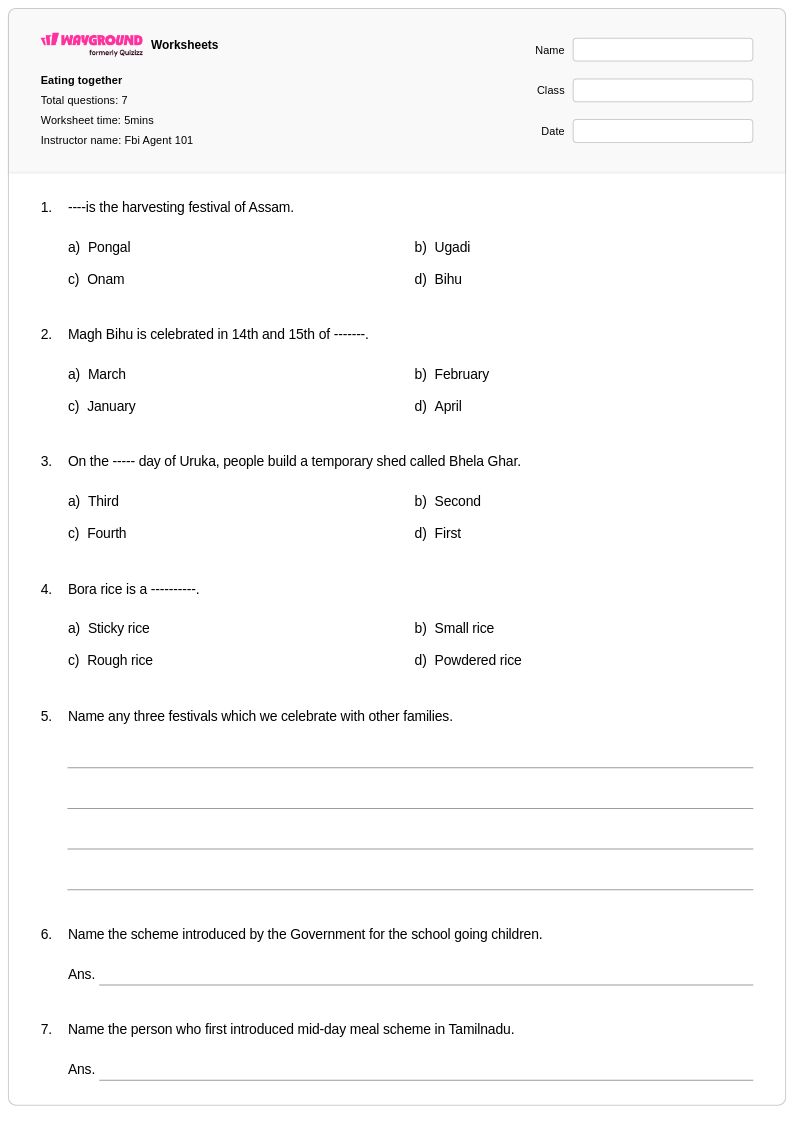
7 Q
1st - PD
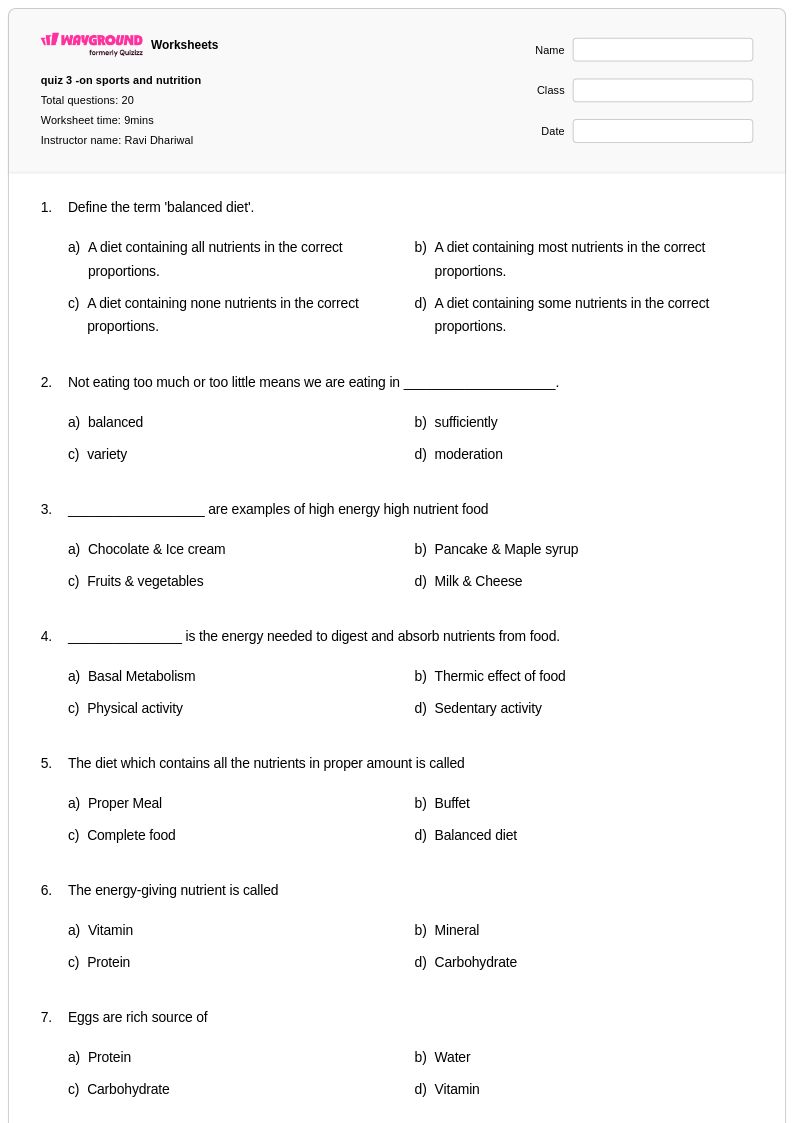
20 Q
10th - 12th

13 Q
9th - 12th
21 Q
9th - 12th

12 Q
7th - 12th
10 Q
9th - 12th
10 Q
9th - 11th
9 Q
9th - 11th
25 Q
9th - 10th
26 Q
9th - 12th
10 Q
10th
10 Q
9th - 12th
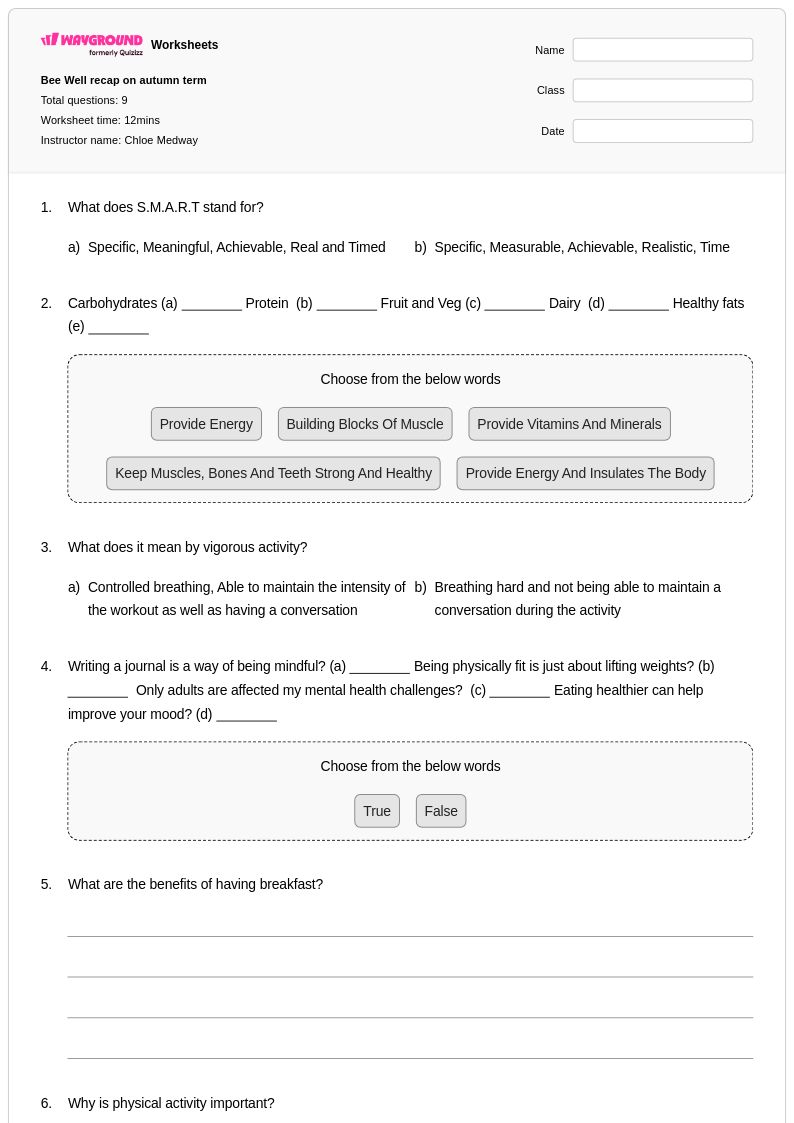
9 Q
9th - 10th
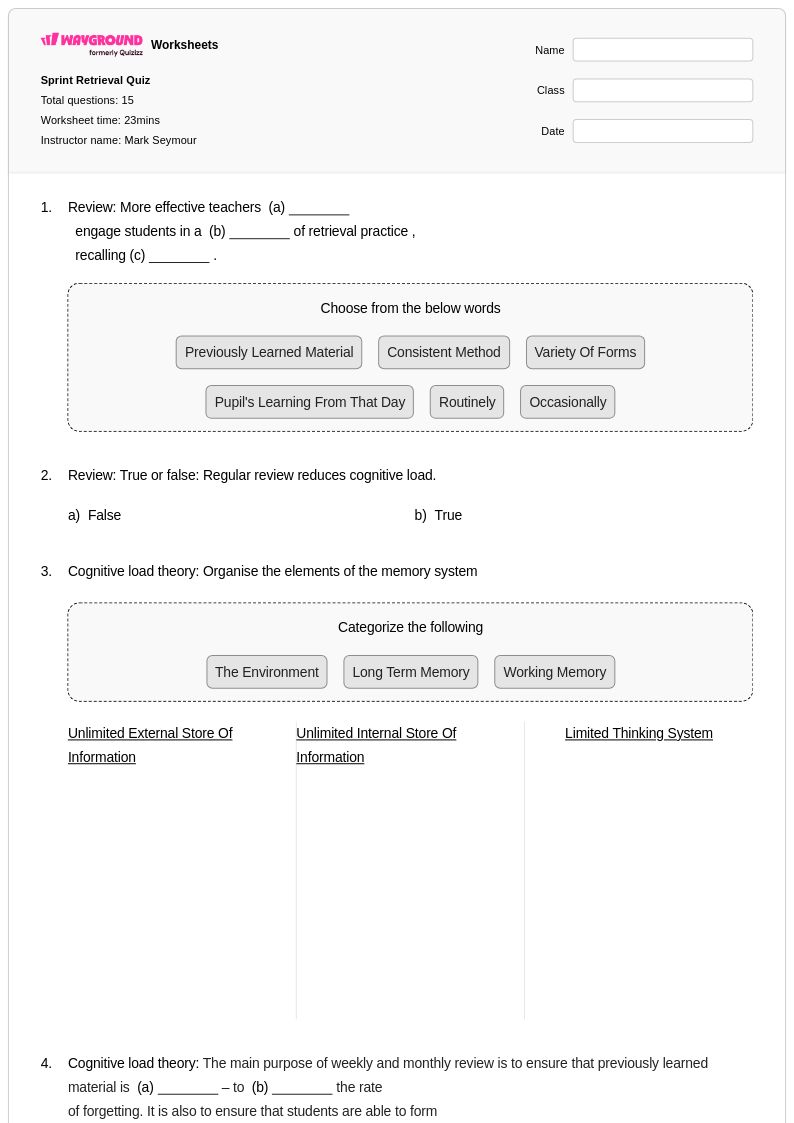
15 Q
5th - Uni
Explore Mindful Eating Worksheets by Grades
Explore Other Subject Worksheets for class 10
Explore printable Mindful Eating worksheets for Class 10
Mindful eating worksheets for Class 10 students available through Wayground (formerly Quizizz) provide comprehensive educational resources that help teenagers develop critical awareness about their relationship with food and eating habits. These expertly crafted materials guide students through essential concepts including recognizing hunger and satiety cues, understanding emotional eating patterns, practicing portion awareness, and developing strategies for making conscious food choices. The printable worksheets feature practice problems that challenge students to analyze meal planning scenarios, evaluate marketing influences on food choices, and reflect on personal eating behaviors through structured activities. Each worksheet collection includes detailed answer keys that support both independent learning and classroom instruction, with free pdf resources that make implementation seamless for educators seeking to integrate wellness education into their physical education curriculum.
Wayground (formerly Quizizz) empowers educators with millions of teacher-created mindful eating resources specifically designed for Class 10 physical education programs, featuring robust search and filtering capabilities that allow instructors to quickly locate materials aligned with wellness standards and learning objectives. The platform's differentiation tools enable teachers to customize worksheet difficulty levels and content focus areas, ensuring that students with varying backgrounds in nutrition and wellness concepts can access appropriate challenge levels. These flexible resources are available in both digital and printable pdf formats, supporting diverse classroom environments and learning preferences while facilitating seamless integration into lesson planning, targeted skill practice sessions, remediation activities for students needing additional support, and enrichment opportunities for advanced learners ready to explore complex relationships between mindfulness, nutrition, and overall health outcomes.
FAQs
How do I teach mindful eating in a health or PE class?
What exercises help students practice mindful eating skills?
What are common misconceptions students have about mindful eating?
How can I differentiate mindful eating instruction for students with different learning needs?
How do I use Wayground's mindful eating worksheets in my classroom?
How do I connect mindful eating lessons to broader wellness and nutrition standards?