Free Printable Past Tense Verb Endings Worksheets for Class 4
Explore Wayground's comprehensive collection of Class 4 past tense verb endings worksheets, featuring free printable PDFs with practice problems and answer keys to help students master adding -ed and irregular verb forms.
Explore printable Past Tense Verb Endings worksheets for Class 4
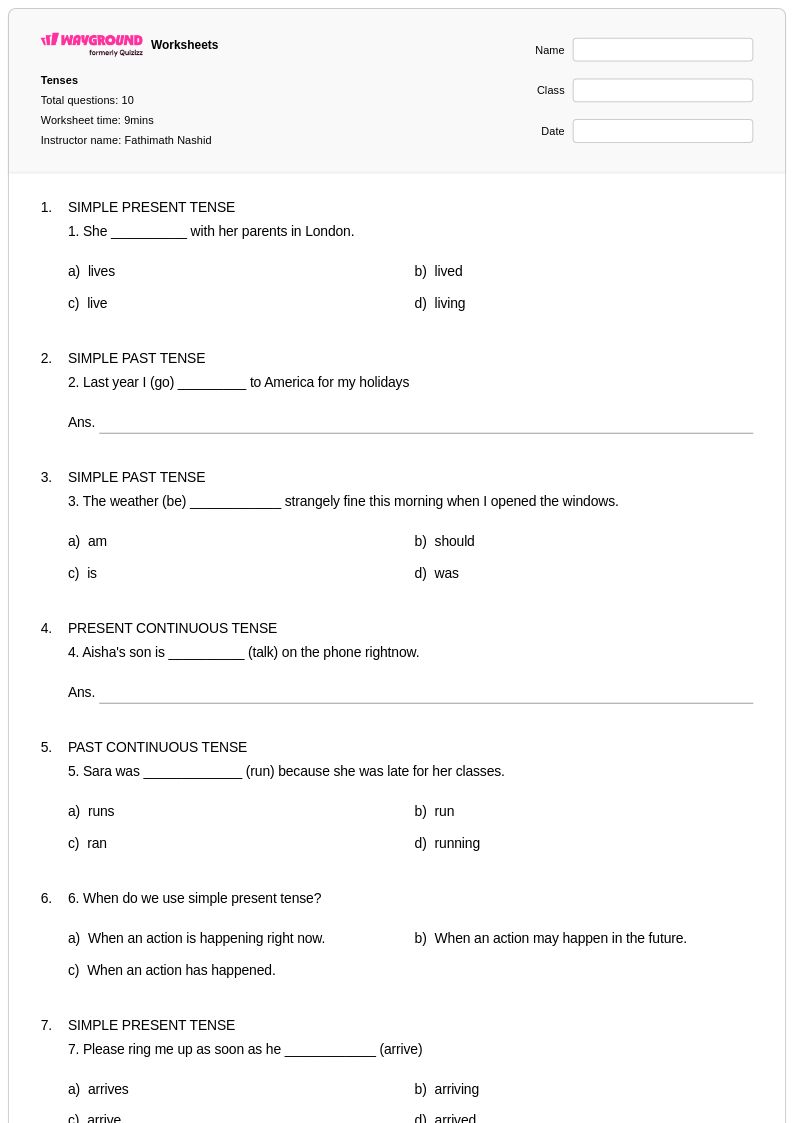
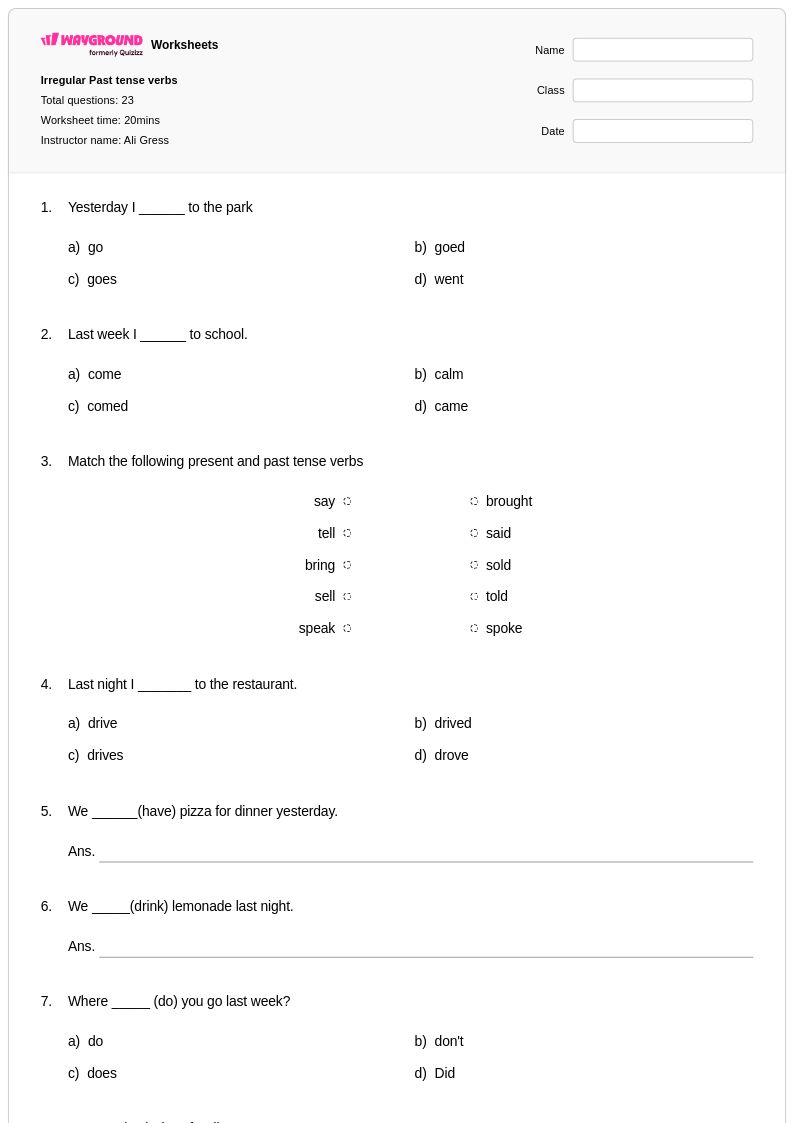
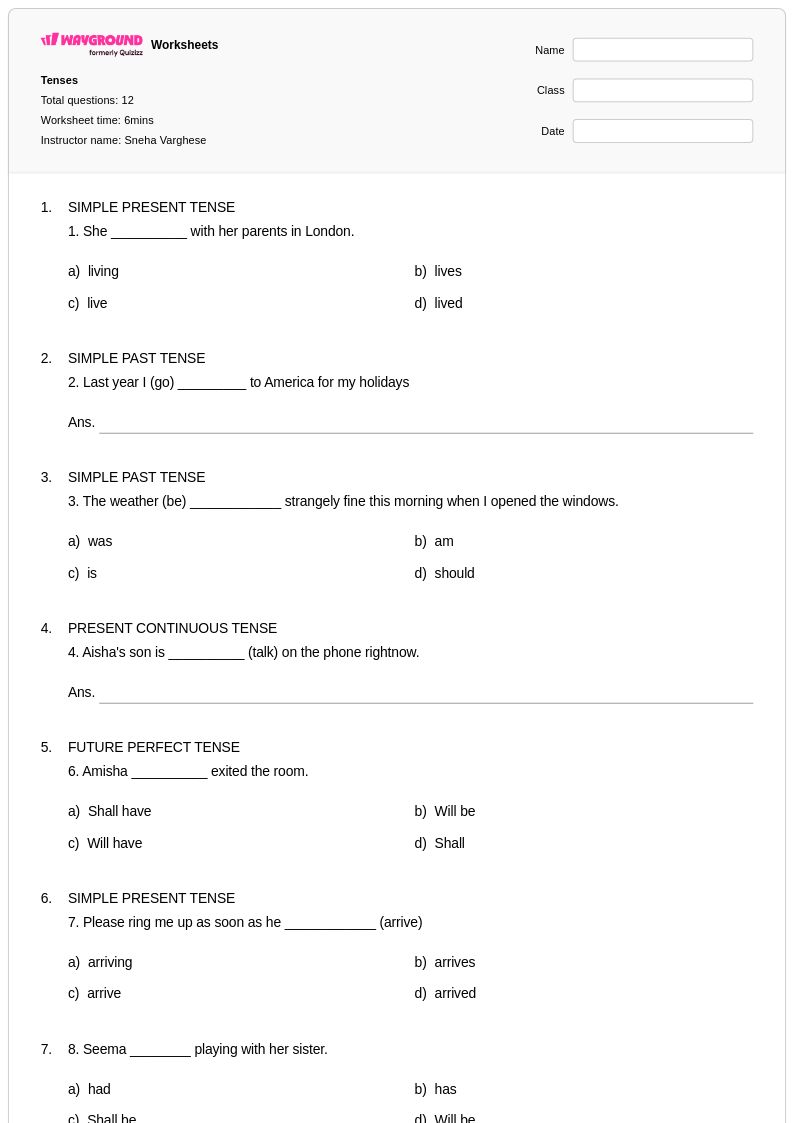
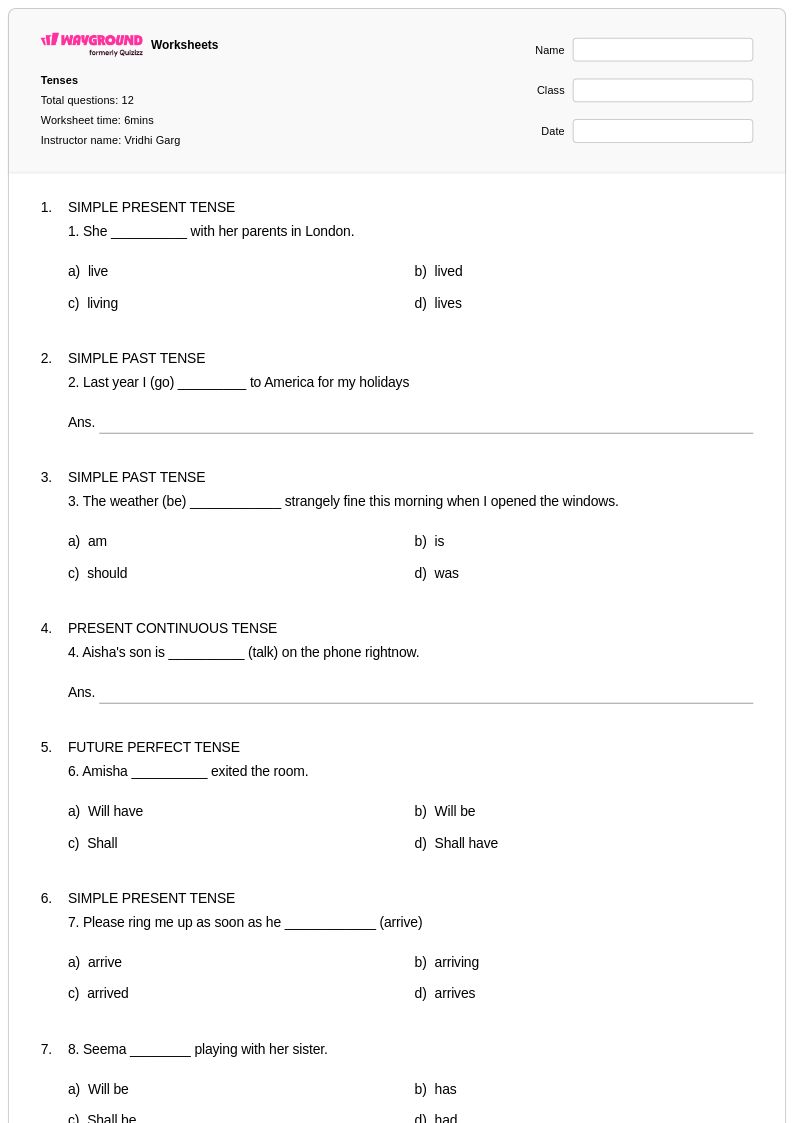
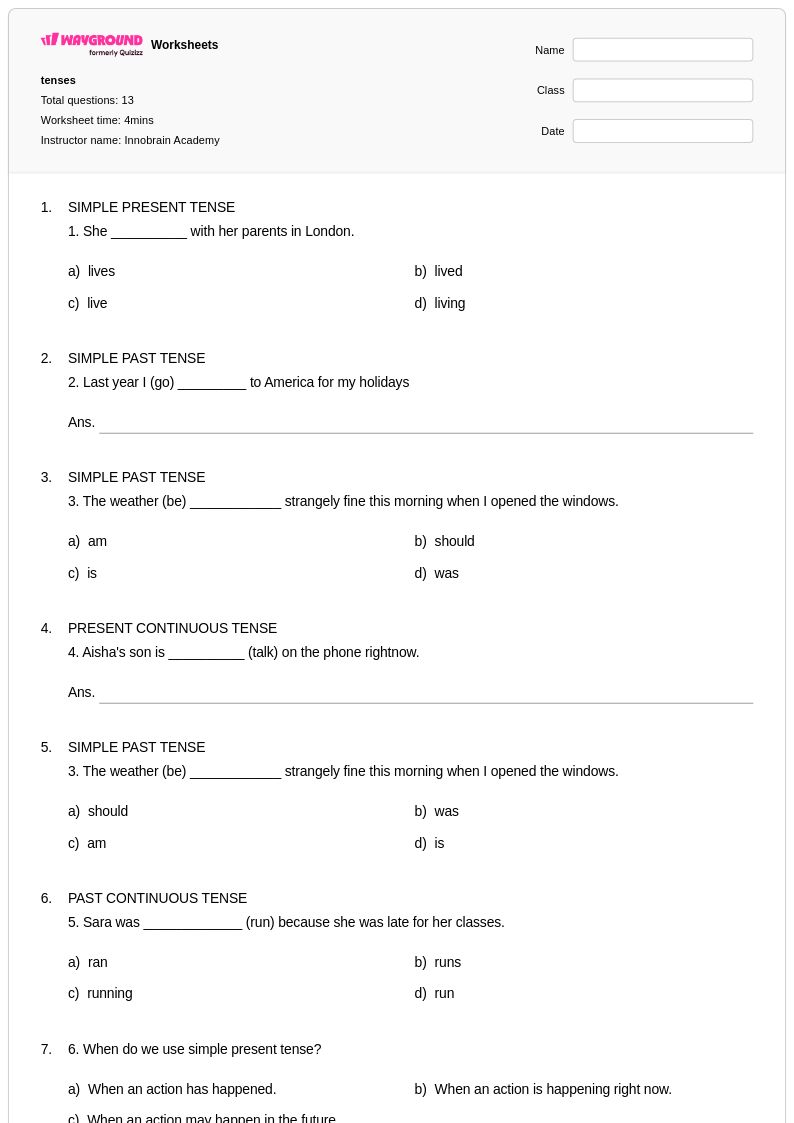
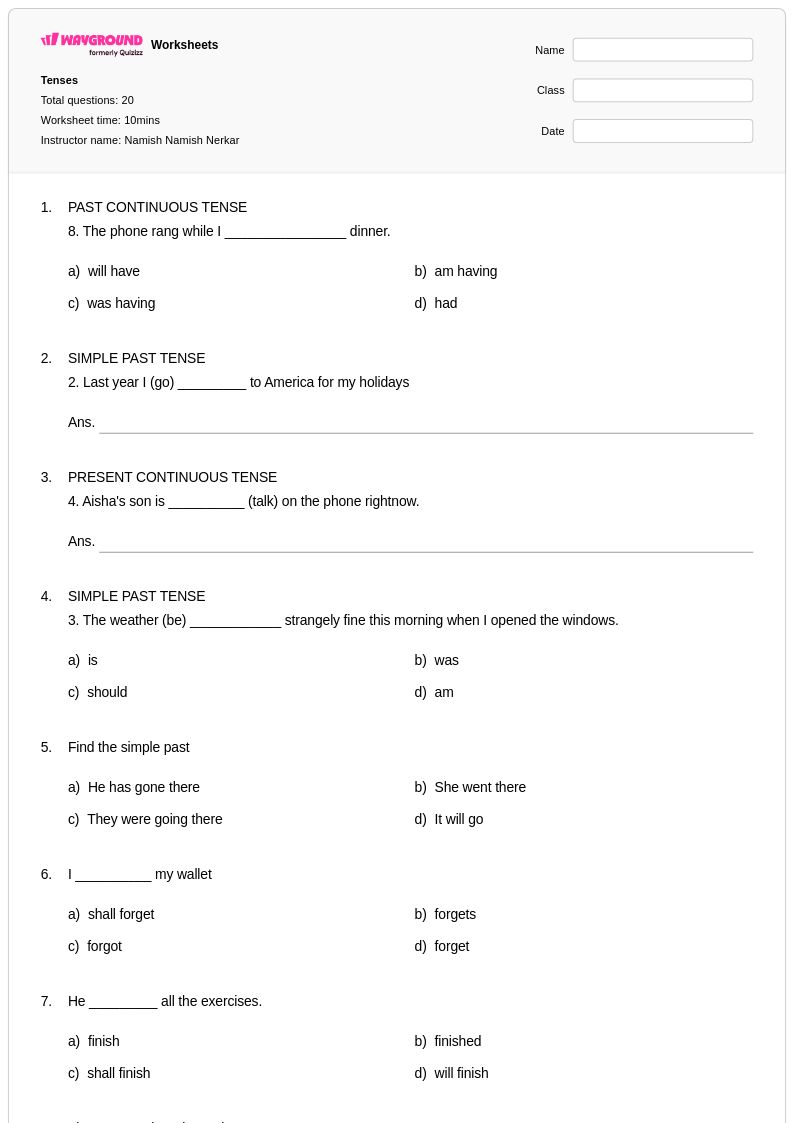
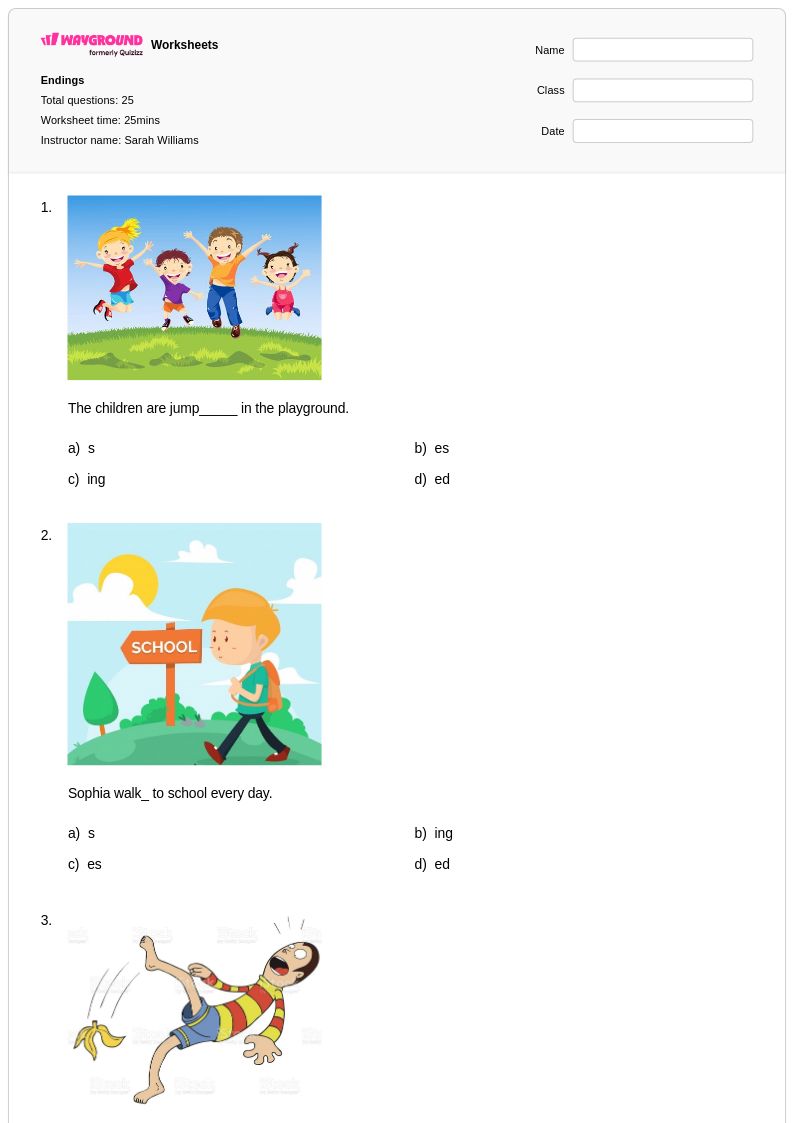
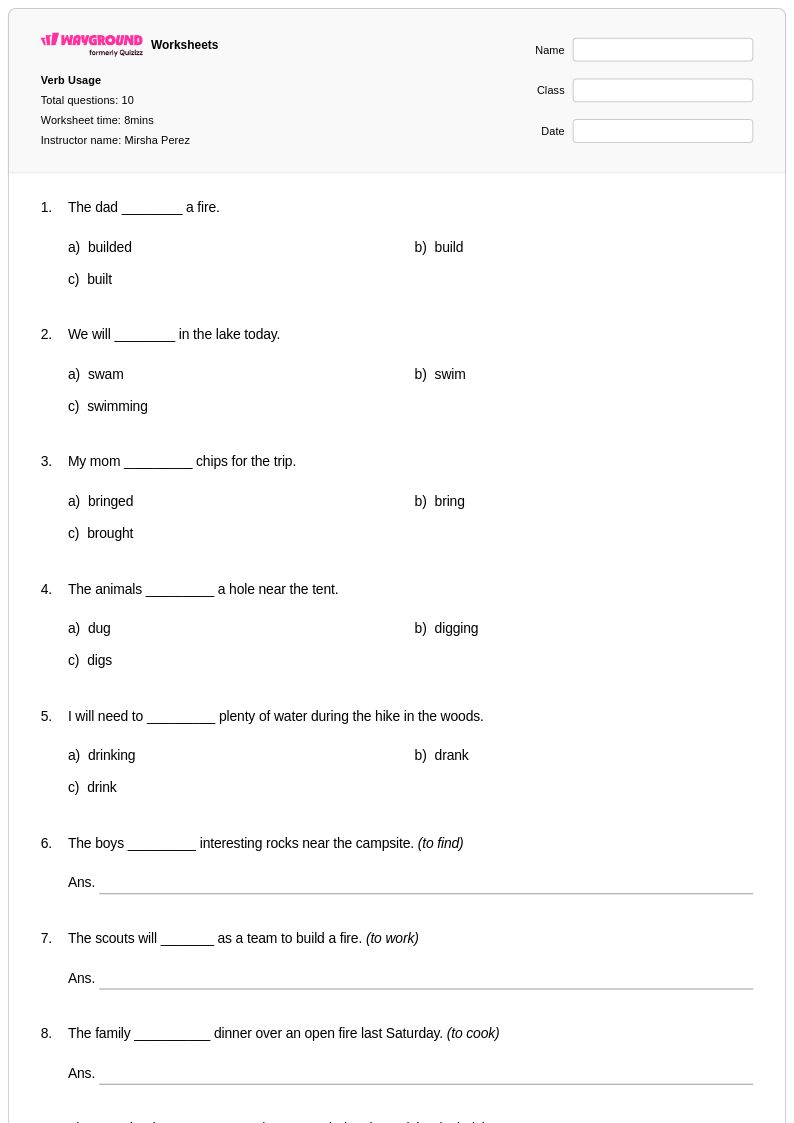
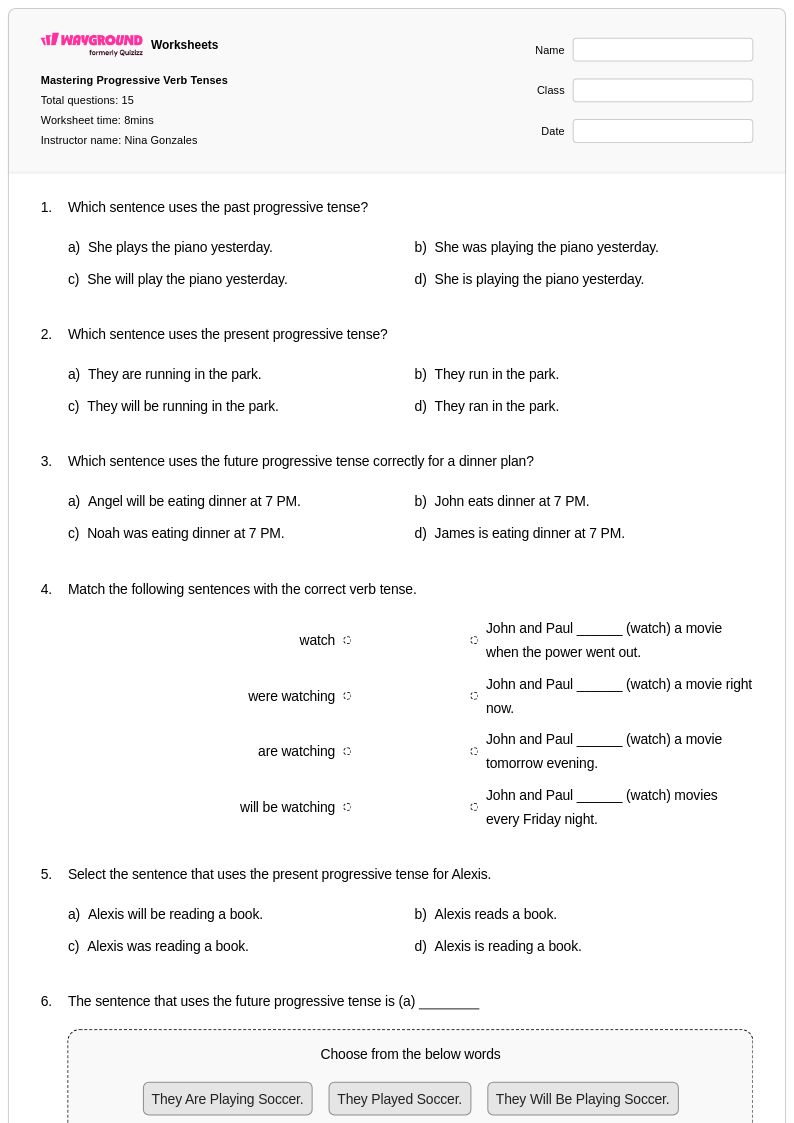
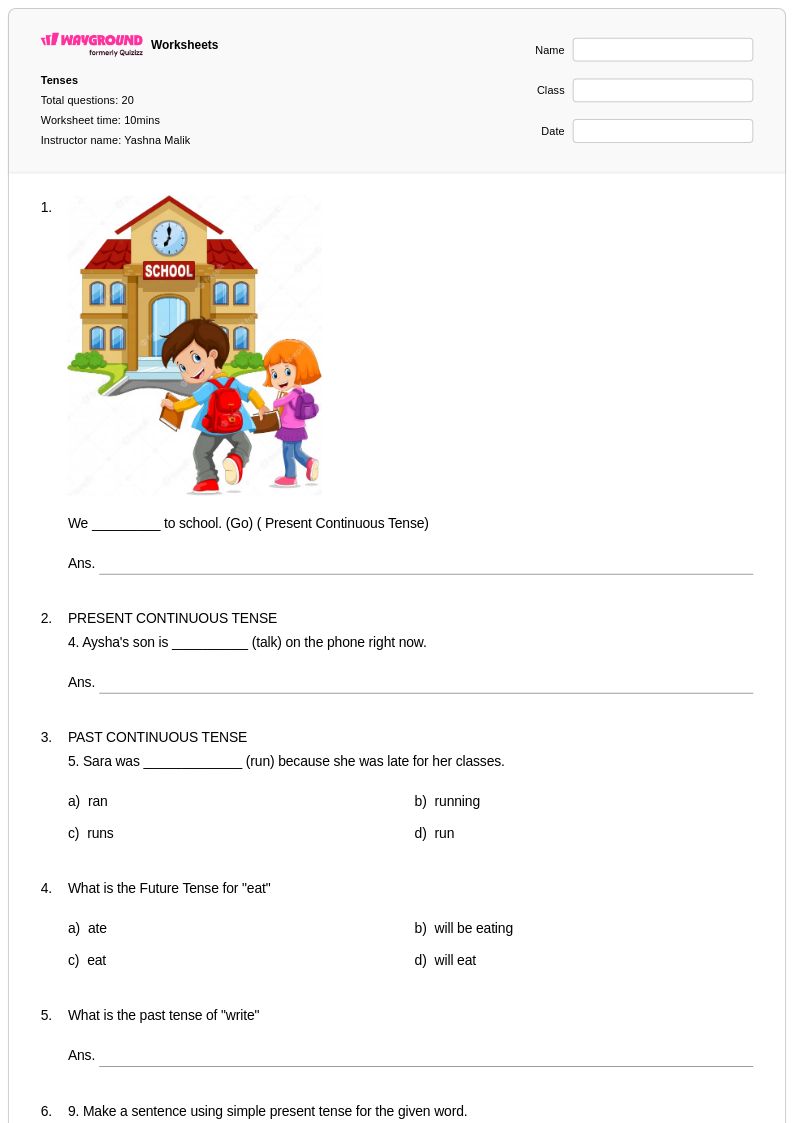
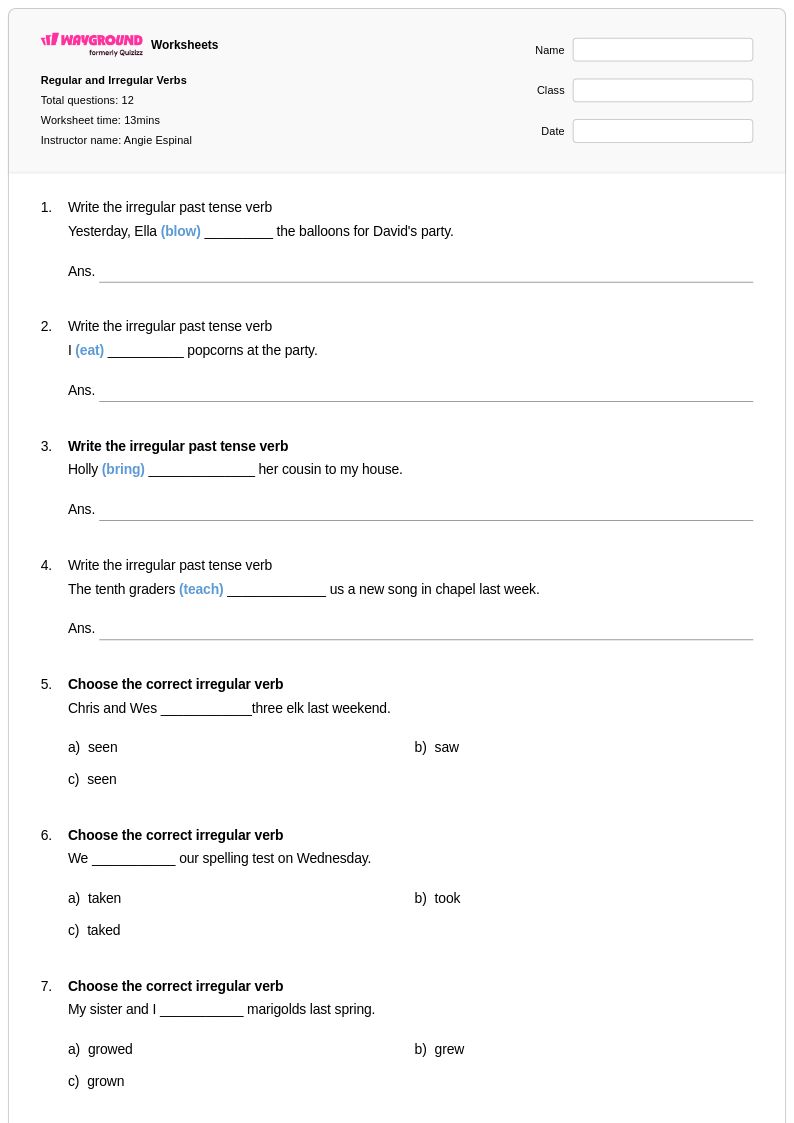
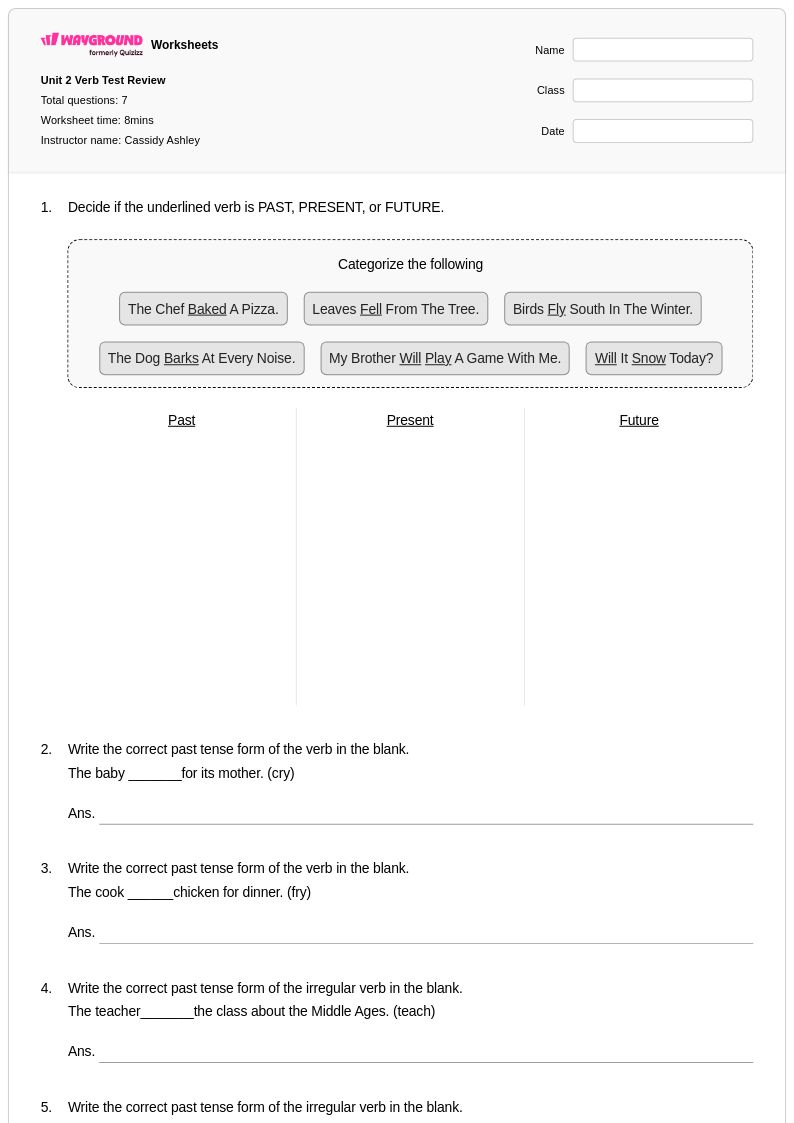
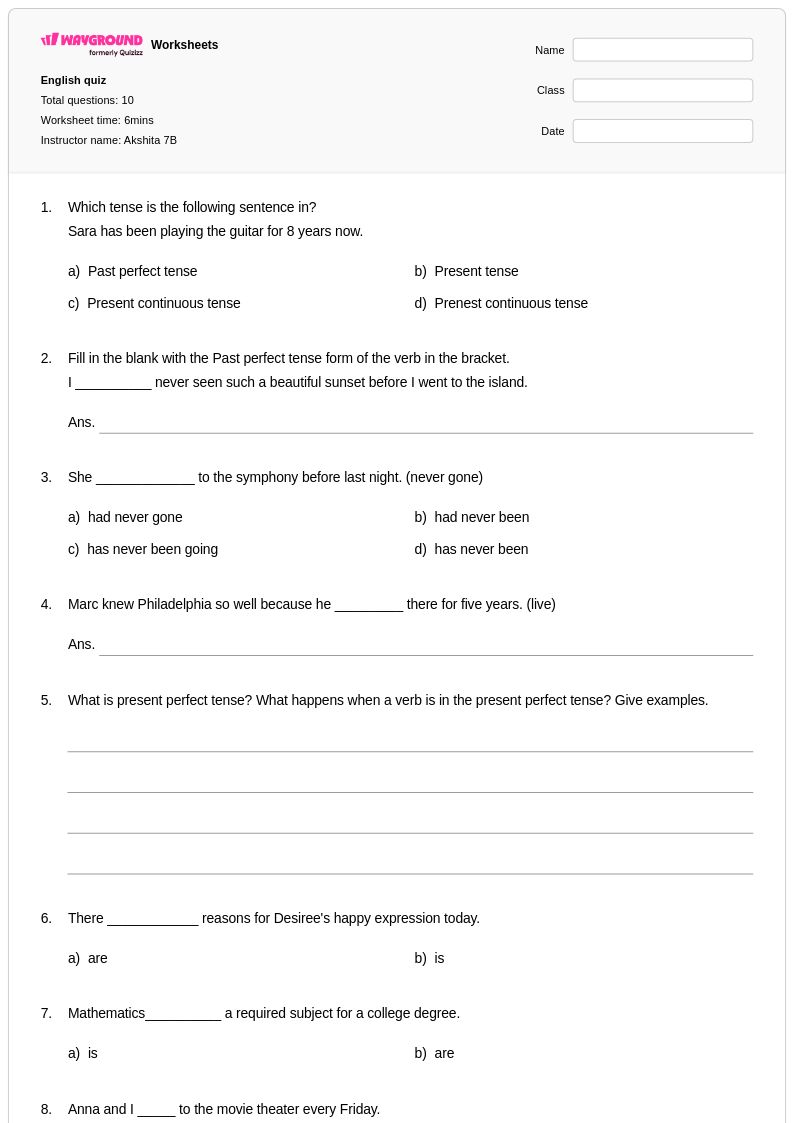
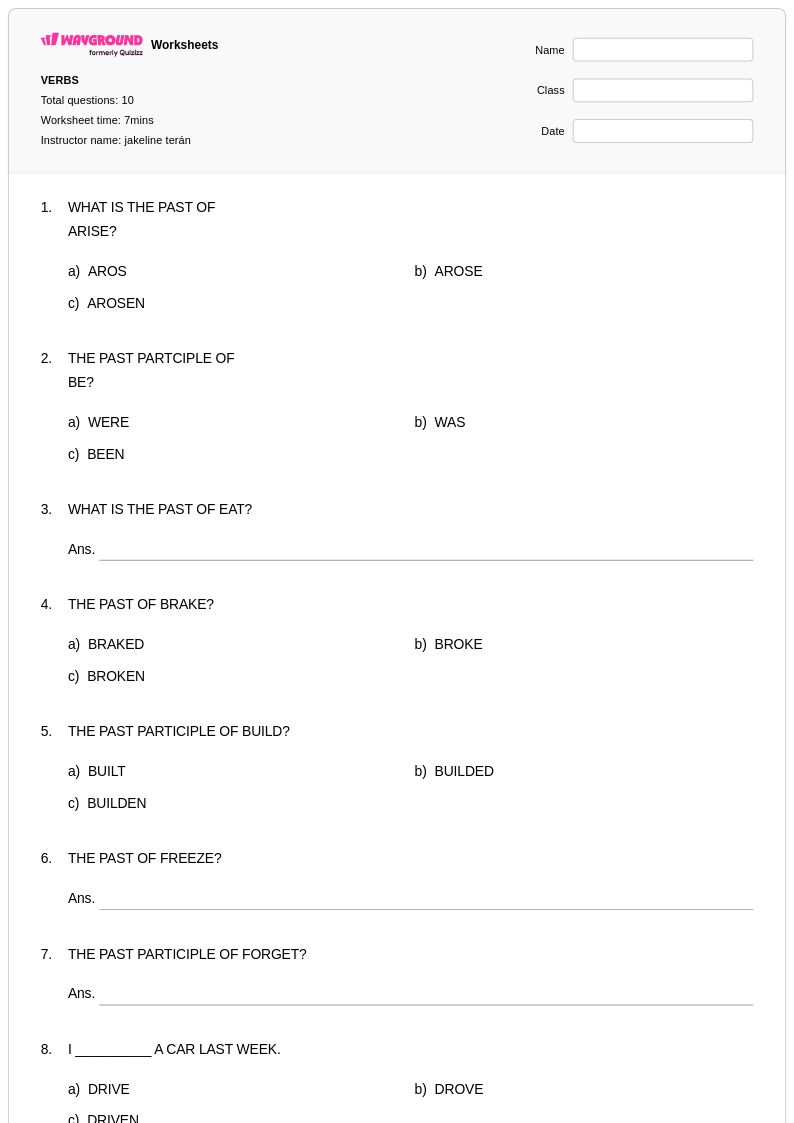
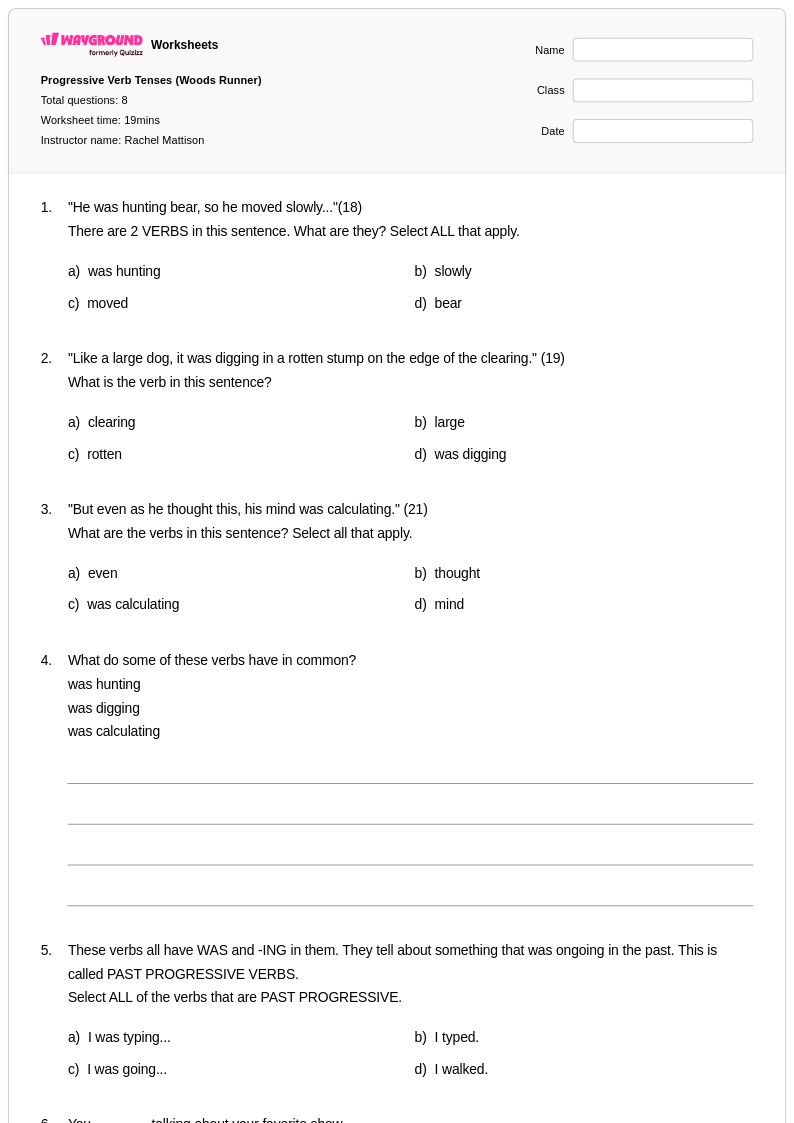
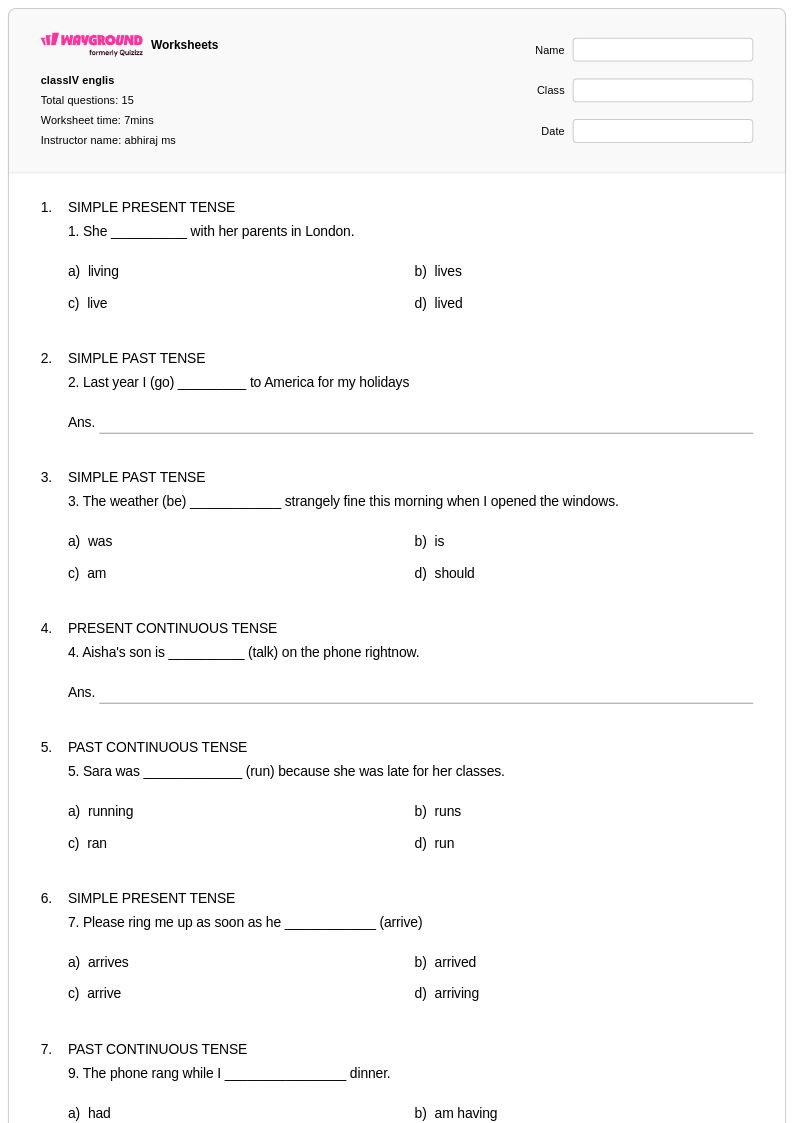
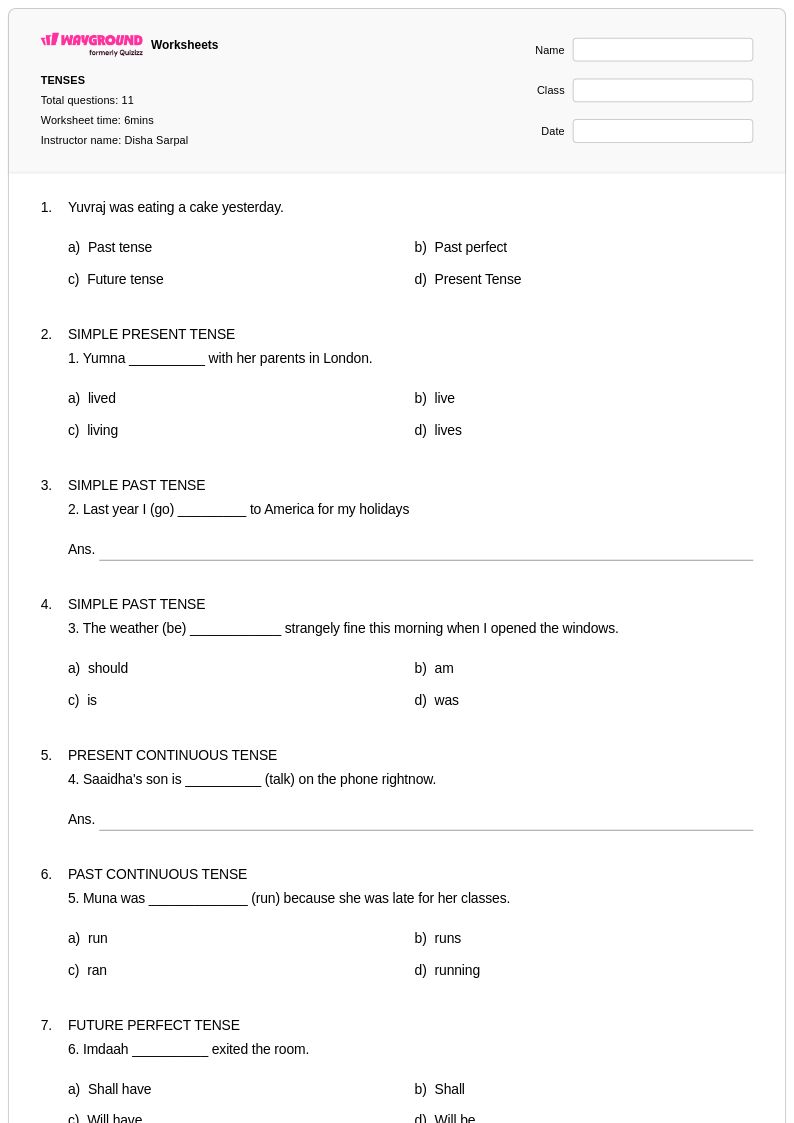
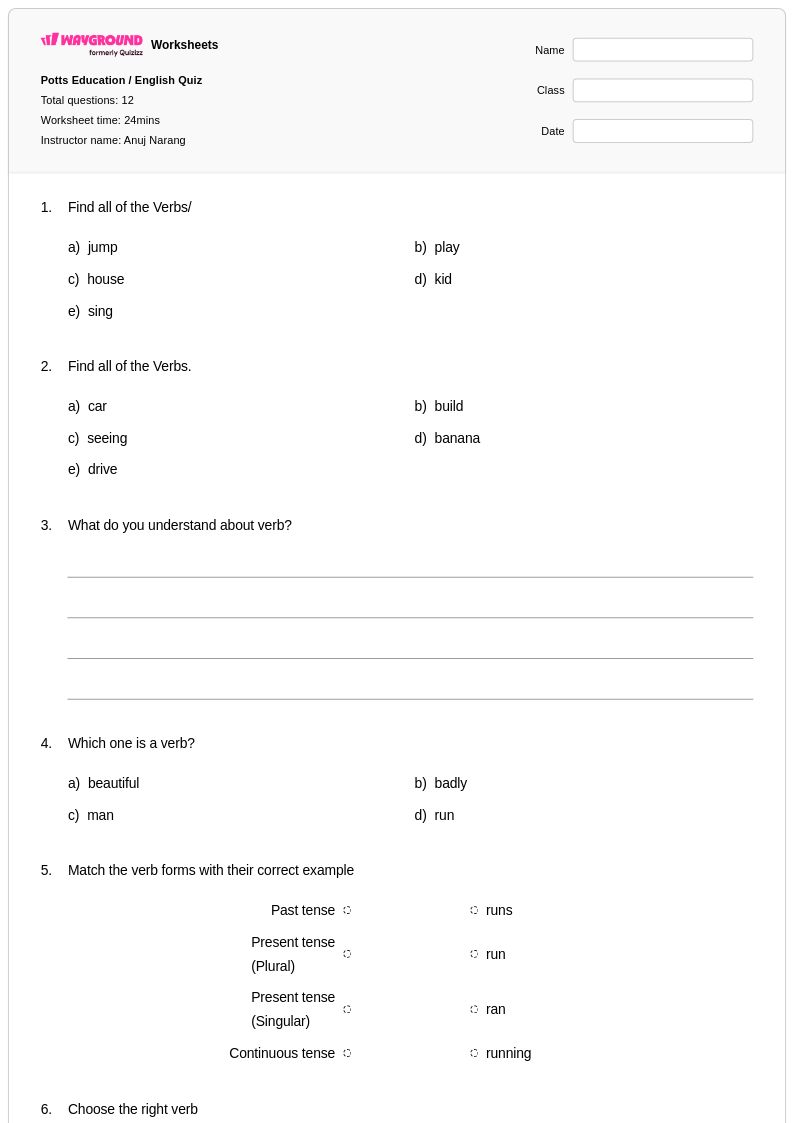
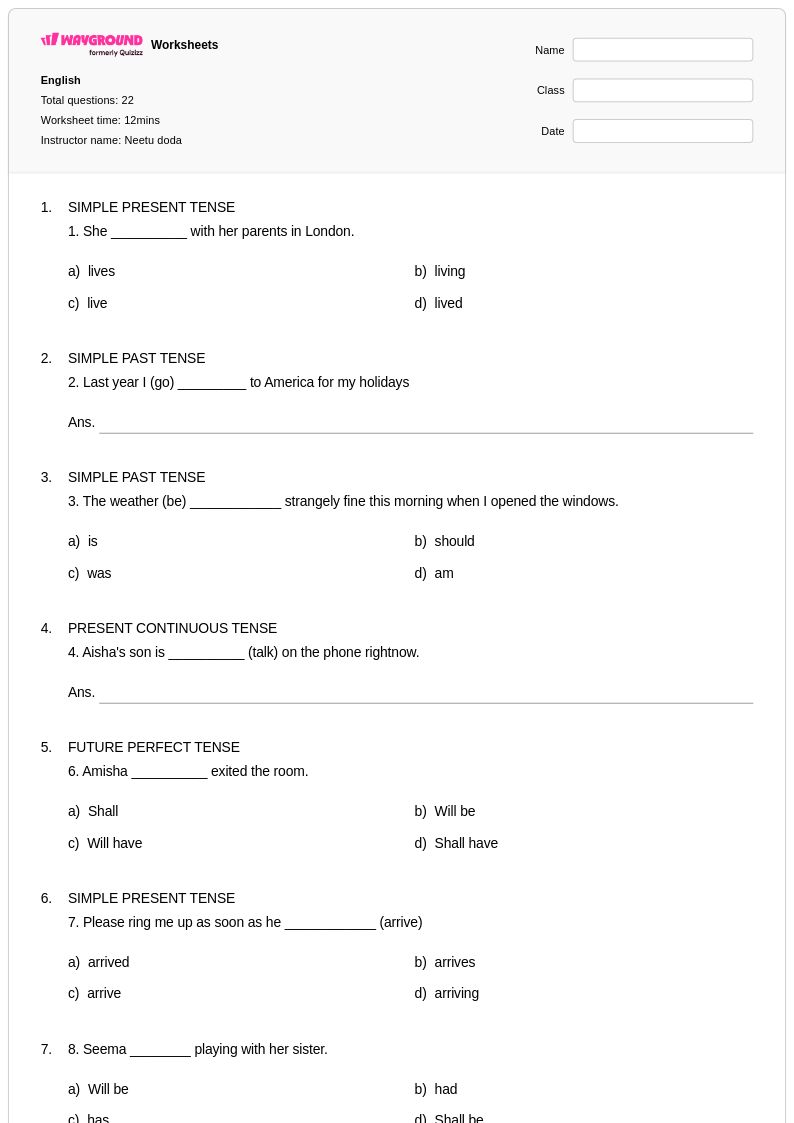
Past tense verb endings for Class 4 students represent a crucial grammatical milestone that builds the foundation for advanced writing and communication skills. Wayground's comprehensive collection of past tense verb ending worksheets provides fourth-grade learners with structured practice in applying regular and irregular verb forms, helping them master the -ed suffix rule while recognizing common exceptions. These carefully designed printables strengthen students' understanding of temporal relationships in language, enhance their ability to construct coherent narratives, and develop automatic recall of correct verb forms. Each worksheet includes an answer key to support independent learning and assessment, with free pdf resources offering varied practice problems that range from simple identification exercises to complex sentence construction activities that challenge students to apply their knowledge in meaningful contexts.
Wayground's extensive library, built from millions of teacher-created resources, empowers educators with robust search and filtering capabilities to locate precisely targeted past tense verb ending materials that align with Class 4 standards and individual classroom needs. The platform's differentiation tools enable teachers to customize worksheets for diverse learning levels, ensuring that struggling students receive appropriate scaffolding while advanced learners encounter enriching challenges that extend their grammatical understanding. Available in both printable and digital pdf formats, these resources seamlessly integrate into lesson planning workflows, providing flexible options for whole-class instruction, small group remediation, homework assignments, and formative assessment. The comprehensive collection supports systematic skill development through carefully sequenced activities that progress from basic pattern recognition to sophisticated application, giving teachers the pedagogical tools necessary to guide students toward mastery of this essential grammatical concept.
FAQs
How do I teach past tense verb endings to elementary students?
Start by introducing the standard -ed rule for regular verbs, then systematically address the spelling variations: adding -d to verbs ending in silent e, doubling the final consonant before -ed in short single-syllable verbs, and changing y to i before adding -ed. Explicit pattern instruction followed by guided practice helps students internalize each rule before moving to independent application. Using word sorting activities and sentence-building tasks gives students repeated exposure to the patterns in meaningful contexts.
What are the different past tense verb ending rules students need to learn?
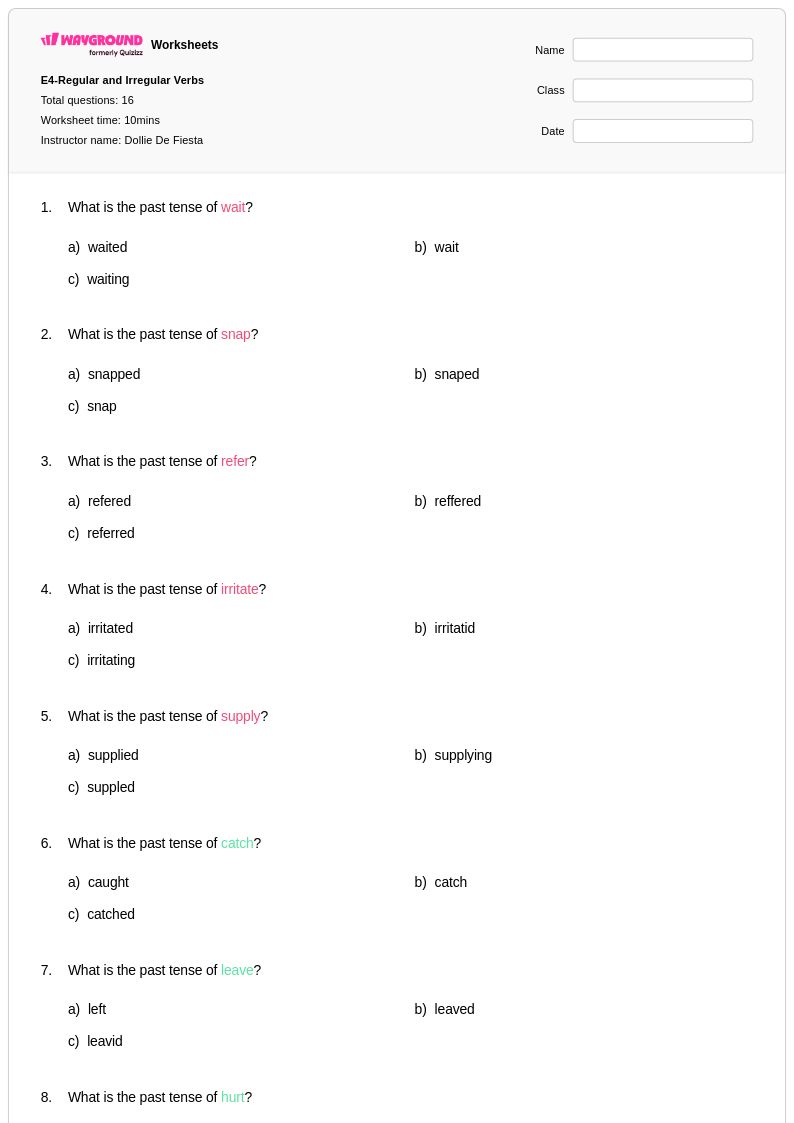
For regular verbs, there are four core spelling rules: most verbs simply add -ed (walk → walked), verbs ending in a silent e add only -d (dance → danced), most single-syllable verbs ending in a consonant-vowel-consonant pattern double the final consonant before adding -ed (stop → stopped), and verbs ending in a consonant plus y change the y to i before adding -ed (carry → carried). Students need to recognize which rule applies based on the verb's ending, making pattern recognition a critical instructional focus.
What mistakes do students commonly make with past tense verb endings?
The most frequent errors are overgeneralizing the basic -ed rule to verbs that require spelling changes, such as writing "danceed" instead of "danced" or "stoped" instead of "stopped." Students also frequently forget to change y to i before adding -ed, producing forms like "carryed" rather than "carried." Confusion between regular and irregular past tense verbs is another common issue, with students applying -ed to irregular verbs that change form entirely, such as writing "goed" instead of "went."
What kinds of exercises help students practice past tense verb endings?
Effective practice moves from recognition to production: identification tasks where students categorize verbs by their spelling rule, fill-in-the-blank sentence completion using a given base verb, and error correction exercises where students identify and fix incorrectly formed past tense verbs. Progressing through these task types builds both rule knowledge and automaticity, ensuring students can apply the correct ending accurately in their own writing rather than only in isolated drills.
How do I use past tense verb endings worksheets in my classroom?
Past tense verb endings worksheets on Wayground are available as printable PDFs for use as homework assignments, warm-up activities, or independent practice during class, and in digital formats for interactive use with immediate feedback in technology-integrated classrooms. Teachers can also host worksheets as a quiz directly on Wayground, making it easy to track student performance and identify which spelling rules require additional review. The included answer keys support both self-assessment for students and efficient grading for teachers.
How can I differentiate past tense verb endings practice for students at different levels?
For students who struggle, focus first on the standard -ed rule with high-frequency verbs before introducing spelling variations, and consider reducing the number of answer choices on practice tasks to lower cognitive load. For on-level students, sentence completion and error correction exercises build accuracy in context. Advanced students benefit from open-ended writing prompts that require them to apply all four spelling rules independently. On Wayground, teachers can assign accommodations such as reduced answer choices or read-aloud support to individual students without affecting the experience of the rest of the class.