
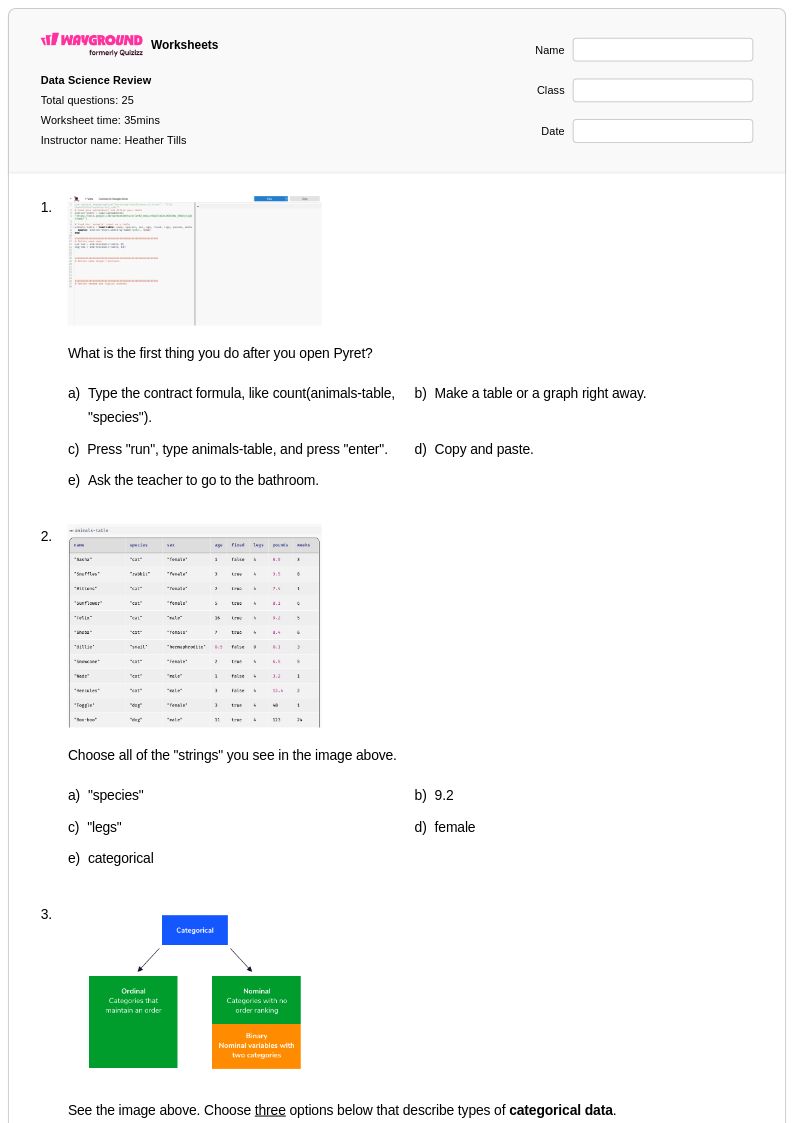
25 Q
9th - 12th
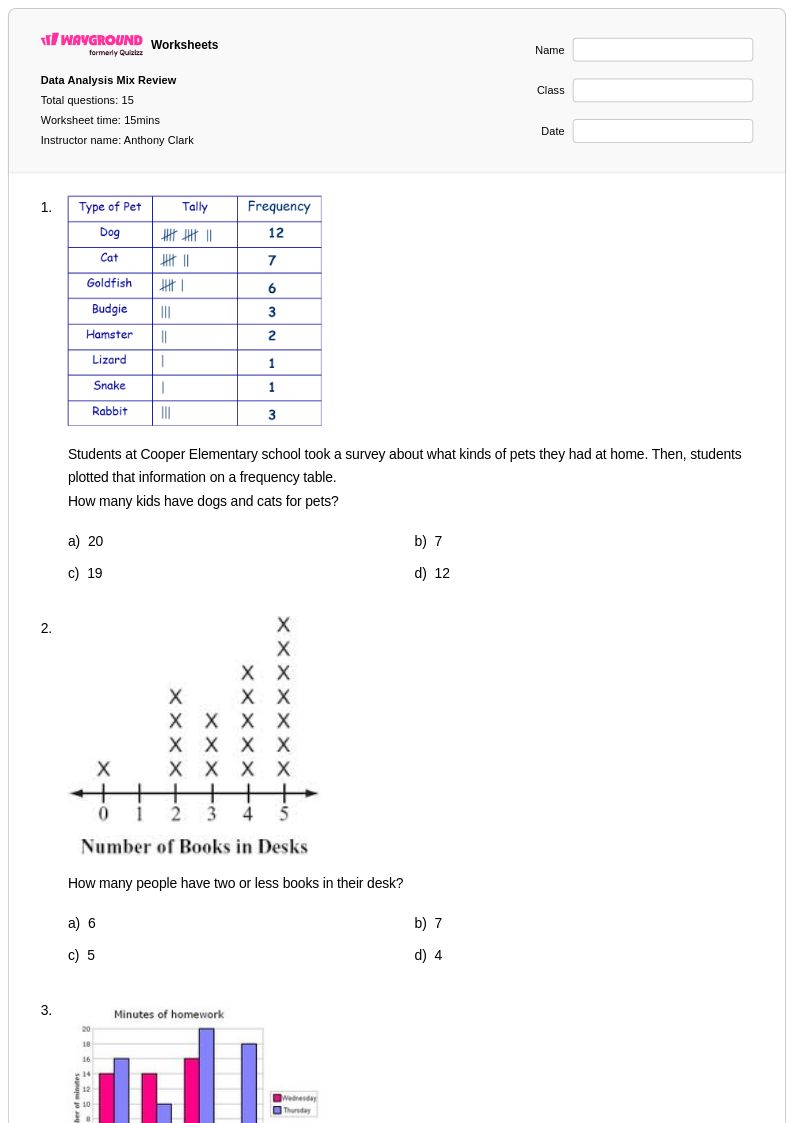
15 Q
7th - Uni
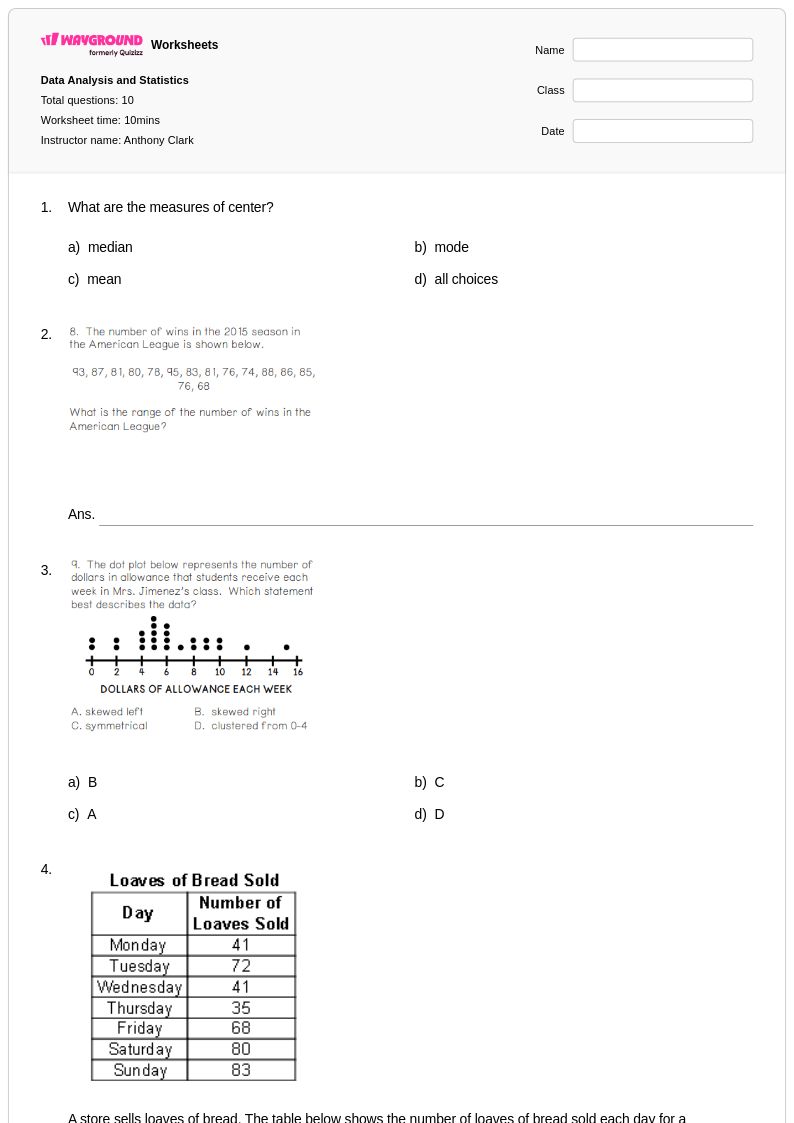
10 Q
6th - Uni
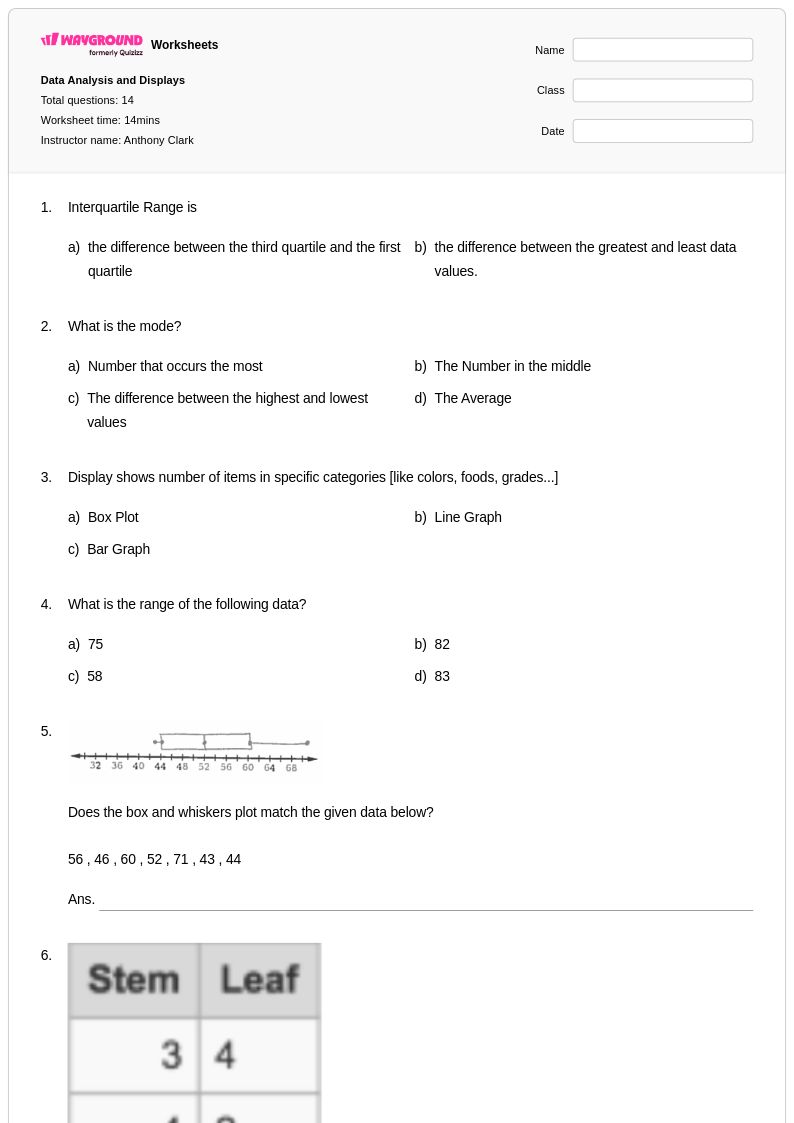
14 Q
8th - Uni
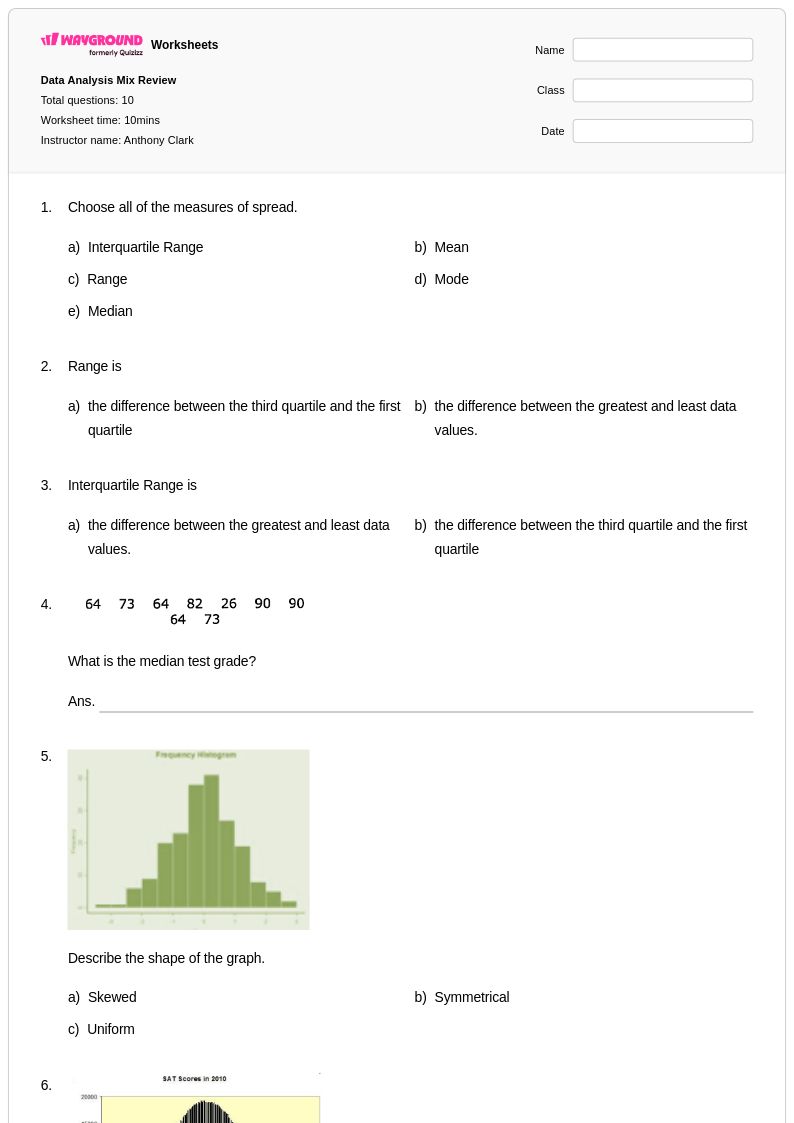
10 Q
7th - Uni
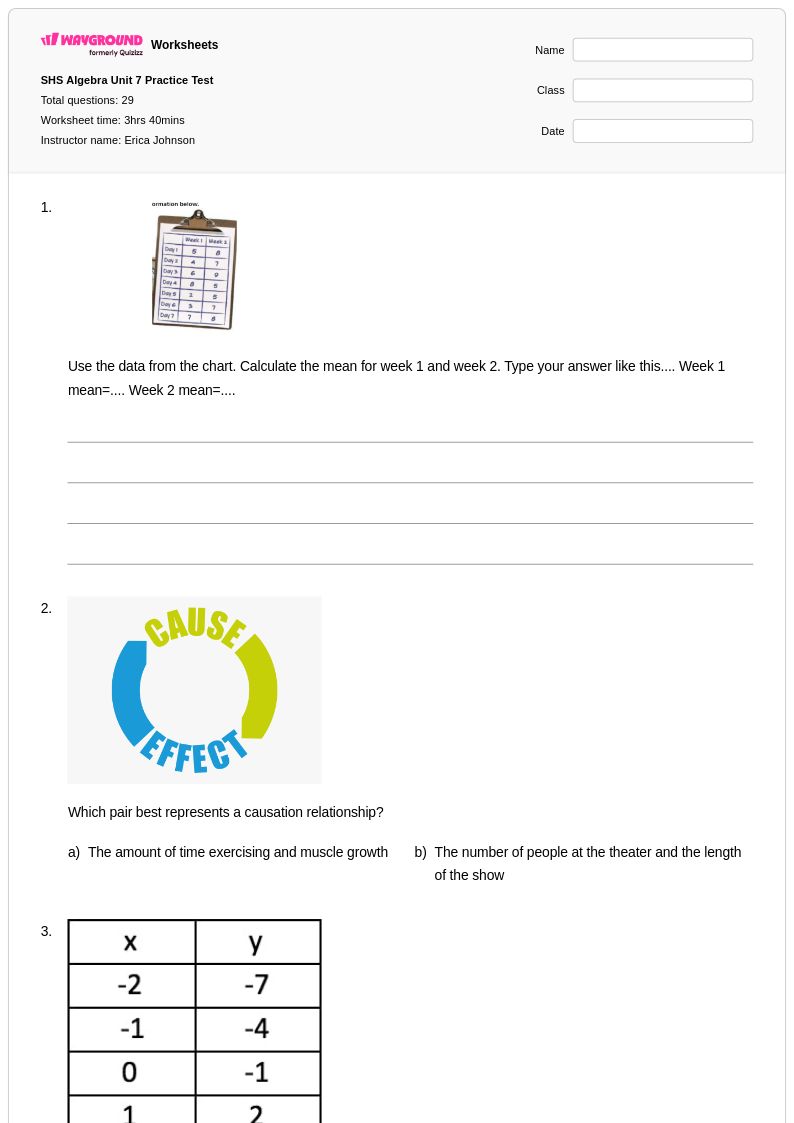
29 Q
9th - 12th
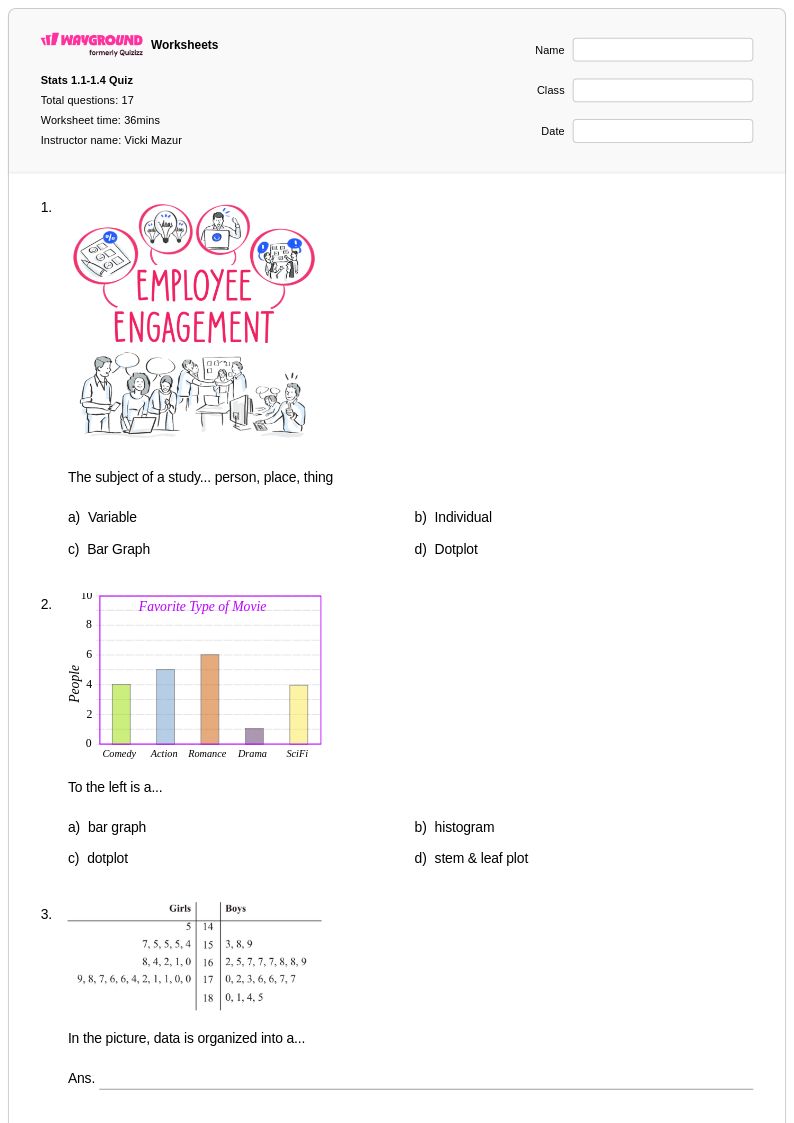
17 Q
9th - 12th
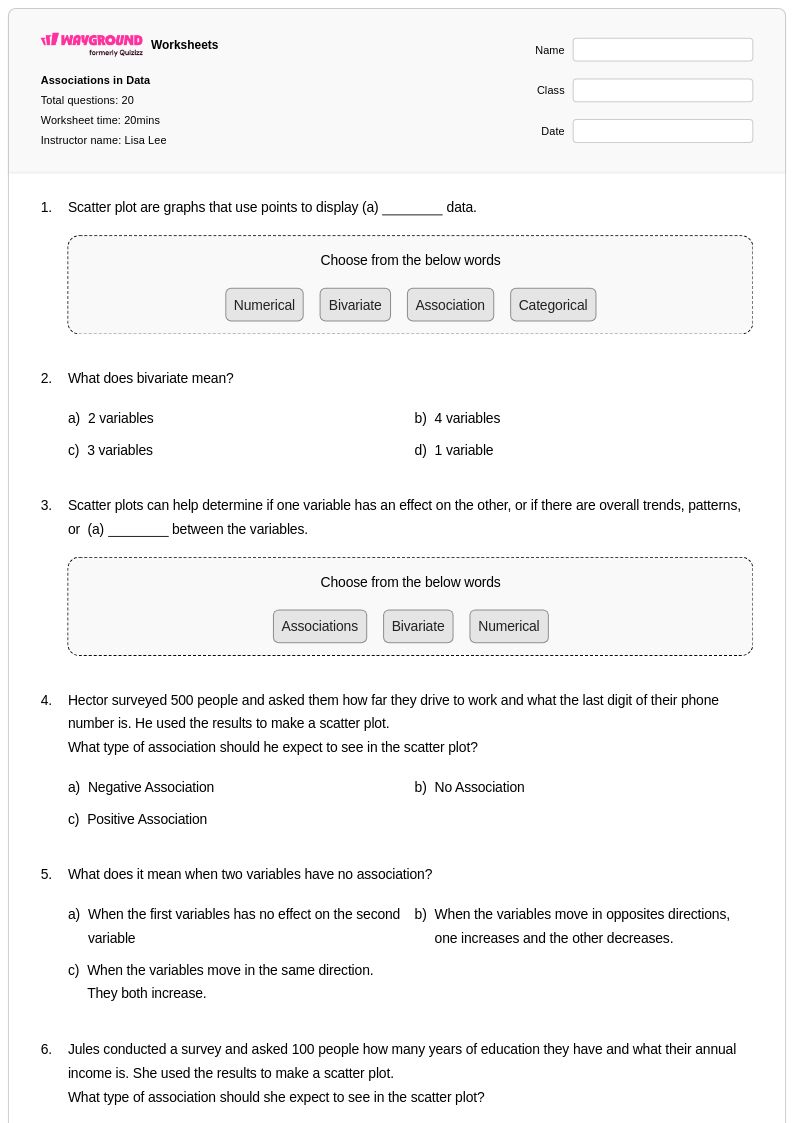
20 Q
9th - 12th
20 Q
8th - Uni
6 Q
9th - 12th
20 Q
9th - Uni
10 Q
9th - 11th
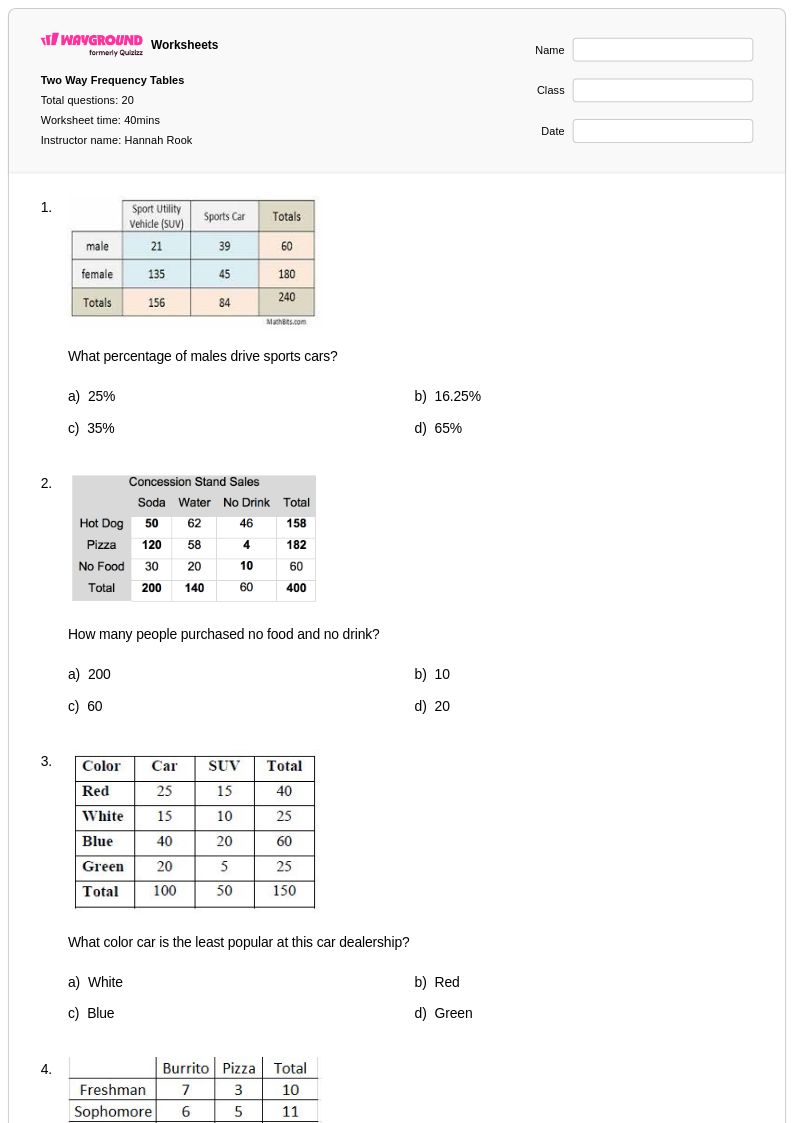
20 Q
7th - 10th
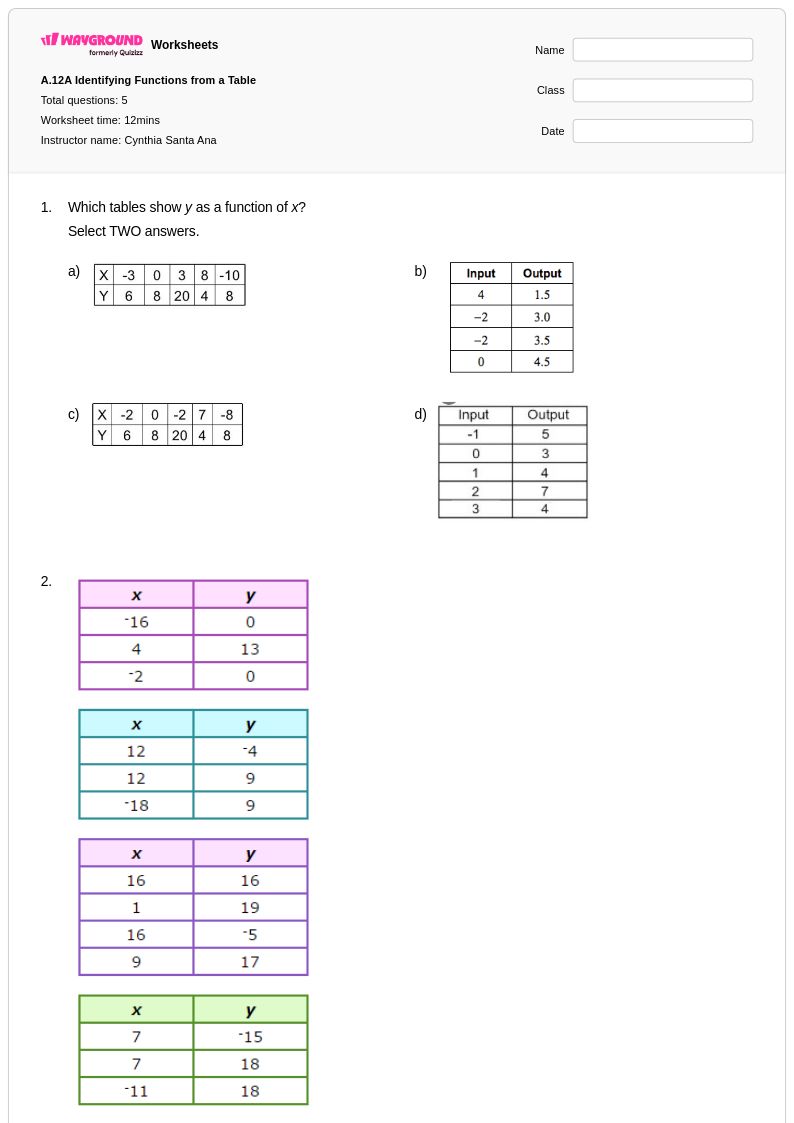
5 Q
9th - 12th
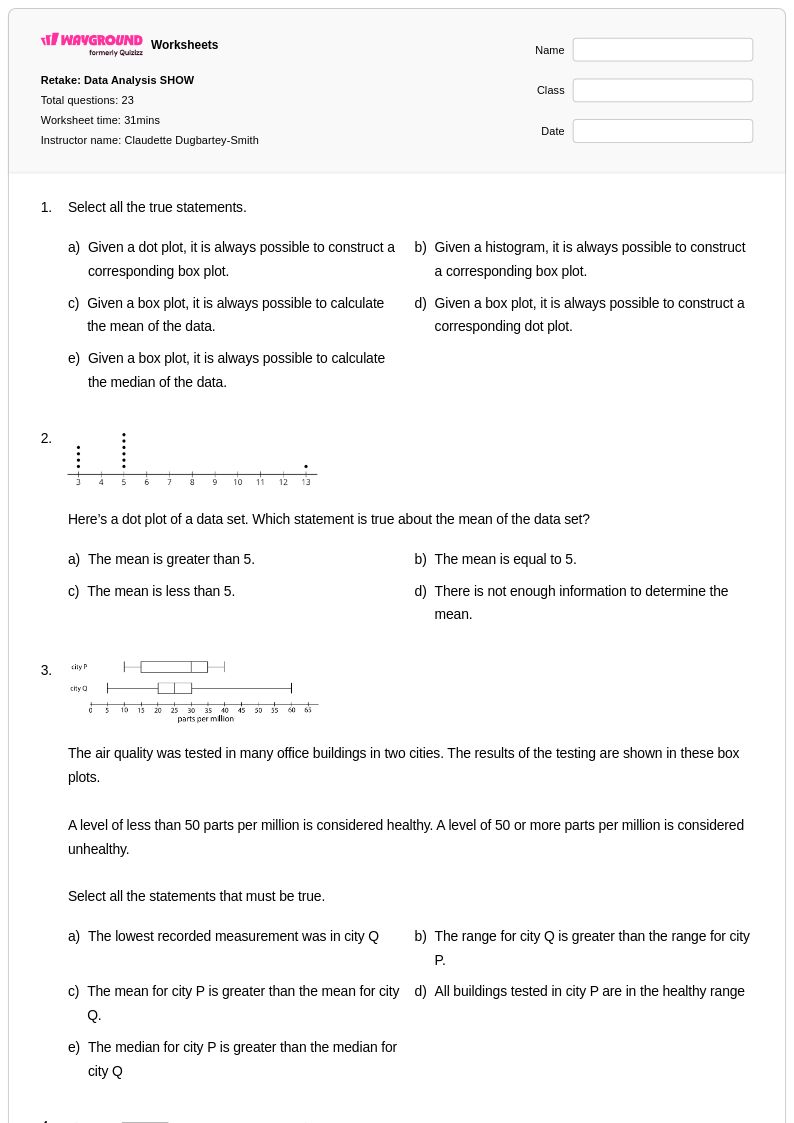
23 Q
6th - 12th
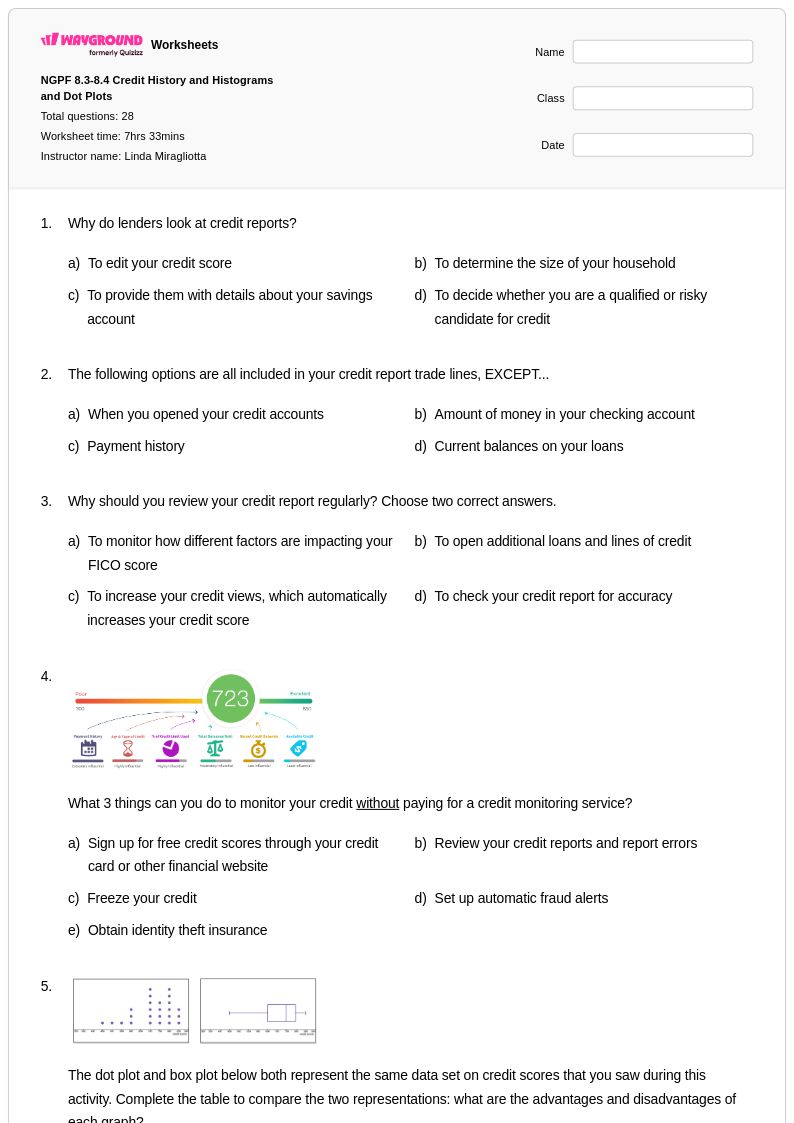
28 Q
9th - 12th
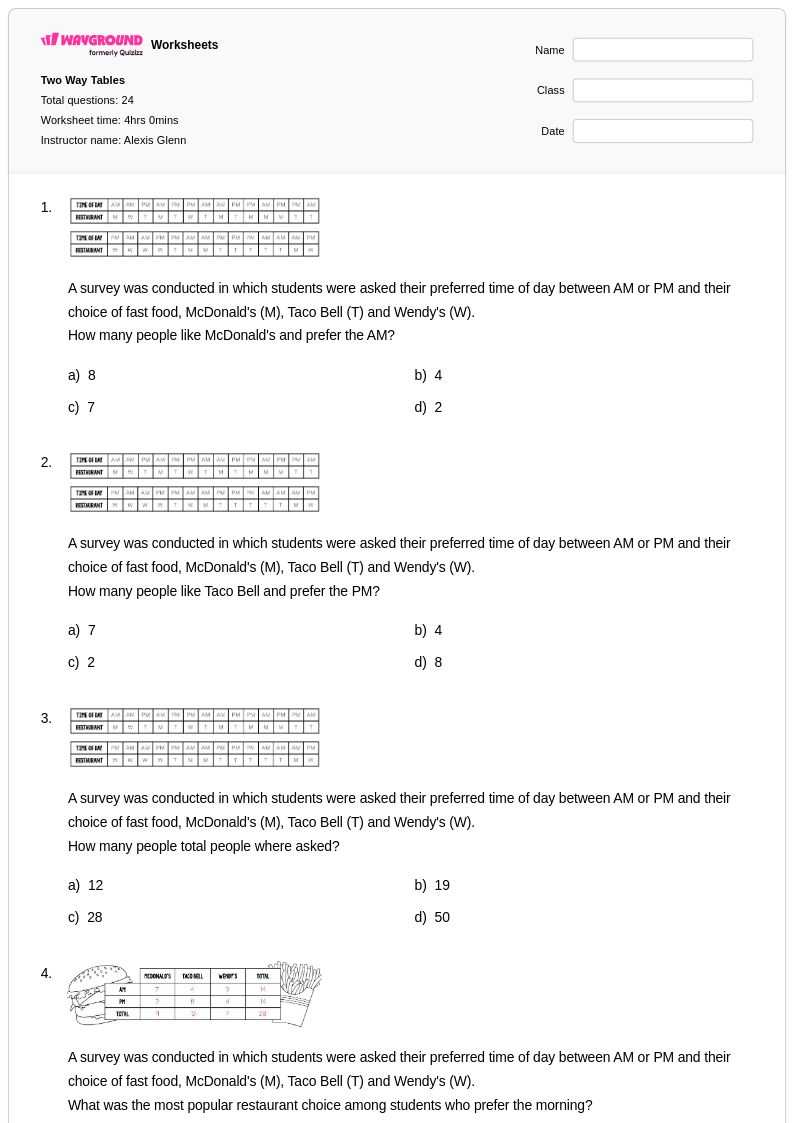
24 Q
9th - 12th
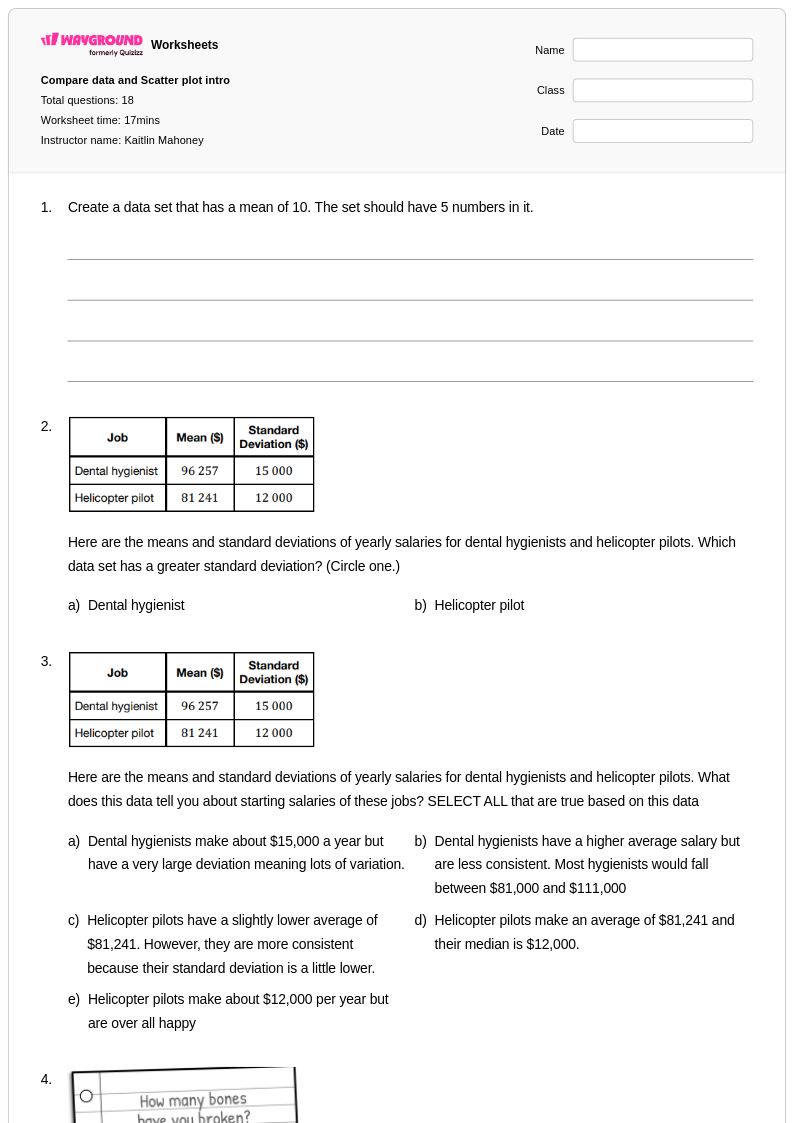
18 Q
9th - 12th
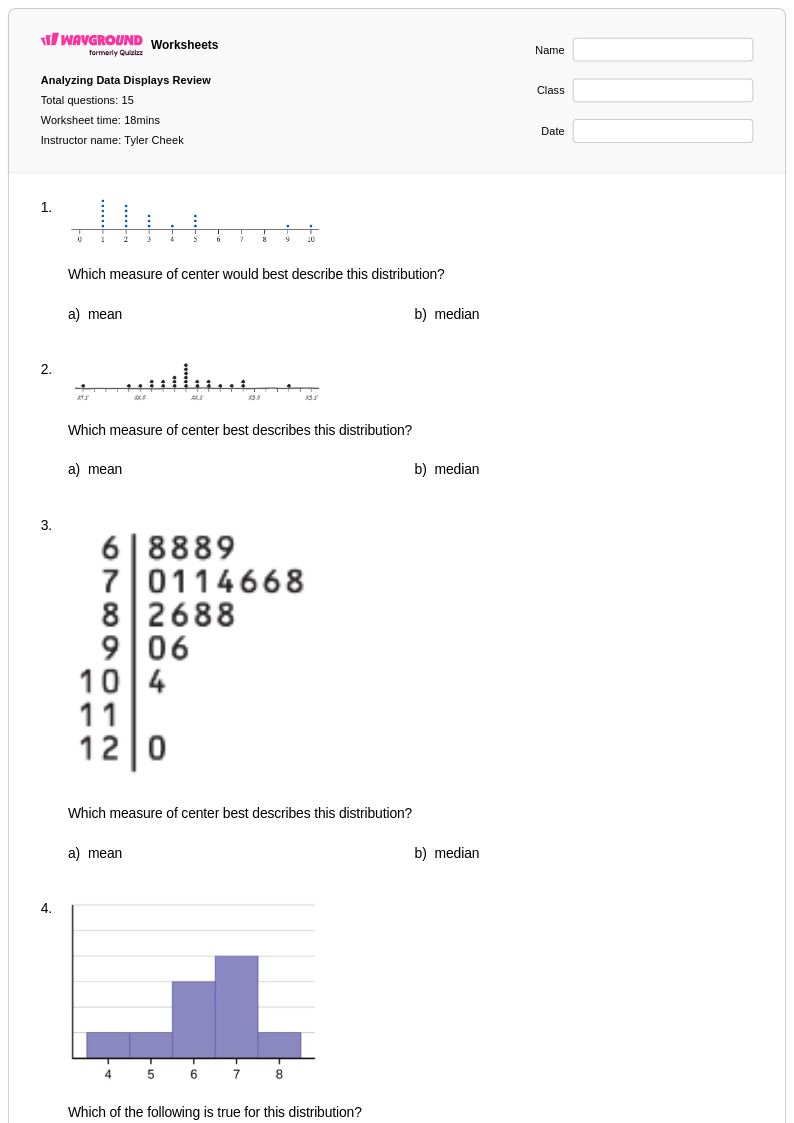
15 Q
9th - 12th
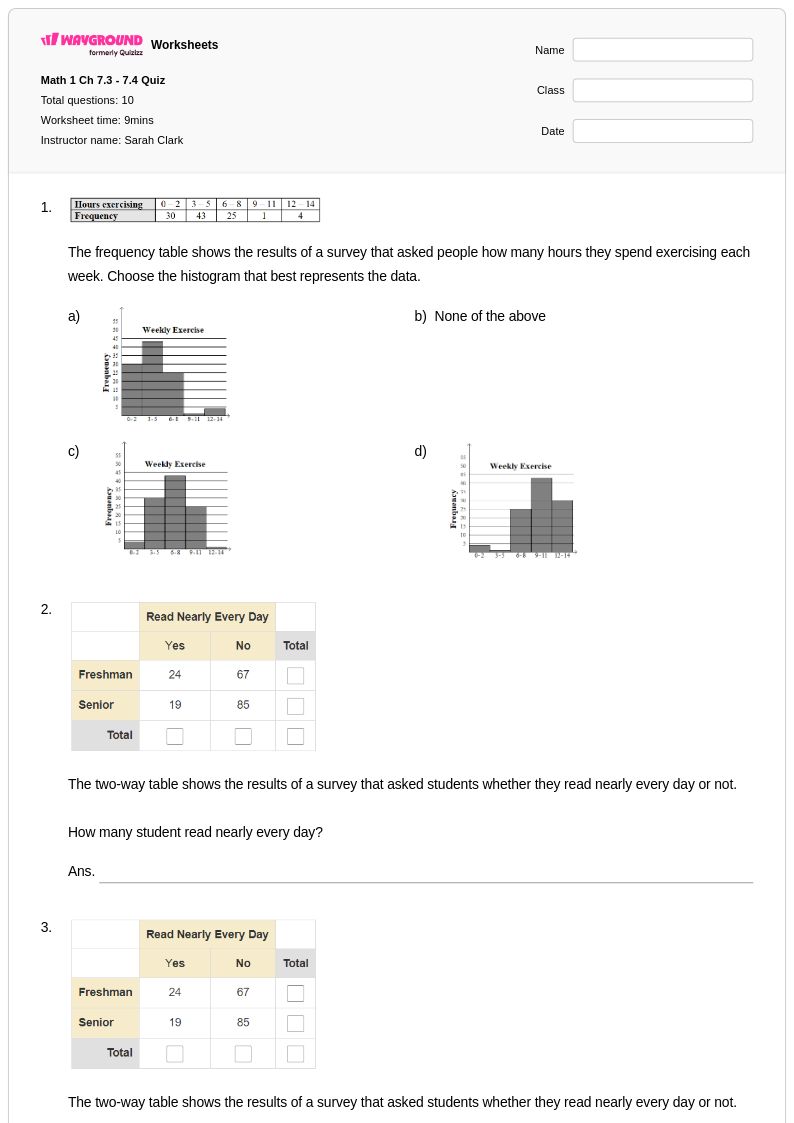
10 Q
9th - 12th
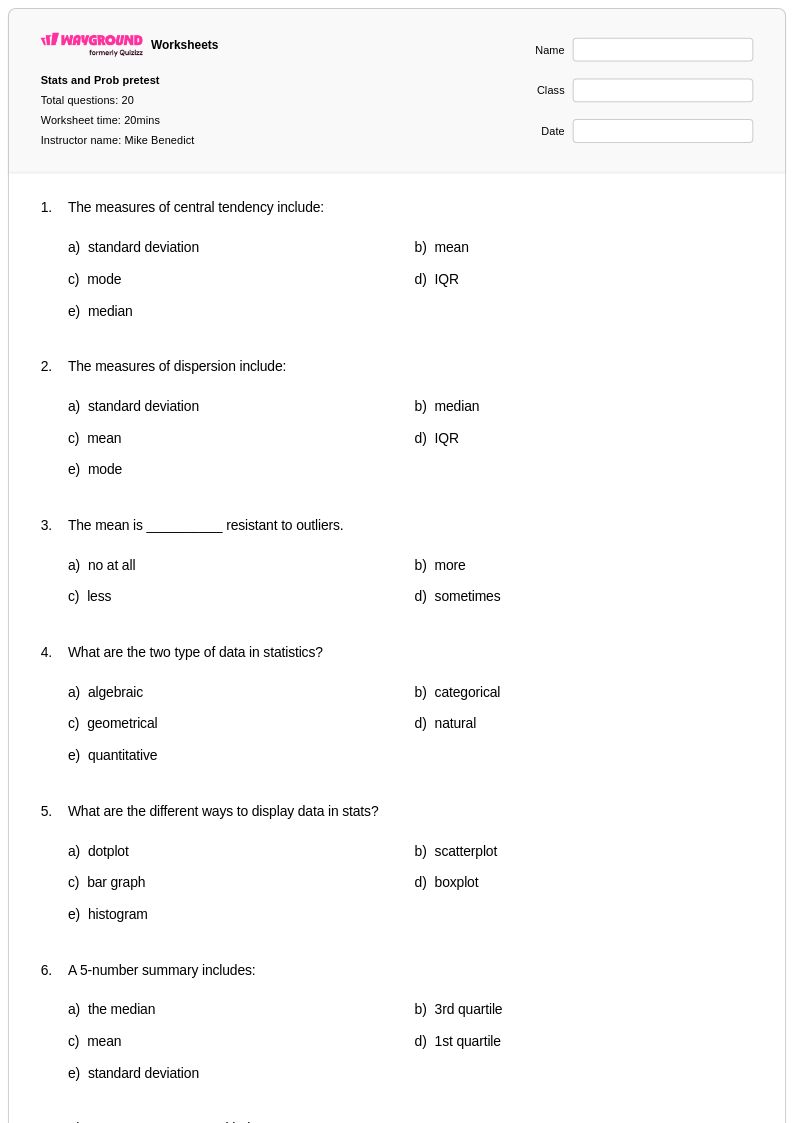
20 Q
9th - 12th
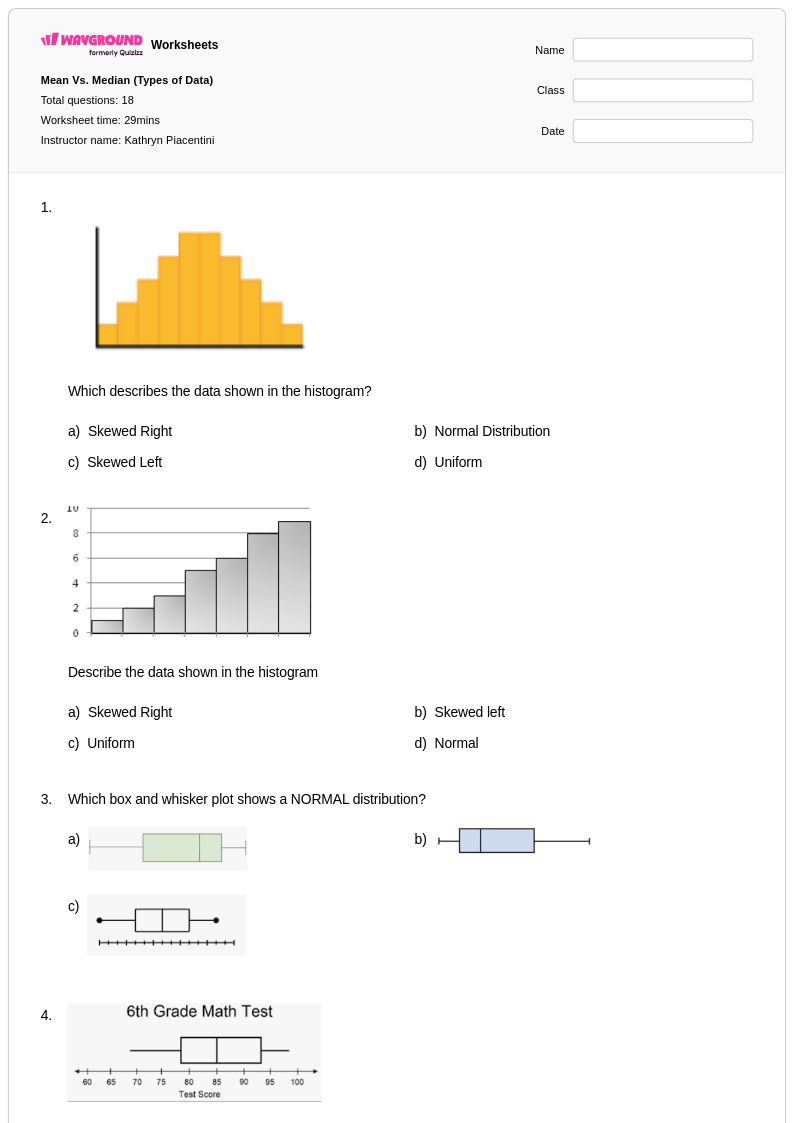
18 Q
9th - 12th
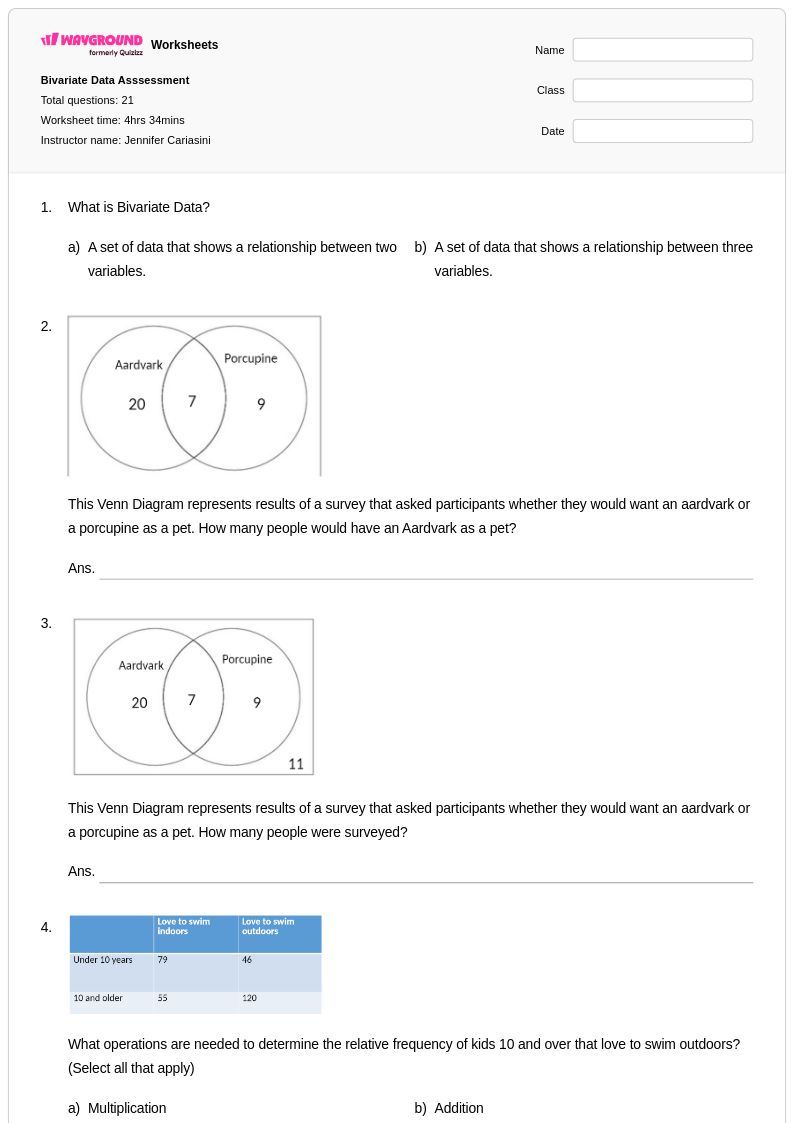
21 Q
9th - 12th
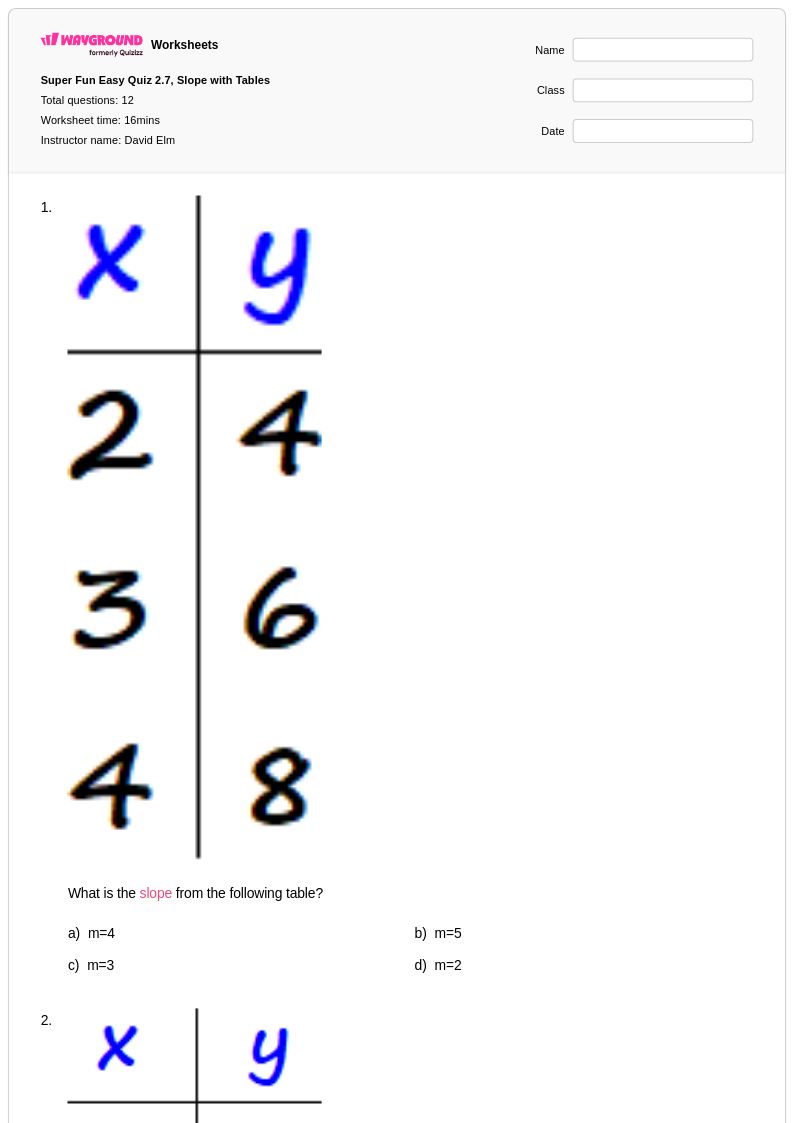
12 Q
9th - Uni
Explore Other Subject Worksheets for class 10
Explore printable Pivot Tables in Data Analysis worksheets for Class 10
Pivot Tables in Data Analysis worksheets for Class 10 students available through Wayground (formerly Quizizz) provide comprehensive practice with one of the most powerful tools for organizing and interpreting large datasets. These expertly designed resources guide students through the essential skills of creating, manipulating, and analyzing pivot tables to uncover meaningful patterns and relationships within complex data sets. Students work with authentic datasets to master techniques such as grouping data by categories, calculating summary statistics, filtering information based on specific criteria, and generating dynamic cross-tabulations that reveal insights not immediately apparent in raw data. Each worksheet includes detailed answer keys and step-by-step solutions, allowing students to verify their understanding of pivot table construction and interpretation. These free printables emphasize both technical proficiency with spreadsheet software and conceptual understanding of how pivot tables serve as analytical tools for making data-driven decisions across various real-world contexts.
Wayground's extensive collection of pivot table worksheets draws from millions of teacher-created resources, ensuring educators have access to diverse practice problems that align with Class 10 mathematics standards and data analysis learning objectives. The platform's robust search and filtering capabilities enable teachers to locate worksheets that target specific aspects of pivot table functionality, from basic table creation to advanced analytical techniques involving multiple variables and complex calculations. These differentiation tools support both remediation for students struggling with foundational data organization concepts and enrichment opportunities for advanced learners ready to tackle sophisticated analytical challenges. Available in both printable pdf format and interactive digital versions, these customizable resources facilitate flexible lesson planning and can be seamlessly integrated into various instructional approaches, whether supporting direct instruction, independent practice, collaborative learning activities, or assessment preparation focused on developing critical data literacy skills essential for academic and professional success.
FAQs
Why are pivot tables taught in Grade 10?
What's a good teaching strategy for pivot tables in 10th grade?
What skills should a Grade 10 pivot table worksheet practice?
What mistakes are common when students start filtering pivot tables?
How can I use this Wayground worksheet for my 10th graders?
How does this topic connect to the Grade 10 math curriculum?
How can I support diverse learners with this topic?