
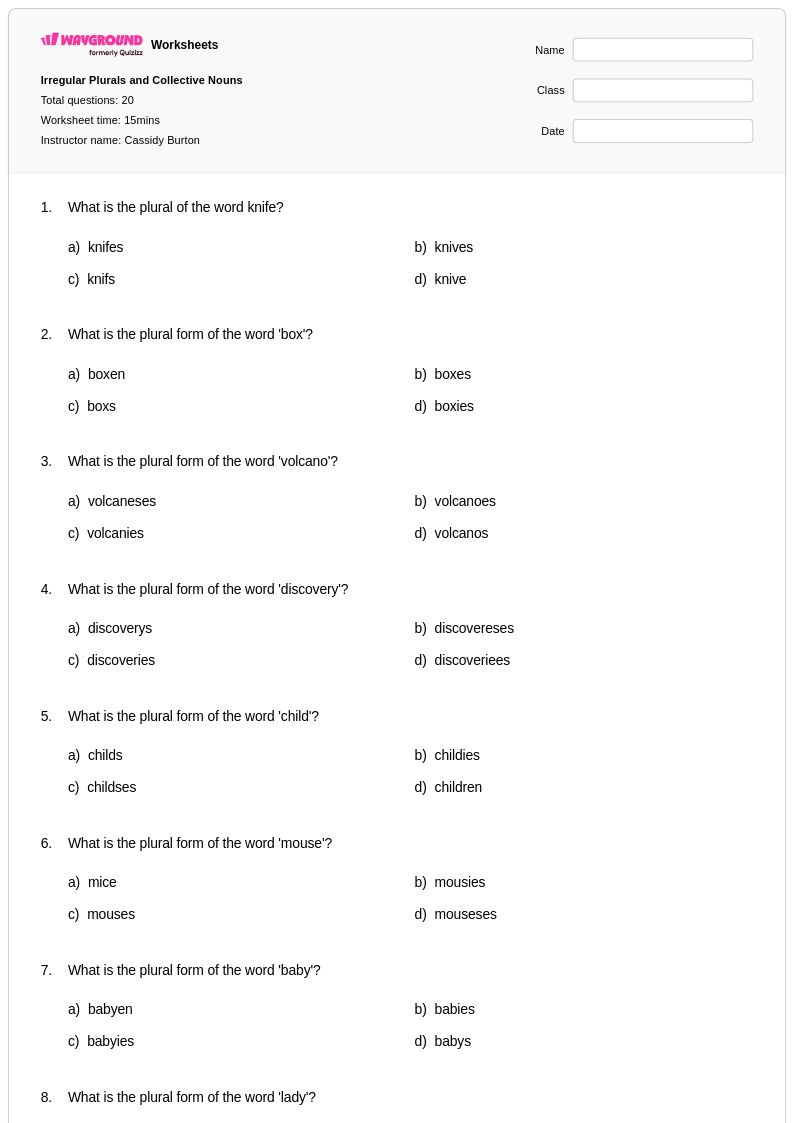
20 Q
1st - 5th
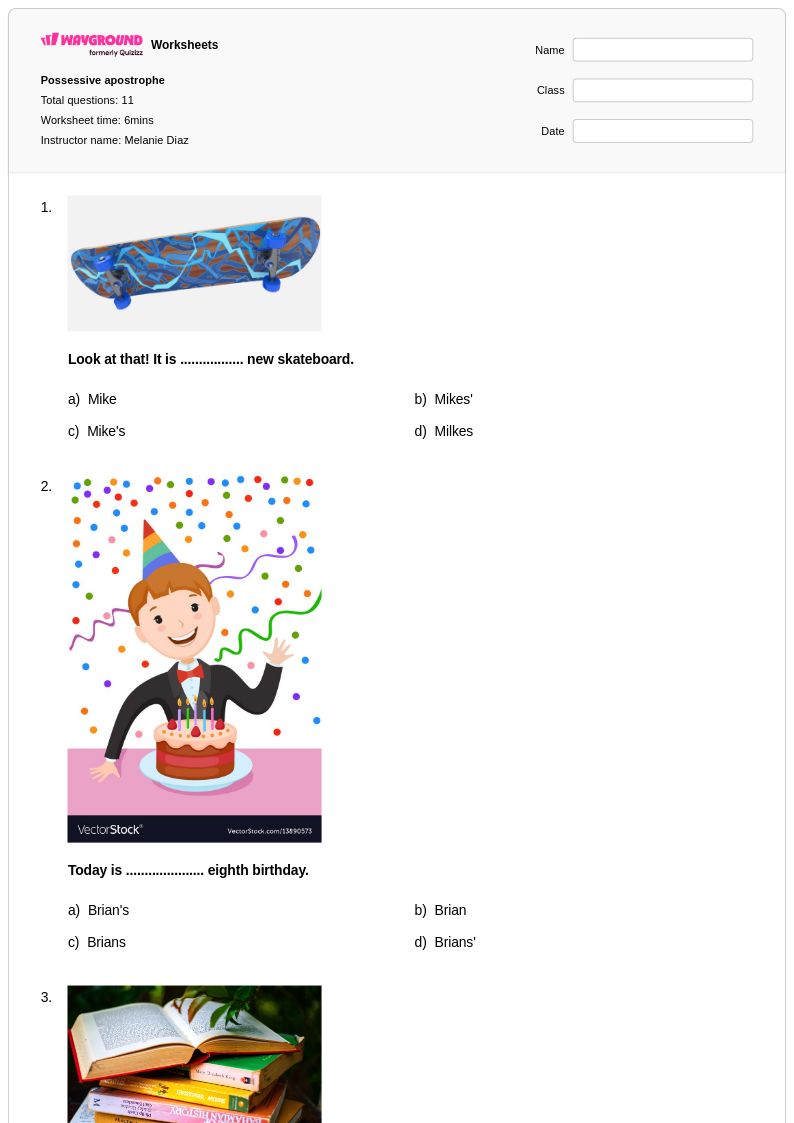
11 Q
1st - 6th
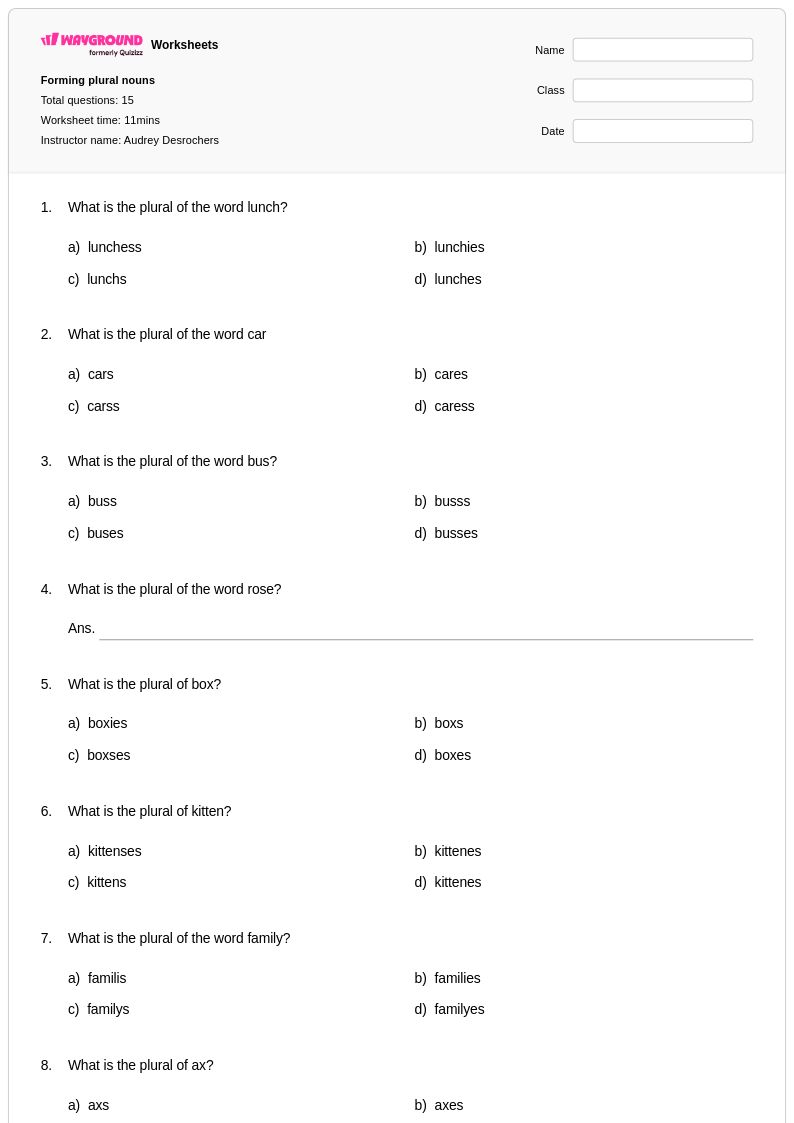
15 Q
2nd - 5th
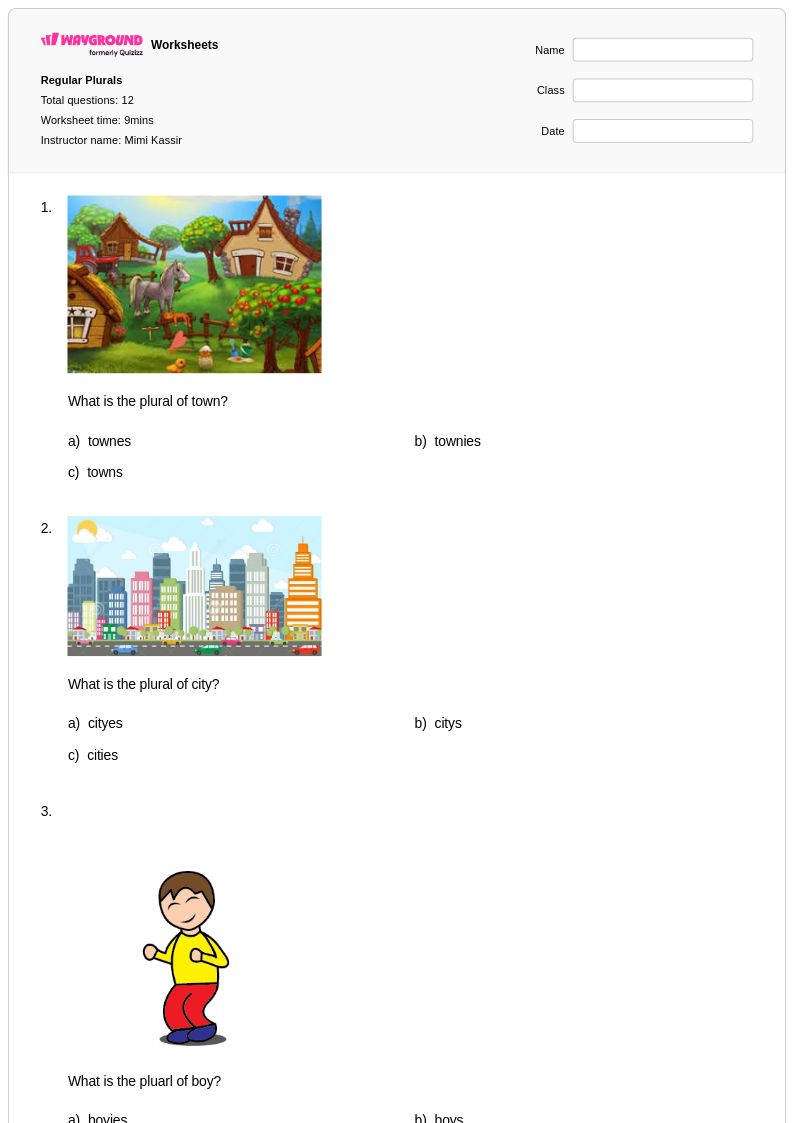
12 Q
3rd
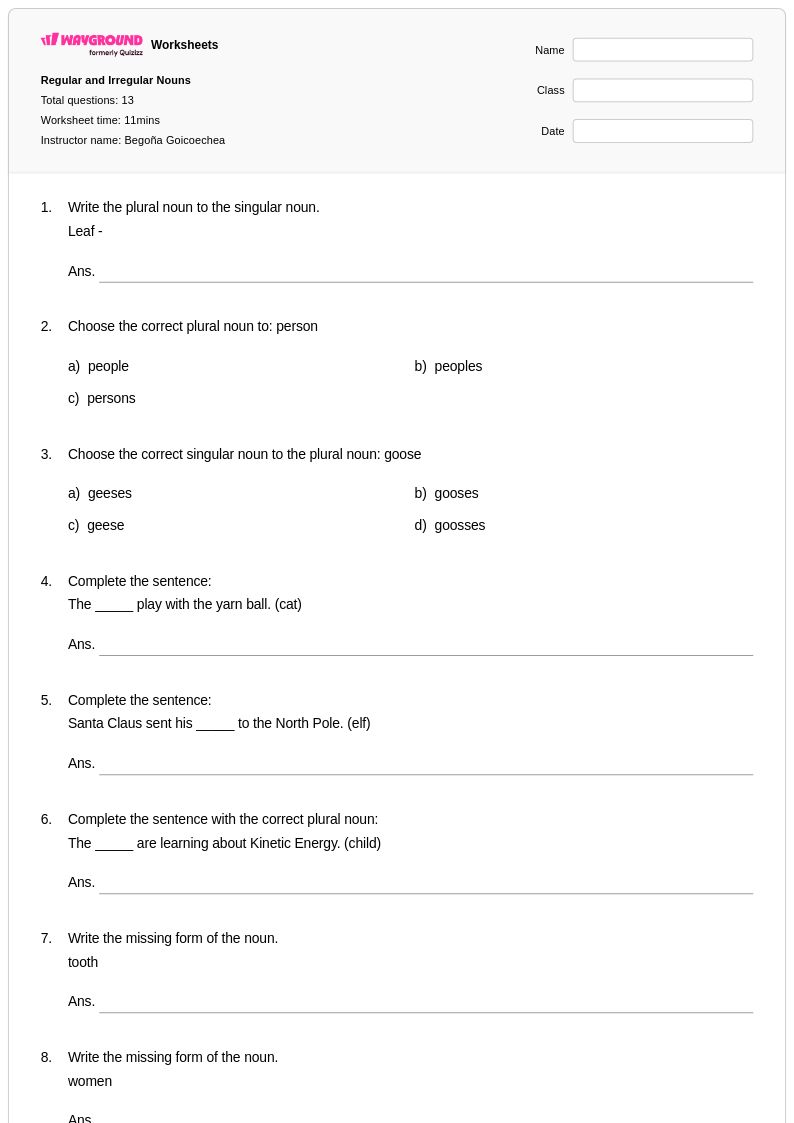
13 Q
3rd
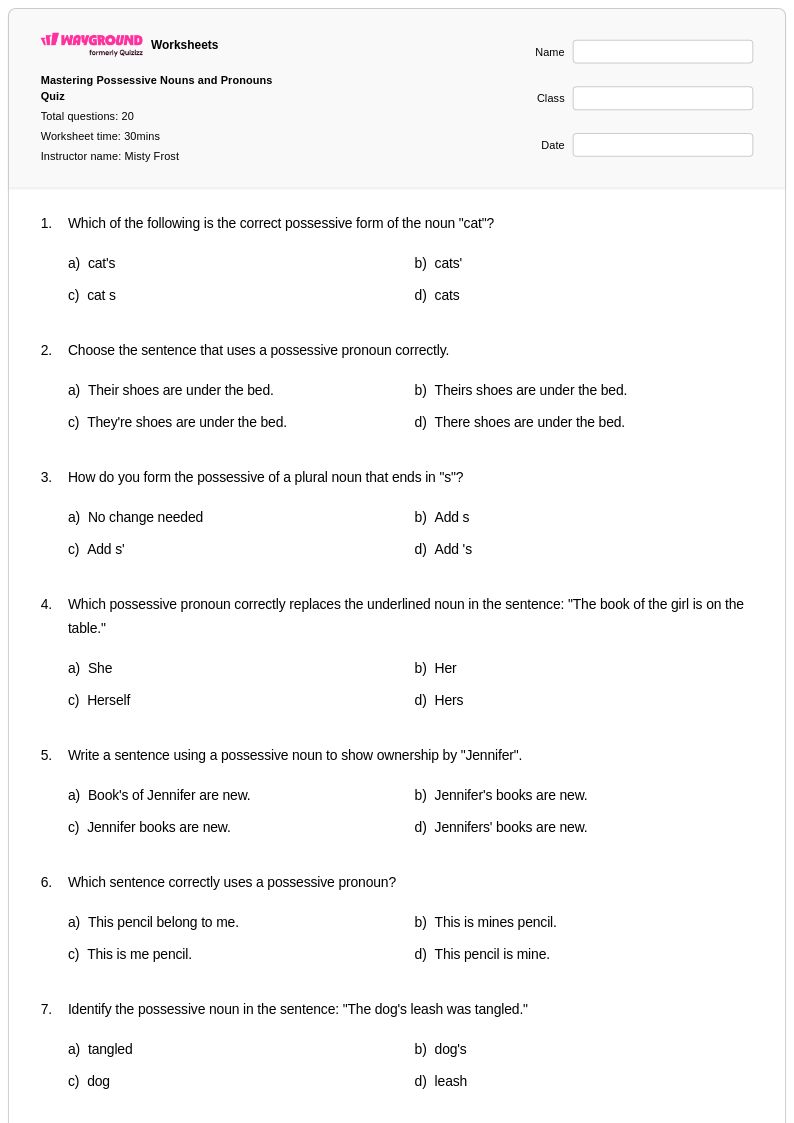
20 Q
3rd
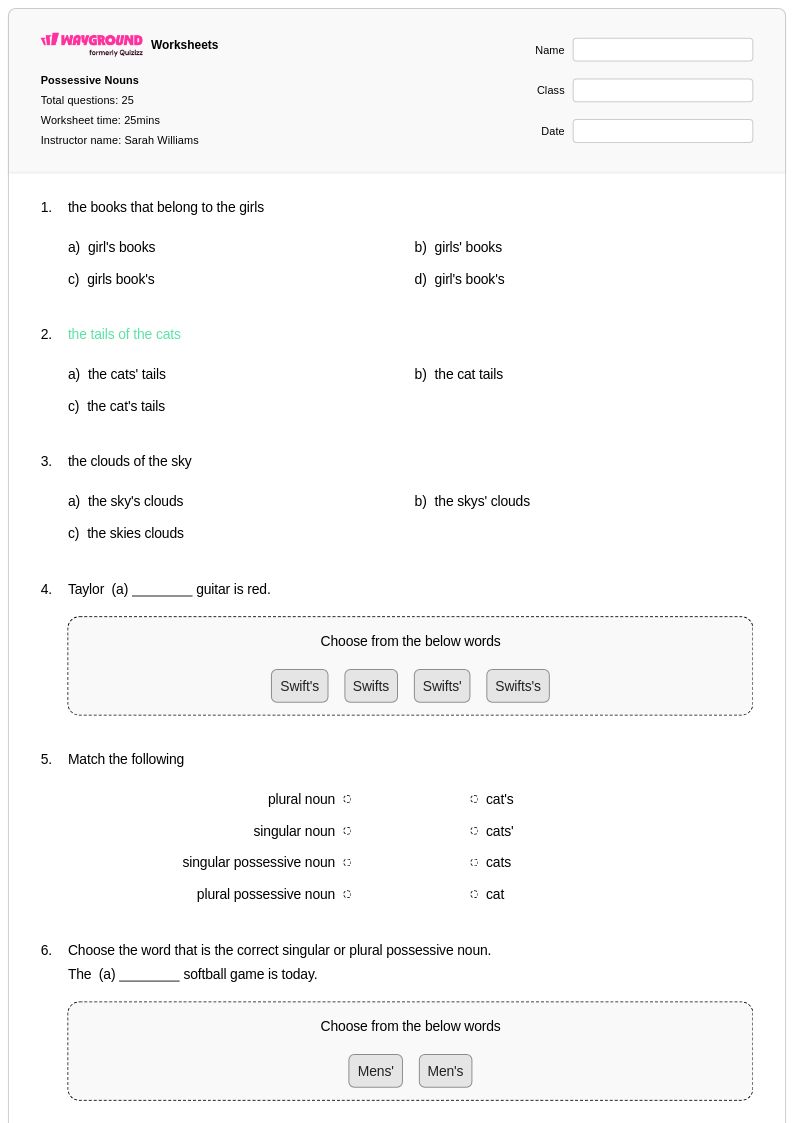
25 Q
3rd - Uni
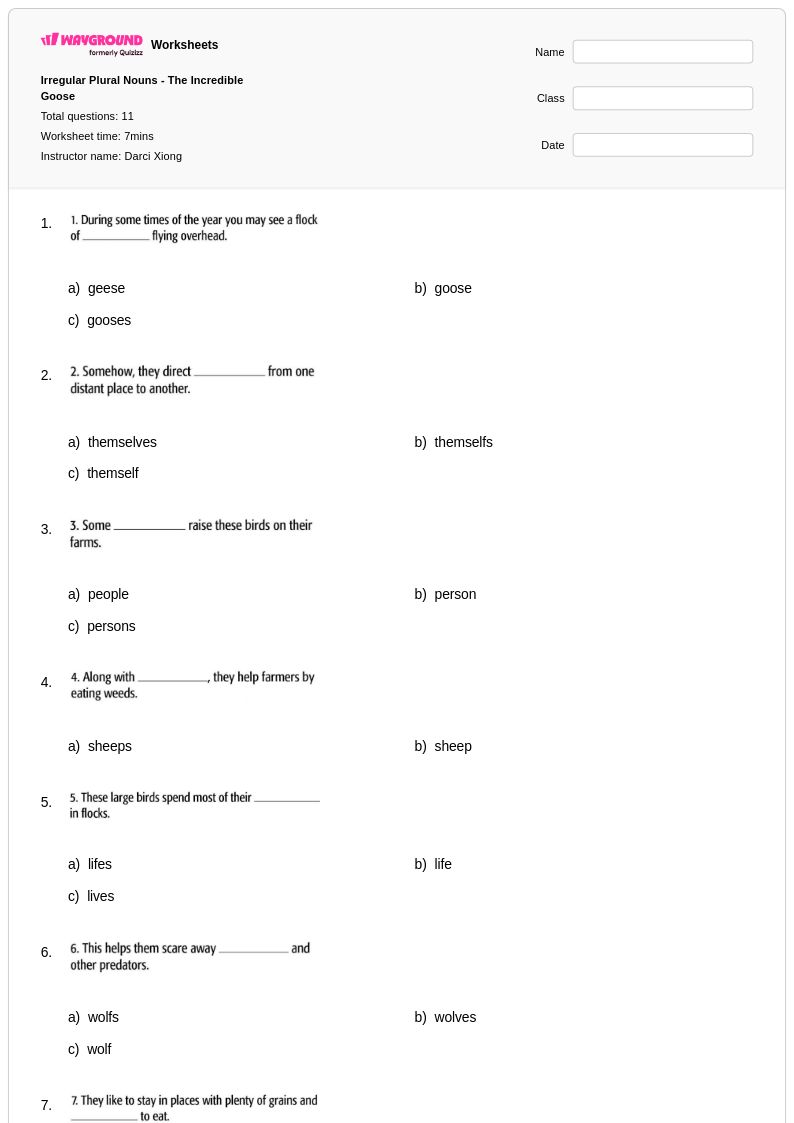
11 Q
3rd
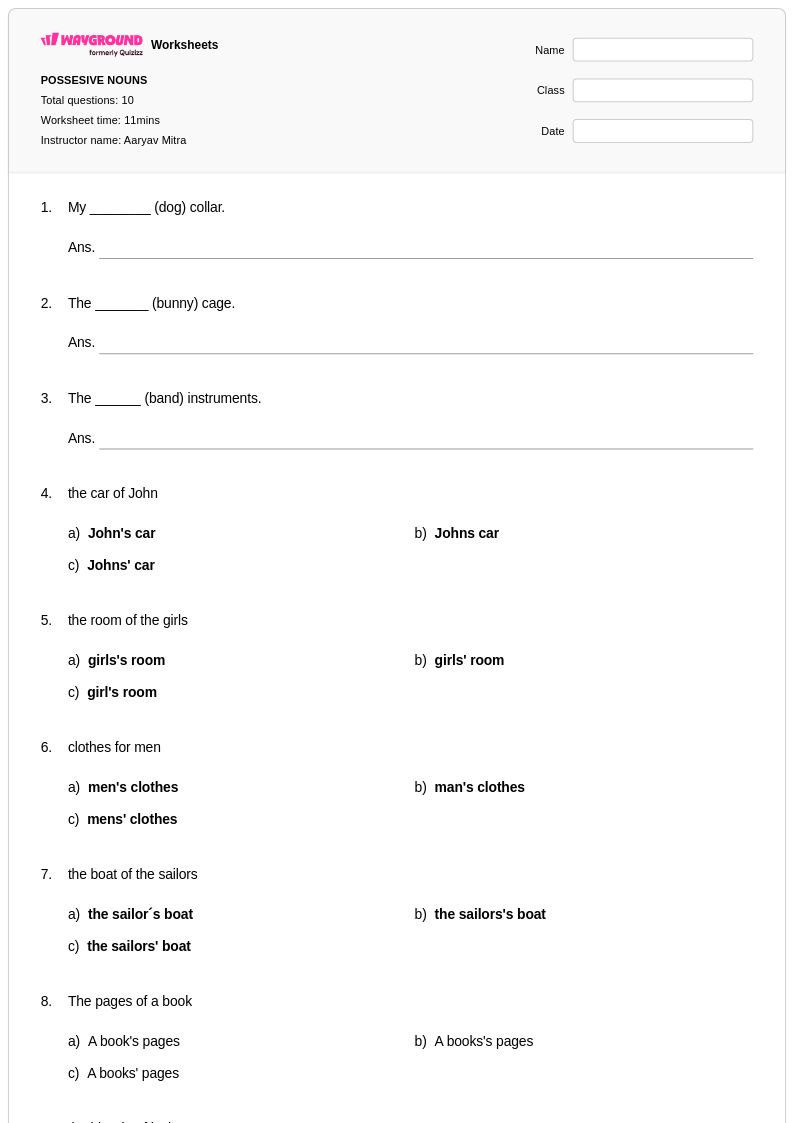
10 Q
3rd
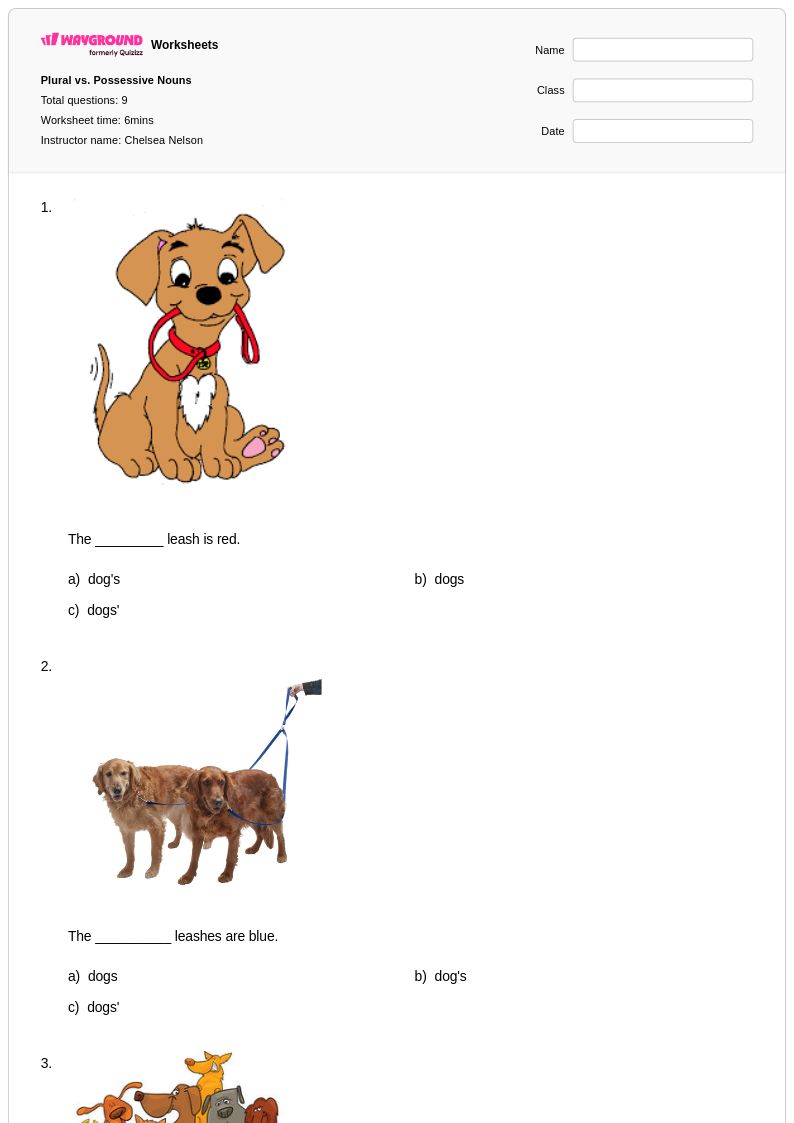
9 Q
3rd - 5th
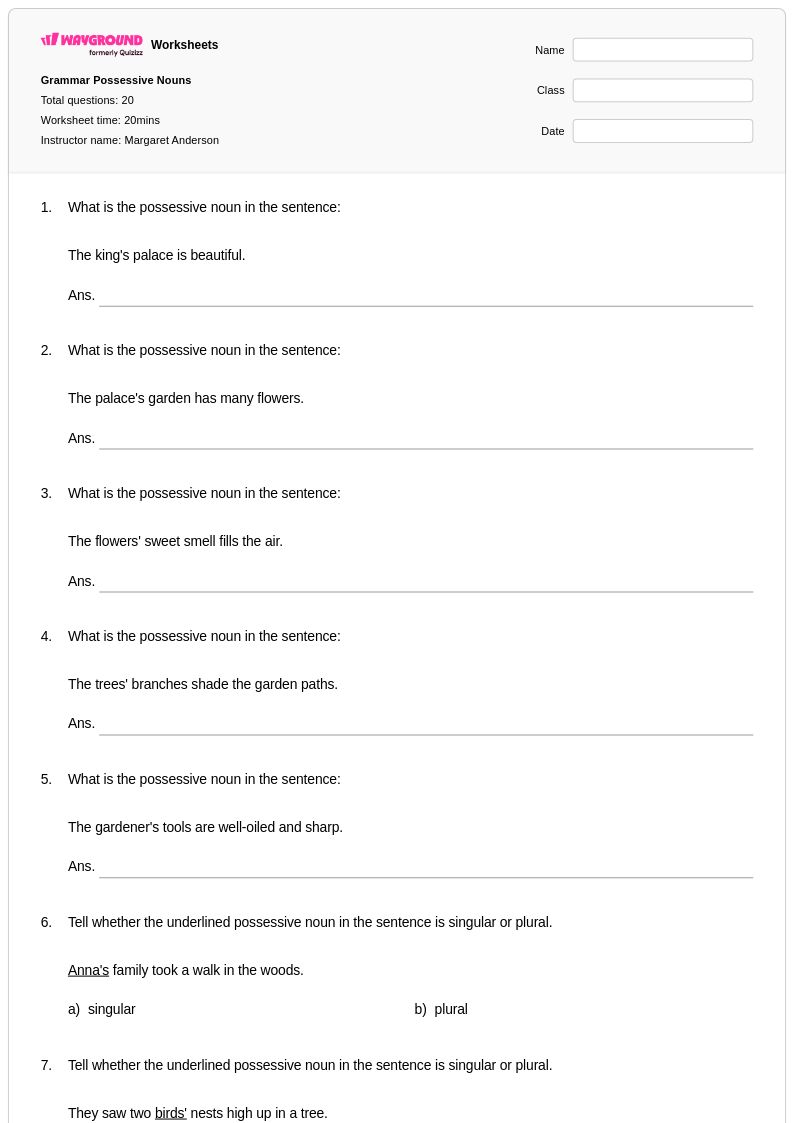
20 Q
3rd - 5th
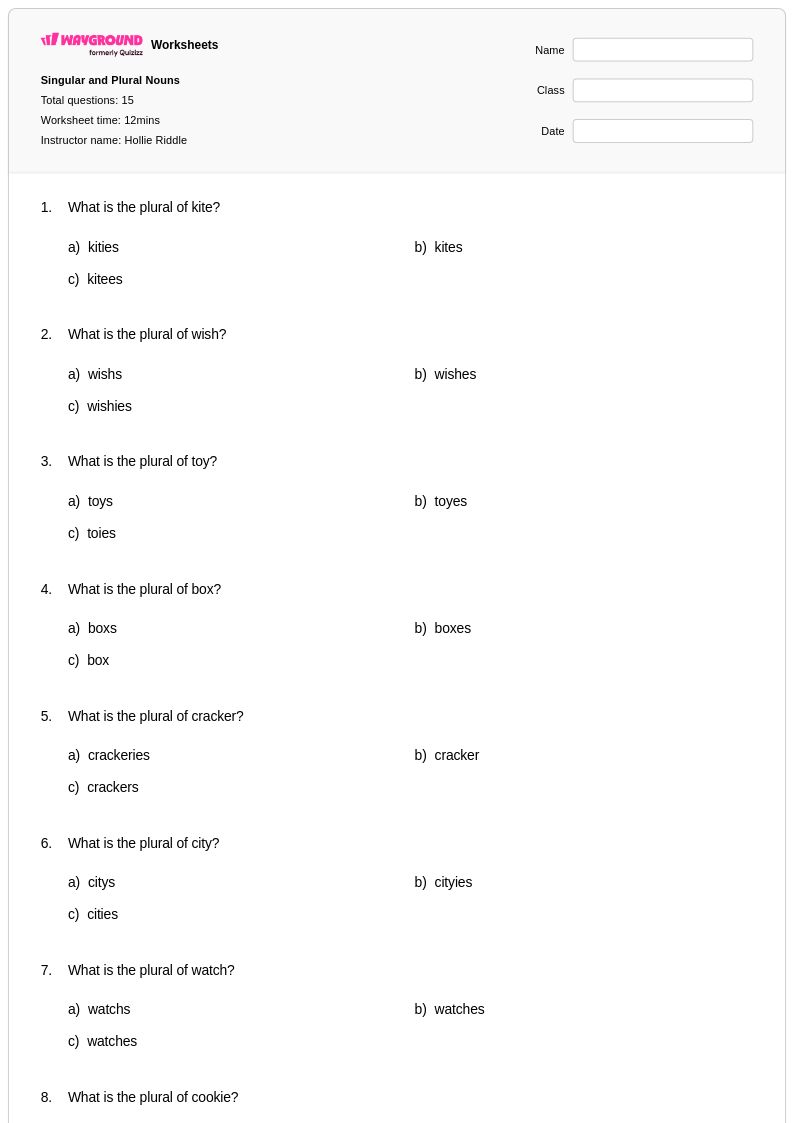
15 Q
3rd
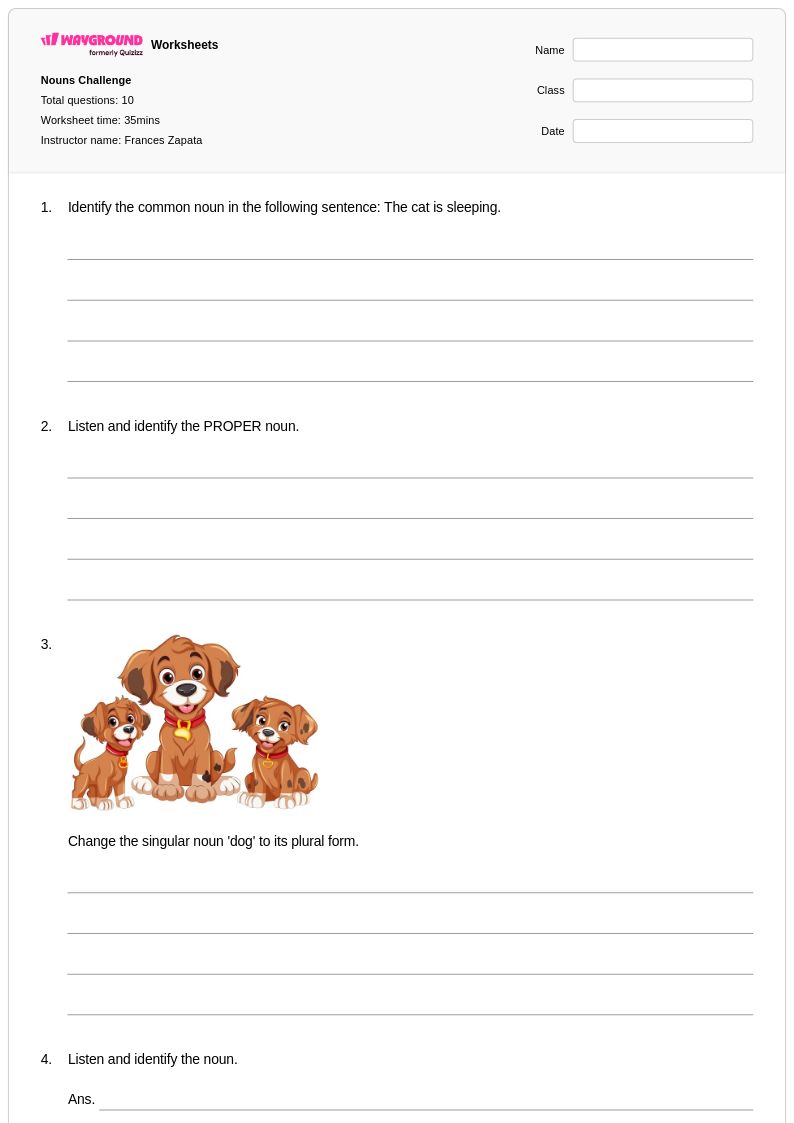
10 Q
3rd
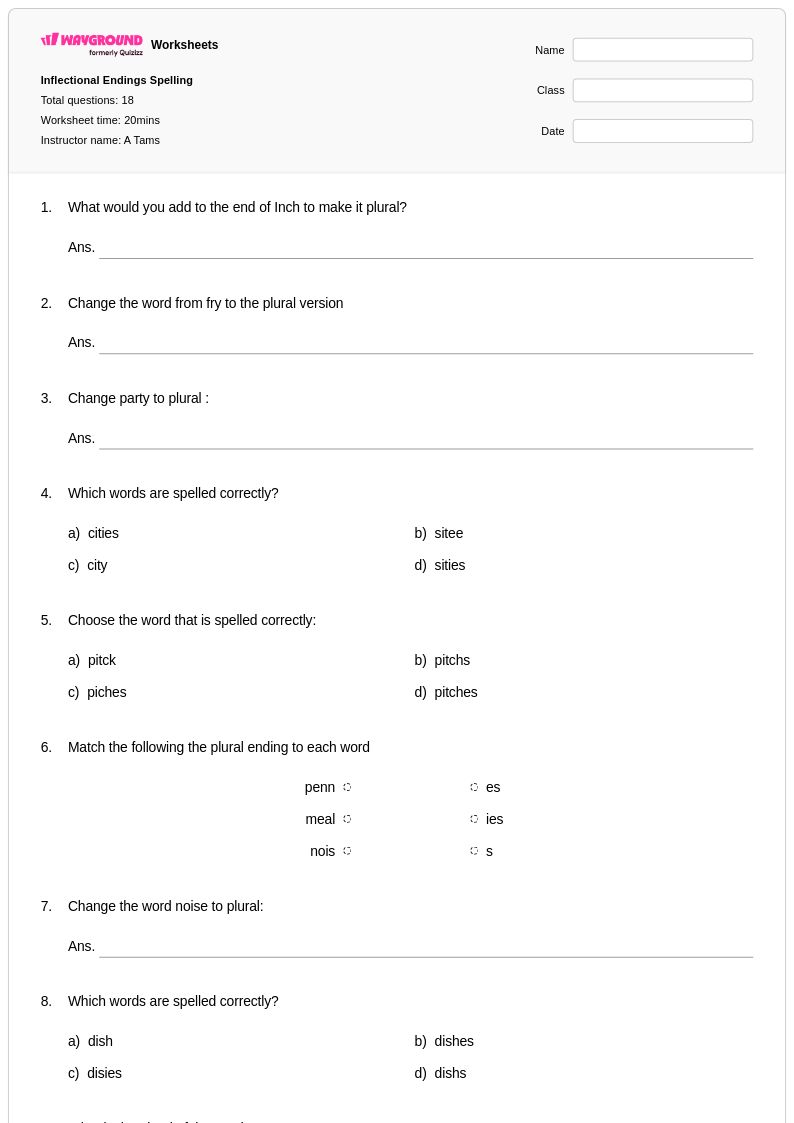
18 Q
3rd
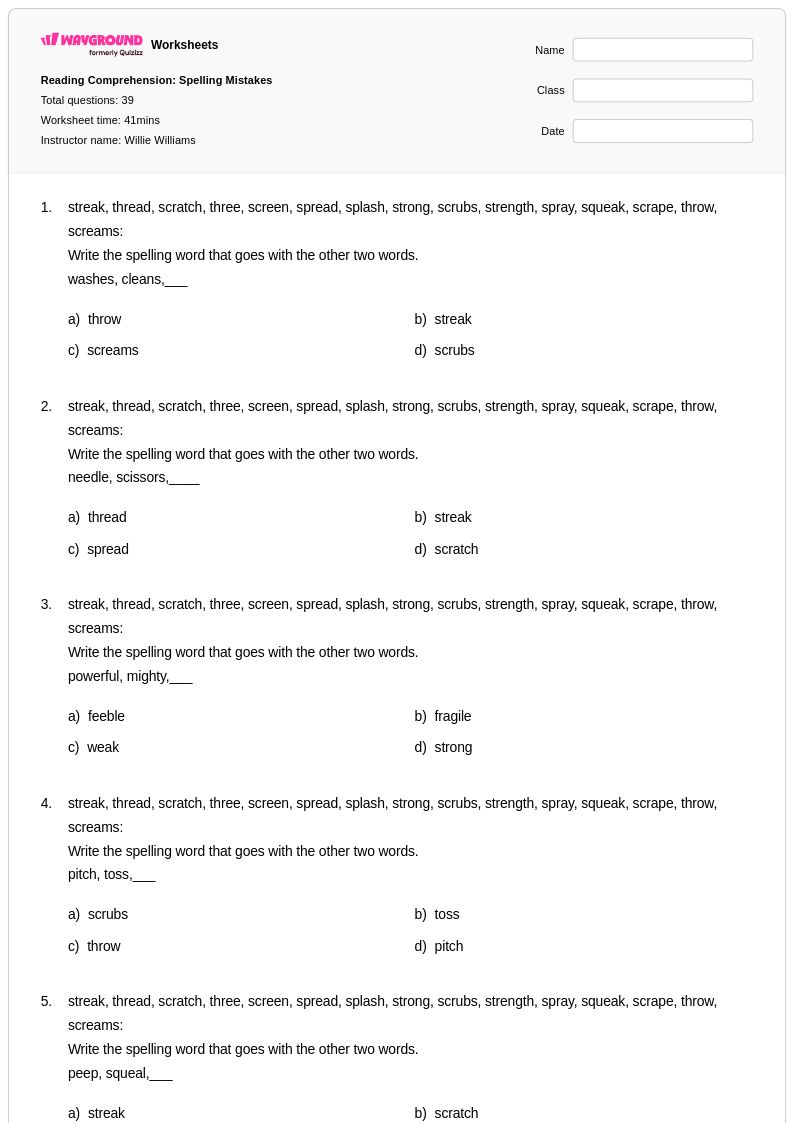
45 Q
3rd
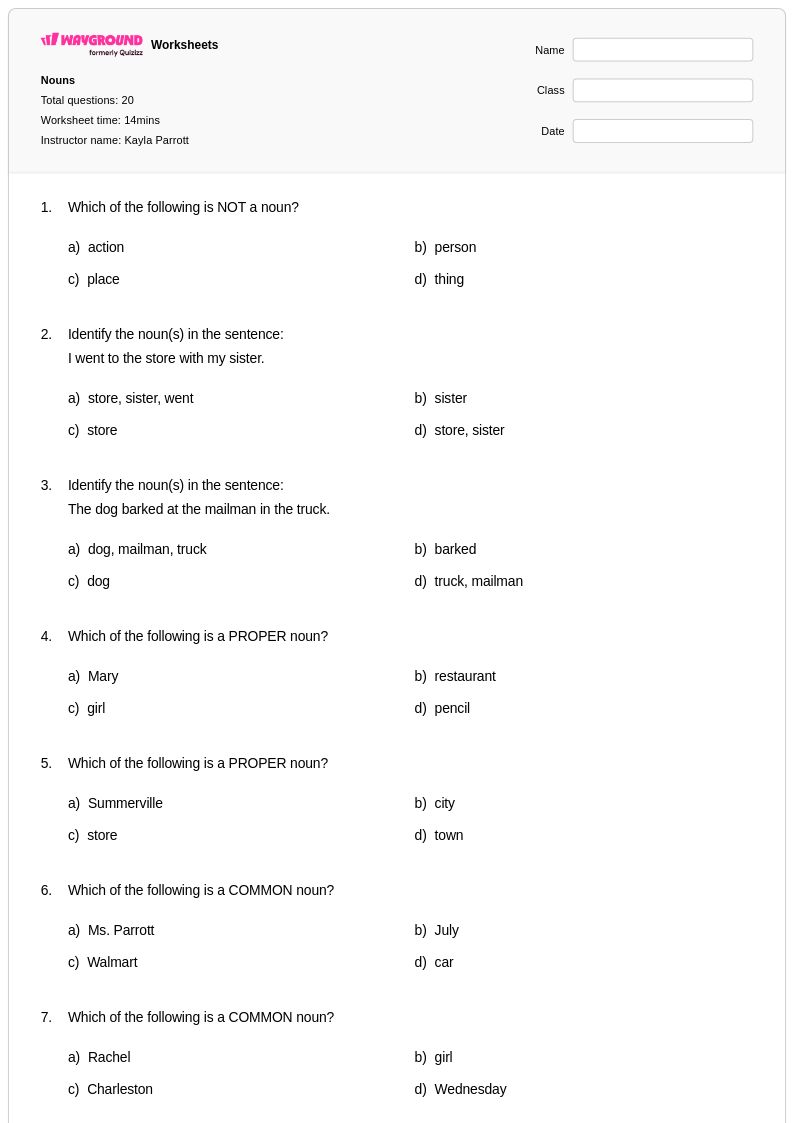
20 Q
2nd - 3rd
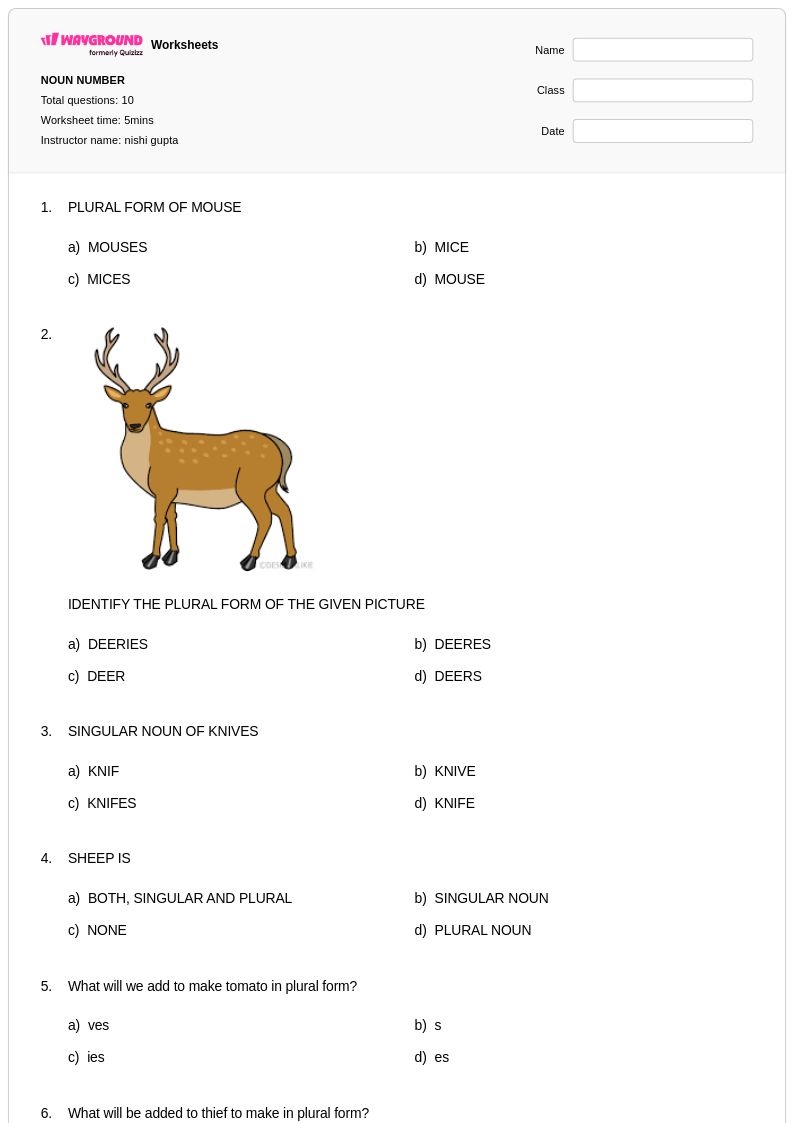
10 Q
2nd - 4th

25 Q
3rd
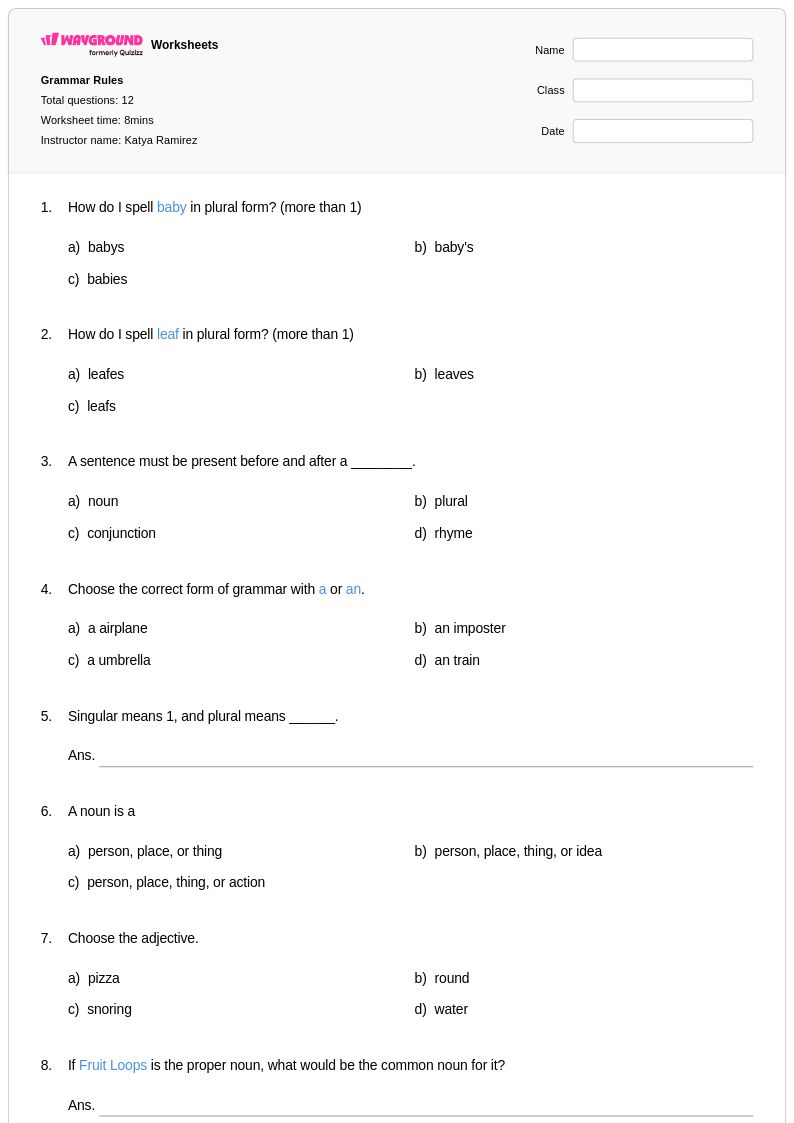
12 Q
3rd - 4th
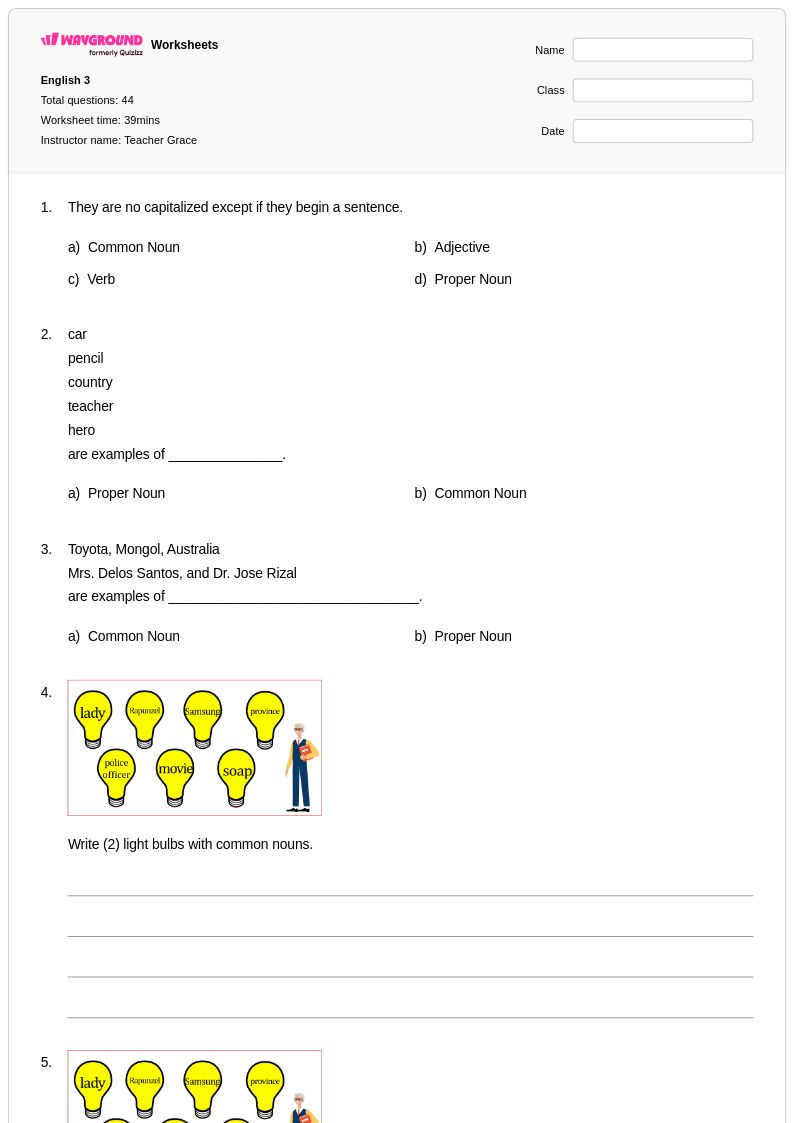
44 Q
3rd
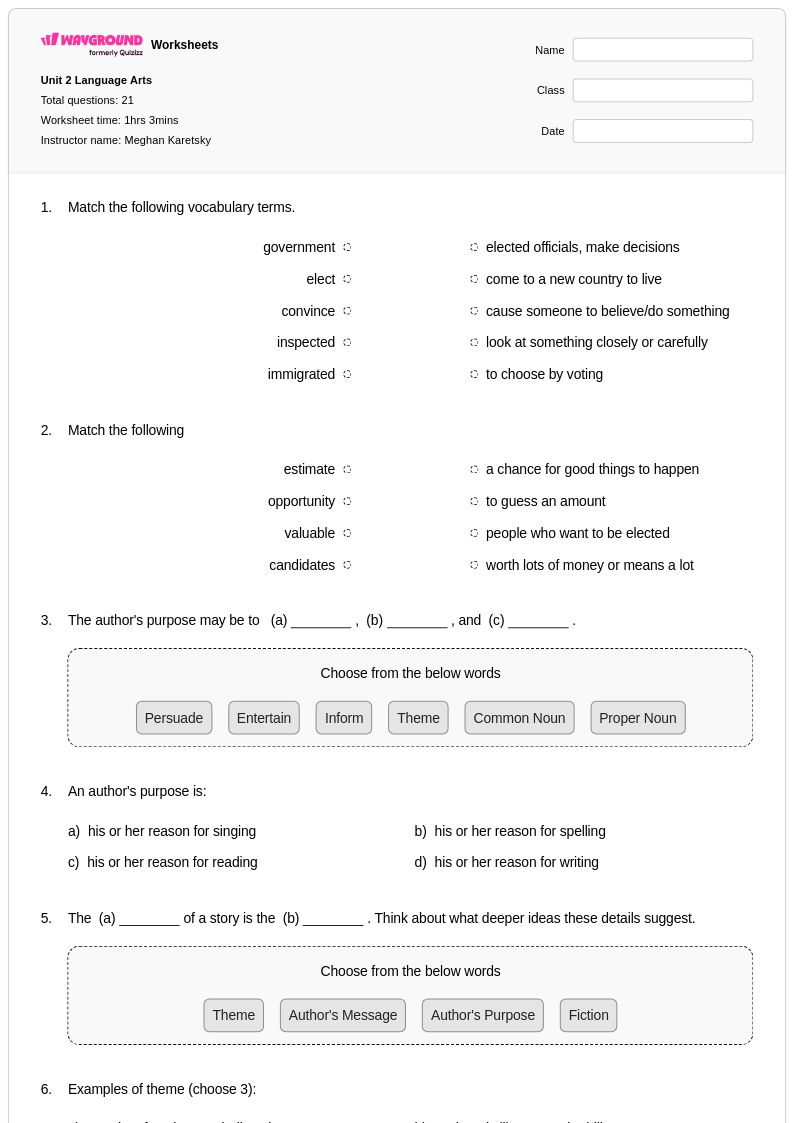
21 Q
3rd
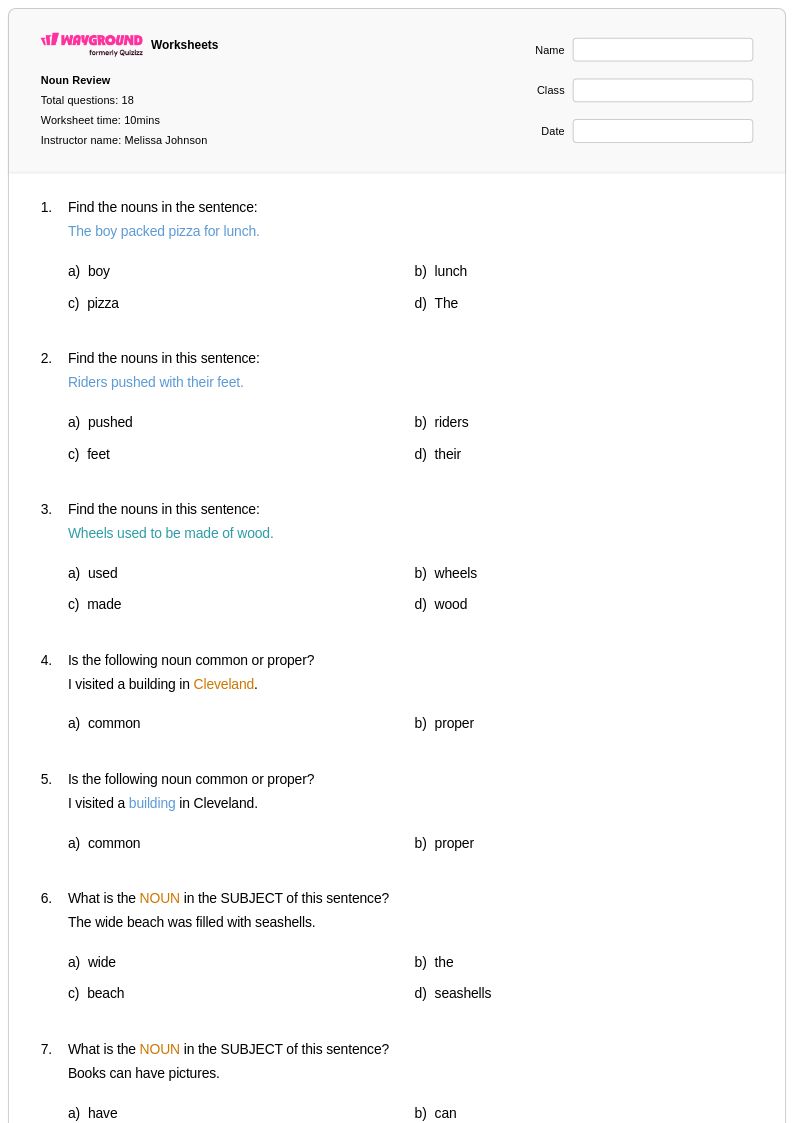
18 Q
3rd - 4th
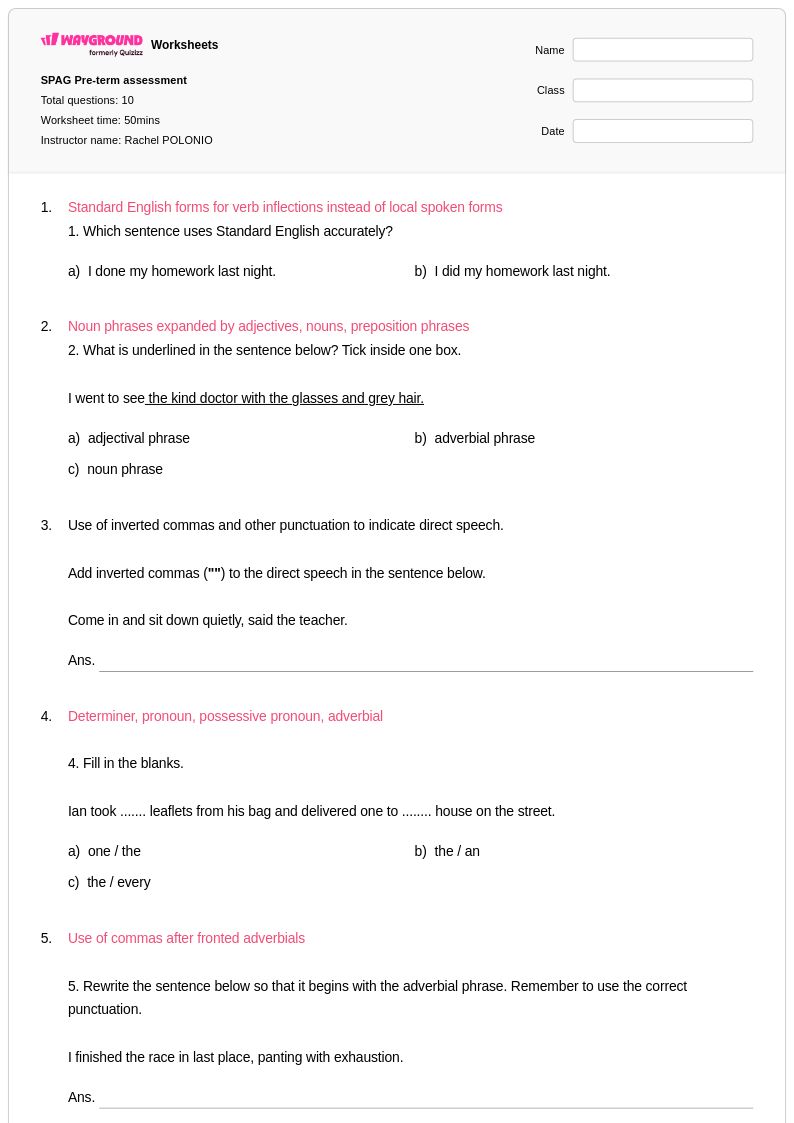
10 Q
3rd - 4th
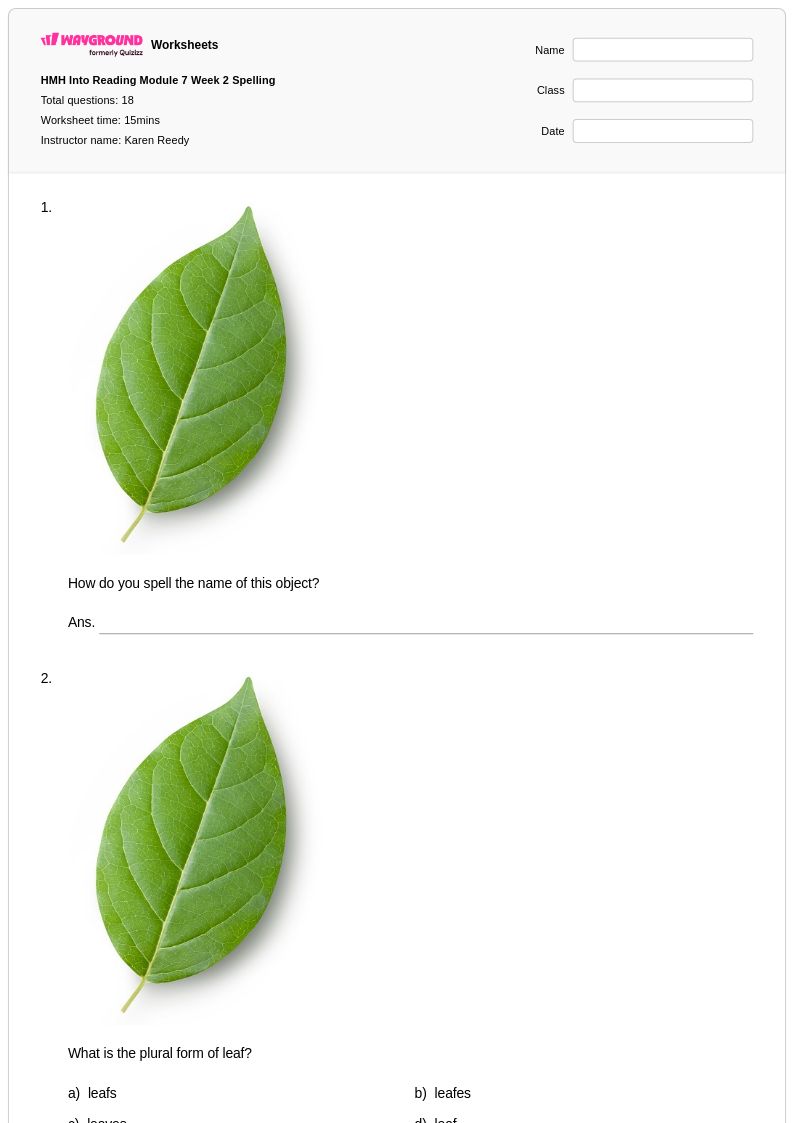
18 Q
3rd
Explore Plural and Possessive Forms Worksheets by Grades
Explore Other Subject Worksheets for class 3
Explore printable Plural and Possessive Forms worksheets for Class 3
Plural and possessive forms represent fundamental grammar concepts that Class 3 students must master to develop strong writing and reading comprehension skills. Wayground's extensive collection of plural and possessive worksheets provides systematic practice with these essential language mechanics through engaging exercises that help students distinguish between adding simple plural endings, forming irregular plurals, and correctly placing apostrophes in possessive constructions. These carefully designed printables offer structured practice problems that guide young learners through the rules governing when to add -s, -es, or -ies for plurals, while simultaneously teaching them how to show ownership through proper possessive formation. Each worksheet includes a comprehensive answer key, making it easy for educators to provide immediate feedback and support student learning through self-correction opportunities. The free pdf resources cover common challenges such as differentiating between "the cats' toys" and "the cat's toys," ensuring students build confidence with these frequently confused grammatical structures.
Wayground's teacher-focused platform streamlines the process of finding and implementing high-quality plural and possessive practice materials through its vast library of millions of educator-created resources. The robust search and filtering system allows teachers to quickly locate worksheets that align with specific standards requirements and match their students' current skill levels, supporting both remediation for struggling learners and enrichment for advanced students. These differentiation tools enable educators to customize activities based on individual student needs, whether delivering content in traditional printable format or through interactive digital exercises. The flexible pdf options facilitate seamless integration into existing lesson plans, homework assignments, or learning centers, while the platform's organizational features help teachers efficiently manage their grammar instruction across multiple skill areas. This comprehensive support system empowers educators to provide targeted, effective practice that strengthens students' understanding of plural and possessive forms while building the foundation for more advanced grammar concepts.
FAQs
How do I teach plural and possessive forms to students who keep confusing them?
What exercises help students practice forming plurals correctly?
What mistakes do students most commonly make with possessive apostrophes?
How do I help students tell the difference between a plural noun and a possessive noun in a sentence?
How do I use Wayground's plural and possessive forms worksheets in my classroom?
How can I differentiate plural and possessive forms practice for students at different skill levels?