Explore Class 3 Earth & Space Science properties through Wayground's comprehensive collection of free worksheets, printables, and PDF resources featuring engaging practice problems and complete answer keys to help students master fundamental scientific concepts.
Explore printable Properties worksheets for Class 3
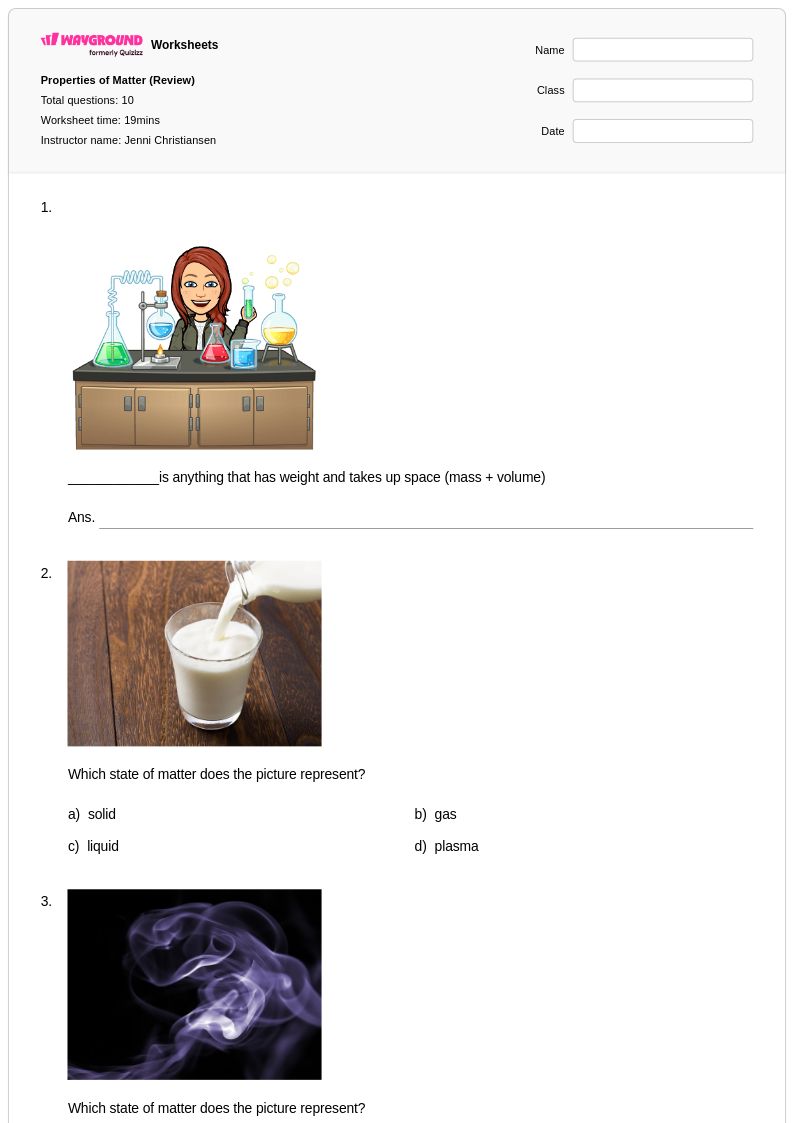
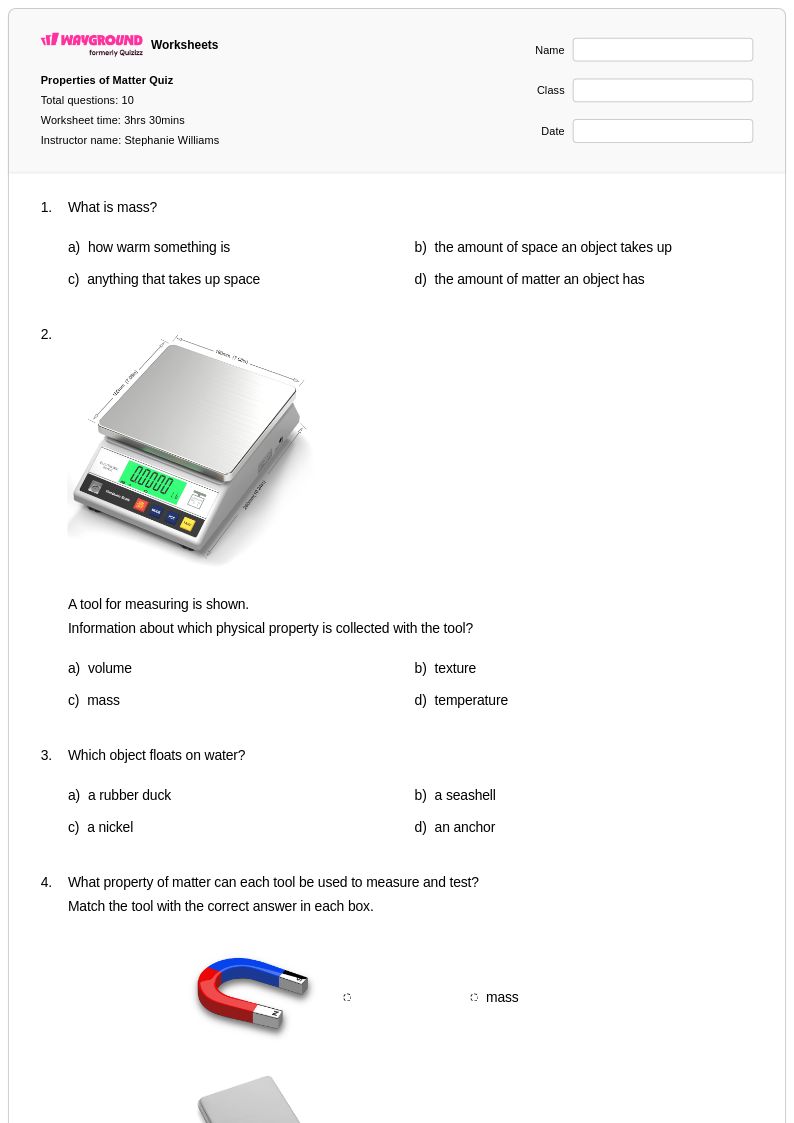
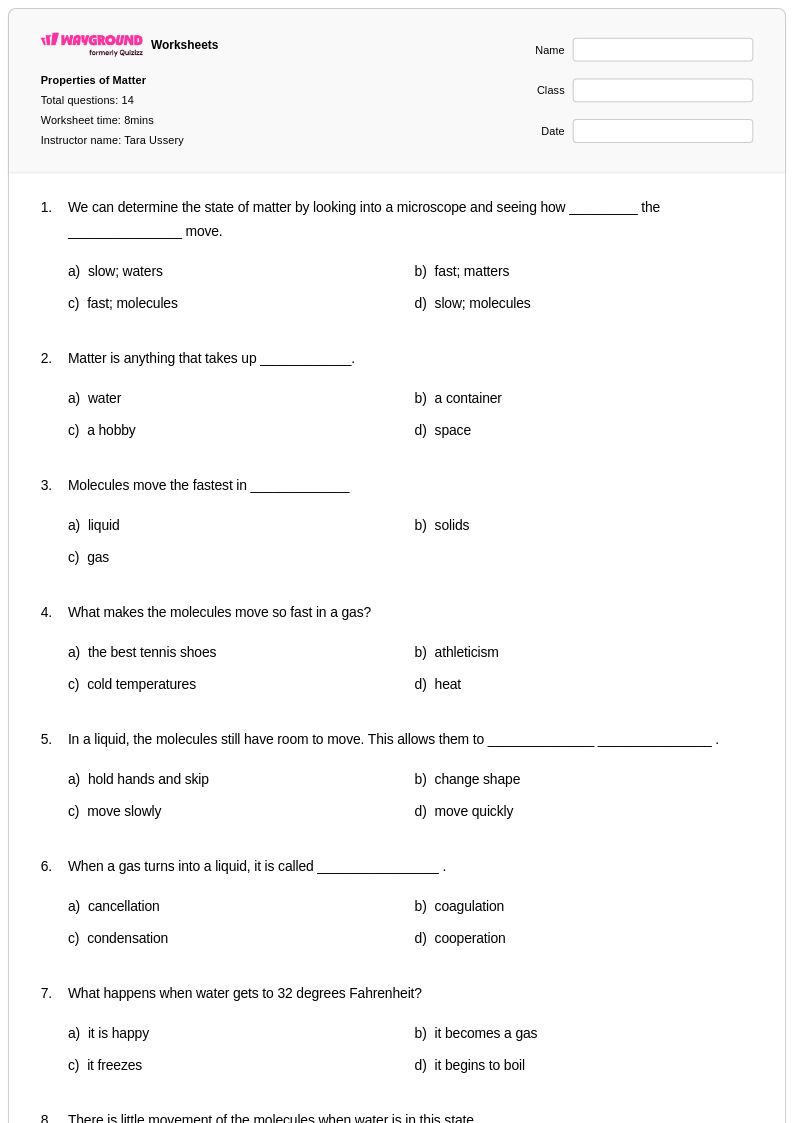
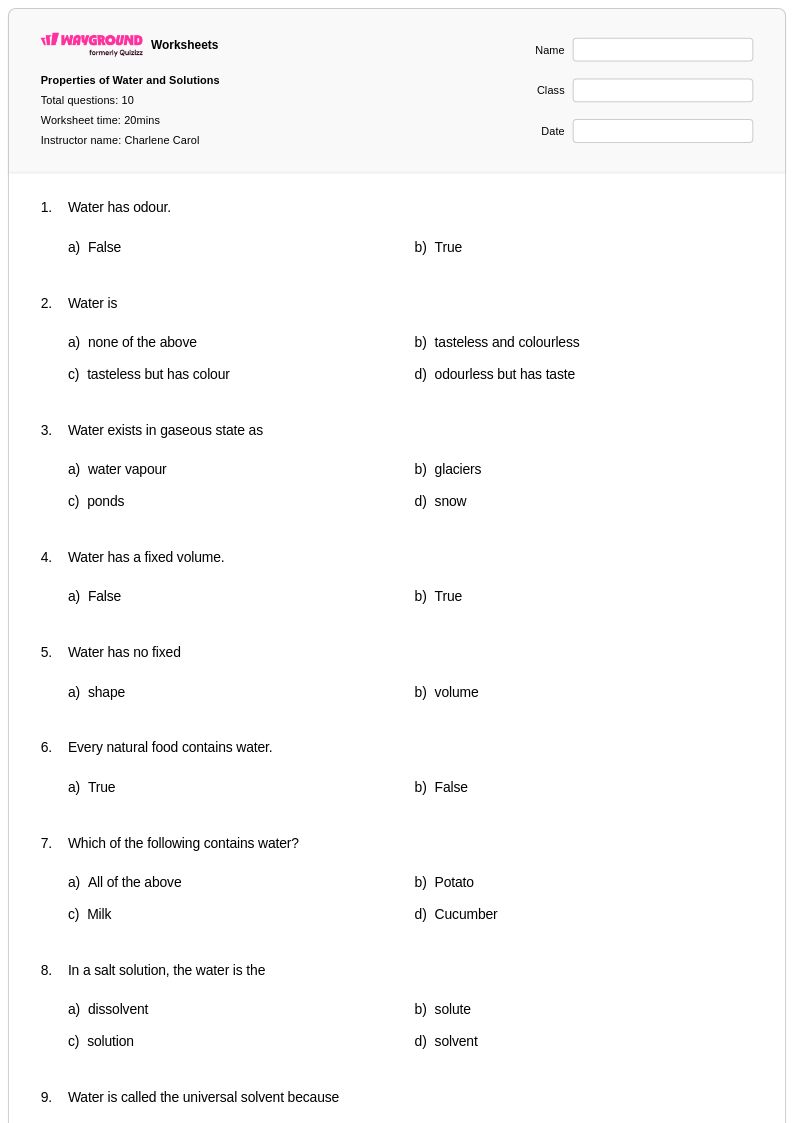
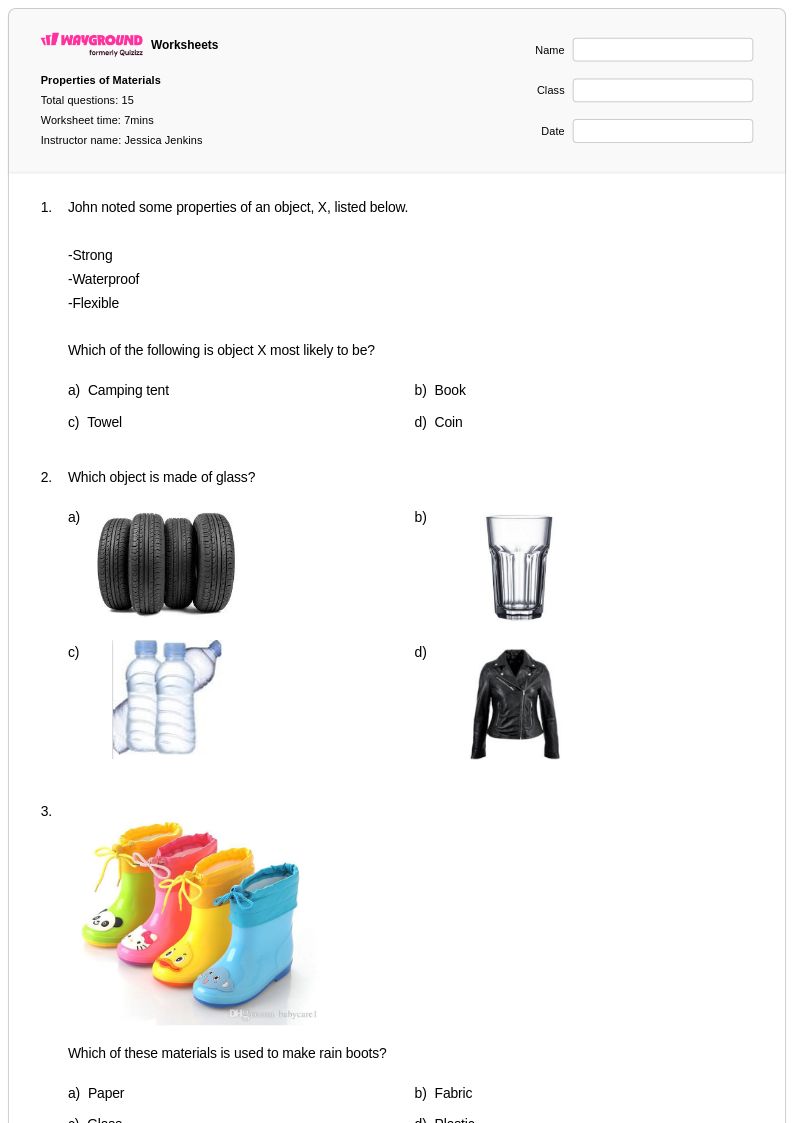
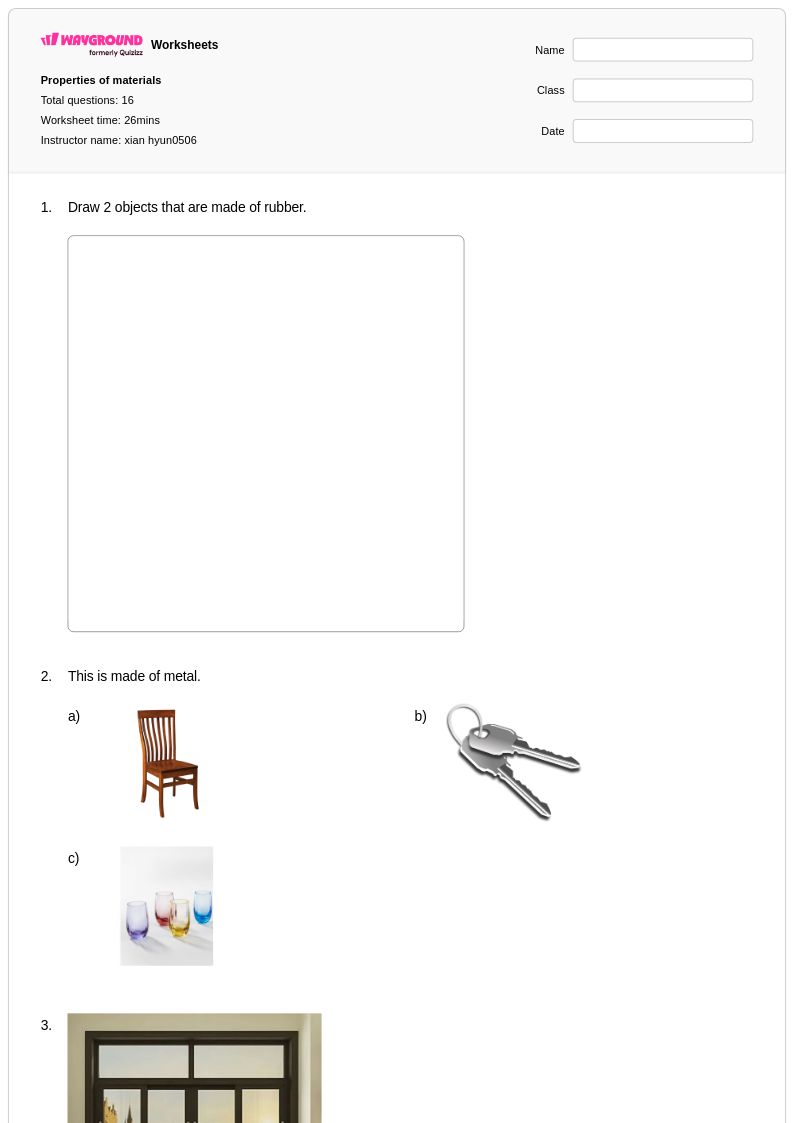
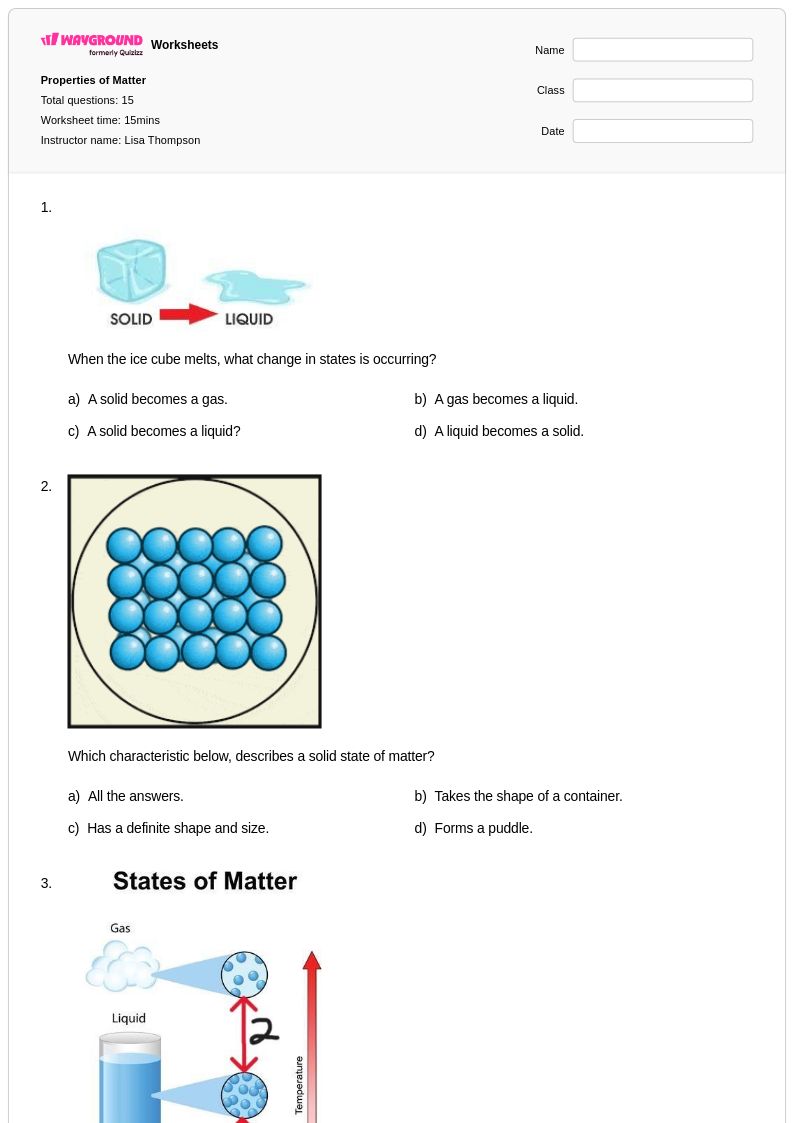
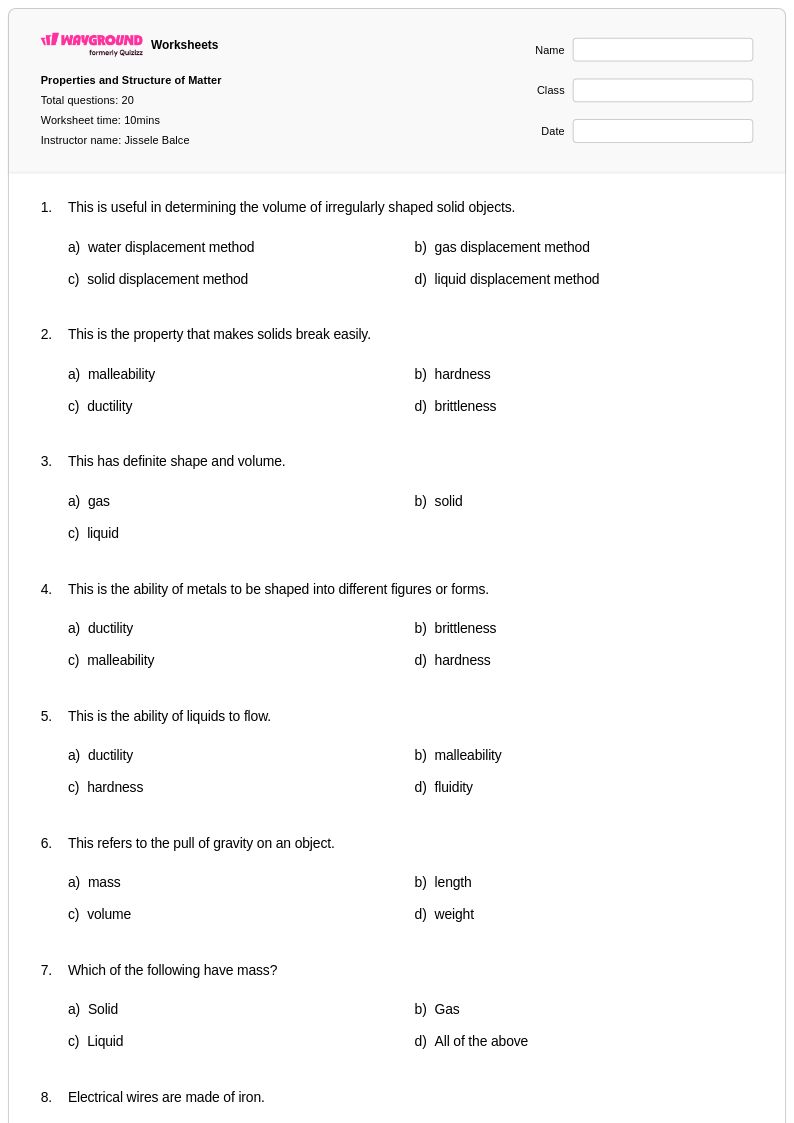
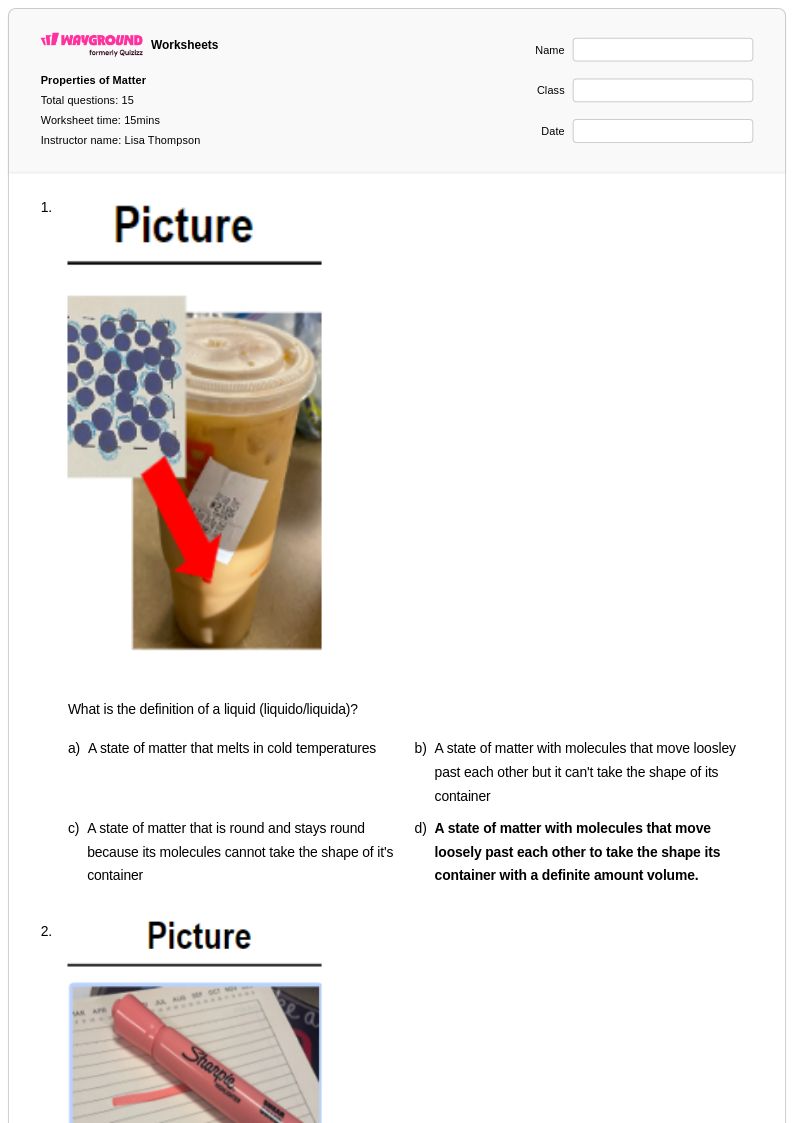
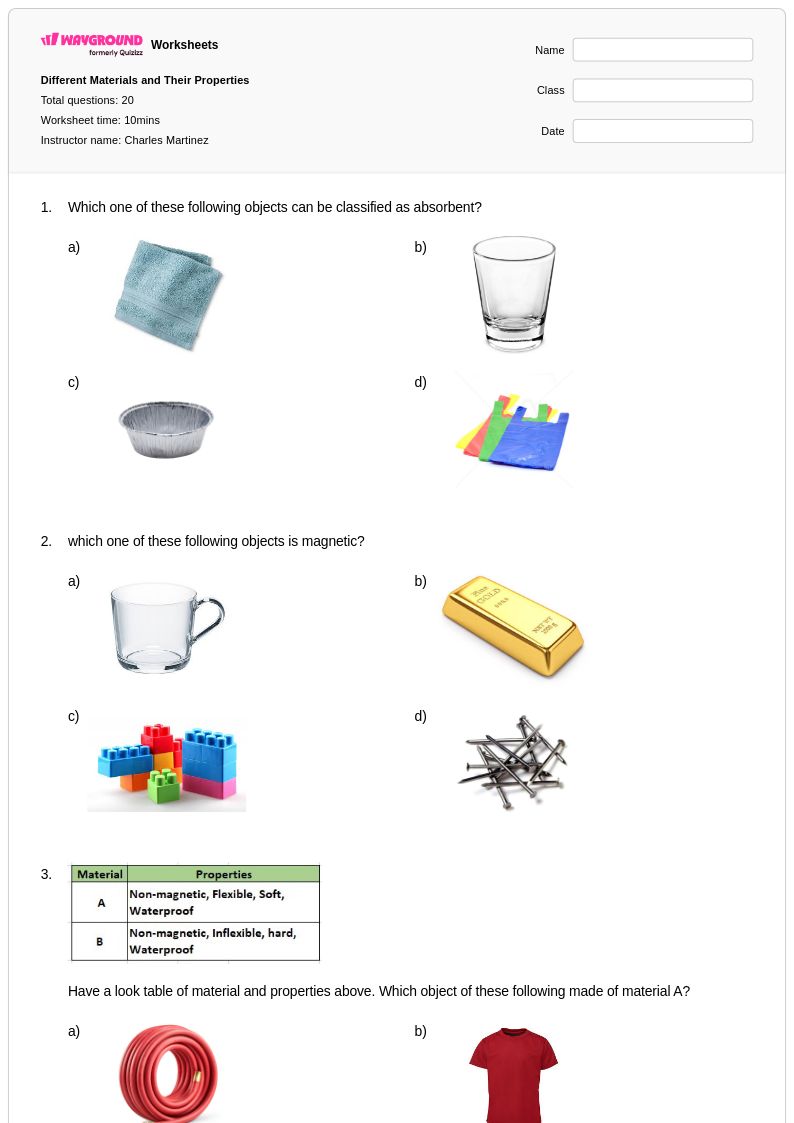
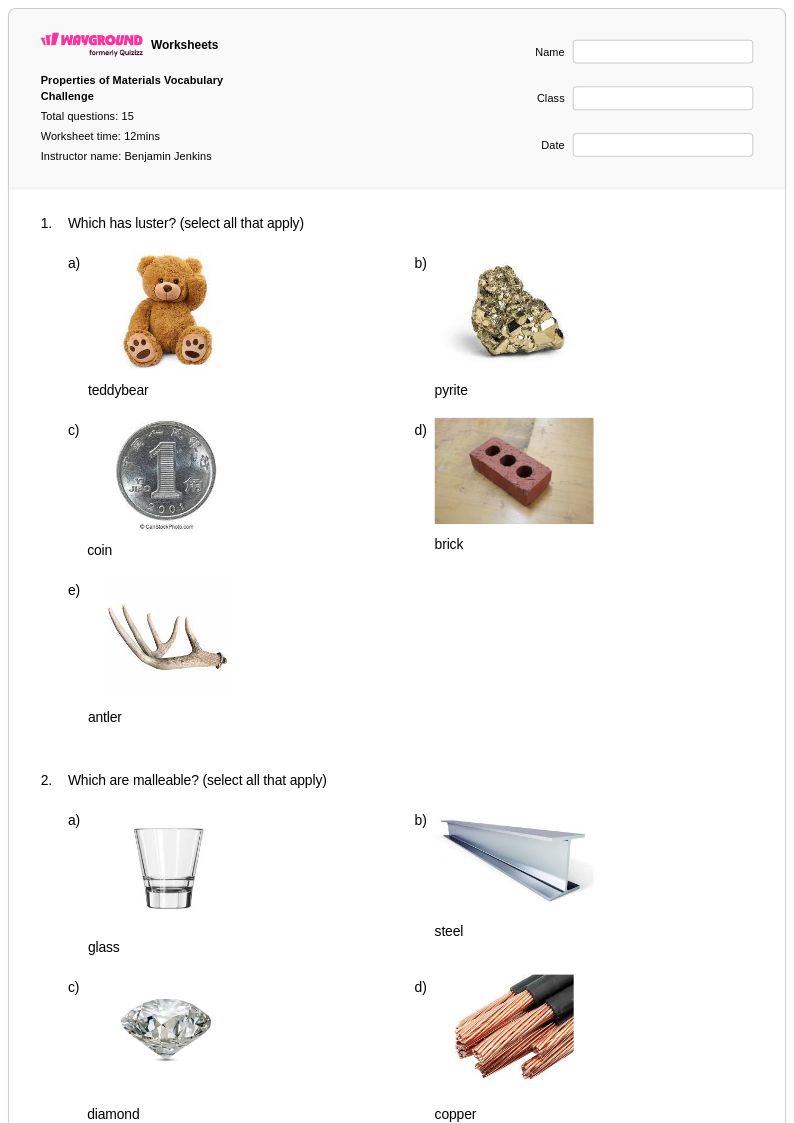
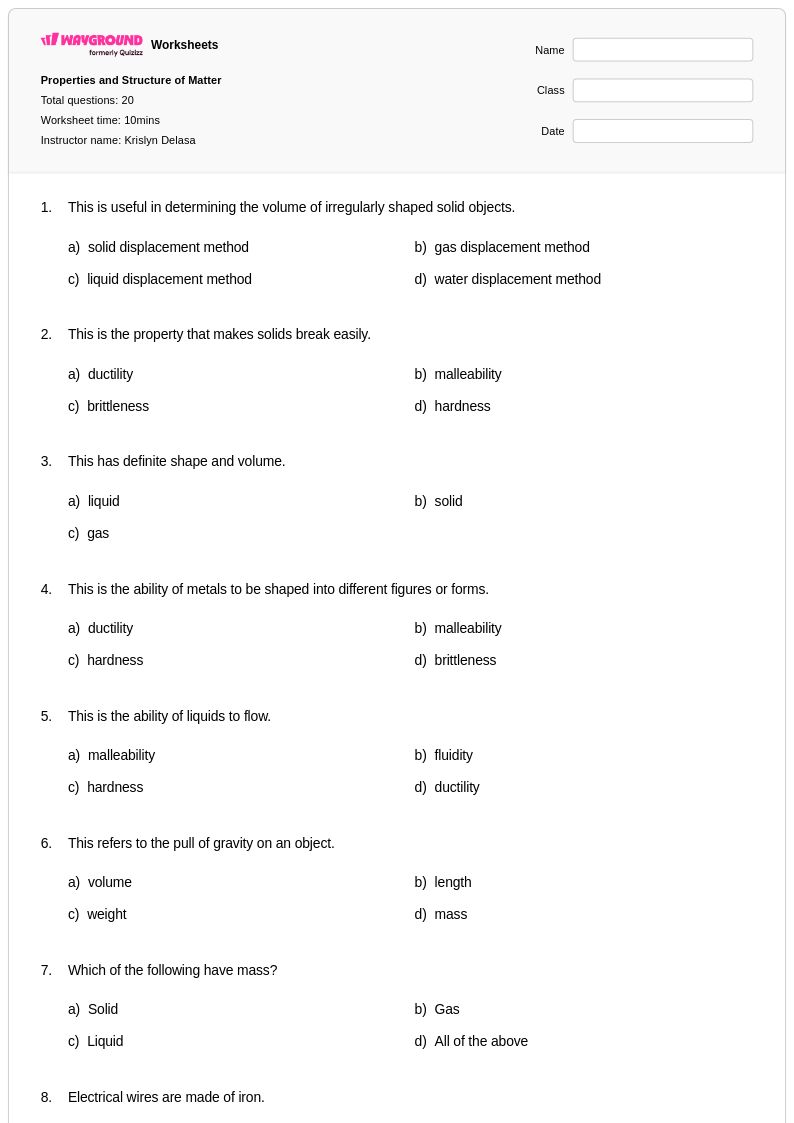
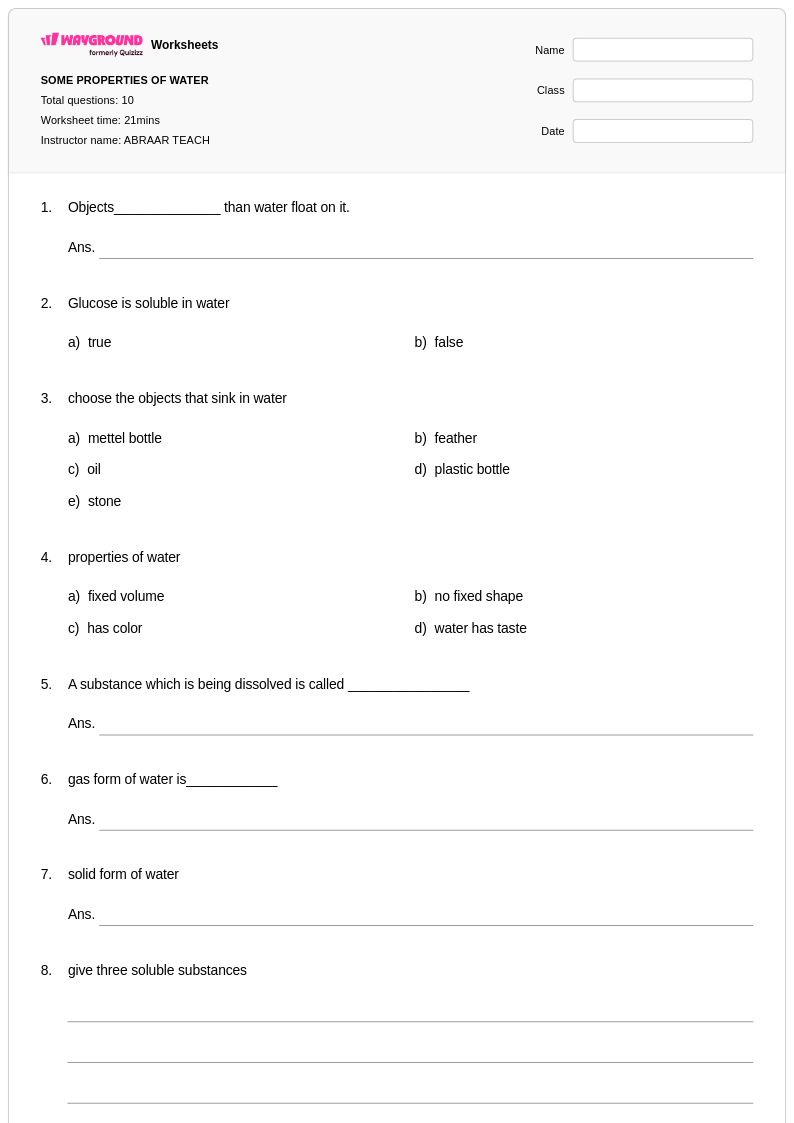
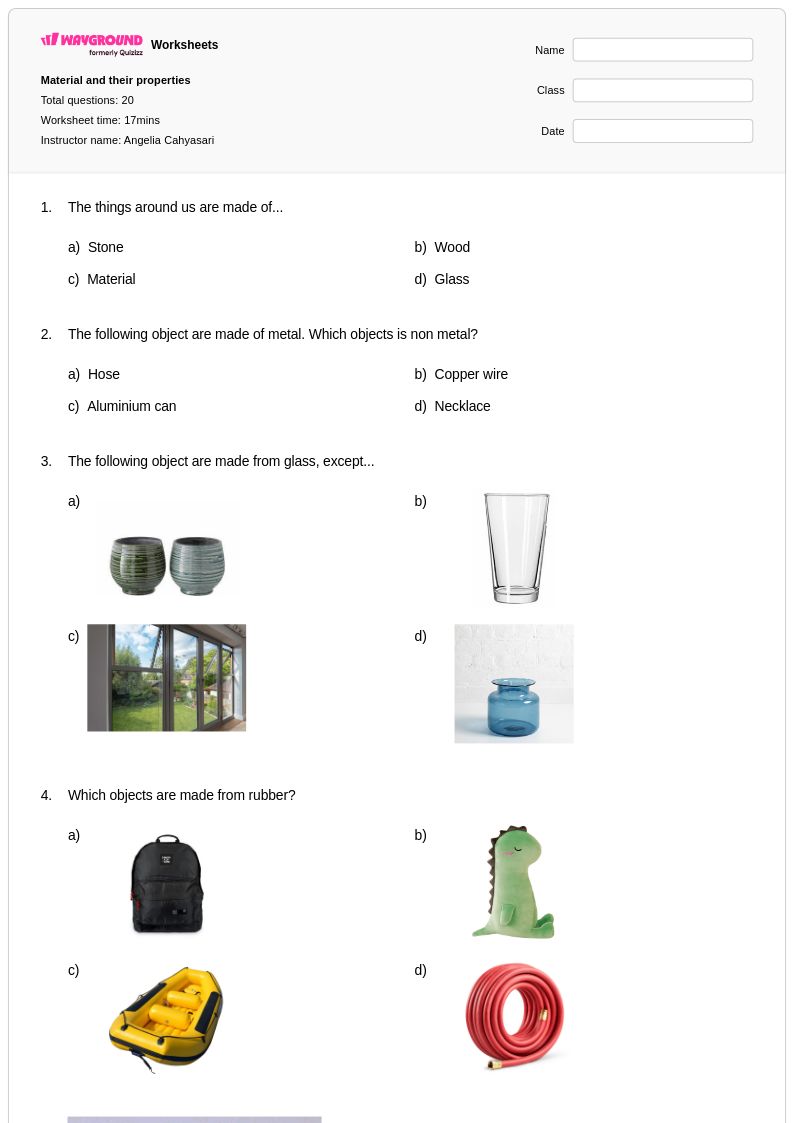
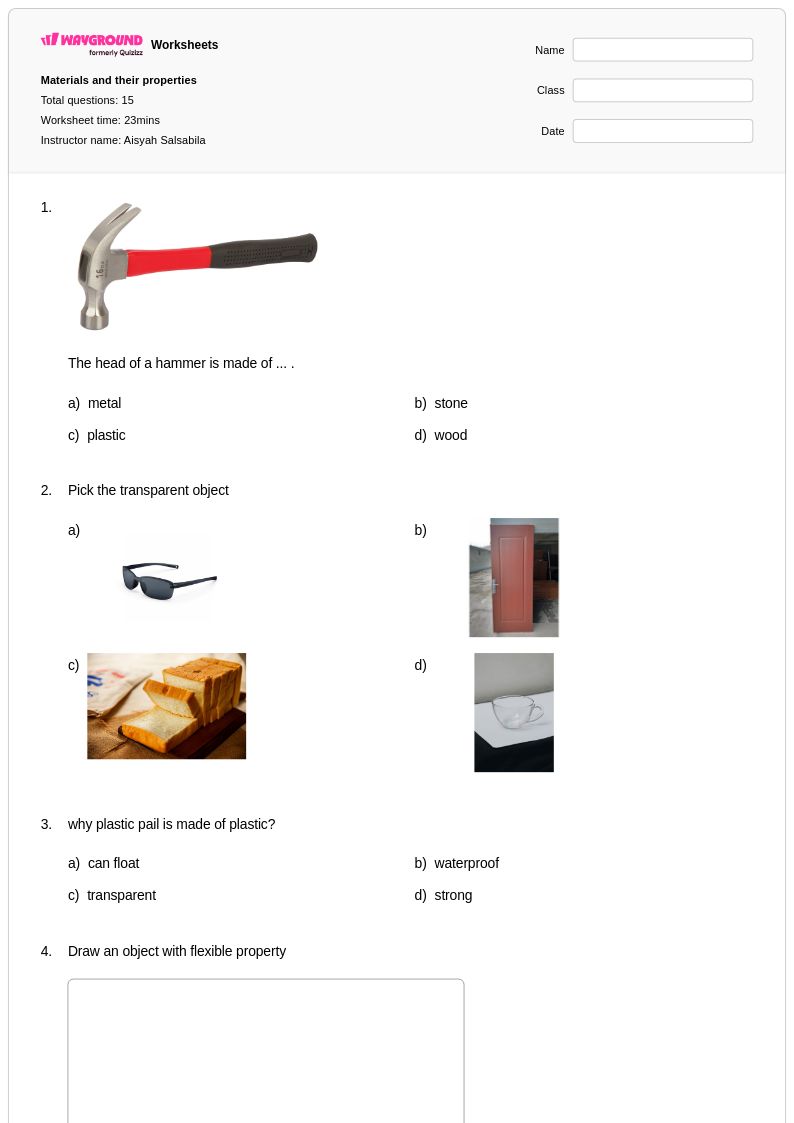
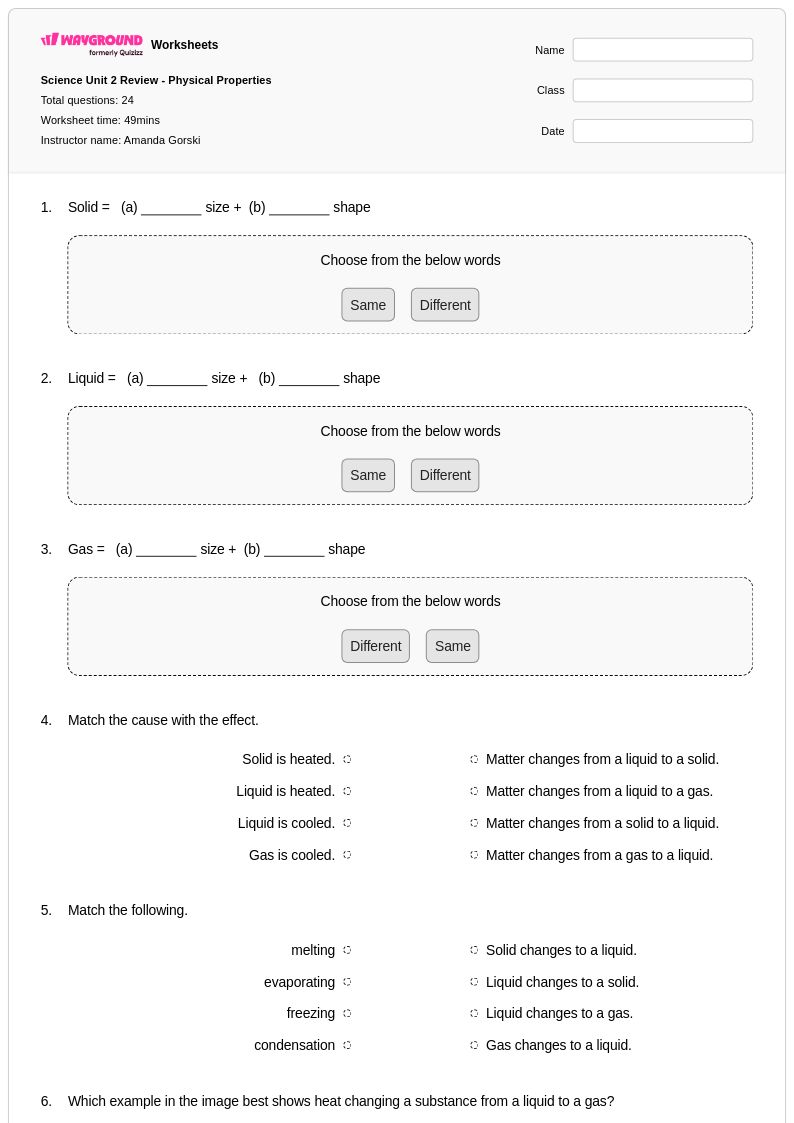
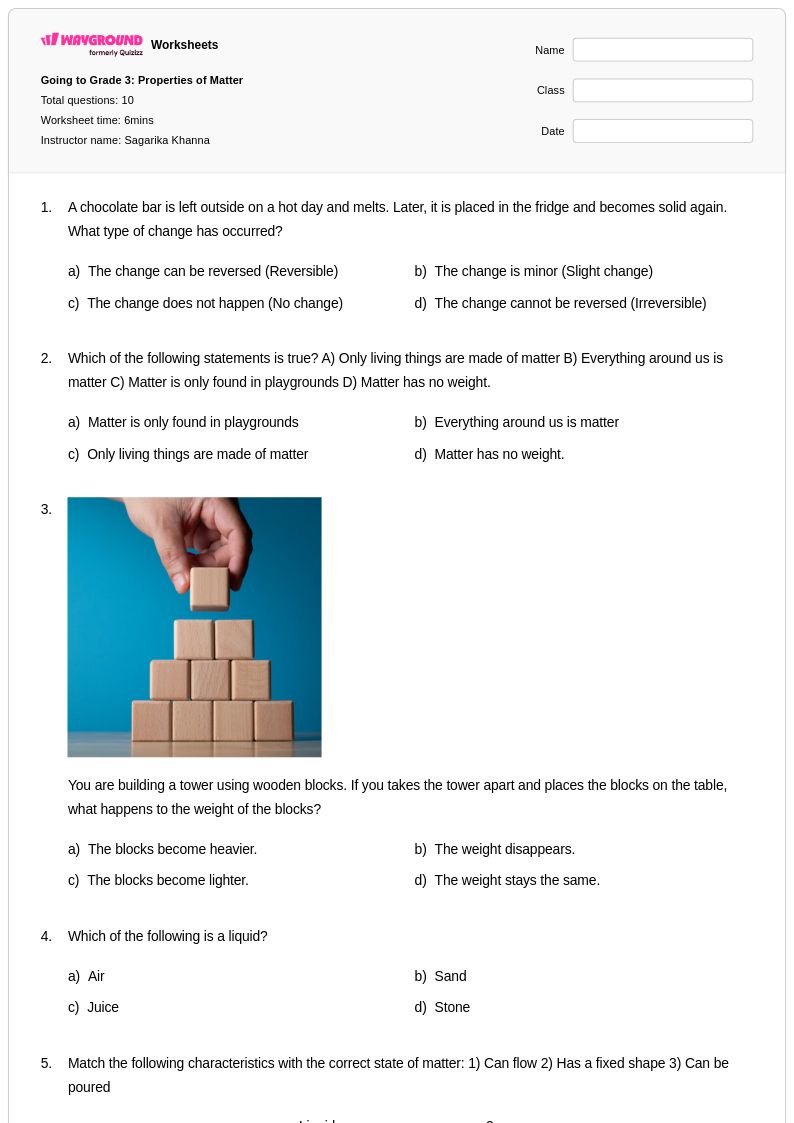
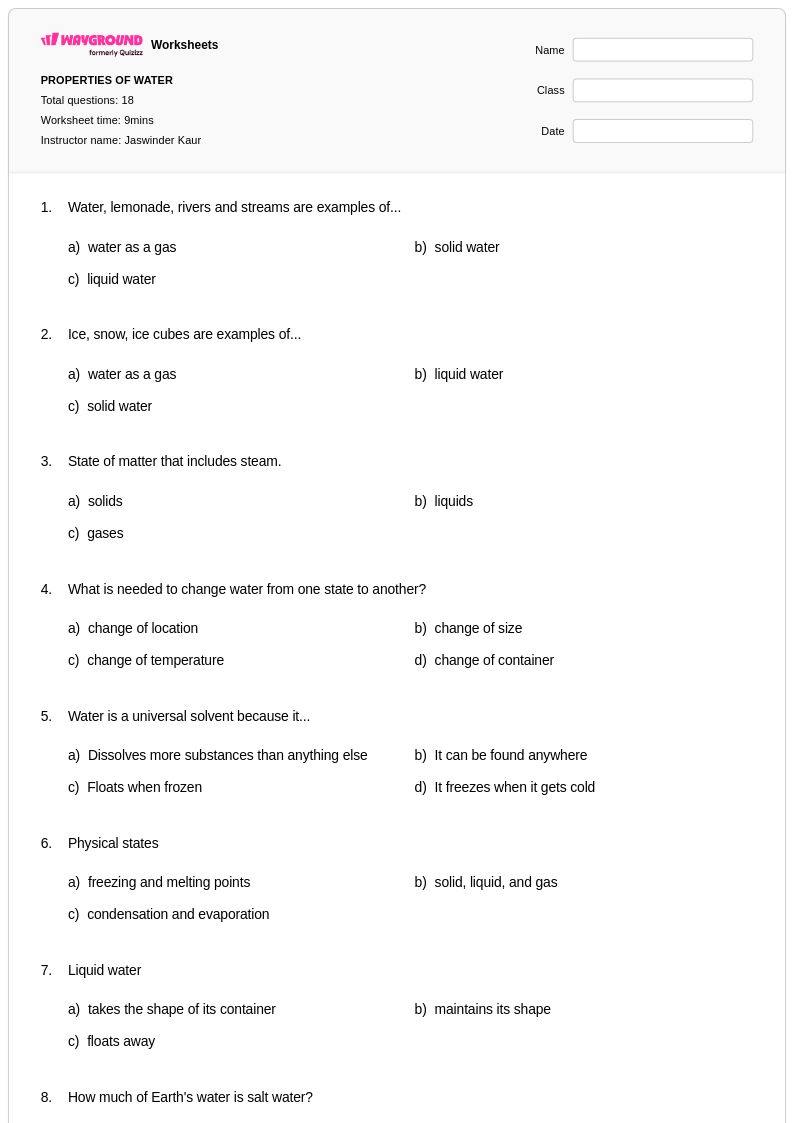
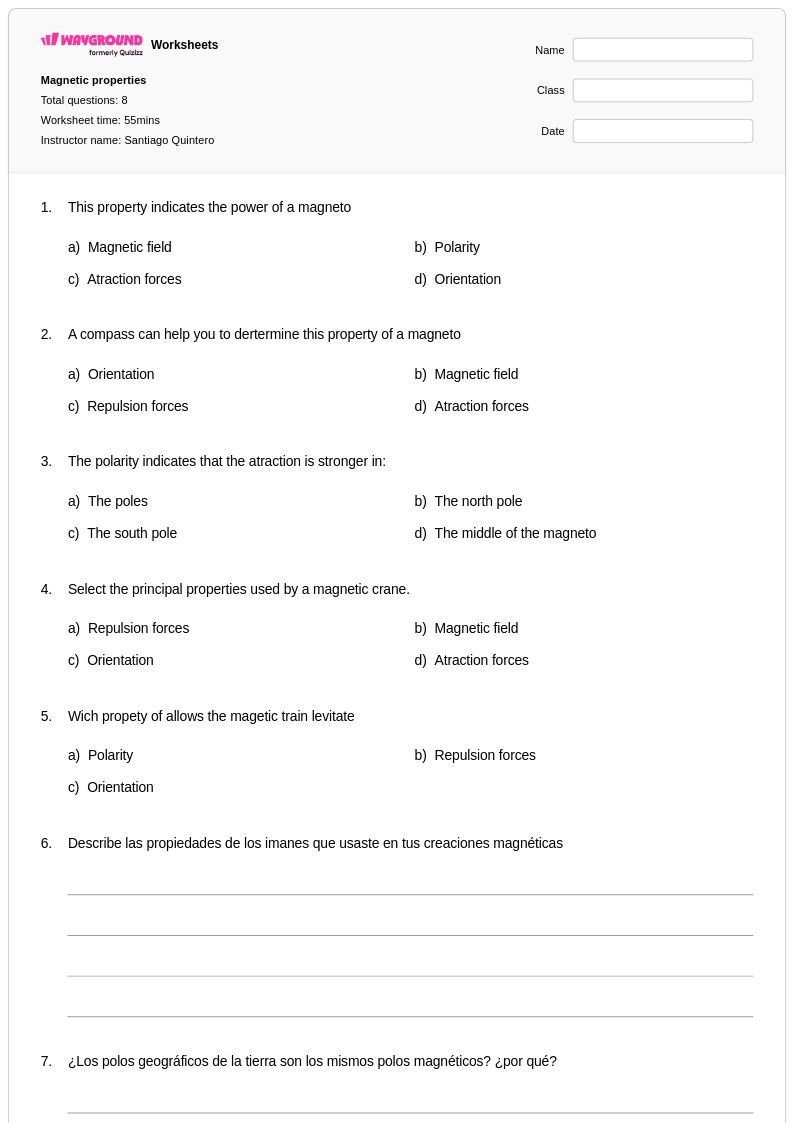
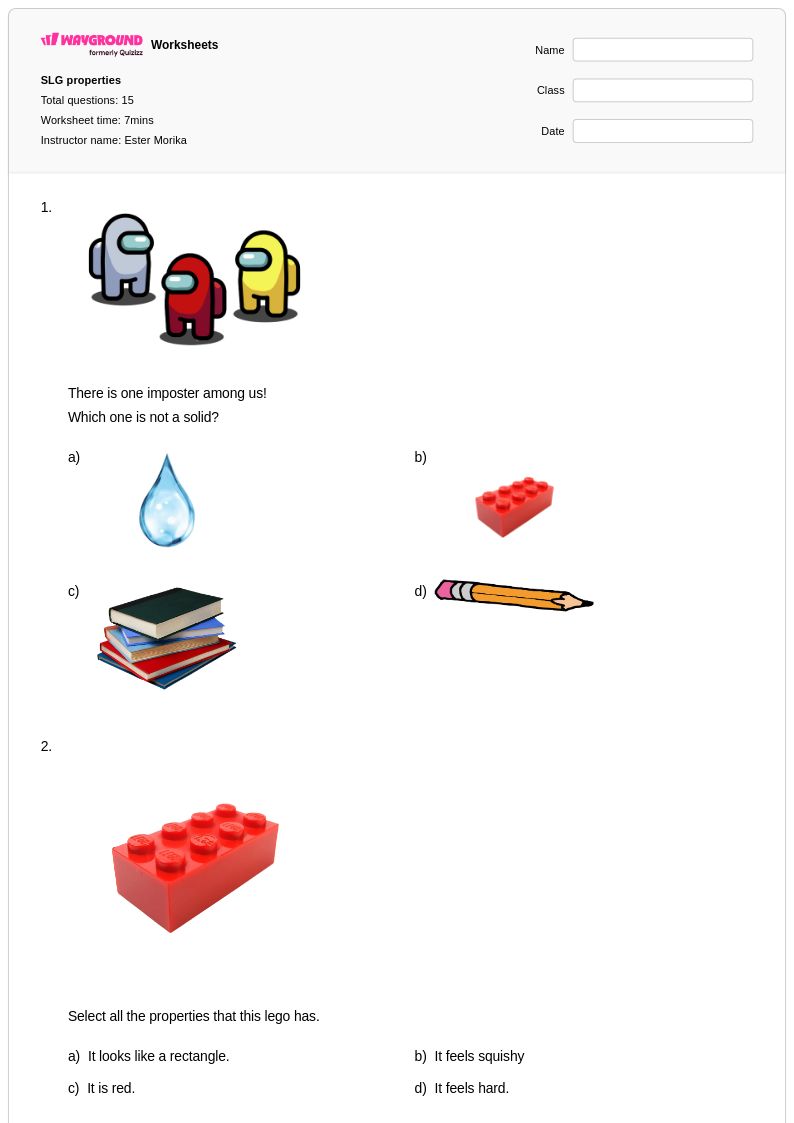
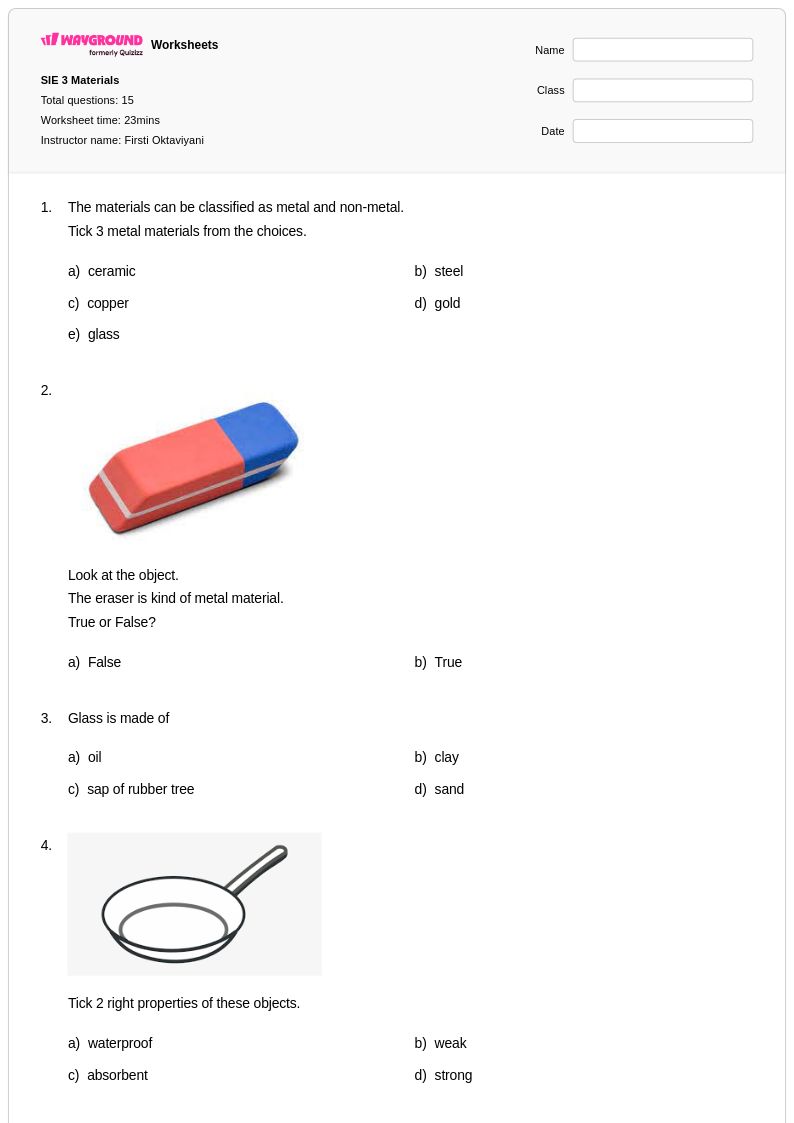
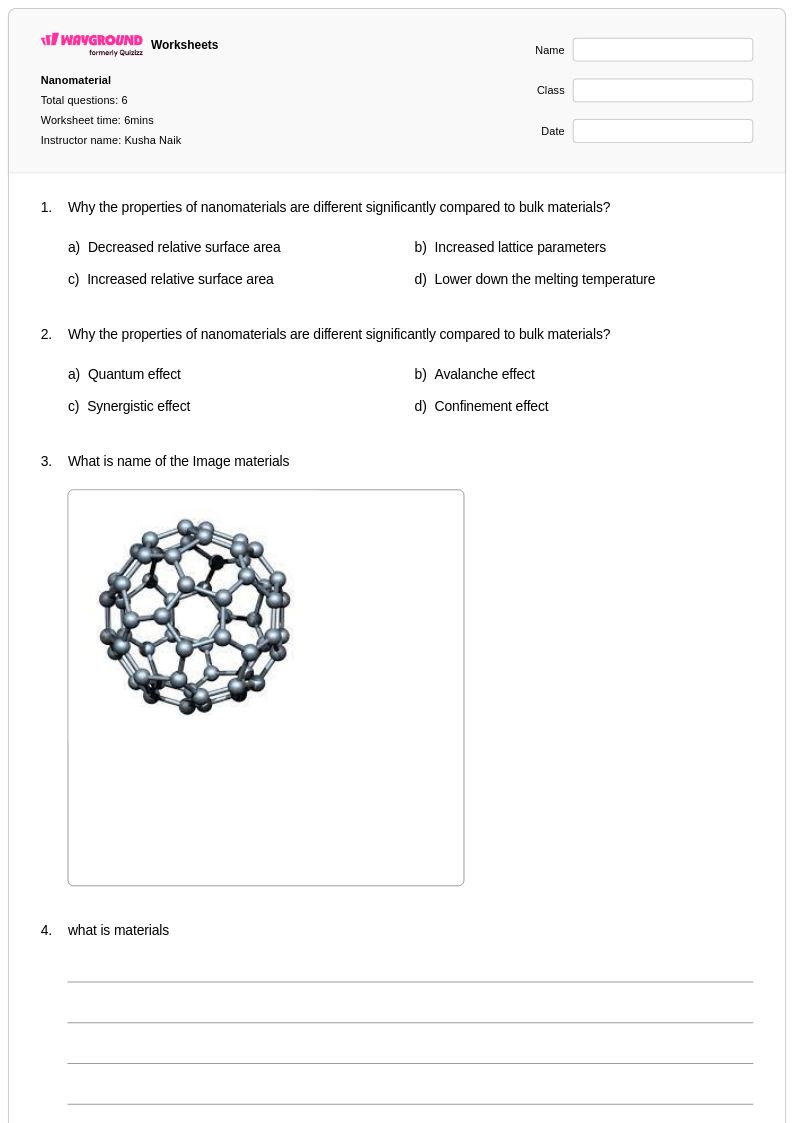
Properties-focused Class 3 Earth & Space Science worksheets available through Wayground (formerly Quizizz) provide young learners with essential practice in identifying and describing the physical characteristics of Earth materials and celestial objects. These carefully designed educational resources strengthen students' observational skills and scientific vocabulary as they explore properties such as color, texture, hardness, and size in rocks, minerals, soil, and water, while also examining observable features of the sun, moon, and stars. Each worksheet collection includes comprehensive answer keys and is available as free printables in convenient PDF format, offering structured practice problems that guide third-grade students through hands-on property identification activities and comparative analysis exercises that build foundational scientific thinking skills.
Wayground (formerly Quizizz) empowers educators with access to millions of teacher-created Class 3 Earth & Space Science property worksheets, featuring robust search and filtering capabilities that allow instructors to quickly locate resources aligned with specific learning standards and curriculum objectives. The platform's differentiation tools enable teachers to customize worksheet difficulty levels and content focus areas, while flexible formatting options provide both printable PDF versions for traditional classroom use and digital formats for interactive learning environments. These comprehensive features support effective lesson planning by offering varied approaches to teaching Earth material properties and space object characteristics, while also providing targeted resources for remediation support, enrichment activities, and ongoing skill practice that meets the diverse learning needs of elementary science students.
FAQs
How do I teach physical and chemical properties to students?
Start by grounding students in observable physical properties such as density, color, hardness, and magnetic behavior before introducing chemical properties like reactivity and composition. Use hands-on comparisons of minerals or everyday materials so students can practice identifying and categorizing properties directly rather than memorizing definitions in isolation. Building from concrete observation to classification helps students internalize the distinction between physical and chemical properties more reliably.
What kinds of practice problems help students master identifying properties of matter?
Effective practice problems ask students to identify, compare, and categorize properties across multiple examples rather than simply label a single specimen. Tasks that require students to distinguish minerals by density or rank atmospheric layers by temperature push them to apply properties analytically, not just recall them. Structured worksheets that scaffold from single-property identification to multi-property comparison build the analytical skills students need for assessments.
What mistakes do students commonly make when working with properties in Earth and space science?
A frequent error is confusing physical properties that look similar across different materials, such as assuming two minerals with the same color share the same composition. Students also tend to conflate density with mass or weight, particularly when comparing celestial bodies or atmospheric layers where scale is abstract. Another common misconception is treating chemical and physical properties as interchangeable, when in fact they describe fundamentally different behaviors of a substance.
How can I differentiate properties worksheets for students at different levels?
For struggling learners, reduce the number of properties students must evaluate at once and provide reference charts for characteristics like density ranges or mineral hardness scales. Advanced students benefit from open-ended comparison tasks that require them to justify property classifications with evidence rather than select from a list. On Wayground, teachers can apply accommodations such as reduced answer choices or read aloud support to individual students, allowing the same worksheet to serve the full range of learners without disrupting the rest of the class.
How do I use properties worksheets from Wayground in my classroom?
Wayground's properties worksheets are available as printable PDFs for traditional classroom use and in digital formats for technology-integrated environments, including the option to host them as a quiz directly on Wayground. Teachers can distribute printed copies for independent practice or assign the digital version for homework, stations, or formative assessment. Each worksheet includes a complete answer key, making it easy to use for self-assessment or quick grading after a lesson.
How do I help students analyze the properties of planetary systems and celestial bodies?
Anchor instruction in measurable, comparative properties such as surface temperature, magnetic field presence, and atmospheric composition so students have concrete data to work with rather than abstract descriptions. Having students rank or graph planetary properties side by side makes the differences tangible and reinforces analytical thinking. Worksheets that guide learners through structured comparison of multiple celestial bodies at once are particularly effective for building this kind of systematic reasoning.