
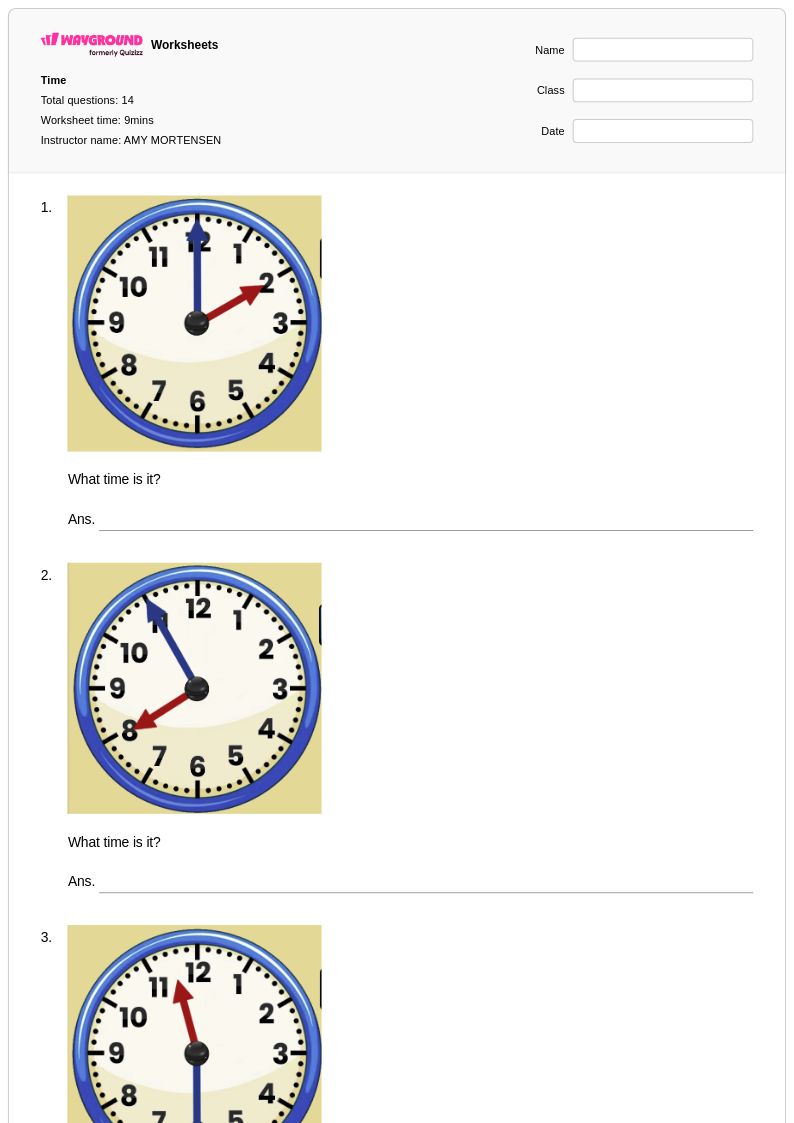
14 Q
2nd
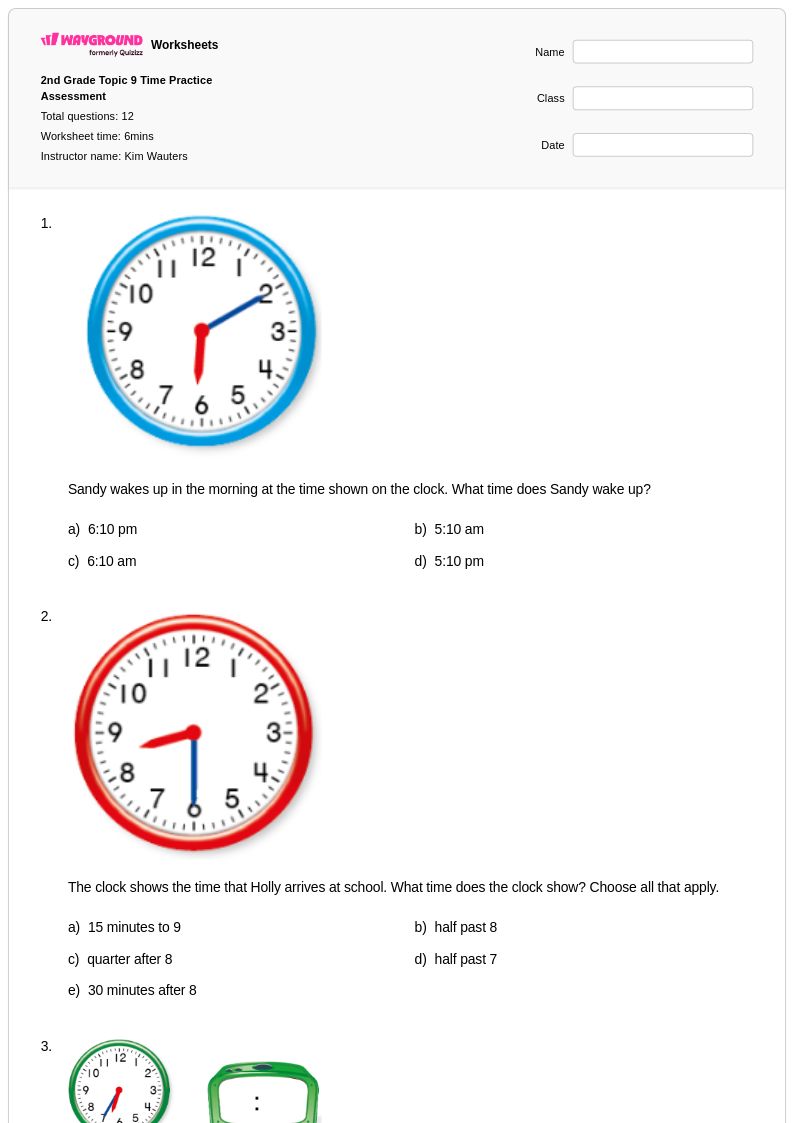
12 Q
2nd
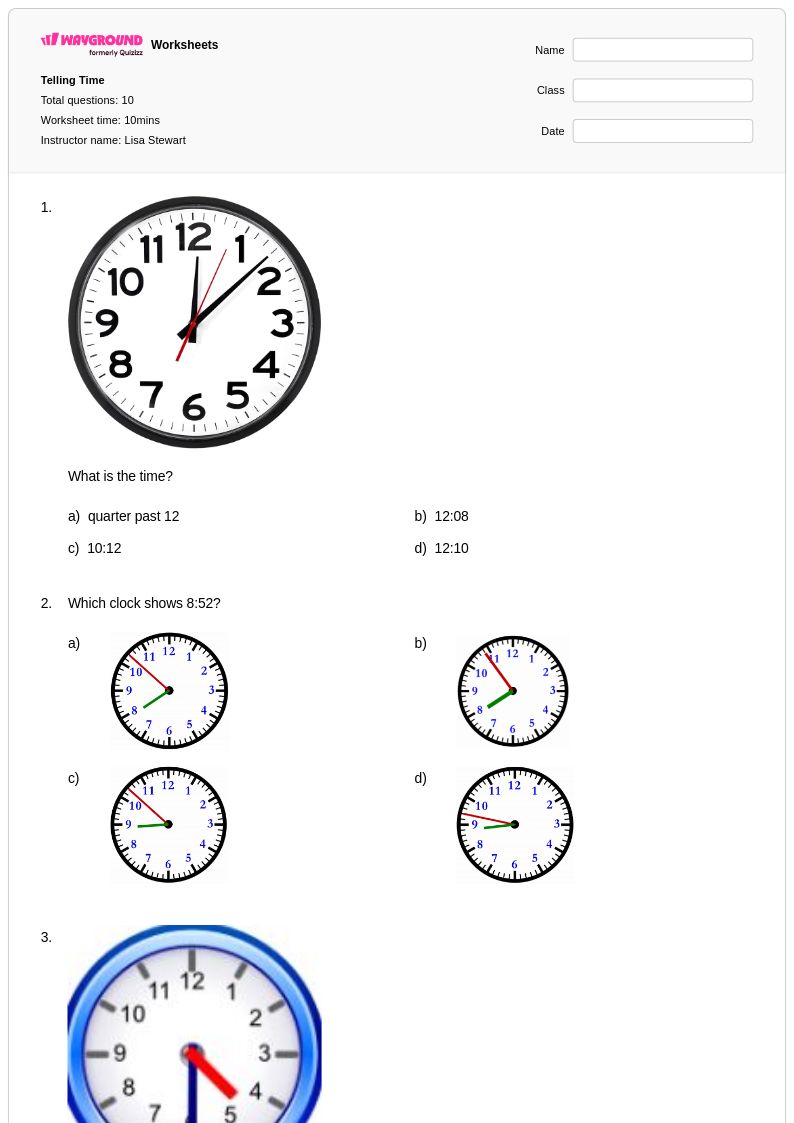
10 Q
2nd
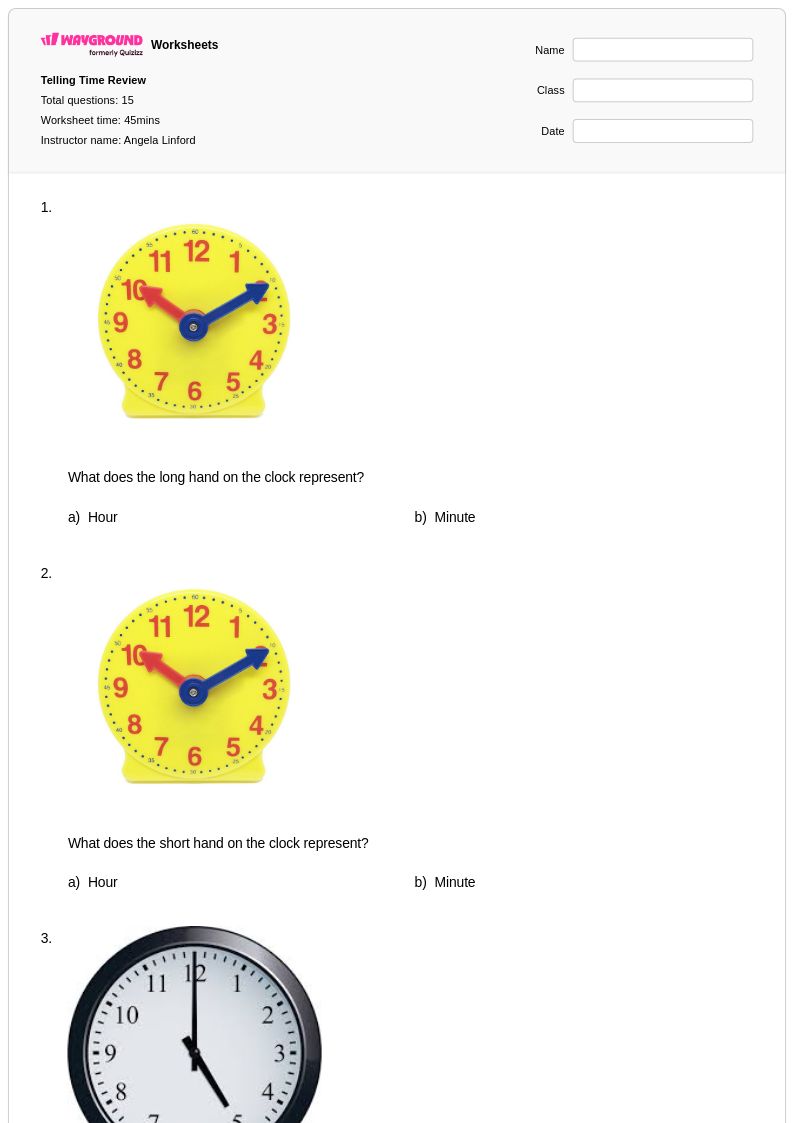
15 Q
2nd
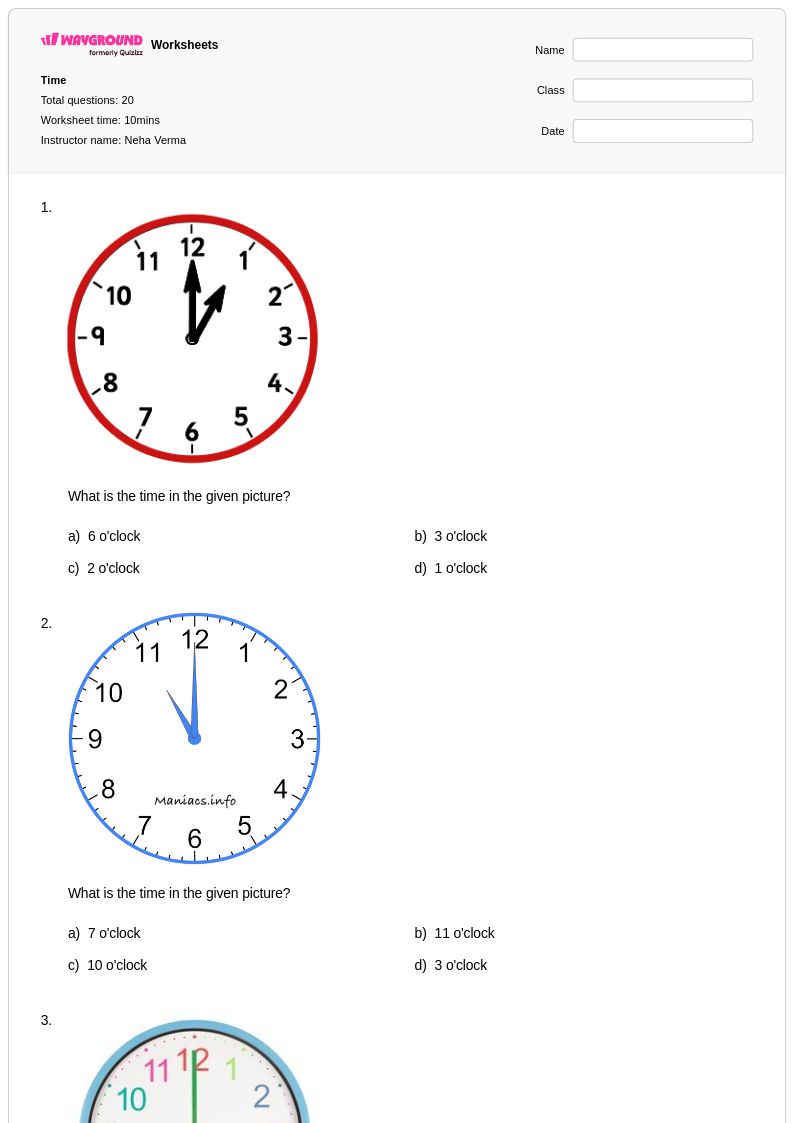
20 Q
2nd
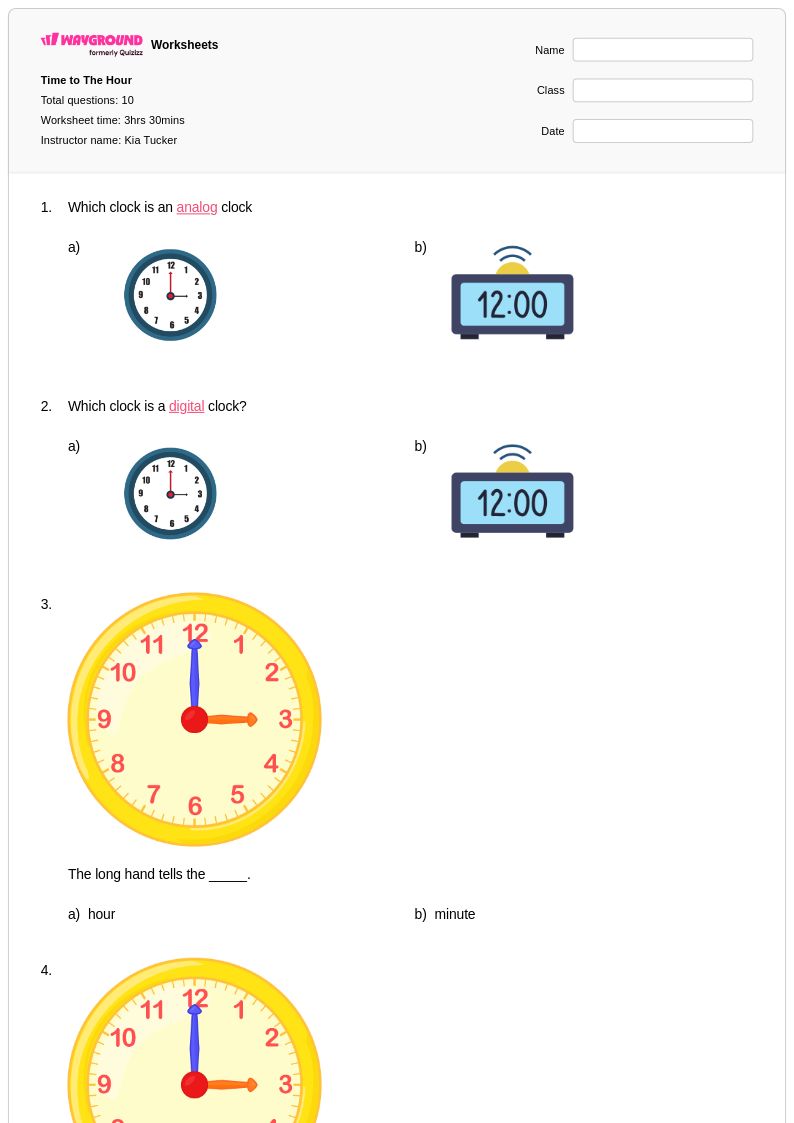
10 Q
1st - 3rd
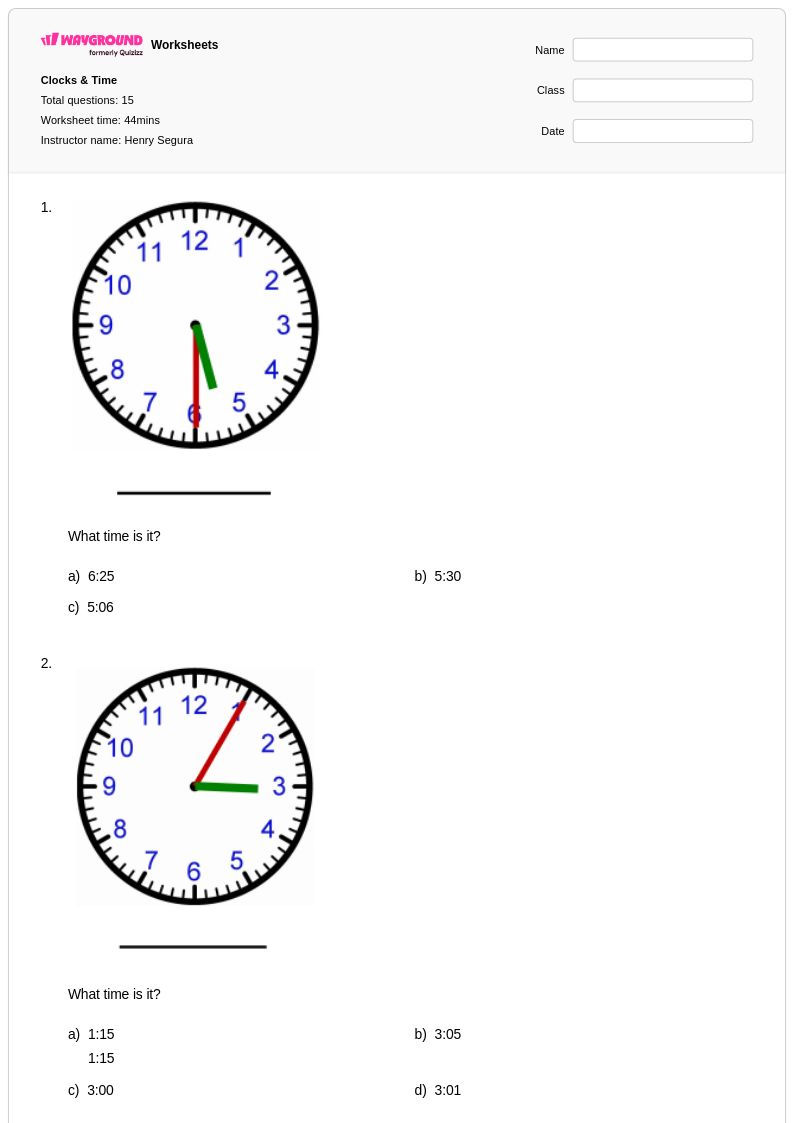
15 Q
1st - 3rd
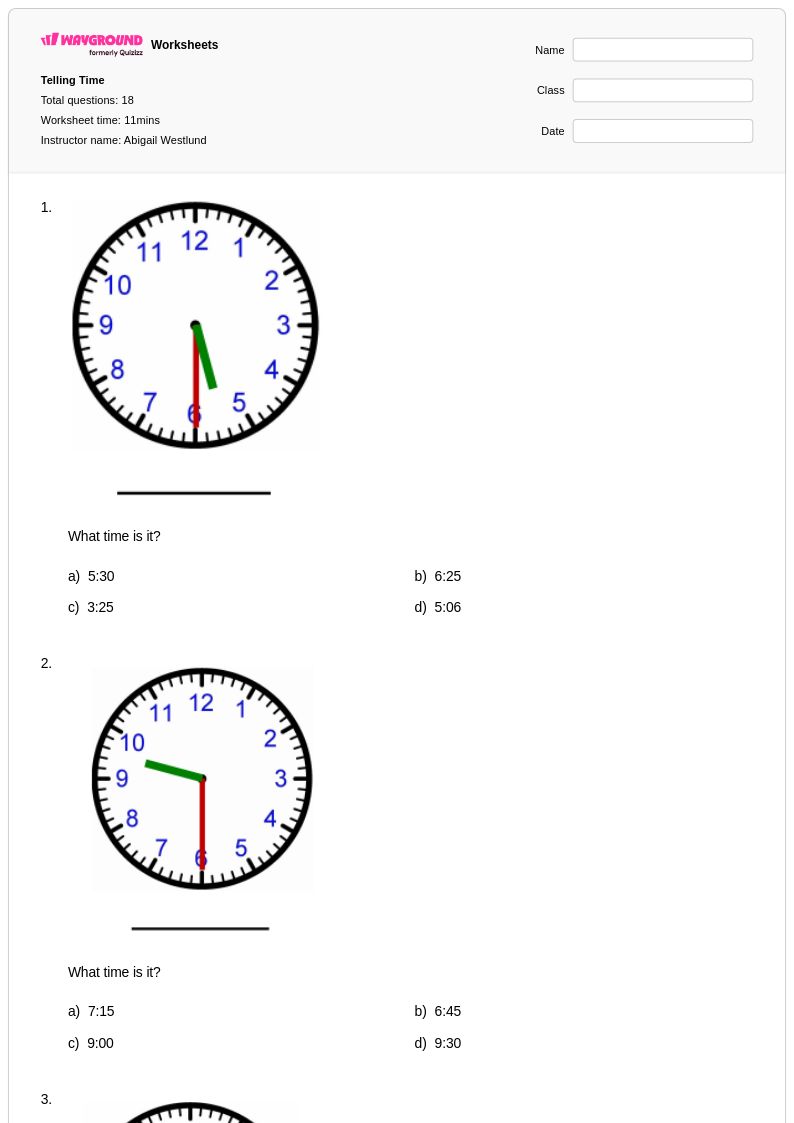
18 Q
2nd
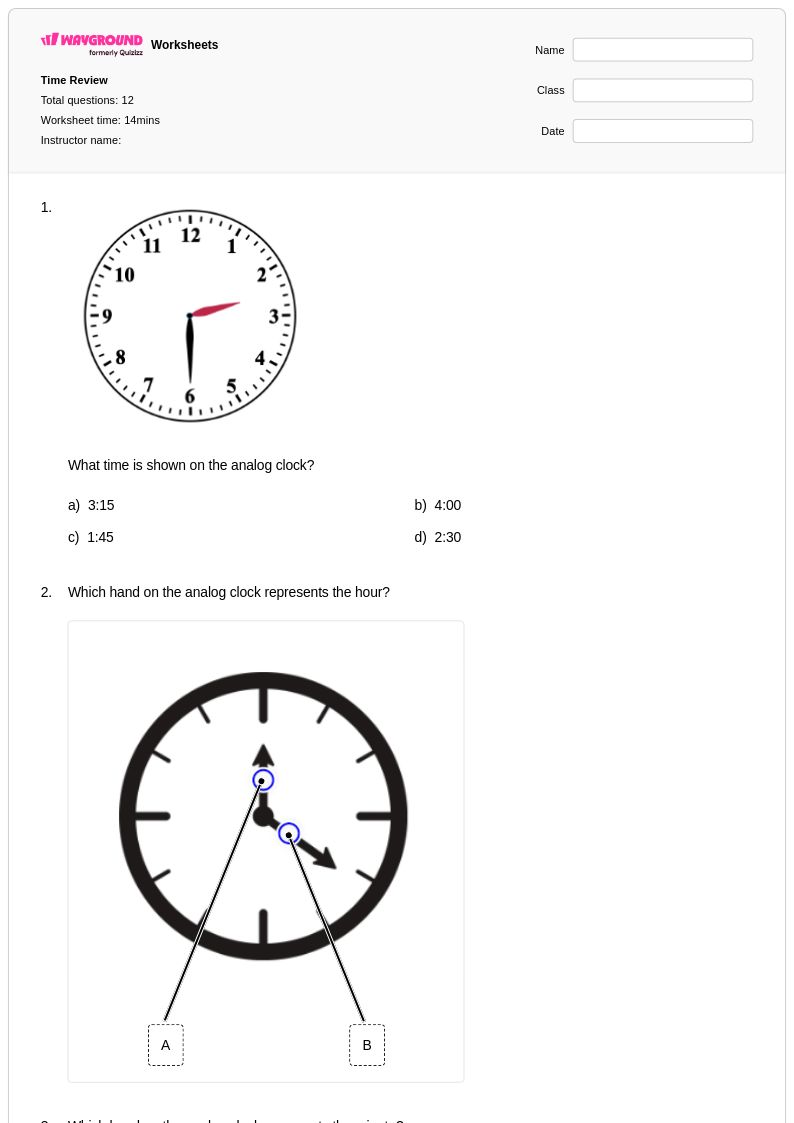
12 Q
2nd
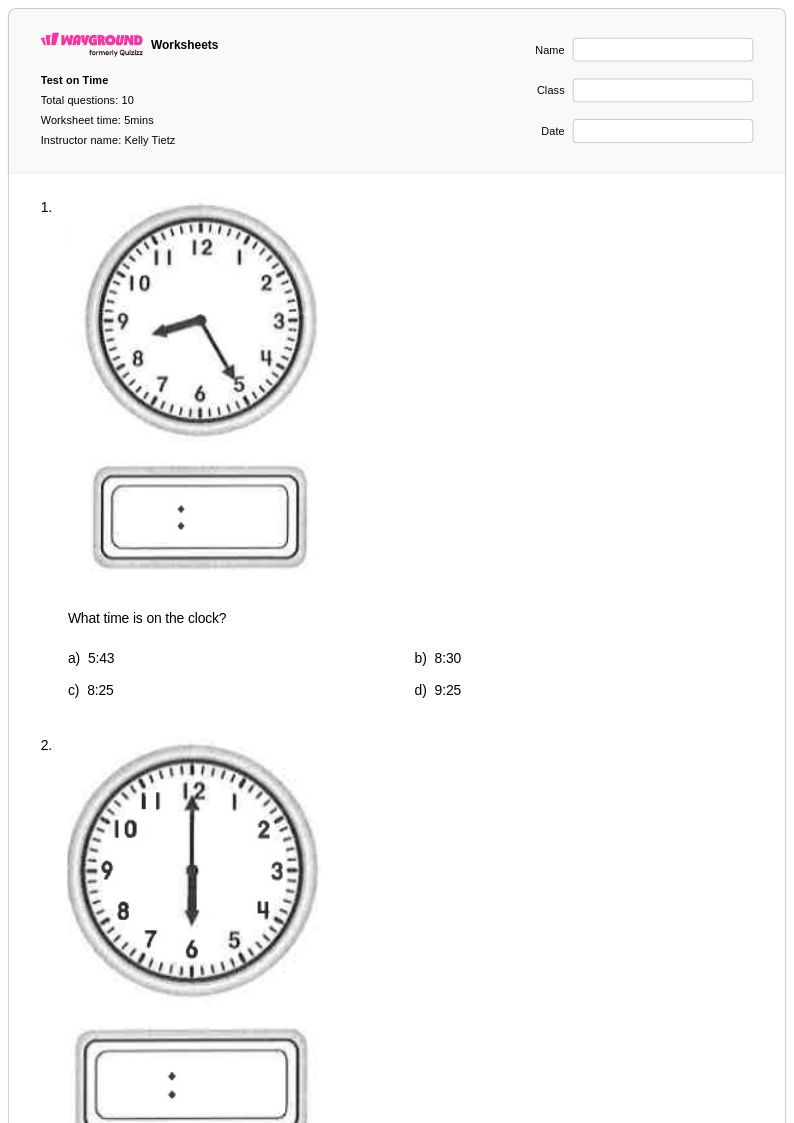
10 Q
2nd
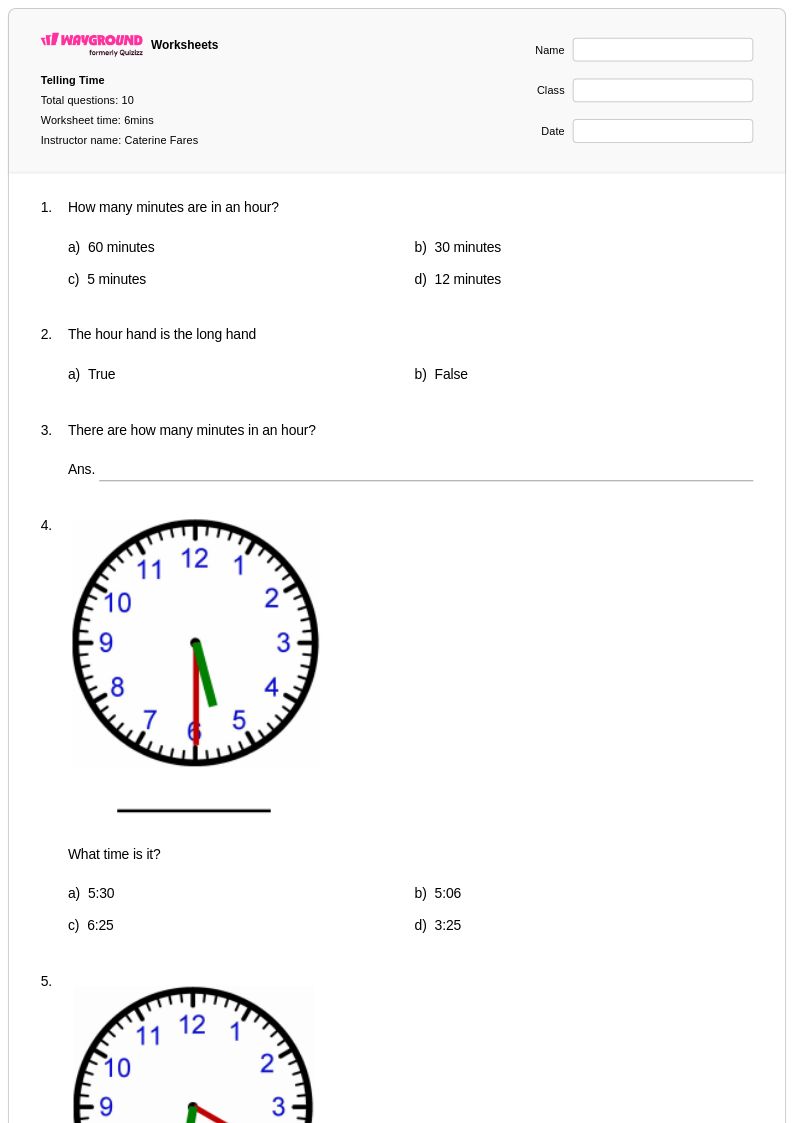
10 Q
2nd
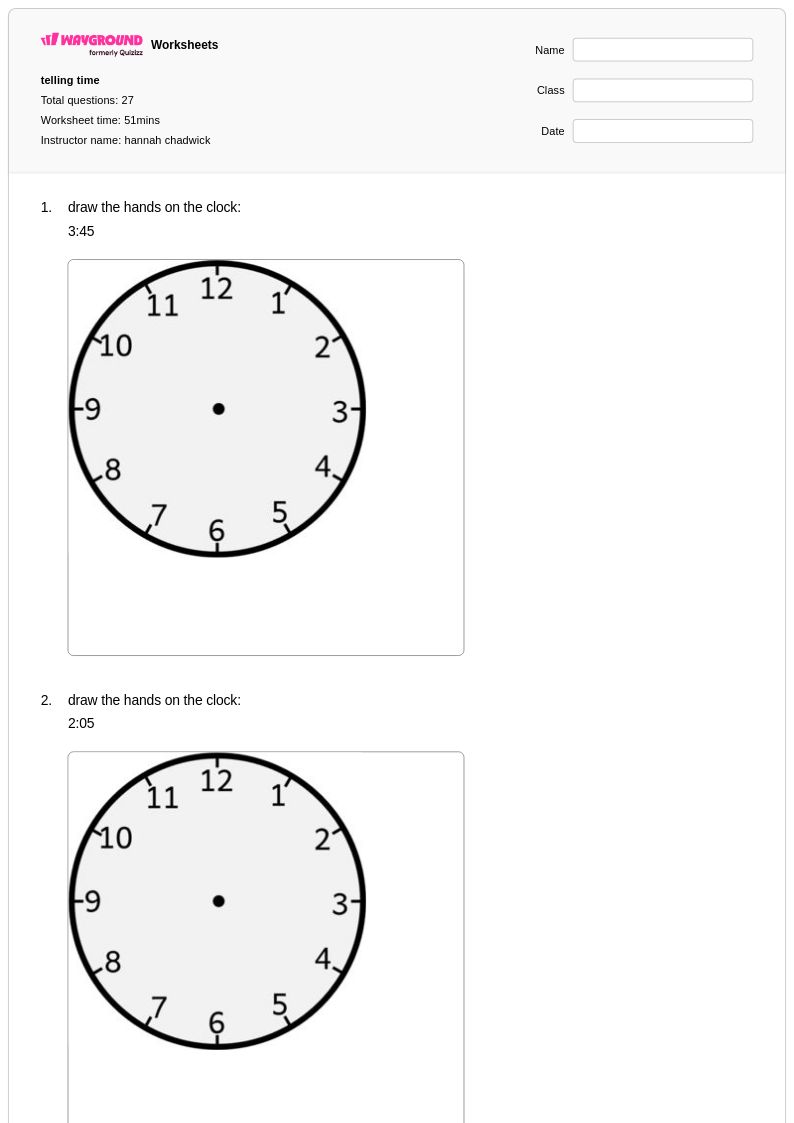
27 Q
2nd
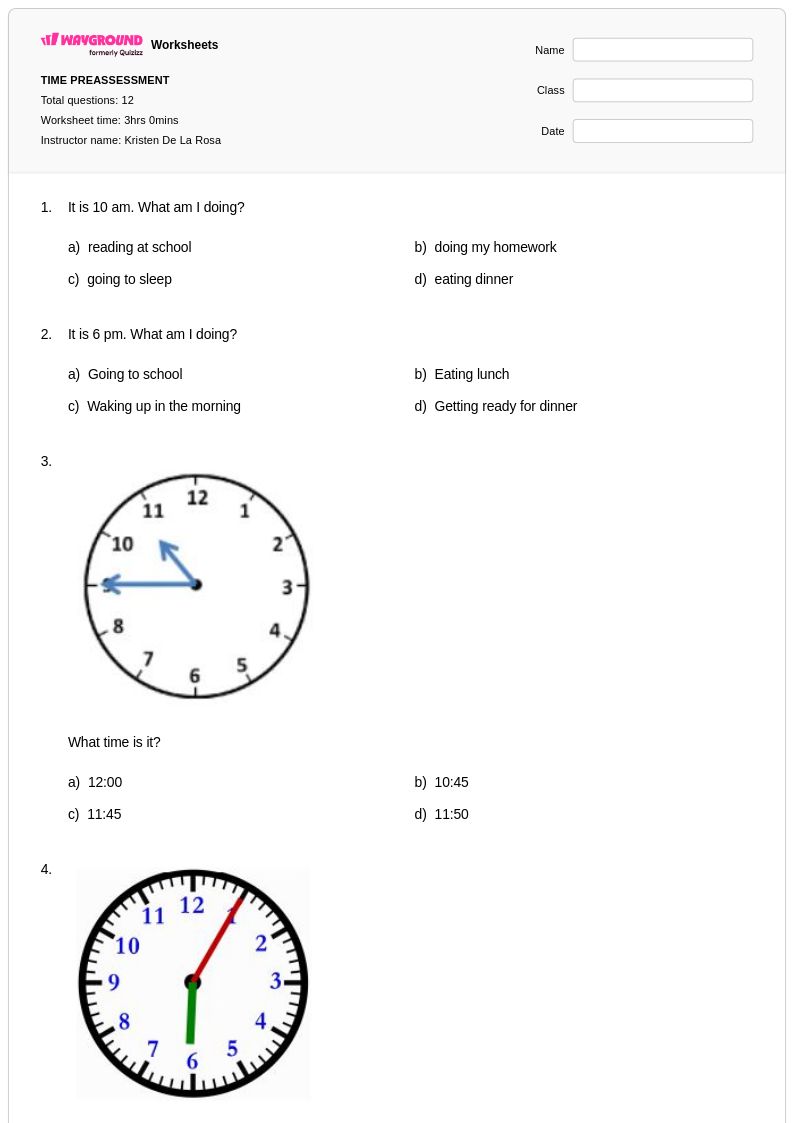
12 Q
2nd
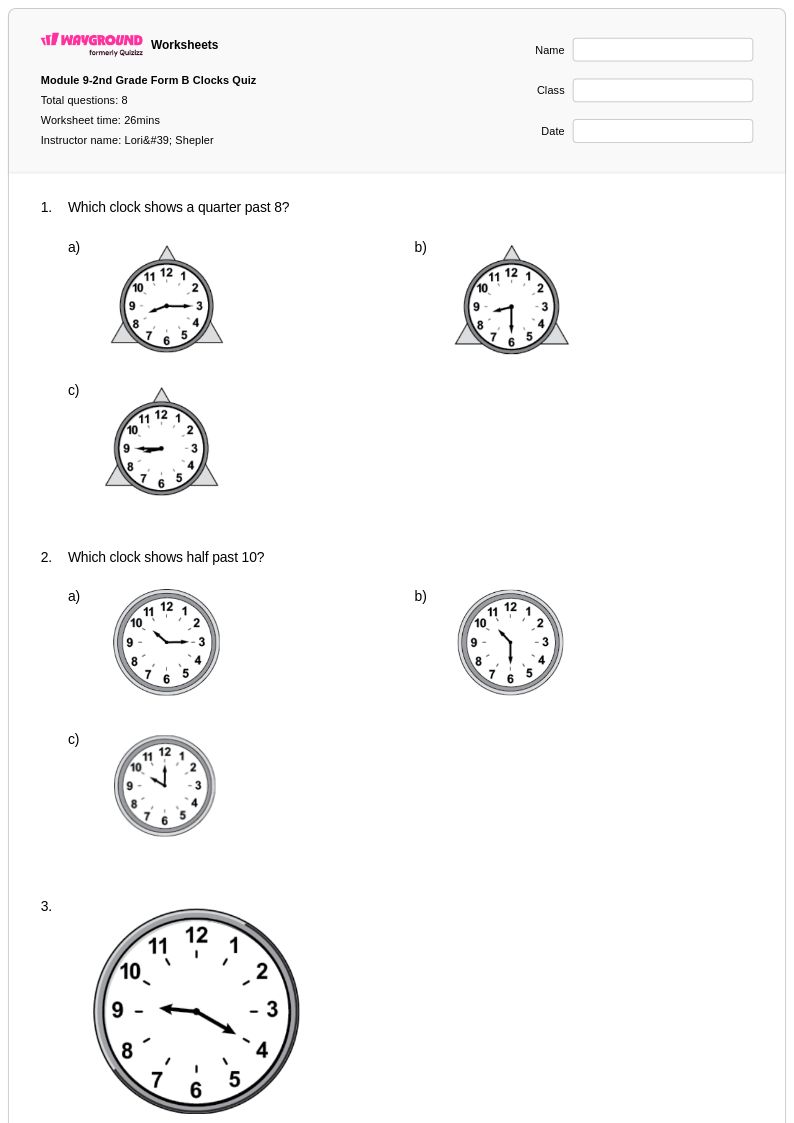
8 Q
2nd
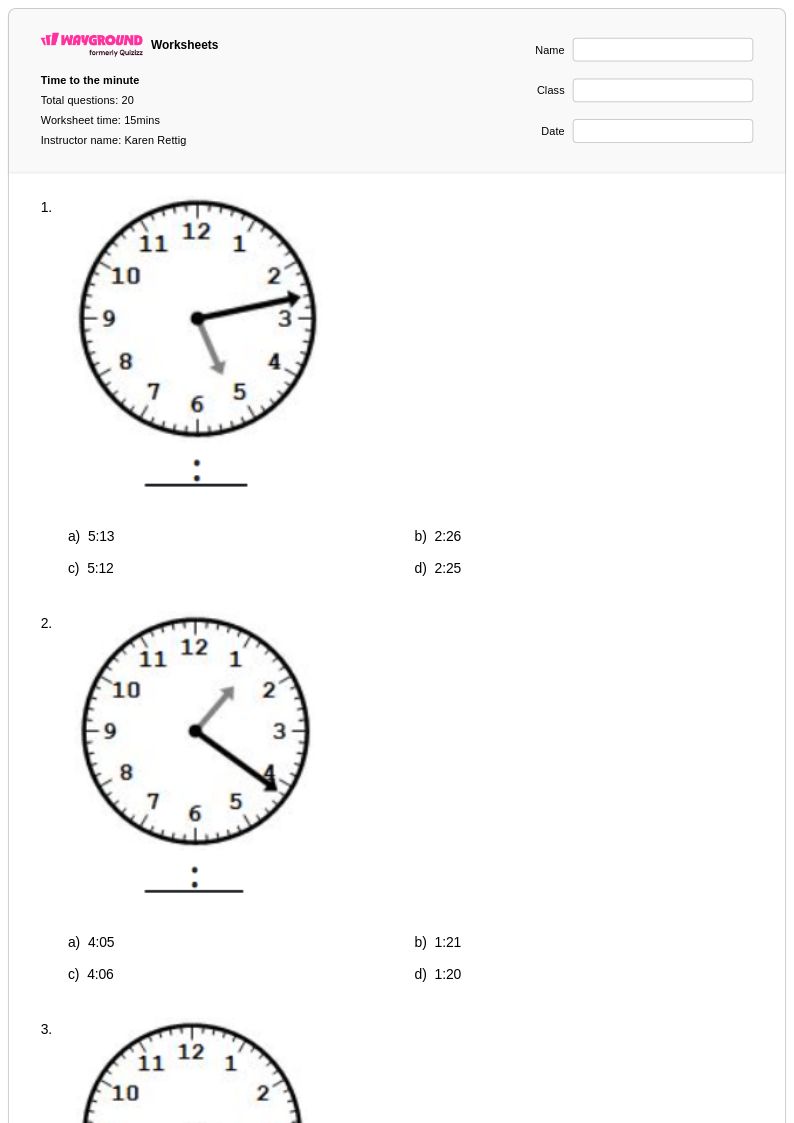
20 Q
2nd - 4th
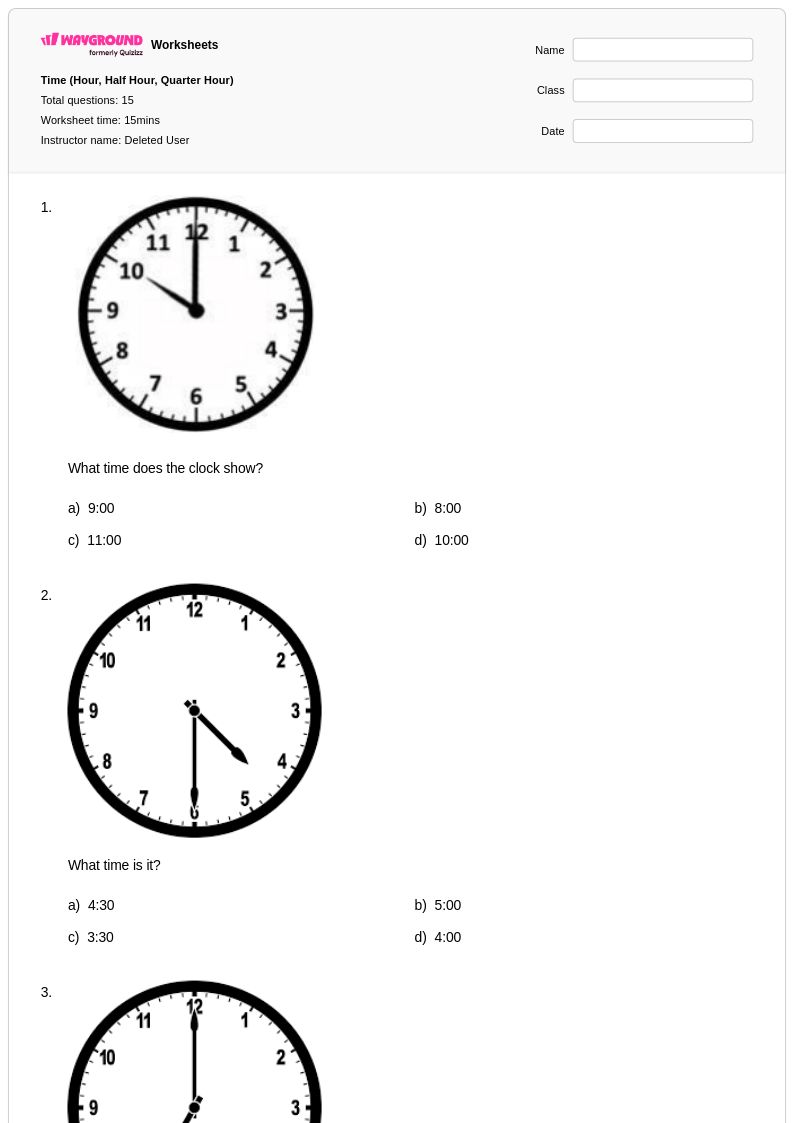
15 Q
KG - 3rd
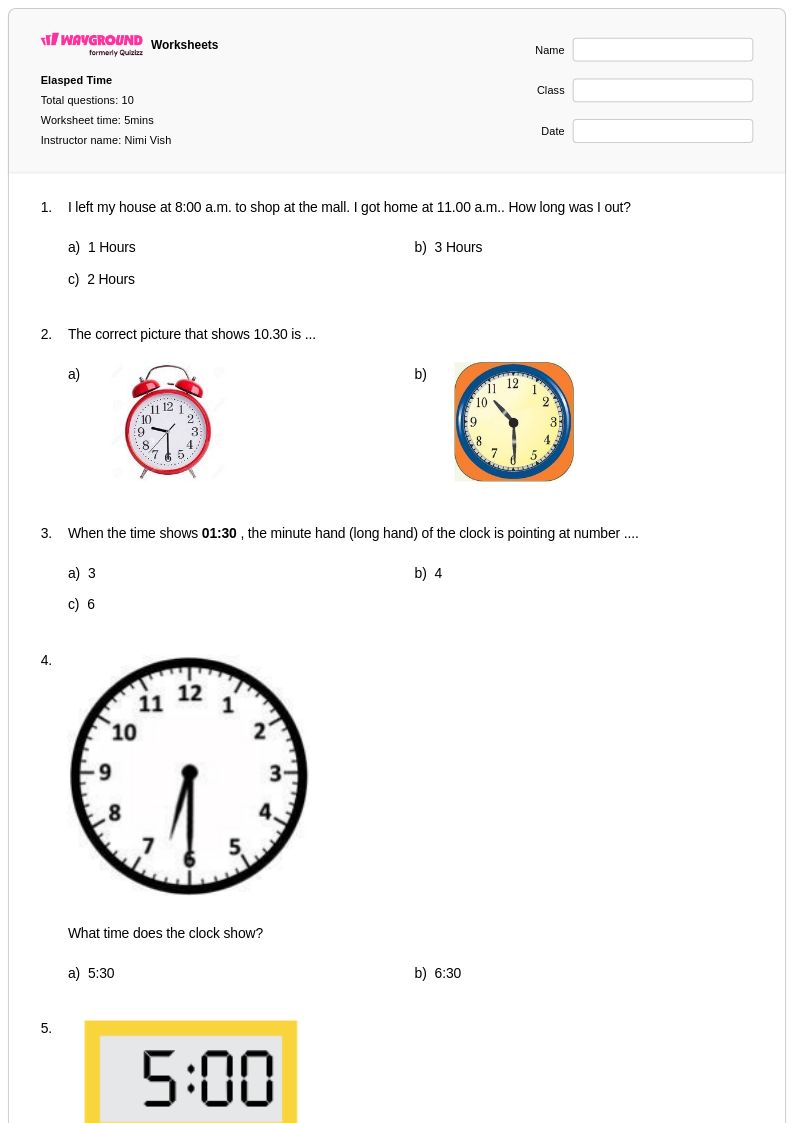
10 Q
2nd
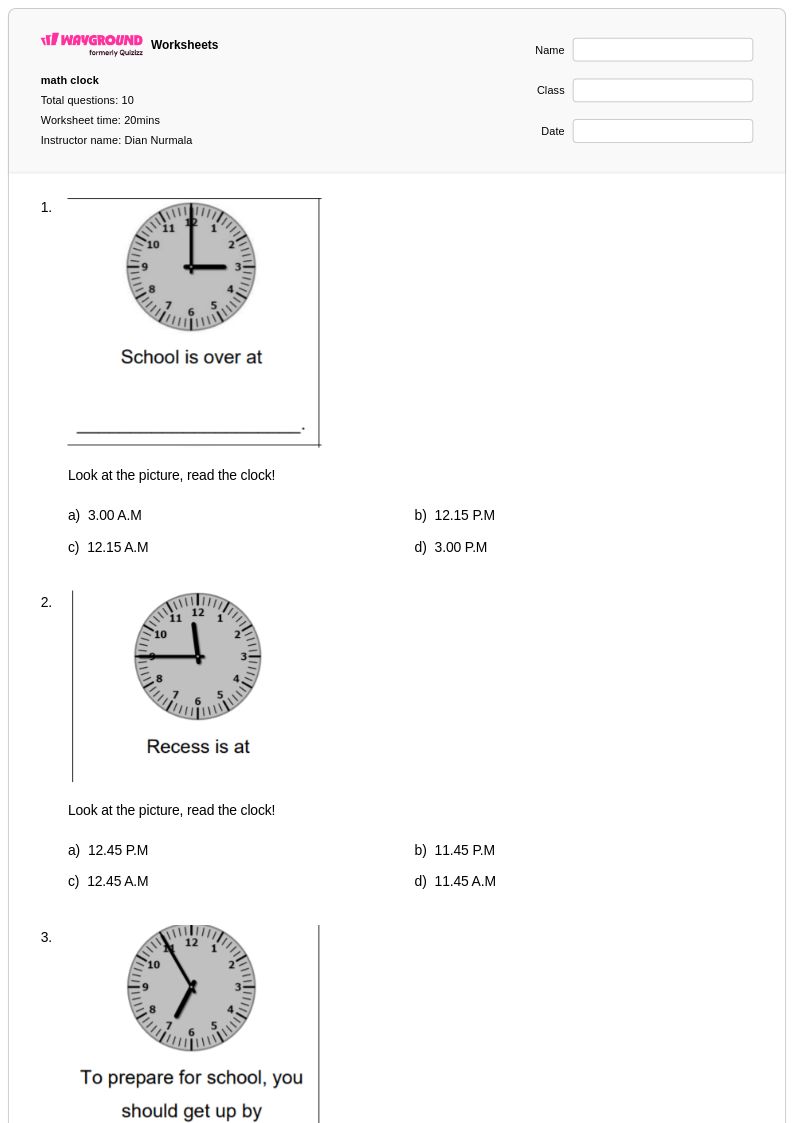
10 Q
2nd
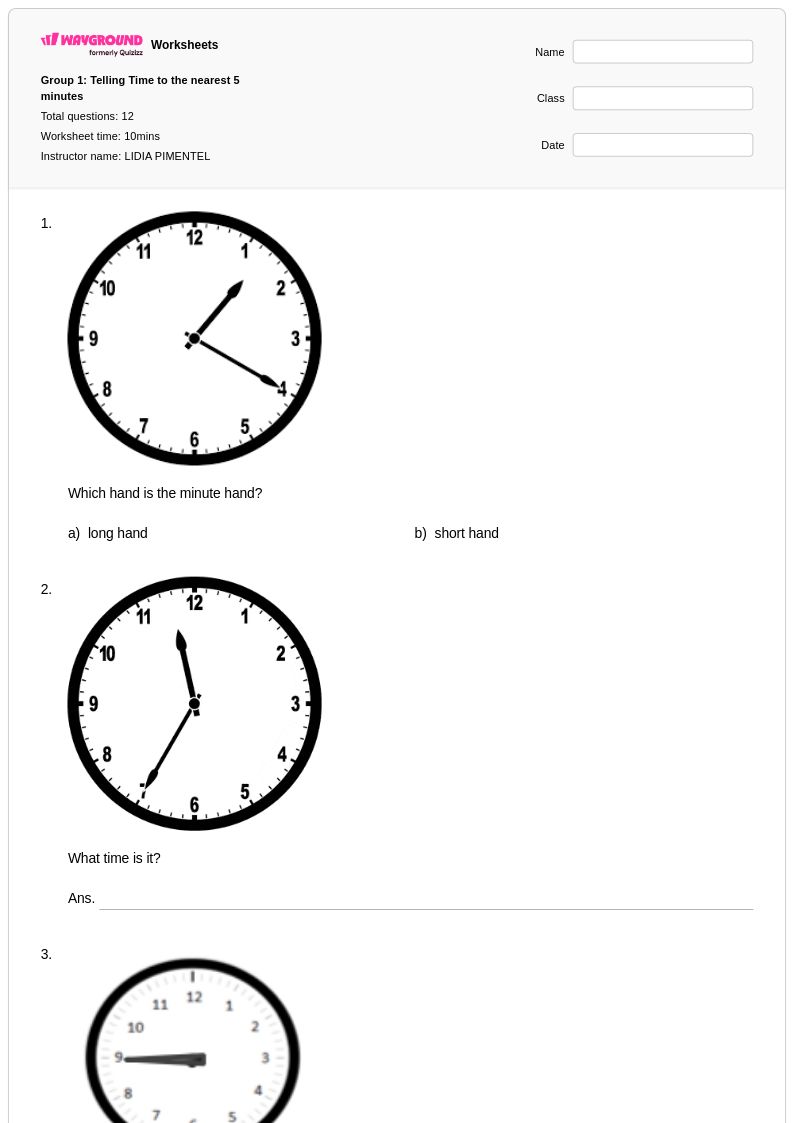
12 Q
1st - 3rd
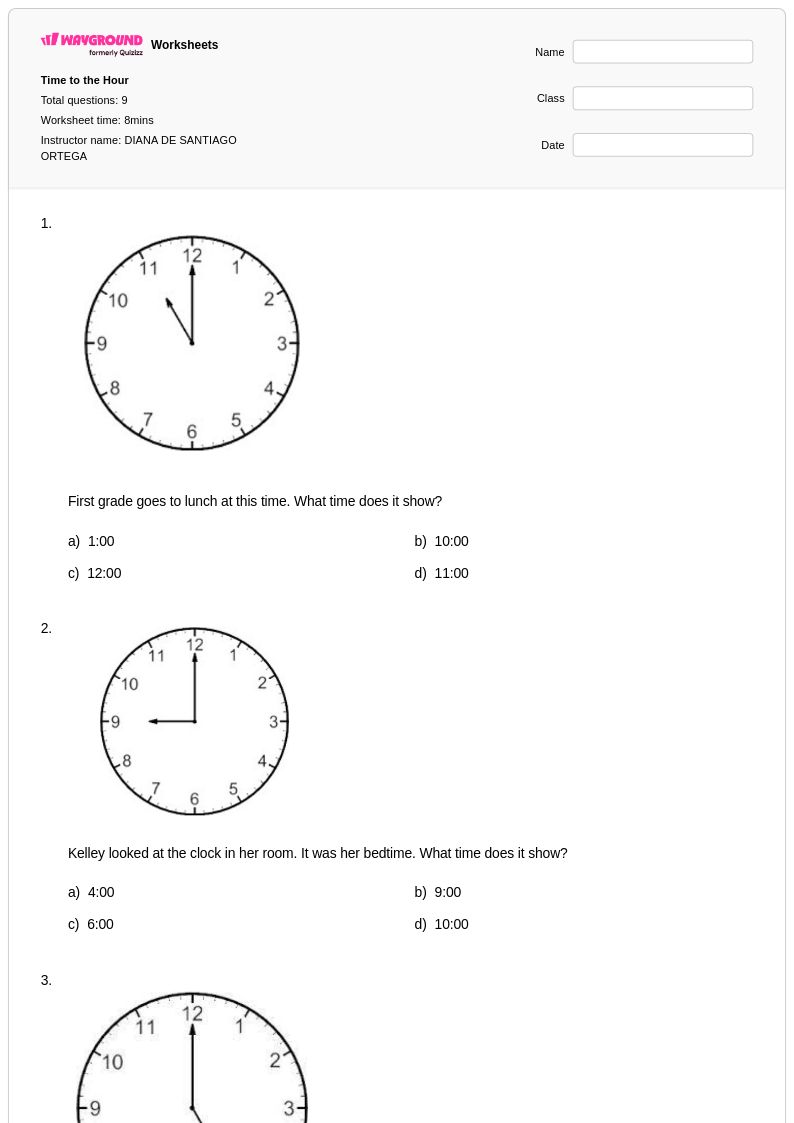
9 Q
1st - 2nd
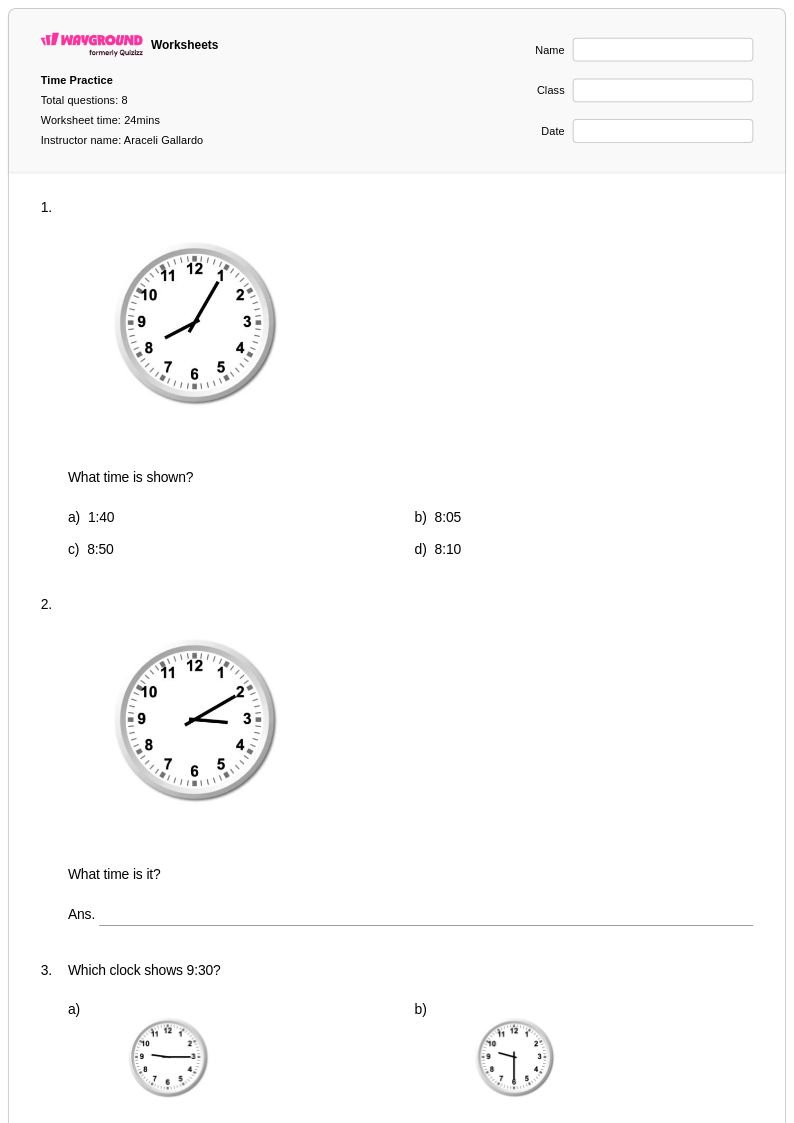
8 Q
1st - 2nd
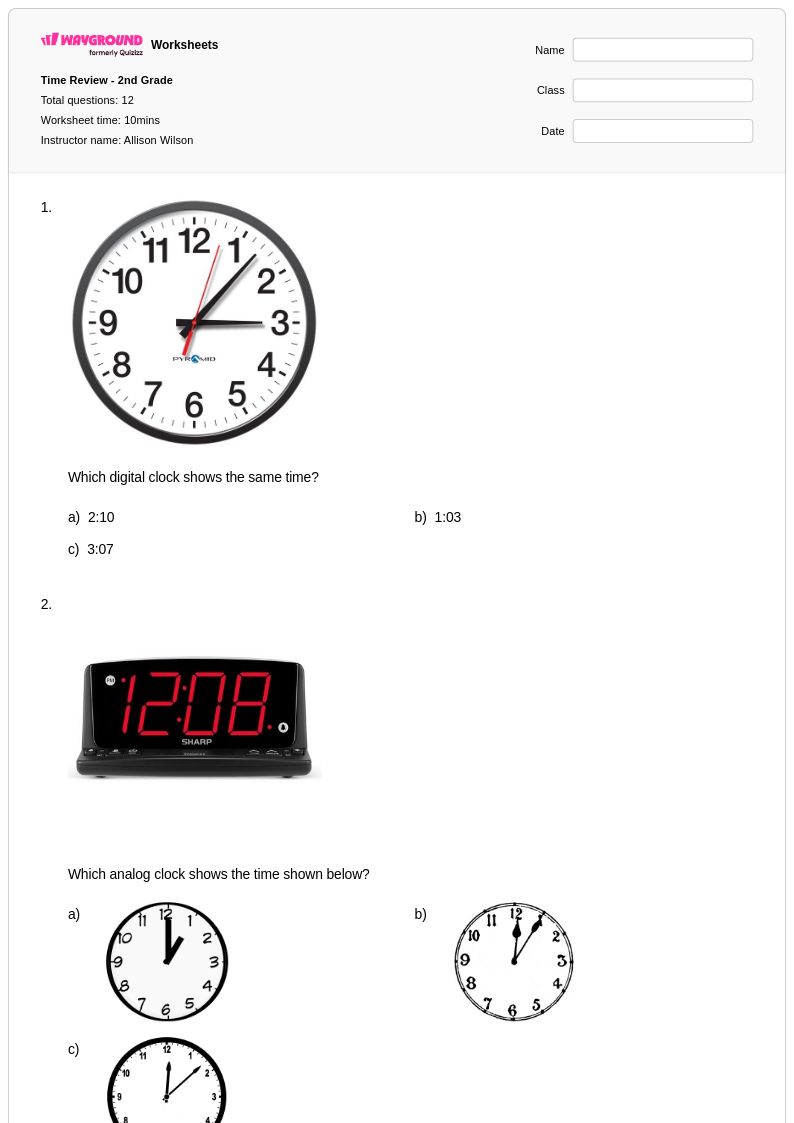
12 Q
2nd
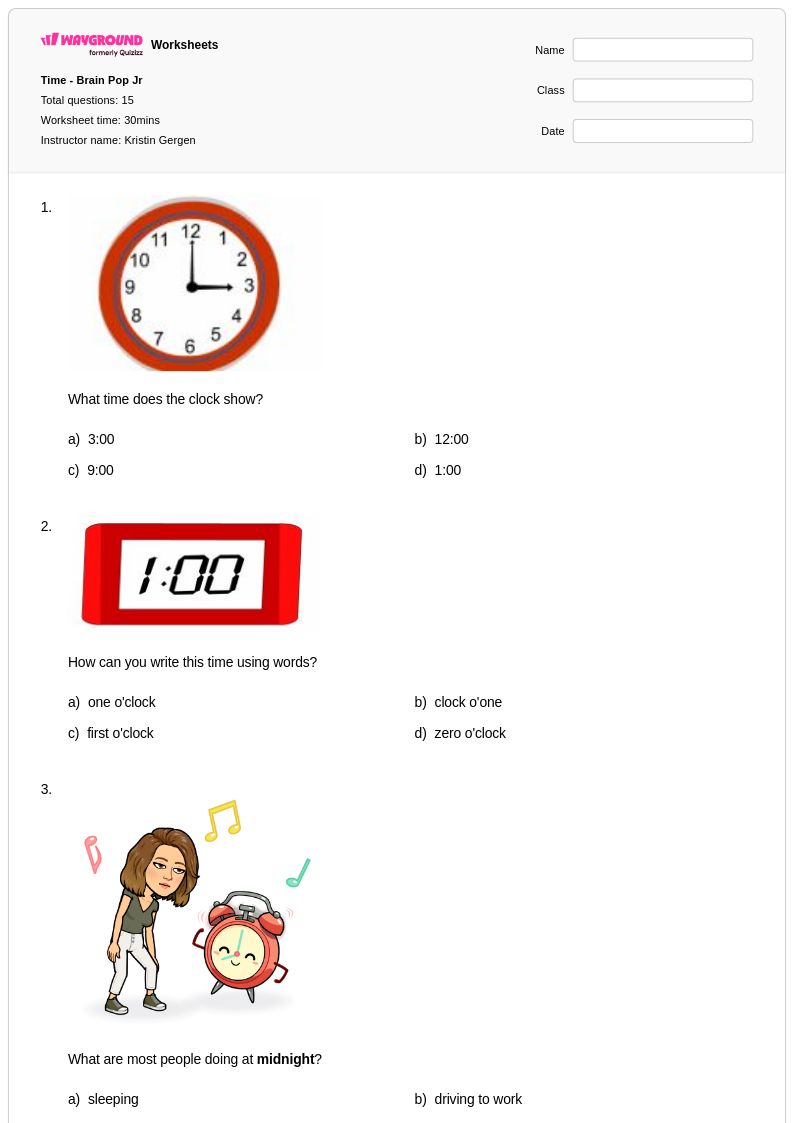
15 Q
2nd - 5th
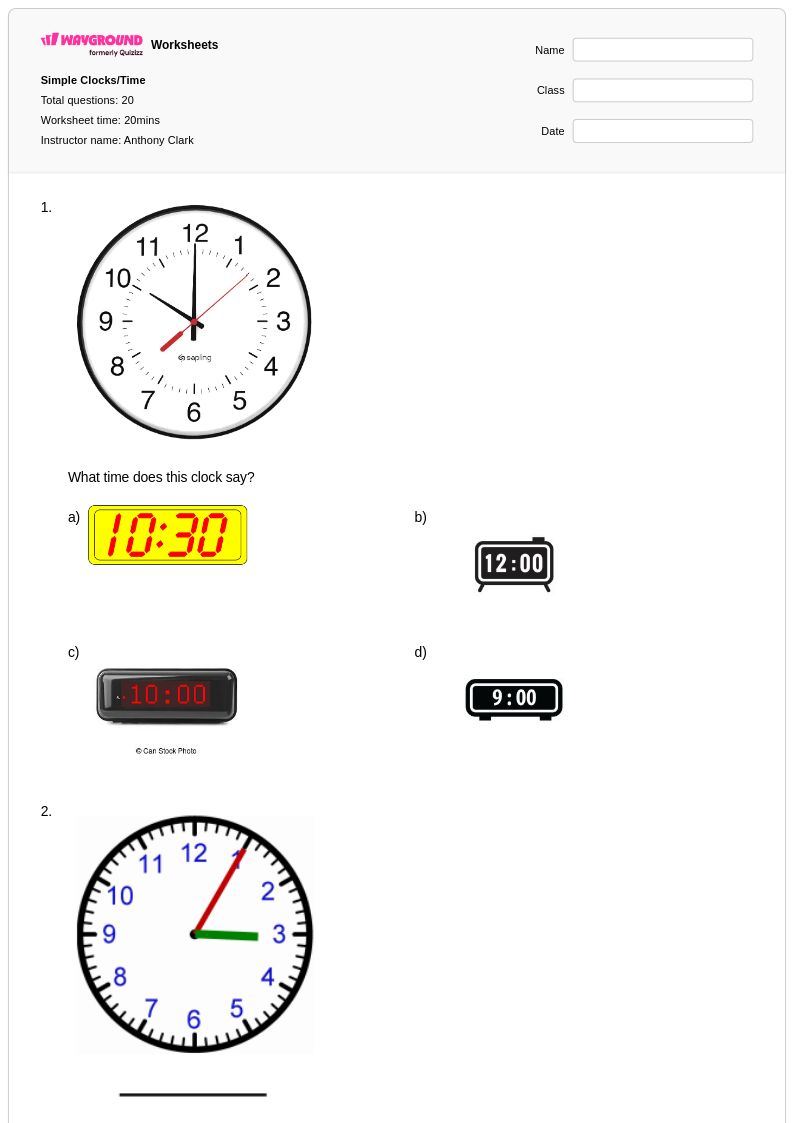
20 Q
2nd - Uni
Explore Other Subject Worksheets for class 2
Explore printable Reading Digital Clocks worksheets for Class 2
Reading digital clocks worksheets for Class 2 students available through Wayground (formerly Quizizz) provide essential practice for developing time-telling skills with modern digital displays. These comprehensive worksheets focus on helping young learners interpret digital time formats, understand hour and minute representations, and build confidence in reading times displayed on digital devices they encounter daily. The practice problems systematically progress from simple hour recognition to more complex time-reading scenarios, strengthening students' ability to quickly and accurately identify times shown in digital format. Each worksheet collection includes detailed answer keys and is available as free printables in convenient pdf format, making them accessible resources for both classroom instruction and independent practice at home.
Wayground (formerly Quizizz) empowers educators with millions of teacher-created resources specifically designed for Class 2 digital clock reading instruction, featuring robust search and filtering capabilities that help teachers quickly locate materials aligned with curriculum standards and individual student needs. The platform's differentiation tools allow teachers to customize worksheets for various skill levels within their classrooms, supporting both remediation for struggling learners and enrichment opportunities for advanced students. These digital clock reading materials are available in both printable and interactive digital formats, including downloadable pdf options, giving teachers the flexibility to implement engaging practice sessions during whole-group instruction, small-group interventions, or individual skill-building activities that reinforce this fundamental mathematical concept.
FAQs
What are the 2nd grade expectations for reading a digital clock?
How can I connect digital clock reading to skip counting by 5s?
What skills do these 2nd grade digital clock worksheets cover?
What mistakes do 2nd graders make when reading time to the nearest 5 minutes?
How can I assign and grade these digital clock worksheets?
How does reading digital clocks in 2nd grade build on previous skills?
How can I support diverse learners with these worksheets?