Free Printable Reading Worksheets for Kindergarten
Enhance your kindergarten student's reading skills with Wayground's comprehensive collection of free worksheets, printables, and practice problems designed to build foundational literacy through engaging activities and complete answer keys.
Explore printable Reading worksheets for Kindergarten
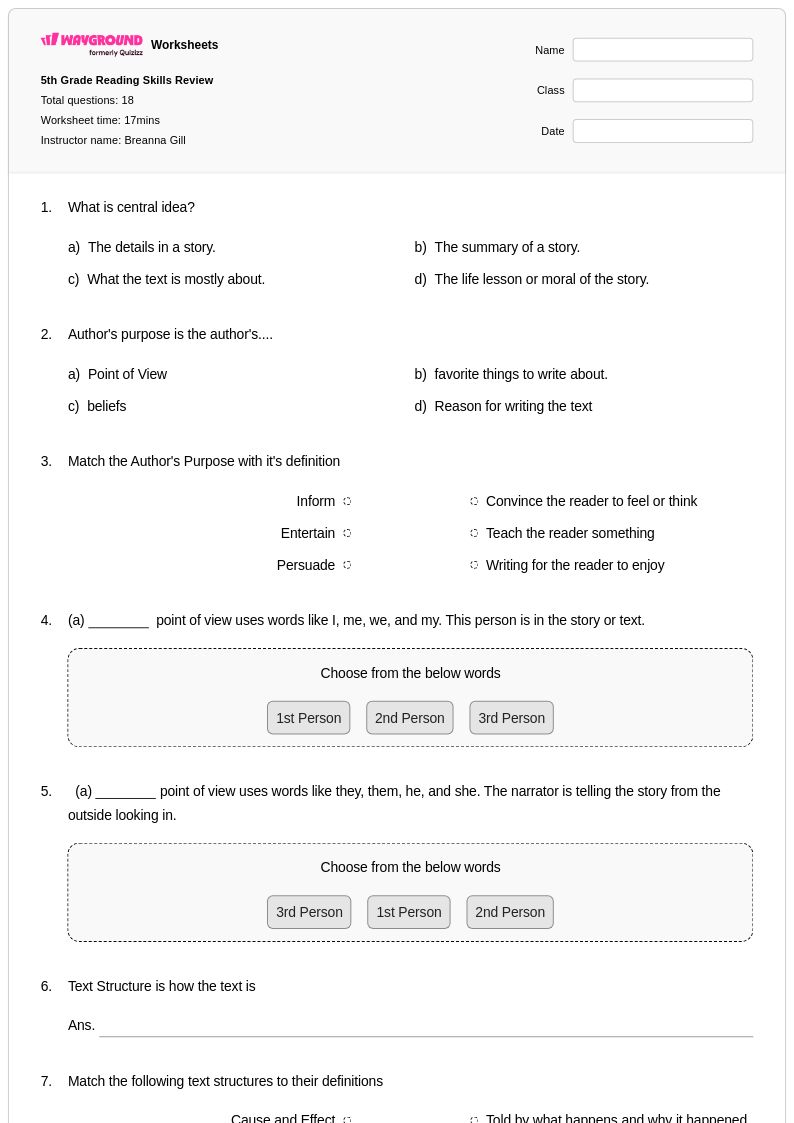
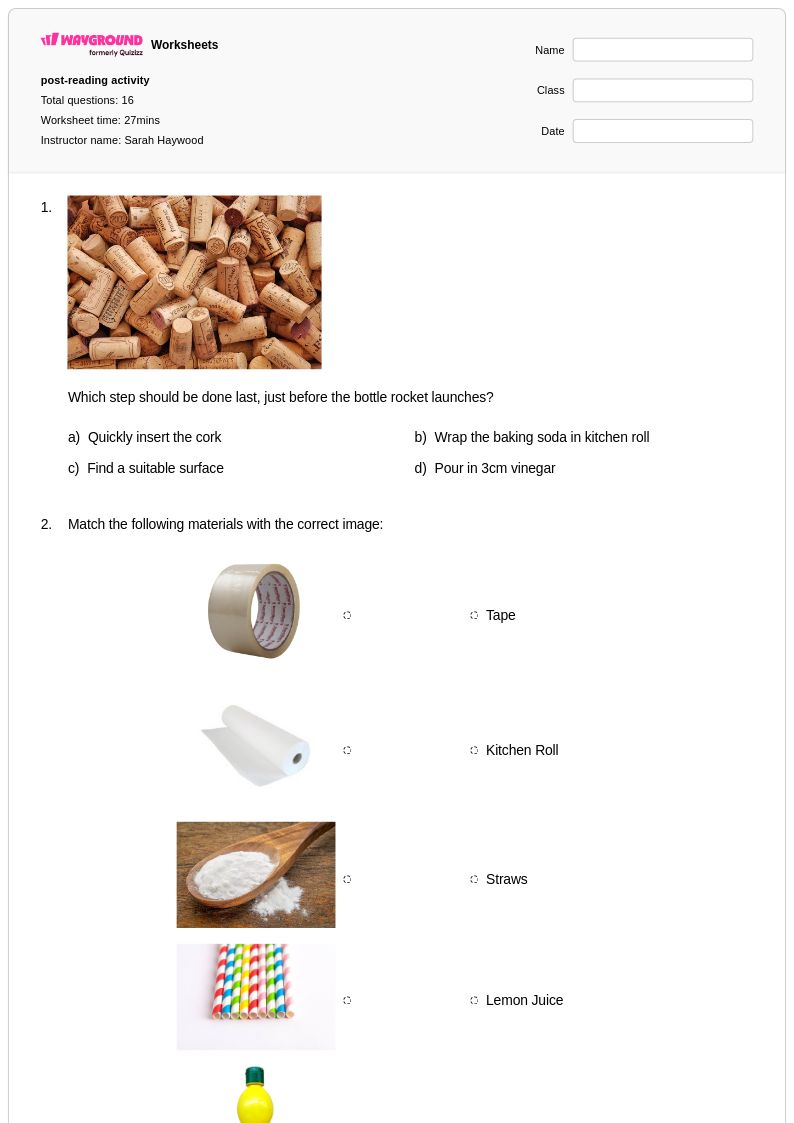
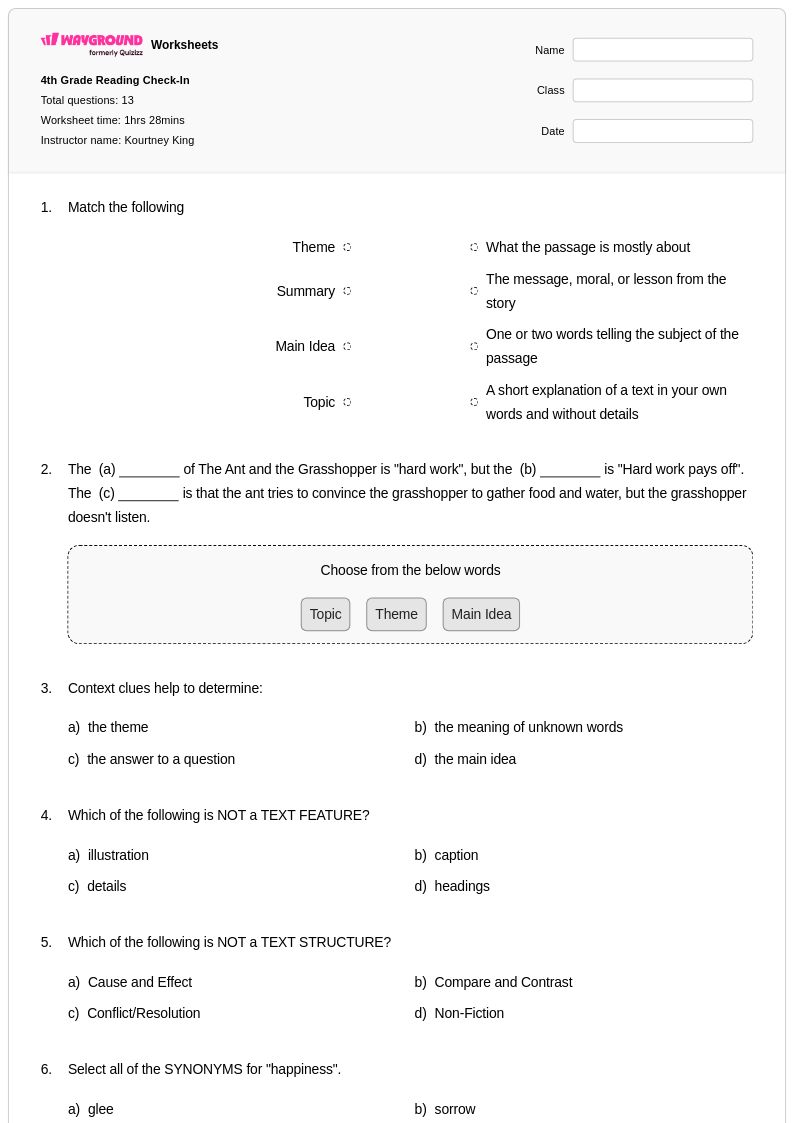
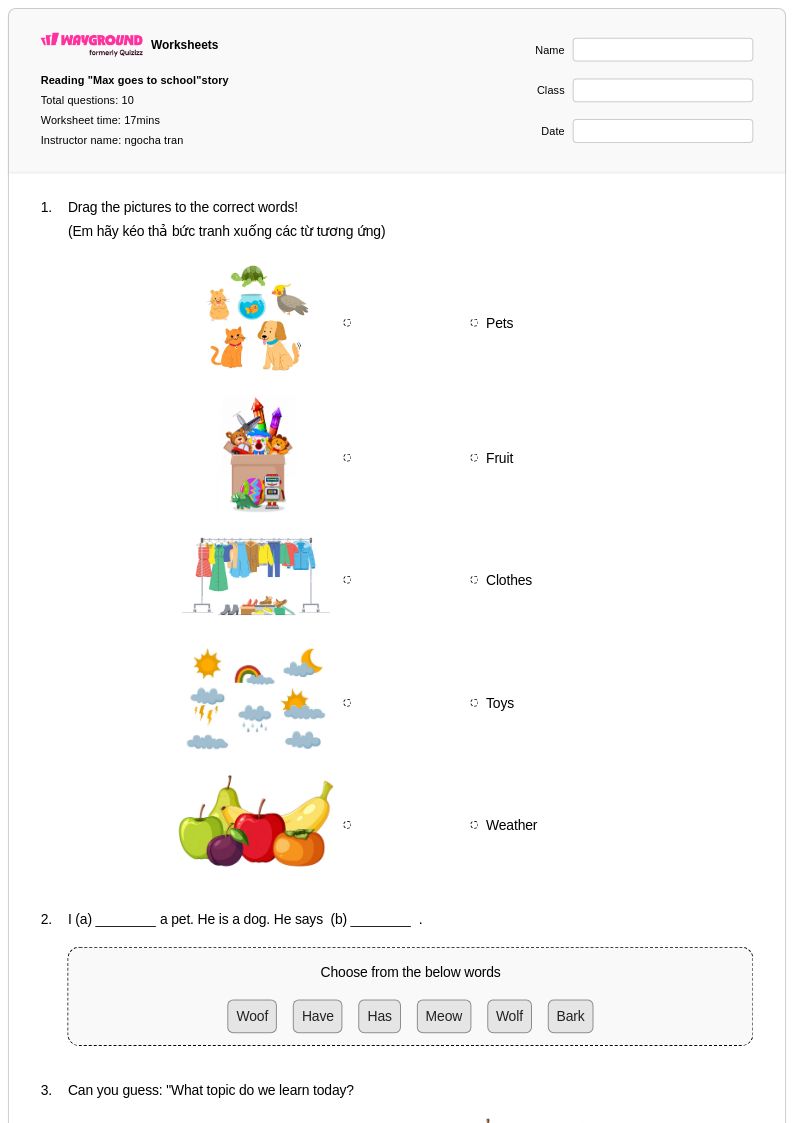
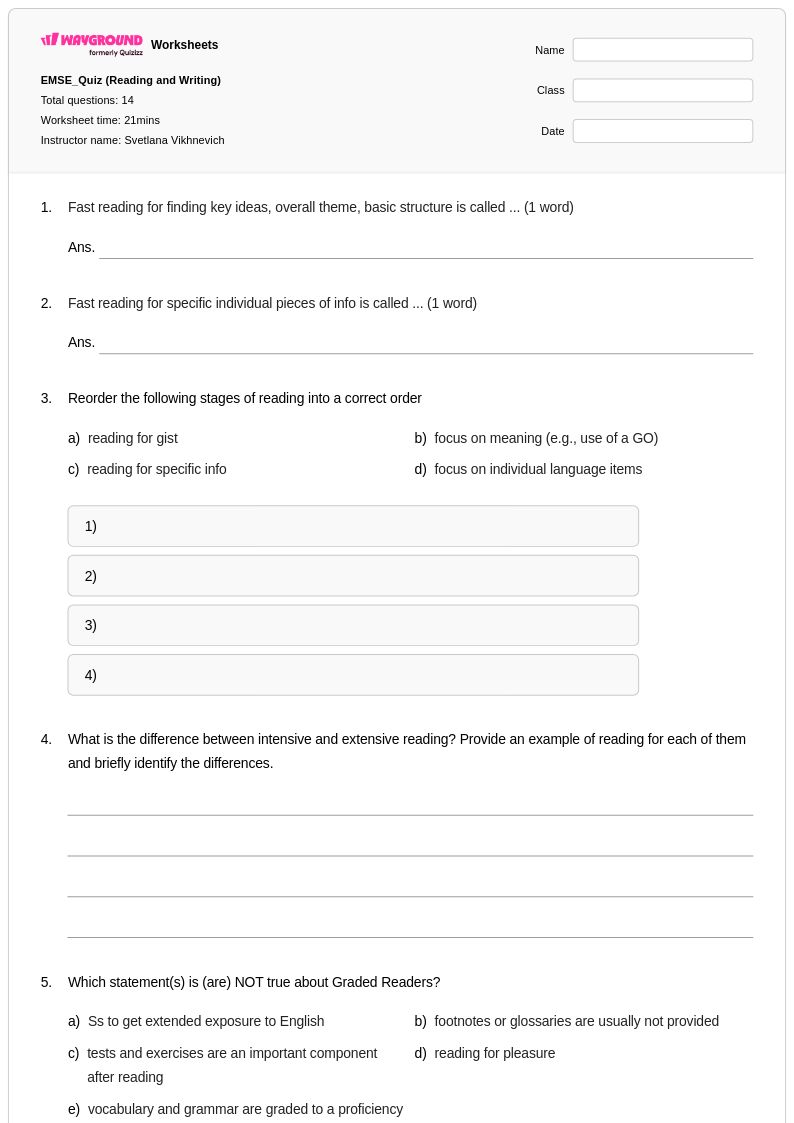
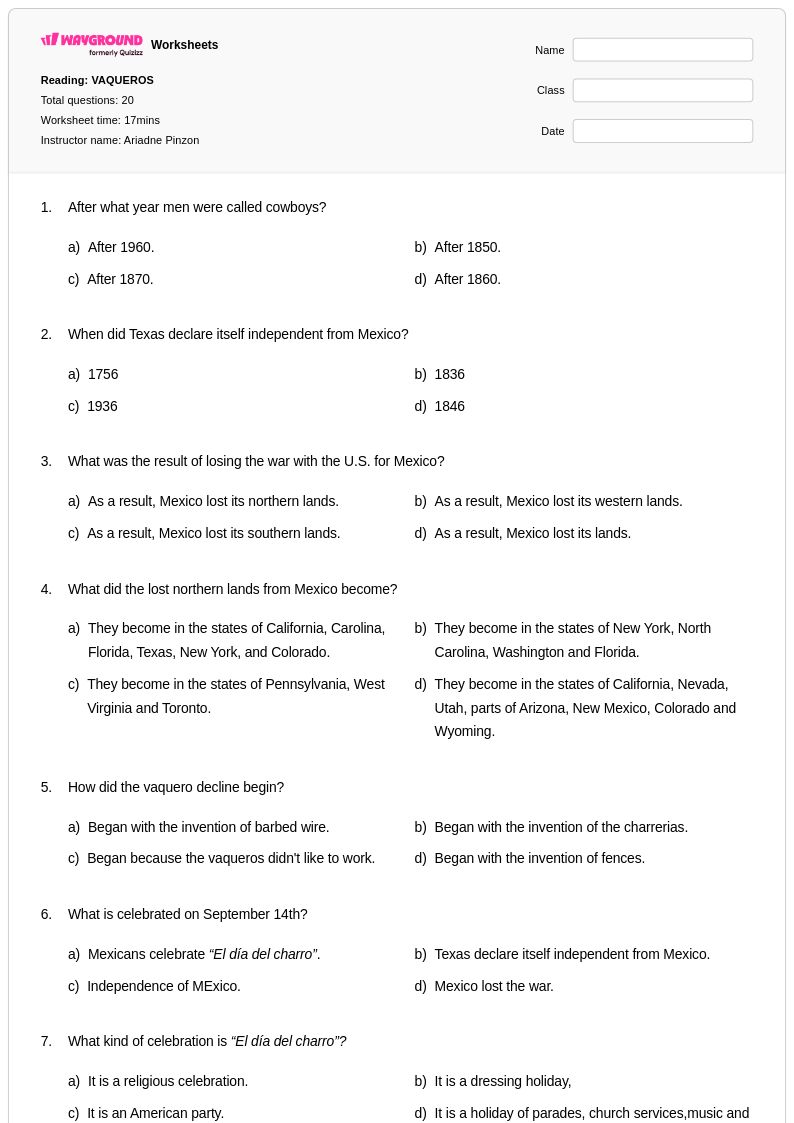
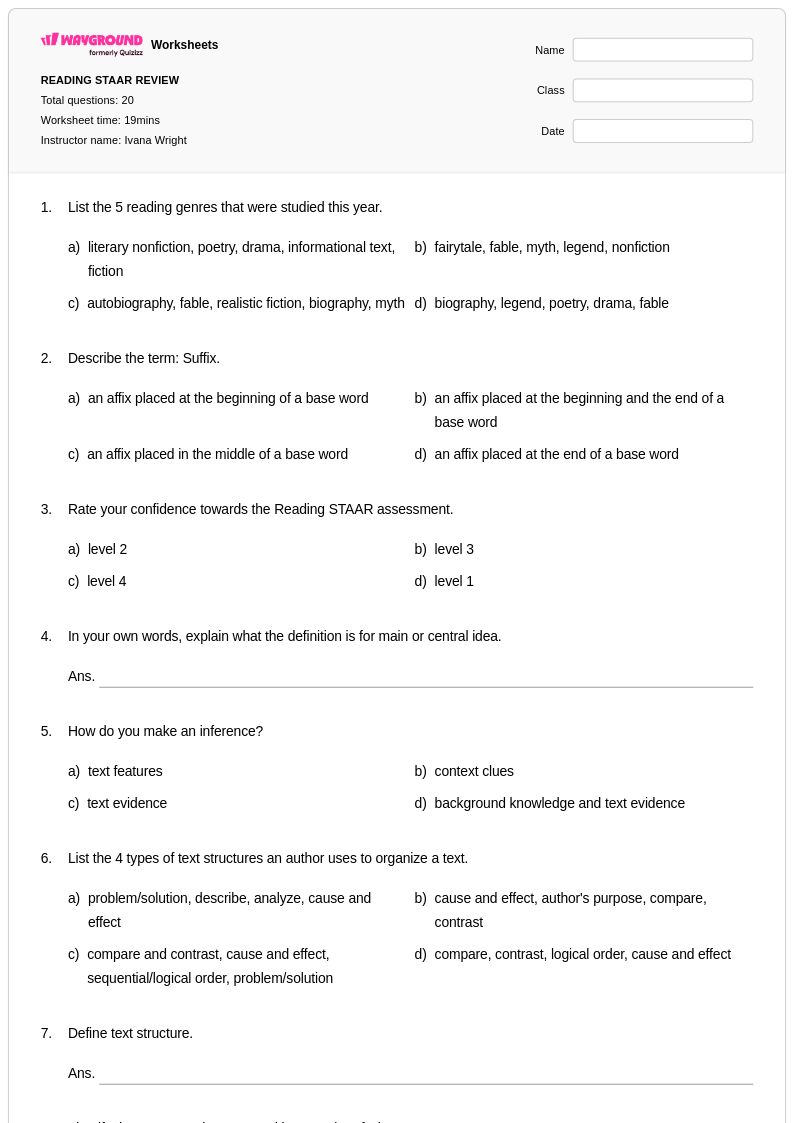
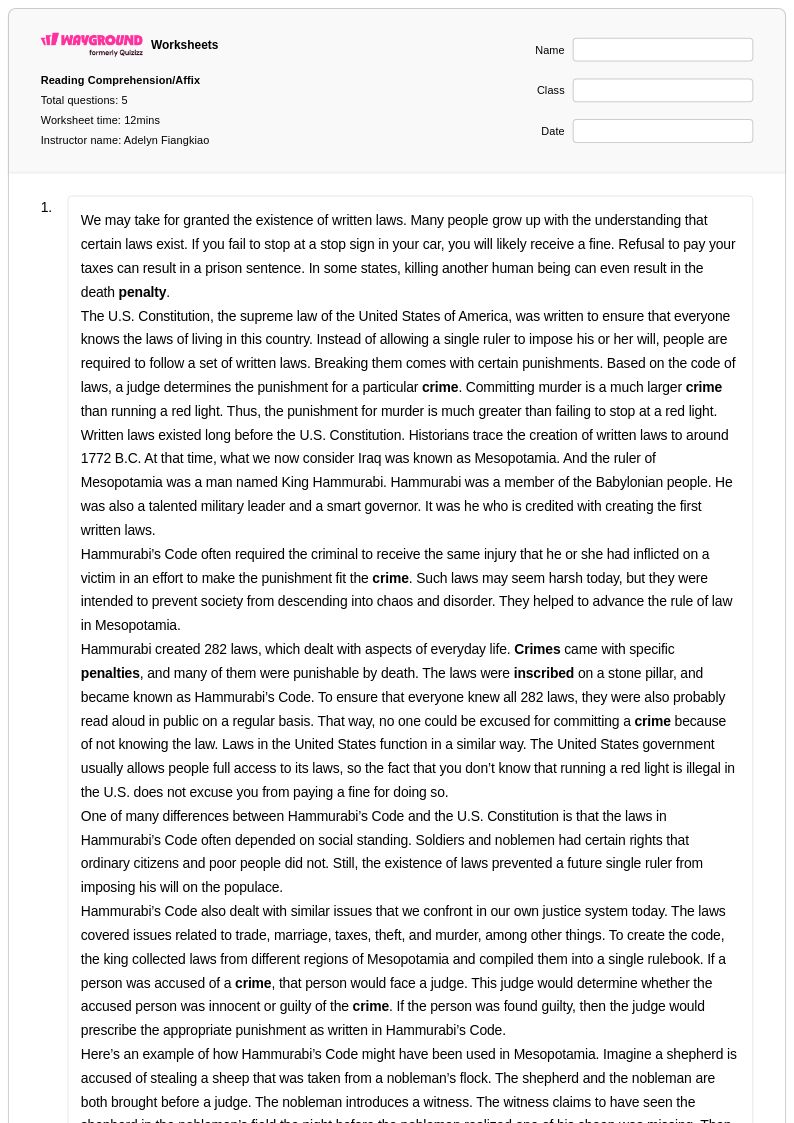
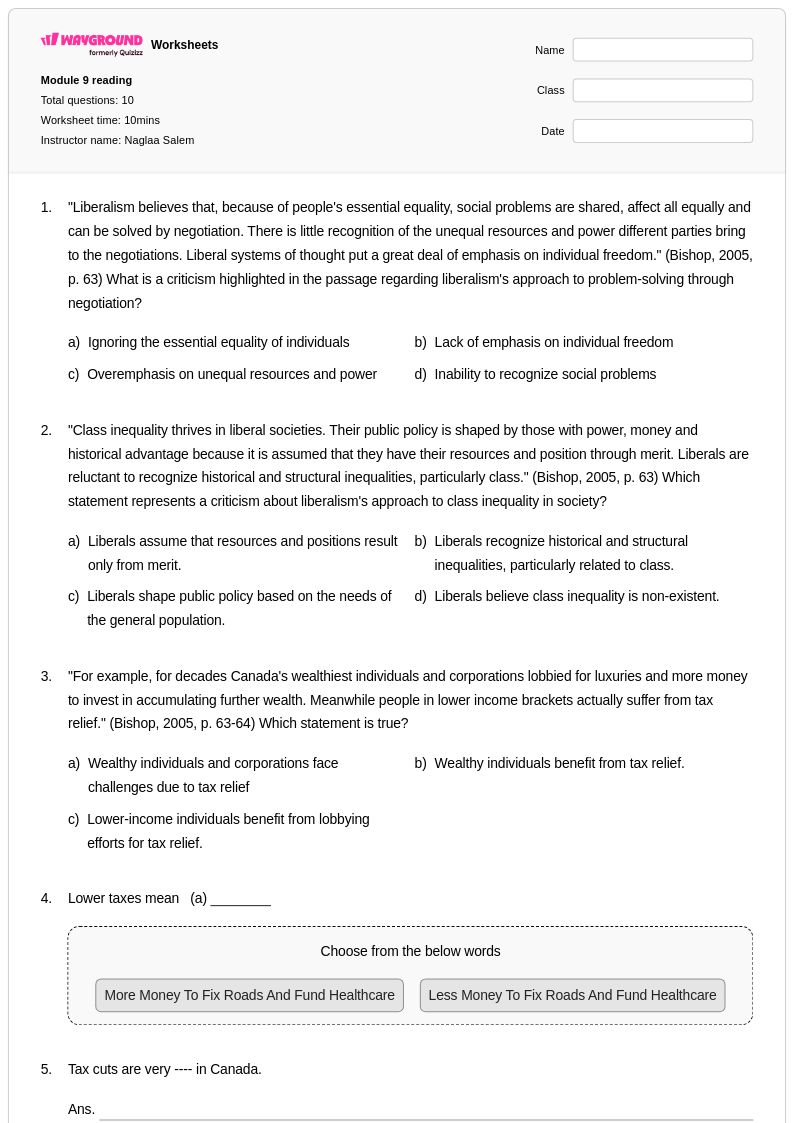
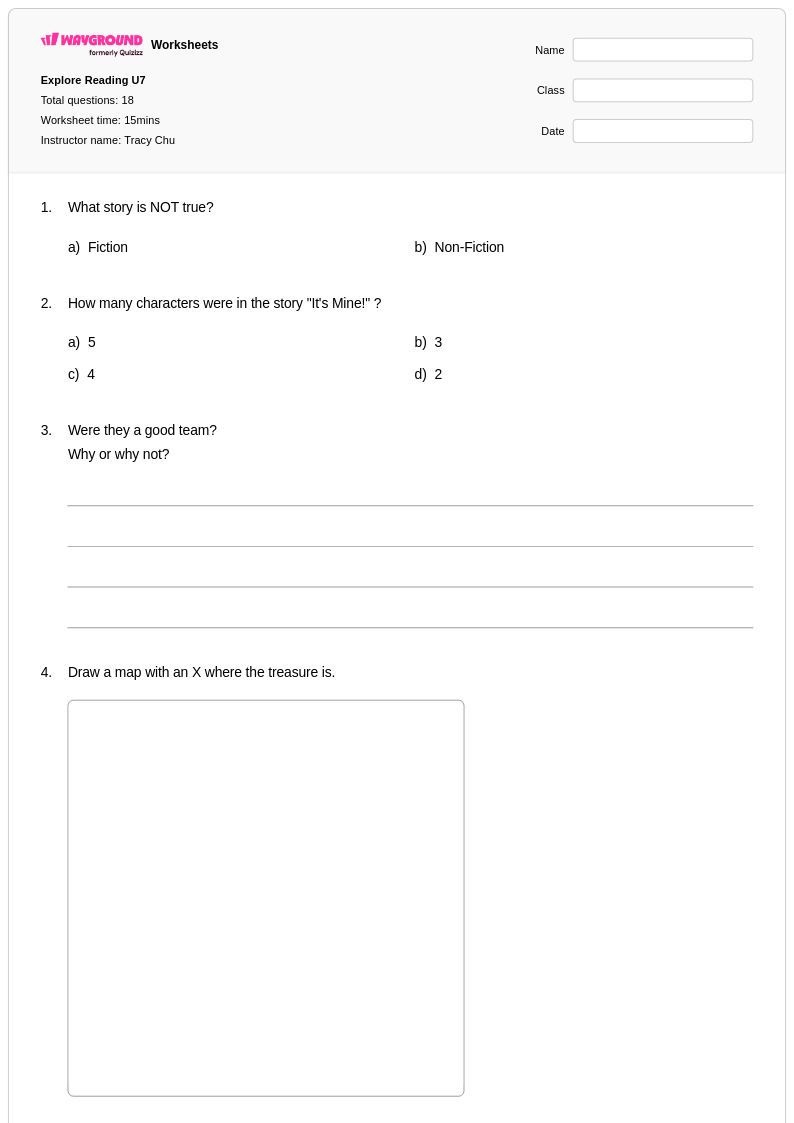
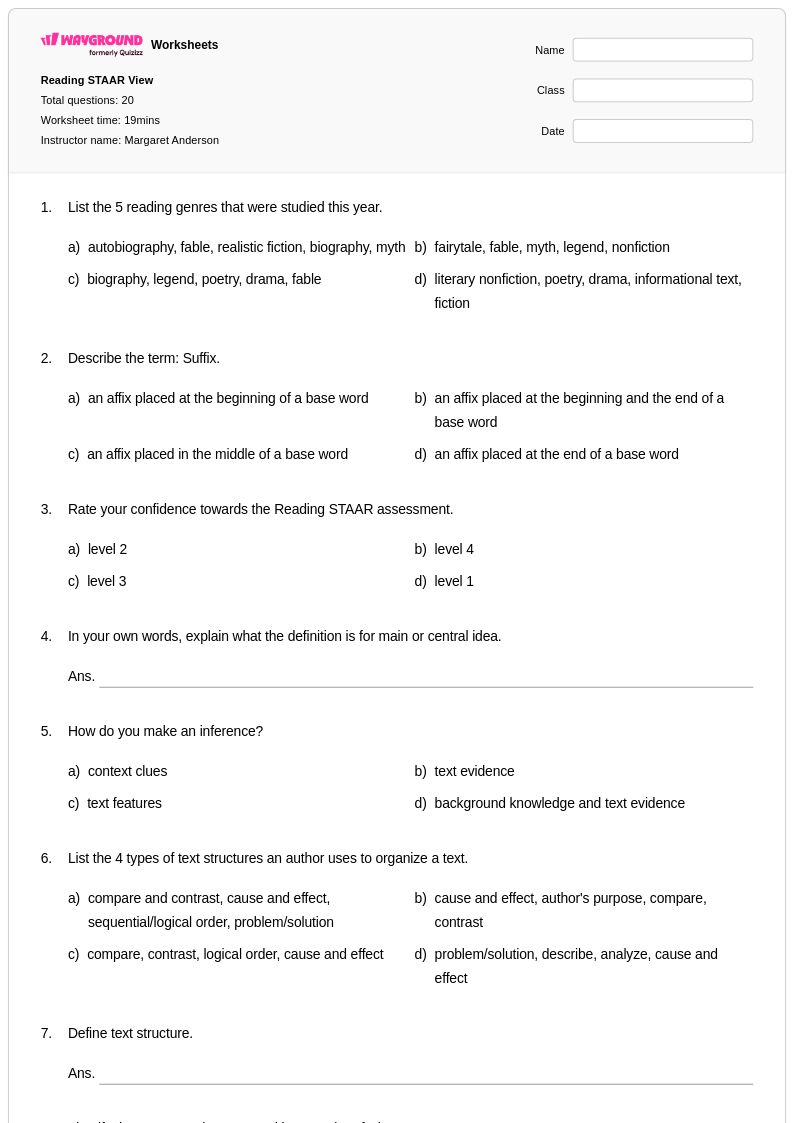
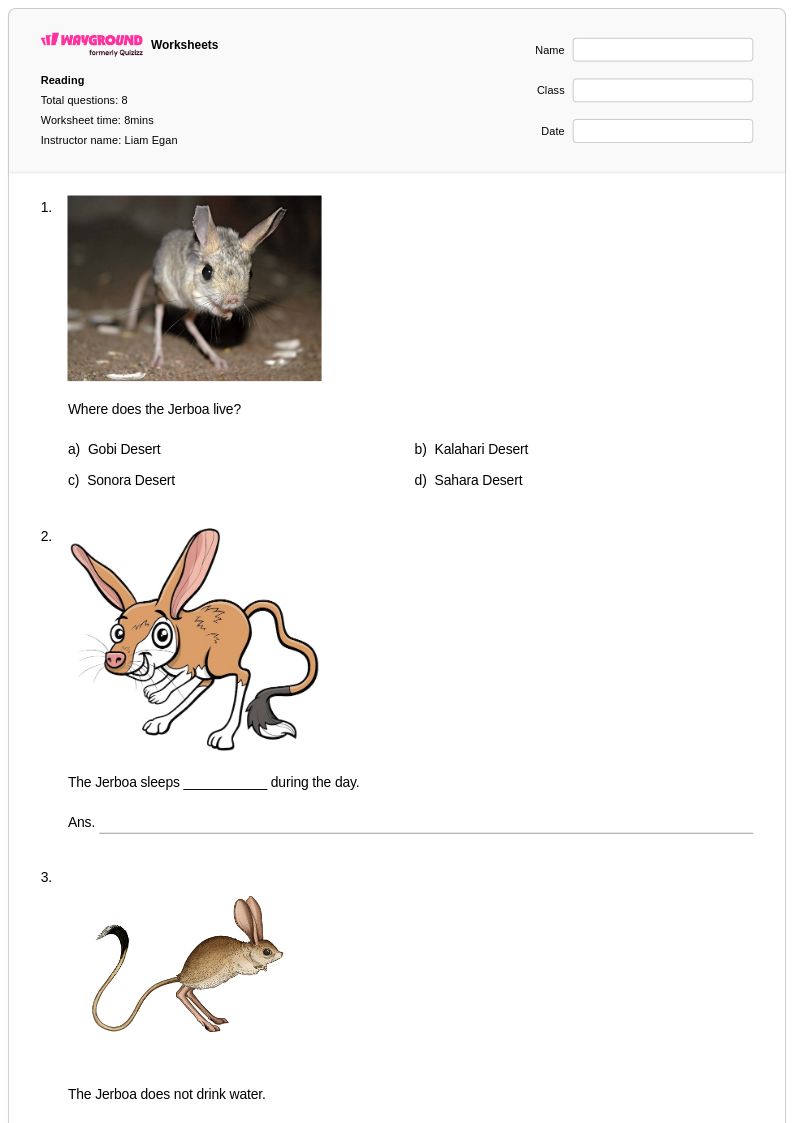
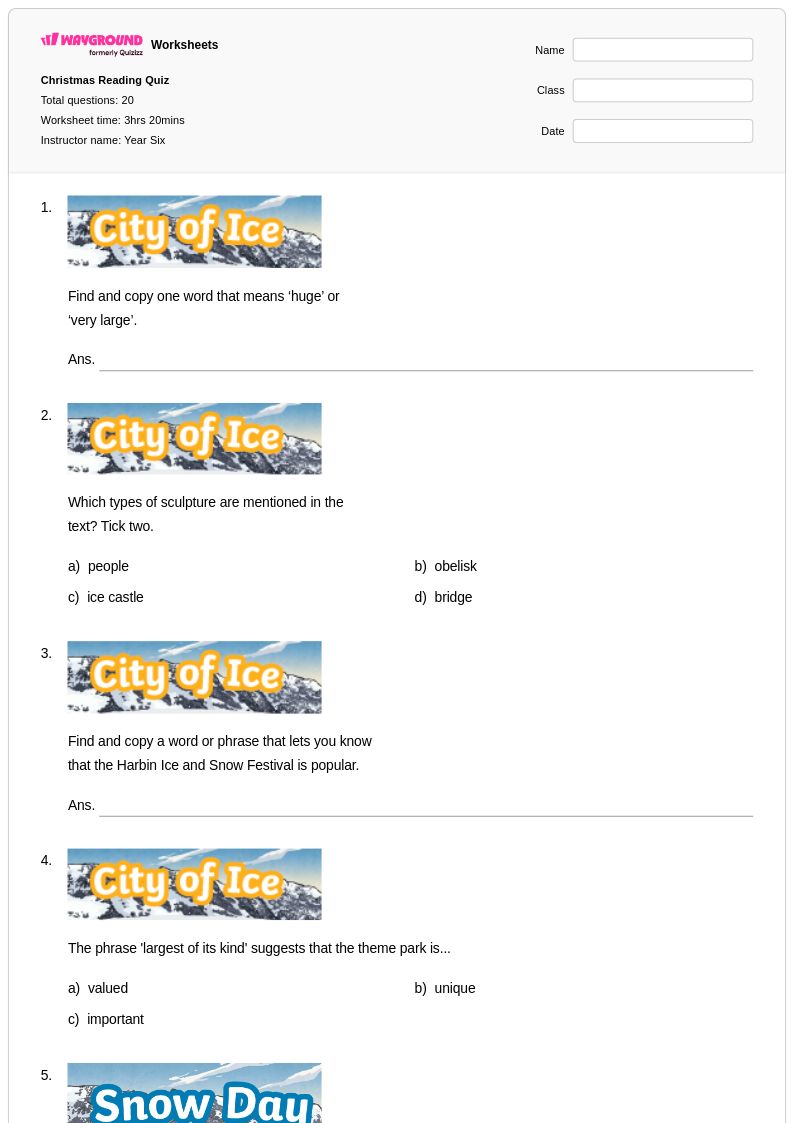
Reading worksheets for kindergarten students available through Wayground (formerly Quizizz) provide essential foundational literacy practice that builds critical pre-reading and early reading skills. These carefully designed printables focus on phonemic awareness, letter recognition, sight word development, and basic comprehension strategies that kindergarteners need to become confident readers. Each worksheet targets specific developmental milestones, from identifying beginning sounds and matching letters to pictures, to recognizing high-frequency words and understanding simple story elements. Teachers can access comprehensive collections that include engaging activities like alphabet tracing, rhyming exercises, and picture-based reading comprehension, with each resource offering clear answer keys and structured practice problems that support systematic literacy instruction.
Wayground (formerly Quizizz) empowers educators with an extensive library of millions of teacher-created reading resources specifically curated for kindergarten learners, featuring robust search and filtering capabilities that allow quick identification of materials aligned to specific reading standards and skill levels. The platform's differentiation tools enable teachers to customize worksheets based on individual student needs, whether providing additional phonics practice for struggling readers or offering enriched vocabulary activities for advanced learners. These versatile resources are available in both printable pdf formats for traditional classroom use and digital formats for interactive learning, making lesson planning more efficient while supporting targeted remediation and skill-building practice. Teachers can seamlessly integrate these materials into guided reading sessions, independent practice time, or homework assignments, ensuring consistent reading skill development across diverse learning environments.
FAQs
How do I teach reading comprehension strategies in the classroom?
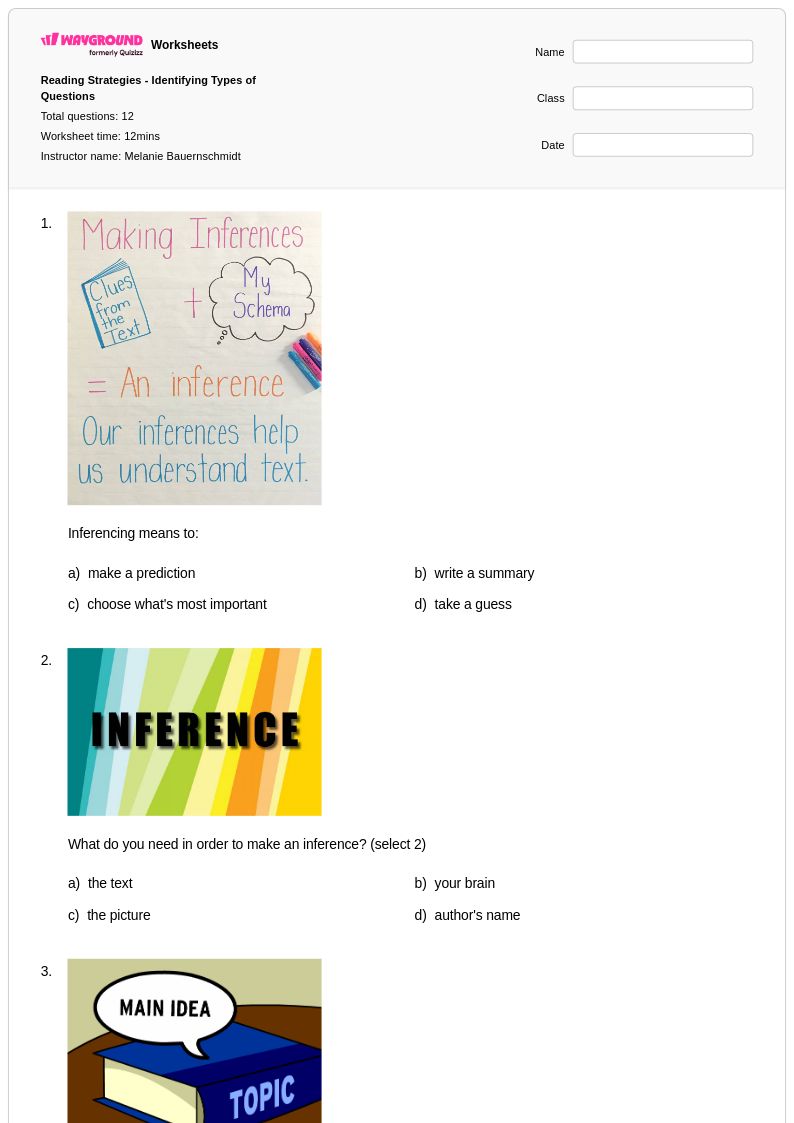
Effective reading comprehension instruction focuses on explicitly modeling strategies such as making predictions, identifying main ideas, drawing inferences, and evaluating textual evidence. Teachers should introduce each strategy in isolation before asking students to apply multiple strategies simultaneously across different text types and genres. Structured practice with scaffolded worksheets helps students internalize these skills progressively, moving from guided to independent application.
What reading exercises help students build foundational literacy skills?
Foundational literacy practice should span decoding, fluency, vocabulary acquisition, and comprehension in a sequenced progression. Worksheets that move students from phonics and alphabetic recognition toward increasingly complex text analysis tasks are particularly effective because they build skills systematically rather than in isolation. Exercises that require students to identify context clues, analyze text structure, and support answers with evidence from the text are strong vehicles for developing durable literacy skills.
What are the most common reading mistakes students make on comprehension tasks?
A frequent error is surface-level reading, where students locate a word from a question in the text and assume the surrounding sentence is the answer without evaluating its meaning in context. Students also commonly confuse the main idea with a supporting detail, or conflate a character's stated words with the author's implied meaning. Explicitly teaching students to distinguish between literal and inferential questions, and requiring them to cite textual evidence, helps address these patterns directly.
How can I support struggling readers and students with dyslexia in a mixed-ability class?
Struggling readers and students with dyslexia benefit from multi-sensory instruction, reduced cognitive load, and extended processing time during tasks. On Wayground, teachers can apply individual accommodations such as Read Aloud, which reads questions and content aloud to students who need it, extended time per question, reduced answer choices, and adjustable font sizes and reading themes through Reading mode. These accommodations can be assigned to specific students while the rest of the class receives standard settings, and they carry over automatically to future sessions without requiring repeated setup.
How do I use Wayground's reading worksheets in my classroom?
Wayground's reading worksheets are available as printable PDFs for traditional classroom use and in digital formats for technology-integrated or hybrid learning environments, giving teachers flexibility in how they deploy practice materials. Teachers can also host worksheets directly as a quiz on Wayground, enabling real-time student response tracking and immediate feedback. Each worksheet includes a complete answer key, supporting both teacher-led instruction and independent student practice.
What reading genres and text types should I include in my literacy curriculum?
A well-rounded reading curriculum should include both literary and informational texts, exposing students to fiction, nonfiction, poetry, drama, and persuasive writing. Exposure to varied genres builds the flexibility students need to navigate different text structures, purposes, and author's craft choices, which is directly assessed on standardized reading evaluations. Incorporating genre-specific comprehension questions into regular practice helps students develop targeted reading strategies rather than applying a one-size-fits-all approach.
How do Wayground reading worksheets align with structured literacy and LETRS instruction?
Structured literacy approaches, including those informed by LETRS, emphasize explicit, systematic instruction in phonological awareness, phonics, fluency, vocabulary, and comprehension. Wayground's reading worksheet collection spans these competency areas, from early alphabetic and decoding activities to advanced comprehension and text analysis tasks, making it possible to find materials that align with specific instructional sequences. Teachers using LETRS or similar frameworks can use Wayground's filtering tools to locate worksheets that match the skill focus of a given unit or lesson.