Free Printable Scientific Observation Worksheets for Class 6
Class 6 scientific observation worksheets help students develop critical thinking skills through hands-on practice problems, featuring free printables with answer keys to master data collection and analysis techniques.
Explore printable Scientific Observation worksheets for Class 6
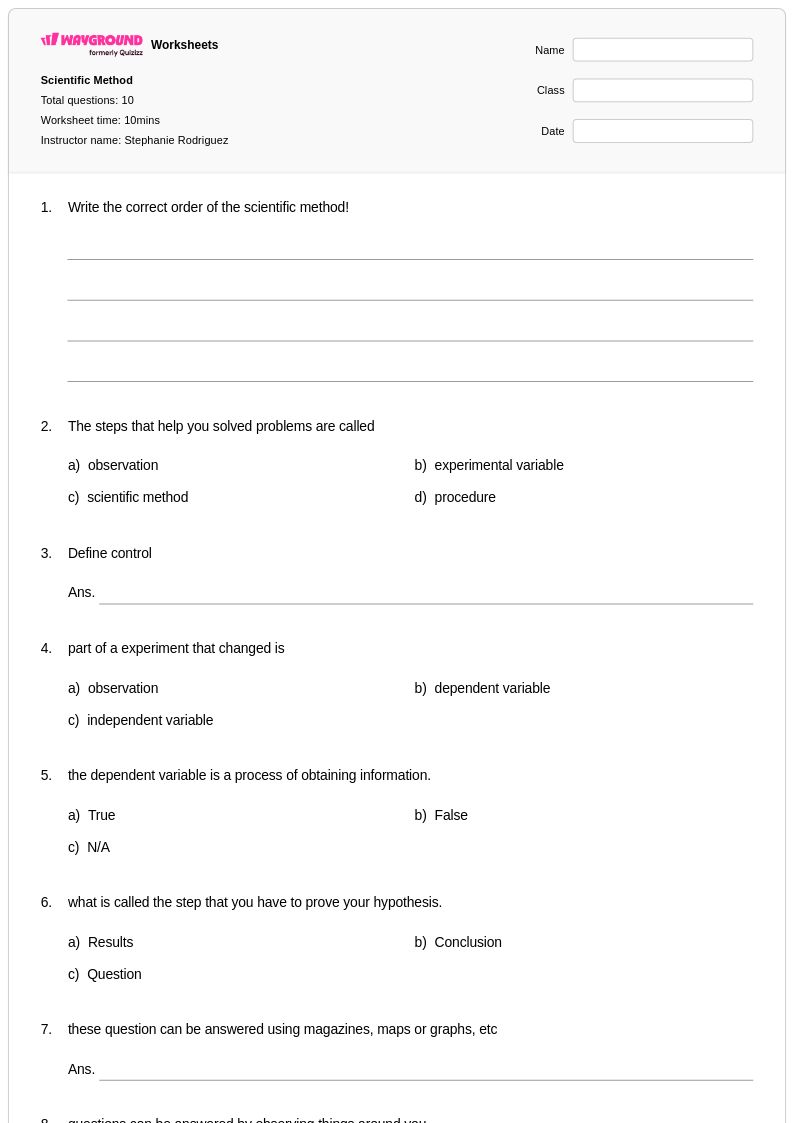
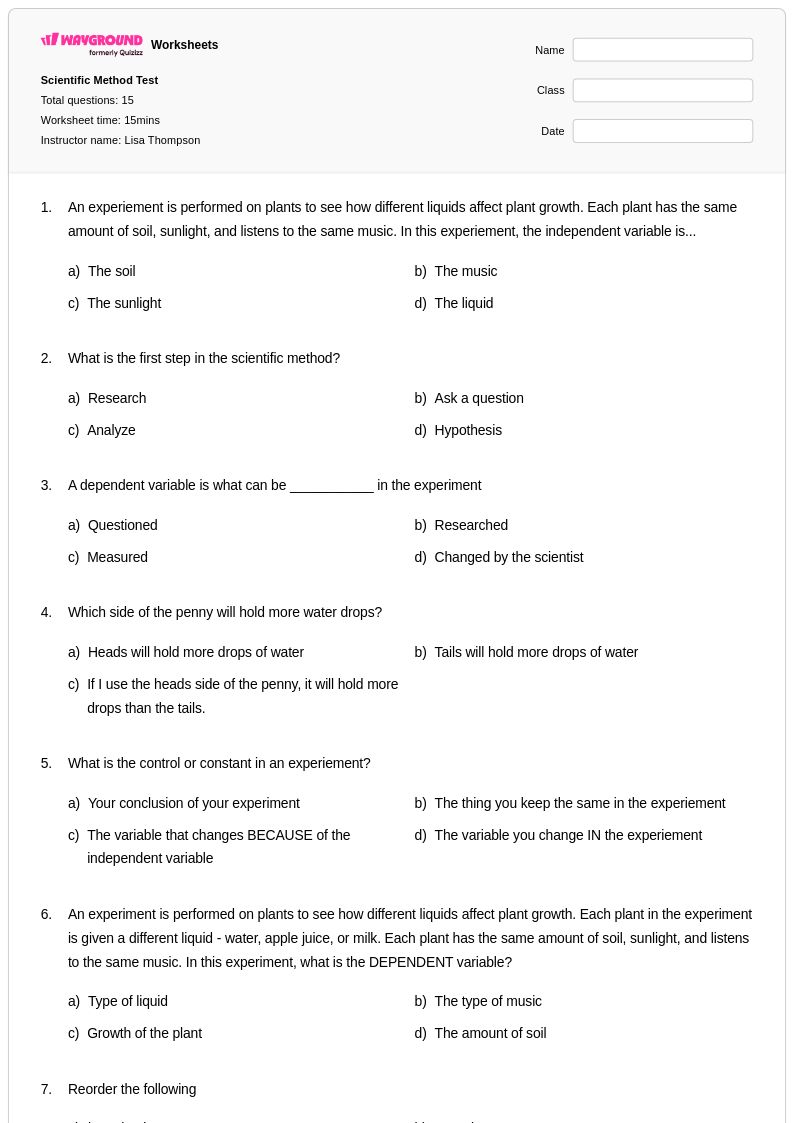
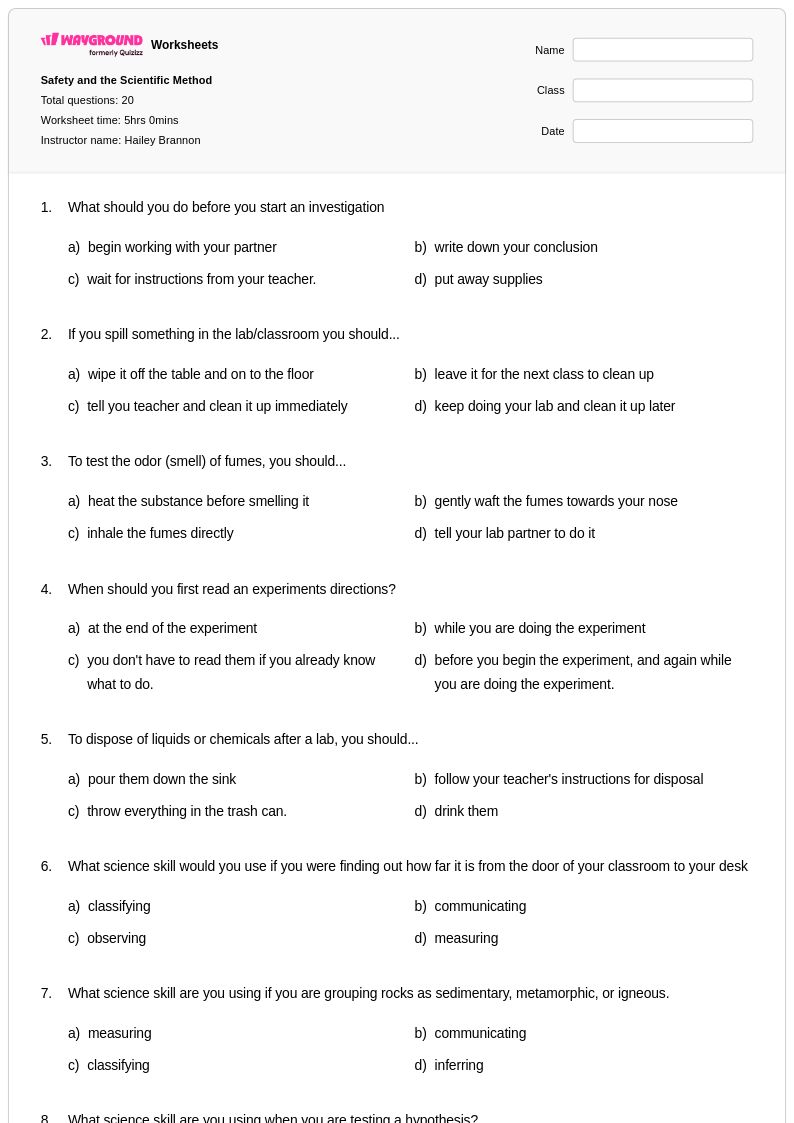
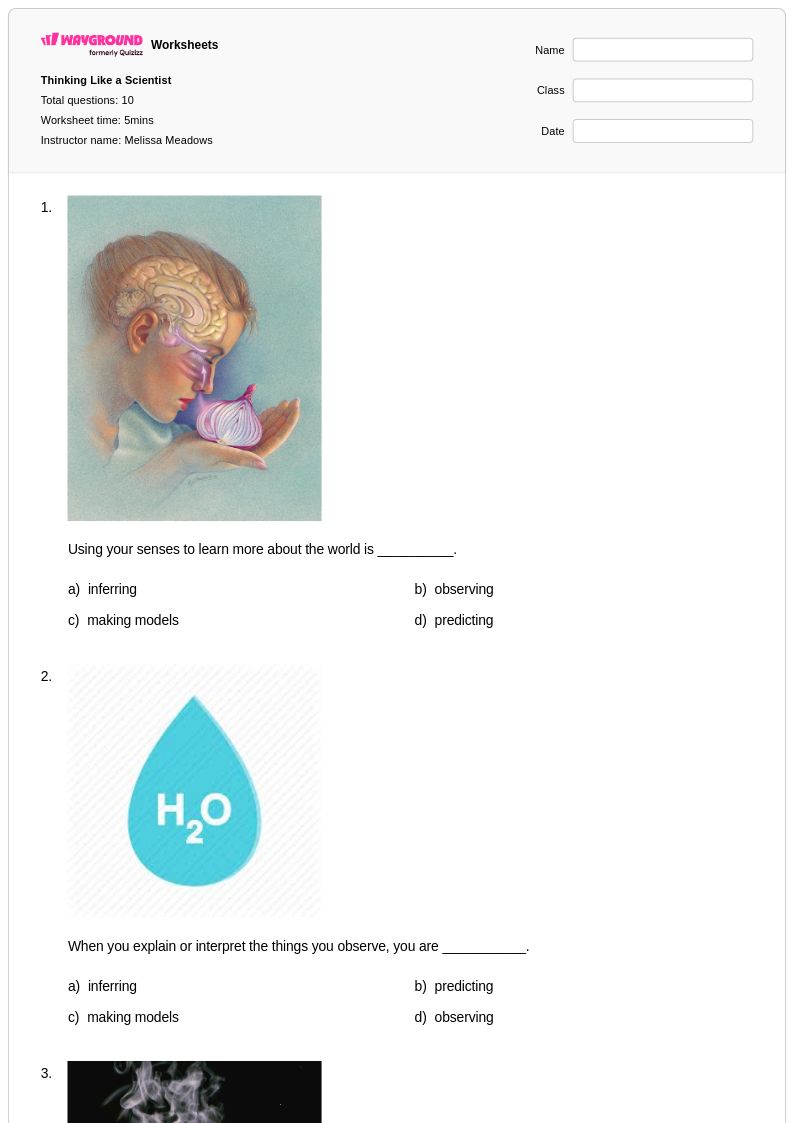
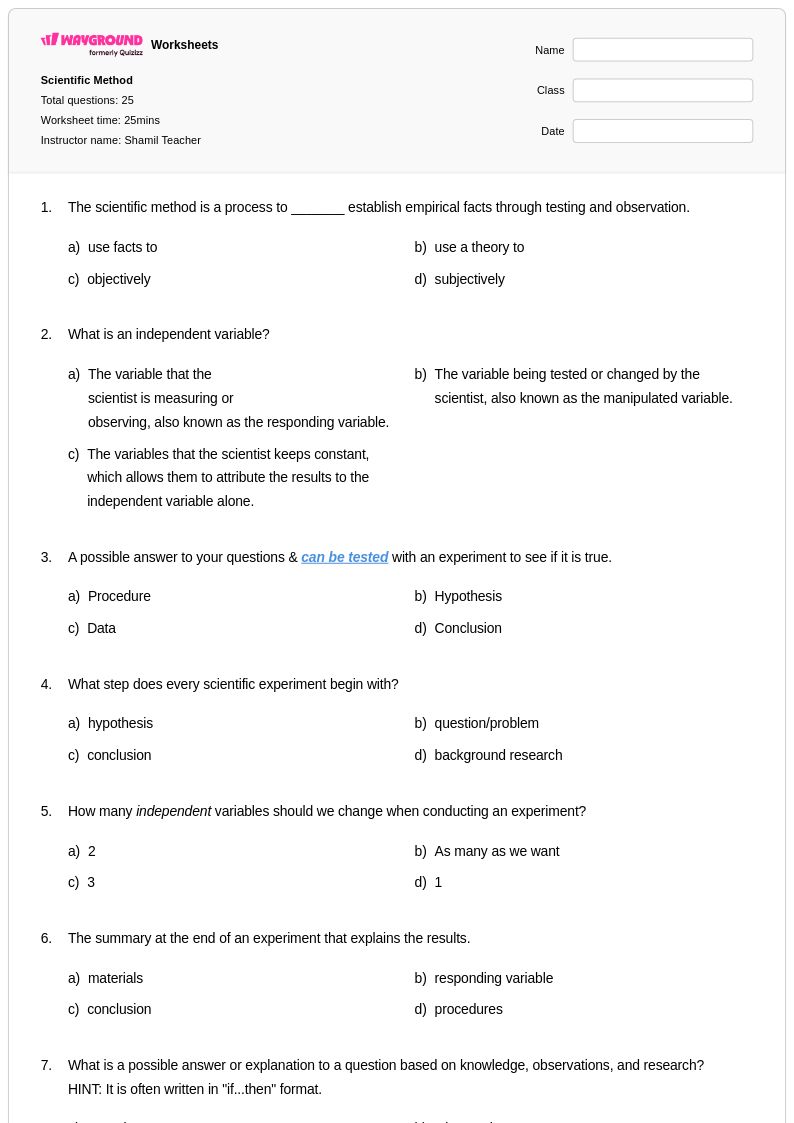
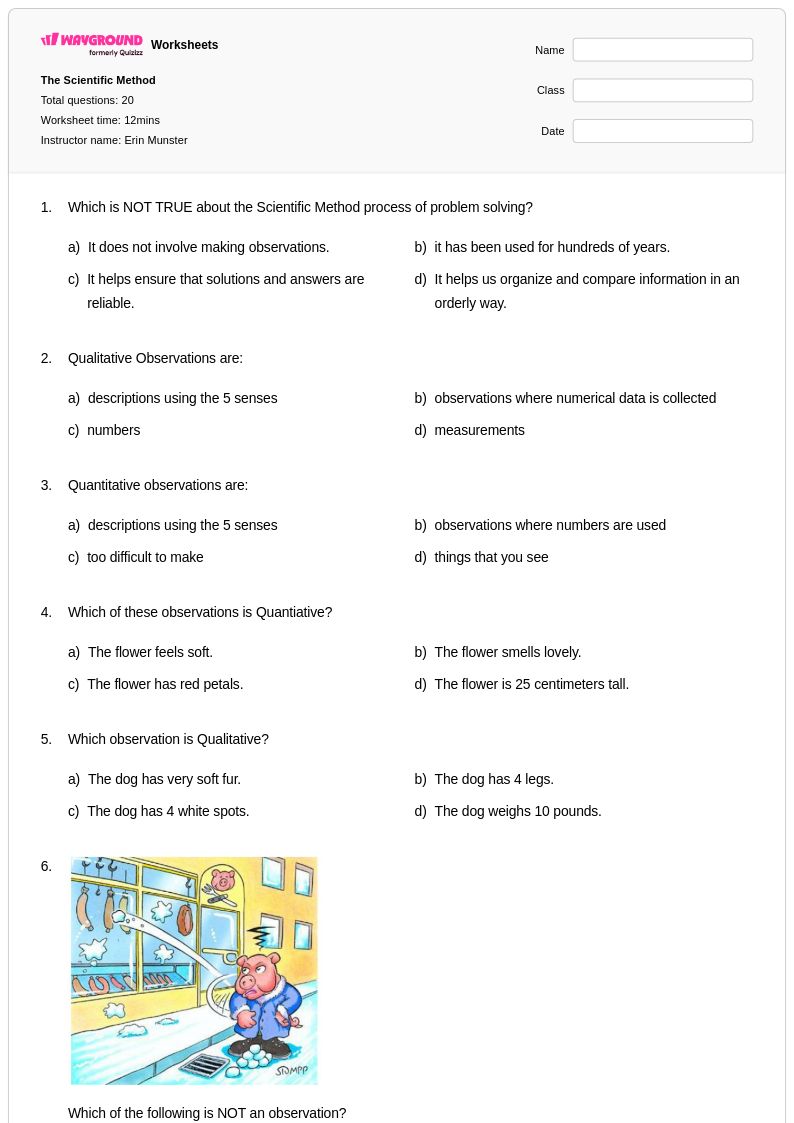
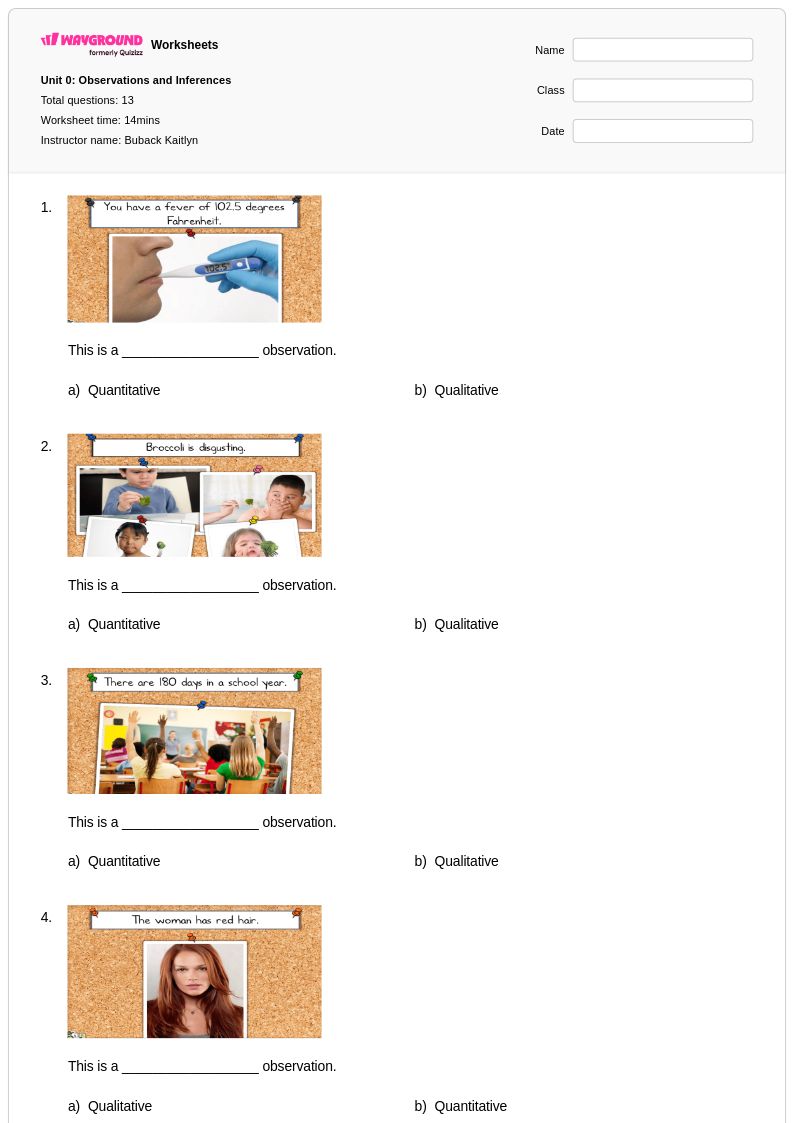
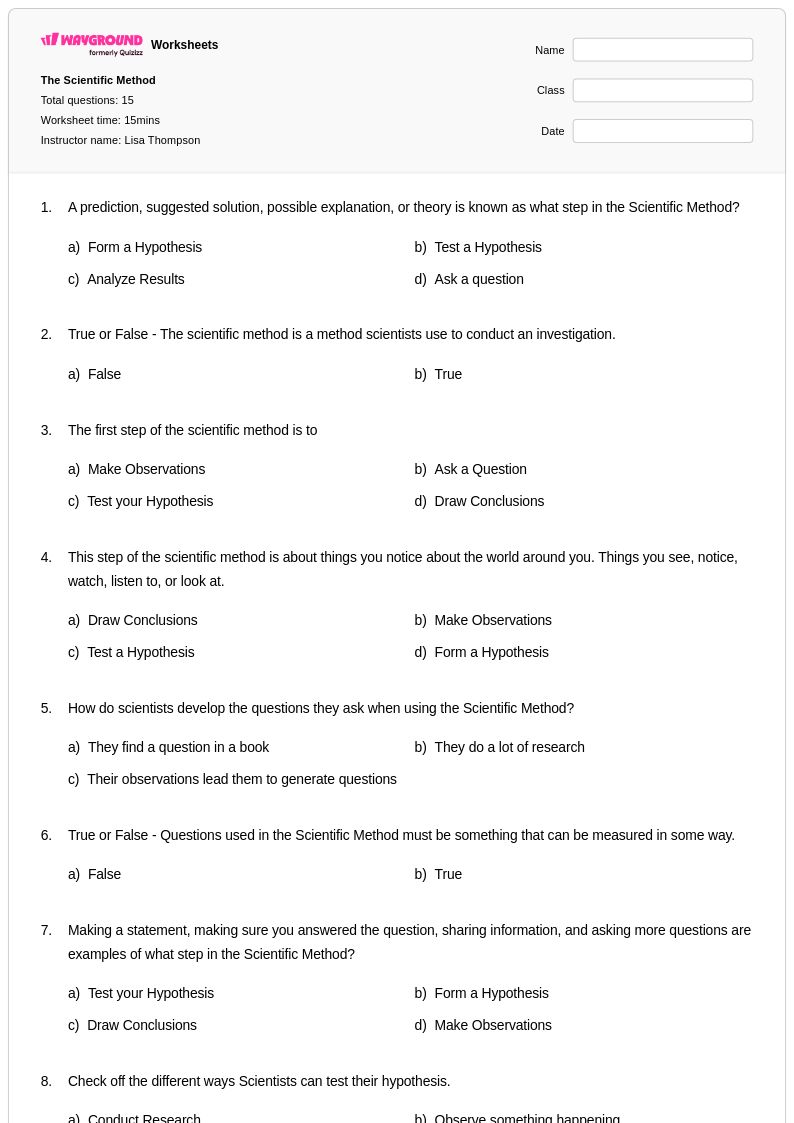
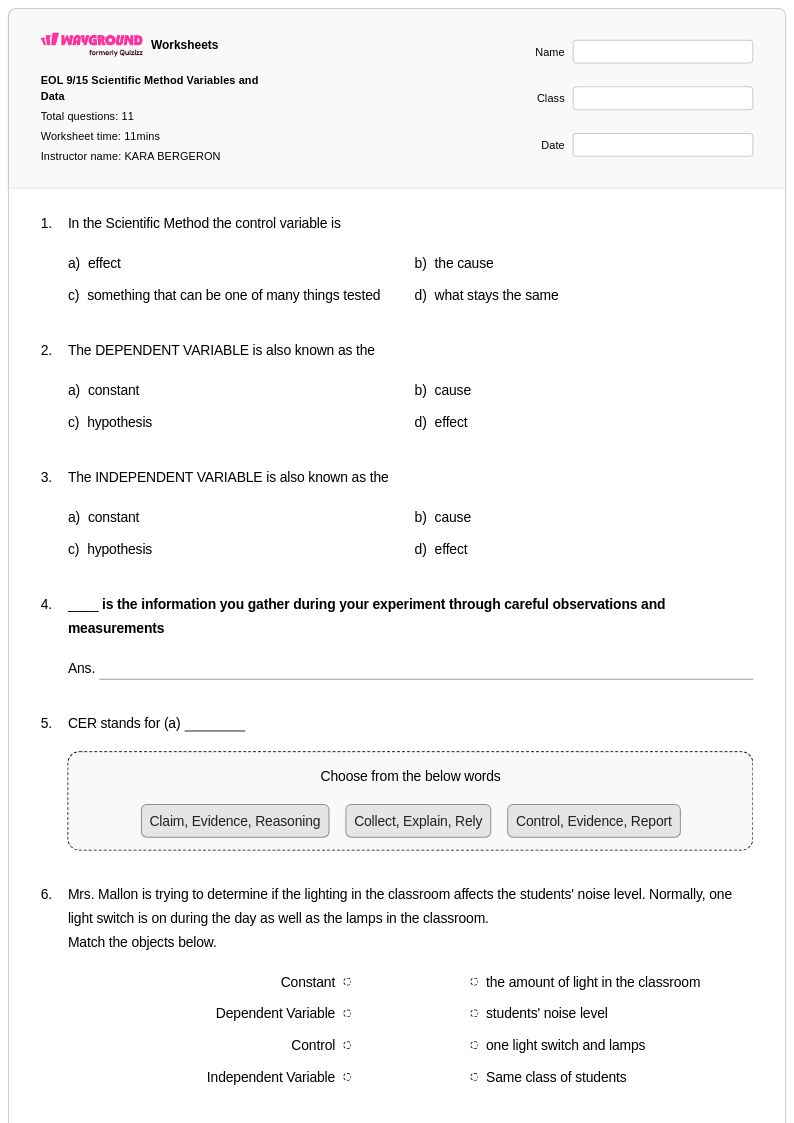
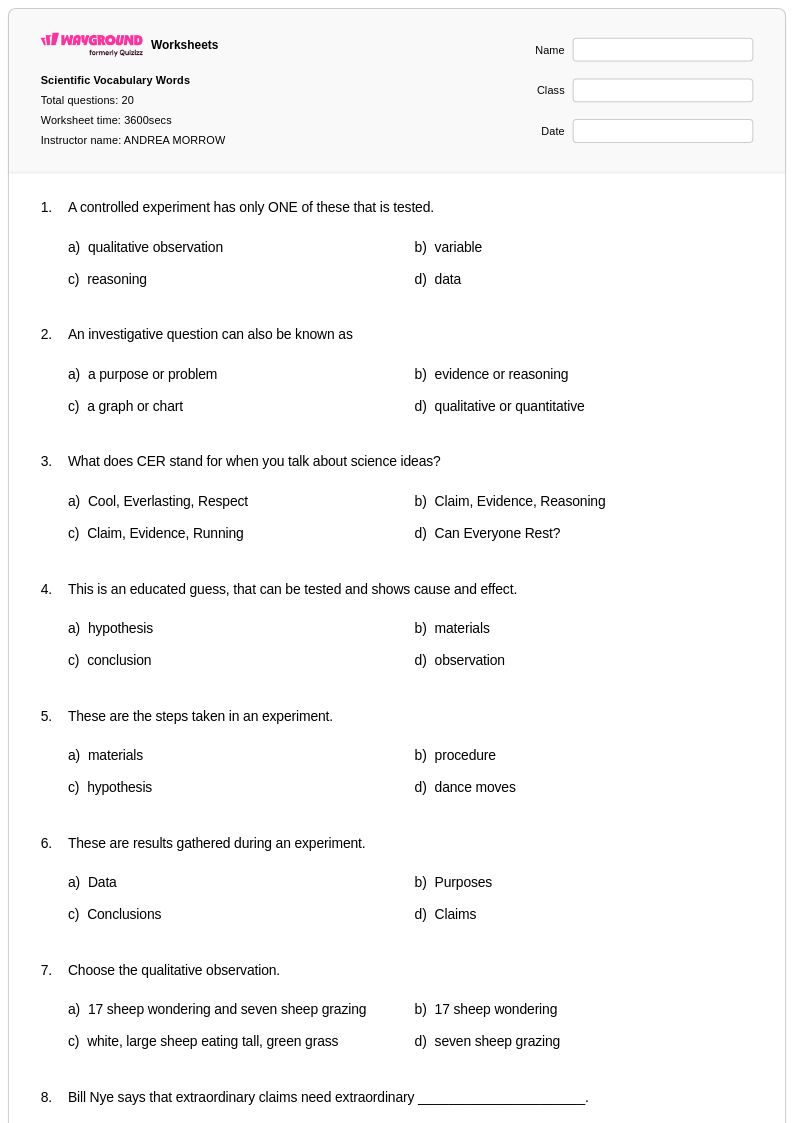
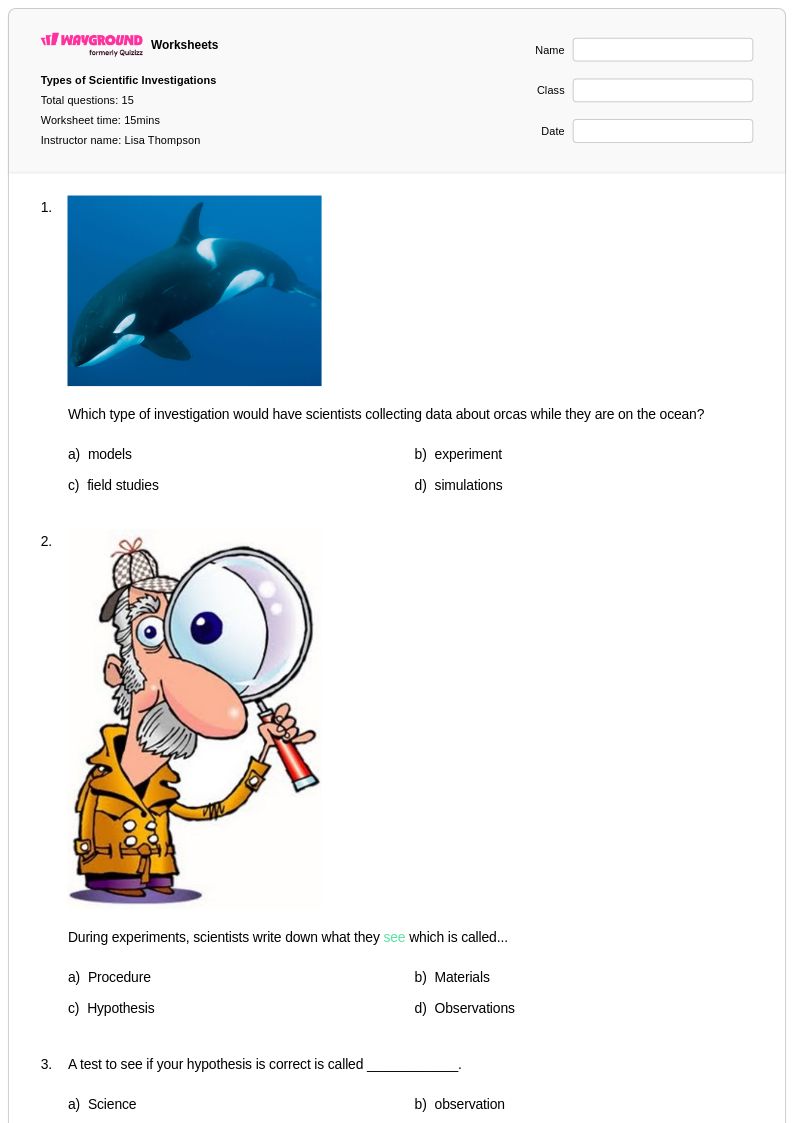
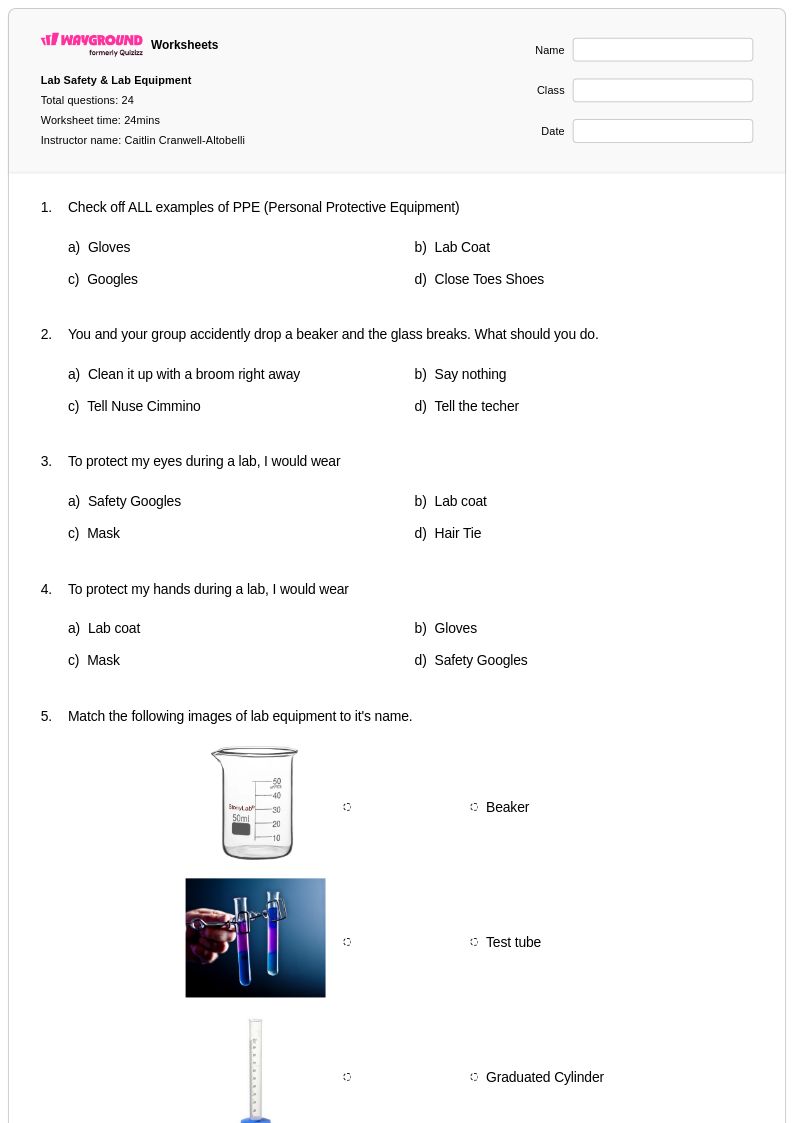
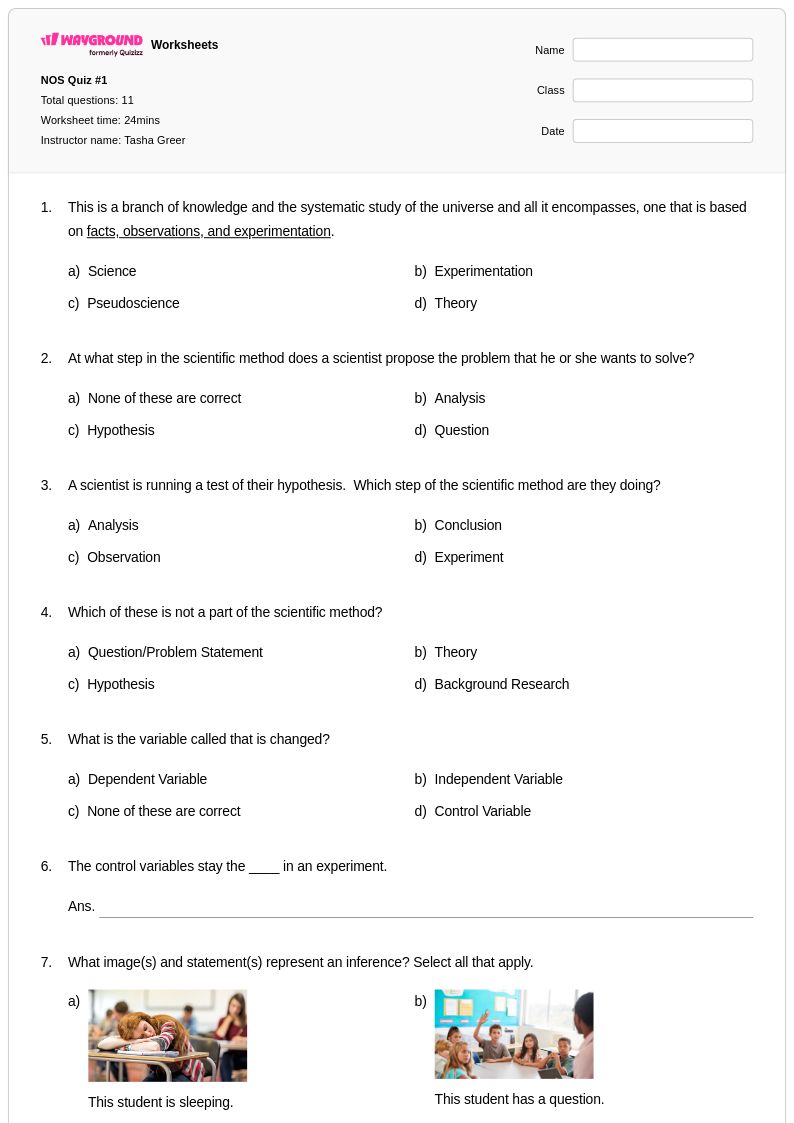
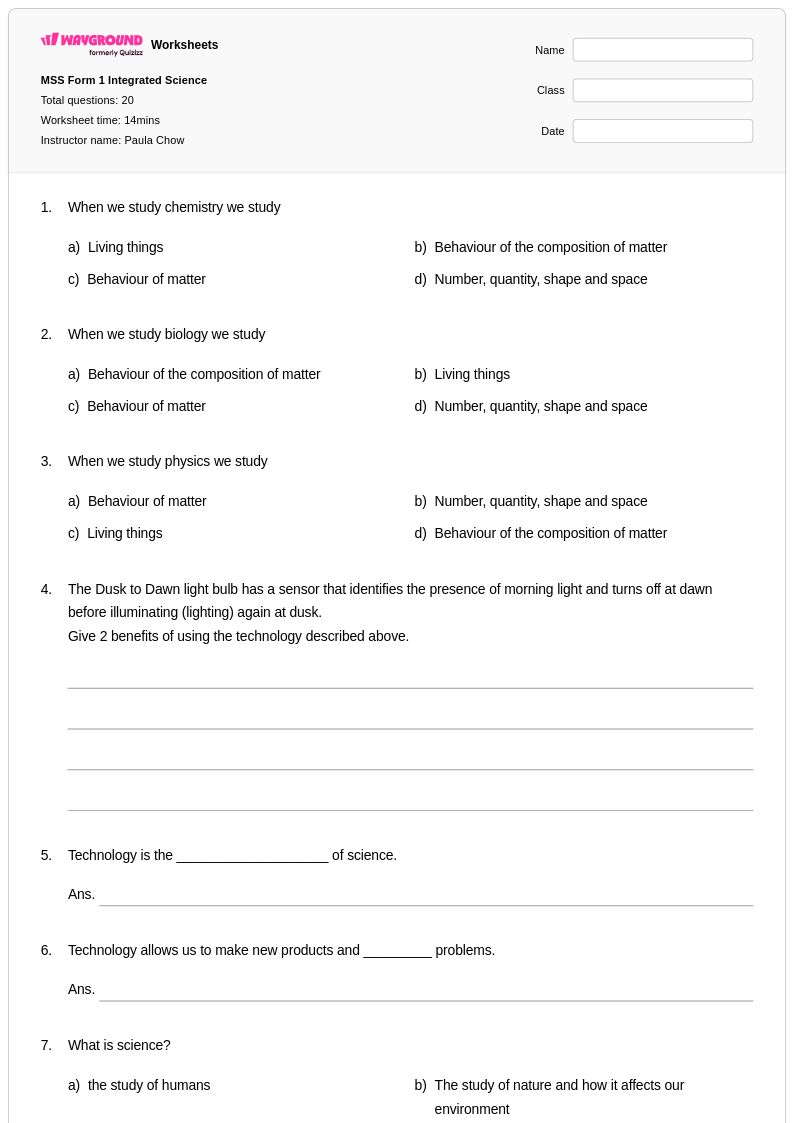
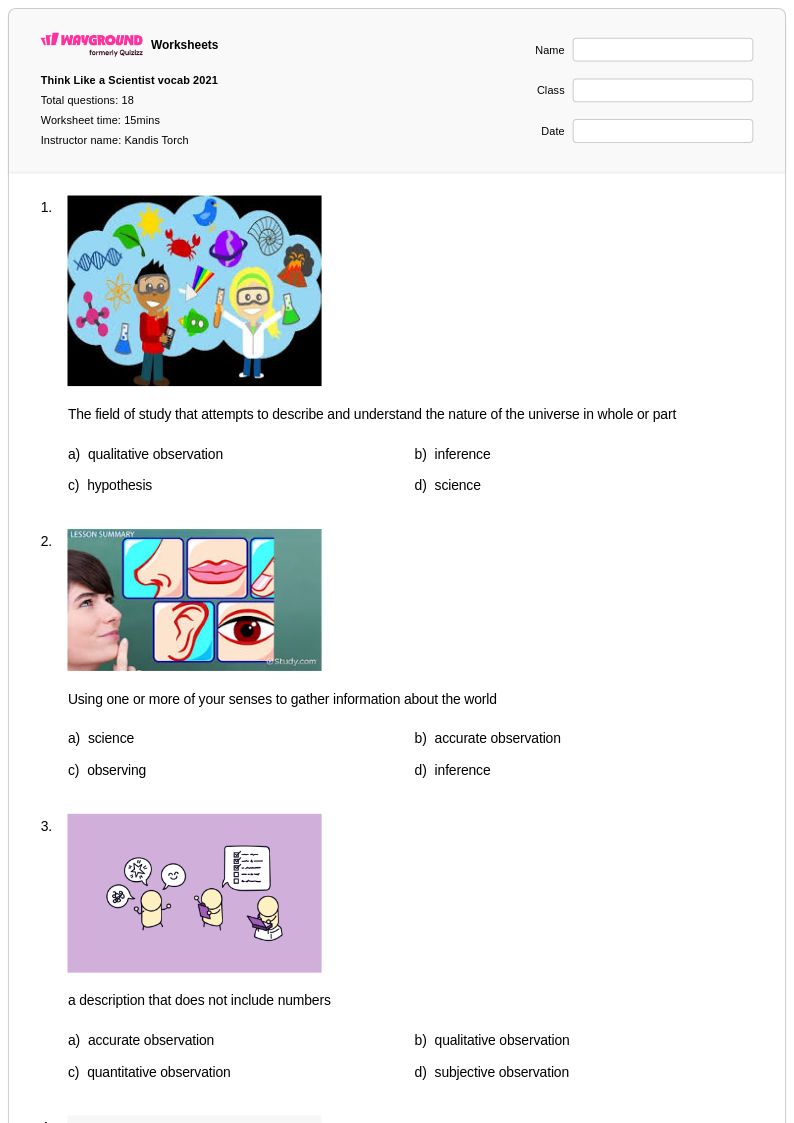
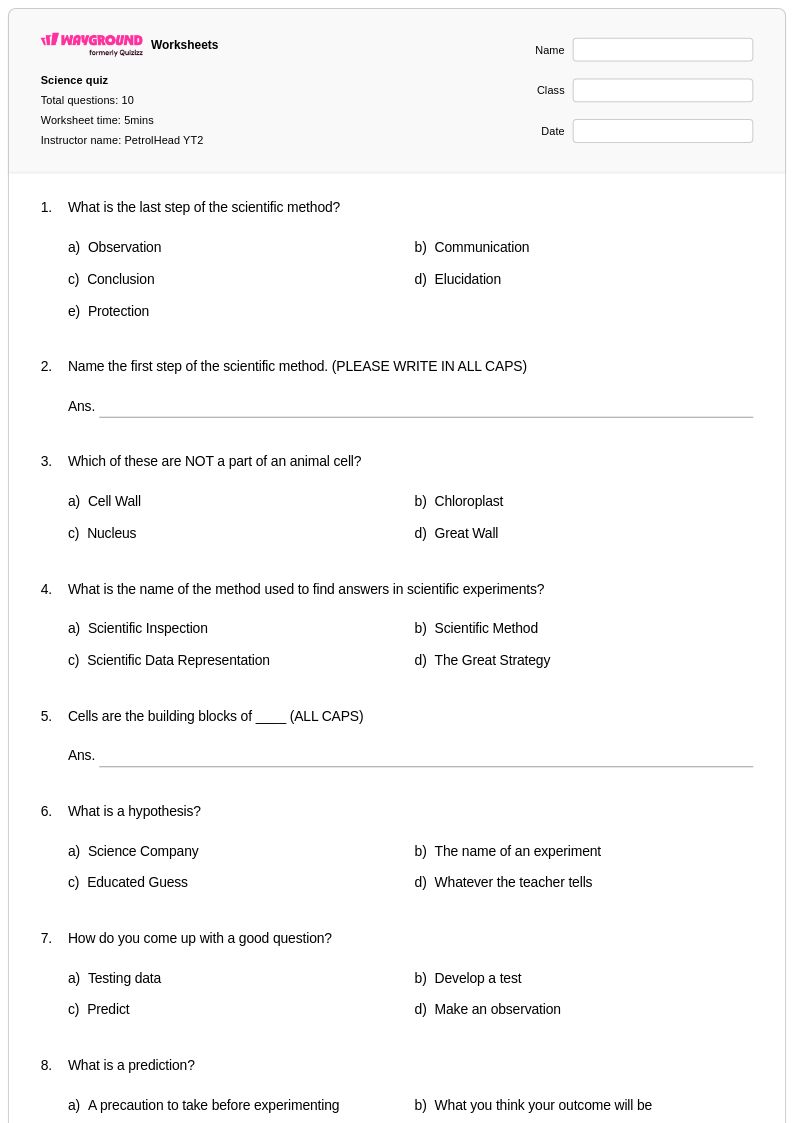
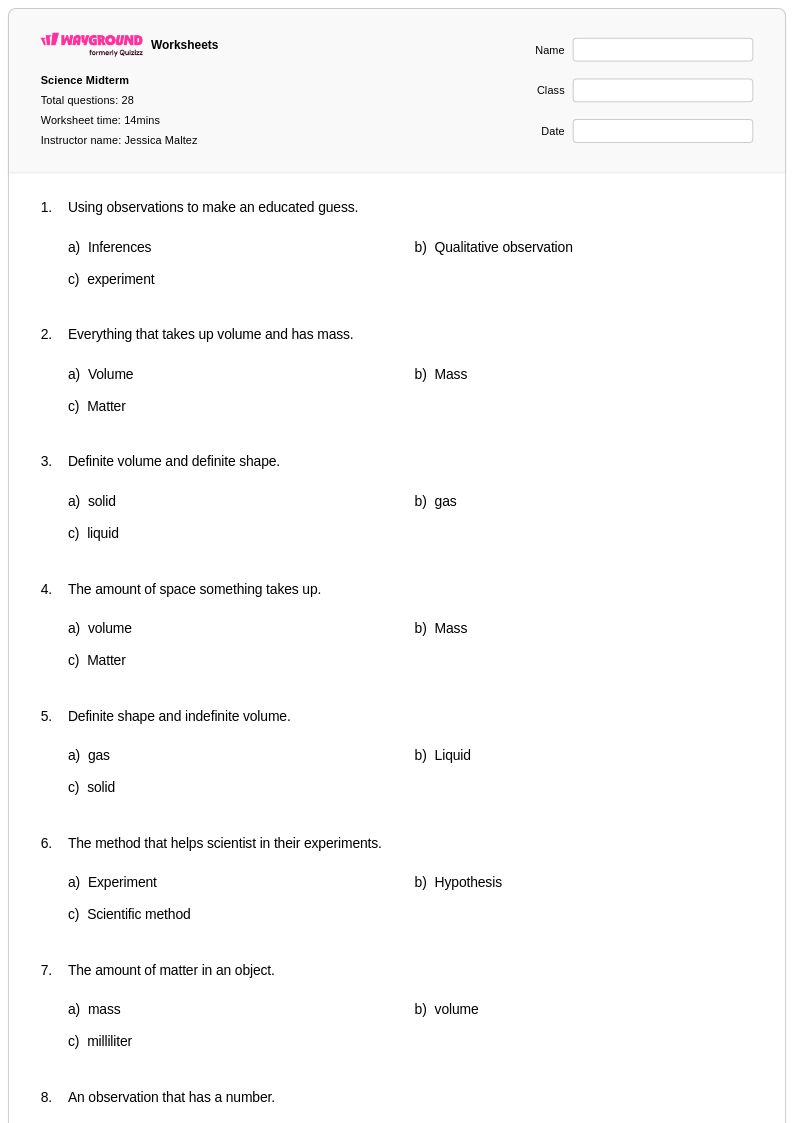
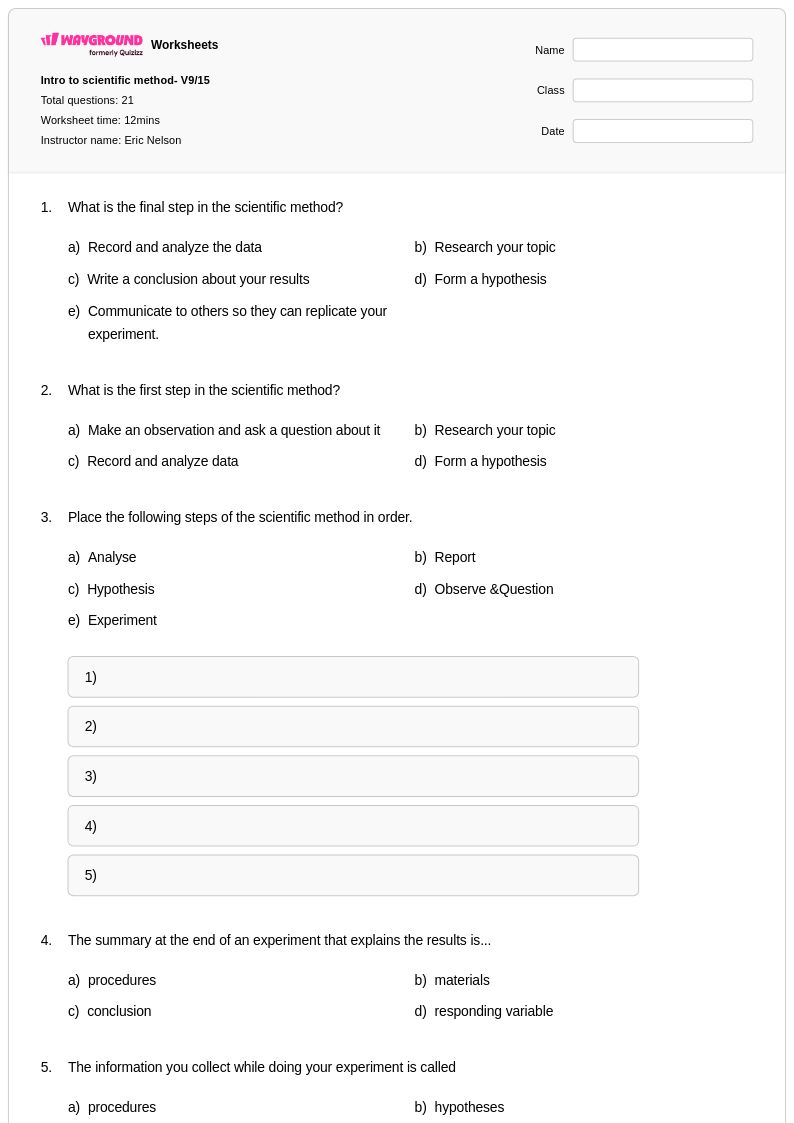
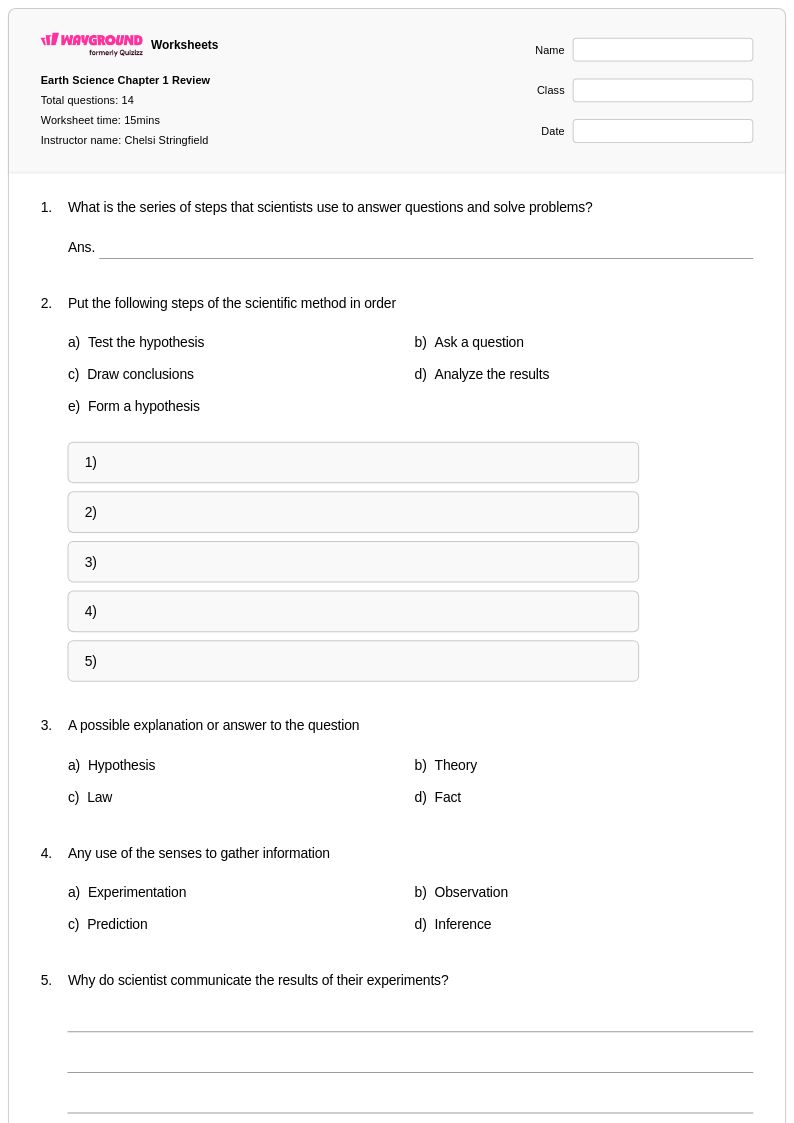
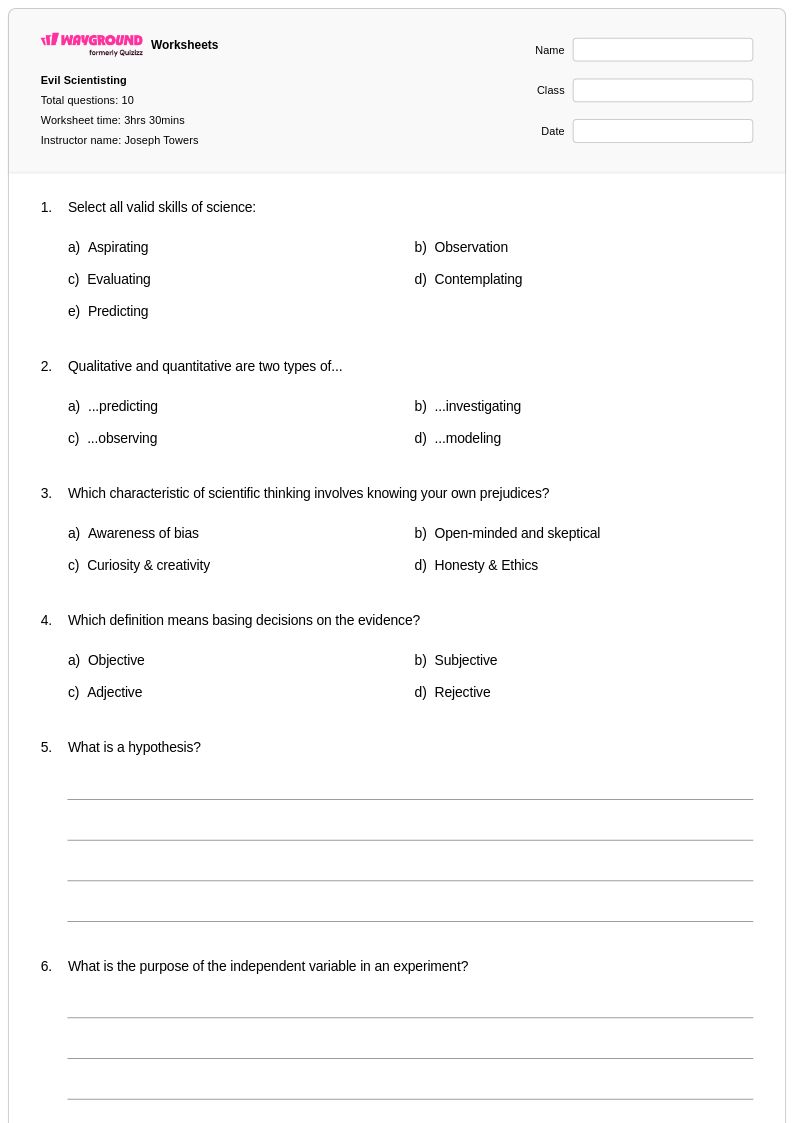
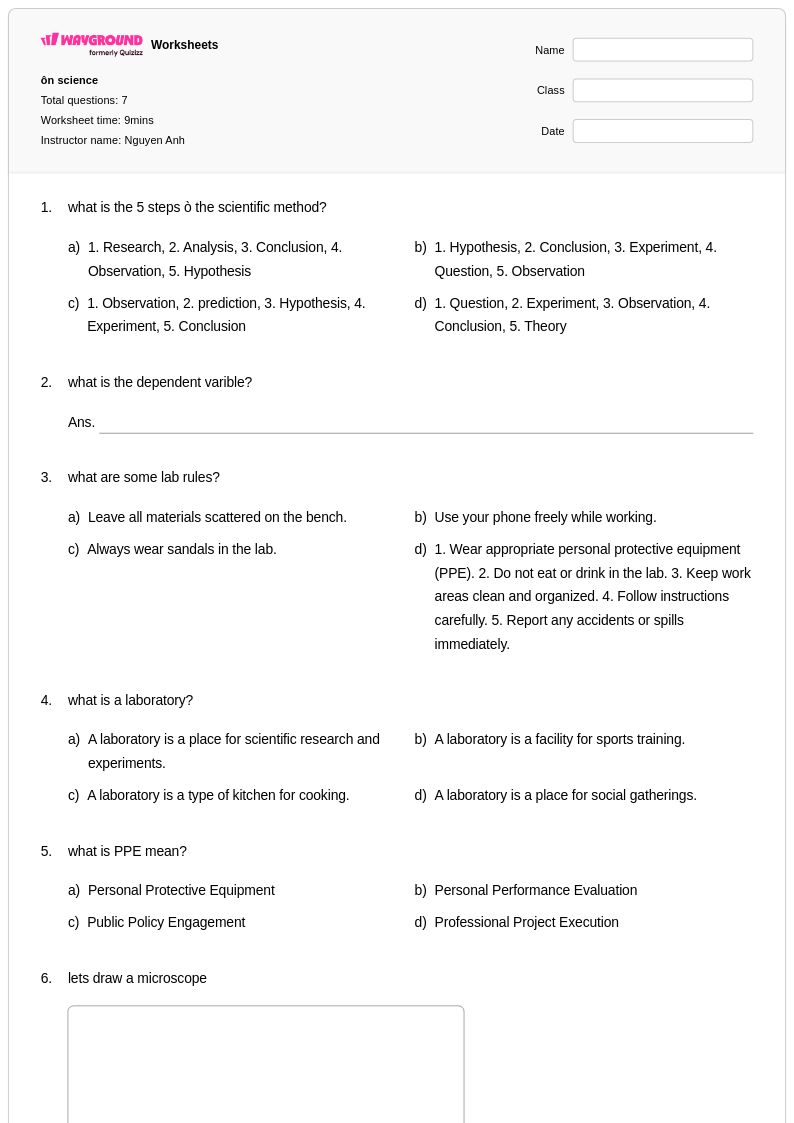
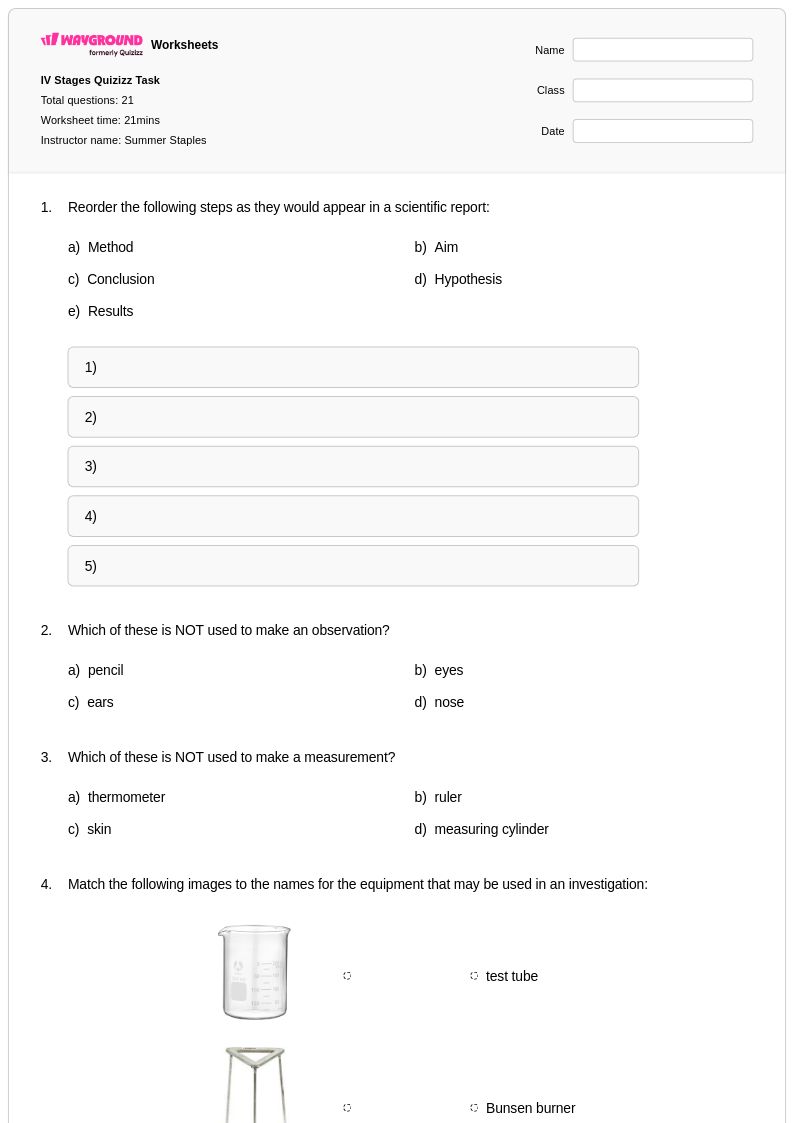
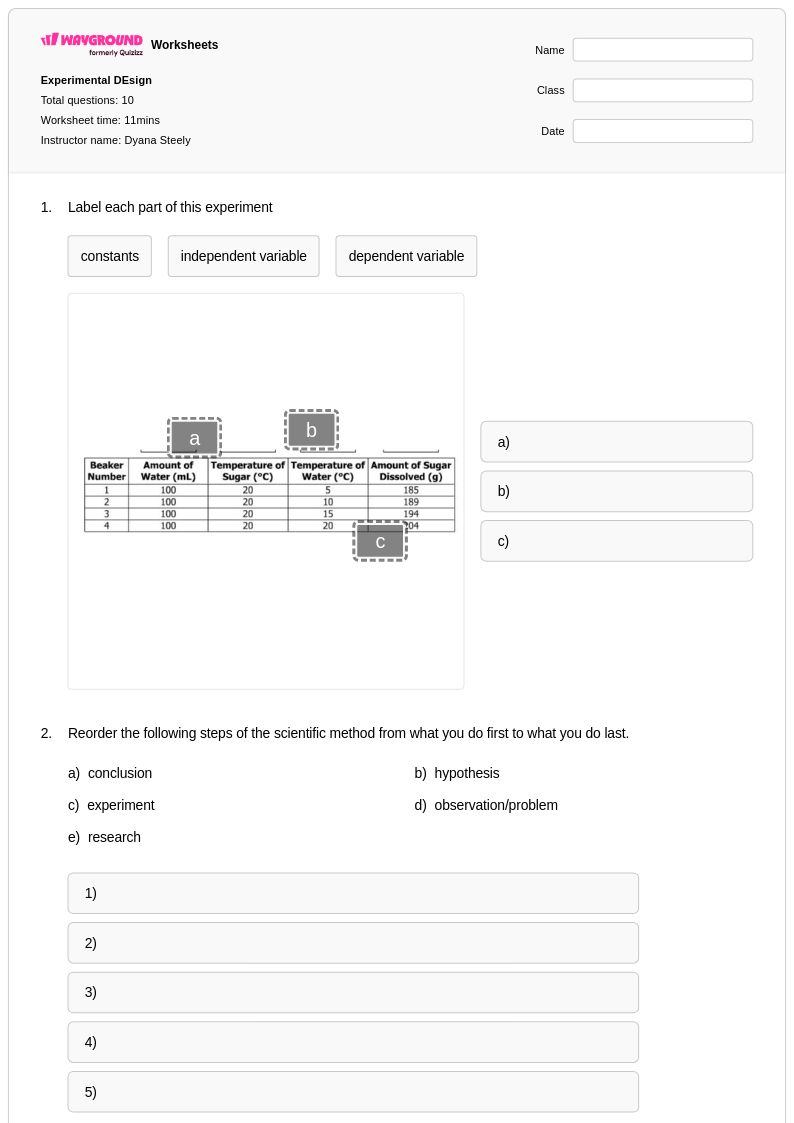
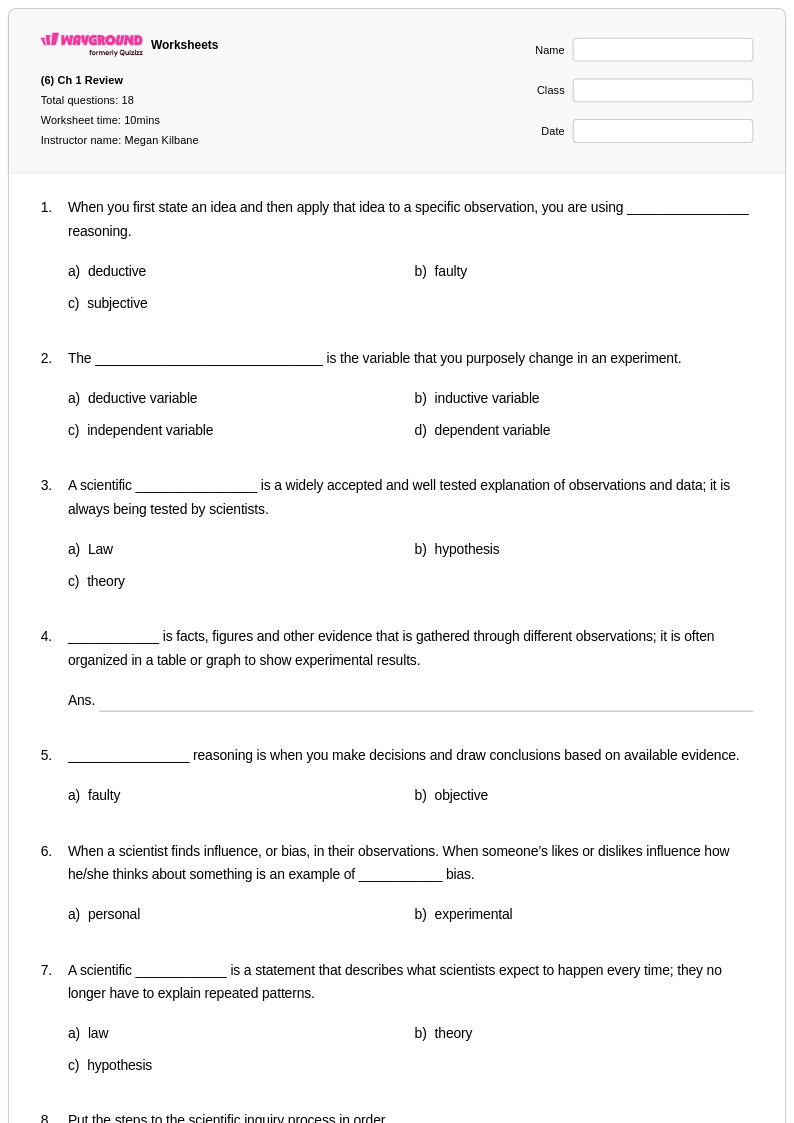
Scientific observation worksheets for Class 6 students available through Wayground (formerly Quizizz) provide essential practice in developing systematic observation skills that form the foundation of scientific inquiry. These carefully designed resources help sixth-grade students learn to distinguish between qualitative and quantitative observations, record data accurately, identify patterns in natural phenomena, and differentiate between observations and inferences. The worksheets feature real-world scenarios and hands-on activities that challenge students to use their senses methodically while documenting findings in organized formats. Each printable resource includes comprehensive practice problems with detailed answer keys, allowing students to self-assess their understanding of proper observation techniques. These free educational materials are available as convenient pdf downloads, making them easily accessible for classroom use or independent study.
Wayground (formerly Quizizz) empowers educators with millions of teacher-created scientific observation worksheets that can be seamlessly integrated into Class 6 science curriculum planning. The platform's robust search and filtering capabilities enable teachers to quickly locate resources aligned with specific learning standards and differentiate instruction based on individual student needs. Teachers can customize existing worksheets or combine multiple resources to create targeted practice sets for remediation or enrichment activities. The flexible format options support both traditional printable worksheets and interactive digital assignments, accommodating diverse classroom environments and learning preferences. This comprehensive collection of scientific observation materials helps educators scaffold students' development of critical thinking skills while providing consistent opportunities for skill practice and assessment throughout the academic year.
FAQs
How do I teach scientific observation skills to students?
Teaching scientific observation starts with helping students distinguish between what they directly perceive through their senses and the conclusions they draw from those perceptions. Begin with structured activities using familiar objects, prompting students to record qualitative details like color, texture, and shape alongside quantitative measurements like mass or length. Gradually introduce more complex scenarios, such as observing biological processes or physical changes, where students must use precise scientific vocabulary and organize their data systematically. Consistent practice with separating observation from inference is the most critical habit to reinforce early.
What is the difference between qualitative and quantitative observation, and how do I help students tell them apart?
Qualitative observations describe characteristics using sensory details without numerical measurement, such as noting that a leaf is smooth and dark green, while quantitative observations involve measurable data expressed in numbers and units, such as recording that a leaf is 7.3 cm long. Students frequently conflate the two or default entirely to qualitative descriptions, so explicit comparison exercises are effective. Worksheets that ask students to record both types side by side for the same object help solidify the distinction and build habits of thorough data collection.
What common mistakes do students make when recording scientific observations?
The most frequent error is confusing observation with inference, for example writing 'the liquid is acidic' instead of 'the liquid turned red litmus paper pink.' Students also tend to use vague, non-scientific language, omit units when recording measurements, and skip documenting negative or null observations that may still be scientifically meaningful. Addressing these patterns explicitly, using examples of strong versus weak observation records, helps students internalize what precise scientific documentation looks like before they practice independently.
What exercises help students practice scientific observation skills?
Effective practice exercises include sensory observation charts for physical materials, structured data tables for recording changes over time, and activities that ask students to observe the same phenomenon through multiple senses and measurement methods. Exercises that present two similar objects and require students to document every distinguishable difference sharpen attention to detail. Progressing from simple object observation to more complex scenarios involving biological processes or chemical changes ensures students build versatile skills applicable across scientific disciplines.
How do I use scientific observation worksheets in my classroom?
Scientific observation worksheets on Wayground are available as printable PDFs for traditional classroom use and in digital formats for technology-integrated environments, including the option to host them as a quiz on Wayground. They work well for whole-class instruction when introducing observation methodology, as well as for small group or independent practice during lab preparation or follow-up. For students who need additional support, Wayground's accommodation tools allow teachers to enable read-aloud features or adjust answer choices individually, without notifying the rest of the class, making it straightforward to differentiate within a single session.
How can I assess whether my students are developing strong observation skills?
Look for whether students consistently use specific, sensory-based language rather than interpretive statements, include both qualitative and quantitative details, and apply appropriate units and scientific vocabulary. A reliable diagnostic approach is to give students an unfamiliar object or image and ask them to record observations without guidance, then evaluate their responses against a structured rubric. Common gaps, such as inference language or missing measurements, reveal exactly which observation sub-skills need targeted remediation.