Class 3 social cues worksheets and printables help students develop essential skills for reading body language, facial expressions, and nonverbal communication through engaging practice problems with answer keys.
Explore printable Social Cues worksheets for Class 3
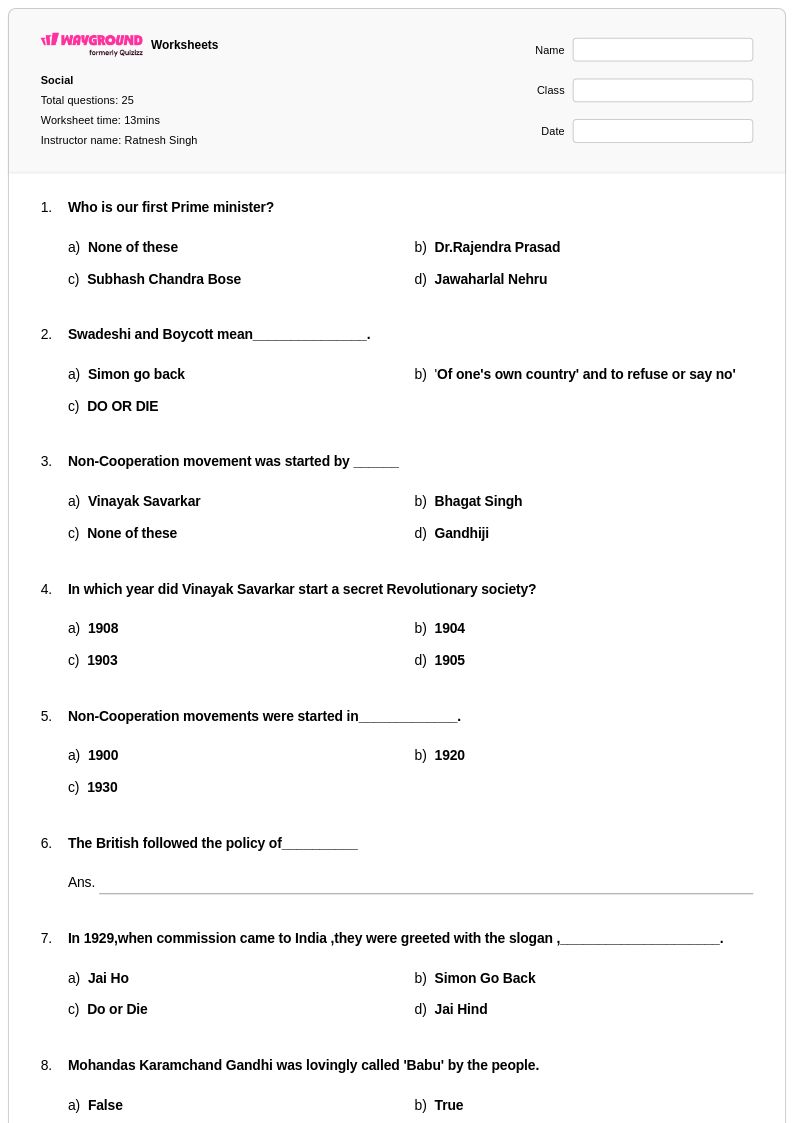
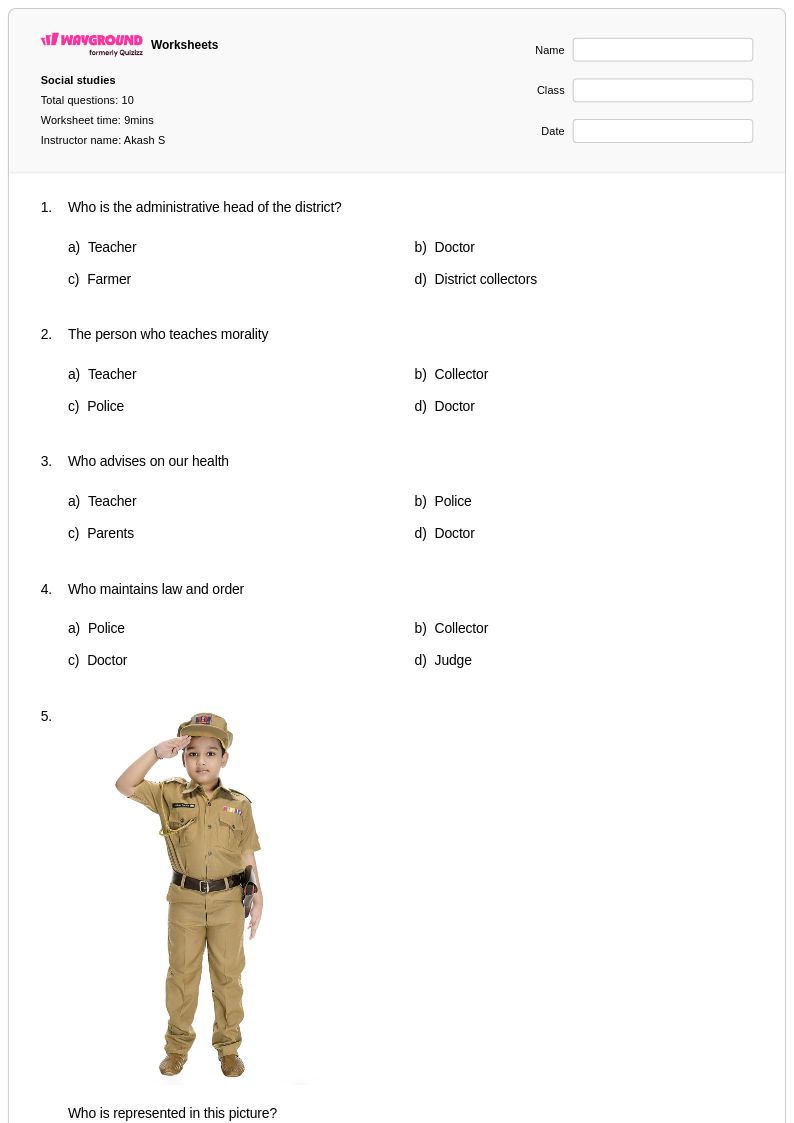
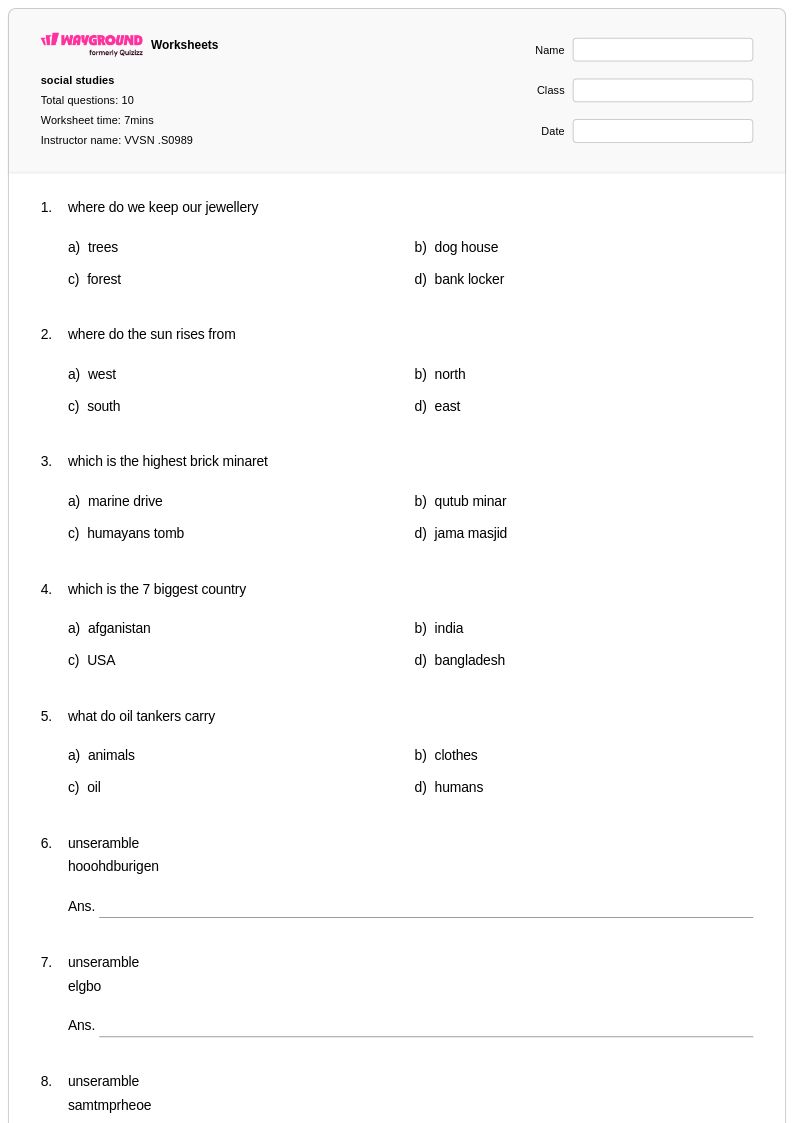
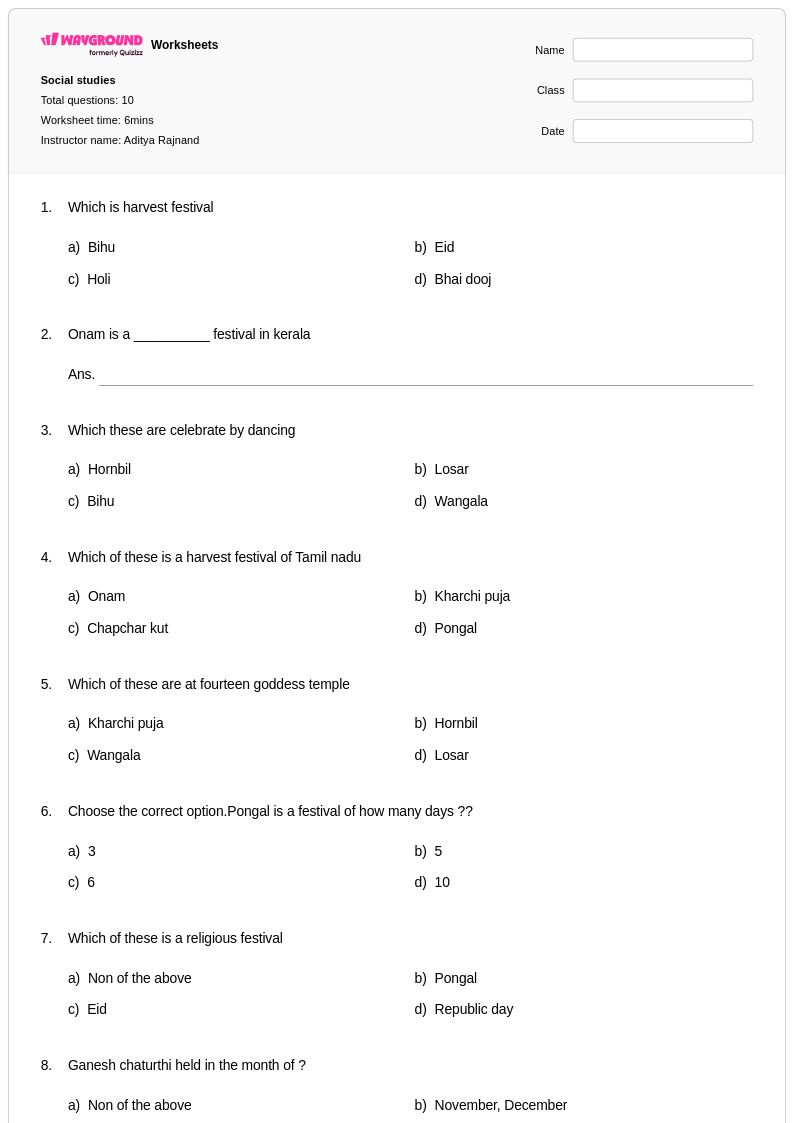
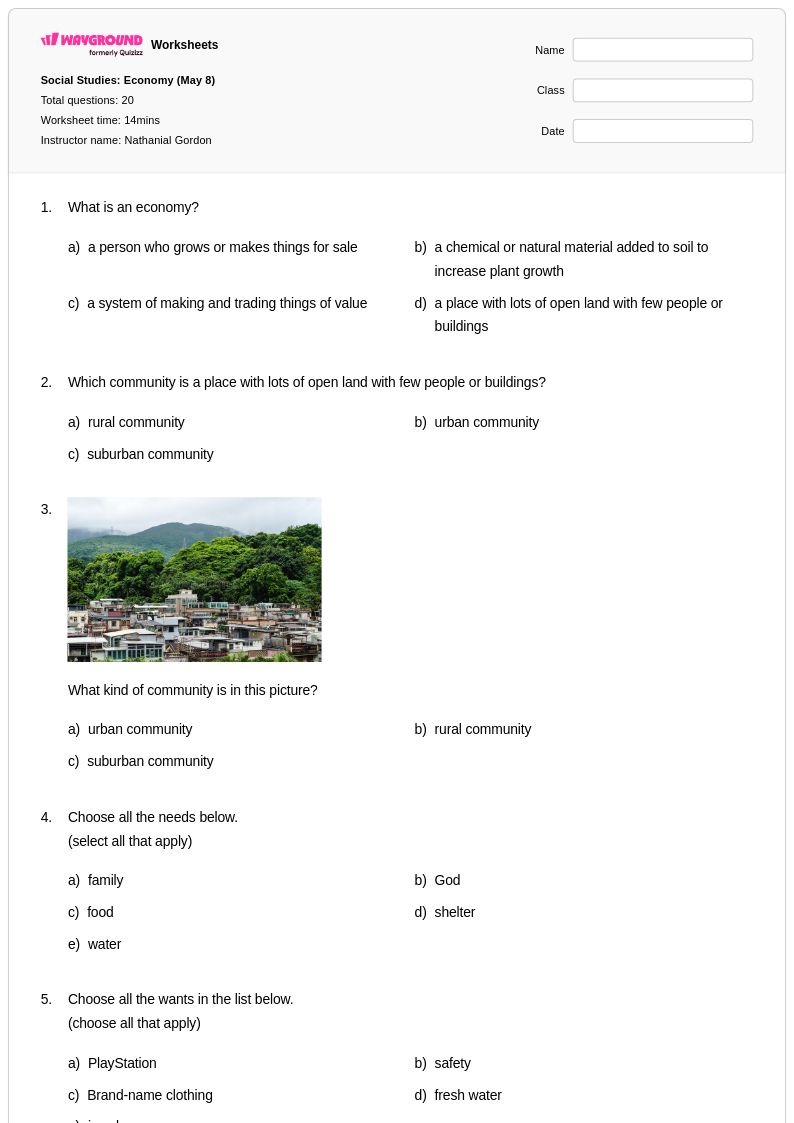
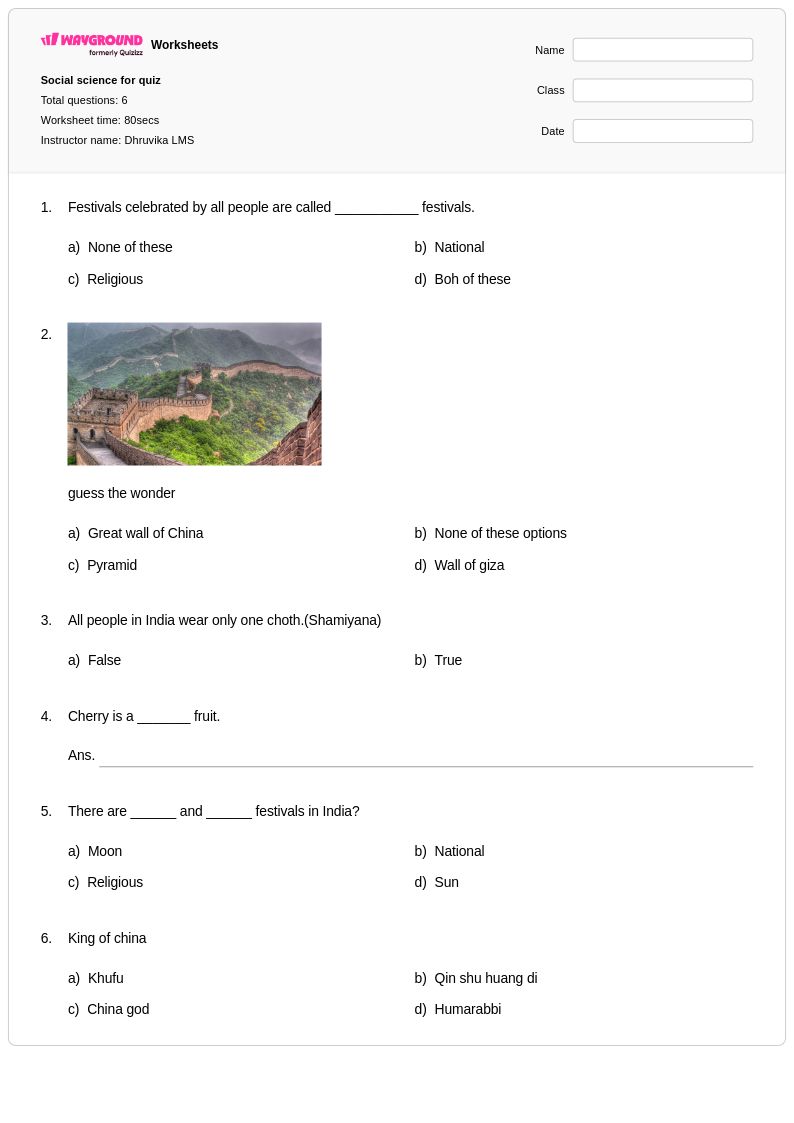
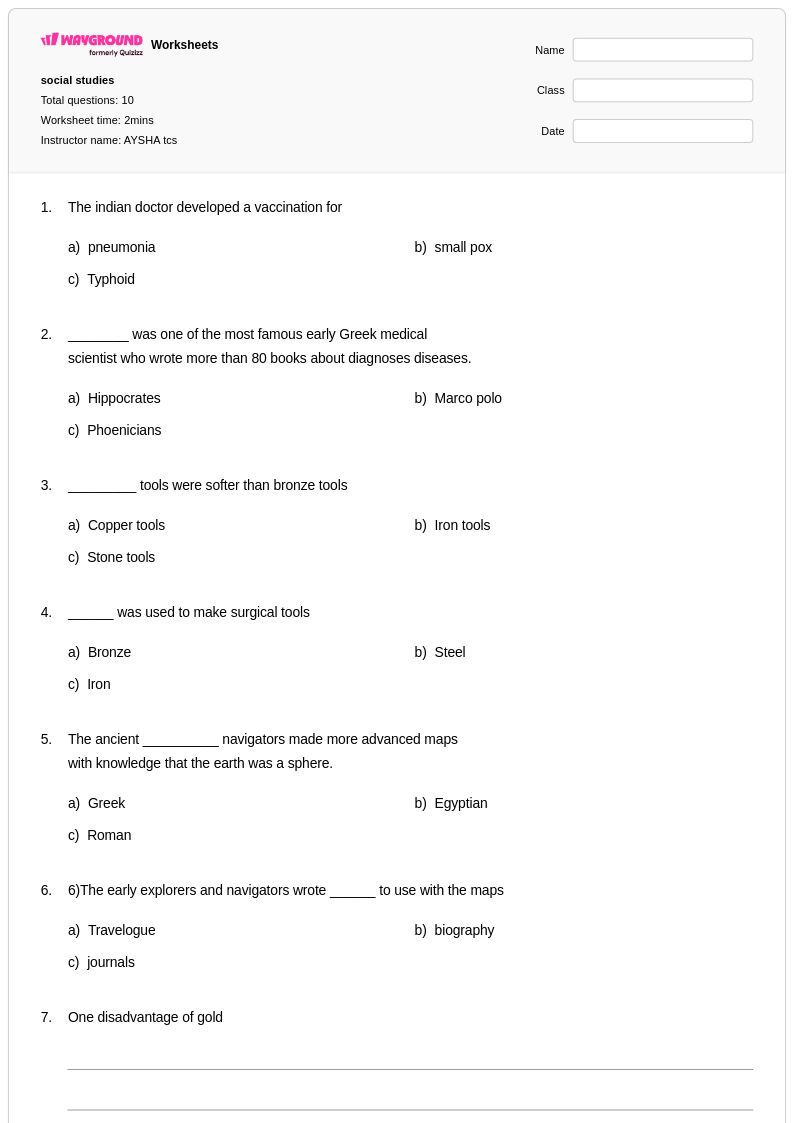
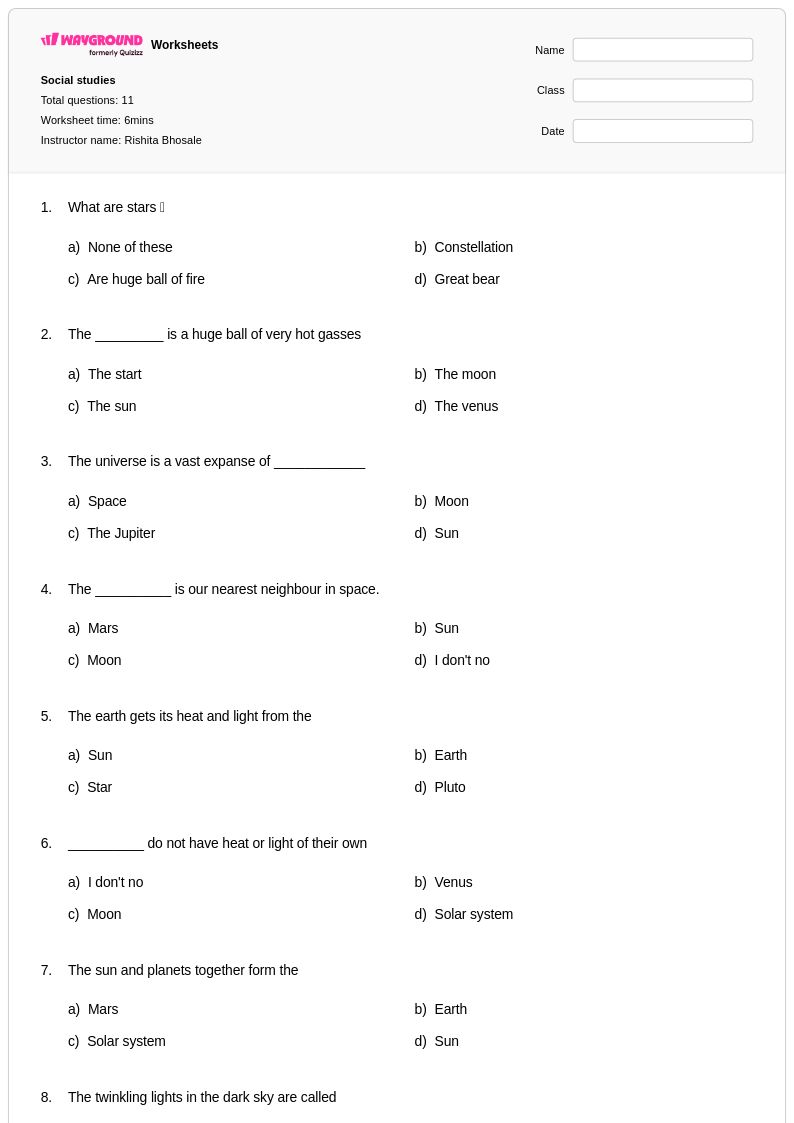
Social cues worksheets for Class 3 students available through Wayground (formerly Quizizz) provide essential practice in recognizing and interpreting nonverbal communication signals that are fundamental to successful social interactions. These comprehensive printables focus on helping third-grade learners identify facial expressions, body language, tone of voice, and personal space boundaries through engaging scenarios and visual examples. Students develop critical social awareness skills by analyzing situations where characters display different emotions, practice reading environmental social signals, and learn to respond appropriately to various social contexts. Each free worksheet includes detailed practice problems that guide students through real-world situations, complete with answer keys that enable both independent learning and guided instruction, all available in convenient pdf format for classroom or home use.
Wayground's extensive collection of teacher-created social cues resources offers educators access to millions of professionally developed materials specifically designed to support Class 3 social skills instruction. The platform's robust search and filtering capabilities allow teachers to quickly locate worksheets that align with specific learning objectives and social-emotional learning standards, while differentiation tools enable customization for diverse learning needs and ability levels. These flexible resources are available in both printable and digital formats, including downloadable pdfs, making them ideal for various instructional settings from traditional classrooms to remote learning environments. Teachers can effectively use these materials for lesson planning, targeted remediation for students struggling with social awareness, enrichment activities for advanced learners, and ongoing skill practice that reinforces proper interpretation of social cues throughout the academic year.
FAQs
How do I teach students to read social cues in the classroom?
Teaching social cues effectively requires presenting students with concrete, real-world scenarios that isolate specific nonverbal signals such as facial expressions, body language, and tone of voice. Start by modeling how to identify one cue type at a time before asking students to interpret combinations of signals in context. Role-play and scenario-based practice are especially effective because they give students low-stakes opportunities to apply interpretation skills and discuss the reasoning behind appropriate social responses.
What exercises help students practice interpreting nonverbal communication?
Structured scenario-based worksheets are among the most effective tools for practicing nonverbal communication, as they prompt students to analyze a described situation and select or explain an appropriate response. Exercises that present images or written descriptions of facial expressions, posture, and situational context help students build pattern recognition for common social signals. Repeated practice with varied scenarios is key because social cue interpretation relies on exposure to a wide range of interpersonal contexts.
What mistakes do students commonly make when learning to read social cues?
A common error is over-relying on a single cue, such as a smile, without considering the broader context or accompanying signals like tone of voice or body posture. Students also frequently misread ambiguous expressions or assume their own emotional interpretation is universal, which can lead to inaccurate social judgments. Explicitly teaching students to cross-reference multiple signals and consider situational context helps correct these patterns.
How can I differentiate social cues instruction for students at different skill levels?
For students who are still developing foundational skills, simplify scenarios to focus on one cue at a time and reduce the number of response choices to lower cognitive load. More advanced students benefit from complex multi-signal scenarios that require weighing competing cues and justifying their interpretations. On Wayground, teachers can apply accommodations such as reduced answer choices or read-aloud support to individual students, so differentiation happens at the assignment level without singling anyone out.
How do I use Wayground's social cues worksheets in my classroom?
Wayground's social cues worksheets are available as printable PDFs for traditional classroom use and in digital formats for technology-integrated or remote learning environments. Teachers can also host the material as an interactive quiz directly on Wayground, which allows for real-time progress monitoring. Both formats include complete answer keys, making them practical for independent practice, small group work, or formative assessment.
Are social cues worksheets appropriate for students with social-emotional learning needs or IEPs?
Yes, social cues practice is directly aligned with social-emotional learning (SEL) goals and is often relevant for students with IEPs that target communication or social skill development. Scenario-based worksheets provide the structured, repeatable practice that many of these students need, and the explicit nature of written exercises helps make implicit social knowledge more accessible. Wayground also supports individual accommodations such as read-aloud and extended time, which can be assigned to specific students without affecting the rest of the class.