Free Printable Social Problem Solving Worksheets for Class 1
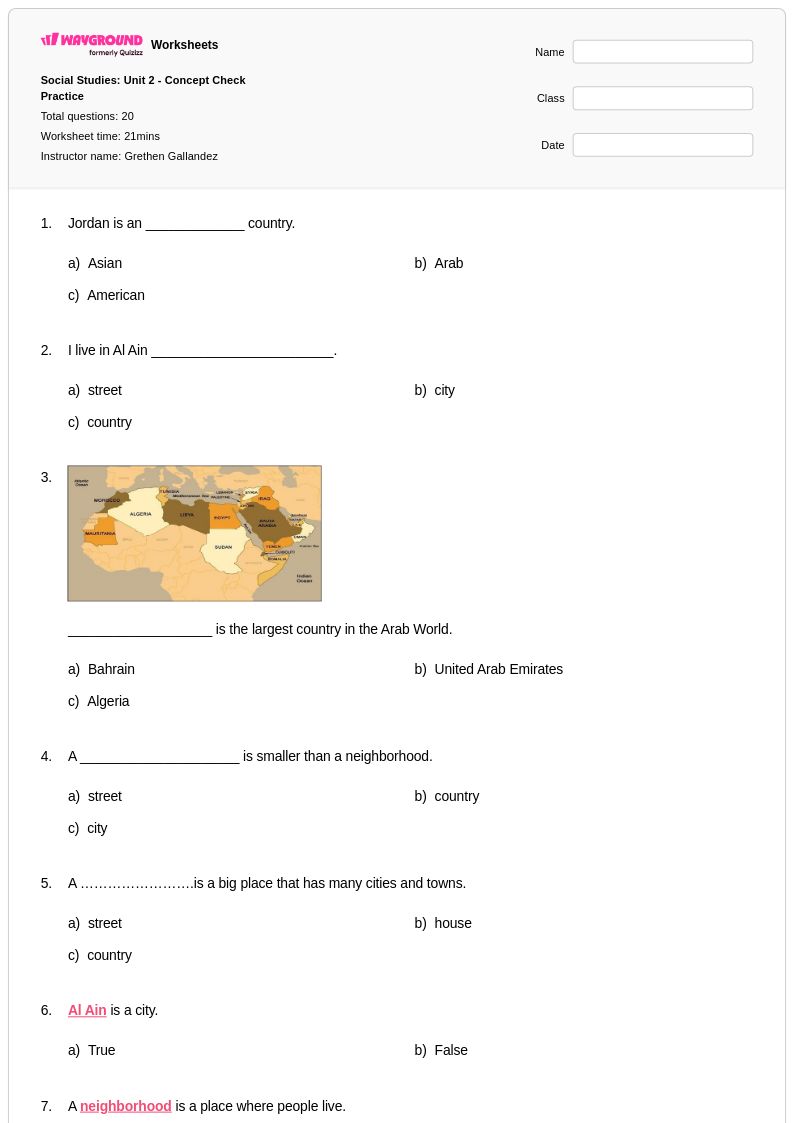
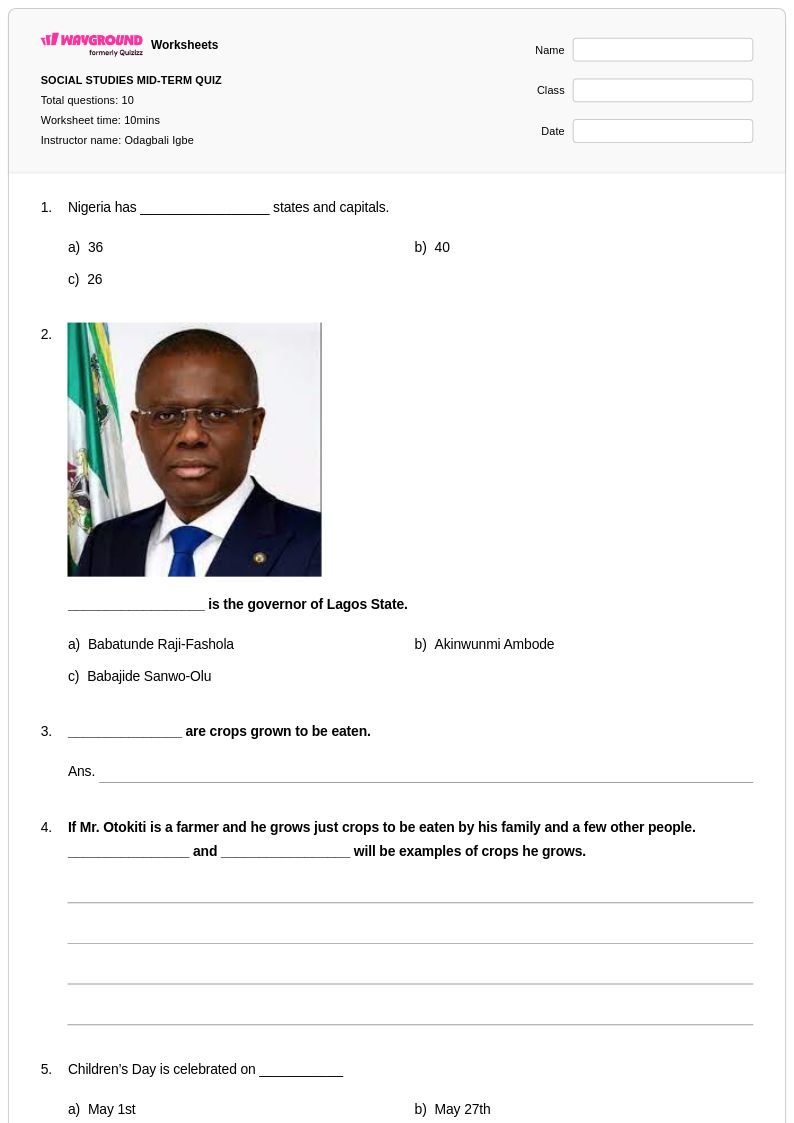
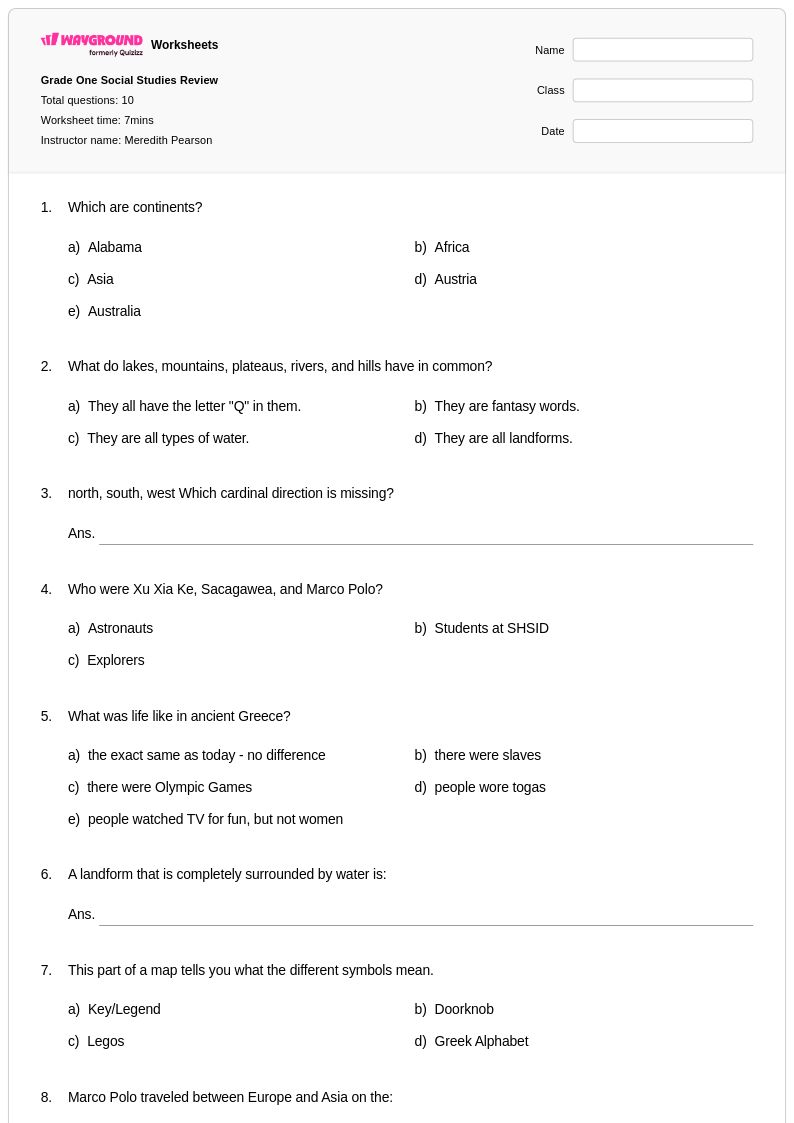
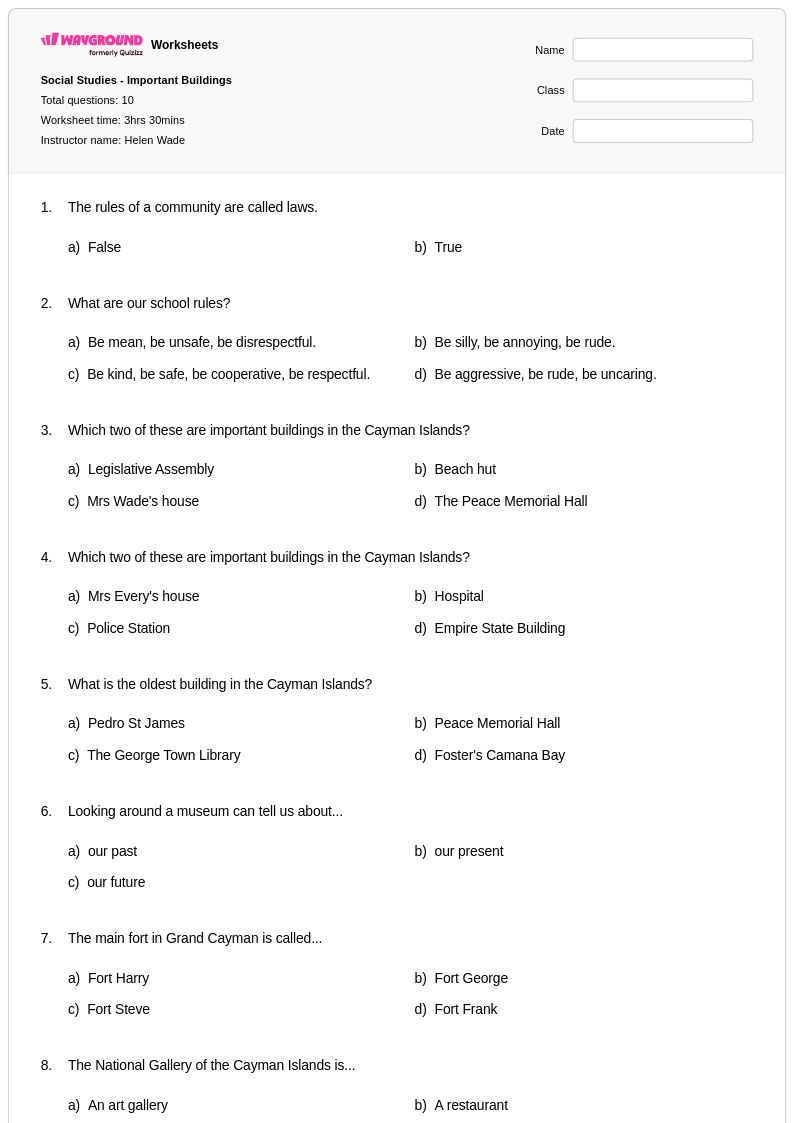
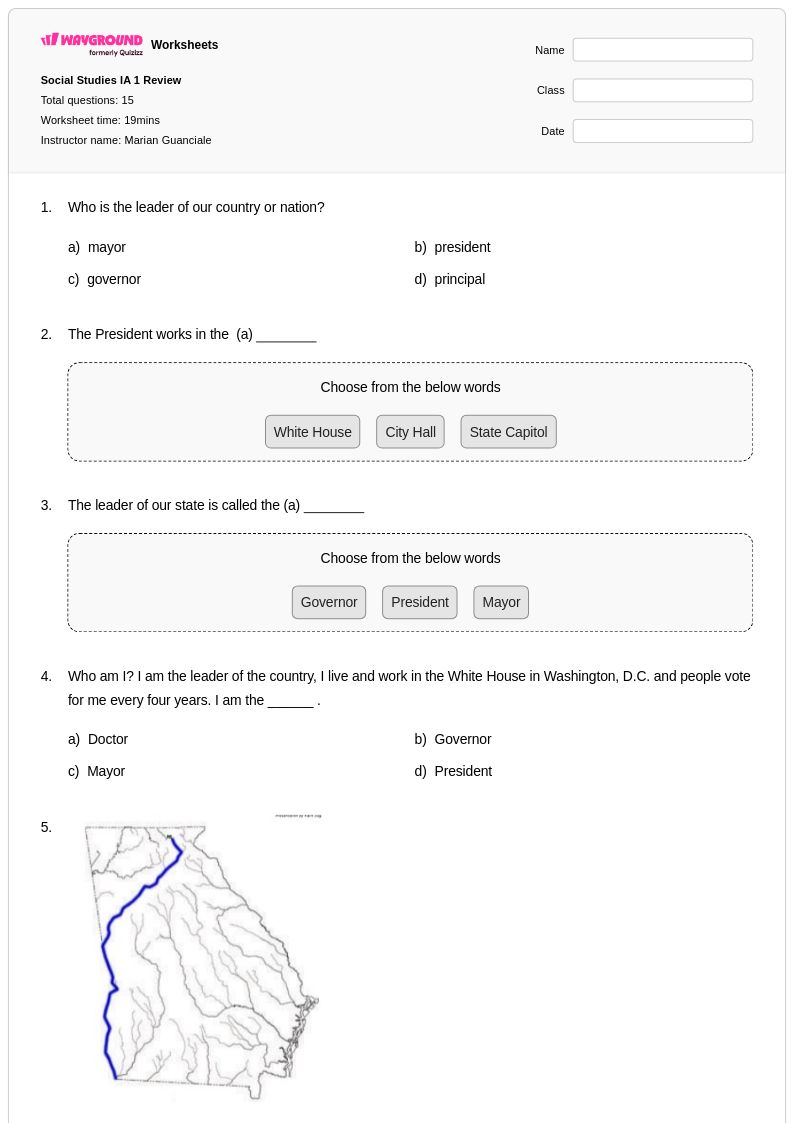
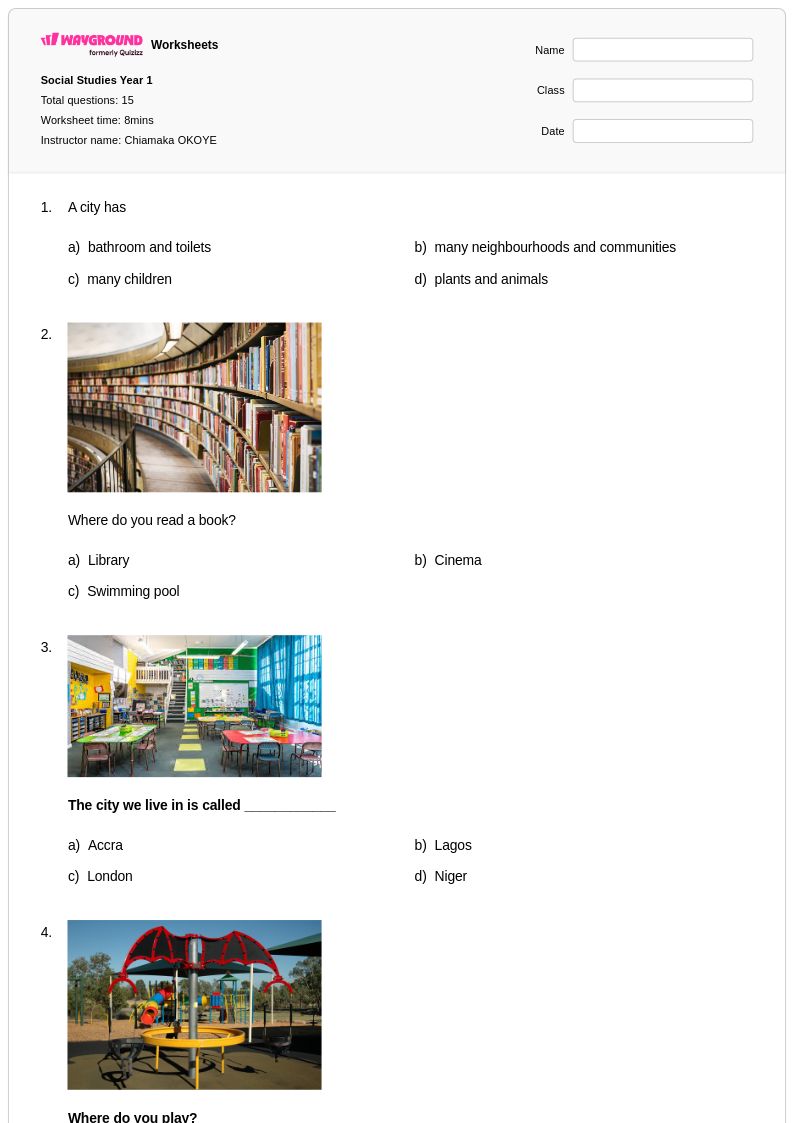
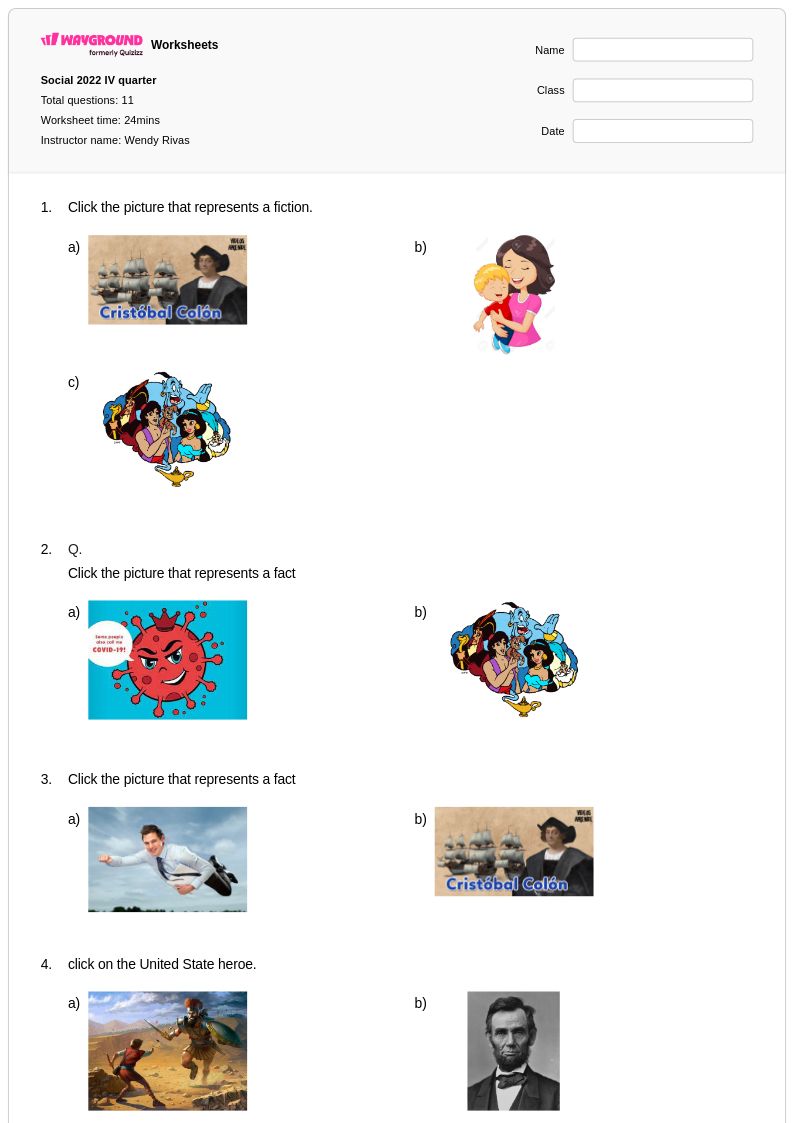
Class 1 social problem solving worksheets from Wayground help young students develop essential conflict resolution and decision-making skills through engaging printables, practice problems, and comprehensive answer keys.
Explore printable Social Problem Solving worksheets for Class 1
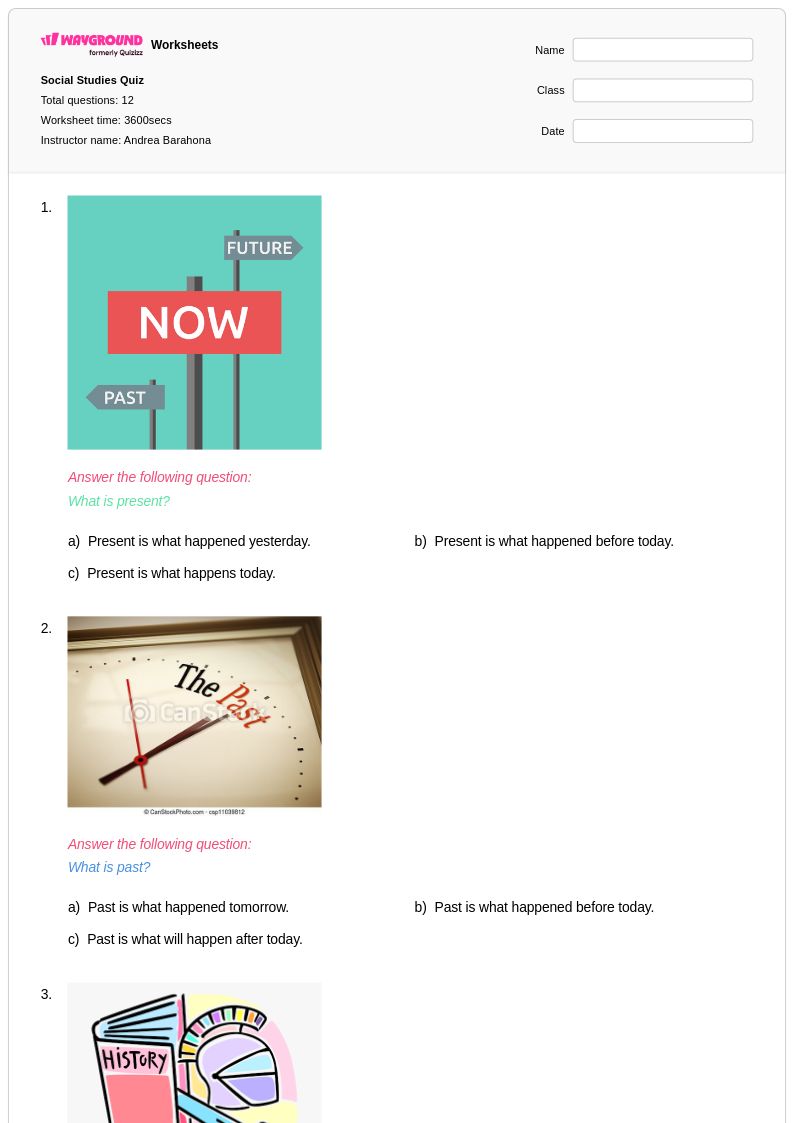
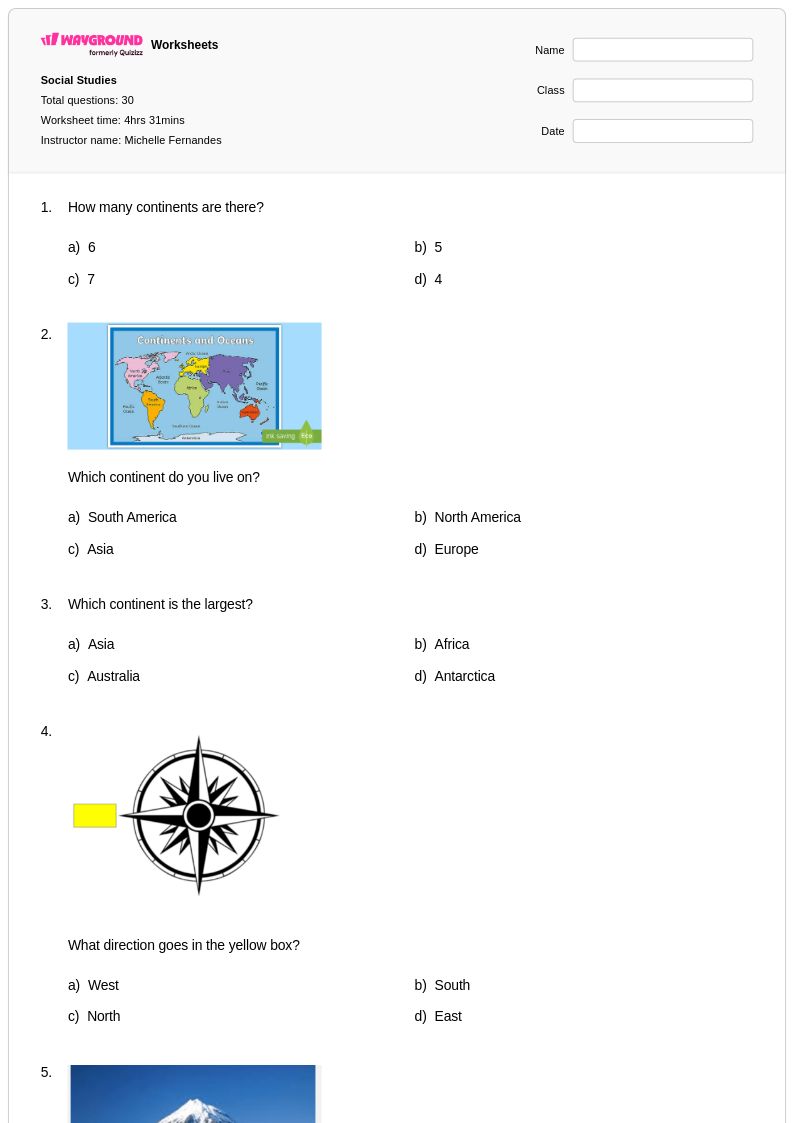
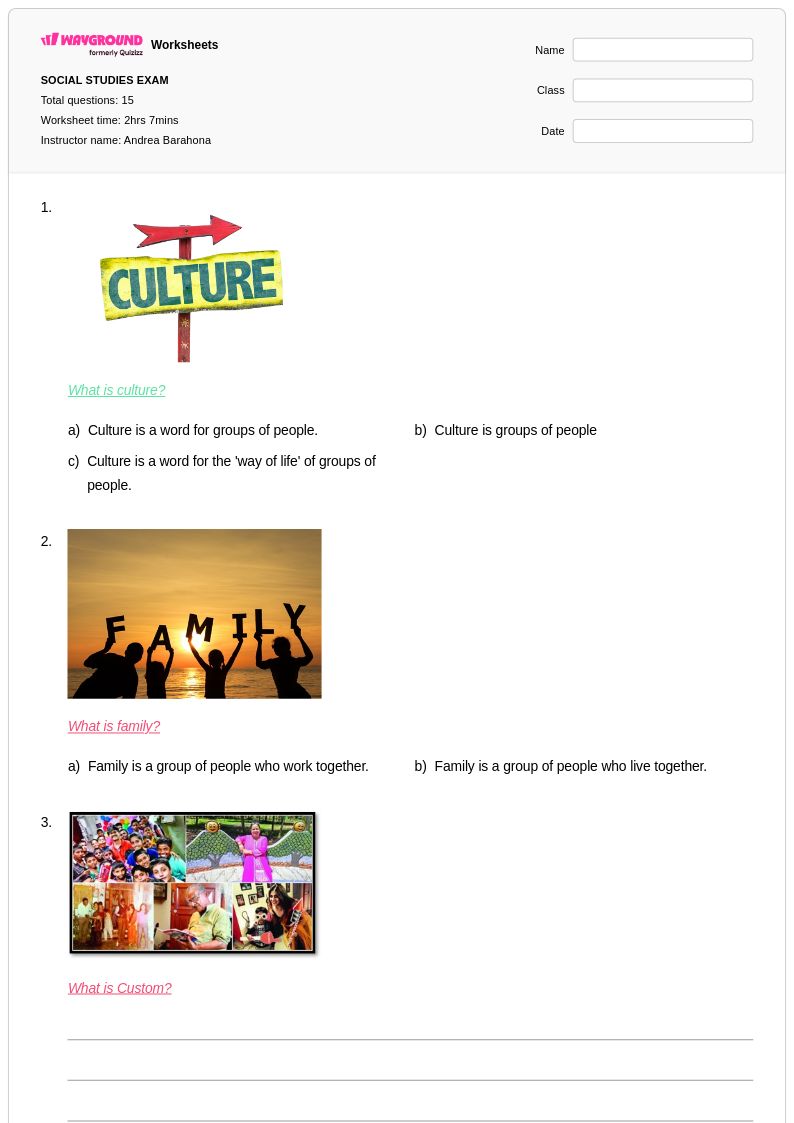
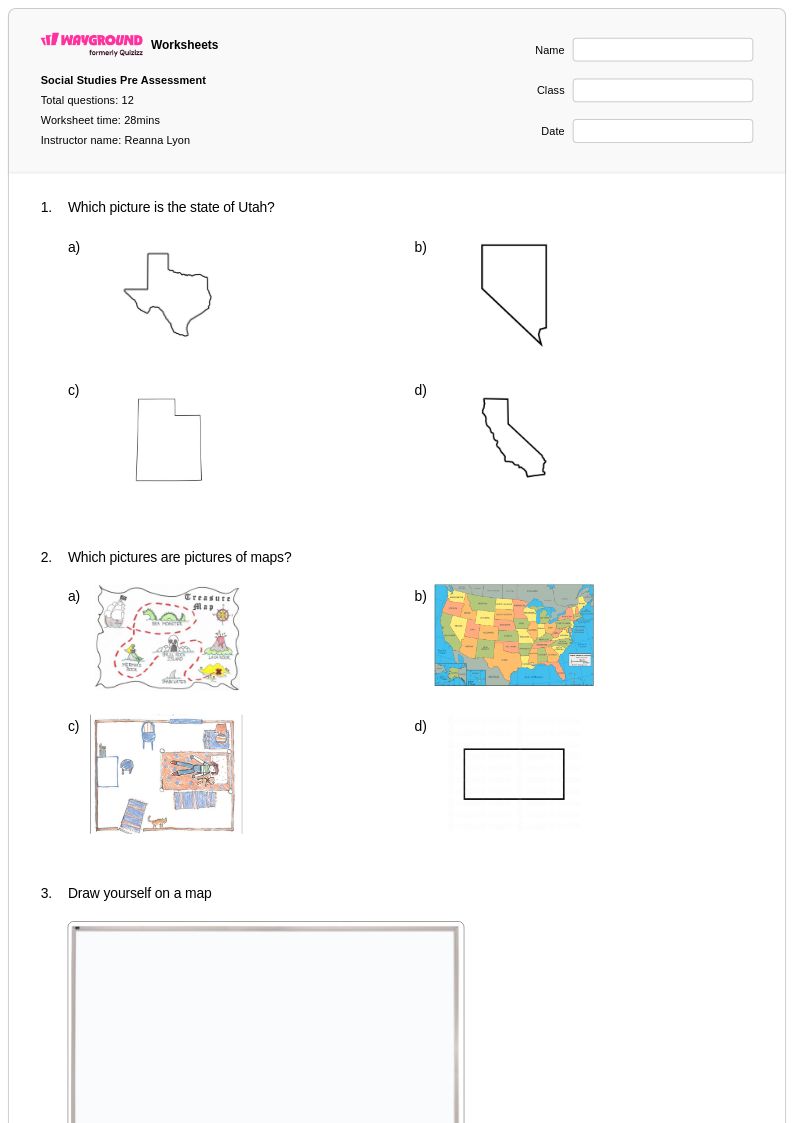
Social problem solving worksheets for Class 1 students available through Wayground (formerly Quizizz) provide essential foundational practice for young learners developing critical interpersonal skills. These carefully designed printables focus on helping first-grade students identify common social conflicts, understand different perspectives, and practice appropriate response strategies through age-appropriate scenarios and activities. The worksheets strengthen key social-emotional learning competencies including empathy development, conflict recognition, communication skills, and decision-making processes that are crucial for successful peer interactions. Each free resource includes comprehensive practice problems featuring relatable classroom and playground situations, with detailed answer keys that support both independent learning and guided instruction, making them invaluable tools for building emotional intelligence in early elementary students.
Wayground (formerly Quizizz) empowers educators with an extensive collection of millions of teacher-created social problem solving resources specifically curated for Class 1 learners, featuring robust search and filtering capabilities that allow quick identification of materials aligned with social studies standards and social-emotional learning frameworks. The platform's differentiation tools enable teachers to customize worksheets for varying ability levels within their classrooms, while flexible formatting options provide both printable pdf versions for traditional instruction and digital formats for interactive learning experiences. These comprehensive features streamline lesson planning by offering immediate access to remediation materials for students struggling with social concepts, enrichment activities for advanced learners, and consistent skill practice opportunities that reinforce problem-solving strategies across multiple contexts, ultimately supporting teachers in creating inclusive classroom environments where all first-grade students can develop confident social navigation abilities.
FAQs
How do I teach social problem solving skills to students?
Effective social problem solving instruction typically follows a structured sequence: help students identify and define the problem, brainstorm possible solutions, evaluate the consequences of each option, and then choose and implement a response. Role-playing scenarios and guided discussion of real peer conflicts give students low-stakes opportunities to practice this process before applying it in actual social situations. Consistently using a shared framework across your classroom helps students internalize the steps and apply them independently over time.
What kinds of exercises help students practice social problem solving?
Scenario-based worksheets are among the most effective tools for practicing social problem solving because they present realistic interpersonal conflicts and require students to work through a structured resolution process. Exercises that ask students to brainstorm multiple solutions, weigh the consequences of each, and identify the most responsible choice build both critical thinking and empathy. Including reflection prompts after each scenario deepens comprehension by asking students to connect the skill to their own experiences.
What common mistakes do students make when solving social problems?
One of the most frequent errors is that students jump to a solution without fully defining the problem, which often leads to responses that address the symptom rather than the root conflict. Students also tend to consider only one or two solutions rather than generating a range of options, limiting their ability to identify the most effective response. Another common misconception is treating all social conflicts as win-lose situations, so instruction should explicitly model compromise and communication as viable strategies.
How can I differentiate social problem solving worksheets for students with different needs?
For students who need additional support, simplifying the scenario language, reducing the number of answer choices, or providing sentence starters for brainstorming responses can lower barriers without removing the cognitive challenge. On Wayground, teachers can assign individual accommodations such as Read Aloud, reduced answer choices, and extended time to specific students, while the rest of the class works under default settings without notification. These accommodations are saved per student and carry over to future sessions, reducing setup time across repeated use.
How do I use social problem solving worksheets in my classroom?
Social problem solving worksheets on Wayground are available as printable PDFs for traditional classroom use and in digital formats for technology-integrated environments, including the option to host them as a quiz directly on Wayground. For direct instruction, teachers can work through a scenario whole-class before assigning independent or small-group practice. Each worksheet includes an answer key, making them equally effective for guided instruction, independent work, or homework assignments.
How does social problem solving connect to social-emotional learning (SEL) standards?
Social problem solving is a core competency within most SEL frameworks, directly supporting standards related to responsible decision-making, relationship skills, and self-management. Structured practice with identifying problems, evaluating solutions, and considering consequences maps closely to the CASEL framework's responsible decision-making domain. Integrating these worksheets into regular instruction helps students build the interpersonal skills that SEL standards are designed to develop across grade levels.