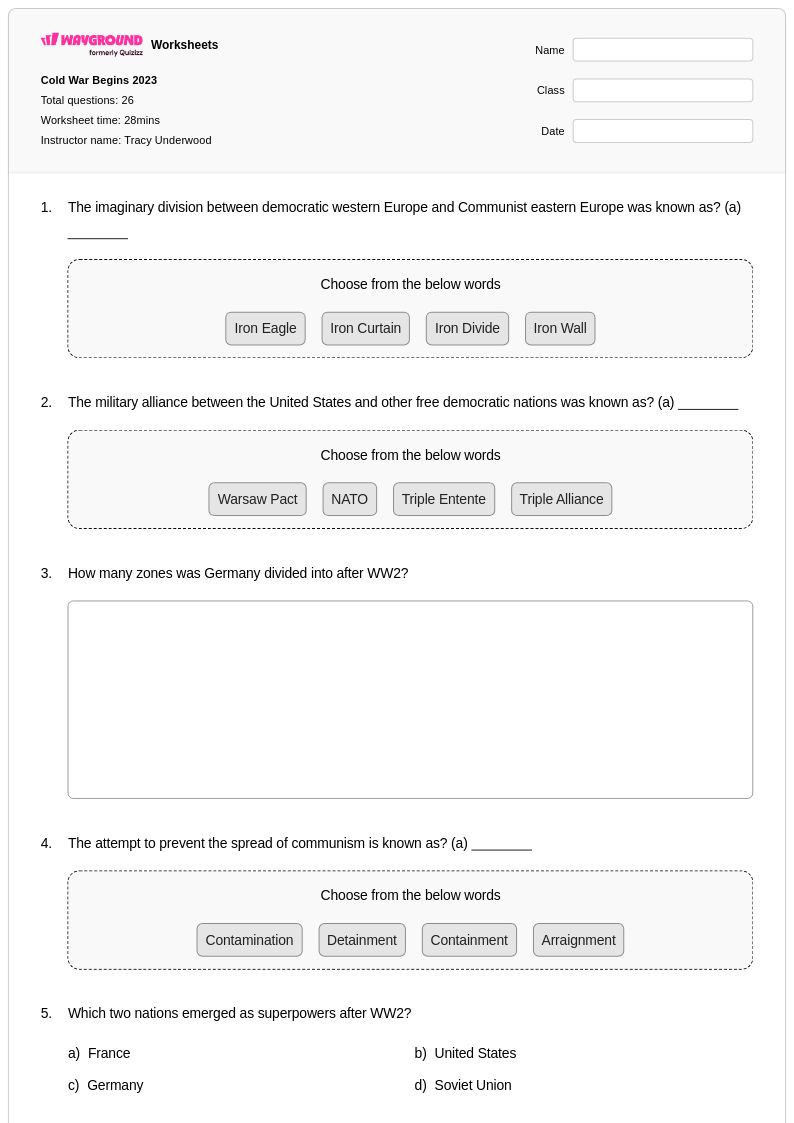
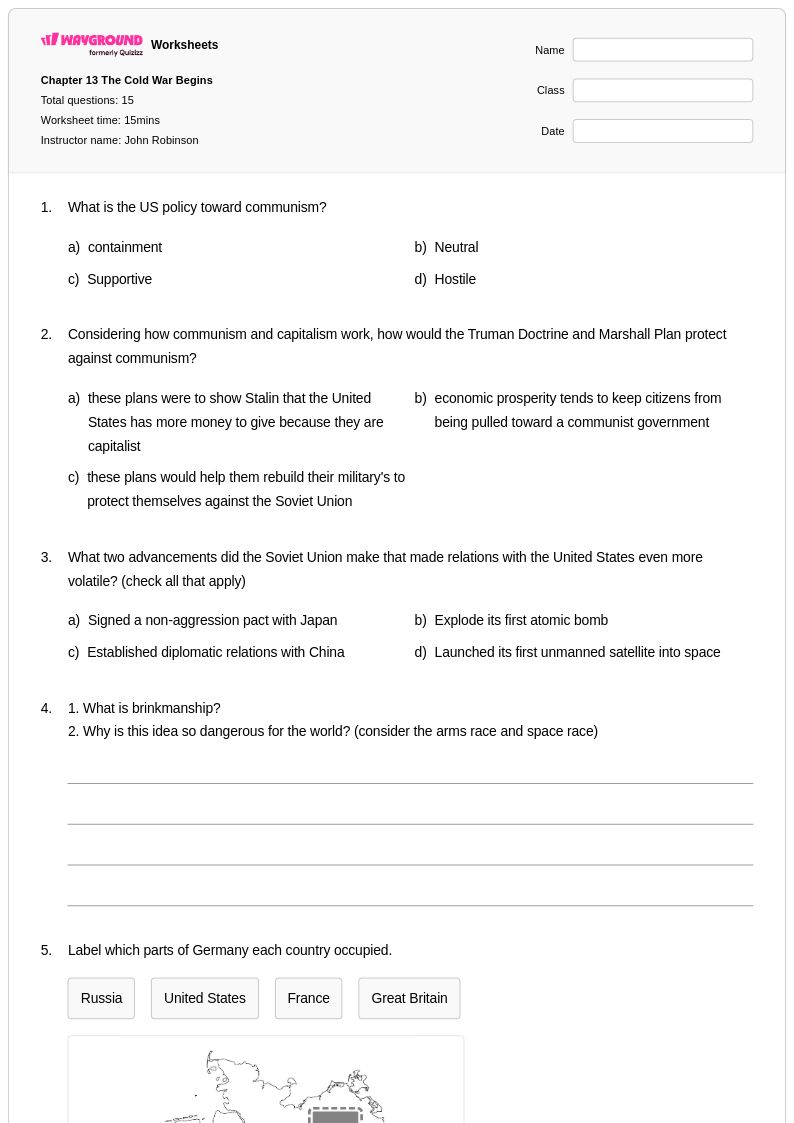
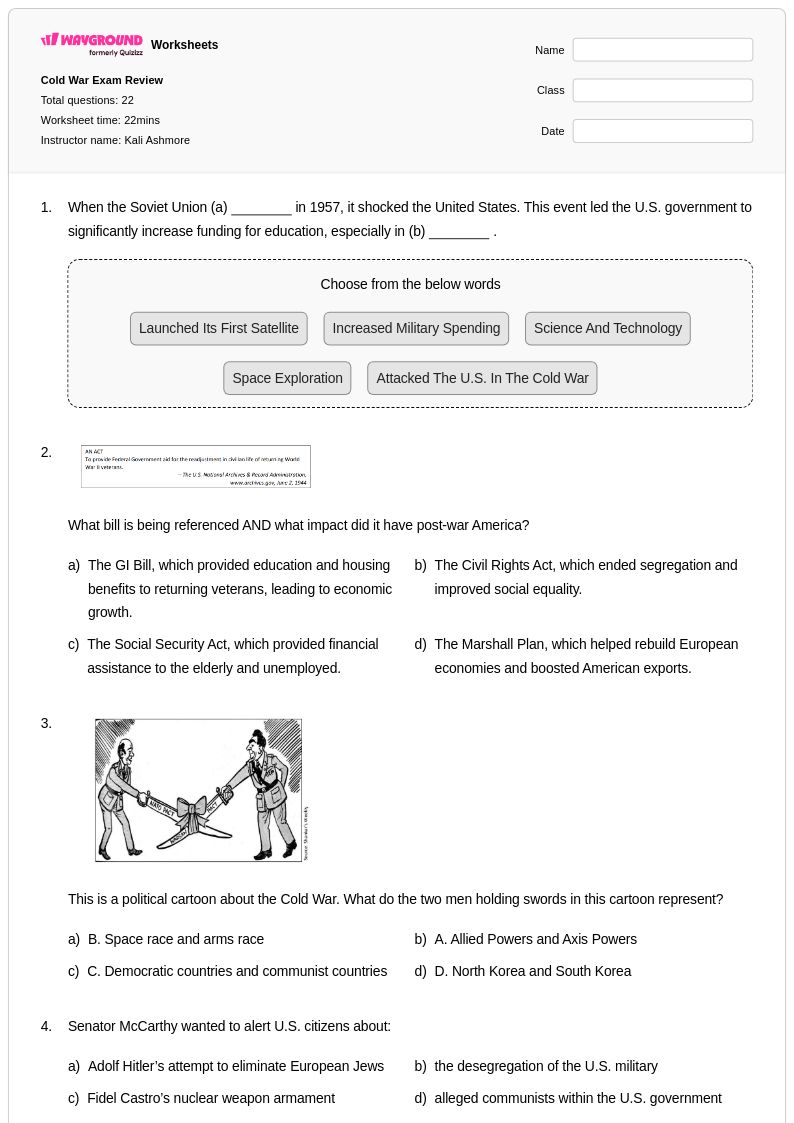
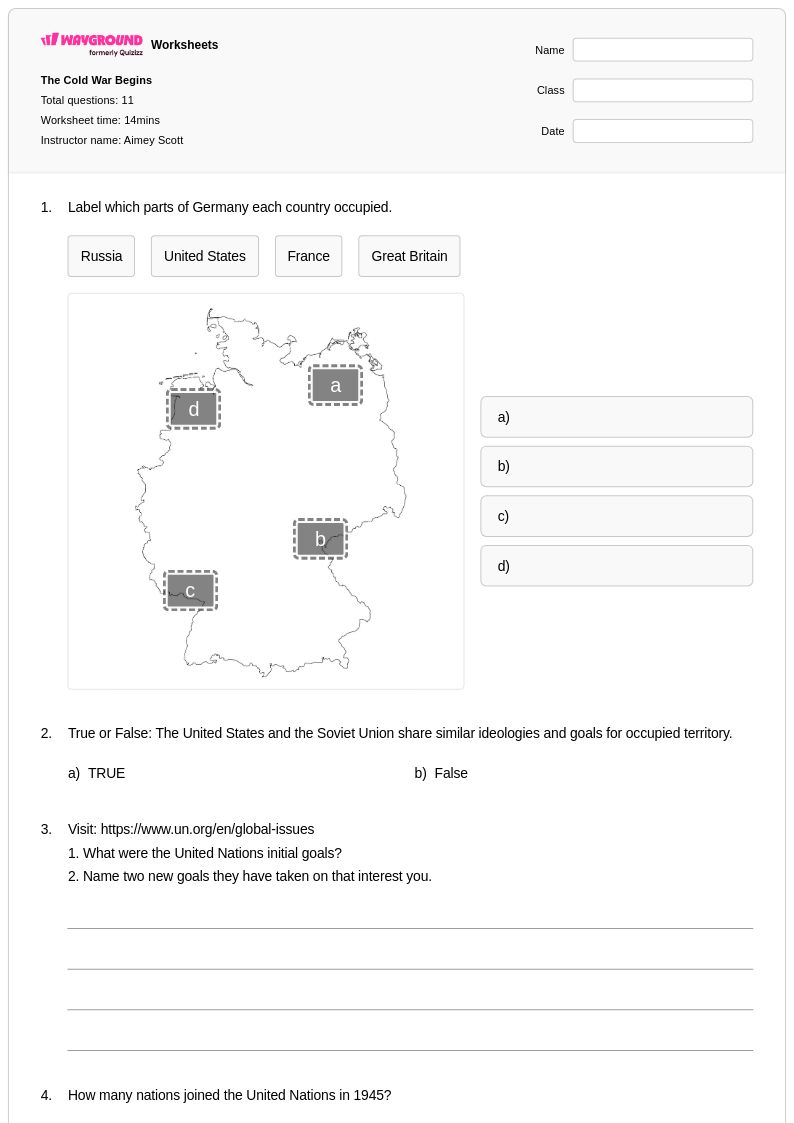
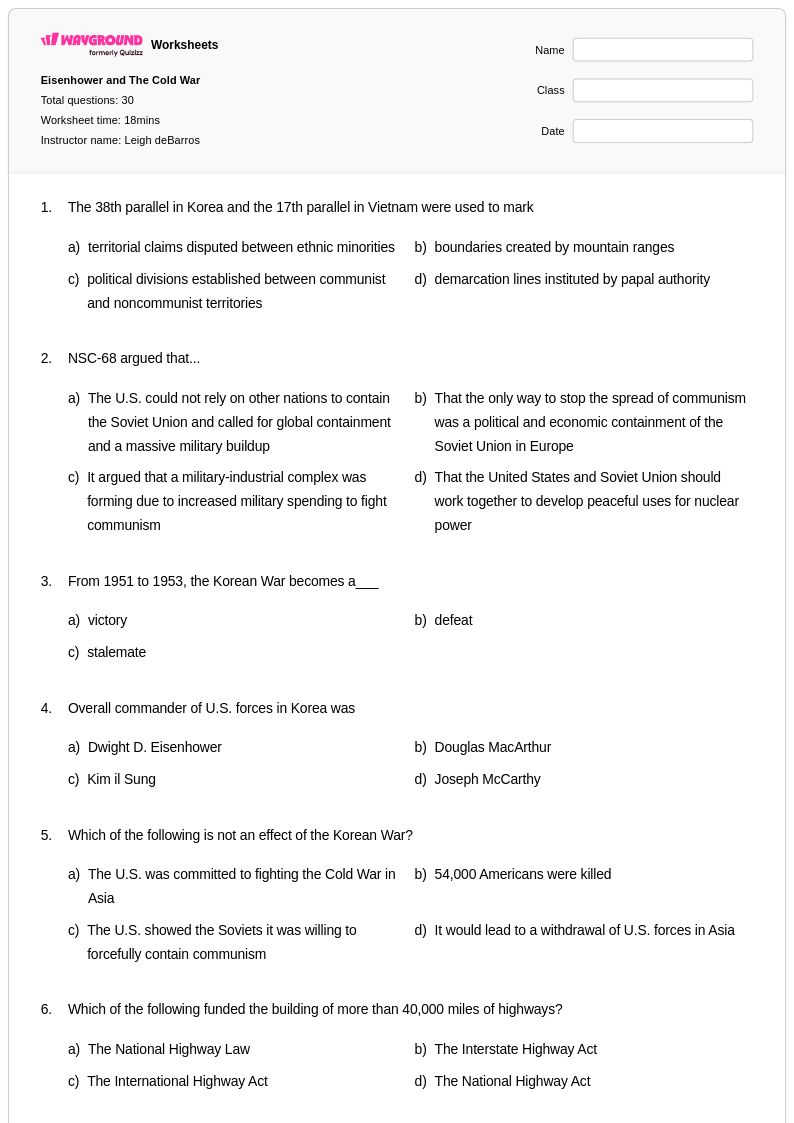
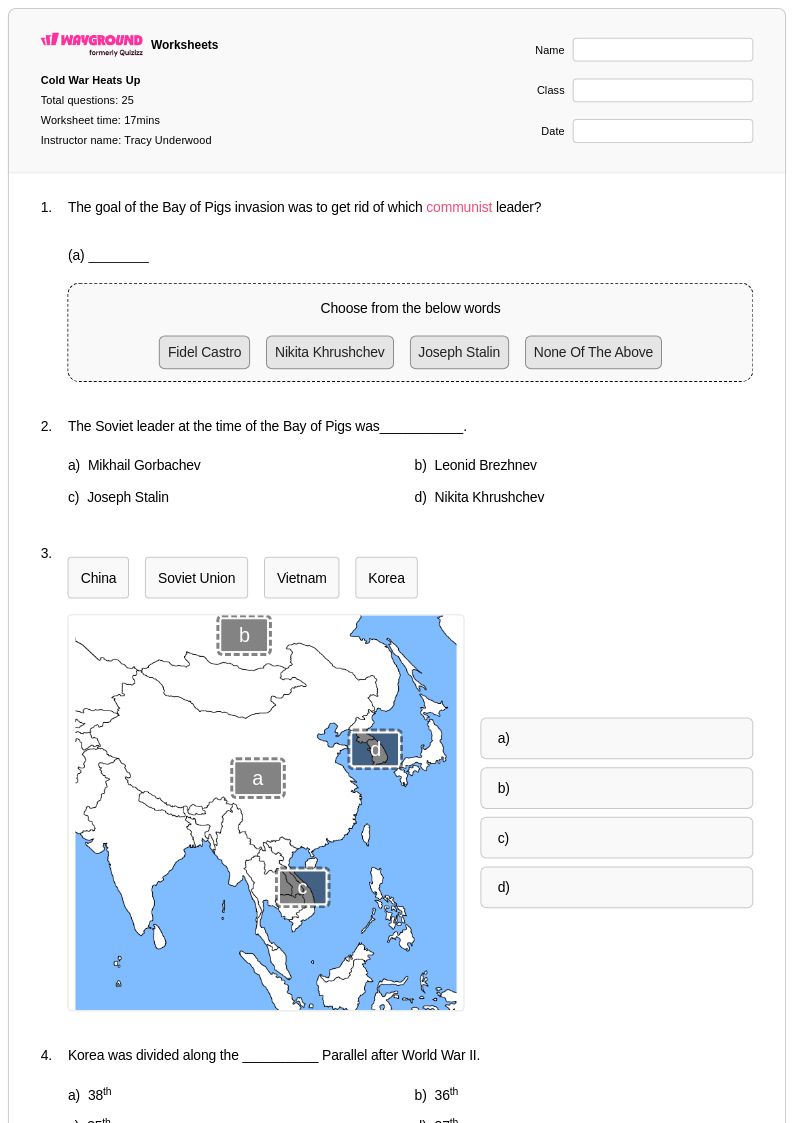
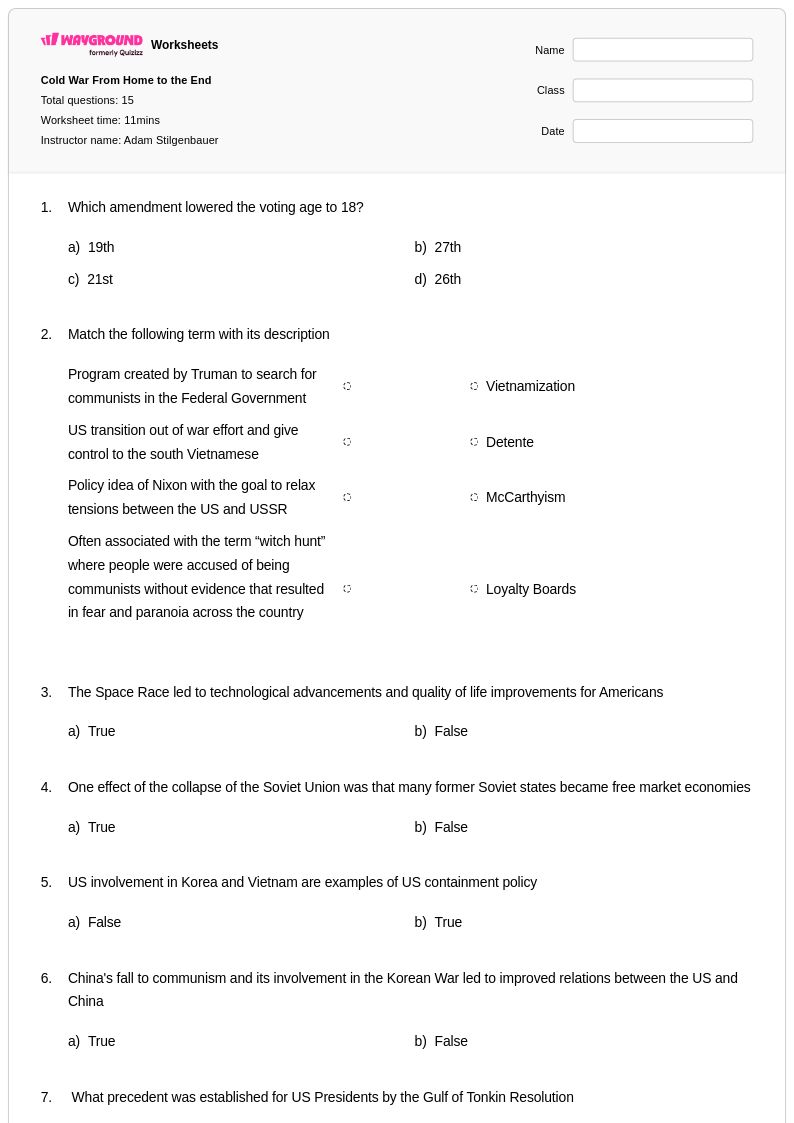
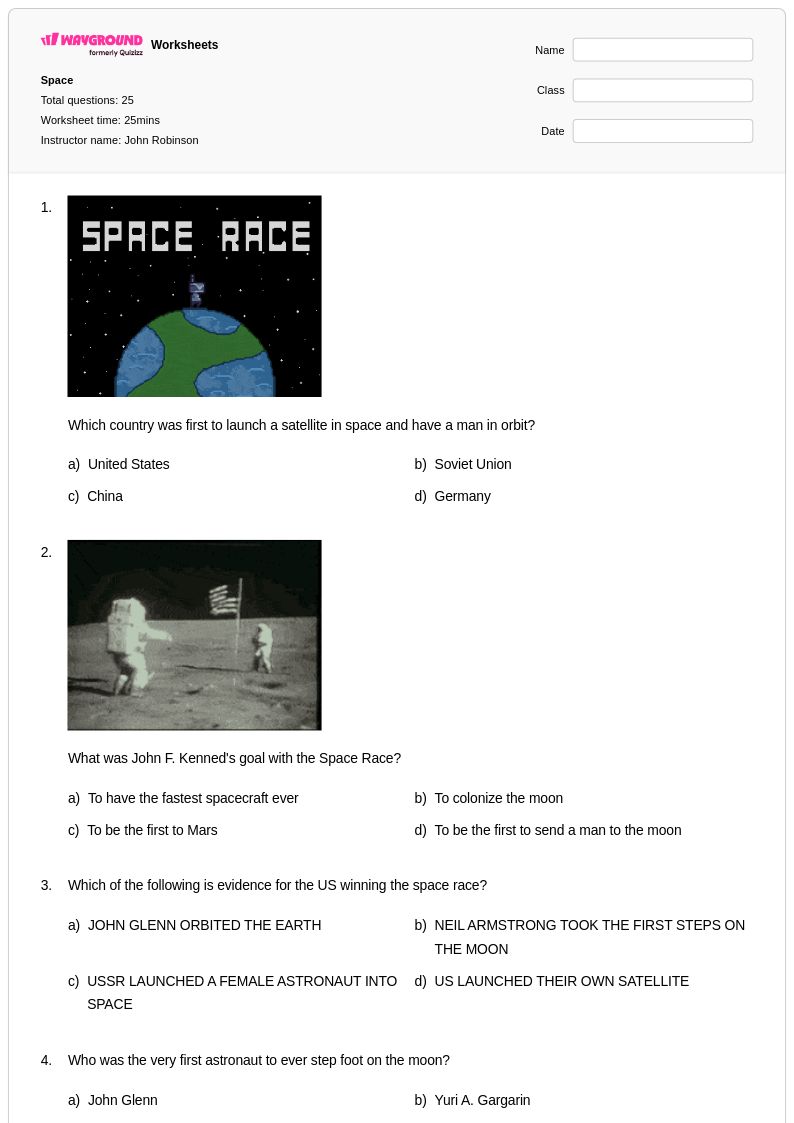
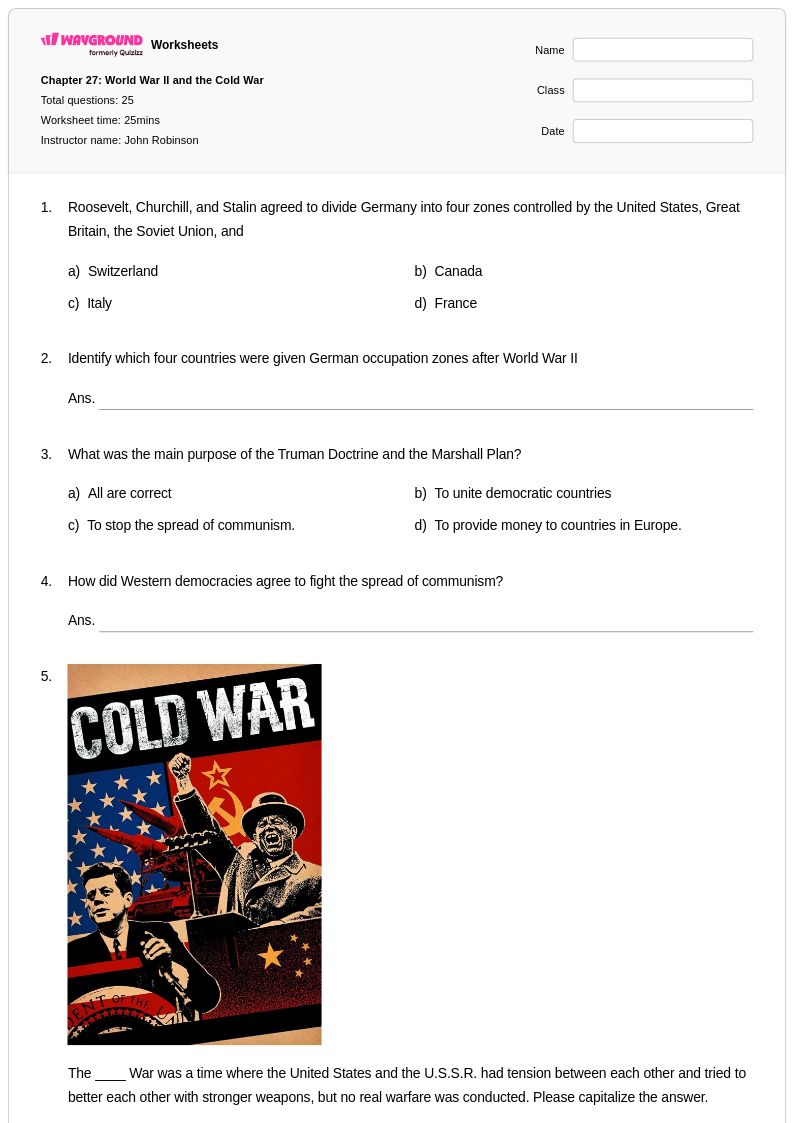
Explore Class 10 Space Race worksheets and printables that help students analyze Cold War competition, technological achievements, and key figures through engaging practice problems with comprehensive answer keys available as free PDF downloads.
Explore printable Space Race worksheets for Class 10
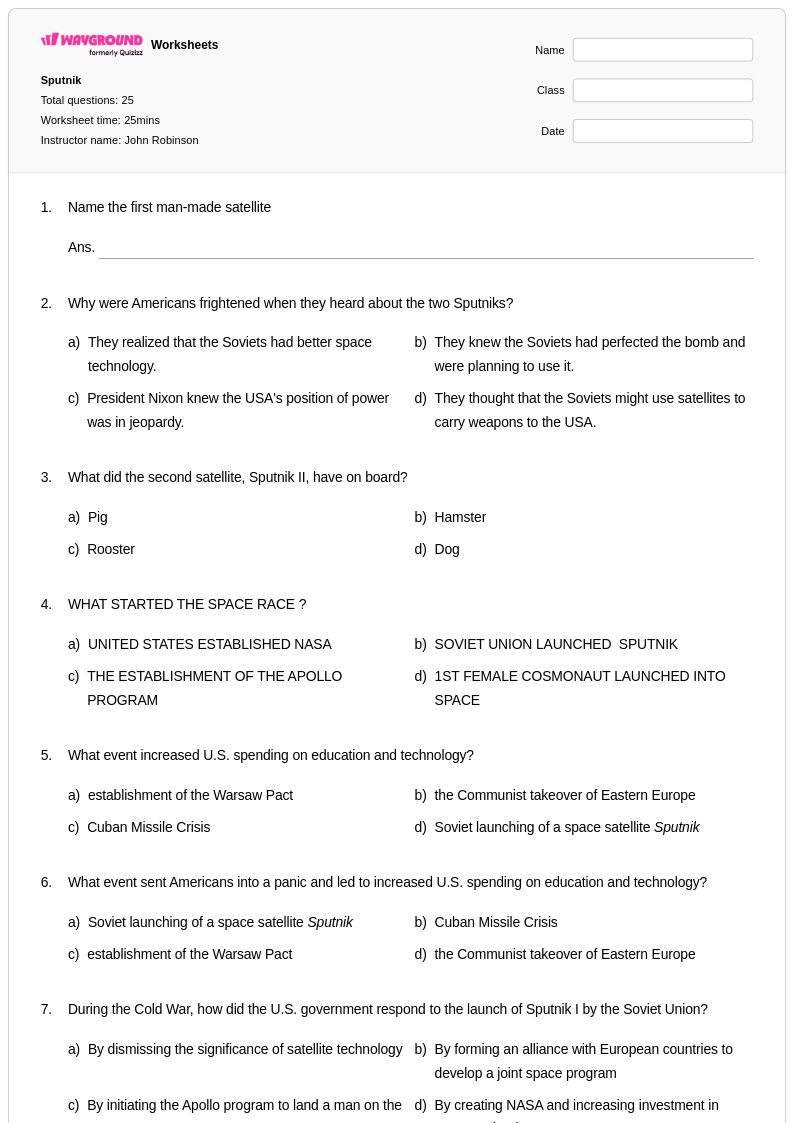
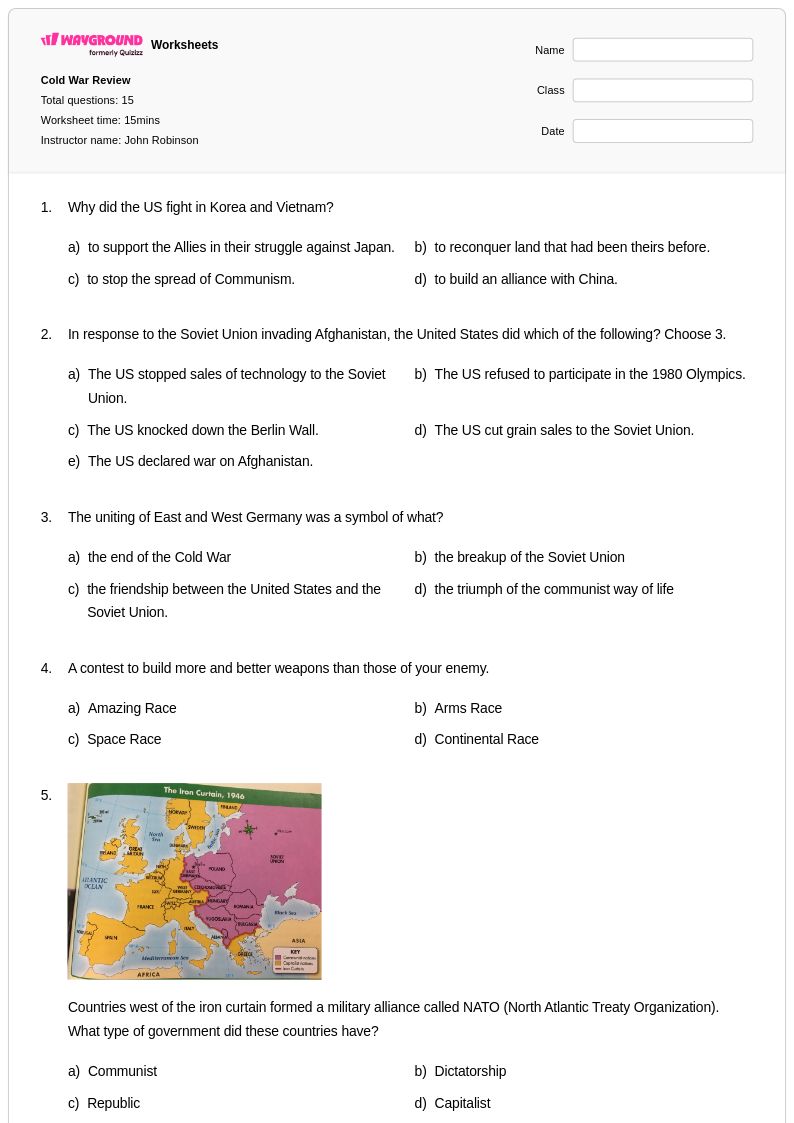
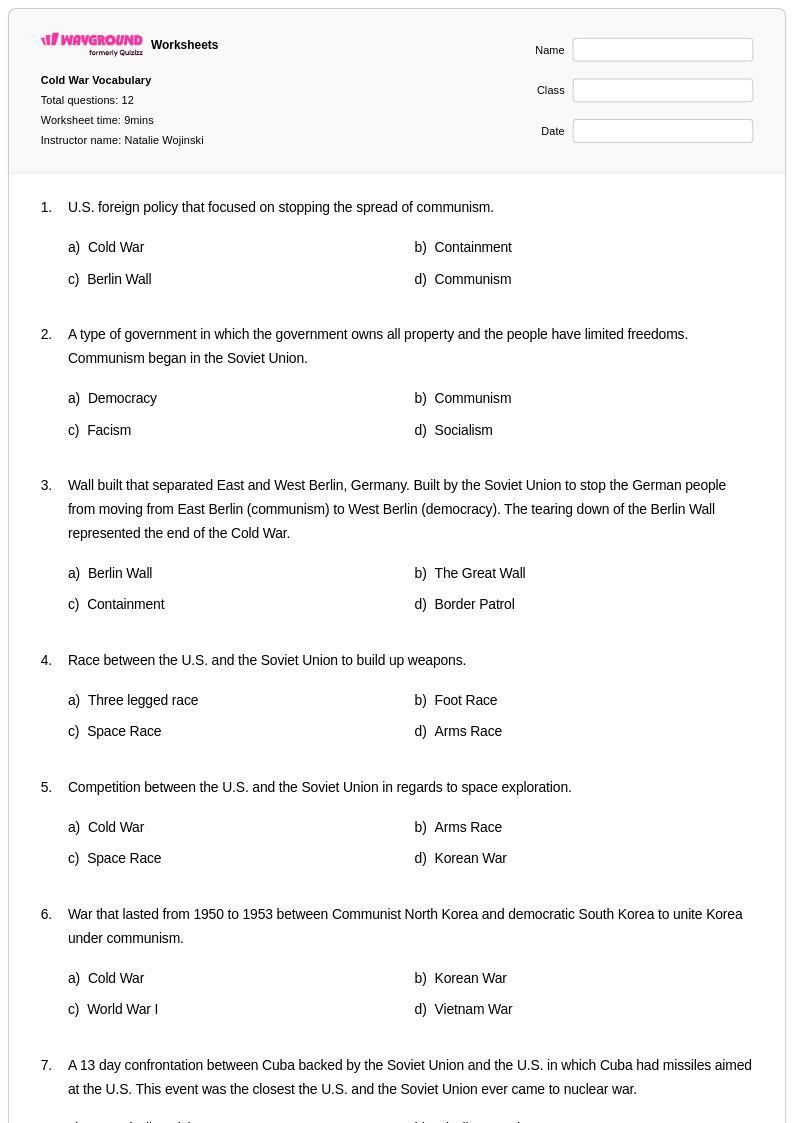
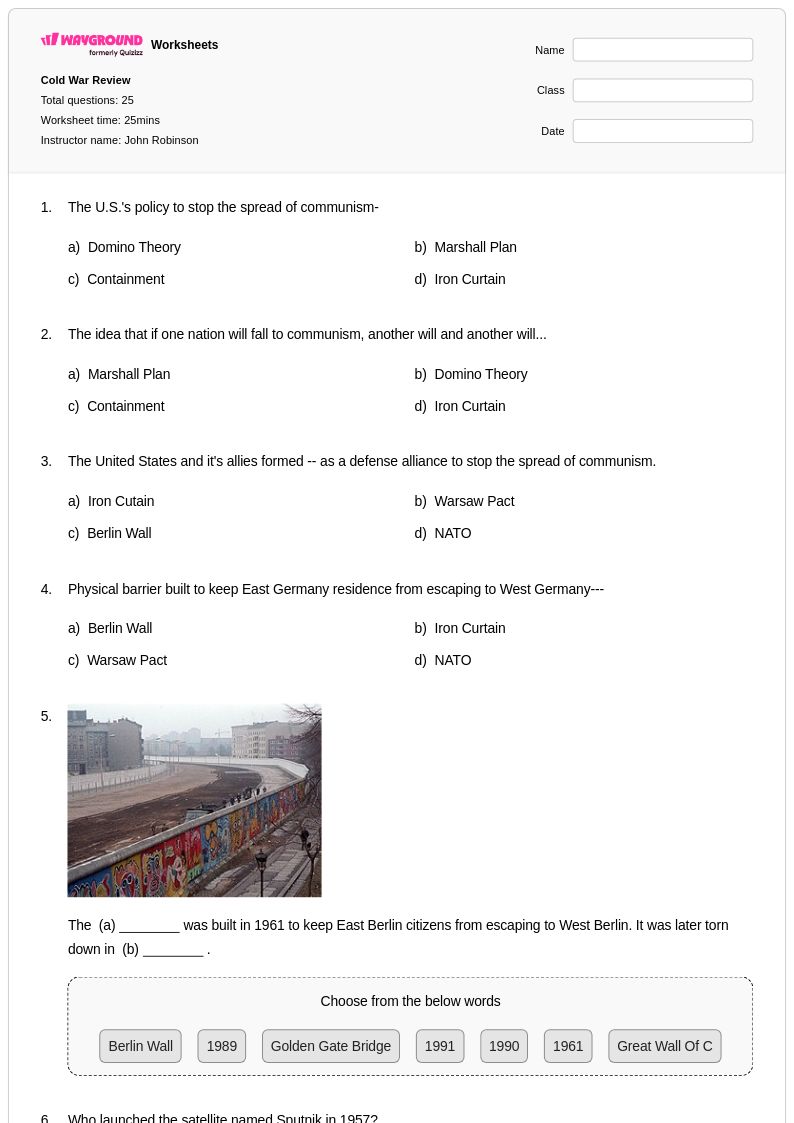
Space Race worksheets for Class 10 students provide comprehensive coverage of this pivotal Cold War competition that defined mid-20th century geopolitics and technological advancement. These educational resources help students analyze the political motivations, scientific breakthroughs, and cultural impact of the Soviet-American rivalry in space exploration from Sputnik's launch in 1957 through the Apollo moon landings. Through carefully structured practice problems and document analysis activities, students develop critical thinking skills while examining primary sources, comparing propaganda techniques, and evaluating the Space Race's influence on education, military strategy, and international relations. Each worksheet collection includes detailed answer keys and comprehensive explanations, making these free printables valuable tools for reinforcing key concepts about technological competition, national prestige, and the intersection of science and politics during the Cold War era.
Wayground, formerly Quizizz, empowers educators with an extensive library of millions of teacher-created Space Race worksheets specifically designed for Class 10 World History curricula. The platform's robust search and filtering capabilities allow teachers to quickly locate resources aligned with state and national social studies standards, while differentiation tools enable customization for diverse learning needs and ability levels. These versatile materials are available in both printable PDF format and interactive digital versions, supporting flexible lesson planning whether for in-person instruction, remote learning, or hybrid environments. Teachers can seamlessly integrate these worksheets into their instructional sequences for initial concept introduction, skill reinforcement, remediation support, or enrichment activities, ensuring students master essential understanding of how the Space Race shaped modern international relations, scientific advancement, and cultural identity during this transformative historical period.
FAQs
How do I teach the Space Race to middle or high school students?
Teaching the Space Race is most effective when framed as both a political and scientific story. Start by grounding students in the Cold War context — the ideological rivalry between the U.S. and Soviet Union — before introducing key milestones like Sputnik (1957), Yuri Gagarin's orbit (1961), and the Apollo 11 moon landing (1969). Using primary source documents and timeline sequencing activities helps students understand cause-and-effect relationships across the full arc of the competition. Connecting individual figures like Sergei Korolev and Wernher von Braun to specific achievements gives students concrete anchors for abstract geopolitical concepts.
What are good practice exercises for the Space Race in a social studies class?
Sequencing activities that ask students to order major milestones chronologically are particularly effective for building timeline literacy in the context of the Space Race. Comparison tasks — such as charting U.S. versus Soviet achievements side by side — reinforce analytical thinking and help students recognize patterns of escalation. Primary source analysis exercises, where students evaluate political speeches or news coverage from the era, extend comprehension from facts to interpretation. These practice formats align well with the chronological thinking and critical analysis skills emphasized in most social studies standards.
What misconceptions do students commonly have about the Space Race?
One of the most common misconceptions is that the United States led the Space Race from the beginning — in reality, the Soviet Union achieved several major firsts, including launching the first satellite (Sputnik), sending the first human to space (Gagarin), and conducting the first spacewalk. Students also tend to underestimate the role of German rocket scientists like Wernher von Braun in building U.S. space capabilities, or of Soviet engineers like Sergei Korolev on the other side. Another frequent error is treating the Space Race as purely scientific rather than recognizing it as a proxy ideological competition during the Cold War, with significant implications for military technology and international prestige.
How can I use Space Race worksheets to support students who struggle with chronological thinking?
For students who struggle with chronological reasoning, start with structured sequencing worksheets that provide the events and ask students to order them before moving to open-recall timelines. Scaffolded graphic organizers that pair each milestone with its date, key figure, and significance reduce cognitive load while still building the skill. On Wayground, teachers can also enable accommodations such as reduced answer choices or read-aloud support for individual students who need additional scaffolding, without disrupting the experience for the rest of the class.
How do I use Space Race worksheets from Wayground in my classroom?
Wayground's Space Race worksheets are available as printable PDFs for traditional classroom use and in digital formats for technology-integrated learning environments, making them easy to deploy regardless of your setup. Teachers can also host worksheets as interactive quizzes directly on Wayground, which adds engagement and allows for automatic scoring. The included answer keys support independent student practice as well as whole-class instruction, and digital formats make it straightforward to assign work for homework or remote learning.
How does the Space Race connect to broader Cold War curriculum?
The Space Race is a focused, concrete entry point into the broader Cold War curriculum because it illustrates the ideological competition between the U.S. and Soviet Union in a tangible, event-driven way. Students can trace how political tensions — rooted in post-World War II power struggles — translated into technological and scientific rivalry. The Space Race also opens productive discussions about propaganda, national identity, and the role of science in statecraft, connecting directly to Cold War themes like the arms race, the Truman Doctrine, and détente. Teaching it alongside these broader topics helps students understand geopolitics as a system, not a series of isolated events.