Free Printable Thought Tracking Worksheets for Class 8
Master Class 8 thought tracking techniques with Wayground's free printable worksheets and practice problems that help students organize ideas, monitor thinking processes, and develop metacognitive writing skills through engaging PDF activities with answer keys.
Explore printable Thought Tracking worksheets for Class 8
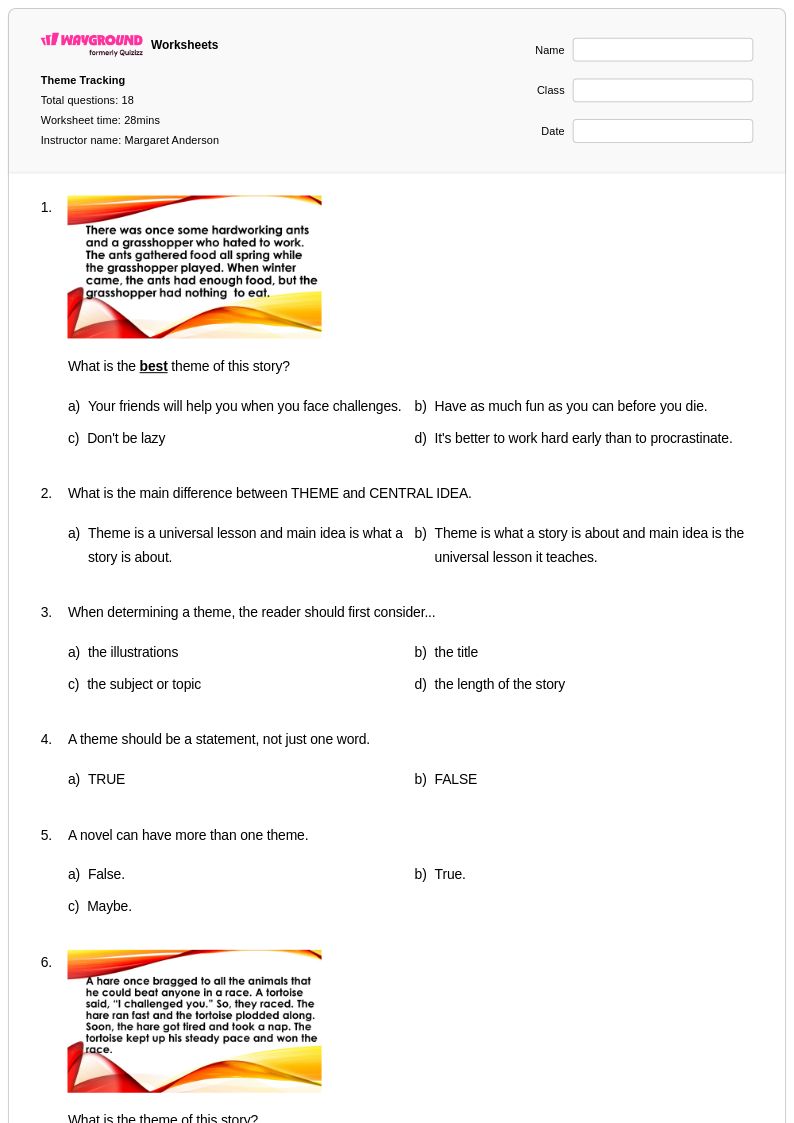
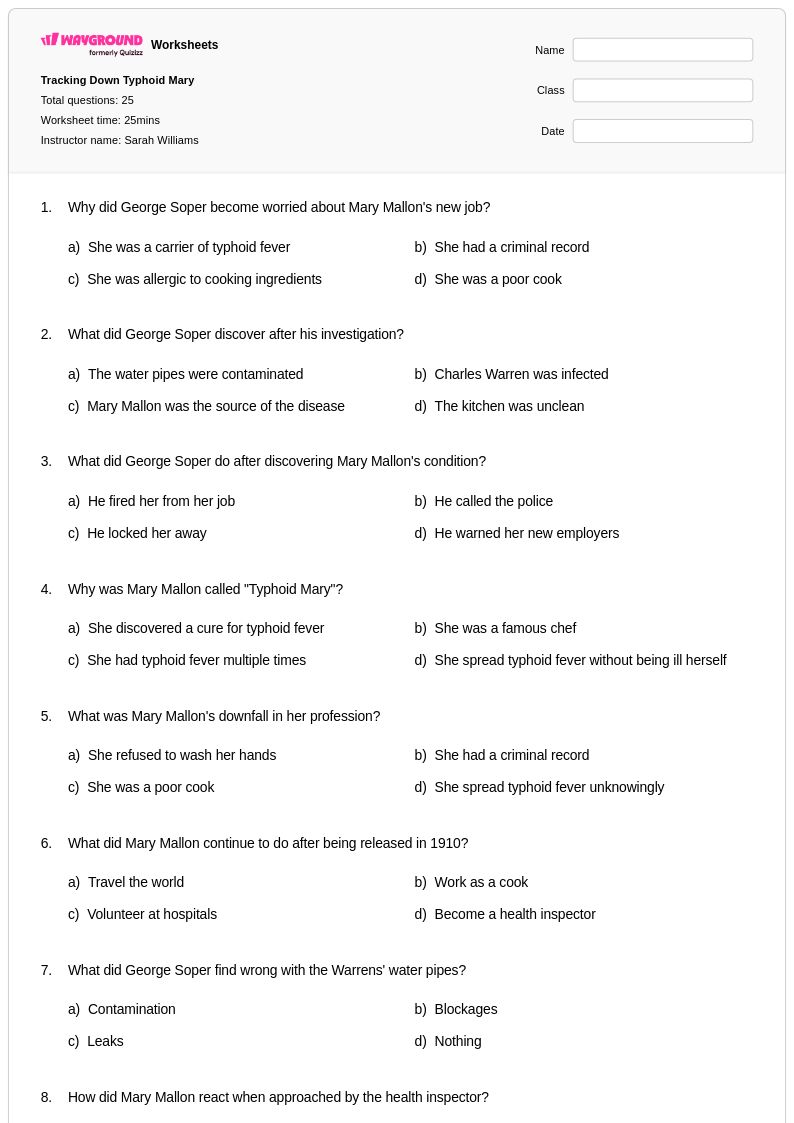
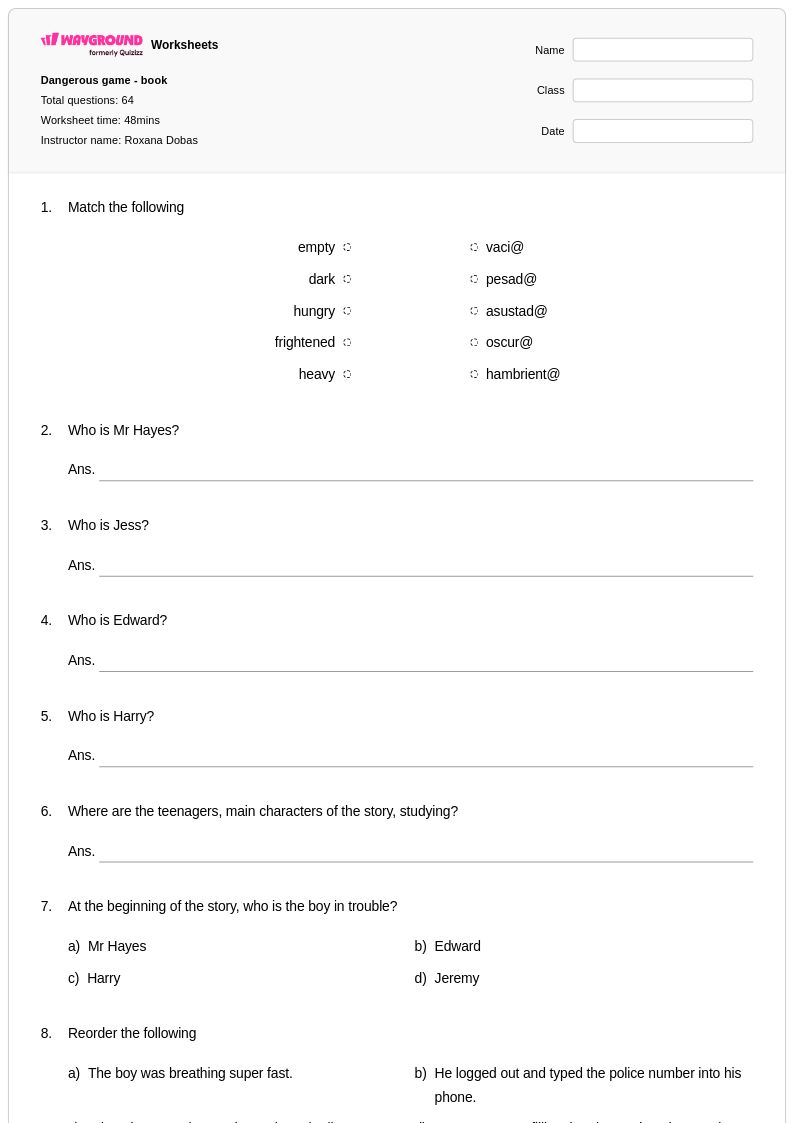
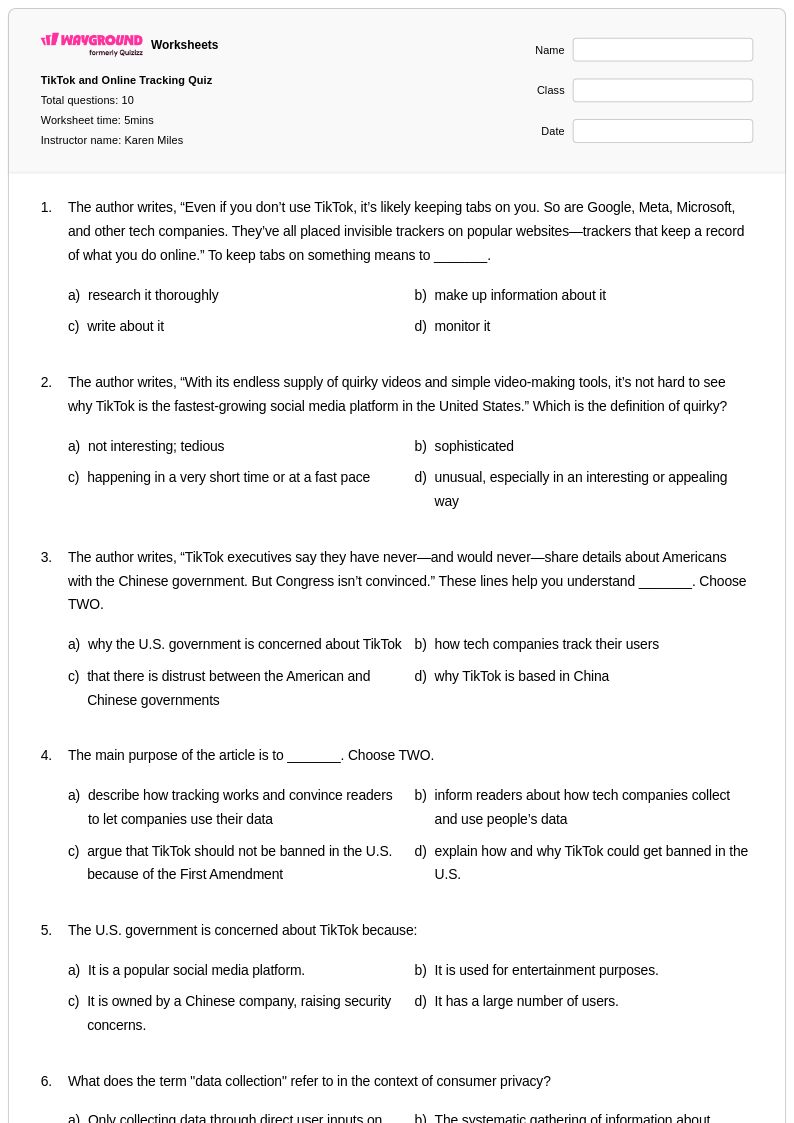
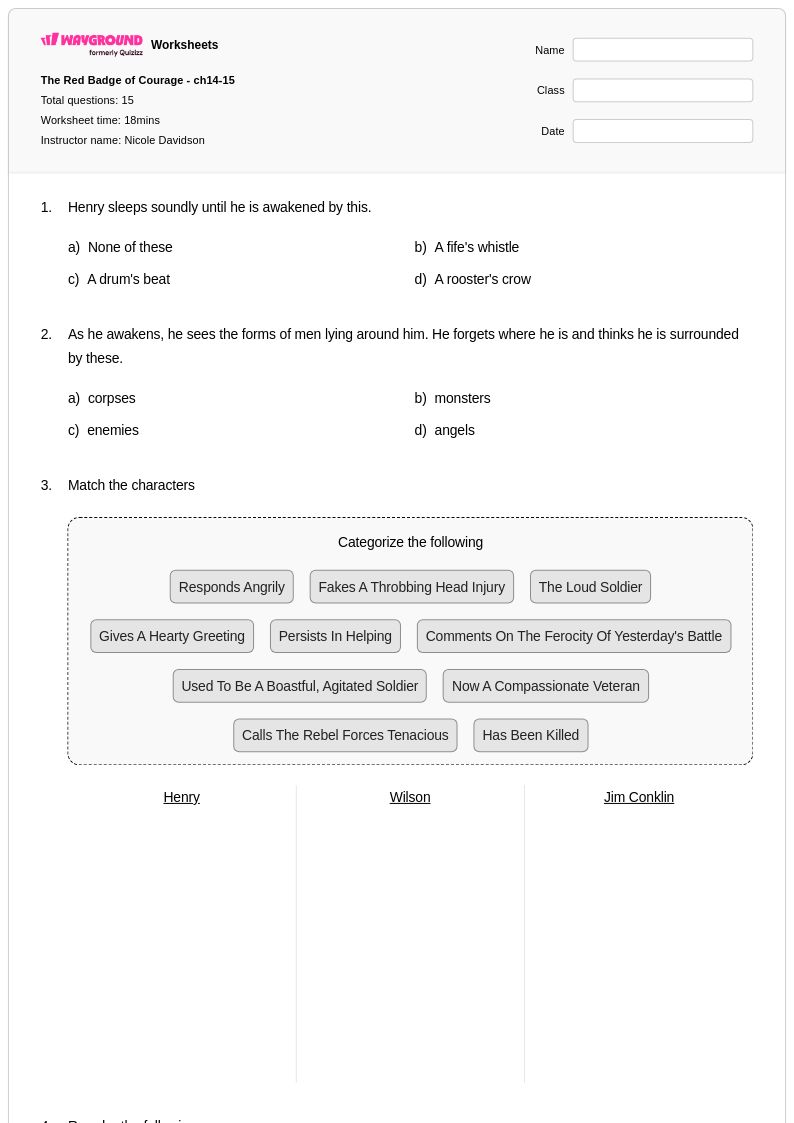
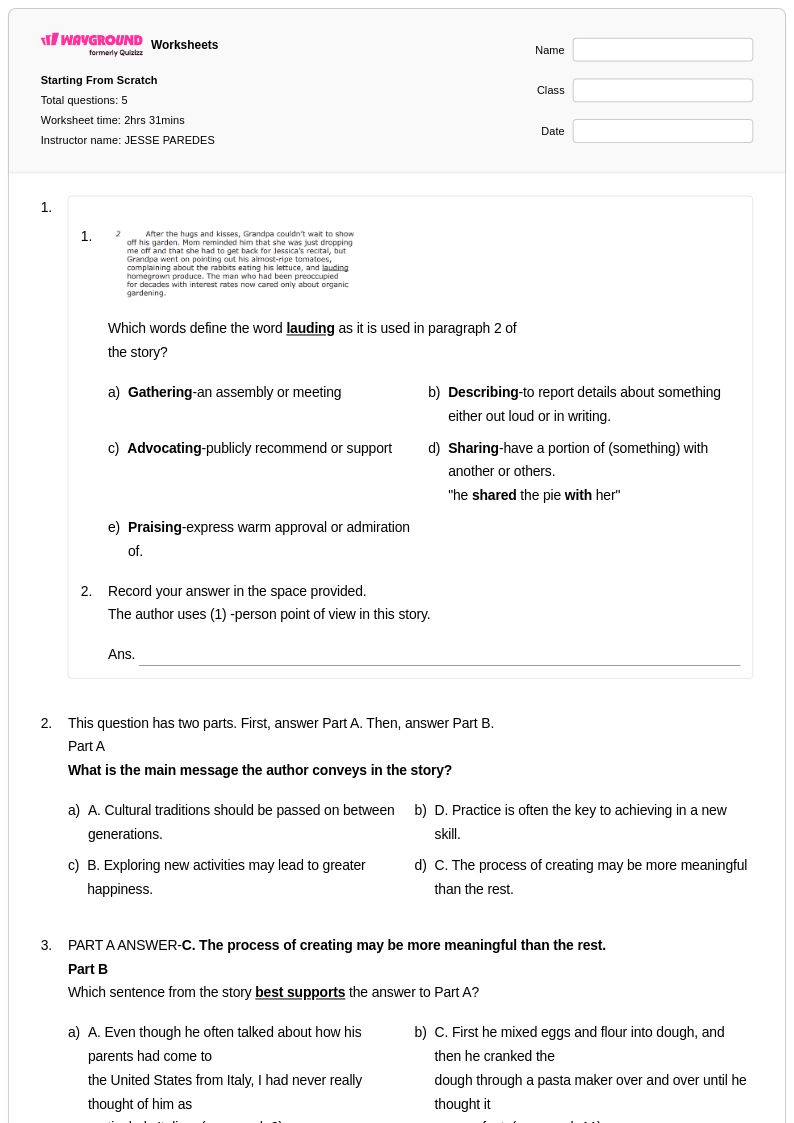
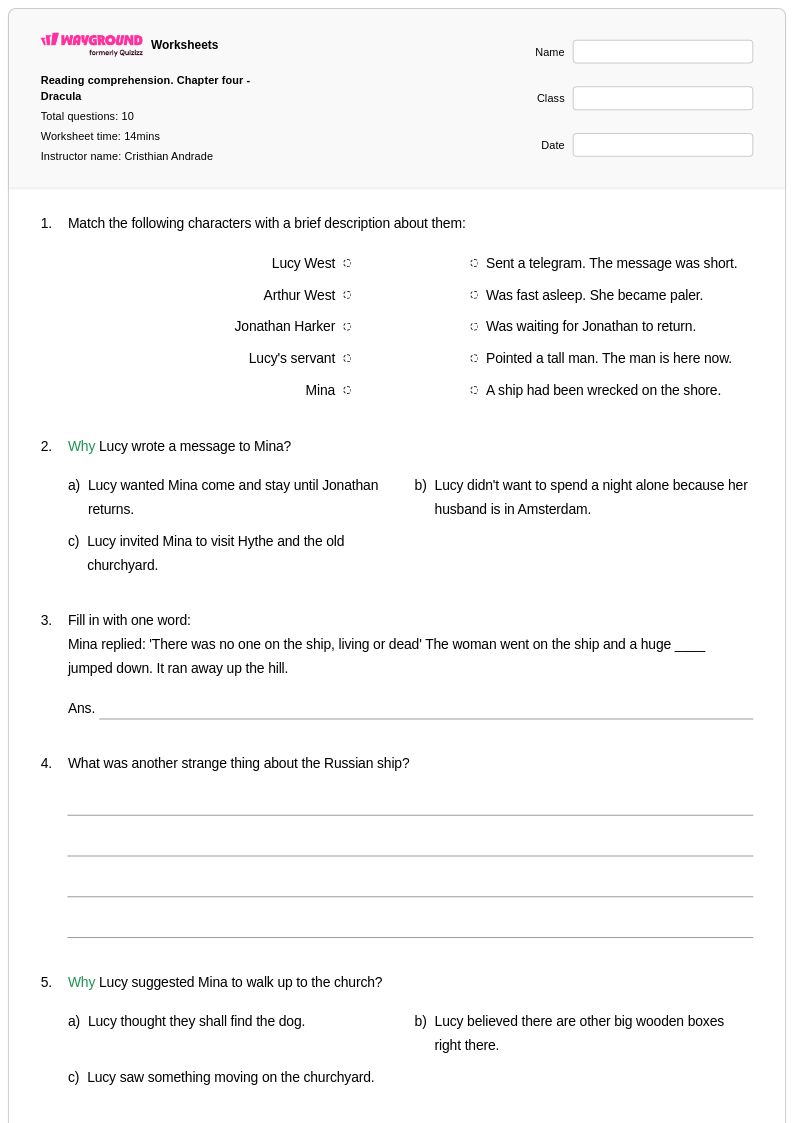
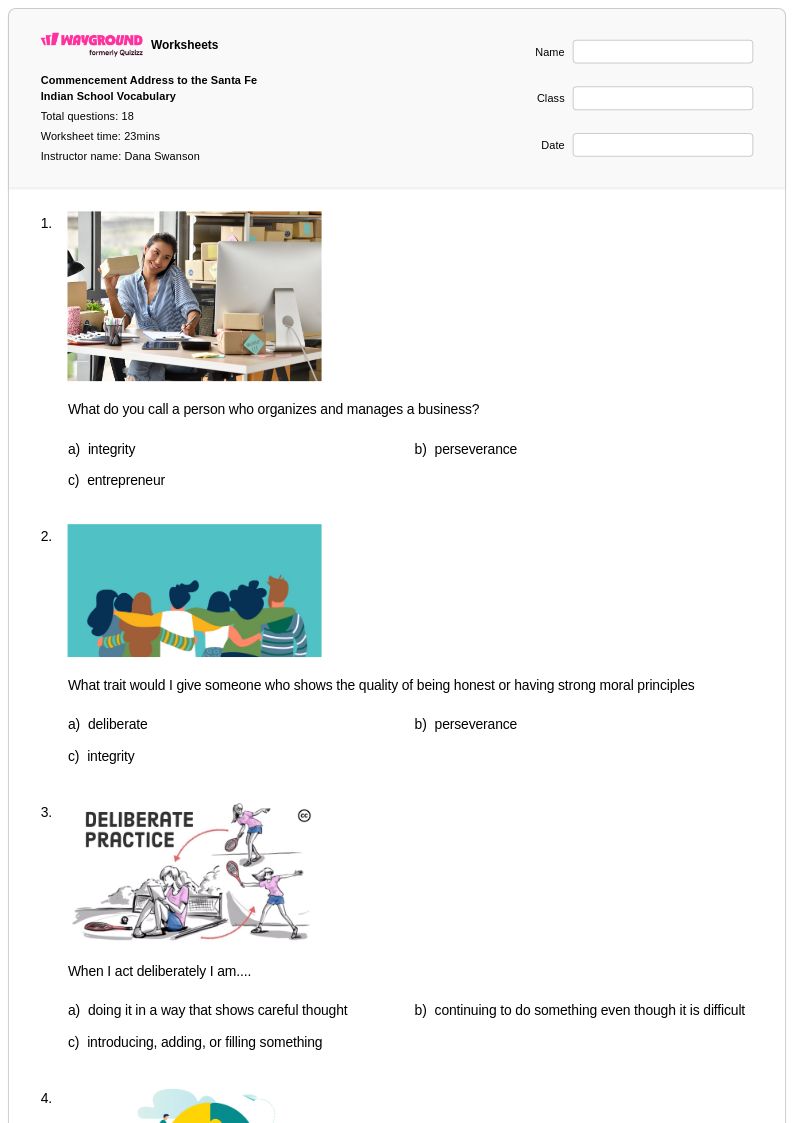
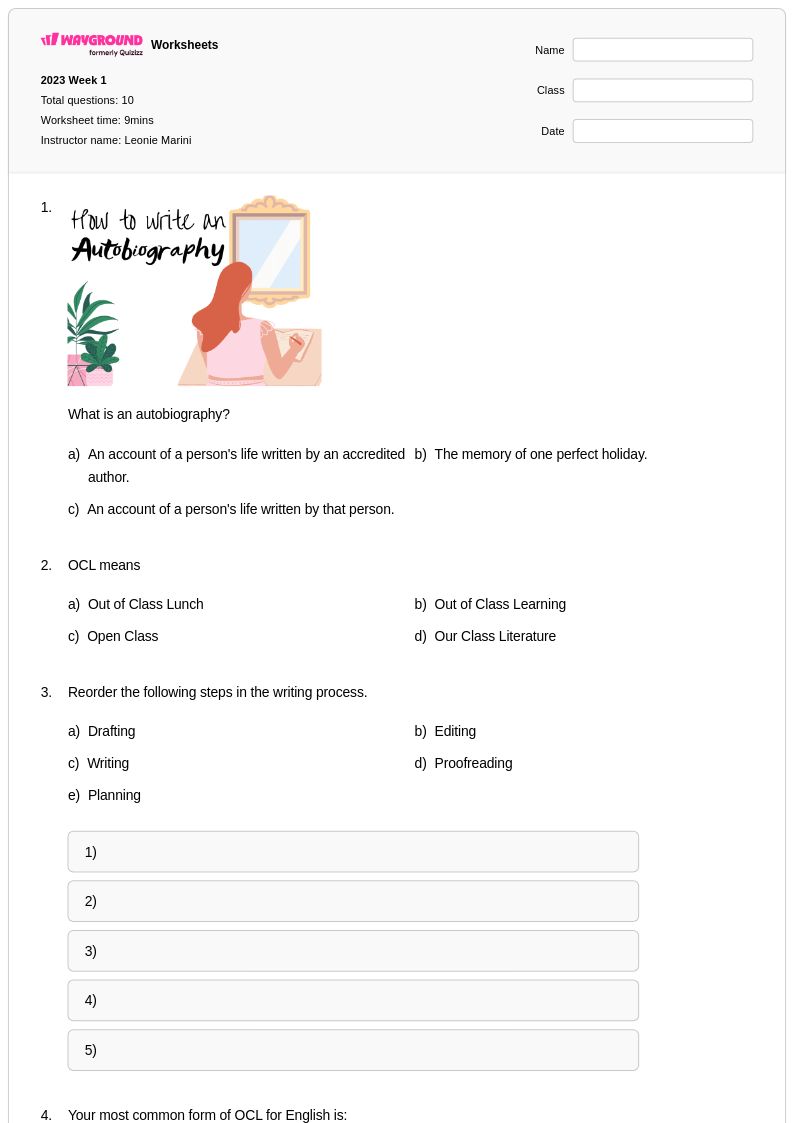
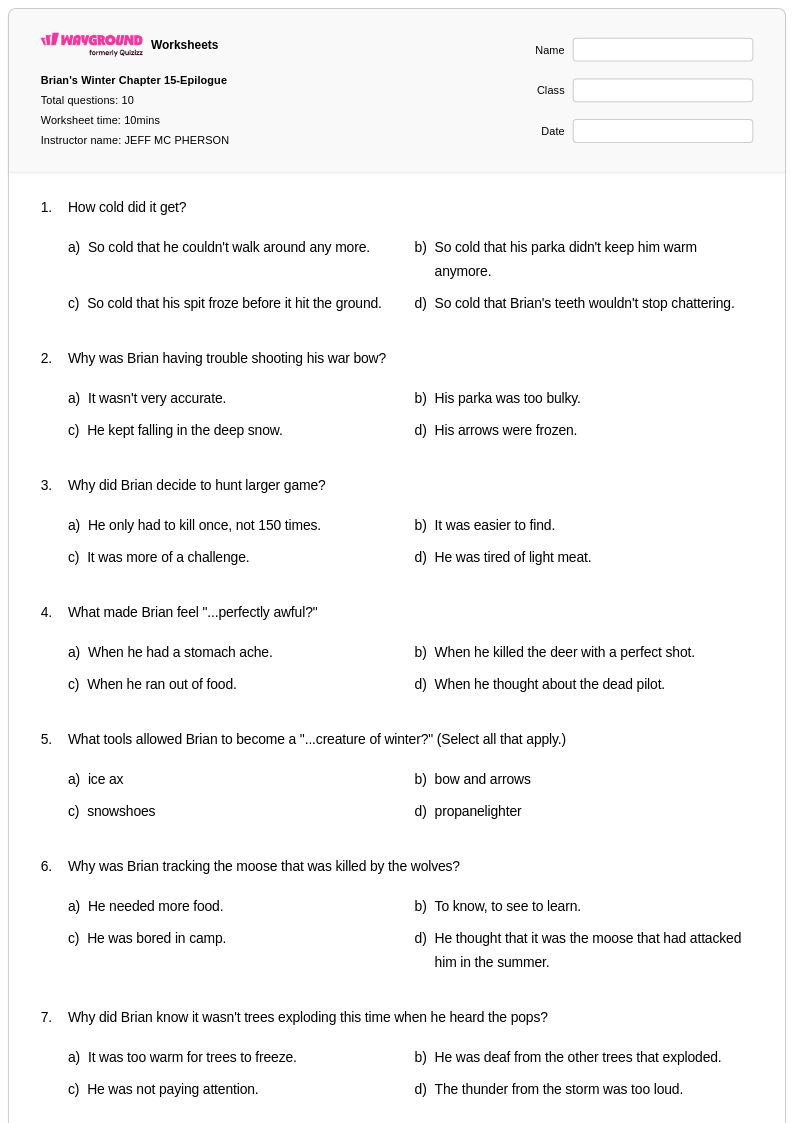
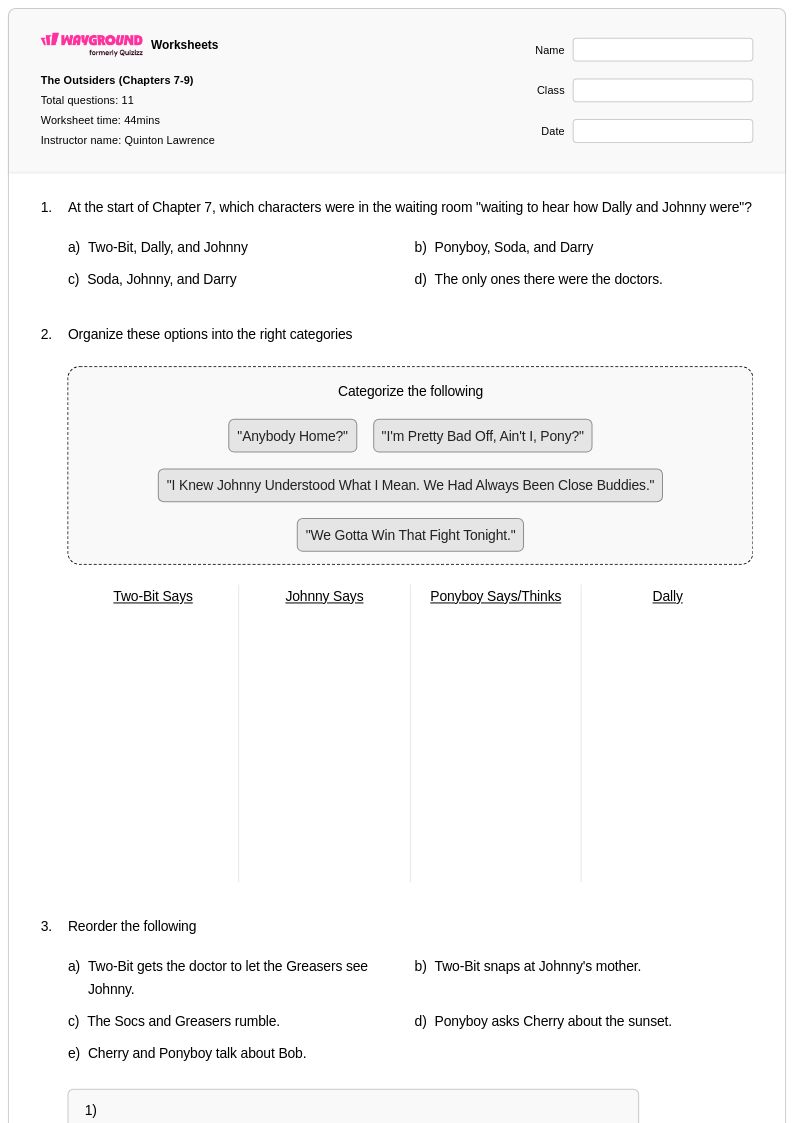
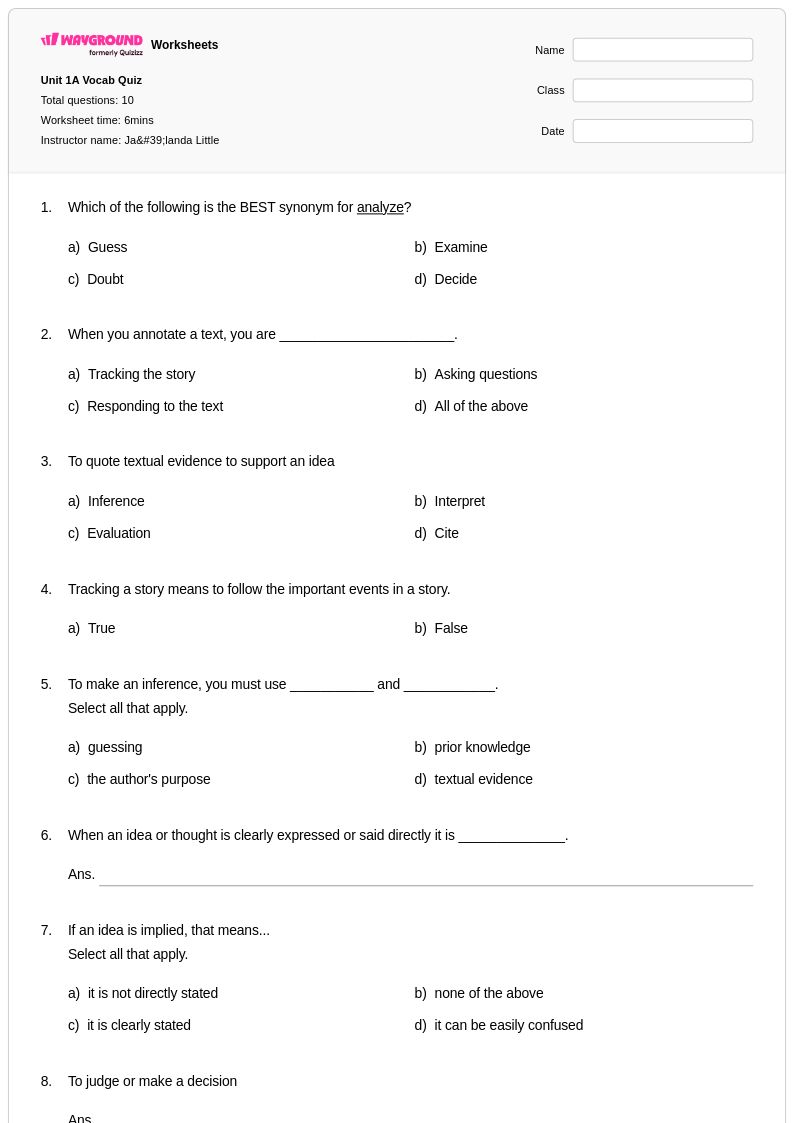
Thought tracking worksheets for Class 8 students provide essential practice in metacognitive awareness during the writing process, helping young writers develop the critical skill of monitoring and reflecting on their thinking as they compose. These comprehensive resources through Wayground (formerly Quizizz) guide eighth graders through exercises that make visible the often invisible cognitive processes involved in effective writing, from initial brainstorming and idea generation to revision and final editing decisions. Students learn to identify their writing strategies, recognize when they encounter difficulties, and develop problem-solving approaches for overcoming common writing challenges. The free printable worksheets include structured templates, reflection prompts, and practice problems that encourage students to pause and examine their thought processes, while accompanying answer keys help teachers assess student understanding and provide targeted feedback on metacognitive development.
Wayground (formerly Quizizz) empowers educators with millions of teacher-created thought tracking resources specifically designed for Class 8 writing instruction, featuring robust search and filtering capabilities that allow teachers to locate materials perfectly matched to their classroom needs and standards alignment requirements. The platform's differentiation tools enable instructors to customize worksheets for varying ability levels within their classes, ensuring that both struggling writers and advanced students receive appropriate challenges in developing metacognitive awareness. Teachers can access these resources in both printable pdf formats for traditional classroom use and digital formats for technology-integrated learning environments, making lesson planning more efficient while supporting diverse instructional approaches. These comprehensive collections facilitate targeted skill practice, enable effective remediation for students who struggle with writing self-awareness, and provide enrichment opportunities for learners ready to explore more sophisticated metacognitive strategies in their writing development.
FAQs
How do I teach thought tracking to students who struggle with metacognition?
Start by making the invisible visible: model your own thinking aloud during a writing task, narrating each decision you make before asking students to do the same. Introduce a simple thought log where students pause at set intervals during composition to record what strategy they just used and why. Over time, students internalize this self-monitoring habit and begin applying it without prompting.
What exercises help students practice thought tracking during the writing process?
Structured thought logs, think-alouds, and annotated drafts are the most effective exercises for building consistent thought tracking habits. Students benefit from stopping at key moments during brainstorming, drafting, and revision to document their decision-making process in writing. Thought tracking worksheets with guided prompts give students a scaffold so they focus on the metacognitive reflection rather than figuring out what to record.
What mistakes do students commonly make when learning to track their thinking?
The most common error is confusing thought tracking with summarizing content rather than narrating their own mental process. Students often write what they did rather than how and why they made the decisions they made, which misses the metacognitive purpose entirely. Another frequent mistake is completing thought logs retroactively after the writing task is finished, which undermines the value of monitoring thinking in real time.
How can thought tracking worksheets support writers across different academic subjects?
Thought tracking is not limited to English class; it applies wherever students must produce written work, including science lab reports, social studies essays, and math explanations. Worksheets that prompt students to document their brainstorming techniques and problem-solving approaches transfer directly to subject-area writing tasks. Because the skill is process-focused rather than content-specific, thought tracking worksheets can be used consistently across disciplines to build transferable metacognitive habits.
How do I use Wayground's thought tracking worksheets in my classroom?
Wayground's thought tracking worksheets are available as printable PDFs for traditional classroom use and in digital formats for technology-integrated environments, giving teachers flexibility regardless of their setup. Each worksheet includes practice problems and answer keys, supporting both independent student work and teacher-guided instruction. Teachers can also host worksheets as a quiz directly on Wayground, making it easy to assign, collect, and review student responses in one place.
How do I differentiate thought tracking instruction for students at different ability levels?
For struggling writers, provide sentence starters within the thought log so students have a language scaffold for describing their thinking. Advanced students benefit from open-ended reflection prompts that push them to evaluate the effectiveness of their cognitive strategies rather than simply describe them. On Wayground, teachers can apply individual accommodations such as read aloud support or reduced answer choices for specific students, ensuring every learner can engage with thought tracking at an appropriate level of challenge.