
20 Q
7th - 12th
50 Q
7th - 12th
14 Q
10th
24 Q
9th - 12th
10 Q
7th - 10th
15 Q
6th - Uni
12 Q
5th - 12th
24 Q
8th - Uni
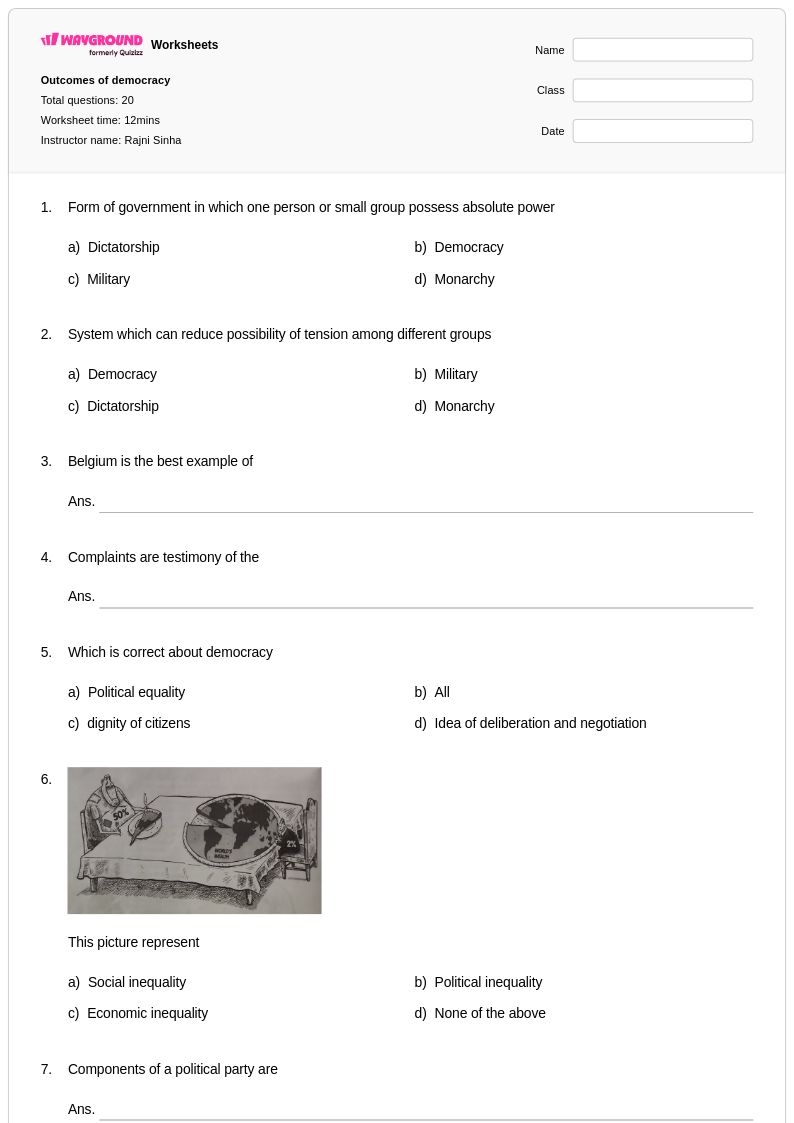
20 Q
10th
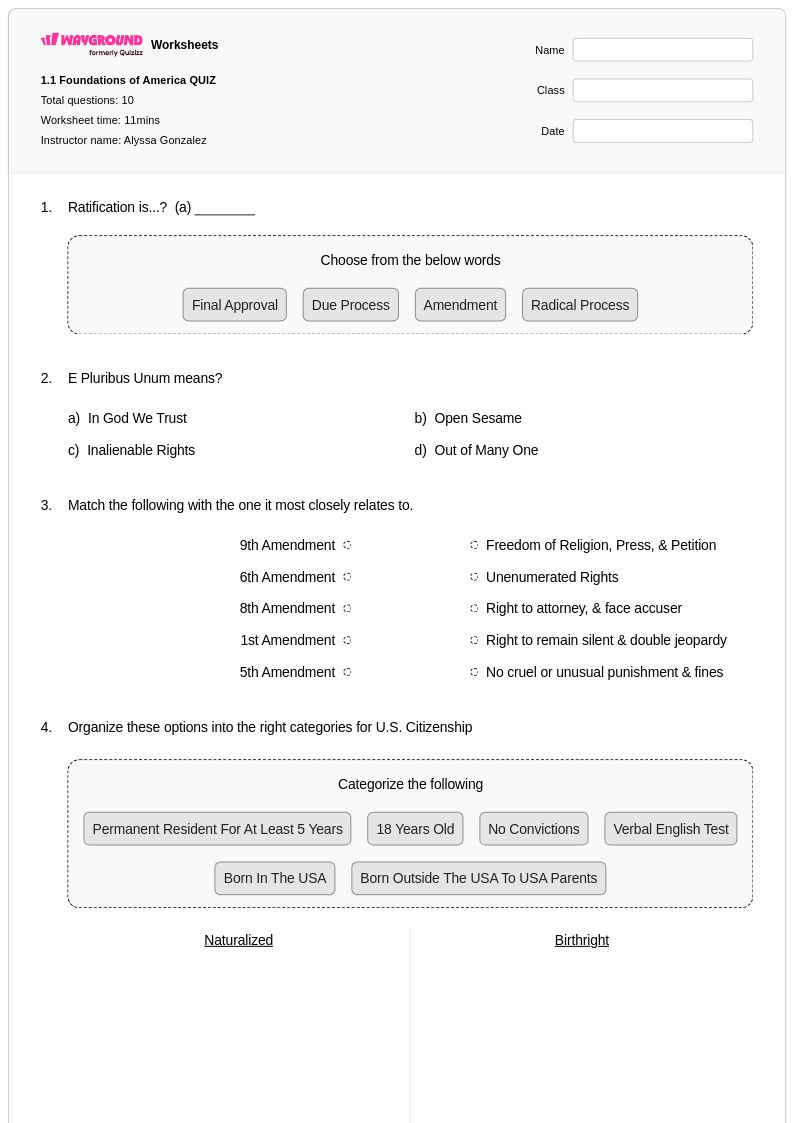
10 Q
10th
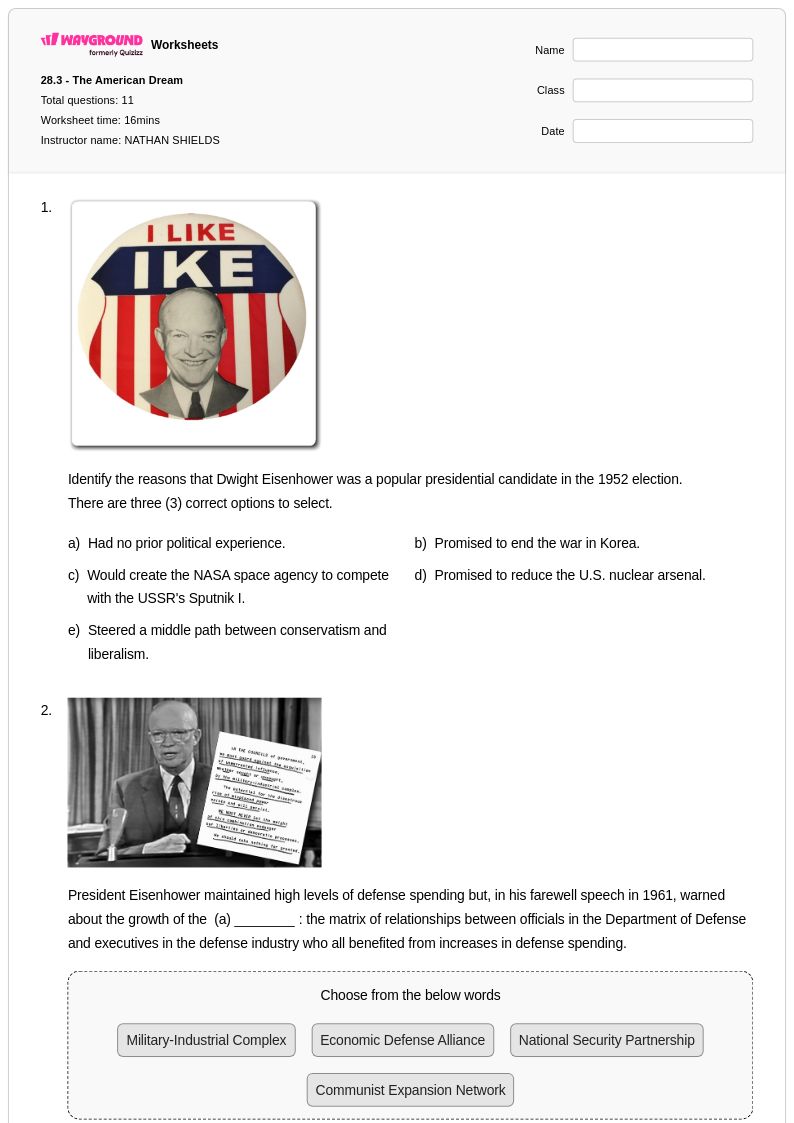
11 Q
10th - Uni
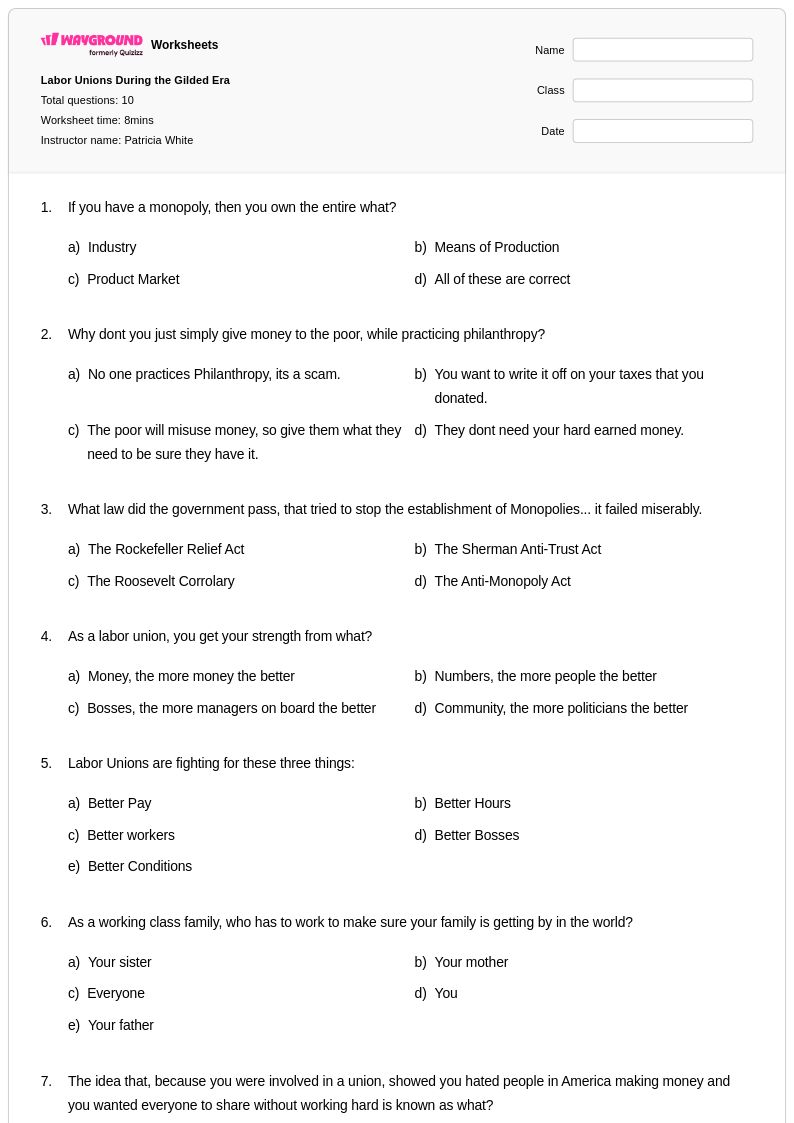
10 Q
9th - 12th
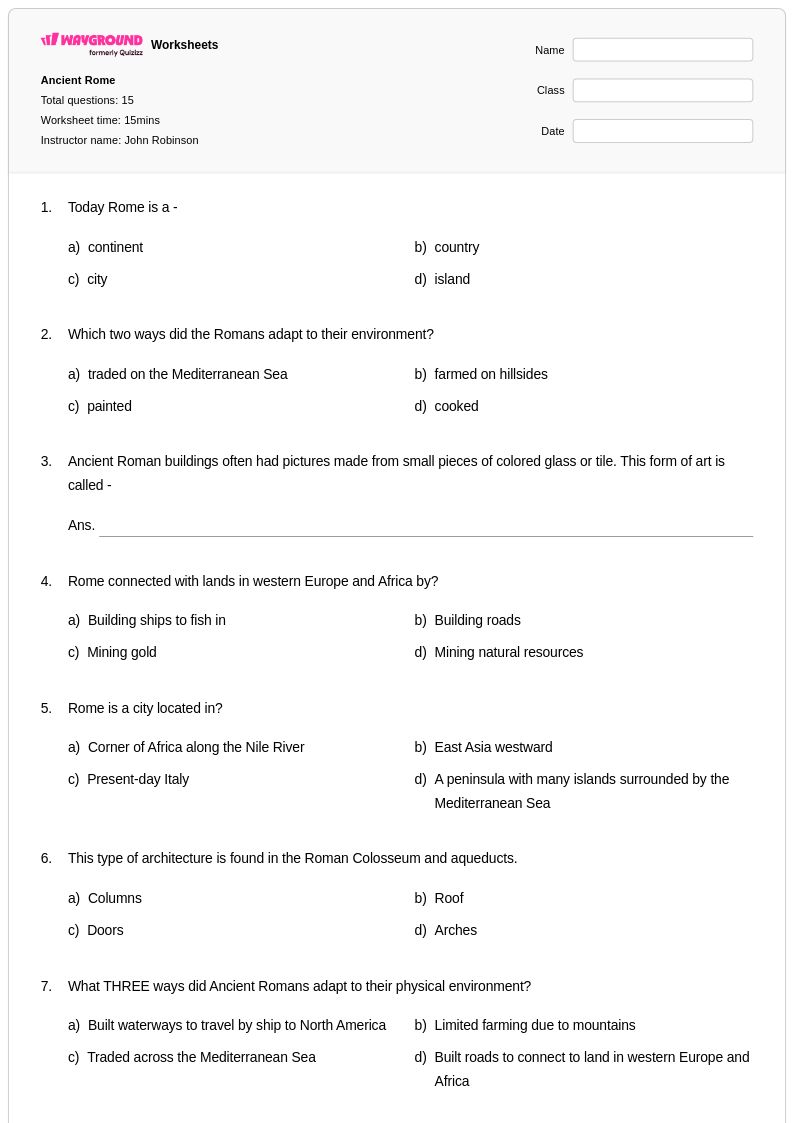
15 Q
3rd - Uni
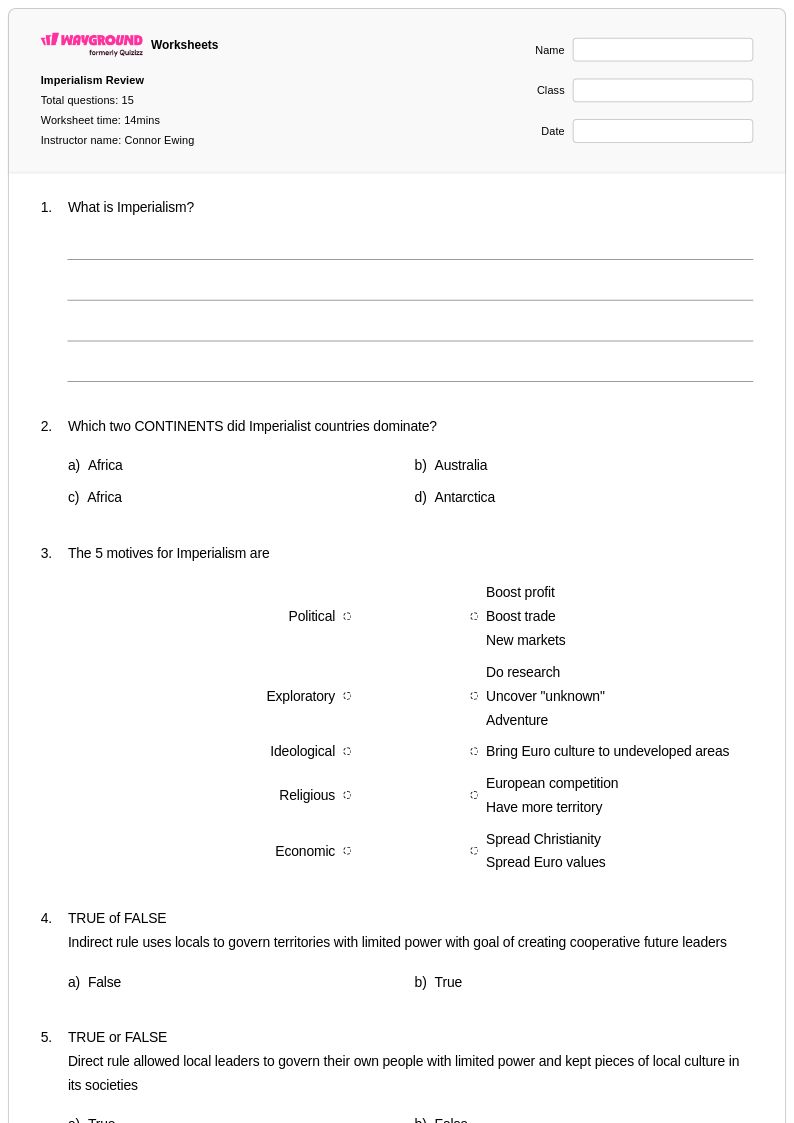
15 Q
10th
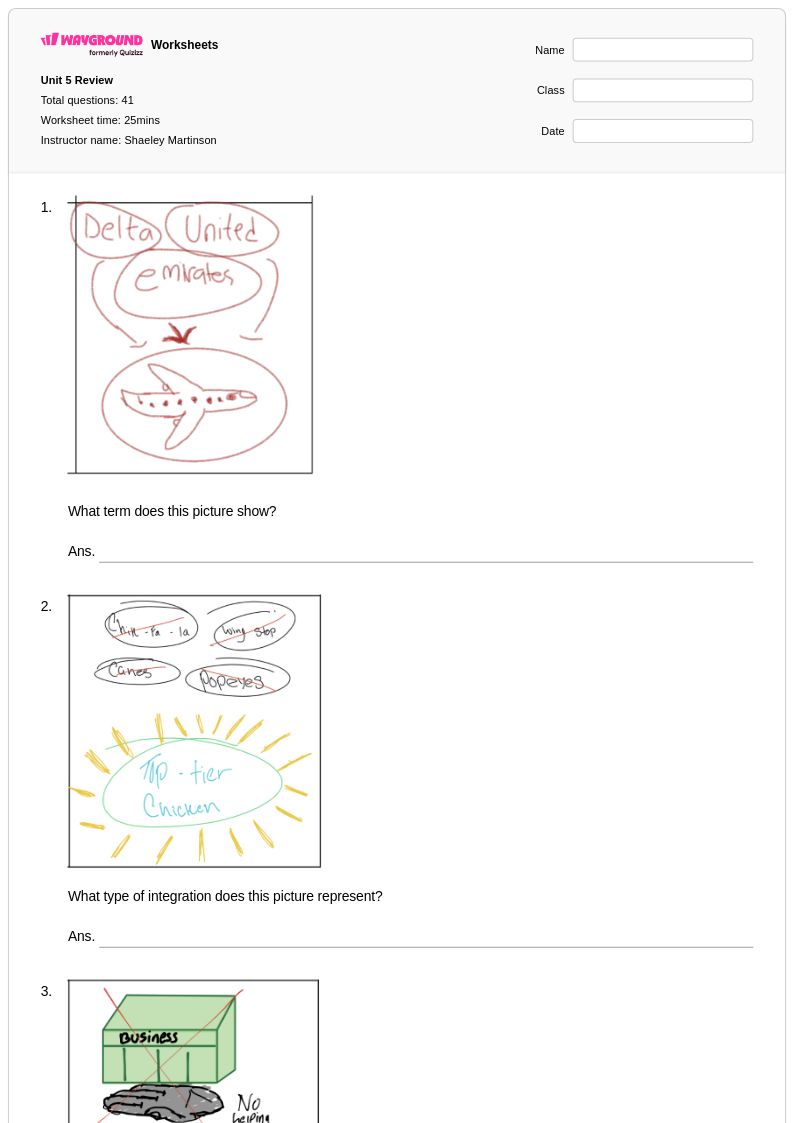
41 Q
10th
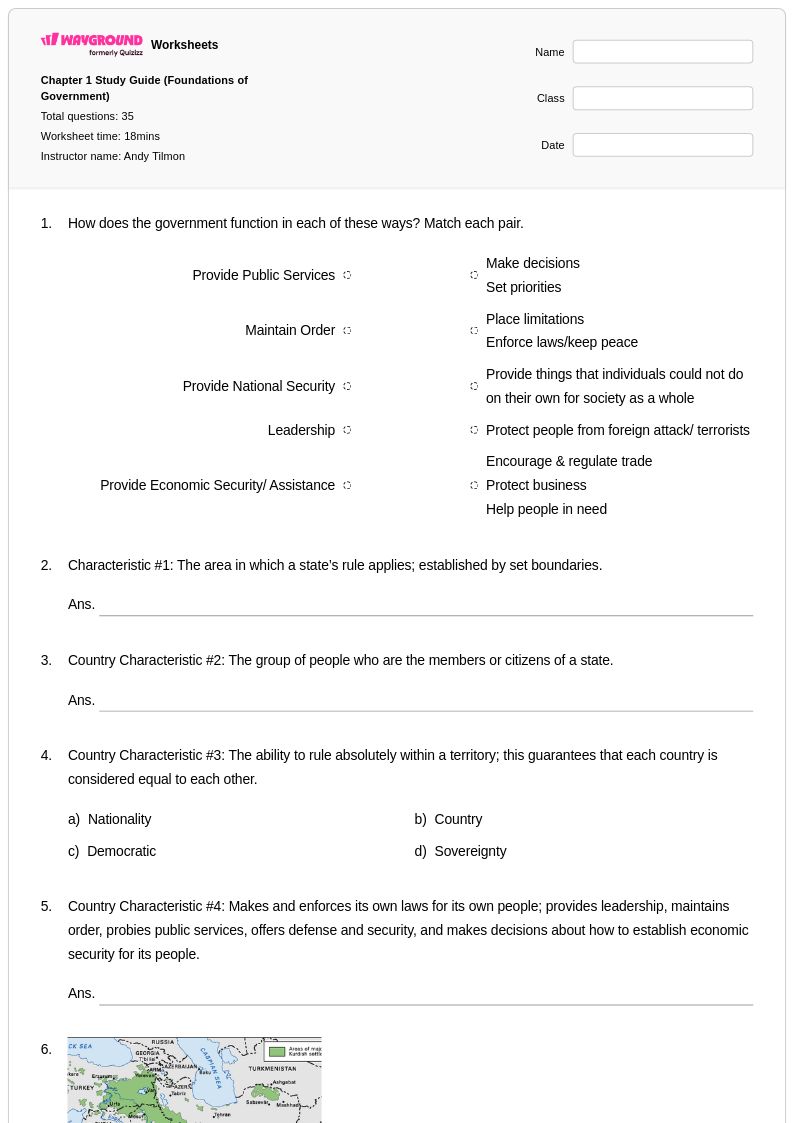
35 Q
10th - 12th
20 Q
10th
12 Q
7th - 10th
6 Q
9th - 12th
15 Q
6th - Uni
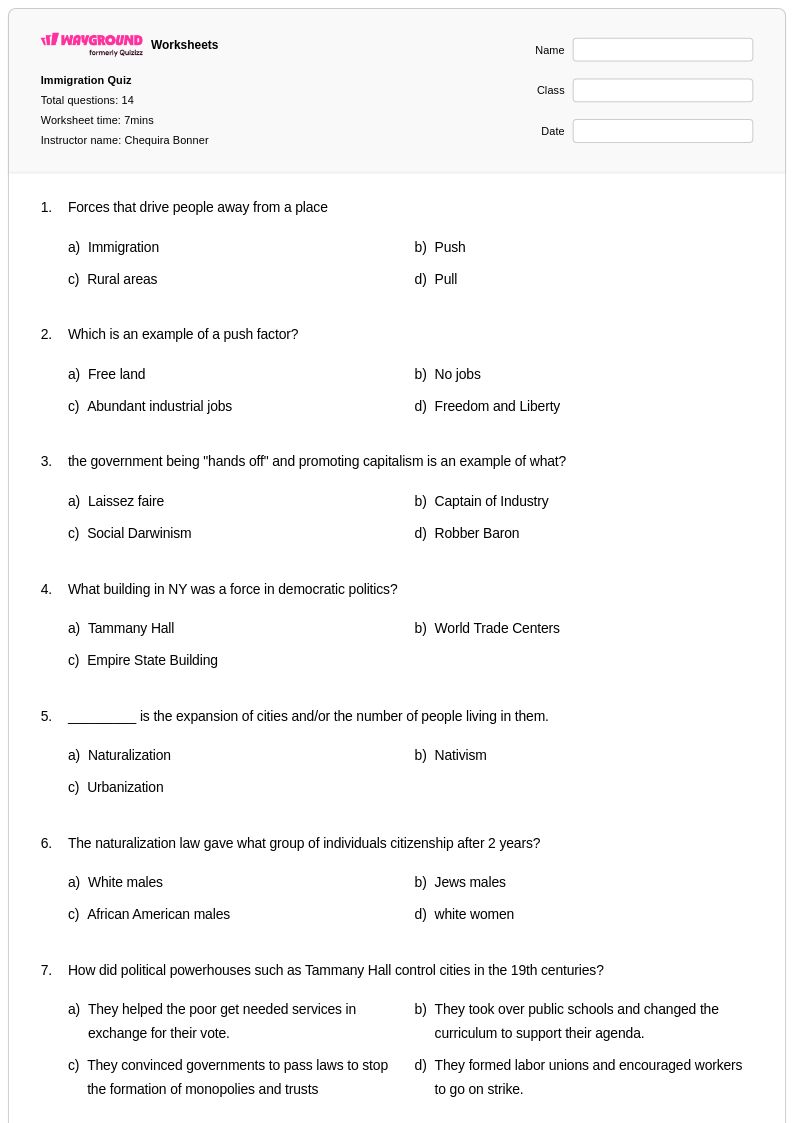
14 Q
10th
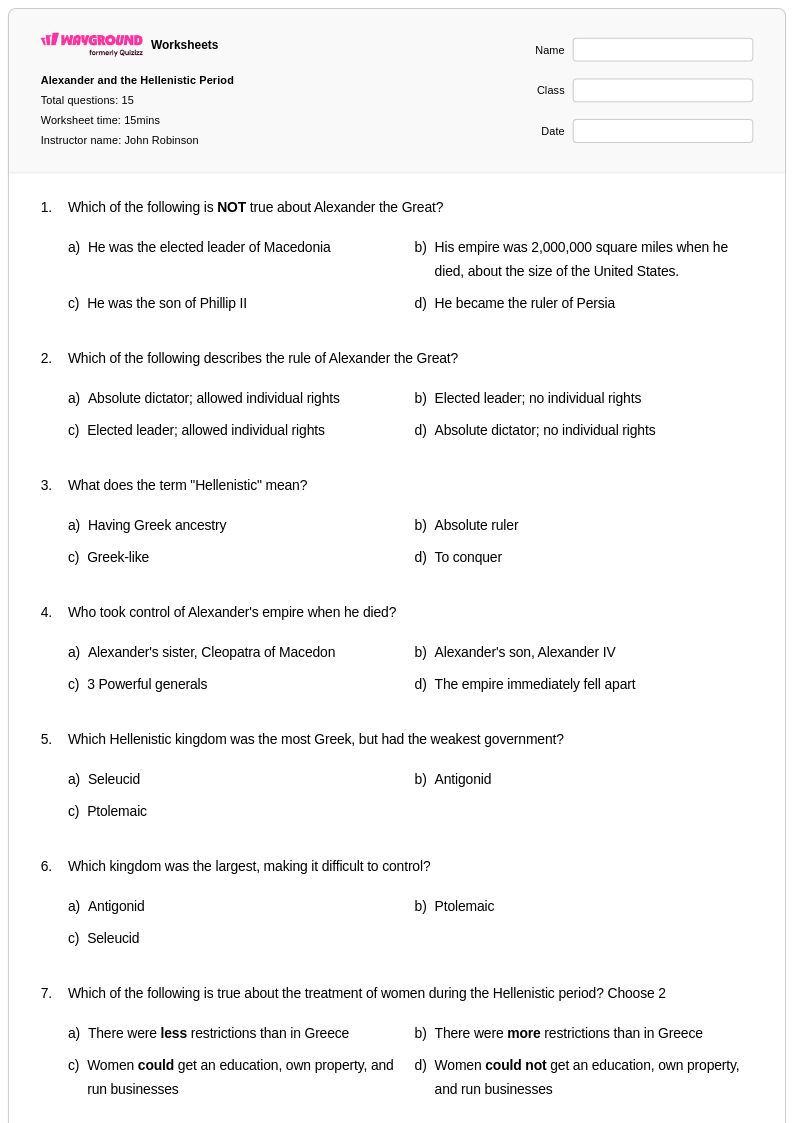
15 Q
6th - Uni
Explore Trust Building Worksheets by Grades
Explore Other Subject Worksheets for class 10
Explore printable Trust Building worksheets for Class 10
Trust building worksheets for Class 10 social studies provide students with structured opportunities to develop one of the most fundamental interpersonal skills necessary for healthy relationships and effective collaboration. These comprehensive worksheet collections available through Wayground (formerly Quizizz) focus on helping high school students understand the psychology of trust, identify behaviors that build or erode trust, and practice communication techniques that foster trustworthiness in various social contexts. The worksheets strengthen critical thinking about relationship dynamics, emotional intelligence, and personal accountability through engaging scenarios, reflective exercises, and real-world applications. Students work through practice problems that examine trust in peer relationships, family dynamics, and community settings, with each worksheet including detailed answer keys that guide deeper understanding of complex social interactions. These free printable resources offer educators flexible pdf formats that can be easily distributed and completed both in classroom settings and as independent study materials.
Wayground (formerly Quizizz) supports educators with an extensive collection of teacher-created trust building worksheets, drawing from millions of resources developed by social studies professionals who understand the nuances of adolescent social development. The platform's robust search and filtering capabilities allow teachers to quickly locate materials that align with specific learning objectives and state standards for social-emotional learning and interpersonal skills development. Advanced differentiation tools enable educators to customize worksheet difficulty levels and content focus areas to meet diverse student needs, whether for remediation of basic social skills concepts or enrichment activities for advanced learners. Teachers can access these resources in both printable and digital formats, including downloadable pdfs that facilitate seamless integration into lesson planning and homework assignments. This comprehensive approach supports educators in developing well-rounded instructional strategies that address trust building through varied practice opportunities, assessment tools, and skill-building exercises that prepare students for successful interpersonal relationships throughout their academic and professional lives.
FAQs
How do I teach trust-building skills in the classroom?
What activities help students practice trust-building skills?
What misconceptions do students commonly have about trust?
How can I use trust-building worksheets to support students who struggle with social skills?
How do I use Wayground's trust-building worksheets in my classroom?
Where do trust-building skills fit in the curriculum?