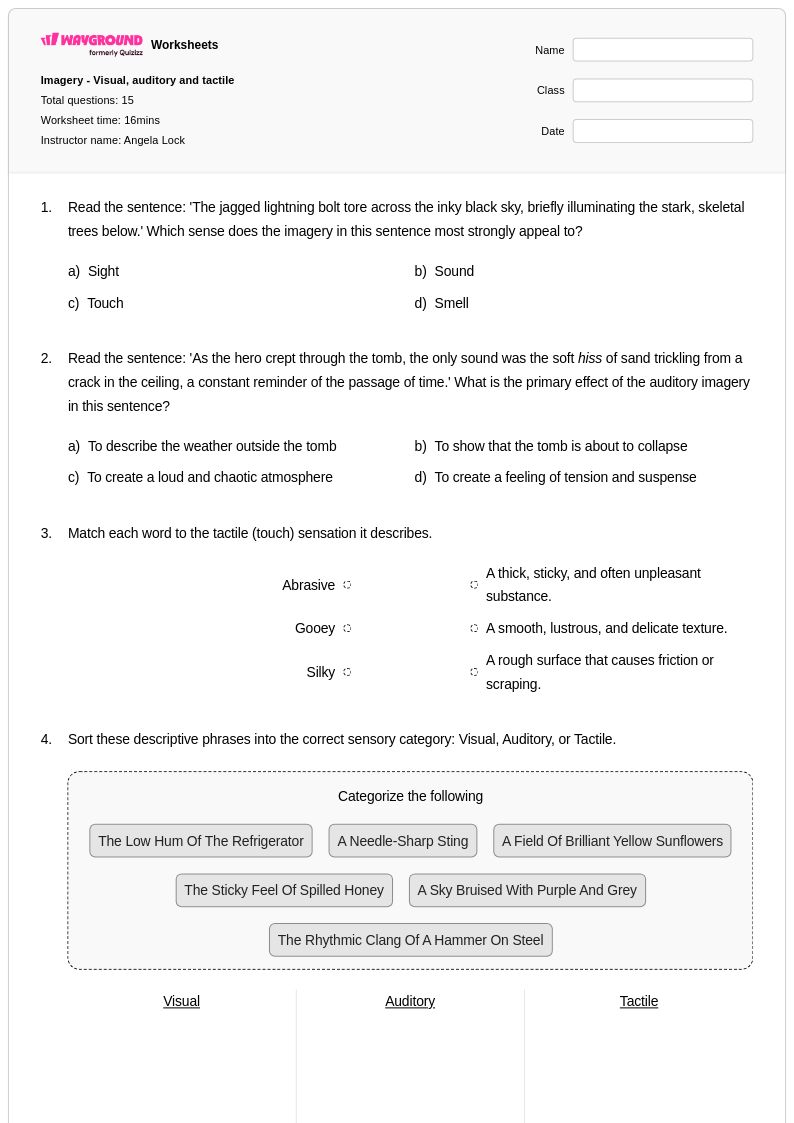
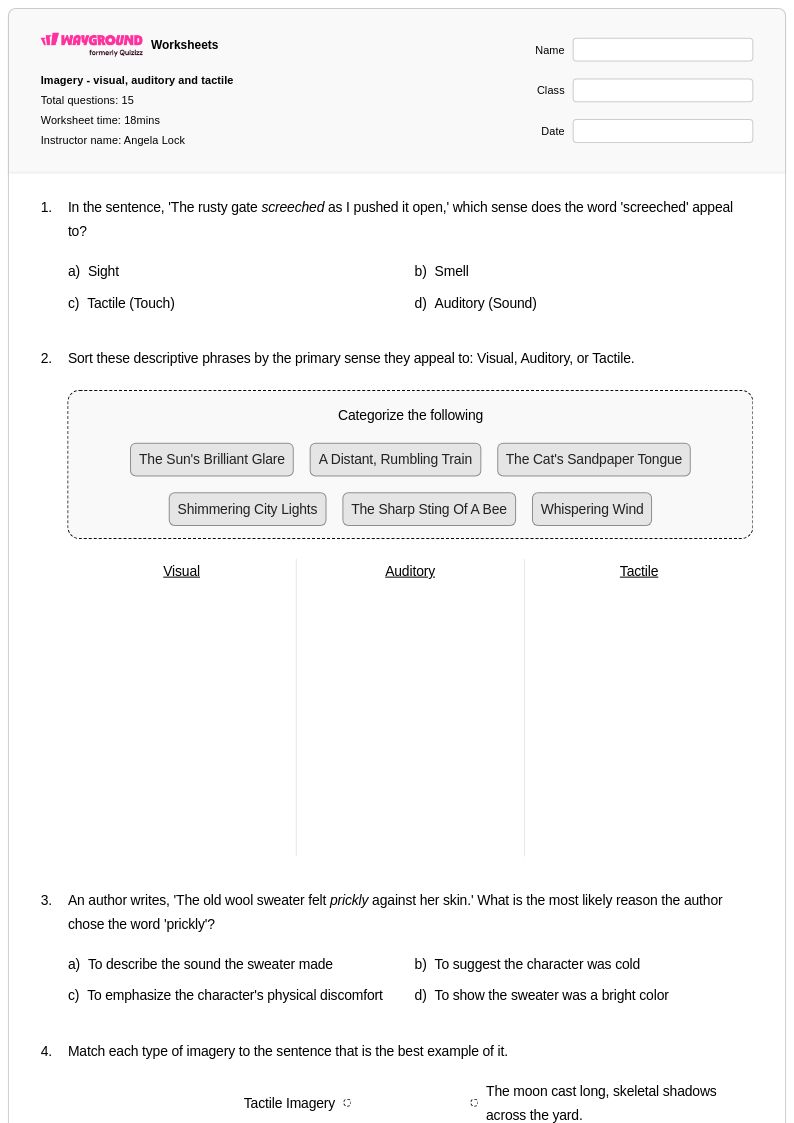
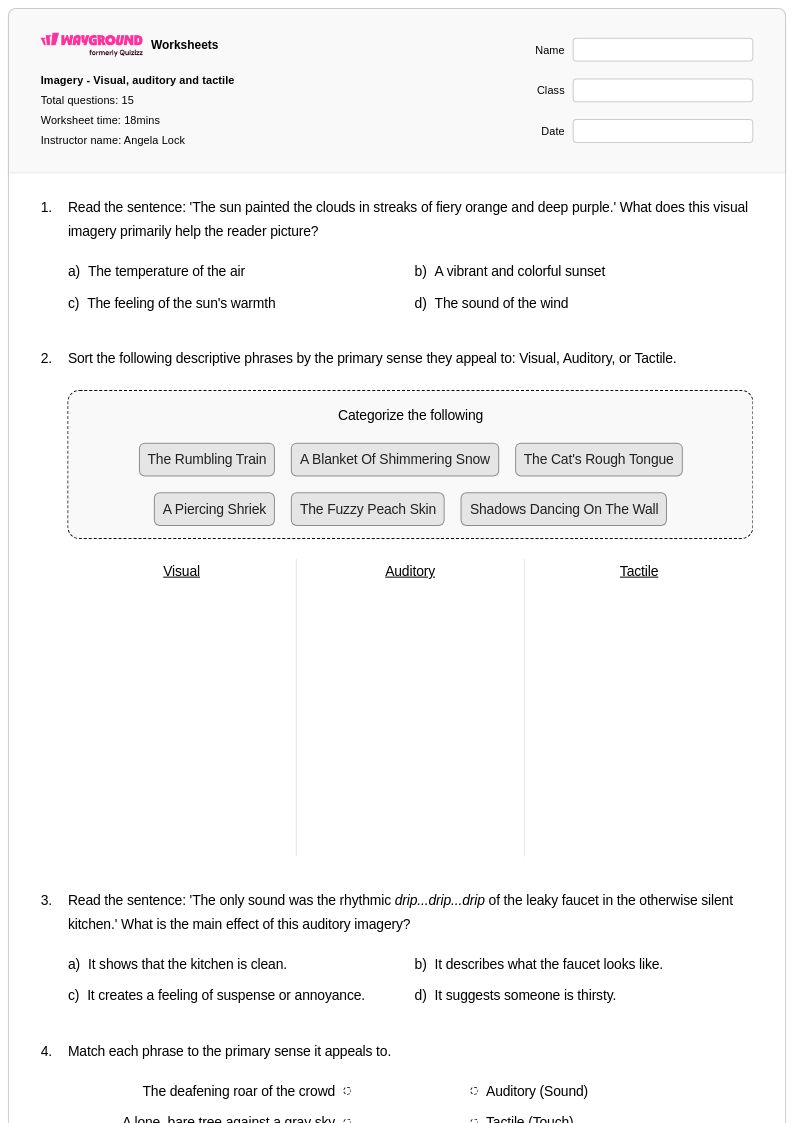
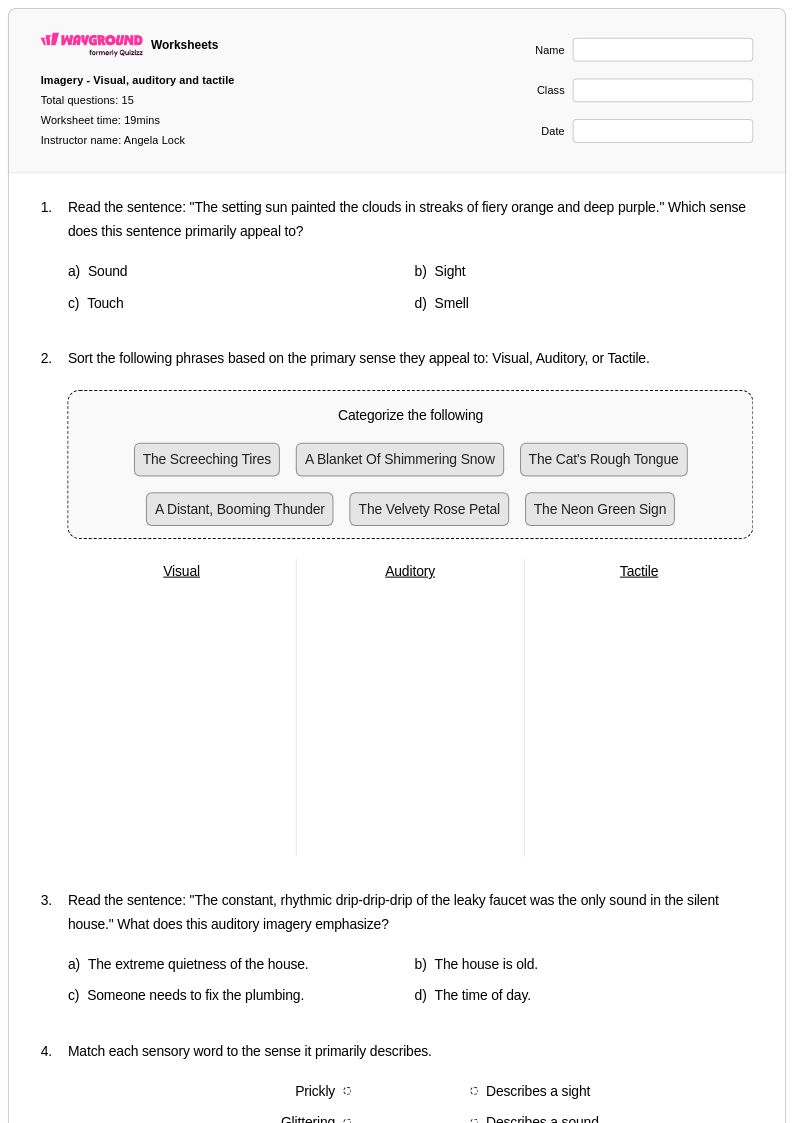
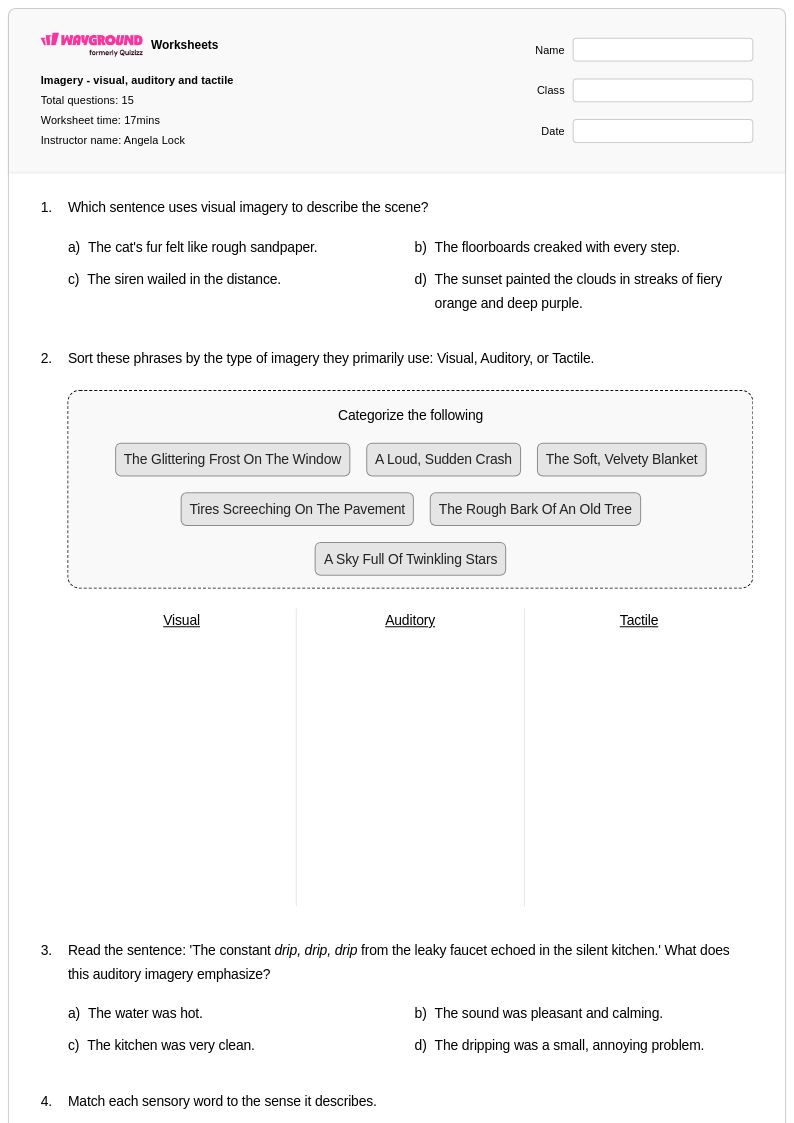
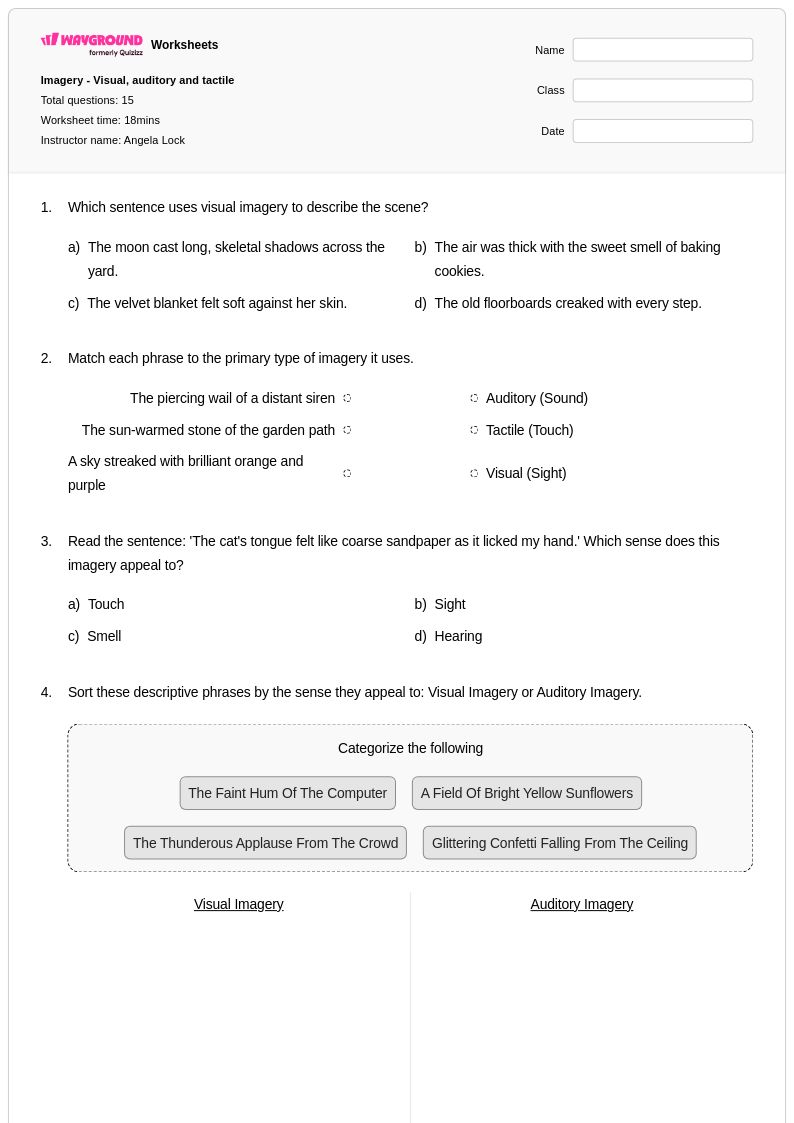
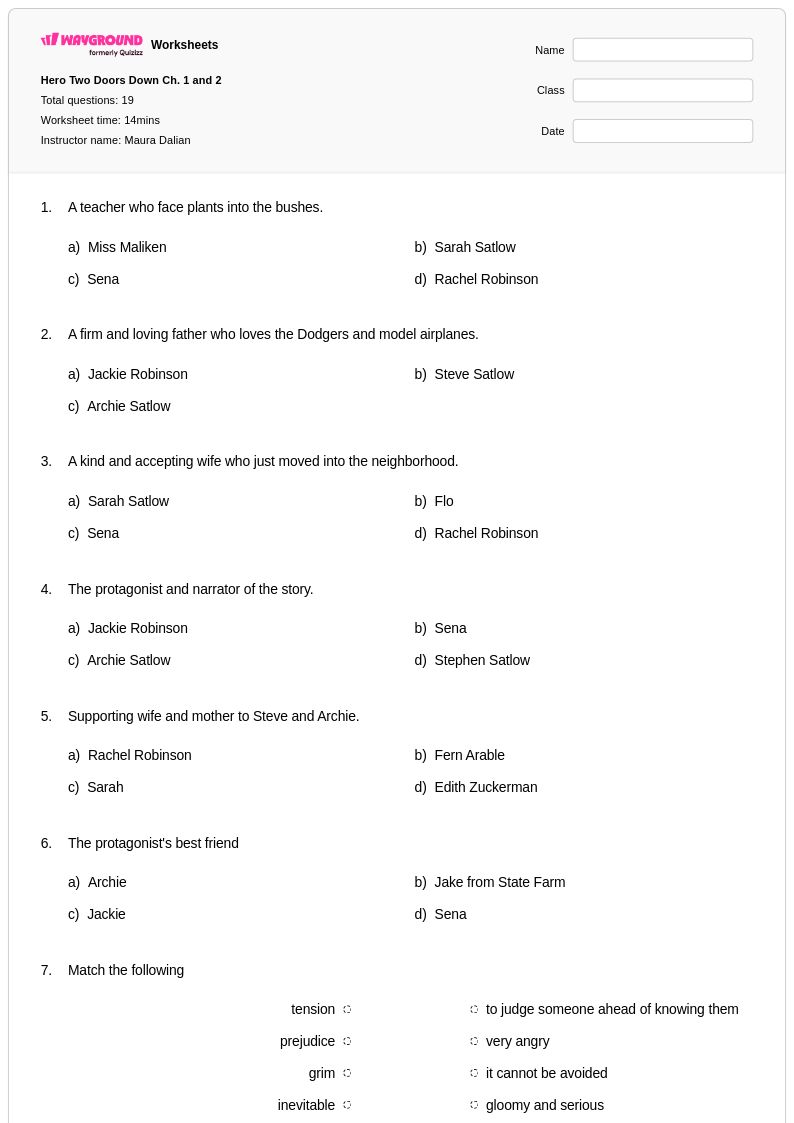
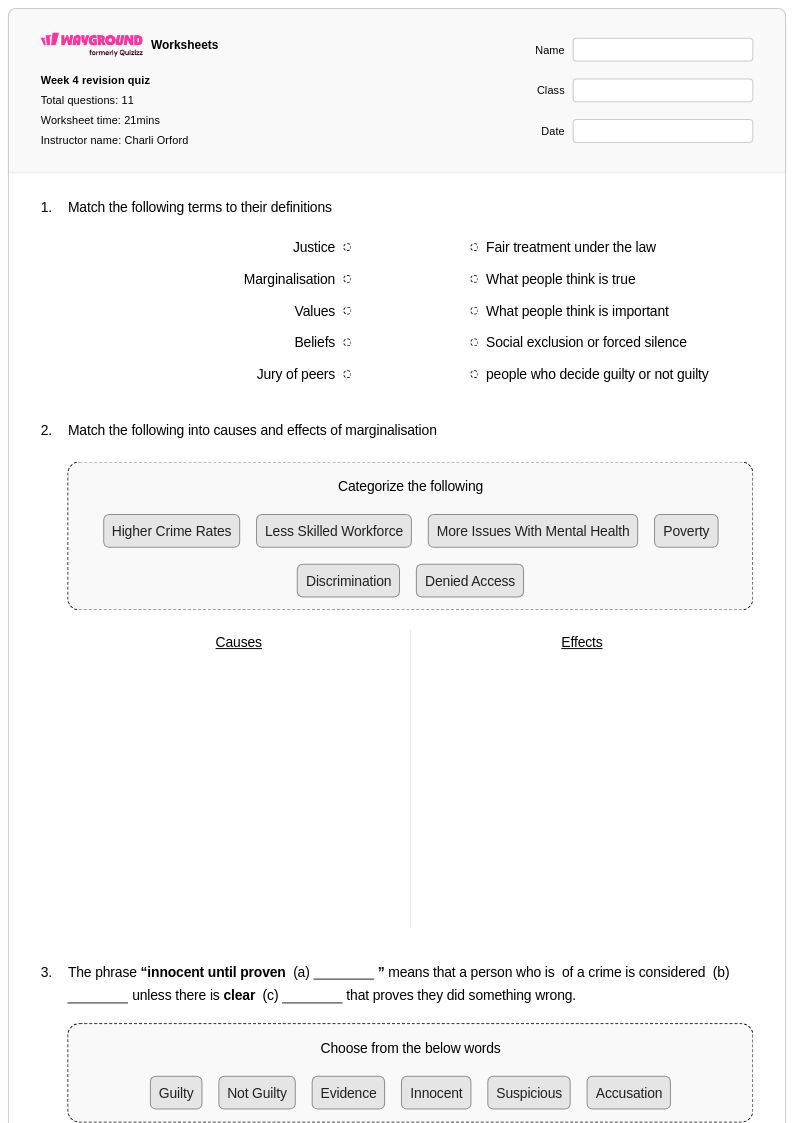
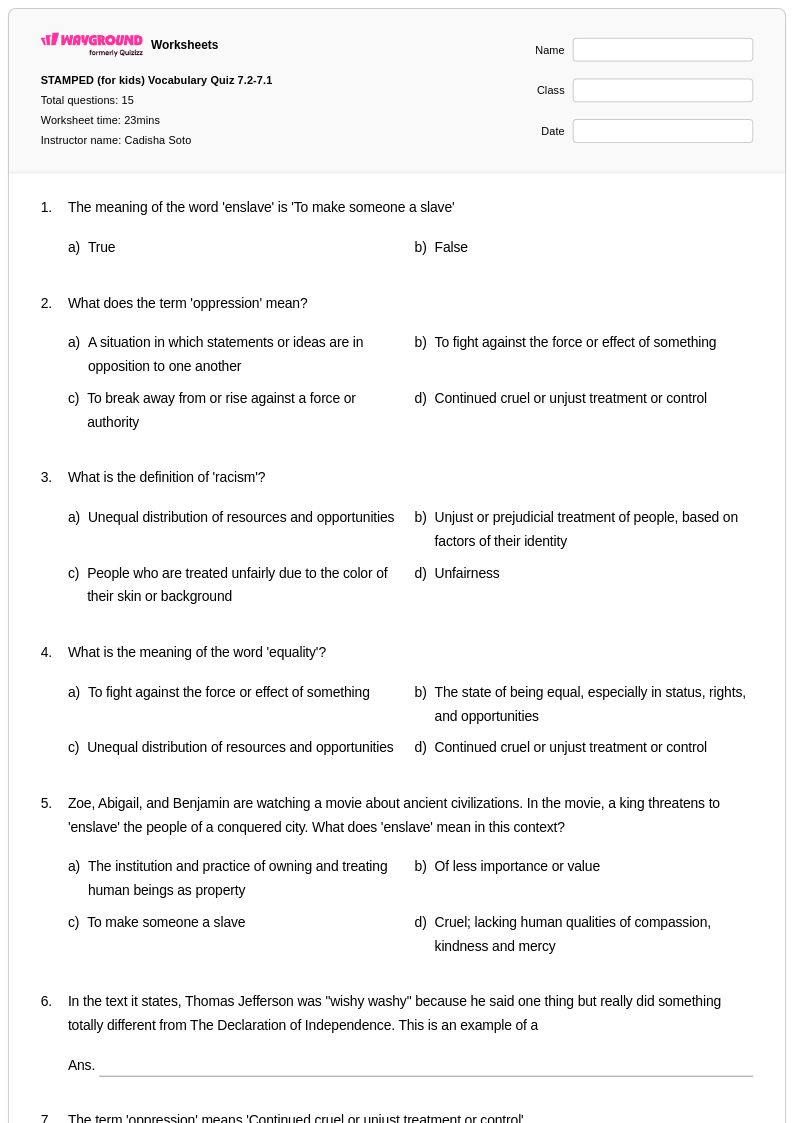
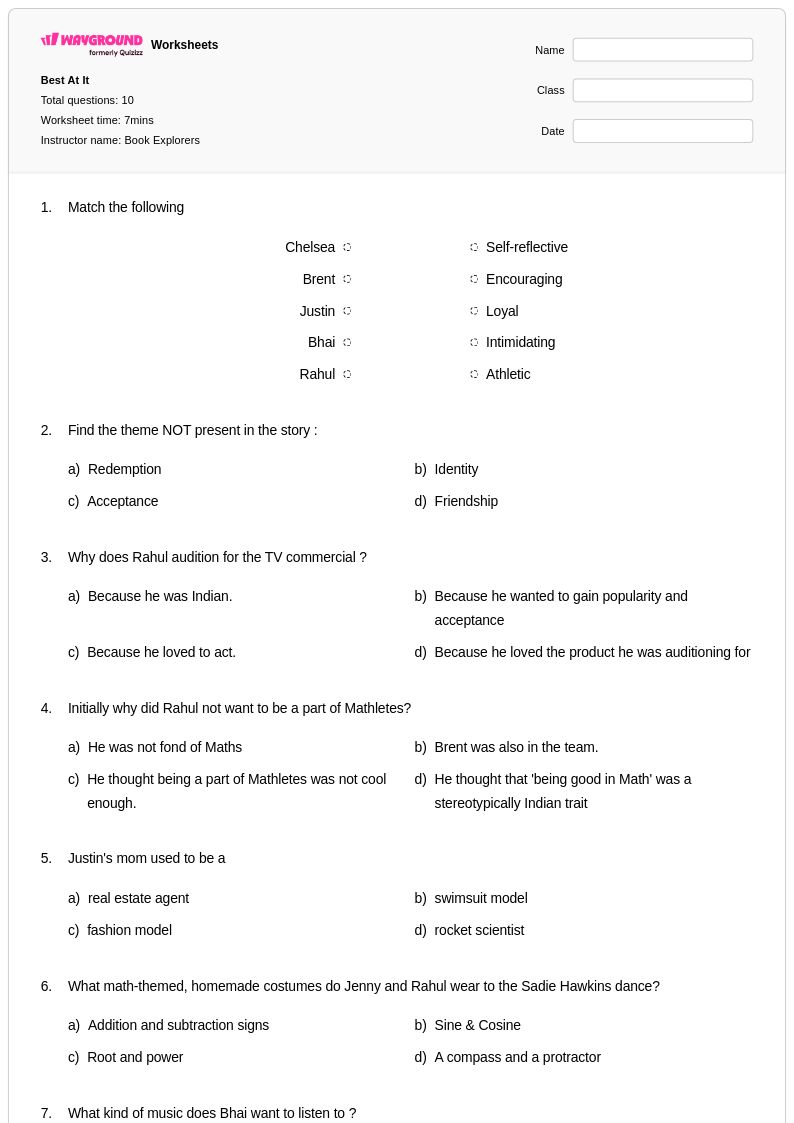
Enhance visual discrimination skills with Wayground's free worksheets and printables that help students practice identifying differences, similarities, and patterns through engaging pdf activities with complete answer keys.
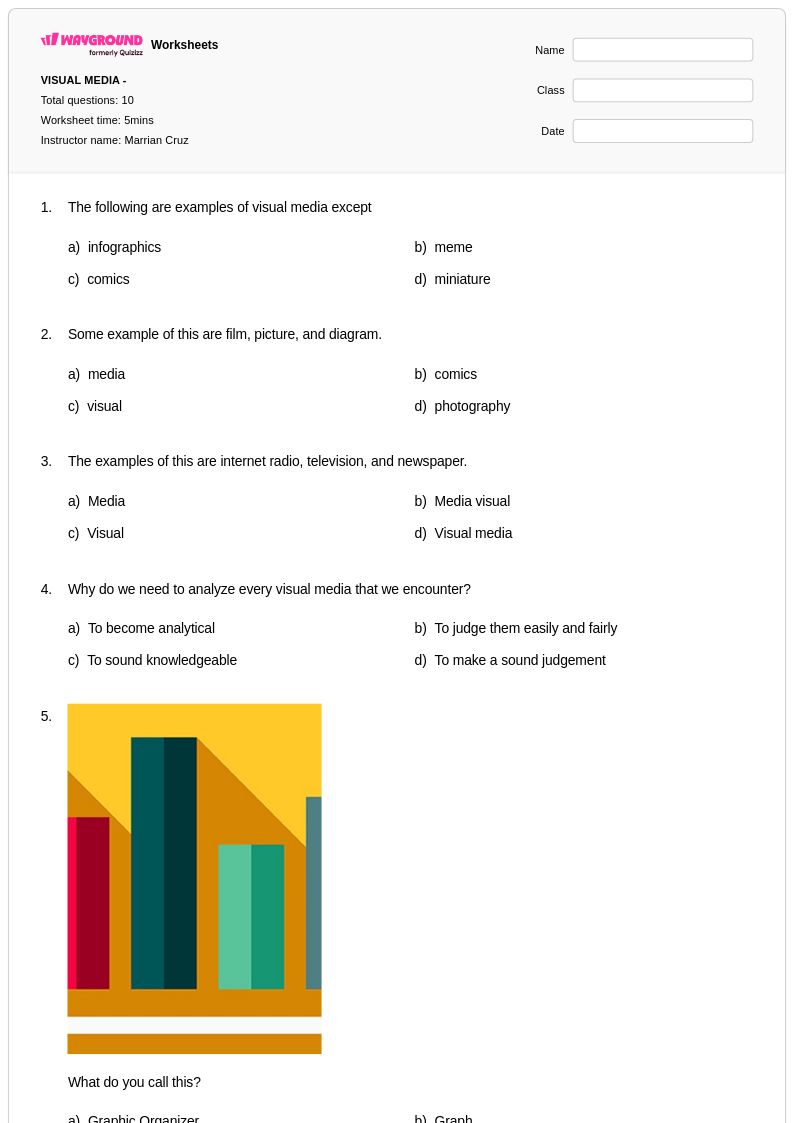
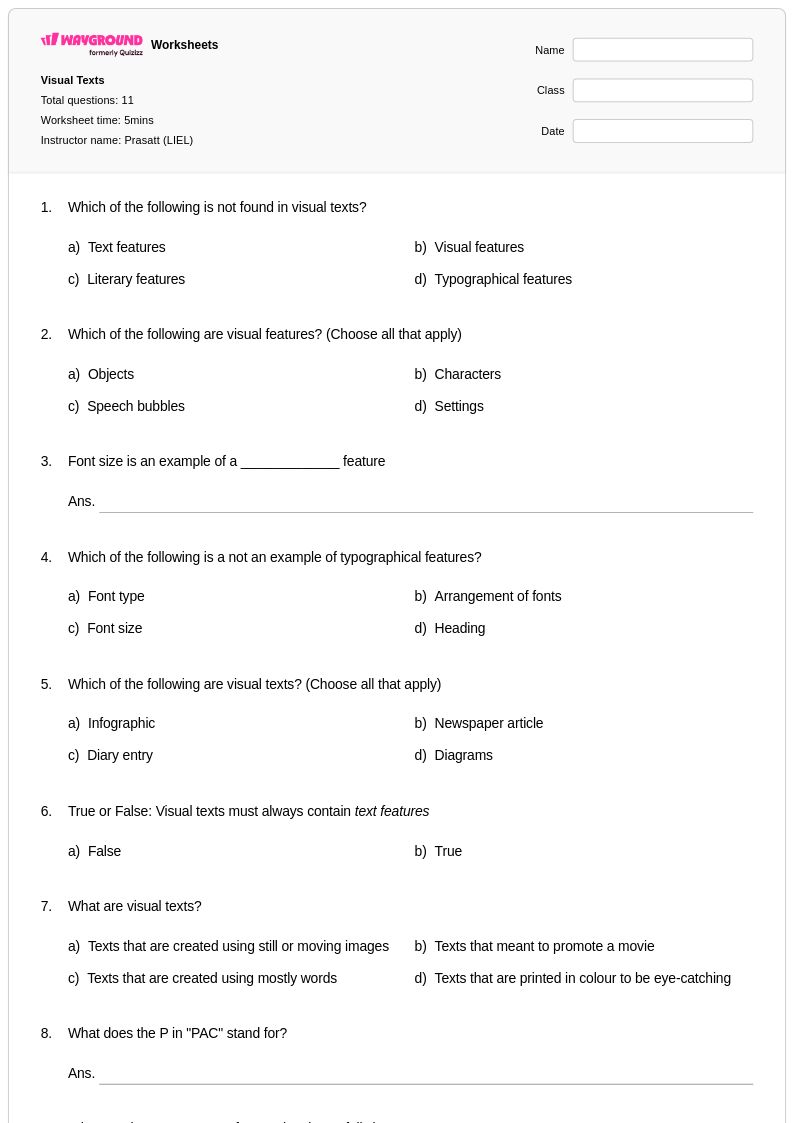
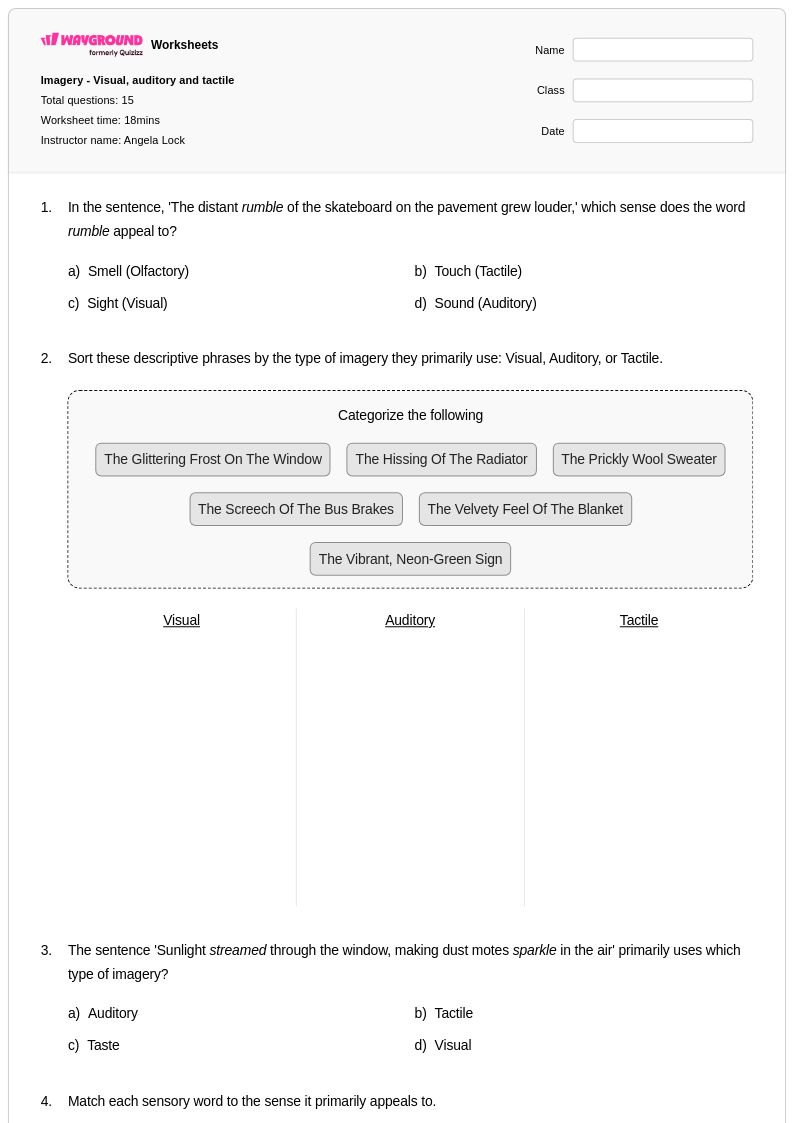
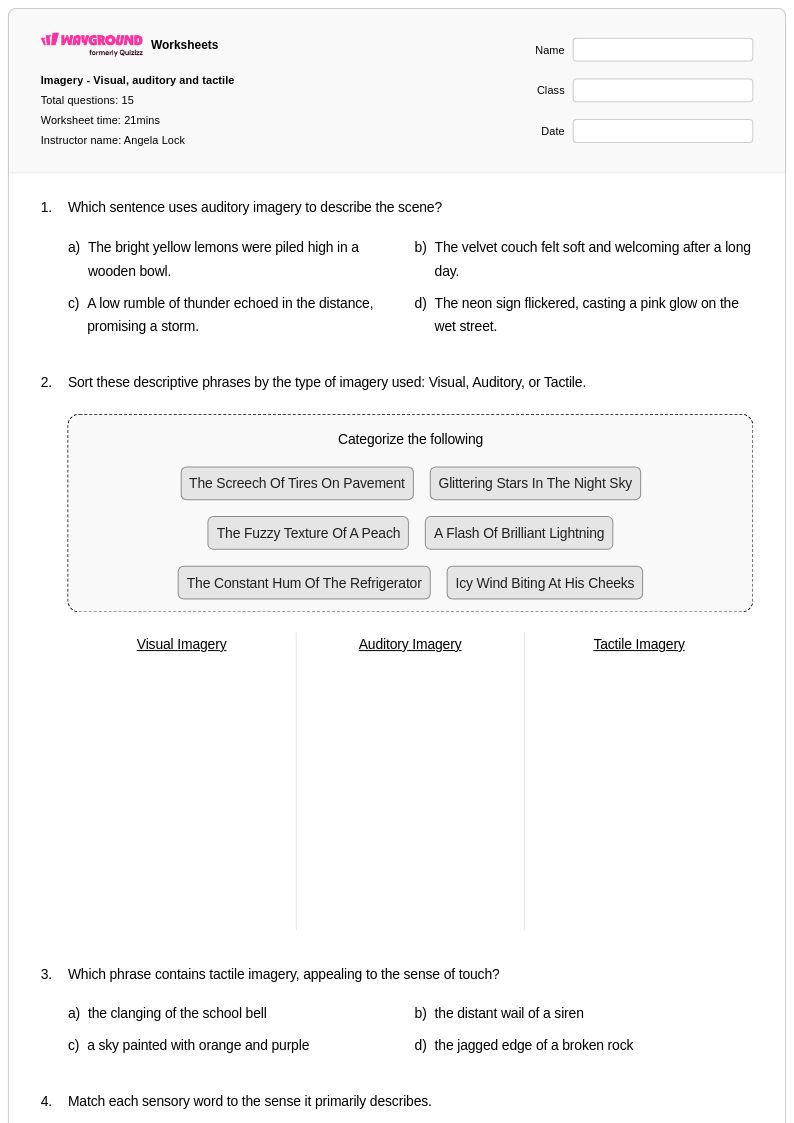
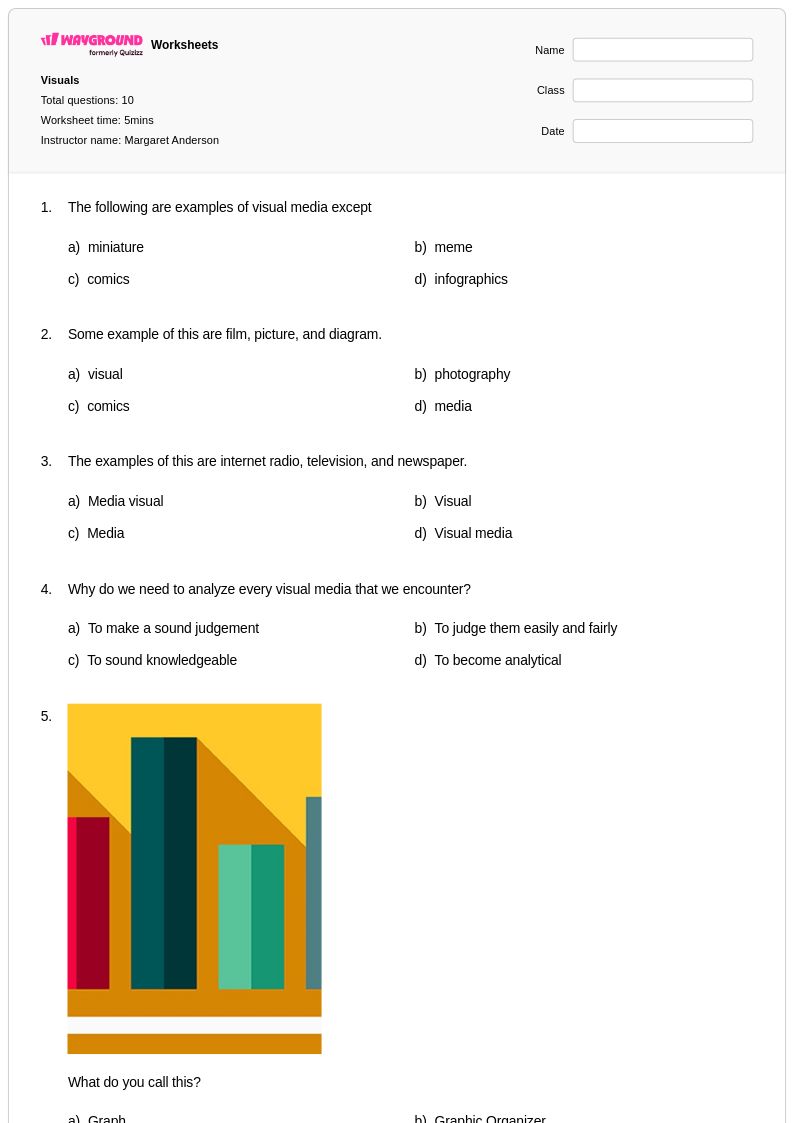
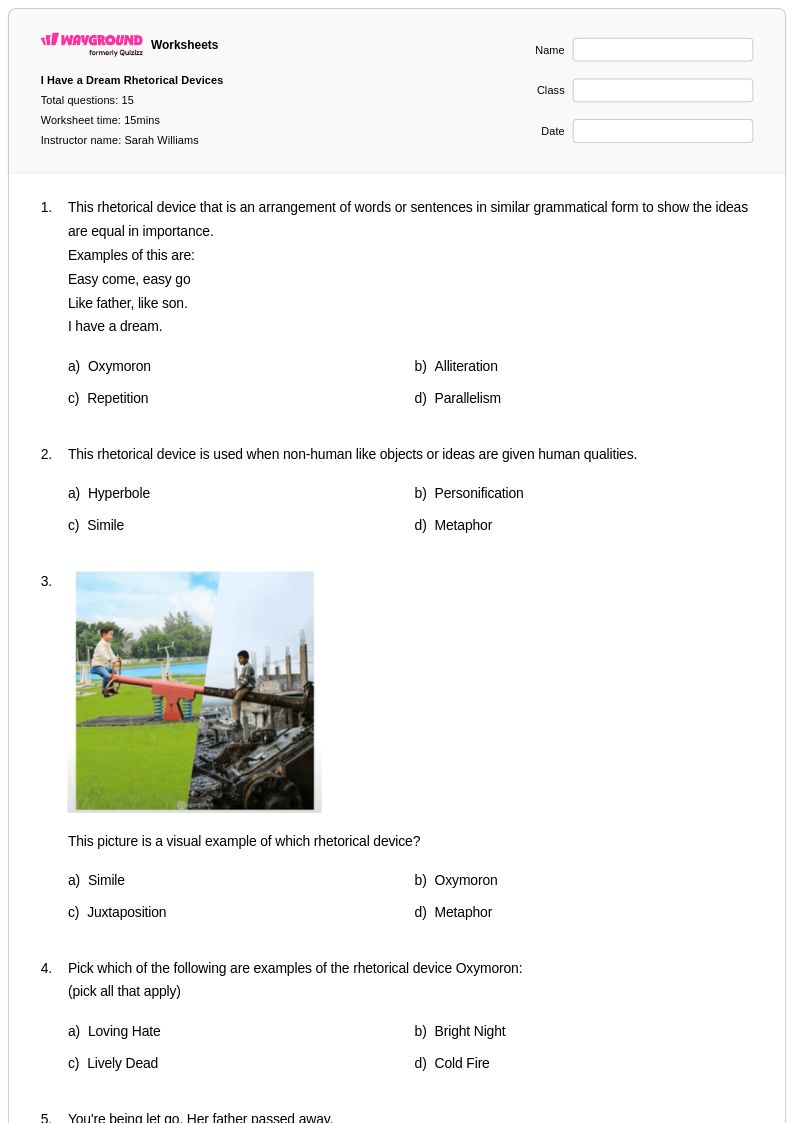
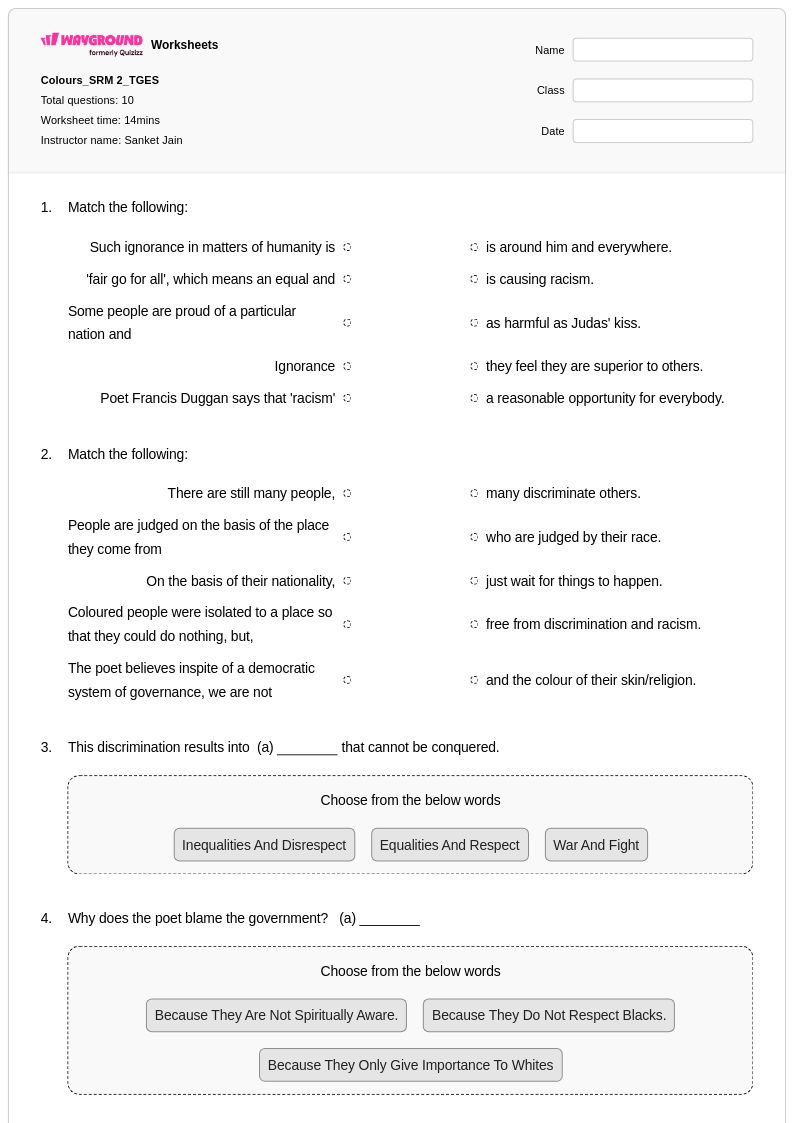
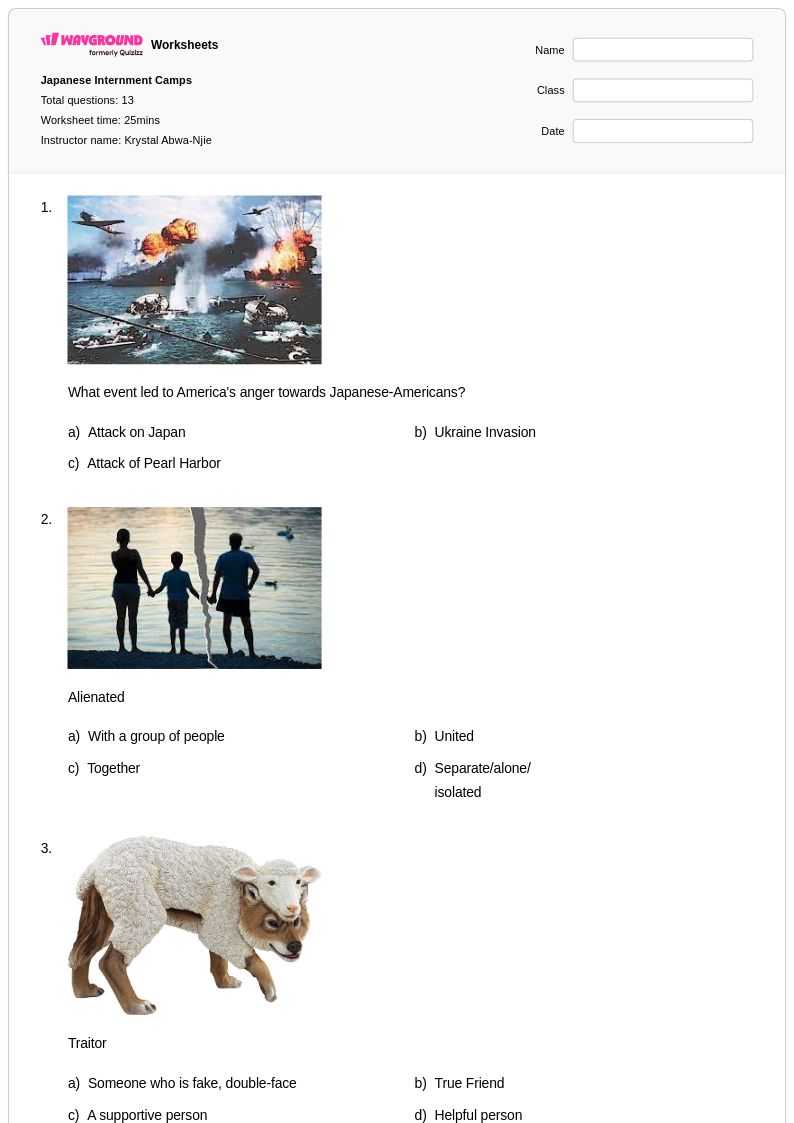
Visual discrimination worksheets available through Wayground (formerly Quizizz) provide essential foundational practice for developing critical pre-reading and early literacy skills. These comprehensive printables focus on helping students identify similarities and differences between letters, shapes, symbols, and visual patterns—abilities that directly support letter recognition, phonics development, and reading readiness. Each worksheet collection includes systematically designed practice problems that progress from basic shape matching to more complex letter discrimination tasks, complete with answer keys for efficient assessment and instruction. The free pdf resources emphasize visual processing skills such as figure-ground perception, visual closure, and spatial relationships, all fundamental components that strengthen a child's ability to distinguish between similar-looking letters and recognize printed text accurately.
Wayground's extensive collection draws from millions of teacher-created resources specifically designed to support visual discrimination skill development across diverse learning needs and environments. The platform's robust search and filtering capabilities enable educators to quickly locate worksheets that align with specific learning objectives and developmental stages, while built-in differentiation tools allow for seamless customization based on individual student requirements. Teachers benefit from flexible formatting options, including both printable pdf versions for traditional classroom use and digital formats for interactive learning experiences. This comprehensive approach supports strategic lesson planning while providing targeted resources for remediation, enrichment, and ongoing skill practice, ensuring that visual discrimination instruction can be effectively integrated into daily literacy routines and intervention programs.
FAQs
How do I teach visual discrimination skills to young learners?
Visual discrimination is best taught through structured, progressive activities that begin with distinguishing clearly different shapes and gradually move toward more subtle differences, such as similar-looking letters like 'b' and 'd' or 'p' and 'q'. Start with concrete, hands-on sorting tasks before introducing paper-based activities that target figure-ground perception, visual closure, and spatial relationships. Embedding brief visual discrimination practice into daily literacy routines helps students build the visual processing fluency they need for successful reading.
What exercises help students practice visual discrimination?
Effective practice activities include shape matching, letter identification tasks, spot-the-difference exercises, pattern recognition, and visual closure tasks where students complete a partial image or letter form. Worksheets that progress from basic shape discrimination to more complex letter and symbol comparisons are particularly effective because they build the visual processing skills that directly support phonics and reading readiness. Consistent, targeted practice with these exercise types strengthens a student's ability to distinguish between similar printed forms accurately.
What mistakes do students commonly make with visual discrimination tasks?
Students frequently confuse visually similar letters such as 'b', 'd', 'p', and 'q' because they share the same basic form and differ only in orientation, a distinction that requires strong figure-ground and spatial awareness skills. Another common error is misidentifying patterns or shapes that differ in only one small feature, especially when visual processing skills are still developing. Teachers should watch for students who rely on context or memory rather than true visual analysis, as this can mask underlying discrimination difficulties.
How can I differentiate visual discrimination worksheets for students with varying skill levels?
For students who are still developing foundational skills, reduce the number of answer choices displayed to lower cognitive load and allow extended time so they can process visual details without rushing. Wayground supports these accommodations individually, meaning a student can receive reduced answer choices and extra time while the rest of the class works under standard conditions without being notified. For students who need additional accessibility support, the Read Aloud feature and adjustable font sizes and themes in Reading Mode can make worksheet content more accessible during digital sessions.
How do I use Wayground's visual discrimination worksheets in my classroom?
Wayground's visual discrimination worksheets are available as printable PDFs for traditional classroom use and in digital formats for technology-integrated learning environments, including the option to host them as a quiz directly on Wayground. Teachers can use the platform's search and filtering tools to locate worksheets that match specific learning objectives or developmental stages, making it straightforward to plan targeted instruction or pull resources for intervention groups. Each worksheet includes a complete answer key, so checking student work and identifying error patterns is efficient without additional prep.
At what age or grade level should students be working on visual discrimination skills?
Visual discrimination skill development is most critical during the pre-reading and early literacy stages, typically in preschool through early elementary grades. However, targeted visual discrimination practice remains important for any student showing difficulty with letter recognition, reversals, or reading readiness, regardless of grade level. Intervention programs in early elementary settings frequently incorporate visual discrimination worksheets to address foundational gaps before they compound into broader literacy challenges.