Free Printable Workers' Rights Worksheets for Class 7
Class 7 workers' rights printables and free worksheets help students explore labor laws, workplace safety, and employee protections through engaging practice problems with comprehensive answer keys available as downloadable PDFs.
Explore printable Workers' Rights worksheets for Class 7
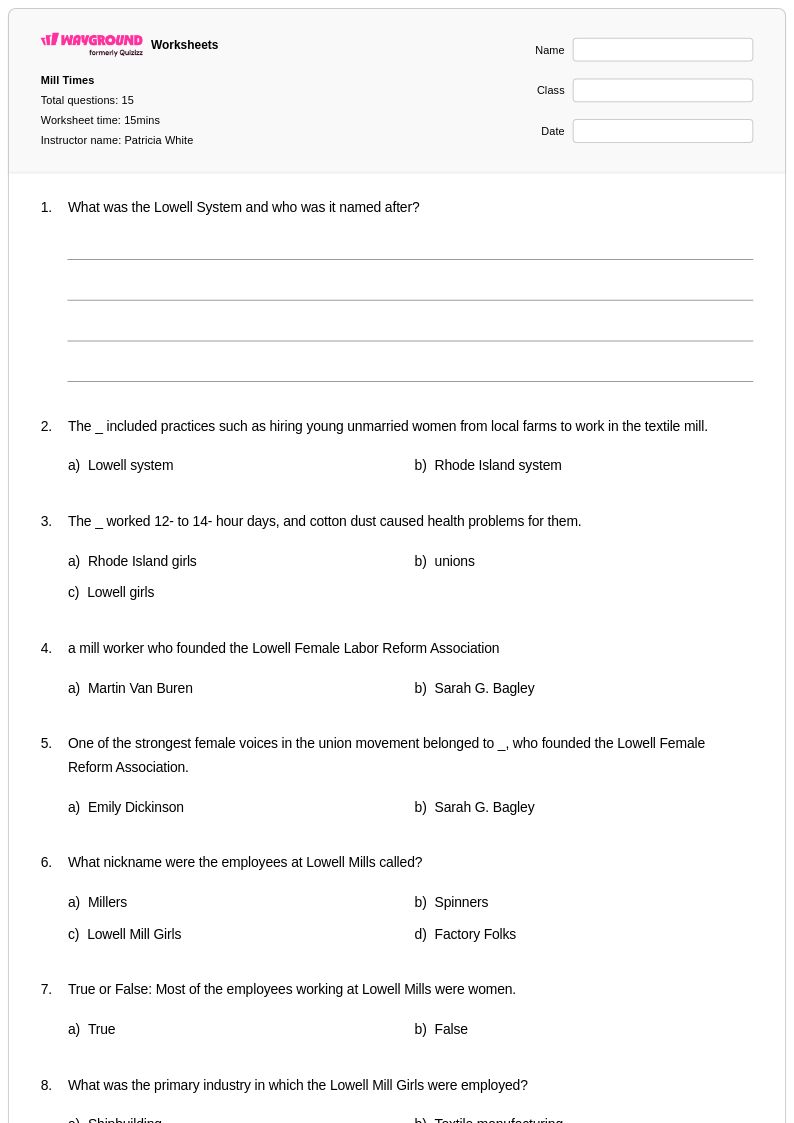
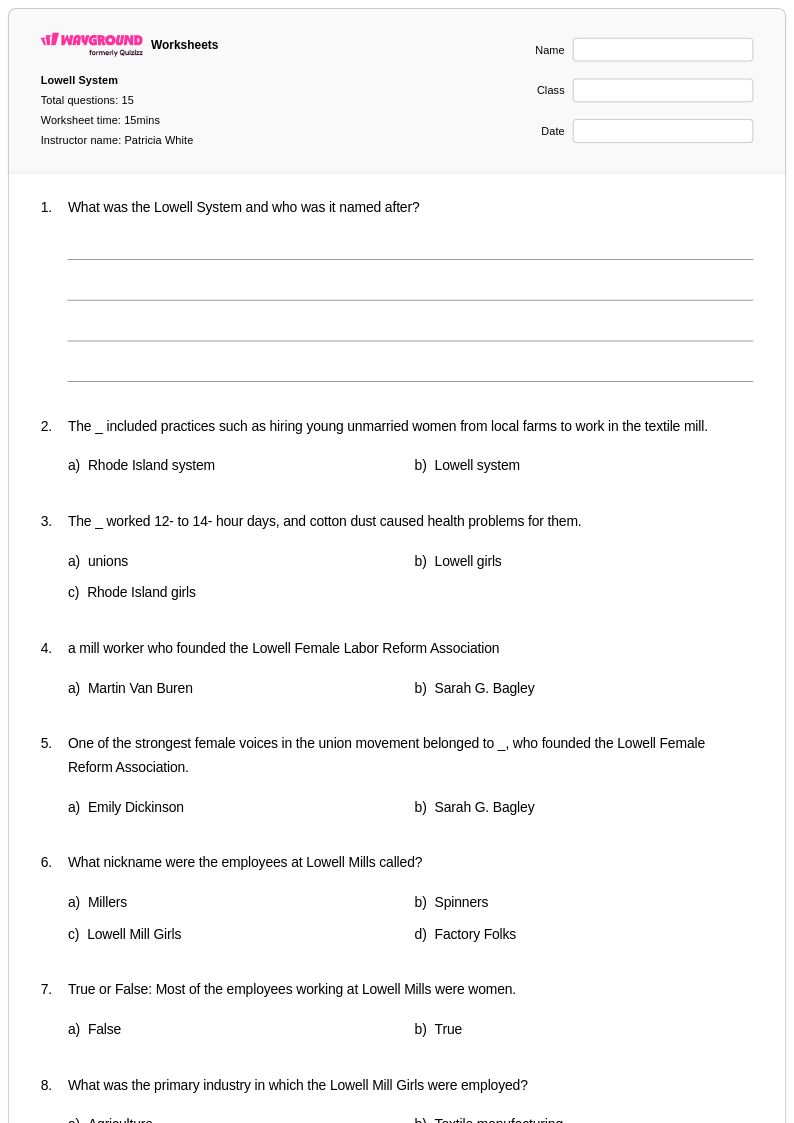
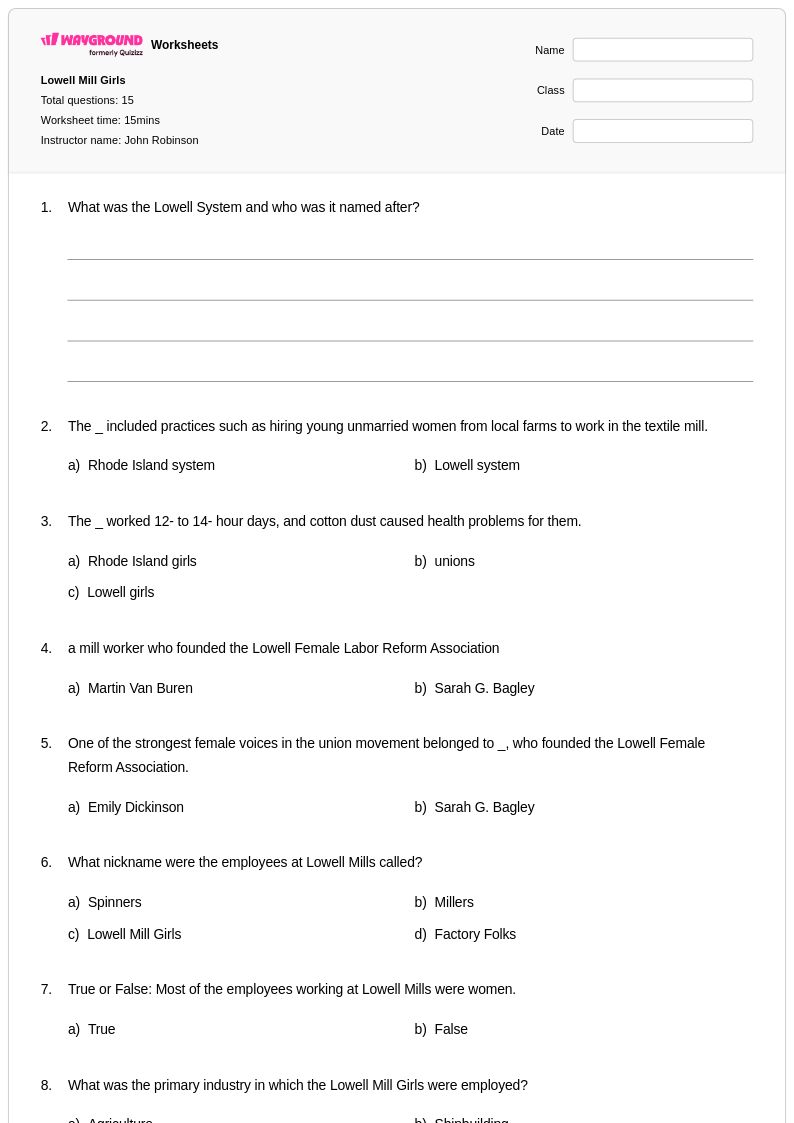
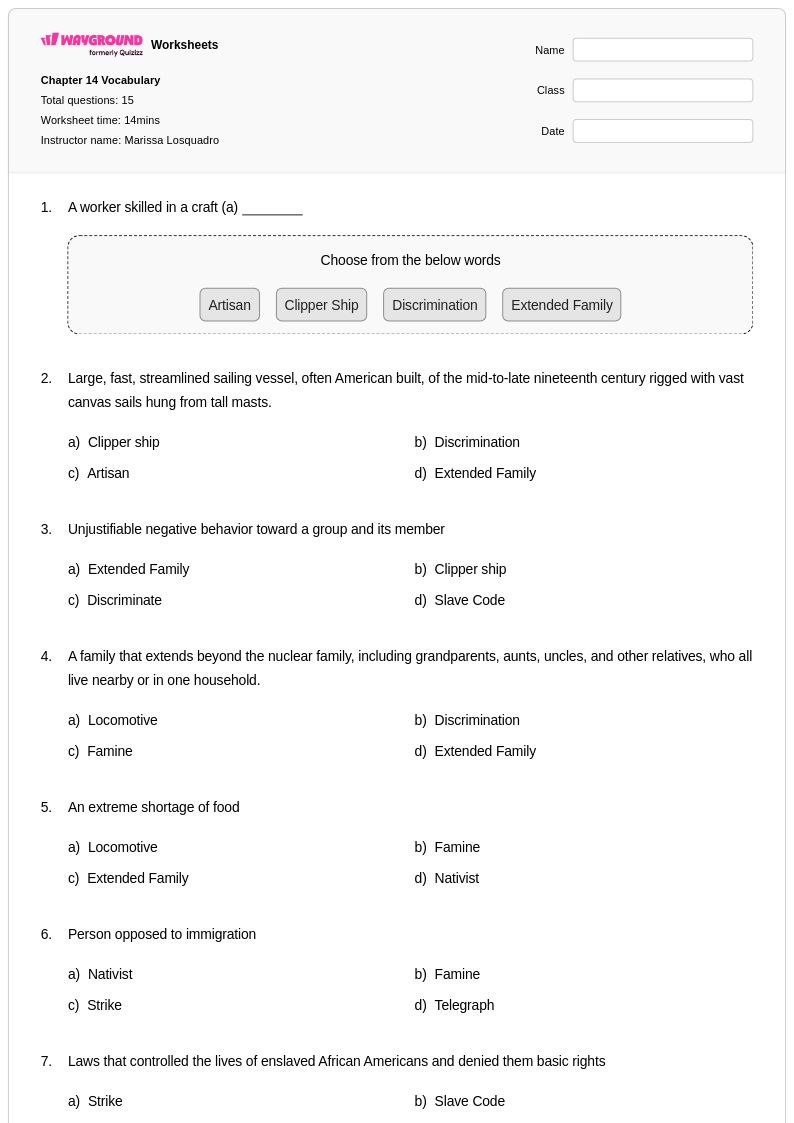
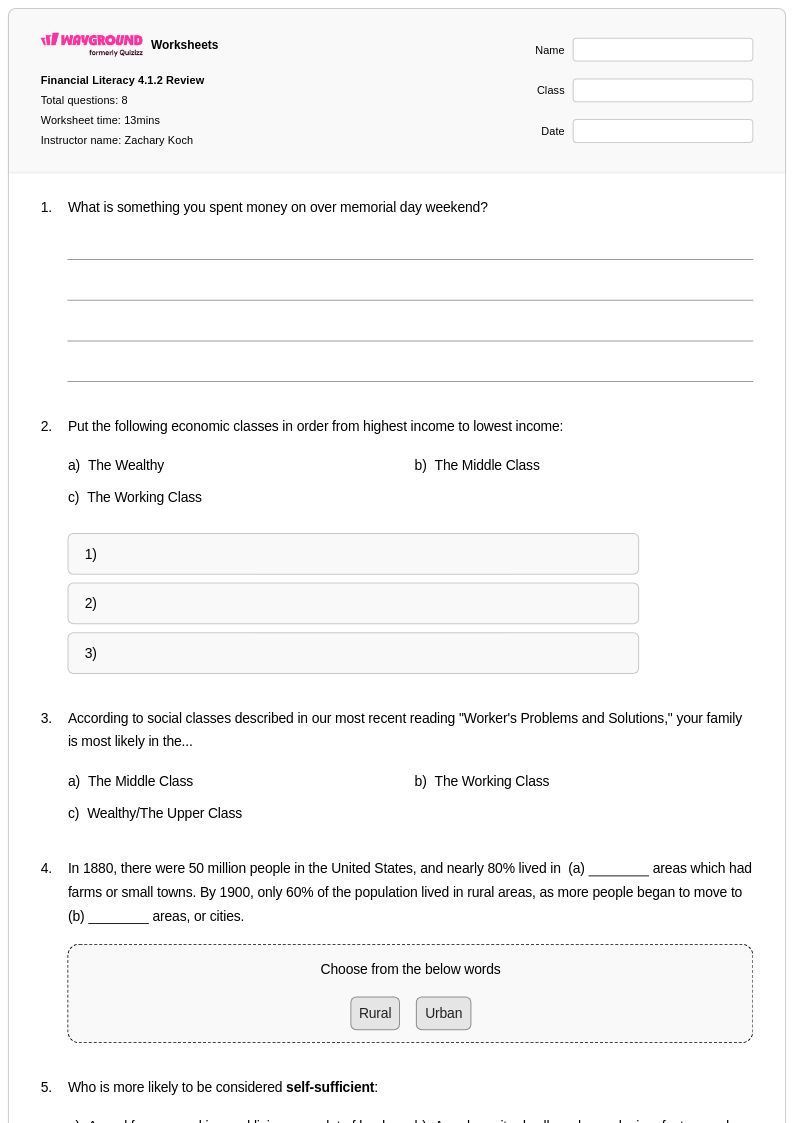
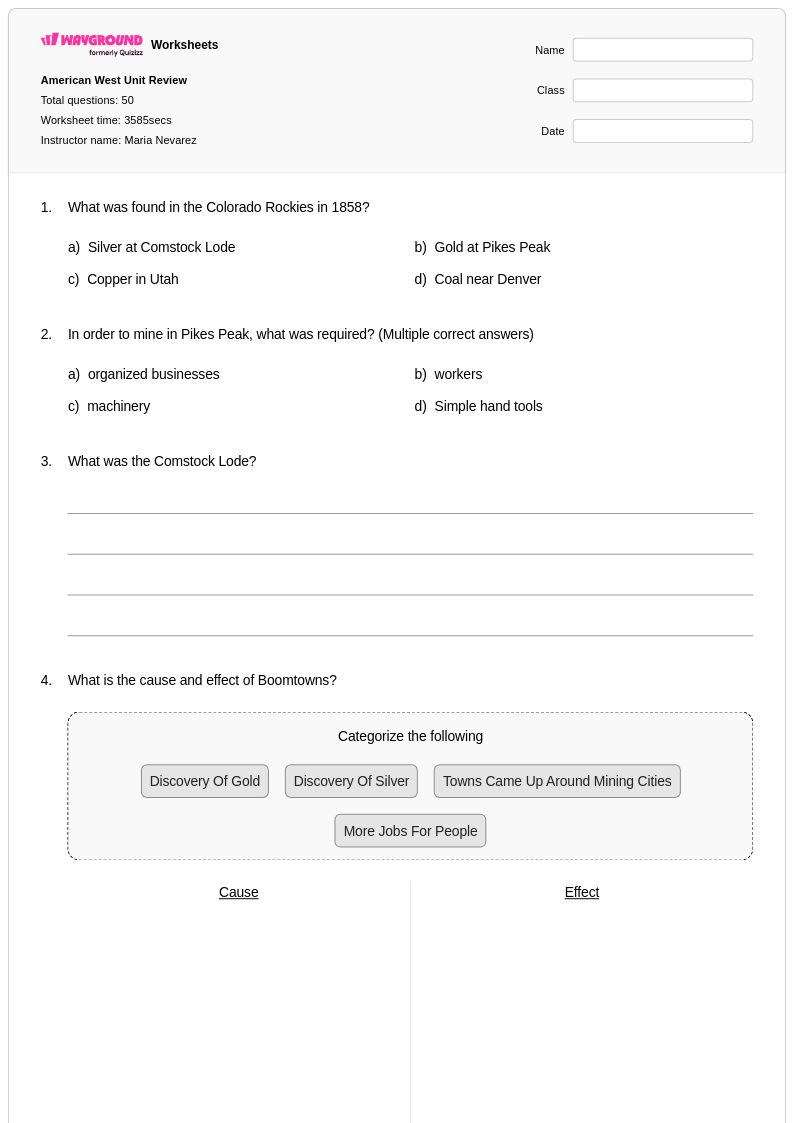
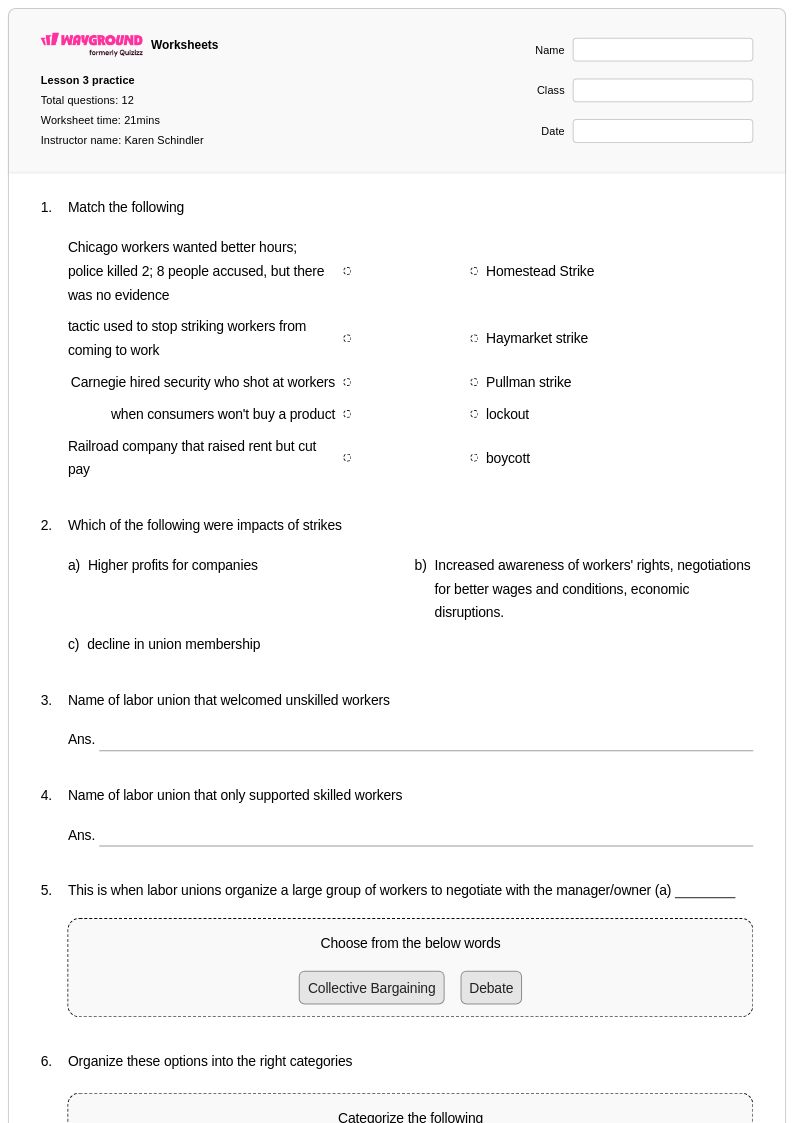
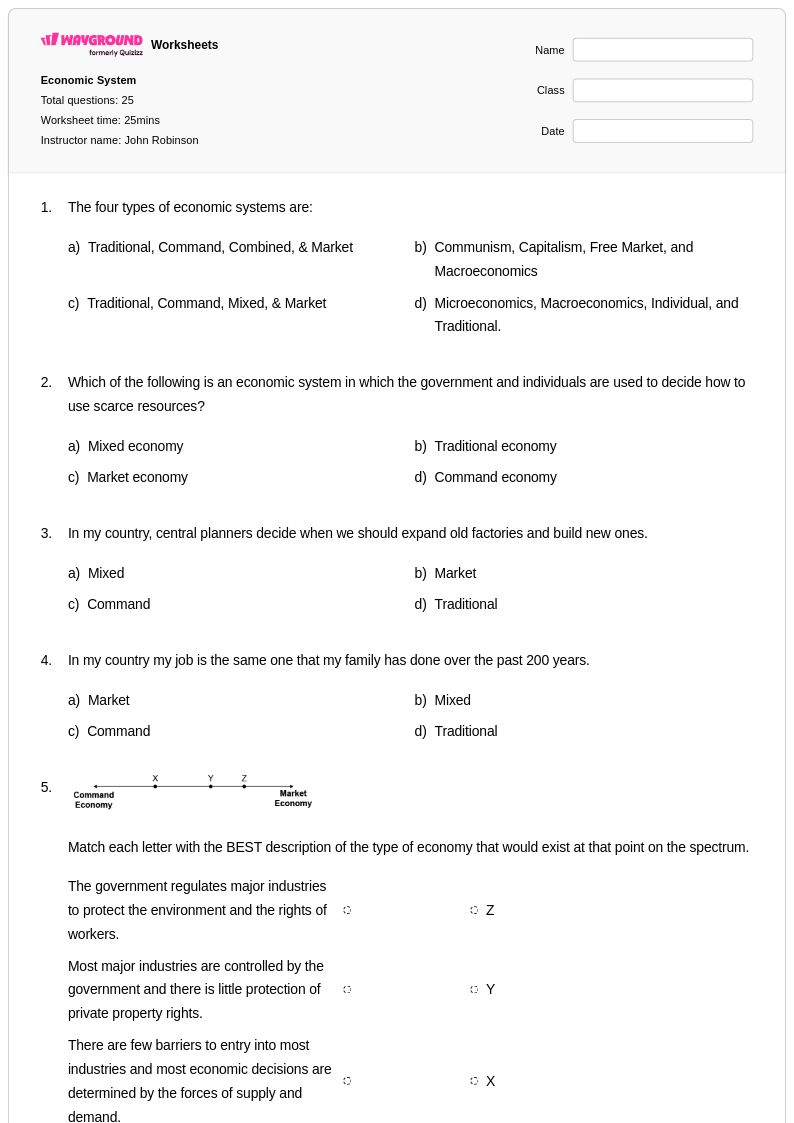
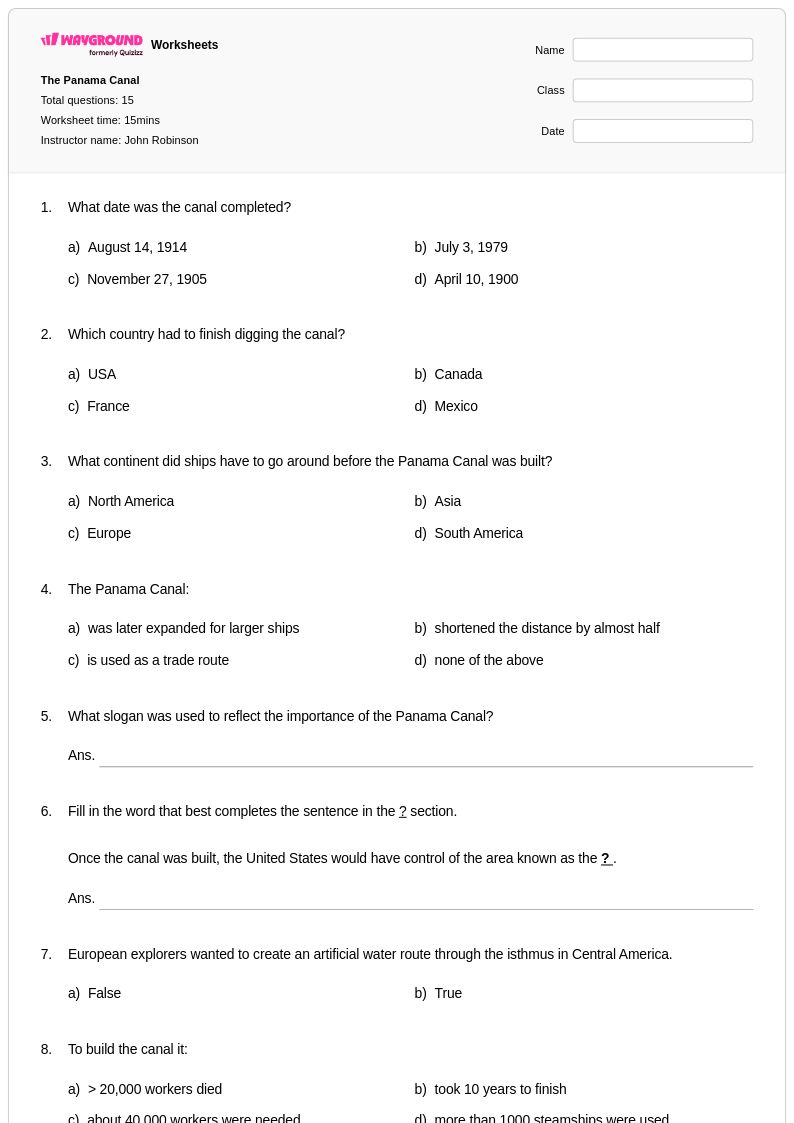
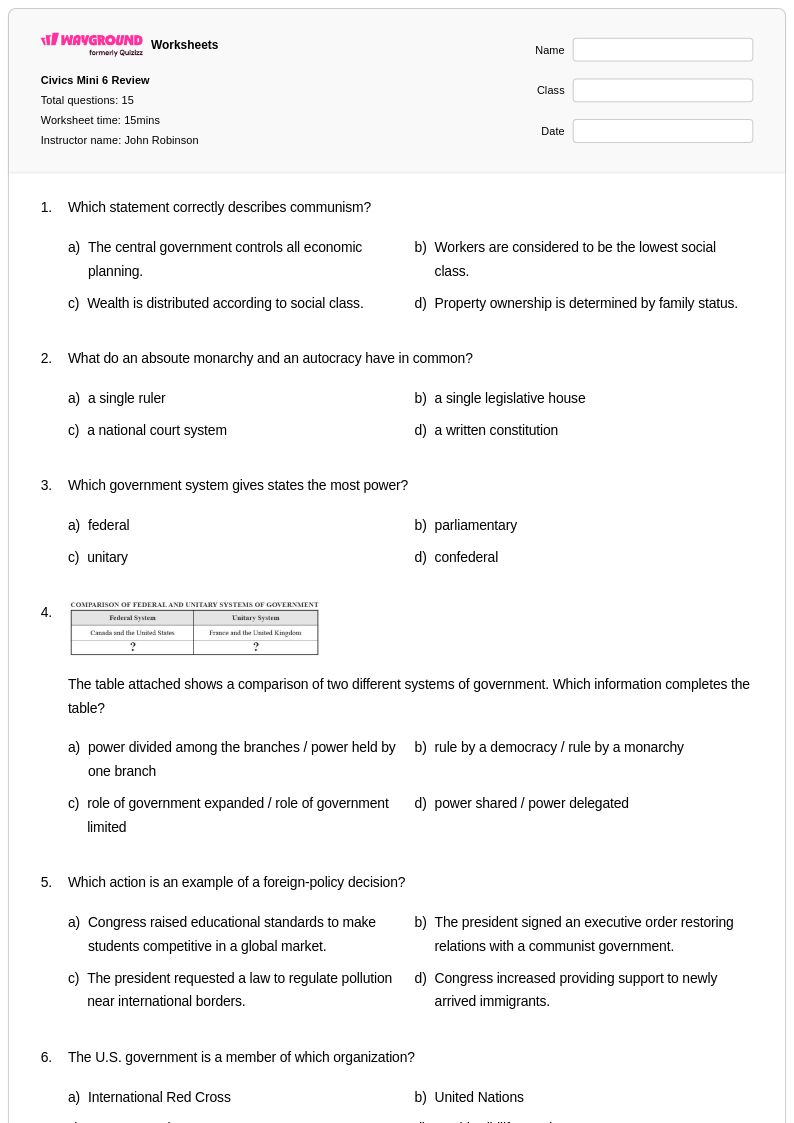
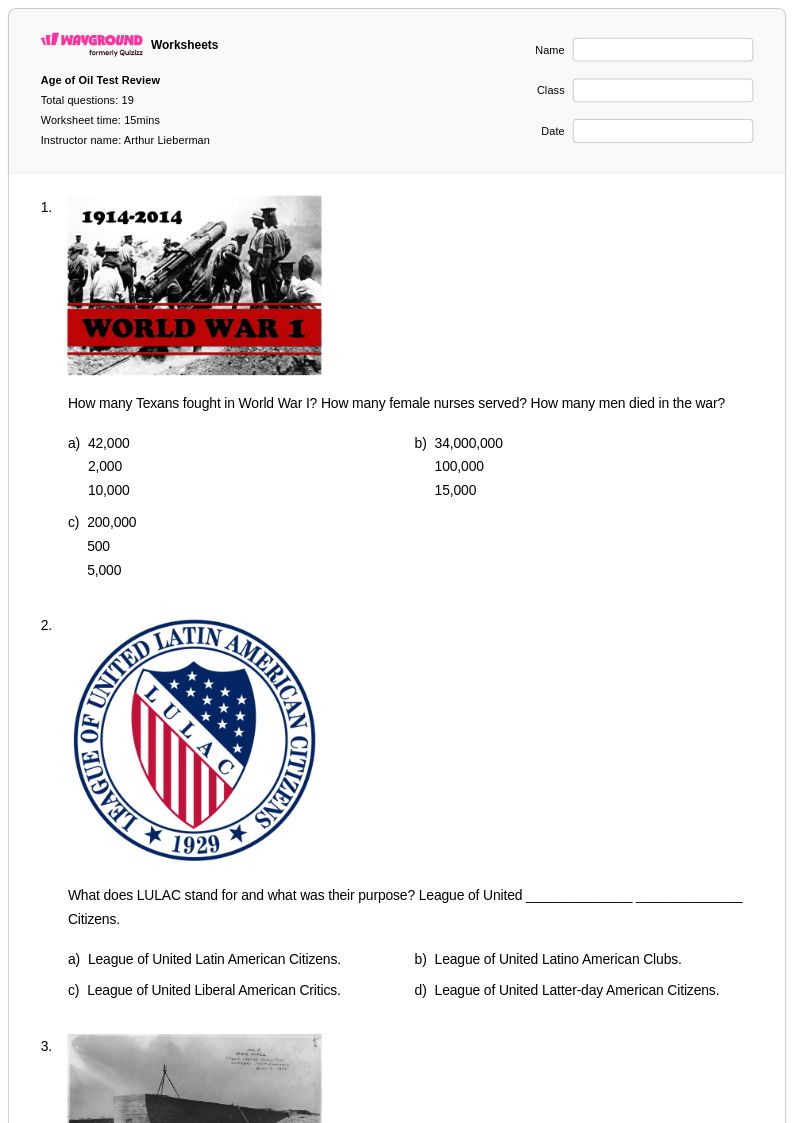
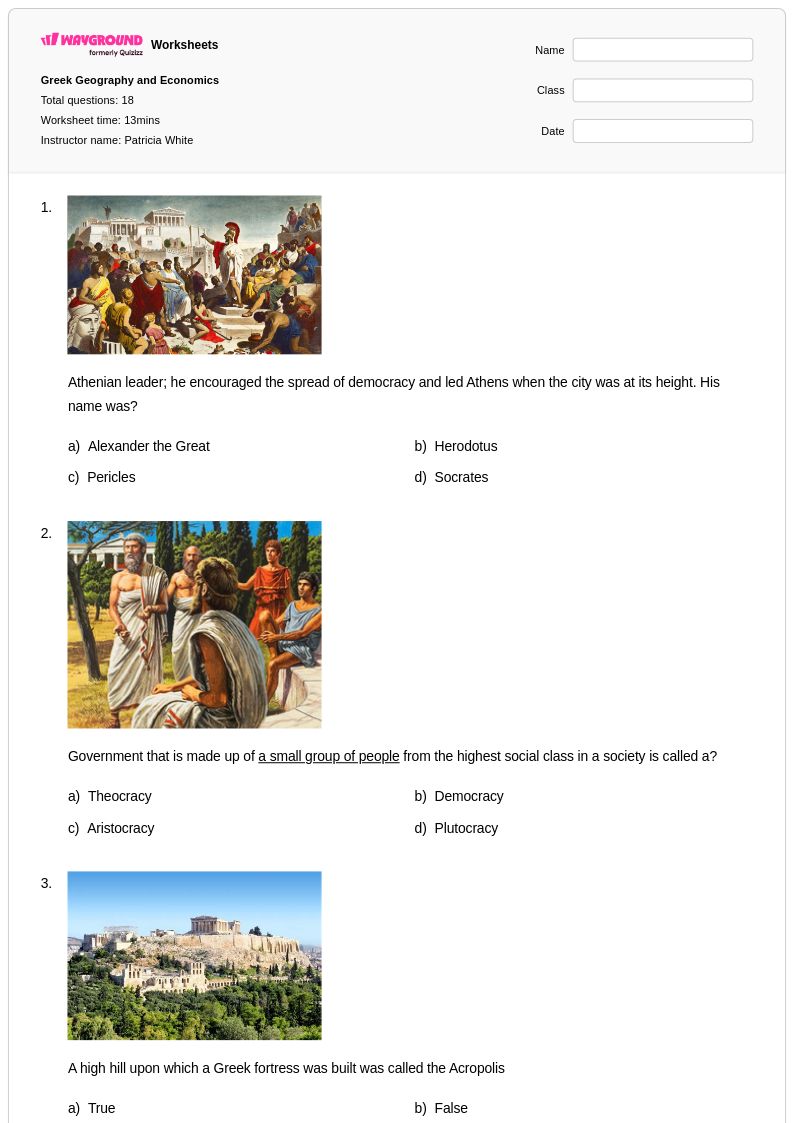
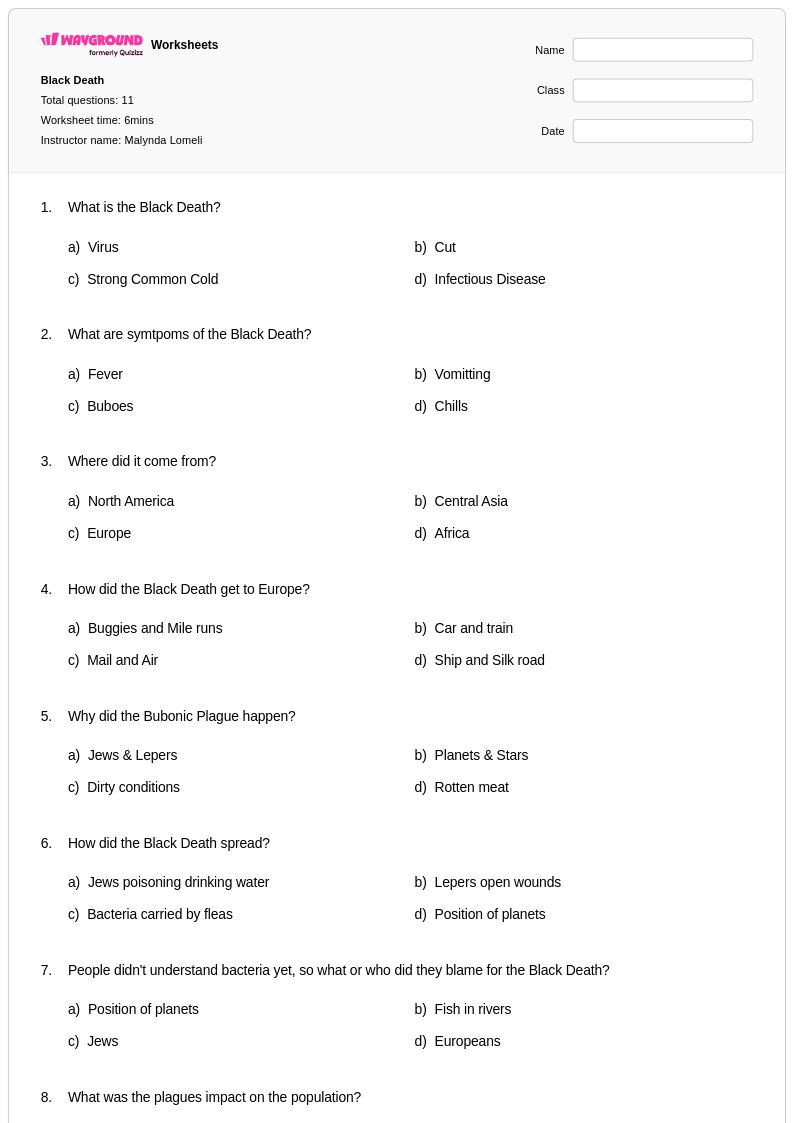
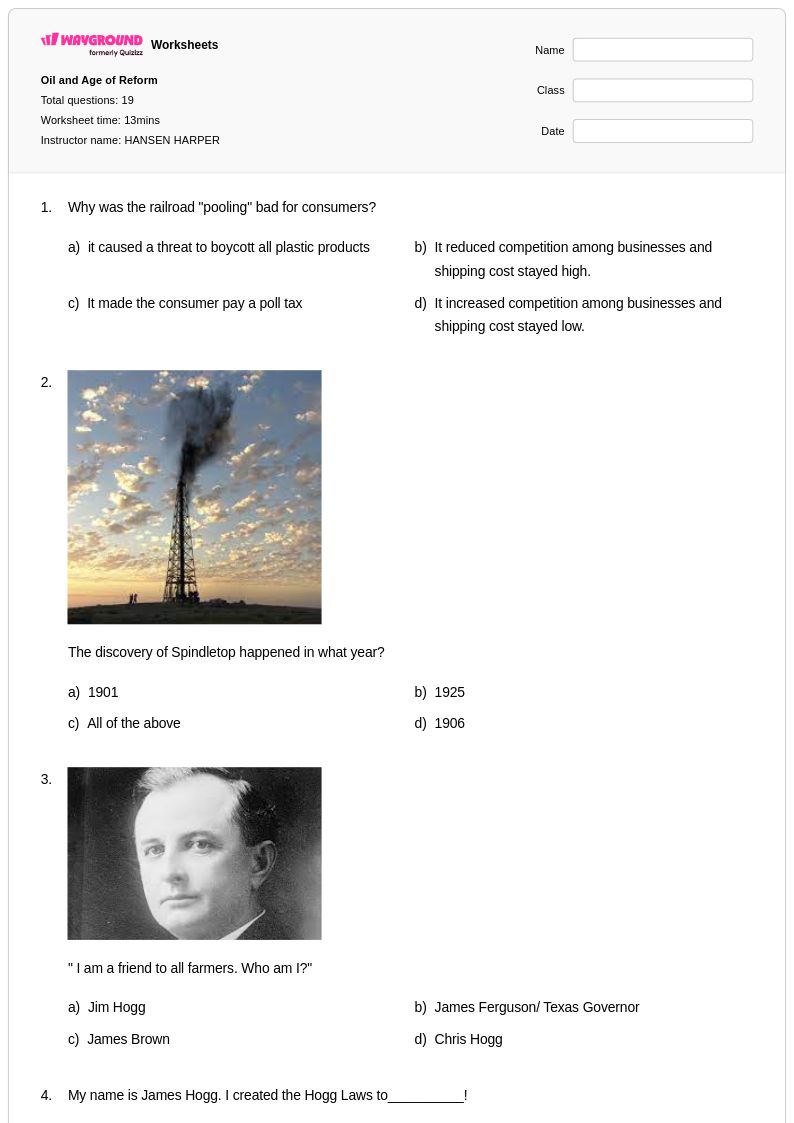
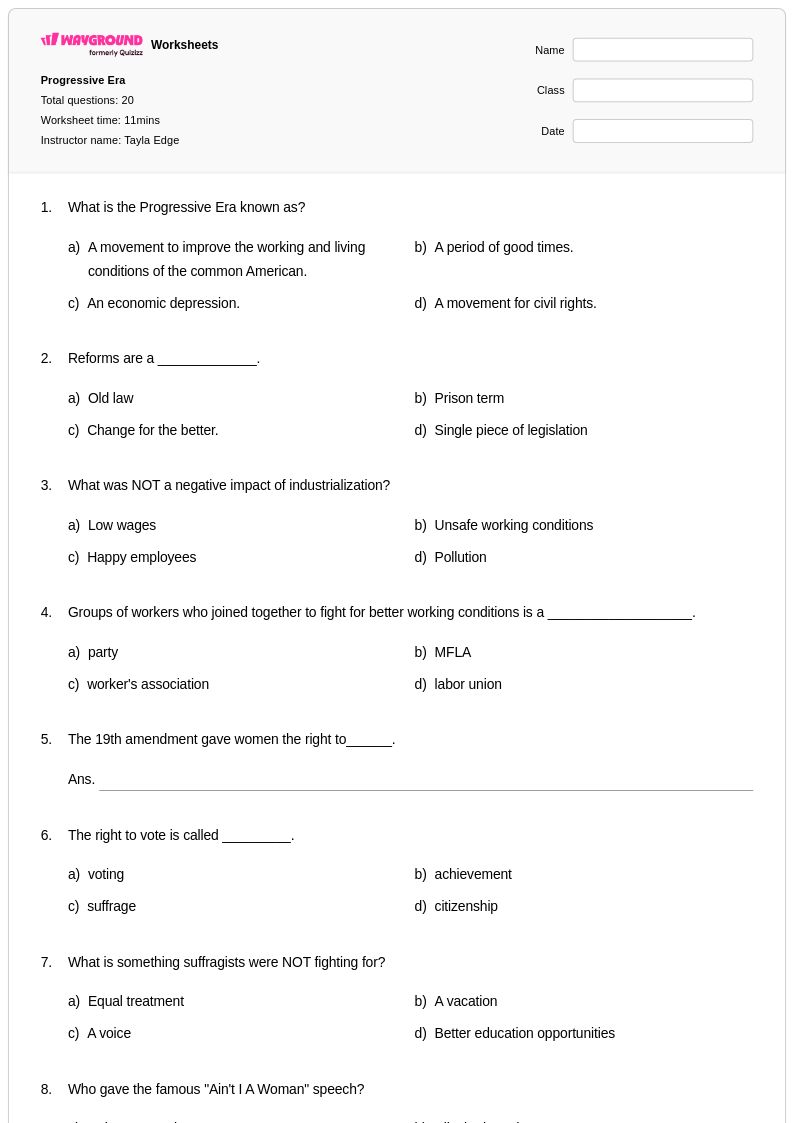
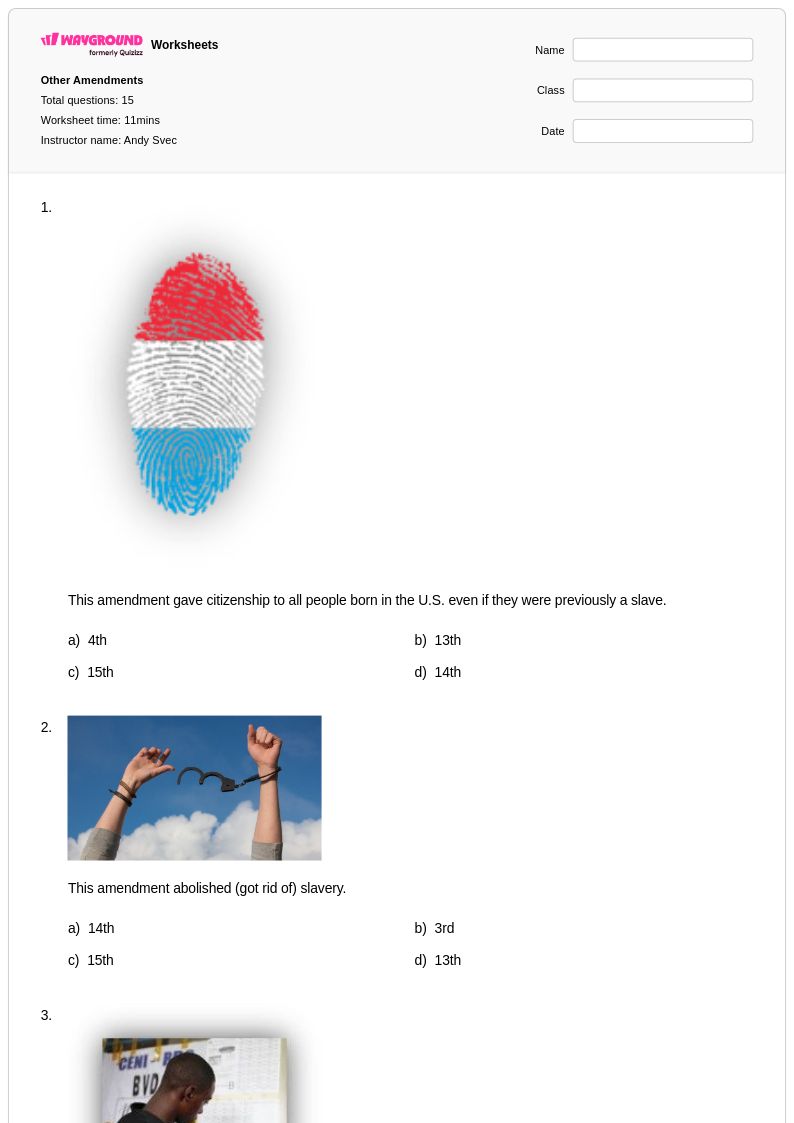
Workers' rights worksheets for Class 7 students available through Wayground (formerly Quizizz) provide comprehensive coverage of essential labor protections and workplace regulations that form the foundation of modern employment law. These carefully designed educational resources help seventh-grade students understand fundamental concepts including the right to fair wages, safe working conditions, collective bargaining, and protection from discrimination in the workplace. Students engage with practice problems that examine historical labor movements, analyze current workplace legislation, and explore the balance between employer needs and worker protections. Each worksheet collection includes detailed answer keys and is available in convenient PDF format, allowing educators to seamlessly integrate these free printables into their civics and government curriculum while strengthening students' analytical thinking and civic awareness skills.
Wayground (formerly Quizizz) empowers educators with access to millions of teacher-created resources specifically designed to support Class 7 workers' rights instruction across diverse learning environments. The platform's robust search and filtering capabilities enable teachers to quickly locate worksheets aligned with specific curriculum standards and learning objectives, while built-in differentiation tools allow for seamless customization to meet individual student needs and varying skill levels. These comprehensive worksheet collections are available in both printable and digital formats, including downloadable PDFs, providing maximum flexibility for classroom implementation, homework assignments, and remote learning scenarios. Teachers leverage these resources for targeted skill practice, remediation support for struggling learners, enrichment activities for advanced students, and efficient lesson planning that addresses the complex intersection of labor history, current workplace laws, and civic responsibility in modern democratic society.
FAQs
How do I teach workers' rights in a civics or social studies class?
Teaching workers' rights is most effective when grounded in historical context and connected to current labor law. Start with the history of the labor movement, including key legislation like the Fair Labor Standards Act and the National Labor Relations Act, then move into modern workplace protections such as anti-discrimination policies and OSHA safety standards. Case studies involving real workplace disputes help students see how these laws function in practice and why they matter.
What topics should a workers' rights worksheet cover?
A comprehensive workers' rights worksheet should address labor movement history, union formation and collective bargaining, minimum wage and fair pay regulations, workplace safety standards, and anti-discrimination protections. Including scenario-based problems where students analyze workplace disputes or evaluate employer-employee contracts pushes students beyond rote knowledge toward genuine civic reasoning. Answer key support allows teachers to review responses efficiently and use errors as teaching moments.
What exercises help students practice understanding labor laws and workplace protections?
Scenario-based exercises are especially effective for practicing workers' rights concepts because they require students to apply legal frameworks to realistic situations, such as identifying a safety violation or determining whether a termination was lawful. Document analysis tasks using simplified versions of labor contracts or union agreements also build critical reading skills. These practice formats mirror the kind of civic reasoning students will use as employees and voters.
What misconceptions do students commonly have about workers' rights and labor law?
A common misconception is that all workers have the same rights regardless of employment type, when in fact protections can differ significantly between full-time employees, part-time workers, and independent contractors. Students also frequently confuse collective bargaining with individual negotiation, not recognizing the legal protections that apply specifically to unionized workers. Addressing these distinctions directly with targeted practice problems helps correct these errors before they become entrenched.
How can I use workers' rights worksheets to support students with different learning needs?
Wayground allows teachers to apply student-level accommodations directly to digital worksheets, including read aloud support for students who benefit from audio delivery of questions, reduced answer choices to lower cognitive load for struggling learners, and extended time settings configurable per student. These accommodations can be assigned individually without alerting other students, so the learning environment stays equitable. For print-based learners, the same worksheets are available as downloadable PDFs.
How do I use workers' rights worksheets on Wayground in my classroom?
Wayground's workers' rights worksheets are available as printable PDFs for traditional classroom use and in digital formats for technology-integrated instruction, including the option to host them as a live quiz on the platform. Teachers can use them for direct instruction, independent practice, formative assessment, or targeted remediation depending on where students are in the unit. Each worksheet includes a complete answer key, reducing prep time and making it easy to review results with the class.