
10Q
2nd
9Q
1st - 5th
7Q
2nd
11Q
2nd
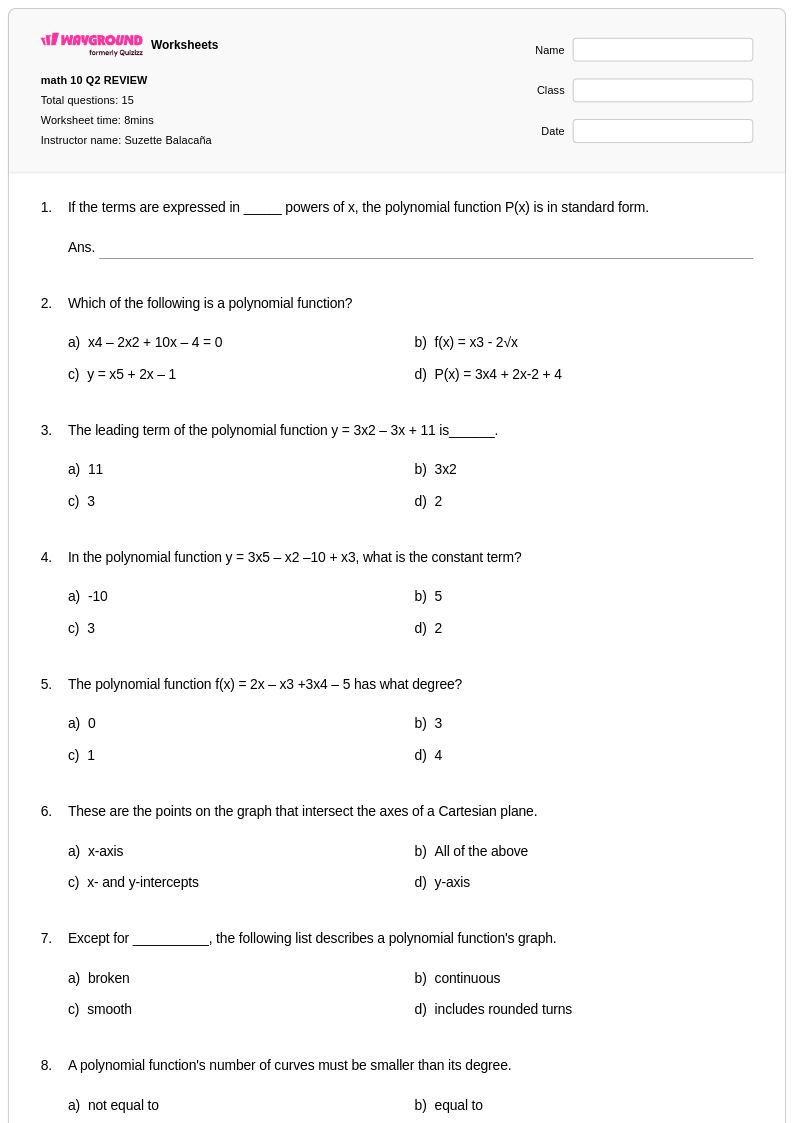
15Q
2nd
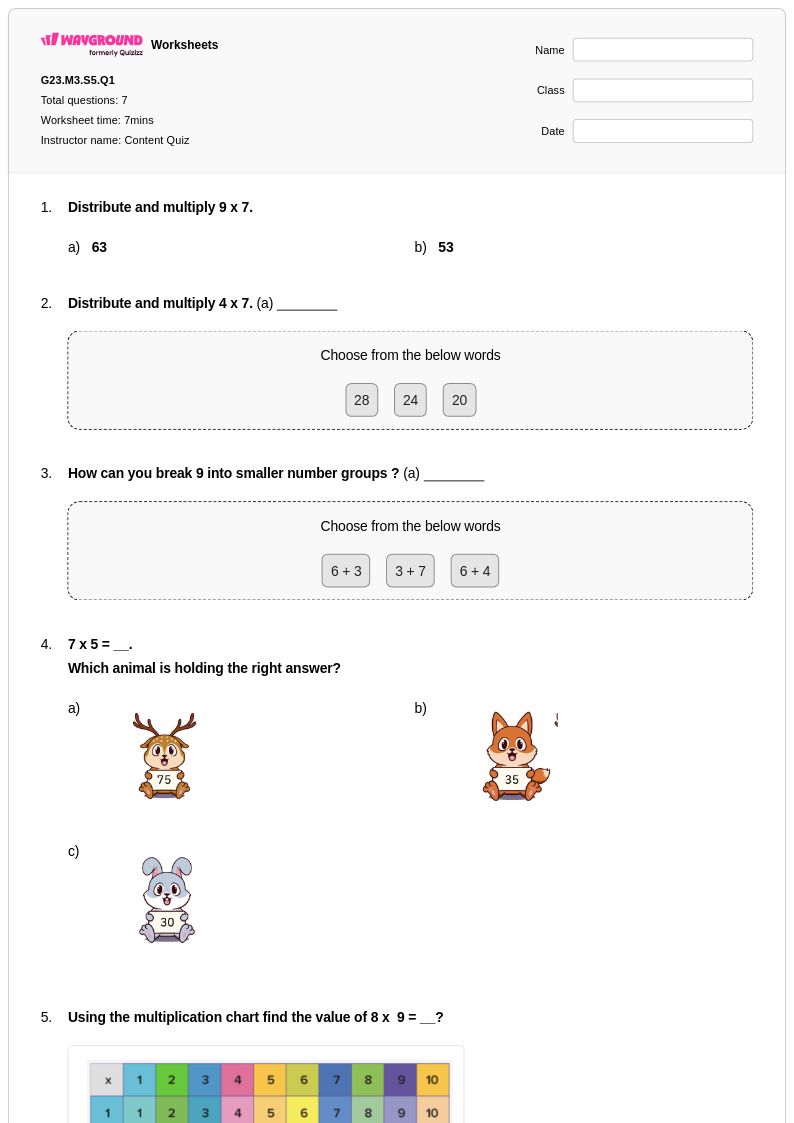
7Q
2nd
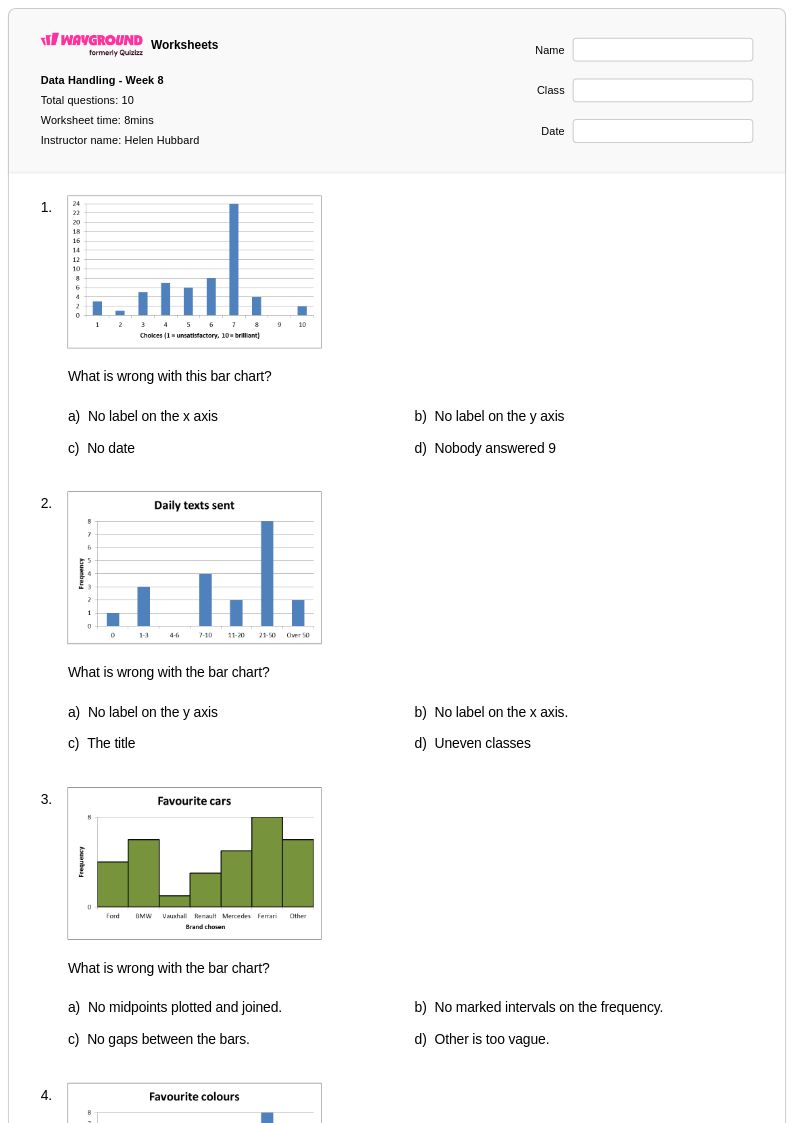
10Q
KG - 11th
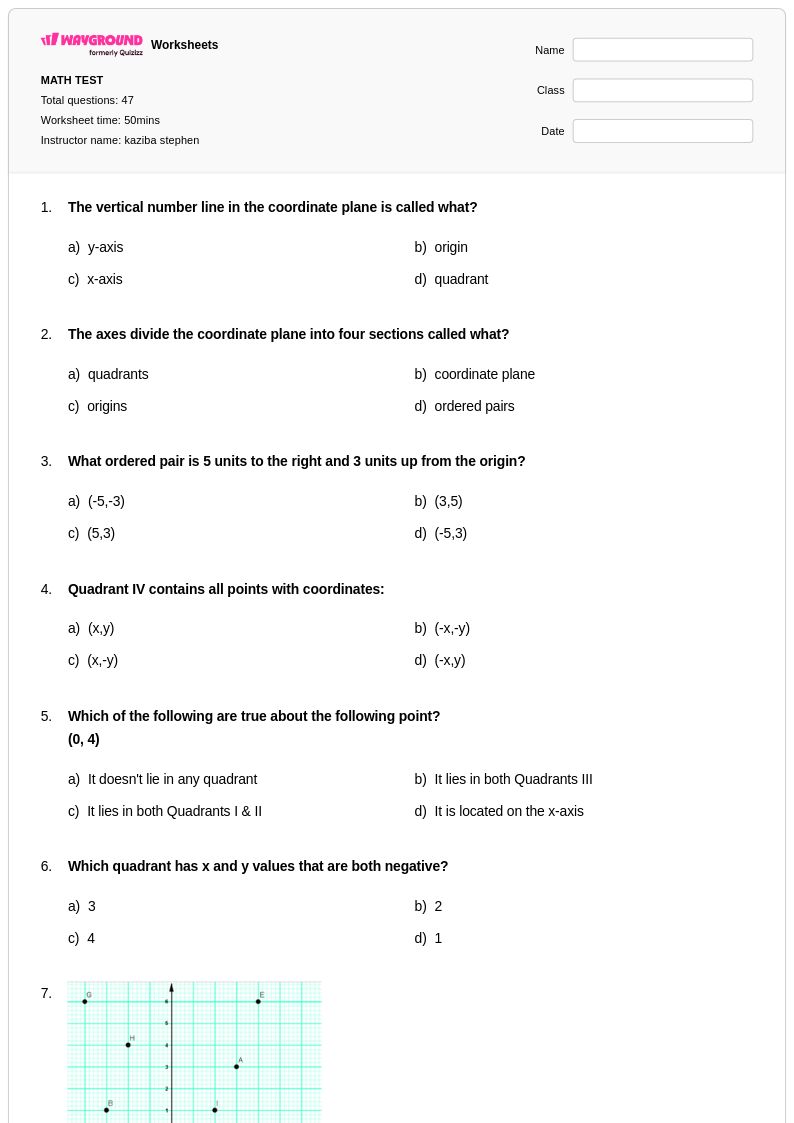
47Q
2nd
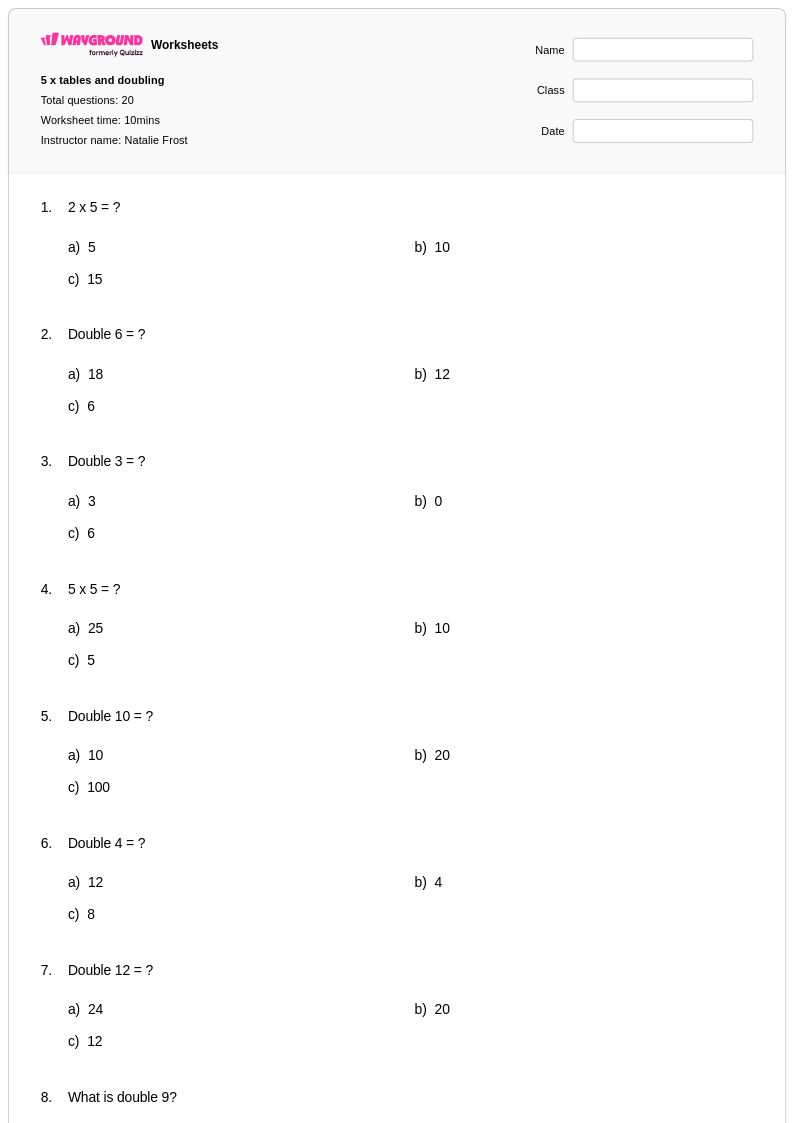
20Q
2nd
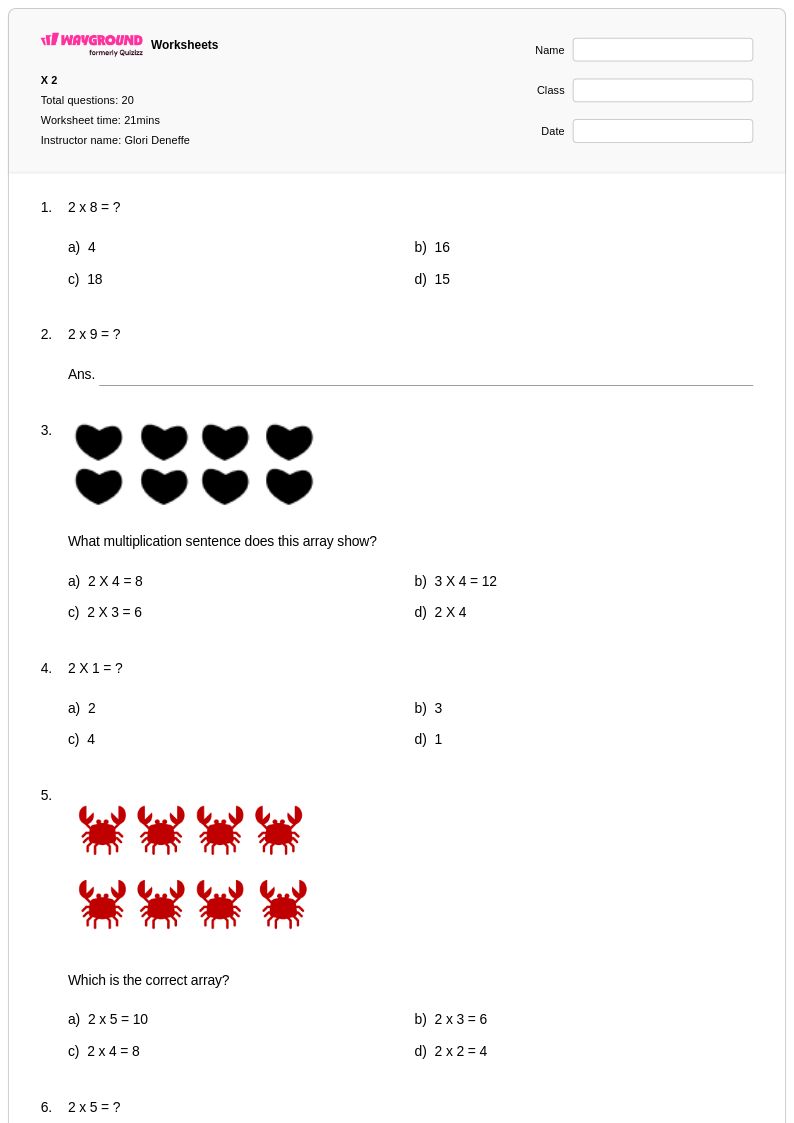
20Q
2nd - 4th
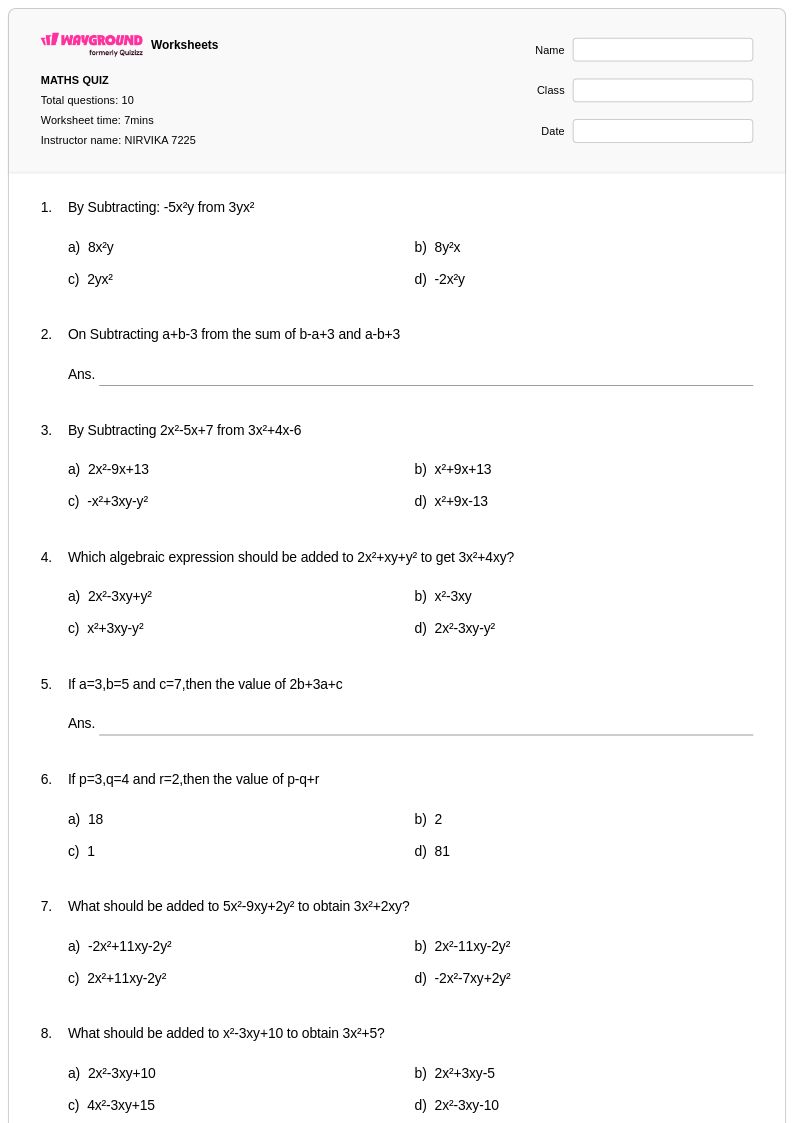
10Q
1st - 3rd
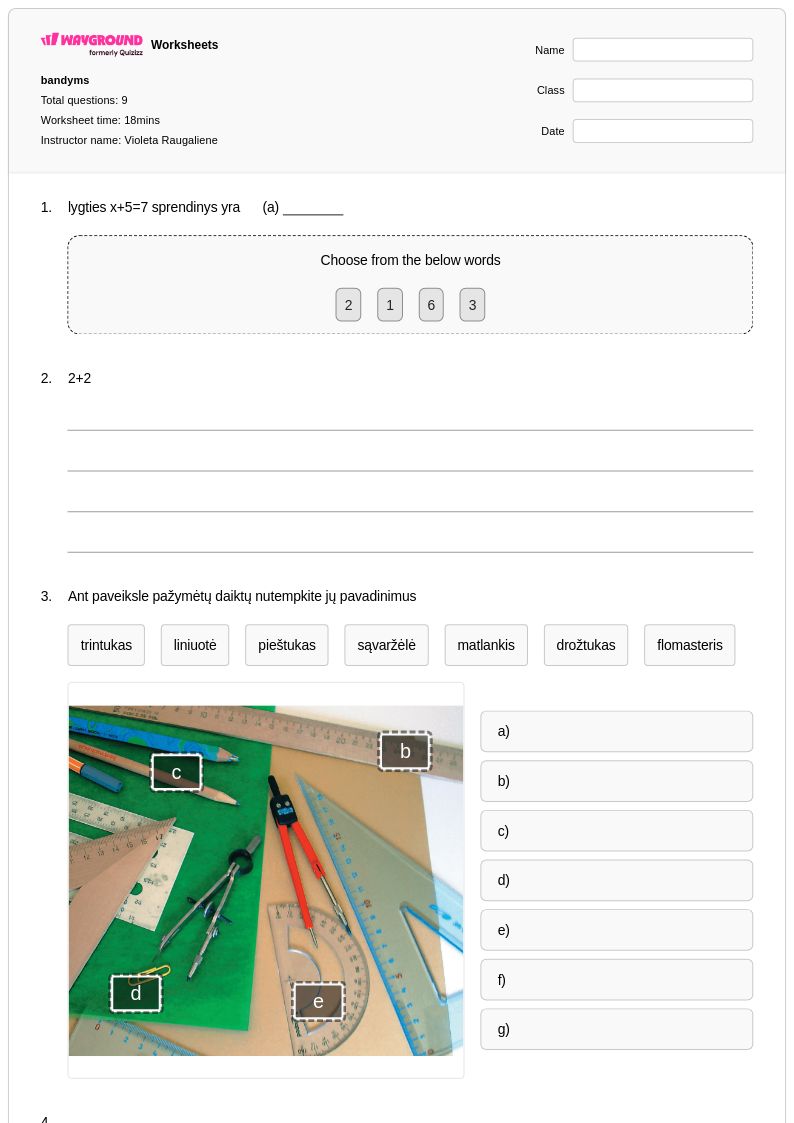
9Q
1st - 5th
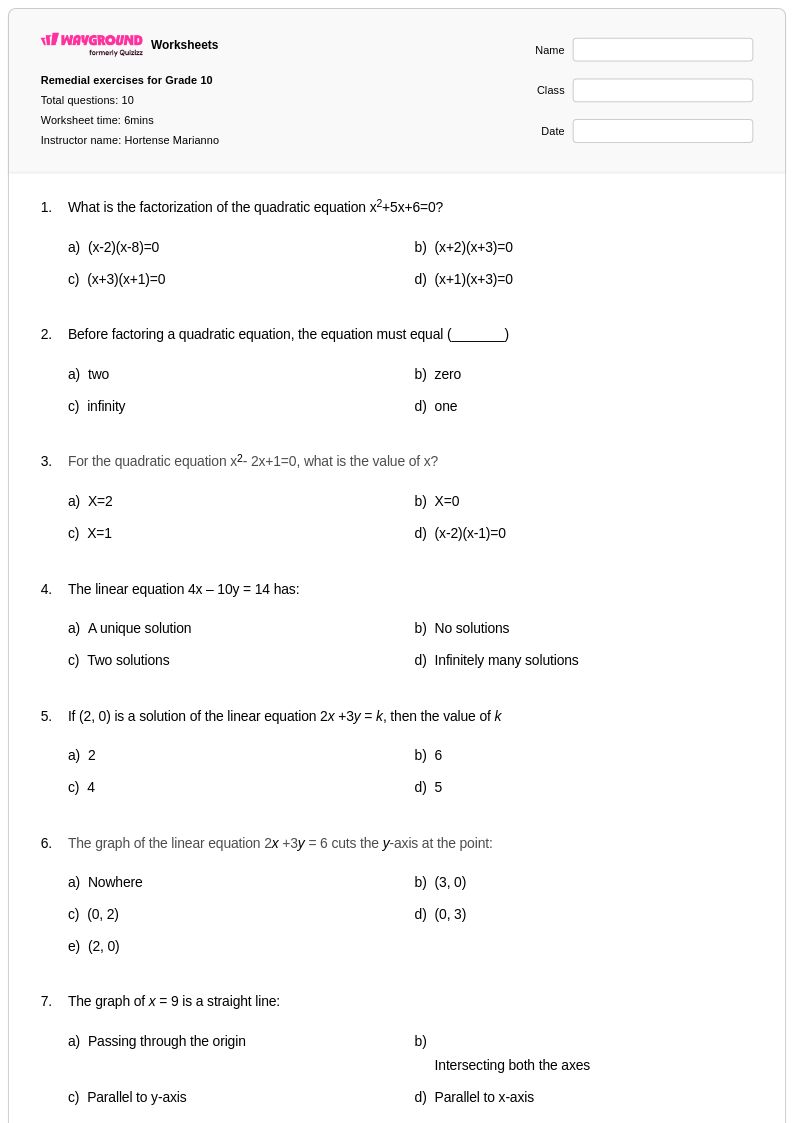
10Q
2nd
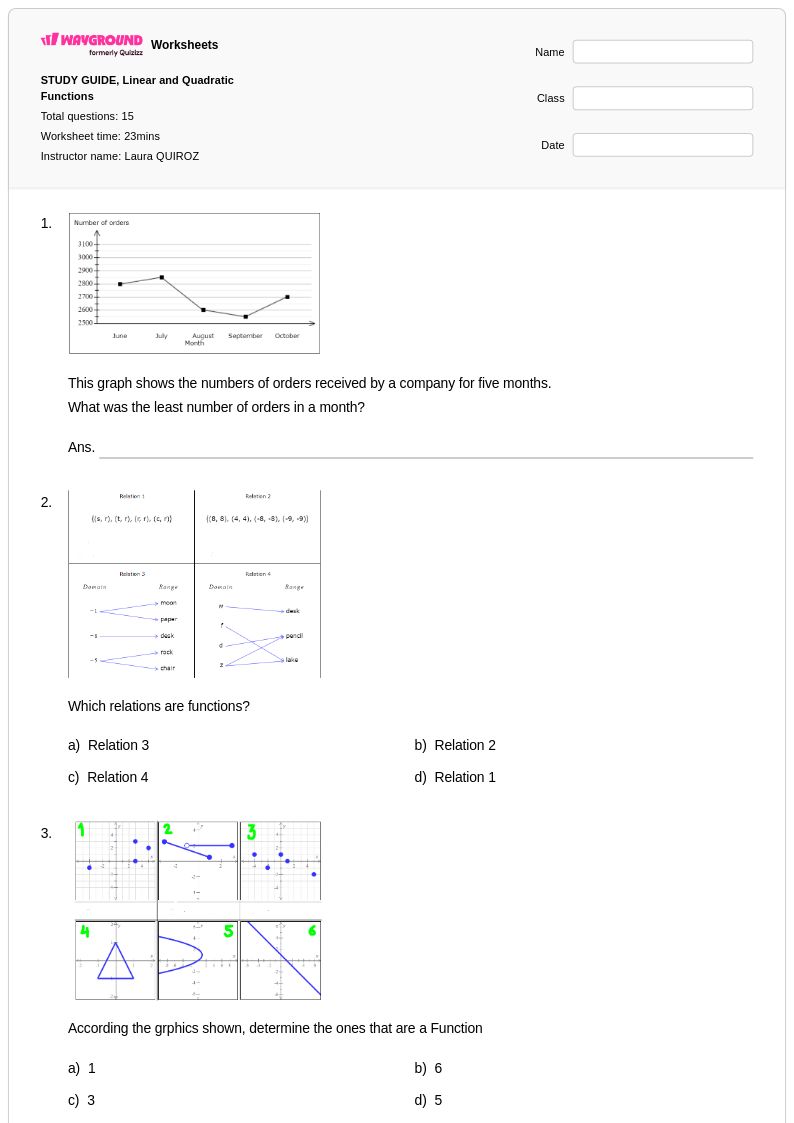
15Q
2nd
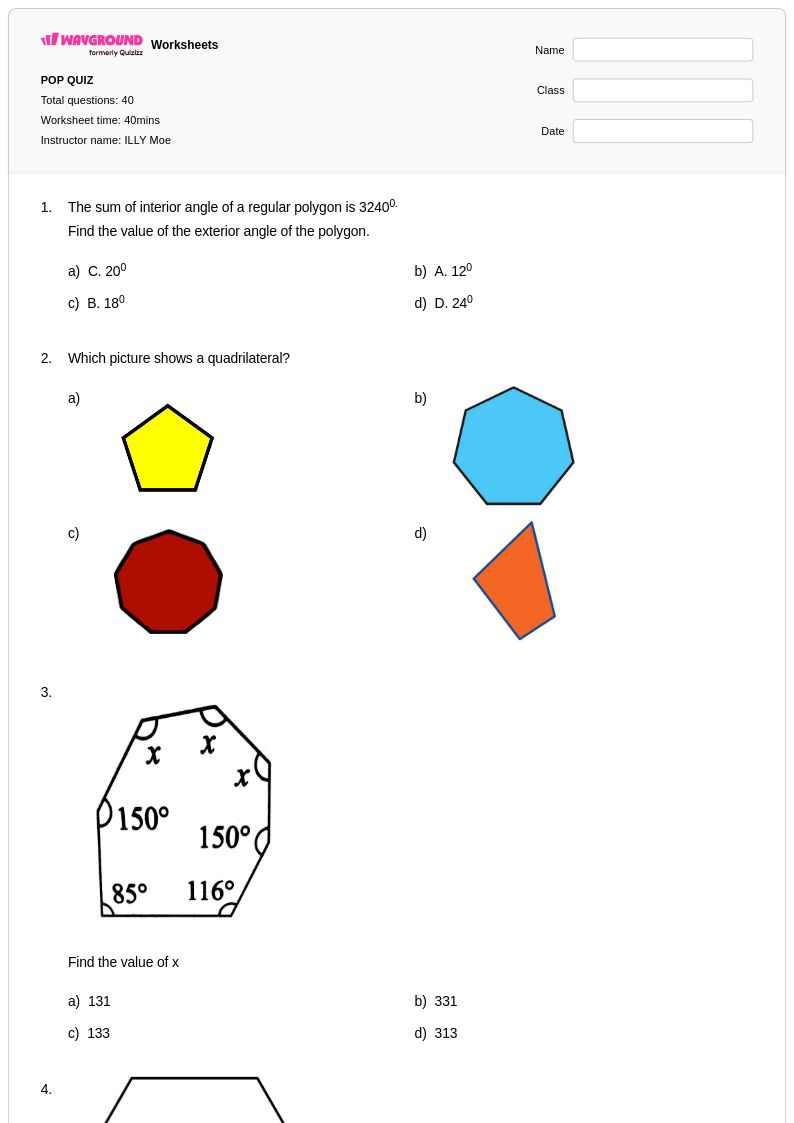
40Q
2nd
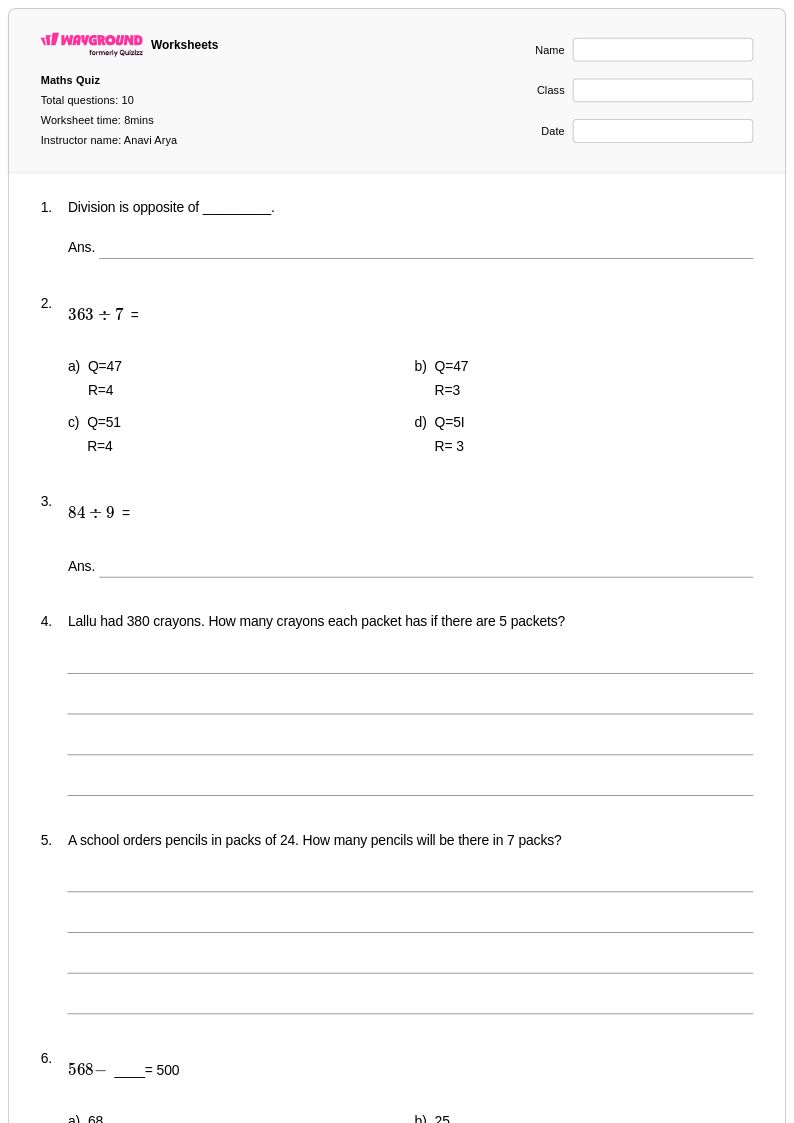
10Q
2nd - 3rd
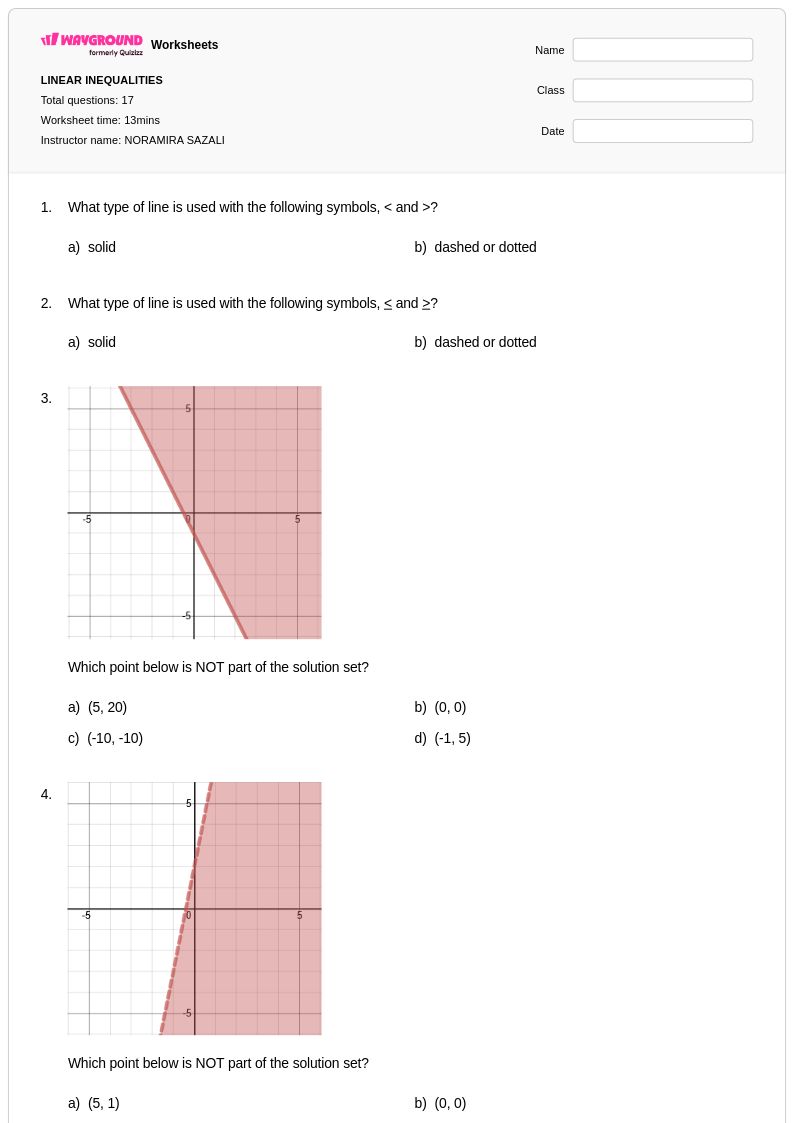
17Q
2nd
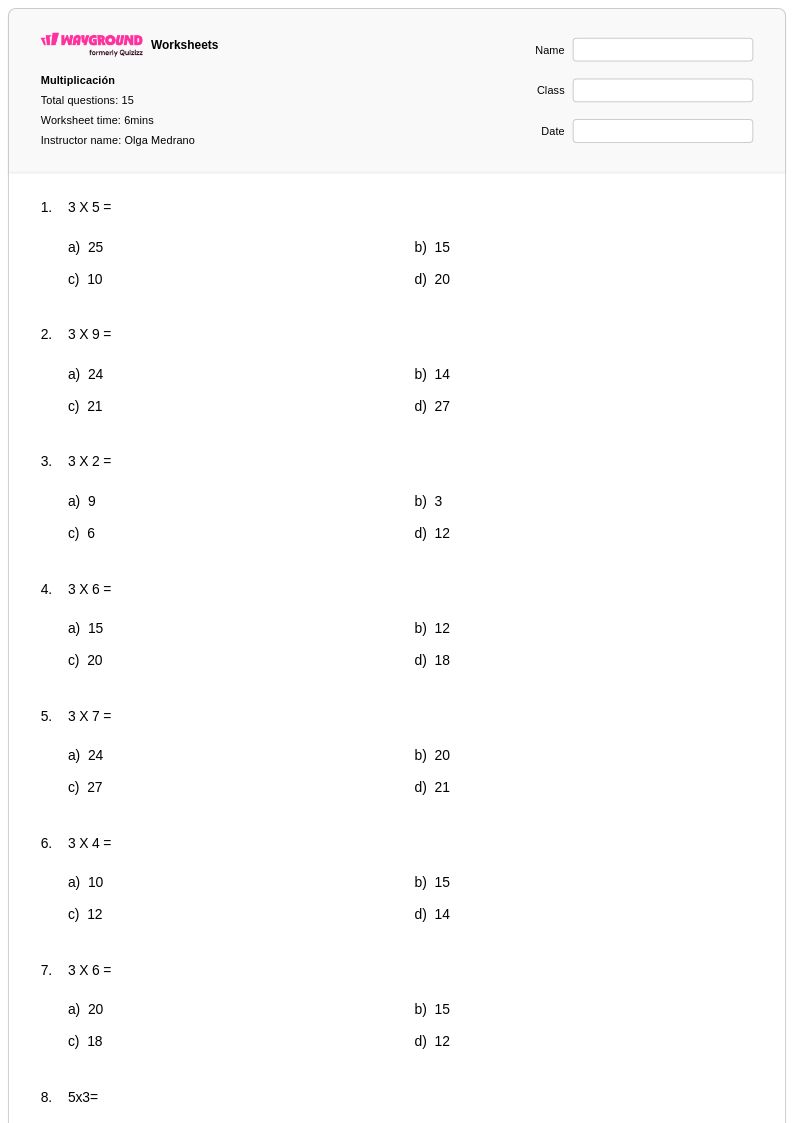
15Q
2nd
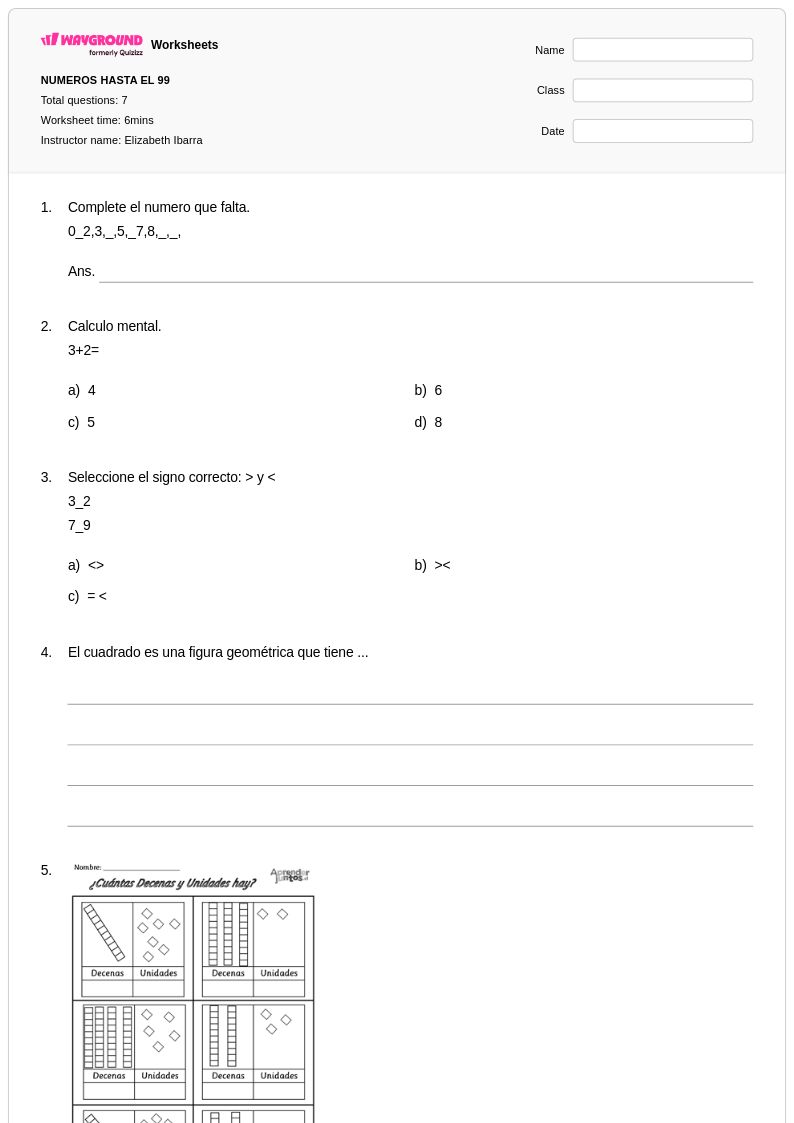
7Q
2nd

13Q
2nd
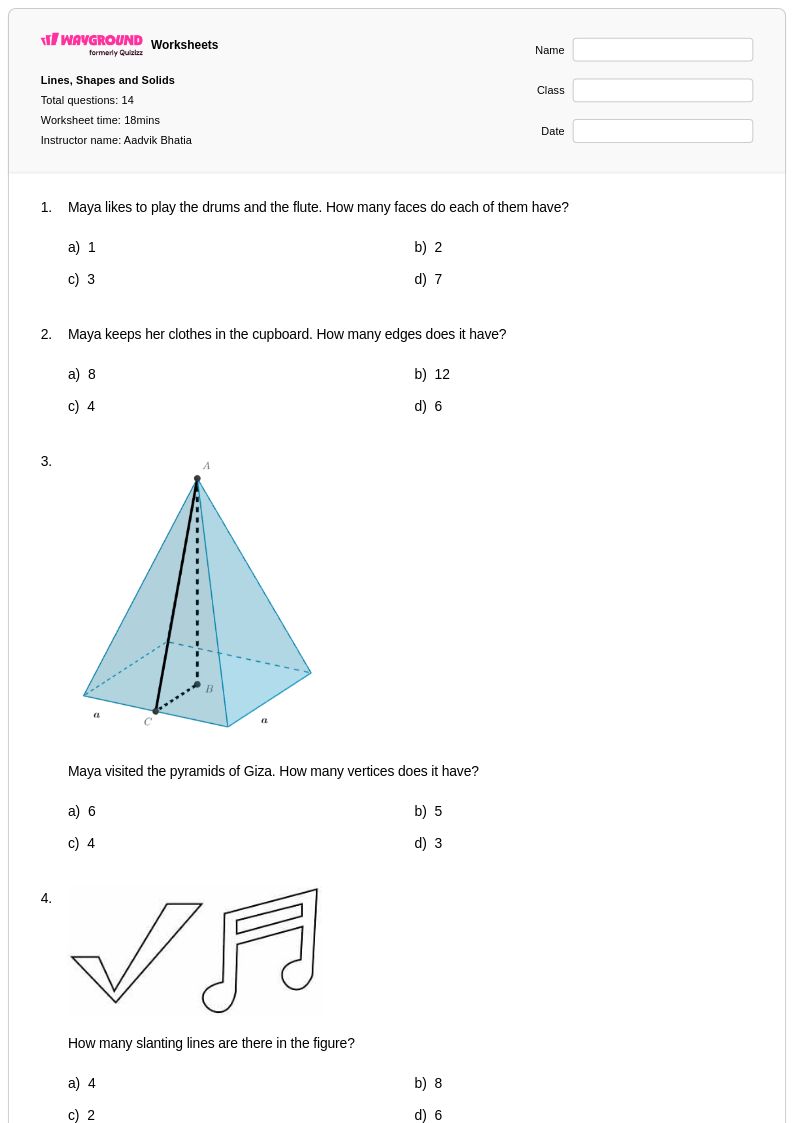
17Q
2nd - Uni
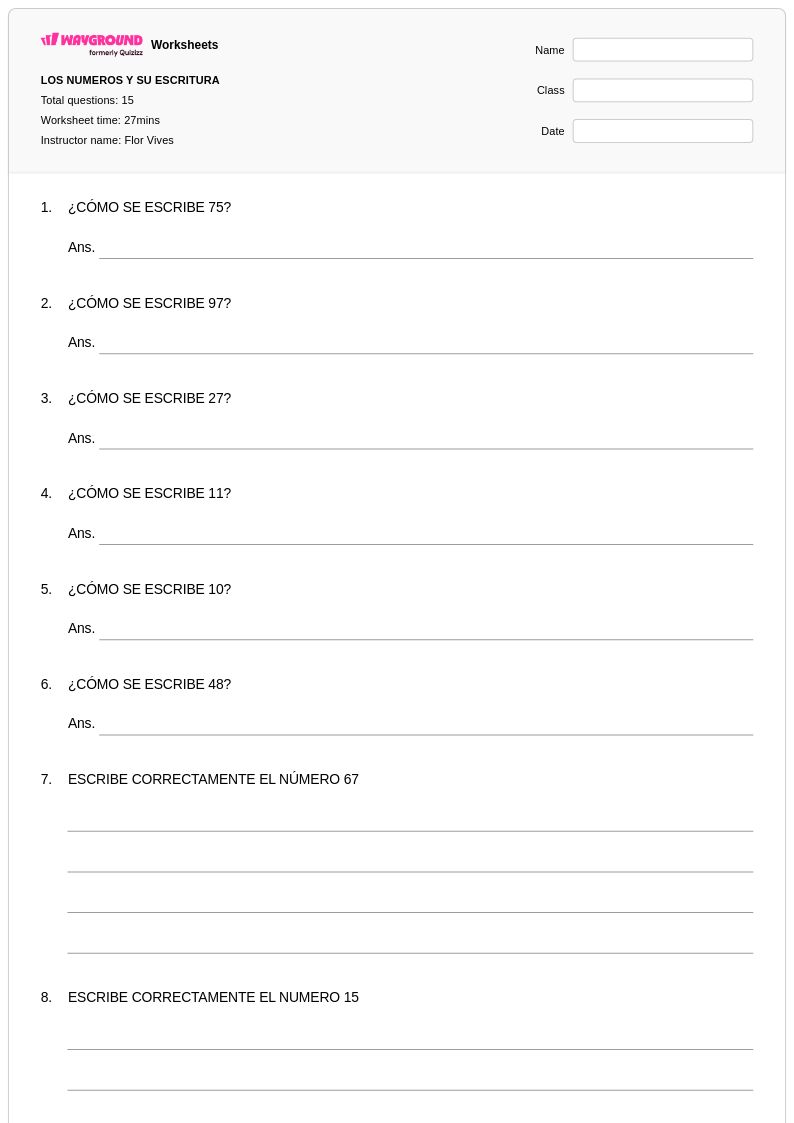
15Q
2nd
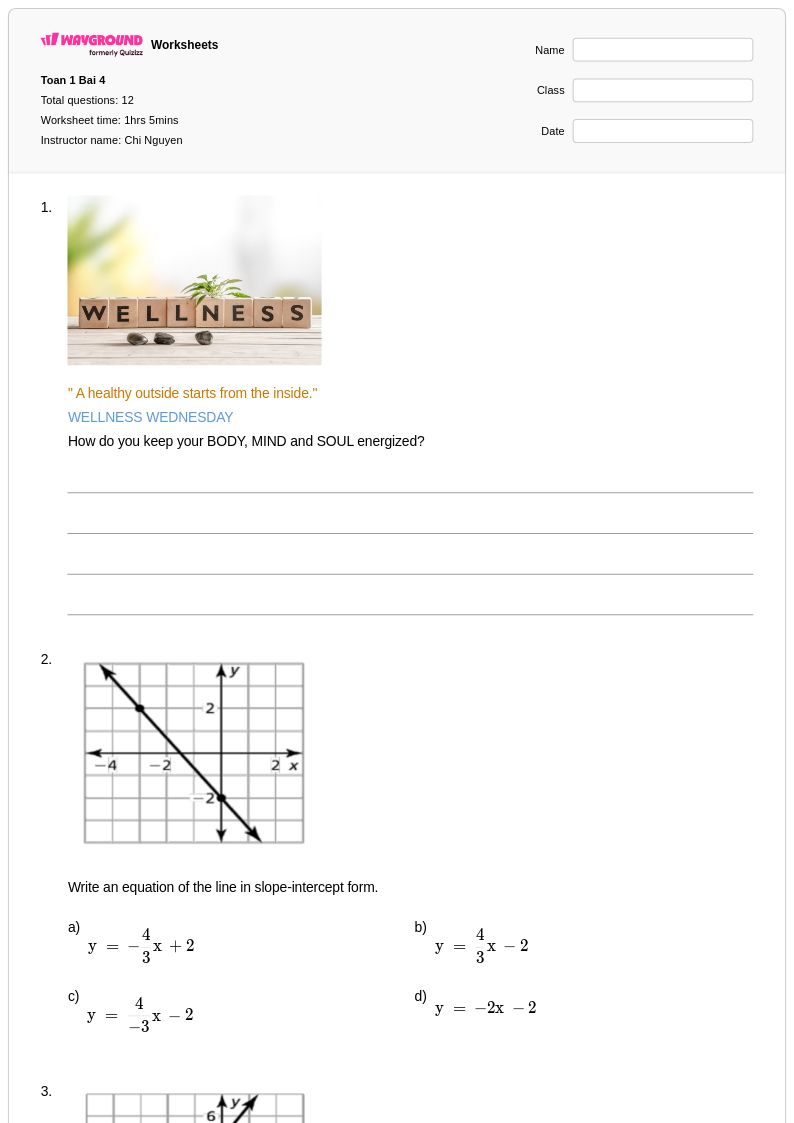
12Q
2nd - Uni
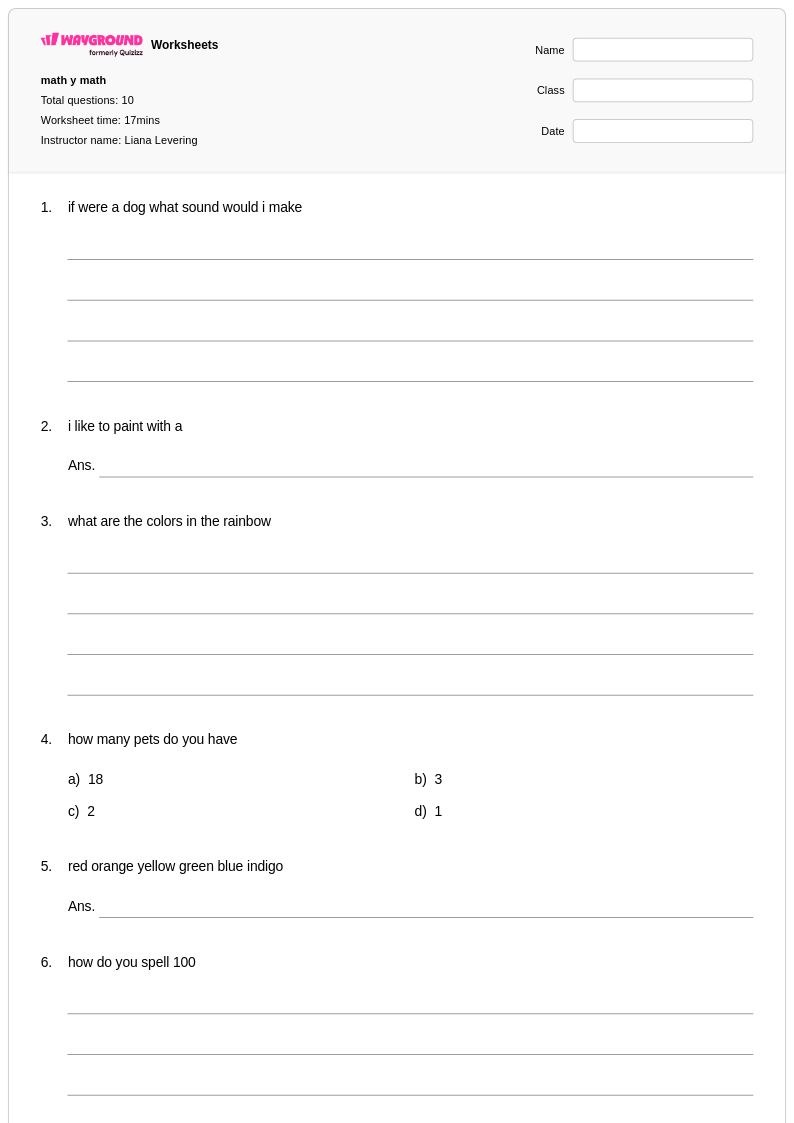
10Q
1st - 6th
Explore outras planilhas de assuntos para class 2
Explore printable X and Y Axes worksheets for Class 2
X and Y axes worksheets for Class 2 students provide foundational practice in understanding coordinate systems and graphing fundamentals through Wayground's comprehensive collection of educational resources. These carefully designed worksheets introduce young learners to the basic concepts of horizontal and vertical axes, helping them develop spatial reasoning skills and mathematical visualization abilities essential for future data analysis and graphing work. Students engage with age-appropriate activities that teach them to identify and work with the x-axis and y-axis on simple coordinate grids, building confidence through structured practice problems that progress from basic axis recognition to plotting simple points. Each worksheet comes with a complete answer key and is available as a free printable pdf, making it easy for educators to provide consistent skill reinforcement both in classroom settings and for independent practice at home.
Wayground, formerly Quizizz, empowers educators with millions of teacher-created resources specifically focused on x and y axes concepts for Class 2 mathematics instruction. The platform's robust search and filtering capabilities allow teachers to quickly locate worksheets that align with specific curriculum standards and learning objectives, while built-in differentiation tools enable customization based on individual student needs and skill levels. Whether teachers require materials for initial concept introduction, targeted remediation, or enrichment activities, the flexible digital and printable pdf formats accommodate diverse classroom environments and teaching styles. These comprehensive worksheet collections support effective lesson planning by providing educators with ready-to-use resources that can be seamlessly integrated into existing mathematics curricula, ensuring students receive consistent exposure to coordinate system fundamentals that will serve as building blocks for more advanced graphing and data analysis skills in later grades.