
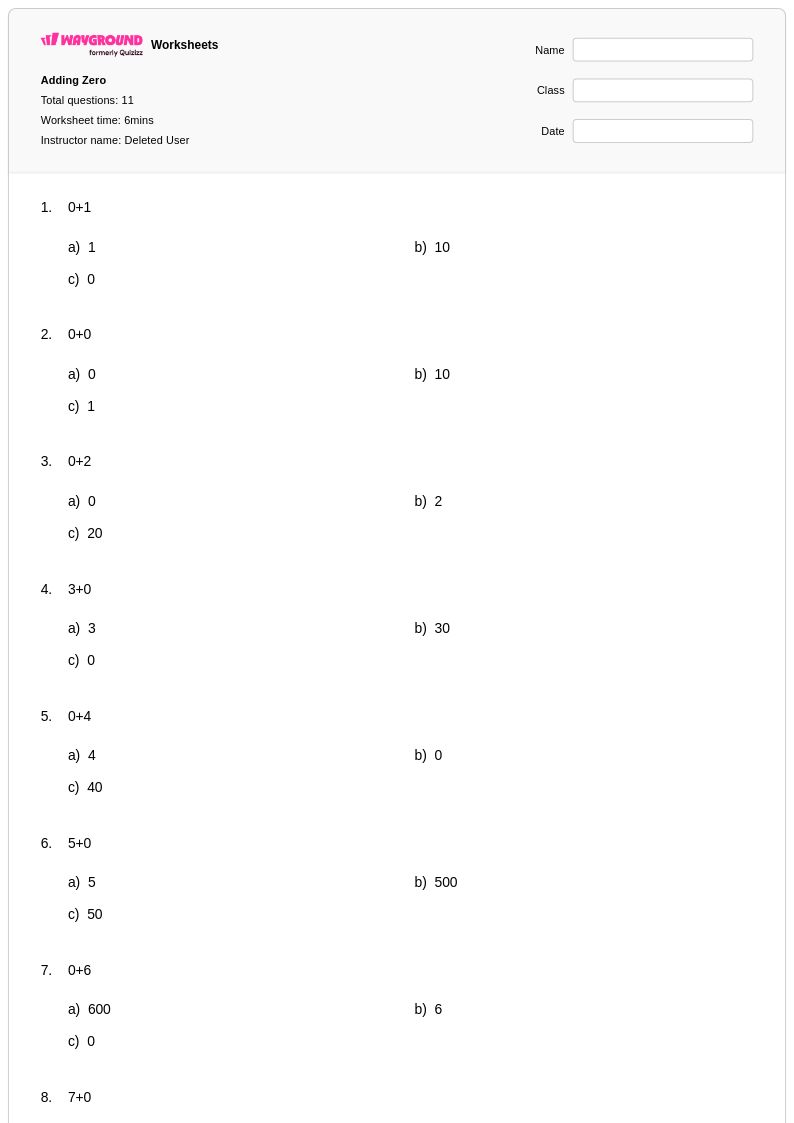
11 Q
KG - 3rd
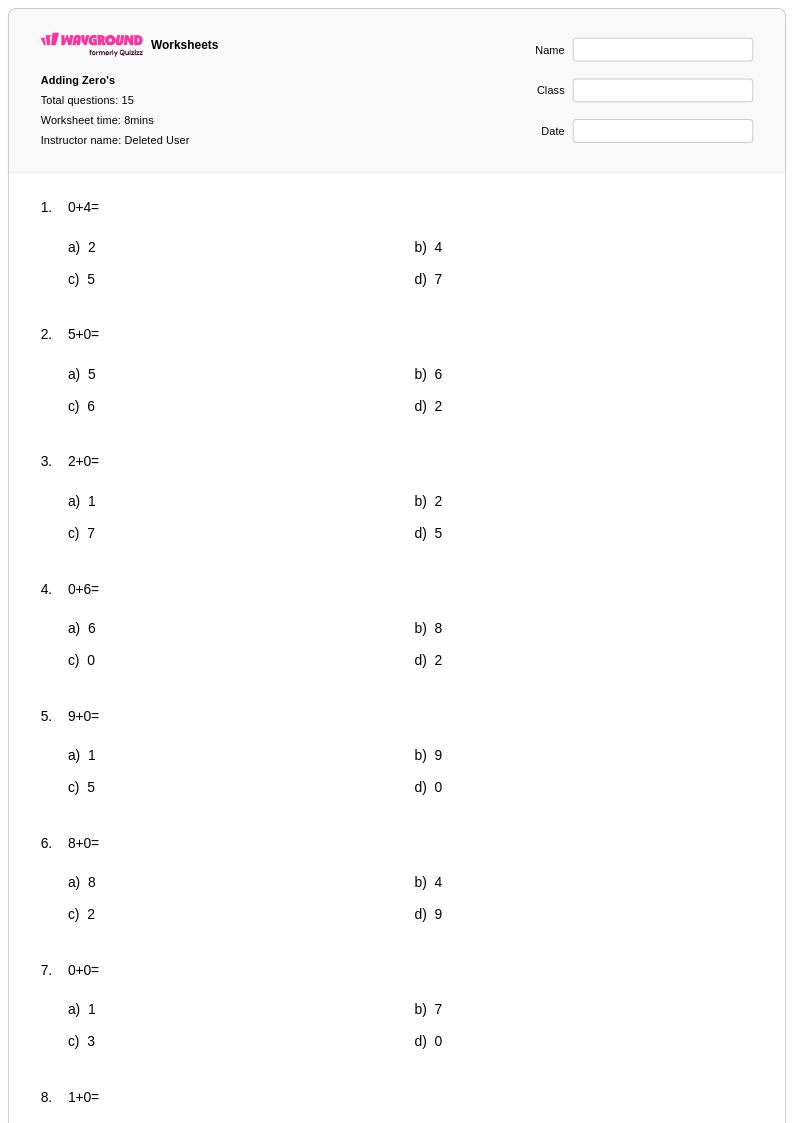
15 Q
KG - 3rd
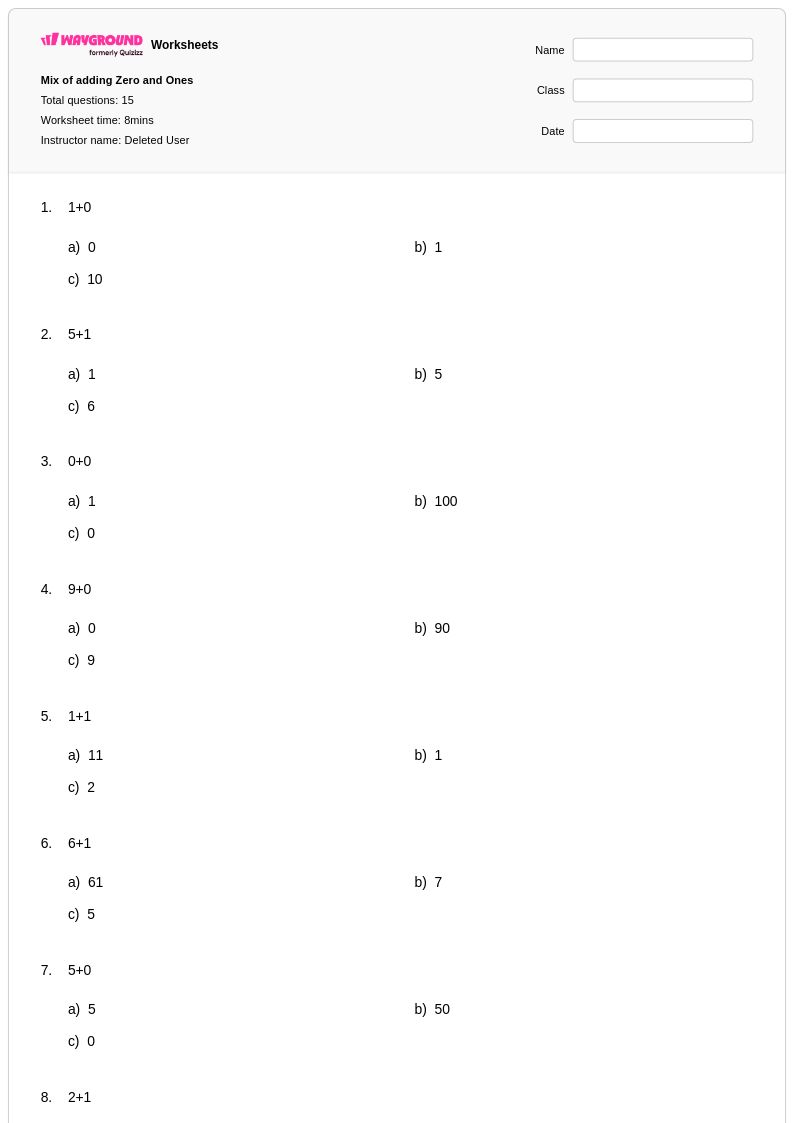
15 Q
KG - 3rd
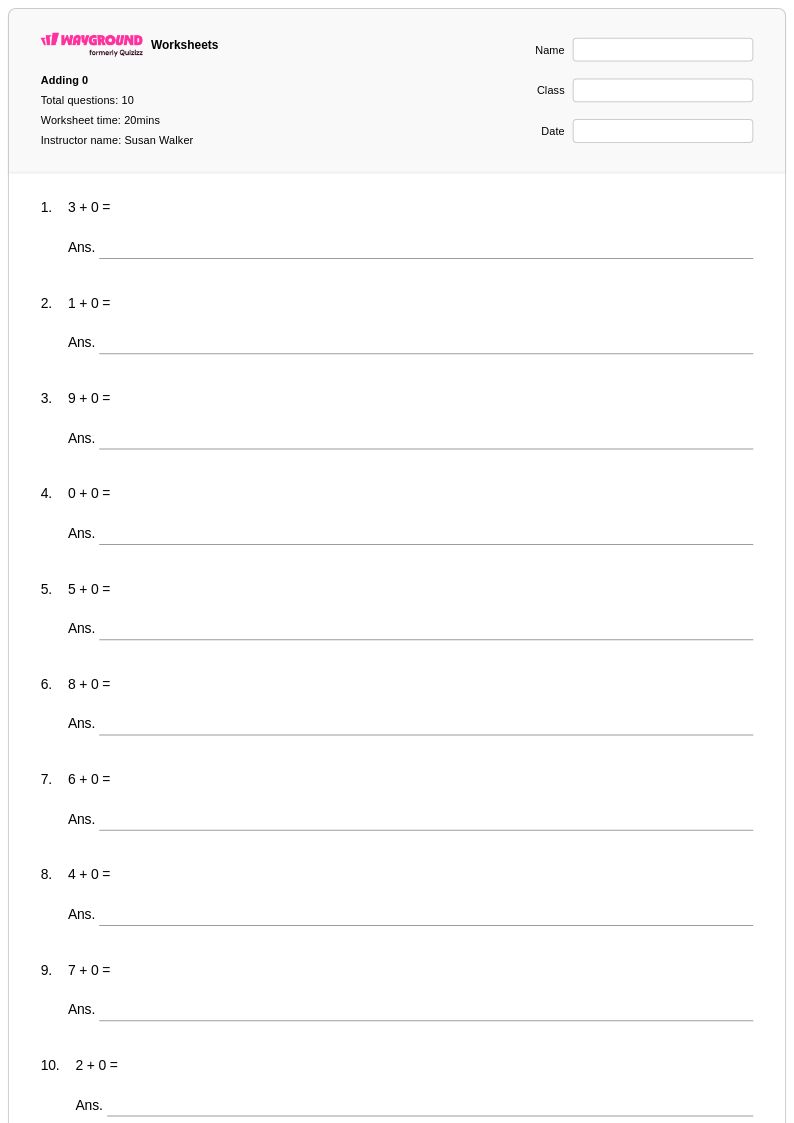
10 Q
1st - 3rd
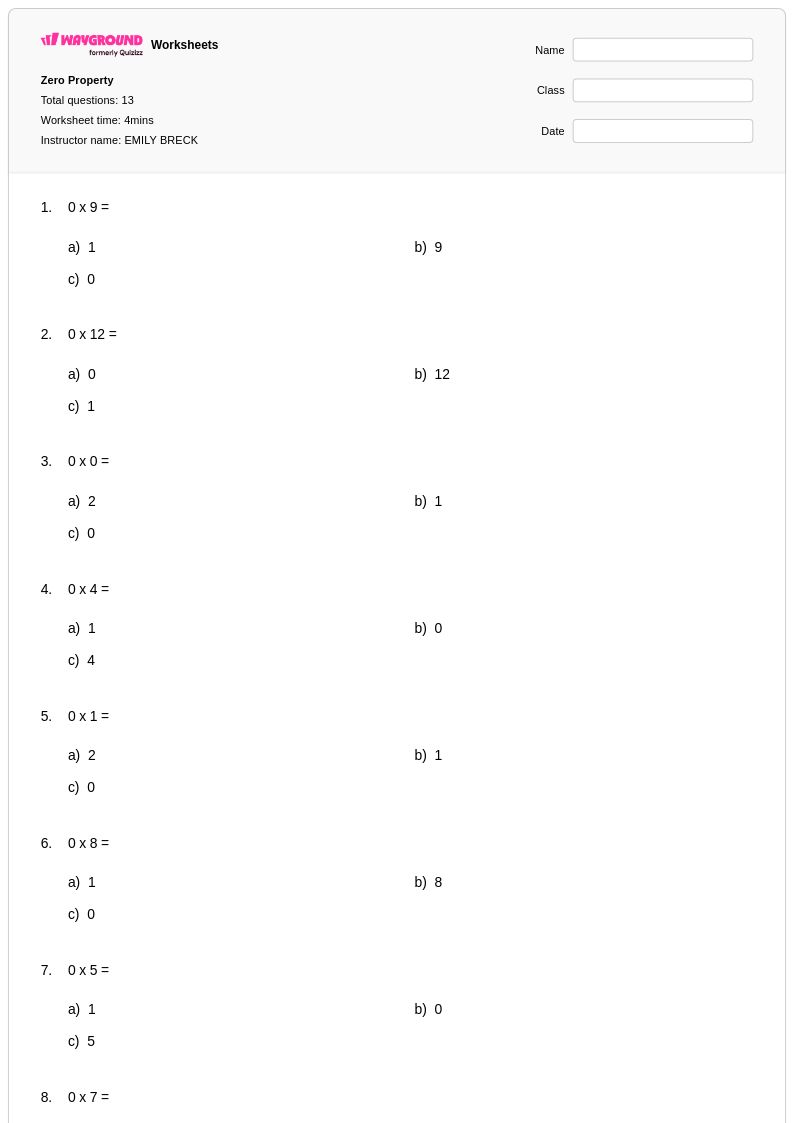
13 Q
2nd - 4th
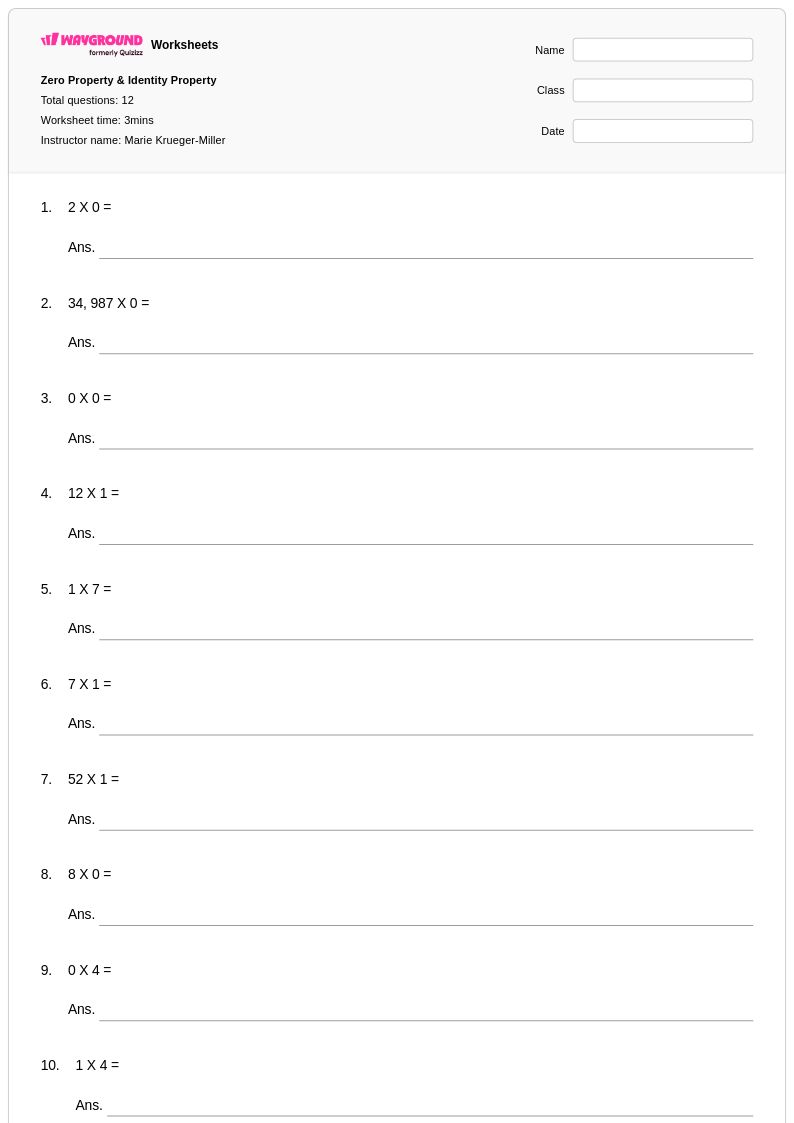
12 Q
2nd - 4th
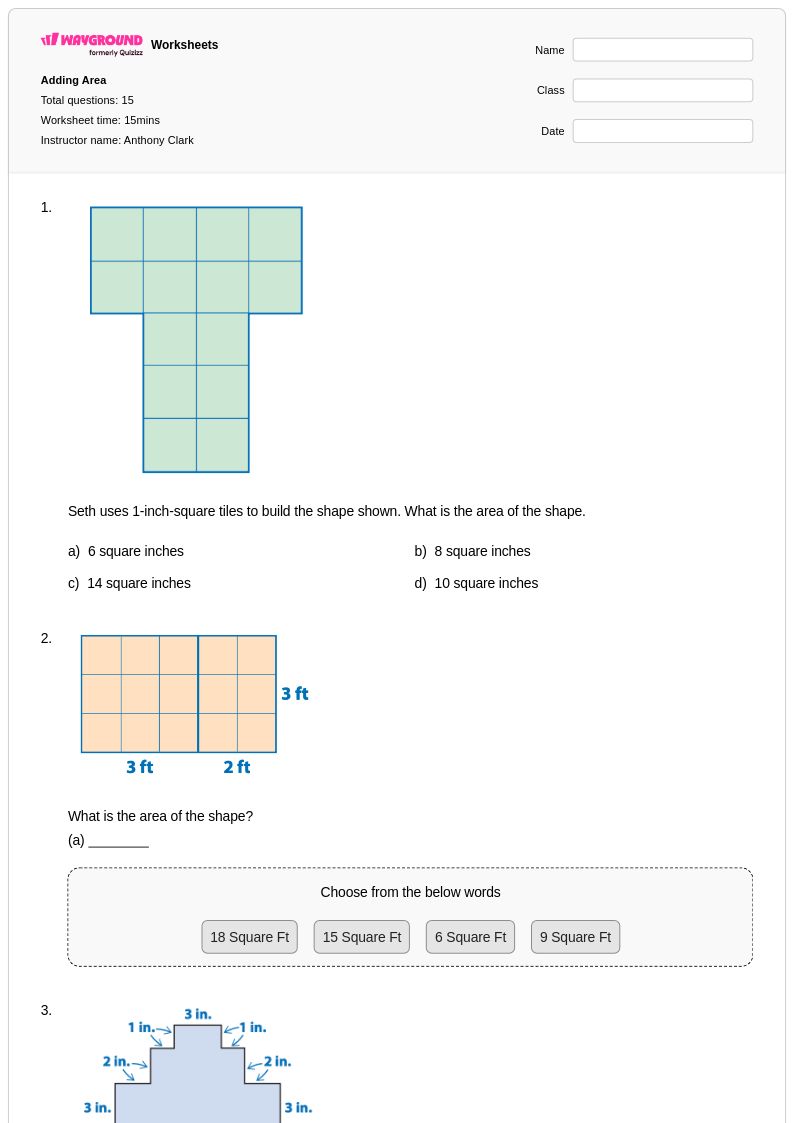
15 Q
3rd - Uni
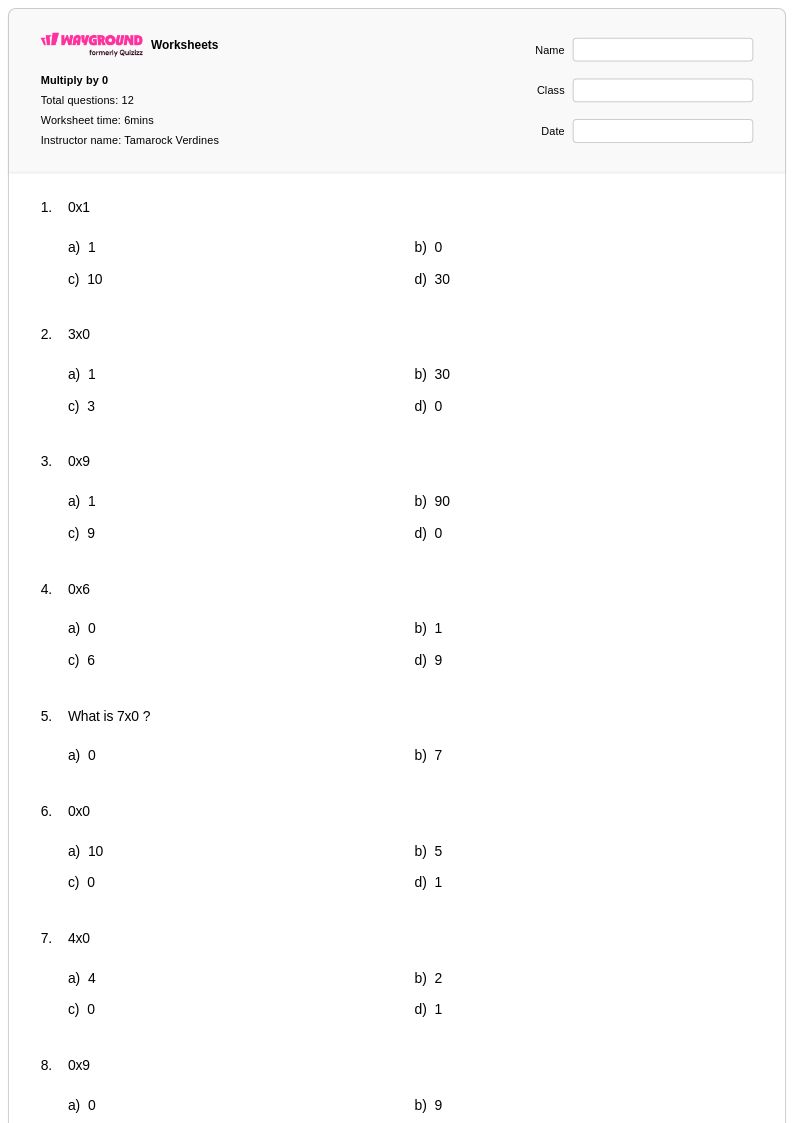
12 Q
3rd
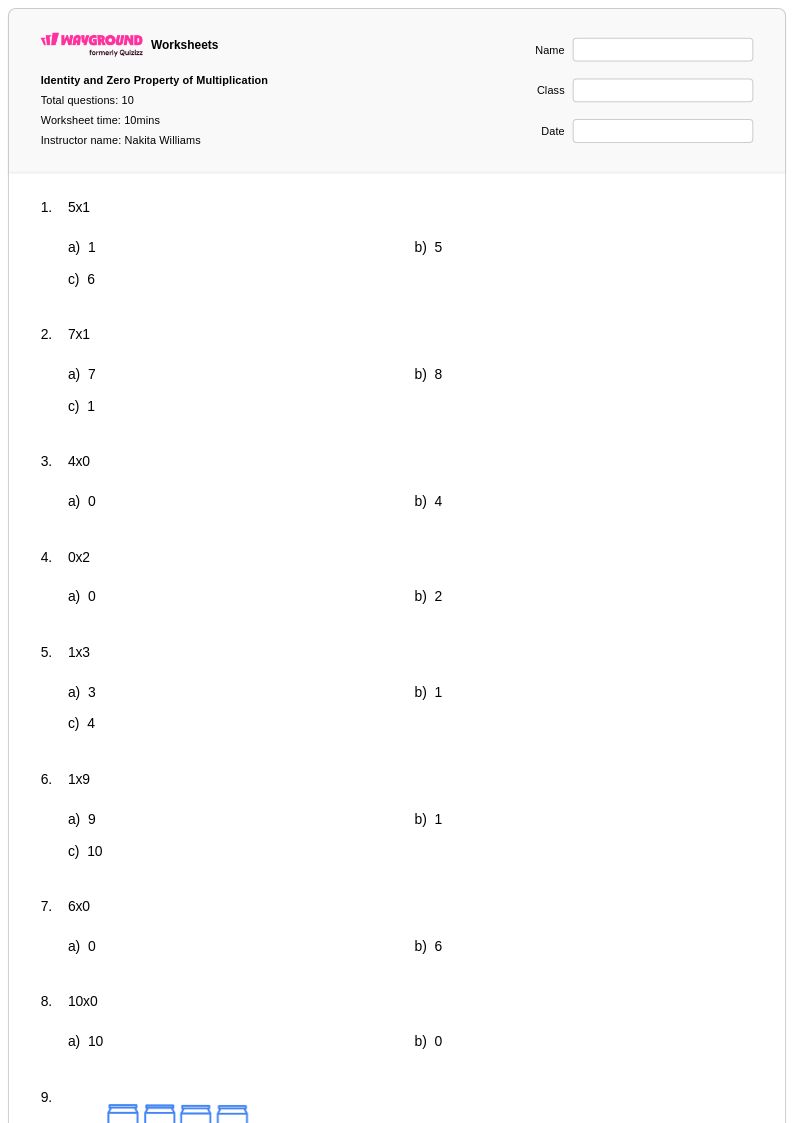
10 Q
3rd
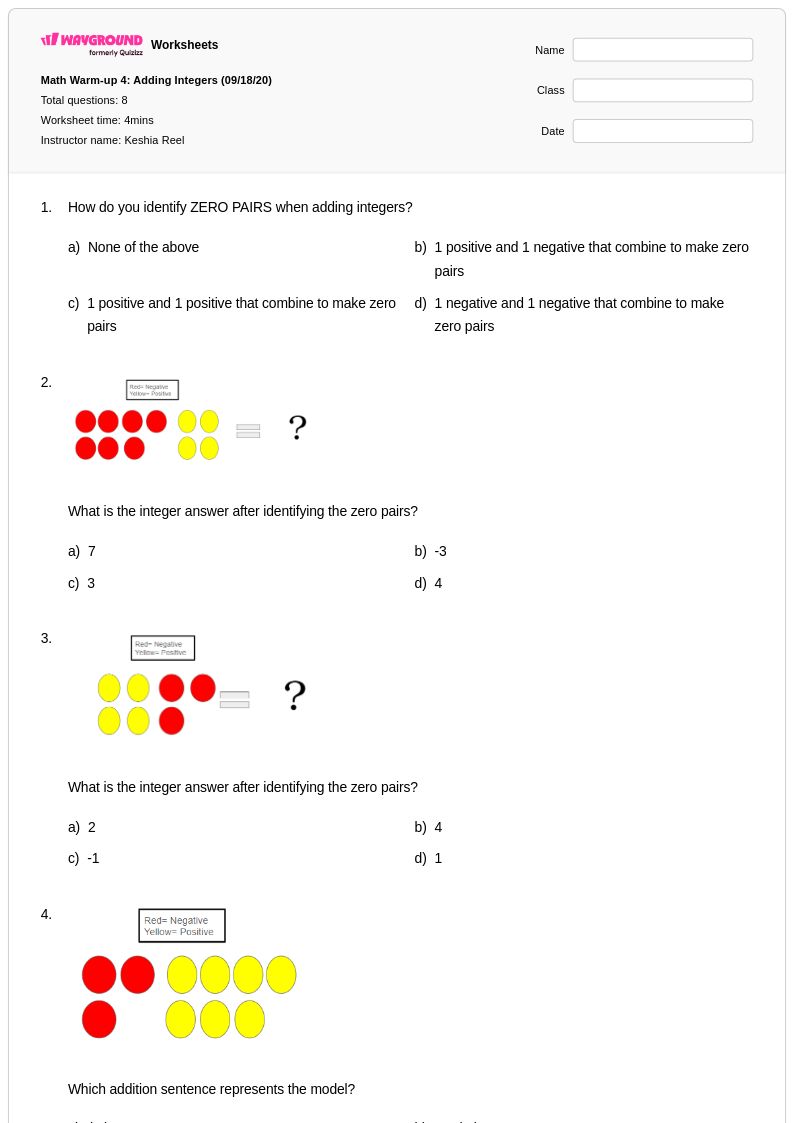
8 Q
3rd - 6th
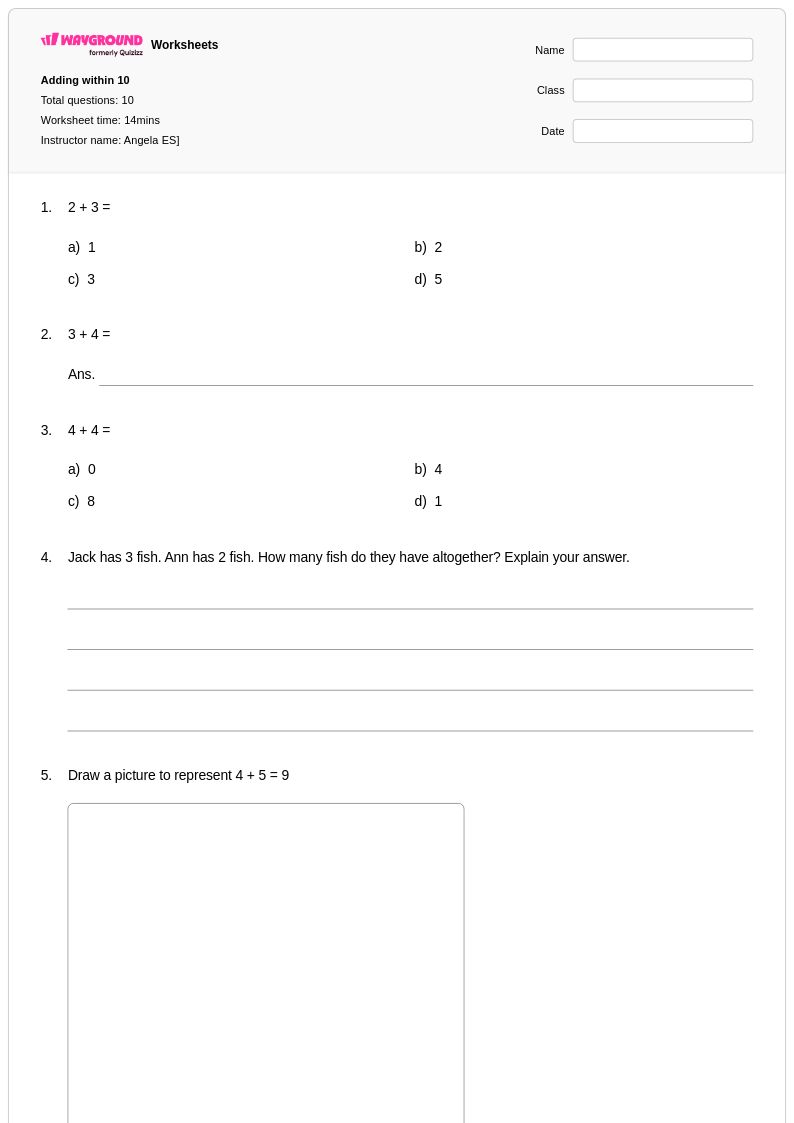
10 Q
1st - 5th
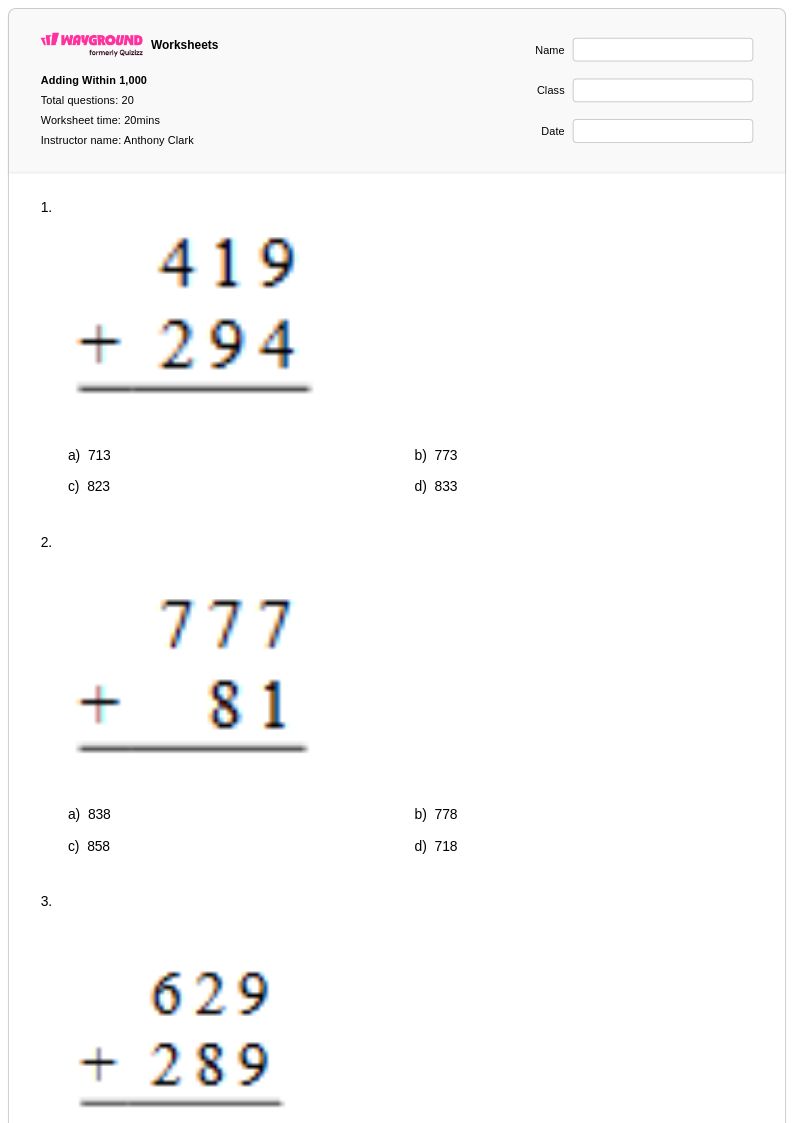
20 Q
3rd - Uni
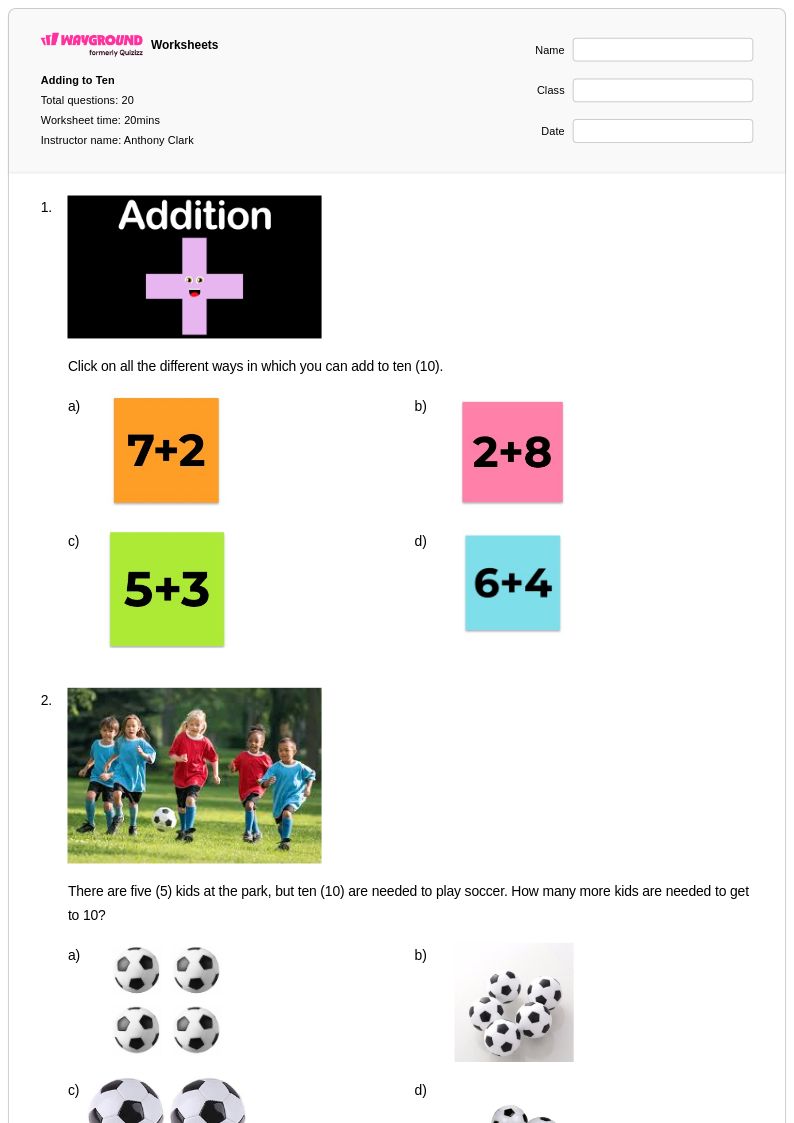
20 Q
1st - Uni
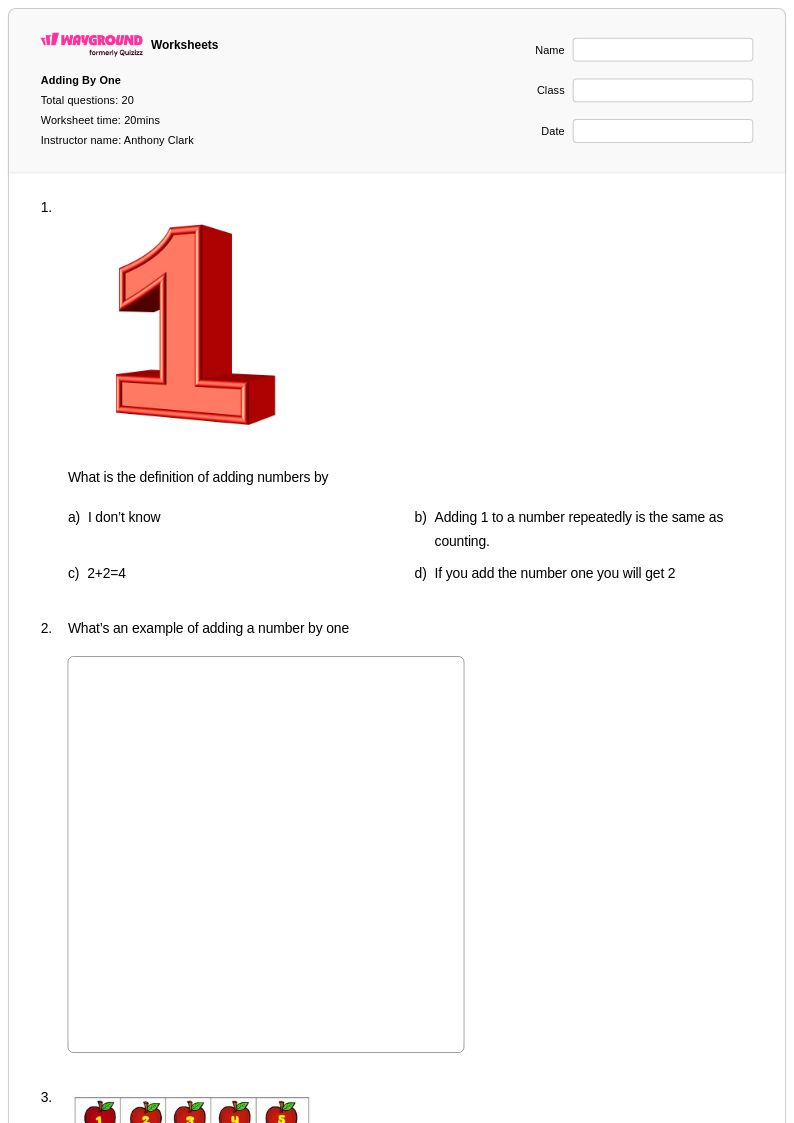
20 Q
1st - Uni
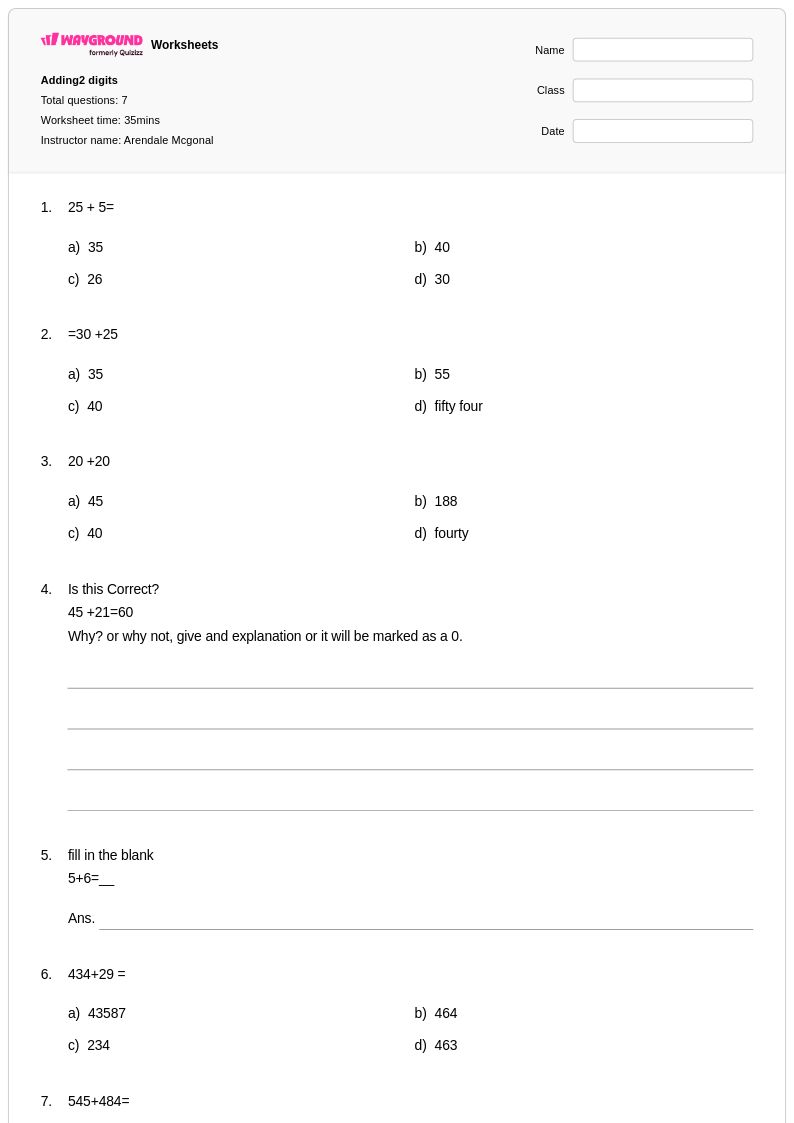
7 Q
3rd
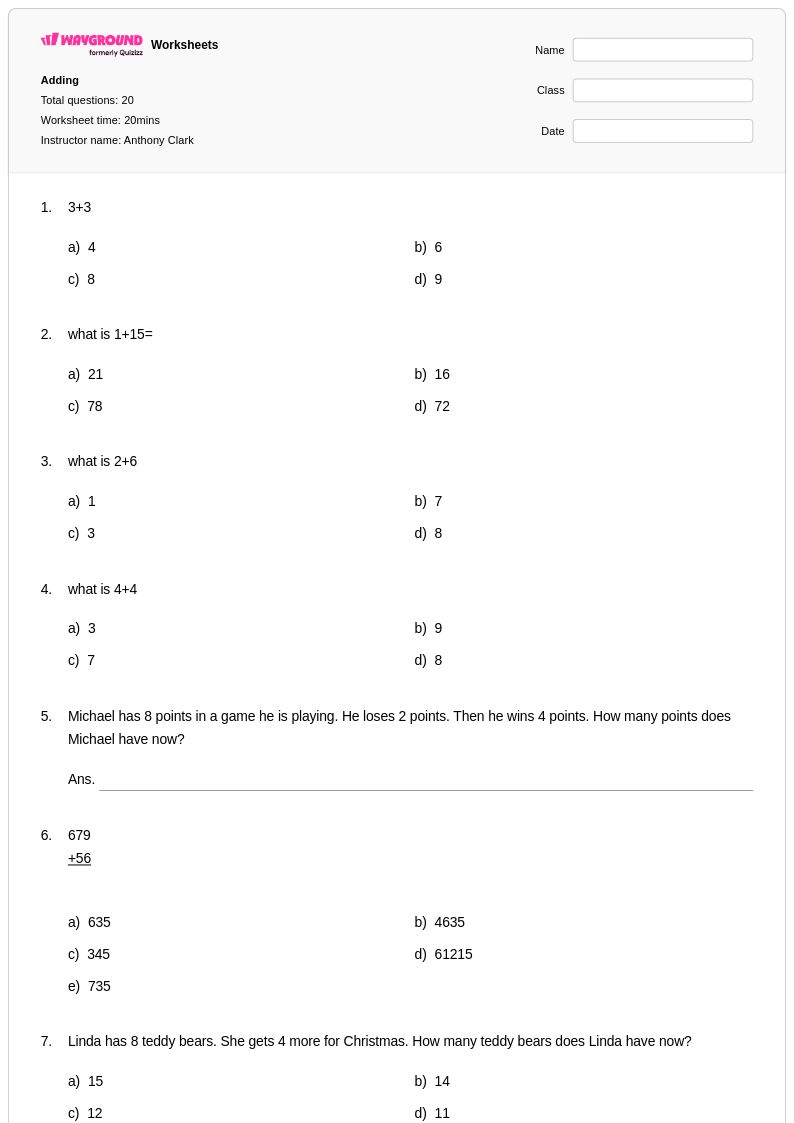
20 Q
1st - Uni
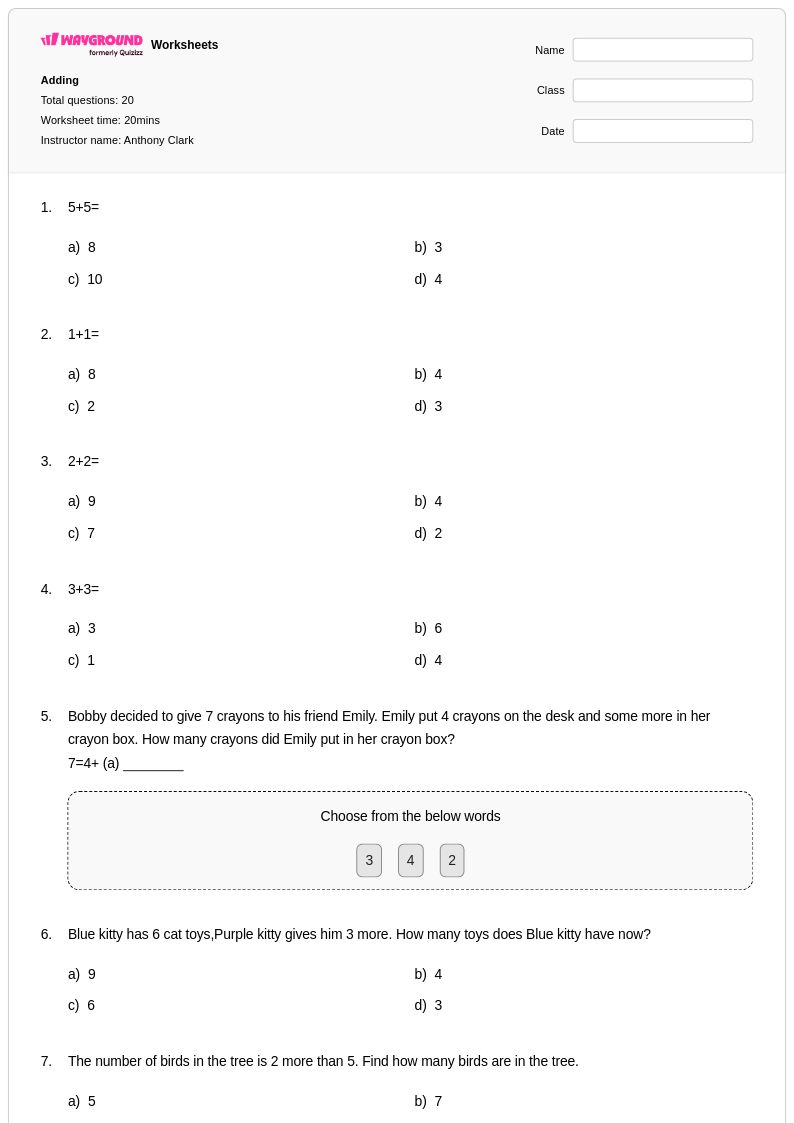
20 Q
1st - Uni
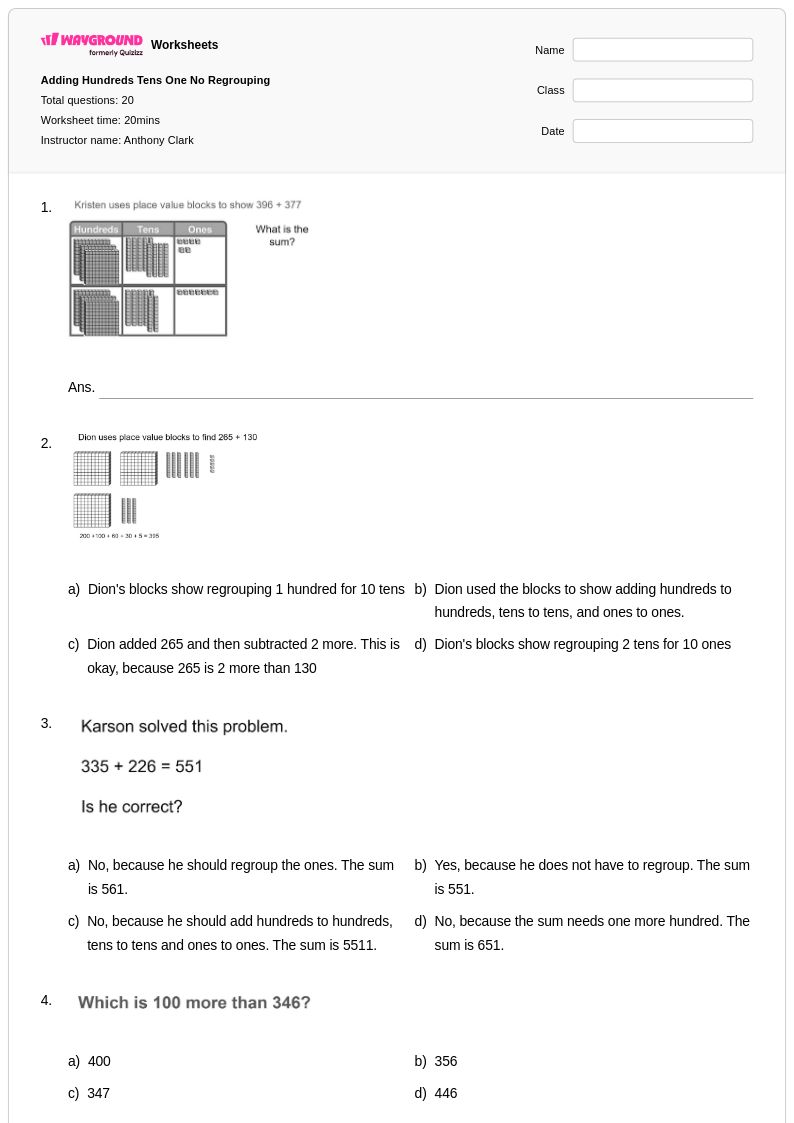
20 Q
2nd - Uni
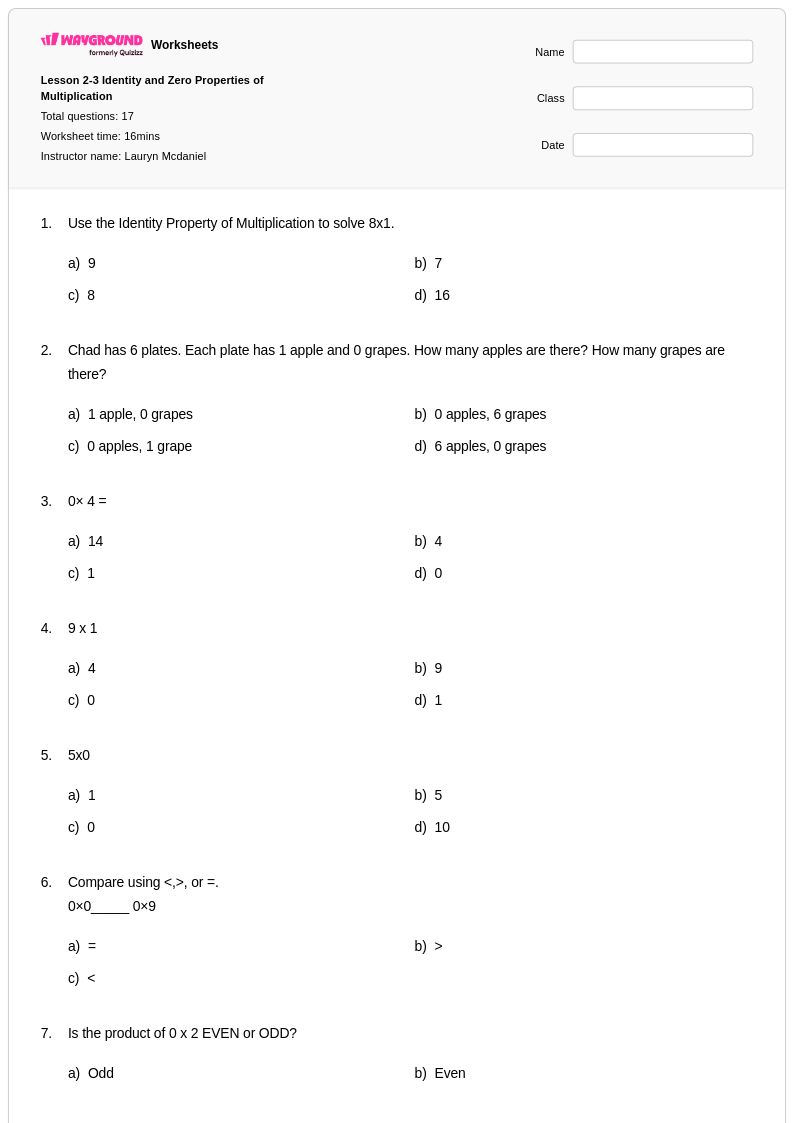
17 Q
3rd
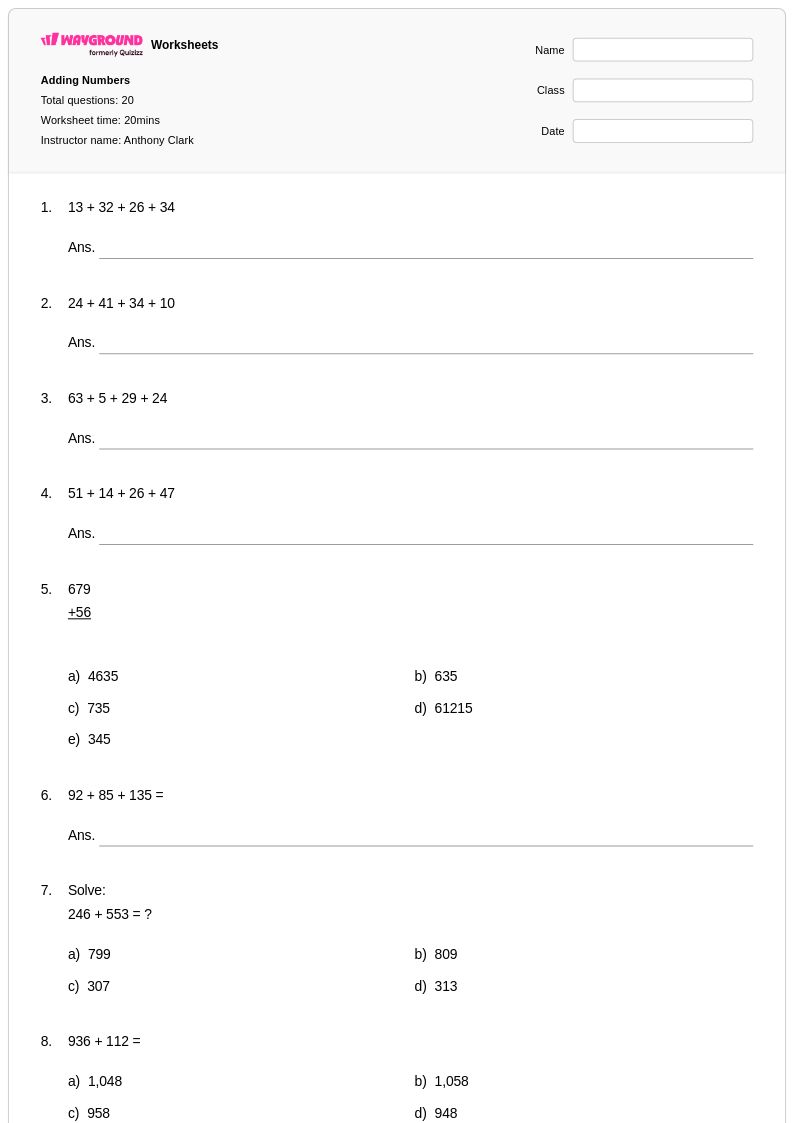
20 Q
2nd - Uni
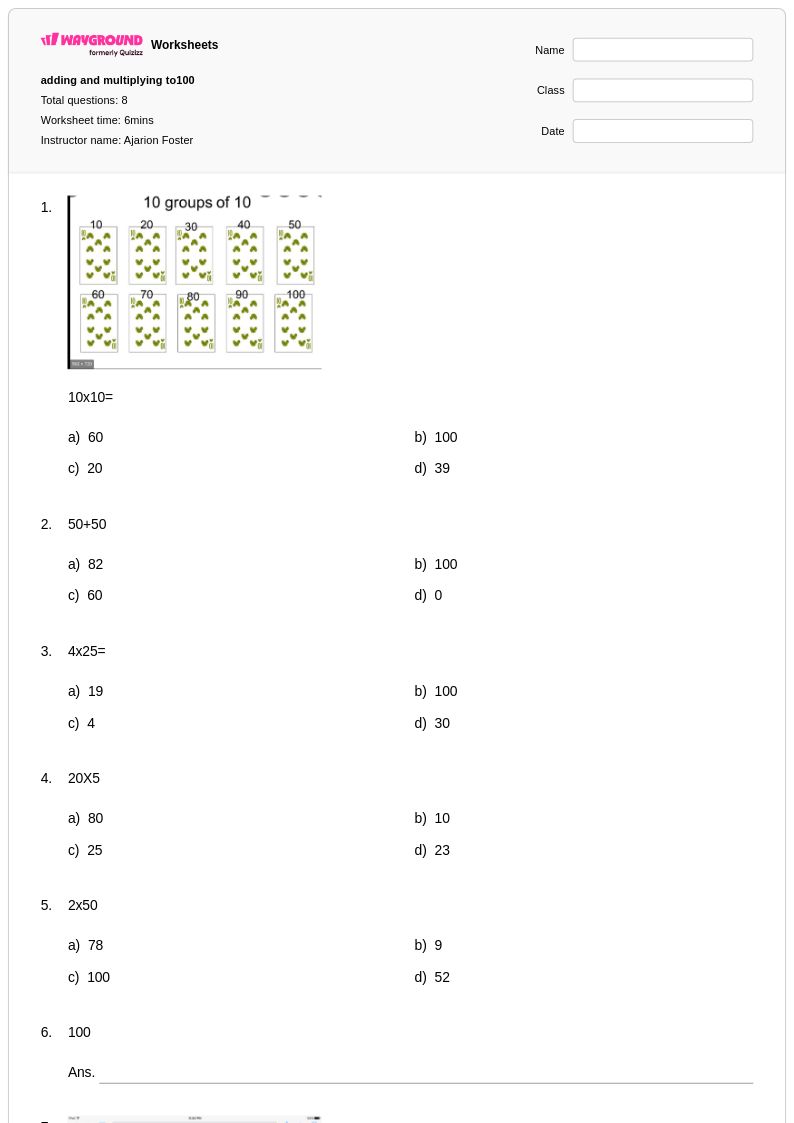
8 Q
2nd - 3rd
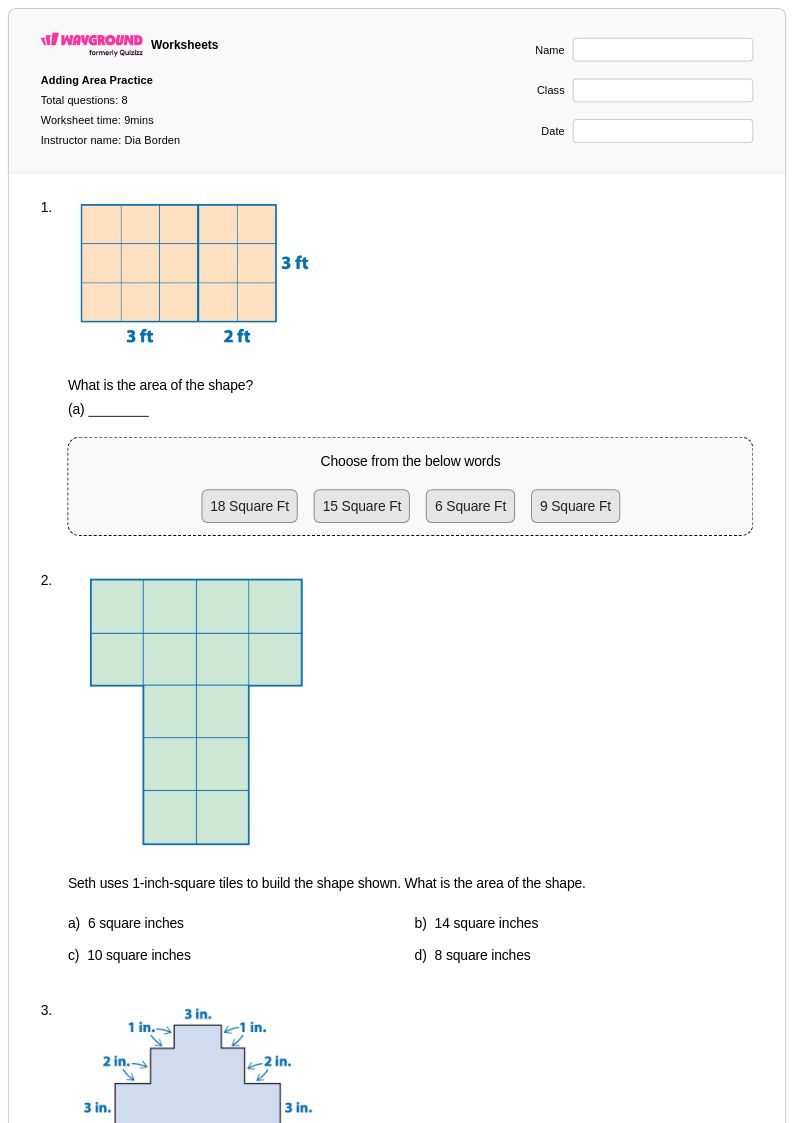
8 Q
3rd
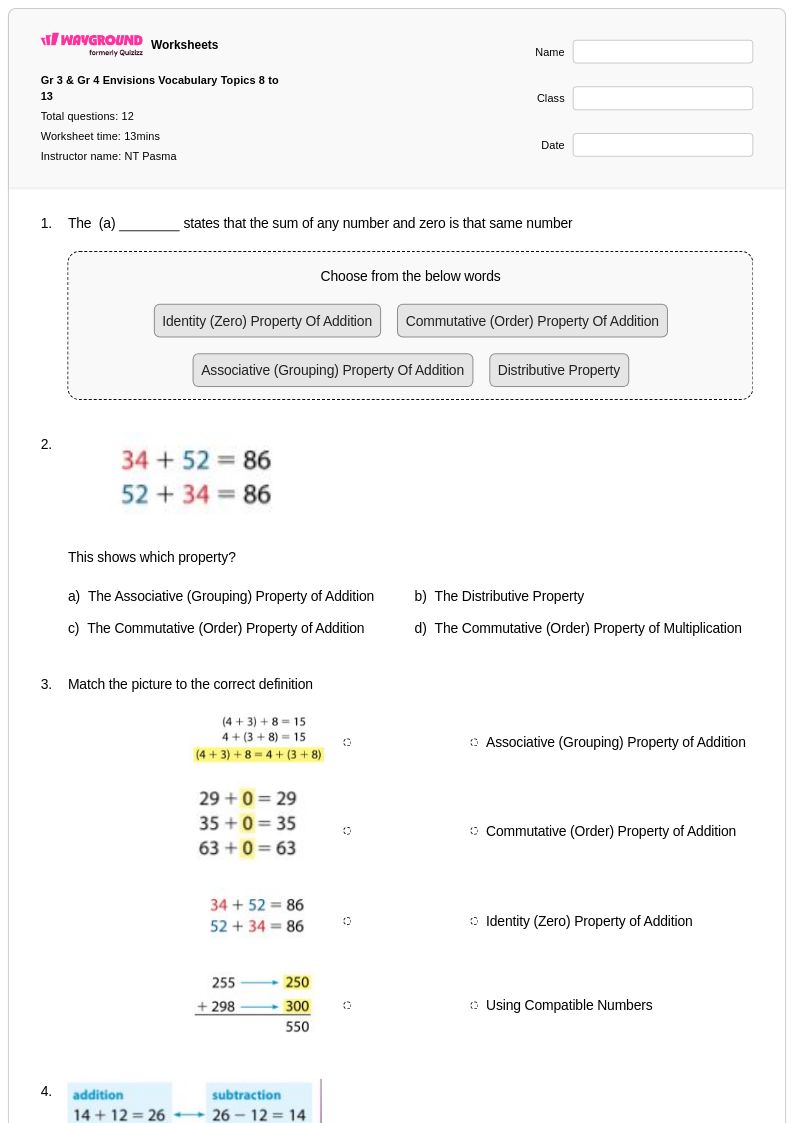
12 Q
3rd
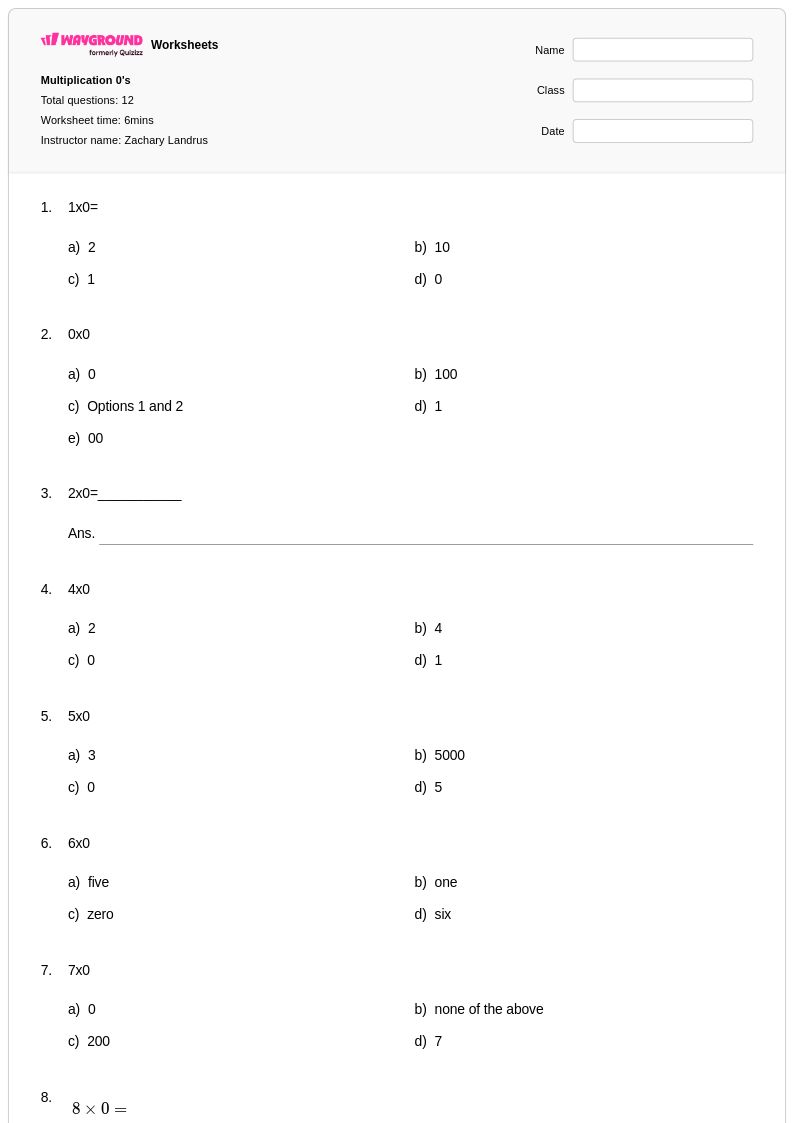
12 Q
2nd - 4th
Explore Other Subject Worksheets for grade 3
Explore printable Adding Zero worksheets for Grade 3
Adding zero worksheets for Grade 3 students available through Wayground (formerly Quizizz) provide essential foundational practice for understanding the zero property of addition. These carefully designed resources help third-grade learners master the fundamental concept that adding zero to any number leaves that number unchanged, a critical building block for more advanced mathematical operations. The worksheets feature varied practice problems that reinforce this concept through visual representations, number lines, and traditional equations, ensuring students develop both conceptual understanding and computational fluency. Each printable resource includes comprehensive answer keys and is available as free pdf downloads, making them accessible for classroom instruction, homework assignments, and independent study sessions.
Wayground (formerly Quizizz) empowers educators with millions of teacher-created worksheet collections specifically targeting Grade 3 addition concepts like adding zero, supported by robust search and filtering capabilities that streamline lesson planning and resource selection. The platform's standards-aligned materials include differentiation tools that allow teachers to customize worksheets based on individual student needs, whether for remediation support or enrichment challenges. Available in both printable pdf formats and interactive digital versions, these resources offer the flexibility teachers need for diverse learning environments and teaching styles. The comprehensive collection enables educators to provide targeted skill practice, assess student understanding, and support learners in building confidence with fundamental addition properties that serve as stepping stones to more complex mathematical reasoning.
FAQs
How should I teach the identity property of addition in Grade 3?
What activities make adding zero meaningful for third graders?
What misconceptions do third graders have about adding zero?
How can I assign this Grade 3 adding zero worksheet?
How does the identity property of addition fit Common Core Grade 3 math?
How can I differentiate an adding zero worksheet for third graders?
Why would Grade 3 students practice adding zero?