
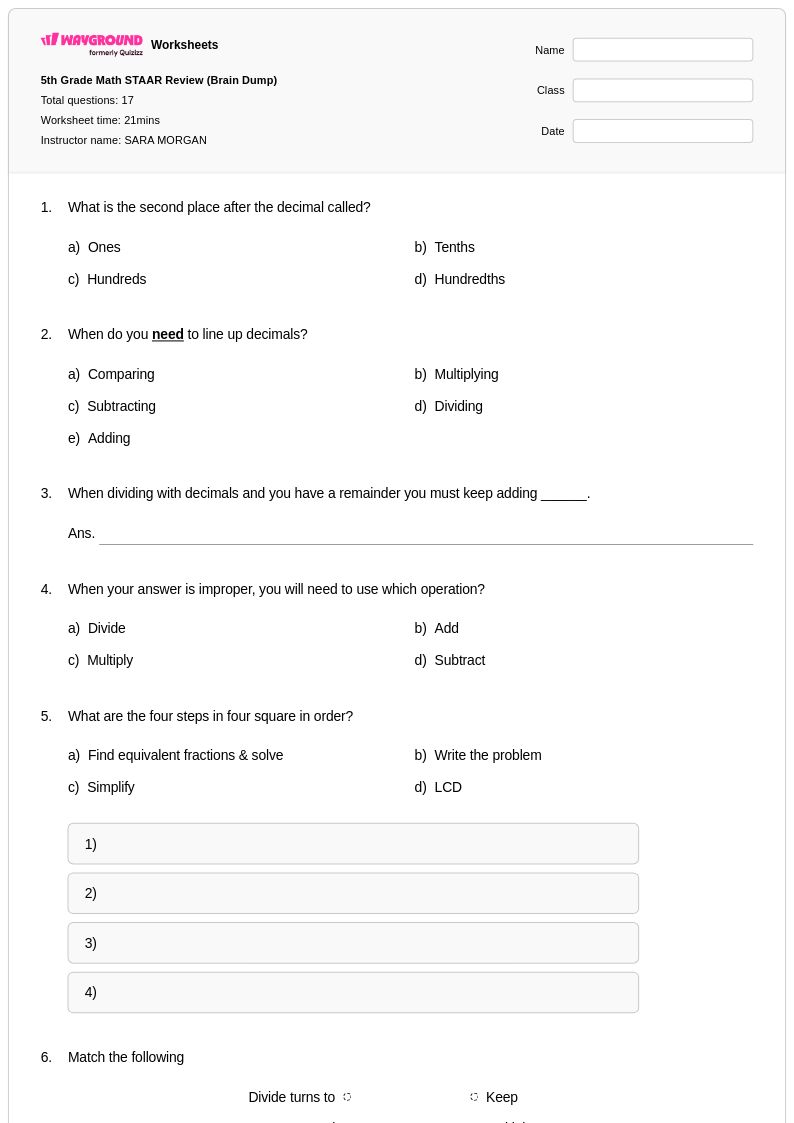
17 Q
5th
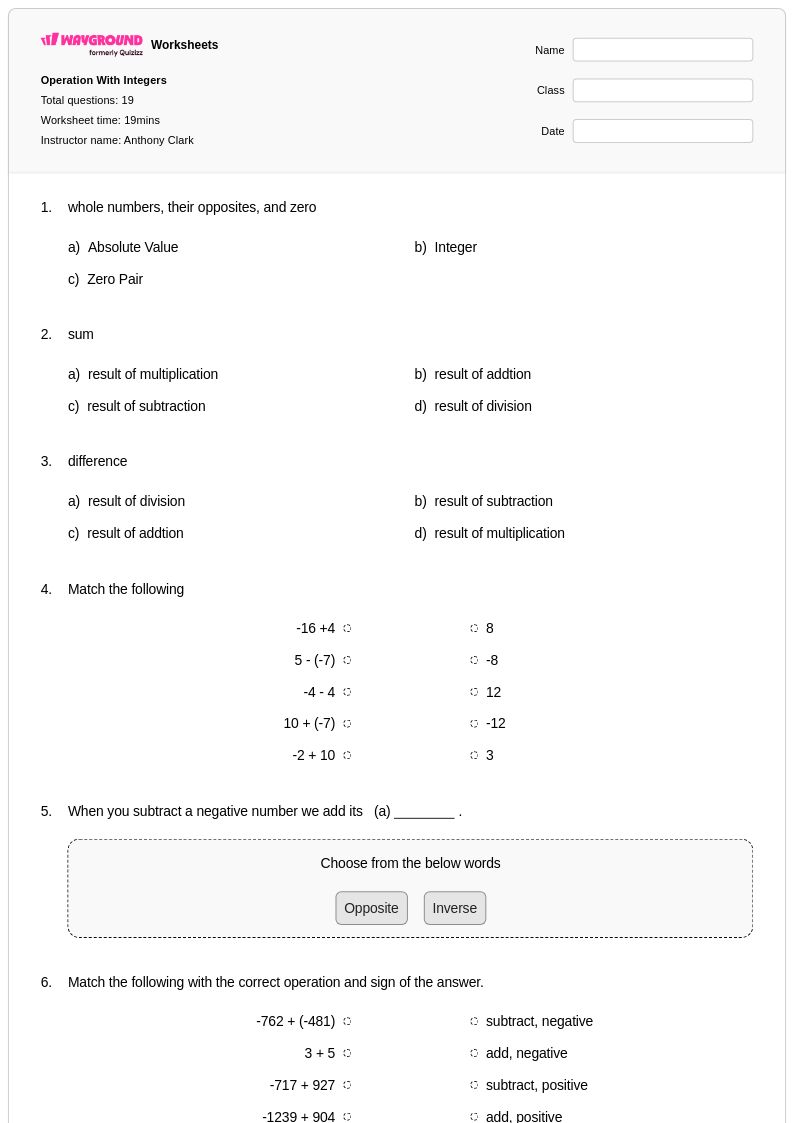
19 Q
7th - Uni
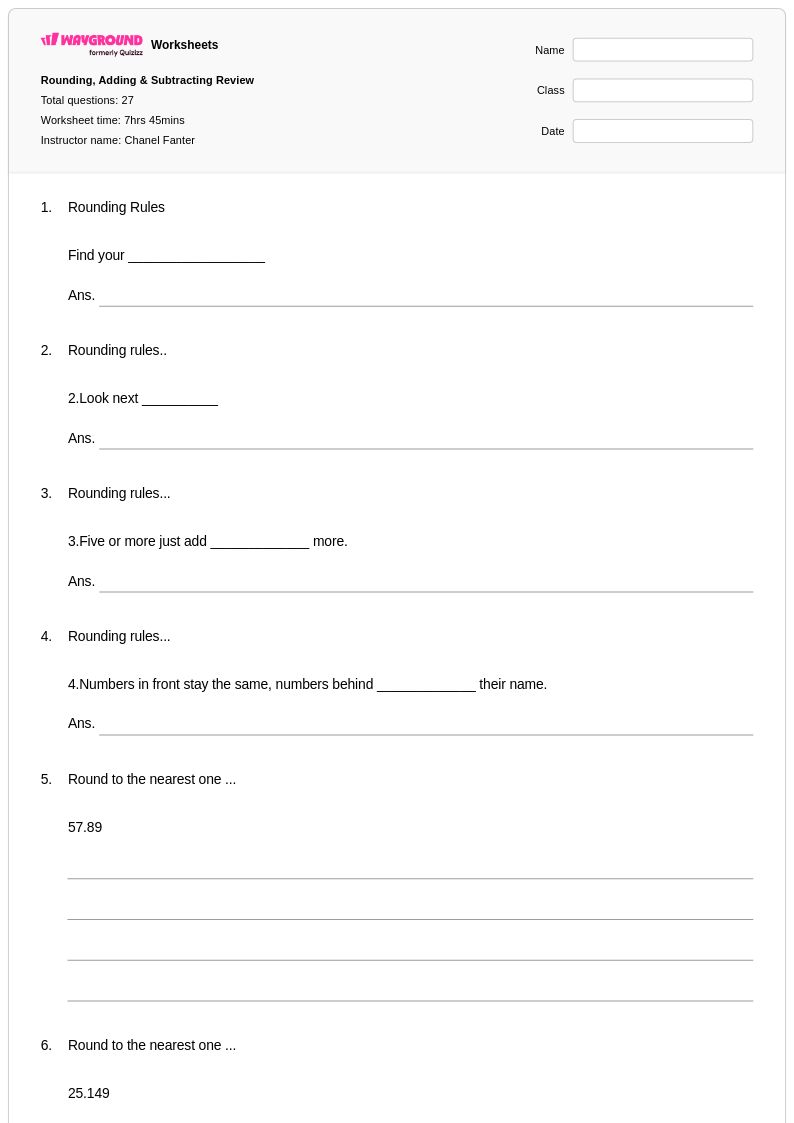
27 Q
5th
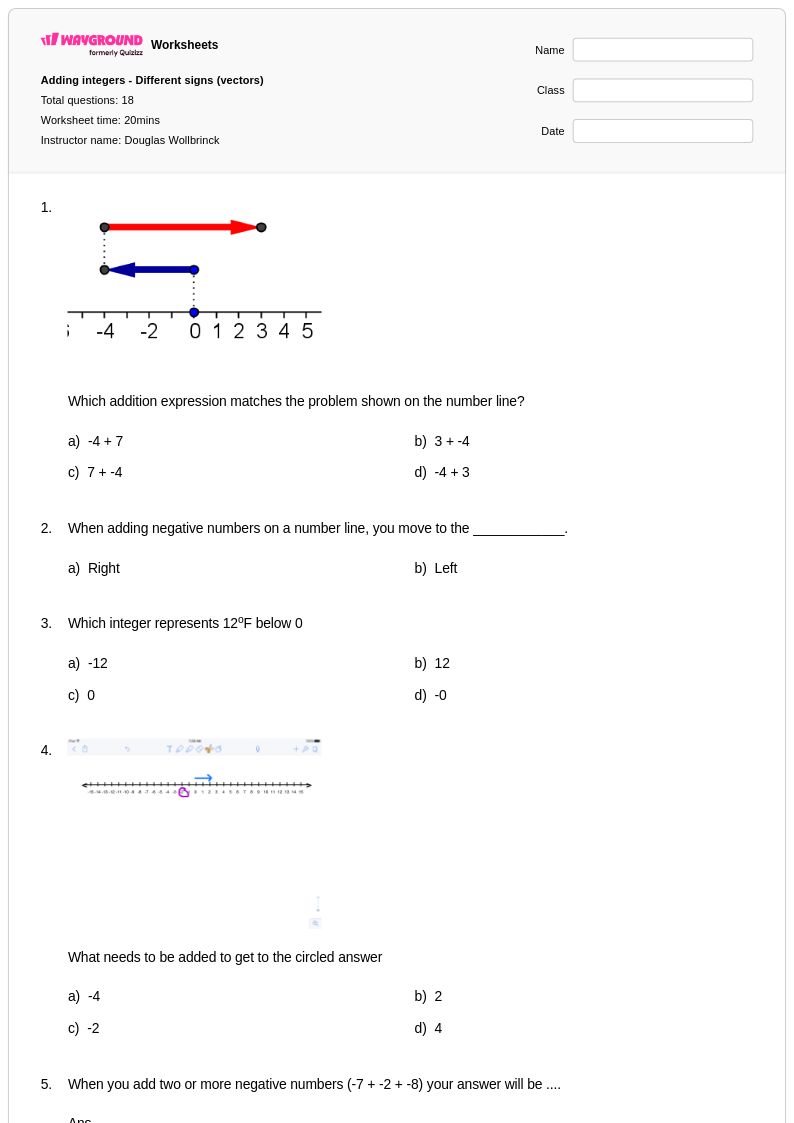
18 Q
7th
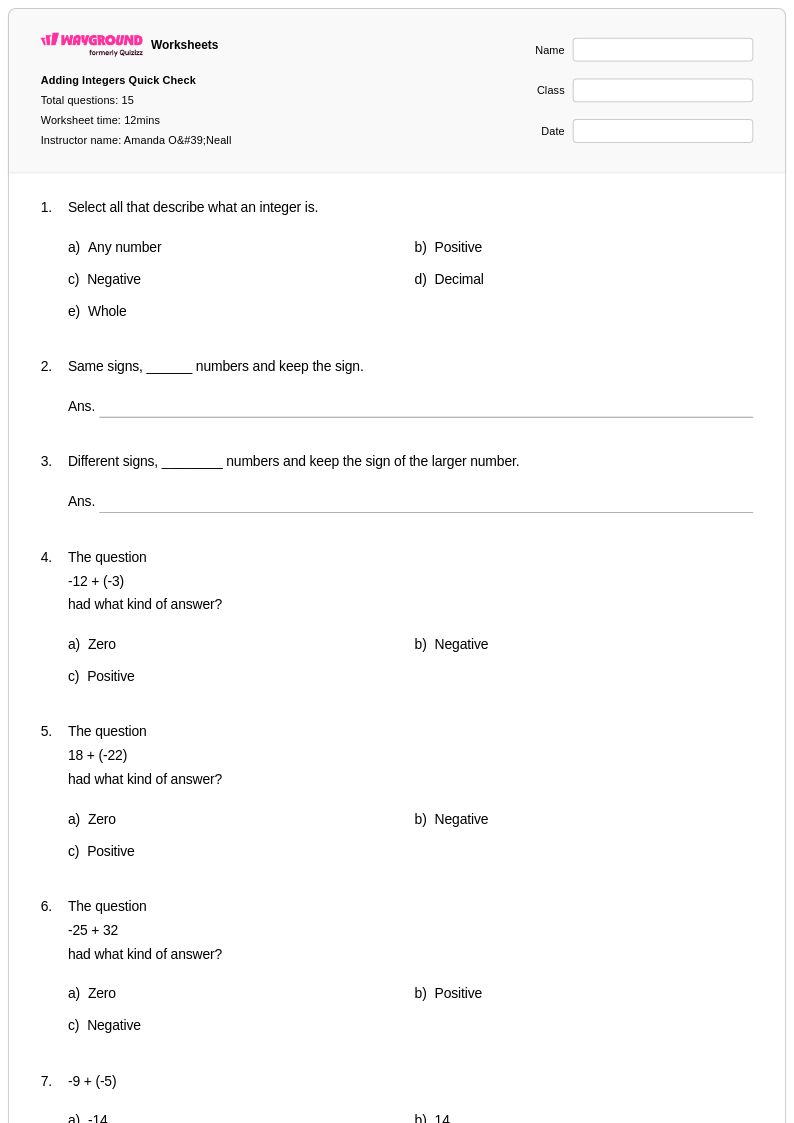
15 Q
7th
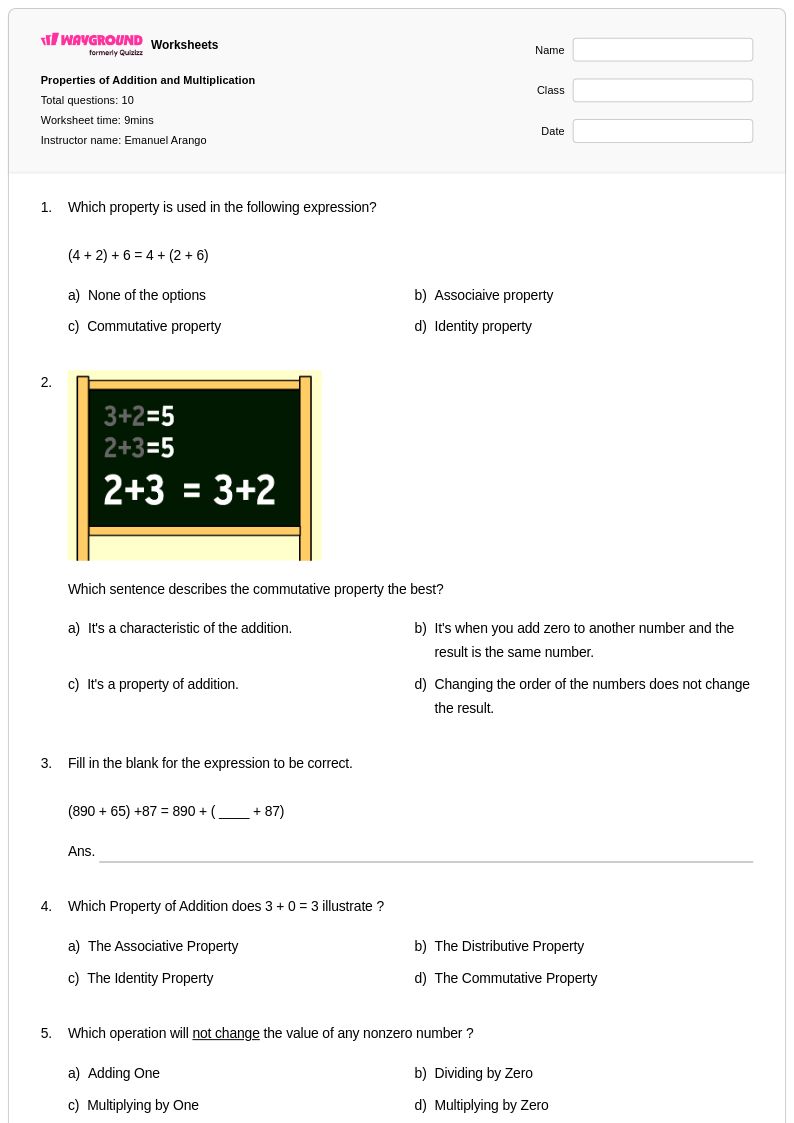
10 Q
5th
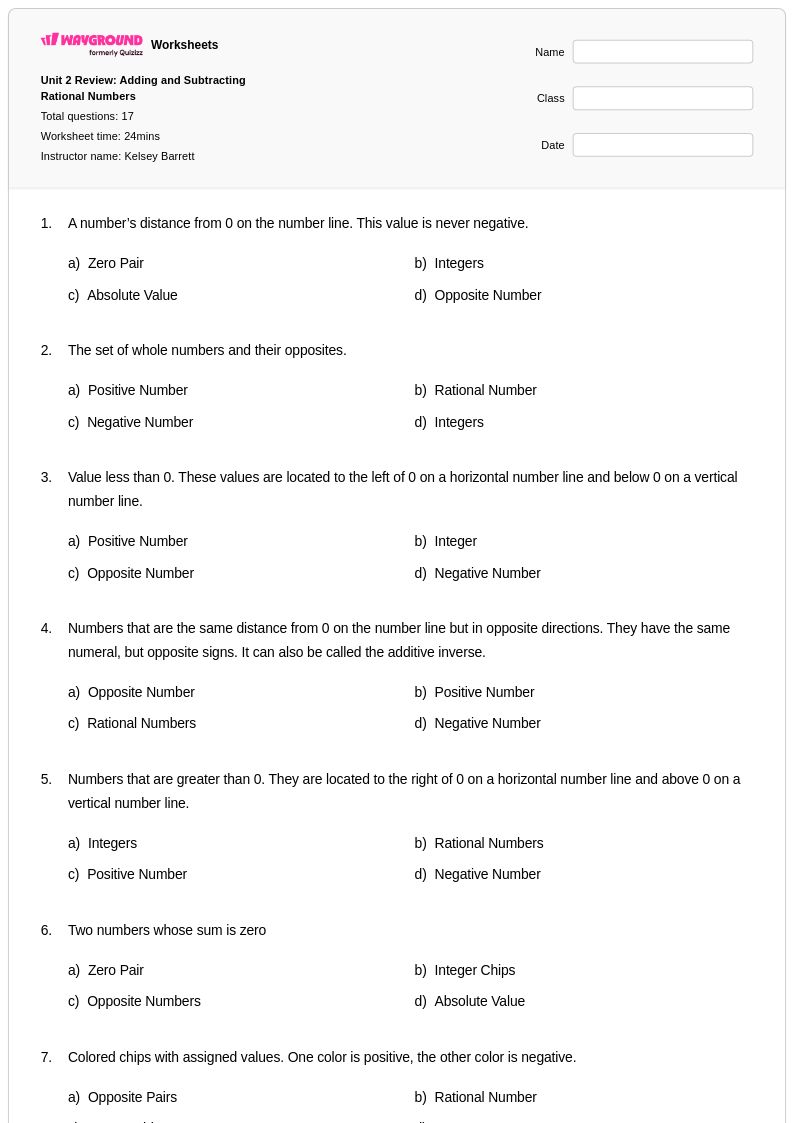
17 Q
7th

19 Q
7th - Uni
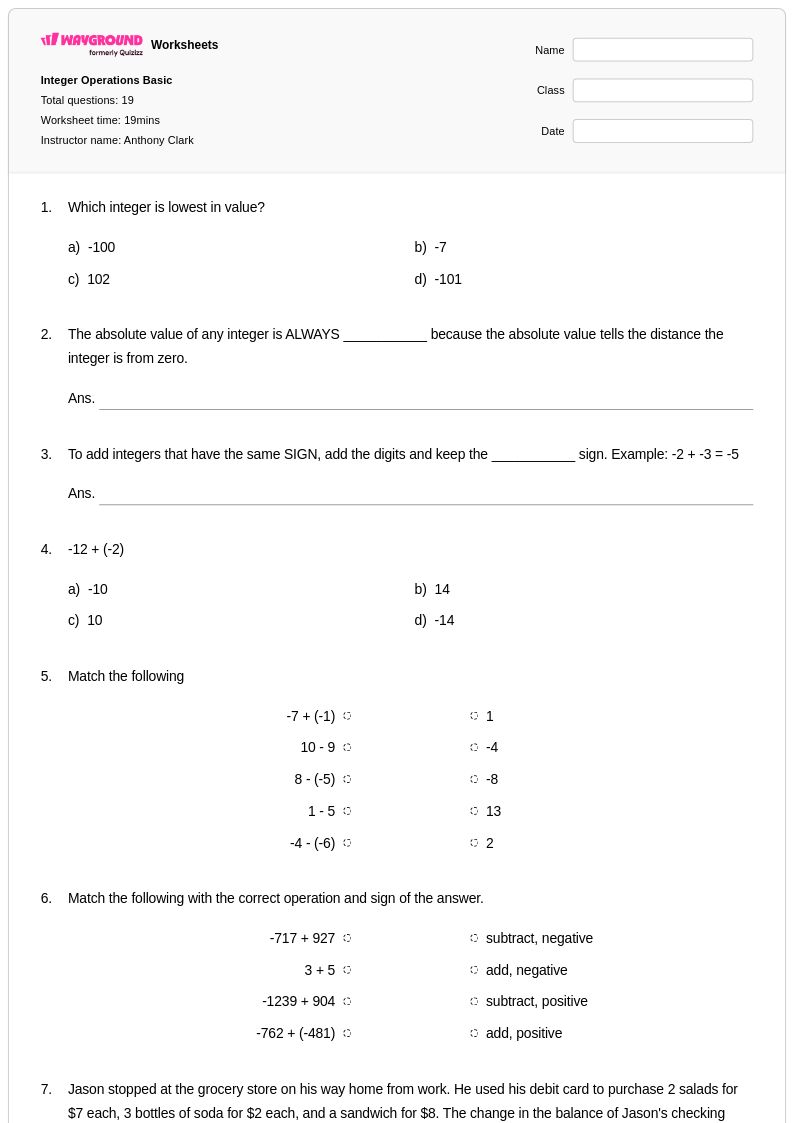
19 Q
6th - Uni
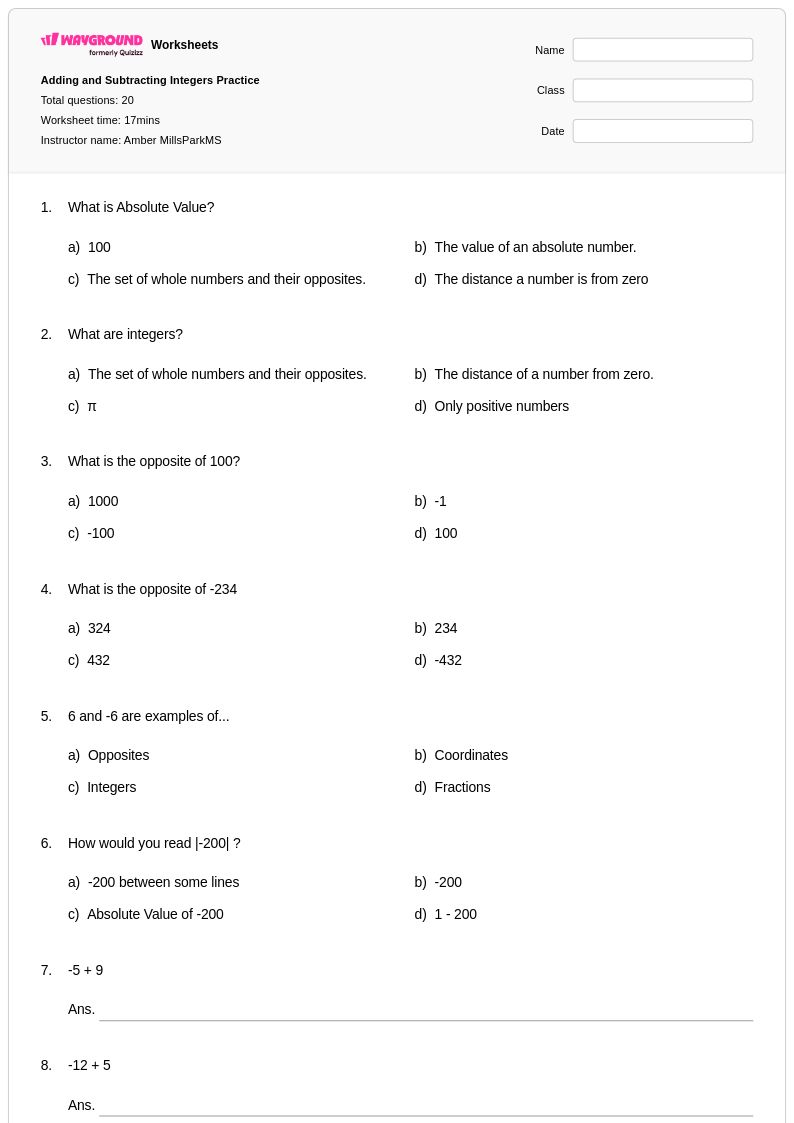
20 Q
6th
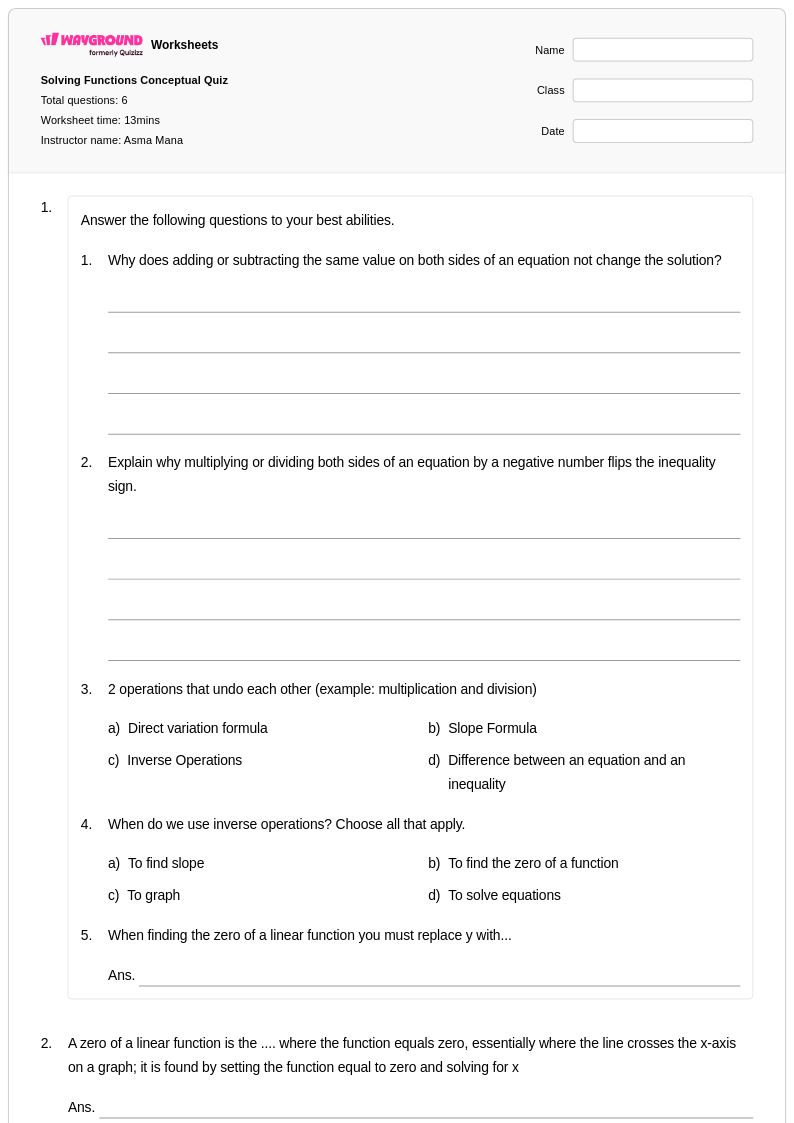
11 Q
9th - 12th
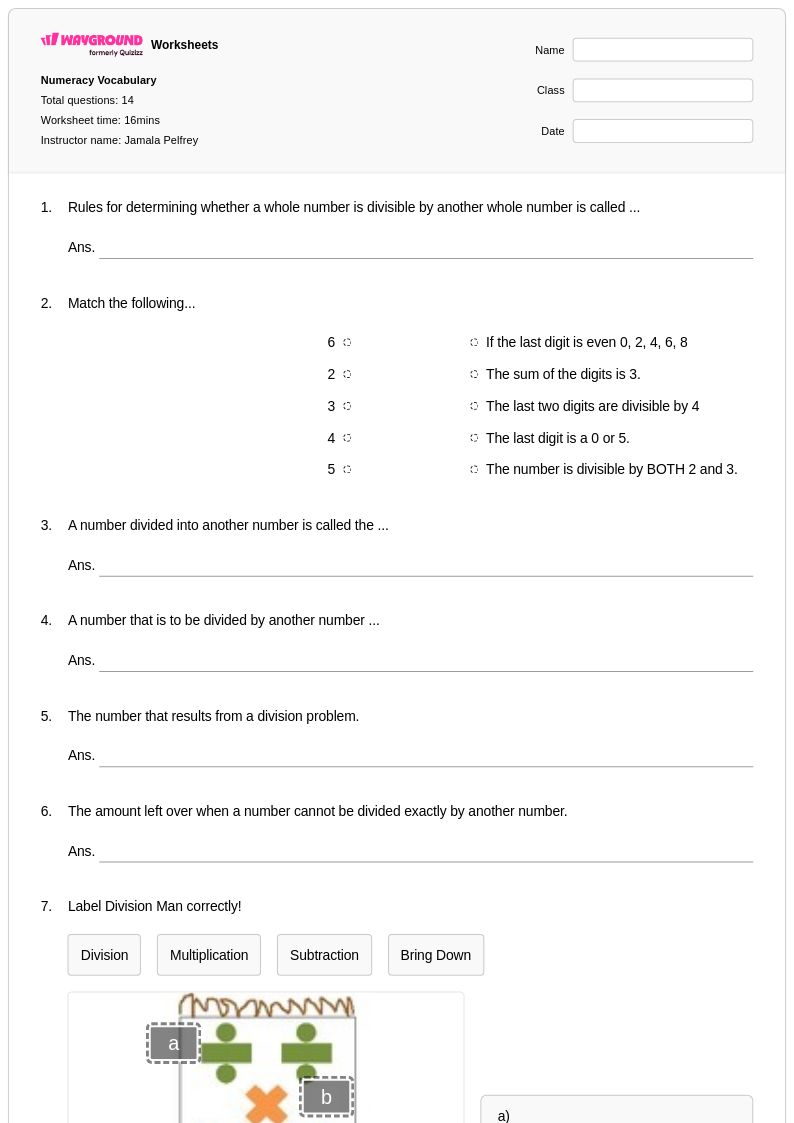
14 Q
6th
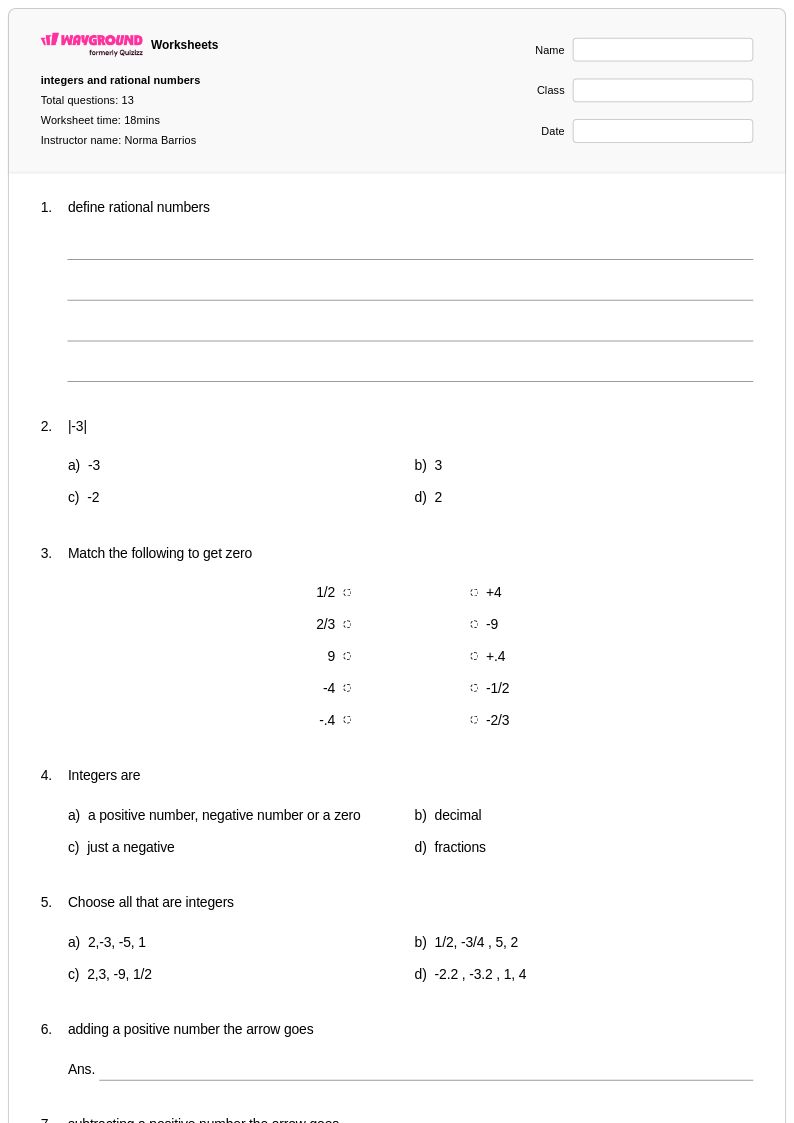
13 Q
7th
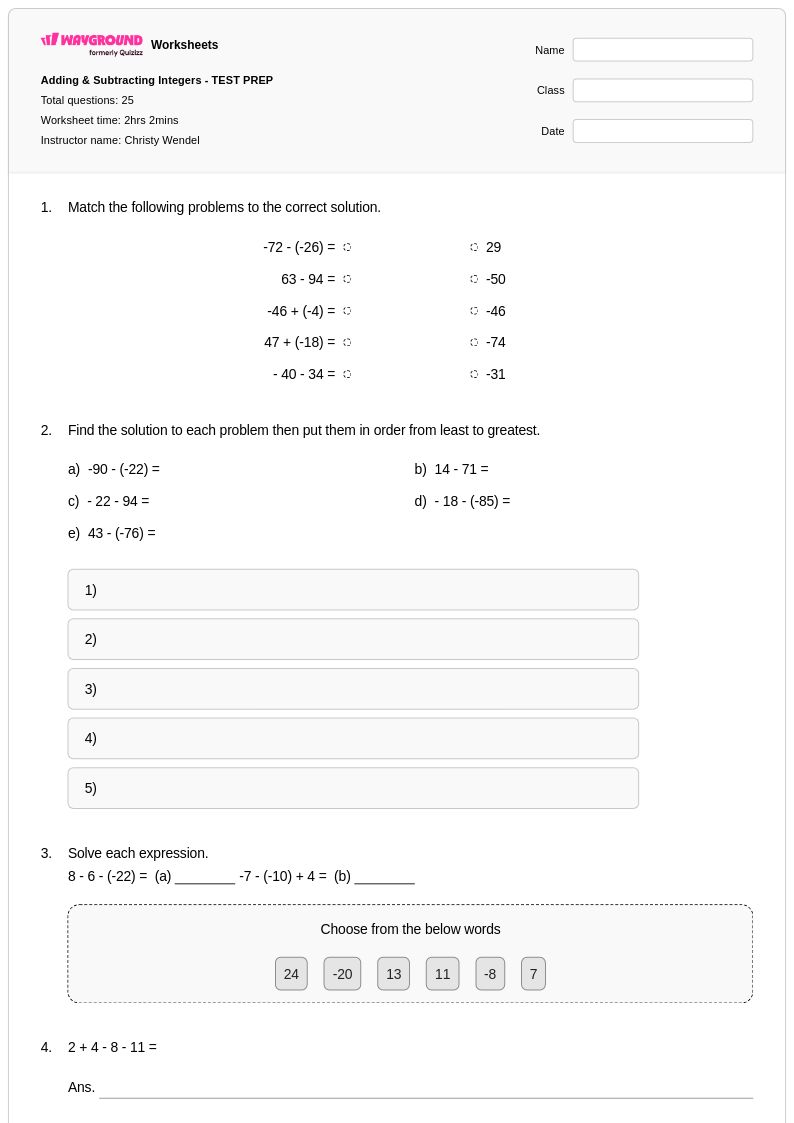
25 Q
6th
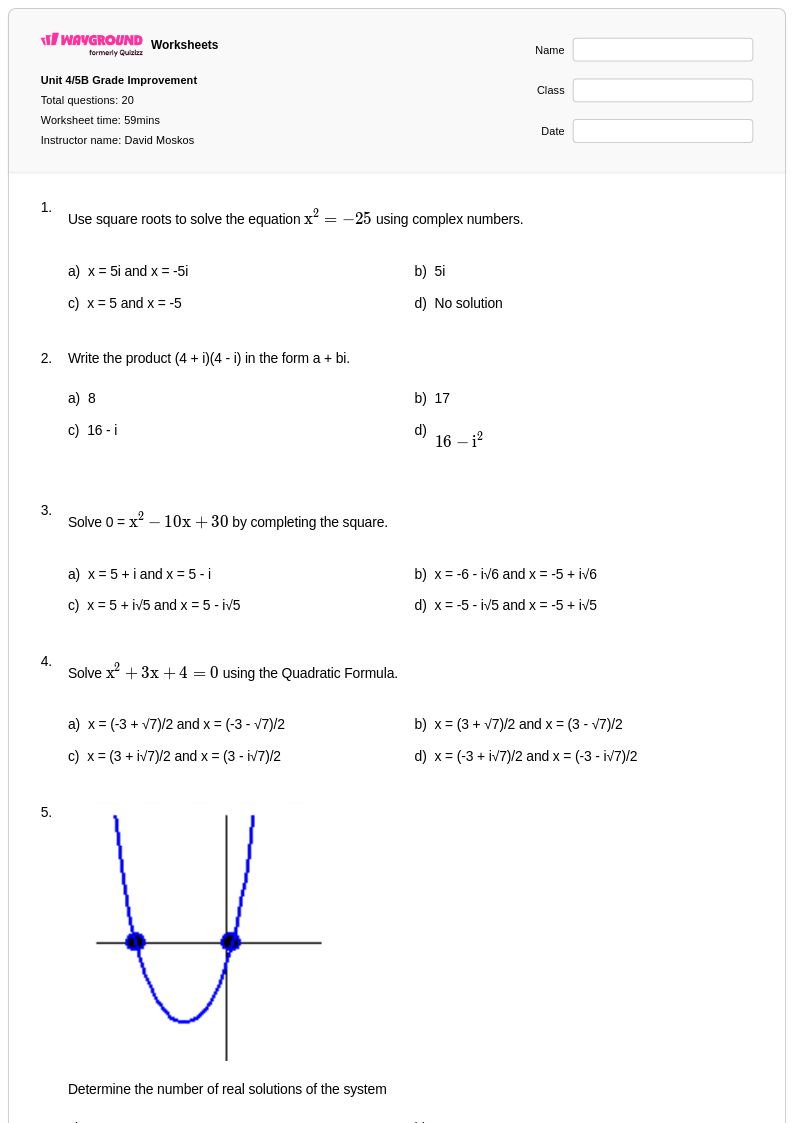
20 Q
10th
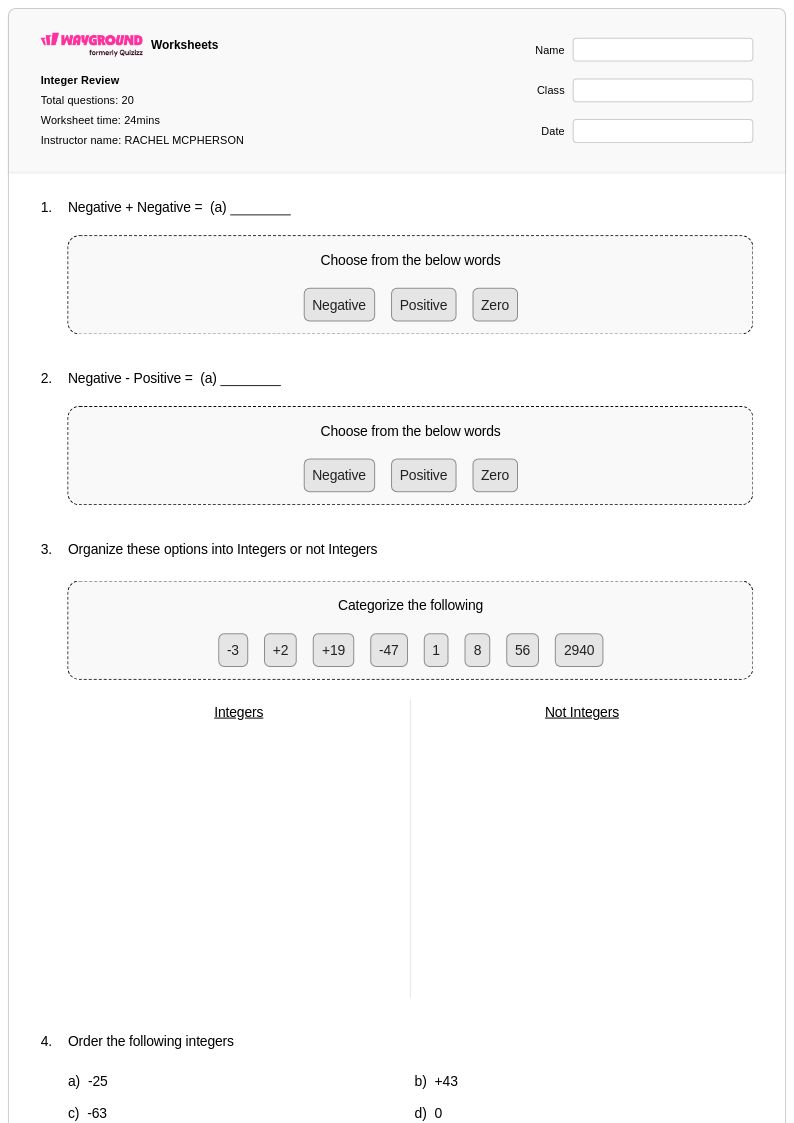
20 Q
7th
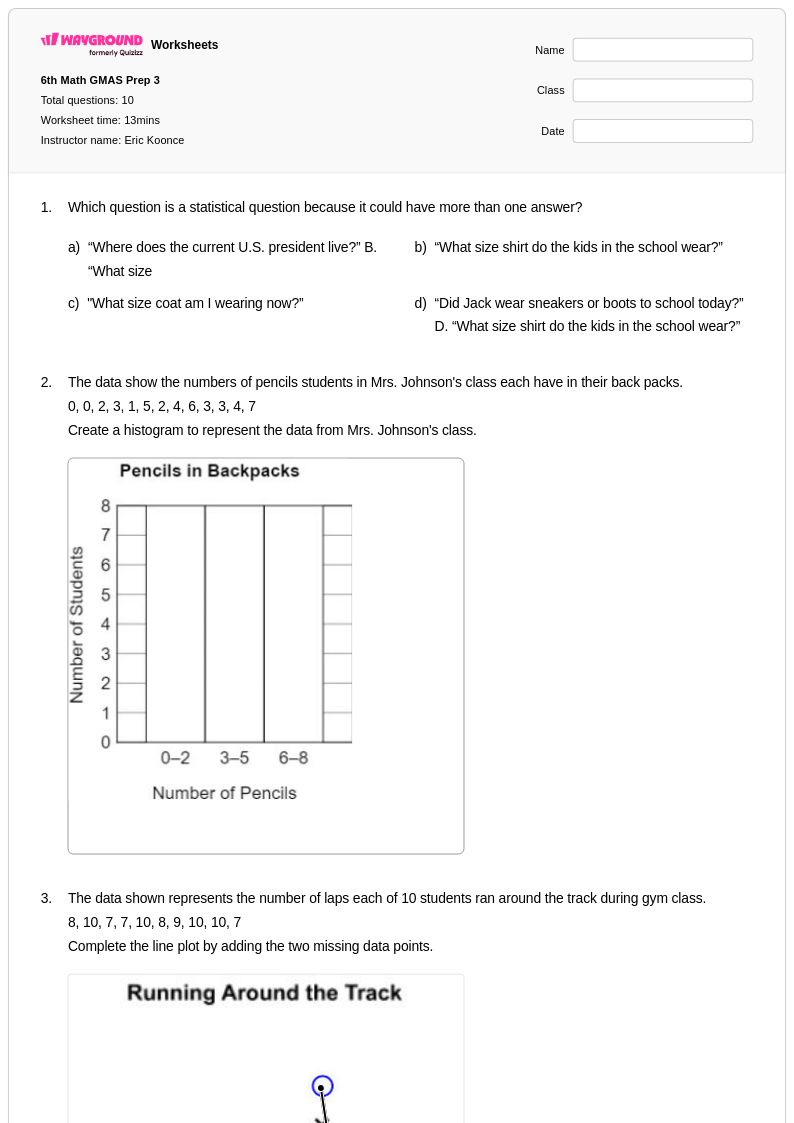
10 Q
6th
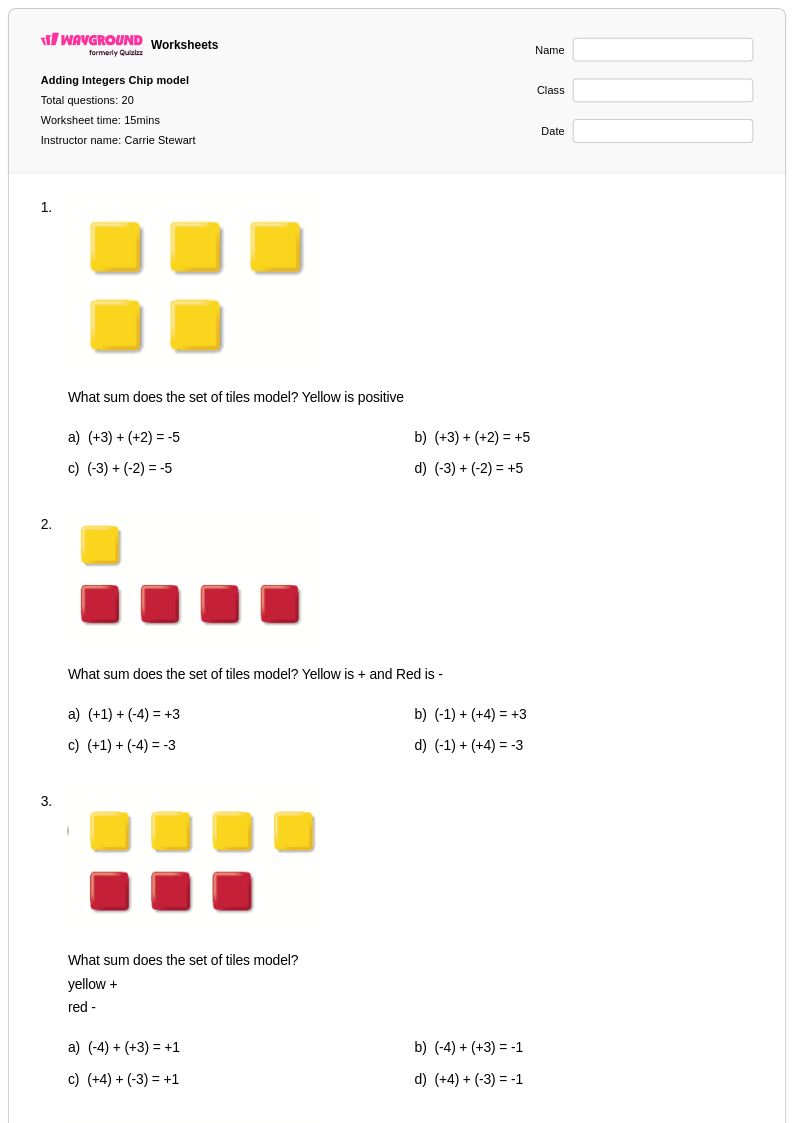
20 Q
6th - 7th
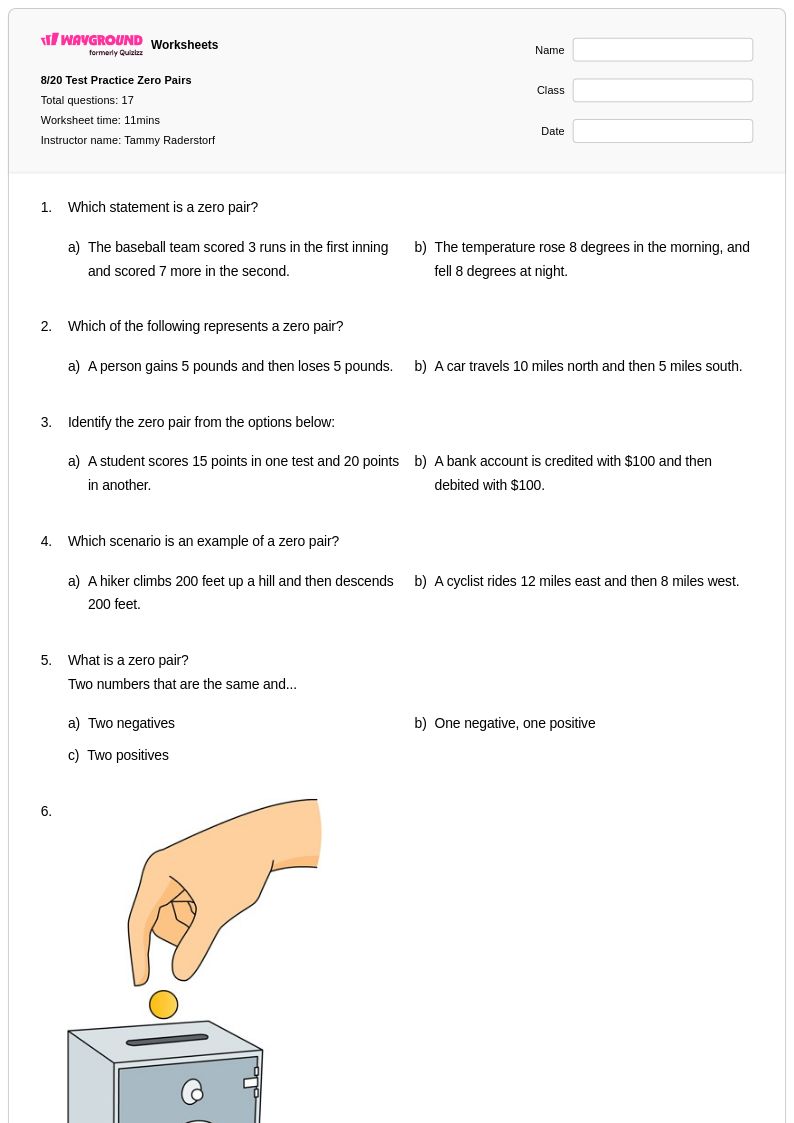
17 Q
7th
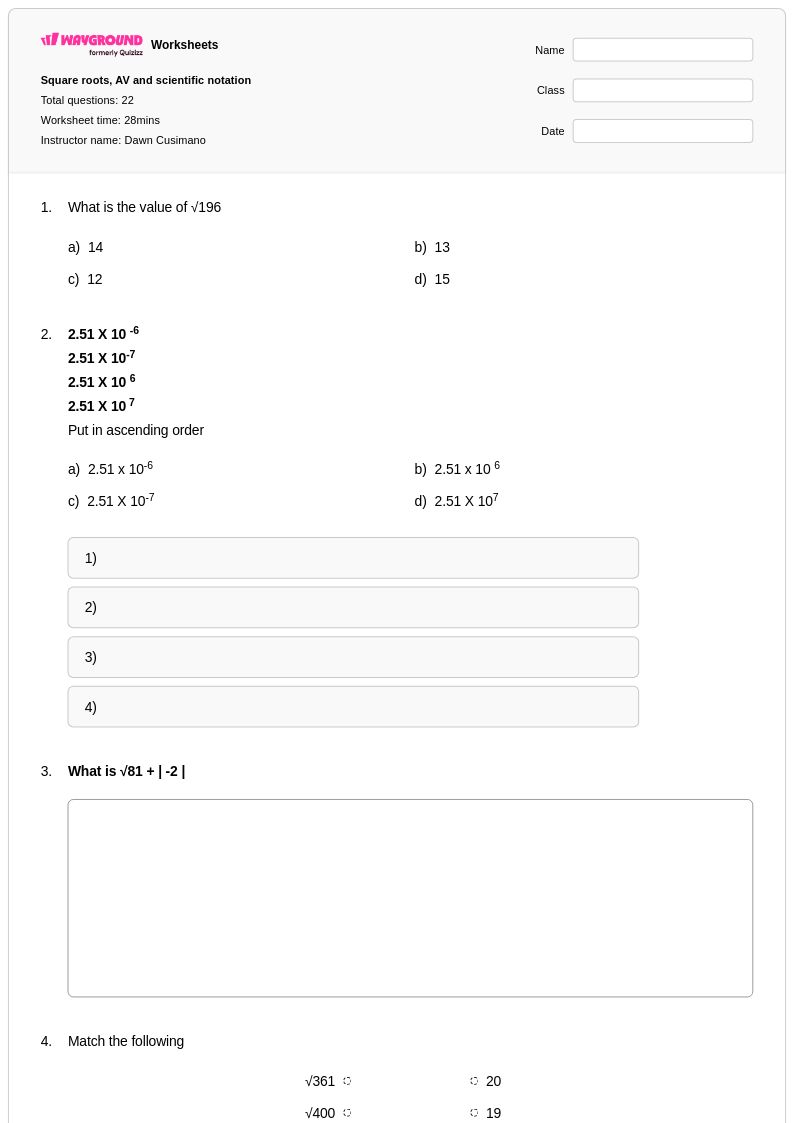
22 Q
7th
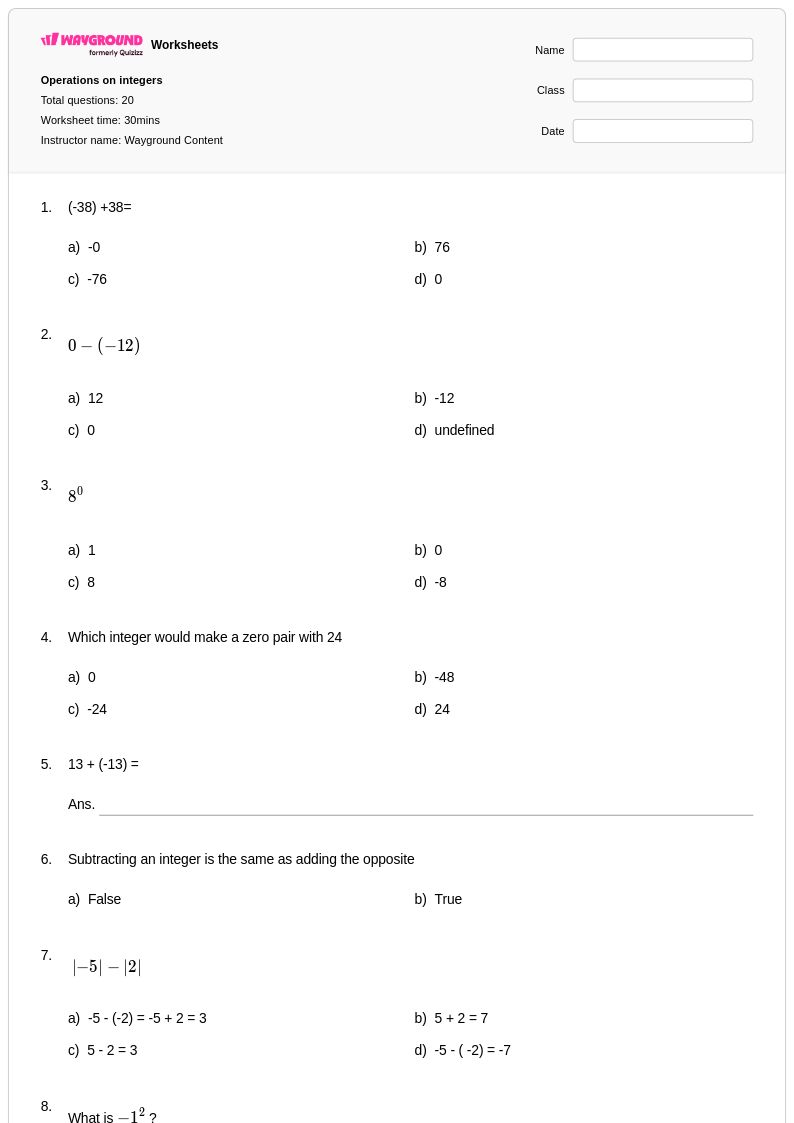
20 Q
7th
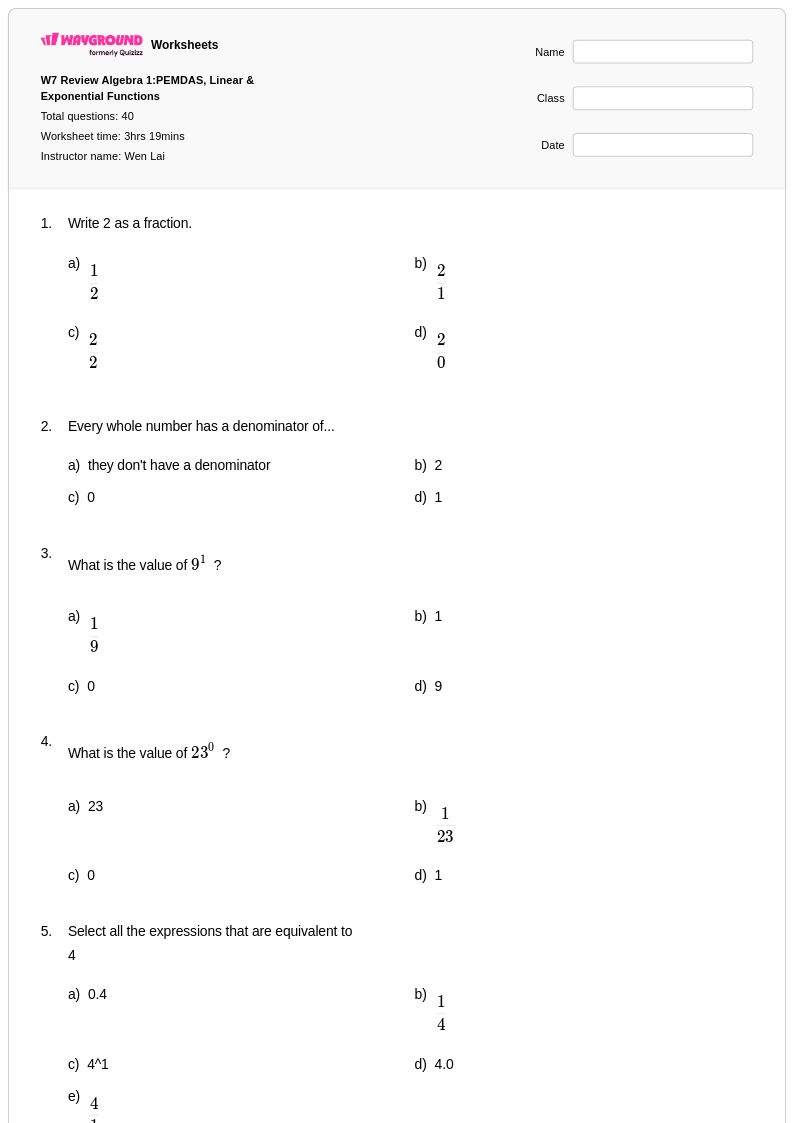
40 Q
9th
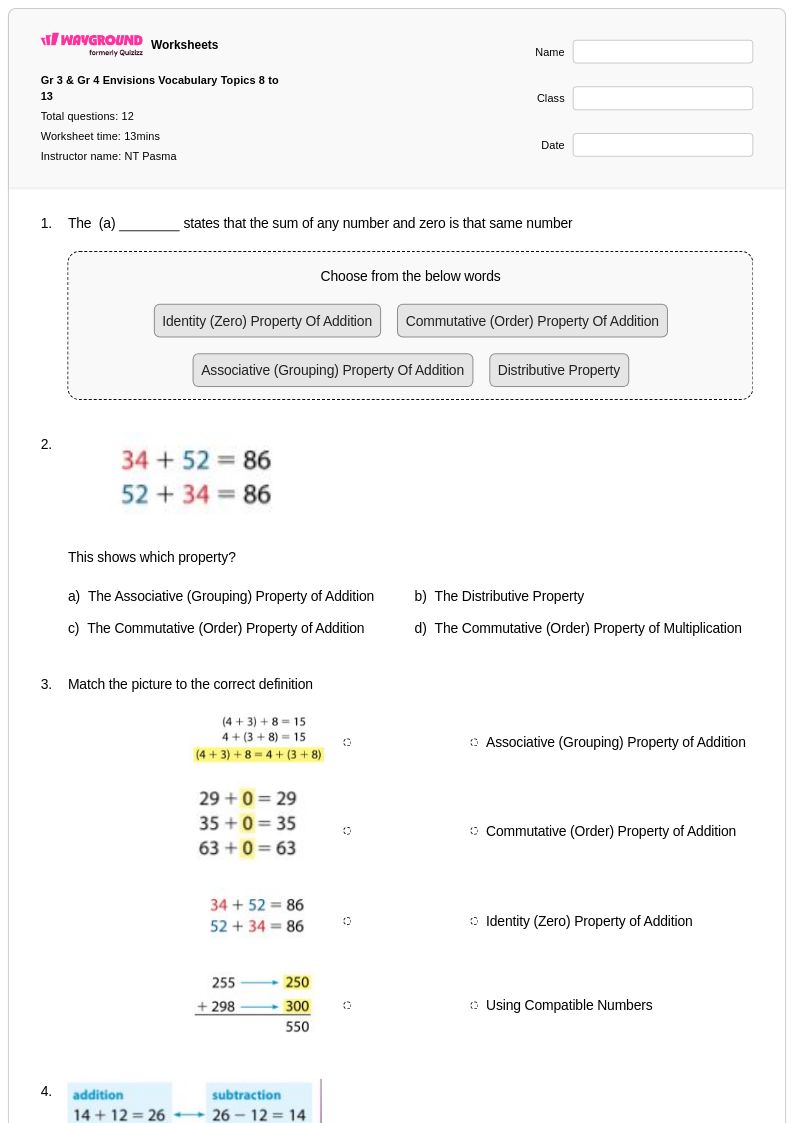
12 Q
3rd
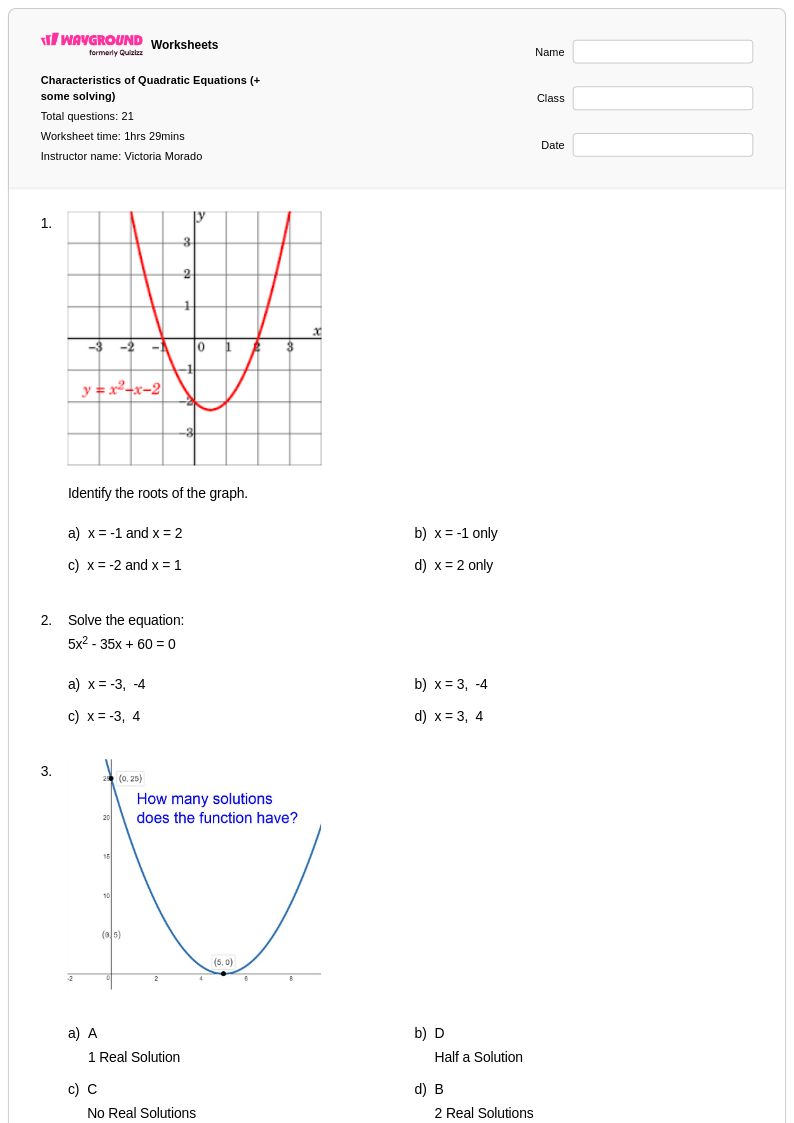
21 Q
9th
Explore Other Subject Worksheets for kindergarten
Explore printable Adding Zero worksheets for Kindergarten
Adding zero worksheets for kindergarten students available through Wayground (formerly Quizizz) introduce young learners to this fundamental mathematical concept that serves as a cornerstone for future arithmetic understanding. These carefully designed printables help kindergarten students grasp that adding zero to any number leaves that number unchanged, a critical mathematical property that strengthens number sense and prepares children for more complex addition concepts. The practice problems featured in these free worksheets use age-appropriate visual representations, manipulatives, and simple number sentences that make abstract mathematical thinking concrete and accessible for developing minds. Each worksheet comes with a comprehensive answer key that enables teachers and parents to provide immediate feedback, while the pdf format ensures consistent formatting and easy distribution for classroom or home use.
Wayground (formerly Quizizz) empowers educators with an extensive collection of millions of teacher-created resources specifically designed to support kindergarten mathematics instruction, including comprehensive adding zero worksheet sets that align with early learning standards. The platform's robust search and filtering capabilities allow teachers to quickly locate materials that match their specific instructional needs, while built-in differentiation tools help accommodate diverse learning styles and abilities within the kindergarten classroom. These customizable worksheets are available in both printable and digital formats, giving educators the flexibility to seamlessly integrate adding zero practice into various instructional settings, whether for whole-group lessons, small-group remediation, individual skill practice, or enrichment activities that challenge advanced learners to explore mathematical patterns and relationships.
FAQs
How do I teach kindergarten students to add zero?
What activities help kindergarten students practice adding zero?
What mistakes do kindergarten students make when adding zero?
How can I use this adding zero worksheet with my kindergarten class?
How does adding zero fit into the Common Core kindergarten math progression?
How can I differentiate adding zero practice in kindergarten?
Is adding zero appropriate for kindergarten?