
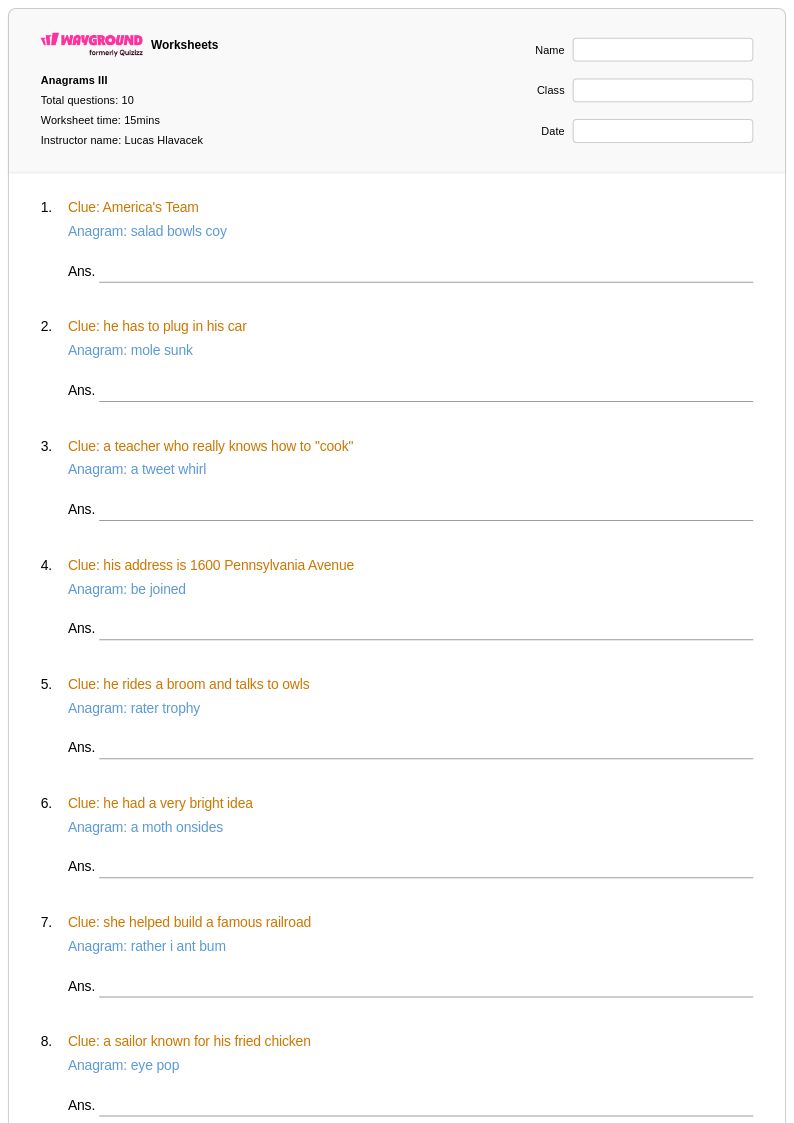
10 Q
6th - 8th
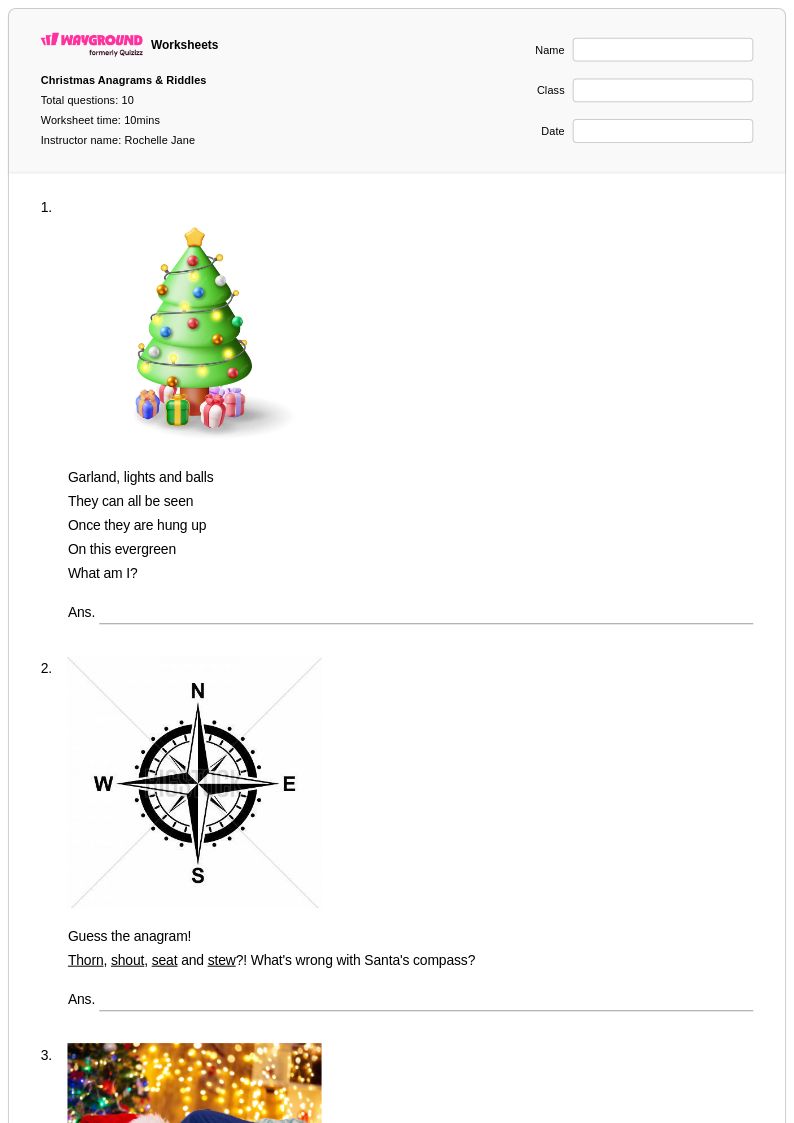
10 Q
7th
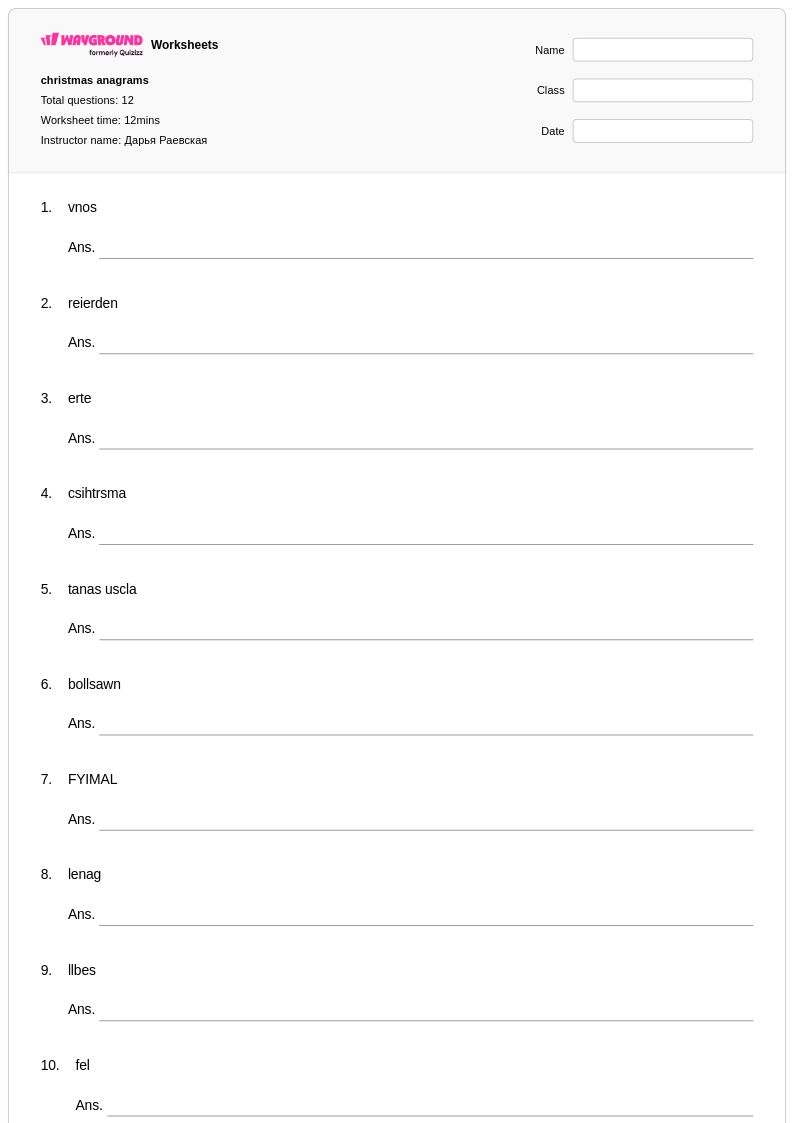
12 Q
1st - 12th
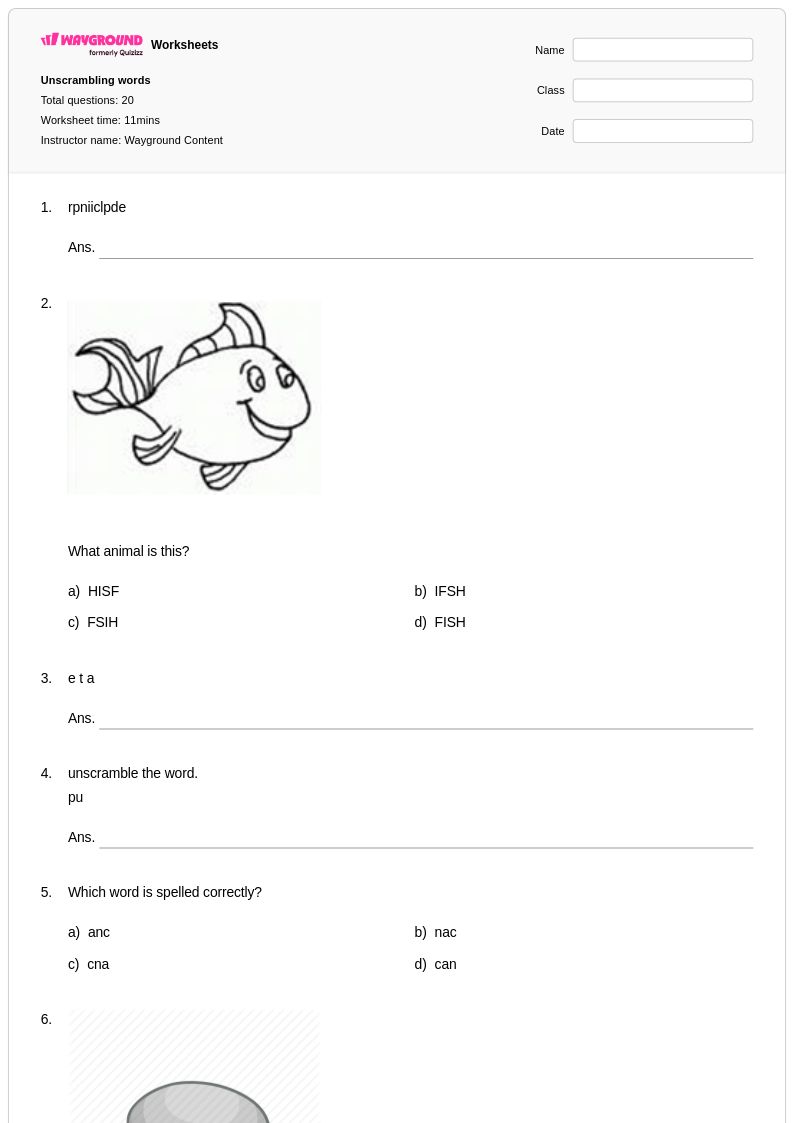
20 Q
4th - 8th
20 Q
4th - 8th
25 Q
5th - Uni
15 Q
2nd - Uni
20 Q
7th
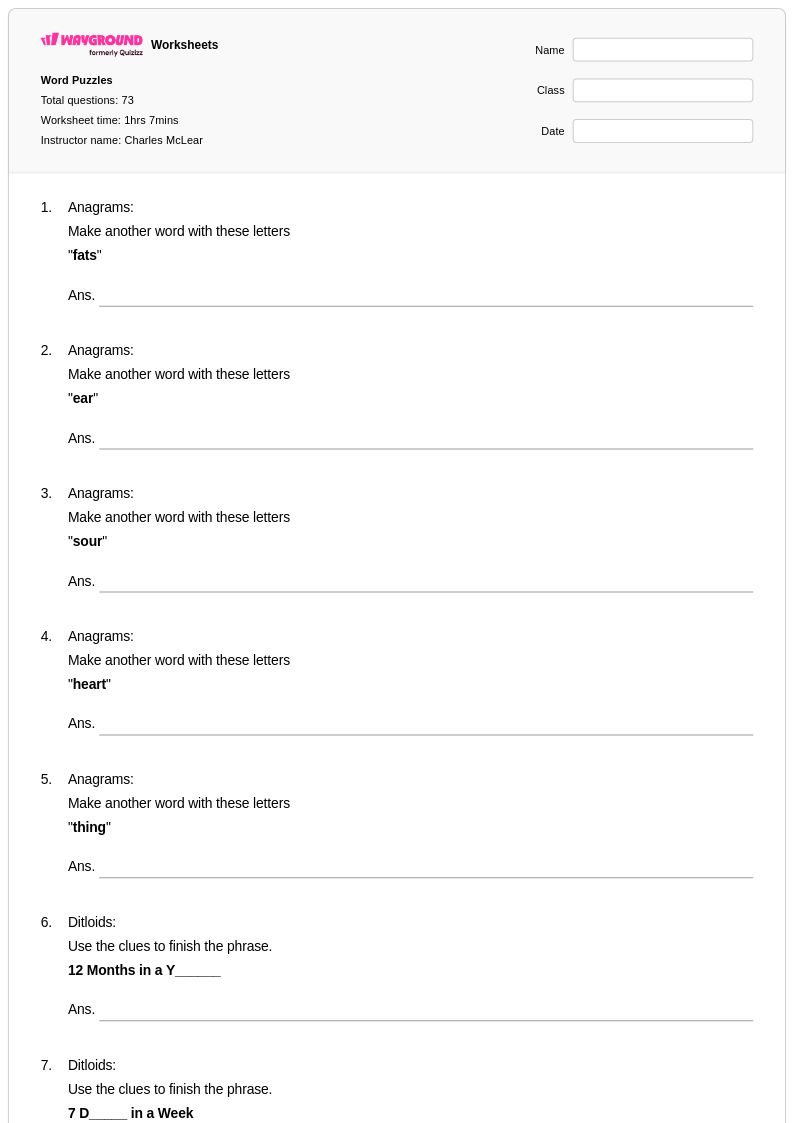
73 Q
7th - 12th
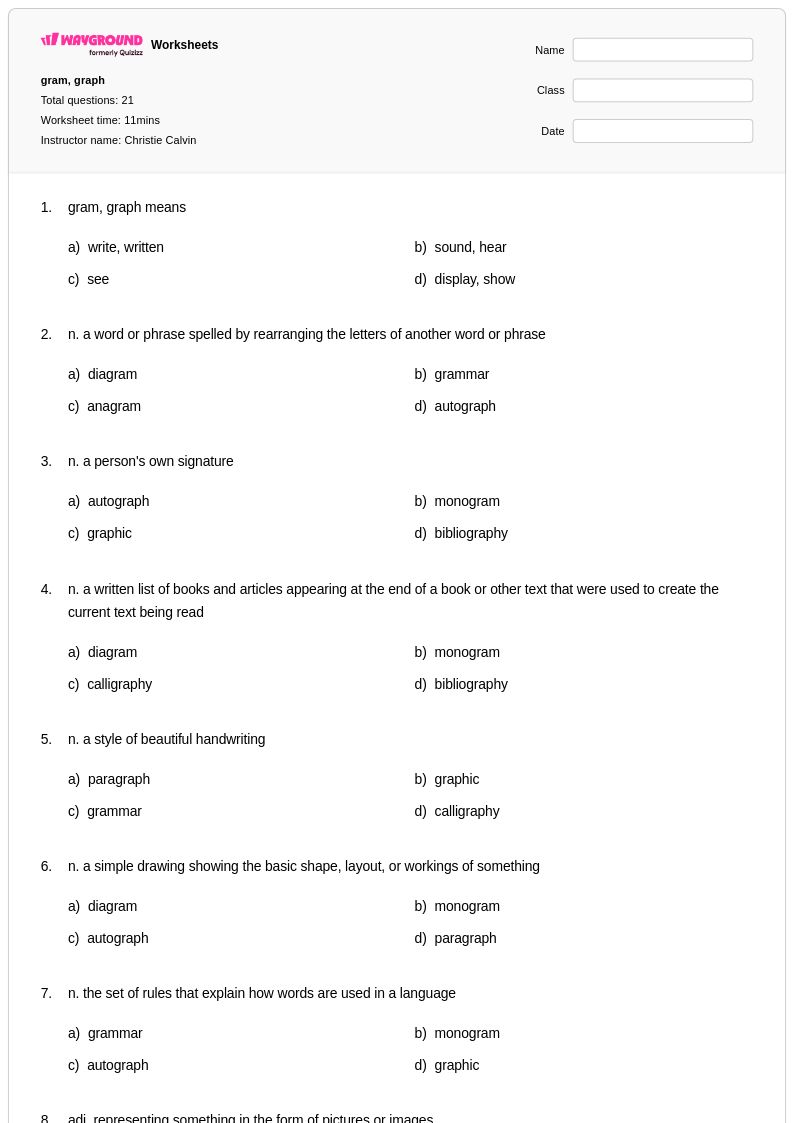
21 Q
4th - 7th
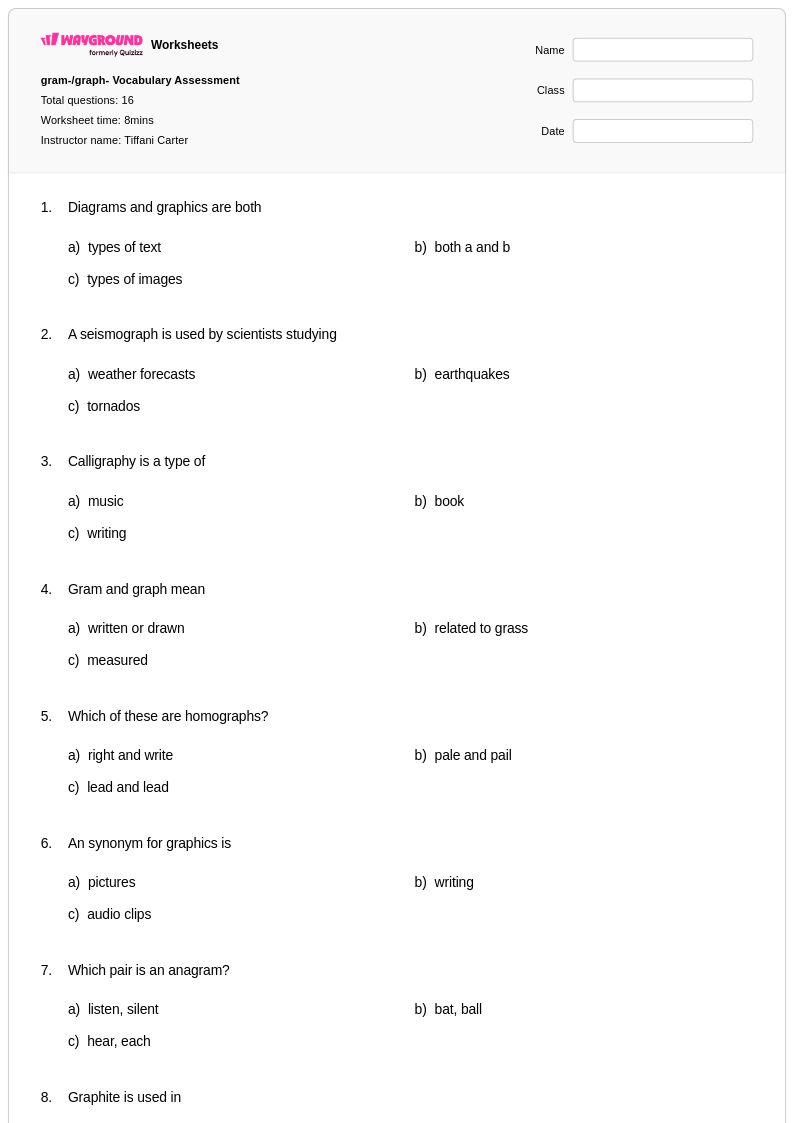
16 Q
7th
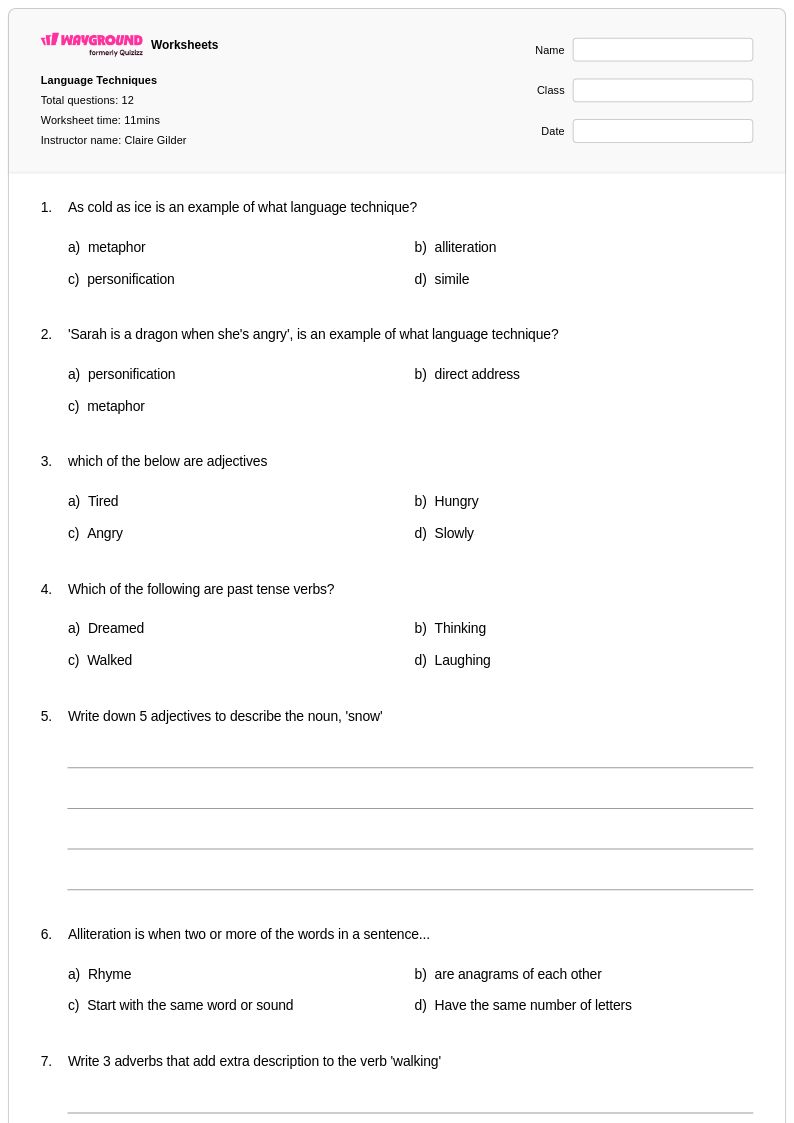
12 Q
6th - 11th
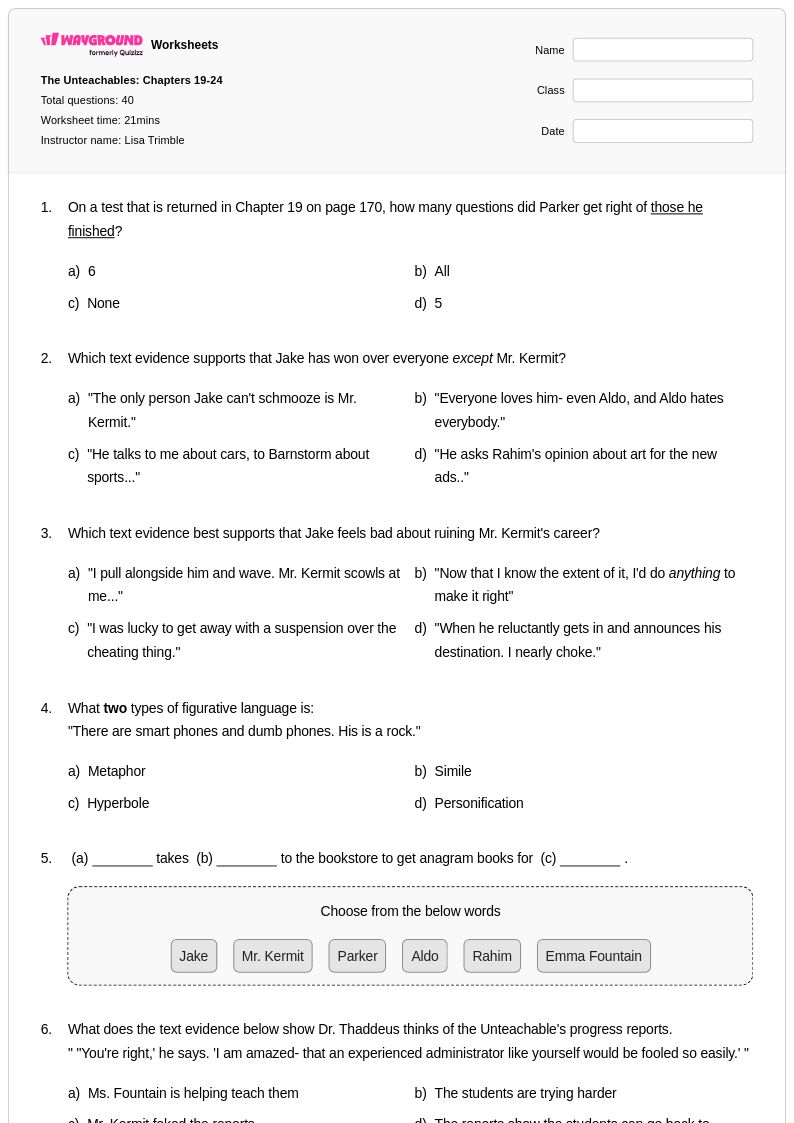
40 Q
6th - 8th
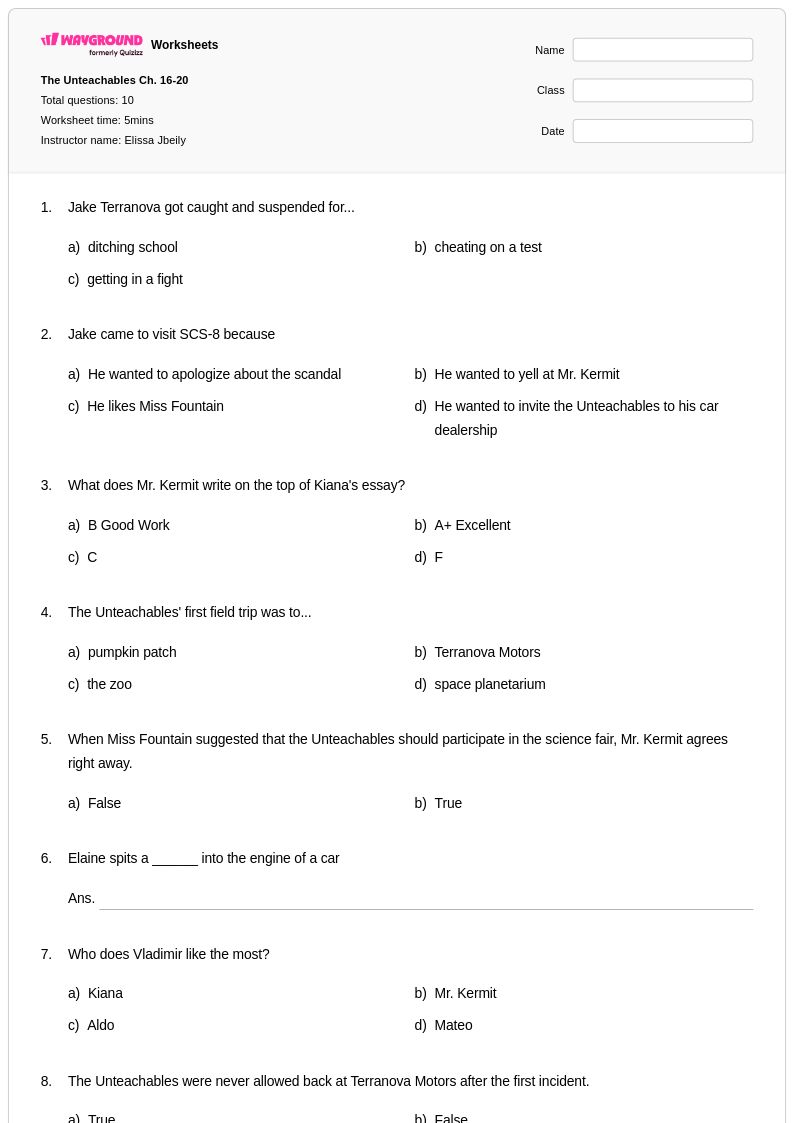
10 Q
4th - 8th
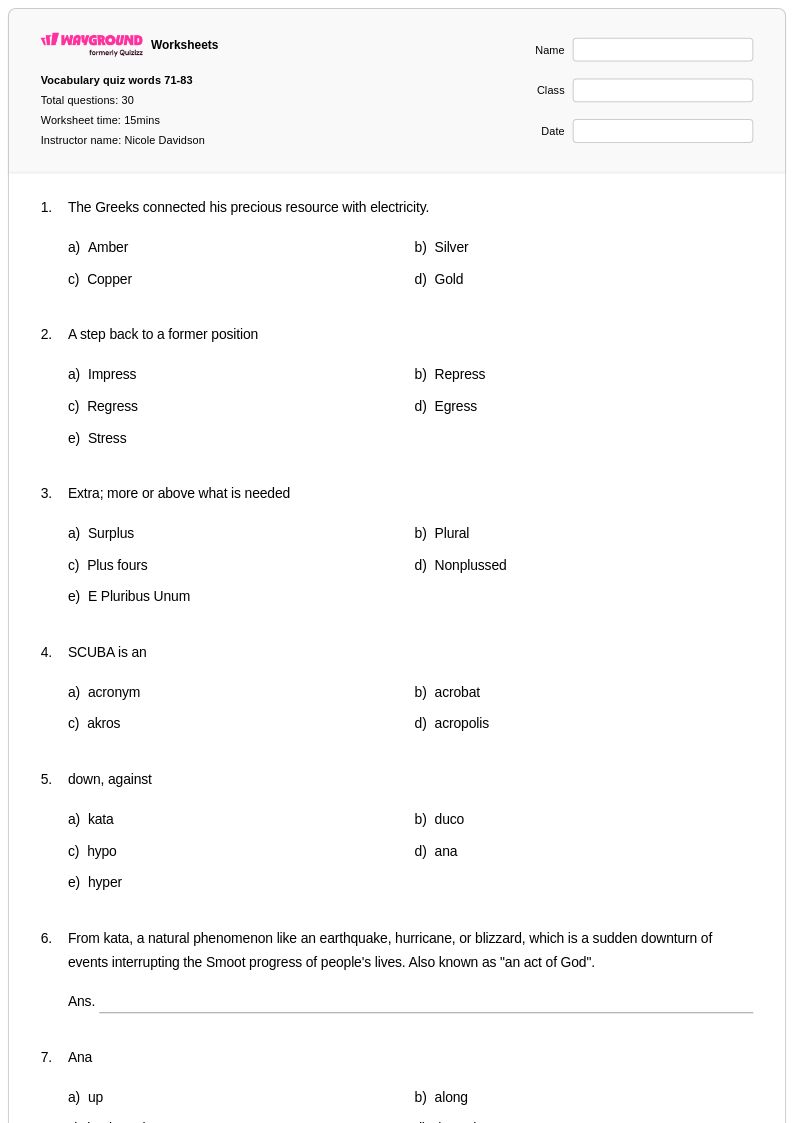
30 Q
1st - 12th
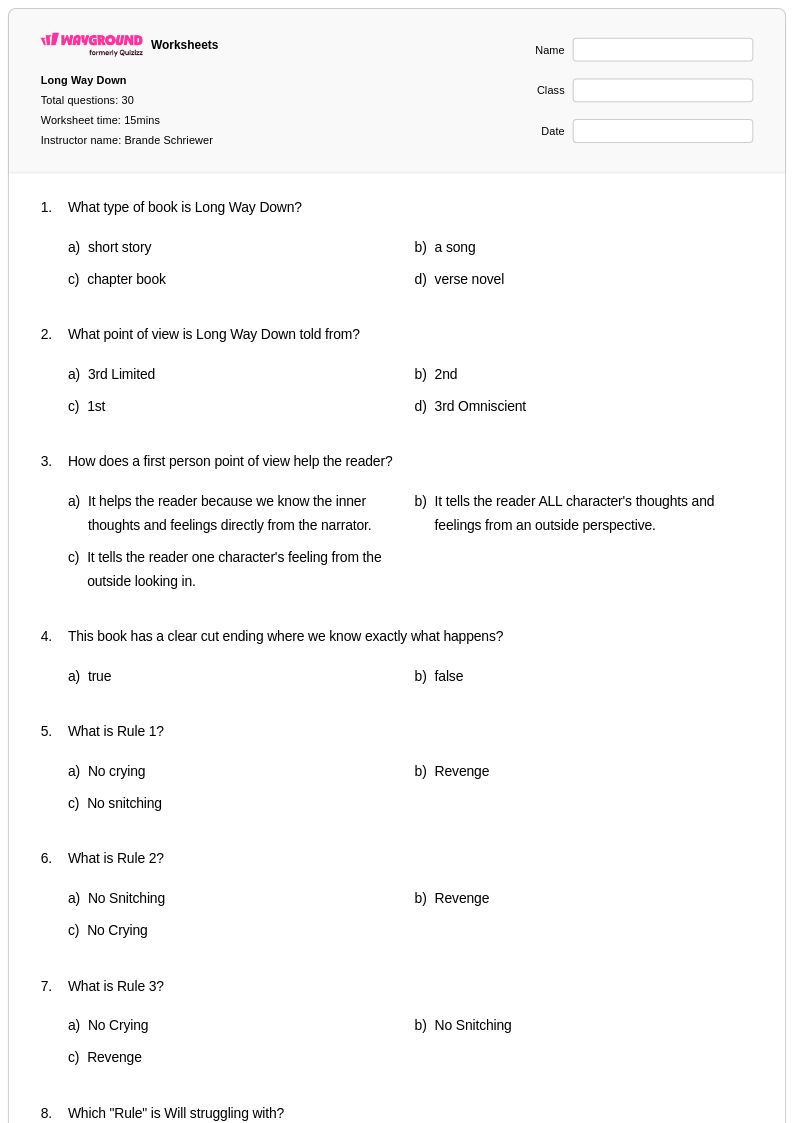
30 Q
6th - 8th
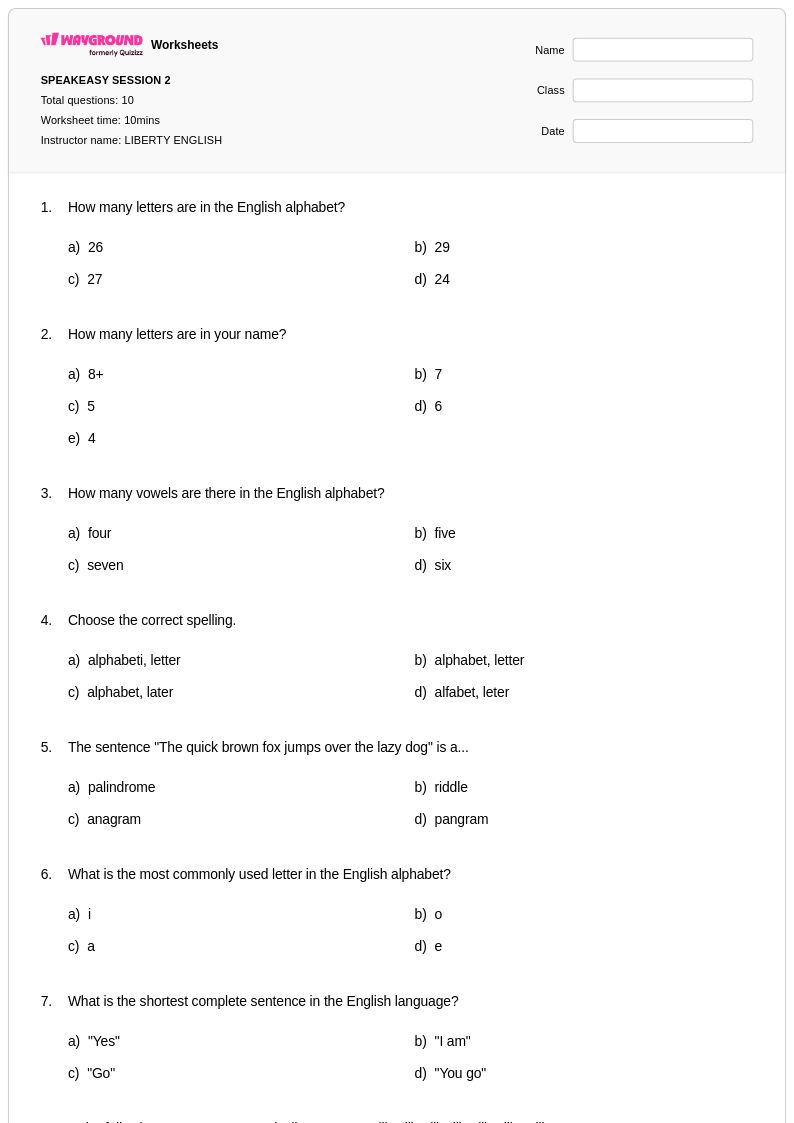
10 Q
5th - 10th
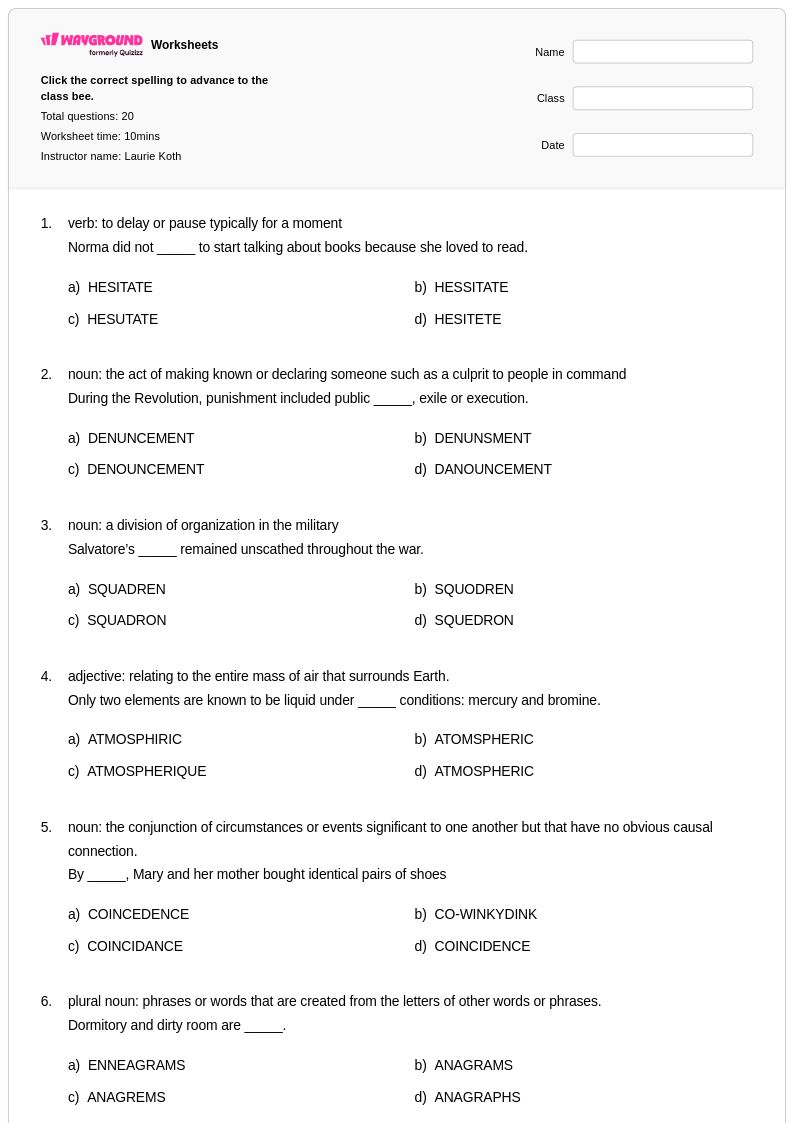
20 Q
7th
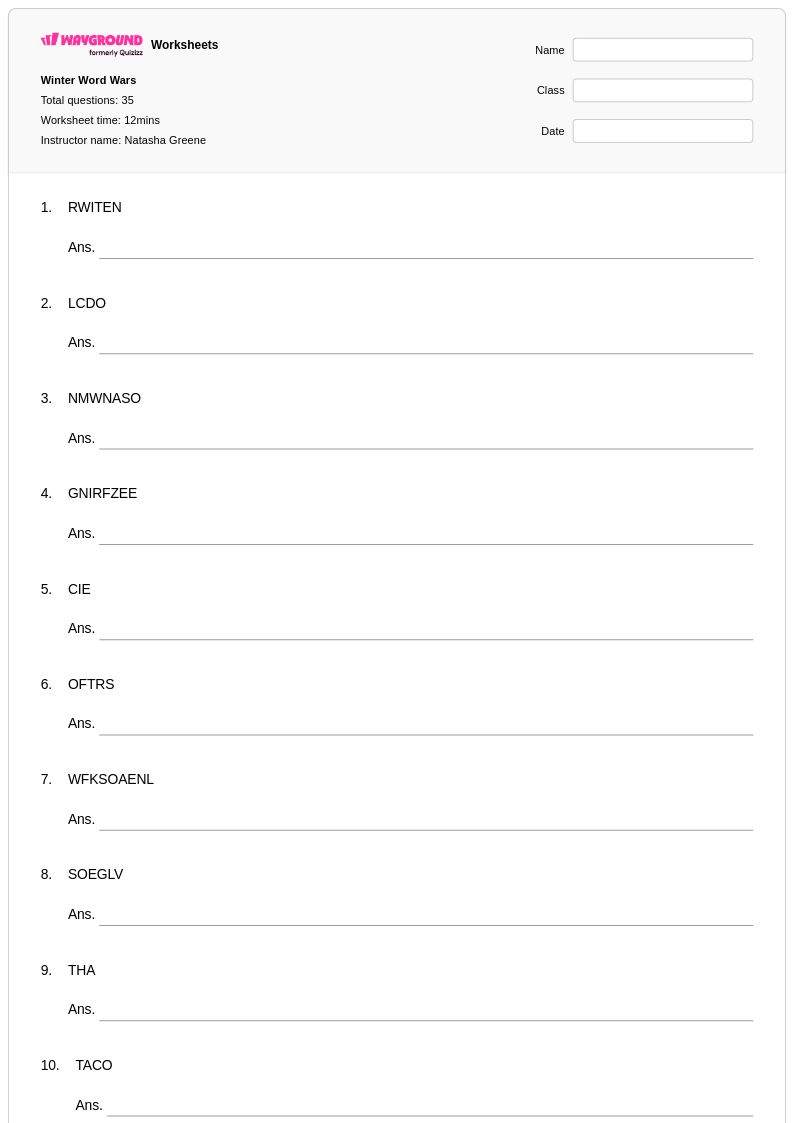
35 Q
5th - 12th
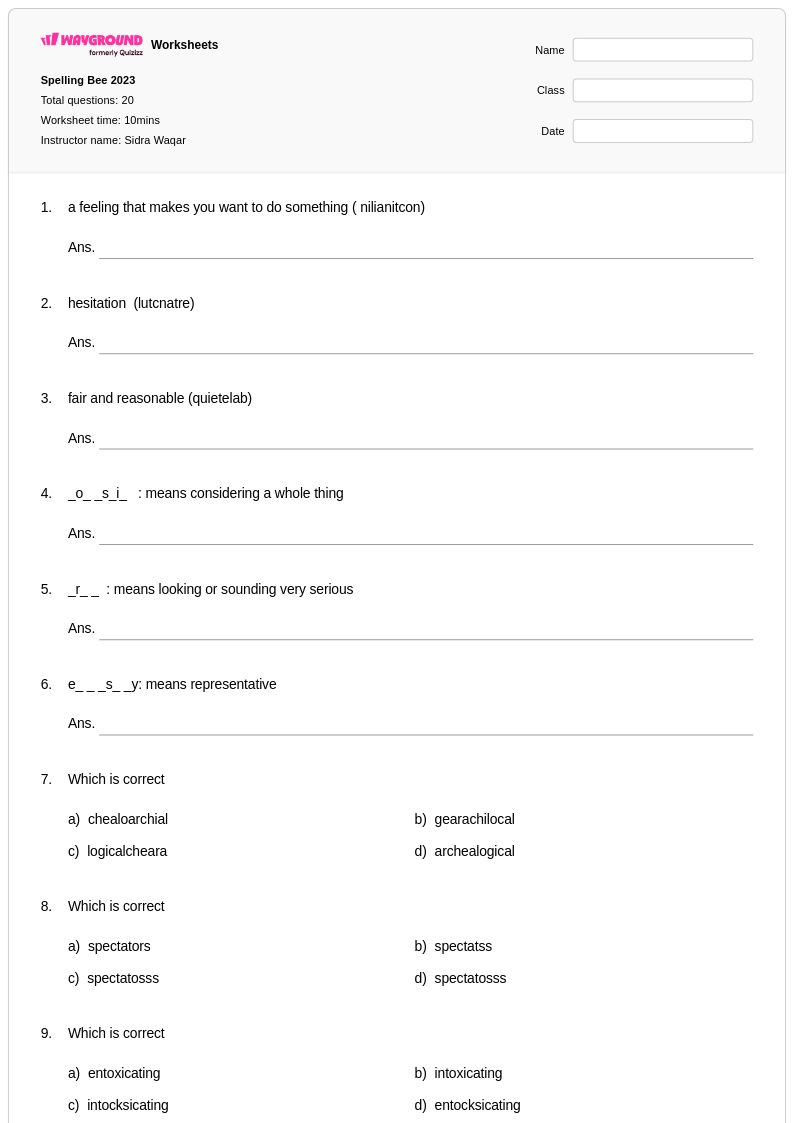
20 Q
7th
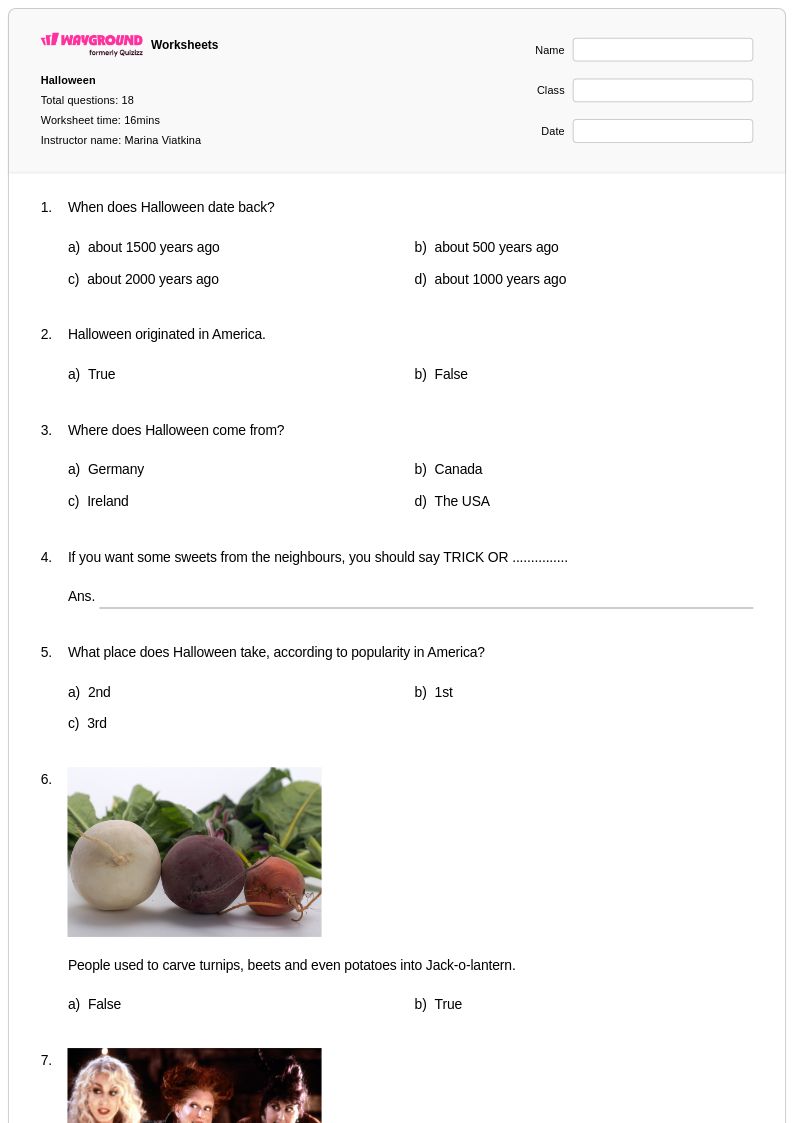
18 Q
6th - 8th
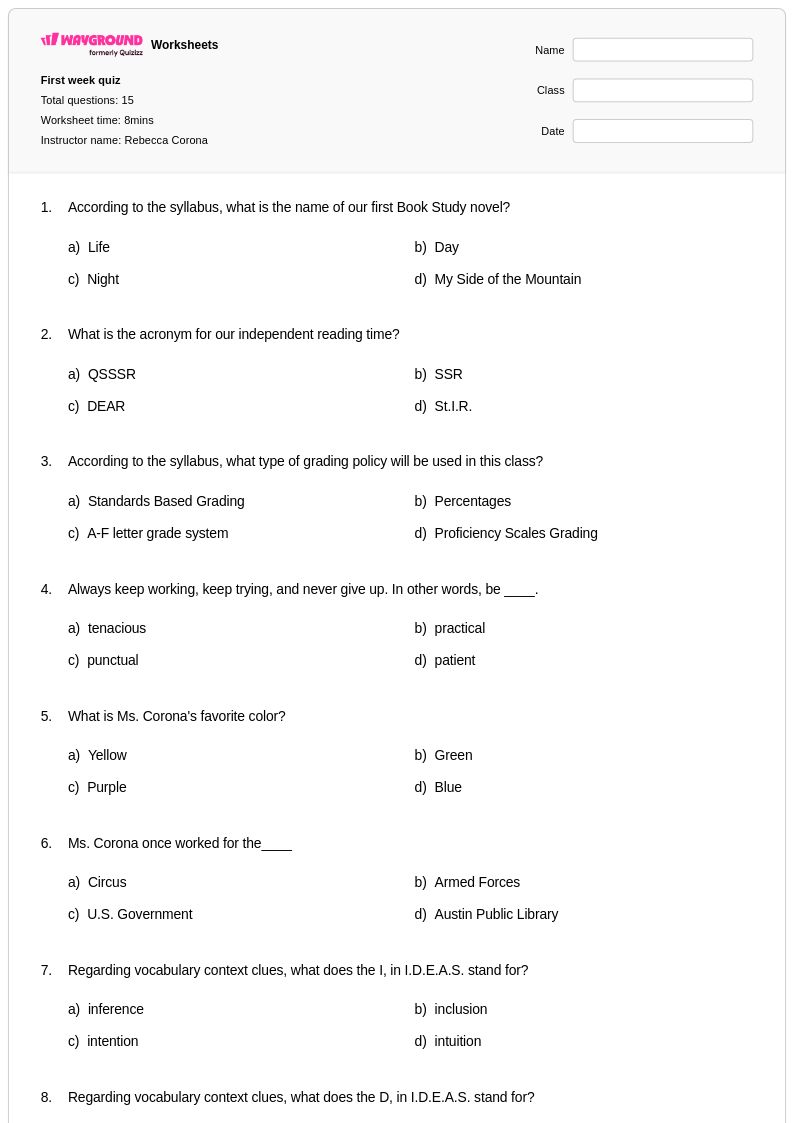
15 Q
7th - 8th
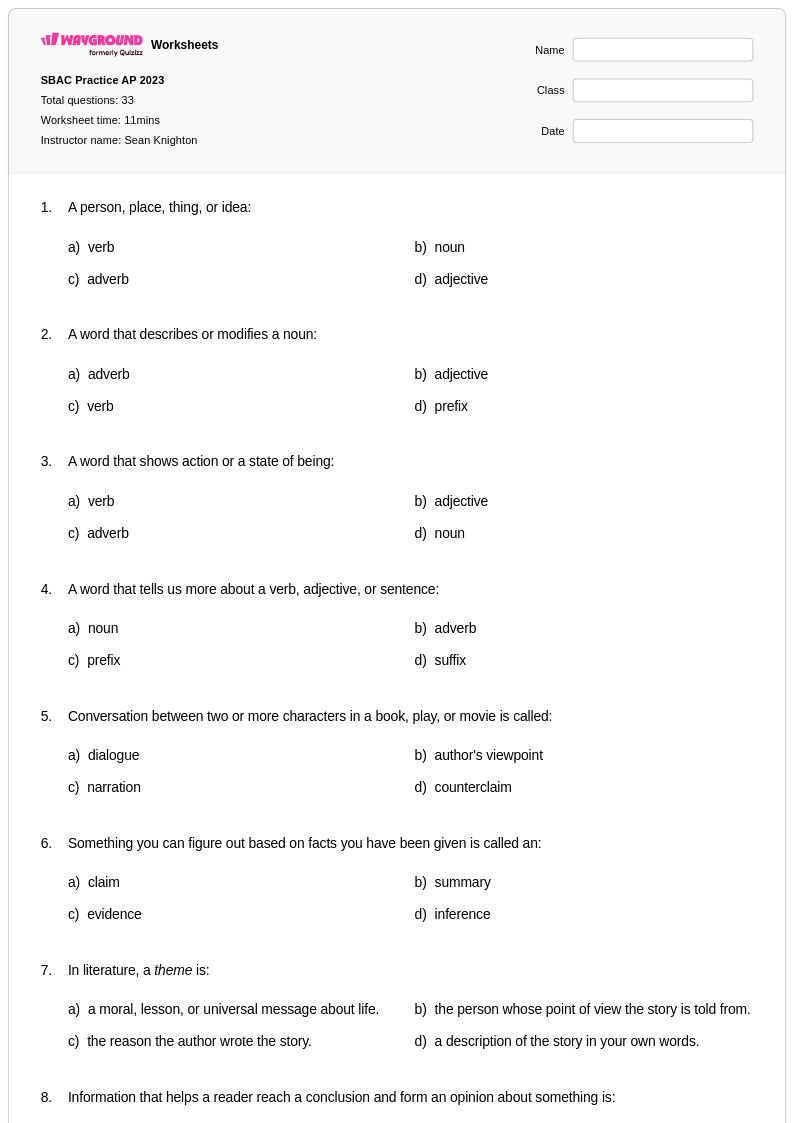
33 Q
6th - 8th
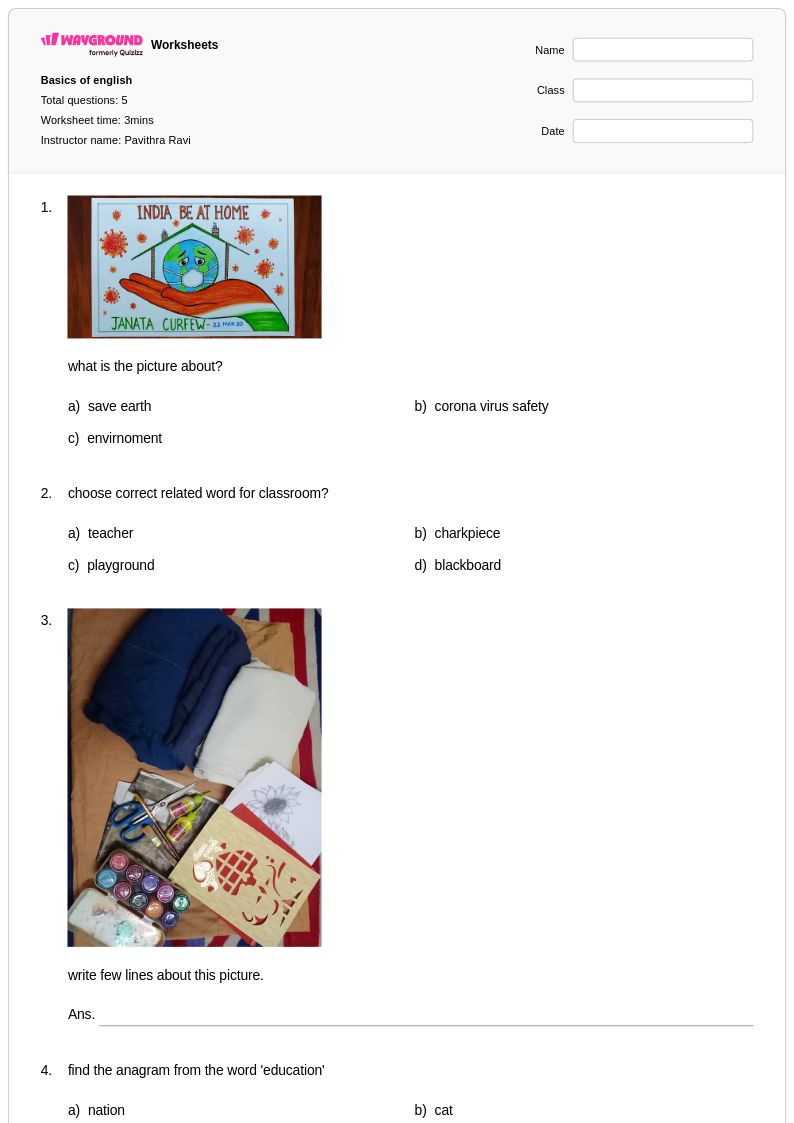
5 Q
6th - 8th
Explore Other Subject Worksheets for grade 7
Explore printable Anagrams worksheets for Grade 7
Anagrams worksheets for Grade 7 students available through Wayground (formerly Quizizz) provide comprehensive practice in rearranging letters to form new words, a crucial skill that strengthens vocabulary development, spelling proficiency, and cognitive flexibility. These carefully designed printables challenge seventh-grade learners to decode scrambled letters and discover hidden words, enhancing their pattern recognition abilities and deepening their understanding of word structure and morphology. Each worksheet includes varied difficulty levels appropriate for Grade 7 students, from simple three-letter anagrams to complex multi-syllabic words, complete with answer keys that enable independent learning and self-assessment. The practice problems systematically build students' ability to manipulate language elements while reinforcing spelling patterns and expanding their active vocabulary through engaging puzzle-solving activities that make learning both challenging and enjoyable.
Wayground (formerly Quizizz) empowers educators with an extensive collection of teacher-created anagram resources, drawing from millions of worksheets that can be easily accessed through intuitive search and filtering tools designed specifically for classroom needs. Teachers can quickly locate Grade 7 appropriate materials aligned with language arts standards, then utilize the platform's differentiation capabilities to customize worksheets for diverse learning needs within their classrooms. The flexible format options, including downloadable pdf versions and digital interactive formats, support various teaching approaches whether for whole-class instruction, small group remediation, or individual enrichment activities. These comprehensive tools streamline lesson planning while providing educators with reliable resources for targeted skill practice, formative assessment, and vocabulary reinforcement that adapts seamlessly to both traditional and technology-enhanced learning environments.
FAQs
How do I teach anagrams to students?
What exercises help students practice anagrams?
What mistakes do students commonly make when solving anagrams?
How can anagram practice support vocabulary and spelling development?
How do I use Wayground's anagram worksheets in my classroom?
How can I differentiate anagram activities for students at different skill levels?