
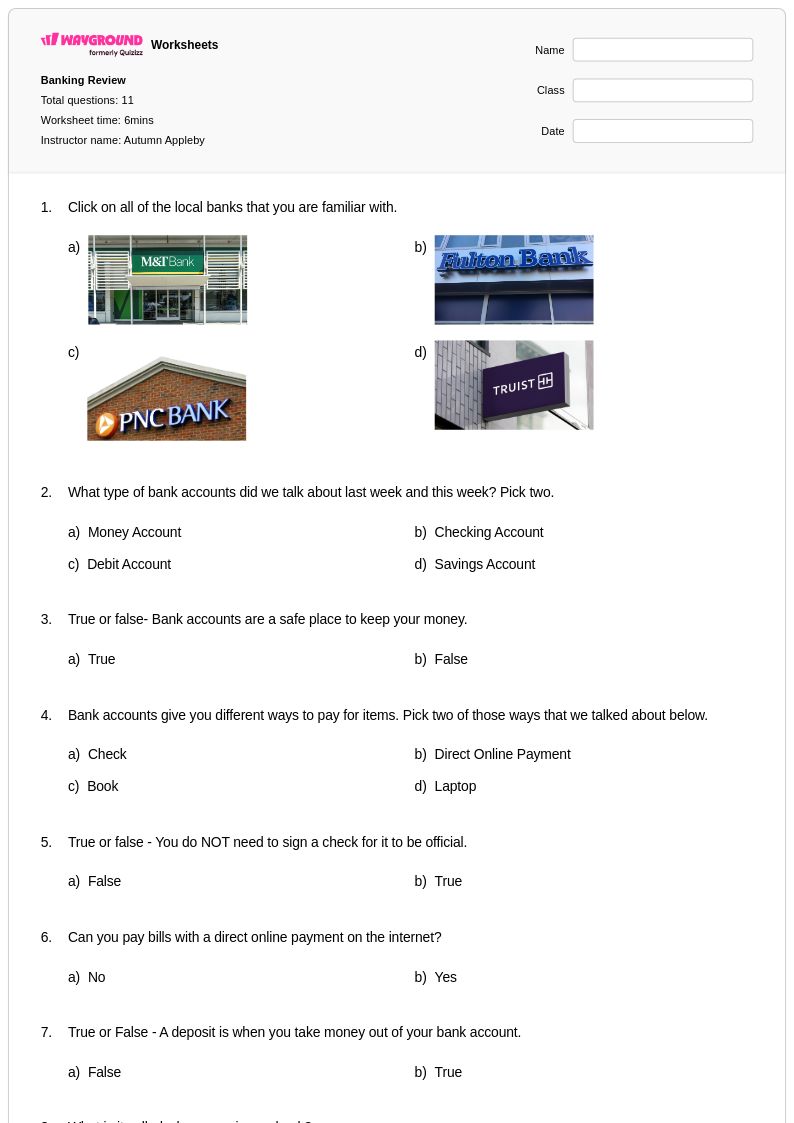
11 Q
3rd - 8th
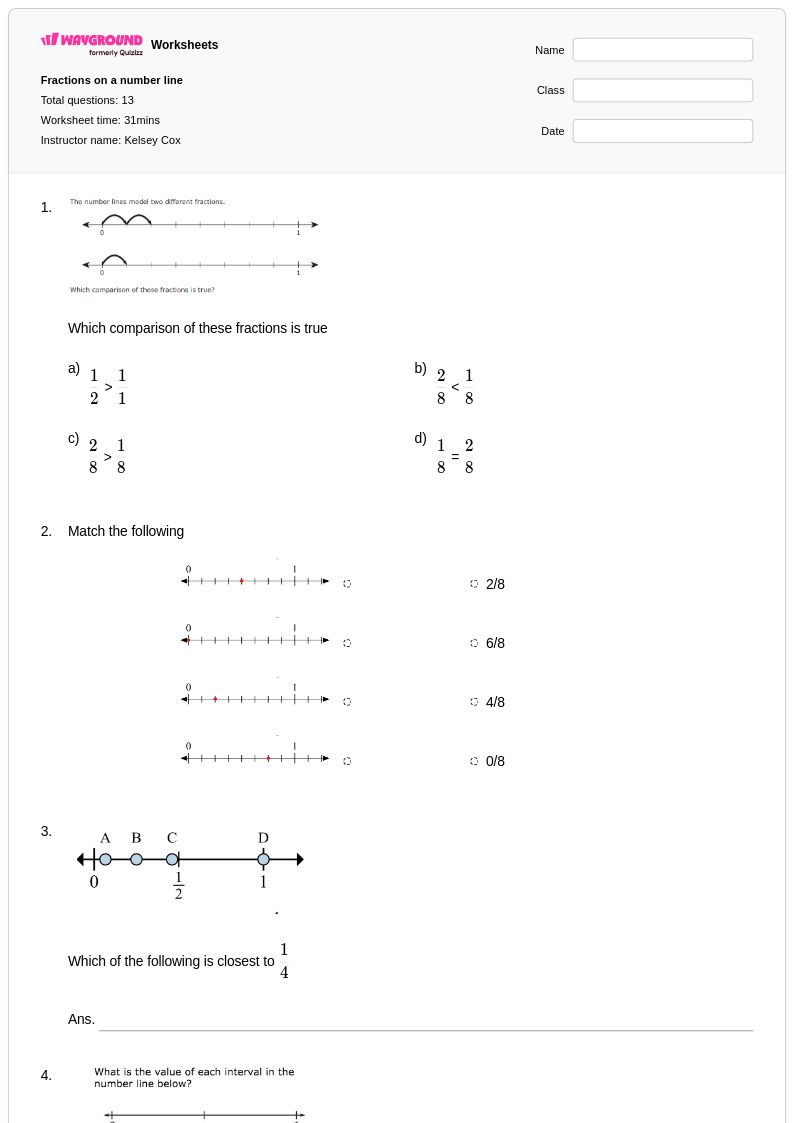
13 Q
3rd
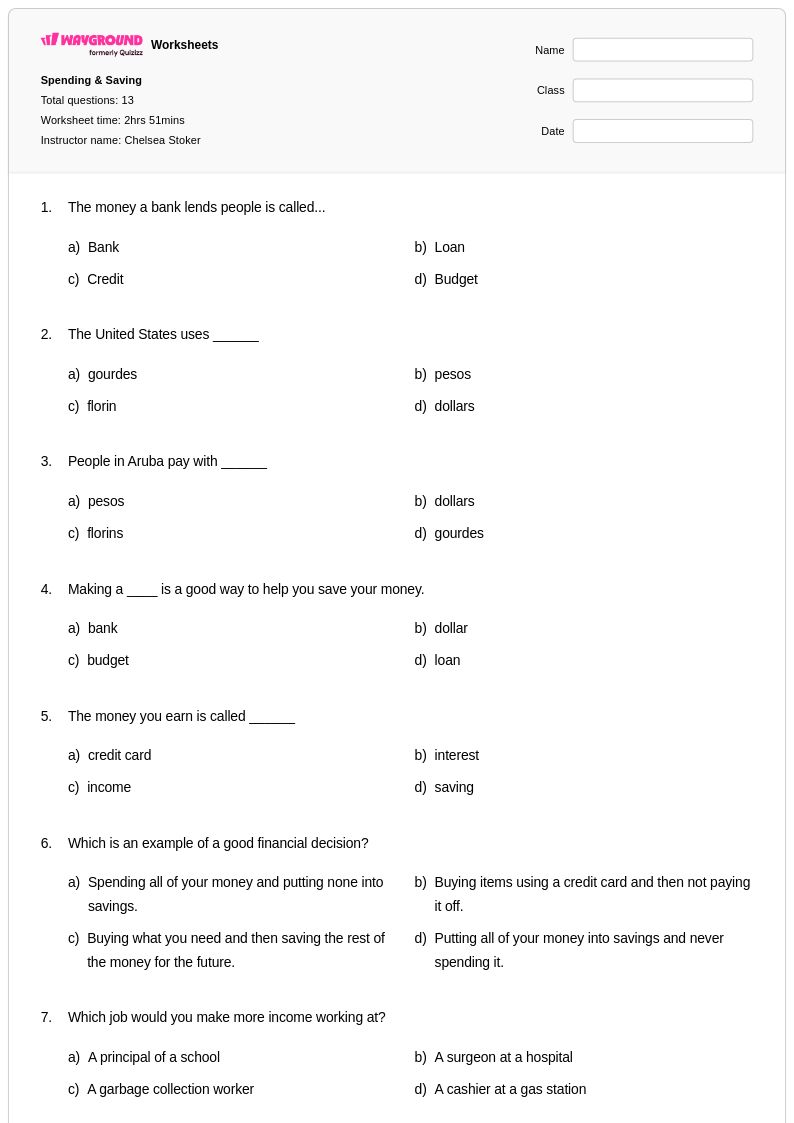
13 Q
3rd
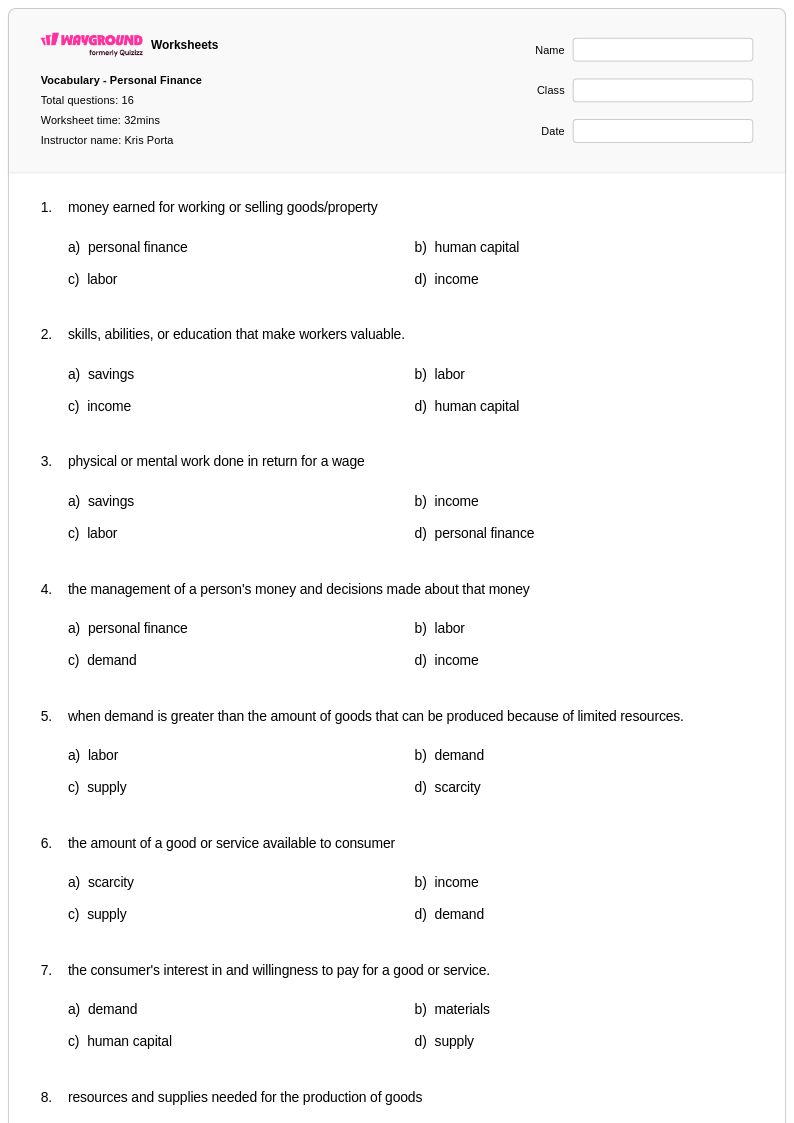
16 Q
3rd
10 Q
3rd
16 Q
3rd
13 Q
3rd
10 Q
3rd
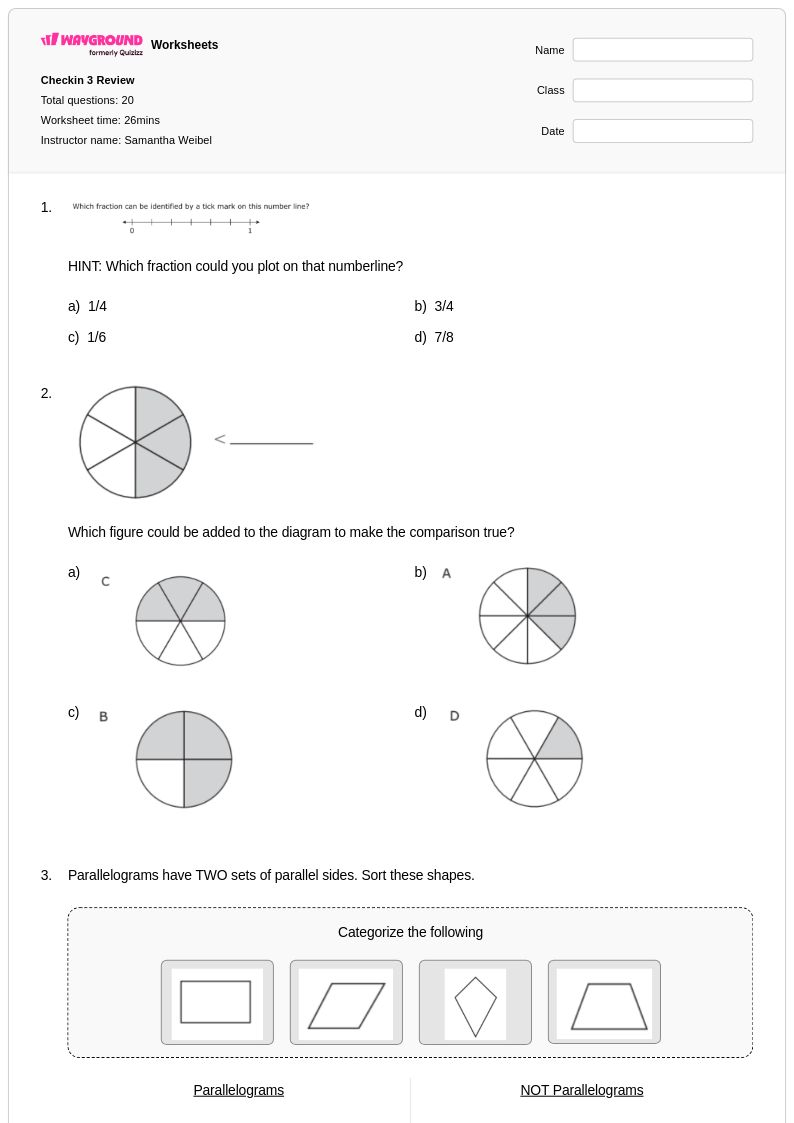
20 Q
3rd
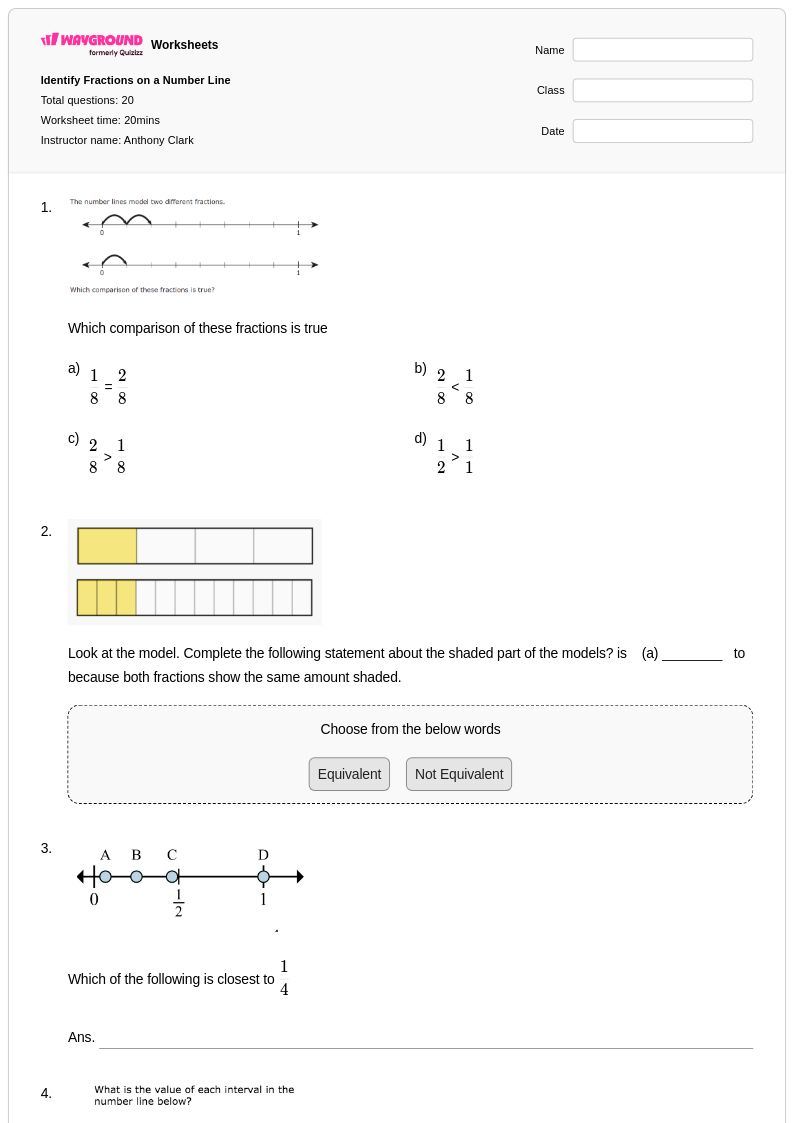
20 Q
3rd - Uni
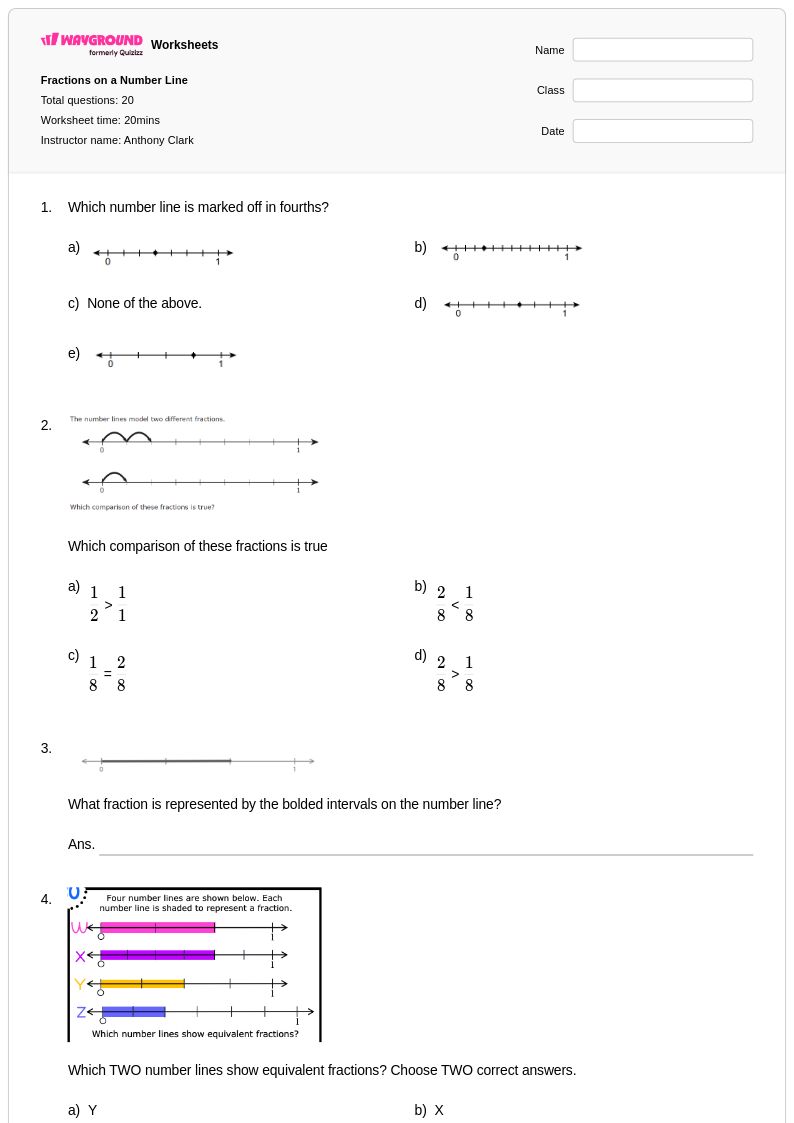
20 Q
3rd - Uni
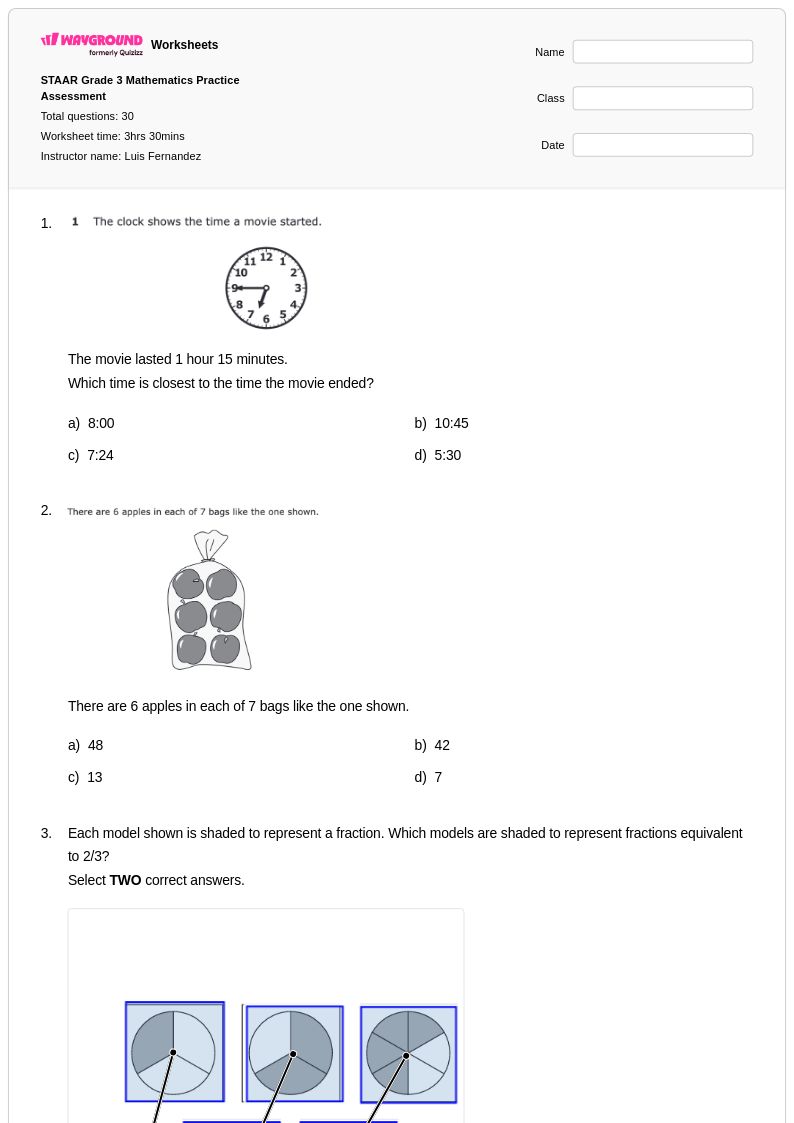
30 Q
3rd
20 Q
3rd - Uni
20 Q
3rd - Uni
20 Q
3rd - Uni
12 Q
3rd - Uni
20 Q
3rd - Uni
10 Q
3rd
20 Q
3rd - Uni
20 Q
3rd - 4th
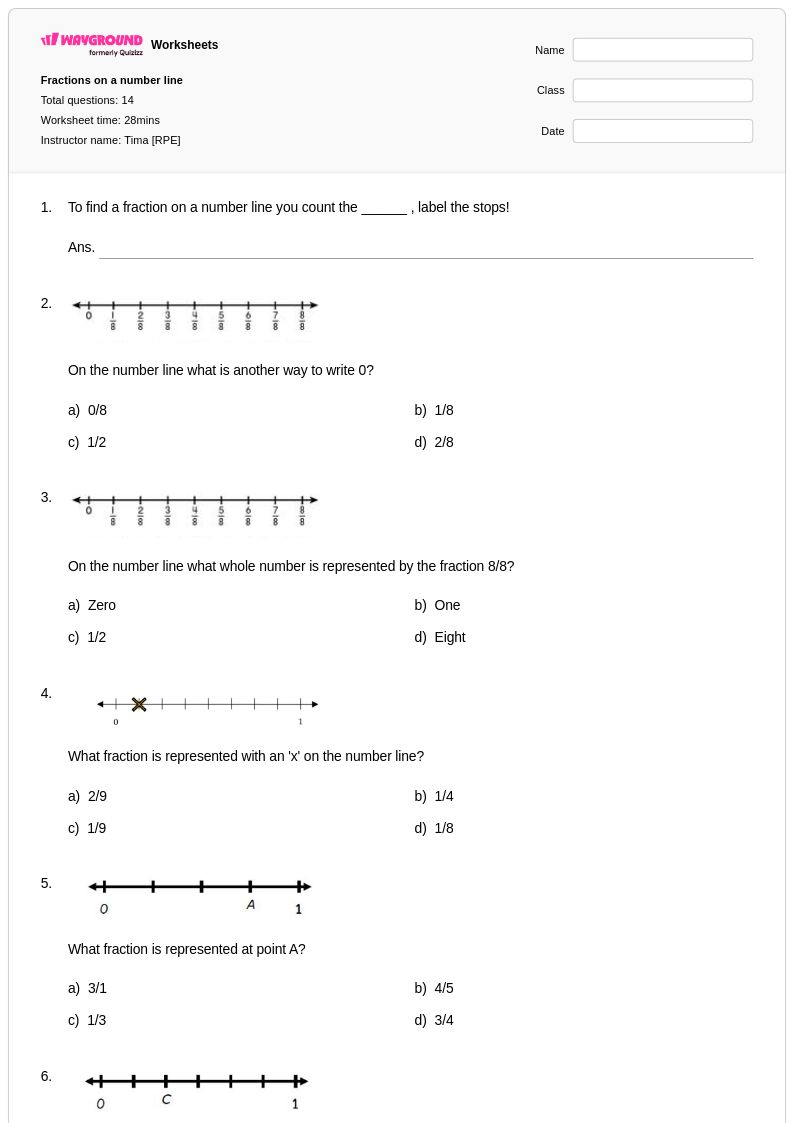
14 Q
3rd
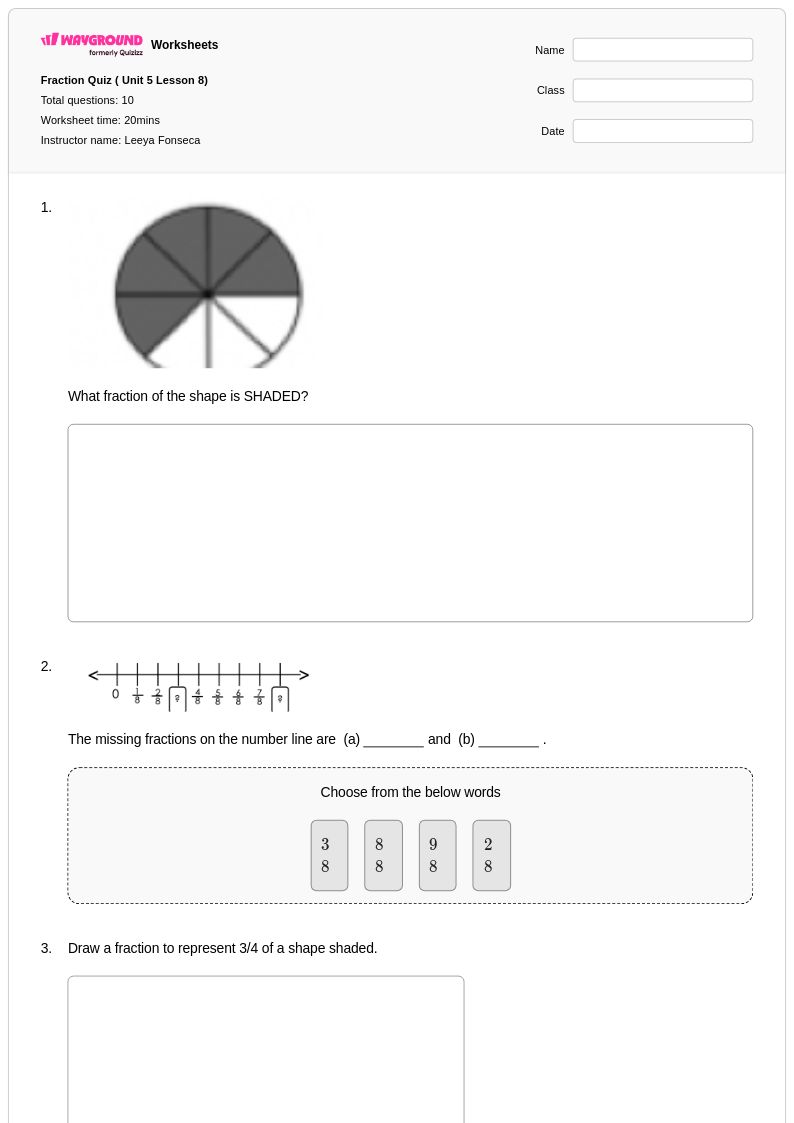
10 Q
3rd
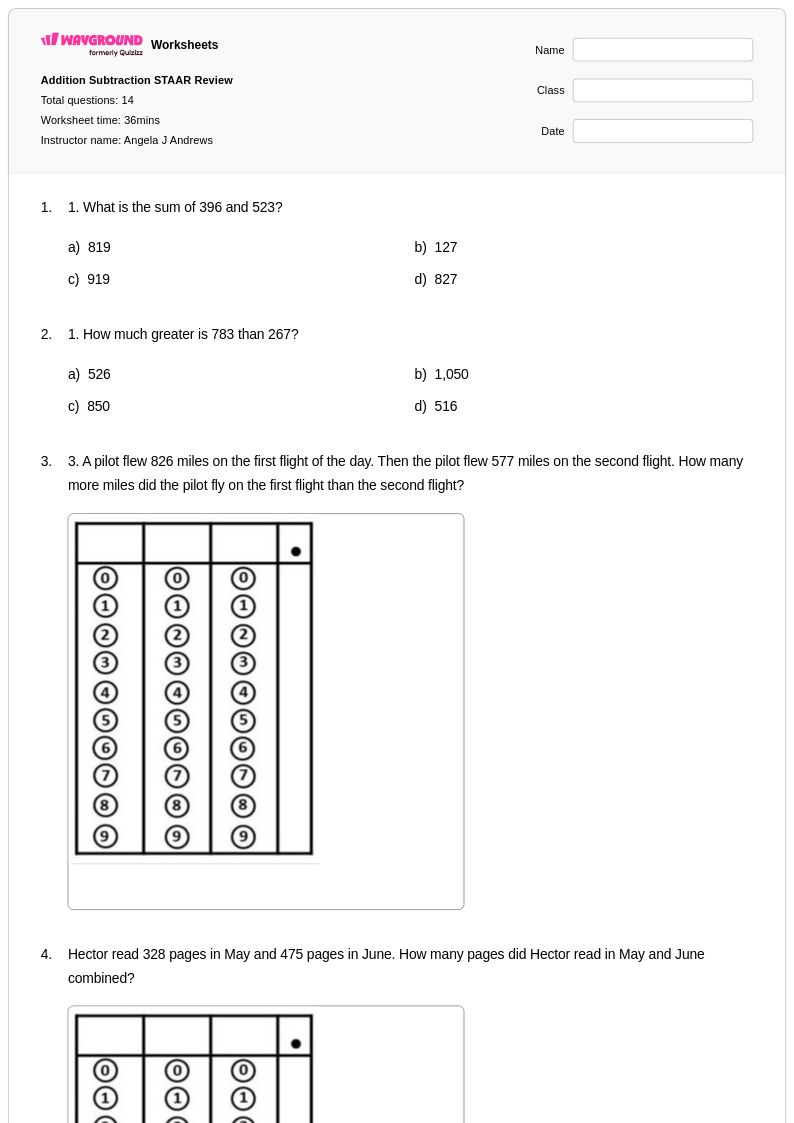
14 Q
3rd
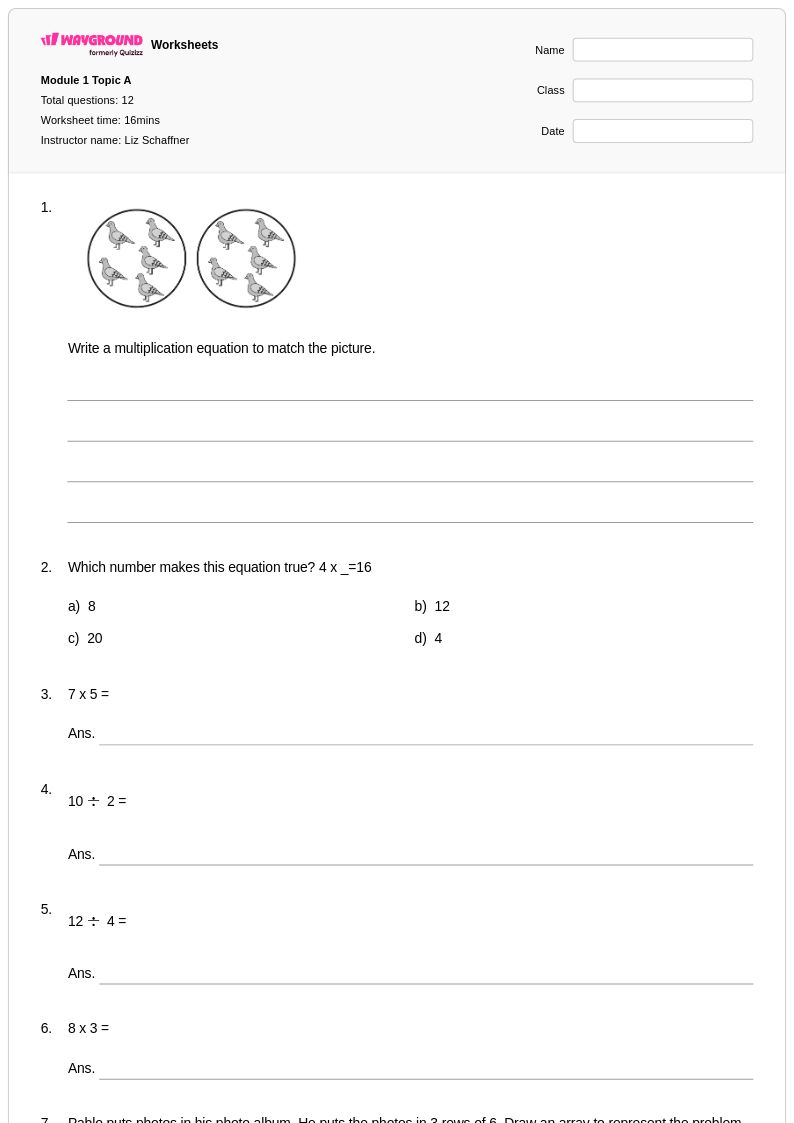
12 Q
3rd
Explore Balancing a Checking Account Worksheets by Grades
Explore Other Subject Worksheets for grade 3
Explore printable Balancing a Checking Account worksheets for Grade 3
Balancing a checking account worksheets for Grade 3 students available through Wayground (formerly Quizizz) introduce young learners to essential money management skills through age-appropriate mathematical practice. These carefully designed worksheets help third-grade students understand the fundamental concepts of deposits, withdrawals, and account balances by working through simplified checking account scenarios that mirror real-world banking experiences. Students develop critical thinking skills as they practice adding deposits to existing balances, subtracting withdrawal amounts, and maintaining accurate running totals throughout multiple transactions. The comprehensive collection includes free printables with answer keys, ensuring educators can easily assess student progress while providing immediate feedback on mathematical accuracy and financial literacy comprehension through structured practice problems.
Wayground (formerly Quizizz) empowers educators with access to millions of teacher-created resources specifically designed to support financial literacy instruction at the elementary level. The platform's robust search and filtering capabilities allow teachers to quickly locate balancing checking account worksheets that align with grade-level mathematics standards while meeting diverse classroom needs through built-in differentiation tools. These versatile resources are available in both printable pdf formats for traditional classroom use and digital formats for technology-enhanced learning environments, providing maximum flexibility for lesson planning and implementation. Teachers can seamlessly customize worksheet content to target specific skill gaps for remediation, challenge advanced learners through enrichment activities, or provide consistent practice opportunities that reinforce the mathematical foundations necessary for lifelong financial responsibility and numeracy development.
FAQs
How do I teach third graders to balance a checking account?
What practice problems build checking account skills in Grade 3?
What mistakes do third graders make when balancing a checking account?
How can teachers use these Grade 3 checking account worksheets?
How does account-balancing practice connect to Common Core Grade 3 math?
How can I differentiate account-balancing practice in Grade 3?
What grade level is appropriate for learning to track deposits and withdrawals?