
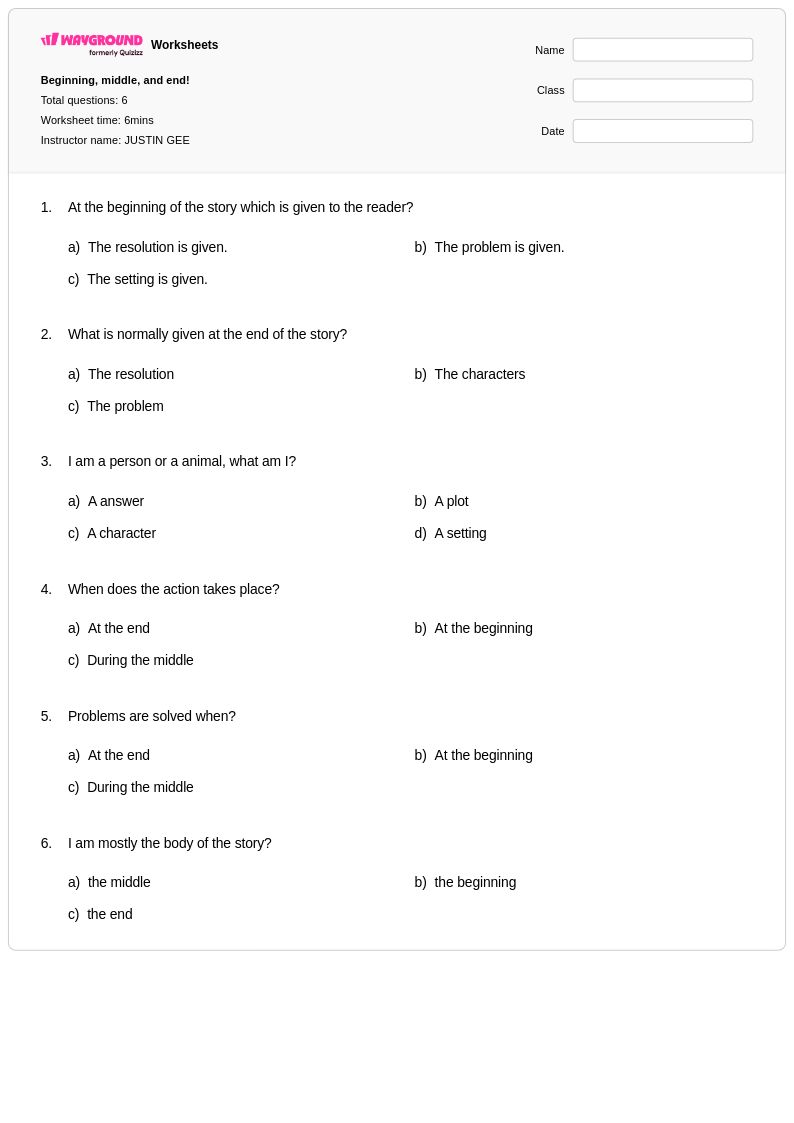
6 Q
2nd
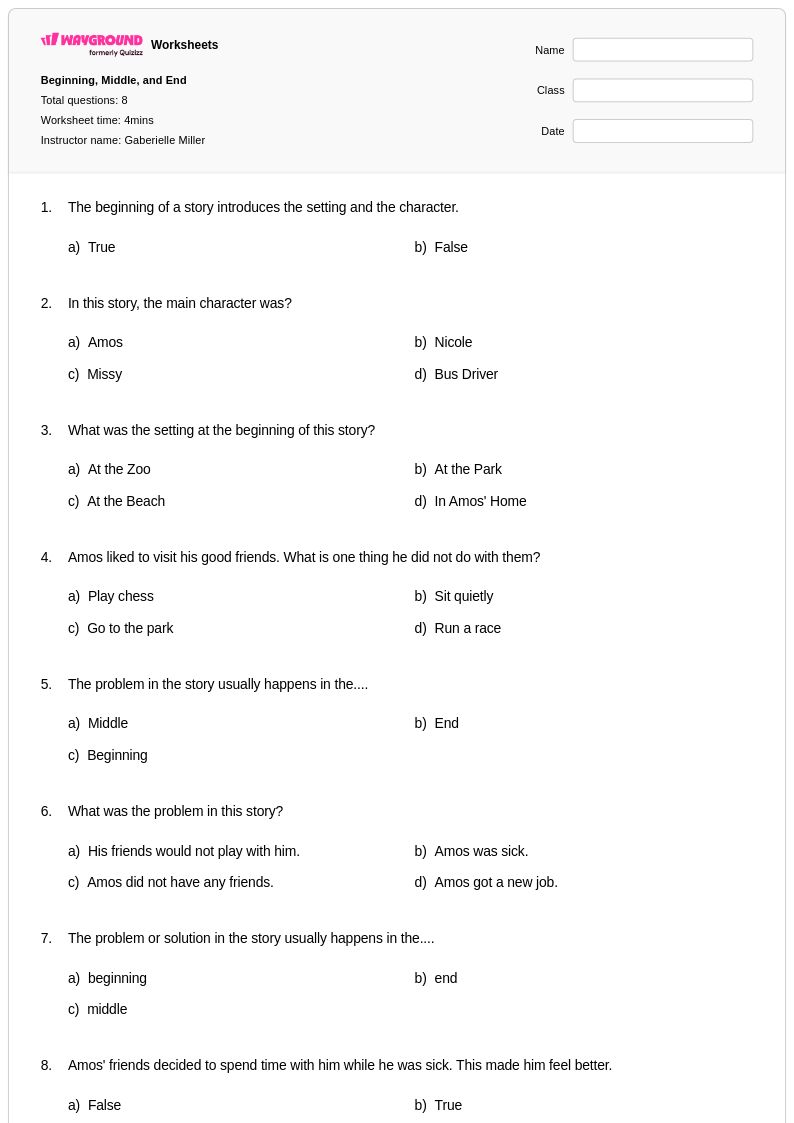
8 Q
1st - 2nd
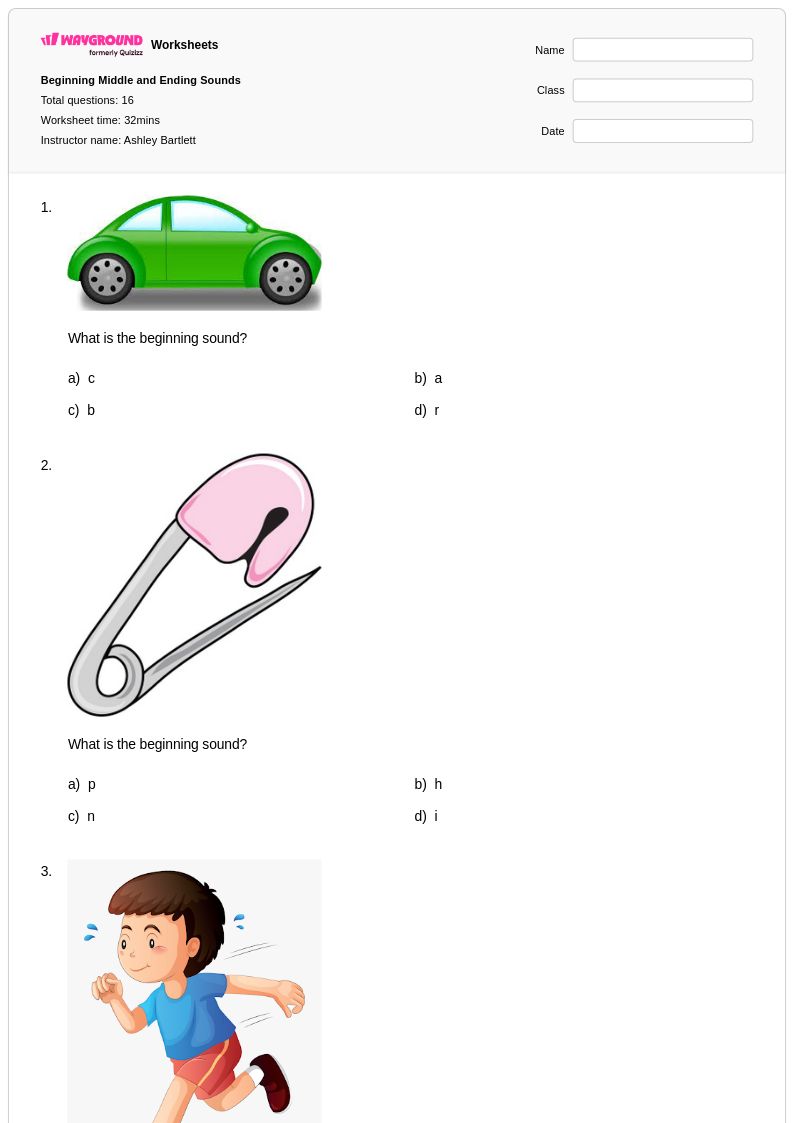
16 Q
1st - 3rd
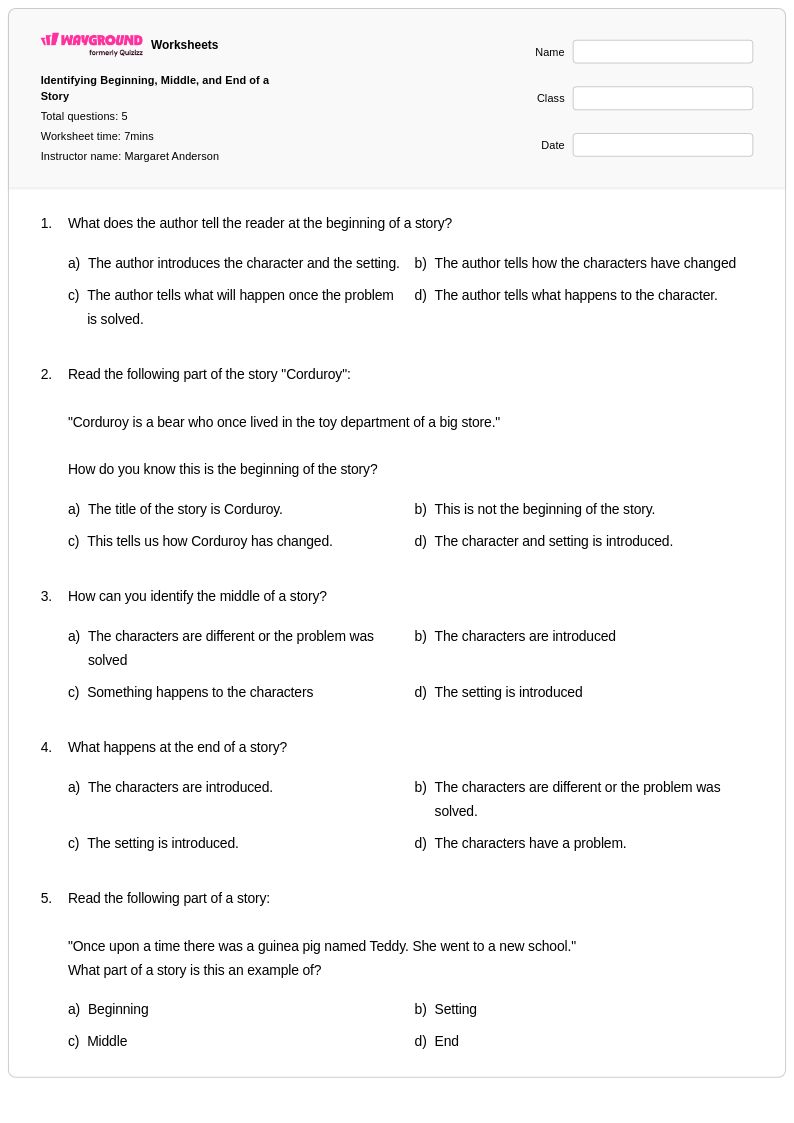
5 Q
2nd
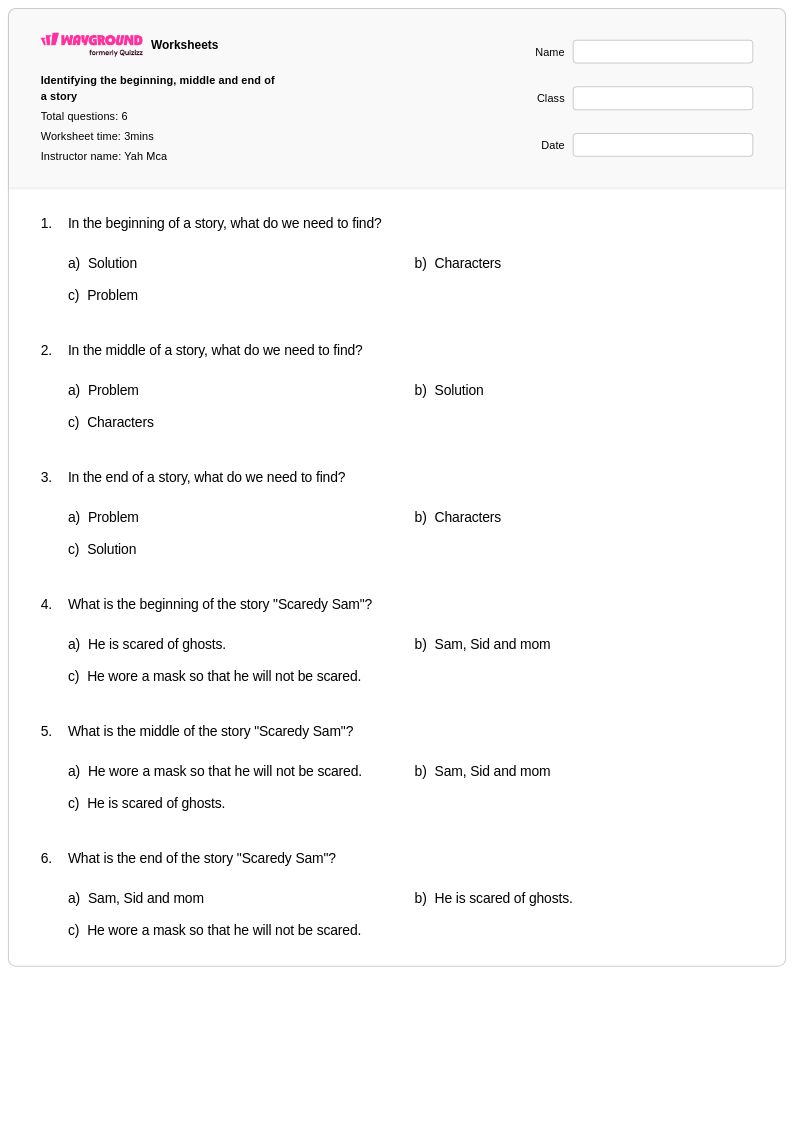
6 Q
2nd
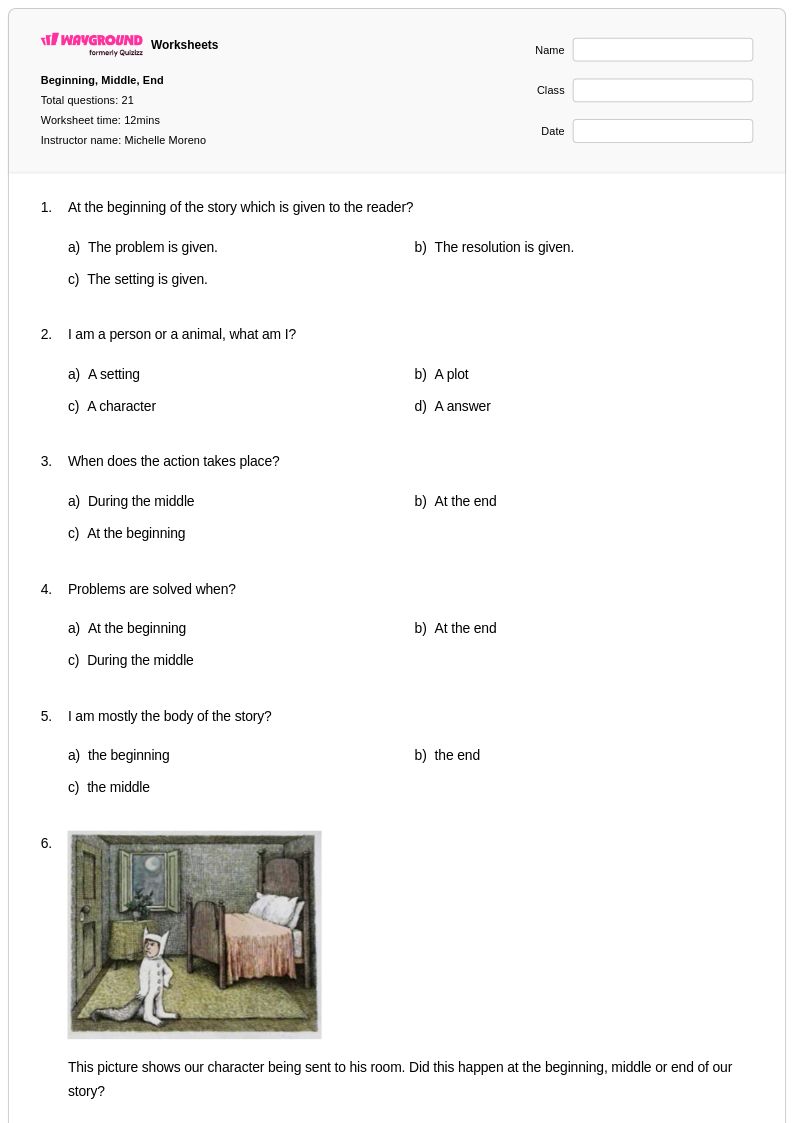
21 Q
2nd - 3rd
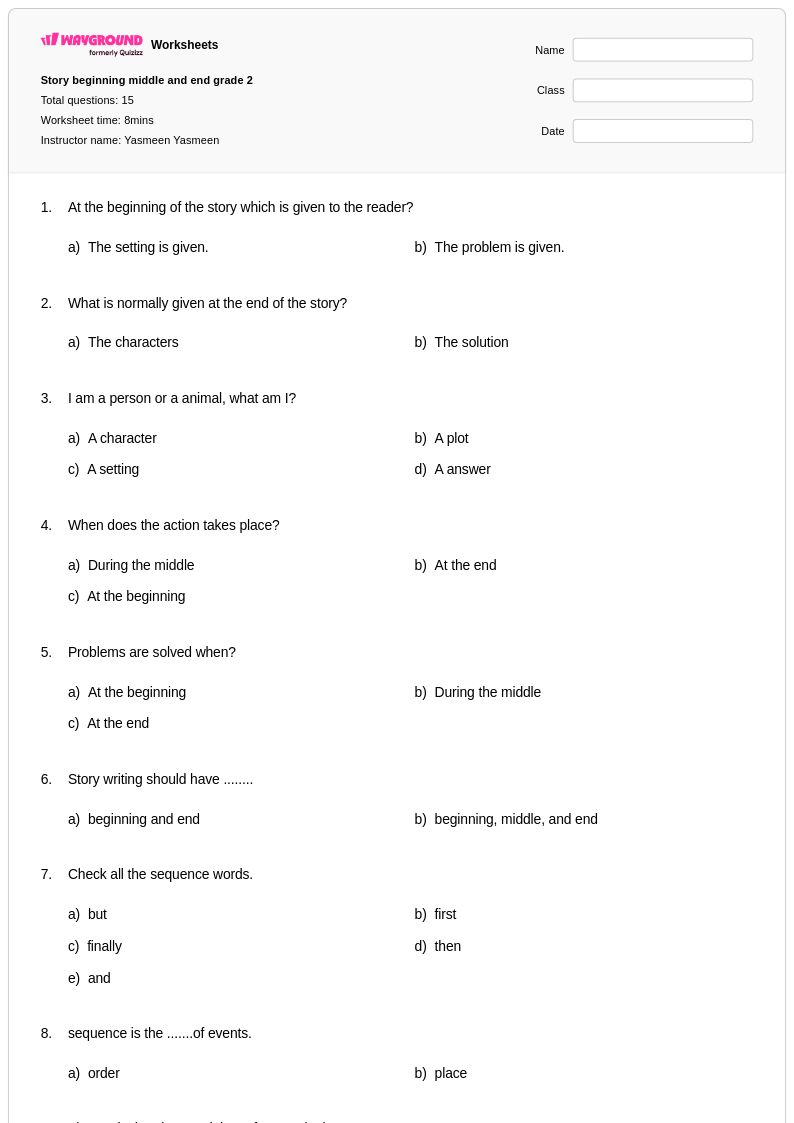
15 Q
2nd
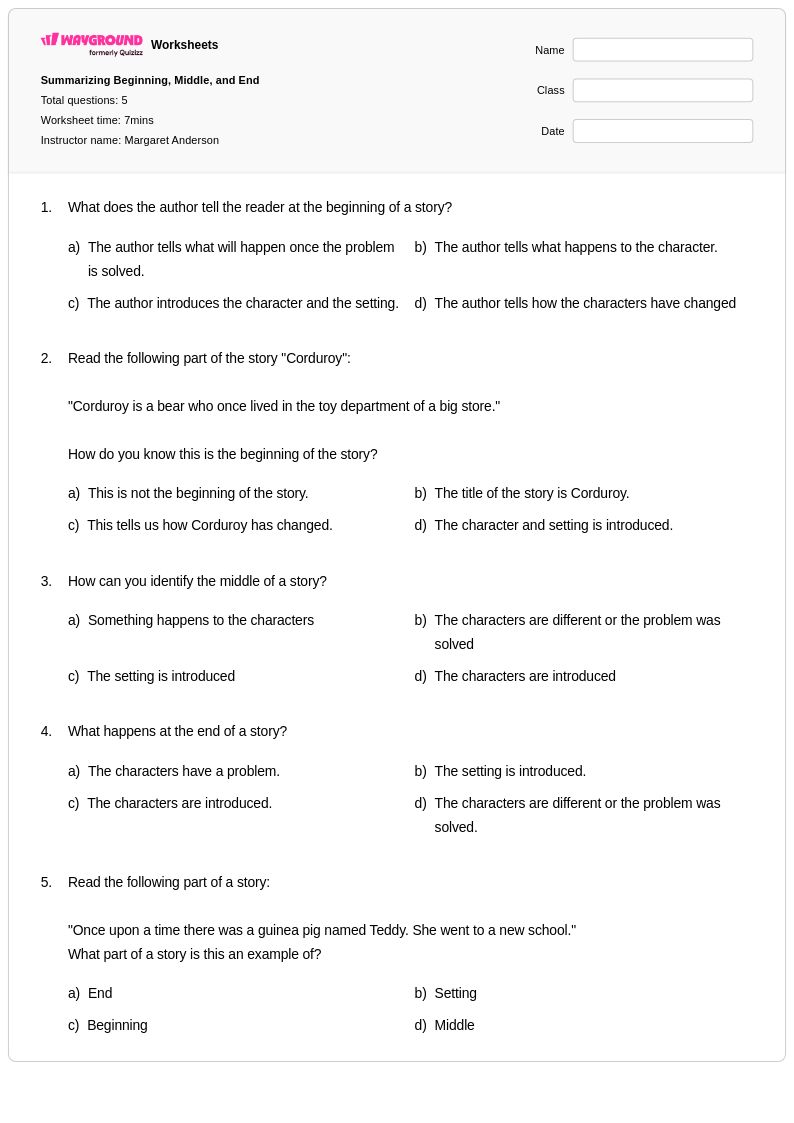
5 Q
2nd
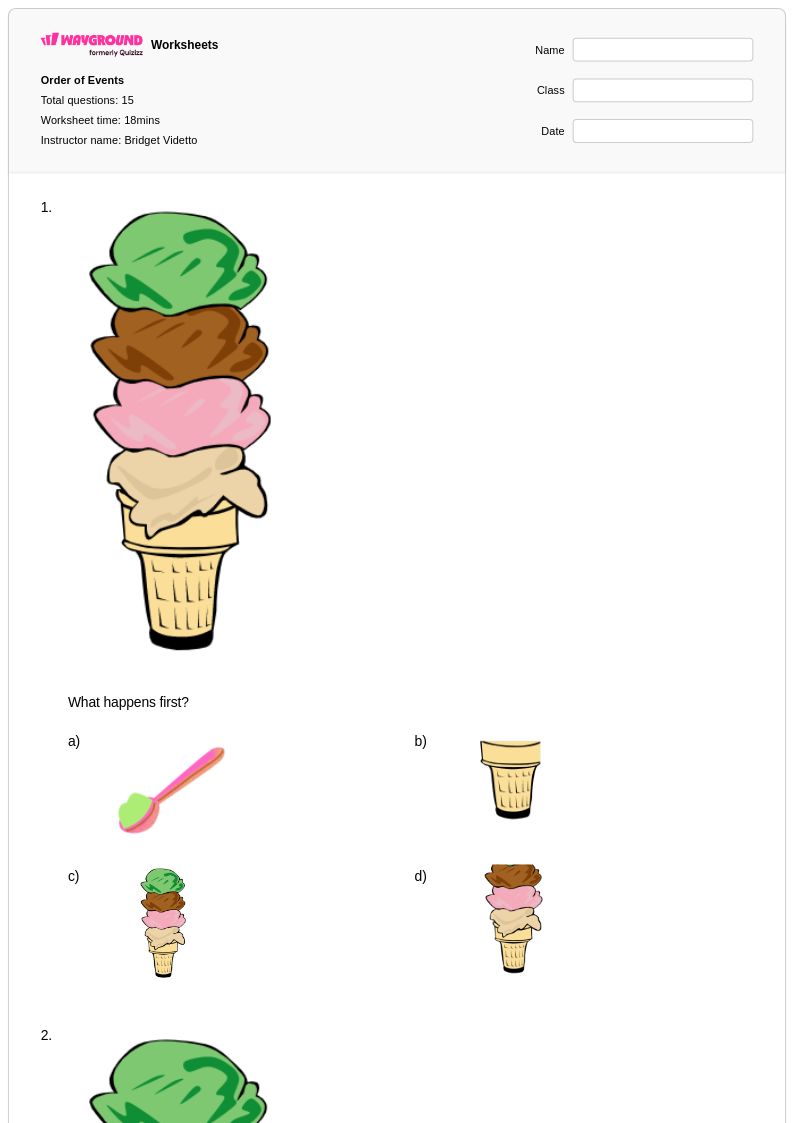
15 Q
2nd
10 Q
1st - 5th
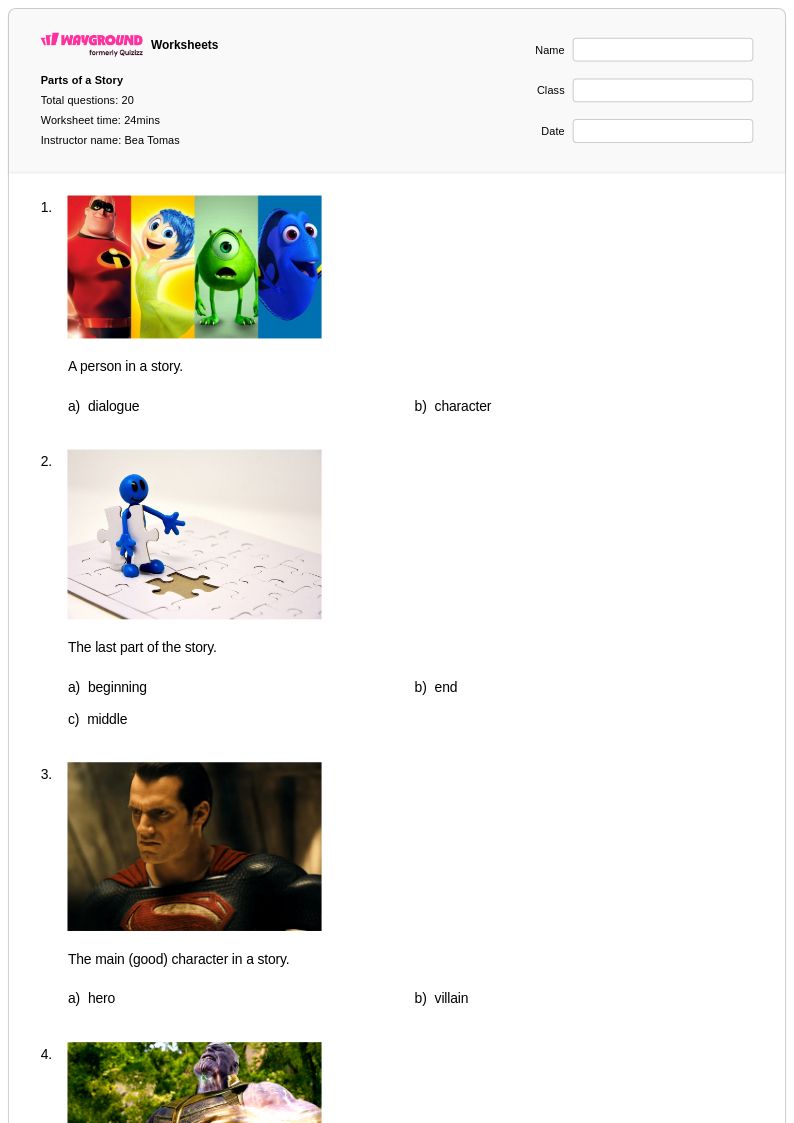
20 Q
2nd - 4th
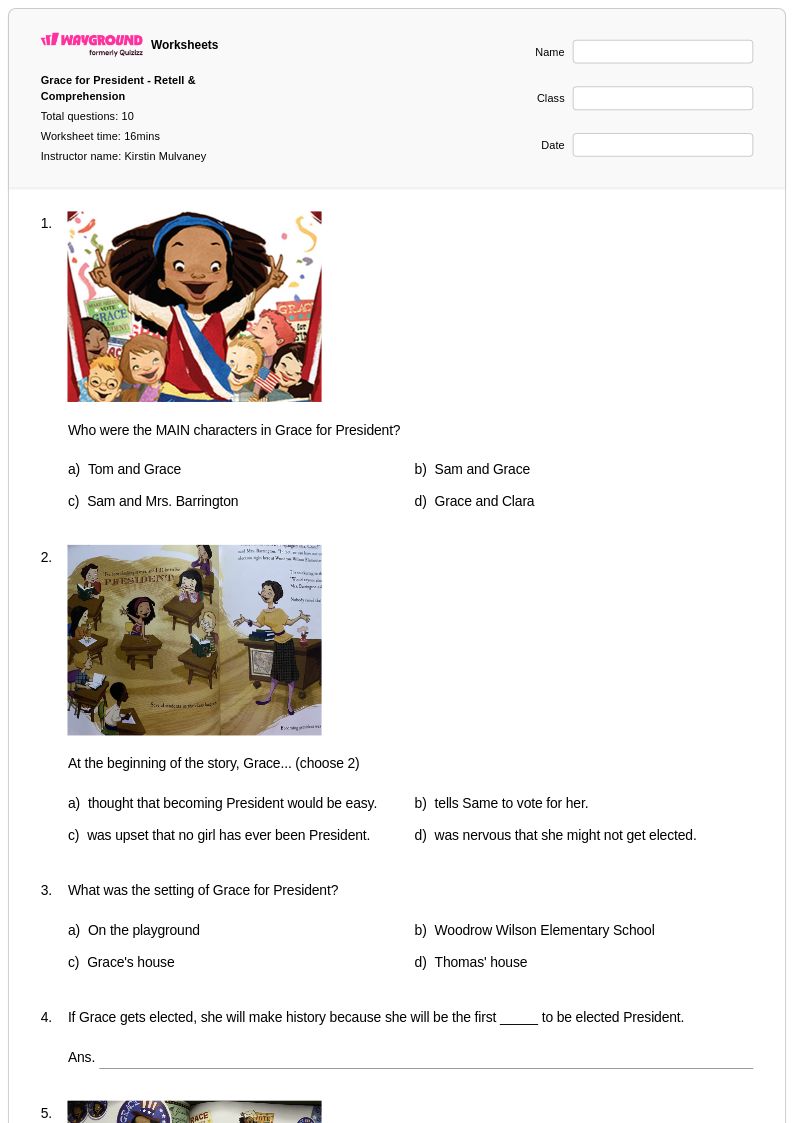
10 Q
1st - 2nd
10 Q
1st - 5th
12 Q
1st - 5th
11 Q
1st - 3rd
10 Q
1st - 3rd
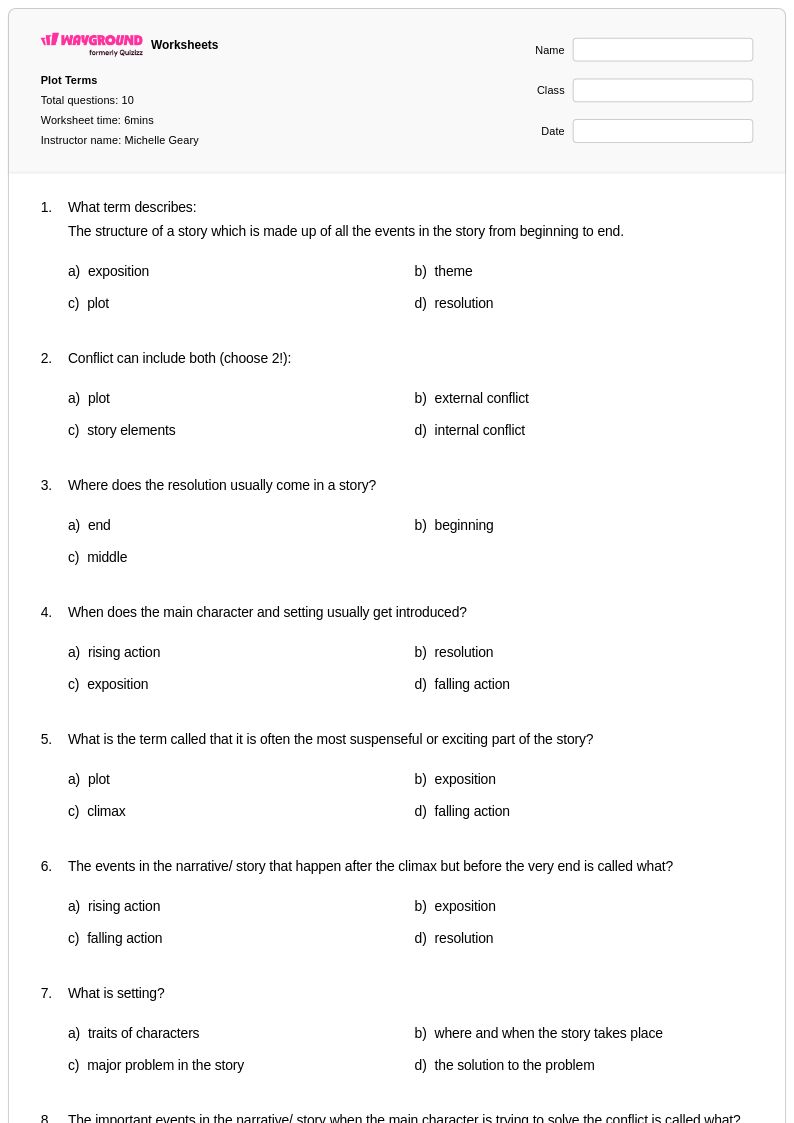
10 Q
2nd - 5th
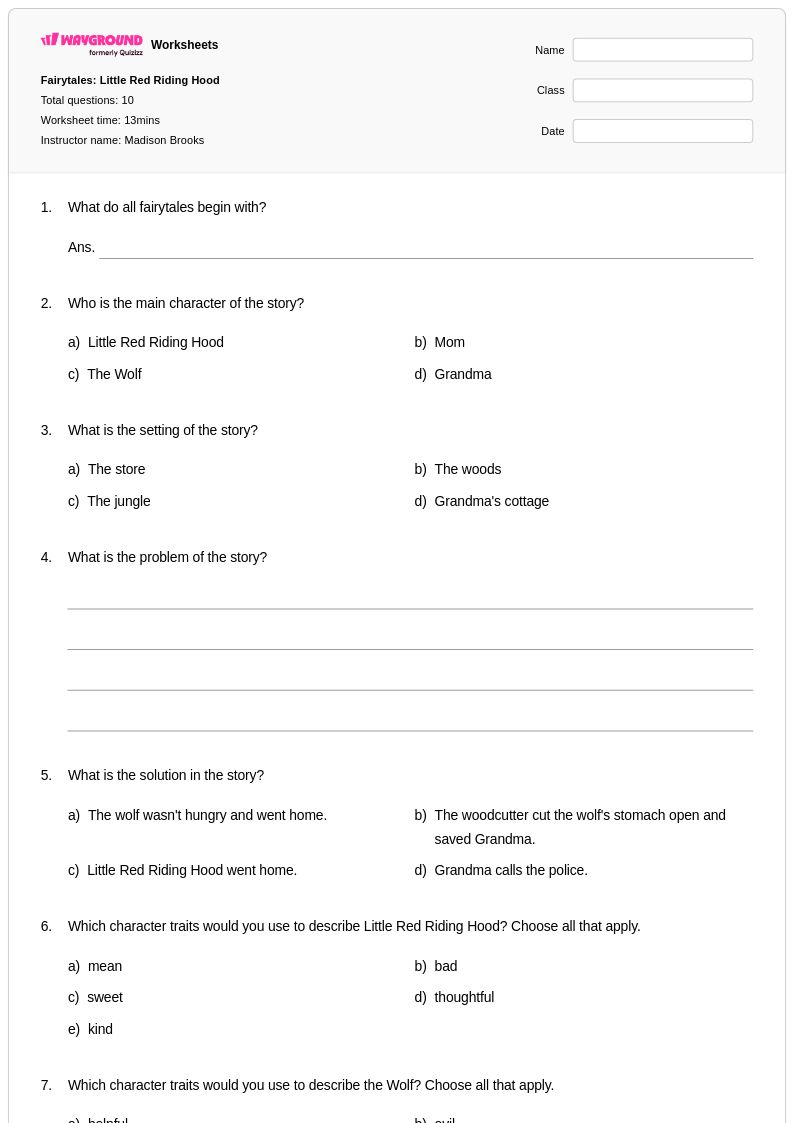
10 Q
2nd
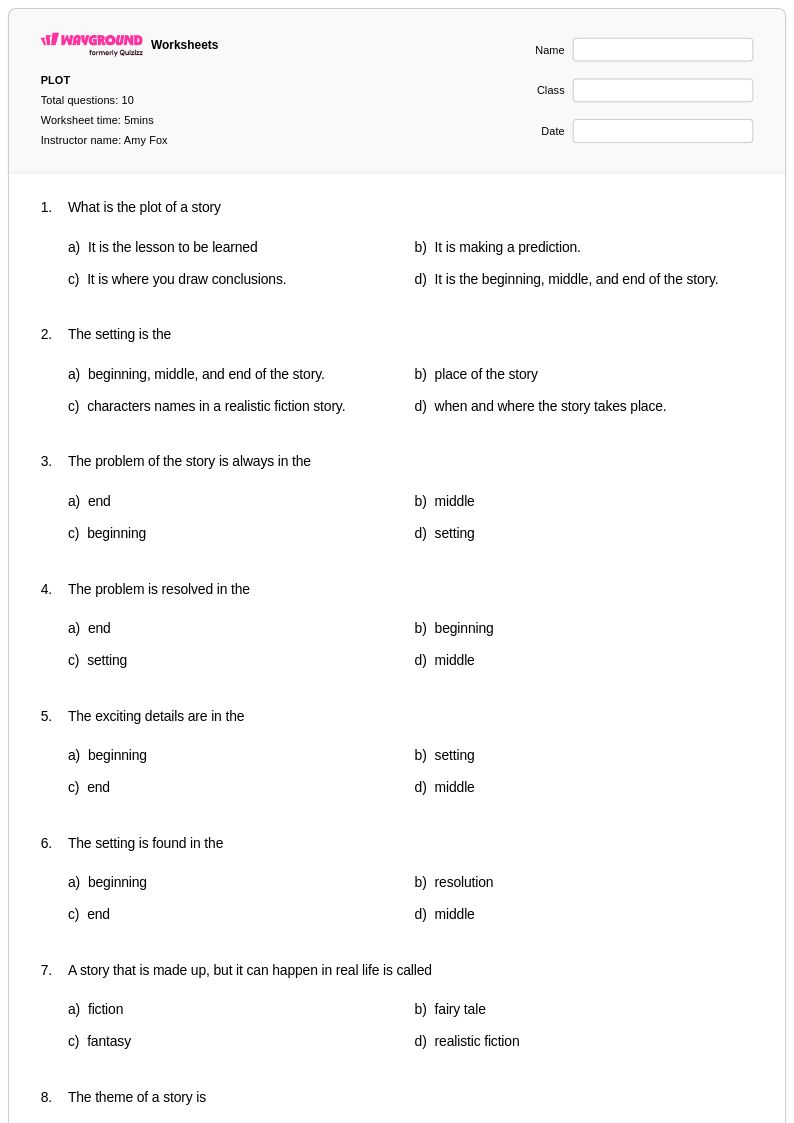
10 Q
2nd - 3rd
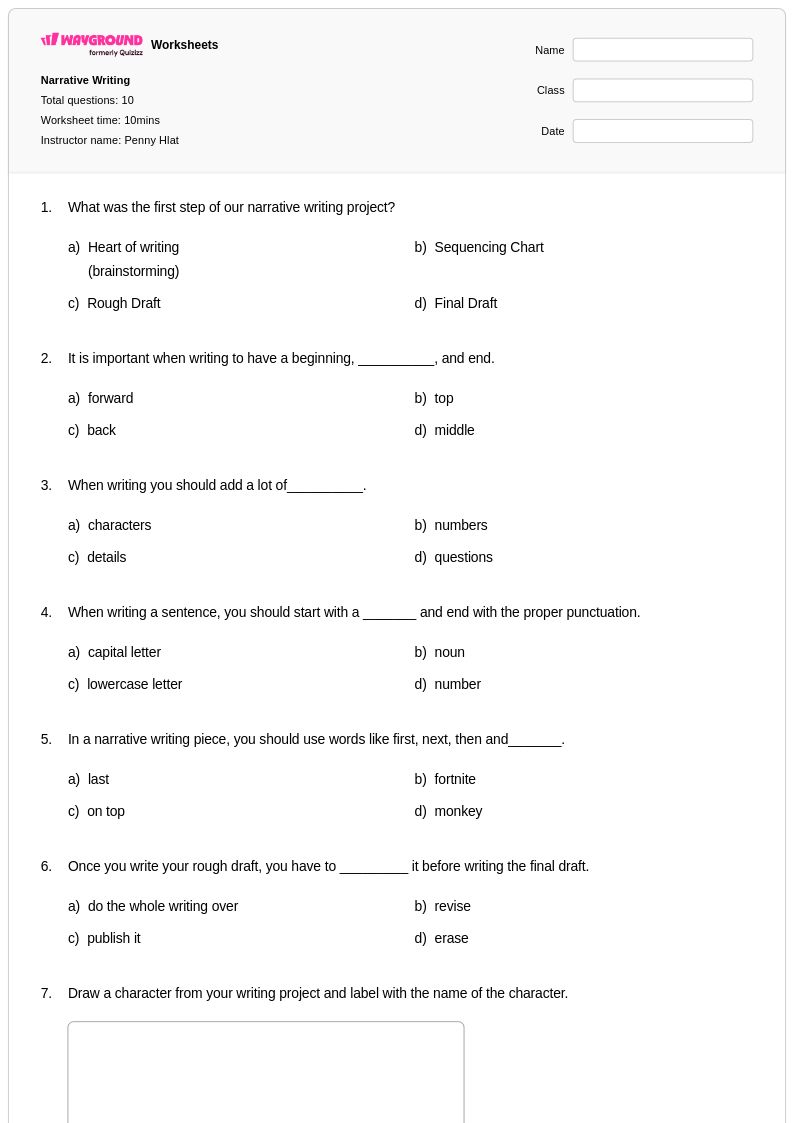
10 Q
2nd
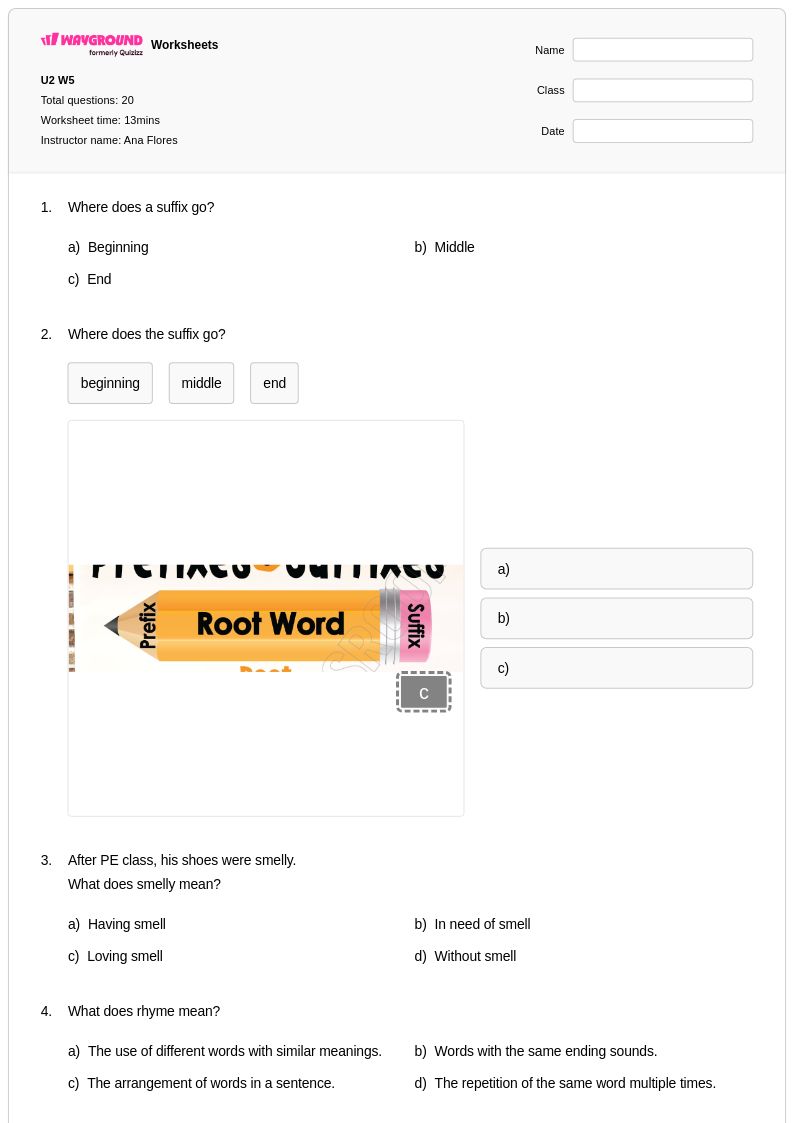
20 Q
2nd
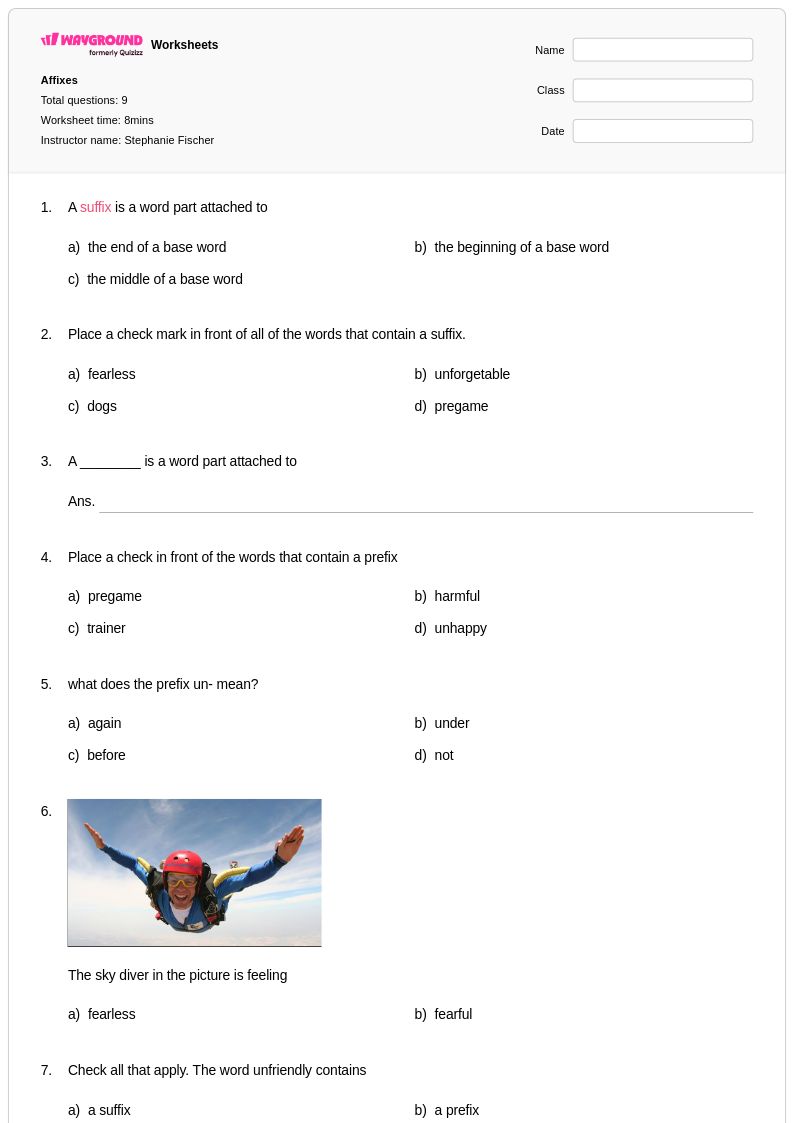
9 Q
2nd - 3rd
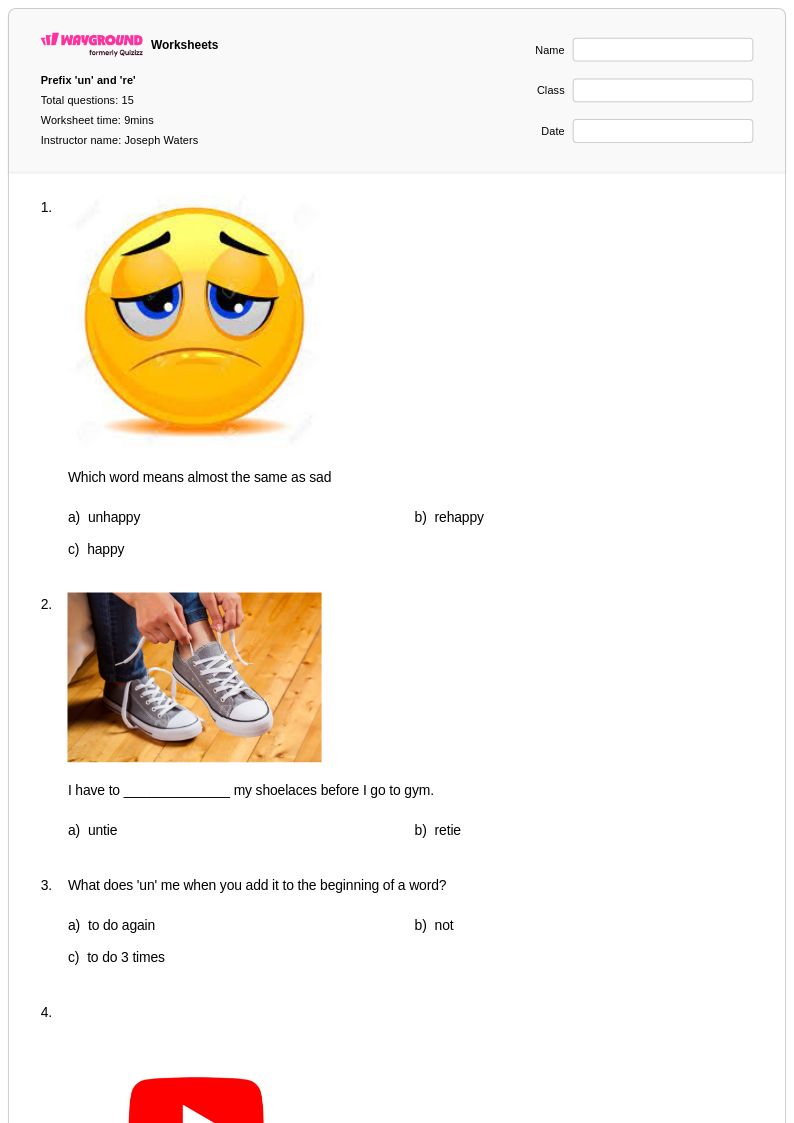
15 Q
1st - 2nd
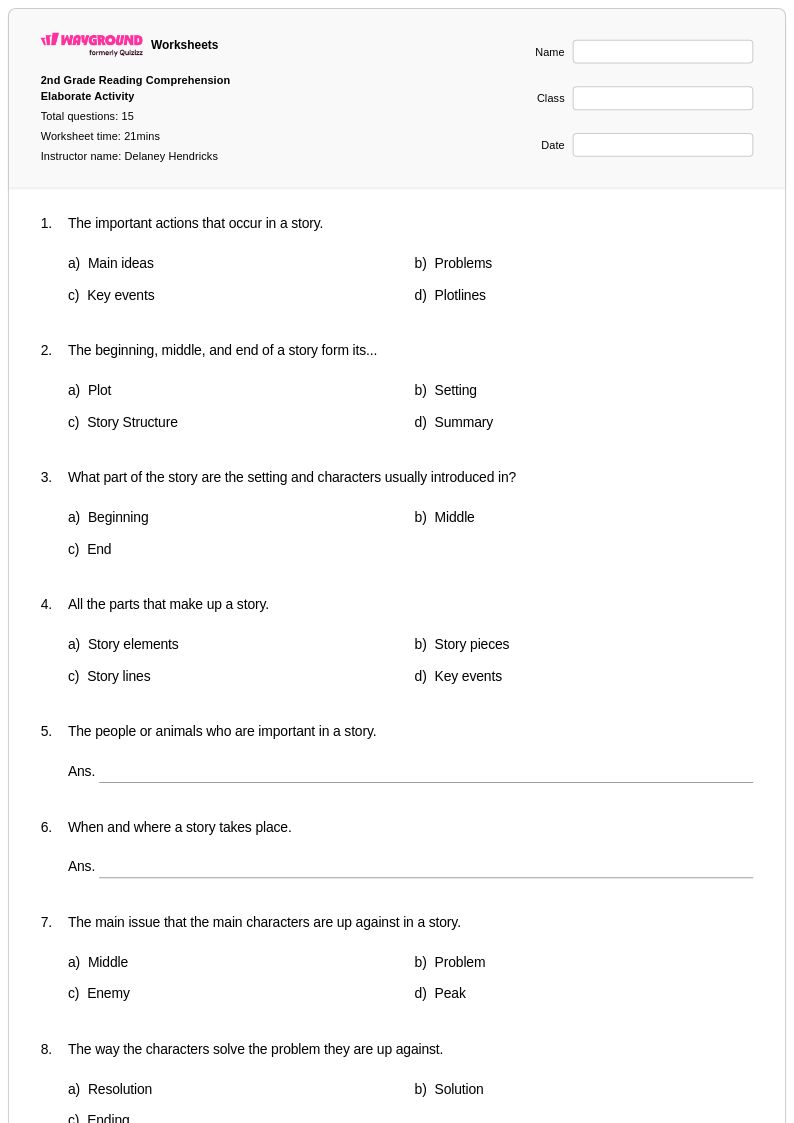
15 Q
1st - 3rd
Explore Beginning, Middle, and End Worksheets by Grades
Explore Other Subject Worksheets for grade 2
Explore printable Beginning, Middle, and End worksheets for Grade 2
Beginning, Middle, and End worksheets for Grade 2 students available through Wayground (formerly Quizizz) provide essential practice in story structure analysis, helping young readers develop critical comprehension skills. These carefully designed printables guide second-grade students through identifying the three fundamental parts of a narrative, strengthening their ability to recognize how stories unfold from introduction through development to resolution. The collection includes diverse practice problems featuring age-appropriate texts, complete answer keys for easy assessment, and free pdf resources that make story structure concepts accessible and engaging. Students work with familiar story formats while building foundational skills in literary analysis, learning to distinguish between setting up characters and conflicts, following plot development, and recognizing satisfying conclusions.
Wayground's extensive library contains millions of teacher-created Beginning, Middle, and End resources specifically aligned with Grade 2 reading standards, offering educators comprehensive tools for differentiated instruction in story structure analysis. The platform's robust search and filtering capabilities allow teachers to quickly locate worksheets that match specific skill levels and learning objectives, while customization features enable educators to modify existing materials for remediation or enrichment purposes. These versatile resources are available in both printable and digital formats, including downloadable pdf versions that support flexible classroom implementation and home practice. Teachers can seamlessly integrate these story structure worksheets into reading centers, guided practice sessions, or independent work time, ensuring students receive targeted skill practice that builds confidence in analyzing narrative elements and understanding how stories are constructed.
FAQs
How do I teach beginning, middle, and end to early readers?
What exercises help students practice identifying beginning, middle, and end?
What mistakes do students commonly make when identifying beginning, middle, and end?
How can I use beginning, middle, and end worksheets to support struggling readers?
How do I use Wayground's beginning, middle, and end worksheets in my classroom?