Free Printable Capital Cities Worksheets for Grade 2
Explore Wayground's free Grade 2 capital cities worksheets and printables that help students learn to identify and match world capitals with their countries through engaging practice problems and comprehensive answer keys.
Explore printable Capital Cities worksheets for Grade 2
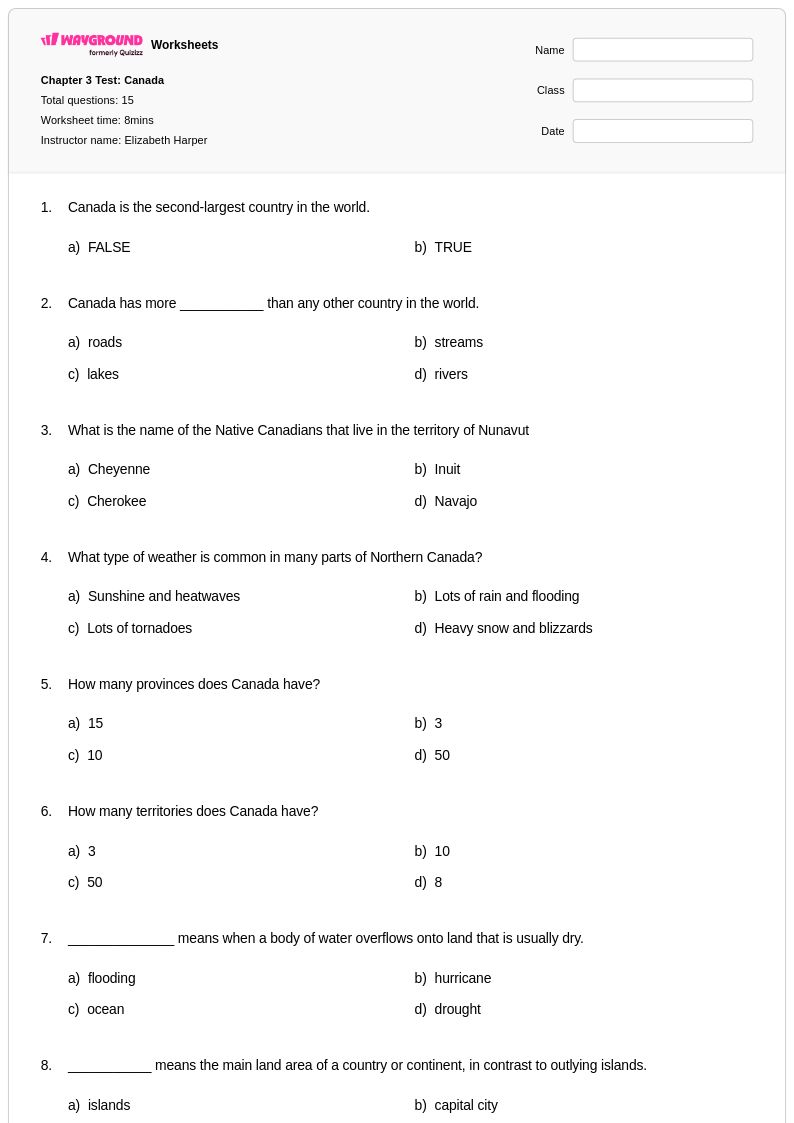
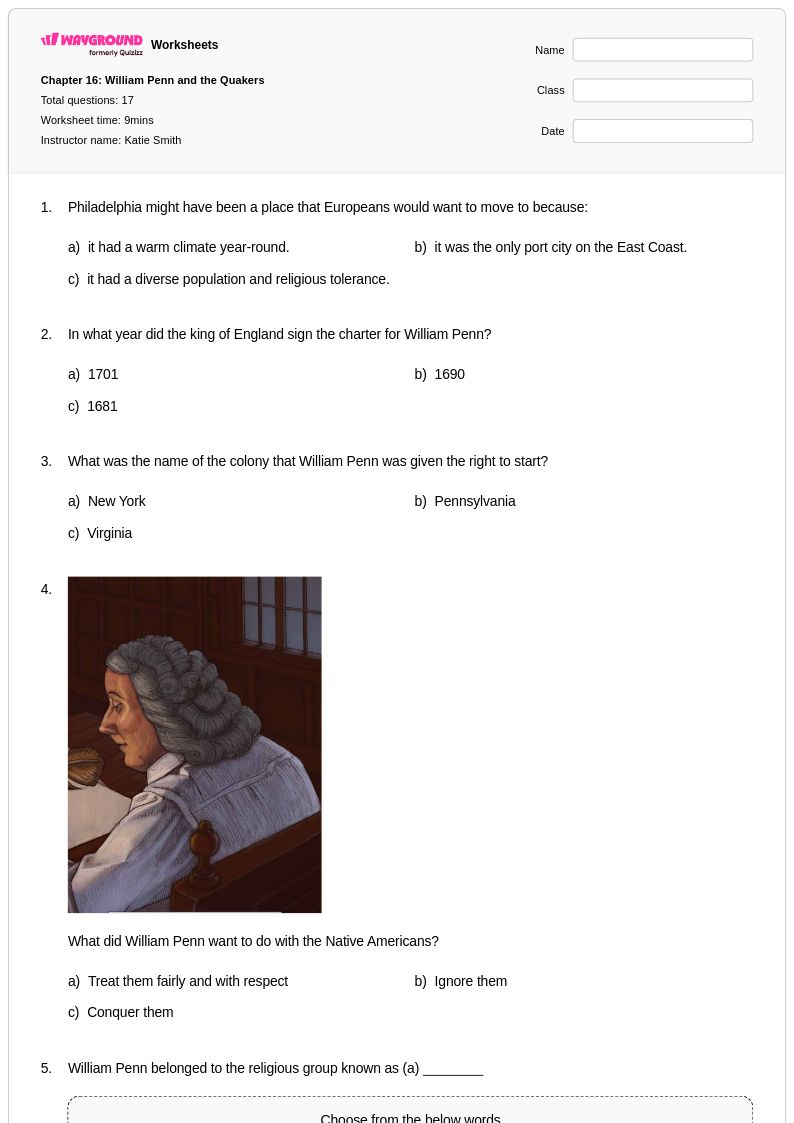
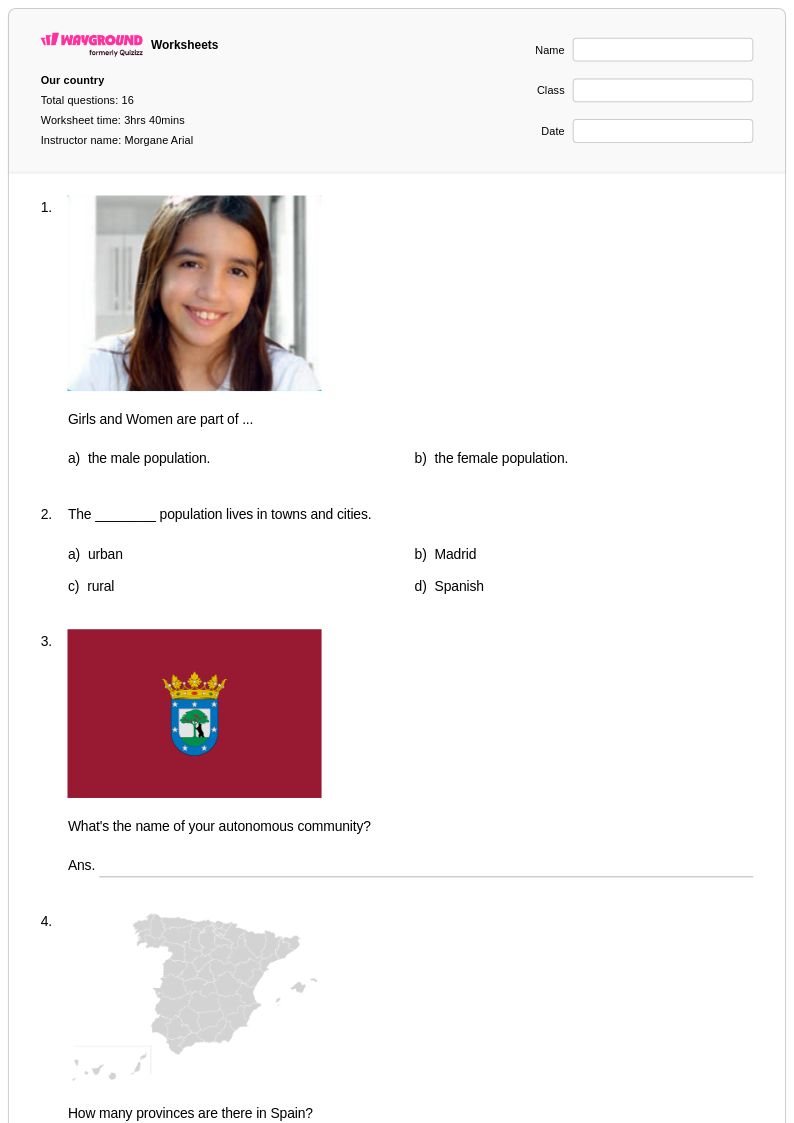
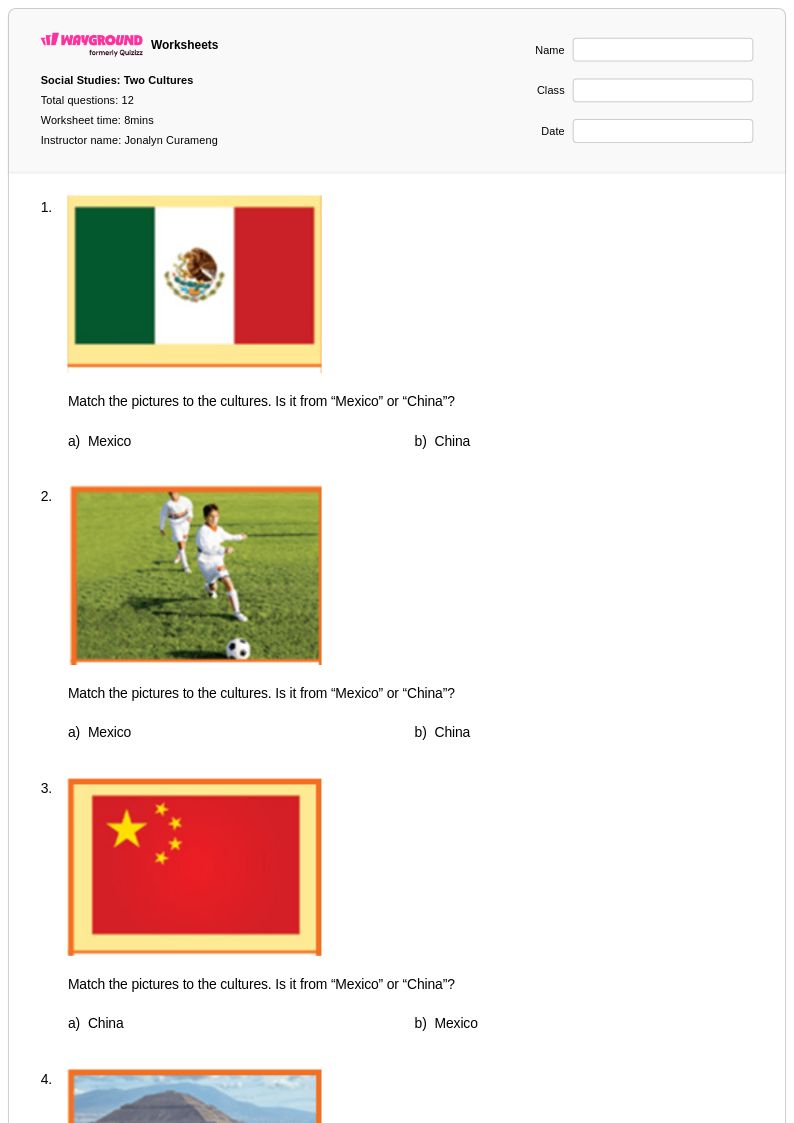
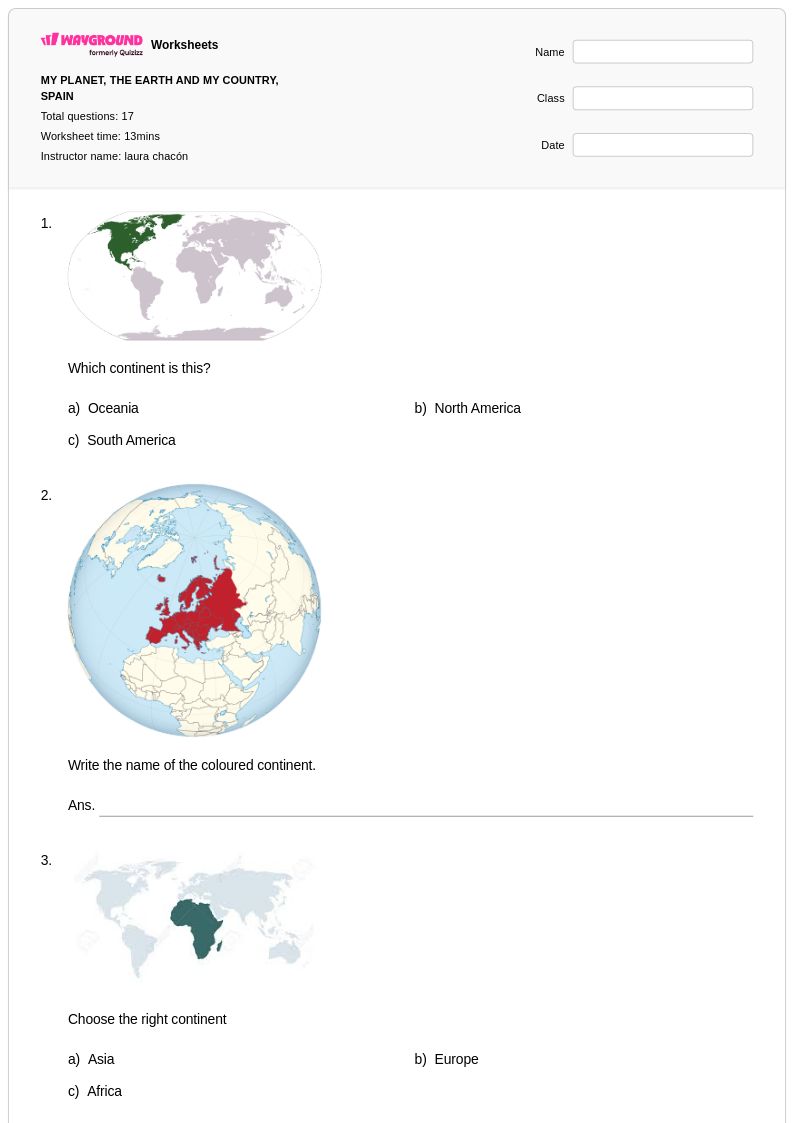
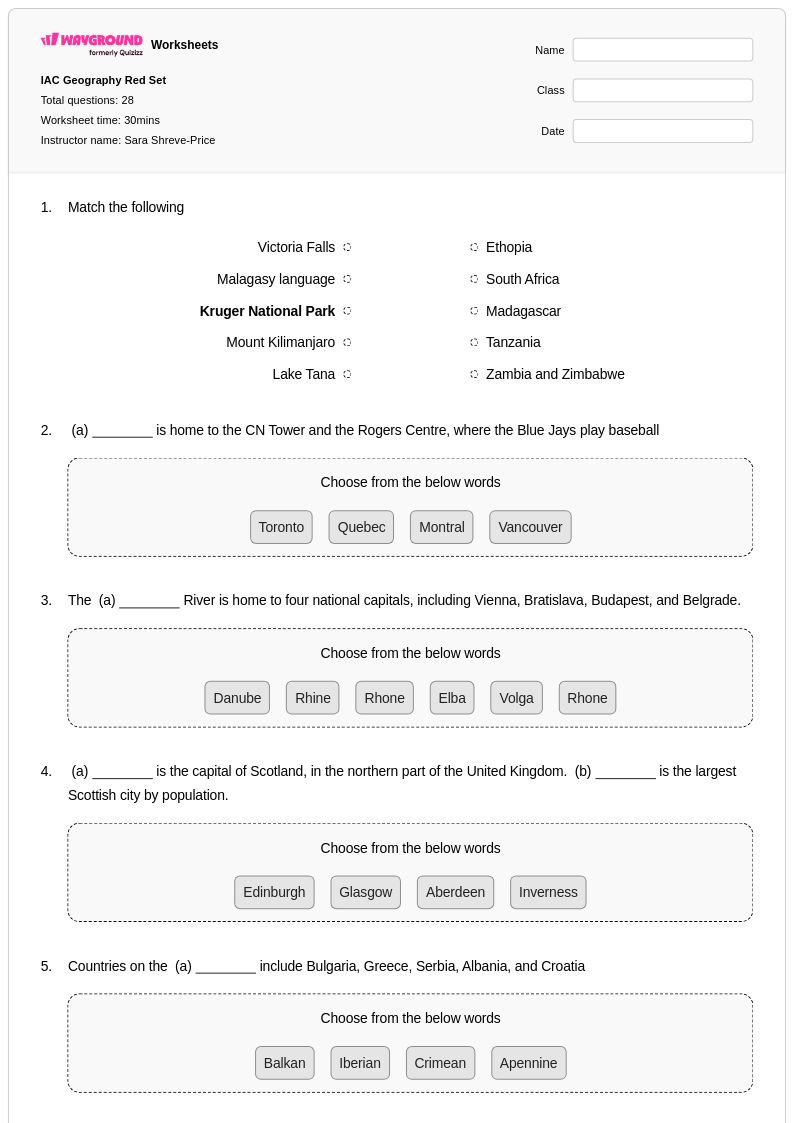
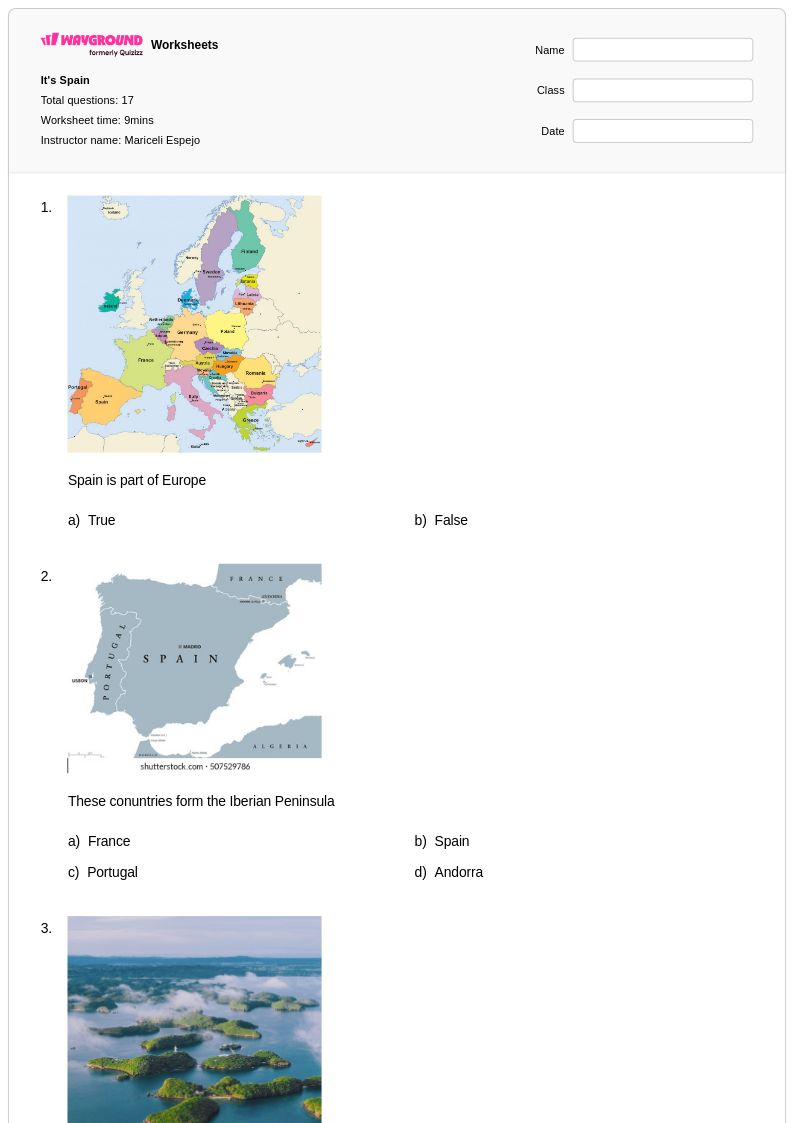
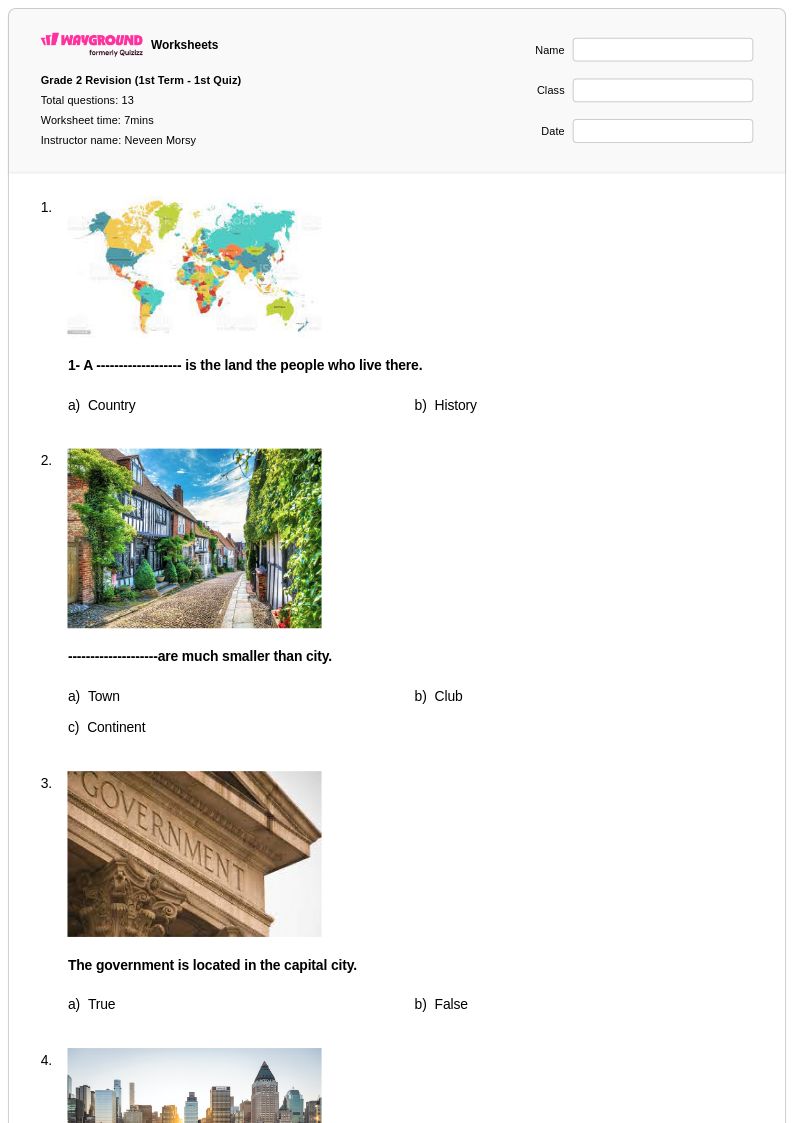
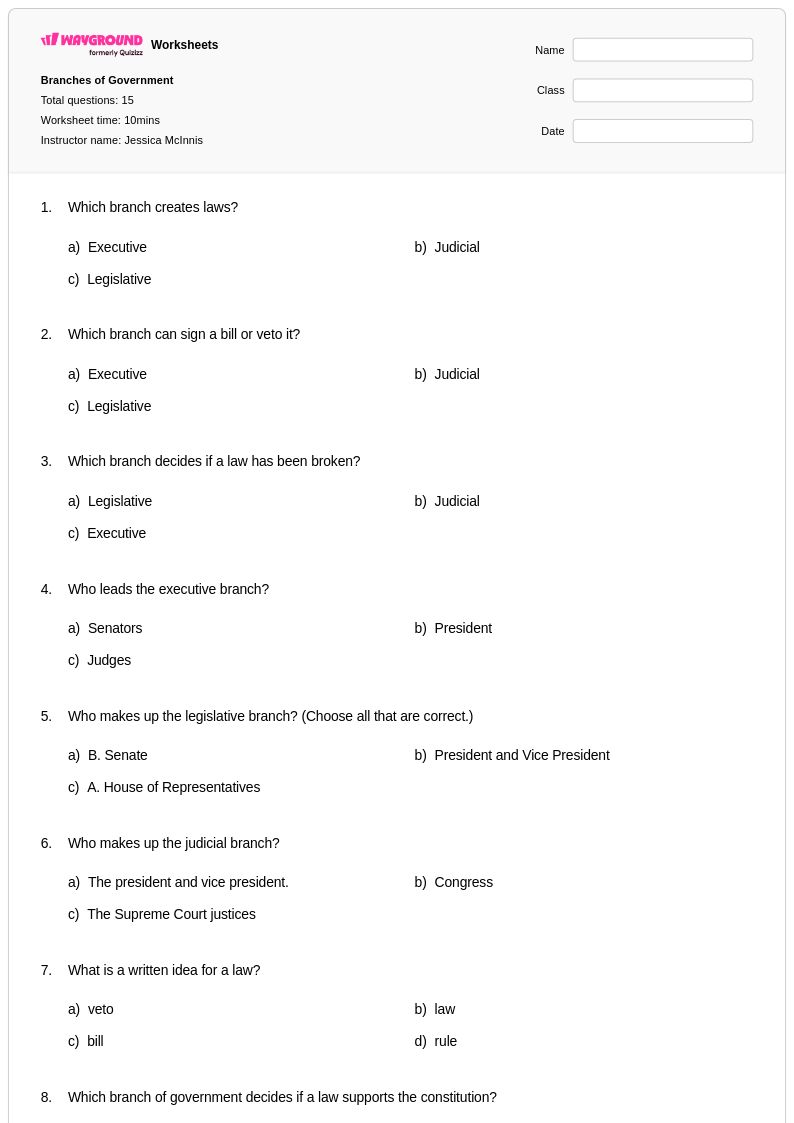
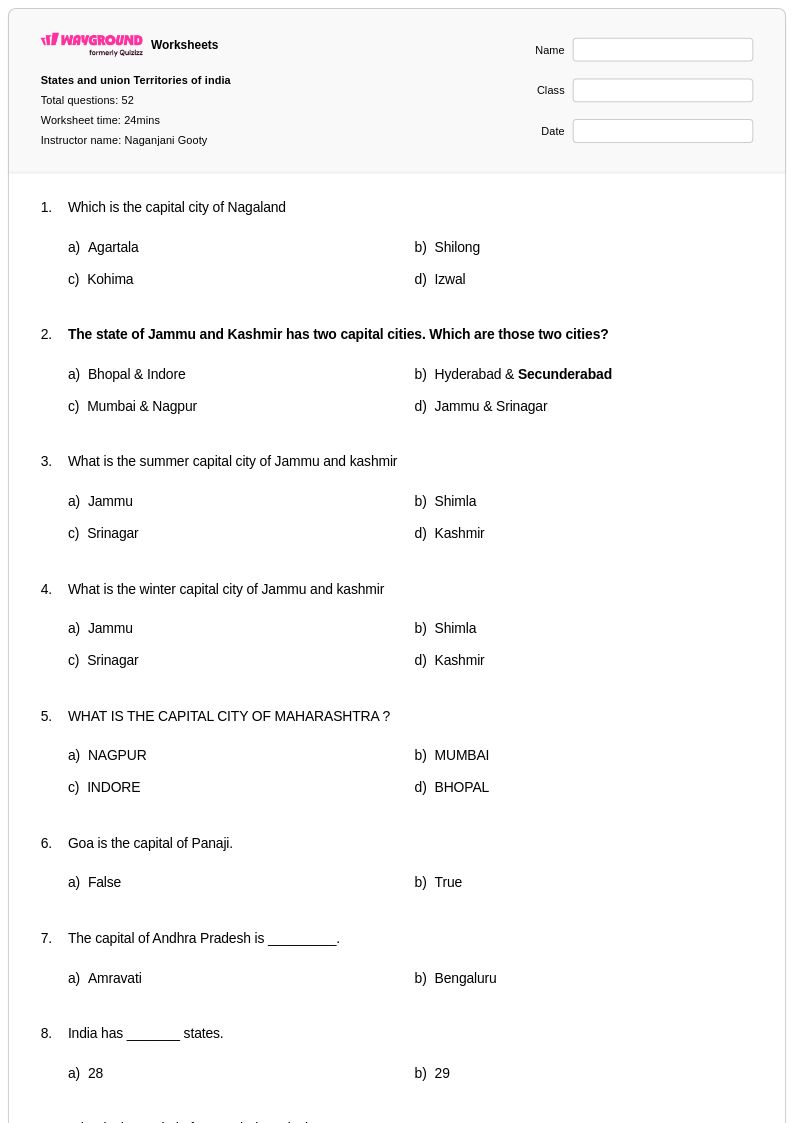
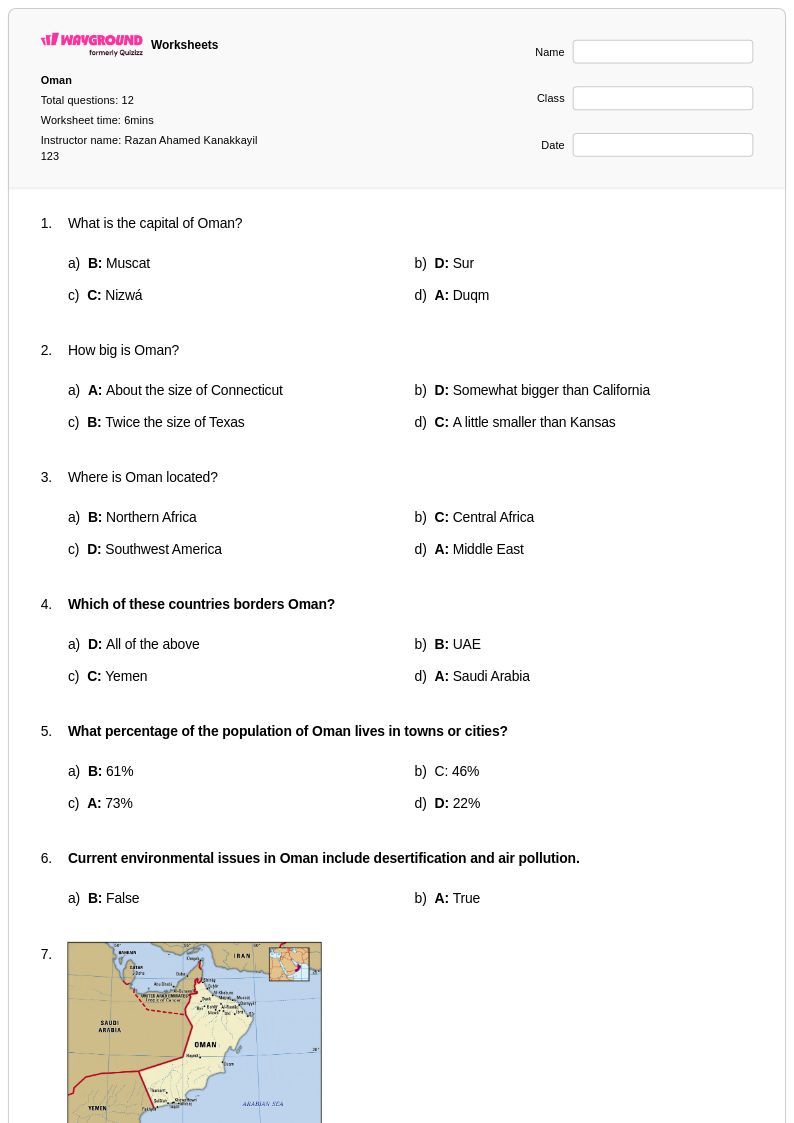
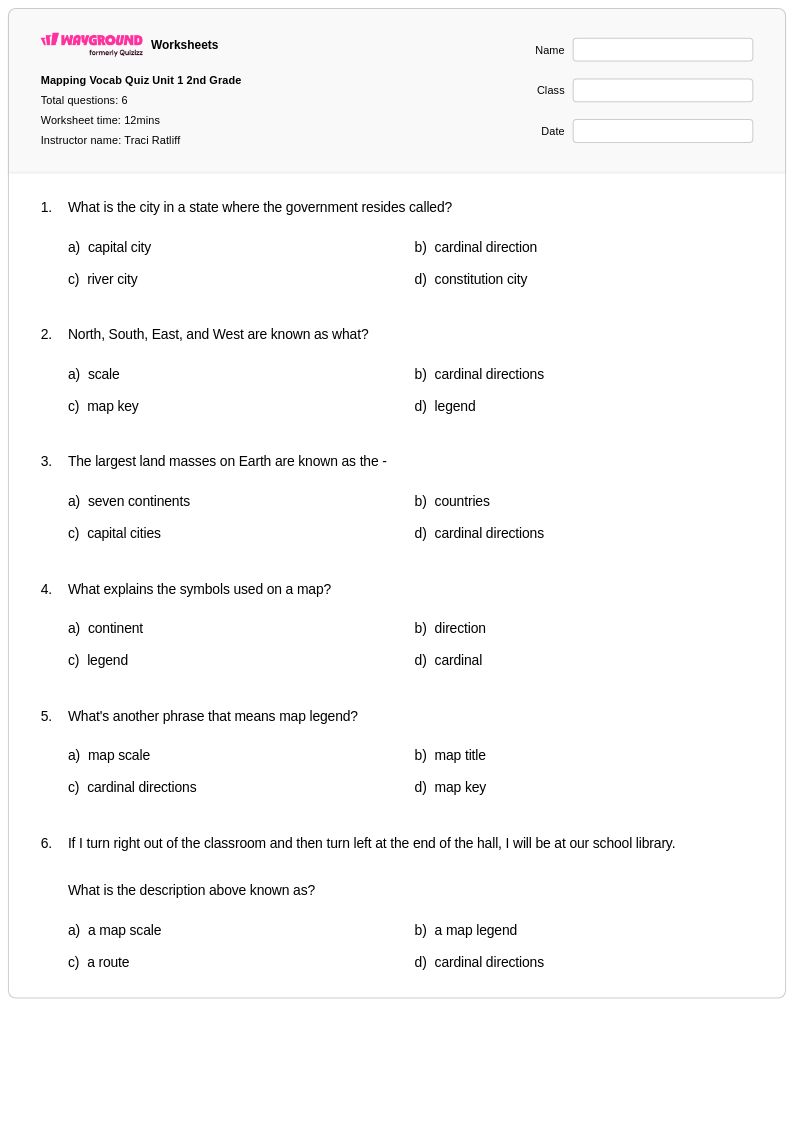
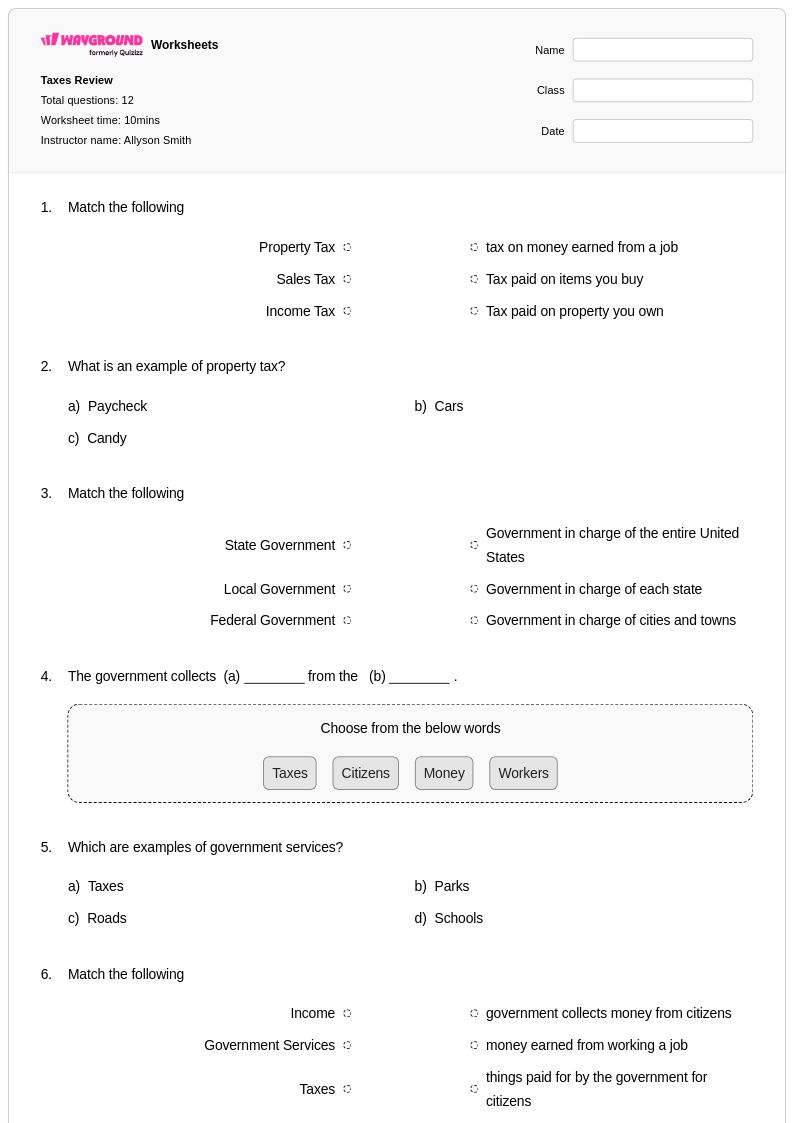
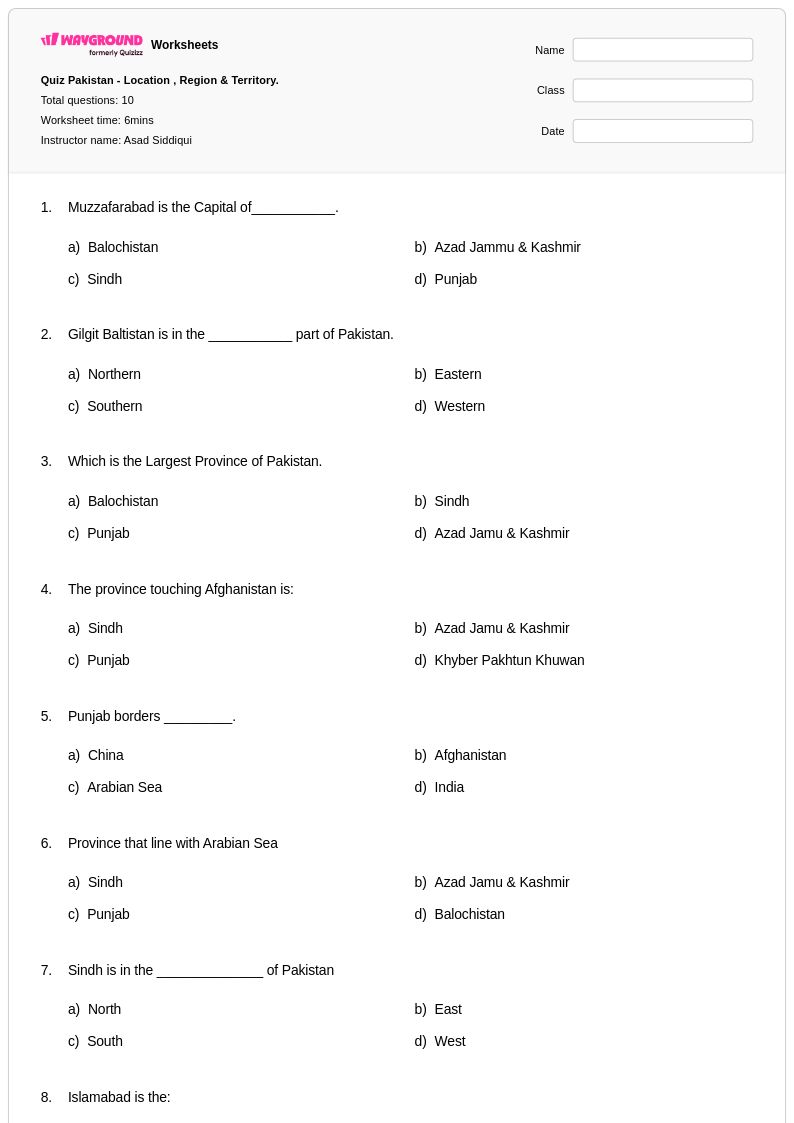
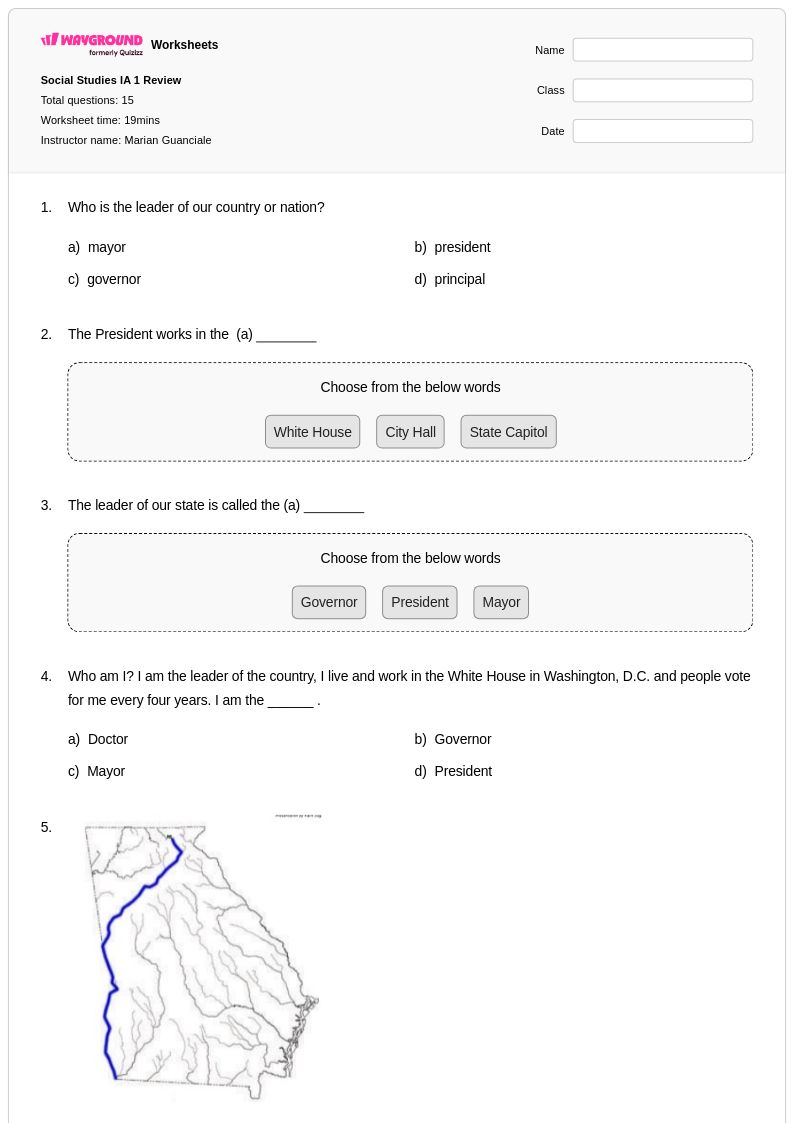
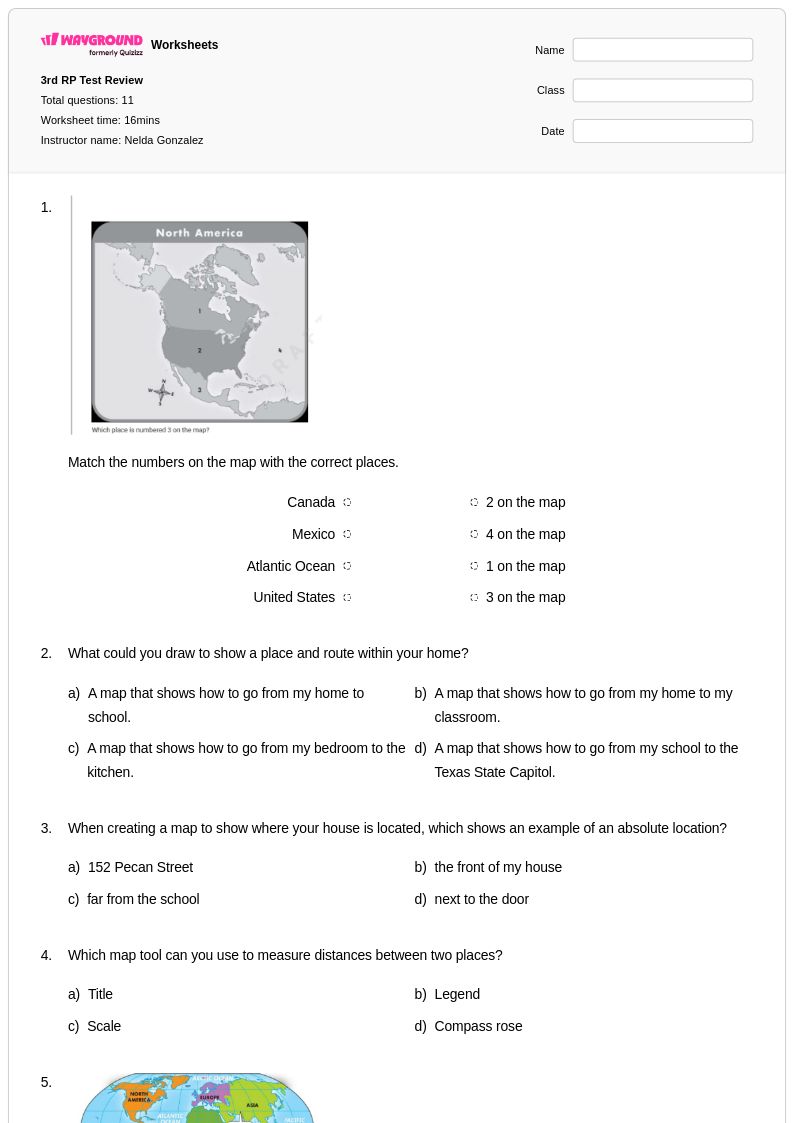
Capital cities worksheets for Grade 2 students available through Wayground provide young learners with engaging practice problems that introduce them to important world geography concepts. These educational resources help second-grade students develop foundational map skills while learning to identify and locate capital cities of various countries and states. The worksheets strengthen critical thinking abilities as students match capitals to their corresponding regions, complete fill-in-the-blank exercises, and solve geography puzzles that reinforce their understanding of political boundaries and civic knowledge. Teachers can access comprehensive answer keys alongside each printable worksheet, ensuring efficient grading and enabling students to check their own work during independent practice sessions. These free resources support classroom instruction by providing structured activities that make abstract geographical concepts more concrete and memorable for young minds.
Wayground's extensive collection of teacher-created capital cities worksheets offers educators millions of carefully curated resources specifically designed to meet Grade 2 learning objectives and educational standards. The platform's robust search and filtering capabilities allow teachers to quickly locate materials that align with their specific curriculum requirements, whether focusing on local state capitals or expanding to international geography. Advanced differentiation tools enable instructors to customize worksheets based on individual student needs, supporting both remediation for struggling learners and enrichment opportunities for advanced students. Available in both digital and printable pdf formats, these versatile resources seamlessly integrate into any classroom environment, making lesson planning more efficient while providing consistent skill practice that builds students' geographical literacy and confidence in social studies concepts.
FAQs
How do I teach capital cities to students effectively?
Teaching capital cities is most effective when geographic context is layered in progressively — begin with continents or regions students are already familiar with before expanding to global coverage. Pairing capital city identification with map work helps students build spatial memory rather than rote recall. Connecting capitals to political, cultural, or historical significance gives students meaningful anchors for retention.
What exercises help students practice identifying capital cities?
Effective practice exercises include matching capitals to their countries or states, fill-in-the-blank map labeling, and multiple-choice identification drills that build recognition under time pressure. Graduated difficulty works well here — starting with well-known capitals like Paris or Ottawa before moving into less familiar regions like Central Asia or Oceania. Regular, short practice sessions are more effective than infrequent longer ones for building geographic recall.
What mistakes do students commonly make when learning capital cities?
The most frequent error is confusing a country's largest or most famous city with its capital — students often assume New York, Sydney, or Toronto are capitals when they are not. Students also struggle with capitals that have changed names or countries that have relocated their capitals, such as Naypyidaw in Myanmar or Nur-Sultan in Kazakhstan. Reinforcing that 'capital' means governmental center, not population center, helps correct this foundational misconception.
How can I use capital cities worksheets to support different skill levels in my classroom?
Differentiated capital cities practice can range from basic continent-level identification for beginners to regional analysis and comparative government activities for more advanced students. On Wayground, teachers can apply accommodations at the individual student level, including reduced answer choices to lower cognitive load for struggling learners and read-aloud support for students who need it. These settings can be configured per student and reused across future sessions without affecting other students' experience.
How do I use Wayground's capital cities worksheets in my class?
Wayground's capital cities worksheets are available as printable PDFs for traditional classroom or homework use and in digital formats for technology-integrated environments, including the option to host them as an interactive quiz directly on the platform. Teachers can search and filter the worksheet library to find materials aligned to specific regions, standards, or difficulty levels. Each worksheet includes a complete answer key, making them practical for independent practice, formative checks, or sub plans.
How do I assess whether students have mastered capital cities?
Quick formative checks such as blank map labeling, timed matching quizzes, or region-specific recall tasks effectively reveal gaps in student knowledge. Look beyond whether students can recall a capital and assess whether they can place it in its correct geographic and political context. Students who can identify a capital but cannot locate it on a map or connect it to the correct country have only partial mastery.