Free Printable Comparing and Contrasting in Nonfiction Worksheets for Grade 8
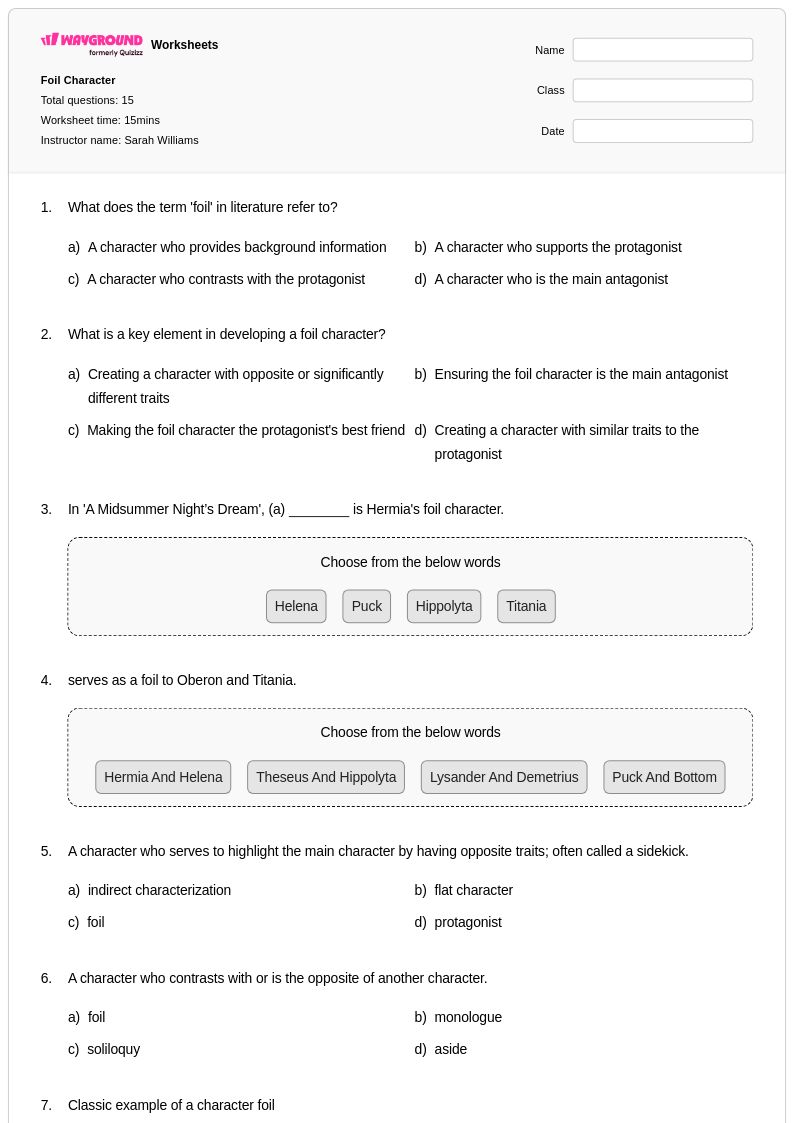
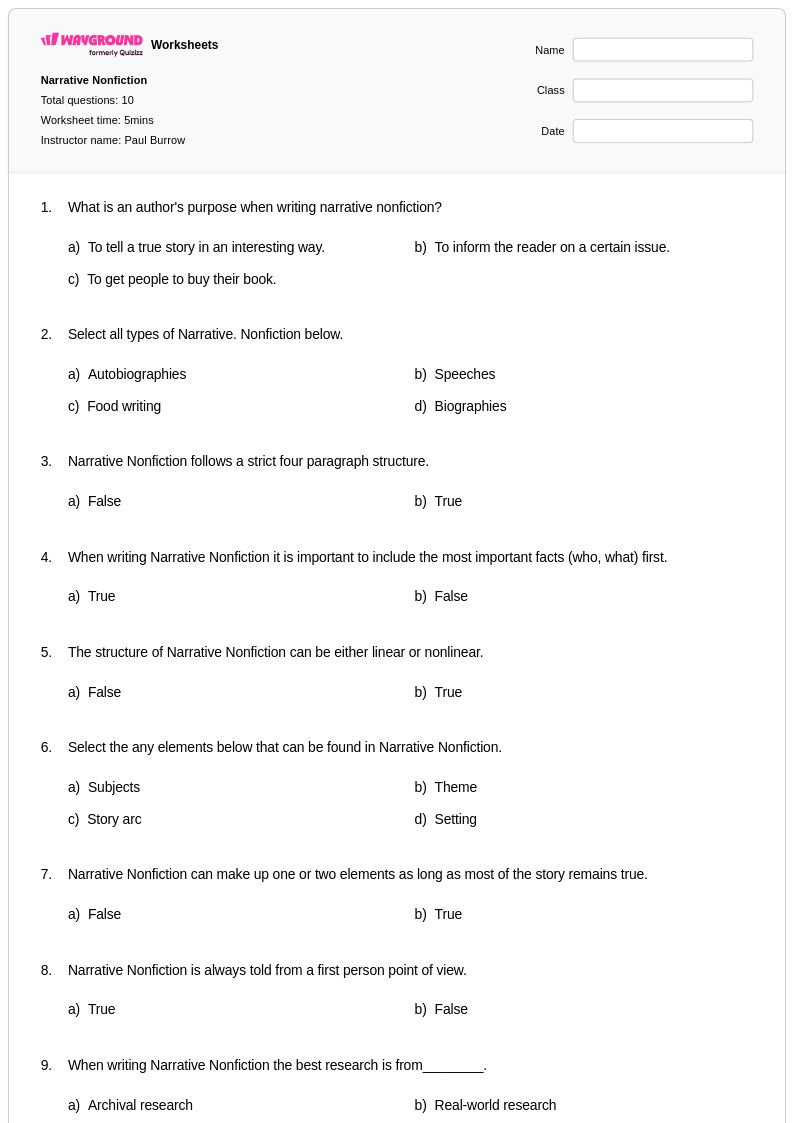
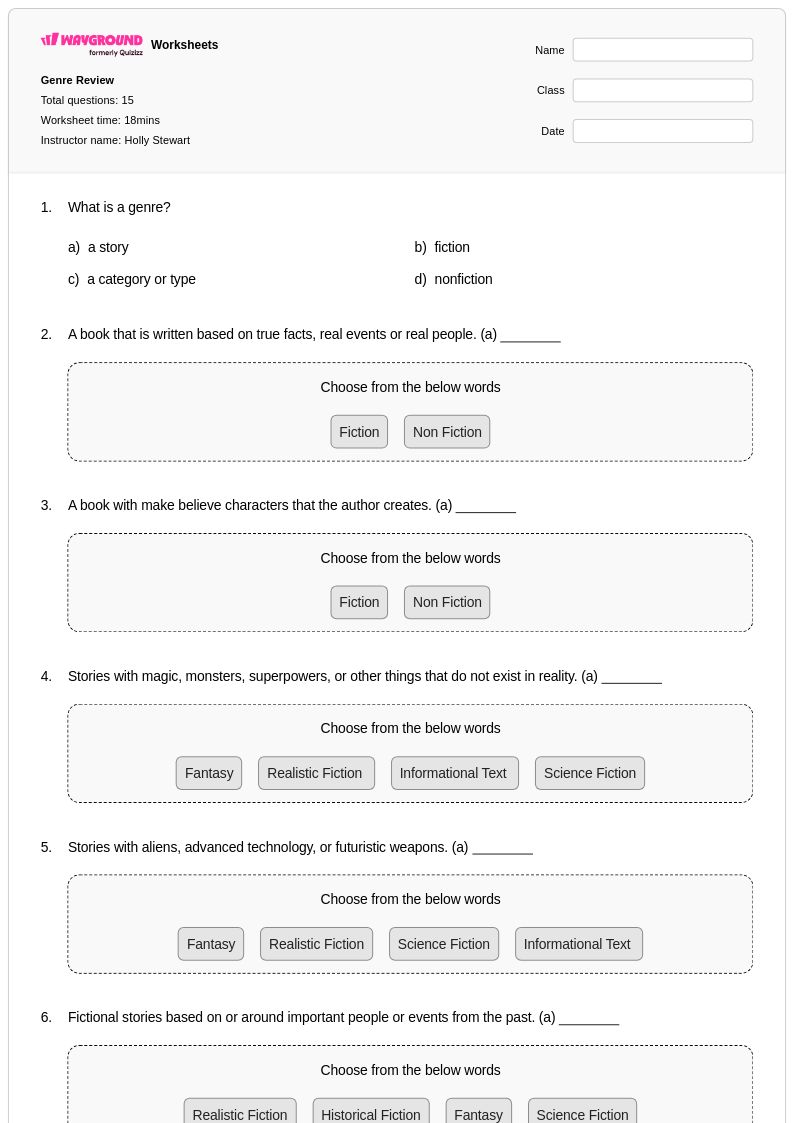
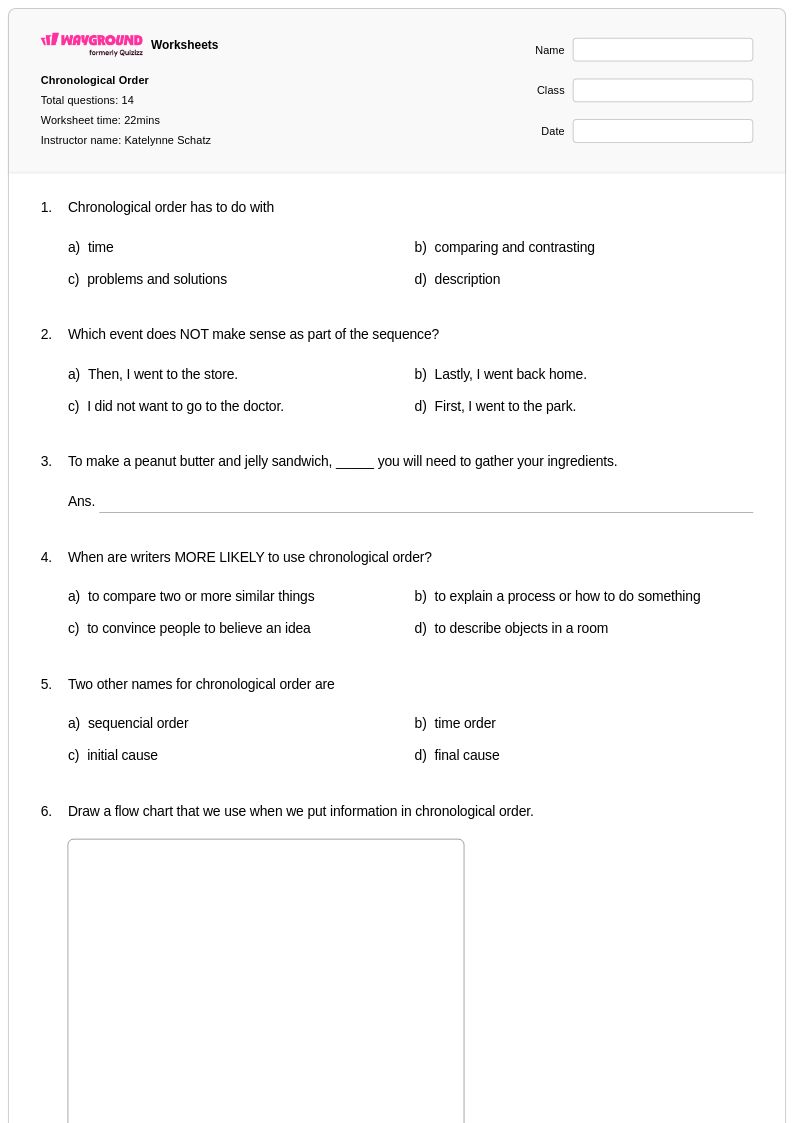
Enhance Grade 8 students' analytical skills with Wayground's free comparing and contrasting in nonfiction worksheets, featuring printable PDFs with practice problems and answer keys to master critical reading techniques.
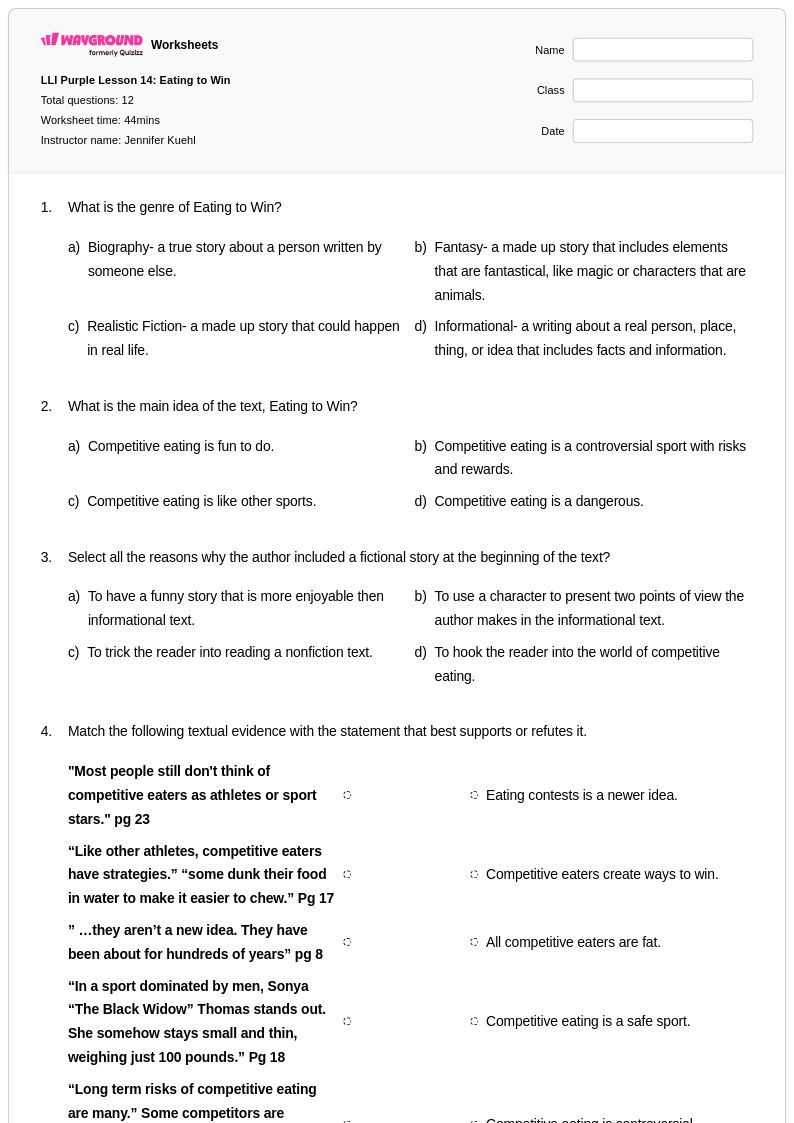
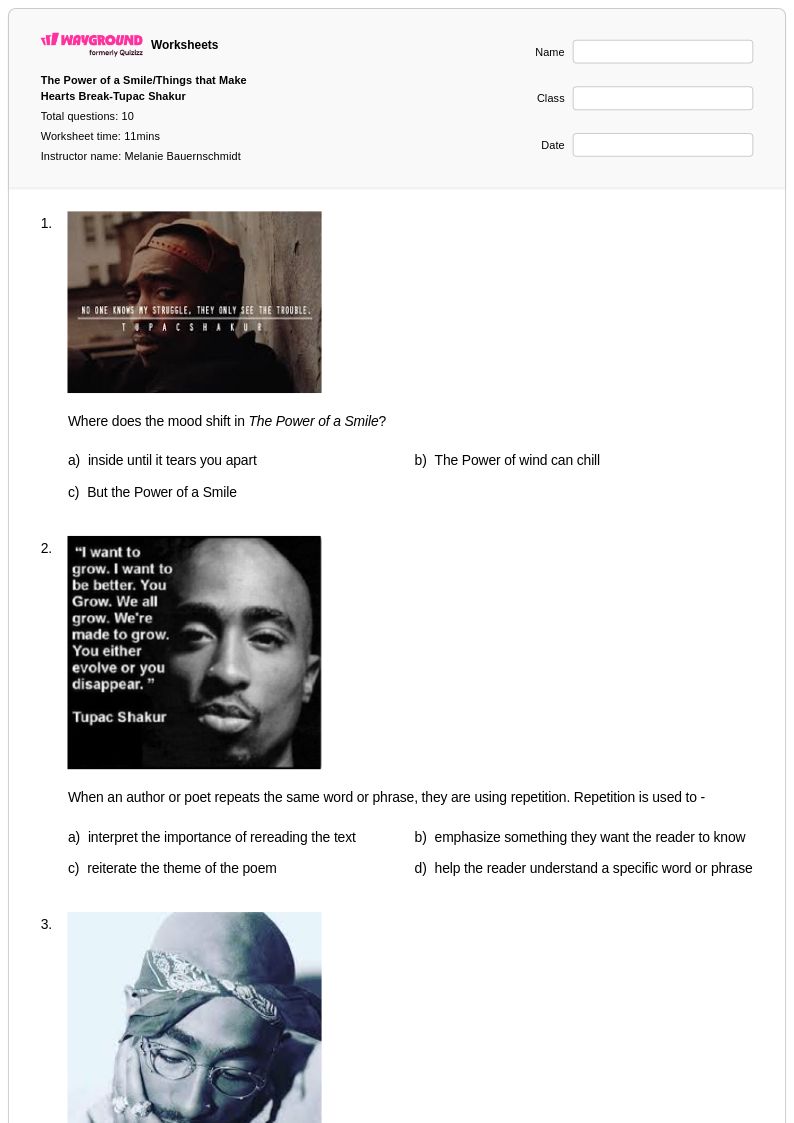
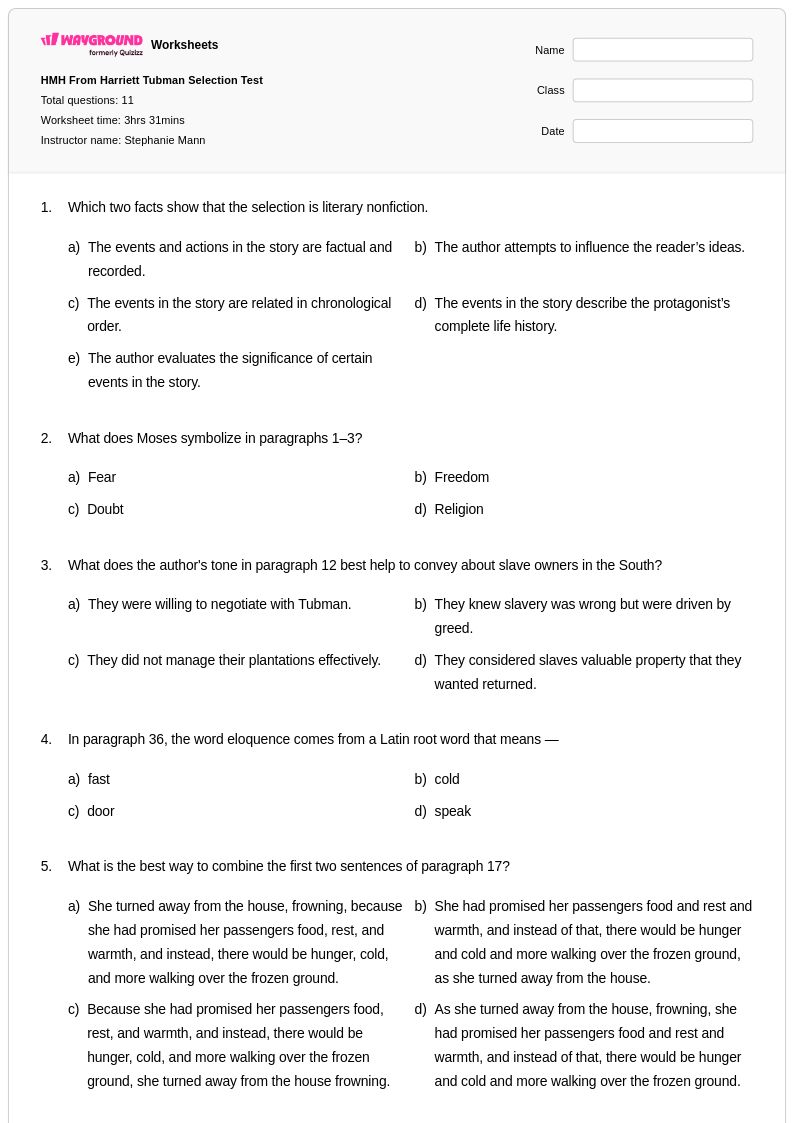
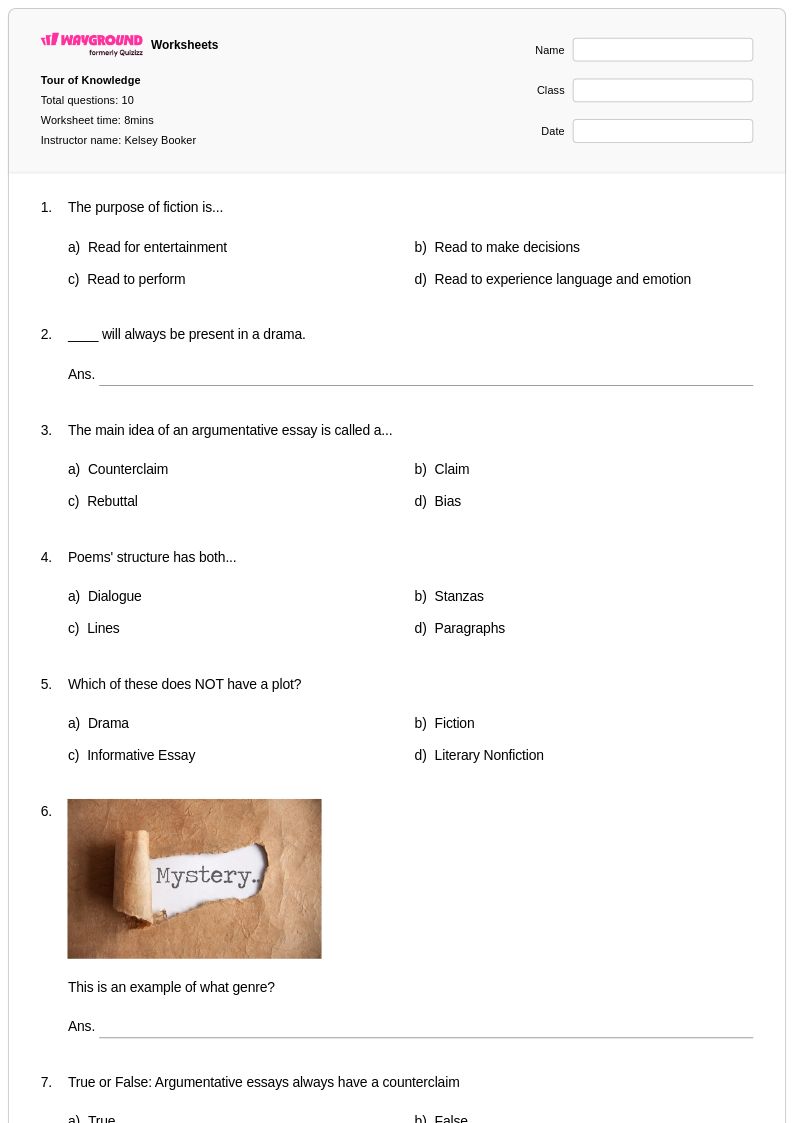
Explore printable Comparing and Contrasting in Nonfiction worksheets for Grade 8
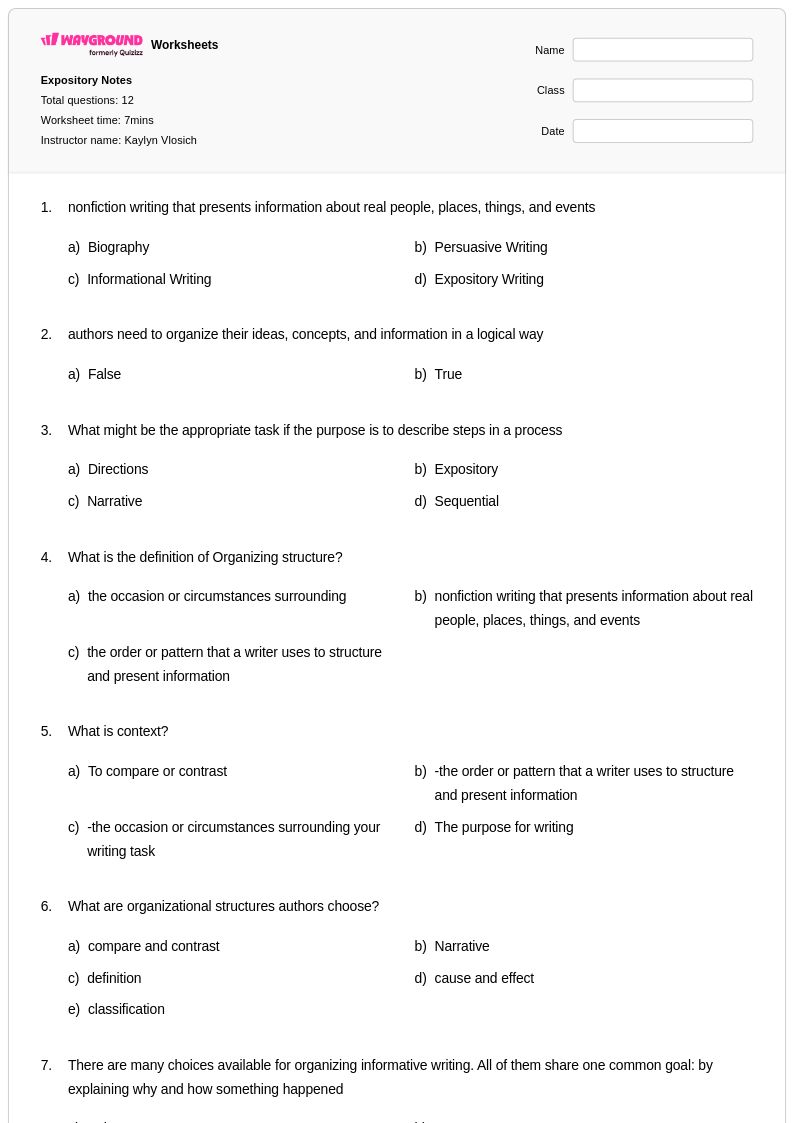
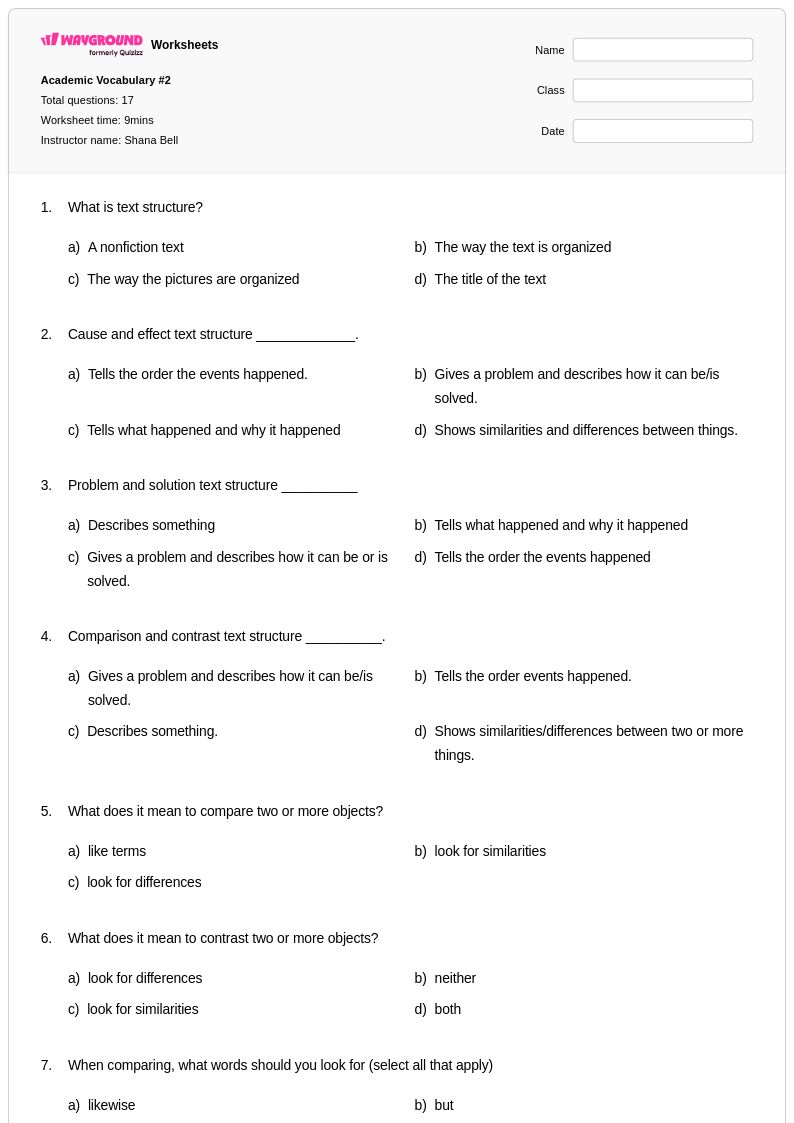
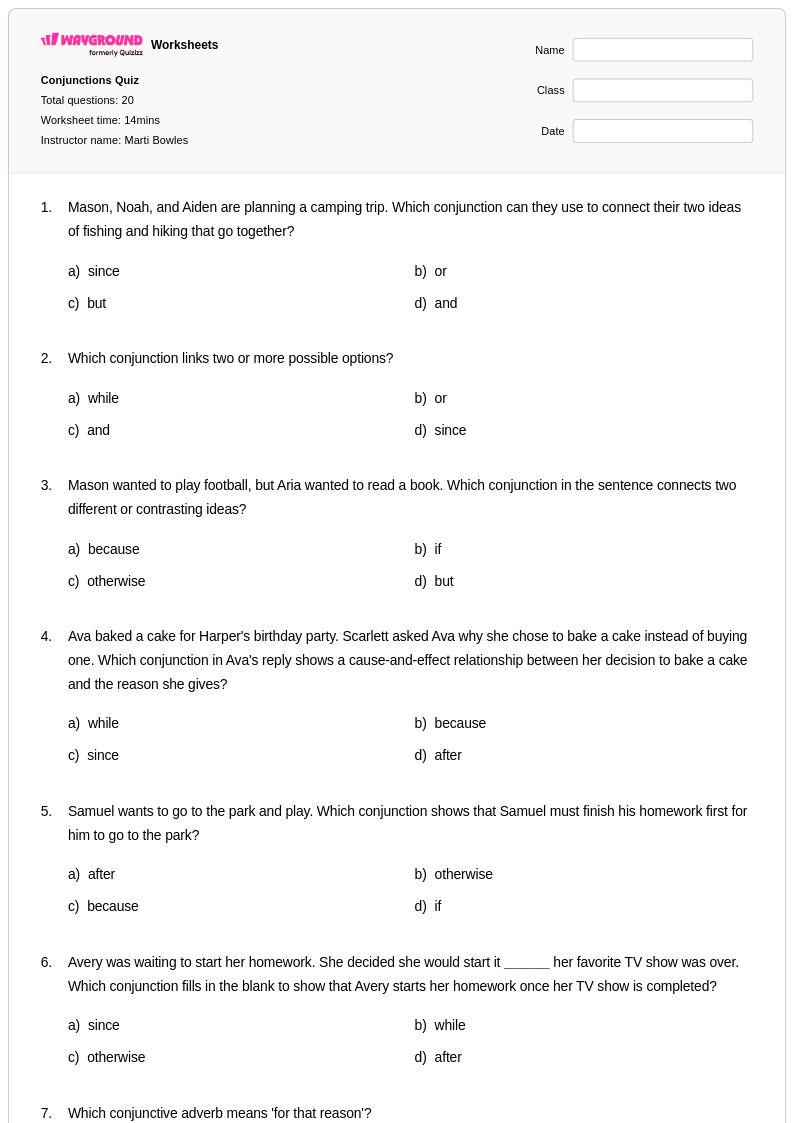
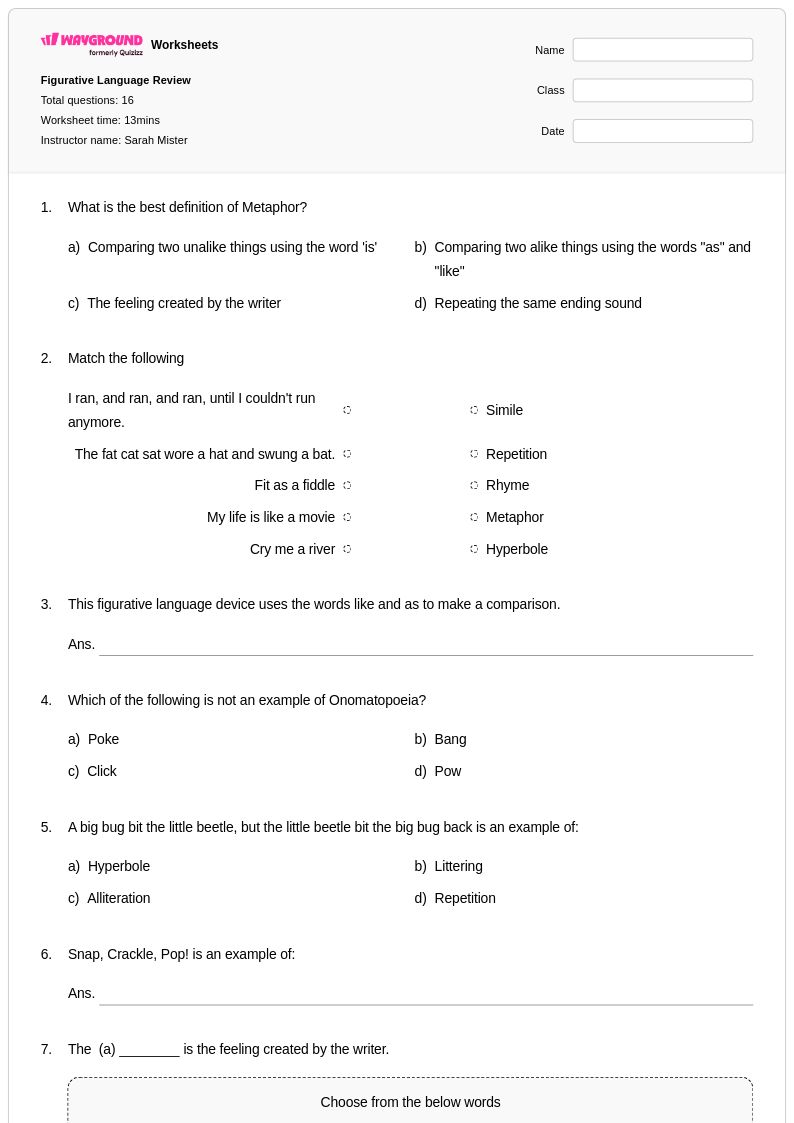
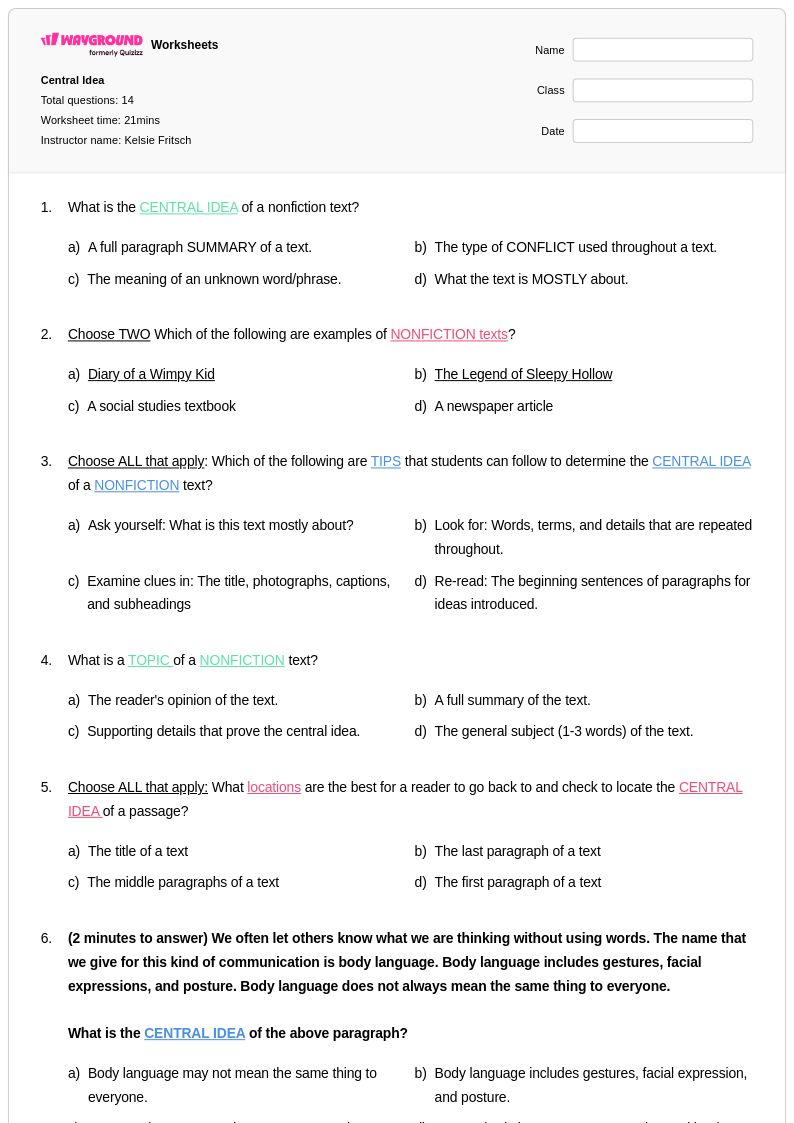
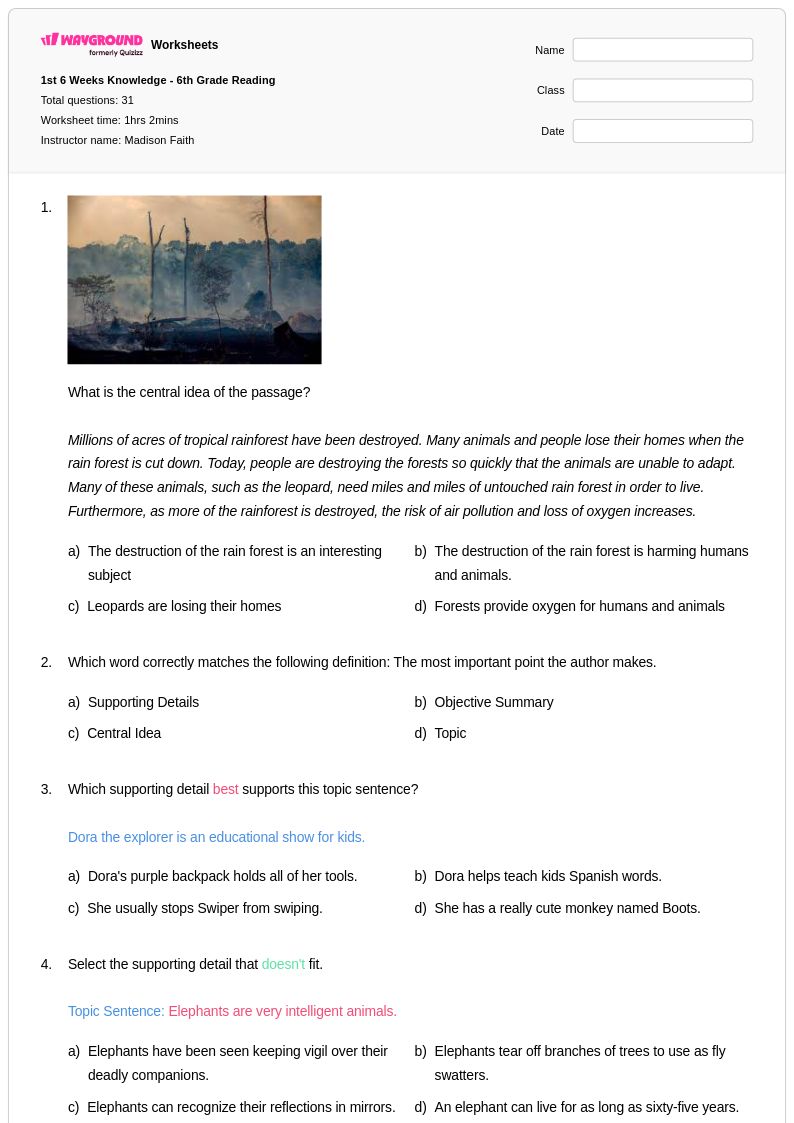
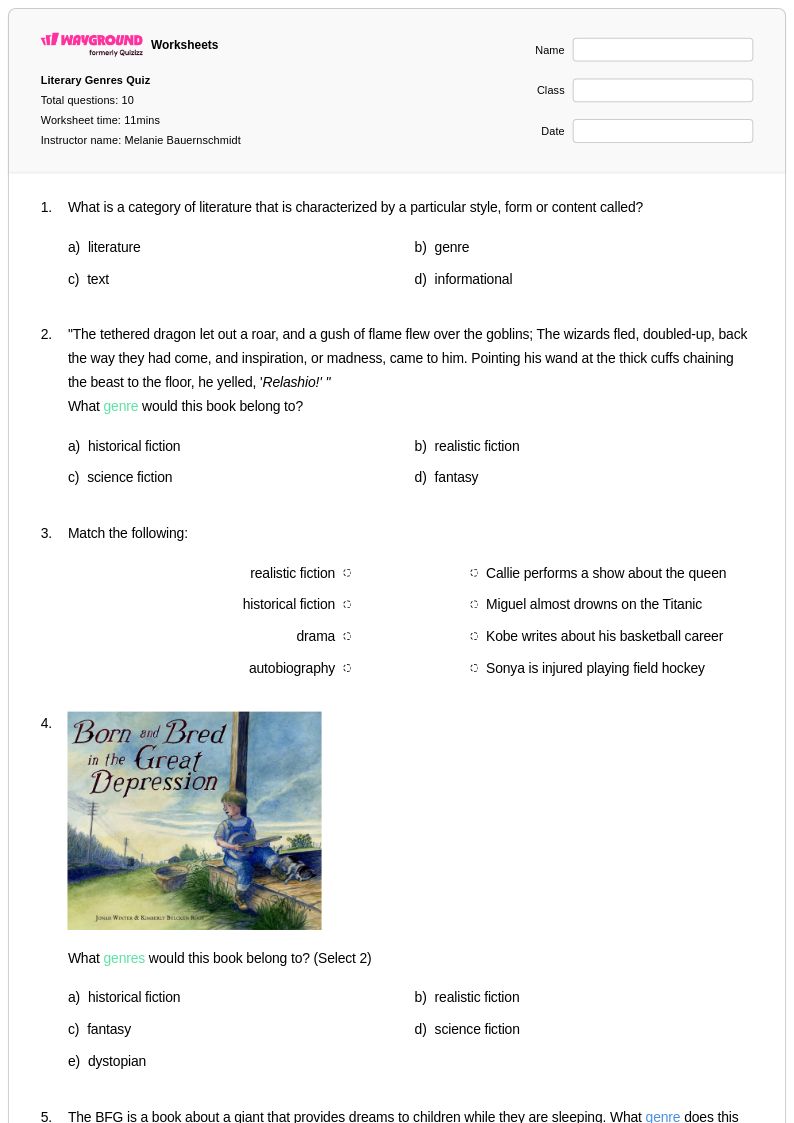
Comparing and contrasting in nonfiction for Grade 8 students requires sophisticated analytical skills that help learners evaluate multiple perspectives, synthesize information from various sources, and develop critical thinking abilities essential for academic success. Wayground's comprehensive collection of worksheets focuses specifically on these advanced literacy skills, providing students with structured practice problems that guide them through identifying similarities and differences in nonfiction texts, analyzing author perspectives, and evaluating evidence across multiple sources. These free printable resources include detailed answer keys that support both independent learning and classroom instruction, with pdf formats that ensure consistent formatting and easy distribution for teachers managing diverse learning environments.
Wayground, formerly Quizizz, empowers educators with millions of teacher-created resources specifically designed for comparing and contrasting in nonfiction, featuring robust search and filtering capabilities that allow teachers to quickly locate materials aligned with state standards and specific learning objectives. The platform's differentiation tools enable instructors to customize worksheets for varying skill levels within Grade 8 classrooms, supporting both remediation for struggling readers and enrichment opportunities for advanced students. Teachers benefit from flexible formatting options that include both printable pdf versions for traditional classroom use and digital formats for online learning environments, making lesson planning more efficient while providing targeted skill practice that helps students master the complex analytical thinking required for nonfiction text analysis and academic writing success.
FAQs
How do I teach comparing and contrasting in nonfiction texts?
Start by explicitly modeling the skill with two short, familiar nonfiction passages on the same topic, thinking aloud as you identify a clear similarity and a clear difference. Graphic organizers like Venn diagrams and T-charts give students a visible structure for their thinking before they write in prose. Once students can use organizers fluently, transition them to written comparisons using signal language such as 'both,' 'similarly,' 'however,' and 'in contrast' to formalize the skill.
What kinds of exercises help students practice comparing and contrasting in nonfiction?
Paired nonfiction passages on the same subject but with different perspectives or formats are one of the most effective practice formats, as they give students immediate material to analyze side by side. Structured graphic organizers, including Venn diagrams and comparison charts, scaffold the analytical process by prompting students to locate specific evidence before drawing conclusions. Repeated exposure across different subject areas, such as science processes, historical events, and informational articles, helps students transfer the skill beyond a single context.
What mistakes do students commonly make when comparing and contrasting nonfiction texts?
The most common error is listing facts from each text separately rather than genuinely analyzing relationships between them, which produces a summary rather than a comparison. Students also frequently compare surface details, such as text length or topic sentence wording, instead of substantive ideas, arguments, or evidence. Another common misconception is treating 'different' as interchangeable with 'opposite,' which leads to forced contrasts that the texts do not actually support.
How do I differentiate comparing and contrasting nonfiction activities for students at different reading levels?
Pair students at lower reading levels with shorter passages at an accessible Lexile level while using the same graphic organizer the whole class completes, so the analytical task remains consistent even as the text complexity varies. For students who need additional support during digital practice, Wayground allows teachers to enable Read Aloud so passage text and questions are read to them, and Reduced Answer Choices to lower cognitive load on selected response items. Advanced students can be challenged by comparing texts across different genres, such as a primary source document versus an encyclopedia entry on the same event.
How can I use Wayground's comparing and contrasting in nonfiction worksheets in my classroom?
Wayground's comparing and contrasting in nonfiction worksheets are available as printable PDFs for traditional classroom use and in digital formats for technology-integrated learning environments, giving teachers flexibility for whole-group instruction, independent practice, or homework. Teachers can also host the worksheets as an interactive quiz directly on Wayground, which allows for real-time tracking of student responses. Each worksheet includes a complete answer key, making them suitable for self-paced learning, station rotations, or guided small-group work.
How does comparing and contrasting nonfiction texts support broader reading comprehension skills?
When students compare and contrast nonfiction texts, they are forced to read for meaning rather than passive recall, because identifying relationships between ideas requires understanding each text deeply before analyzing them together. This process builds skills in identifying main idea, evaluating author's purpose, and recognizing how evidence is used to support claims. Over time, students who practice this skill become more critical consumers of informational text, which supports comprehension in every subject area, not just ELA.