Free Printable Comparing Size Worksheets for Grade 3
Explore Wayground's free Grade 3 comparing size worksheets and printables that help students master measurement comparison skills through engaging practice problems with complete answer keys.
Explore printable Comparing Size worksheets for Grade 3
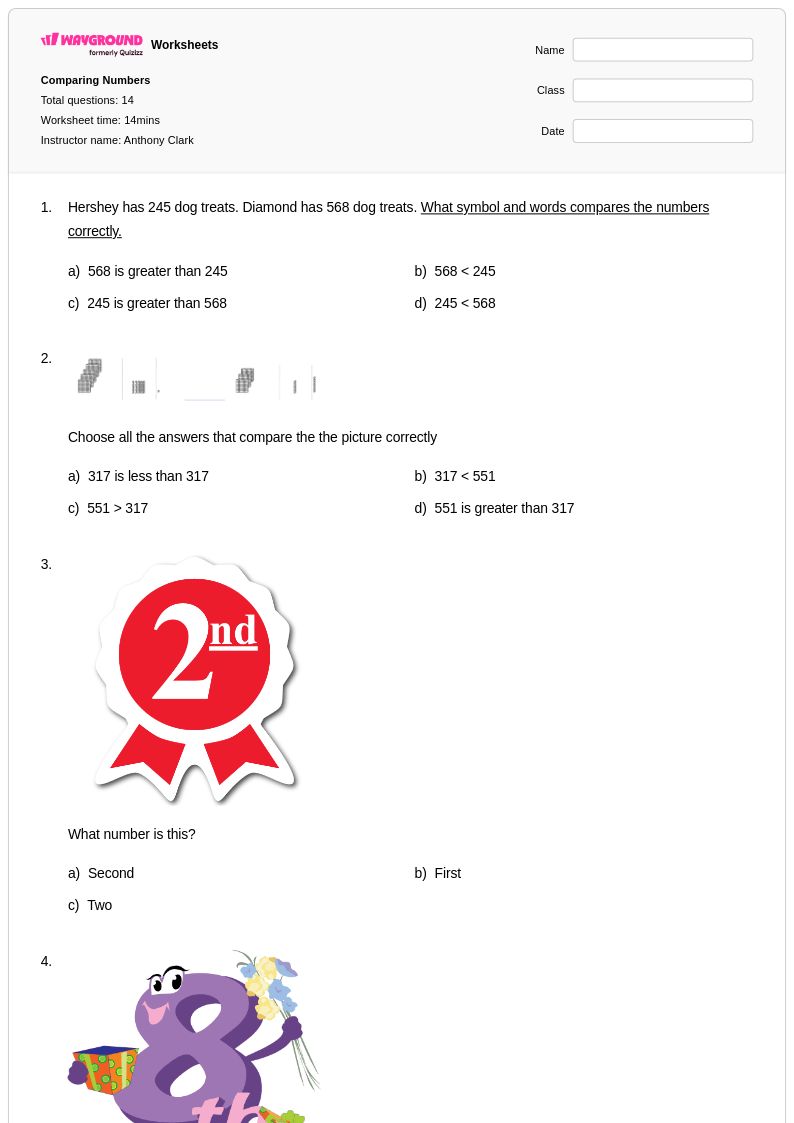
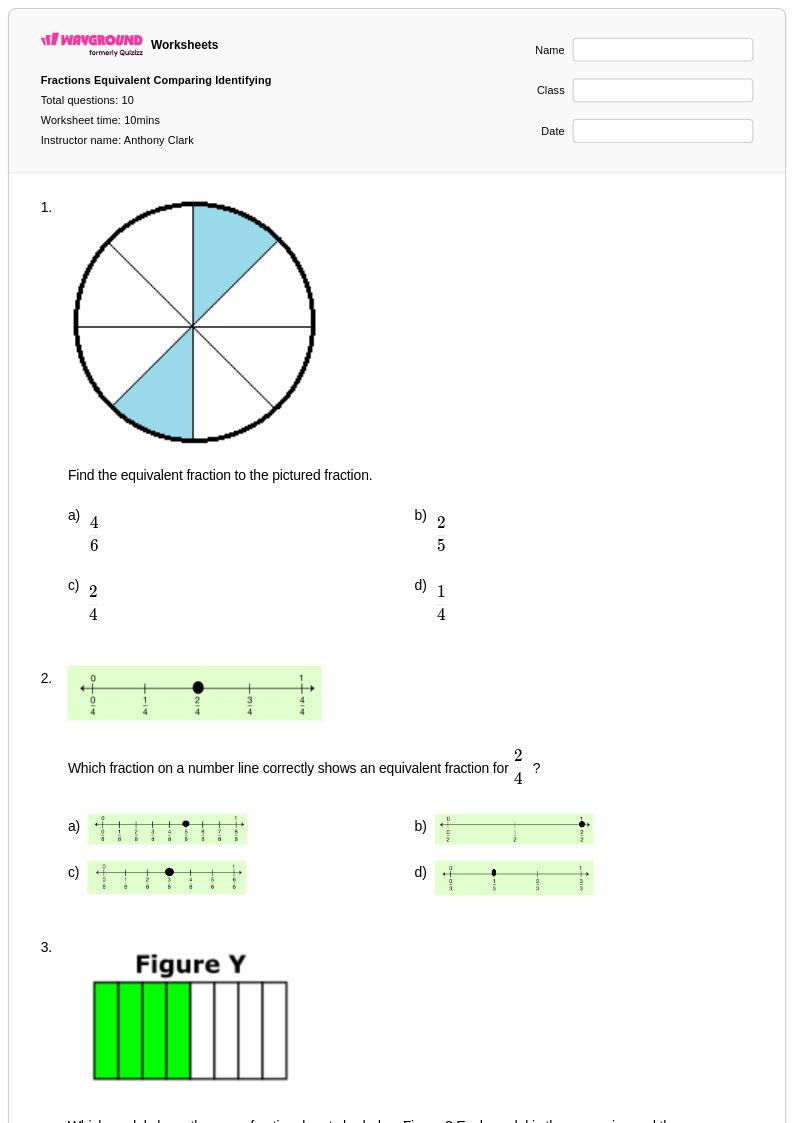
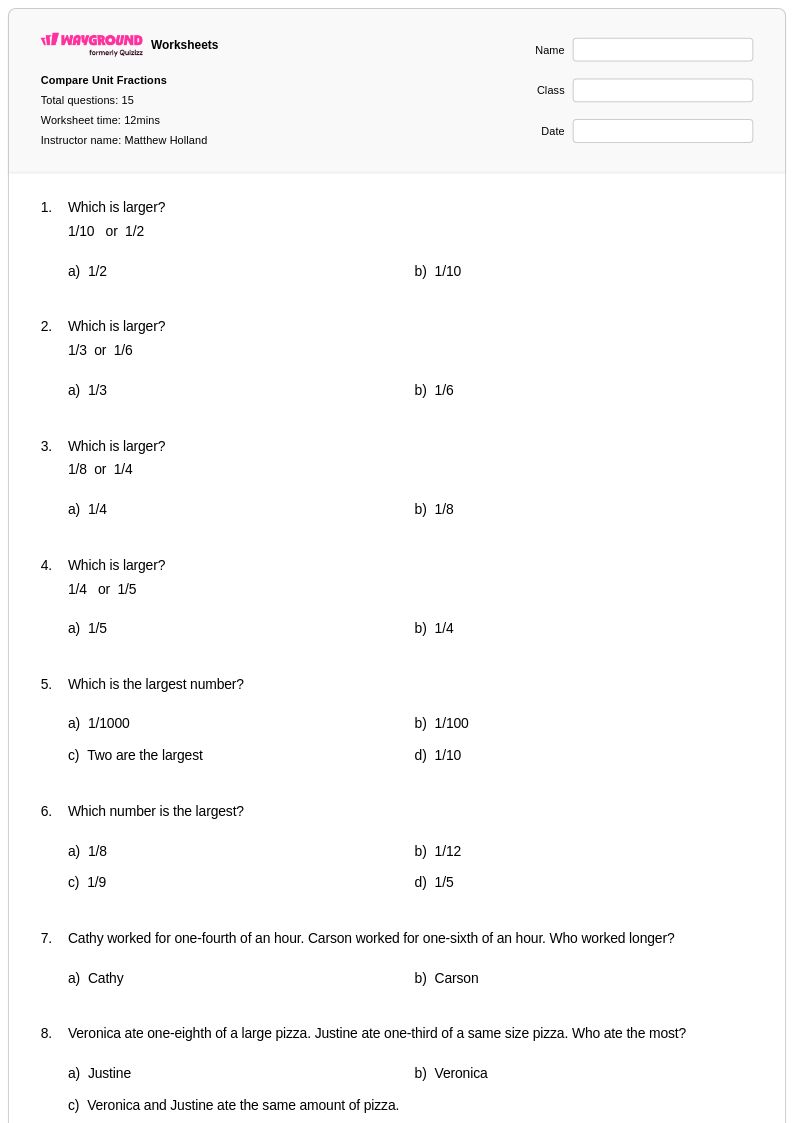
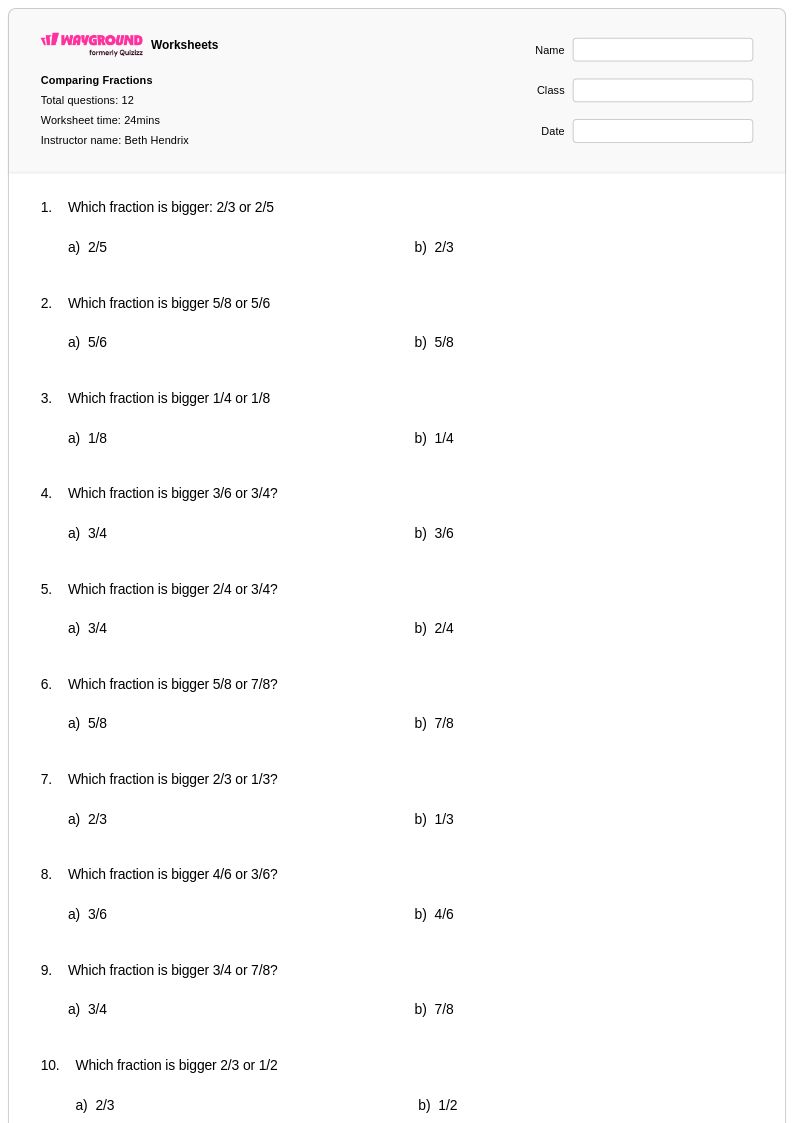
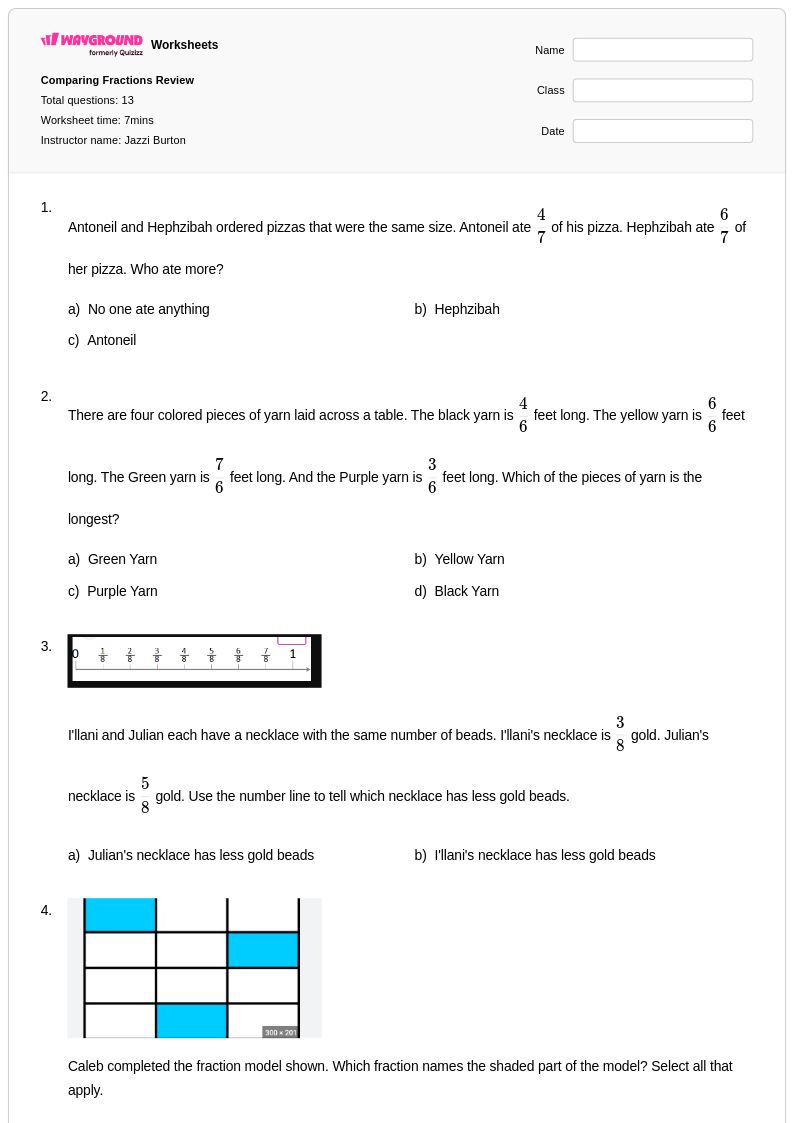
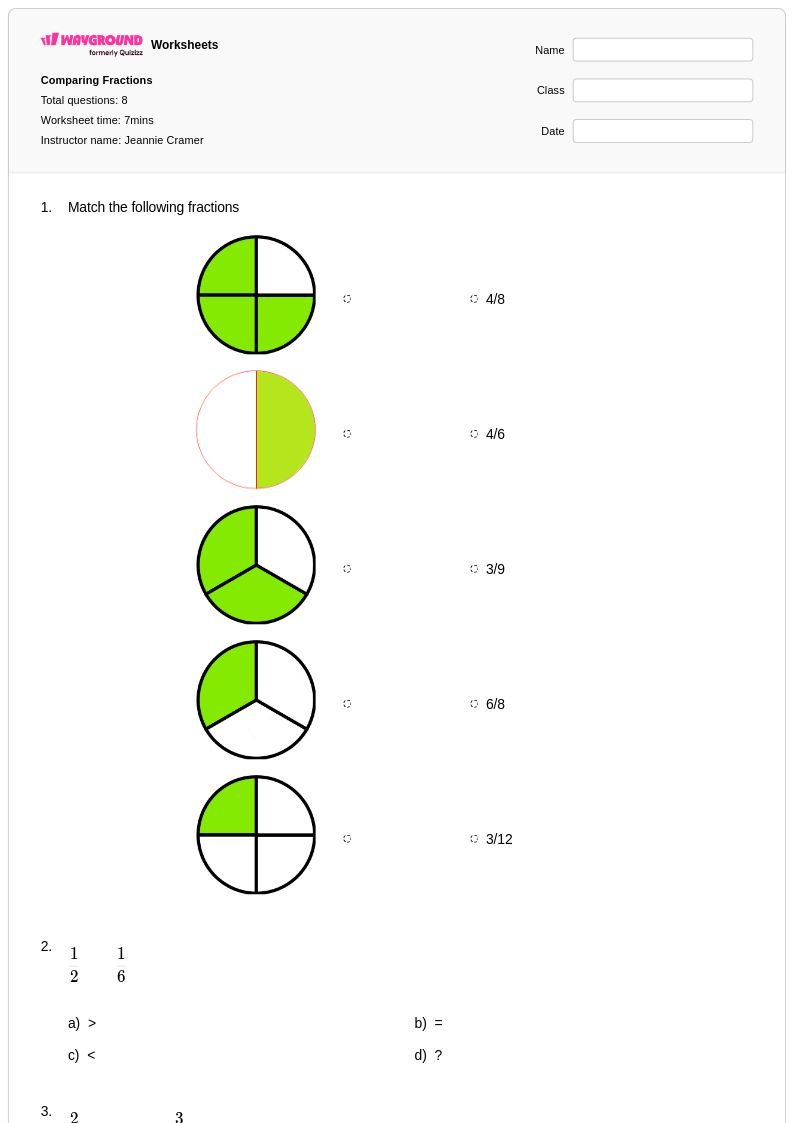
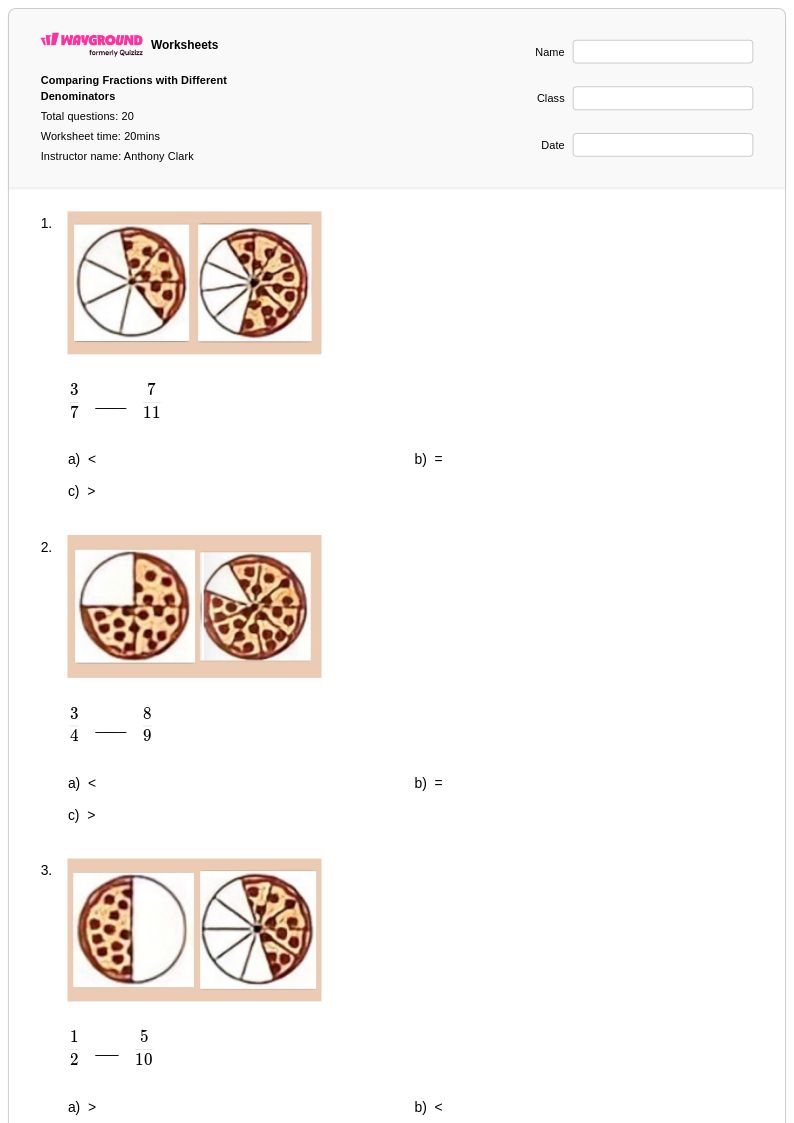
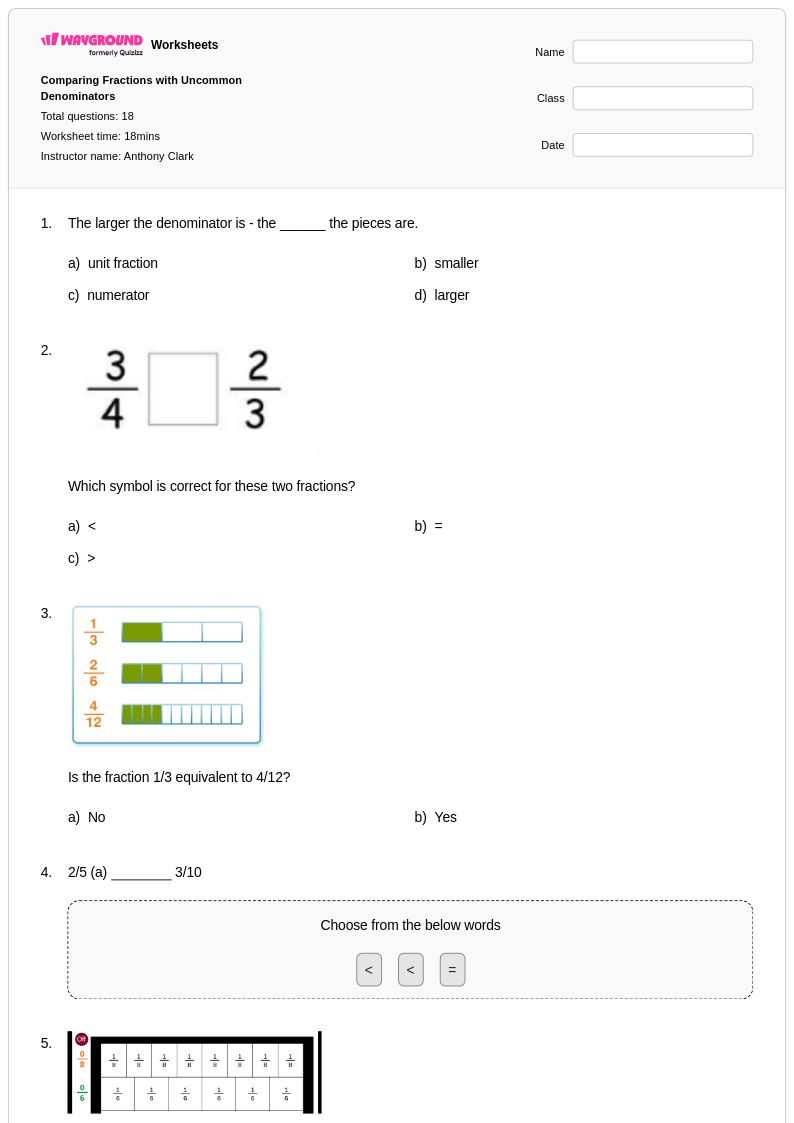
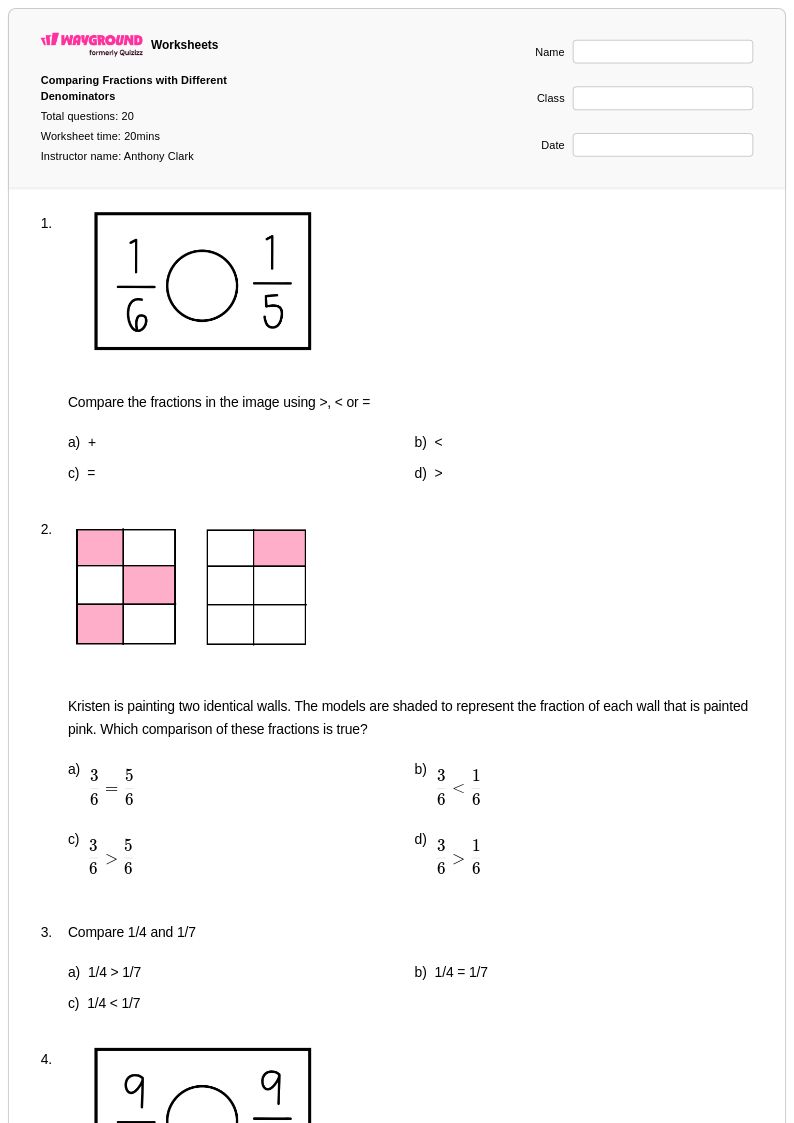
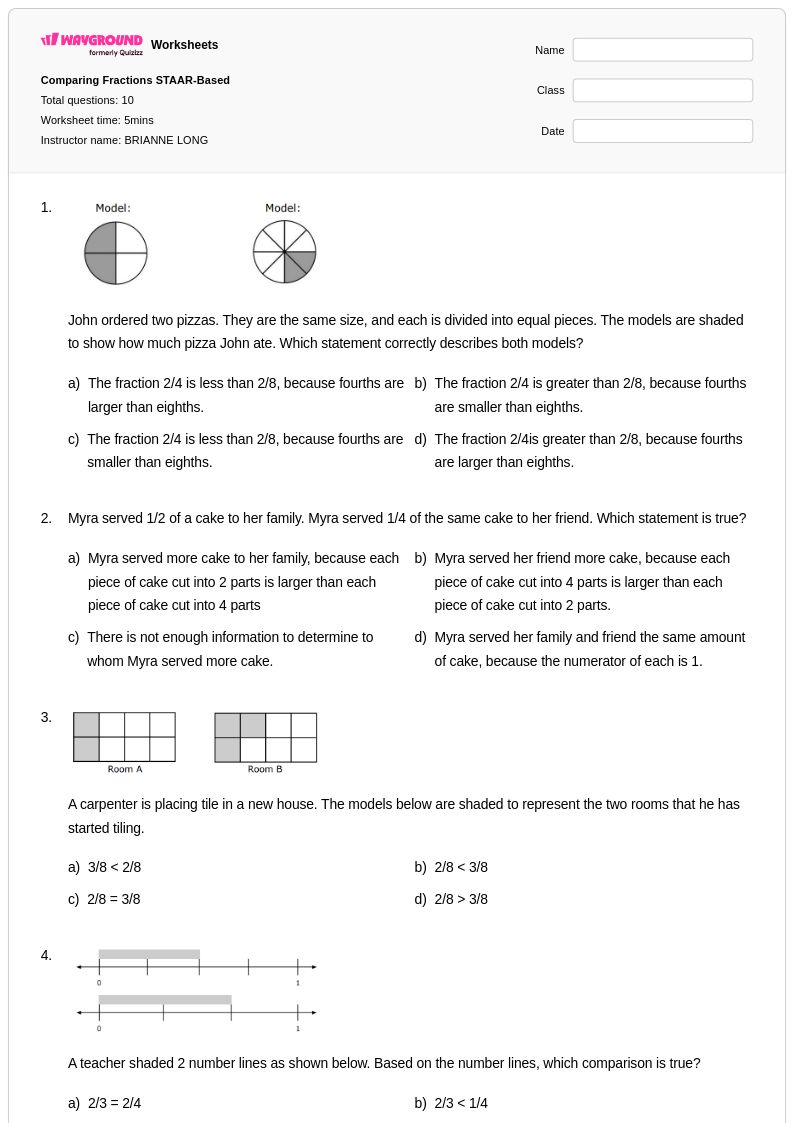
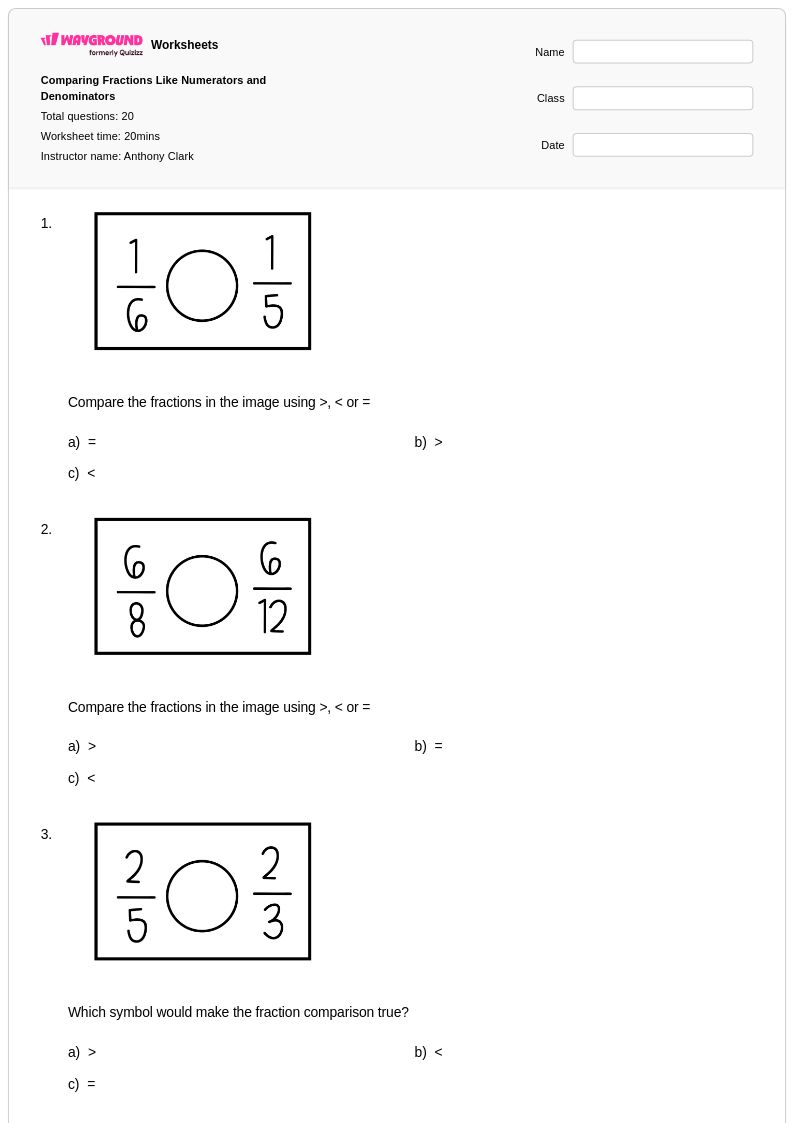
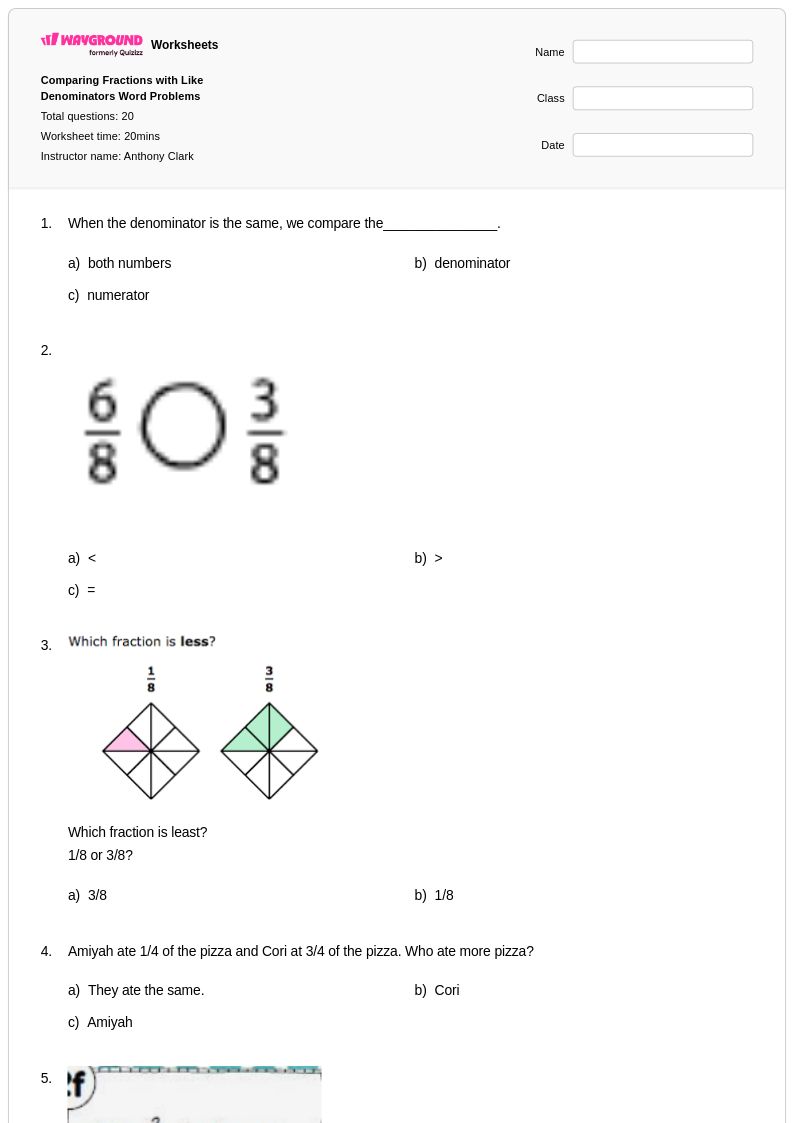
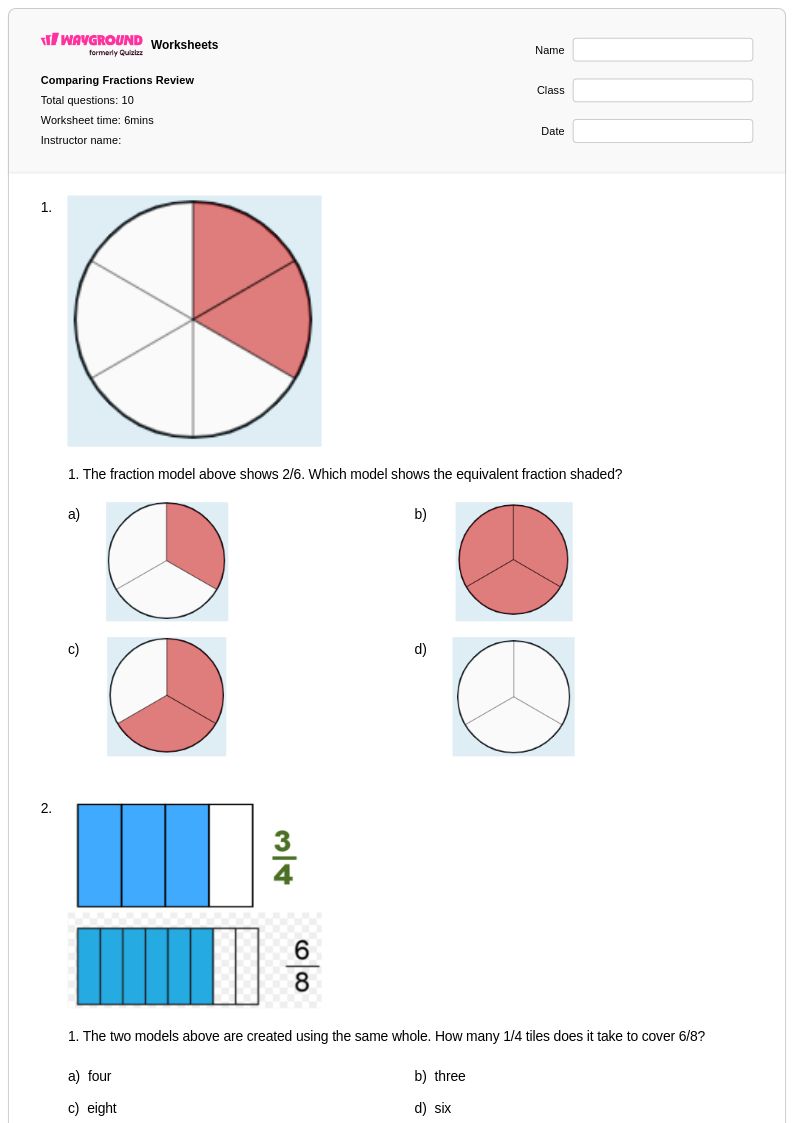
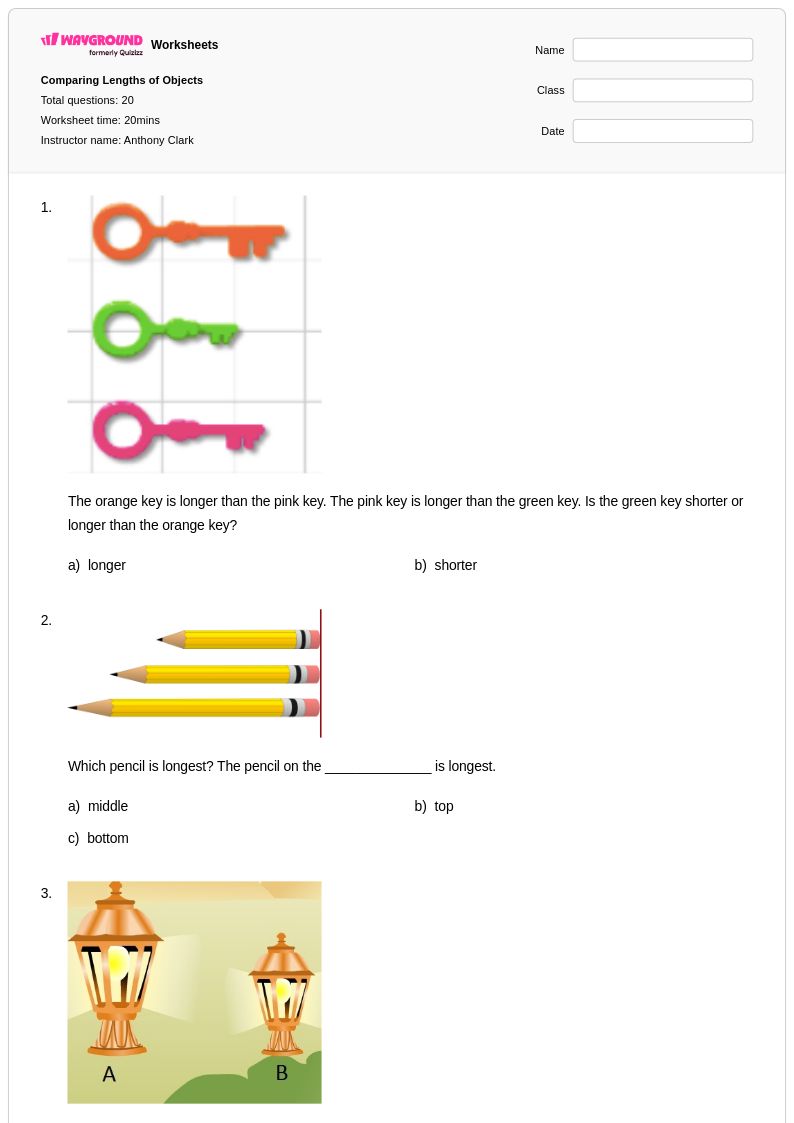
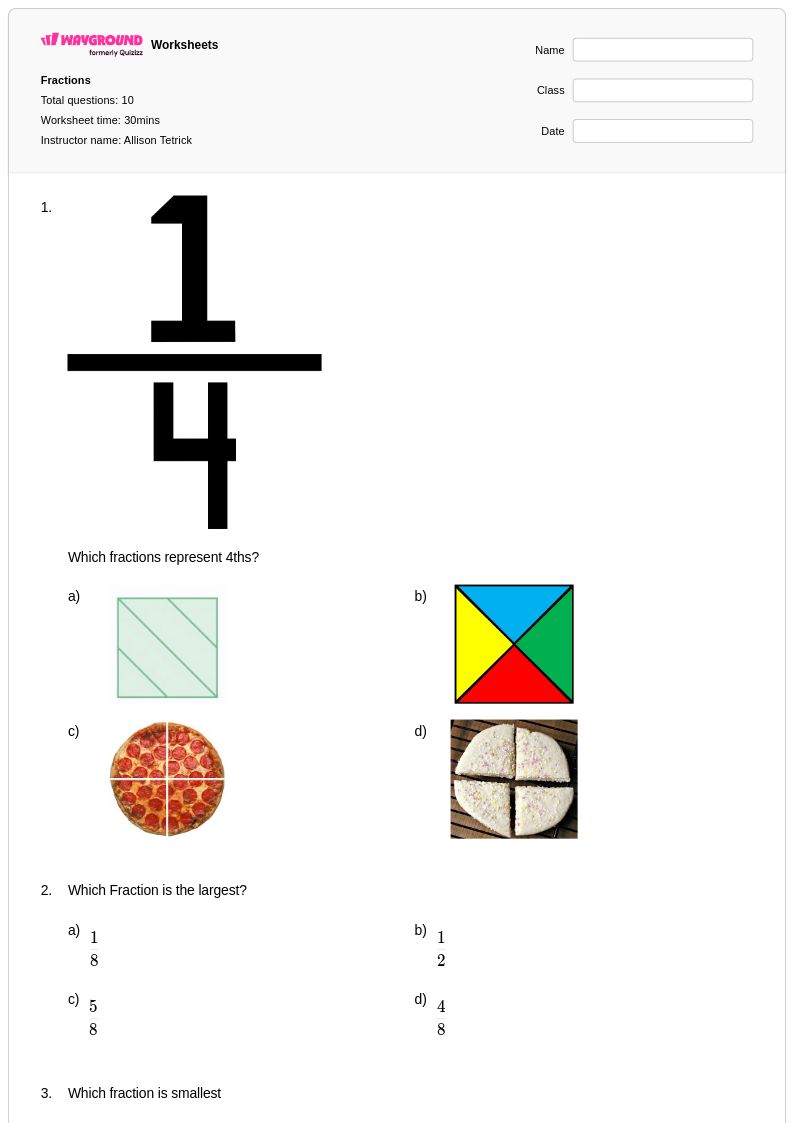
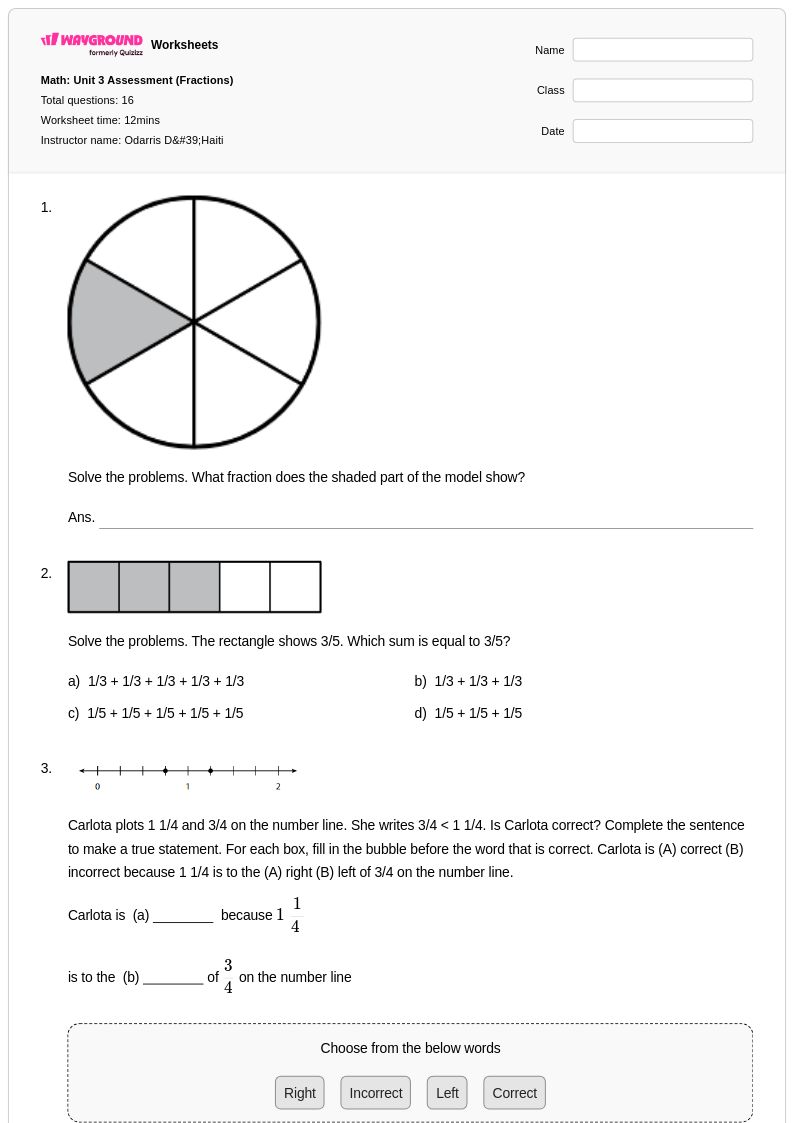
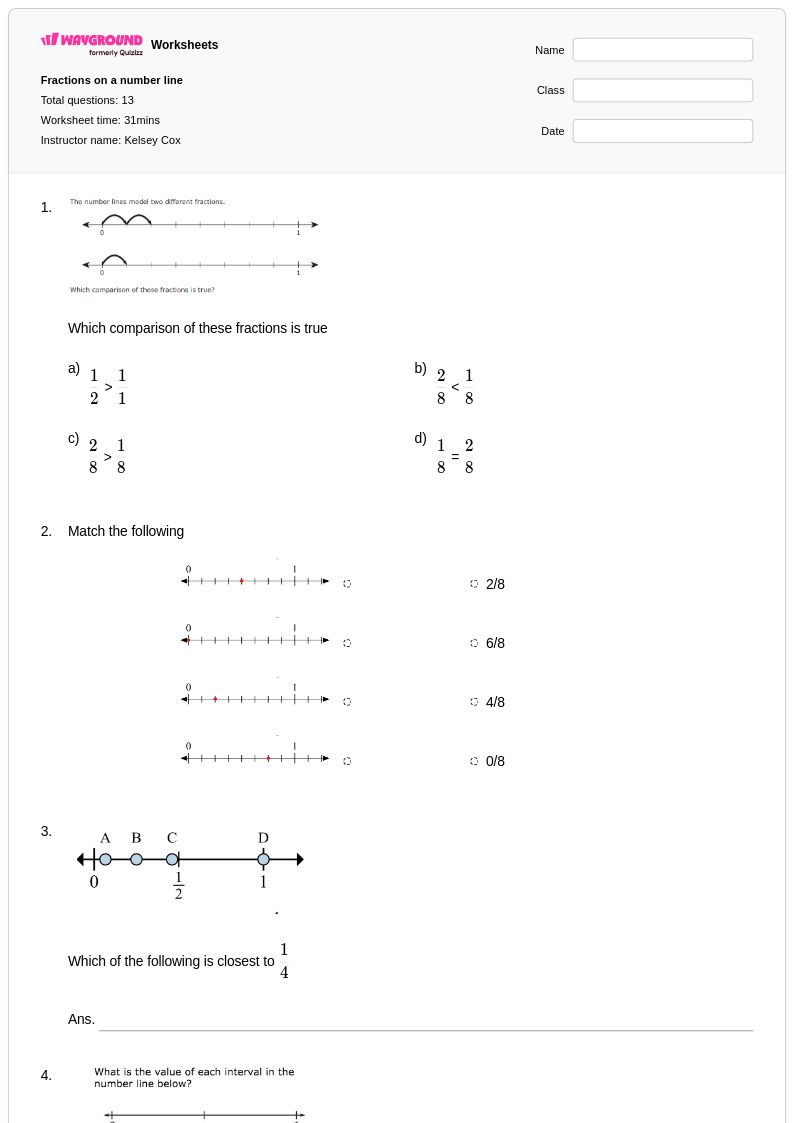
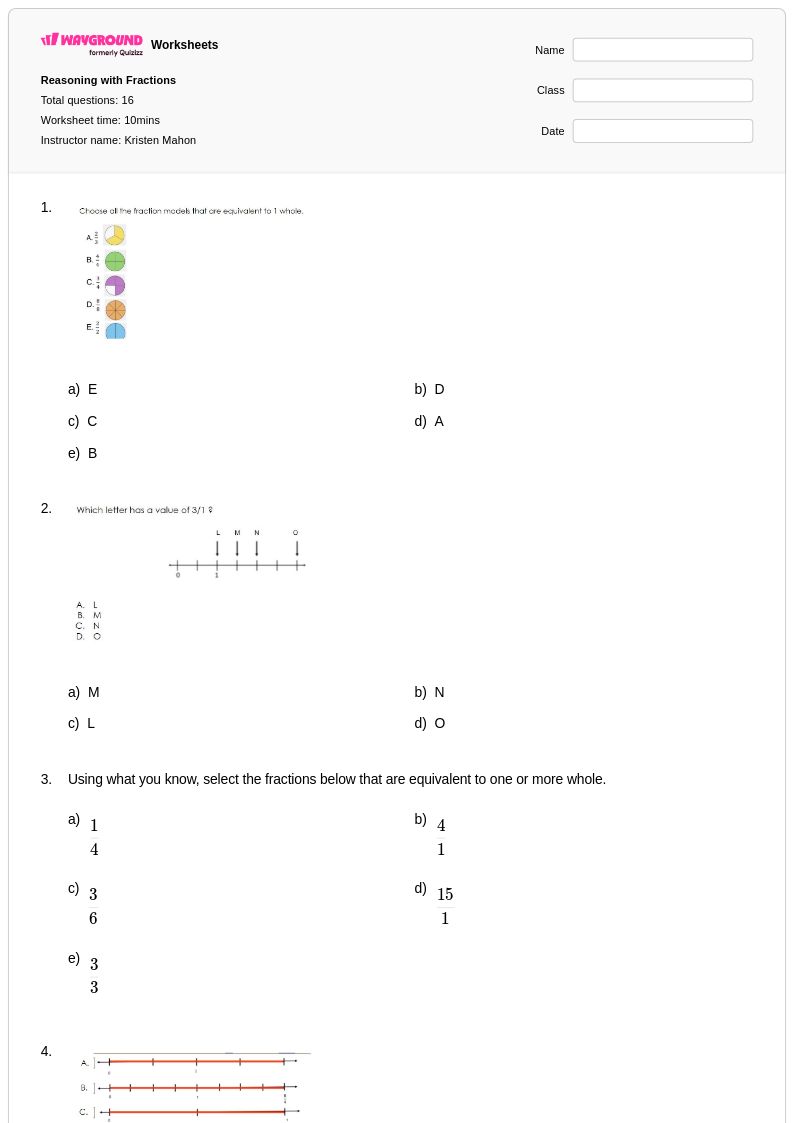
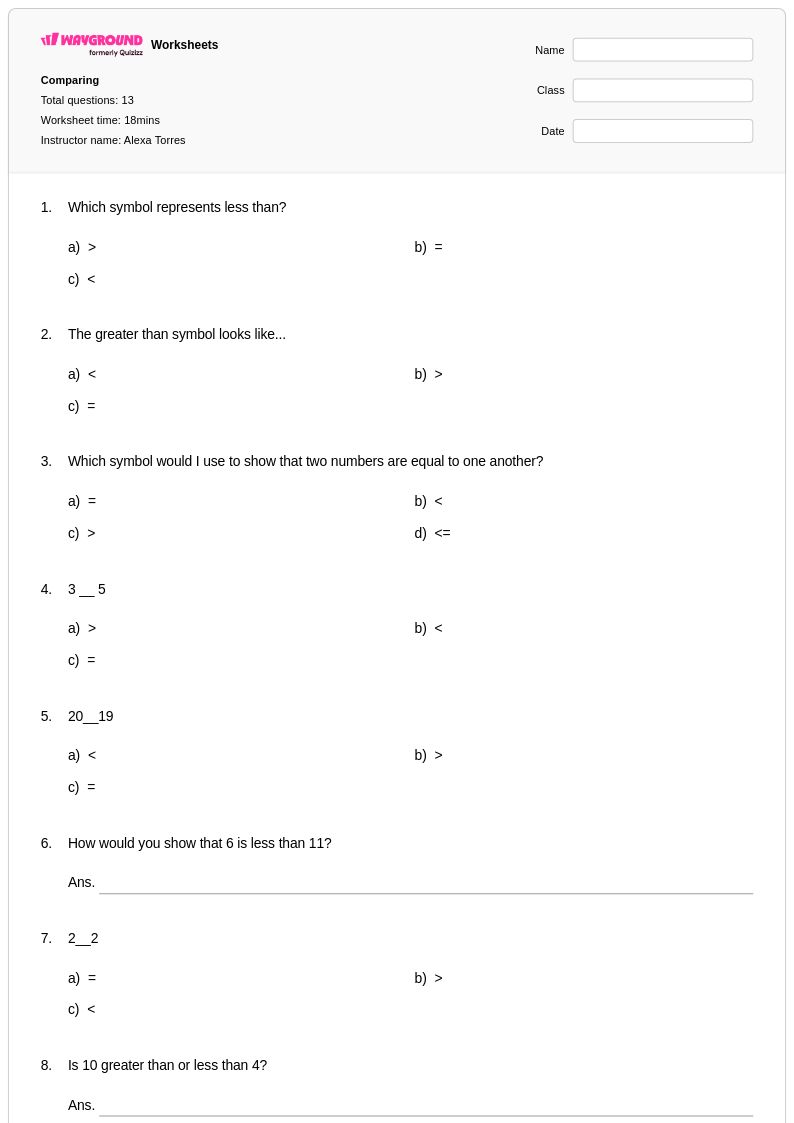
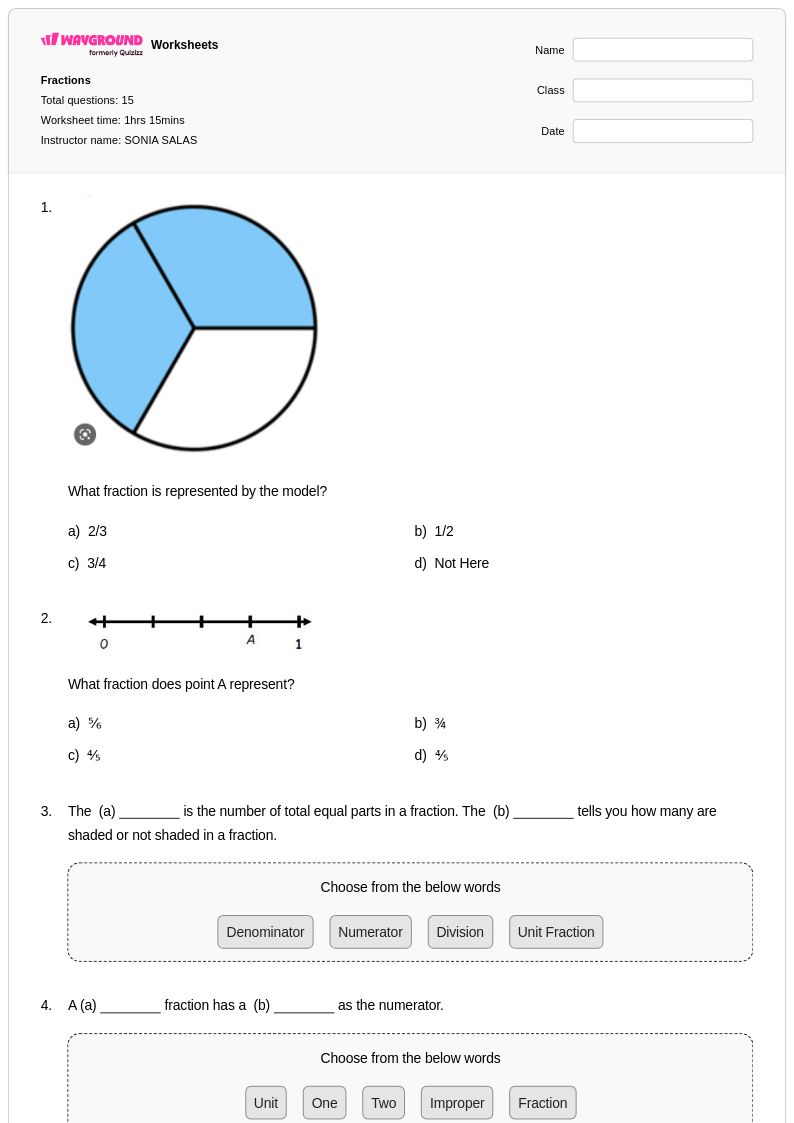
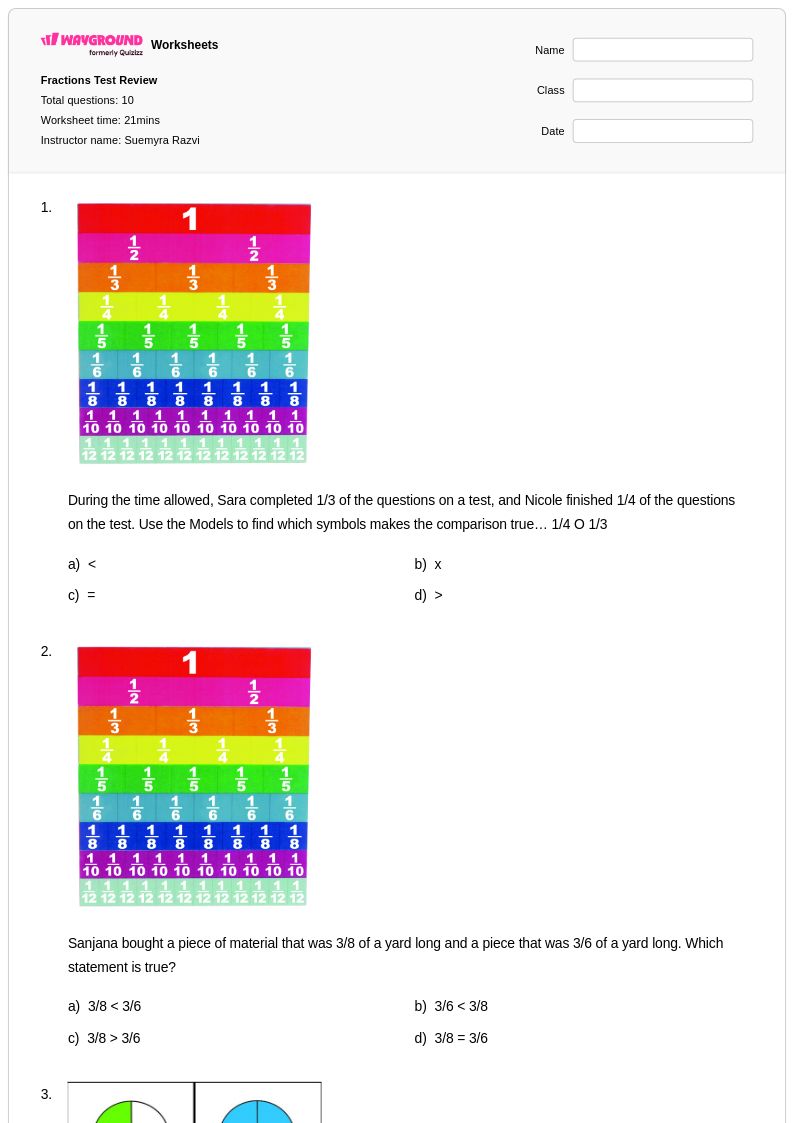
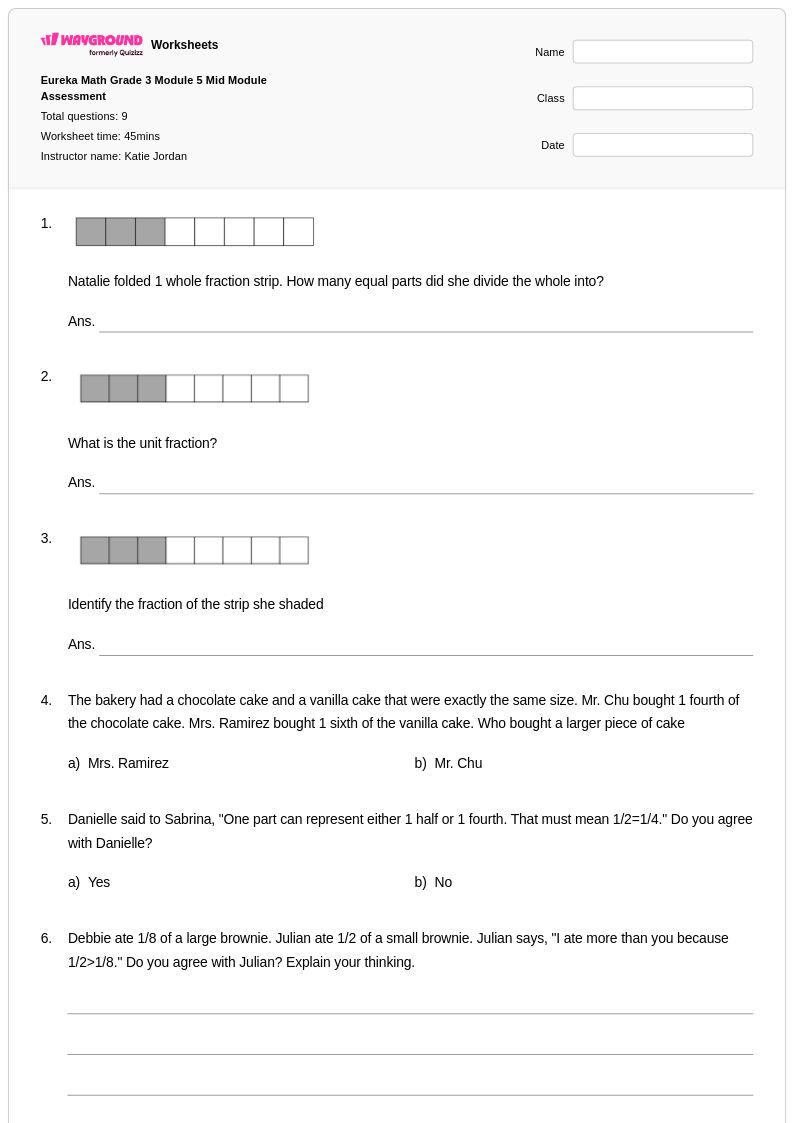
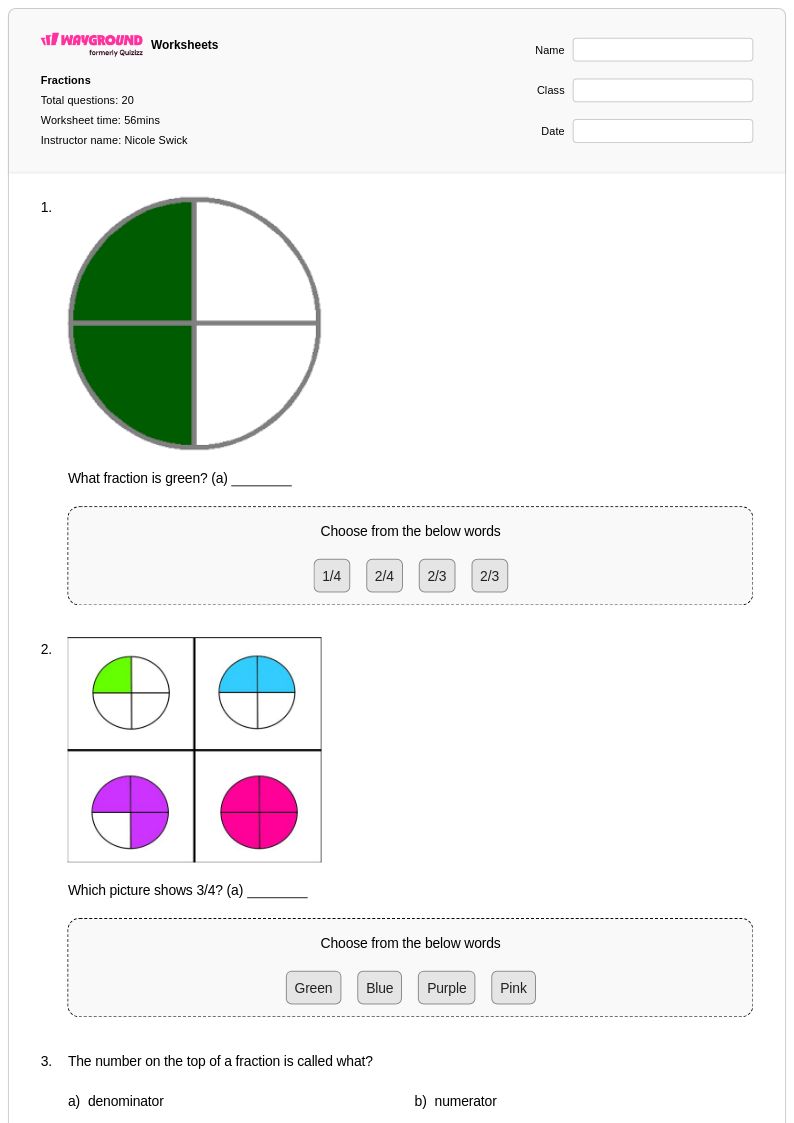
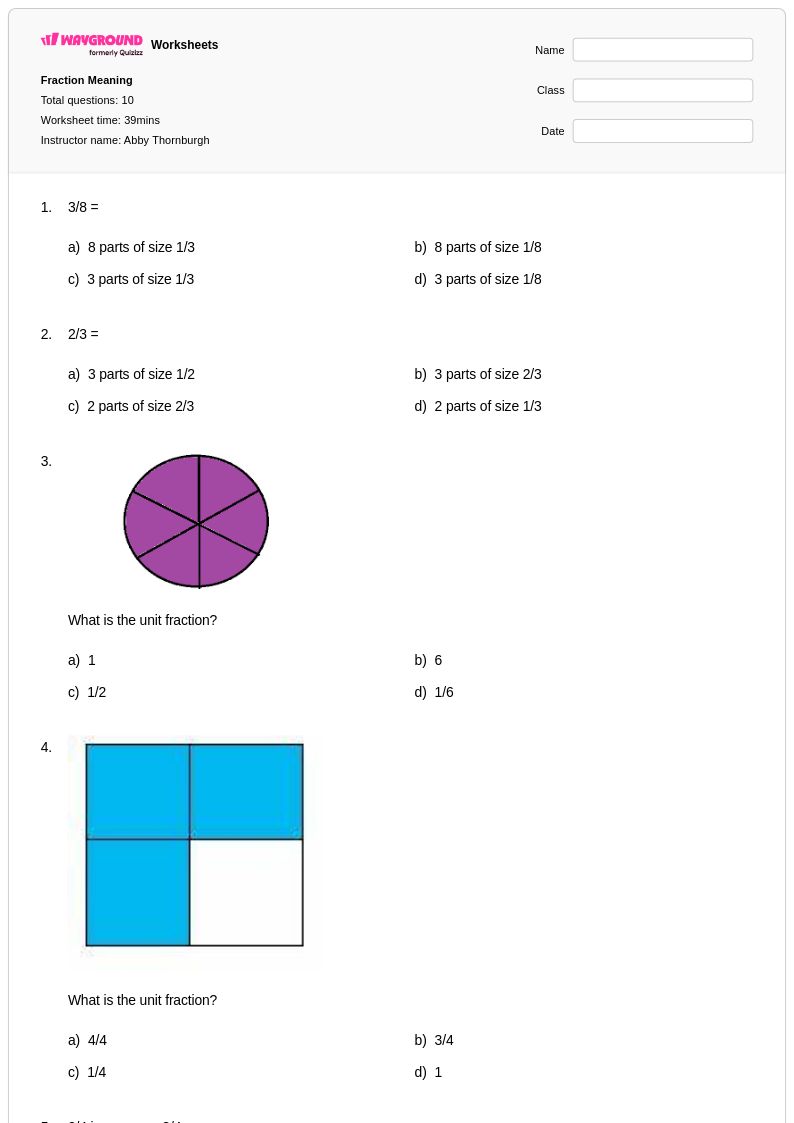
Comparing Size worksheets for Grade 3 mathematics through Wayground provide students with essential practice in developing measurement and spatial reasoning skills. These comprehensive resources help third-grade learners master the foundational concept of size comparison through hands-on activities that involve measuring, ordering, and analyzing objects by their dimensions. Students work through practice problems that challenge them to identify which objects are larger, smaller, tallest, shortest, and arrange items in sequential order by size. Each worksheet collection includes detailed answer keys and is available as free printable pdf resources, making it easy for educators to incorporate size comparison activities into daily math instruction and assessment routines.
Wayground supports teachers with an extensive library of millions of teacher-created comparing size worksheets that can be easily searched and filtered to match specific Grade 3 curriculum standards and learning objectives. The platform's robust differentiation tools allow educators to customize worksheets based on individual student needs, whether for remediation support or enrichment challenges. Teachers can access these resources in both printable pdf format for traditional classroom use and digital formats for interactive learning experiences. The comprehensive filtering system helps instructors quickly locate worksheets that align with state mathematics standards, while the flexible customization options enable seamless integration into lesson planning, small group instruction, and independent skill practice sessions focused on measurement comparison concepts.
FAQs
How do I teach comparing size in third grade?
Connect visual comparison to measurement by having students estimate, measure the relevant dimensions, and use the results to order objects. Require learners to explain whether they are comparing length, height, width, or overall magnitude and to justify terms such as largest, smallest, tallest, or shortest.
What exercises help third graders practice comparing size?
Useful exercises include measuring objects, ordering several items by one dimension, identifying extremes such as tallest and shortest, and analyzing how dimensions differ. Grade 3 worksheets can combine hands-on measurement with sequential ordering and written reasoning.
What mistakes do third graders make when comparing size?
Third graders may compare different dimensions, overlook measurement units, or order values incorrectly when the differences are small. They can also treat a picture's visual scale as an exact measurement, so teachers should ask them to identify the attribute, unit, and evidence behind each comparison.
How can I use Grade 3 comparing size worksheets?
Wayground worksheets are available as printable PDFs and digital formats for daily instruction, small groups, independent practice, or assessment. Teachers can host a worksheet as a digital quiz on Wayground or print and assign it on paper; every worksheet includes a complete answer key, and paper submissions can be scanned or captured for grading with the Wayground for Teachers app.
How does comparing size fit into the Common Core Grade 3 math progression?
Comparing size reinforces the Common Core emphasis on measuring quantities, reasoning with units, and interpreting differences between measurements. It extends early visual comparisons into more precise tasks involving measurement, ordering, and analysis.
How can I differentiate Grade 3 comparing size practice?
Provide labeled dimensions and fewer objects for students who need scaffolding, while asking advanced learners to compare close measurements, order larger sets, or explain multiple valid comparison methods. Wayground supports extended time, Read Aloud, reduced answer choices, and reading mode, as well as alternate worksheet versions with adjusted spacing, larger text, a dyslexia-friendly font, or translation.
What grade level are these comparing size worksheets for?
These worksheets are designed for Grade 3 mathematics, where students apply earlier comparison skills to measuring, ordering, and analyzing objects by dimension. The work strengthens spatial reasoning while preparing students for increasingly precise measurement and data tasks.