
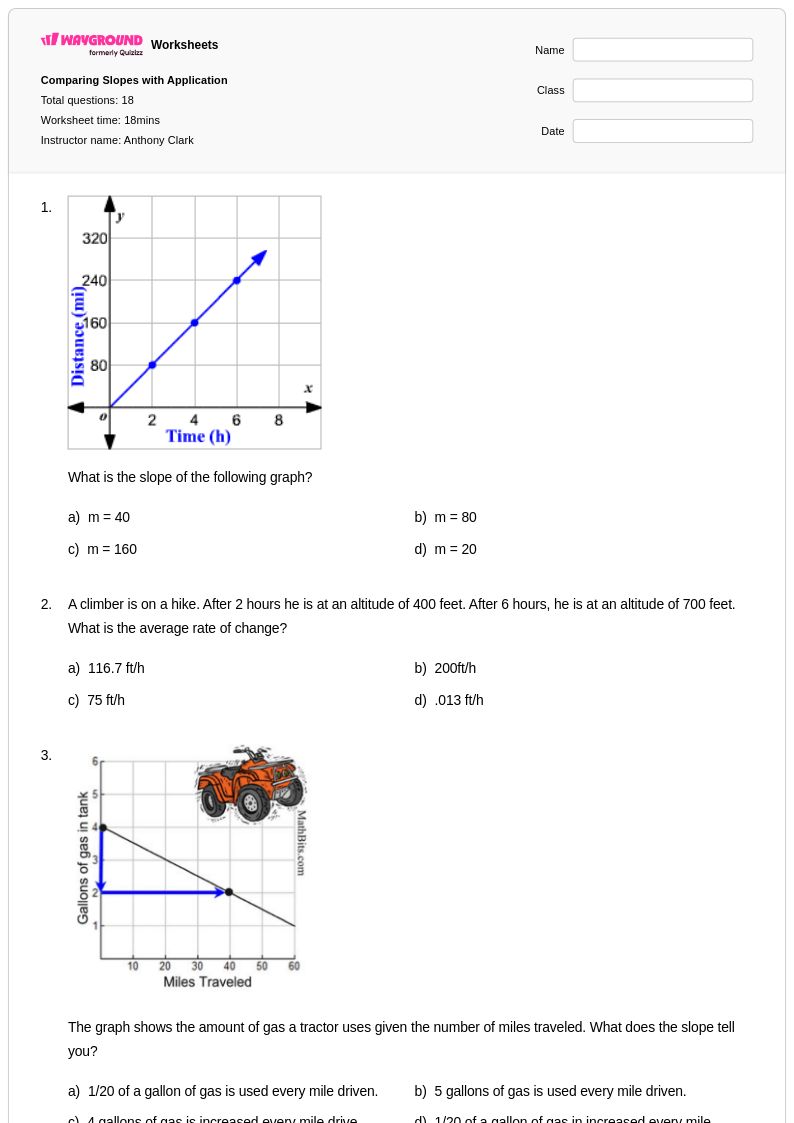
18 Q
8th - Uni
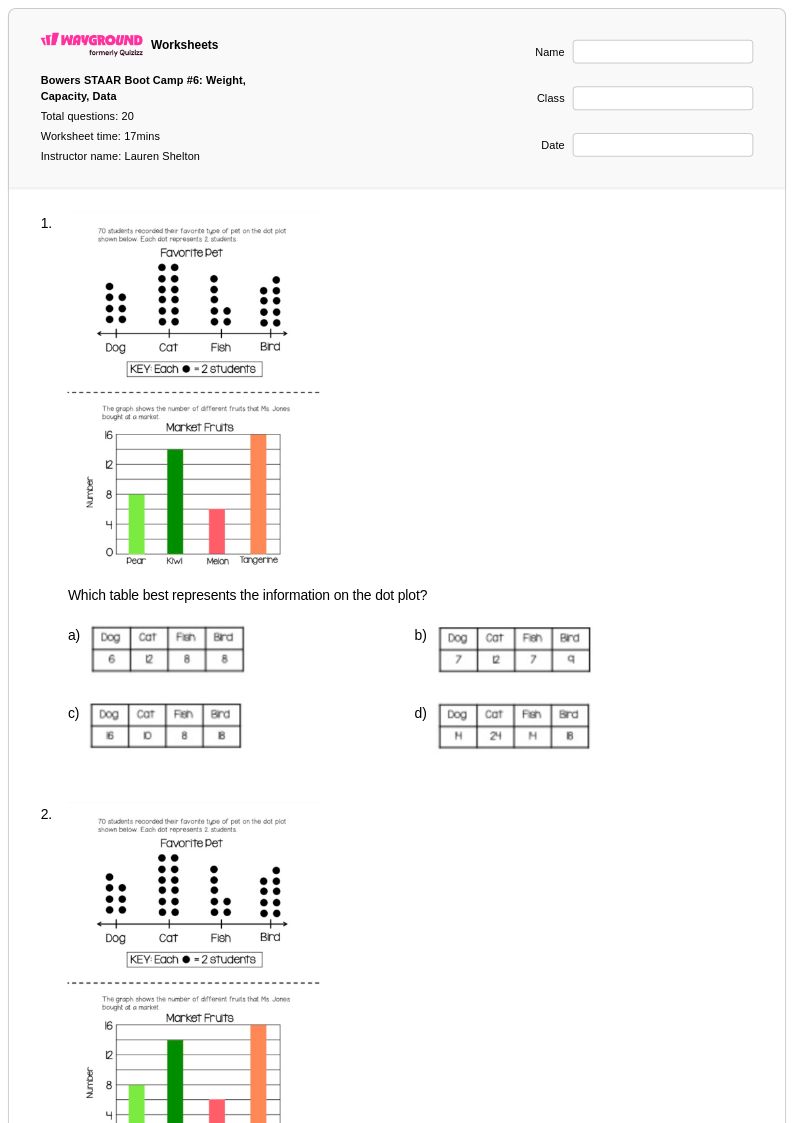
20 Q
3rd
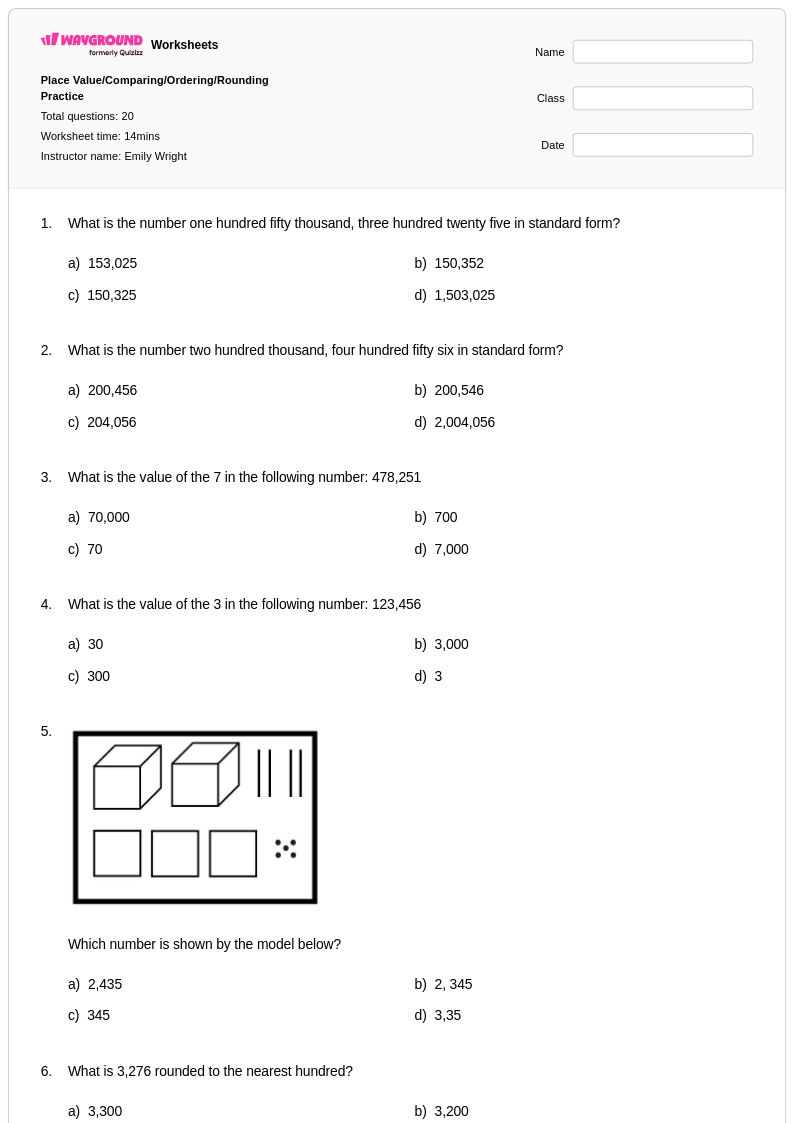
20 Q
3rd
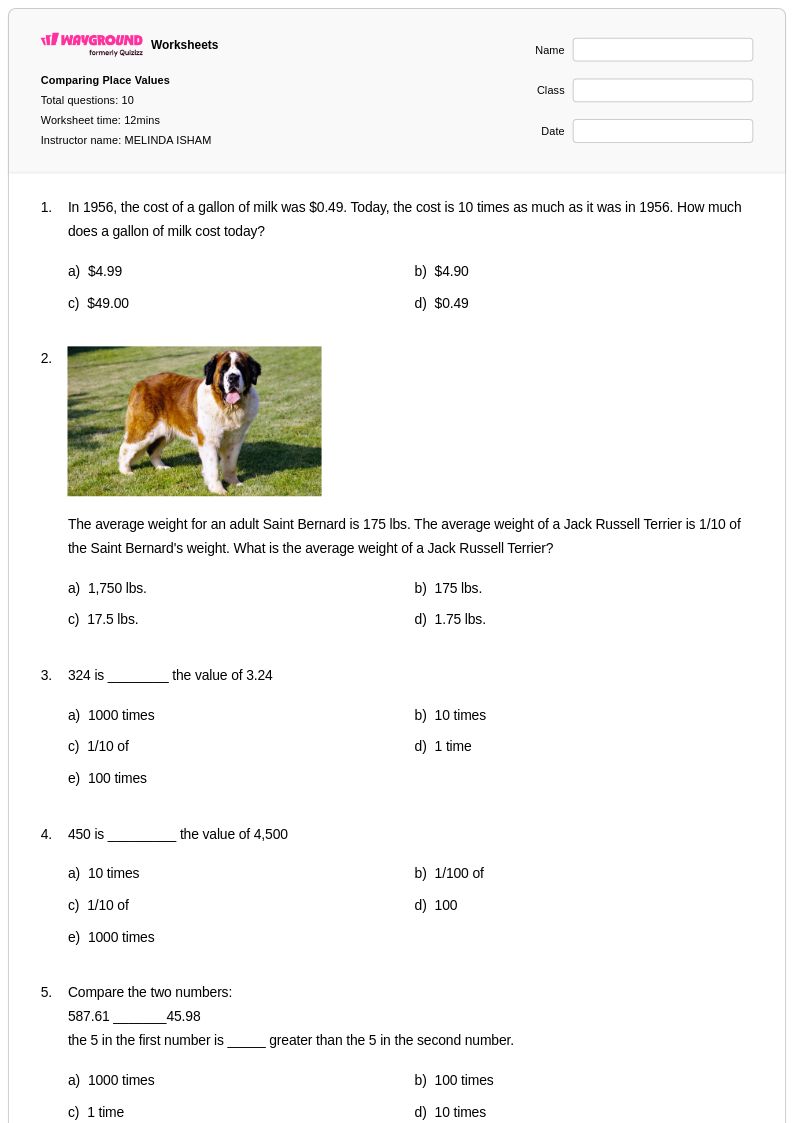
10 Q
5th
20 Q
6th
20 Q
6th
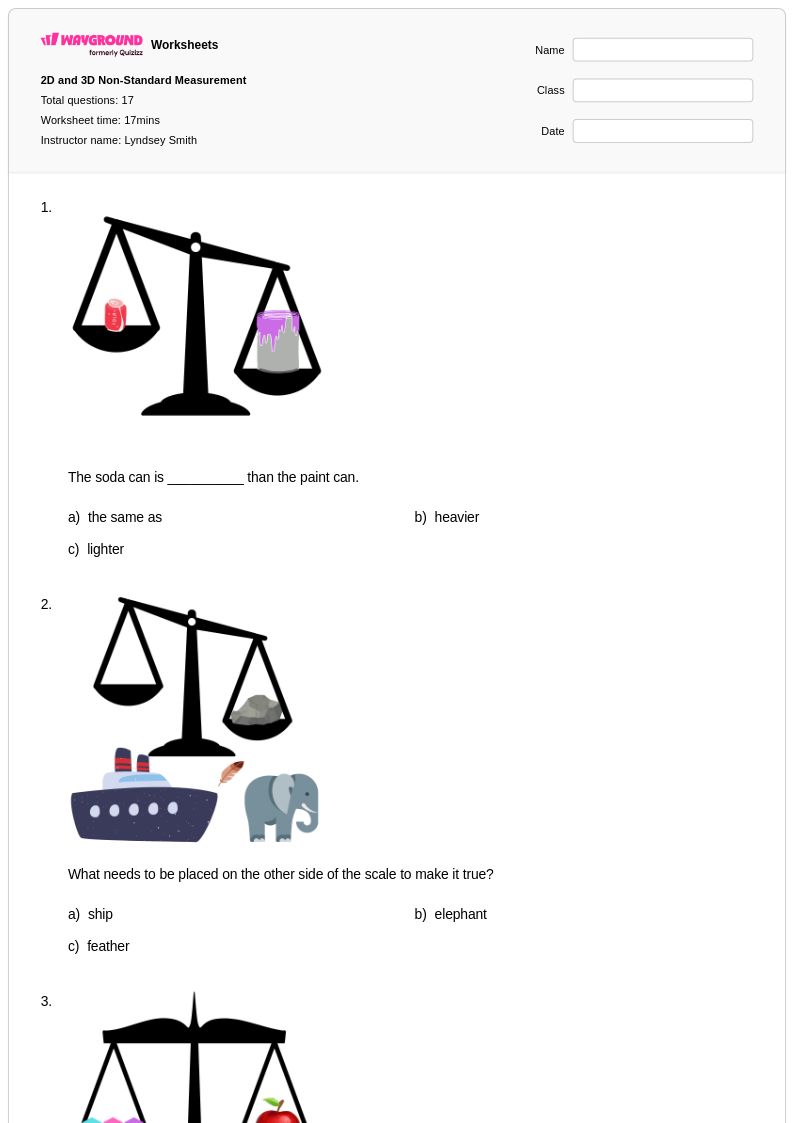
17 Q
2nd
10 Q
5th
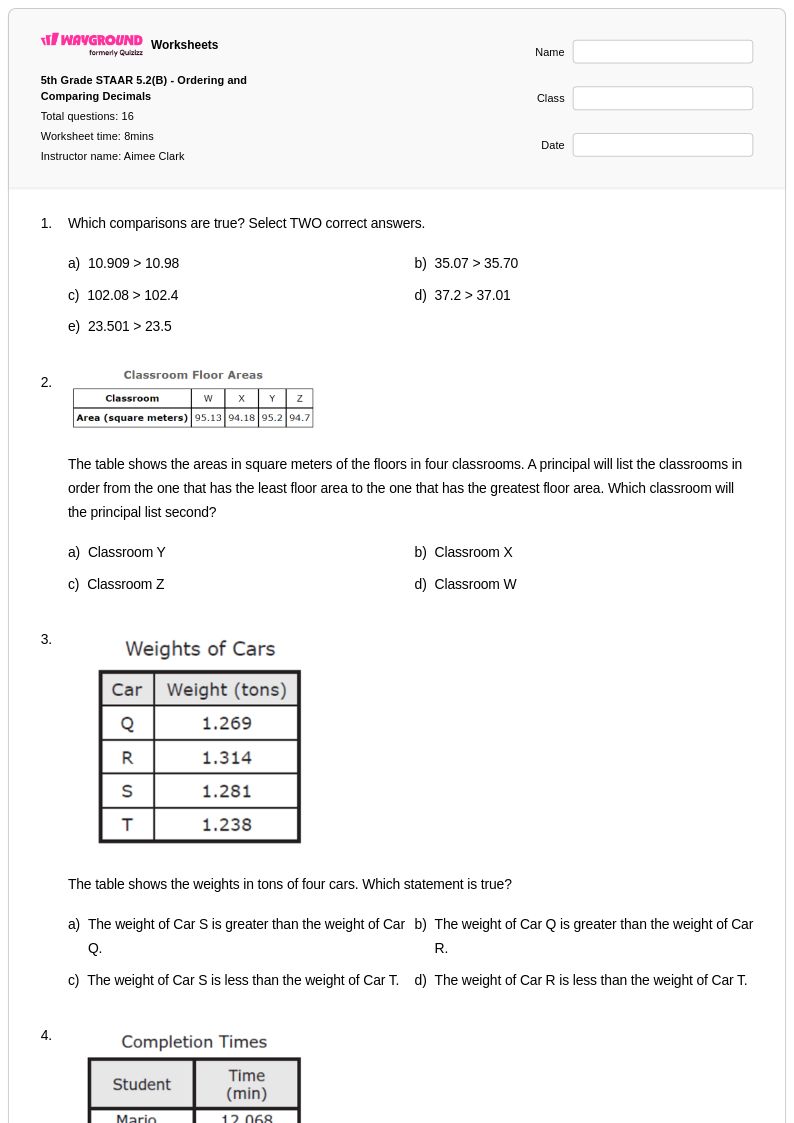
16 Q
5th
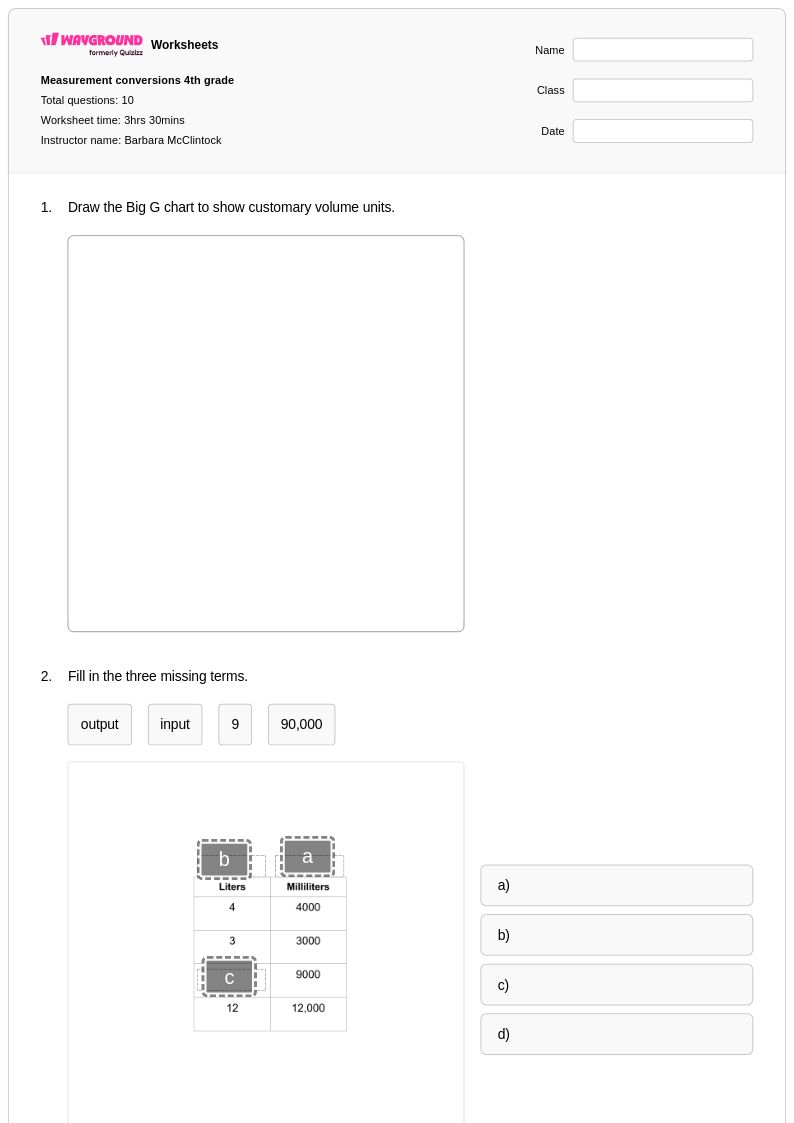
10 Q
4th
![Interpreting Visuals [7.SP.4] - Printable Comparing-weight Worksheets - Wayground](https://quizizz-static.s3.amazonaws.com/_media/worksheets-new/632321f8bc6a79001d175365-interpreting-visuals-7sp4)
15 Q
7th
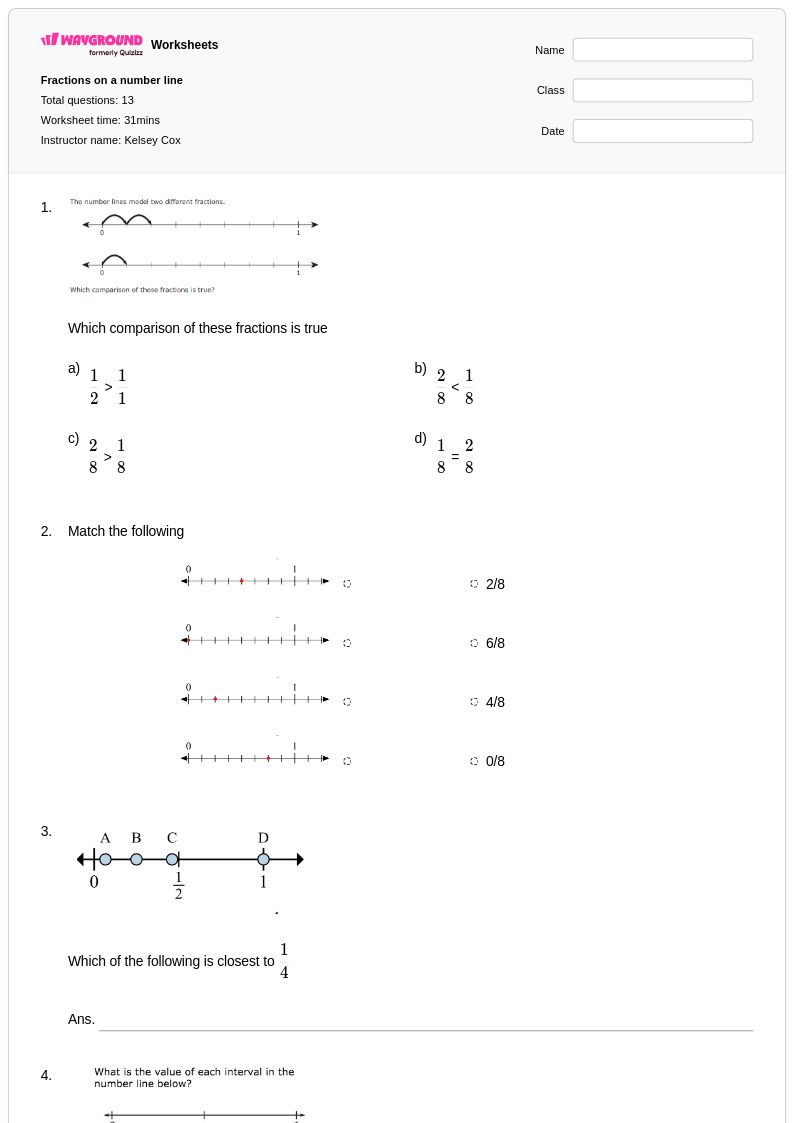
13 Q
3rd
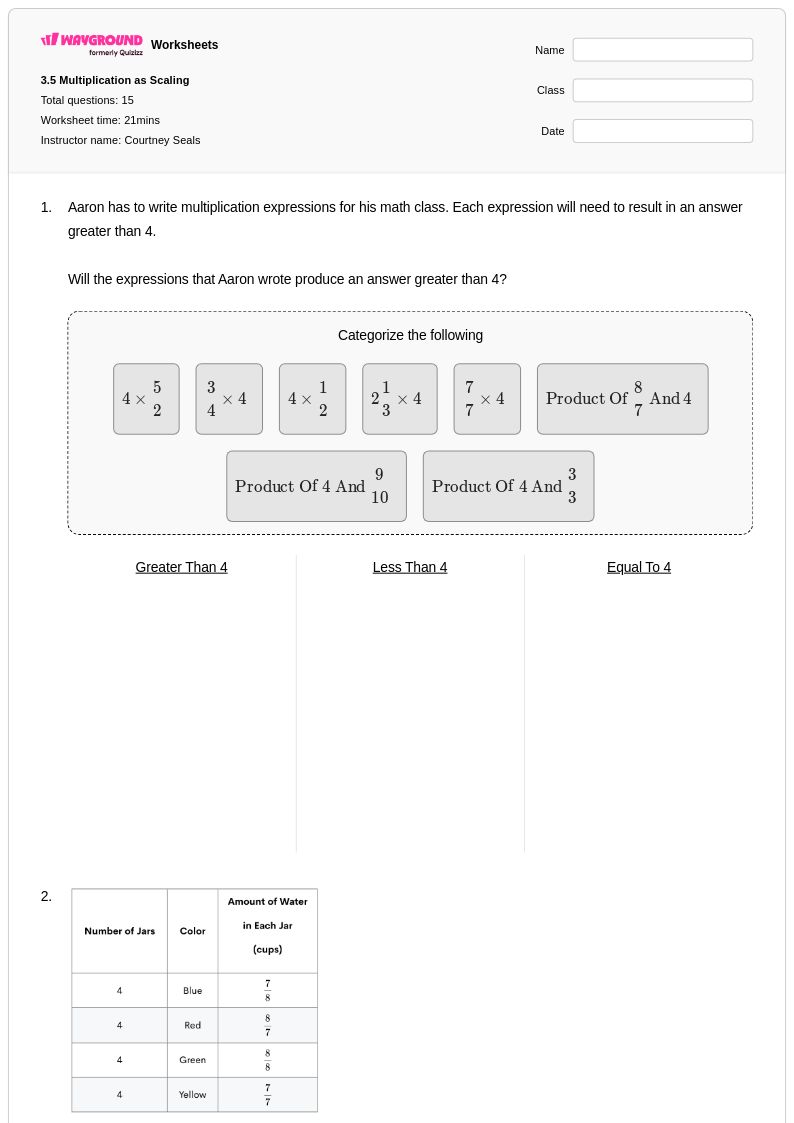
15 Q
5th
10 Q
Uni
10 Q
8th
20 Q
7th - Uni
12 Q
9th
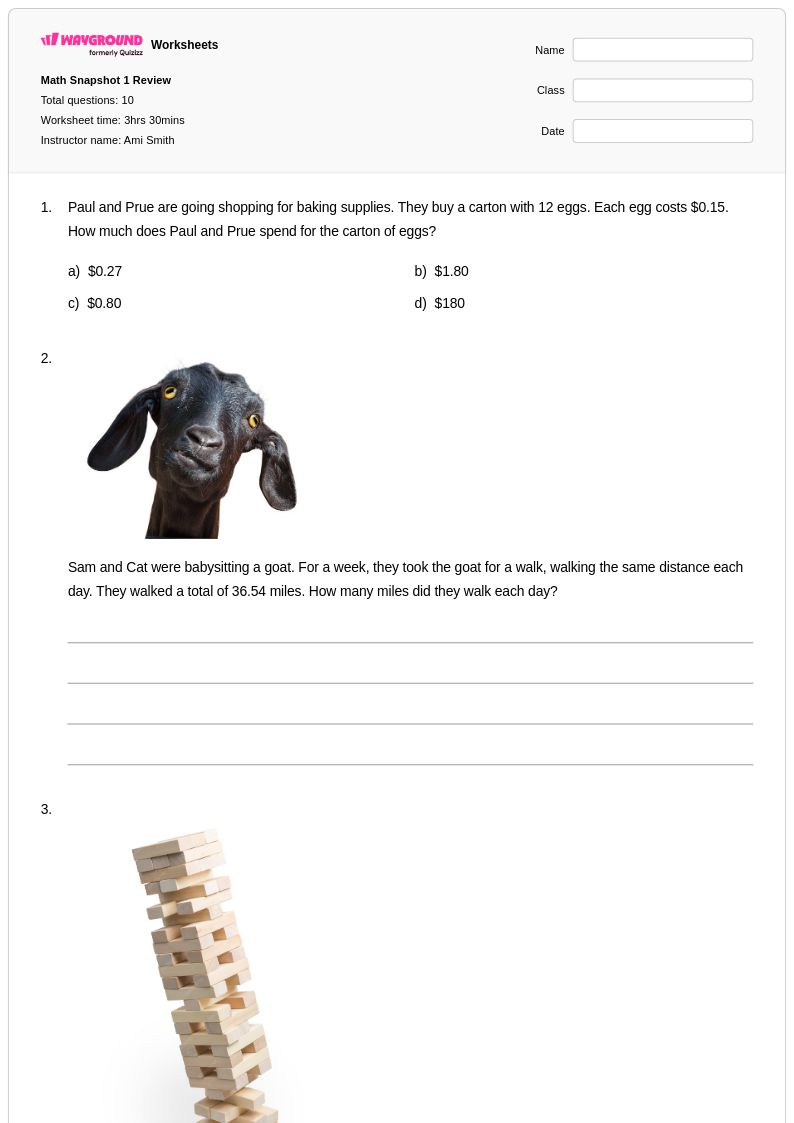
10 Q
5th
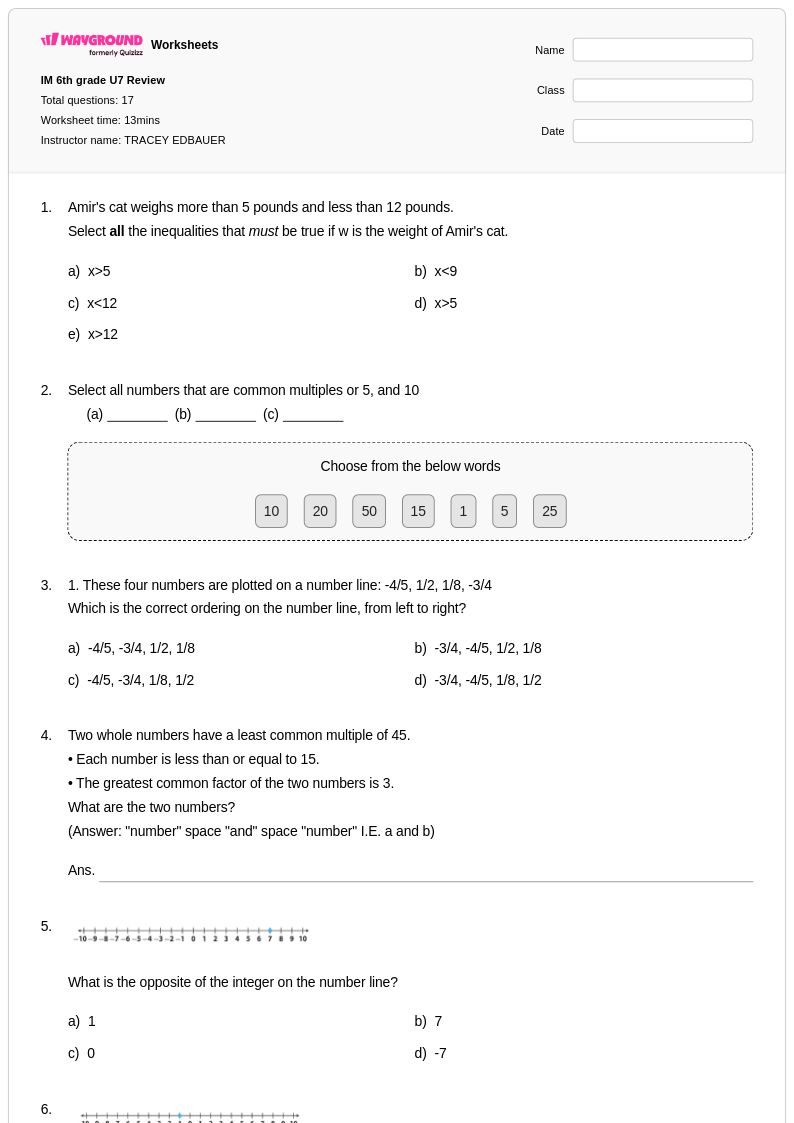
17 Q
6th
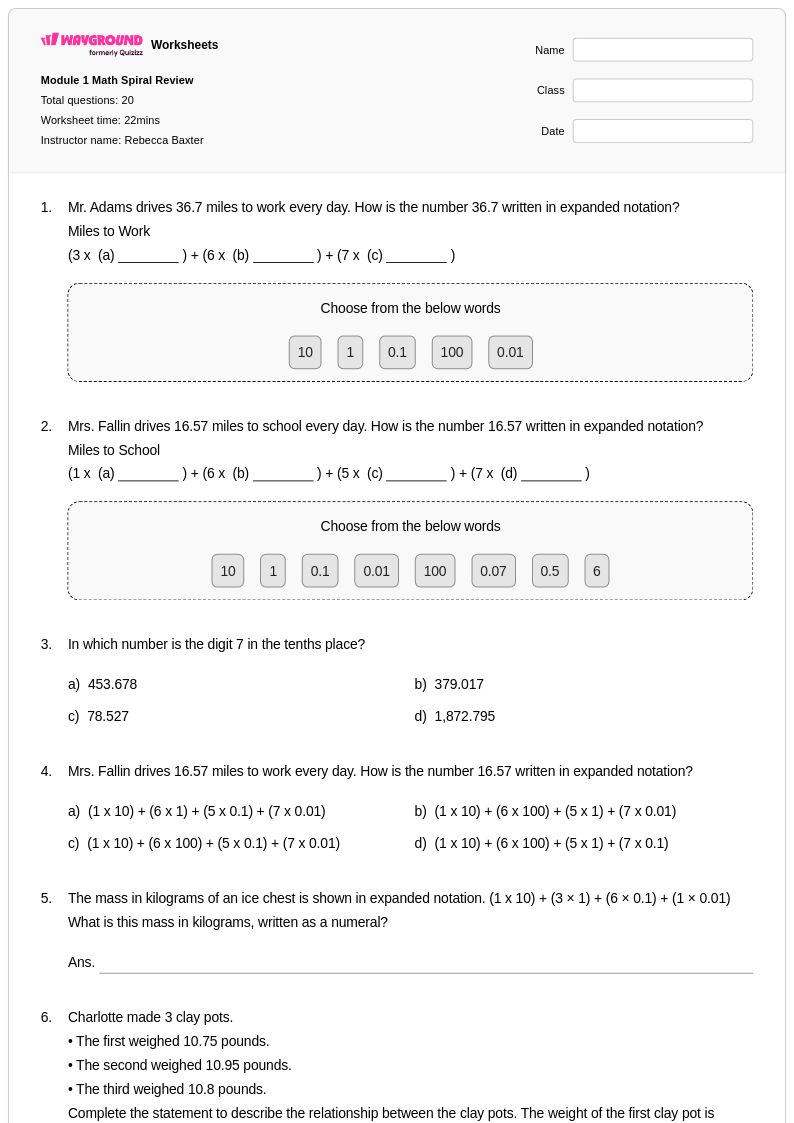
20 Q
5th
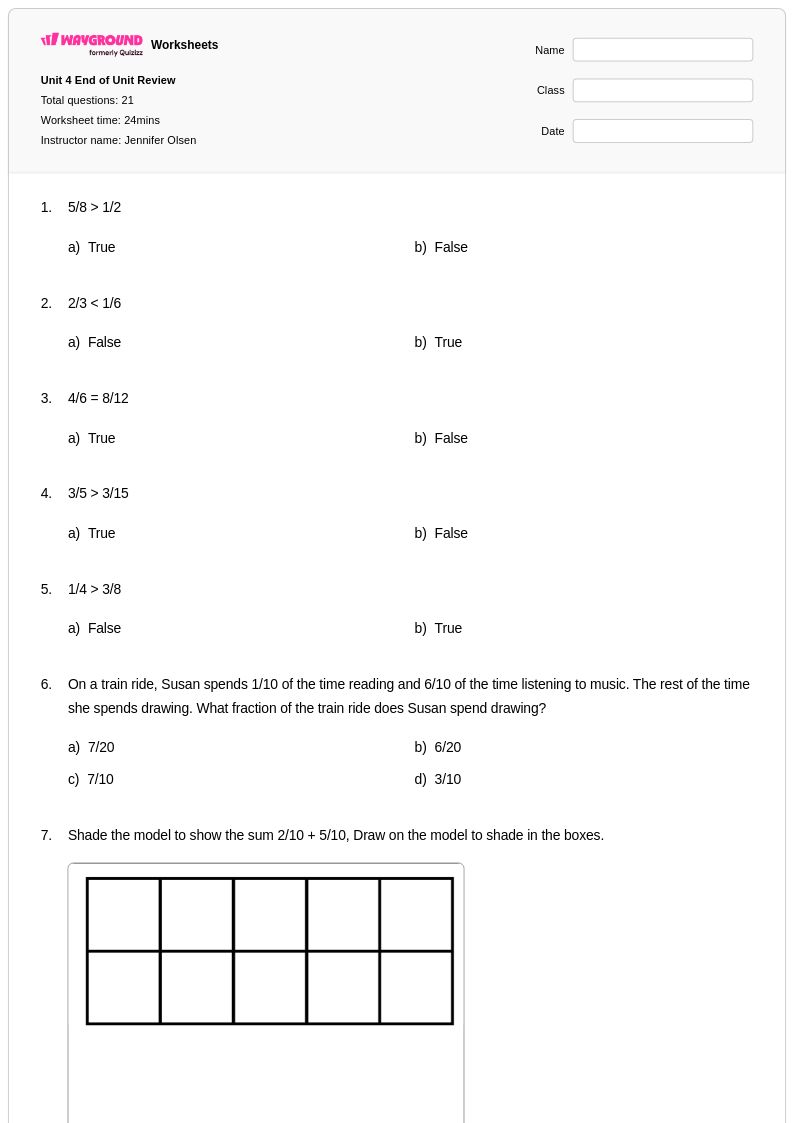
21 Q
4th
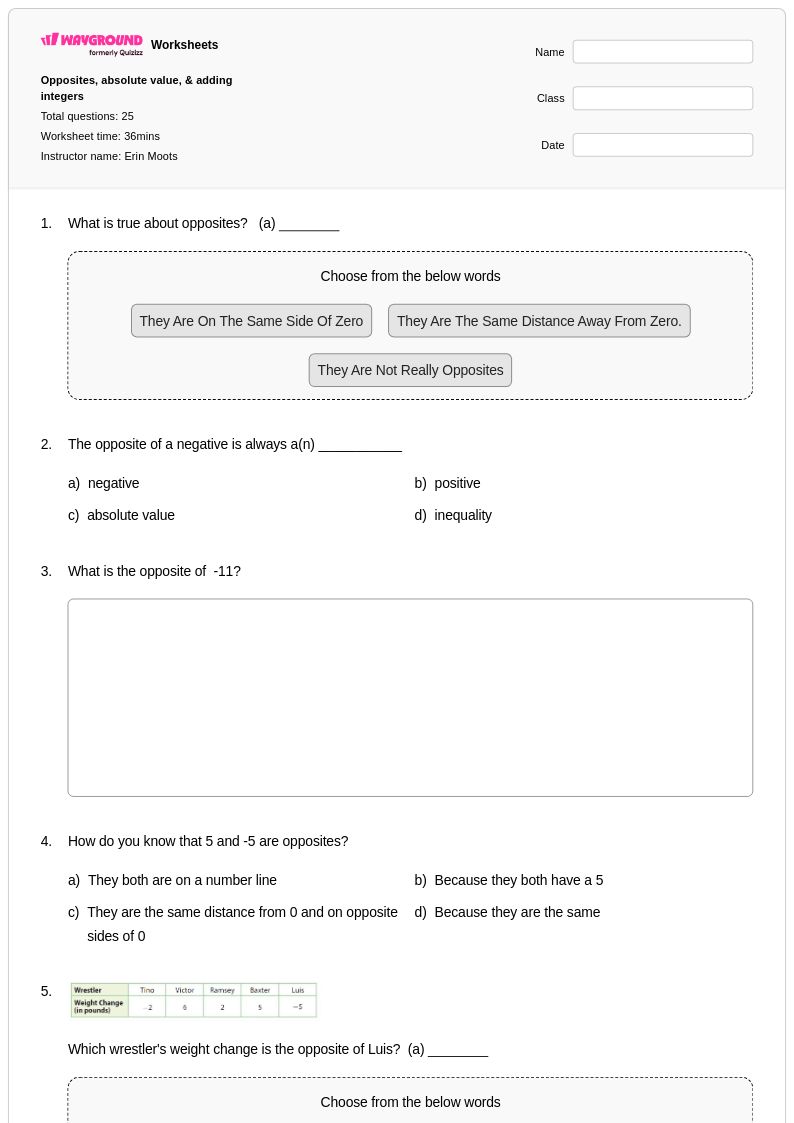
25 Q
7th
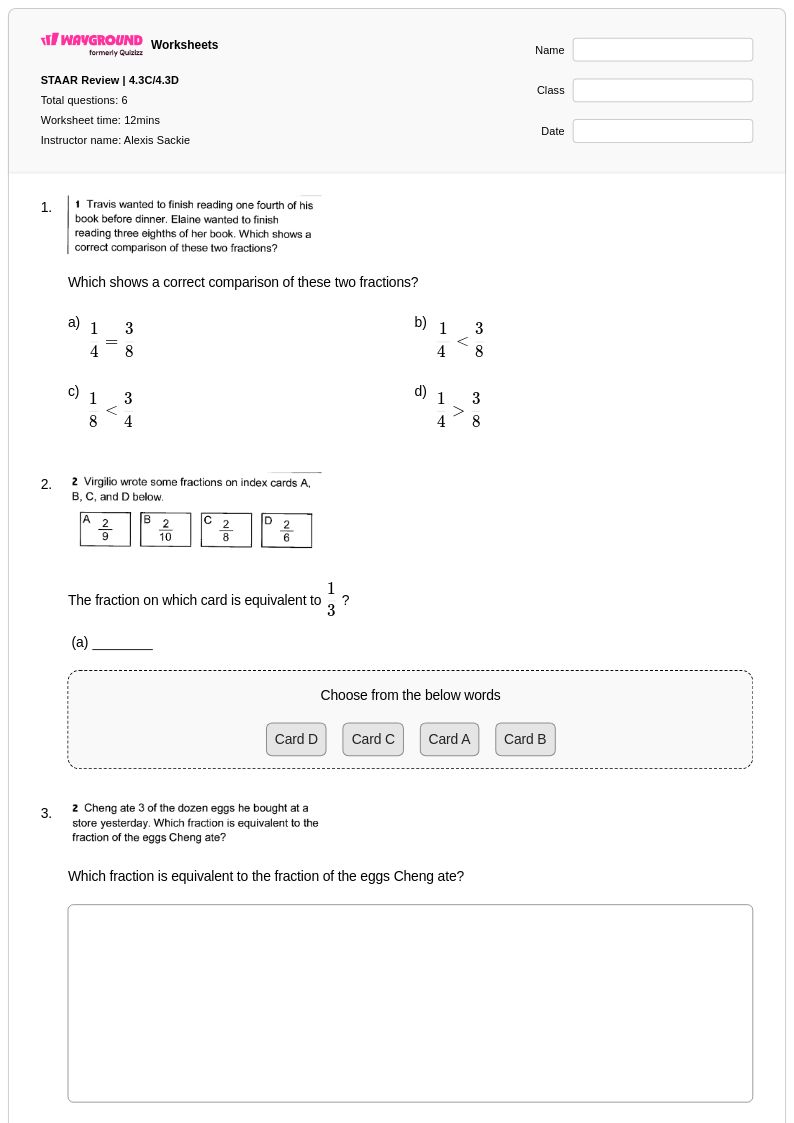
6 Q
4th
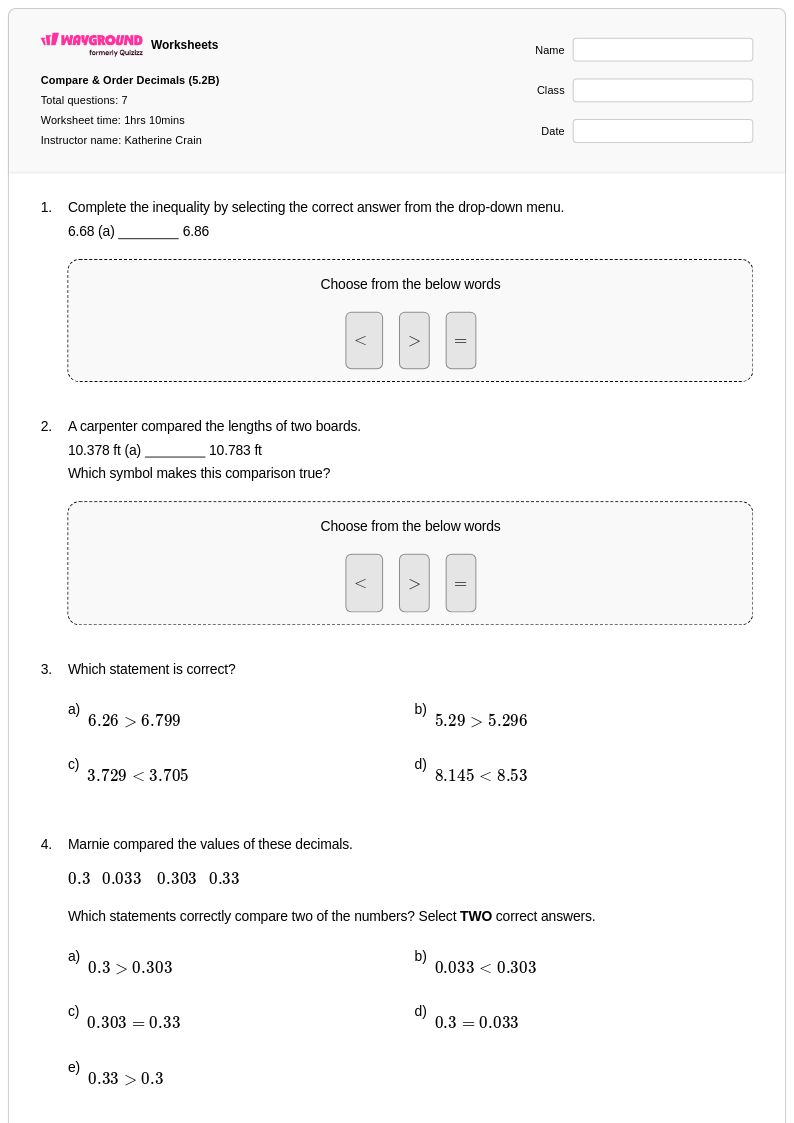
7 Q
5th
Explore Worksheets by Subjects
Explore printable Comparing Weight worksheets
Comparing weight worksheets available through Wayground (formerly Quizizz) provide students with comprehensive practice in measuring, analyzing, and contrasting the mass of different objects using various units and measurement tools. These mathematics worksheets strengthen essential skills including understanding relative weight relationships, converting between measurement units such as grams, kilograms, ounces, and pounds, and developing spatial reasoning abilities that connect visual estimation with actual measurements. Students engage with practice problems that range from simple comparisons using balance scales to complex word problems involving multiple objects and measurement conversions. Each worksheet includes a detailed answer key to support independent learning and self-assessment, while the free printables offer educators flexible options for classroom instruction, homework assignments, and assessment preparation in pdf format.
Wayground (formerly Quizizz) supports mathematics teachers with an extensive collection of comparing weight worksheets drawn from millions of teacher-created resources that have been carefully curated and organized for easy discovery. The platform's robust search and filtering capabilities allow educators to quickly locate materials that align with specific curriculum standards and match their students' developmental needs, whether for foundational weight comparison concepts or advanced measurement problem-solving. Teachers can customize worksheets to provide differentiated instruction, offering remediation support for struggling learners while providing enrichment opportunities for advanced students ready to tackle multi-step weight comparison challenges. Available in both printable pdf format and interactive digital versions, these resources streamline lesson planning and enable educators to seamlessly integrate weight comparison practice into their mathematics instruction through structured skill-building activities.
FAQs
How do I teach students to compare weight?
What exercises help students practice comparing weight?
What mistakes do students commonly make when comparing weight?
How can I use Wayground comparing weight worksheets in class?
How does comparing weight fit into the Common Core math progression?
How can I differentiate comparing weight practice for mixed-ability students?