Free Printable Conversation Skills Worksheets for Grade 3
Grade 3 conversation skills worksheets and printables help students develop effective communication abilities through engaging practice problems, free PDF resources, and comprehensive answer keys for classroom or home learning.
Explore printable Conversation Skills worksheets for Grade 3
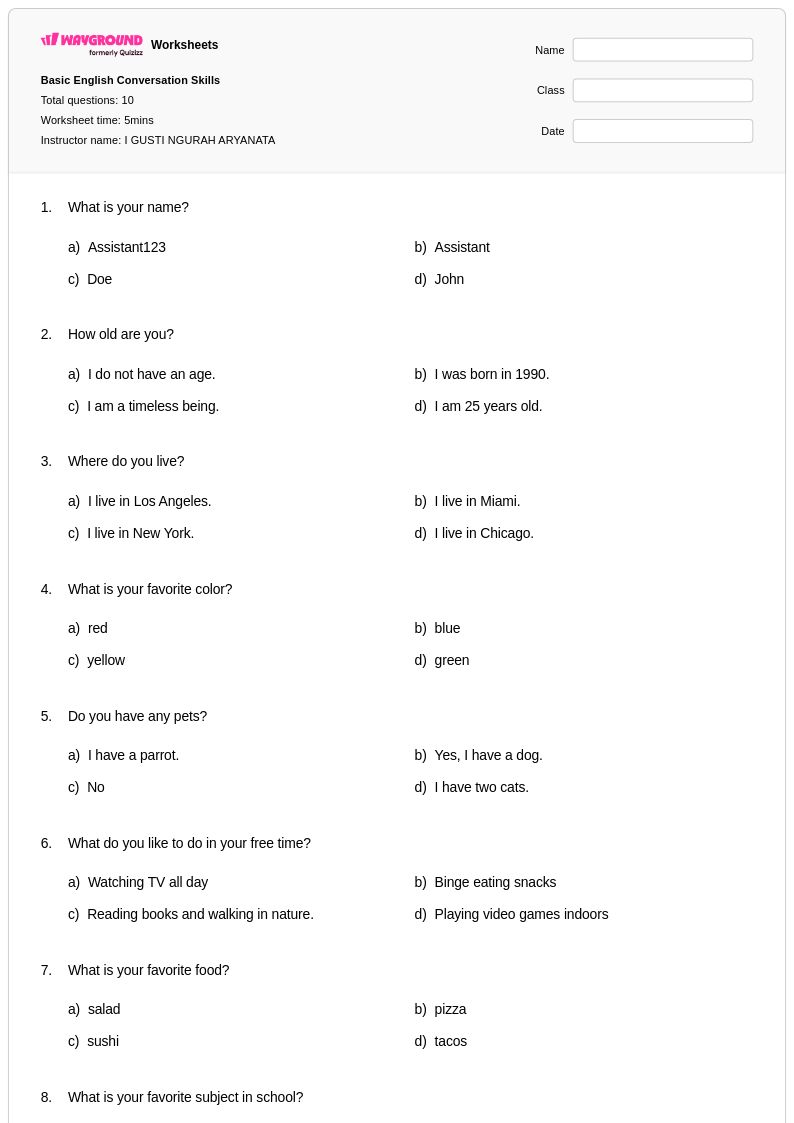
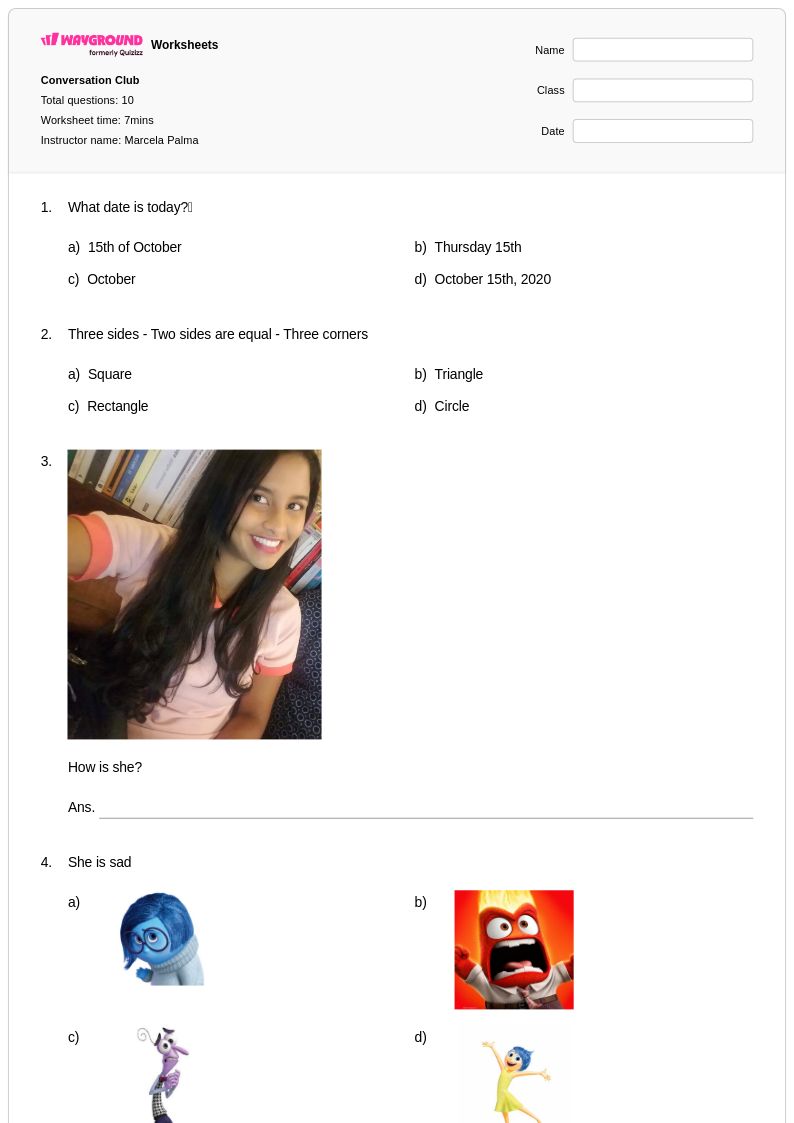
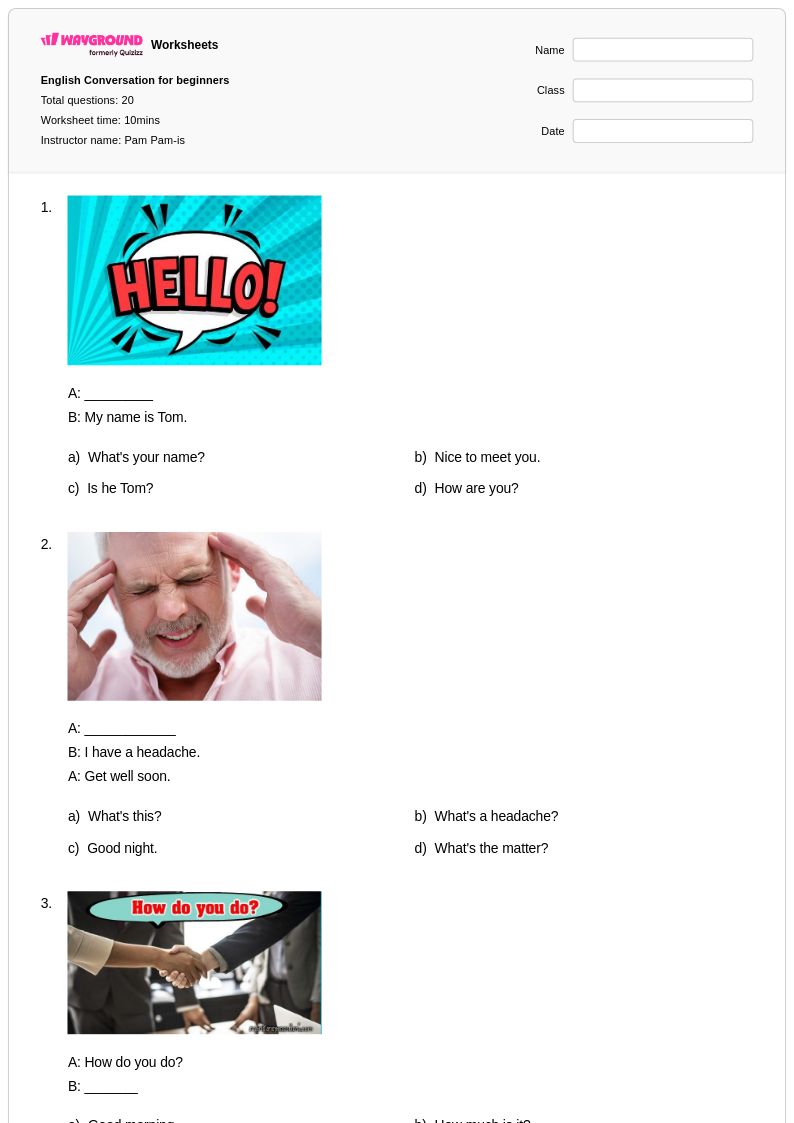
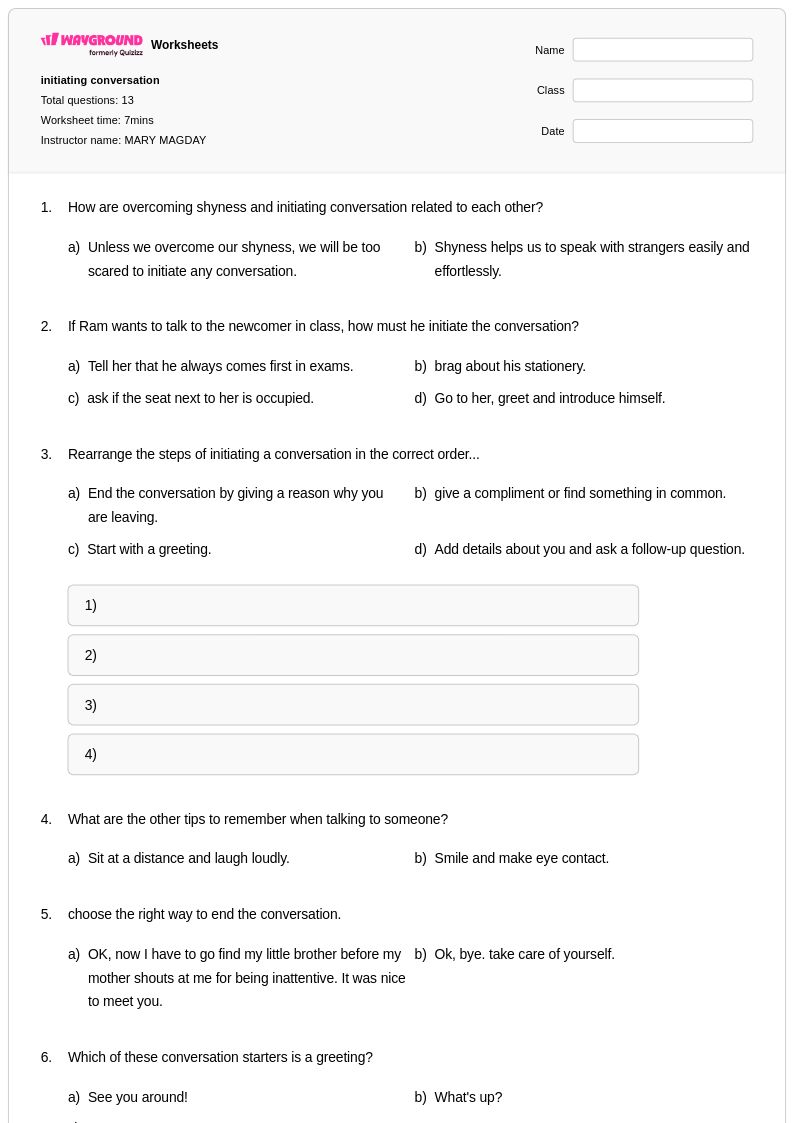
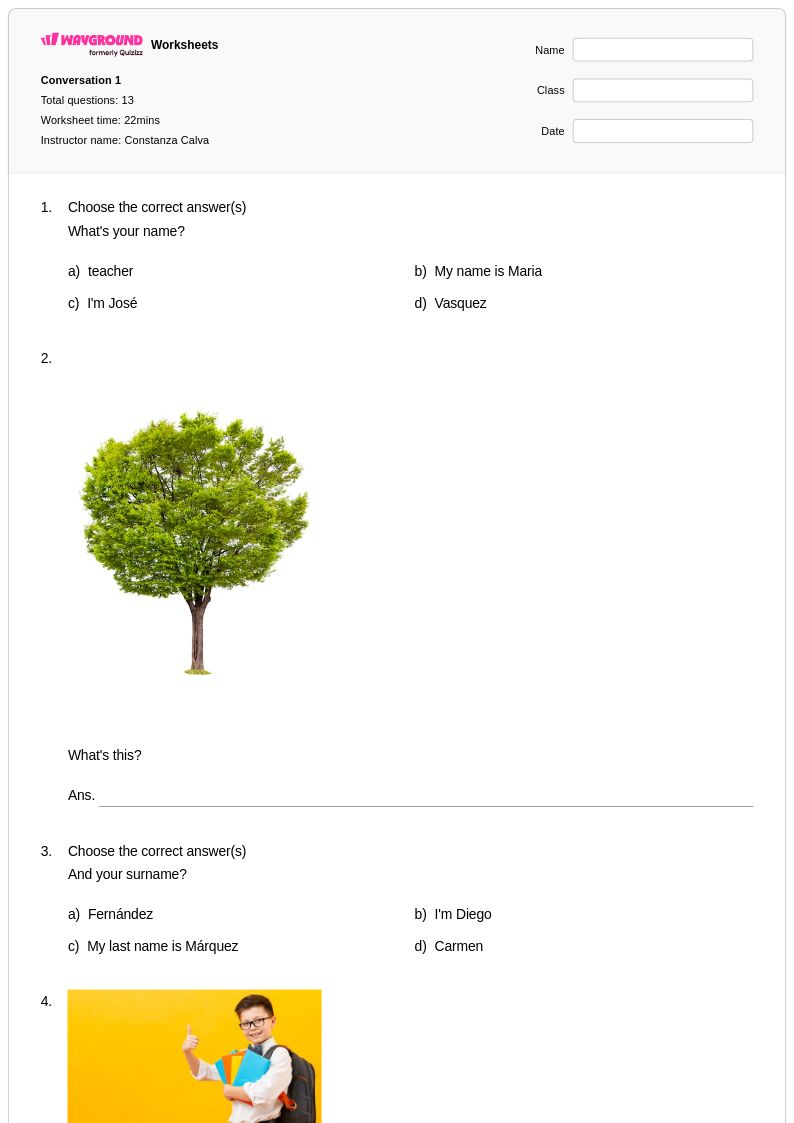
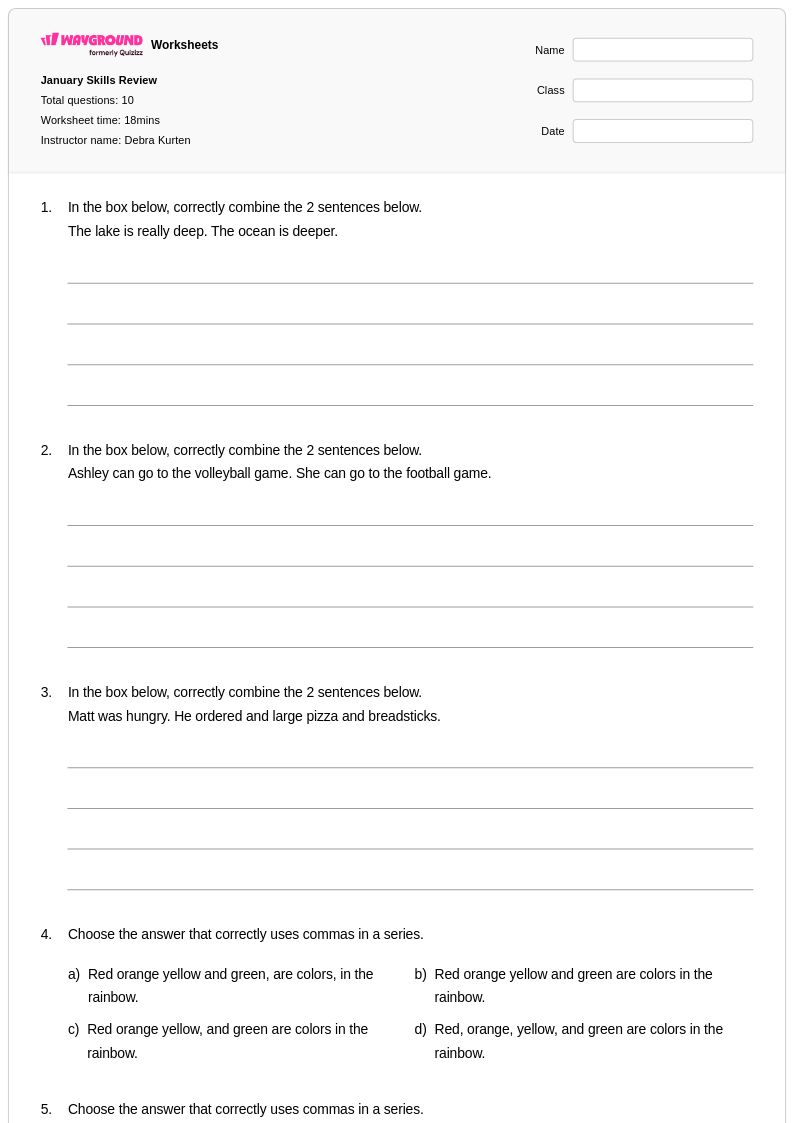
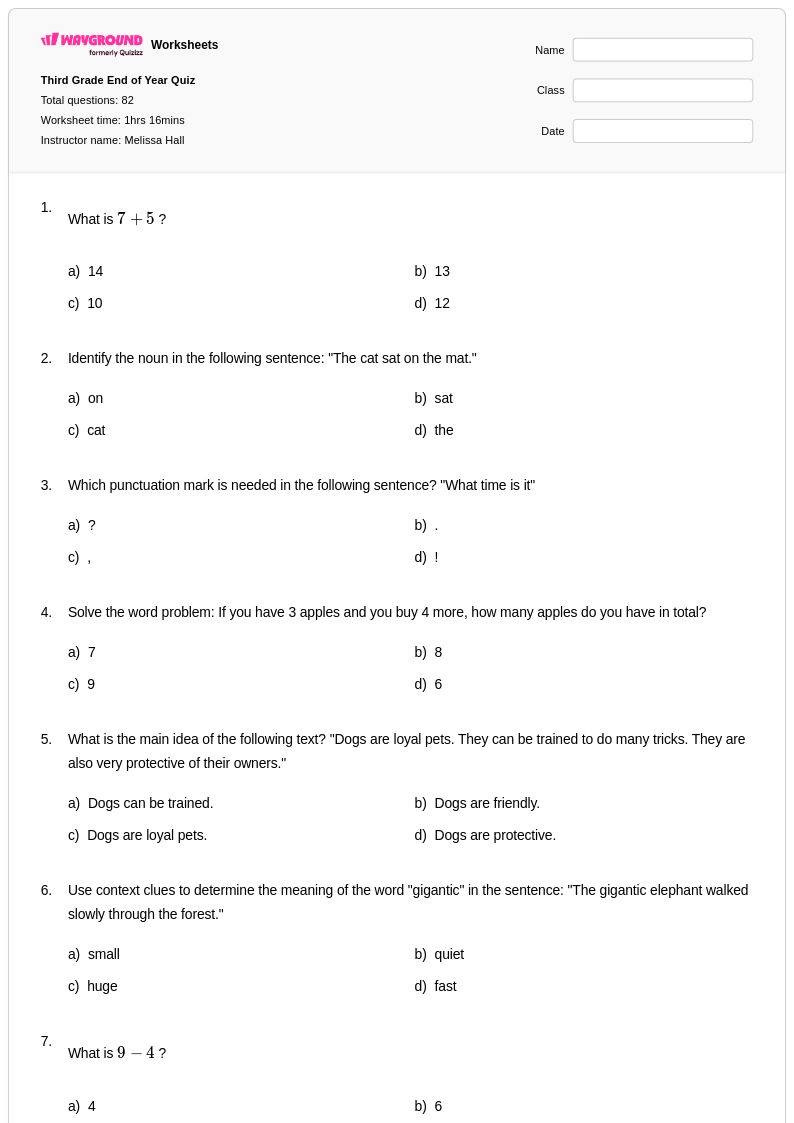
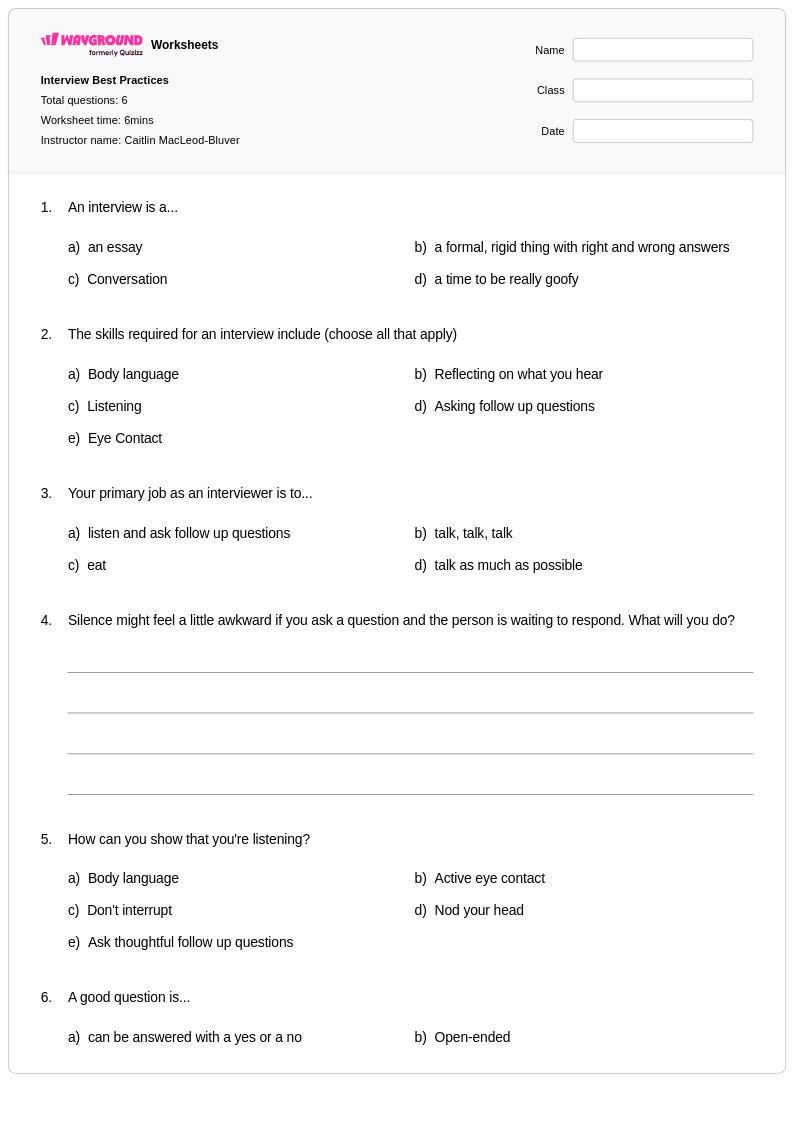
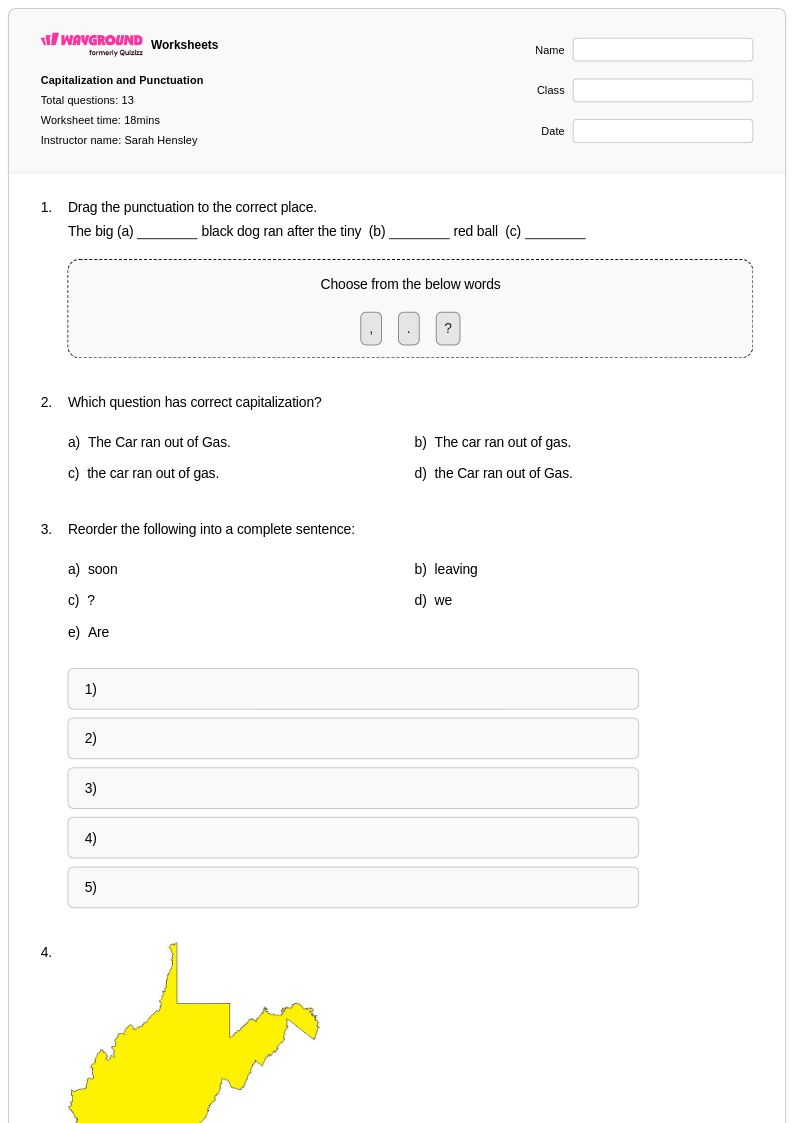
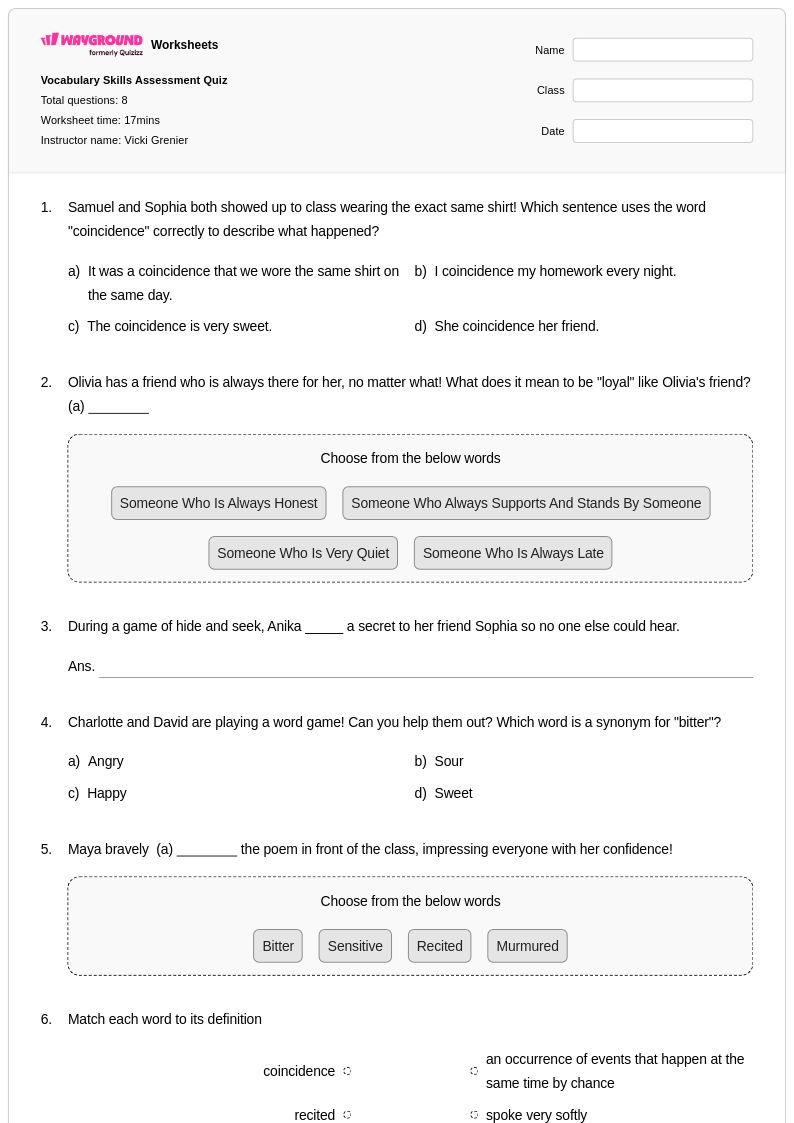
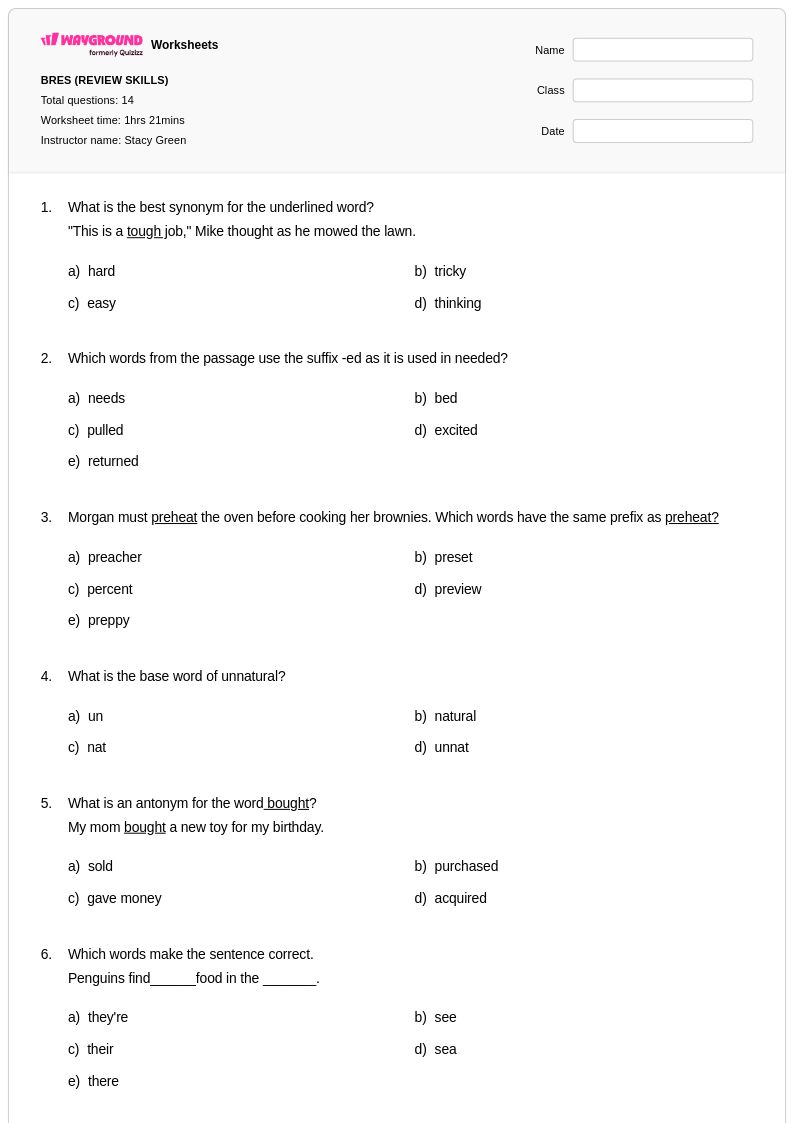
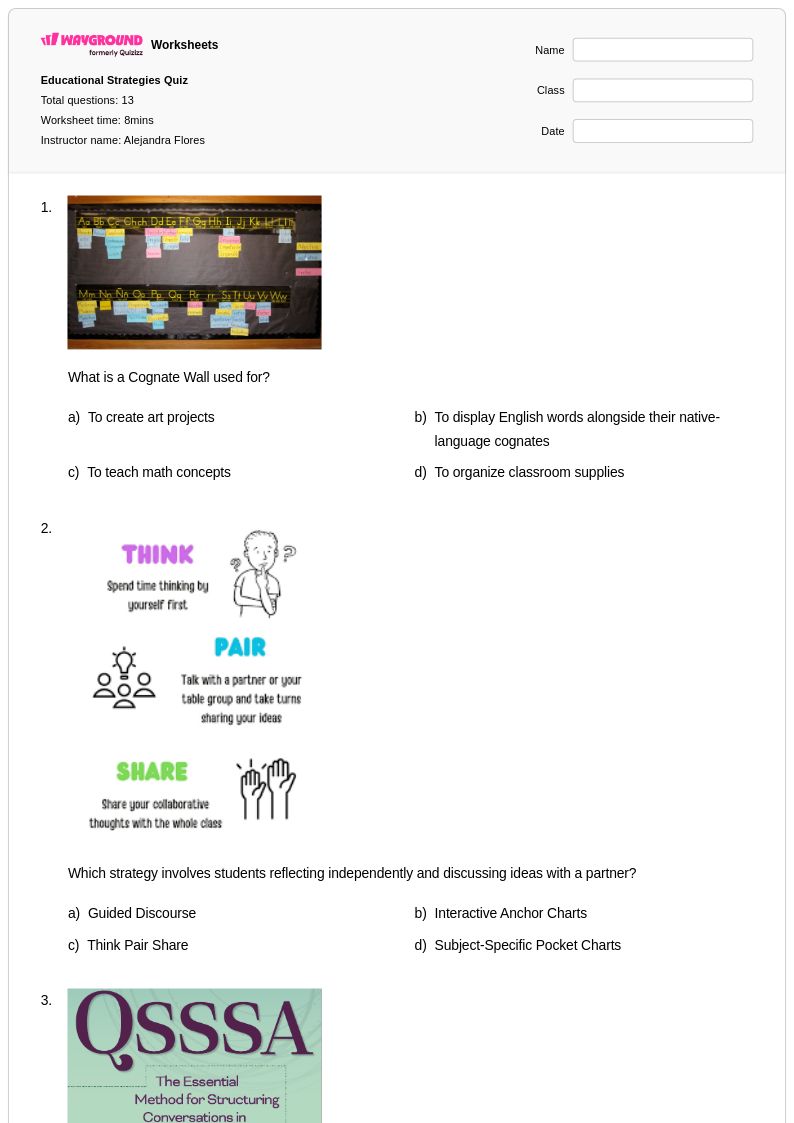
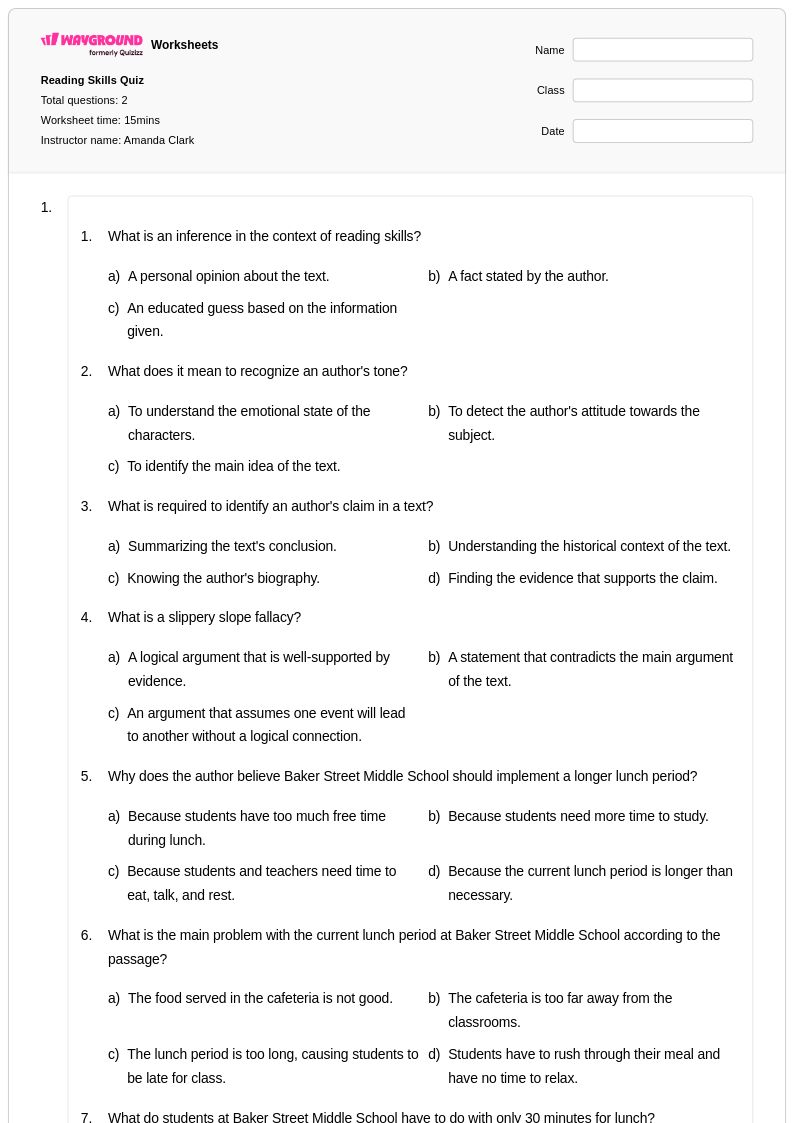
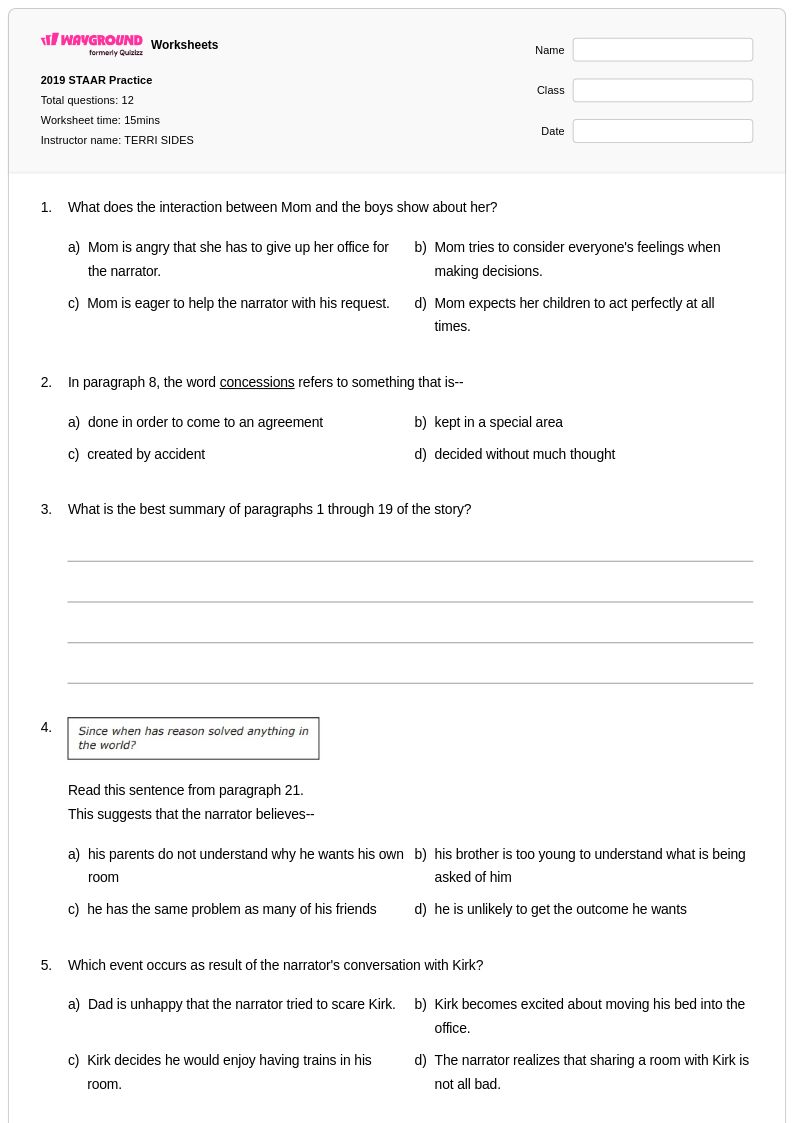
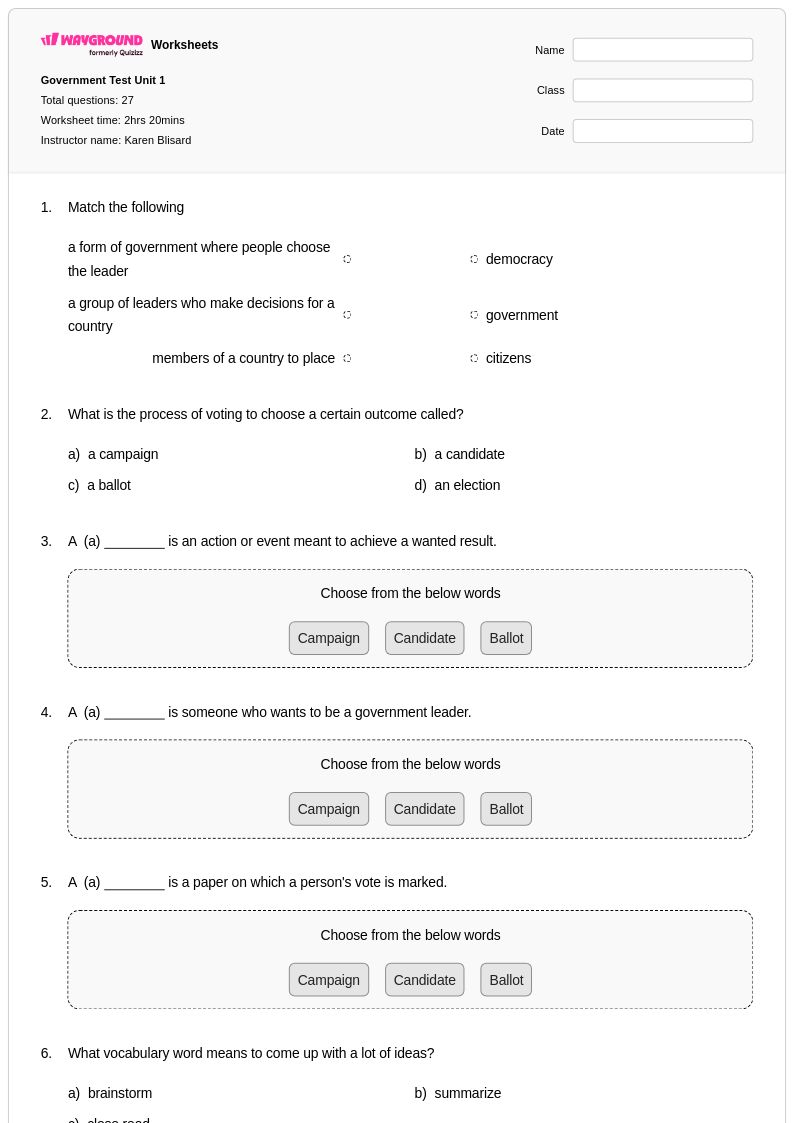
Conversation Skills worksheets for Grade 3 students available through Wayground (formerly Quizizz) provide essential practice opportunities for developing effective verbal communication abilities that form the foundation of academic and social success. These carefully crafted printable resources strengthen key speaking and listening competencies including turn-taking in discussions, asking clarifying questions, expressing ideas clearly, and responding appropriately to others' contributions. Students engage with practice problems that simulate real-world dialogue scenarios, from classroom discussions to peer interactions, while teachers benefit from comprehensive answer keys that facilitate efficient assessment and targeted feedback. The free pdf format ensures accessibility for both classroom instruction and independent home practice, allowing young learners to build confidence in articulating their thoughts and actively participating in meaningful conversations.
Wayground (formerly Quizizz) empowers educators with an extensive collection of millions of teacher-created conversation skills resources specifically designed to meet the developmental needs of third-grade students. The platform's robust search and filtering capabilities enable teachers to quickly locate materials aligned with curriculum standards and individual learning objectives, while differentiation tools support customization for diverse ability levels within the classroom. These flexible worksheet collections are available in both printable and digital formats, including downloadable pdf versions, making them ideal for various instructional settings and learning environments. Teachers utilize these comprehensive resources for strategic lesson planning, targeted skill remediation, enrichment activities for advanced learners, and consistent practice opportunities that help students master the nuanced art of effective verbal communication throughout their elementary education journey.
FAQs
How do I teach conversation skills to students who struggle with speaking in class?
Start by breaking conversation into discrete, teachable components: turn-taking, active listening, asking follow-up questions, and responding appropriately. Use structured pair activities with clear roles (speaker and listener) before moving to open-ended dialogue. Scaffolded scenarios give reluctant speakers a script to anchor their participation, which gradually builds the confidence needed for unstructured conversation.
What exercises help students practice turn-taking and active listening?
Role-play activities using realistic conversational scenarios are among the most effective practice tools because they require students to listen before responding rather than simply waiting for their turn. Worksheet-based dialogue completion exercises, where students must formulate a contextually appropriate response to a given prompt, reinforce both active listening and response formation. Structured question-and-answer drills also help students internalize the natural rhythm of conversational exchange.
What mistakes do students commonly make when learning conversation skills?
The most common errors include interrupting before a speaker has finished, giving responses that don't connect to what was said, and failing to ask follow-up questions that show engagement. Students also frequently struggle with social pragmatics, such as knowing when to change the subject, how to politely disagree, or how to exit a conversation appropriately. These errors often stem from a focus on what to say rather than how and when to say it.
How can I differentiate conversation skills practice for students at different proficiency levels?
For emerging communicators, use highly scaffolded scenarios with sentence starters and word banks to reduce cognitive load. Proficient students can work with open-ended prompts that require them to navigate complex social situations or sustain multi-turn academic discussions. On Wayground, teachers can apply accommodations such as read aloud support and reduced answer choices for individual students, allowing the same worksheet activity to serve learners across a range of ability levels without singling anyone out.
How do I use conversation skills worksheets effectively in a classroom setting?
Conversation skills worksheets work best when paired with live practice: use the worksheet to introduce or reinforce a concept, then immediately follow it with a structured speaking activity that applies the same skill. Wayground's conversation skills worksheets are available as printable PDFs for traditional classroom use and in digital formats for technology-integrated environments, and can also be hosted as a quiz on Wayground to track student responses. Complete answer keys are included, so teachers can use them for guided instruction, independent practice, or targeted remediation.
How do conversation skills worksheets support students preparing for academic discussions?
Academic discussions require a specific register of language, including the ability to build on a peer's idea, respectfully challenge a claim, and use evidence in spoken responses. Worksheets that progress from basic exchanges to more complex dialogue scenarios help students internalize these conventions before applying them in live discussion. Consistent structured practice with question formation and contextually appropriate language use bridges the gap between casual conversation and the demands of academic talk.