
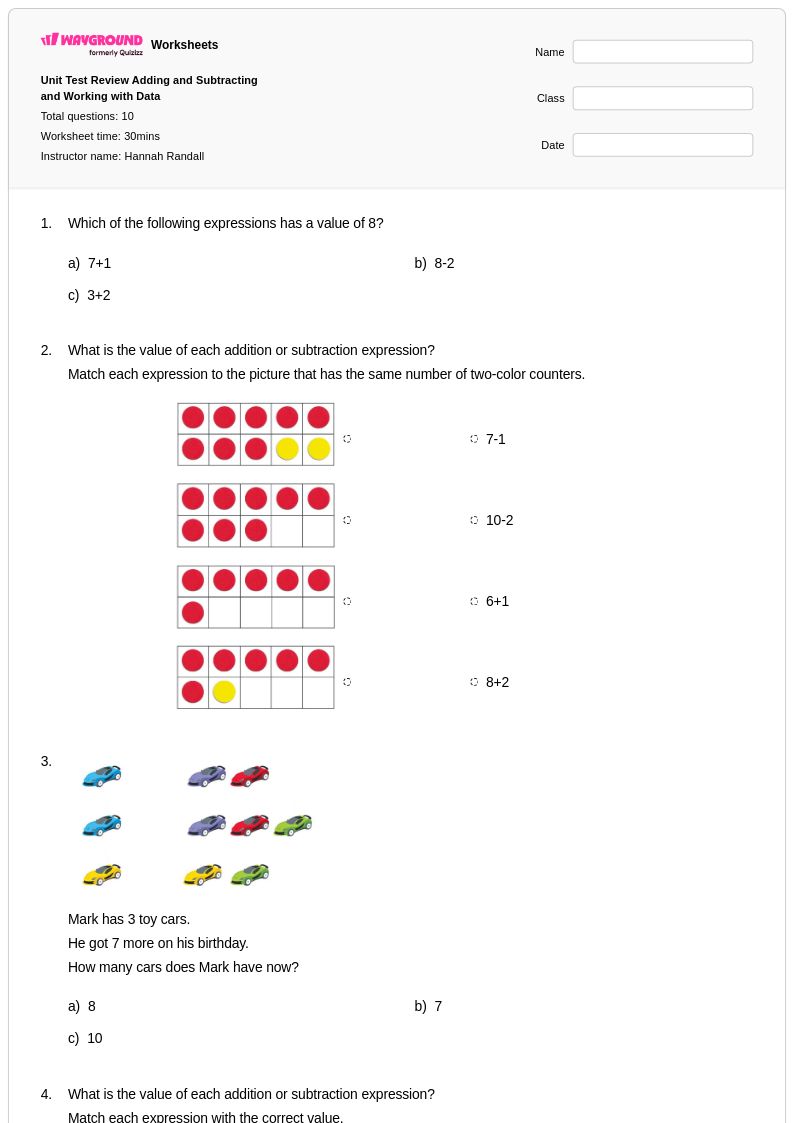
10 Q
1st
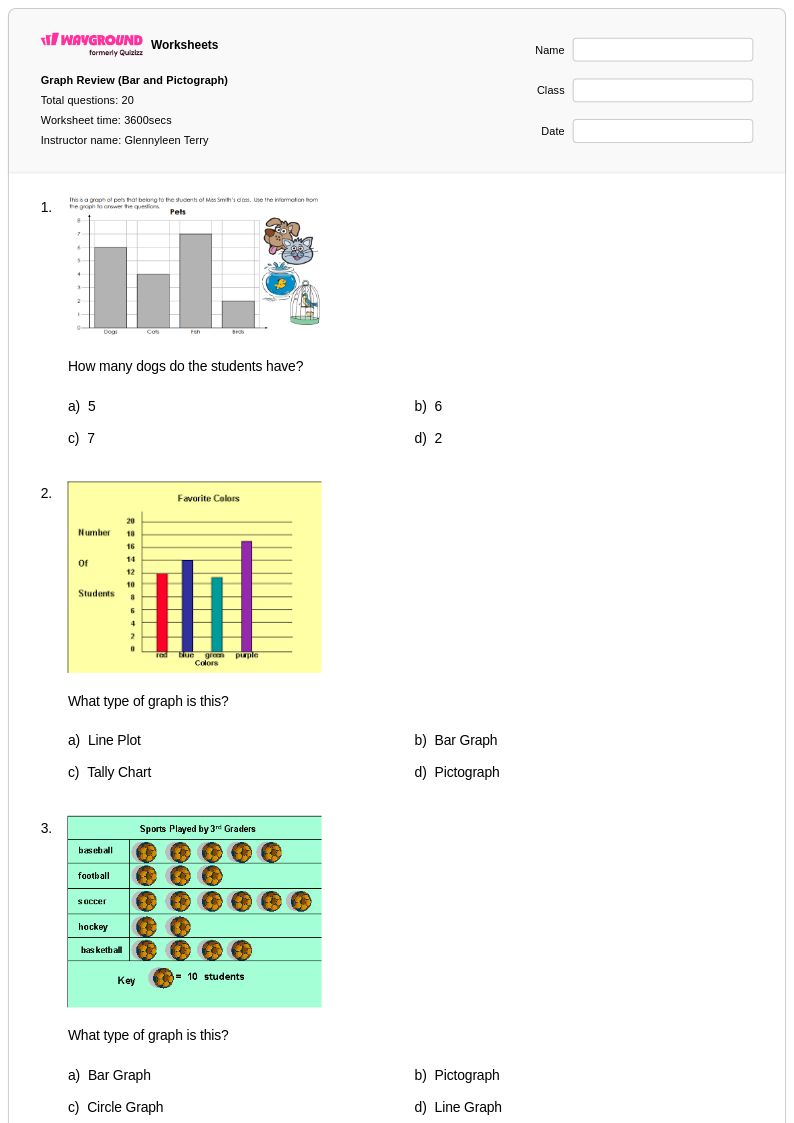
20 Q
1st - 2nd
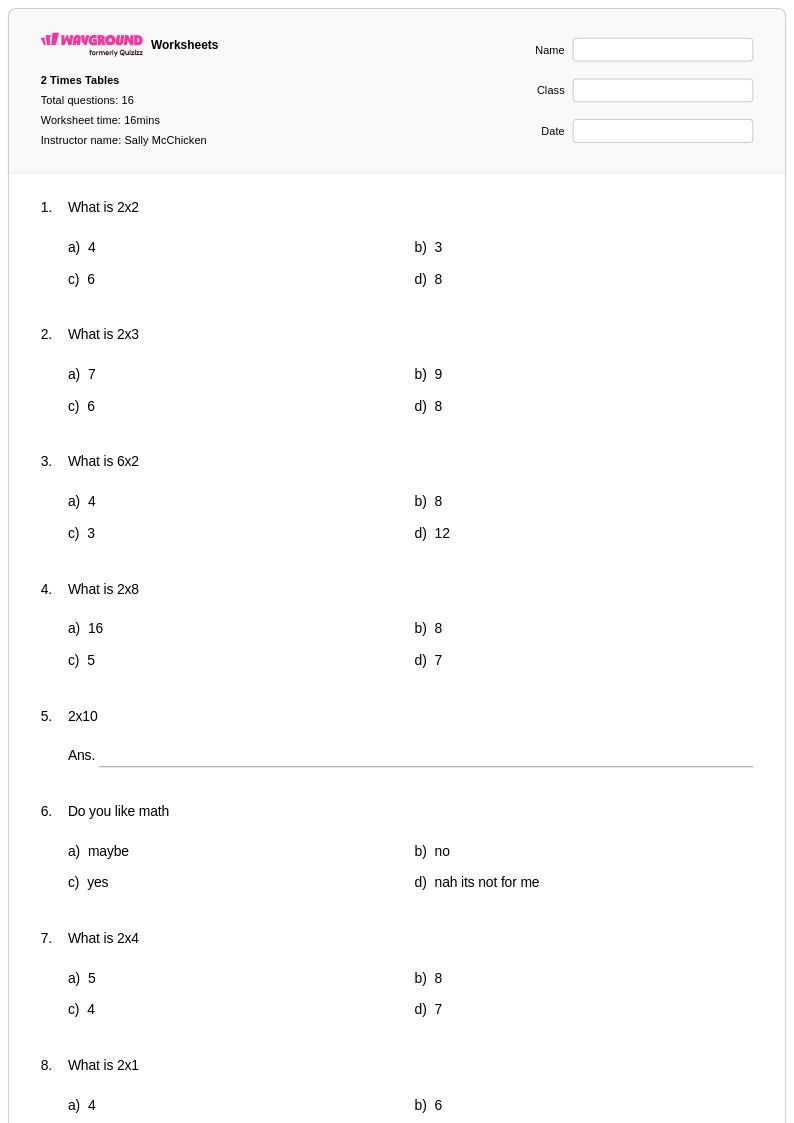
16 Q
KG - 3rd
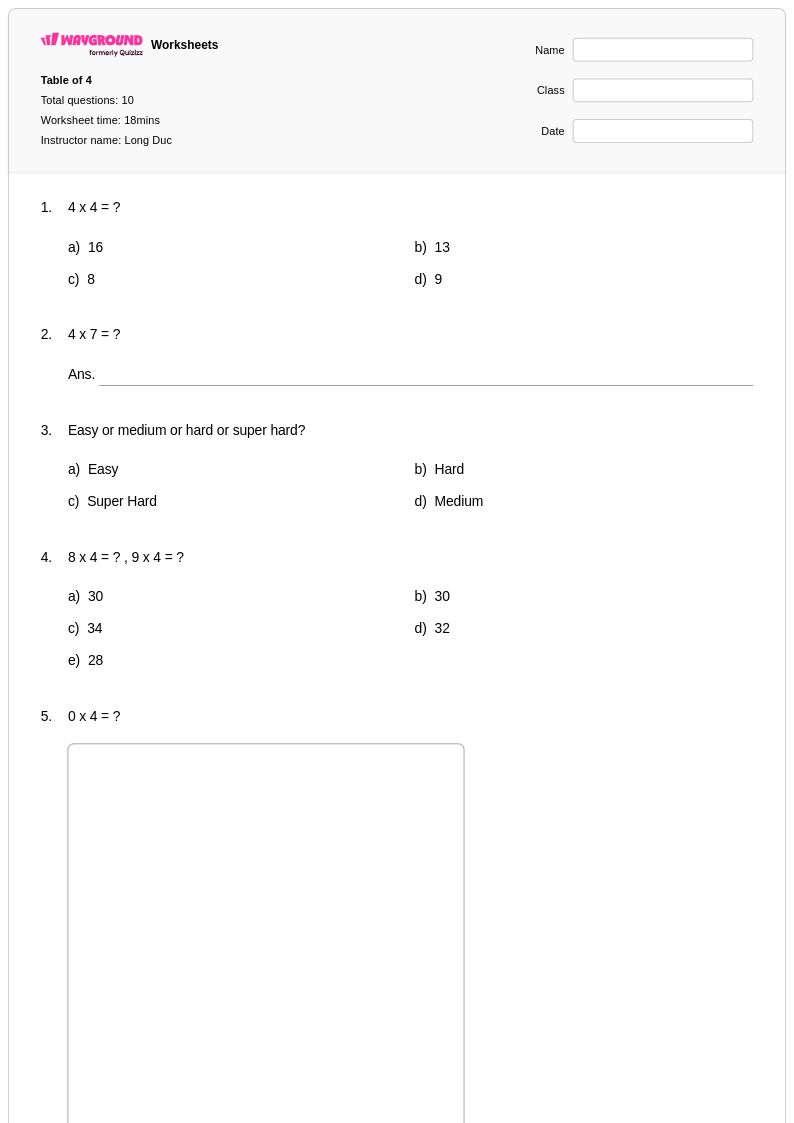
10 Q
1st - 5th
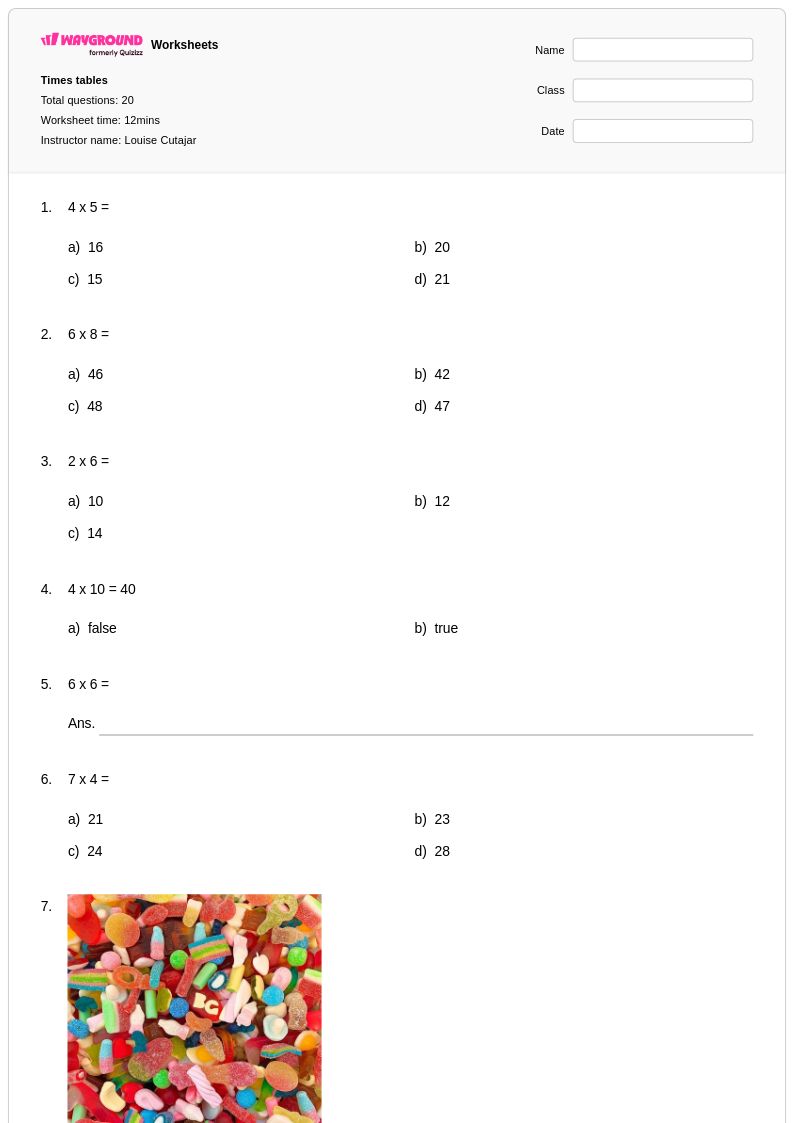
20 Q
1st - 5th
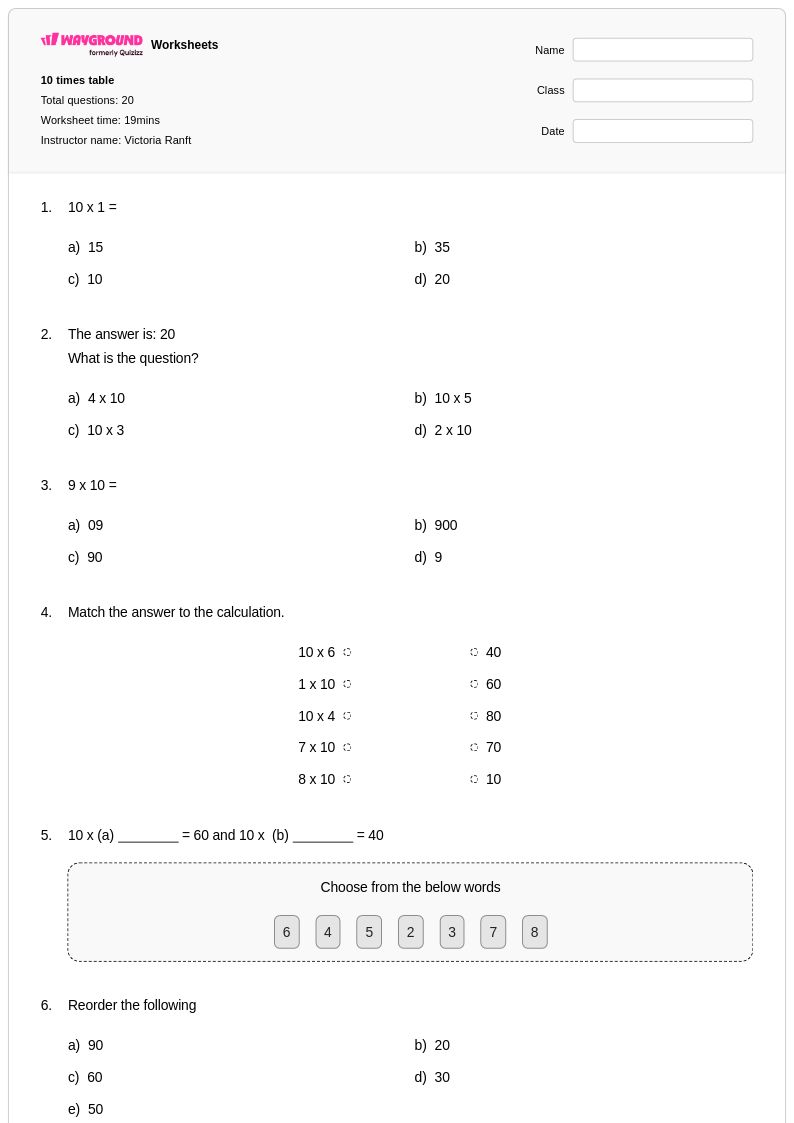
20 Q
1st
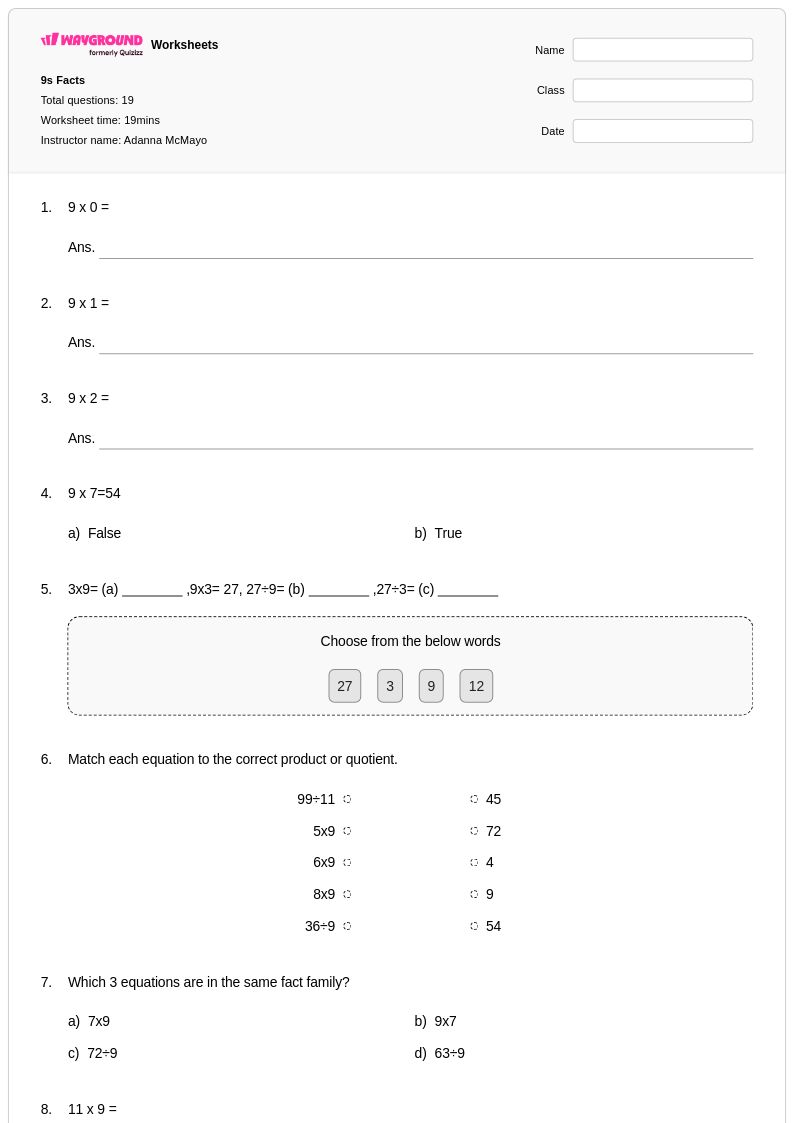
19 Q
1st - Uni

8 Q
1st
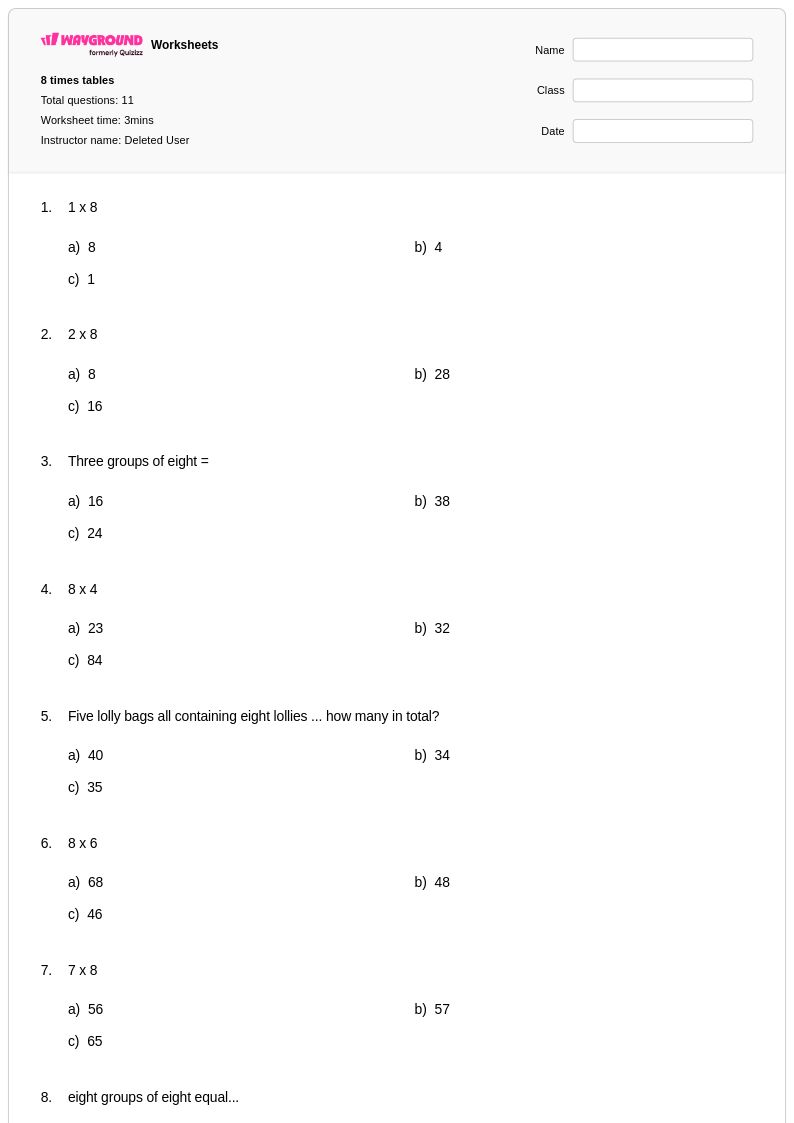
11 Q
1st
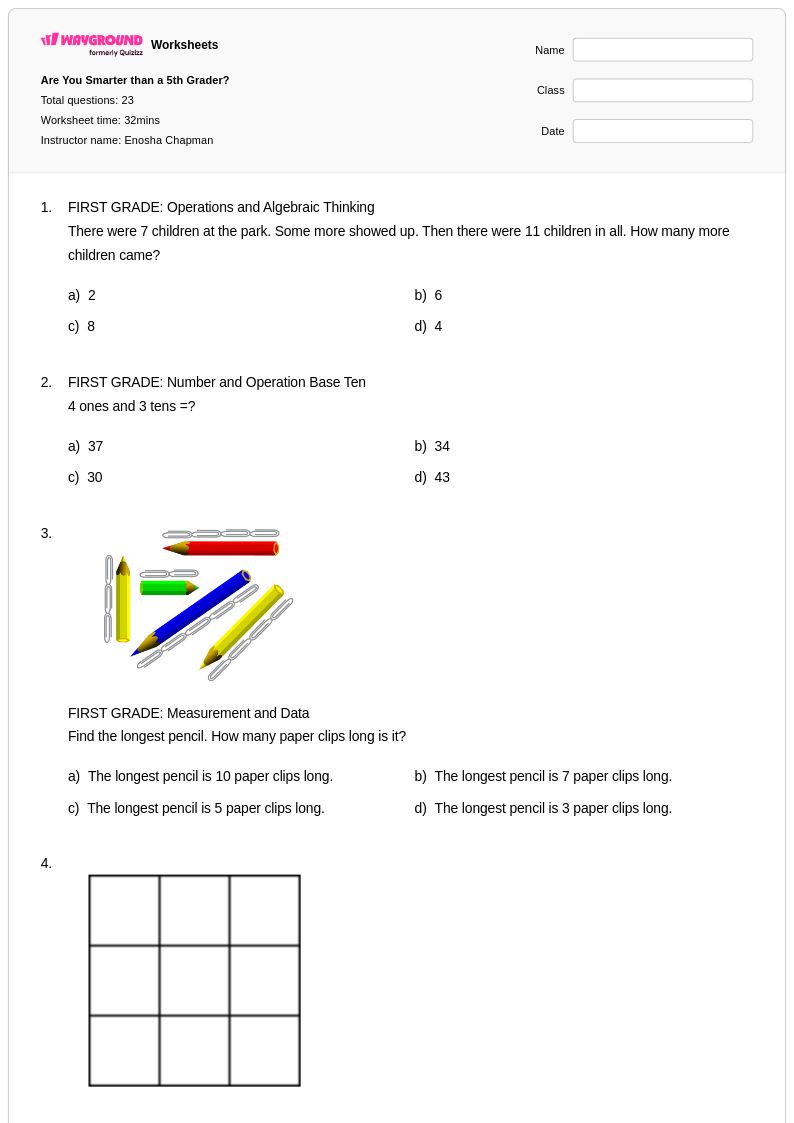
23 Q
1st - 5th
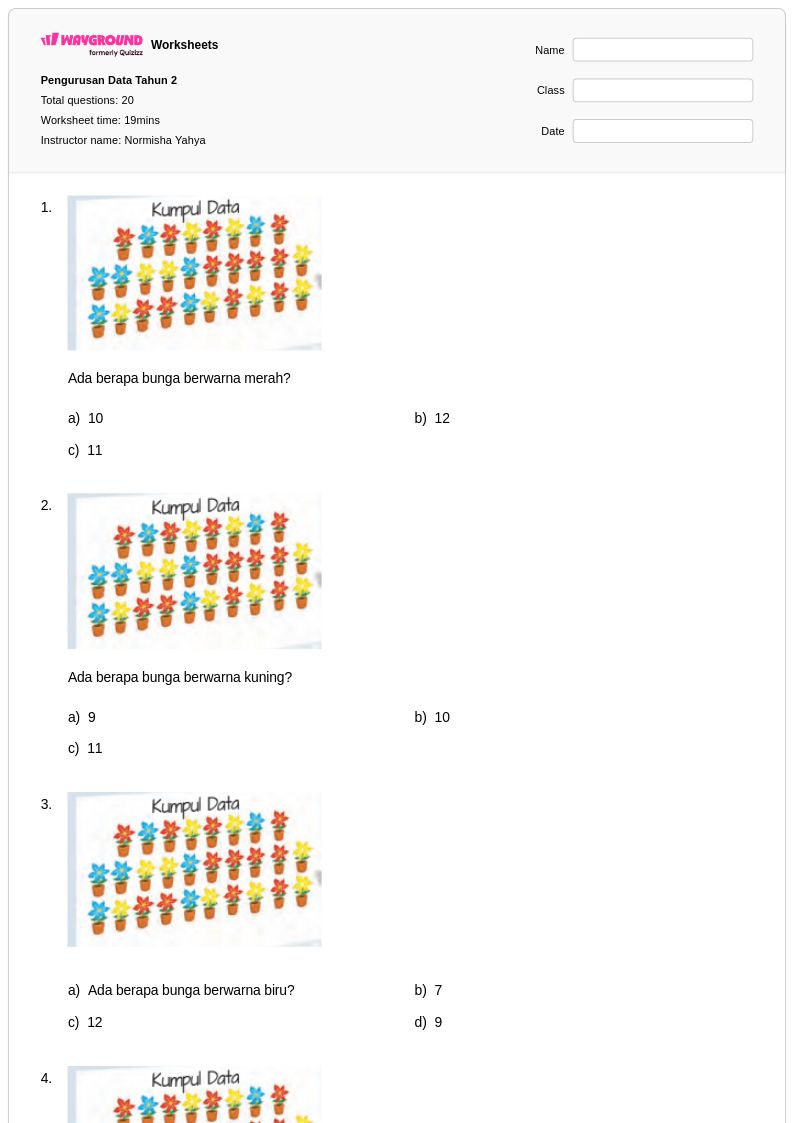
20 Q
1st - 3rd
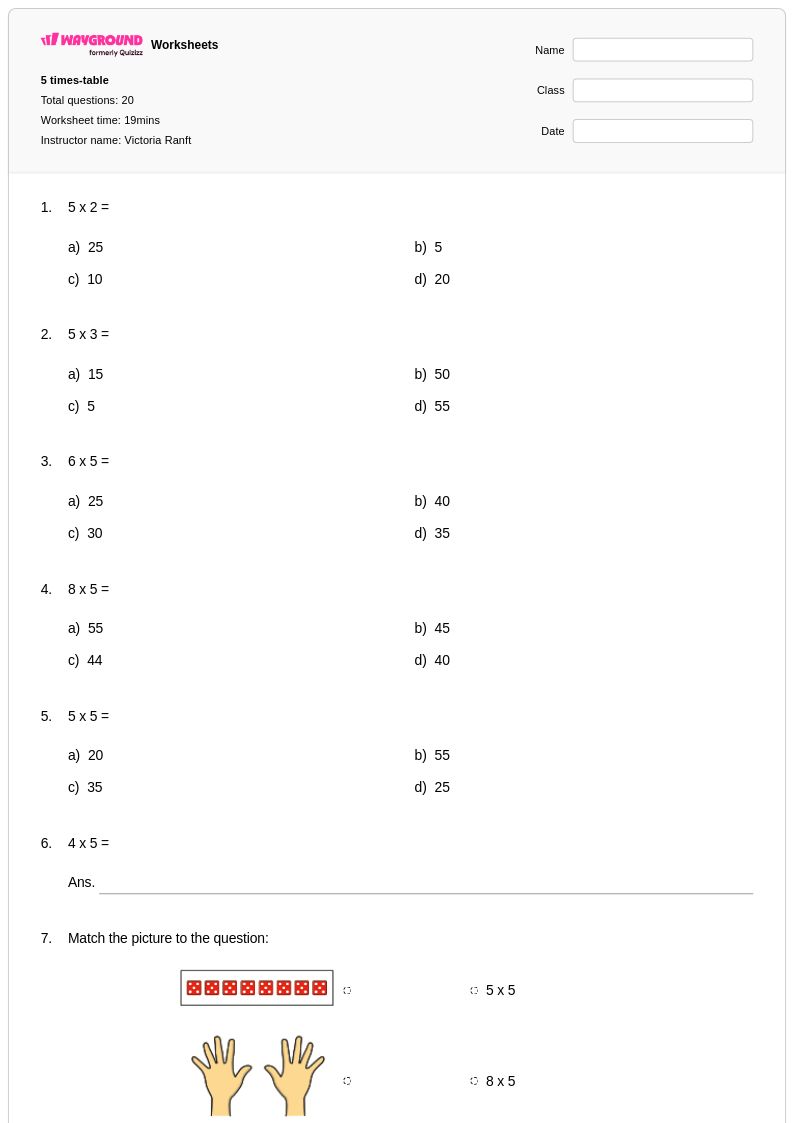
20 Q
1st
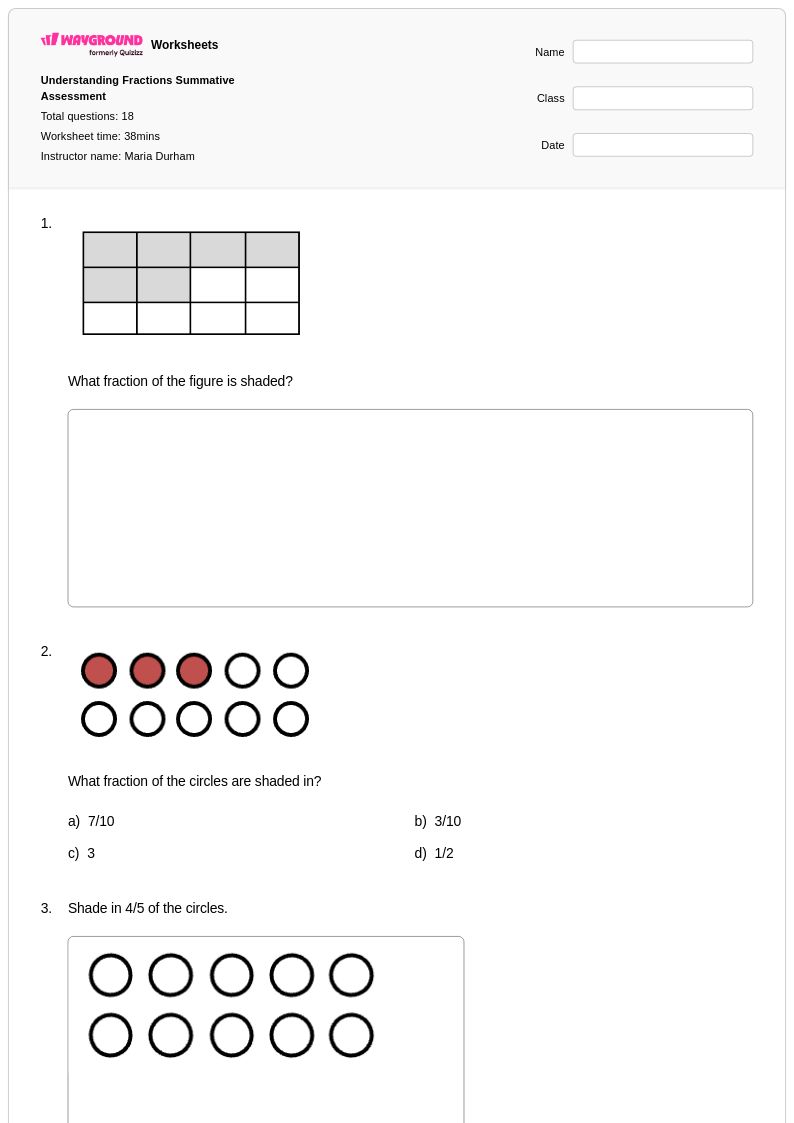
18 Q
1st - 5th
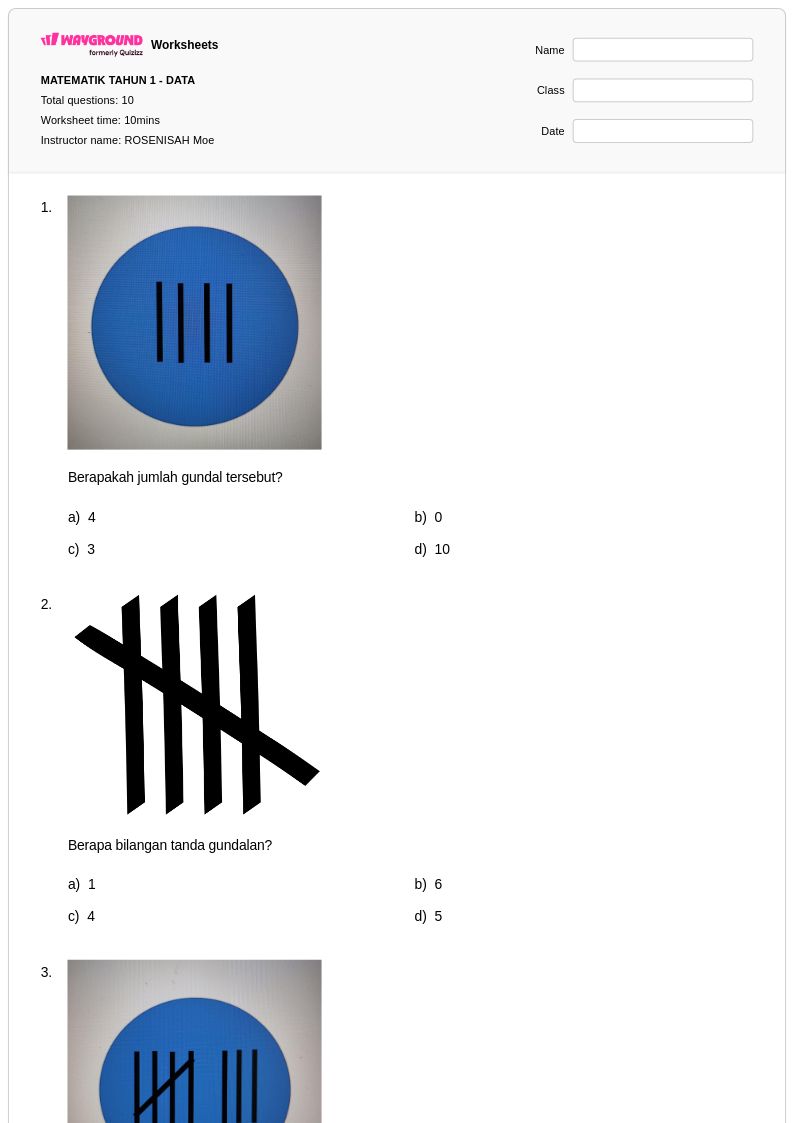
10 Q
1st
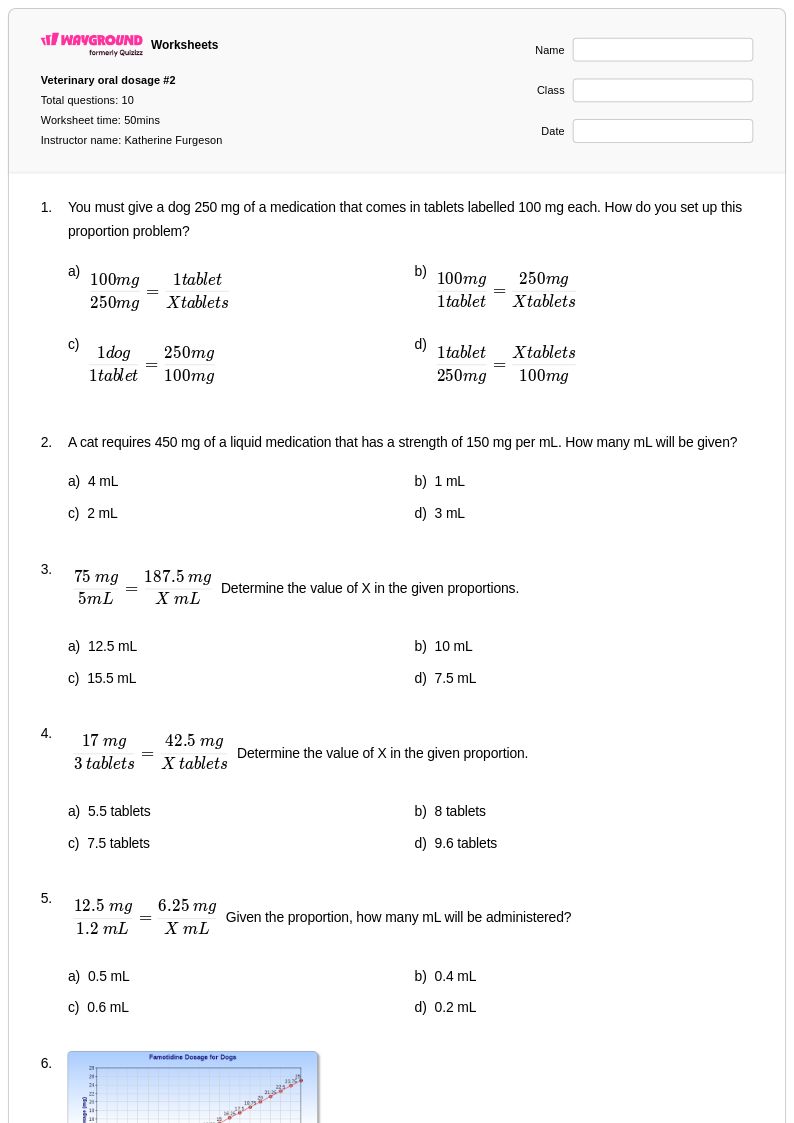
10 Q
1st - 12th
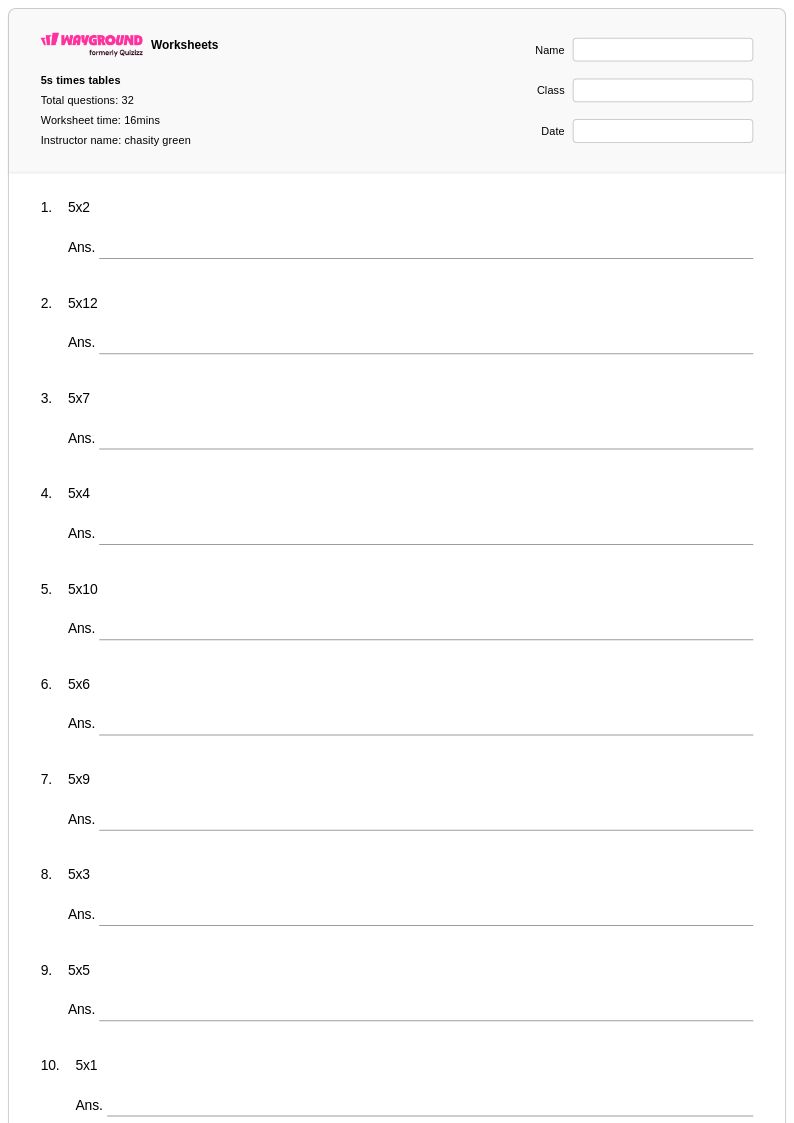
32 Q
1st
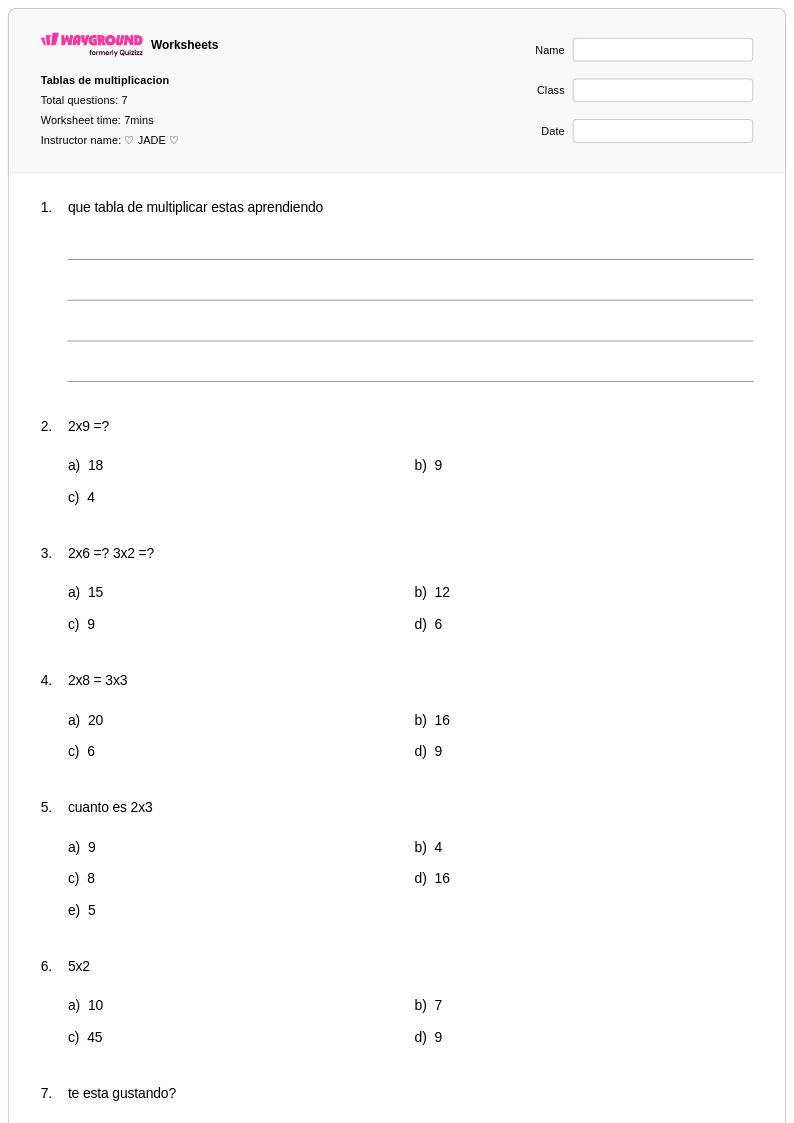
7 Q
1st
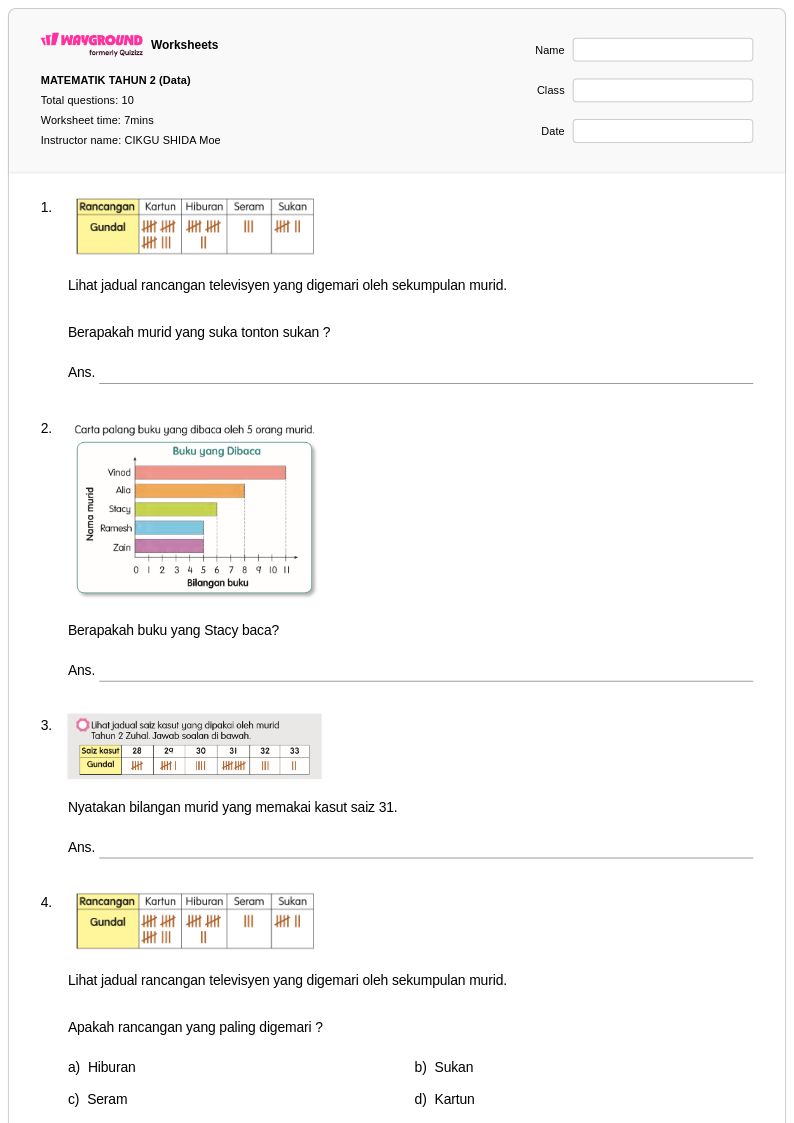
10 Q
1st - 6th

15 Q
1st
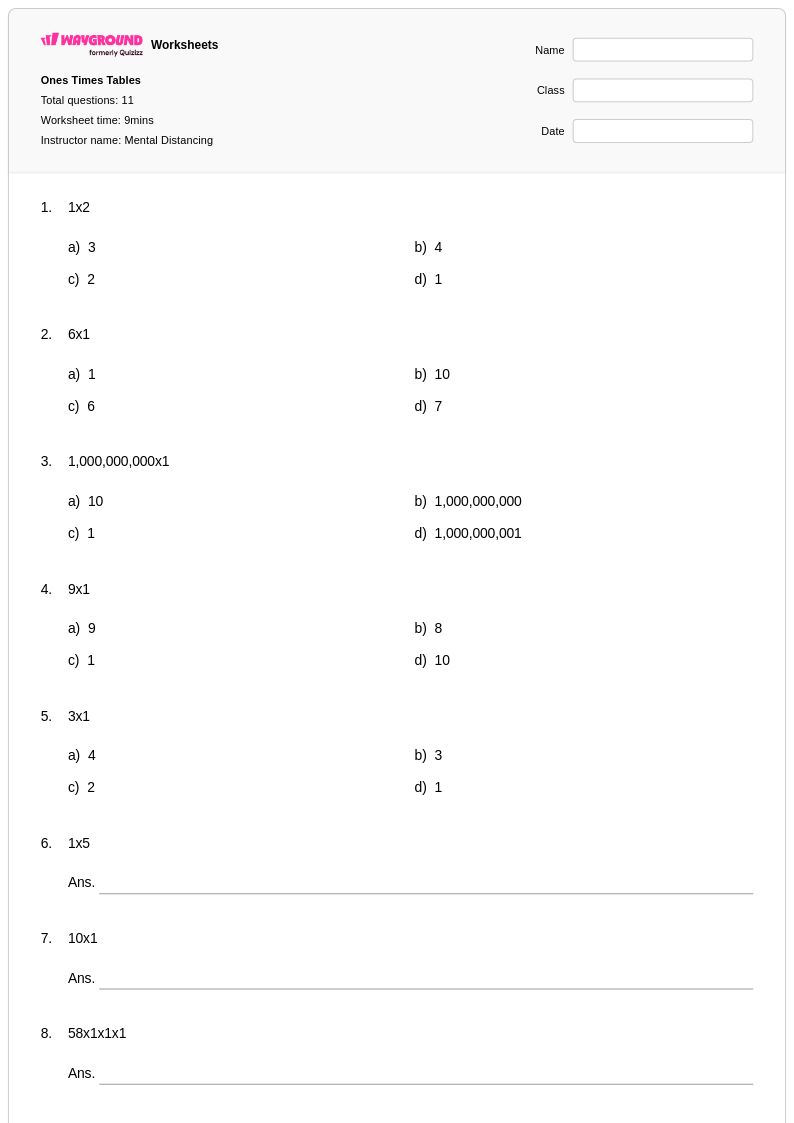
11 Q
1st - 4th
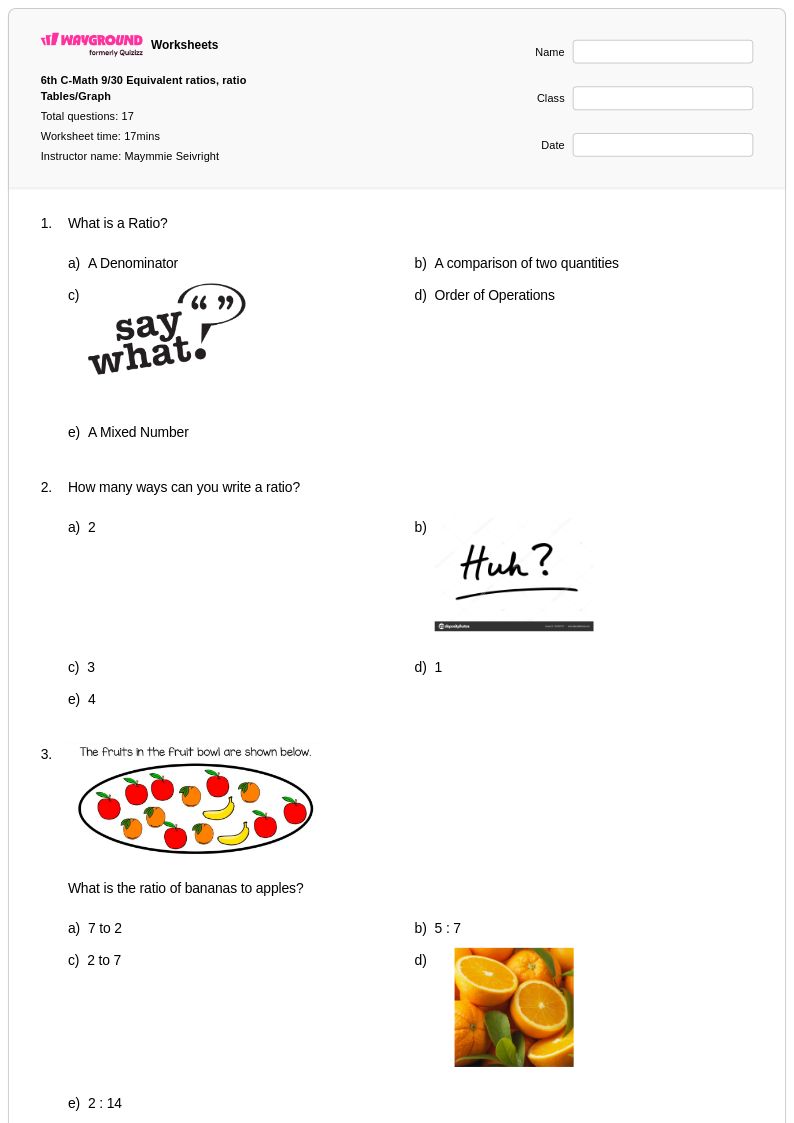
17 Q
1st - 5th
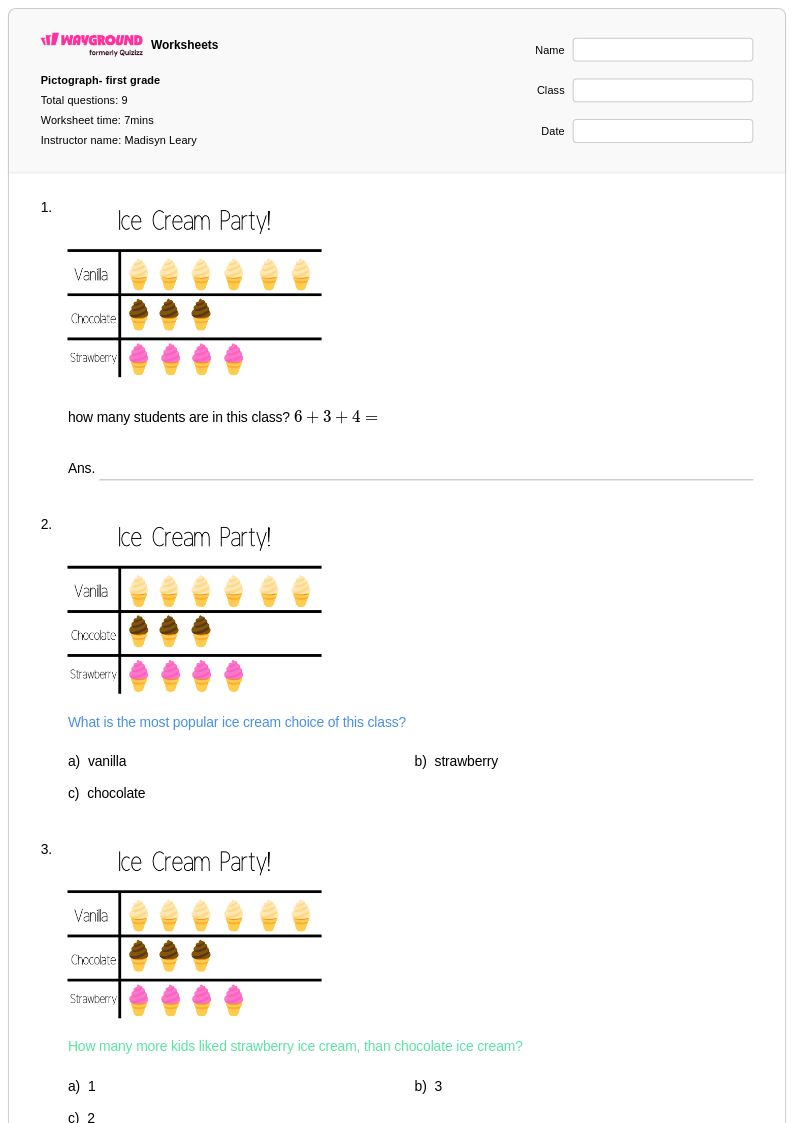
9 Q
1st - 2nd
Explore Other Subject Worksheets for grade 1
Explore printable Data Tables worksheets for Grade 1
Grade 1 data tables worksheets available through Wayground (formerly Quizizz) provide young learners with essential foundational experiences in organizing and interpreting information. These carefully designed printables introduce first-grade students to the fundamental concept of arranging data in rows and columns, helping them develop critical thinking skills as they learn to categorize objects, tally results, and draw simple conclusions from organized information. Each worksheet focuses on age-appropriate activities such as sorting classroom items, recording weather observations, or documenting favorite foods, allowing students to practice reading data tables while building their understanding of how information can be systematically displayed. The collection includes comprehensive answer keys and free pdf resources that support both independent practice problems and guided instruction, ensuring students master the essential skill of extracting meaning from structured data presentations.
Wayground (formerly Quizizz) empowers educators with an extensive collection of millions of teacher-created data table resources specifically designed for Grade 1 mathematics instruction. The platform's robust search and filtering capabilities allow teachers to quickly locate worksheets that align with curriculum standards and meet diverse classroom needs, whether for initial skill introduction, targeted remediation, or advanced enrichment activities. These versatile materials are available in both printable and digital formats, including convenient pdf downloads that facilitate seamless lesson planning and classroom implementation. Teachers can customize worksheets to match their students' specific learning levels and differentiate instruction effectively, while the comprehensive resource library supports systematic skill practice that builds students' confidence in organizing, reading, and interpreting data through developmentally appropriate table formats.
FAQs
How do I teach data tables to first graders?
What exercises help first graders practice data tables?
What mistakes do first graders commonly make with data tables?
How can I use Wayground Grade 1 data tables worksheets?
How do Grade 1 data tables fit into the Common Core math progression?
How can I differentiate Grade 1 data tables practice?
What grade level are these data tables worksheets for?