Free Printable Distance on a Number Line Worksheets for Kindergarten
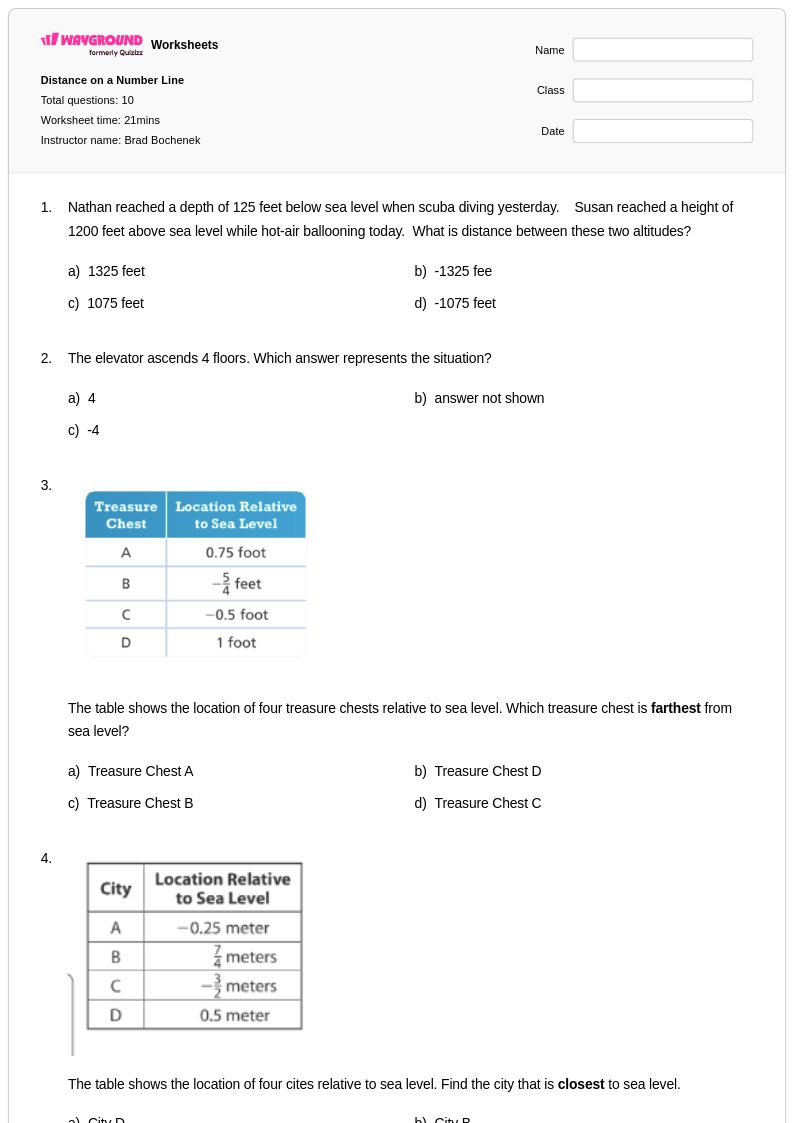
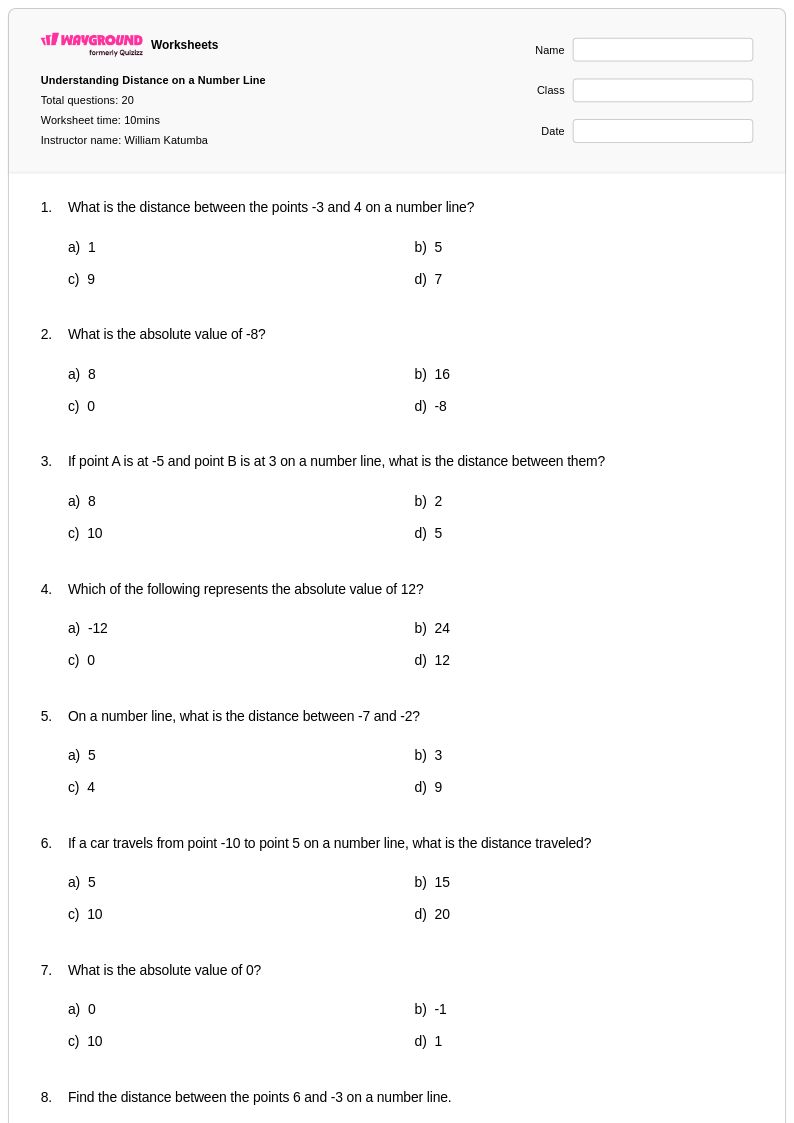
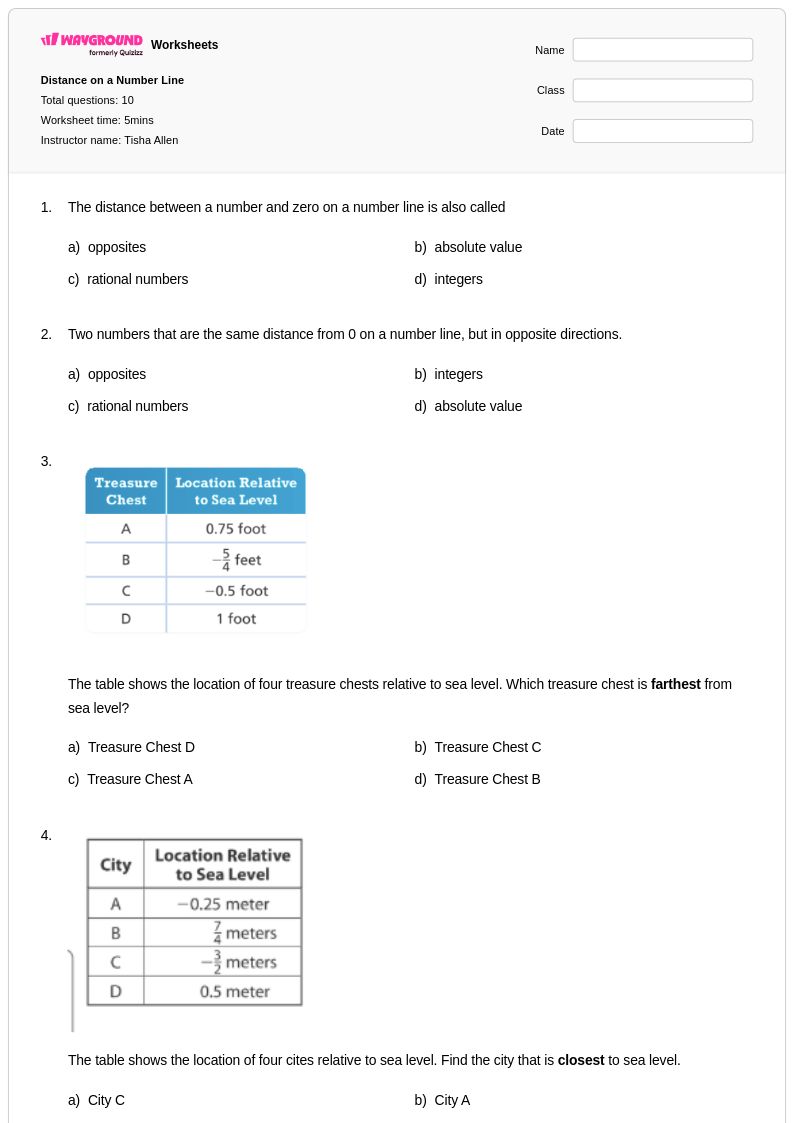
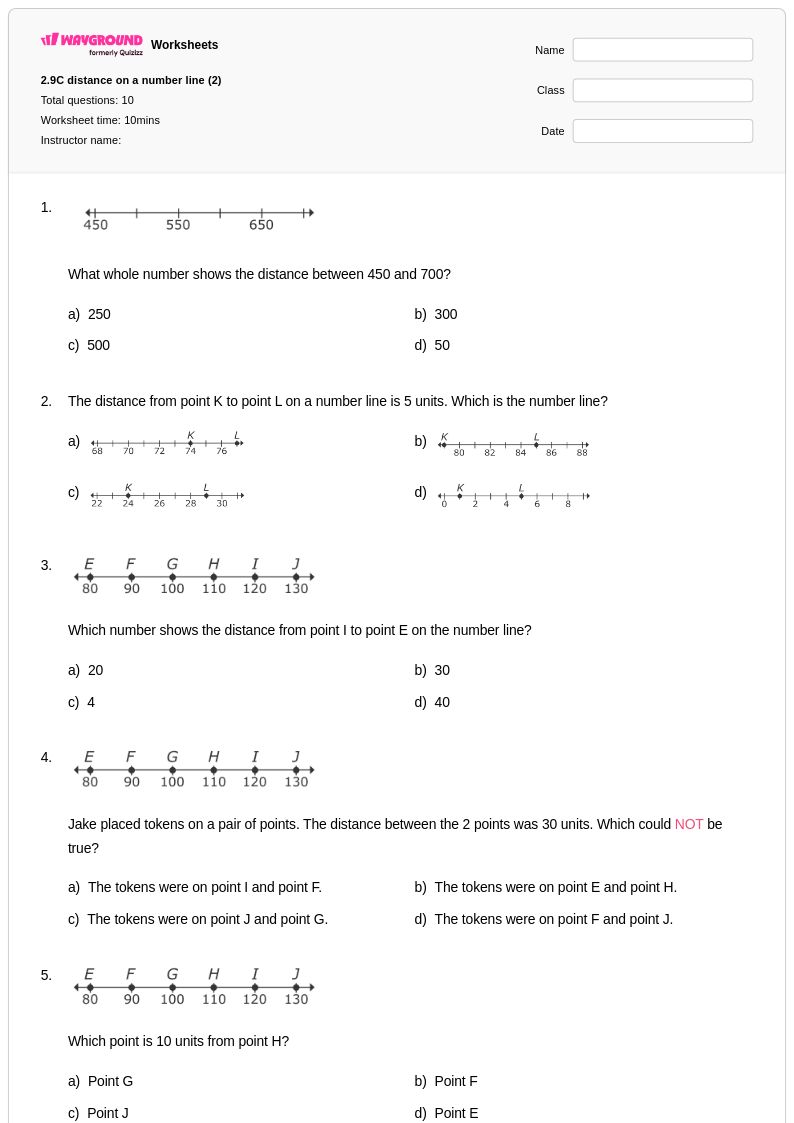
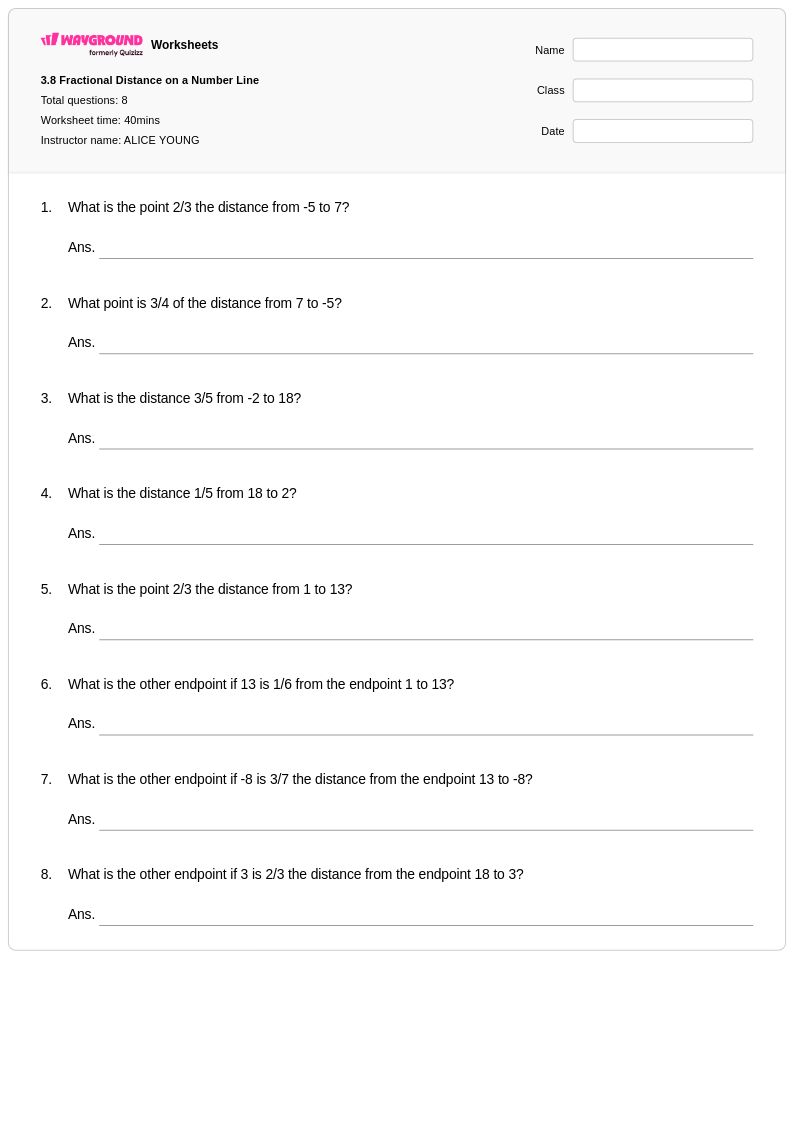
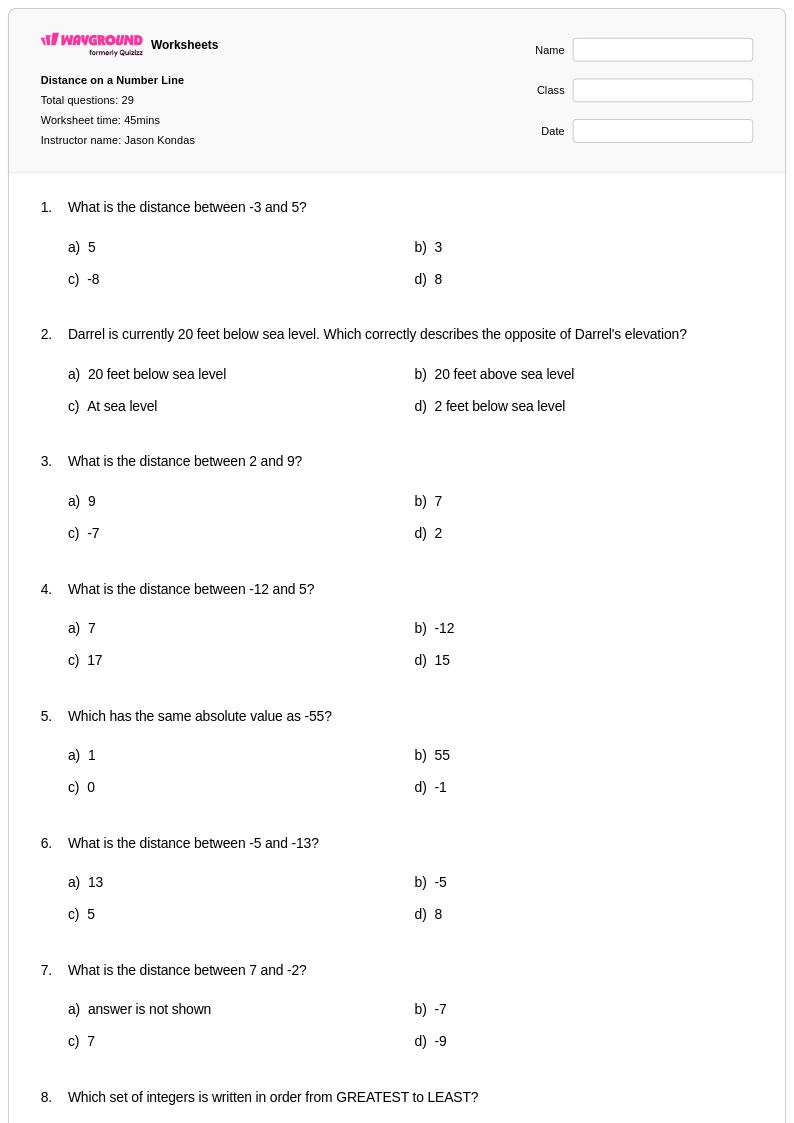
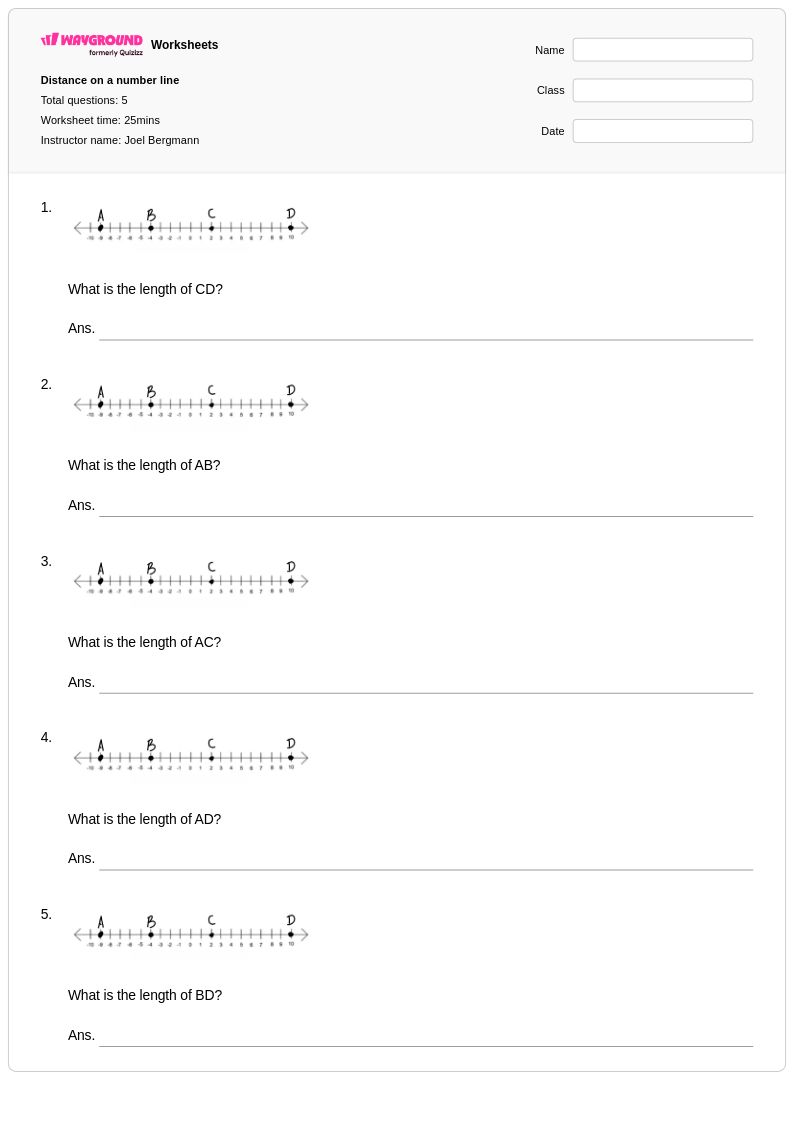
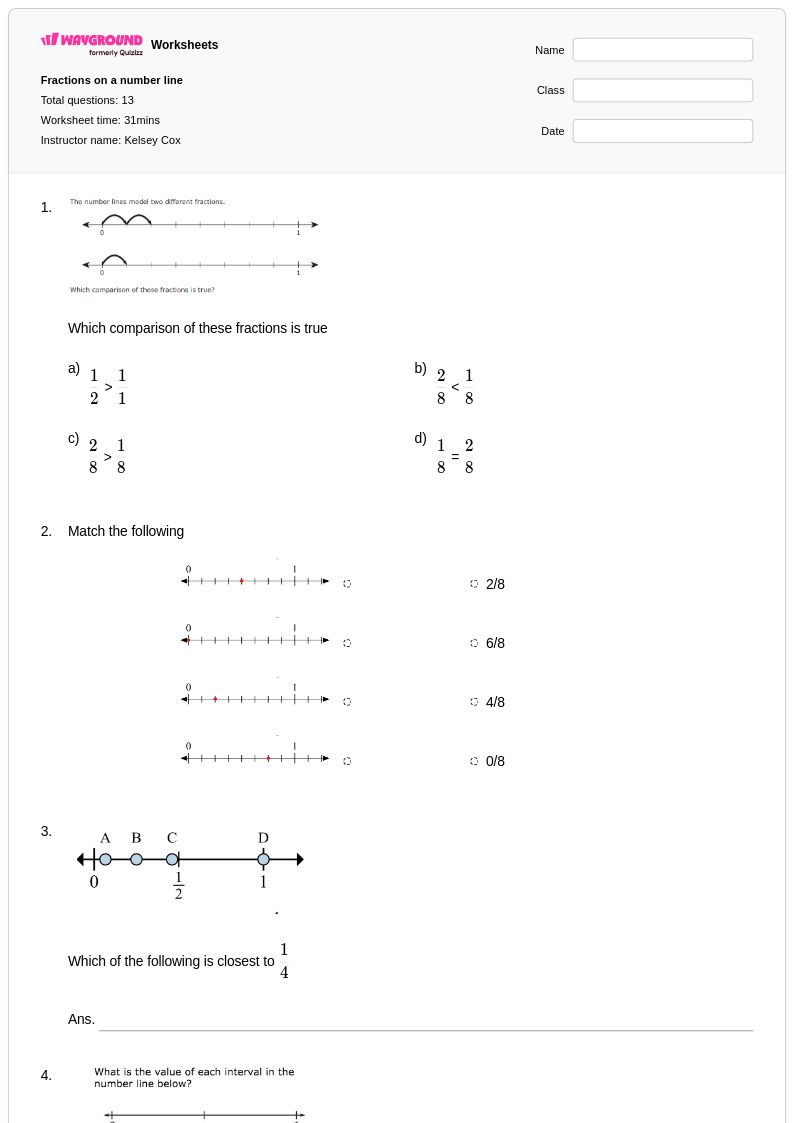
Wayground offers free kindergarten distance on a number line worksheets and printables with practice problems and answer keys to help young students develop essential spatial number sense skills.
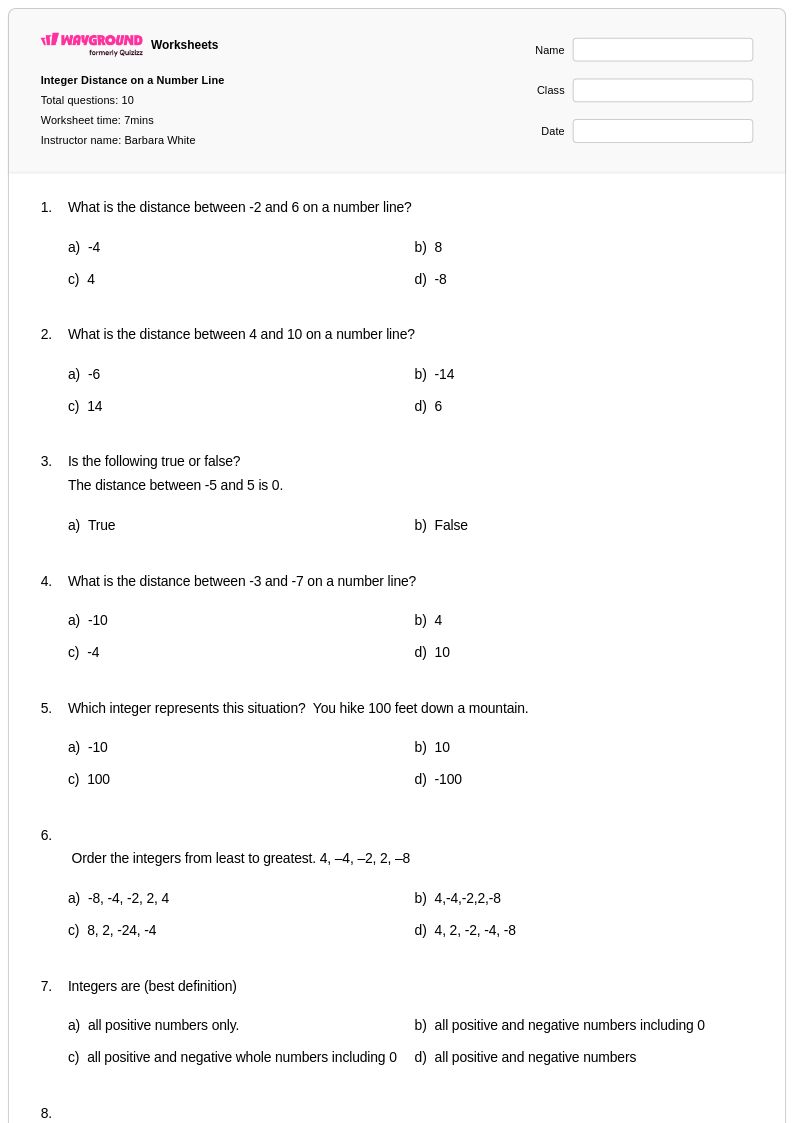
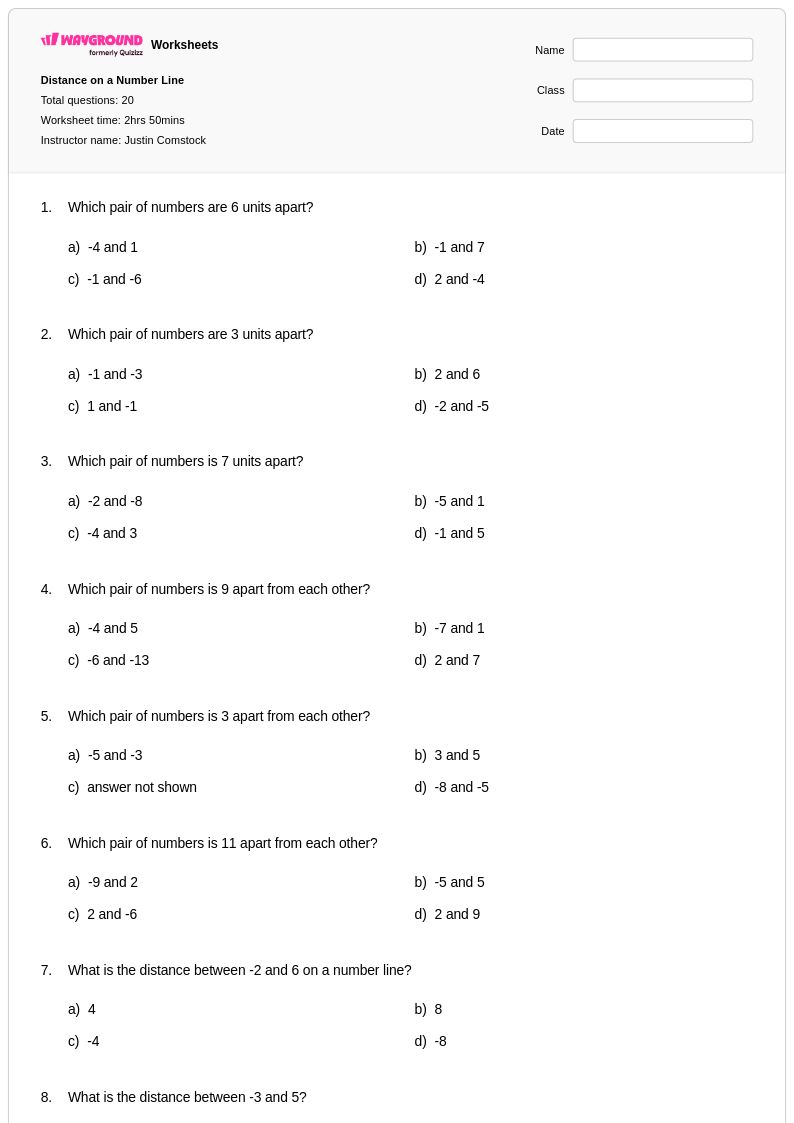
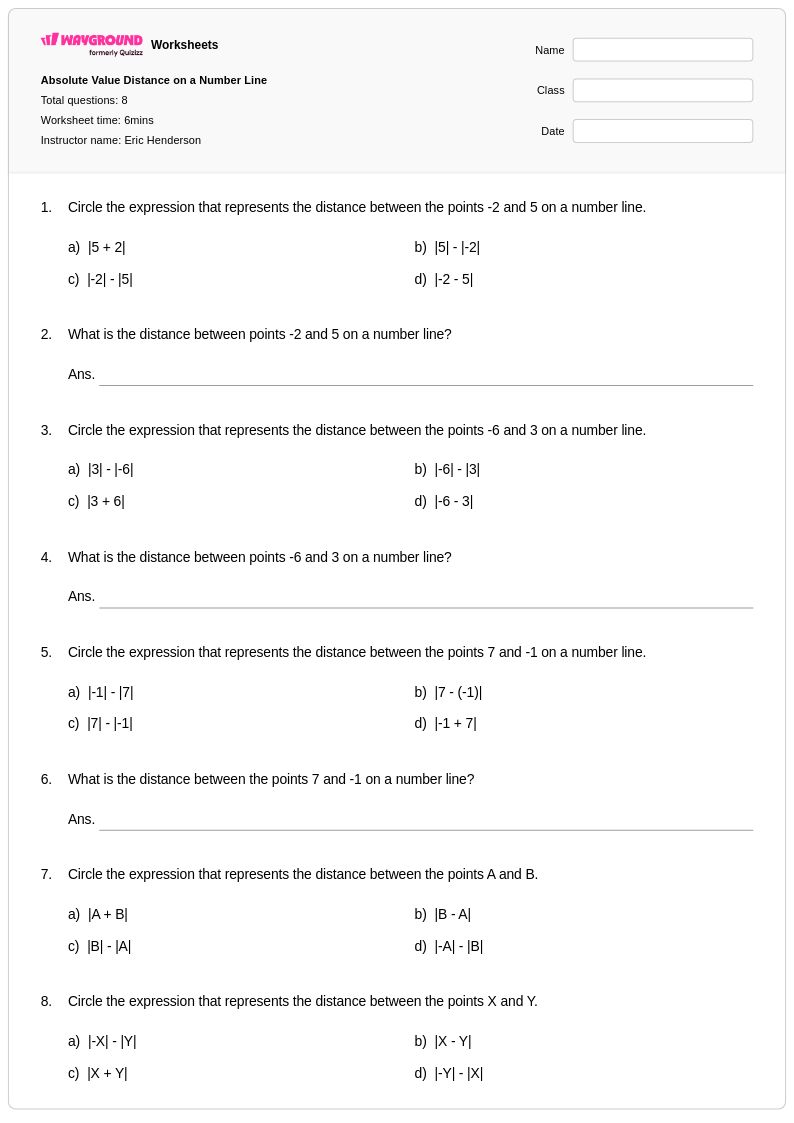
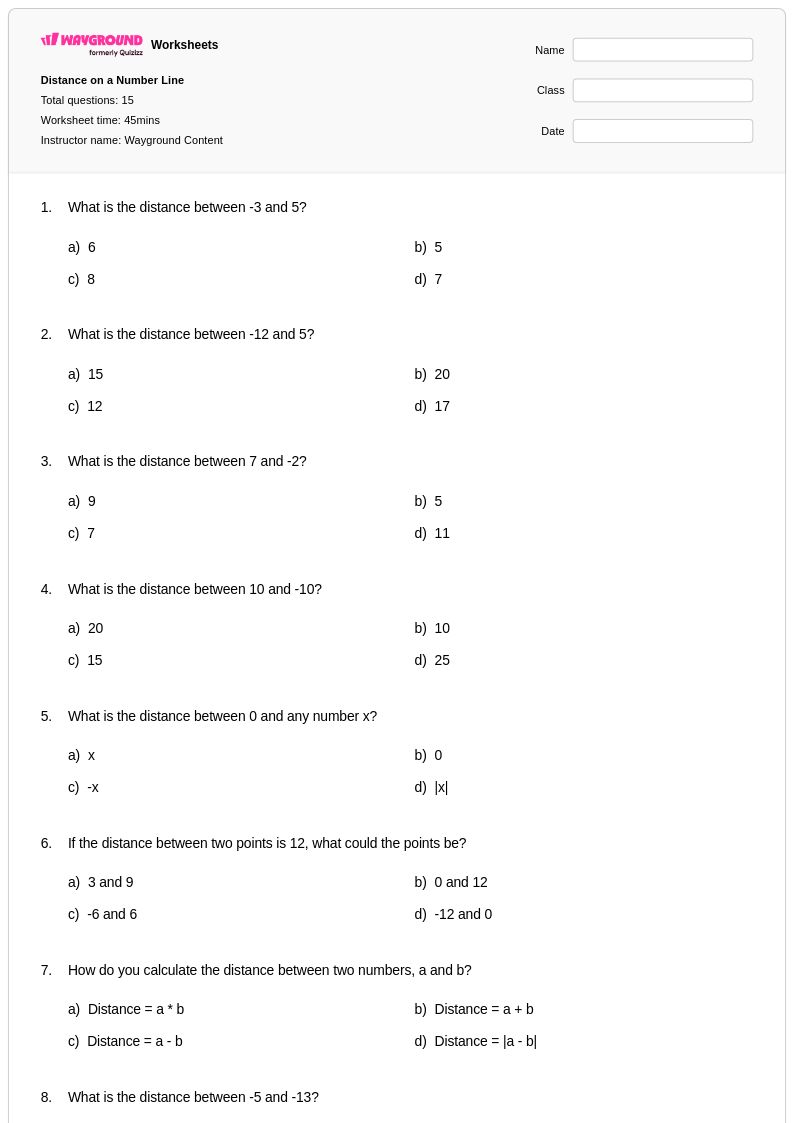
Explore printable Distance on a Number Line worksheets for Kindergarten
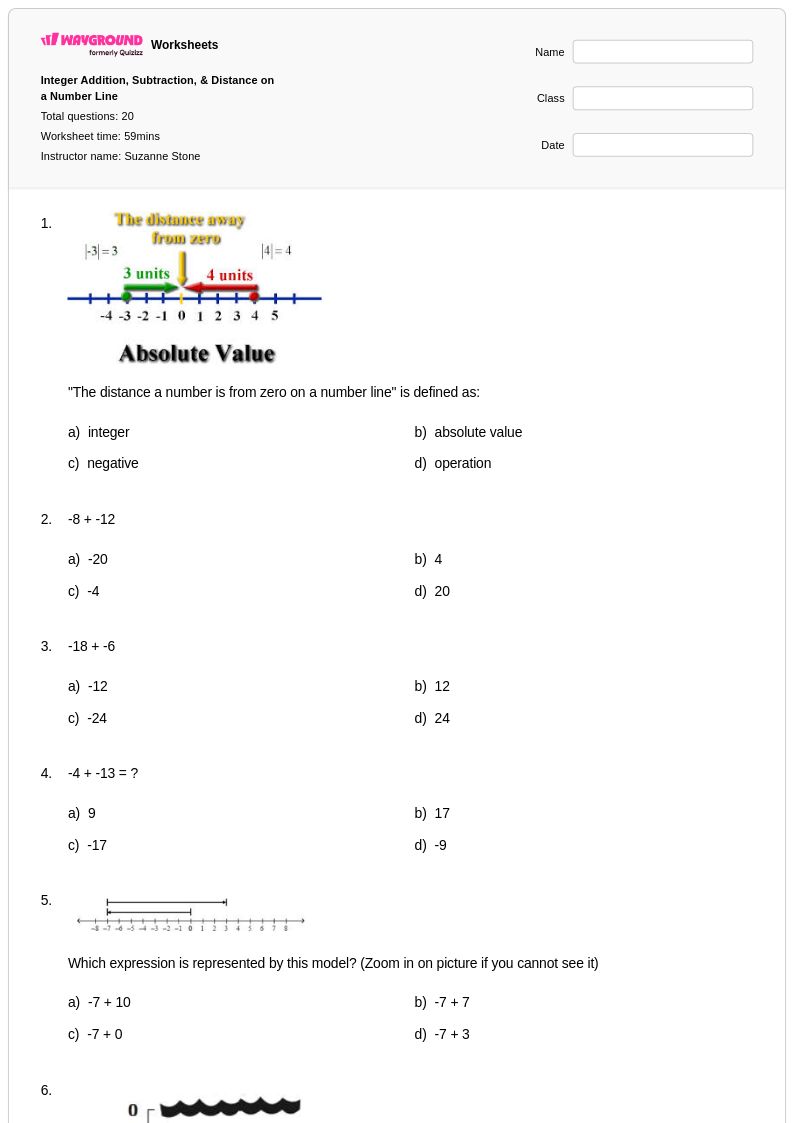
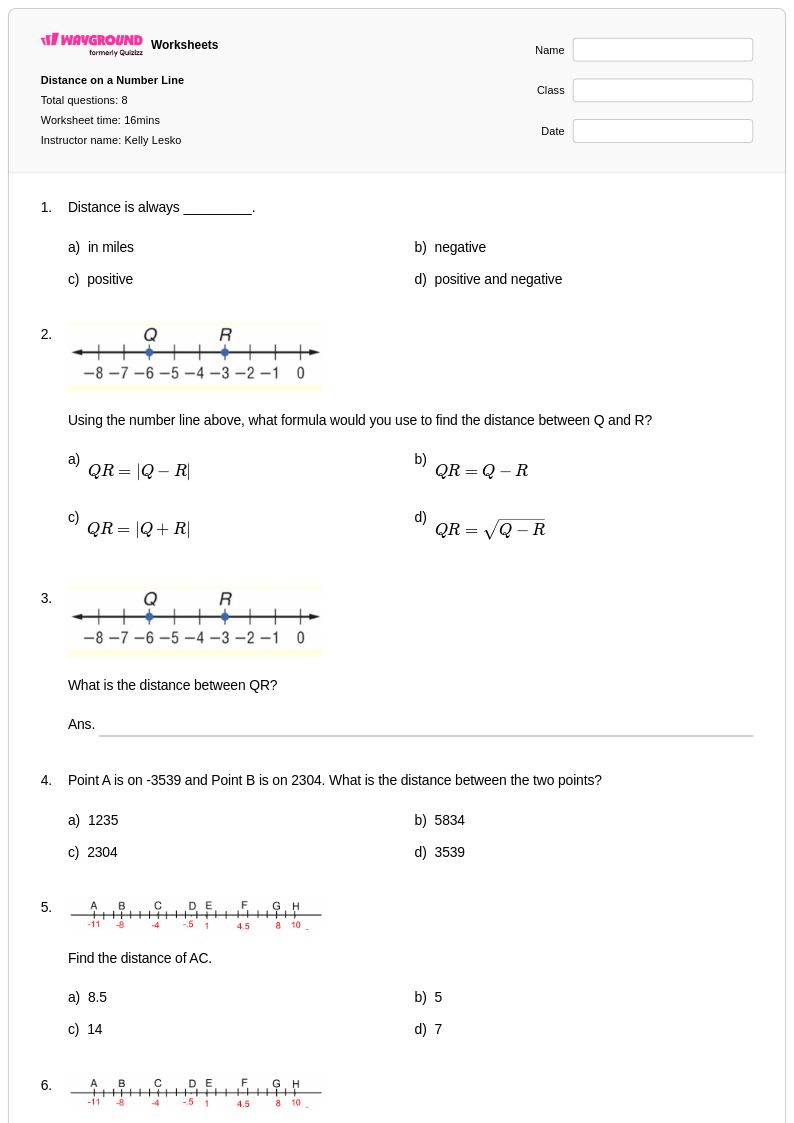
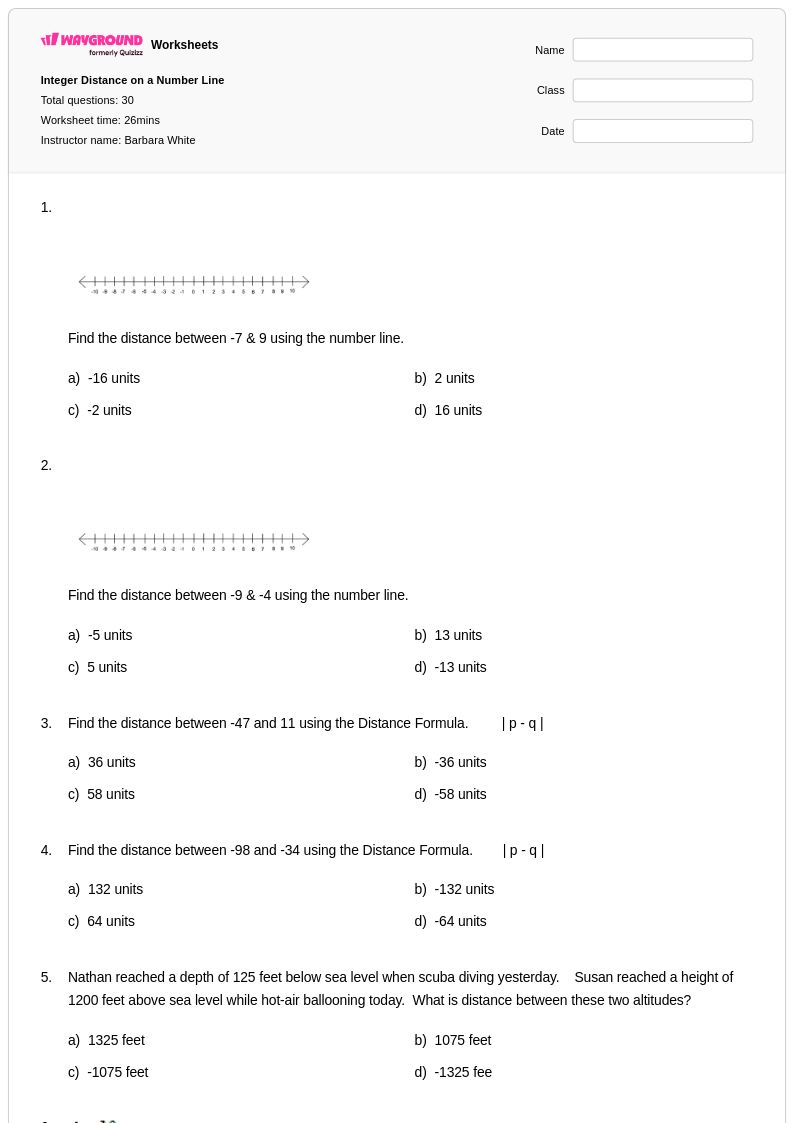
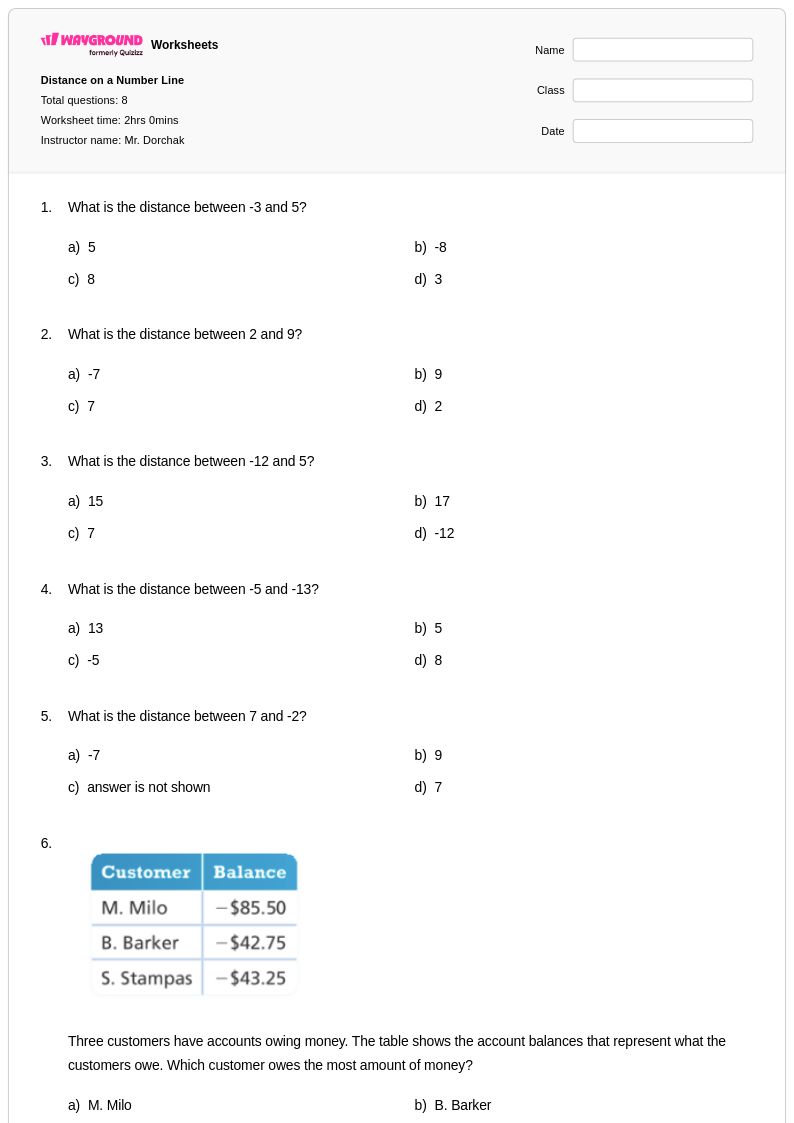
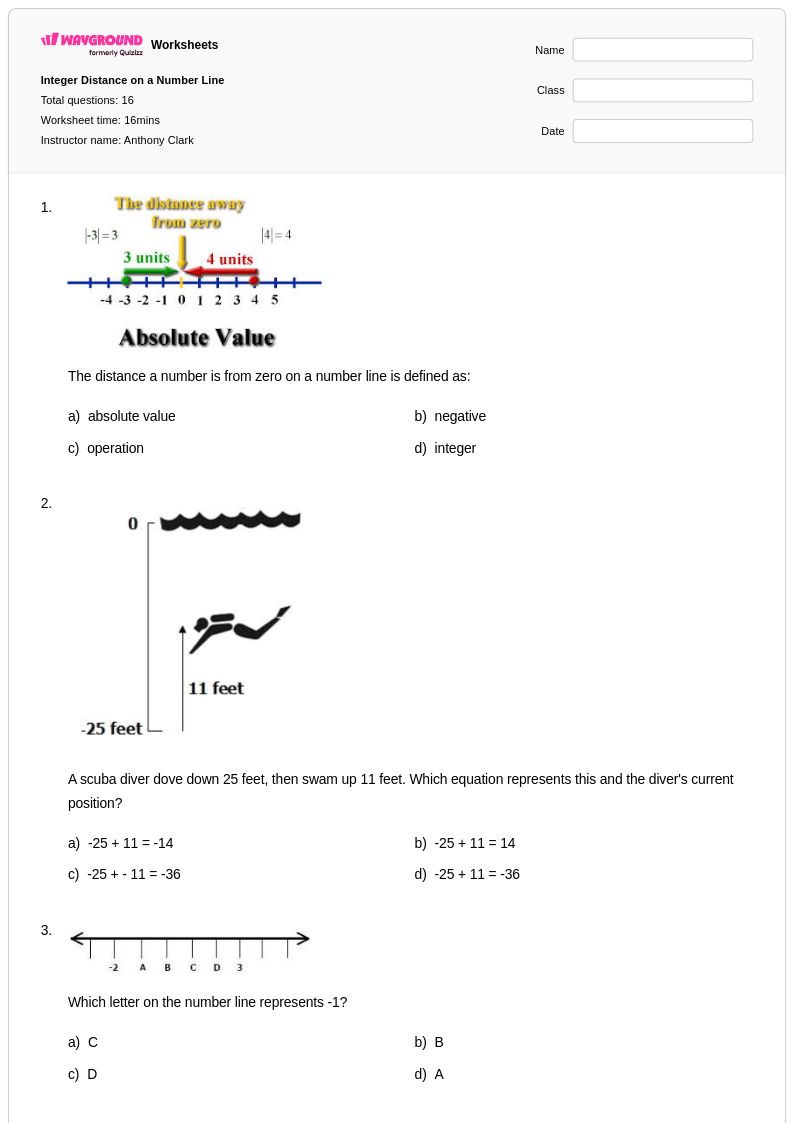
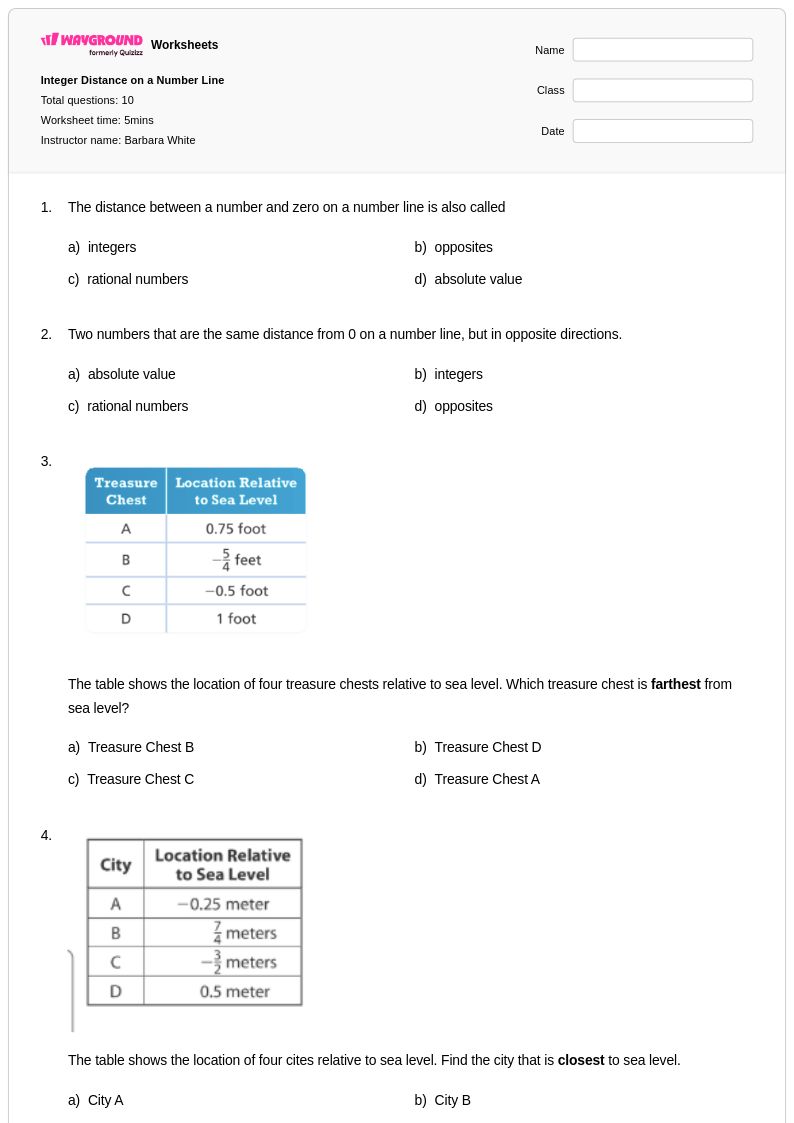
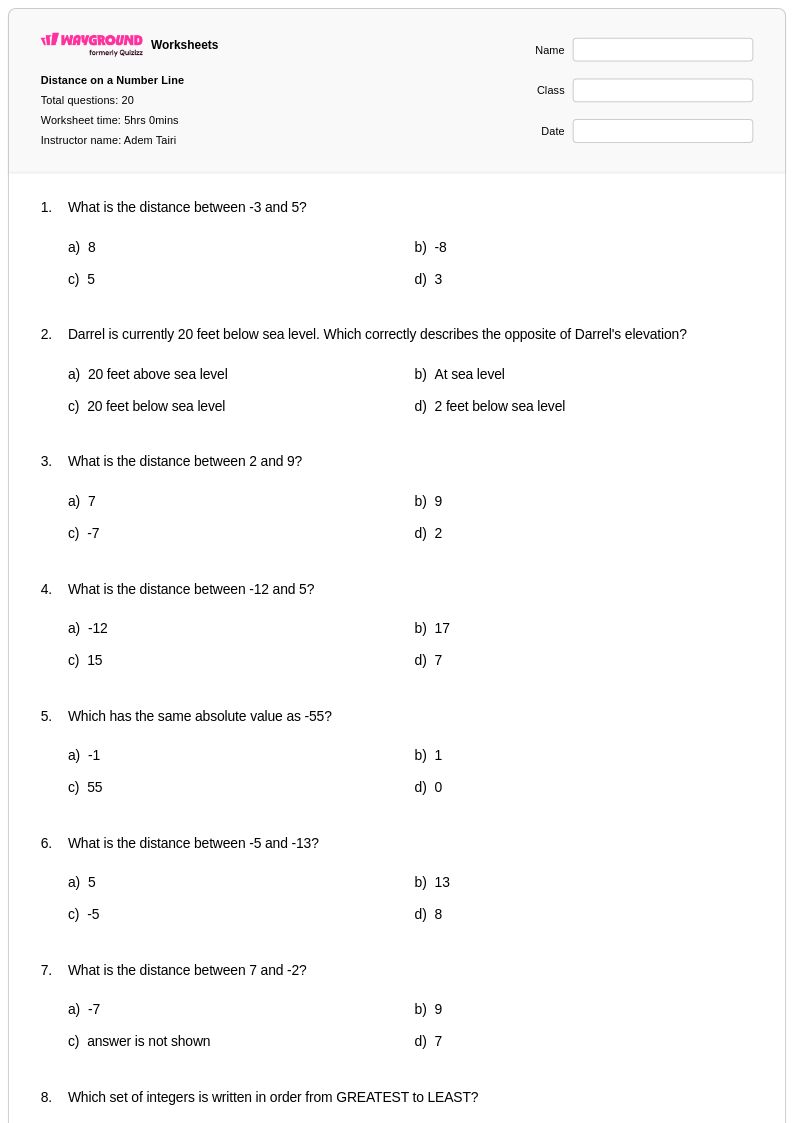
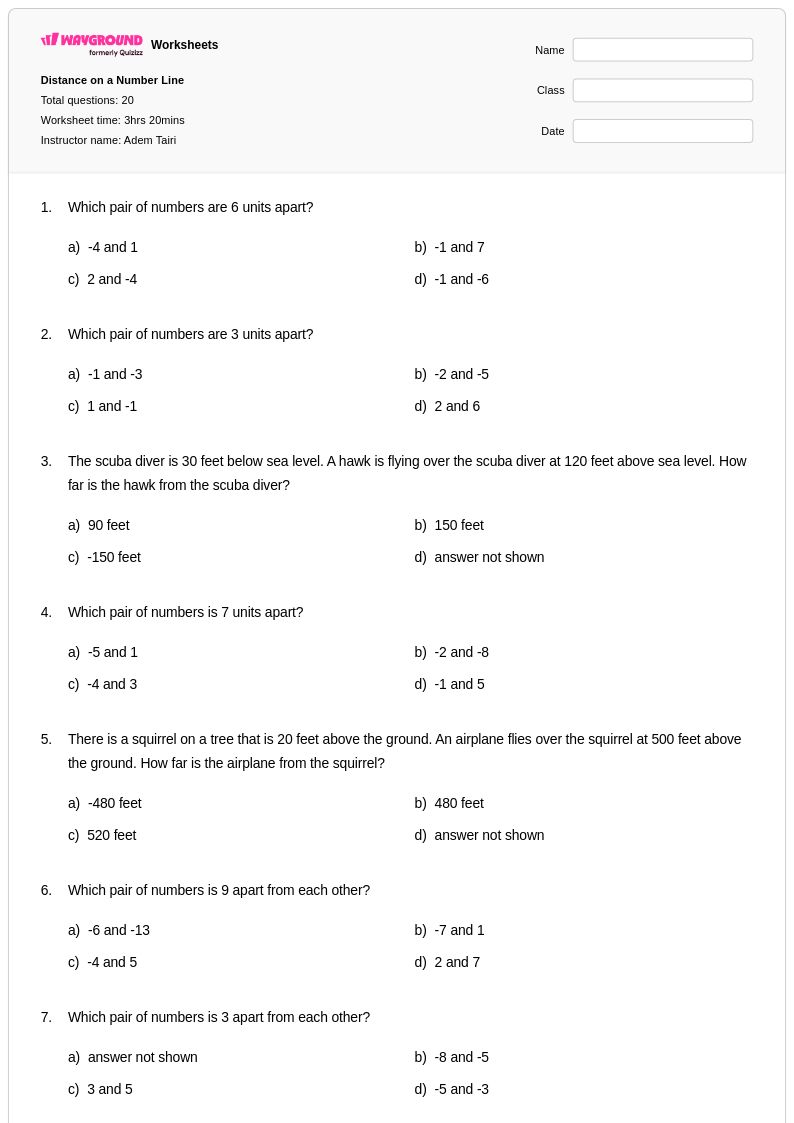
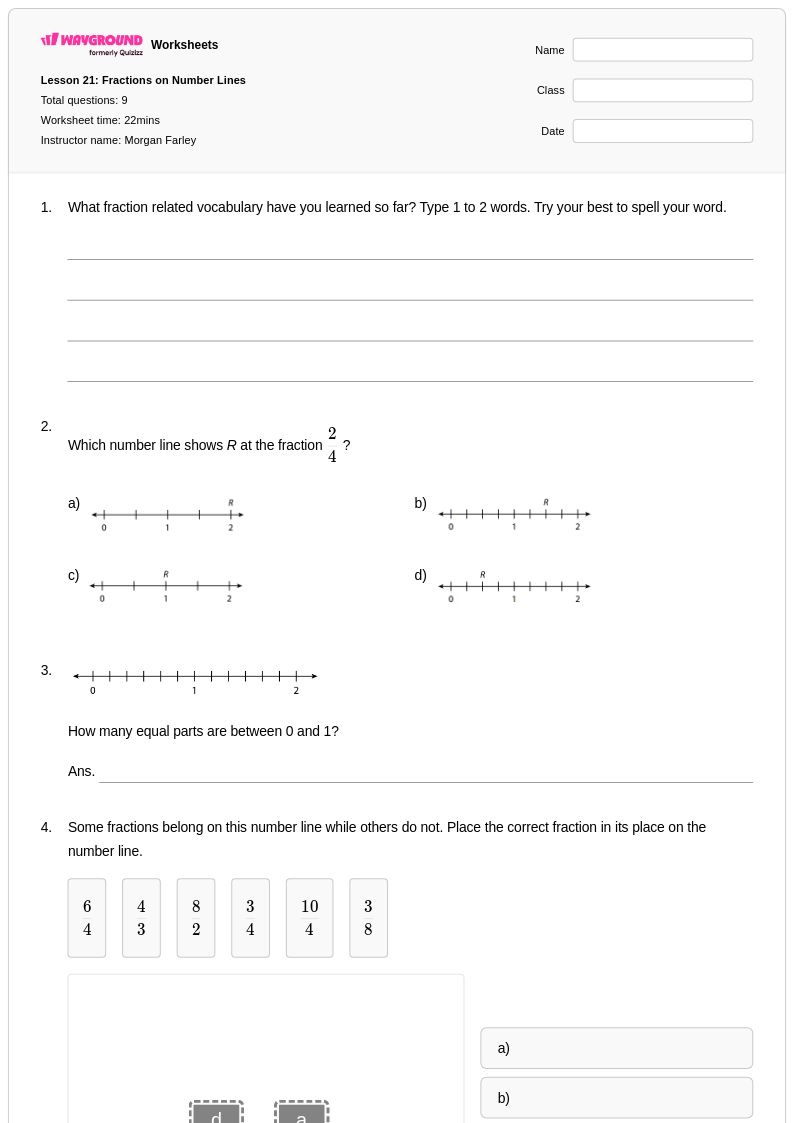
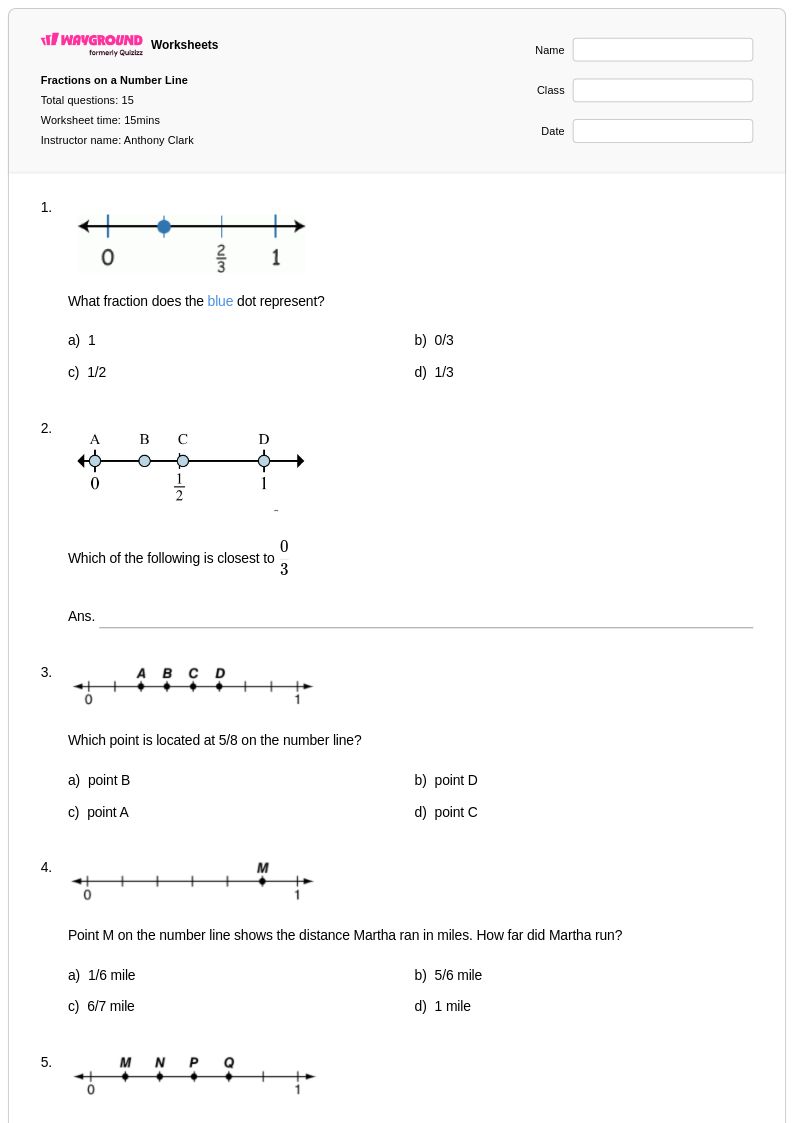
Distance on a Number Line worksheets for kindergarten students available through Wayground (formerly Quizizz) provide foundational mathematical experiences that introduce young learners to spatial relationships and early measurement concepts. These carefully designed printables focus on helping kindergarteners understand the concept of distance between numbers on a simple number line, typically ranging from 0 to 10 or 0 to 20. The worksheets strengthen essential pre-mathematical skills including visual-spatial reasoning, counting accuracy, and basic understanding of quantity relationships. Each free resource includes practice problems that guide students through identifying how many spaces or jumps exist between two given numbers, with comprehensive answer keys that support both independent learning and teacher-led instruction. The pdf format ensures easy access for classroom use while building the cognitive foundation necessary for more advanced number sense development.
Wayground (formerly Quizizz) empowers educators with an extensive collection of teacher-created resources specifically designed for kindergarten distance on number line instruction, drawing from millions of worksheets that undergo continuous refinement by classroom professionals. The platform's robust search and filtering capabilities allow teachers to quickly locate materials aligned with specific learning standards and developmental benchmarks appropriate for early elementary mathematics. Advanced differentiation tools enable instructors to customize worksheets based on individual student needs, whether for remediation support or enrichment activities that challenge advanced learners. The flexible availability of both printable and digital formats, including downloadable pdf options, streamlines lesson planning while providing multiple delivery methods for diverse classroom environments. These comprehensive features support systematic skill practice and enable teachers to effectively monitor student progress in understanding fundamental number line concepts that serve as building blocks for future mathematical learning.
FAQs
How do I teach distance on a number line to kindergarteners?
Keep it physical first. Use a floor number line with tape and have students walk from one number to another, counting their steps aloud. The goal at this stage isn't a formula — it's building the intuition that numbers have positions and that the space between them can be counted. A 0–10 number line is plenty; extending to 20 is appropriate once students are confident with the shorter range.
What number line activities are appropriate for kindergarten practice?
Counting jumps between two marked numbers is the core task. Good variations include: placing a frog or counter at one number and asking how many hops to reach another, filling in a missing number that's a given distance away, and comparing which pair of numbers is farther apart. All of these stay within the 0–10 or 0–20 range and reinforce counting accuracy alongside spatial reasoning.
What misconceptions do kindergarteners have about number lines?
The most common one is counting the starting number itself as the first jump — so the distance from 2 to 5 becomes '3 jumps' for some students and '4' for others depending on whether they count the starting point. Consistently using the language of 'hops' or 'spaces' rather than 'numbers' helps. A second issue is directionality: some students count backward when moving right, especially if they're still solidifying left-to-right orientation.
How do I use Wayground's kindergarten number line worksheets in my classroom?
The worksheets are available as printable PDFs, which works well for kindergarten since hands-on paper practice — circling, drawing hops, writing numbers — suits this age group and supports classrooms managing screen time. Every worksheet includes an answer key so you can check work quickly. If you do use the digital version, Wayground's Read Aloud feature can read questions to students who aren't yet independent readers, removing a barrier that has nothing to do with their number sense.
How does kindergarten number line work connect to later math skills?
Counting spaces between numbers on a 0–10 line is the earliest form of subtraction — students are finding 'how many more' without yet calling it that. Common Core builds directly on this: the counting and cardinality work in kindergarten leads to addition and subtraction on a number line in Grade 1, and that spatial understanding of quantity underpins place value and measurement concepts through the early elementary years.
How can I support diverse learners with kindergarten number line worksheets?
For students still developing fine motor skills or visual tracking, Wayground's worksheet tools let you increase font size and apply wider spacing, making the number line easier to work with on paper. For English language learners or students with limited reading ability, the digital version's Read Aloud accommodation reads each question aloud so the task is about math, not decoding. Both adjustments can be set per student without drawing attention to the difference.