Free Printable Graphic Sources Worksheets for Grade 2
Enhance Grade 2 students' graphic sources skills with Wayground's comprehensive collection of free reading comprehension worksheets, featuring engaging printables, practice problems, and answer keys in convenient PDF format.
Explore printable Graphic Sources worksheets for Grade 2
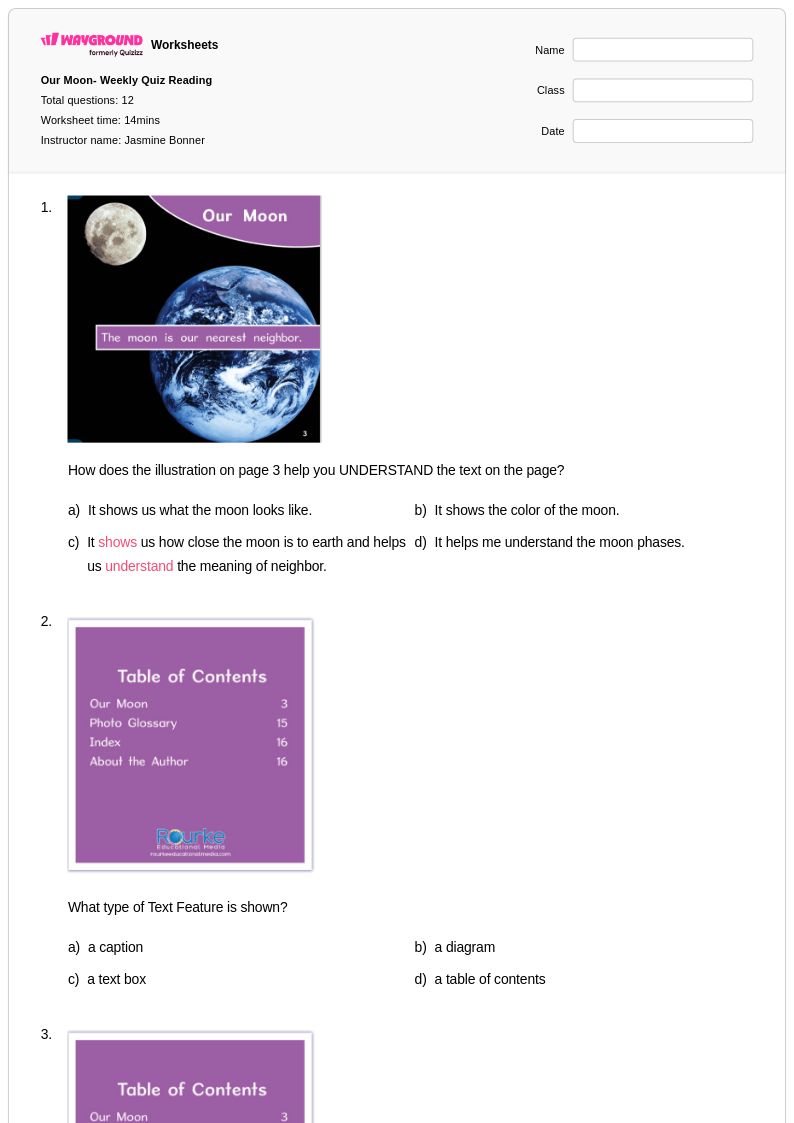
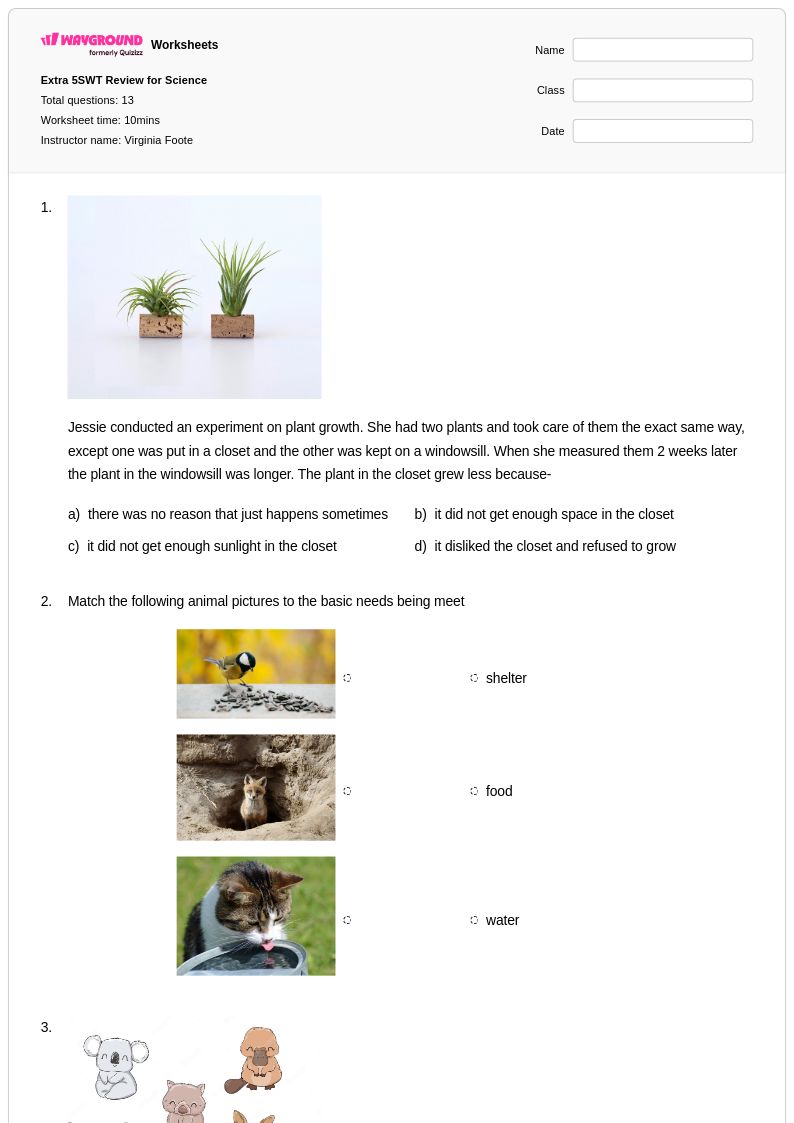
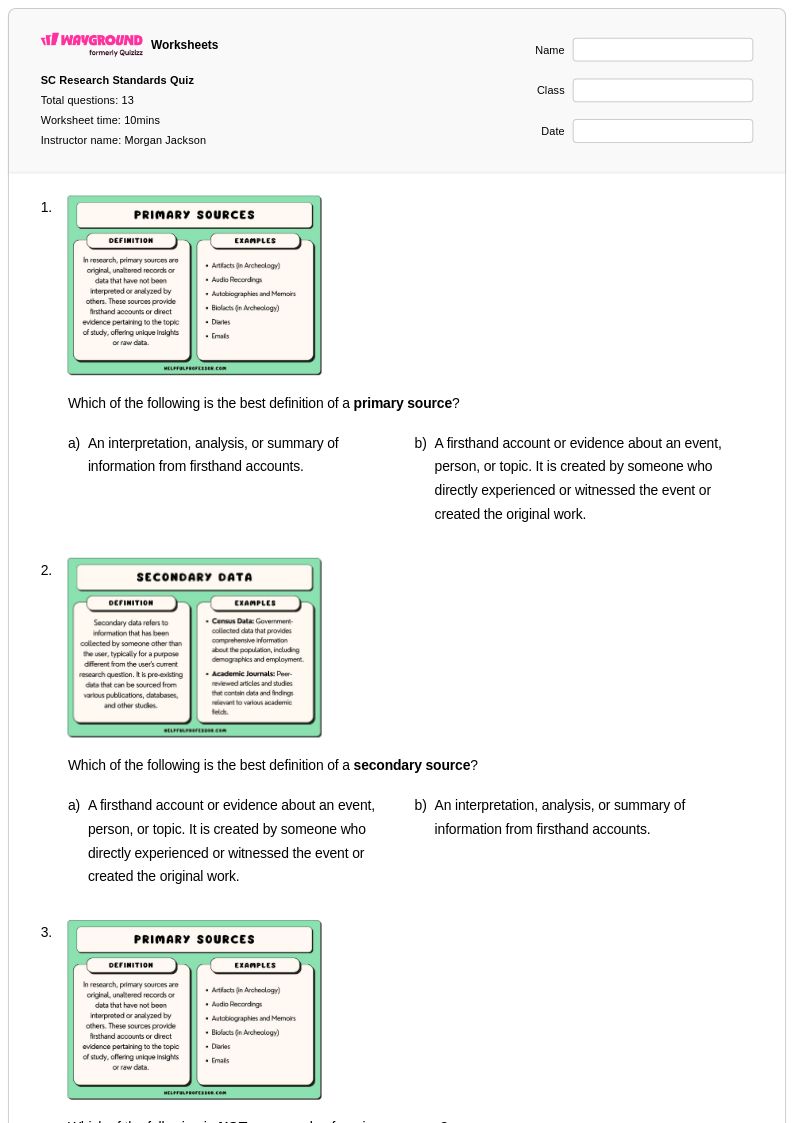
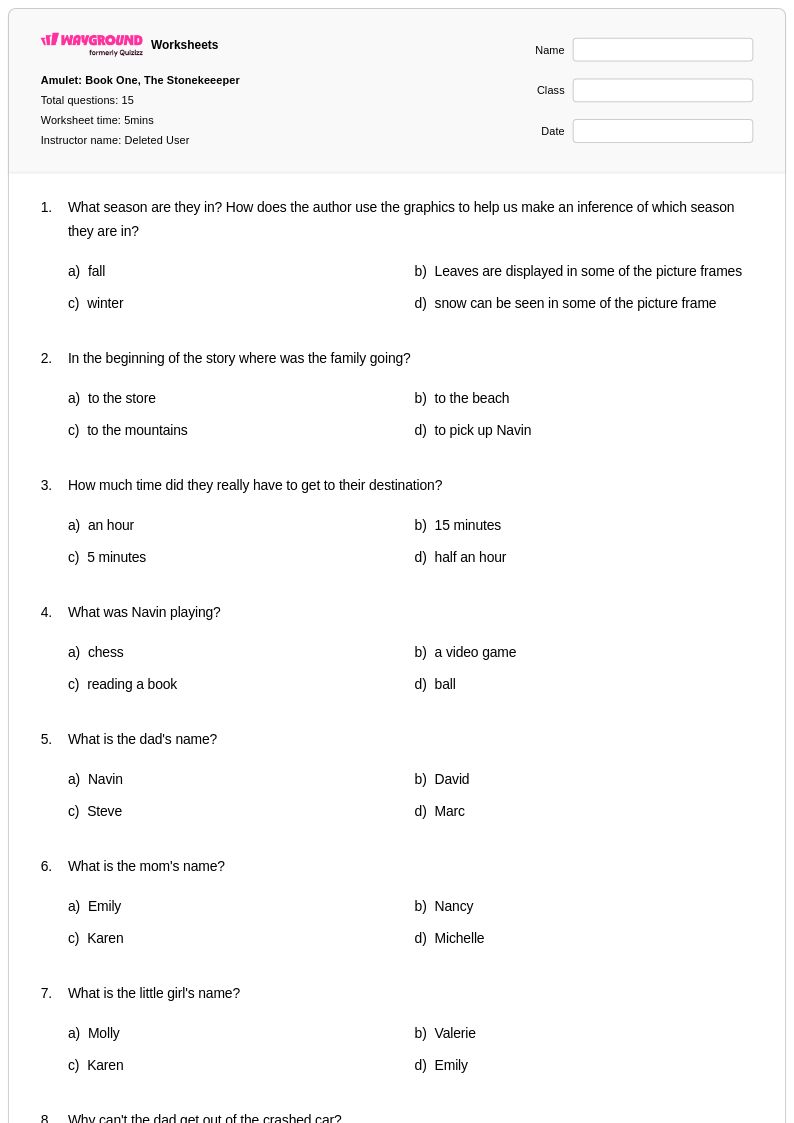
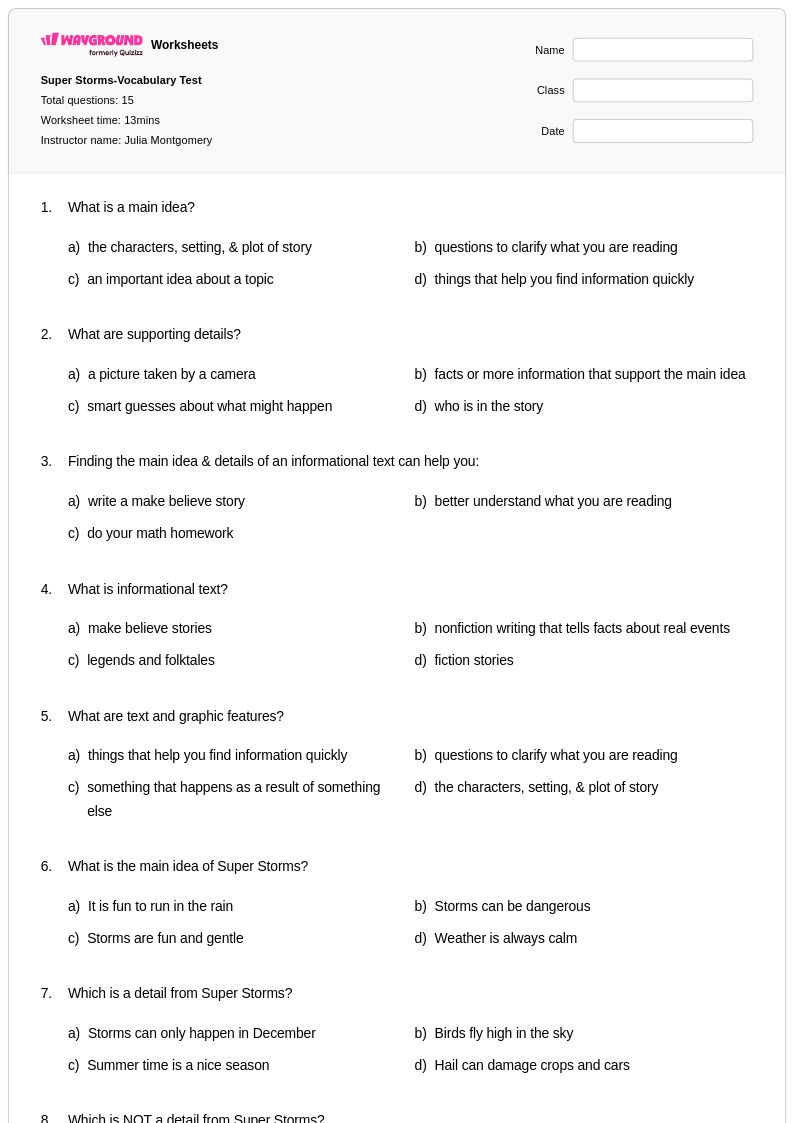
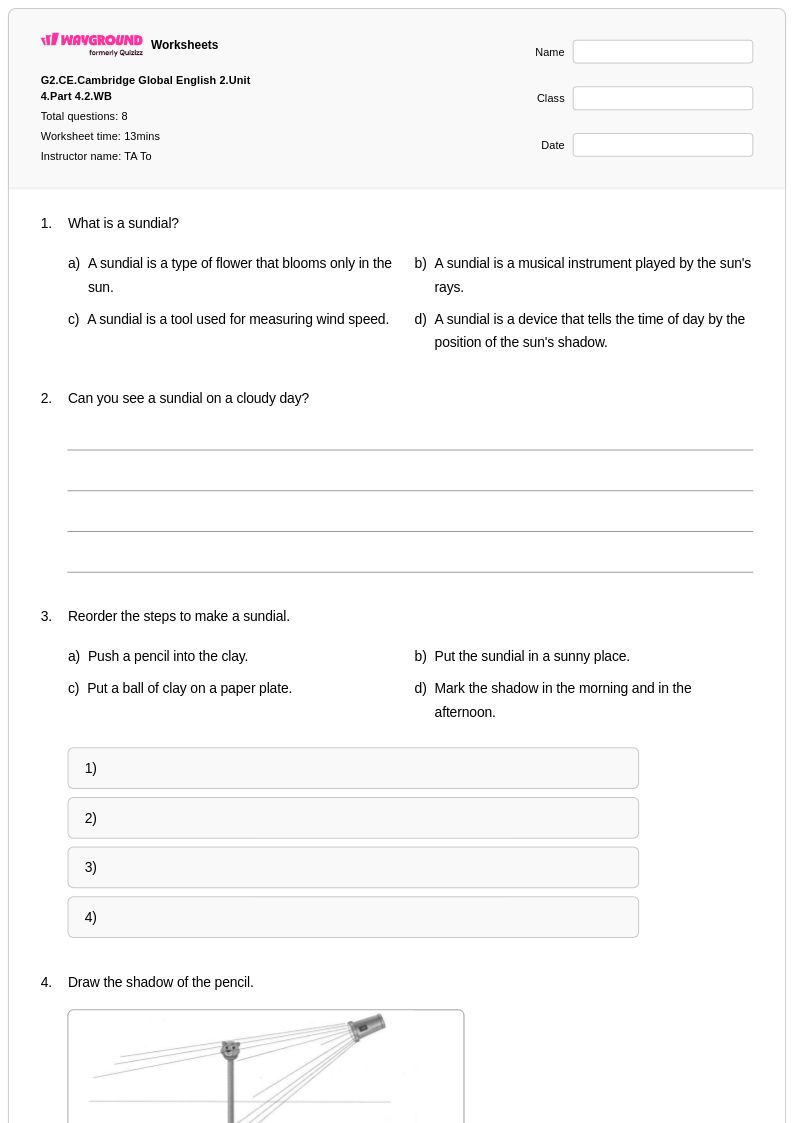
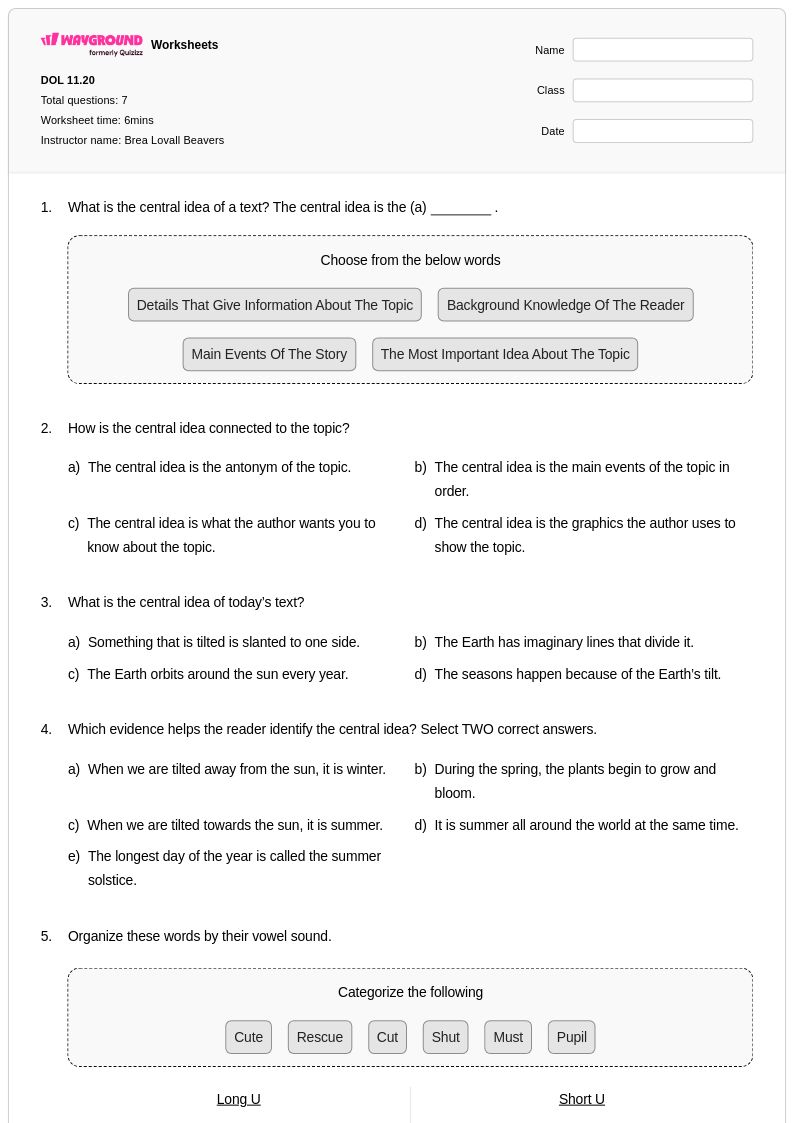
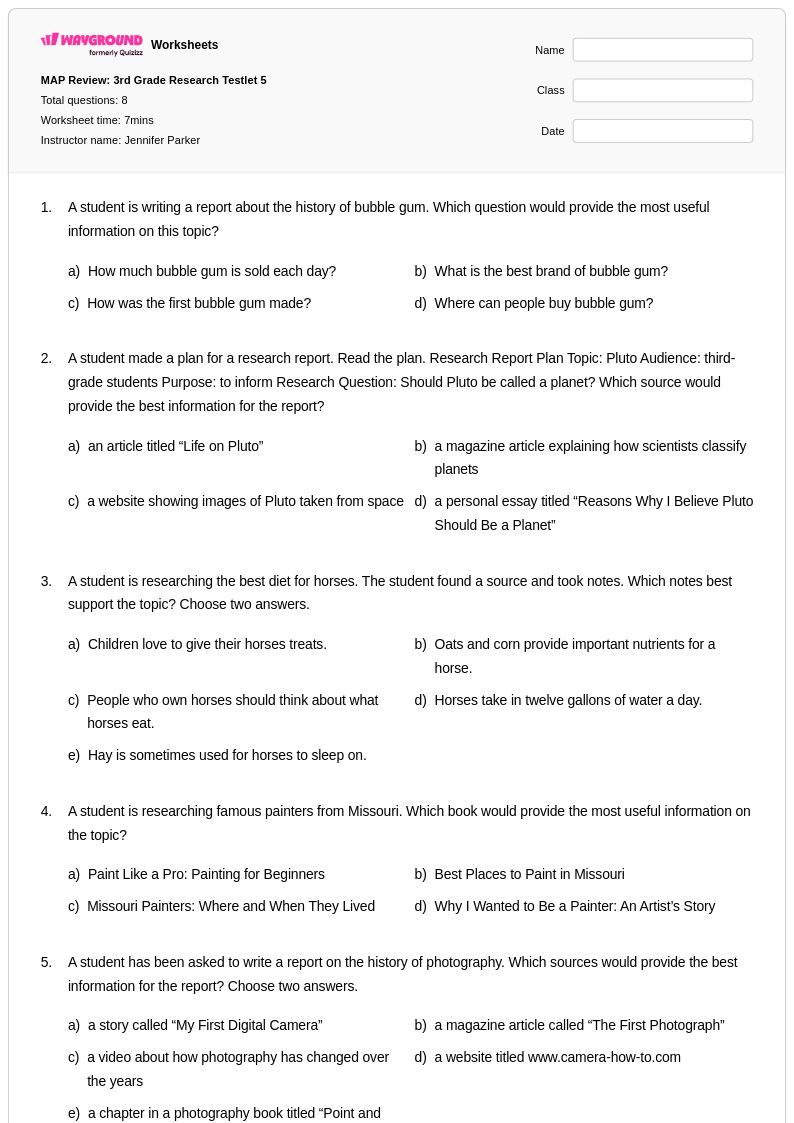
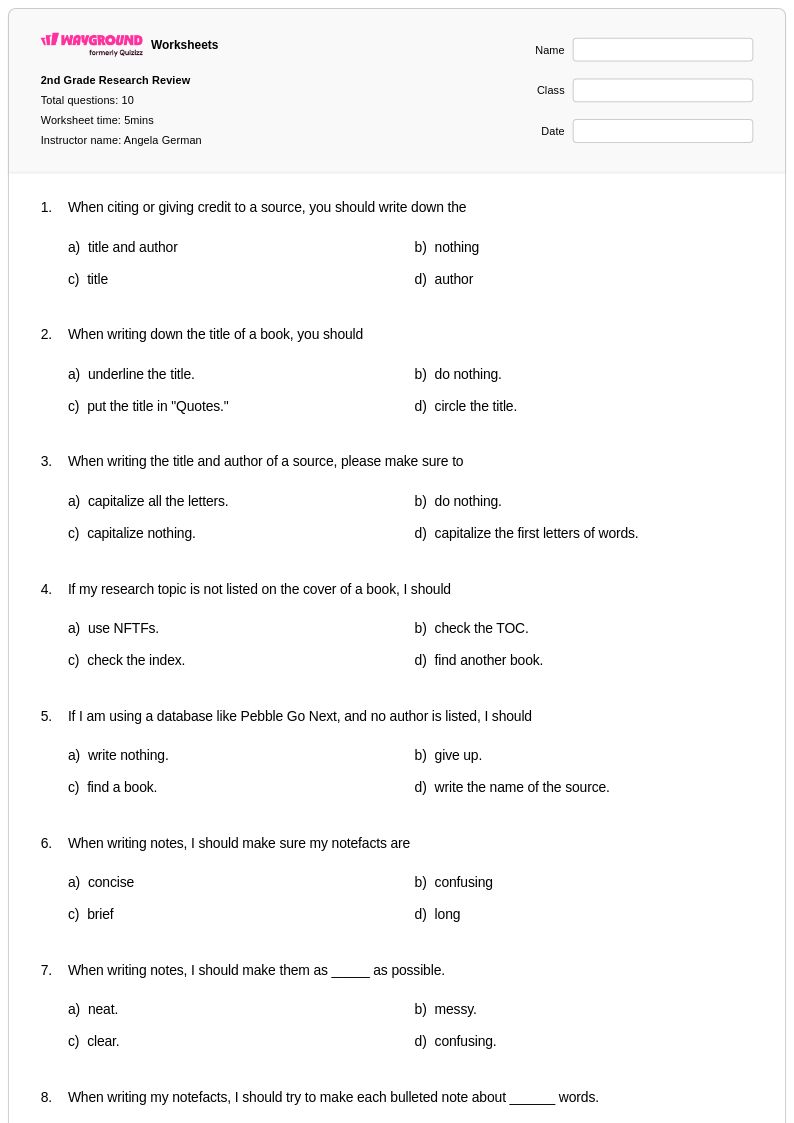
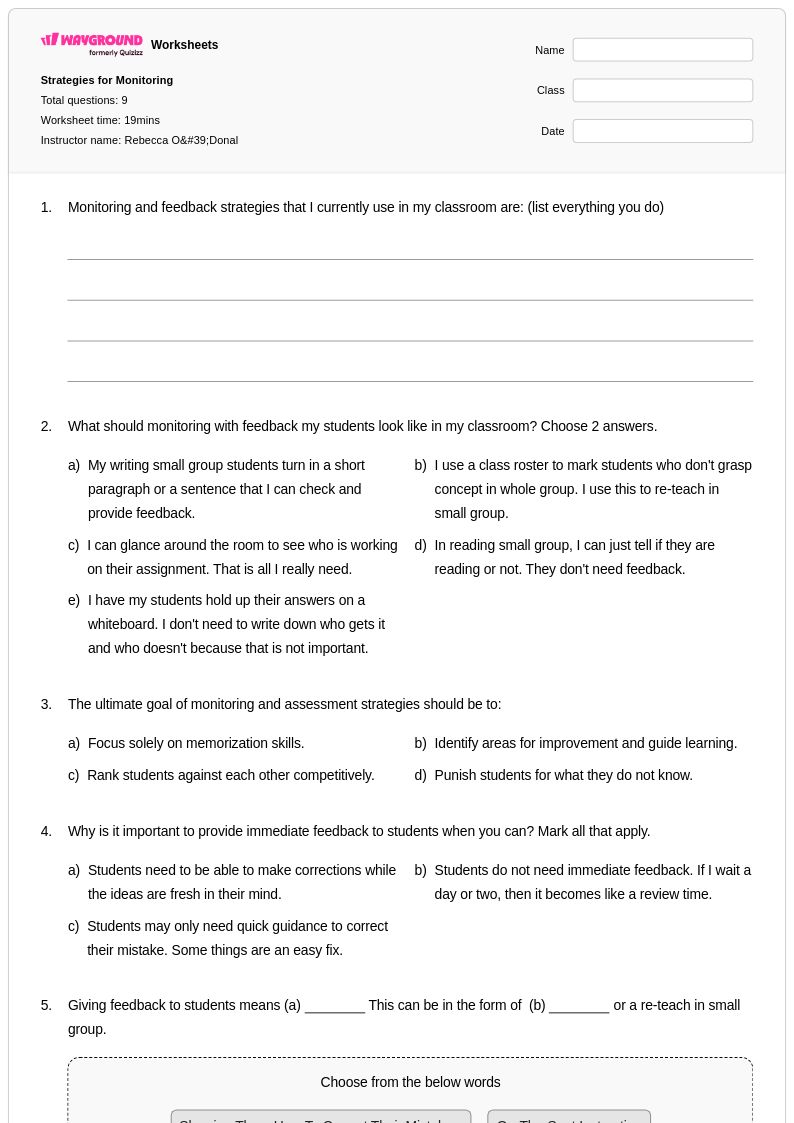
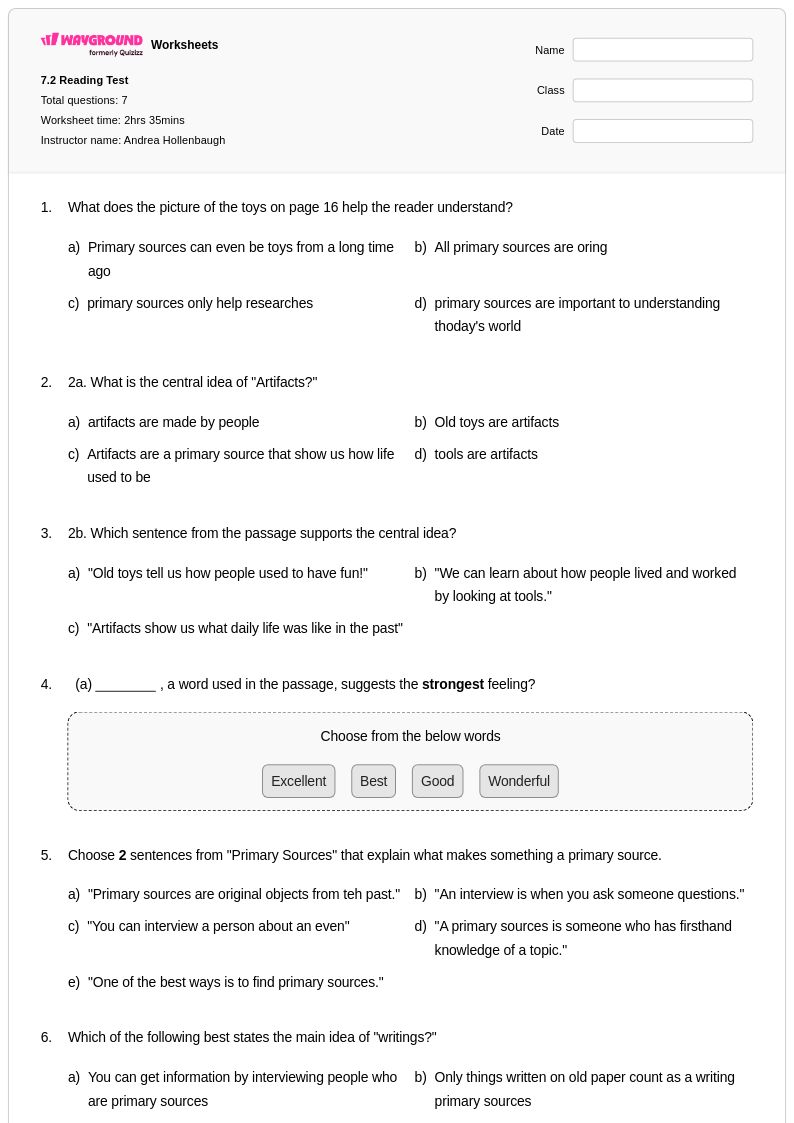
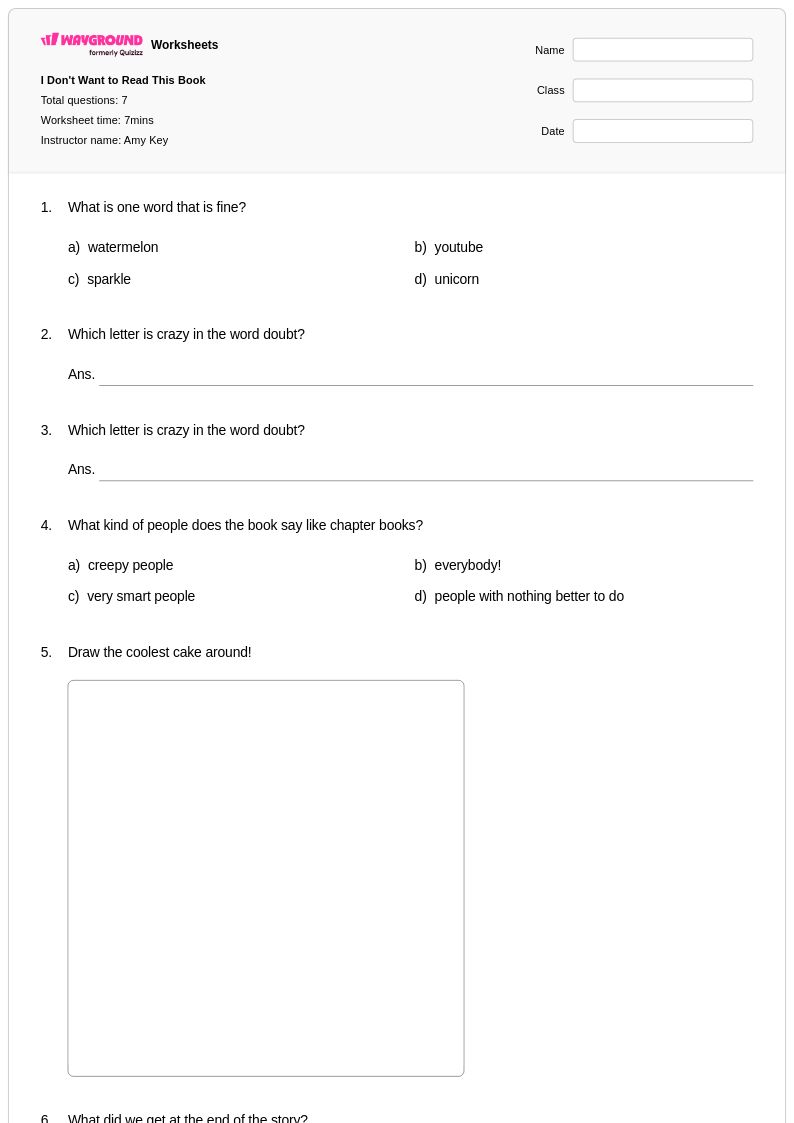
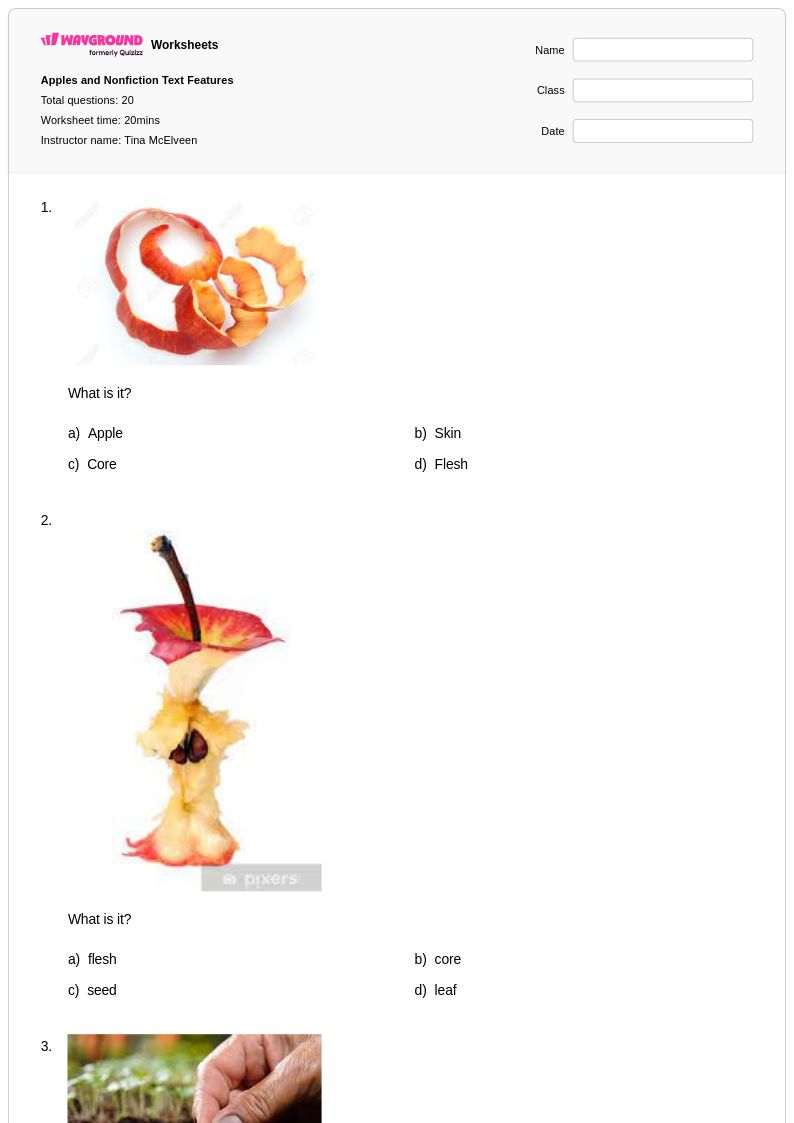
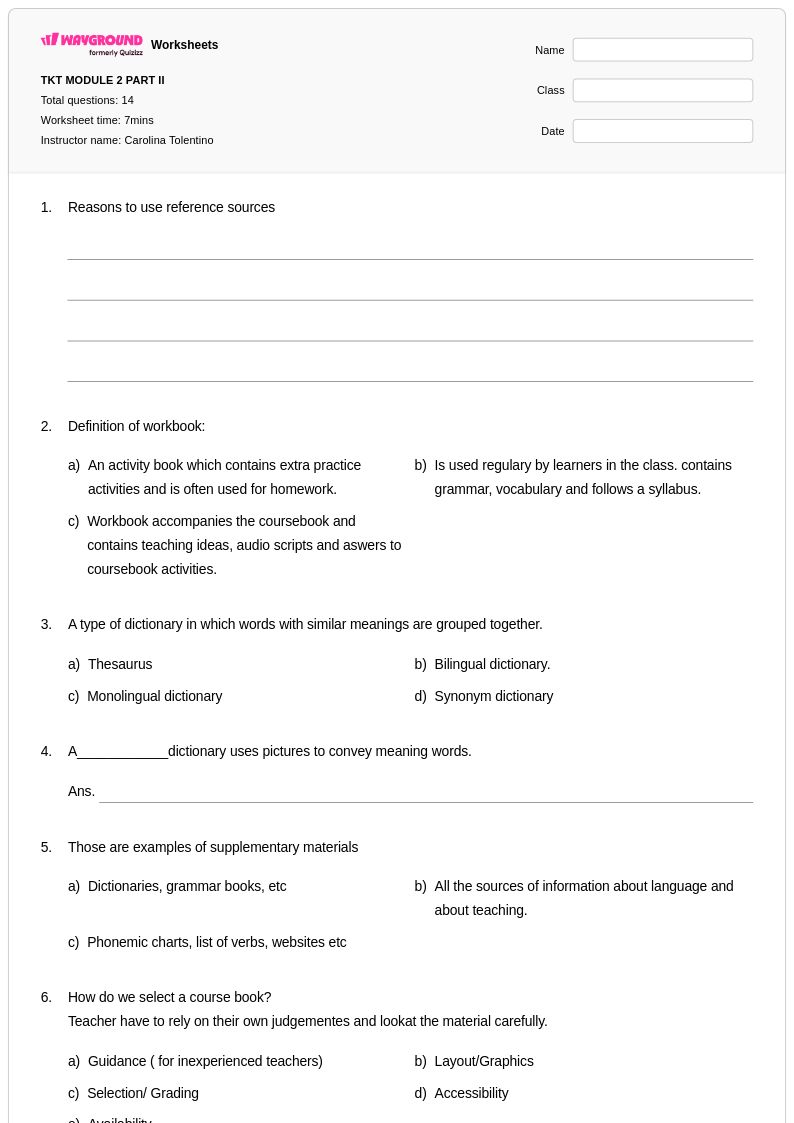
Graphic sources worksheets for Grade 2 students available through Wayground (formerly Quizizz) provide essential practice in interpreting visual information within texts, including charts, graphs, maps, timelines, and diagrams. These carefully designed printables strengthen young learners' ability to extract meaning from non-textual elements, connect visual data to written content, and use graphic sources to enhance their overall reading comprehension. Each worksheet features age-appropriate graphics paired with engaging practice problems that guide second graders through the process of analyzing visual information, making predictions based on graphic elements, and answering questions that require integration of textual and visual details. Teachers can access comprehensive answer keys in pdf format, making assessment and feedback streamlined and efficient for busy educators seeking free, high-quality resources.
Wayground (formerly Quizizz) supports educators with an extensive collection of millions of teacher-created graphic sources worksheets, all easily searchable through robust filtering options that allow teachers to find materials perfectly suited to their Grade 2 students' needs and aligned with reading comprehension standards. The platform's differentiation tools enable teachers to customize worksheets for varying skill levels within their classrooms, while the availability of both printable pdf versions and digital formats provides maximum flexibility for different learning environments and teaching preferences. These comprehensive features streamline lesson planning by offering ready-to-use materials for skill practice, targeted remediation for students struggling with visual literacy concepts, and enrichment opportunities for advanced learners who are ready to tackle more complex graphic interpretation tasks.
FAQs
How do I teach students to interpret graphic sources like charts and diagrams?
Start by modeling the process of reading a graphic source explicitly: identify the title, labels, legend, and scale before drawing any conclusions. Teach students to move systematically through each element rather than jumping to the data itself. Practice with a variety of graphic types — bar graphs, timelines, maps, diagrams — so students understand that each format has its own conventions. Gradually release responsibility by asking students to annotate graphic sources and explain their reasoning in writing.
What exercises help students practice reading and analyzing graphic sources?
Effective practice includes exercises where students must extract specific data points, compare information across two graphic sources, and answer inference questions that require connecting visual data to written text. Tasks that ask students to identify trends, explain what a graphic source shows in their own words, or determine what information is missing build deeper analytical skills. Worksheets that include a range of graphic types — charts, maps, diagrams, timelines — help students generalize the skill across different formats.
What mistakes do students commonly make when interpreting graphic sources?
Students frequently misread scales on graphs, leading to inaccurate data extraction — for example, assuming each interval represents one unit when it represents five. Another common error is ignoring labels, legends, or keys entirely and guessing at what a graphic represents. Students also tend to treat graphic sources in isolation rather than synthesizing them with accompanying text, which limits their ability to draw evidence-based conclusions. Explicitly addressing these patterns during instruction, and using worksheets that target each error type, helps close these gaps.
How can I use graphic sources worksheets to support students with different reading levels?
Graphic sources worksheets can be differentiated by selecting visuals with varying levels of complexity — a simple bar graph for emerging readers versus a multi-variable chart or layered diagram for advanced students. On Wayground, teachers can apply accommodations such as Read Aloud to support students who struggle with the written components of a worksheet, or Reduced Answer Choices to lower cognitive load for students who need it. Extended time can also be configured per student for those who need additional processing time when working through complex visual data. These settings are reusable across sessions and can be applied without alerting other students.
How do I use Wayground's graphic sources worksheets in my classroom?
Wayground's graphic sources worksheets are available as printable PDFs for traditional classroom use and in digital formats for technology-integrated learning environments, making them flexible for in-person, hybrid, or remote instruction. Teachers can also host these worksheets as a quiz directly on Wayground, enabling real-time response tracking. Both formats include detailed answer keys, supporting efficient grading and the option for student self-assessment.
How do graphic sources skills connect to reading comprehension across subject areas?
Graphic sources appear in virtually every academic discipline — science textbooks include diagrams and data tables, social studies materials use maps and timelines, and informational texts across subjects embed charts and graphs alongside written content. Students who cannot fluently interpret visual data are effectively reading only part of a text, which limits both comprehension and academic performance. Teaching graphic sources as a transferable literacy skill, rather than a subject-specific task, ensures students can navigate complex informational texts in any classroom.