
Recommended Topics for you
14 Q
2nd
34 Q
KG - 3rd
12 Q
1st - 2nd

16 Q
1st - 5th
10 Q
2nd - 3rd

6 Q
KG - 5th

7 Q
1st - 5th
11 Q
2nd
10 Q
1st - 3rd

10 Q
KG - 7th
20 Q
2nd
8 Q
1st - 2nd
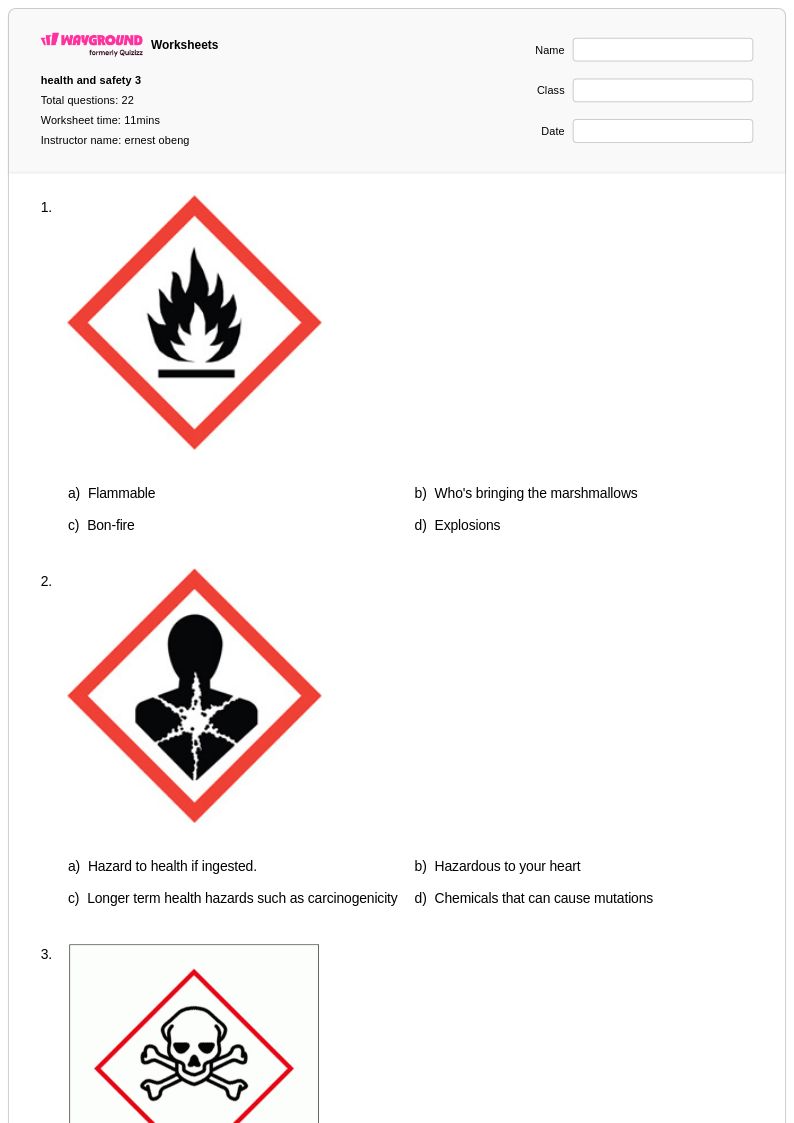
22 Q
2nd
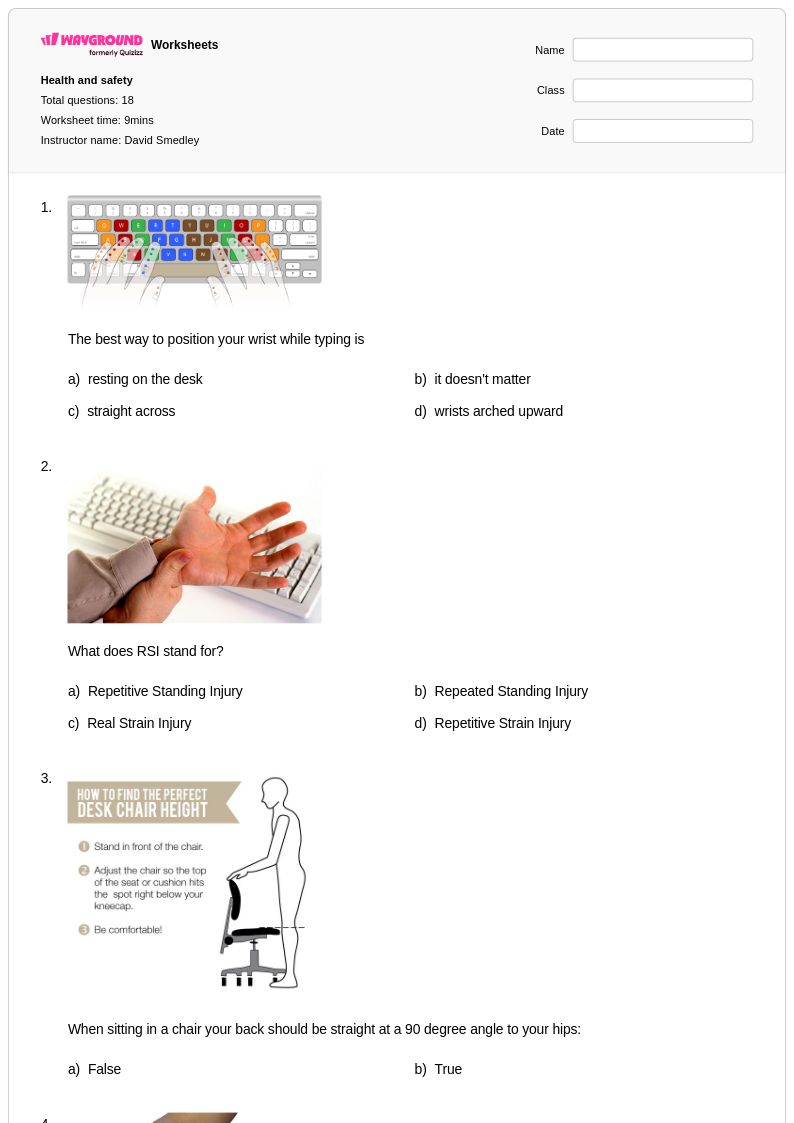
18 Q
2nd
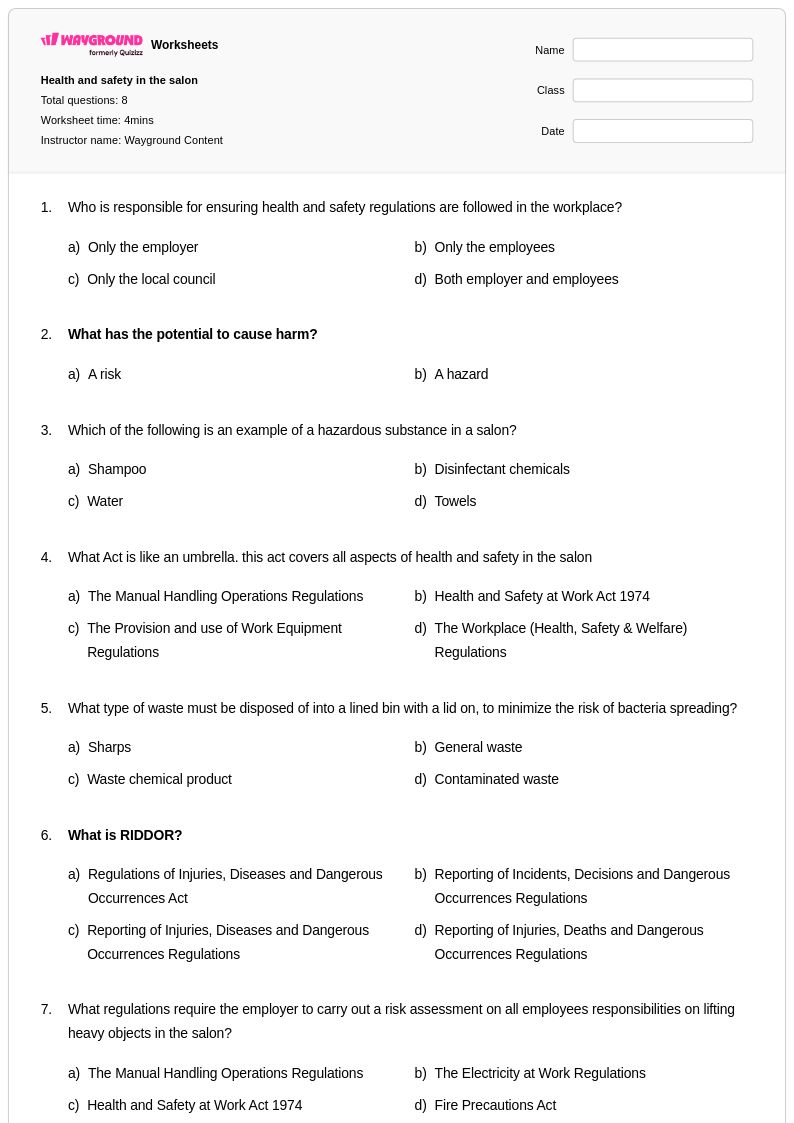
8 Q
2nd
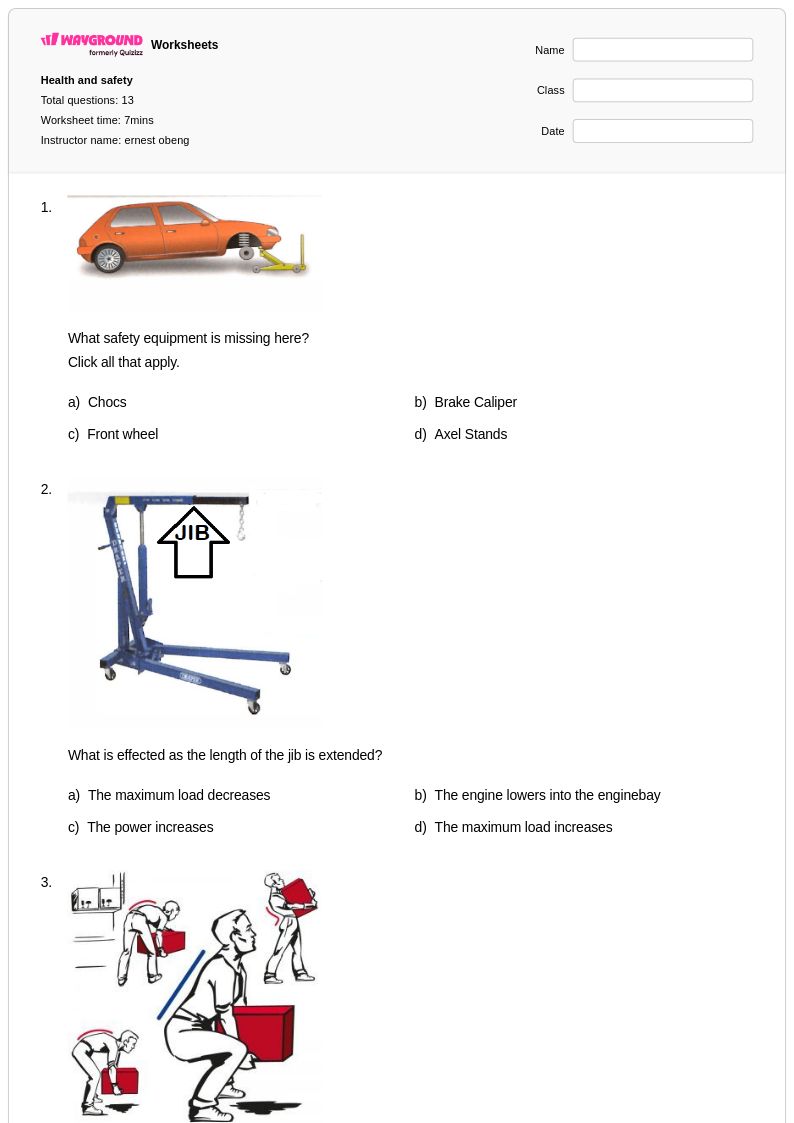
13 Q
2nd
20 Q
1st - 3rd
7 Q
KG - 4th
19 Q
2nd

11 Q
1st - 10th
25 Q
2nd

9 Q
KG - 12th

19 Q
1st - 5th

10 Q
1st - 12th
Explore Health and Safety Worksheets by Grades
Explore Health and Safety Worksheets for grade 2 by Topic
Explore Other Subject Worksheets for grade 2
Explore printable Health and Safety worksheets for Grade 2
Health and Safety worksheets for Grade 2 students available through Wayground (formerly Quizizz) provide essential foundational learning experiences that help young learners develop critical awareness of personal wellness and protective behaviors. These carefully designed educational resources focus on age-appropriate safety concepts including basic hygiene practices, recognizing potential hazards in various environments, understanding the importance of following safety rules, and identifying trusted adults who can provide help in emergency situations. The comprehensive collection strengthens students' ability to make informed decisions about their personal health while building vocabulary related to body systems, nutrition basics, and injury prevention. Each worksheet includes clear answer keys that support both independent learning and guided instruction, with free printable options available in convenient pdf format for seamless classroom integration and practice problems that reinforce key safety concepts through engaging, developmentally appropriate activities.
Wayground (formerly Quizizz) empowers educators with an extensive library of millions of teacher-created Health and Safety resources specifically designed to meet the unique learning needs of second-grade students. The platform's robust search and filtering capabilities allow teachers to quickly locate materials that align with specific curriculum standards and learning objectives, while built-in differentiation tools enable seamless customization for diverse learning styles and ability levels. These versatile worksheet collections are available in both printable and digital formats, including downloadable pdf versions that facilitate flexible lesson planning and accommodate various classroom environments. Teachers can effectively utilize these resources for targeted skill practice, remediation support for students who need additional reinforcement of safety concepts, and enrichment activities that challenge advanced learners to explore more complex health and safety scenarios, ultimately creating a comprehensive educational experience that promotes lifelong wellness habits.
FAQs
How do I teach health and safety concepts to students effectively?
What topics should a health and safety unit cover?
What exercises help students practice health and safety skills?
What mistakes do students commonly make when learning health and safety content?
How can I differentiate health and safety worksheets for students with different learning needs?
How do I use Wayground's health and safety worksheets in my classroom?