
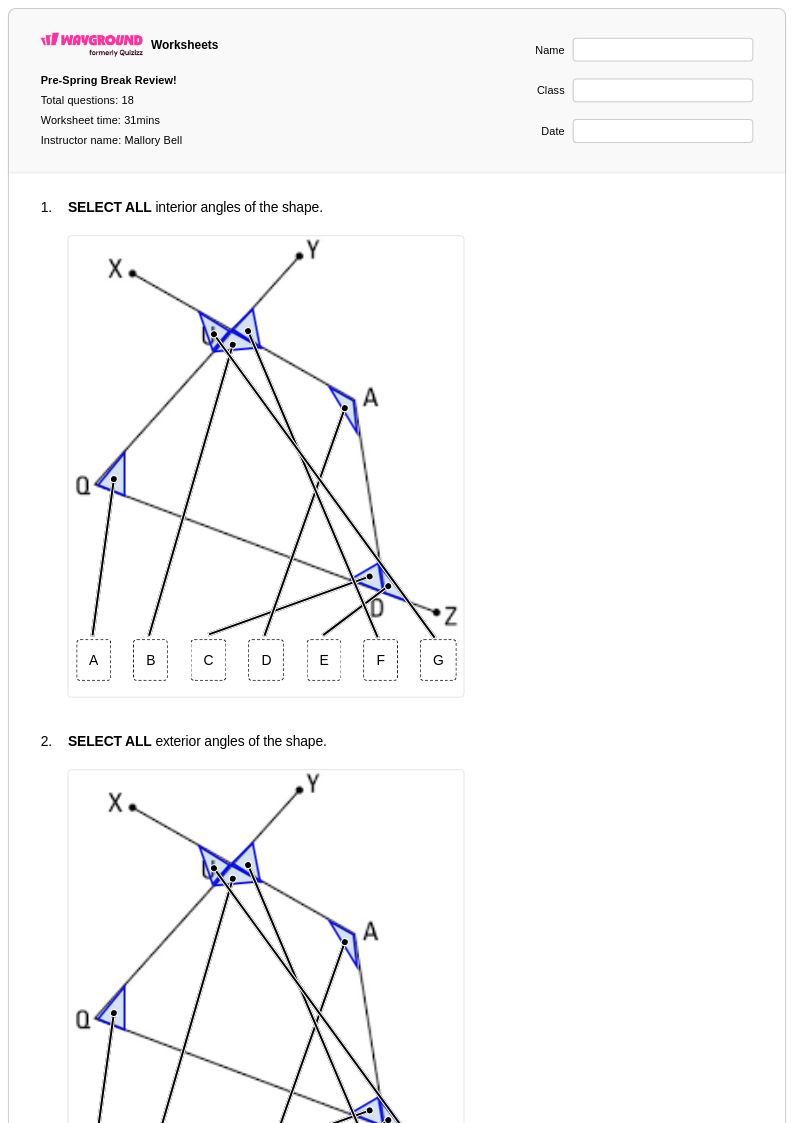
18 Q
9th - 12th
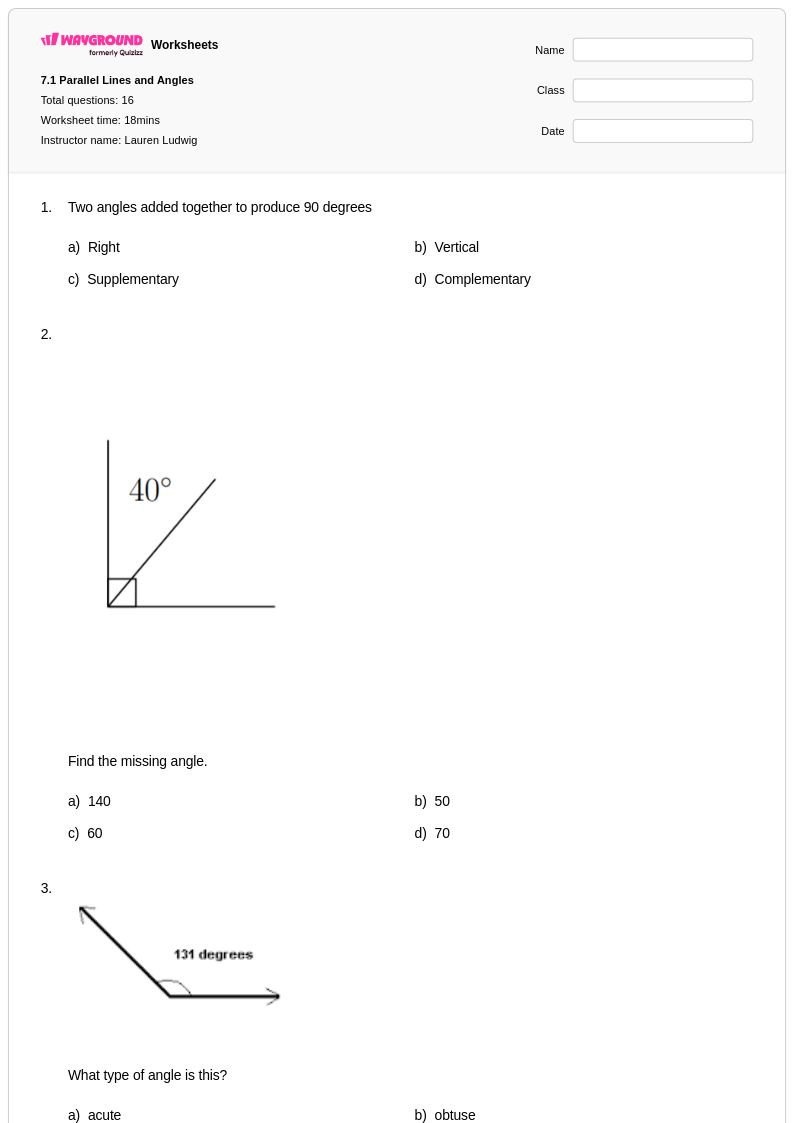
16 Q
9th
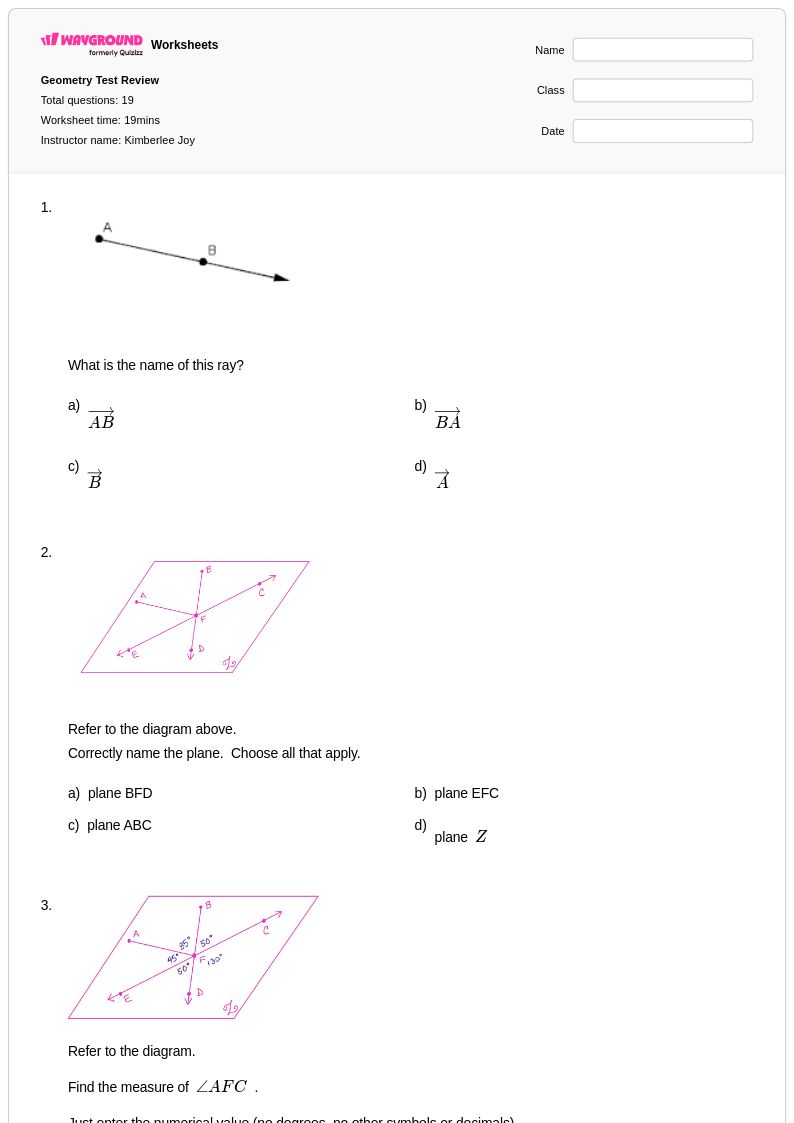
19 Q
9th
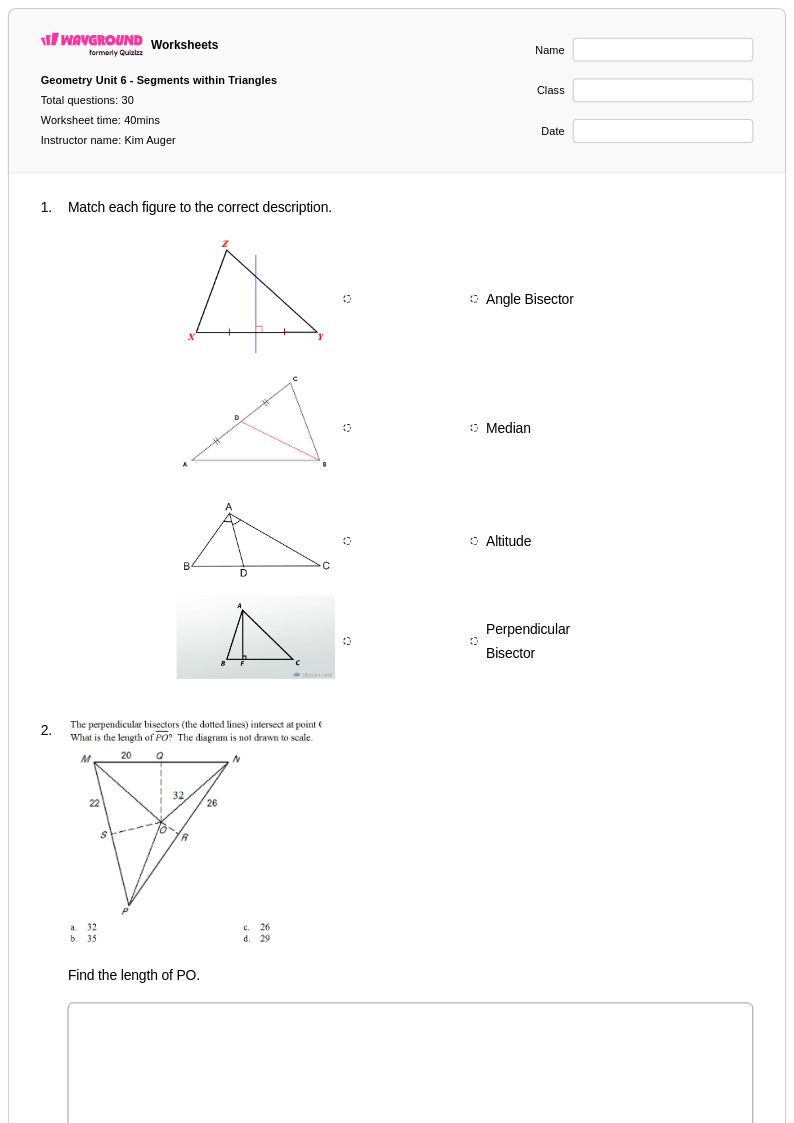
25 Q
9th - Uni
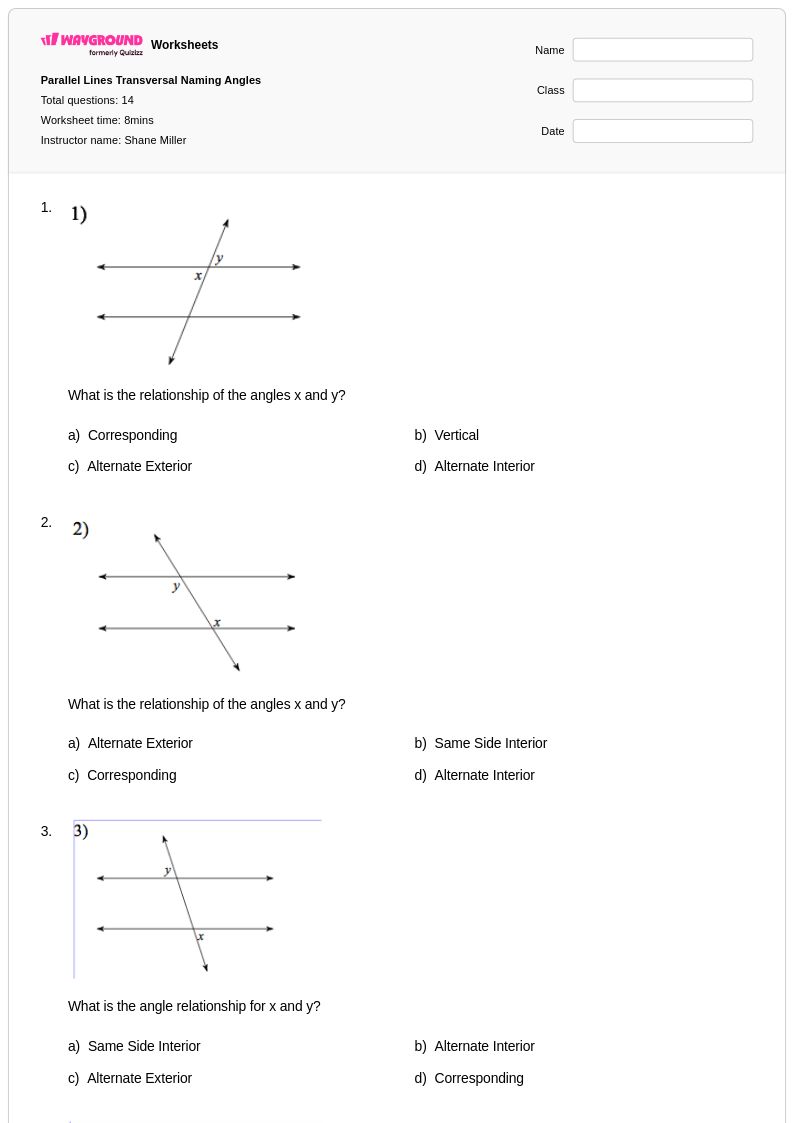
14 Q
7th - 10th
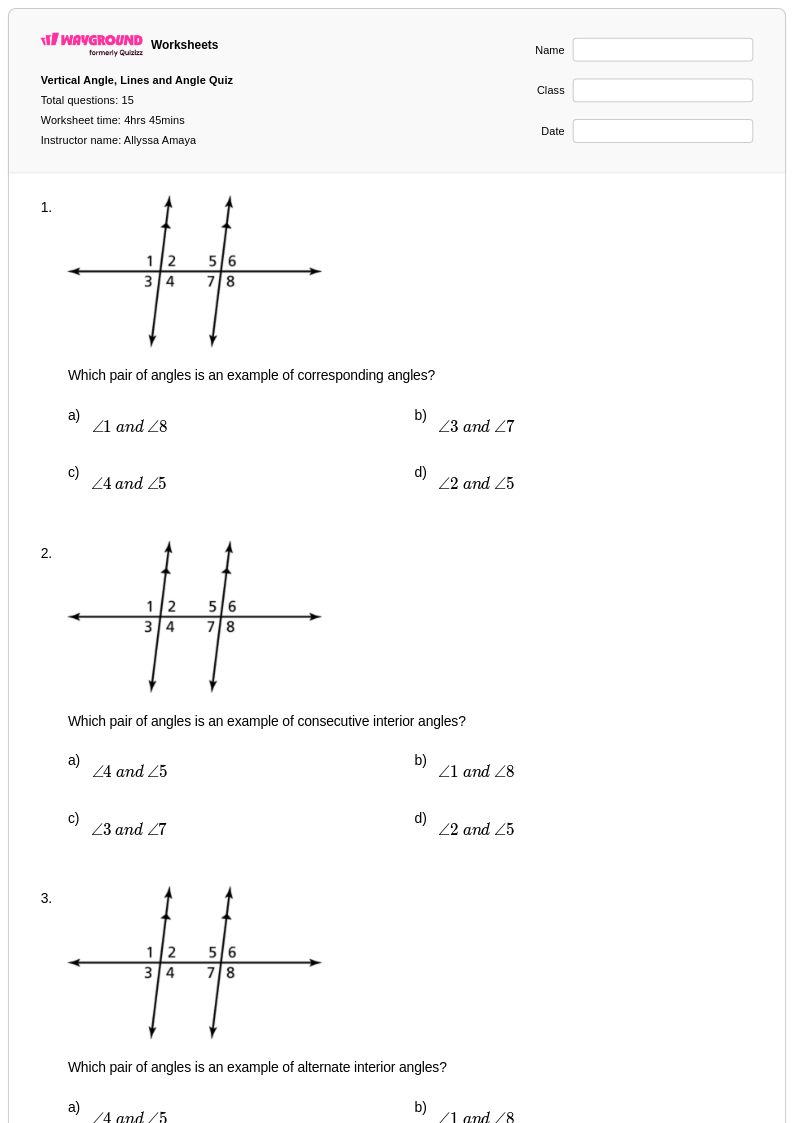
15 Q
9th
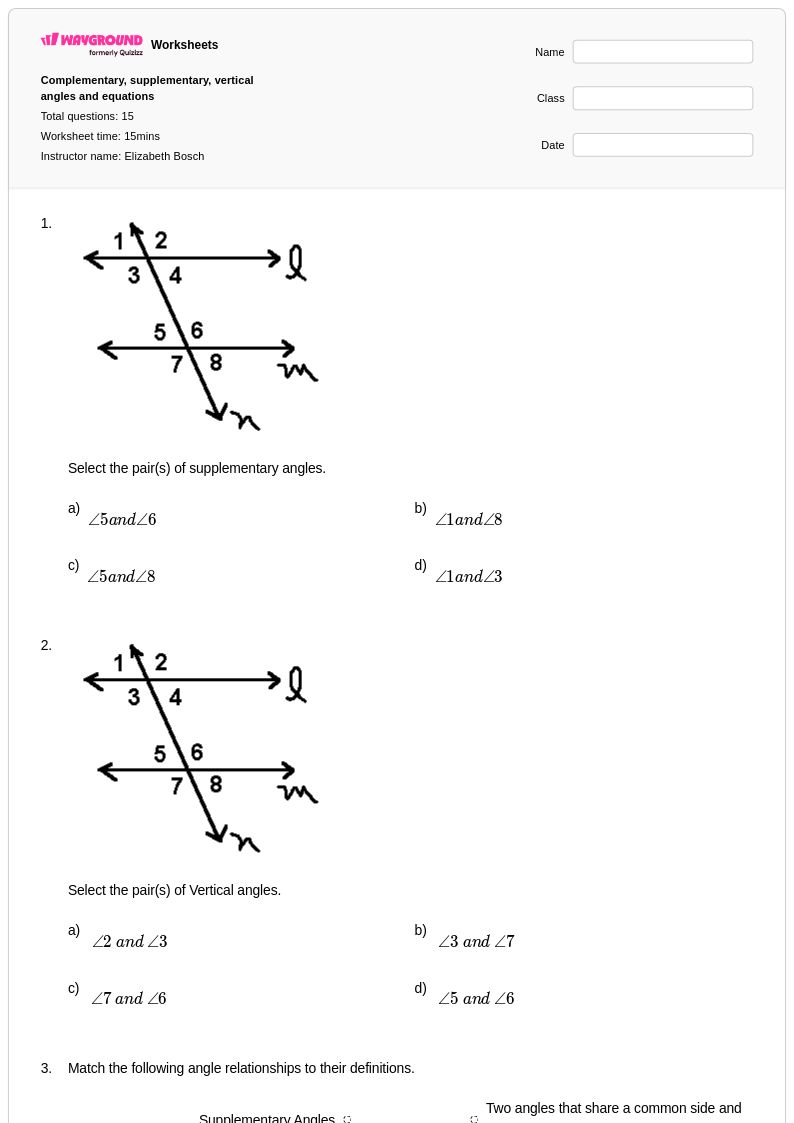
15 Q
7th - Uni
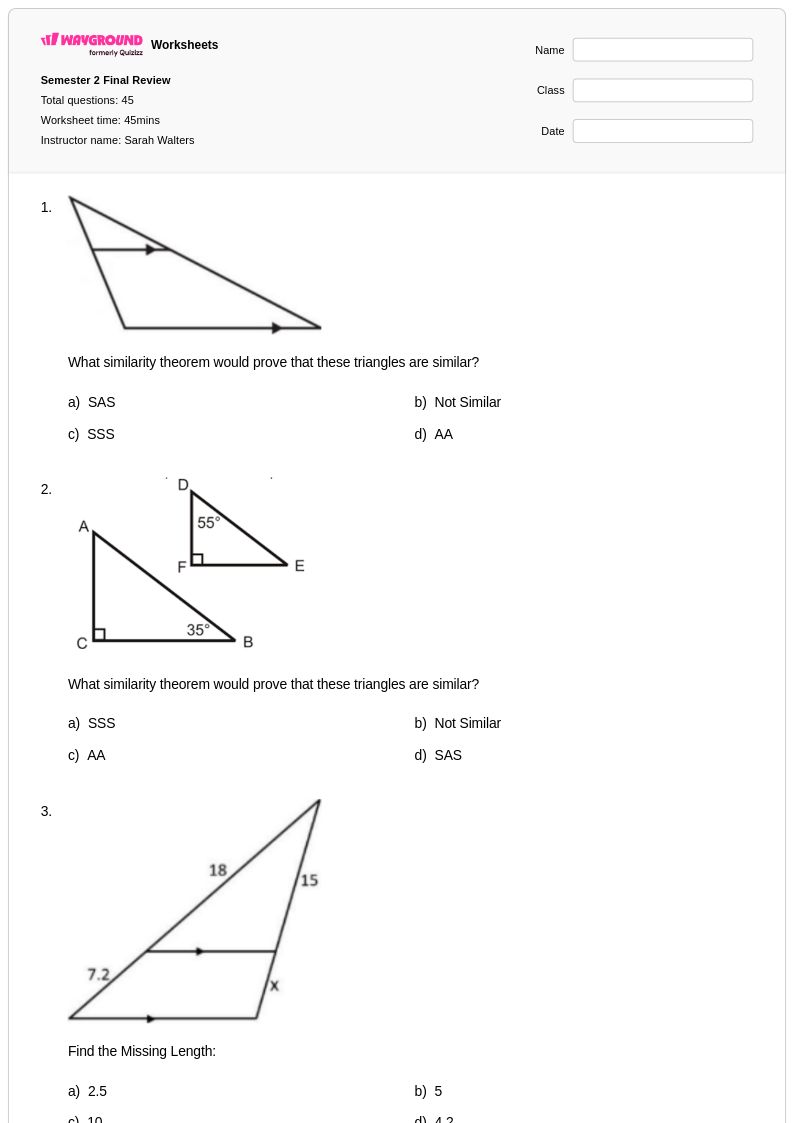
45 Q
9th - 12th
12 Q
9th - 12th
10 Q
8th - 10th
14 Q
8th - Uni
20 Q
7th - 10th
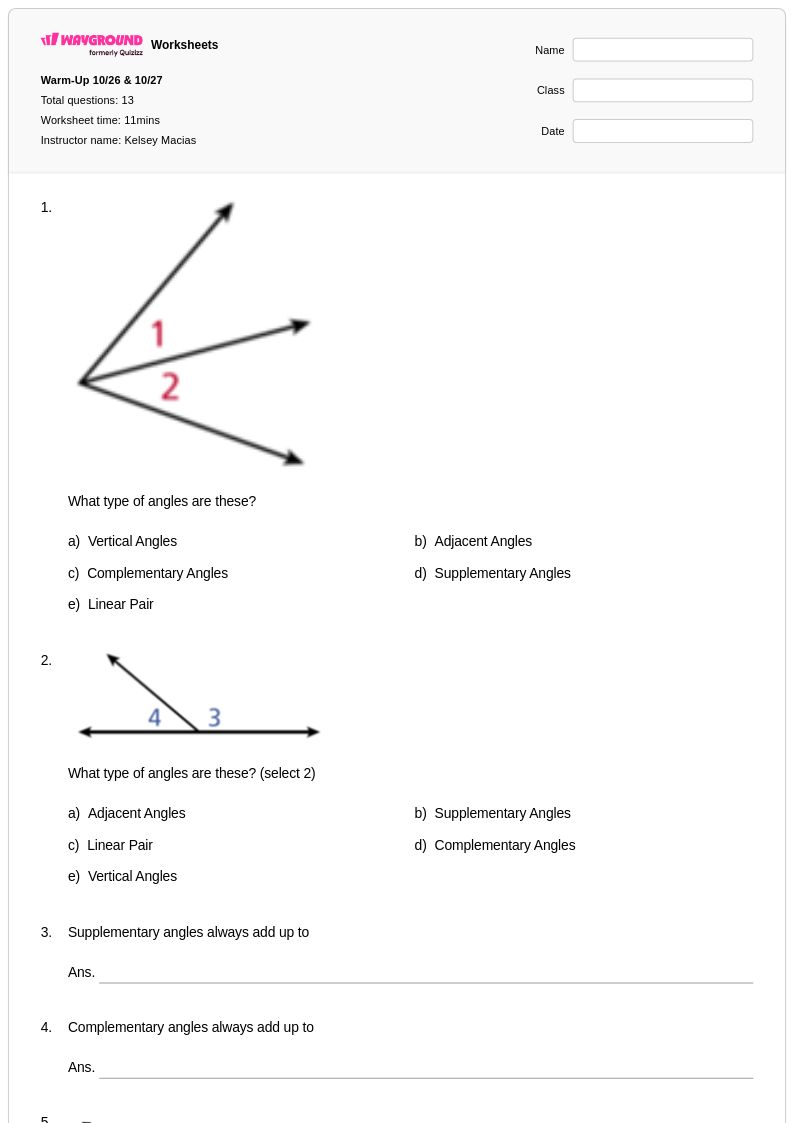
13 Q
9th - 11th
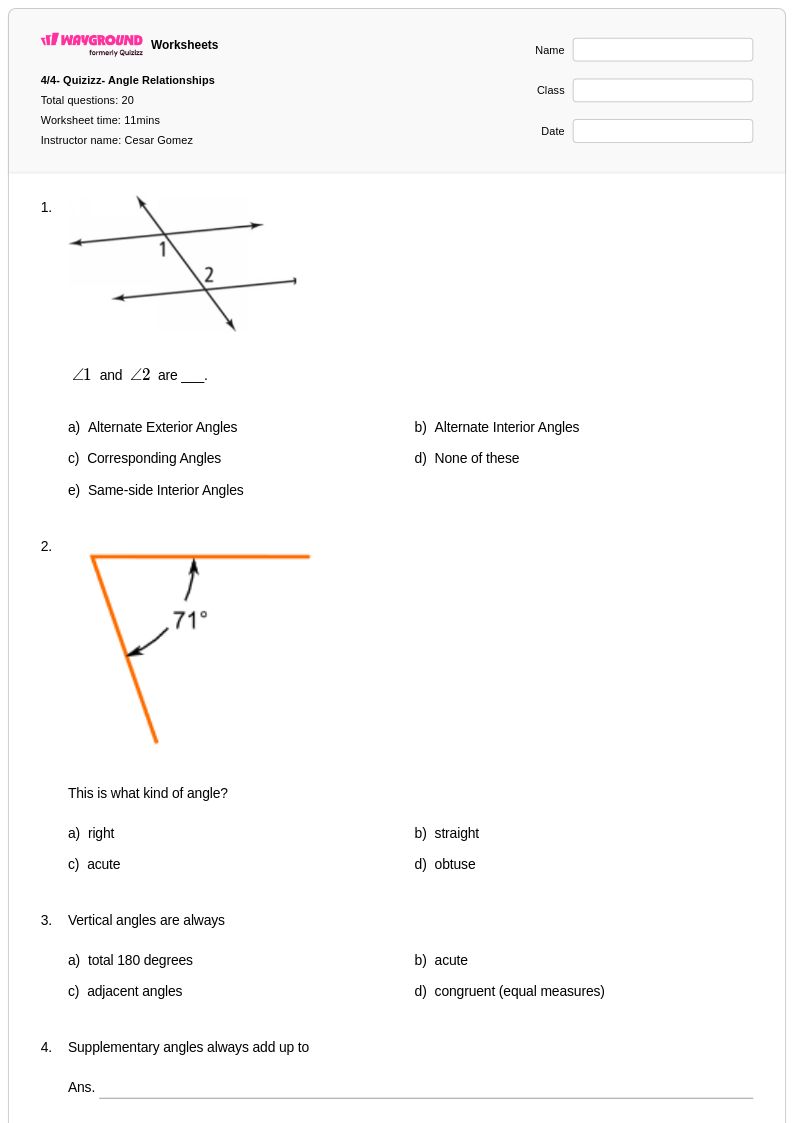
20 Q
9th - 12th
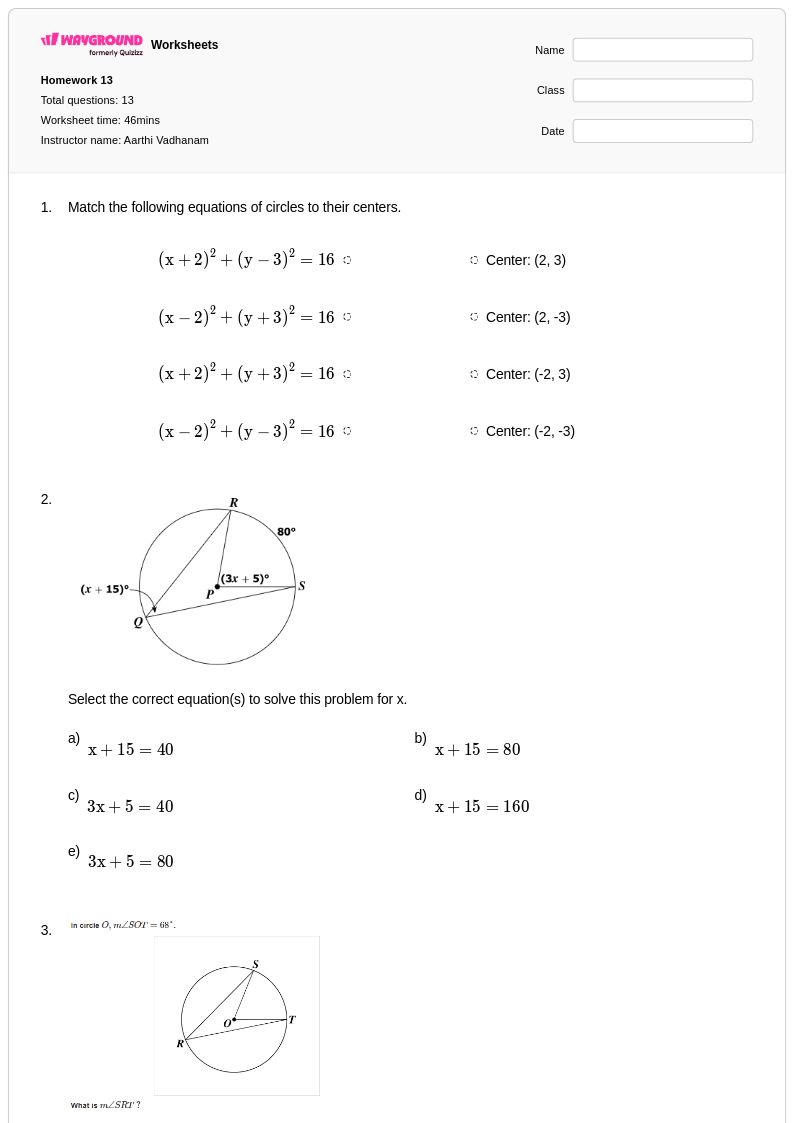
13 Q
9th - 12th
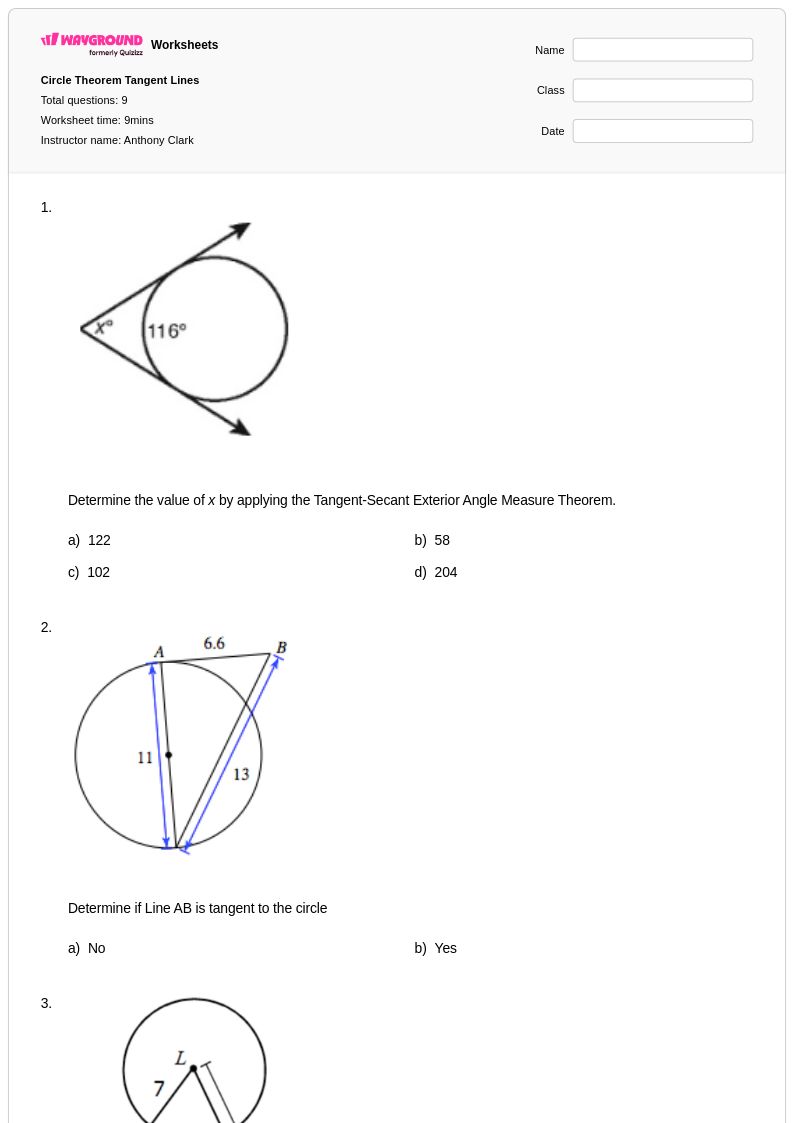
9 Q
9th - Uni
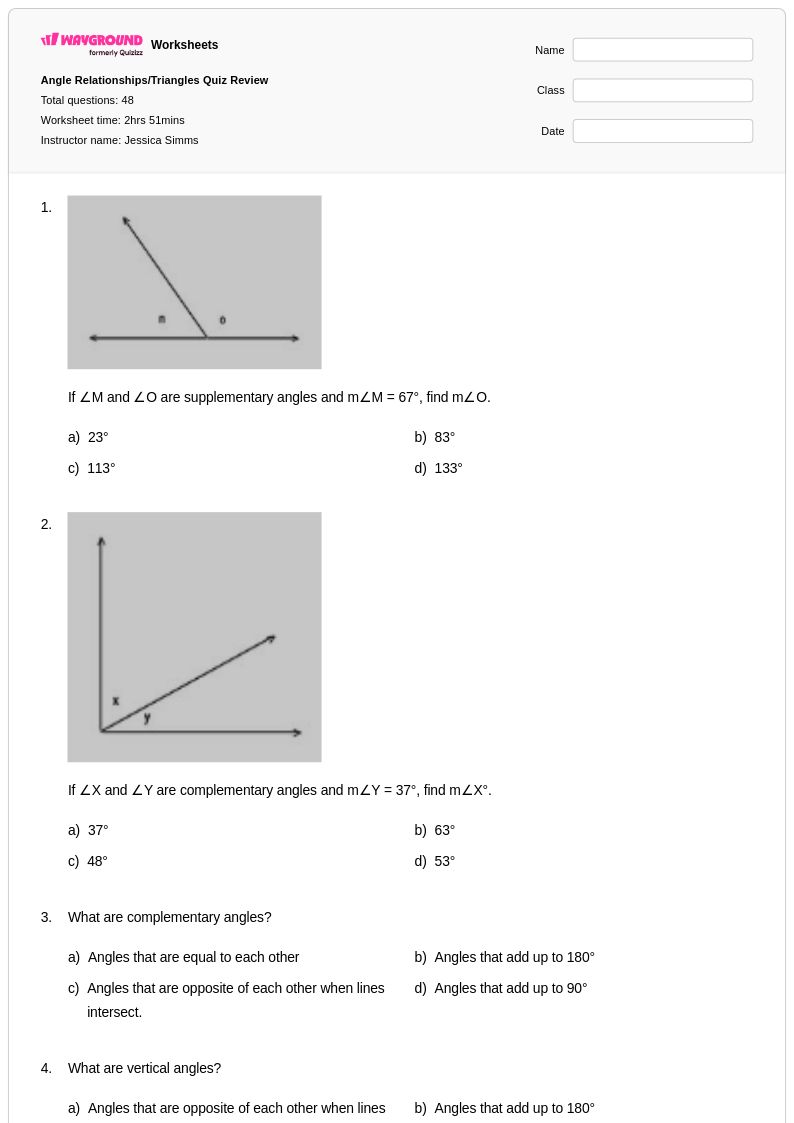
48 Q
7th - 9th
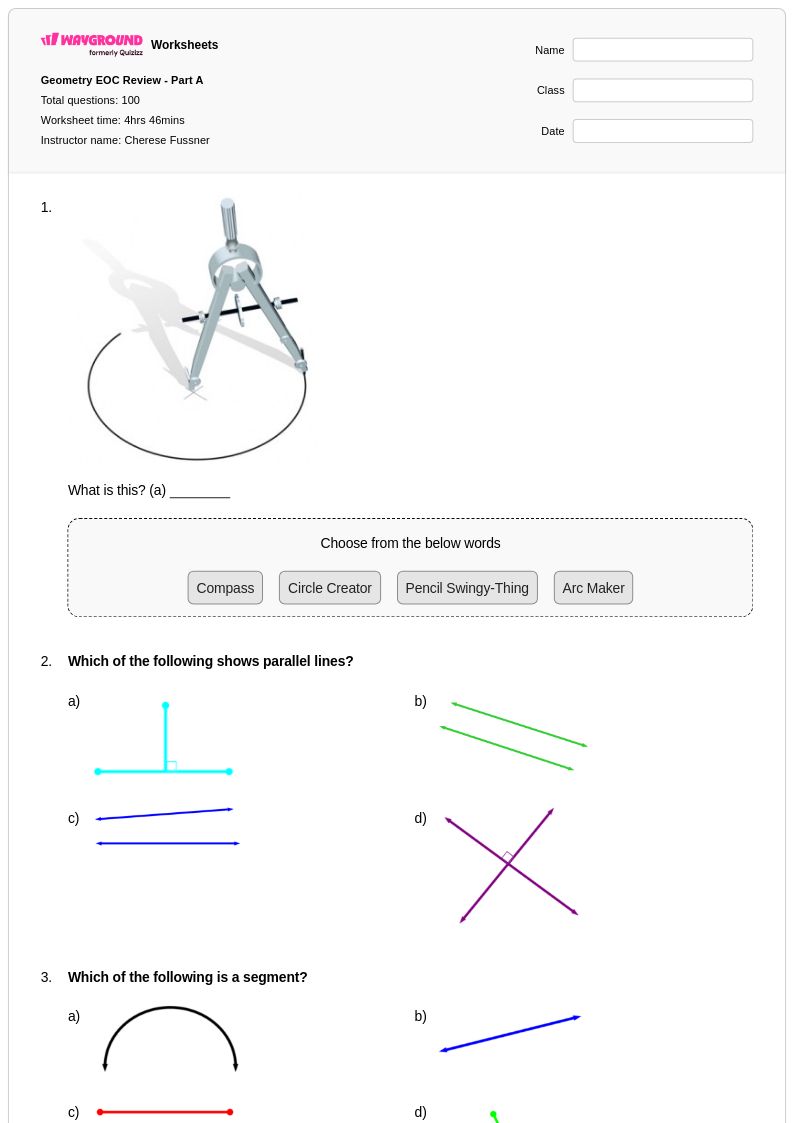
100 Q
9th - 12th
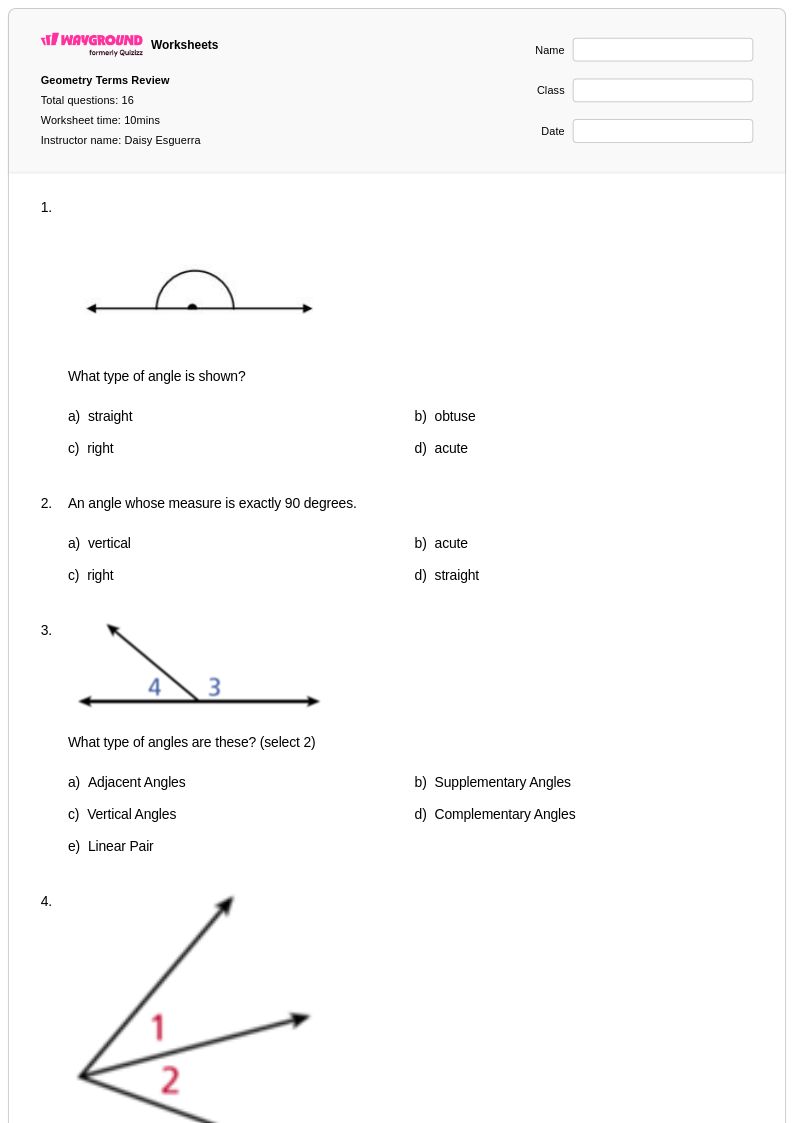
16 Q
9th - 12th
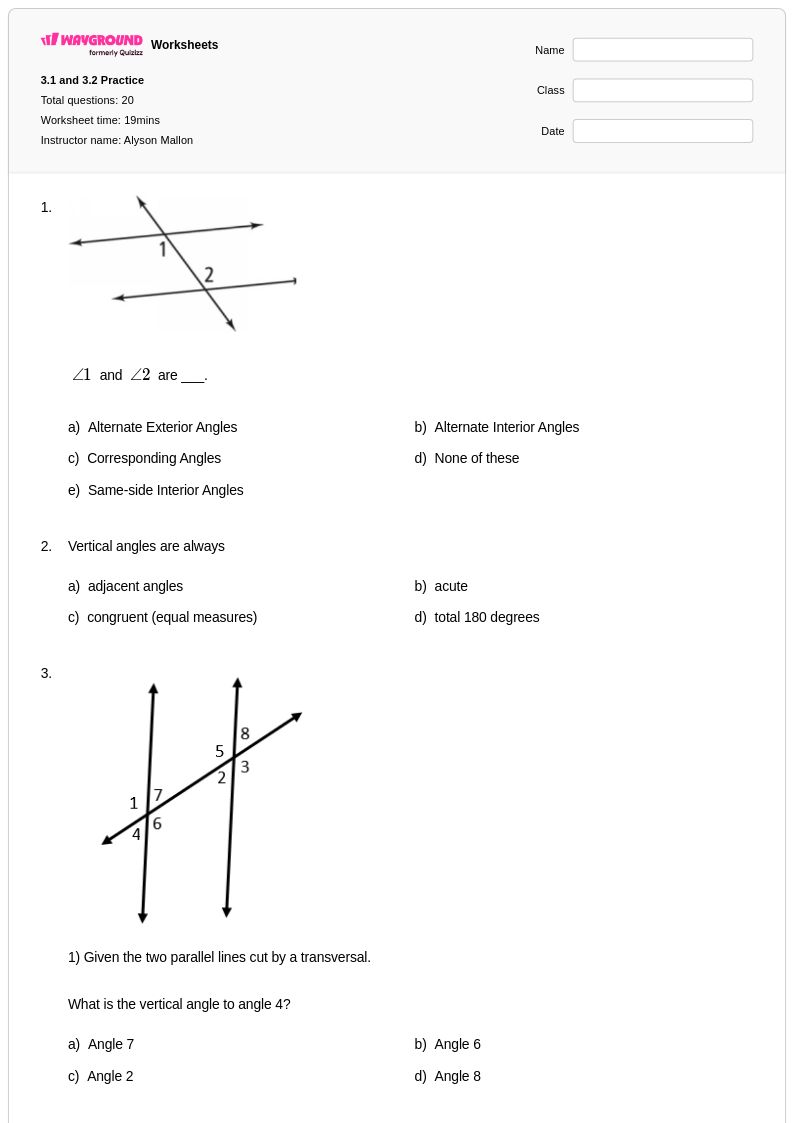
20 Q
9th - 11th
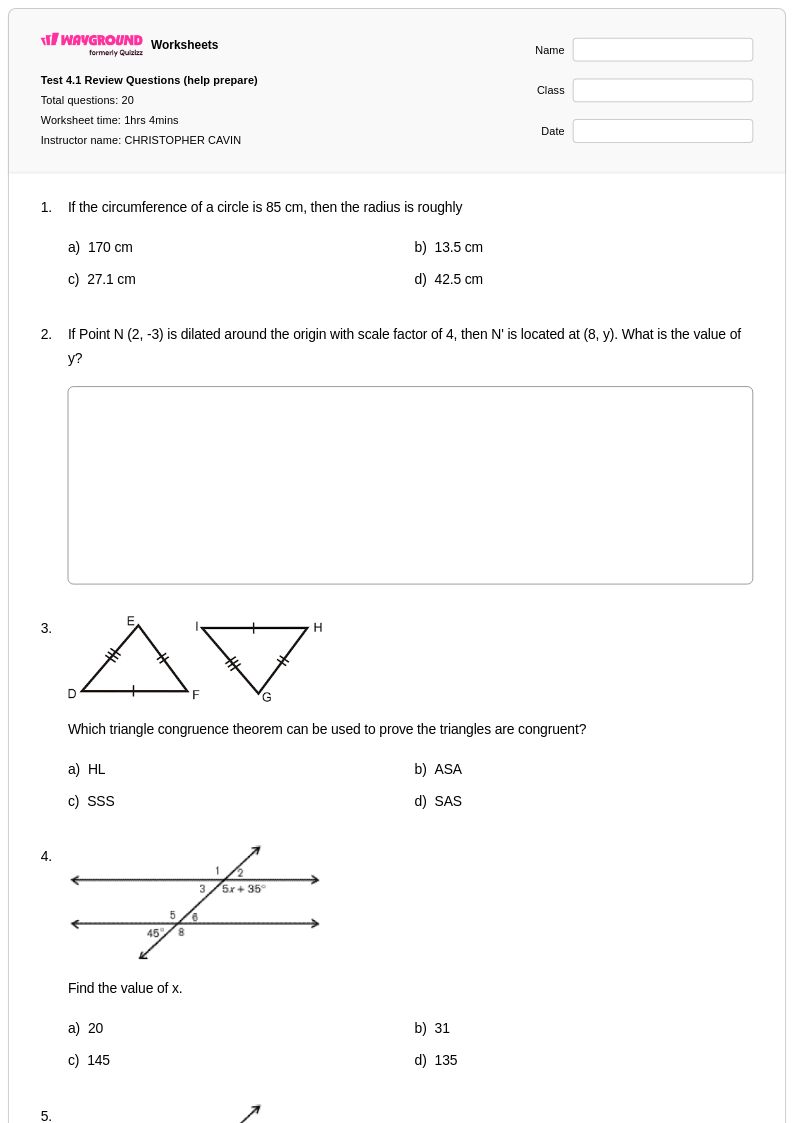
20 Q
9th - 12th
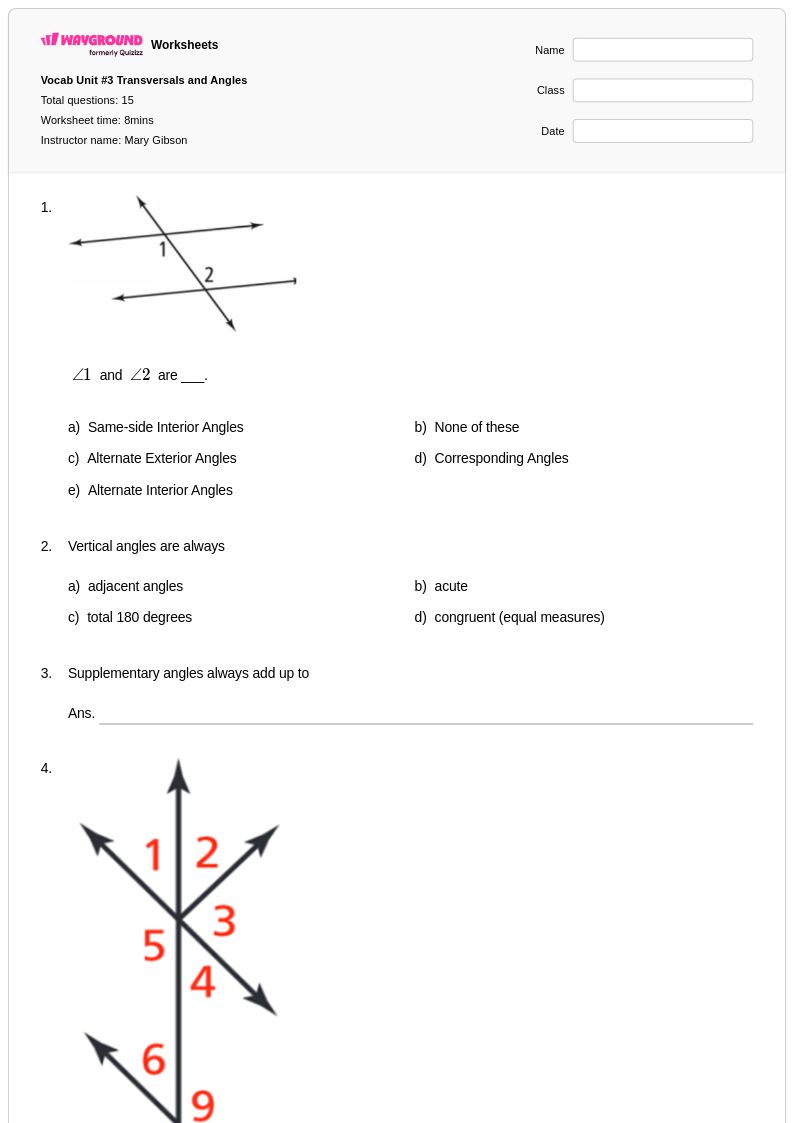
15 Q
9th - 10th
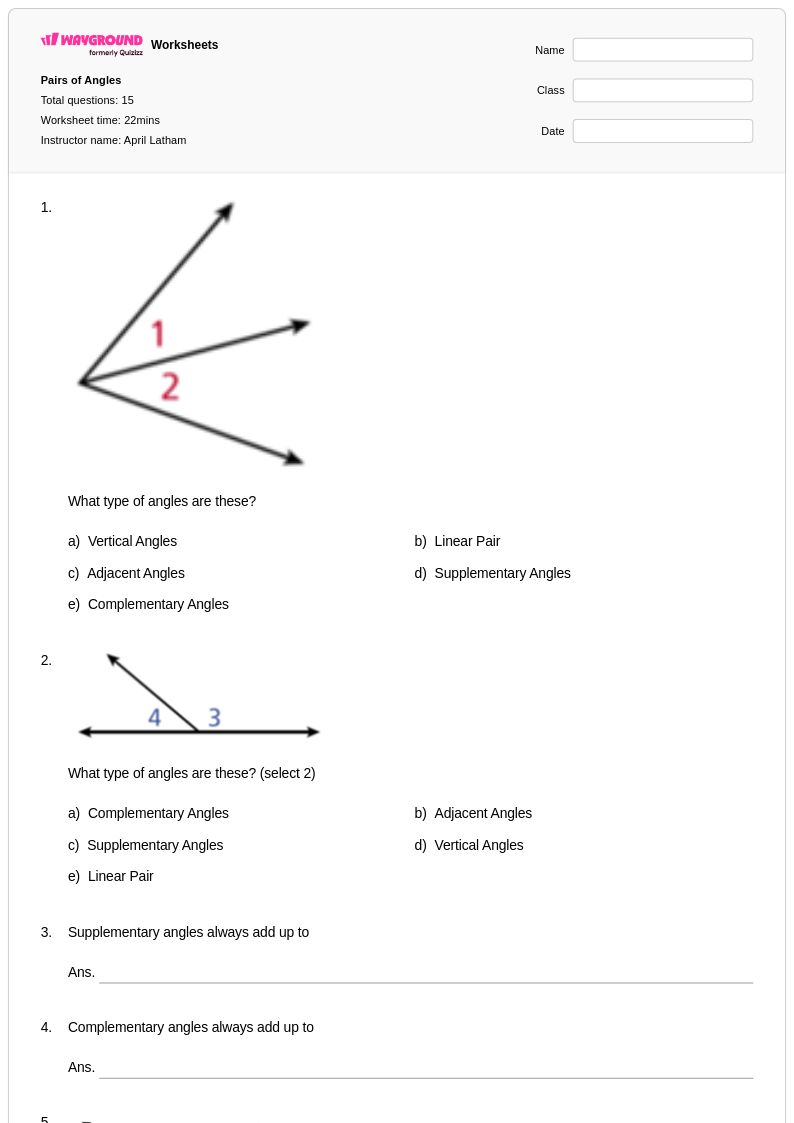
15 Q
8th - 11th
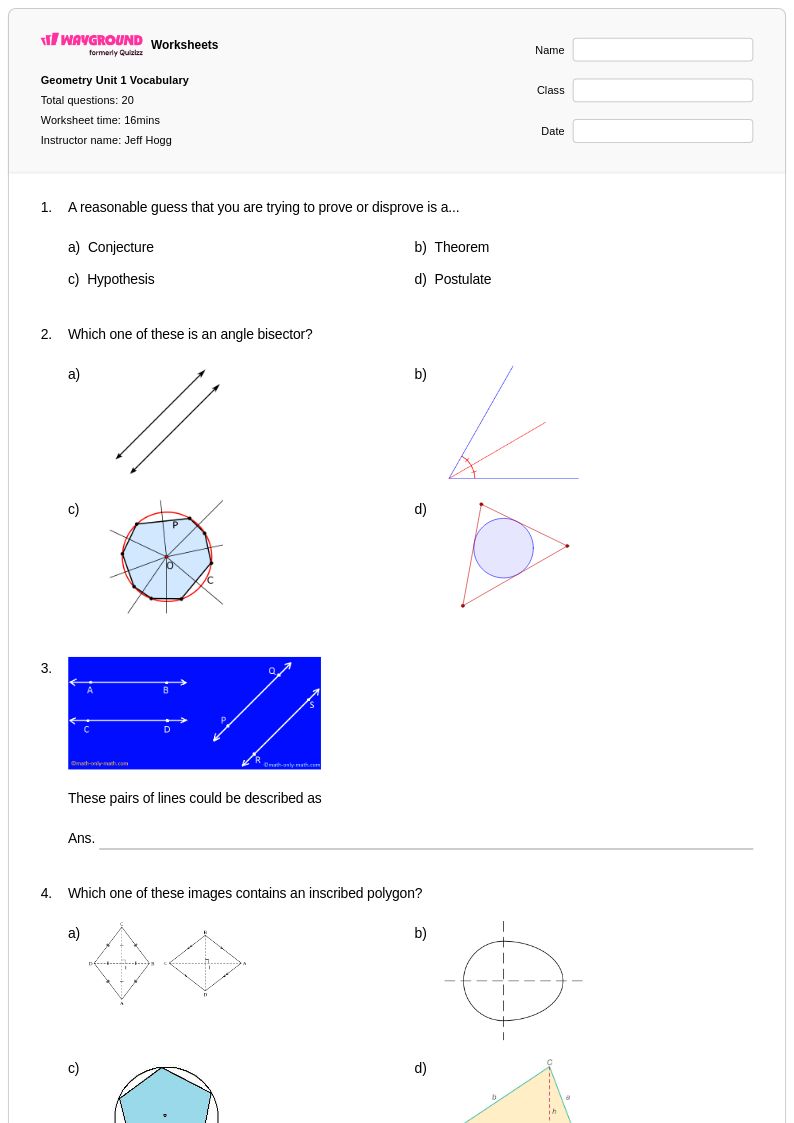
20 Q
8th - 10th
Explore Other Subject Worksheets for grade 9
Explore printable Inscribed Angle Theorem worksheets for Grade 9
Inscribed Angle Theorem worksheets for Grade 9 students available through Wayground provide comprehensive practice with one of geometry's most fundamental circle theorems. These carefully designed resources help students master the concept that an inscribed angle is always half the measure of its intercepted arc, strengthening their understanding of angle relationships within circles. The worksheet collections include diverse practice problems that guide students through identifying inscribed angles, calculating angle measures, and applying the theorem in complex geometric scenarios. Each printable resource comes with a complete answer key, making it easy for educators to assess student progress and provide immediate feedback. These free materials serve as excellent supplementary tools for reinforcing classroom instruction and building confidence with circle geometry concepts.
Wayground's extensive collection of millions of teacher-created resources ensures educators have access to high-quality Inscribed Angle Theorem materials that align with Grade 9 mathematics standards. The platform's robust search and filtering capabilities allow teachers to quickly locate worksheets that match their specific instructional needs, whether for initial skill introduction, remediation support, or enrichment challenges. These resources are available in both printable pdf format and digital versions, offering flexibility for various classroom environments and learning preferences. Teachers can easily customize worksheets to differentiate instruction for diverse learners, adjusting difficulty levels and problem types to support individual student needs. This comprehensive approach to resource management streamlines lesson planning while providing targeted practice opportunities that help students develop mastery of inscribed angle relationships and broader geometric reasoning skills.
FAQs
What grade do students learn the Inscribed Angle Theorem?
How should I introduce the Inscribed Angle Theorem to 9th graders?
What types of problems are best for 9th-grade practice?
What's the most common mistake 9th graders make with this theorem?
How can I use this Grade 9 worksheet with my students?
How does this topic fit into a 9th-grade geometry curriculum?