
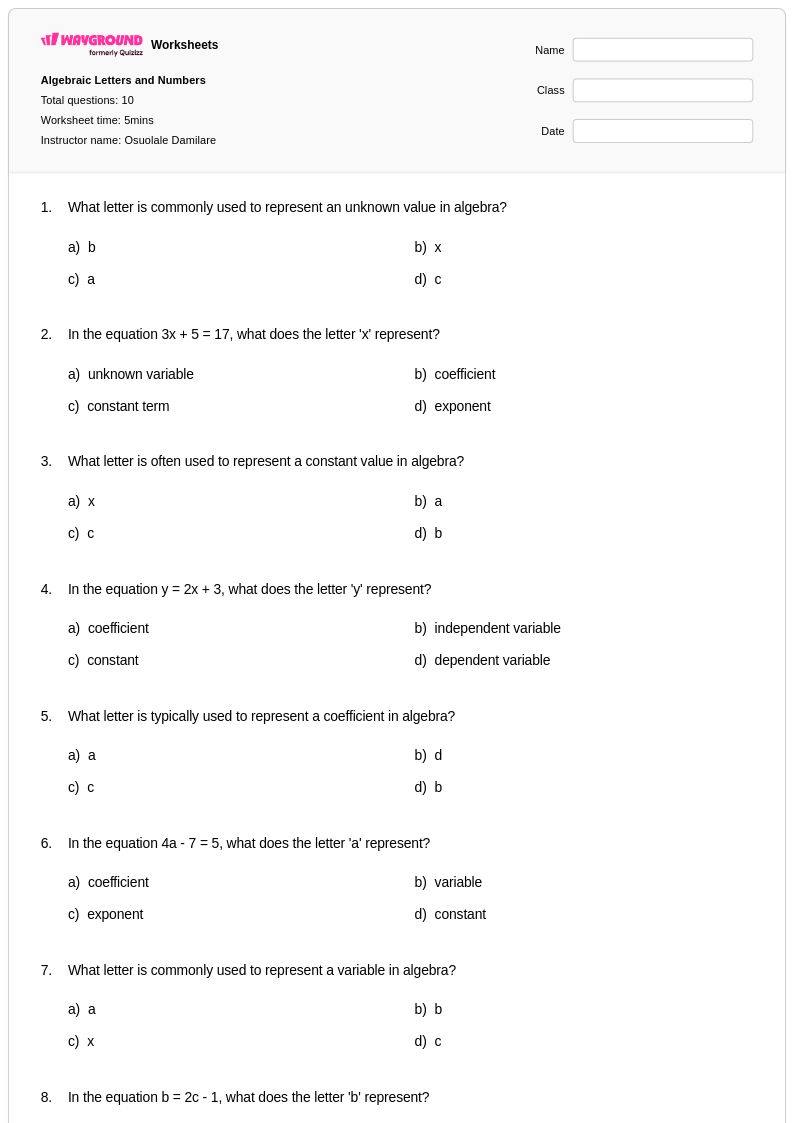
10 Q
5th
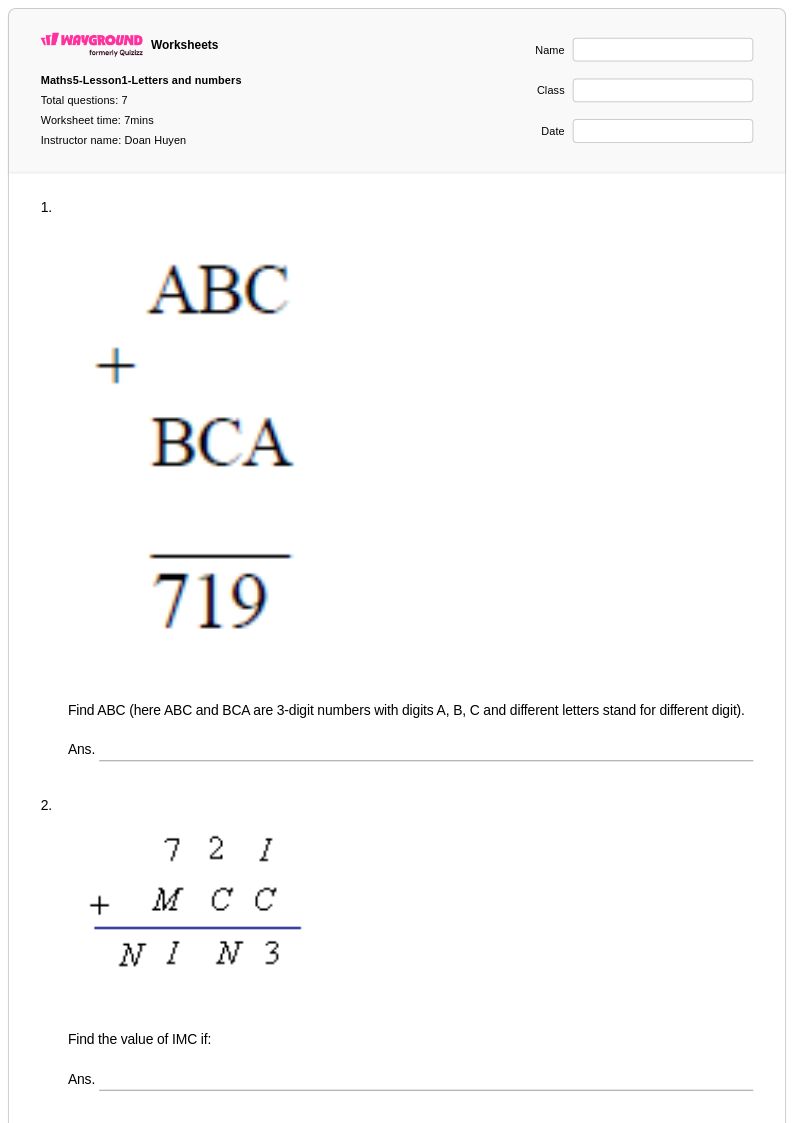
7 Q
4th - 5th
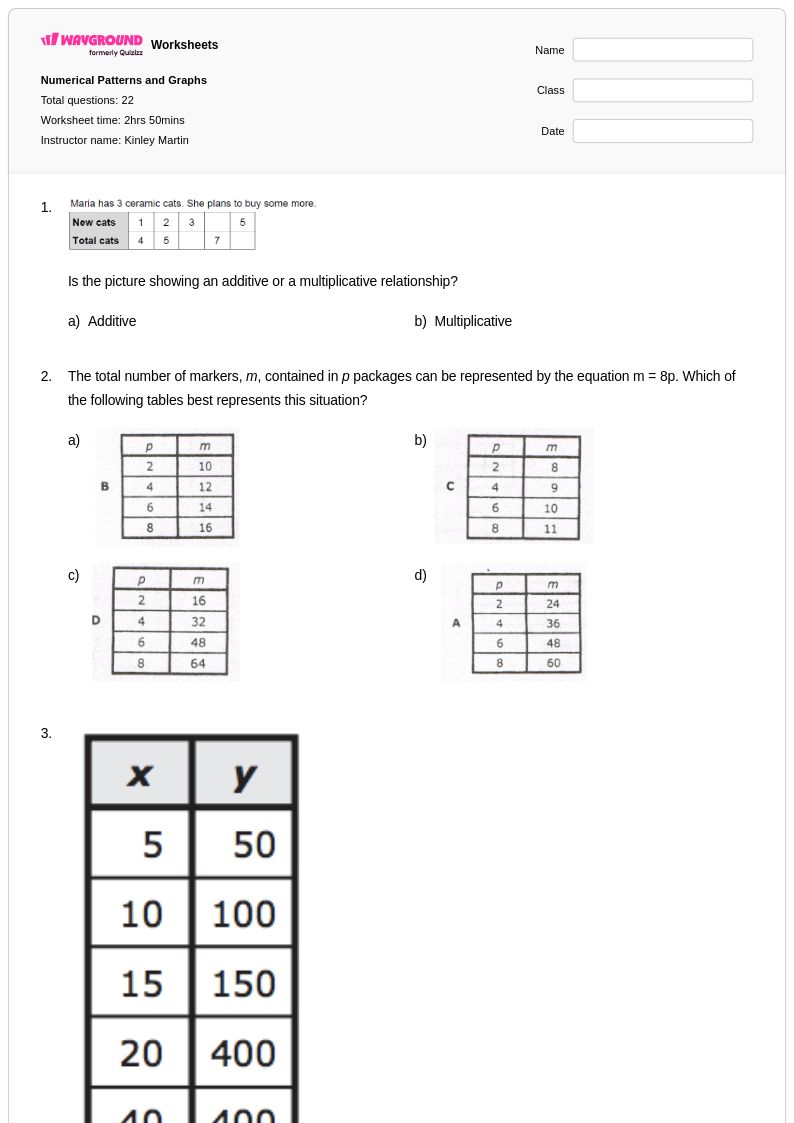
22 Q
5th
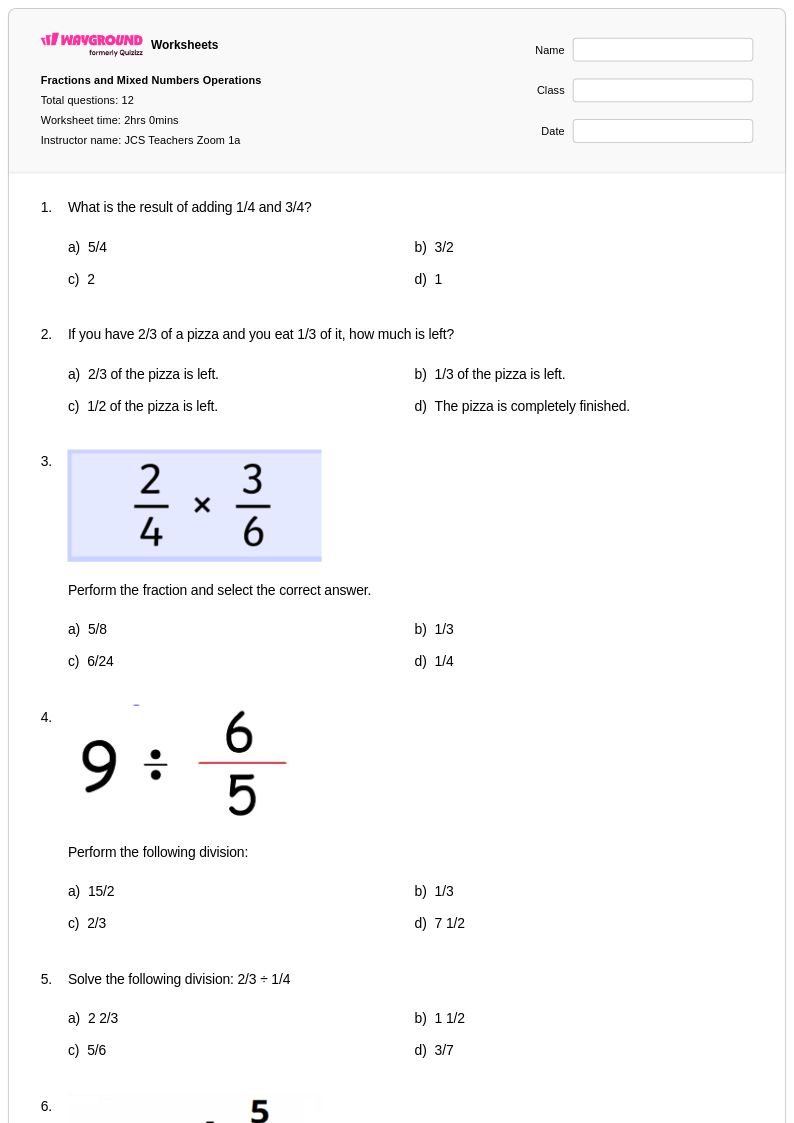
12 Q
5th
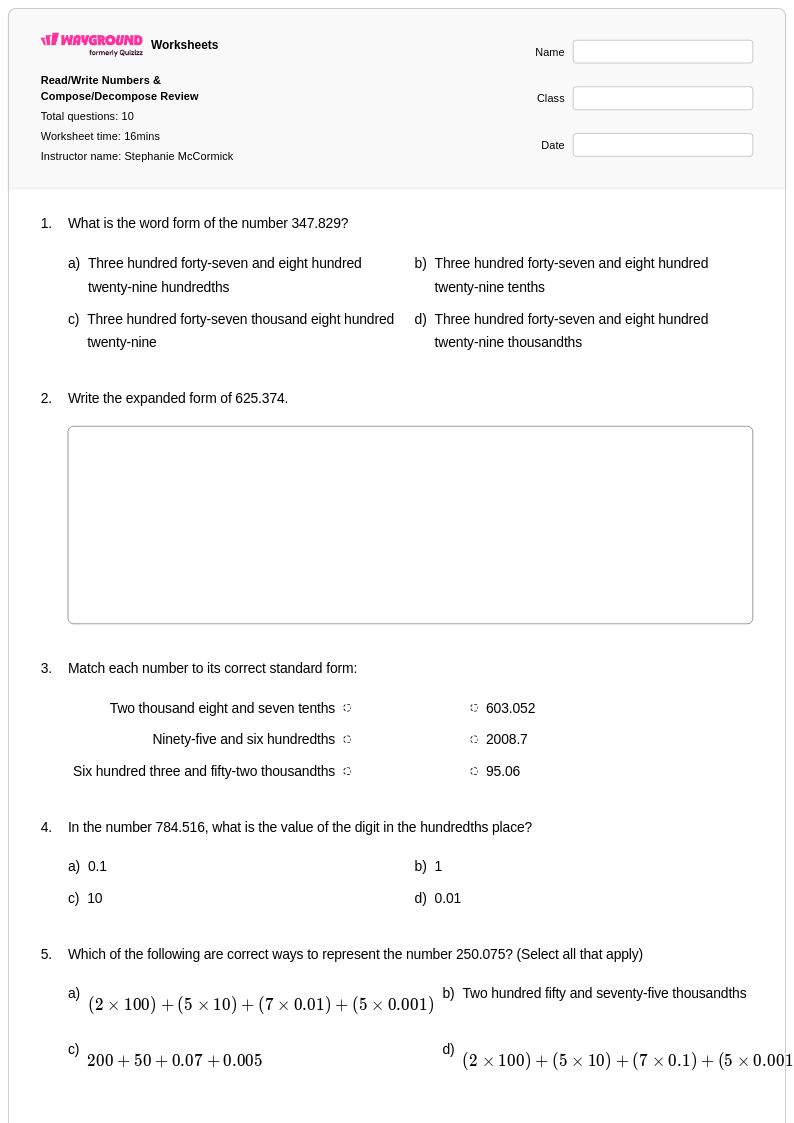
10 Q
5th
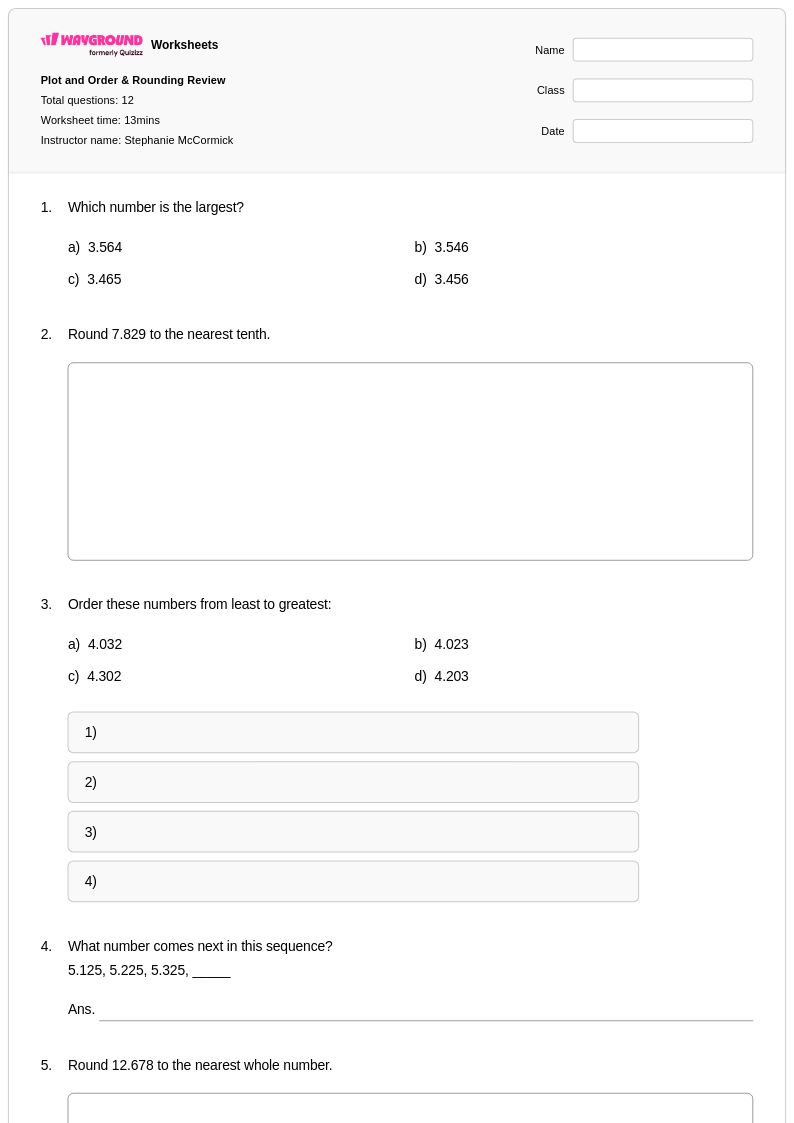
12 Q
5th
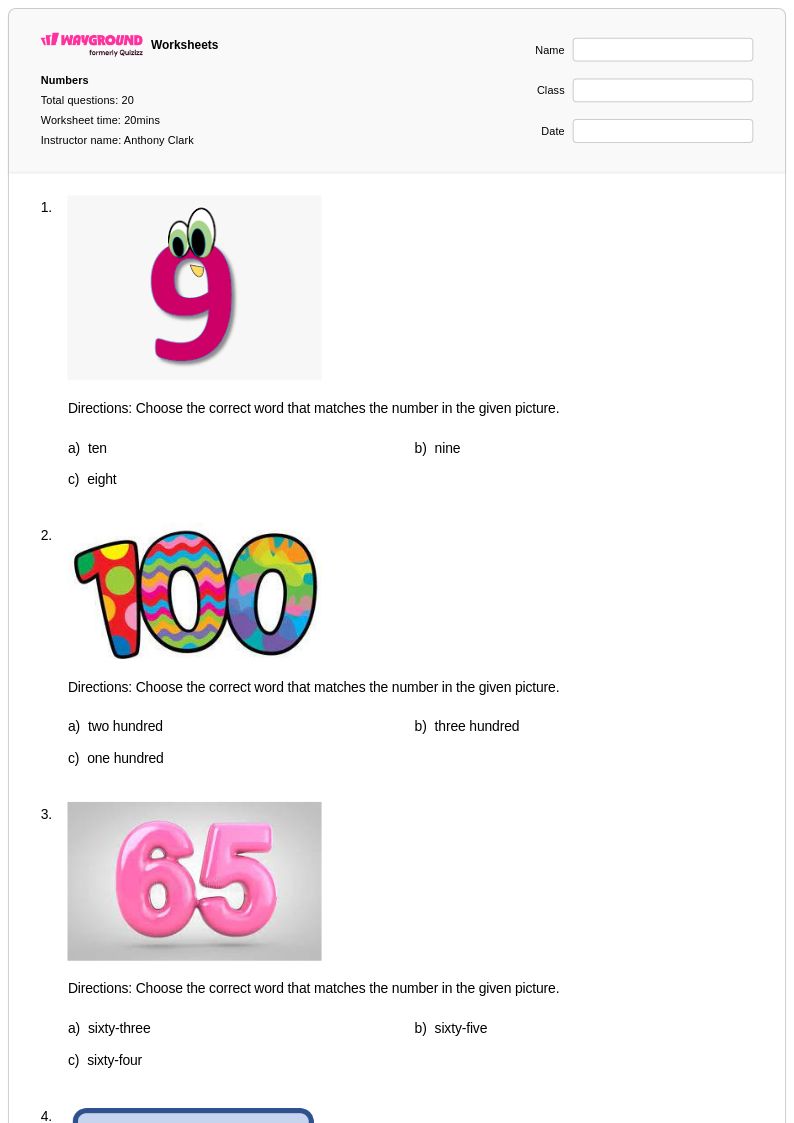
20 Q
1st - Uni
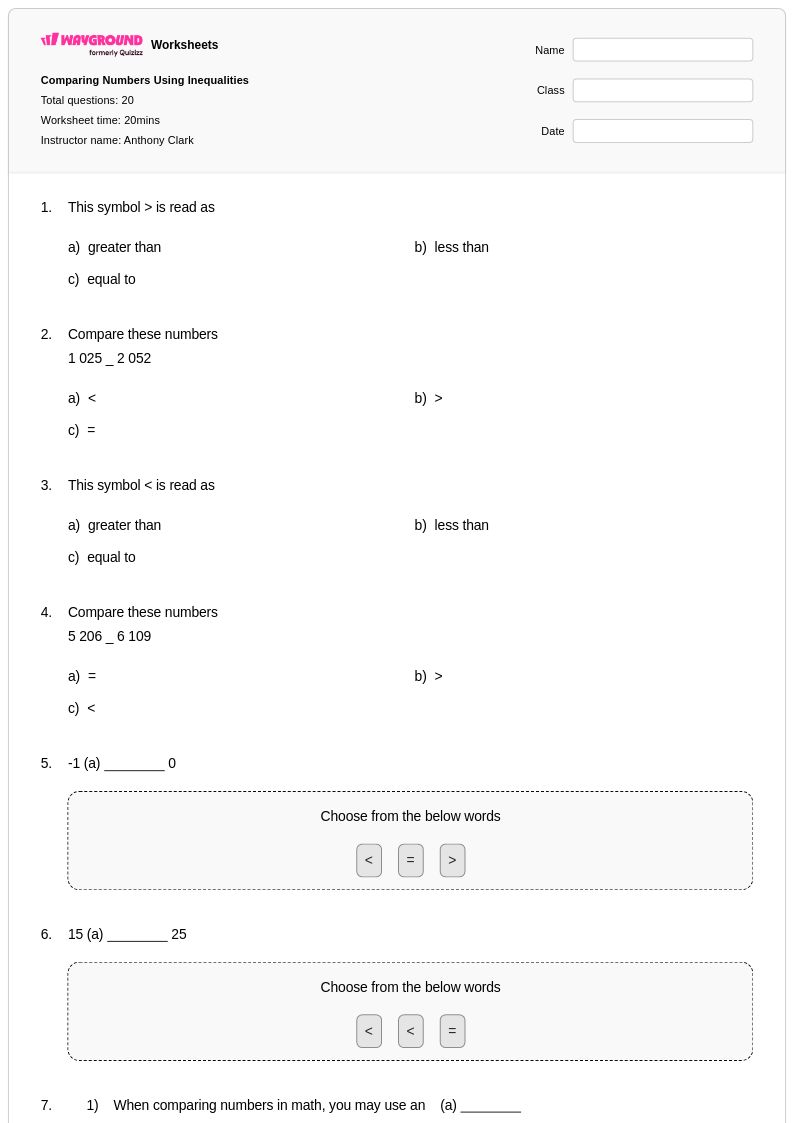
20 Q
2nd - Uni
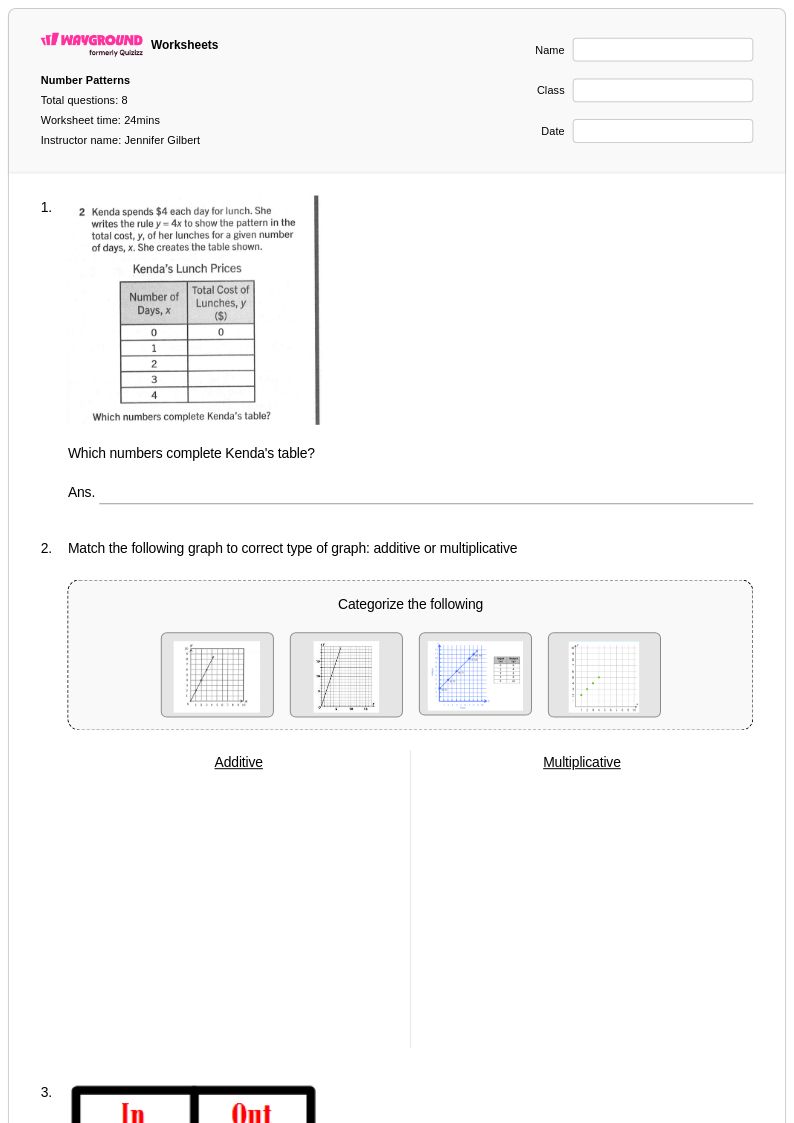
8 Q
5th
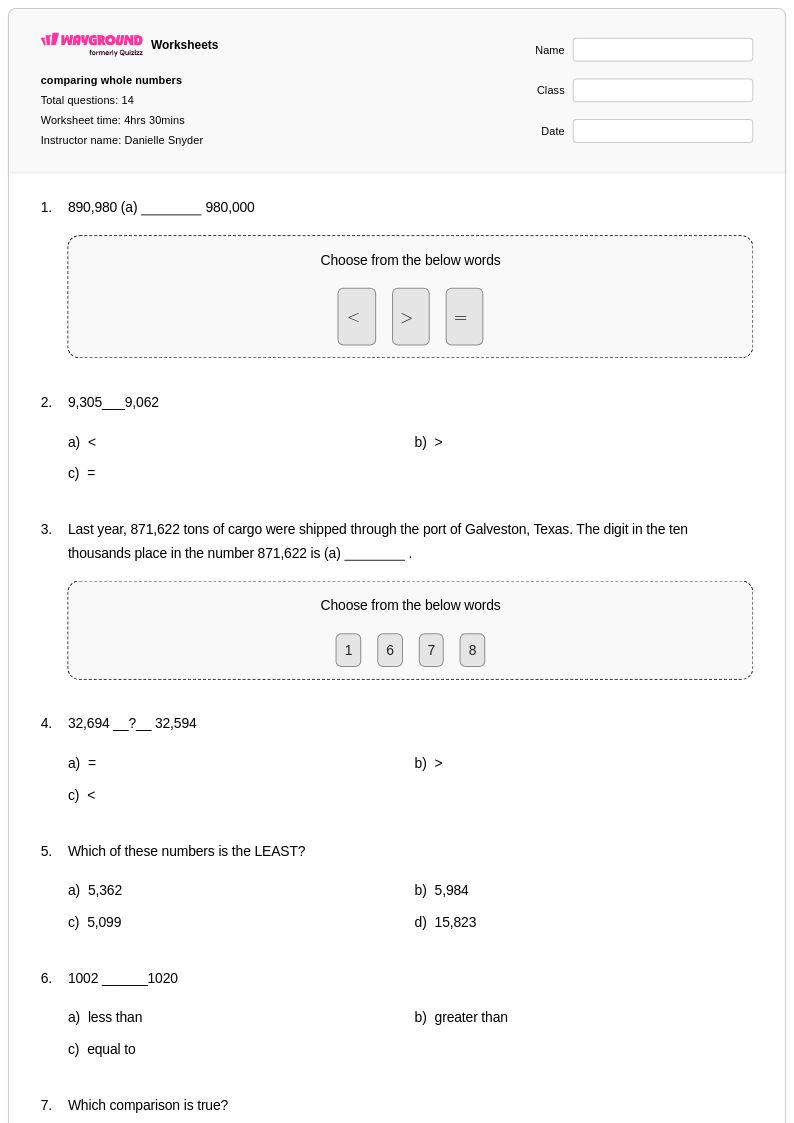
14 Q
5th
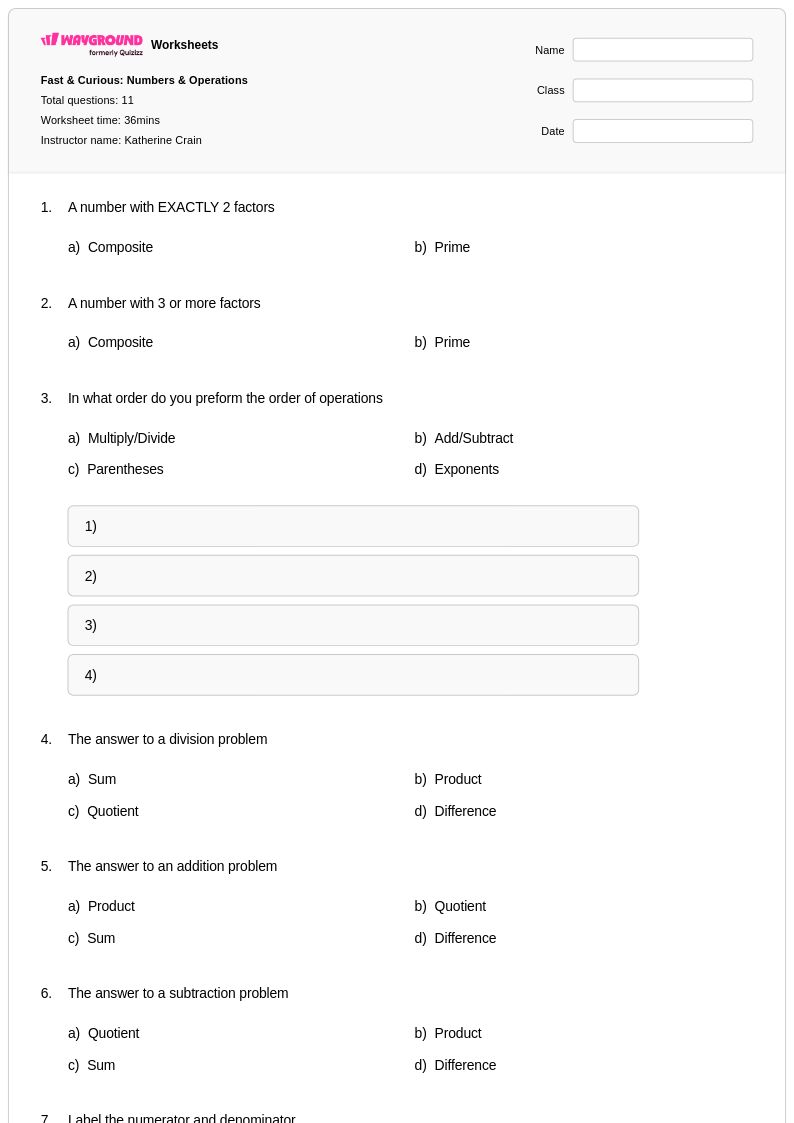
11 Q
5th
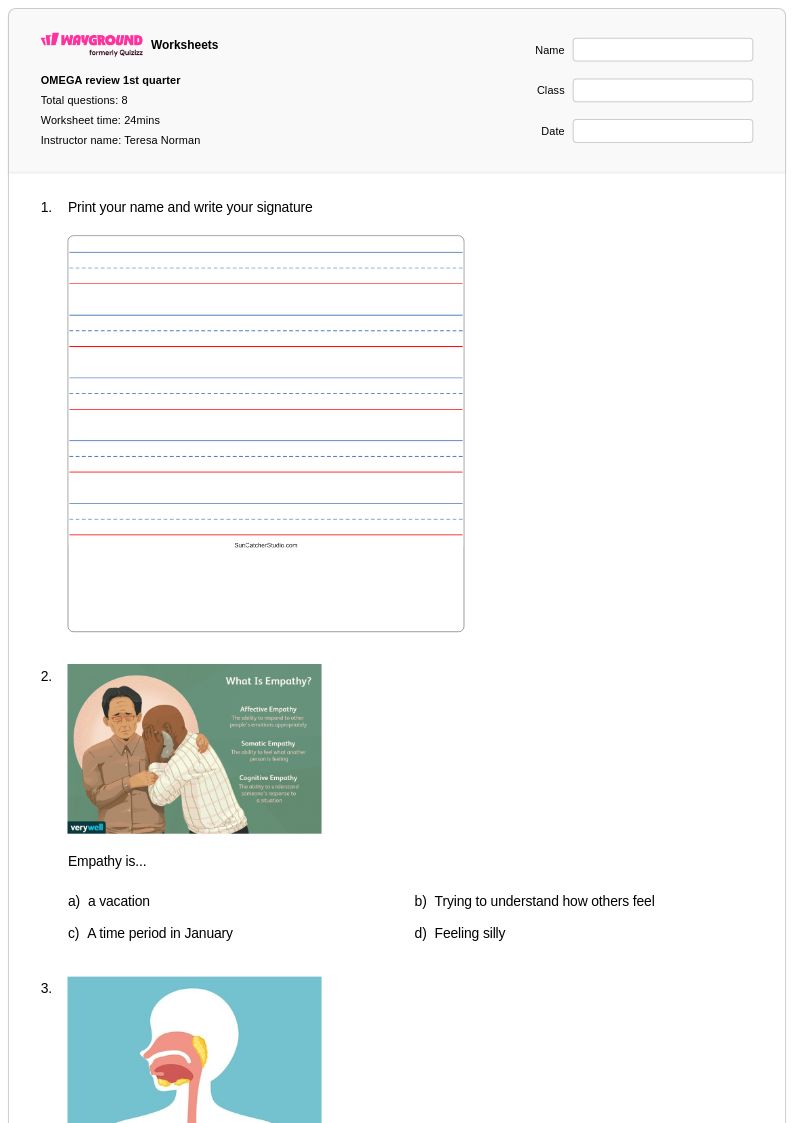
13 Q
3rd - 5th
18 Q
5th
15 Q
4th - Uni
11 Q
4th - 9th
15 Q
5th
15 Q
3rd - Uni
19 Q
4th - Uni
10 Q
5th
20 Q
5th - Uni
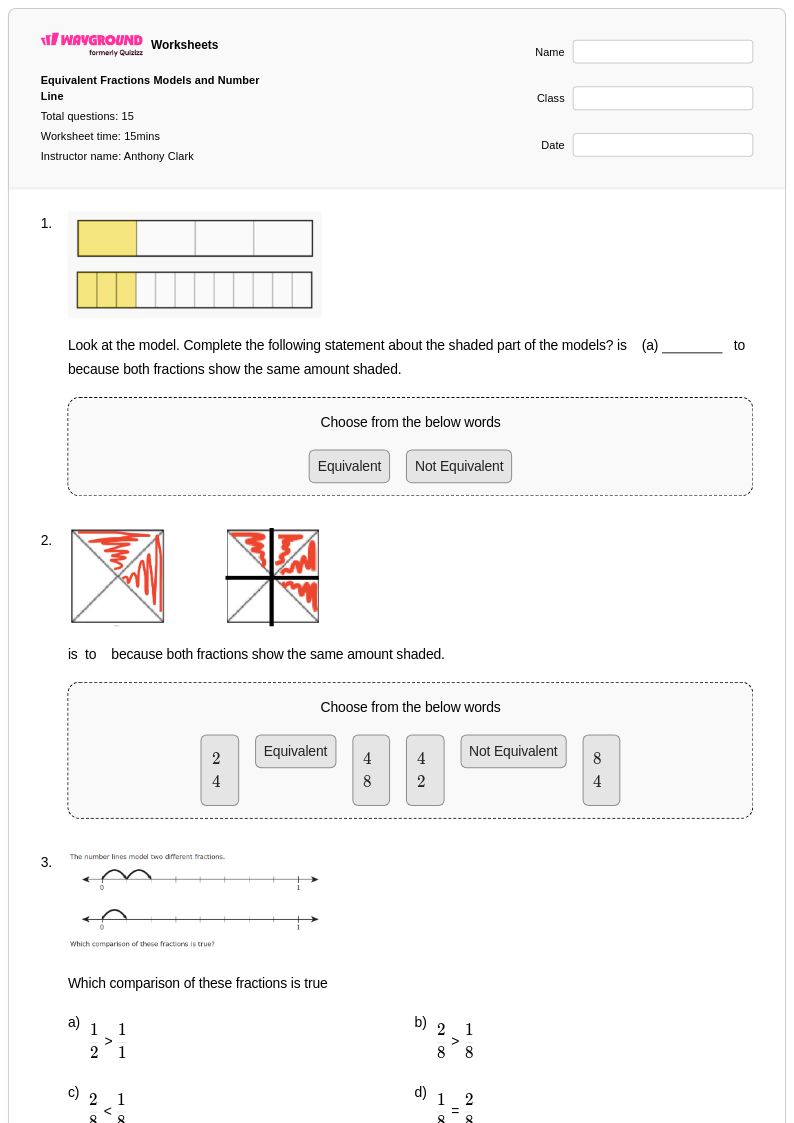
15 Q
3rd - Uni
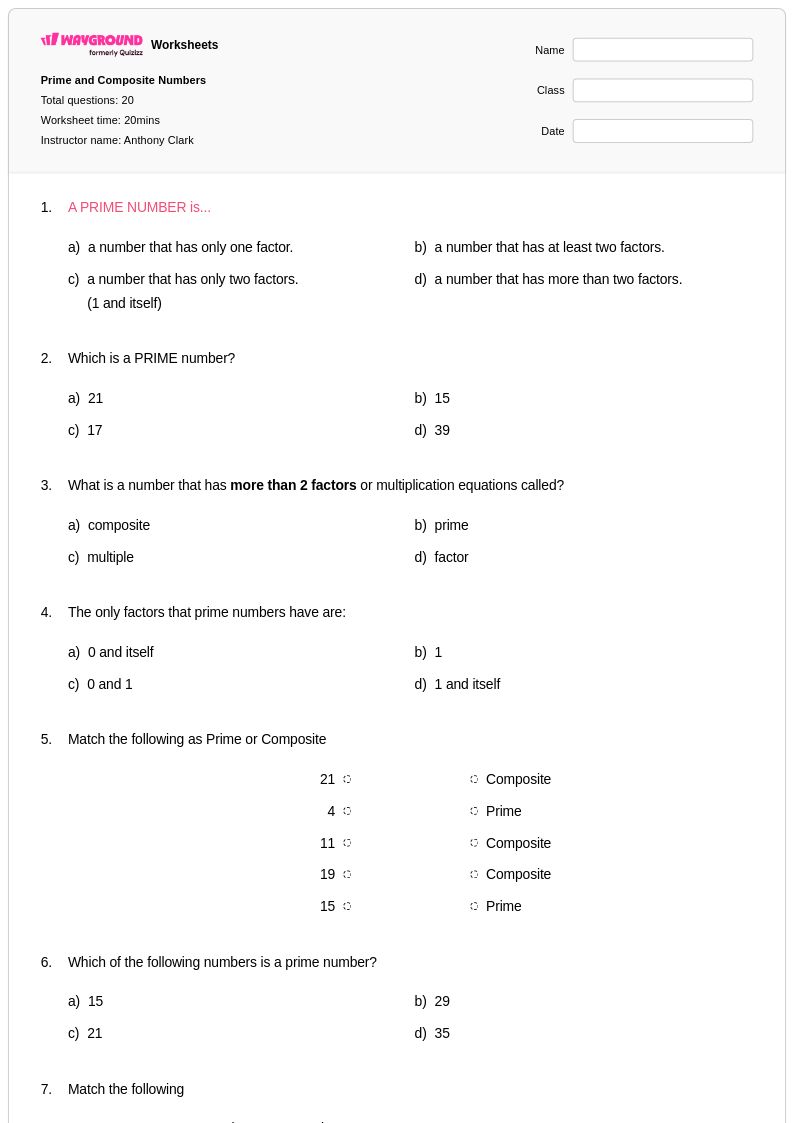
20 Q
4th - Uni
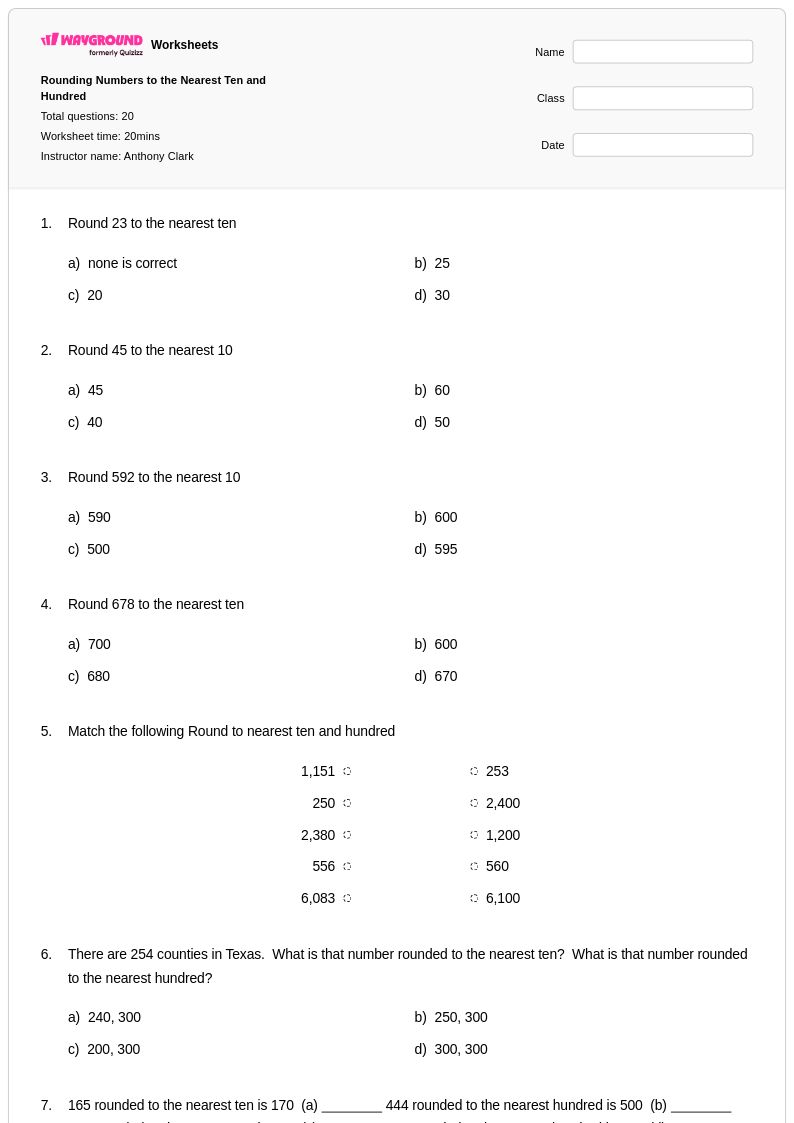
20 Q
4th - Uni
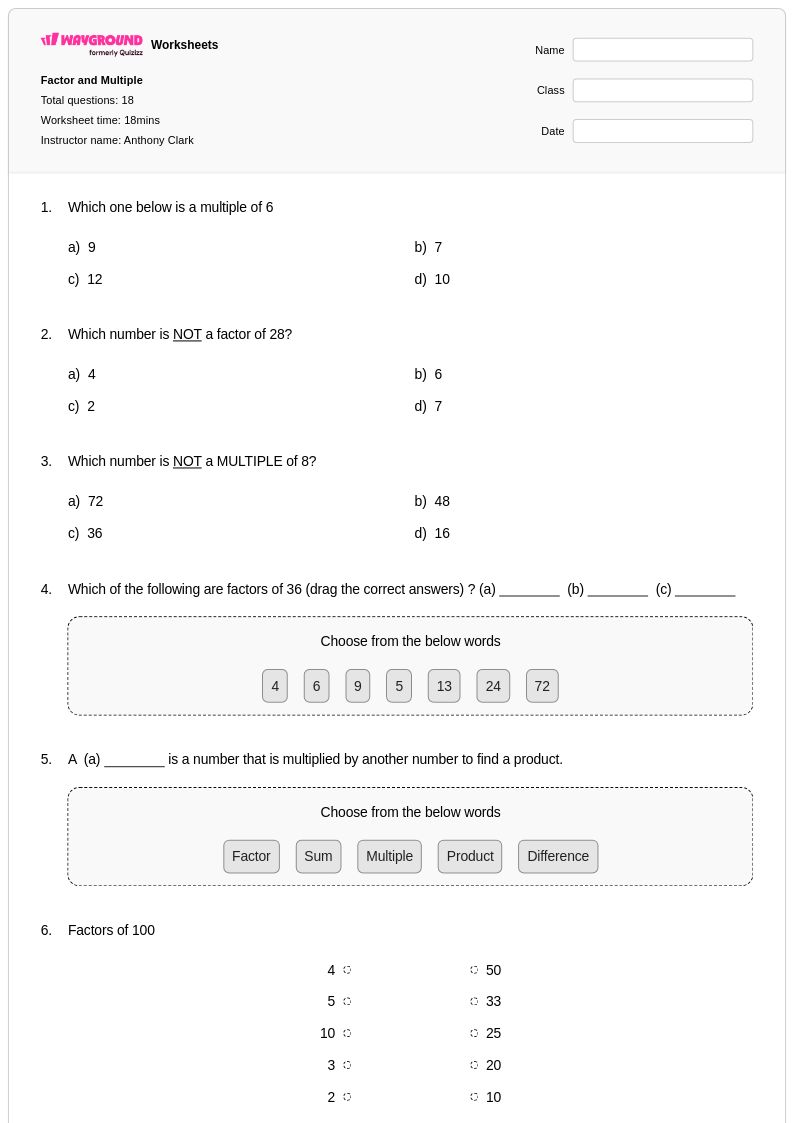
18 Q
4th - Uni
Explore Other Subject Worksheets for grade 5
Explore printable Letters and Numbers worksheets for Grade 5
Letters and Numbers worksheets for Grade 5 represent a crucial bridge between basic number recognition and advanced mathematical reasoning, helping students develop sophisticated number sense skills through symbolic representation and pattern recognition. These comprehensive worksheets from Wayground (formerly Quizizz) focus on strengthening students' ability to work with algebraic thinking concepts, including using letters as variables, understanding the relationship between numerical and alphabetical sequences, and solving problems that combine both number and letter patterns. The practice problems within these free printable resources challenge fifth-grade students to decode mathematical relationships, substitute values for letters in simple equations, and recognize patterns that involve both numerical and alphabetical elements, with each worksheet including a detailed answer key to support independent learning and self-assessment.
Wayground (formerly Quizizz) empowers educators with an extensive collection of teacher-created Letters and Numbers worksheets, drawing from millions of carefully curated resources that align with Grade 5 mathematics standards and developmental expectations. The platform's robust search and filtering capabilities allow teachers to quickly locate worksheets that target specific skill levels within number sense development, while built-in differentiation tools enable customization for diverse learning needs and abilities. Available in both printable PDF format and interactive digital versions, these worksheets serve multiple instructional purposes including initial skill introduction, targeted remediation for struggling learners, and enrichment opportunities for advanced students, making lesson planning more efficient while providing flexible options for homework assignments, center activities, and formative assessment practices.
FAQs
How do I teach letters and numbers in Grade 5 math?
What exercises help fifth graders practice letters and numbers?
What errors should I watch for when fifth graders use variables?
How can I use a Grade 5 Letters and Numbers worksheet?
How does Grade 5 letters-and-numbers work align with Common Core math?
How can I support mixed-ability students with a Grade 5 Letters and Numbers worksheet?
What grade level is appropriate for letters-and-numbers worksheets?