
11 Q
4th
9 Q
3rd
12 Q
6th - Uni
17 Q
8th
13 Q
8th
10 Q
6th
15 Q
6th - 8th
20 Q
8th
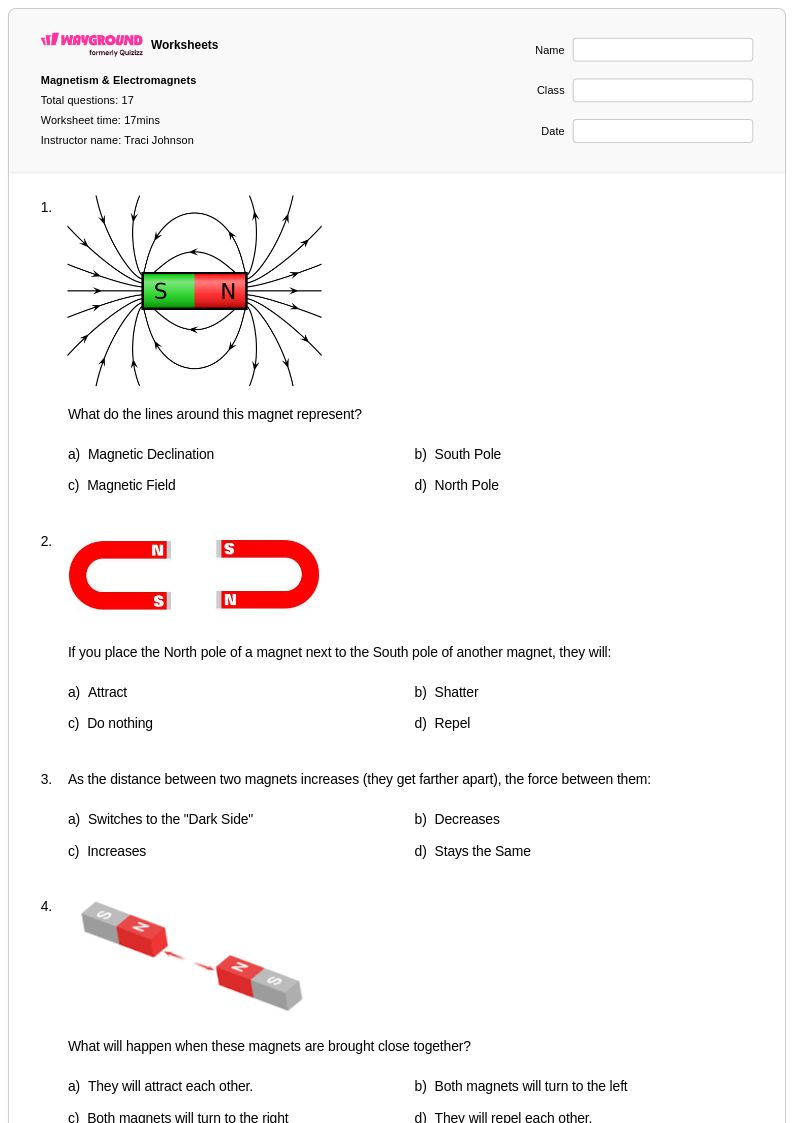
17 Q
6th - 8th
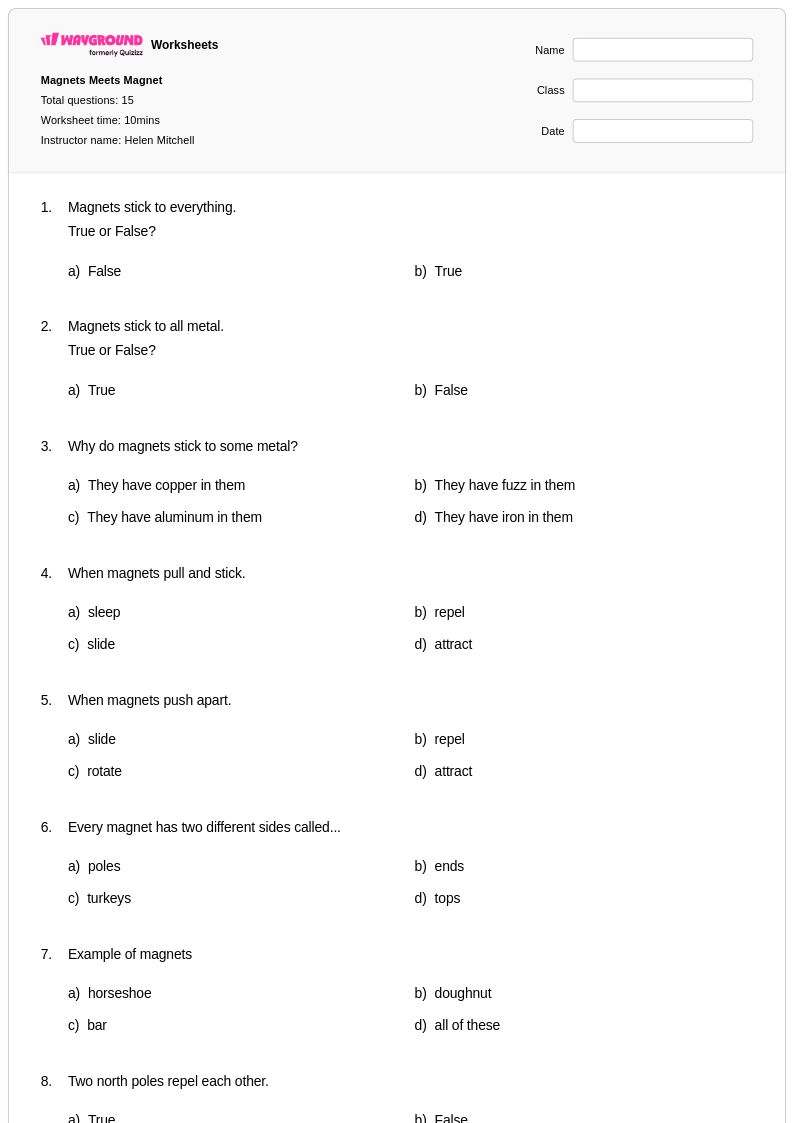
15 Q
4th
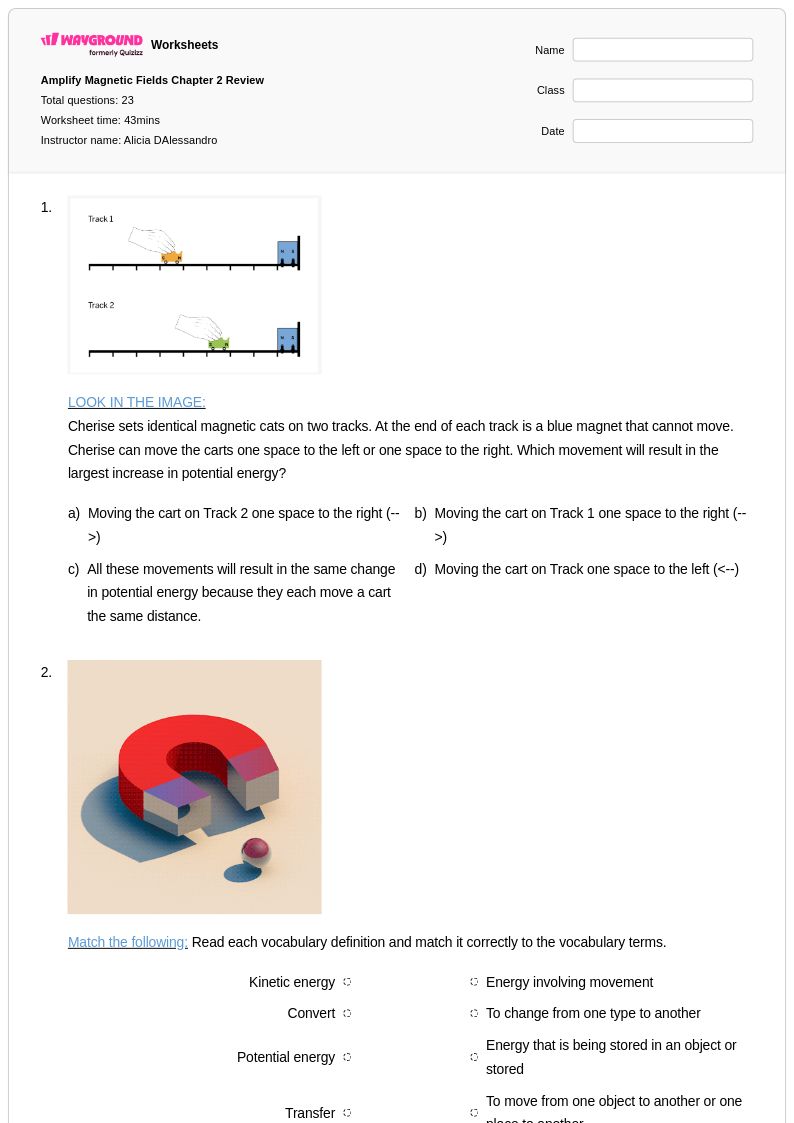
23 Q
8th
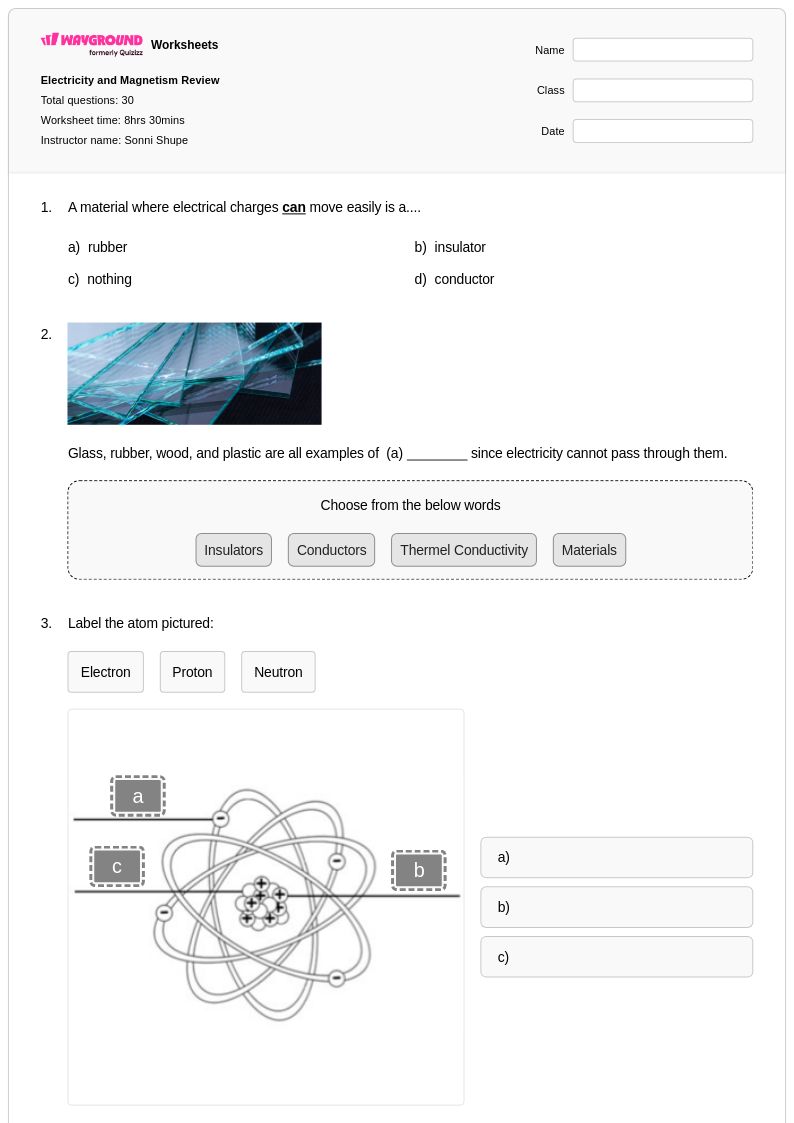
38 Q
8th
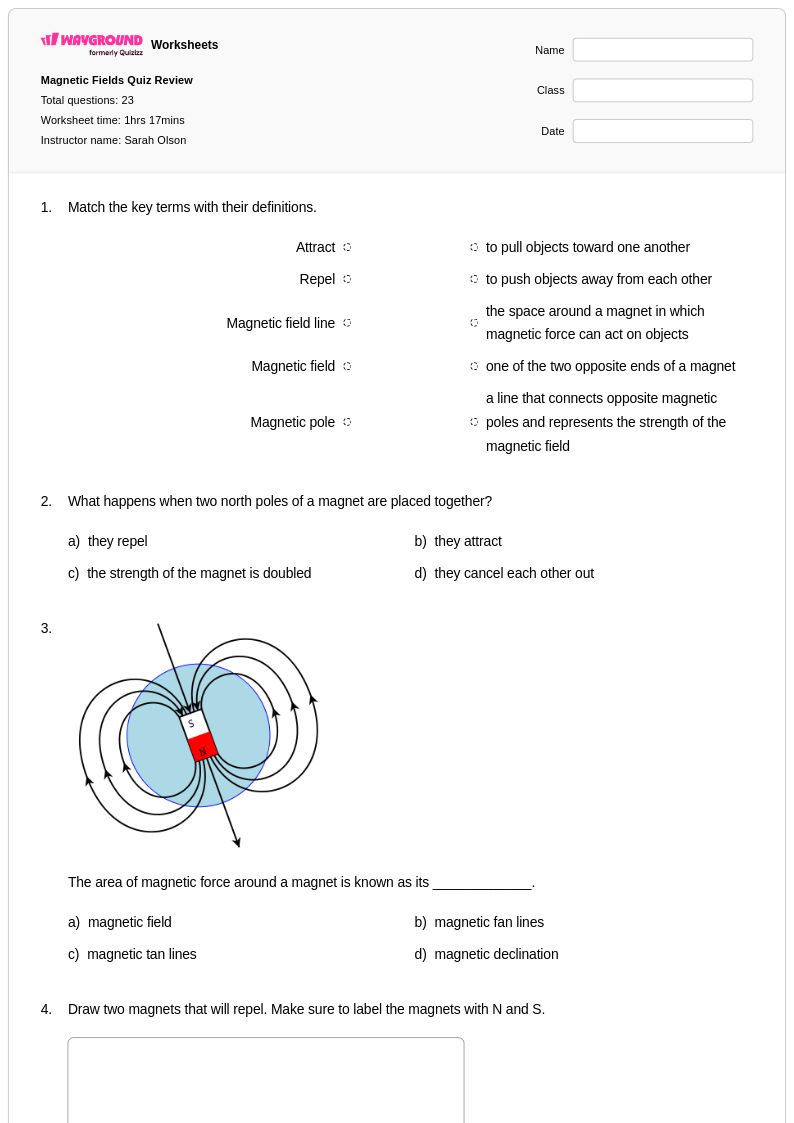
23 Q
8th
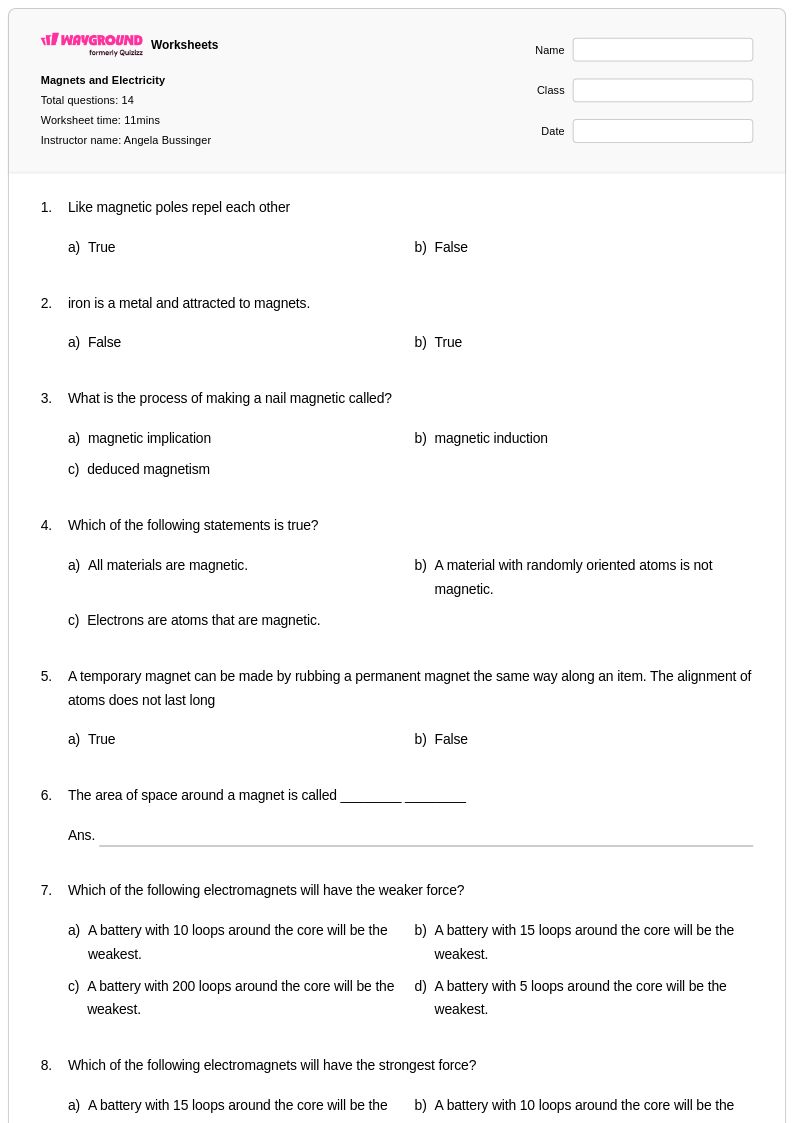
14 Q
7th
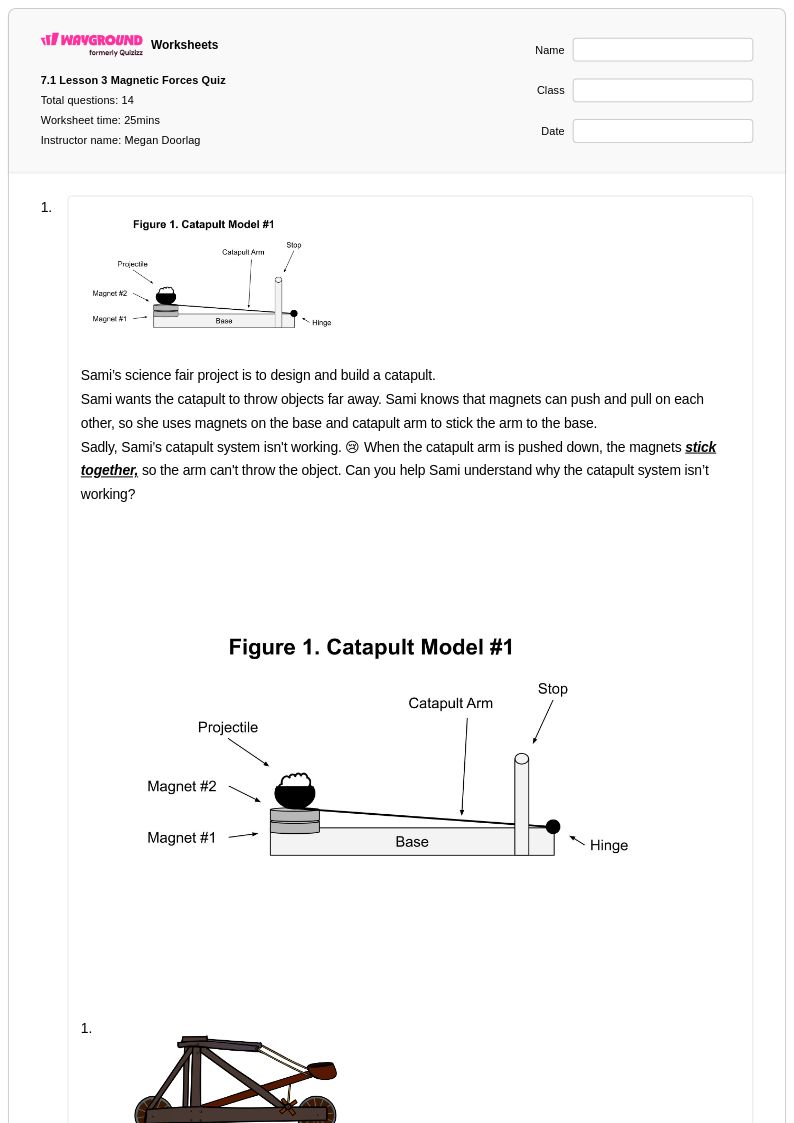
19 Q
6th - 8th
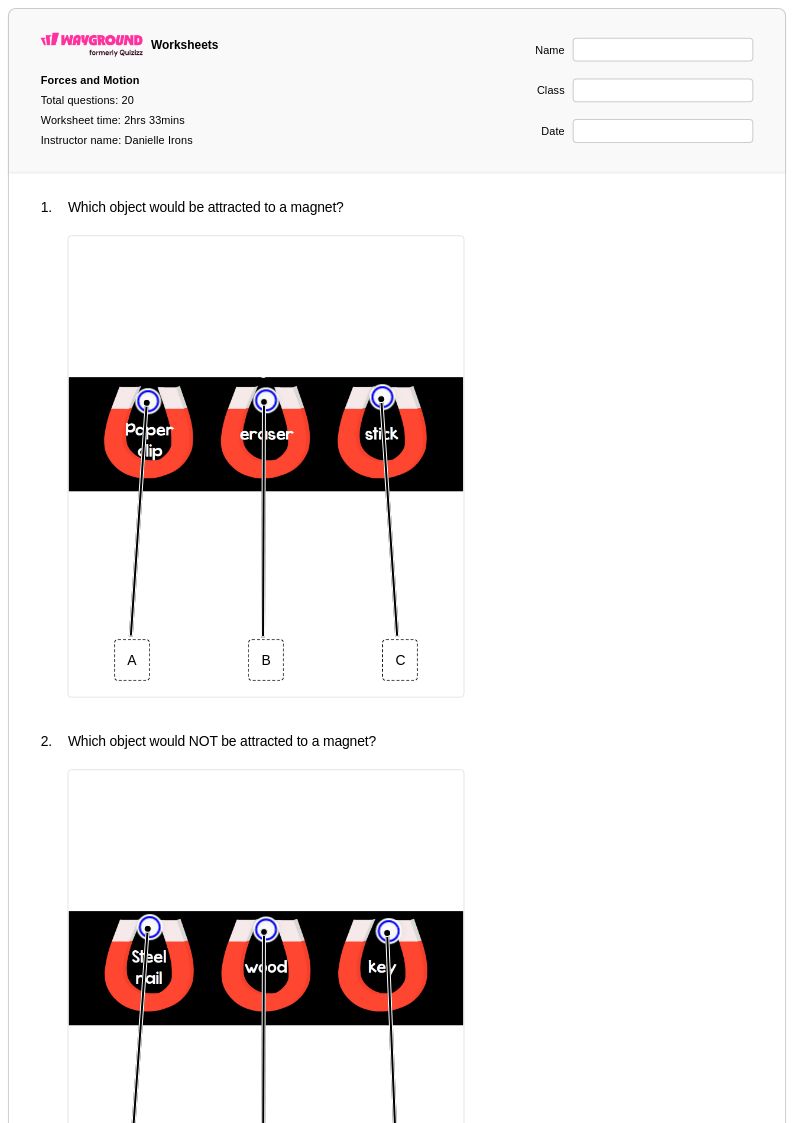
20 Q
5th
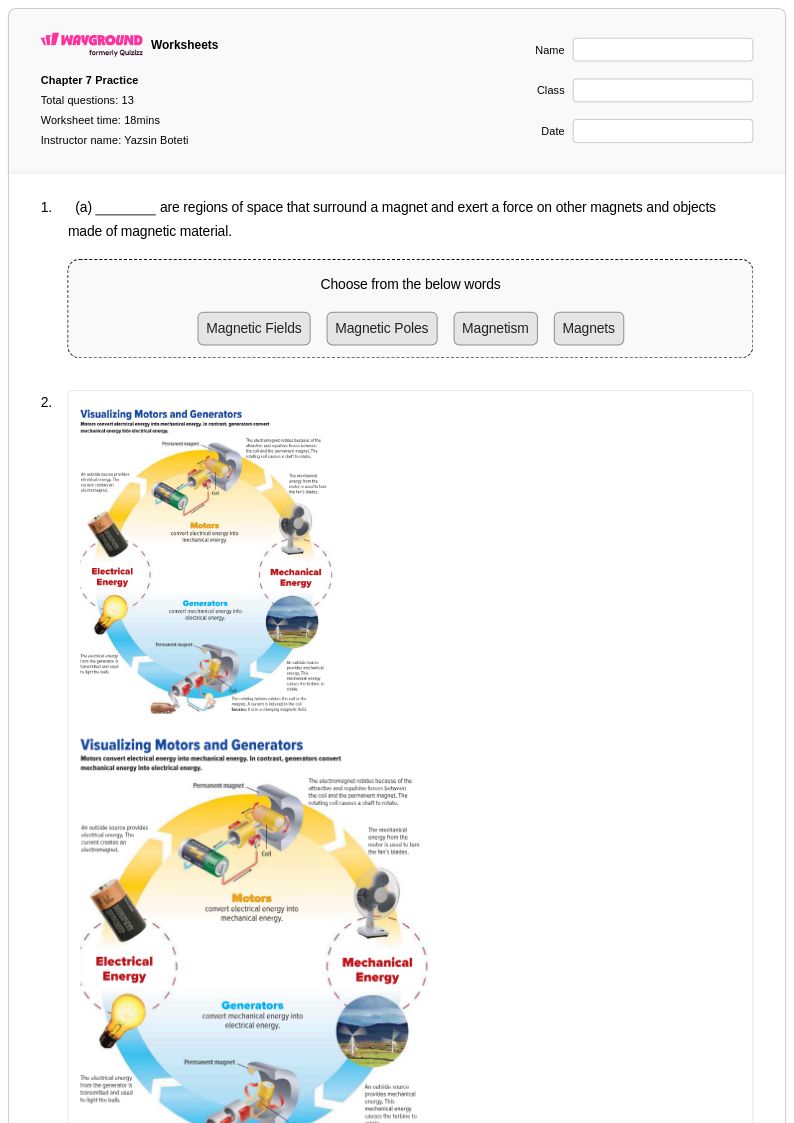
16 Q
8th
50 Q
8th
101 Q
8th
9 Q
6th - 8th
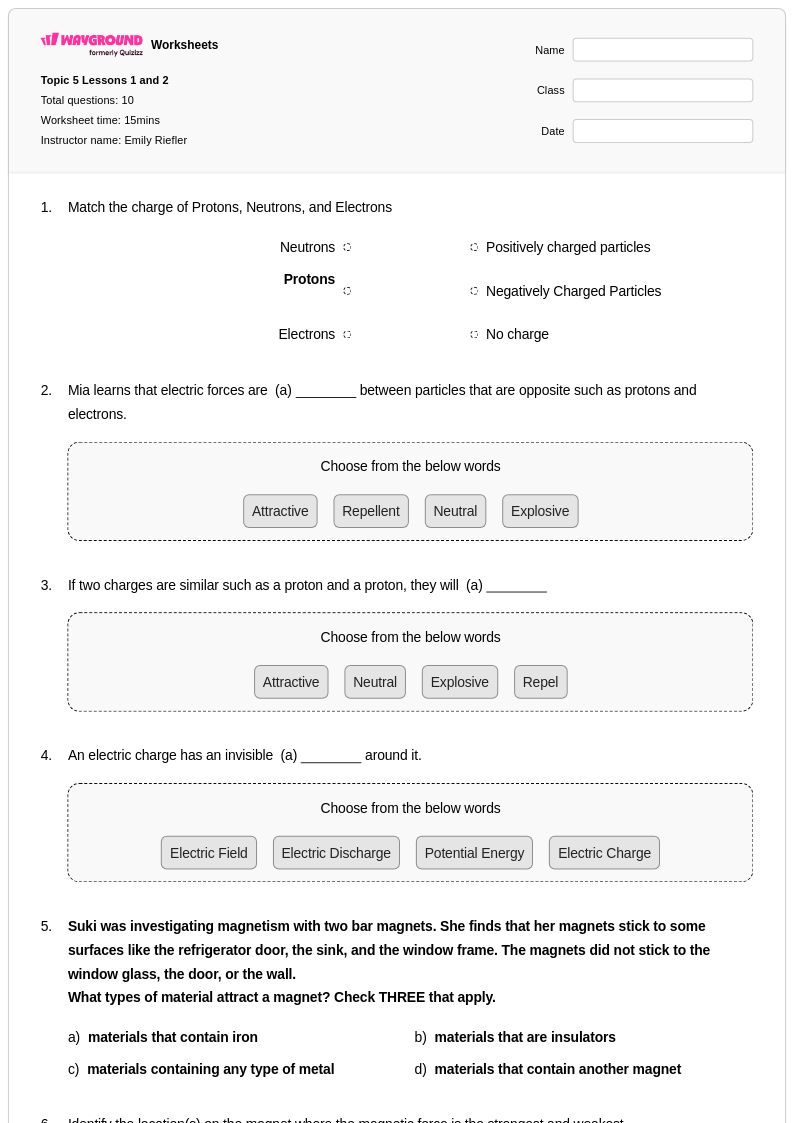
10 Q
8th
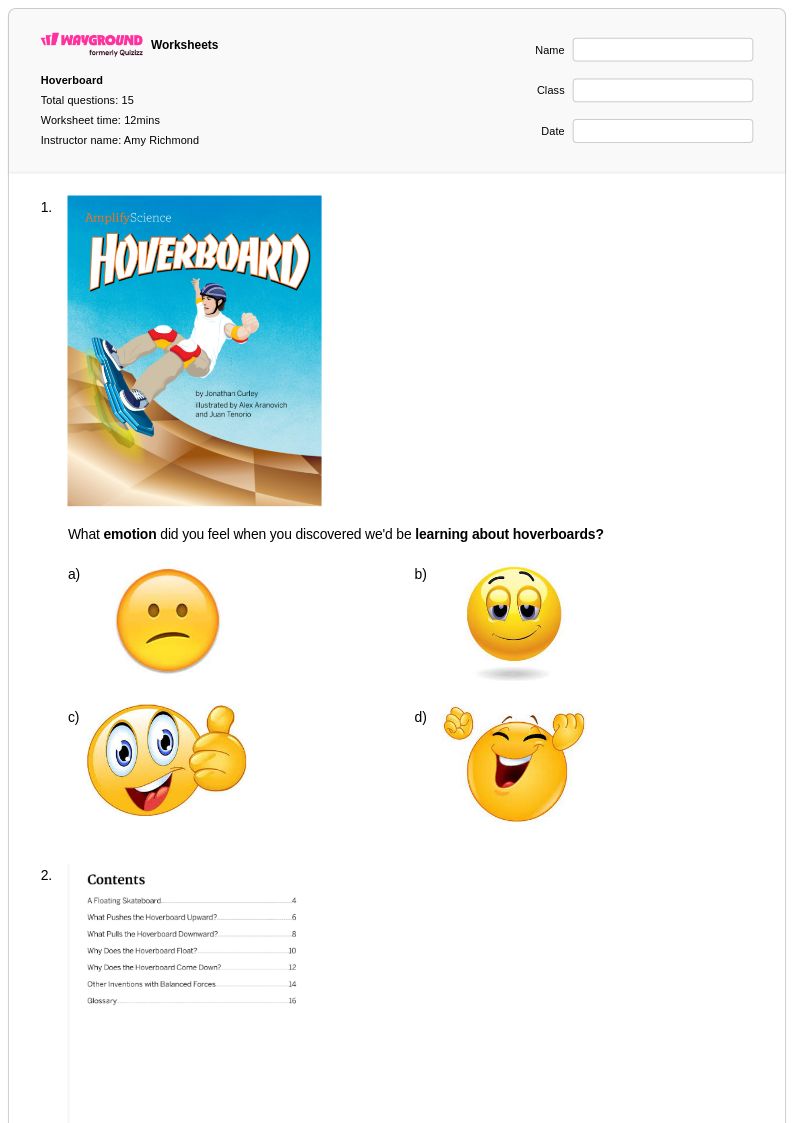
15 Q
3rd
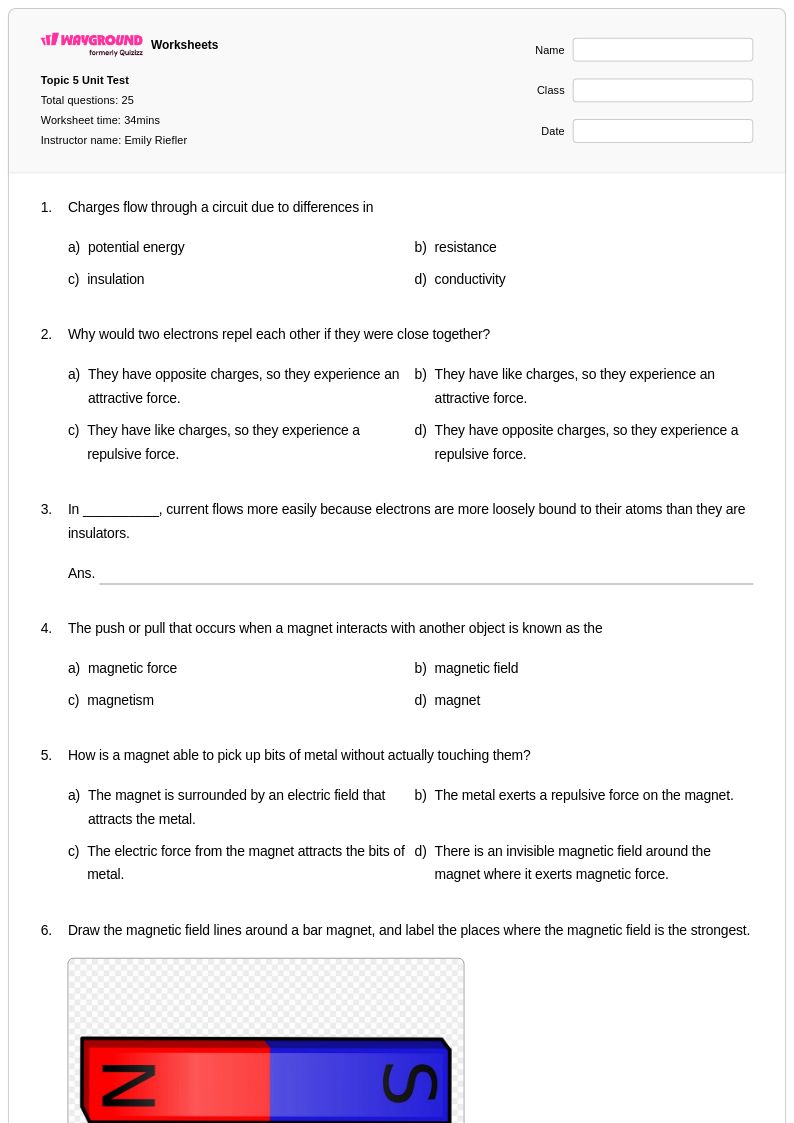
25 Q
8th
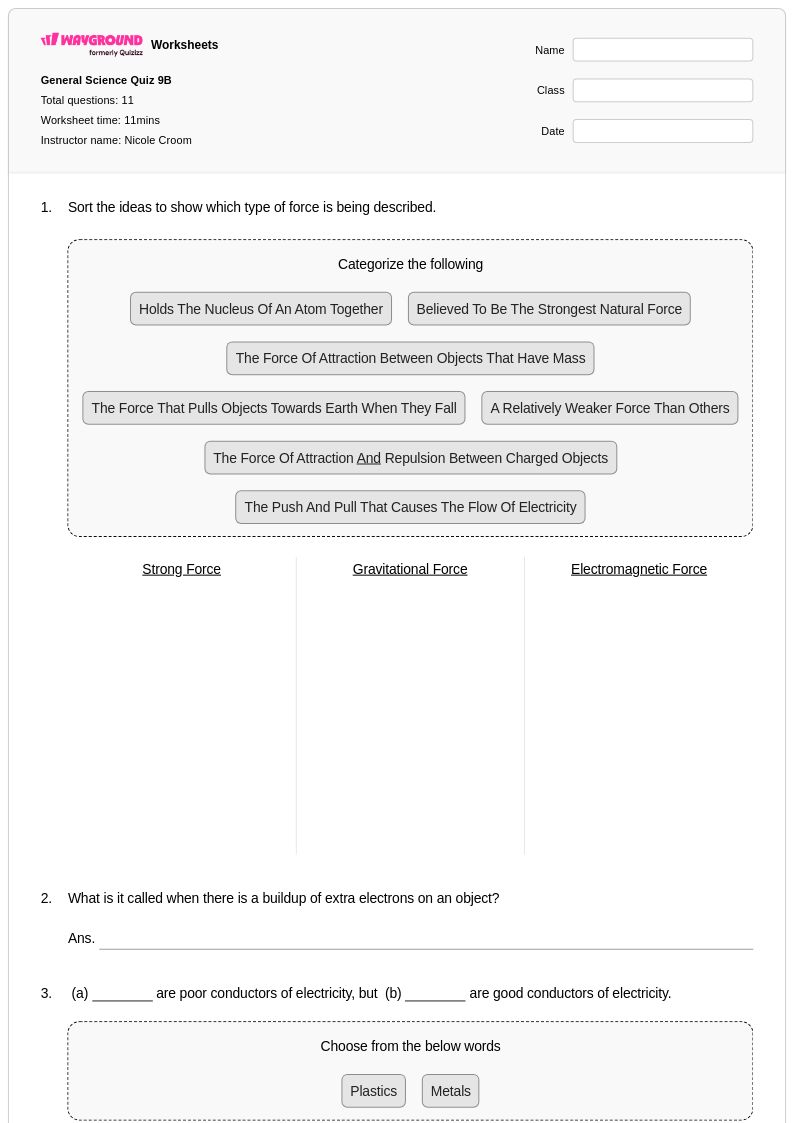
11 Q
8th
Explore Other Subject Worksheets for kindergarten
Explore printable Magnets worksheets for Kindergarten
Kindergarten magnets worksheets available through Wayground (formerly Quizizz) introduce young learners to the fascinating world of magnetic forces through age-appropriate, hands-on learning experiences. These educational resources focus on developing foundational scientific observation skills as students explore how magnets attract and repel different materials, identify magnetic versus non-magnetic objects, and discover the invisible forces that make magnets work. The comprehensive collection includes practice problems that encourage students to predict outcomes, sorting activities that strengthen classification abilities, and interactive exercises that build early scientific vocabulary. Teachers can access complete answer keys and free printables that support structured learning while maintaining the wonder and curiosity that makes kindergarten science exploration so engaging.
Wayground (formerly Quizizz) empowers educators with millions of teacher-created resources specifically designed for kindergarten magnets instruction, offering robust search and filtering capabilities that help locate materials perfectly suited to individual classroom needs. The platform's differentiation tools enable teachers to customize worksheets for varying skill levels within their kindergarten classrooms, while standards alignment ensures that magnet activities support broader early childhood science learning objectives. These flexible resources are available in both printable pdf formats for hands-on manipulation and digital formats for interactive learning experiences, making them invaluable for lesson planning, skill remediation, and enrichment activities. The extensive collection allows teachers to seamlessly integrate magnet exploration into daily science practice, supporting students as they develop critical thinking skills and build confidence in their ability to observe, question, and understand the scientific world around them.
FAQs
How do I teach magnets to elementary and middle school students?
What exercises help students practice understanding magnetic forces and properties?
What mistakes do students commonly make when learning about magnets?
How can I use magnet worksheets to support different learners in my classroom?
How do I use Wayground's magnet worksheets in my classroom?