
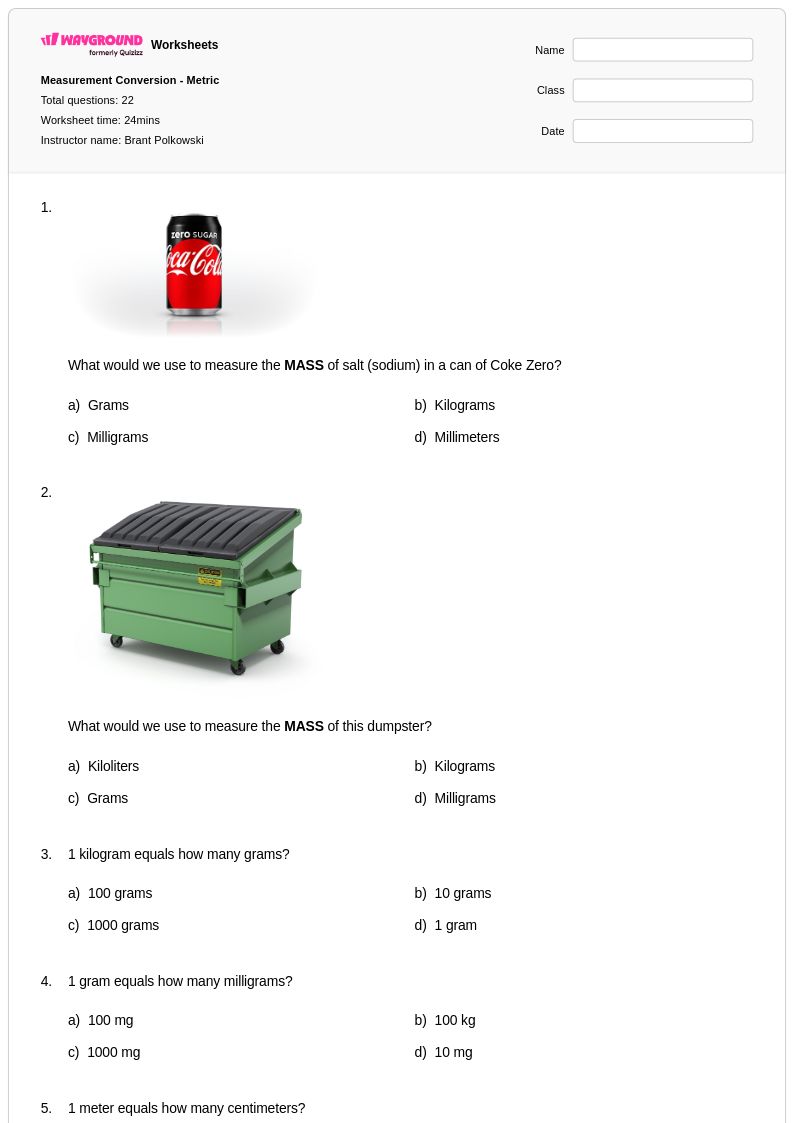
22 Q
4th
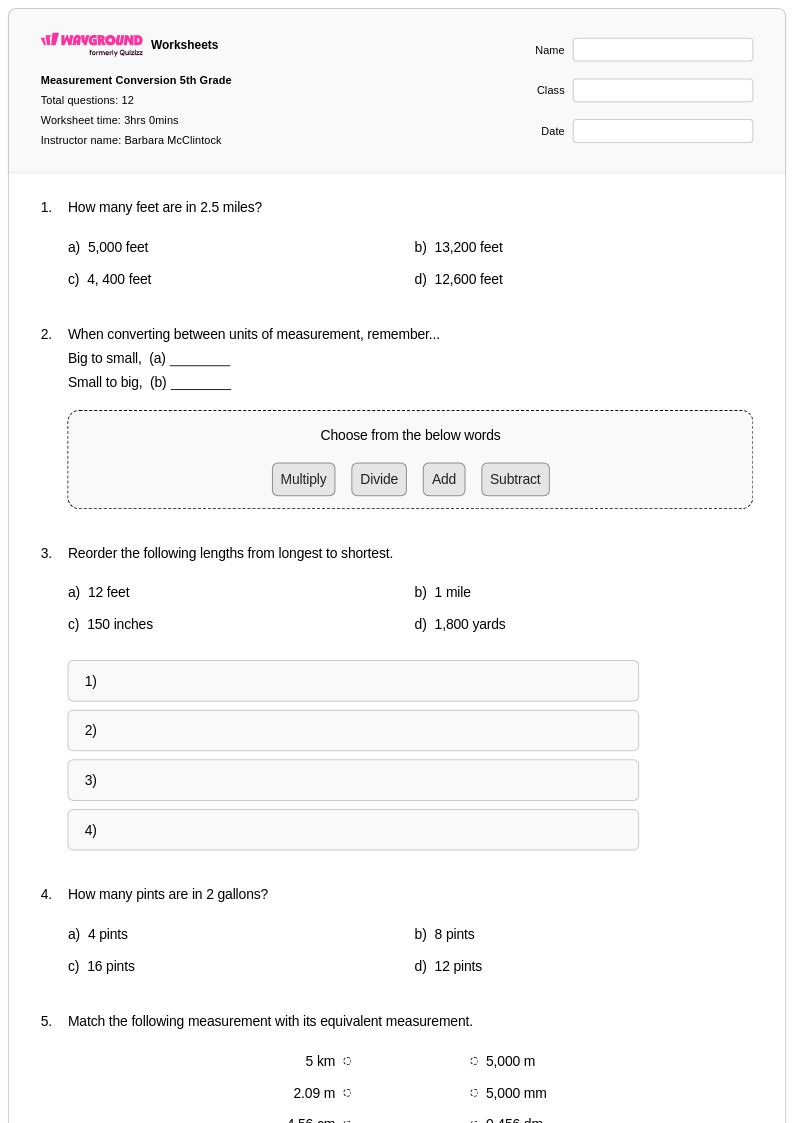
12 Q
5th
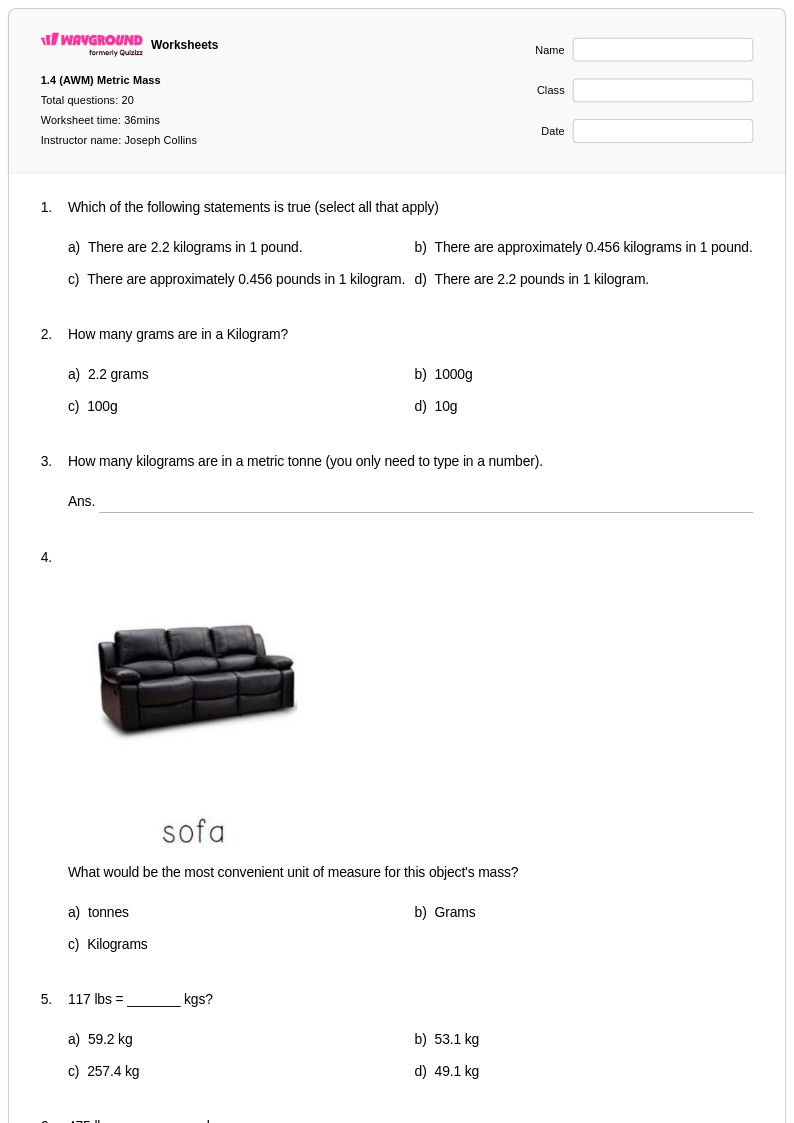
20 Q
12th
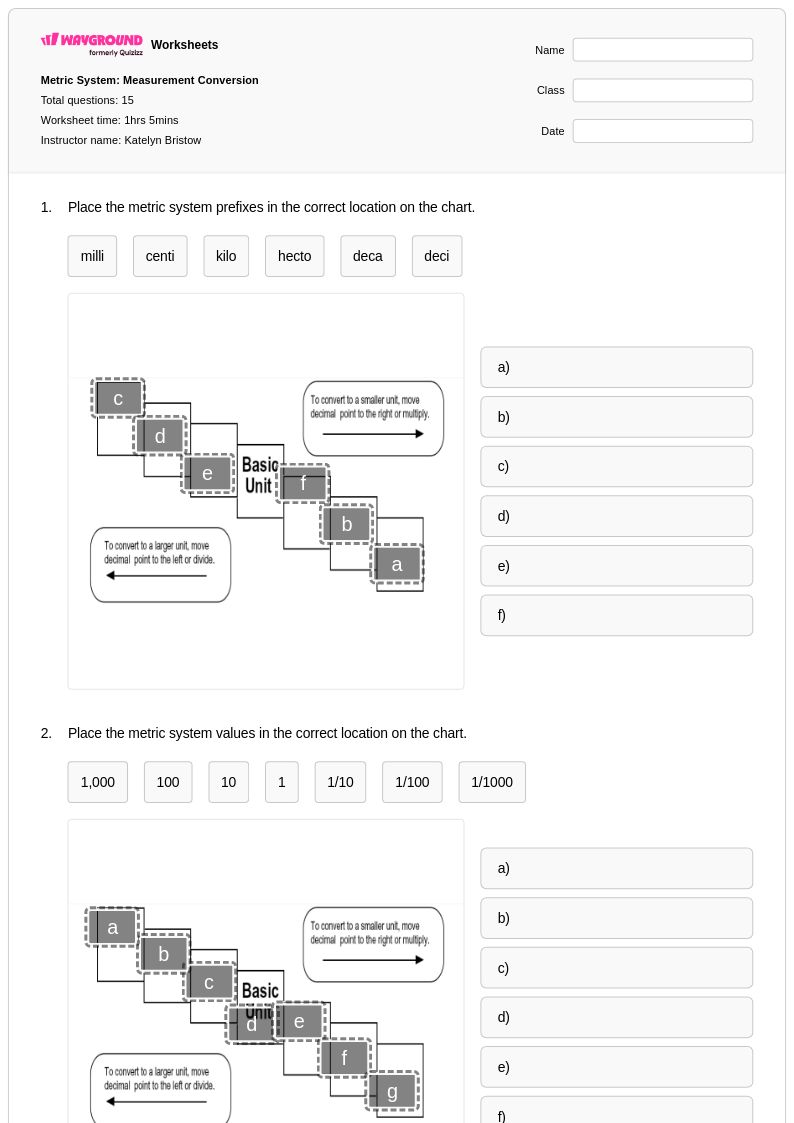
15 Q
5th
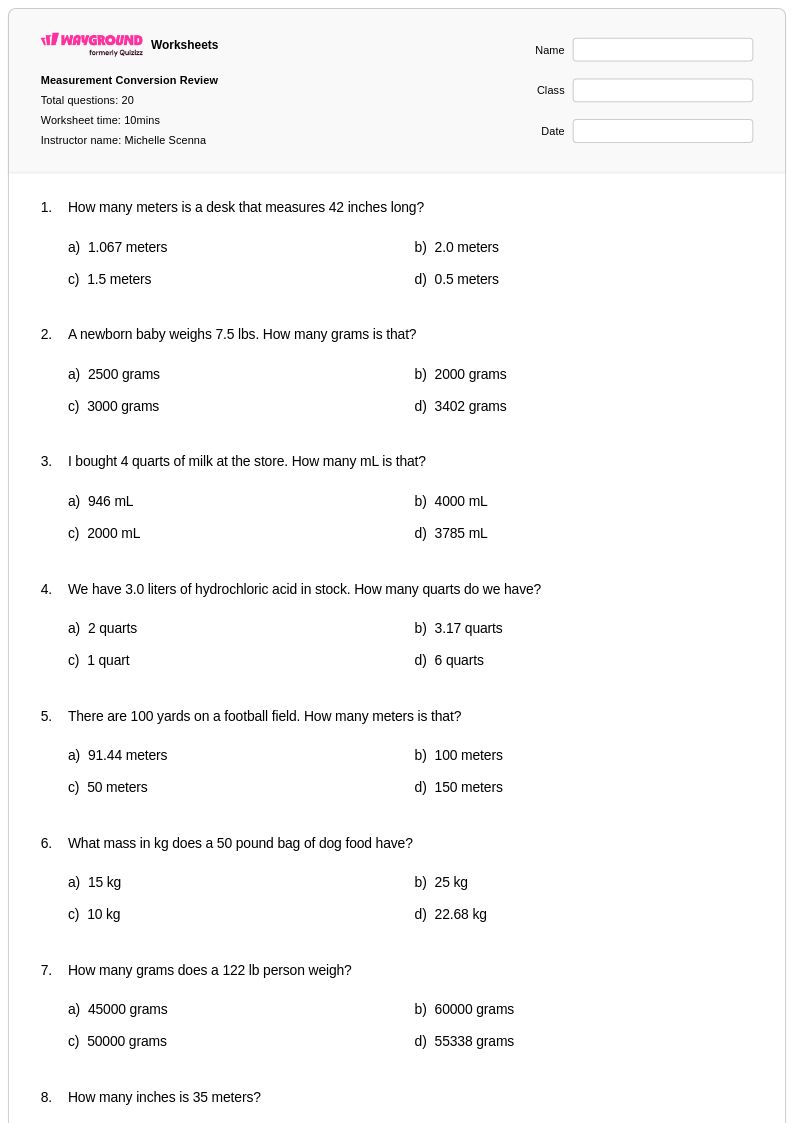
20 Q
10th
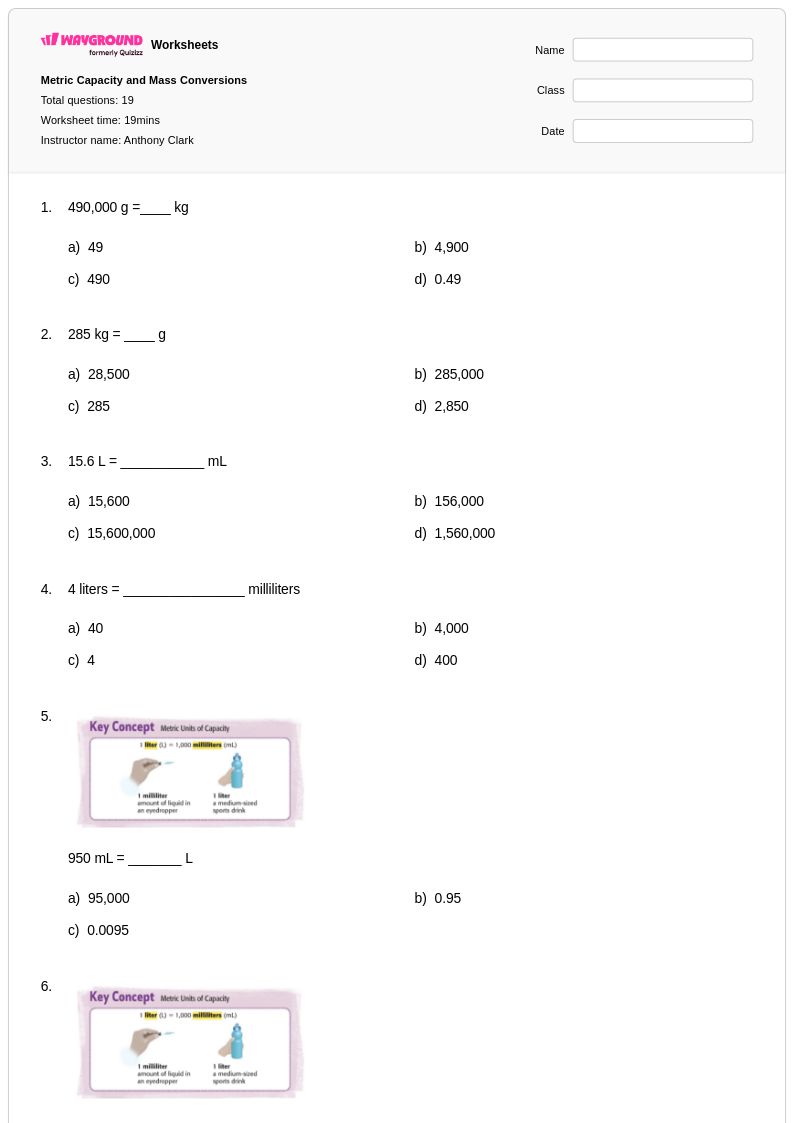
19 Q
5th - Uni
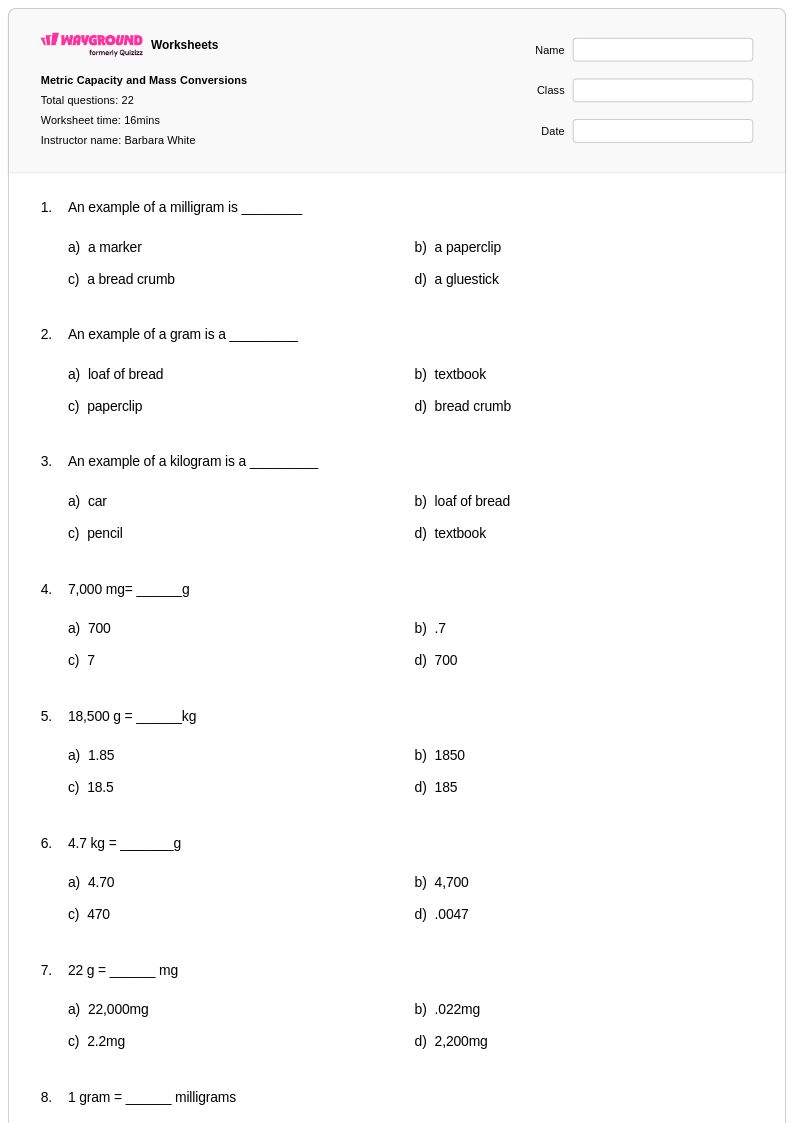
22 Q
4th
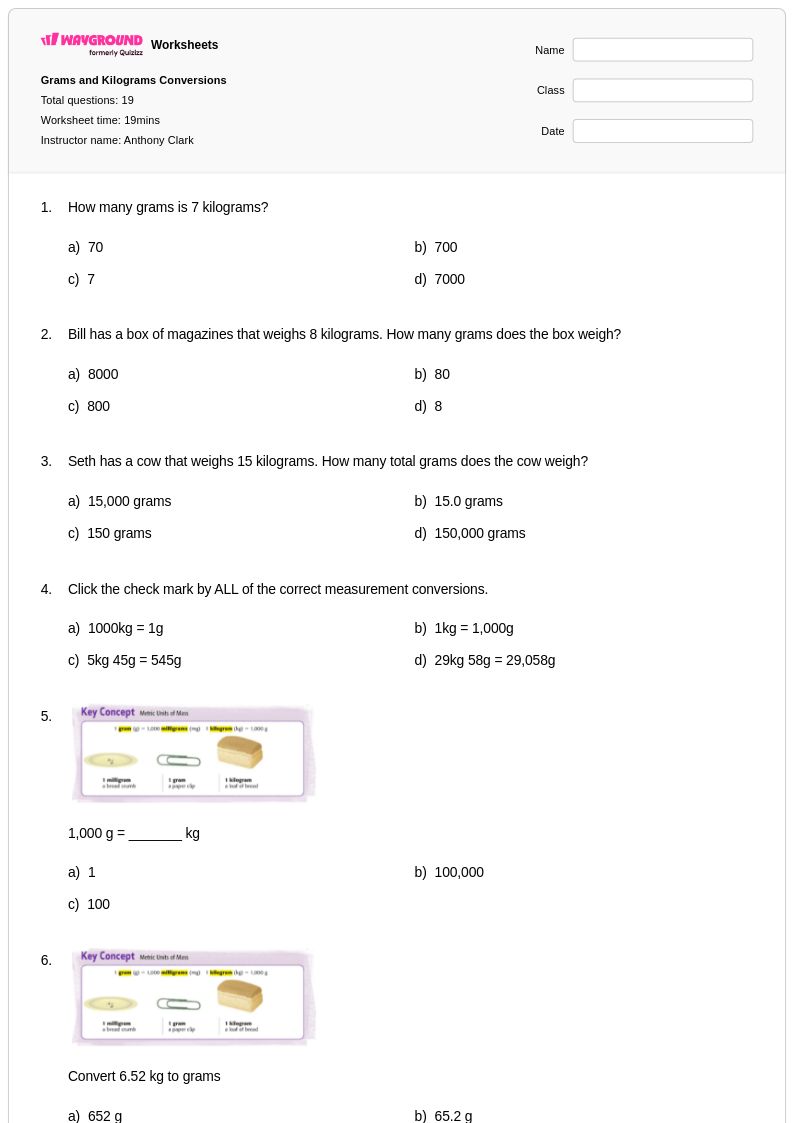
19 Q
4th - Uni
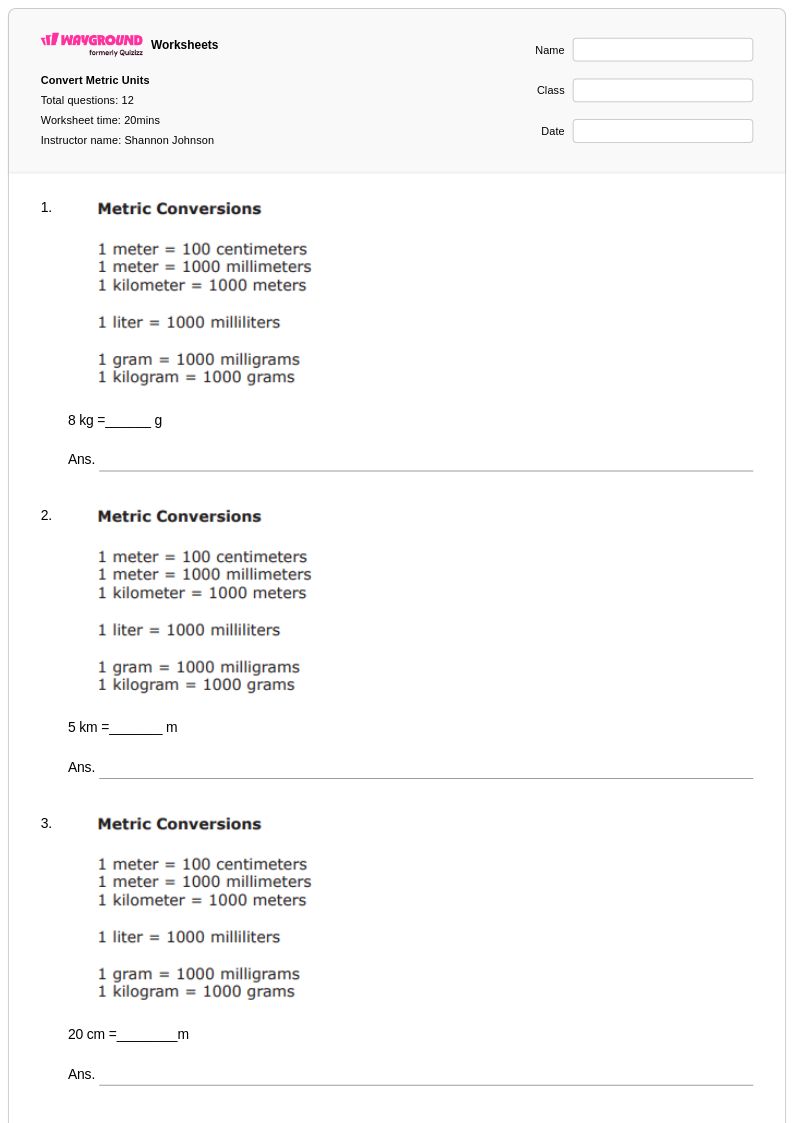
12 Q
5th
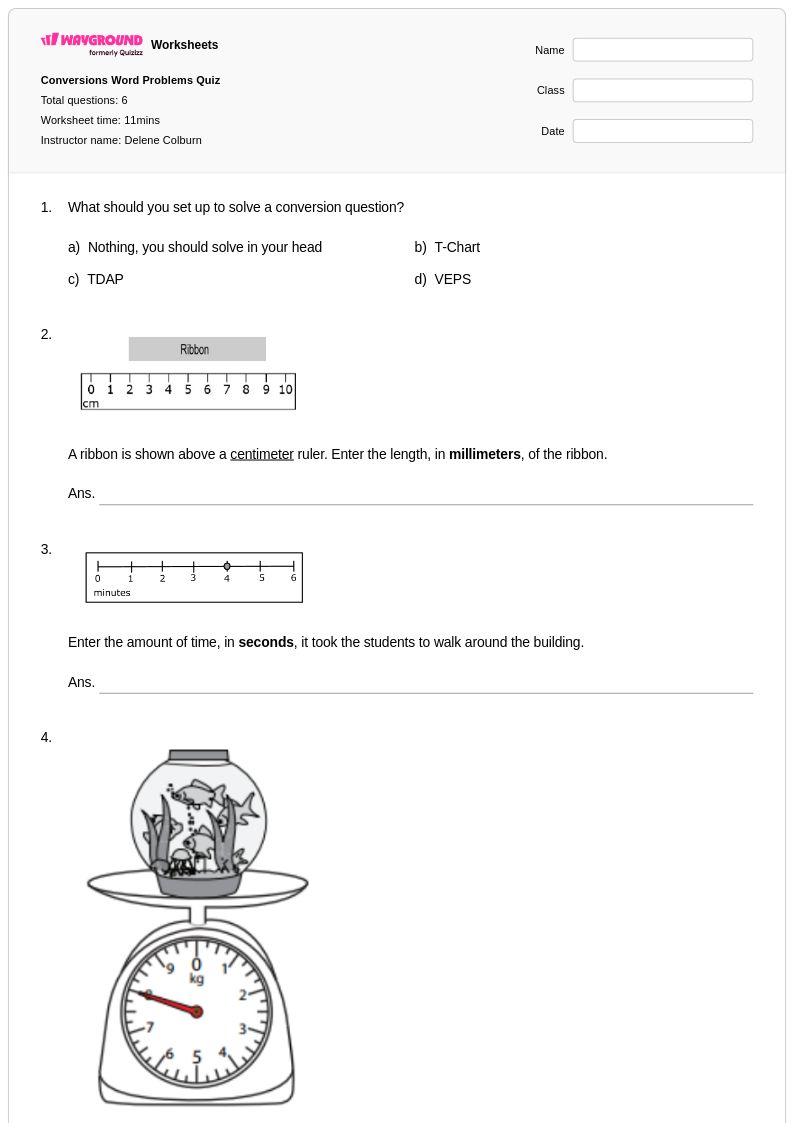
6 Q
4th
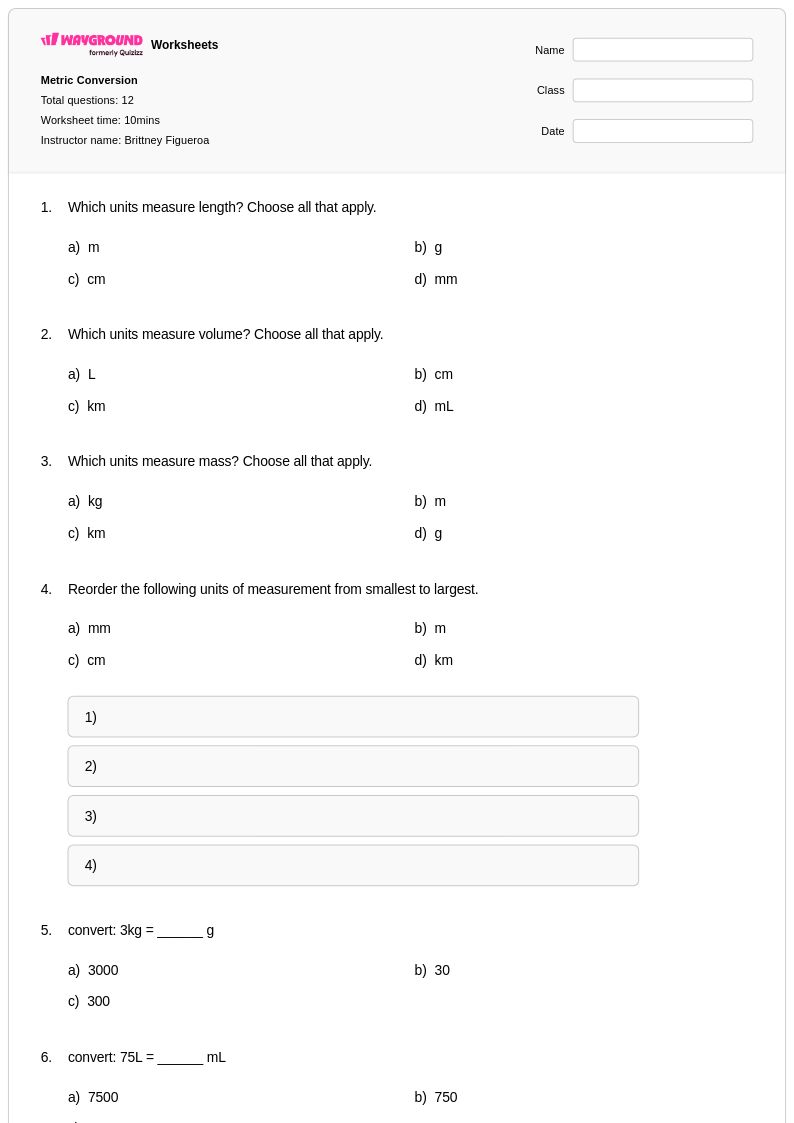
12 Q
4th
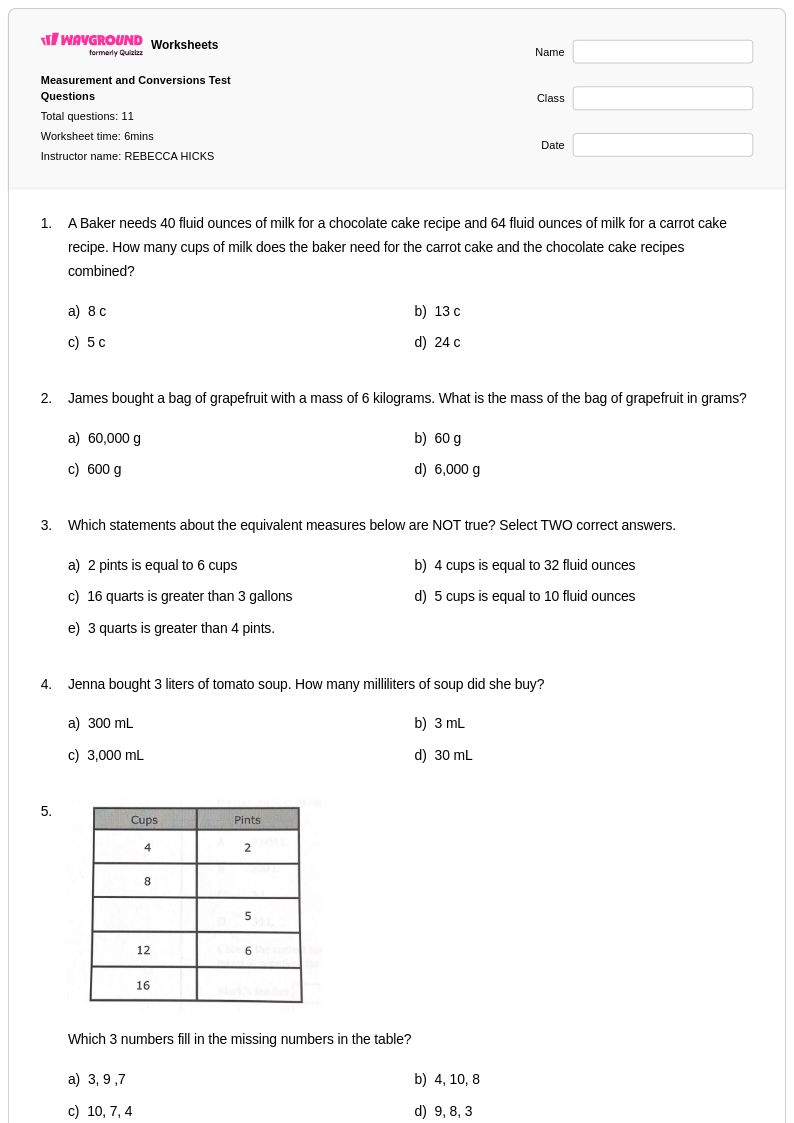
11 Q
4th
10 Q
4th
20 Q
5th
10 Q
4th
10 Q
5th
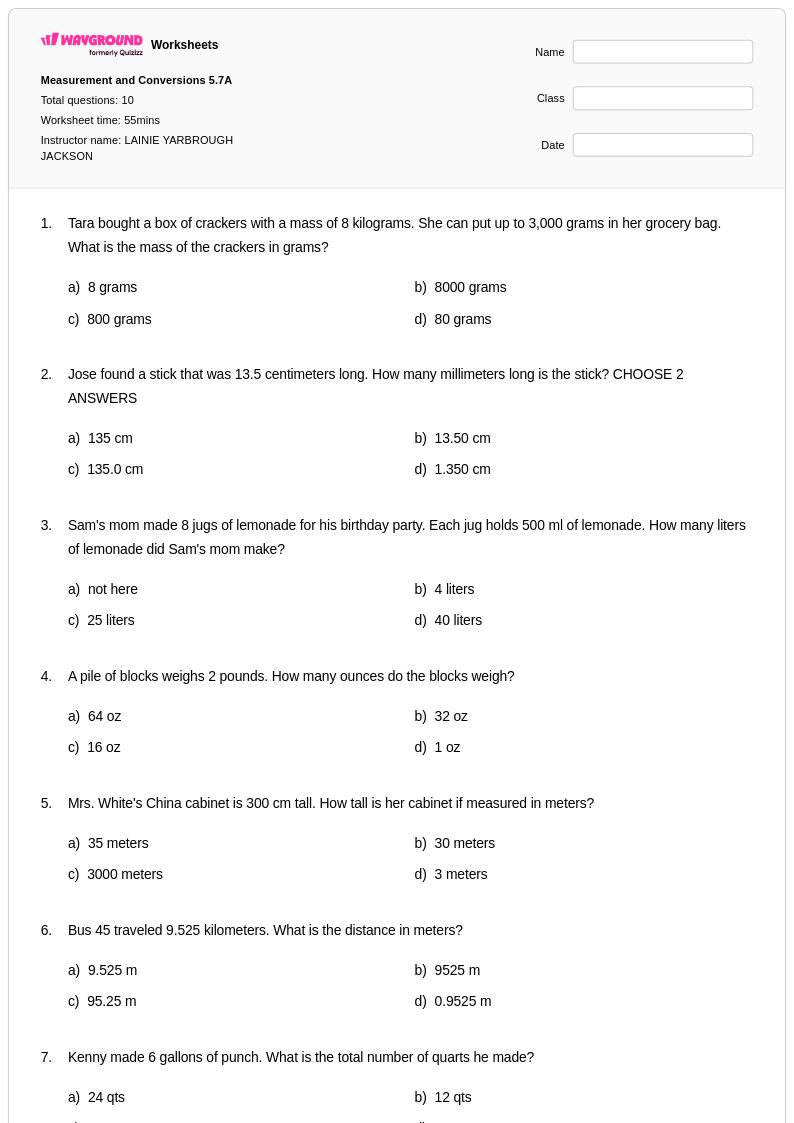
10 Q
5th
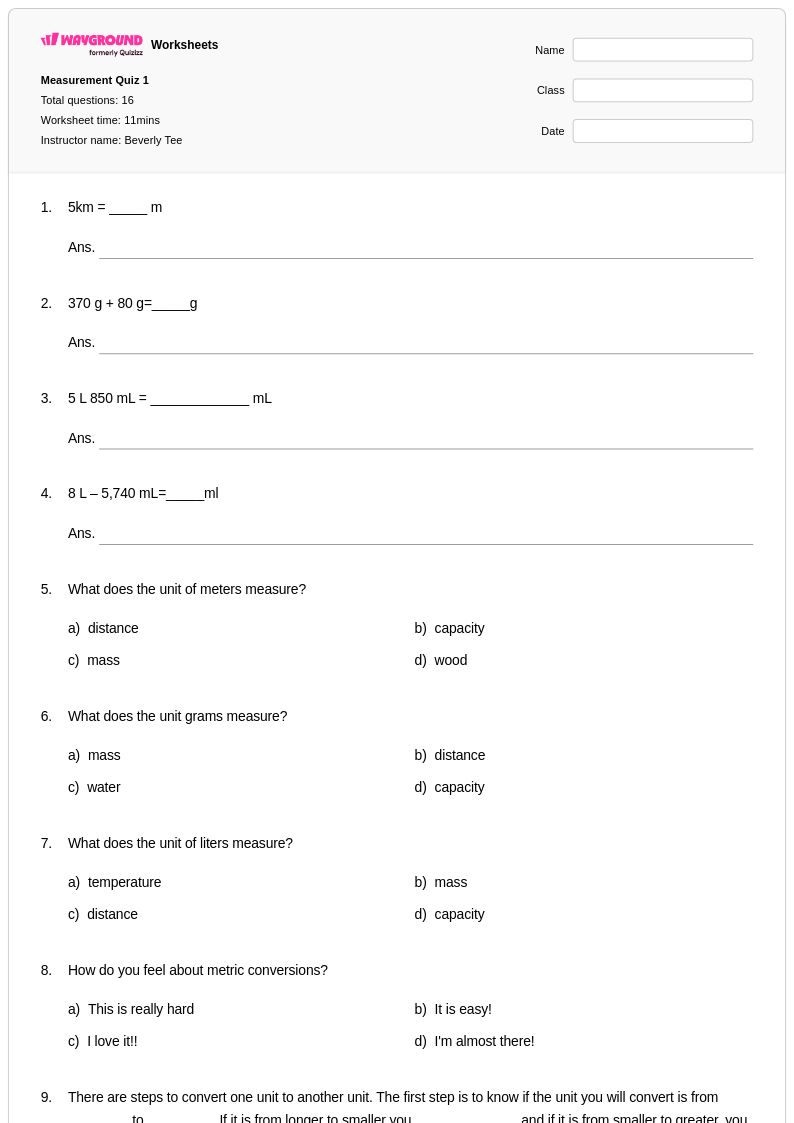
16 Q
5th
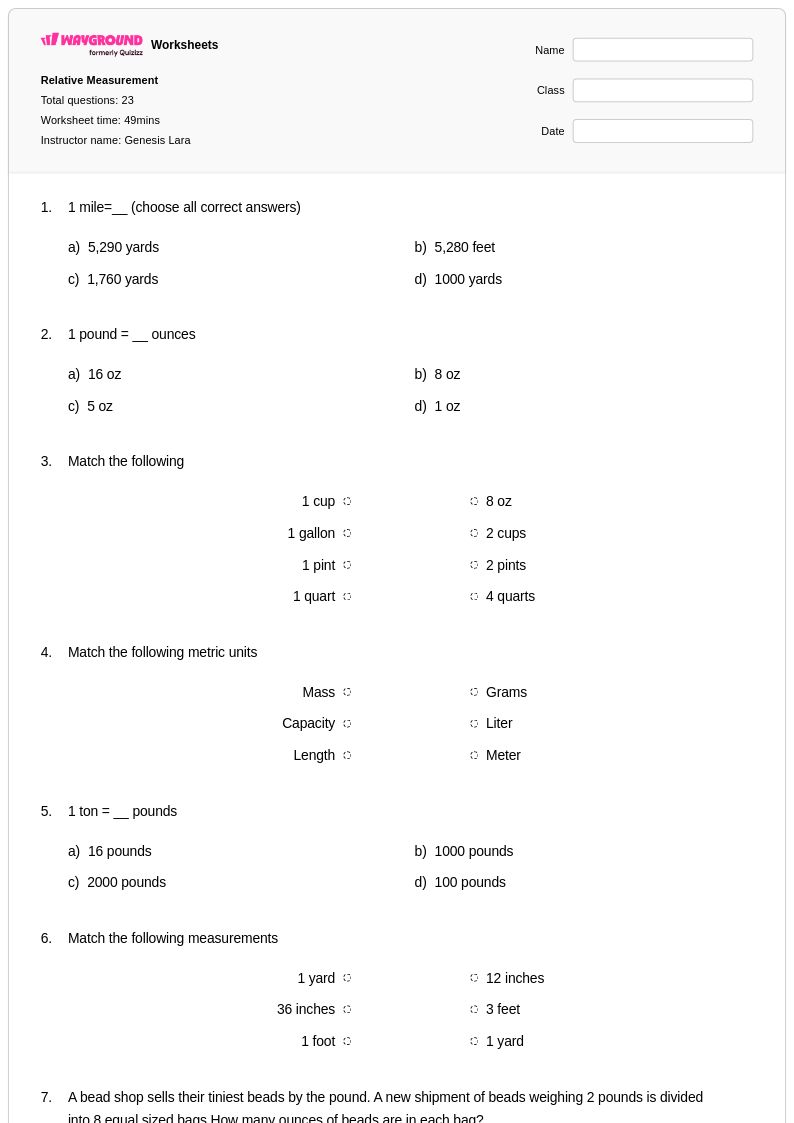
23 Q
4th
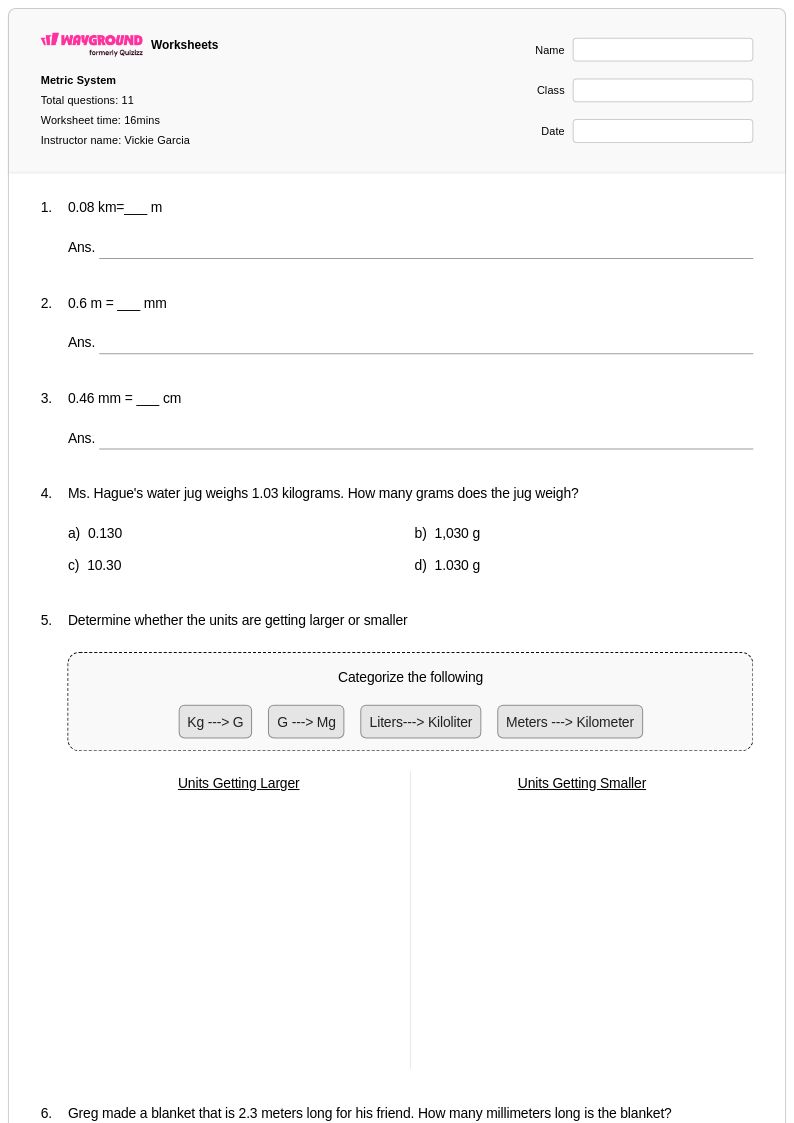
11 Q
5th
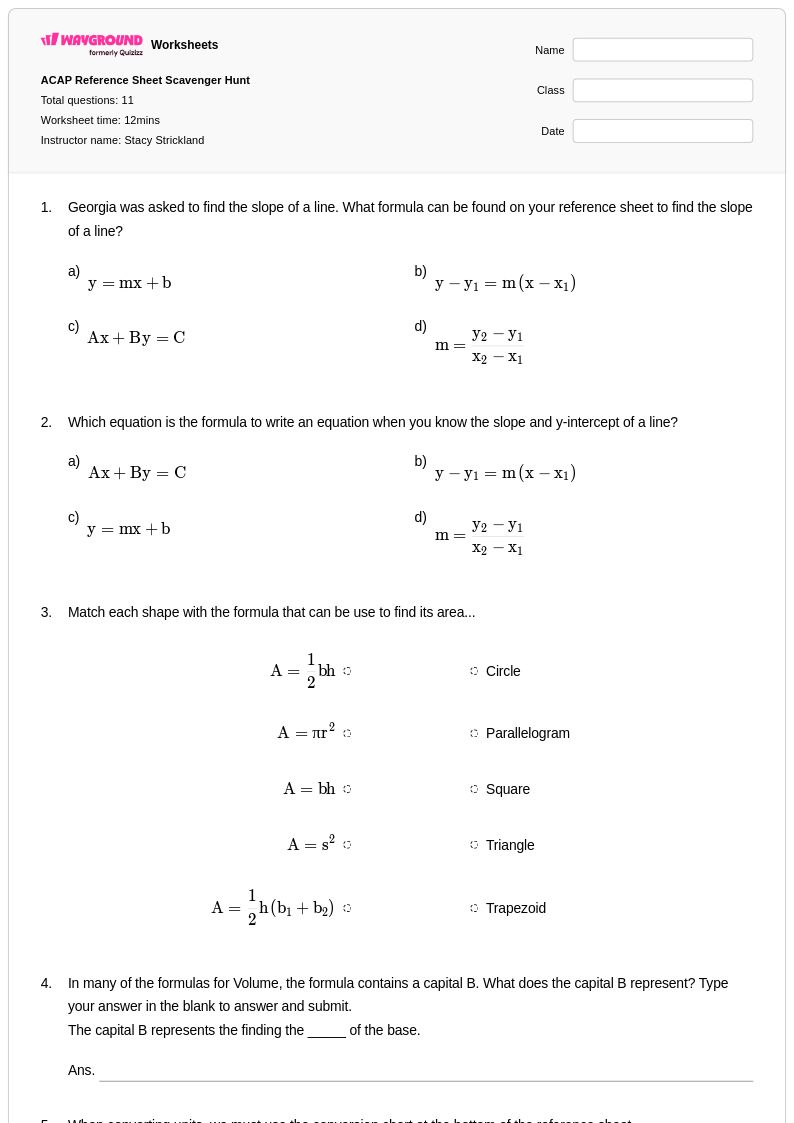
11 Q
8th
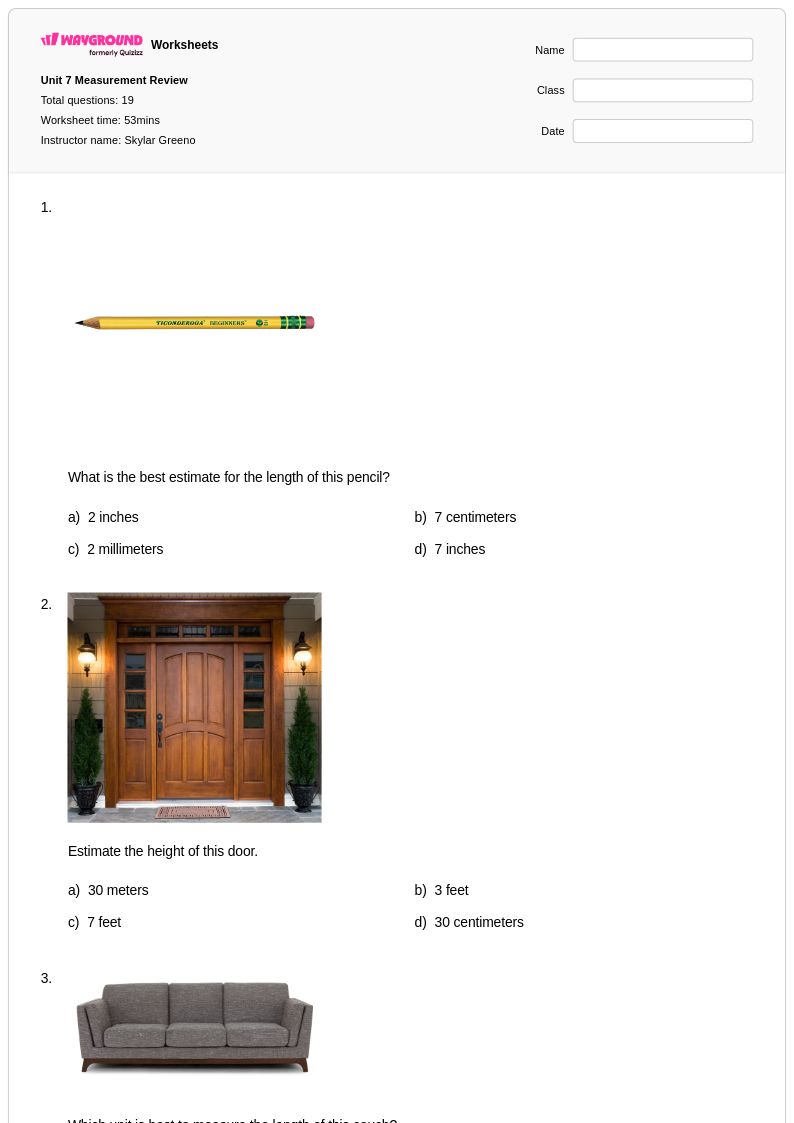
19 Q
4th
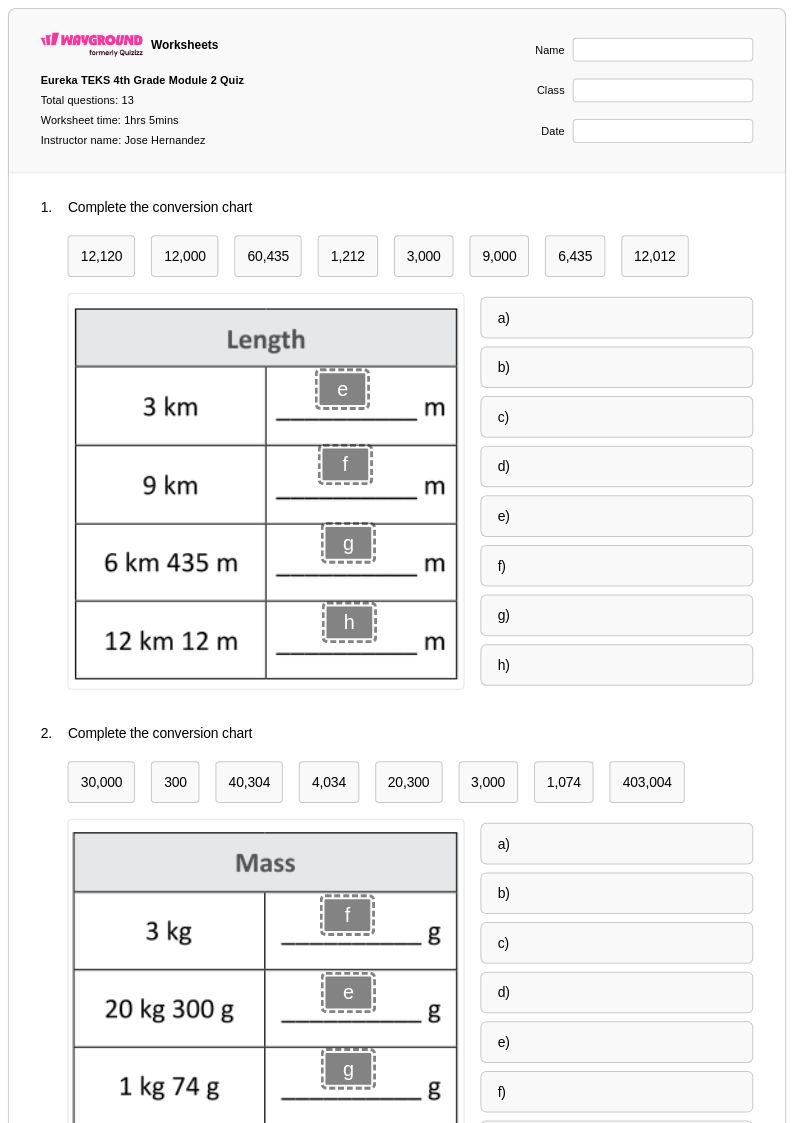
13 Q
4th
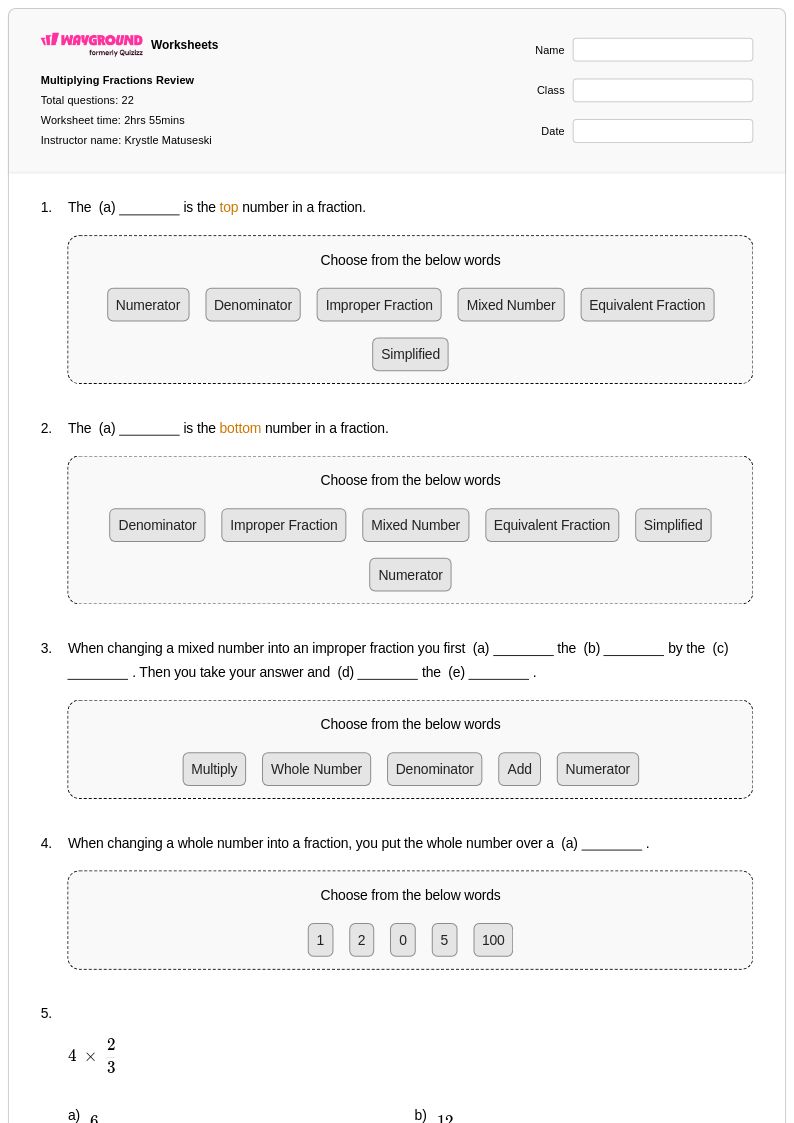
22 Q
6th
Explore Other Subject Worksheets for kindergarten
Explore printable Mass Conversion worksheets for Kindergarten
Mass conversion worksheets for kindergarten students available through Wayground (formerly Quizizz) introduce young learners to fundamental measurement concepts through age-appropriate comparison activities. These educational resources help kindergarteners develop essential skills in recognizing relative mass differences between objects, using descriptive language like heavier, lighter, and equal, and making basic comparisons through hands-on exploration. The practice problems typically feature familiar objects that children can relate to, such as comparing a feather to a rock or a book to a pencil, allowing students to build foundational understanding of mass concepts before formal measurement units are introduced. Teachers can access these free printables with comprehensive answer keys that support consistent instruction and assessment, while the pdf format ensures easy distribution and reproducibility for classroom or home use.
Wayground (formerly Quizizz) empowers educators with an extensive collection of teacher-created mass conversion resources specifically designed for kindergarten-level instruction, drawing from millions of high-quality educational materials that have been developed and refined by classroom professionals. The platform's robust search and filtering capabilities allow teachers to quickly locate worksheets that align with specific learning objectives and developmental standards, while built-in differentiation tools enable customization to meet diverse student needs within the same classroom. These versatile resources are available in both printable and digital formats, including downloadable pdf versions that facilitate seamless integration into lesson planning, targeted remediation for struggling learners, and enrichment opportunities for advanced students. The comprehensive nature of these collections supports teachers in creating systematic skill practice opportunities that build upon kindergarten students' natural curiosity about the physical properties of objects in their environment.
FAQs
What do kindergarteners learn about mass?
How do I introduce the concept of mass to kindergarteners?
What activities help kindergarteners practice comparing mass?
How can I assess a kindergartener's understanding of 'heavier' and 'lighter'?
How can I use this worksheet with my kindergarten class?
How does comparing mass in kindergarten connect to the math curriculum?