Free Printable Mood Regulation Worksheets for Grade 9
Grade 9 mood regulation worksheets from Wayground help students develop essential emotional self-control skills through engaging printable activities, free practice problems, and comprehensive answer keys in convenient PDF format.
Explore printable Mood Regulation worksheets for Grade 9
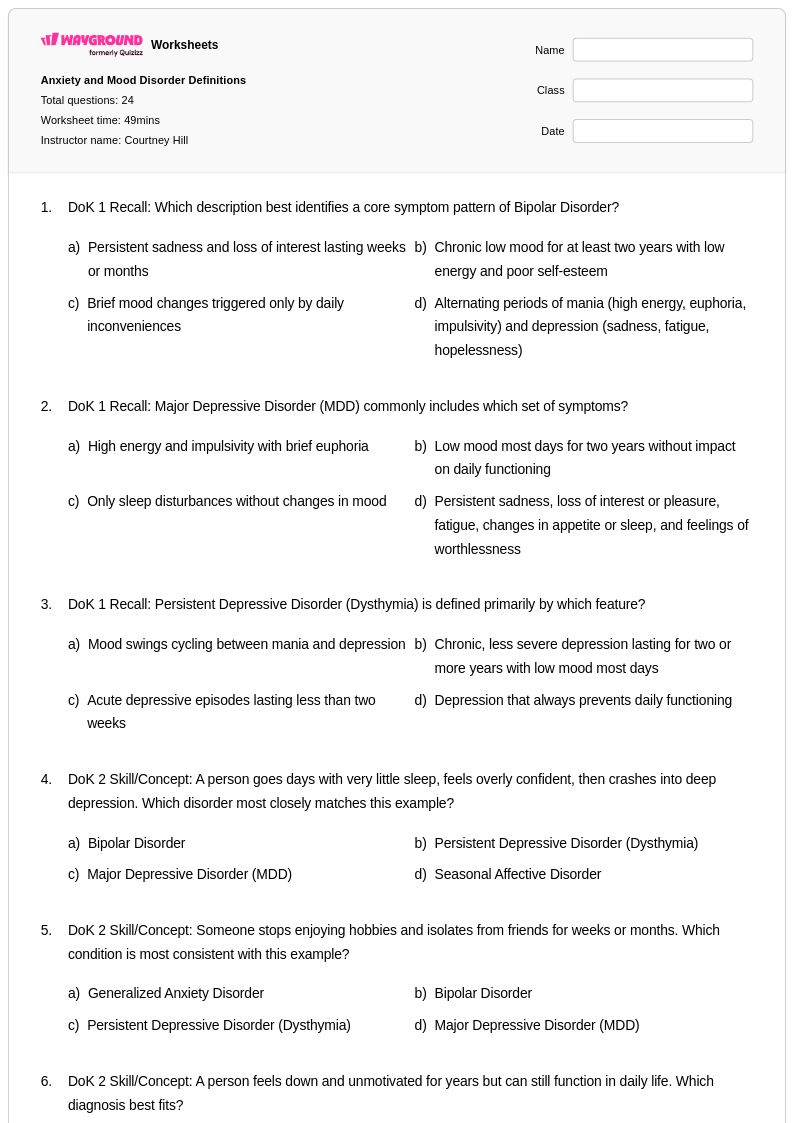
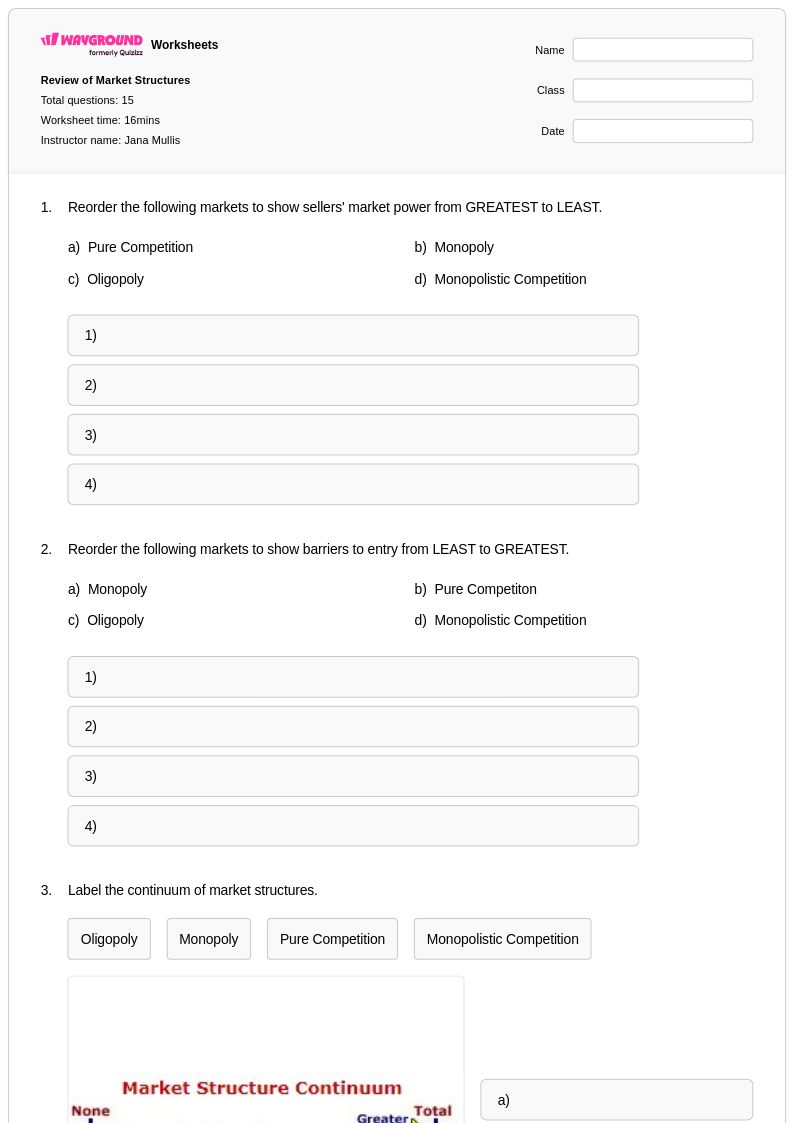
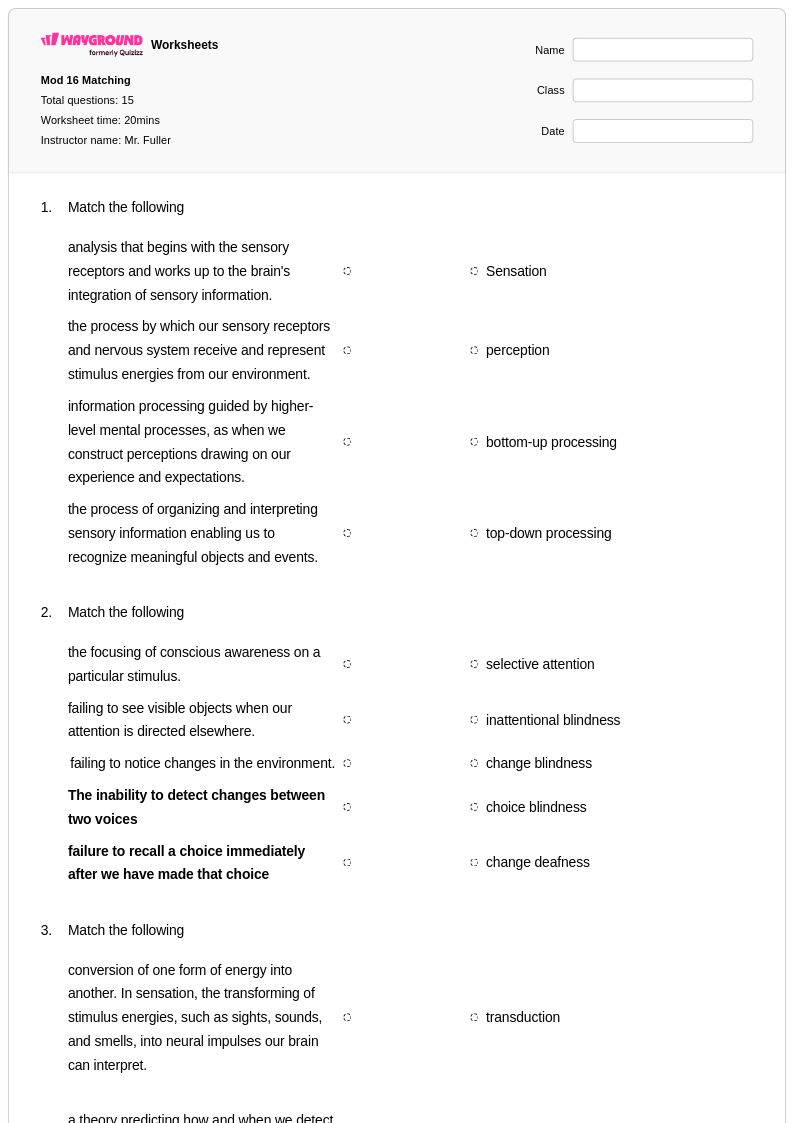
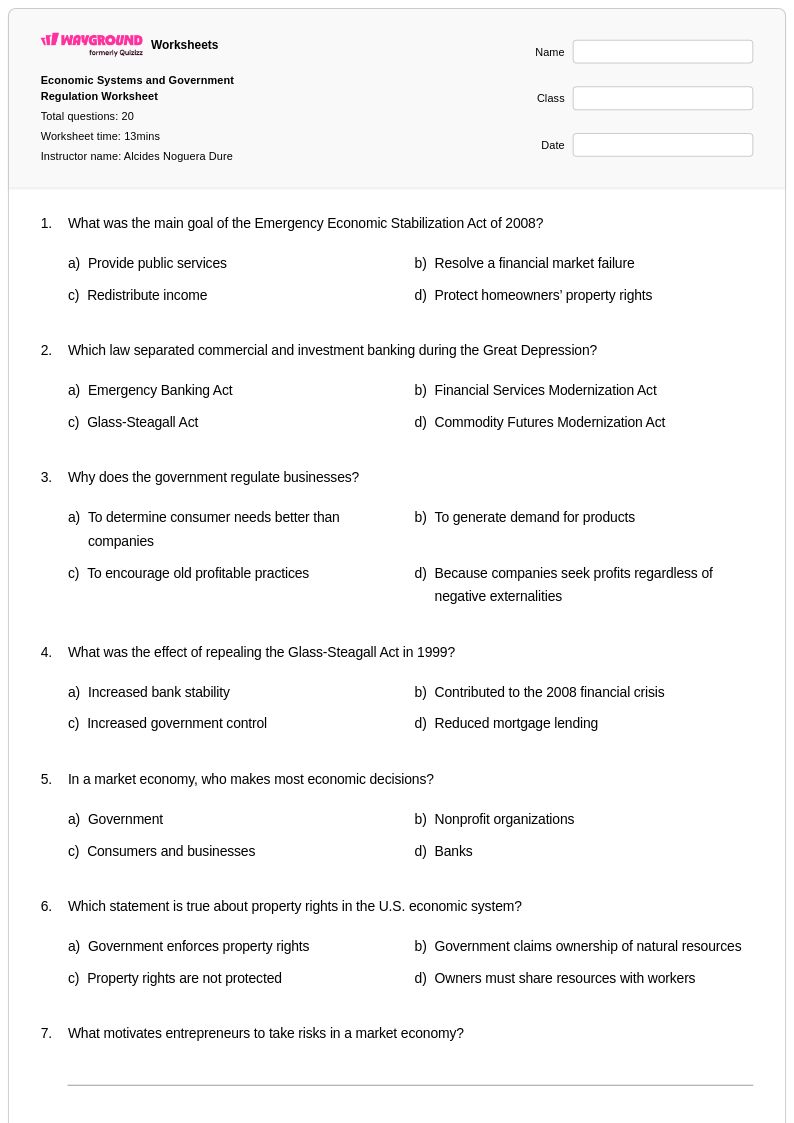
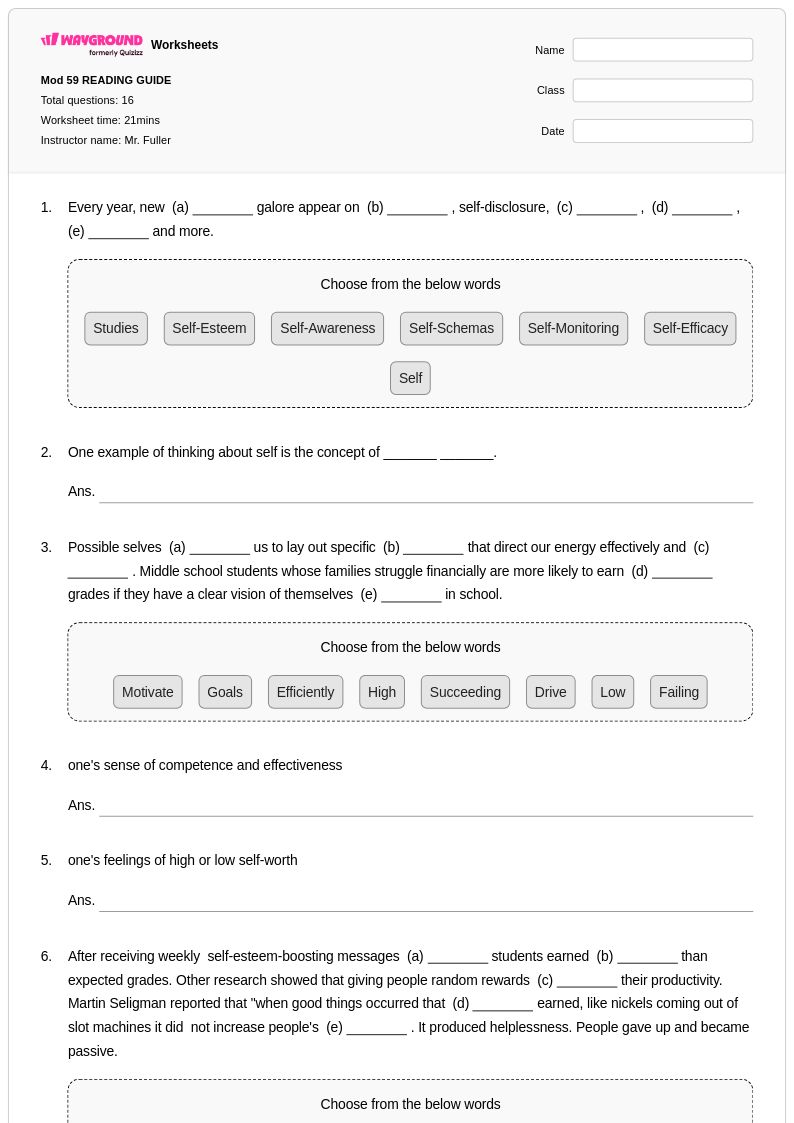
Grade 9 mood regulation worksheets available through Wayground (formerly Quizizz) provide comprehensive resources for developing essential emotional intelligence skills within the social studies curriculum. These expertly designed materials help students understand the psychological and social factors that influence emotional responses, teaching them practical strategies for managing stress, anxiety, and interpersonal conflicts in academic and social settings. The worksheets incorporate evidence-based techniques from cognitive behavioral therapy and mindfulness practices, offering structured practice problems that guide students through scenarios requiring emotional self-awareness and regulation. Teachers can access complete answer keys and free printables that support systematic skill development, enabling students to build resilience and emotional maturity crucial for their personal and academic success.
Wayground's extensive collection draws from millions of teacher-created resources specifically focused on social-emotional learning for high school students, with robust search and filtering capabilities that allow educators to locate materials aligned with state social studies standards and SEL frameworks. The platform's differentiation tools enable teachers to customize worksheets based on individual student needs, whether for remediation support or enrichment challenges, while maintaining consistent focus on mood regulation competencies. Available in both printable pdf formats and interactive digital versions, these resources seamlessly integrate into lesson planning for direct instruction, independent practice, or collaborative learning activities. Teachers can efficiently modify content difficulty levels and assessment criteria, making these worksheets invaluable for ongoing skill practice and formative assessment in developing students' emotional regulation capabilities.
FAQs
How do I teach mood regulation to students?
Teaching mood regulation begins with helping students build awareness of their own emotional states before introducing strategies to manage them. Effective instruction typically moves through three stages: identifying emotions and their physical signals, recognizing the triggers that precede mood shifts, and practicing concrete coping strategies such as deep breathing, reframing, or removing oneself from a triggering situation. Scenario-based activities and reflective journaling are especially effective because they ask students to apply these strategies to realistic social situations rather than abstract concepts.
What exercises help students practice mood regulation skills?
Scenario-based practice problems are among the most effective exercises for mood regulation because they require students to identify emotional triggers, name the feeling present, and select an appropriate response strategy. Reflective journaling prompts build the habit of emotional check-ins over time, while interactive role-play exercises give students a chance to rehearse regulation strategies in low-stakes social contexts. Repeating these activities across different emotional situations helps students internalize skills rather than simply recognize them on a worksheet.
What misconceptions do students commonly have about controlling their emotions?
A common misconception is that mood regulation means suppressing or hiding emotions entirely, which can lead students to bottle up feelings rather than process them constructively. Students also frequently confuse emotional reactivity with emotional intensity, believing that strong emotions are inherently uncontrollable. Effective instruction should clarify that the goal is not to eliminate difficult emotions but to slow the gap between feeling and response, giving students agency over their behavior without dismissing what they feel.
How can I differentiate mood regulation instruction for students with varying social-emotional skill levels?
For students who are still building foundational awareness, start with simpler emotion identification tasks before introducing multi-step regulation strategies. More advanced learners can engage with complex scenarios involving competing emotions or unresolved conflict. On Wayground, teachers can apply individual accommodations such as Read Aloud for students who need questions read to them, reduced answer choices to lower cognitive load, and extended time for students who need more processing space during reflective tasks. These settings can be assigned per student without affecting the experience of the rest of the class.
How do I use mood regulation worksheets from Wayground in my classroom?
Mood regulation worksheets on Wayground are available as printable PDFs for traditional classroom use and in digital formats for technology-integrated or remote learning environments. Teachers can also host worksheets as a live quiz on Wayground, making them suitable for whole-class instruction, small group work, or individual practice sessions. The included answer keys reduce grading time and make these materials practical for independent practice or homework assignments.
How does mood regulation connect to broader social-emotional learning goals?
Mood regulation is a foundational competency within social-emotional learning because it directly supports empathy development, conflict resolution, and interpersonal communication. Students who can identify and manage their emotional responses are better equipped to engage constructively in group work, navigate disagreements without escalating, and sustain attention during academic tasks. Building this skill early creates a scaffold for more complex social competencies students will need throughout school and beyond.