Free Printable Negative Thinking Patterns Worksheets for Grade 8
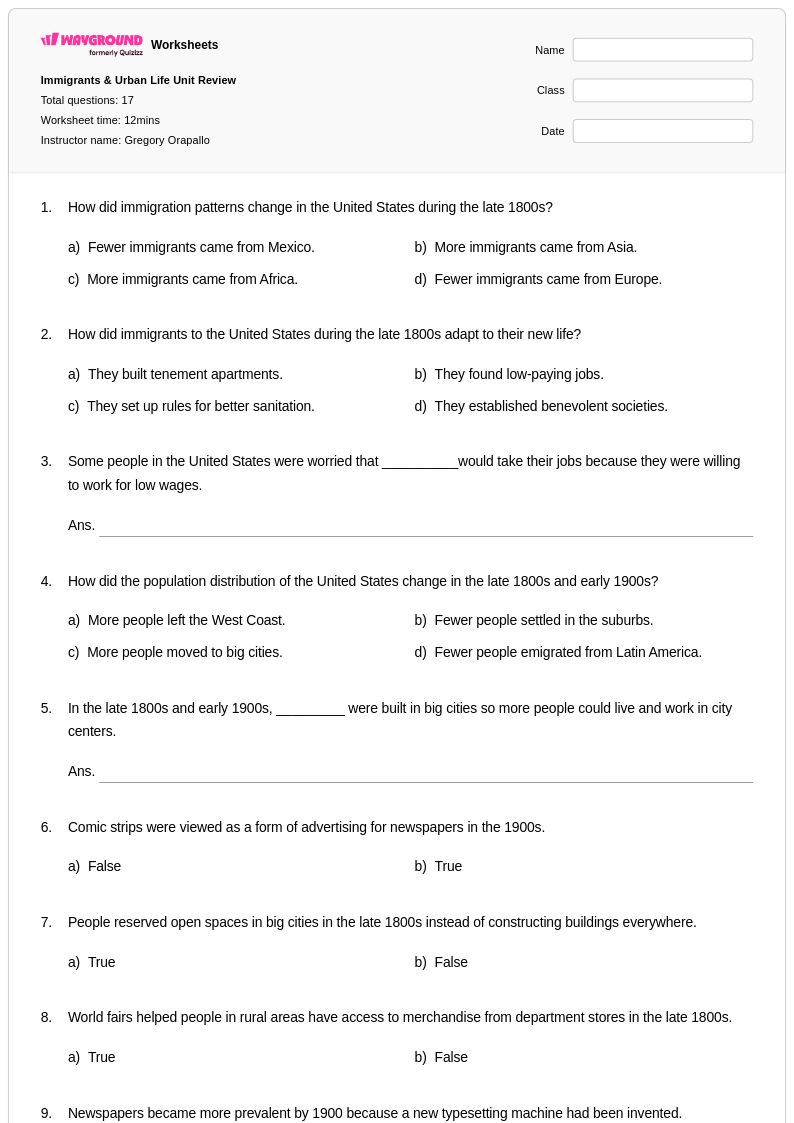
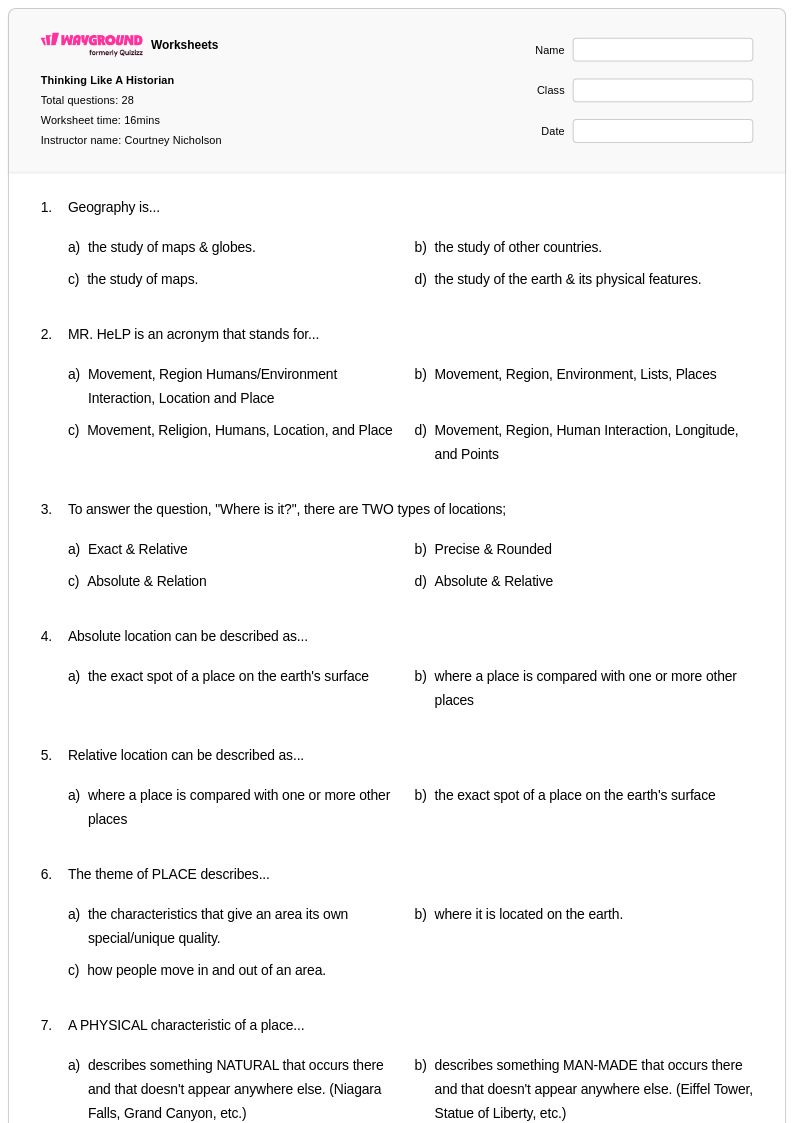
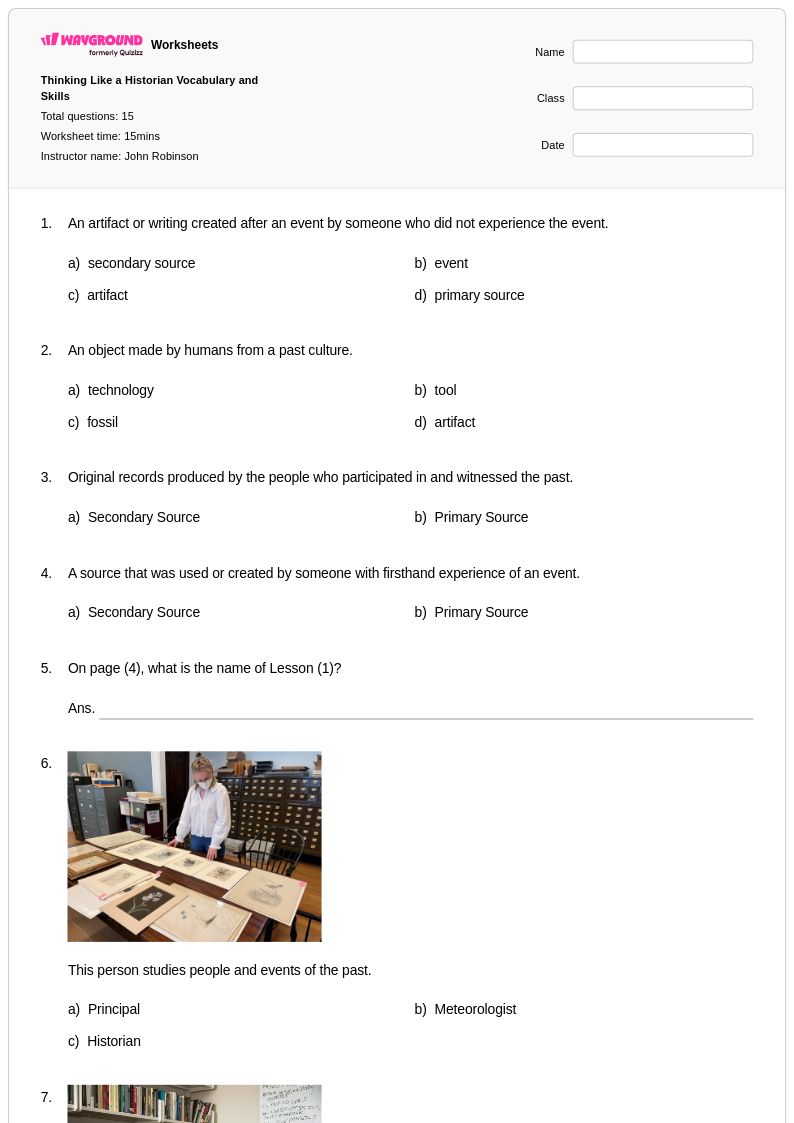
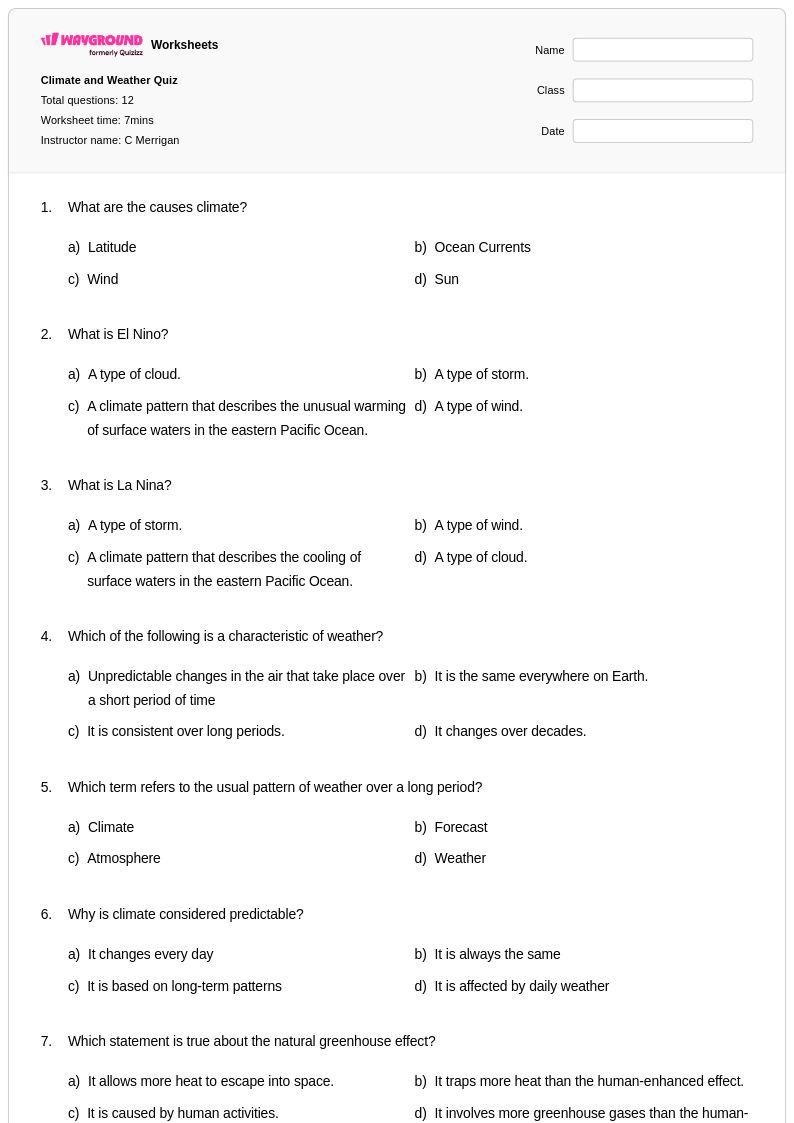
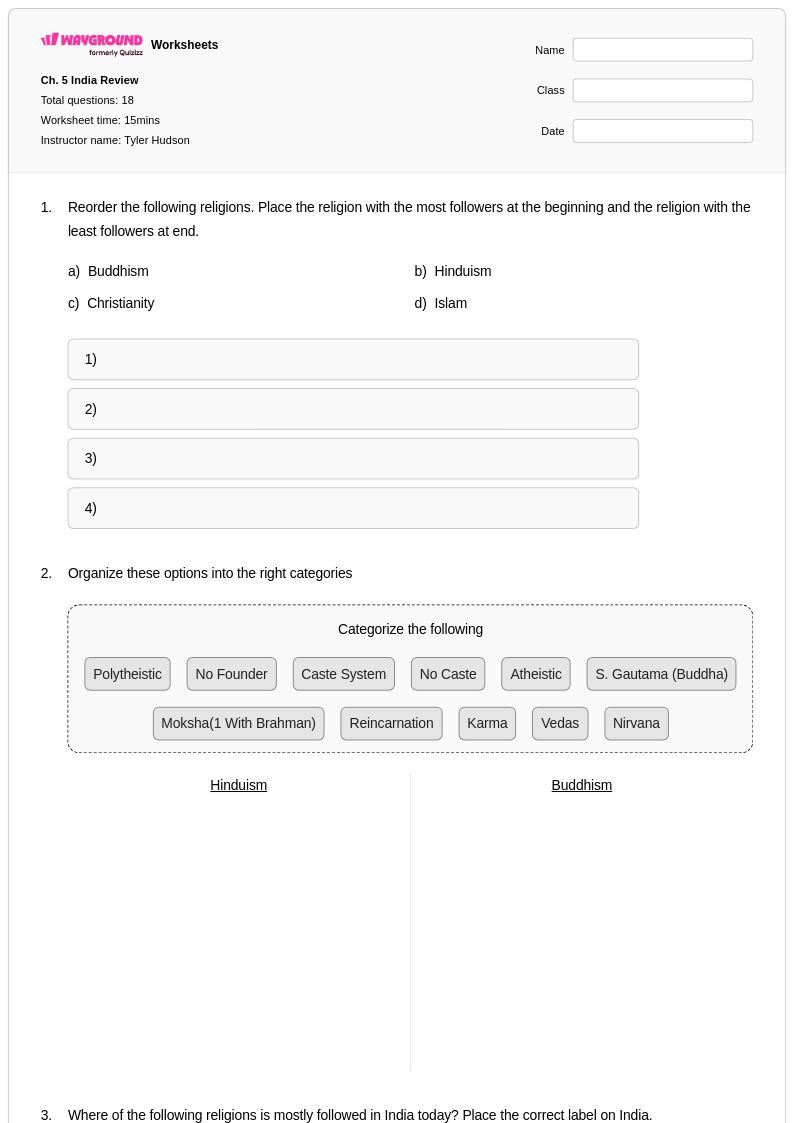
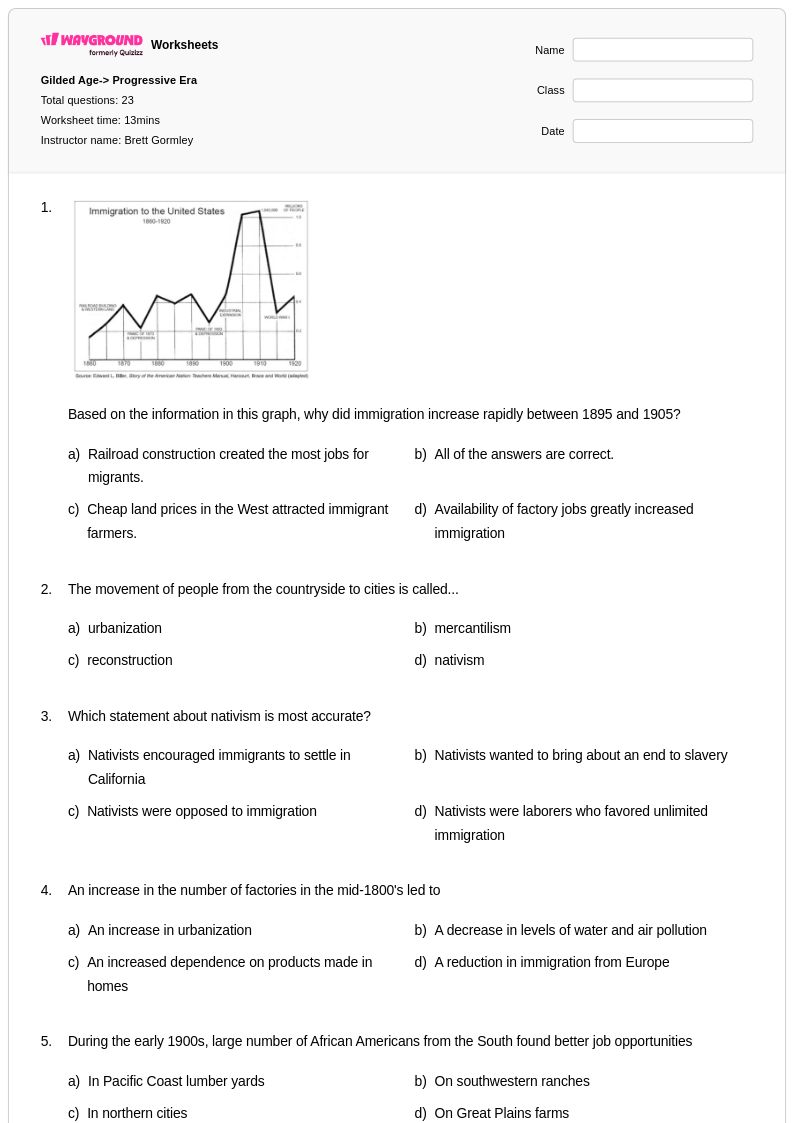
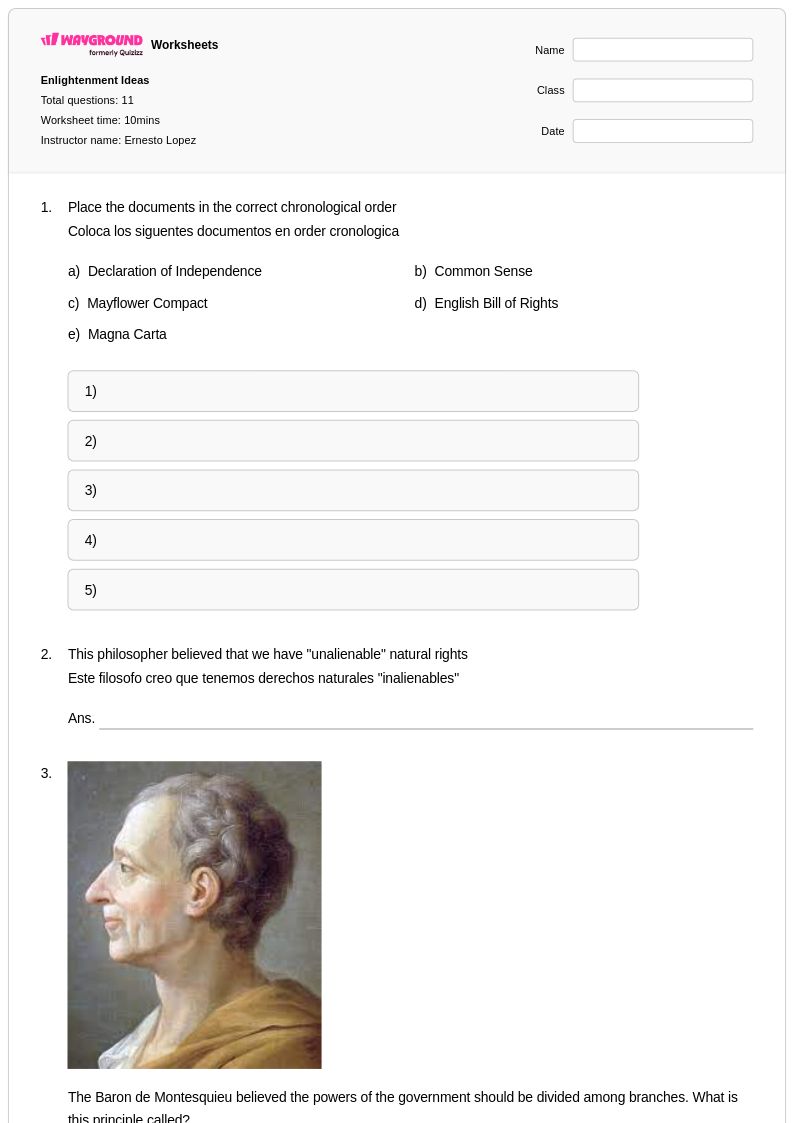
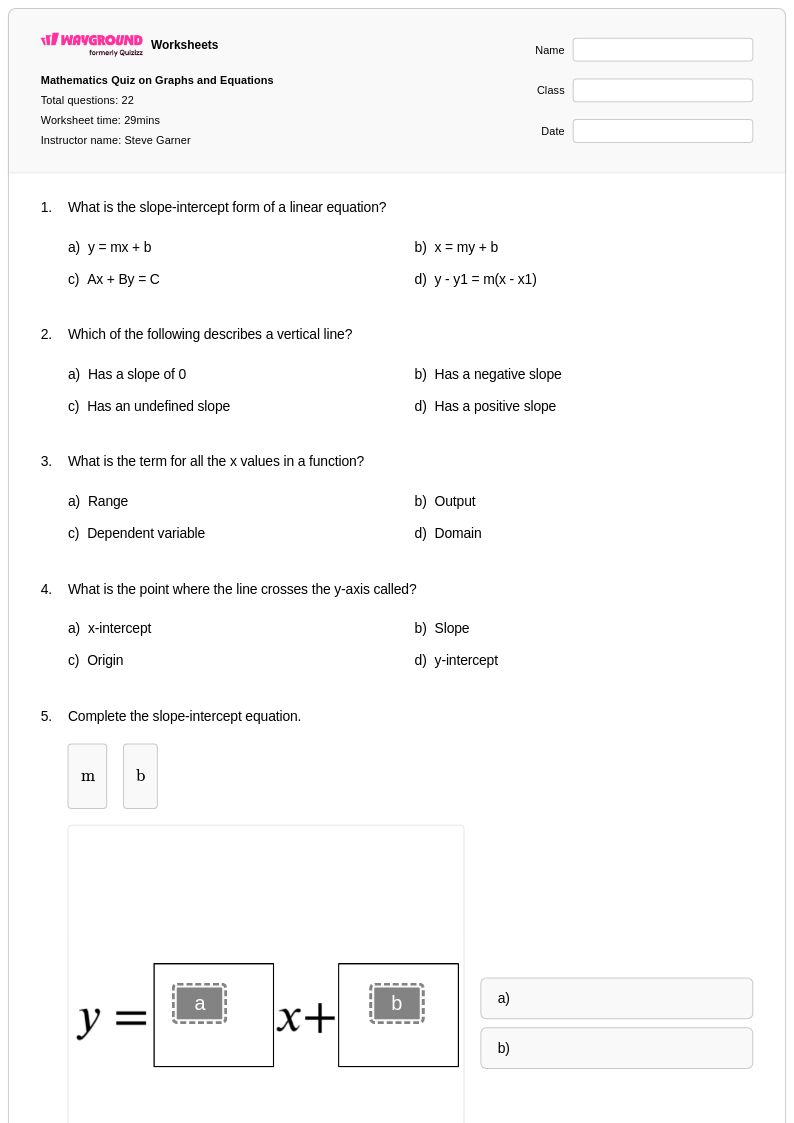
Grade 8 negative thinking patterns worksheets from Wayground help students identify and challenge harmful thought processes through engaging printables, practice problems, and comprehensive answer keys that build essential social-emotional learning skills.
Explore printable Negative Thinking Patterns worksheets for Grade 8
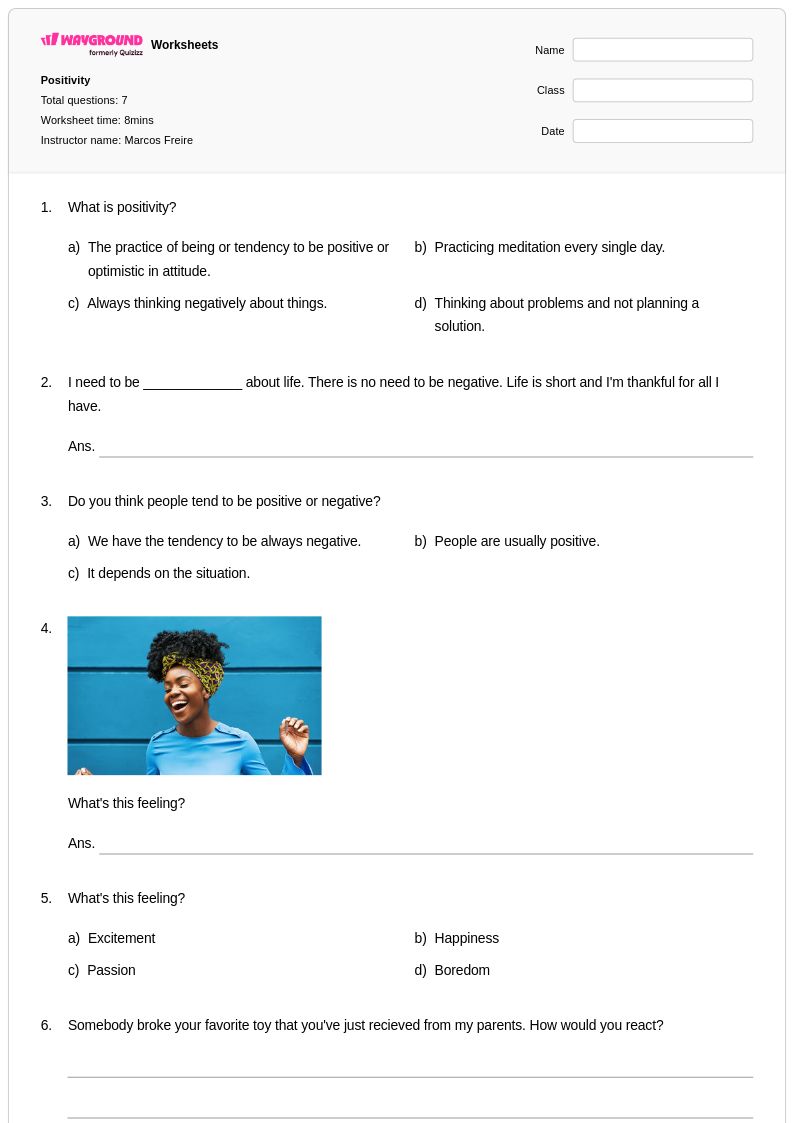
Negative thinking patterns worksheets for Grade 8 social studies through Wayground (formerly Quizizz) provide comprehensive resources to help middle school students identify, understand, and challenge unhelpful thought processes that can impact their social interactions and emotional well-being. These expertly designed materials focus on teaching students to recognize cognitive distortions such as all-or-nothing thinking, catastrophizing, mind reading, and overgeneralization that commonly affect adolescent social development. The worksheets strengthen critical thinking skills, emotional intelligence, and self-awareness through structured practice problems that guide students through real-world scenarios and reflection exercises. Each resource includes detailed answer keys and explanations to support both independent learning and classroom instruction, with free printables available in convenient PDF format for immediate classroom implementation.
Wayground's extensive collection of Grade 8 negative thinking patterns worksheets draws from millions of teacher-created resources, offering educators powerful search and filtering capabilities to locate materials perfectly suited to their curriculum needs and student populations. The platform's comprehensive differentiation tools enable teachers to customize content difficulty levels and presentation formats, ensuring appropriate challenge levels for diverse learners while maintaining alignment with social-emotional learning standards. These flexible resources are available in both printable and digital formats, including downloadable PDFs, making them ideal for traditional classroom instruction, remote learning environments, and hybrid teaching models. Teachers can efficiently plan targeted interventions, provide remediation for students struggling with negative thought cycles, offer enrichment opportunities for advanced learners, and deliver consistent skill practice that builds students' capacity for healthy social-emotional development and improved peer relationships.
FAQs
How do I teach students to recognize negative thinking patterns in the classroom?
Start by introducing common cognitive distortions with clear, relatable examples — such as catastrophizing a low test grade or all-or-nothing thinking in social situations. Use structured scenarios drawn from current events, historical contexts, or everyday interpersonal situations so students can identify distorted thinking without the defensiveness that comes from personal examples. Once students can name a pattern, guide them through reframing exercises that model how to replace the distortion with a more balanced thought. Anchoring the skill in recognizable contexts makes abstract concepts concrete and transferable.
What are the most common negative thinking patterns students struggle to identify?
The three patterns students most frequently miss are catastrophizing, all-or-nothing thinking, and negative self-talk. Catastrophizing is difficult because students often conflate realistic concern with exaggerated worst-case thinking. All-or-nothing thinking is hard to catch because binary framing feels logical to many students, especially in high-stakes situations. Negative self-talk is the most personal and therefore the most resistant to correction, which is why embedding it in fictional or historical scenarios first can lower the emotional barrier to recognition.
What exercises help students practice identifying and restructuring cognitive distortions?
Scenario-based practice is the most effective format: present students with a short passage featuring a character experiencing a distorted thought, then ask them to name the pattern, explain why it is distorted, and rewrite the thought using a healthier framework. Adding a historical or current events angle extends the skill into social studies content, reinforcing that cognitive distortions affect decision-making at both the individual and societal level. Repeated structured practice with varied scenarios builds the pattern recognition fluency students need to apply these skills independently.
How do negative thinking patterns affect students' social interactions and decision-making?
Cognitive distortions like catastrophizing and all-or-nothing thinking can cause students to misread social cues, escalate conflicts unnecessarily, or disengage from group work when they perceive a situation as irreparably bad. In decision-making contexts, these patterns create a mental filter that overweights negative information and underweights positive alternatives, leading to avoidance behaviors or impulsive choices. Teaching students to identify and restructure these patterns directly strengthens their ability to navigate social situations with greater accuracy and emotional regulation.
How can I use Wayground's negative thinking patterns worksheets in my classroom?
Wayground's negative thinking patterns worksheets are available as both printable PDFs for traditional classroom use and in digital formats for technology-integrated environments, giving teachers flexibility in how they deploy them. You can assign them as structured practice during a SEL lesson, as homework to reinforce classroom discussion, or as a formative check to identify which distortions students still struggle to recognize. Each worksheet includes a complete answer key, and digital versions can be hosted as a quiz directly on Wayground, making it easy to track student responses and target follow-up instruction.
How do I differentiate negative thinking patterns instruction for students with different learning needs?
For students who need additional support, simplify the scenario complexity and reduce the number of distortion types introduced at one time. On Wayground, teachers can apply student-level accommodations such as Read Aloud for students who struggle with reading comprehension, reduced answer choices to lower cognitive load, and extended time for students who need more processing time. These accommodations can be assigned individually so that other students receive default settings without disruption, allowing the same worksheet set to serve a full range of learners without requiring separate materials.