
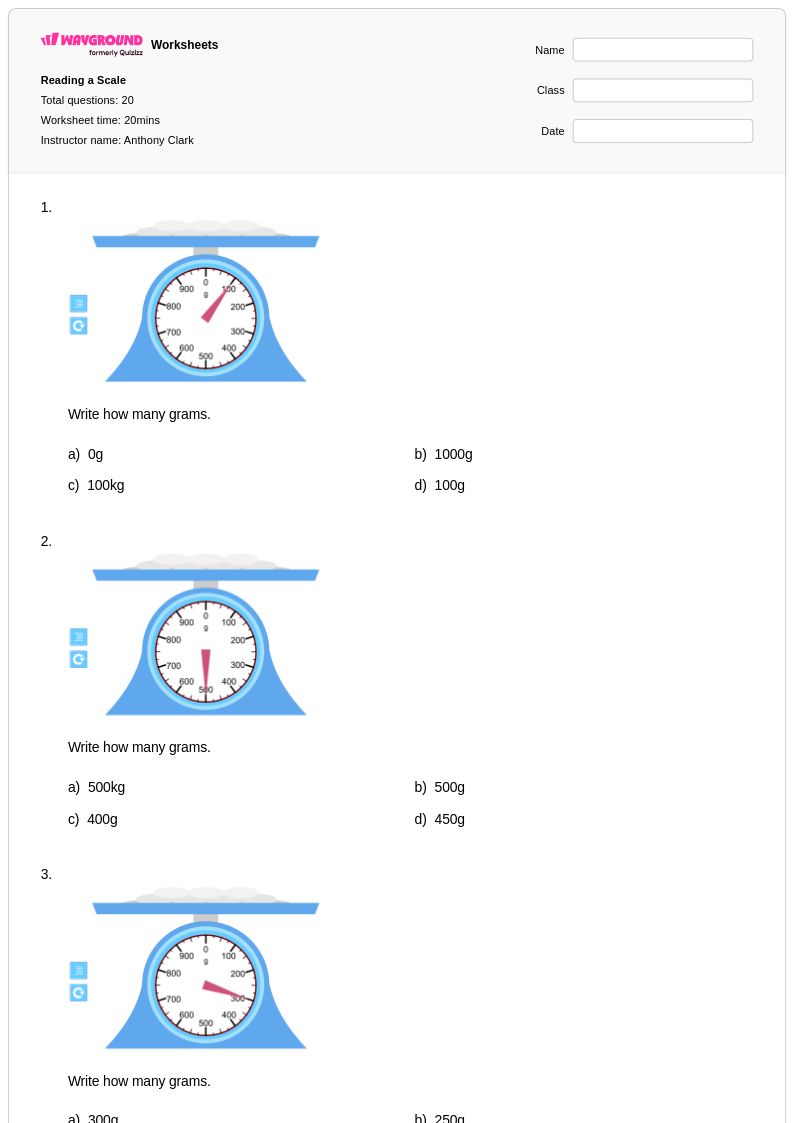
20 Q
6th - Uni
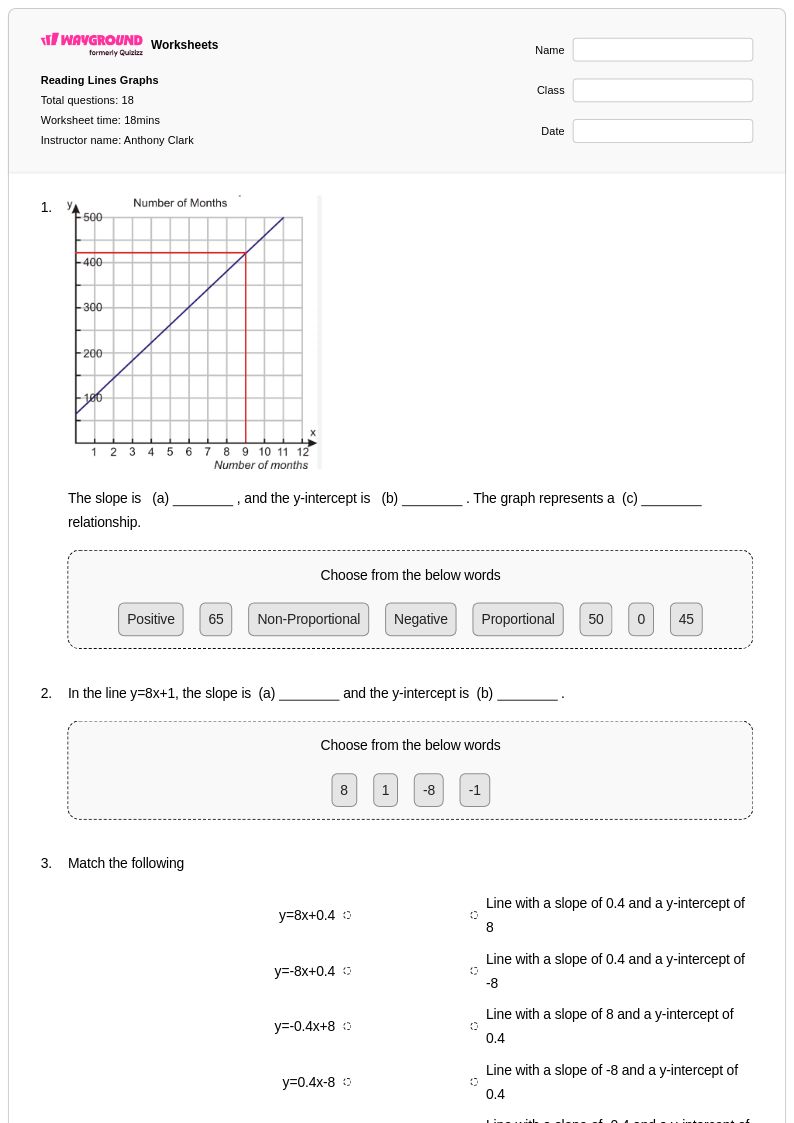
18 Q
8th - Uni
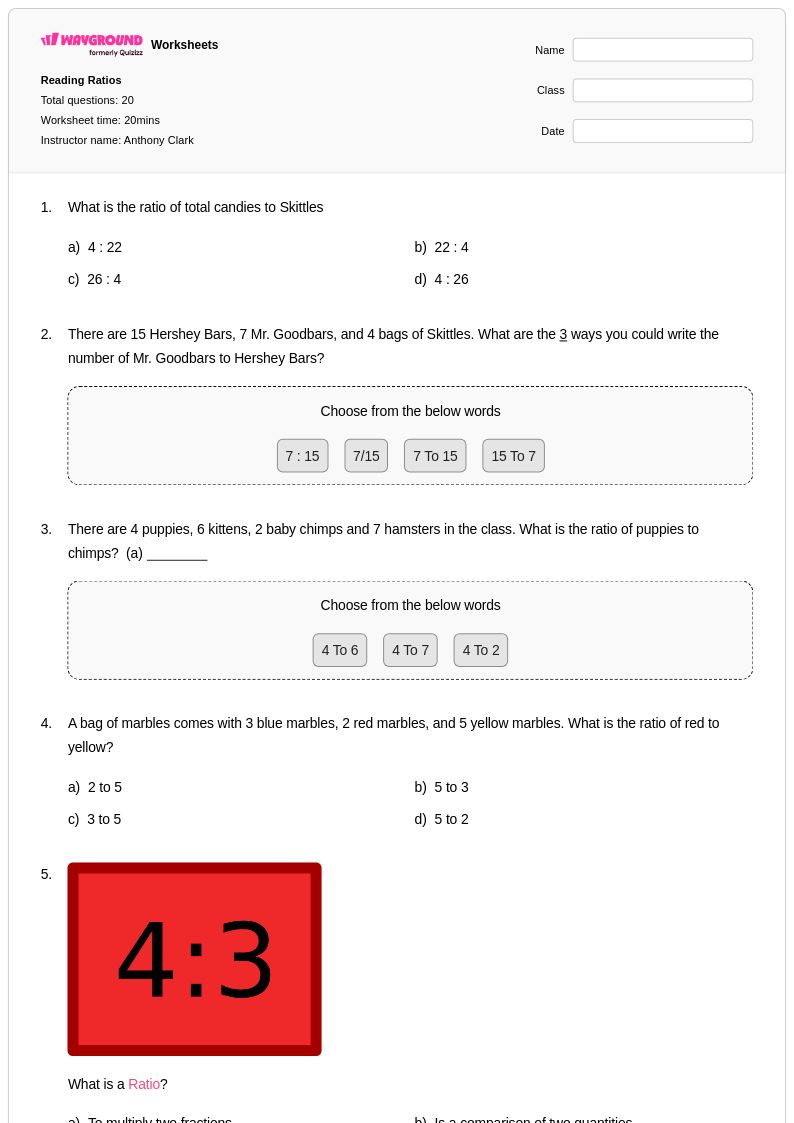
20 Q
6th - Uni
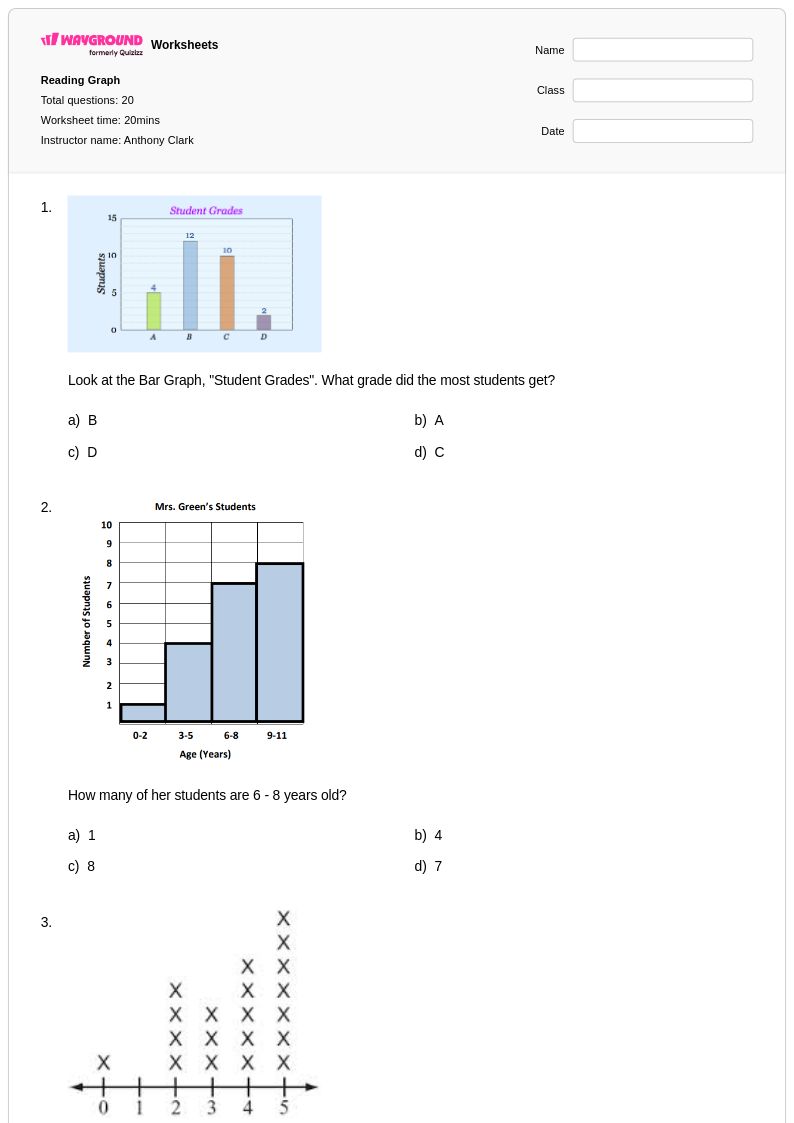
20 Q
4th - Uni
20 Q
9th - Uni
20 Q
2nd - Uni
10 Q
8th - Uni
10 Q
9th - Uni

20 Q
8th - Uni
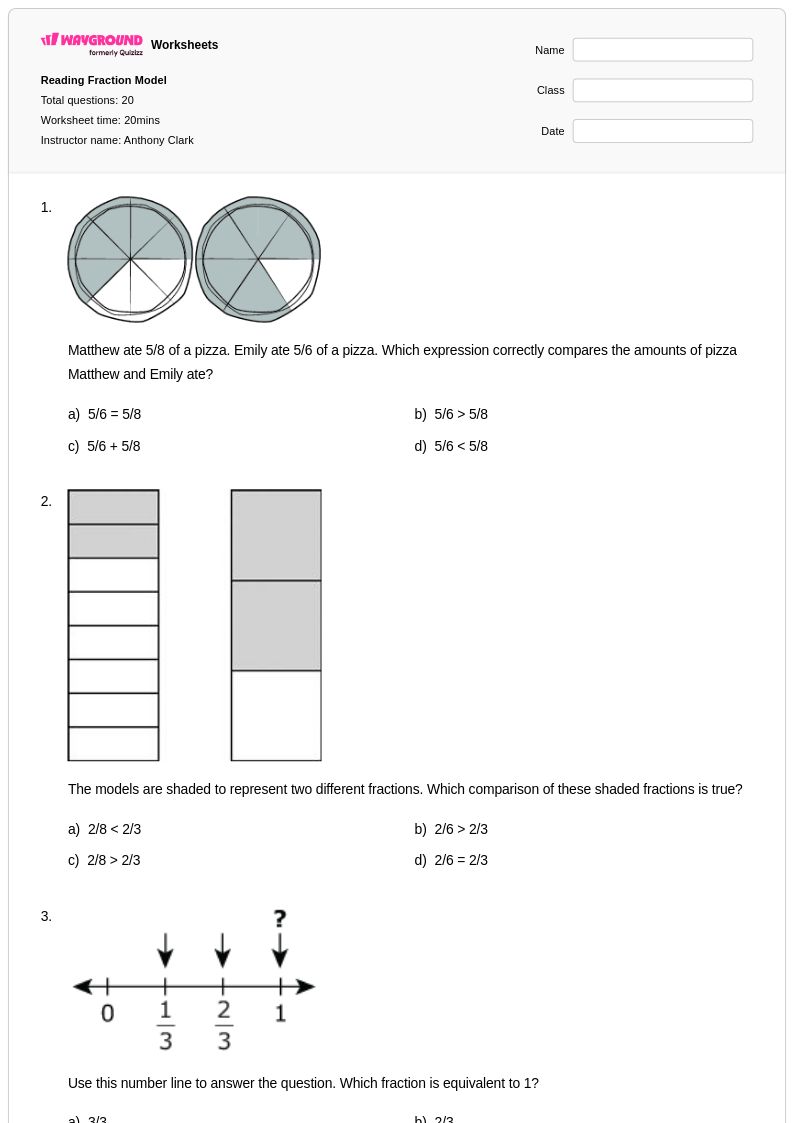
20 Q
4th - Uni
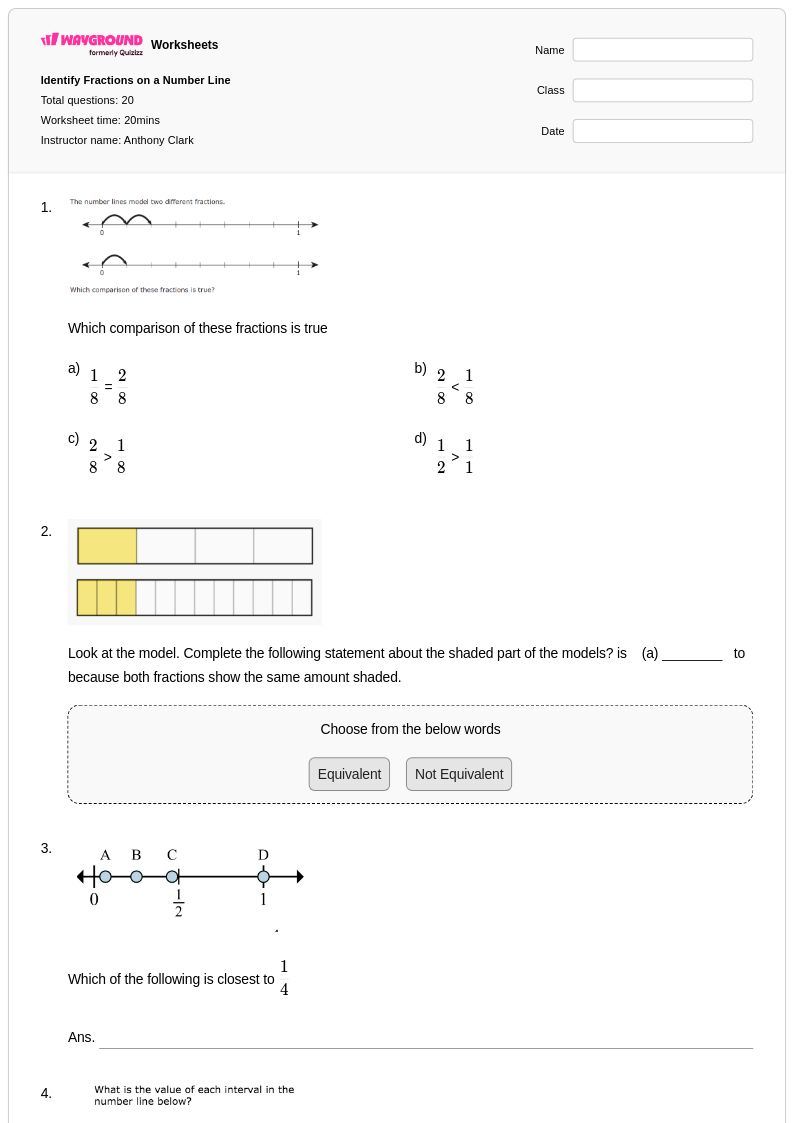
20 Q
3rd - Uni
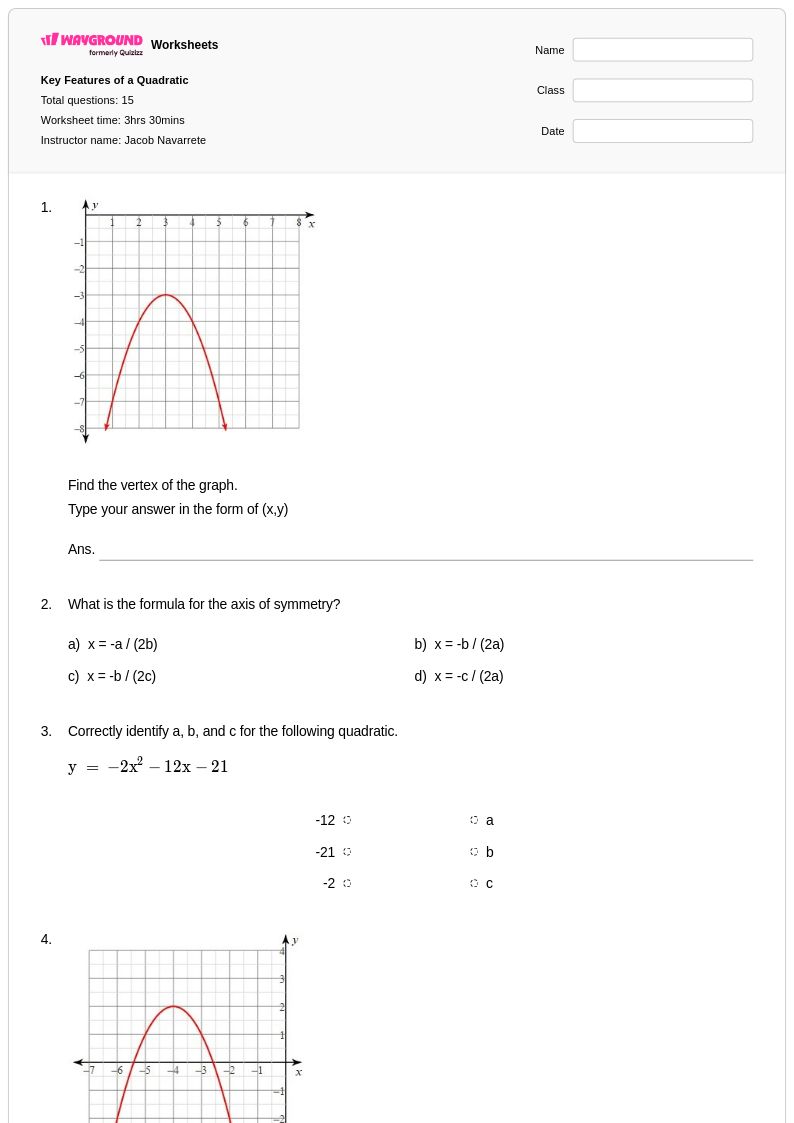
15 Q
9th - 12th
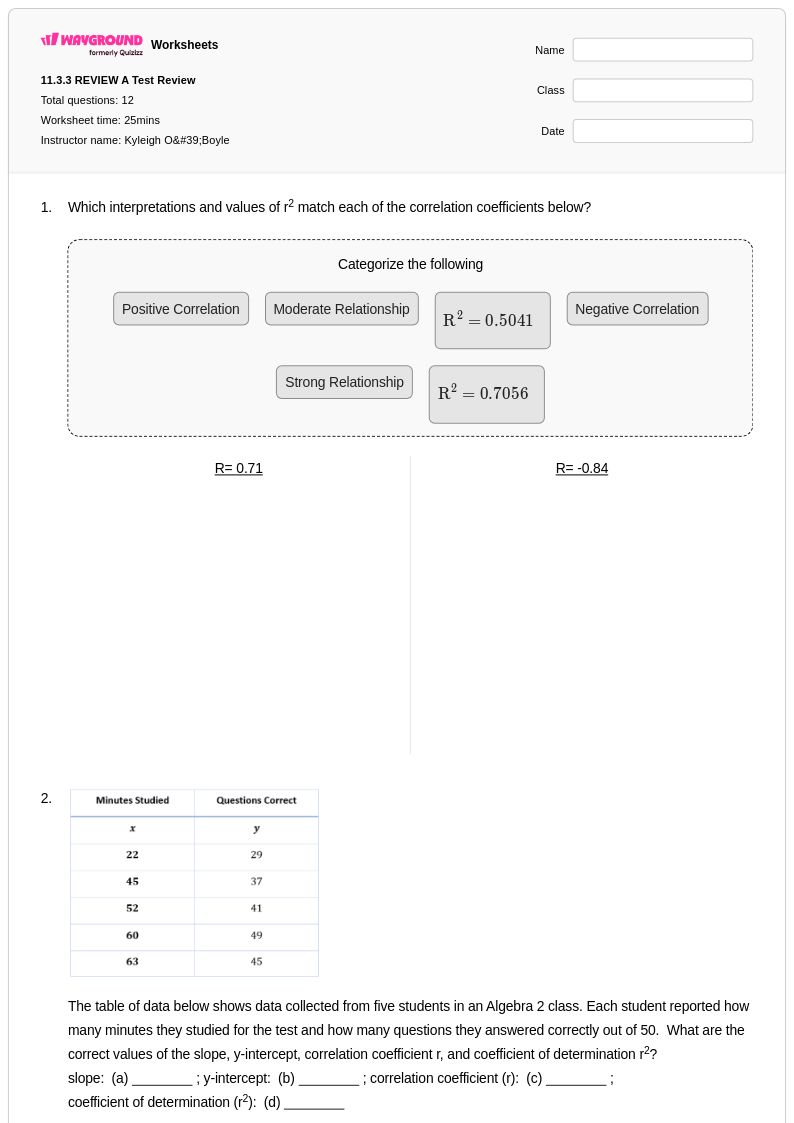
12 Q
9th - 12th
20 Q
3rd - Uni
13 Q
9th - 12th
20 Q
9th - Uni
15 Q
8th - Uni
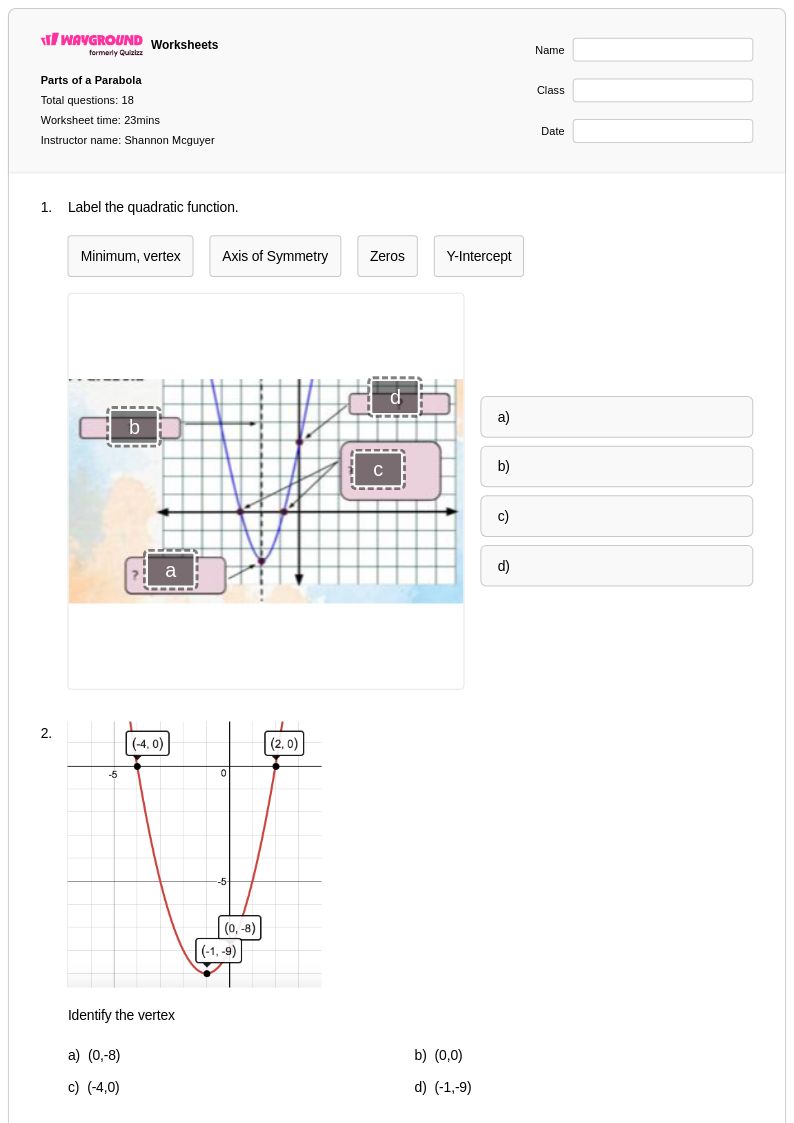
18 Q
9th - 12th
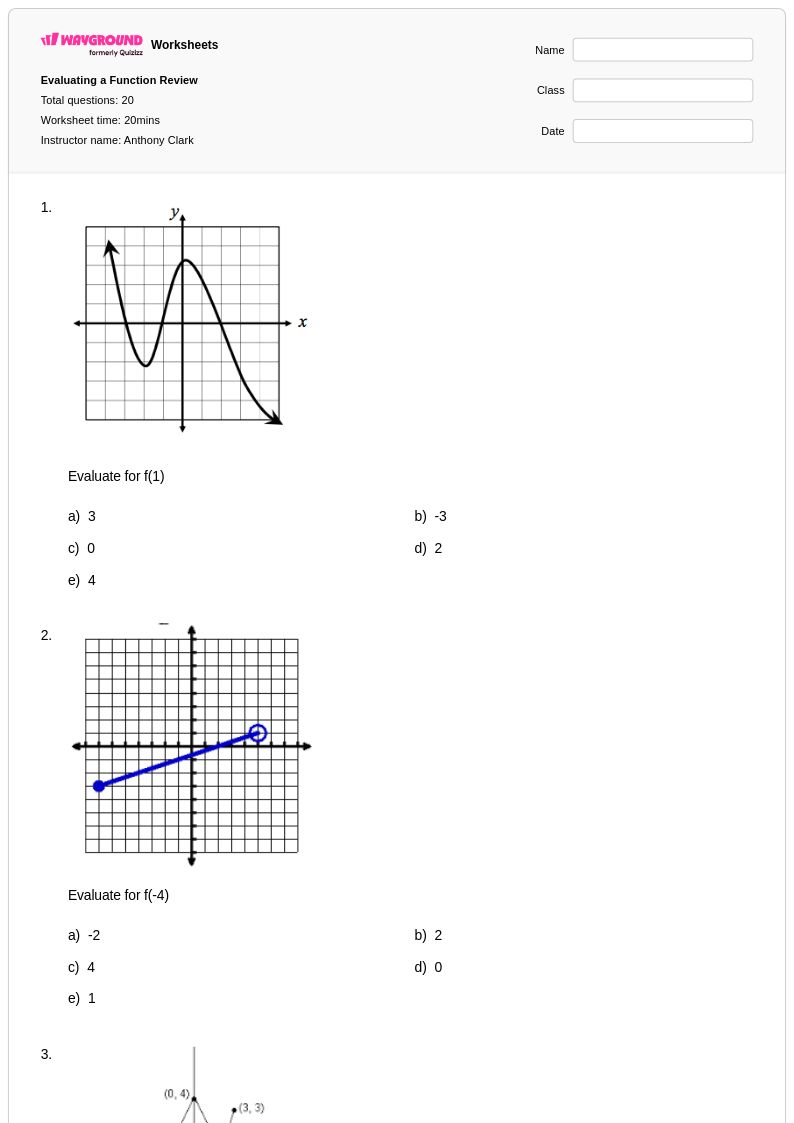
20 Q
9th - Uni
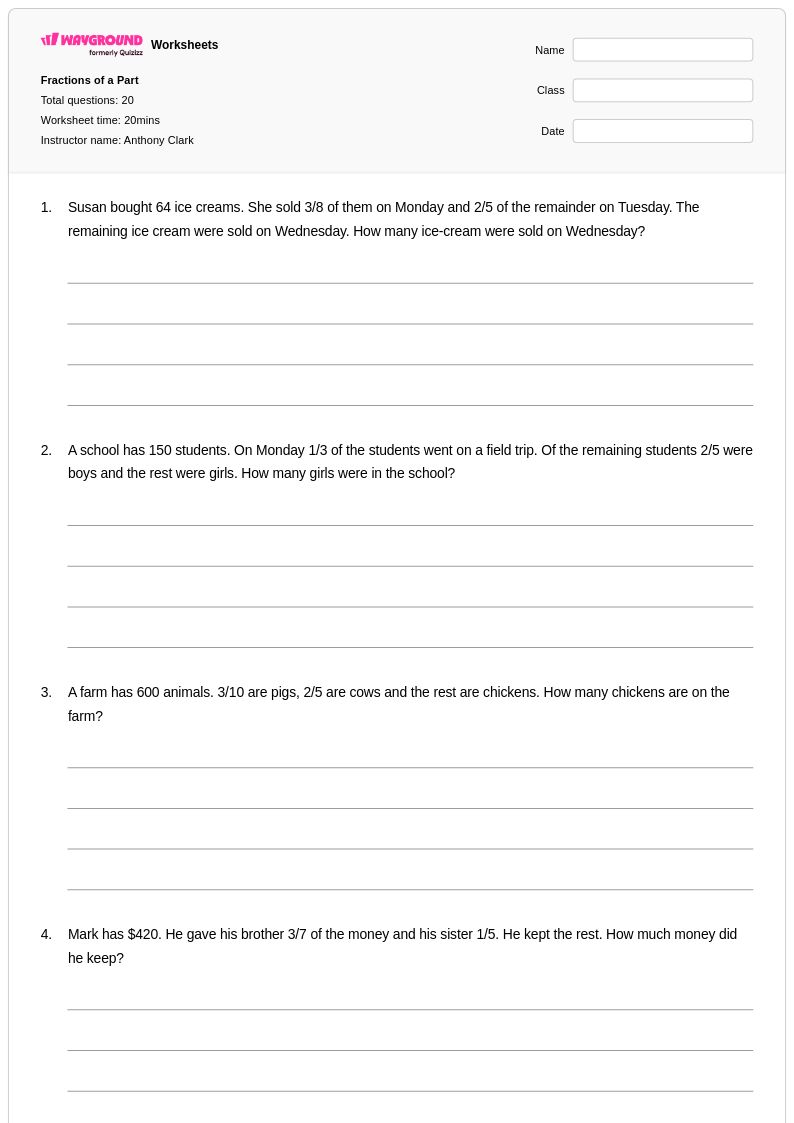
20 Q
3rd - Uni
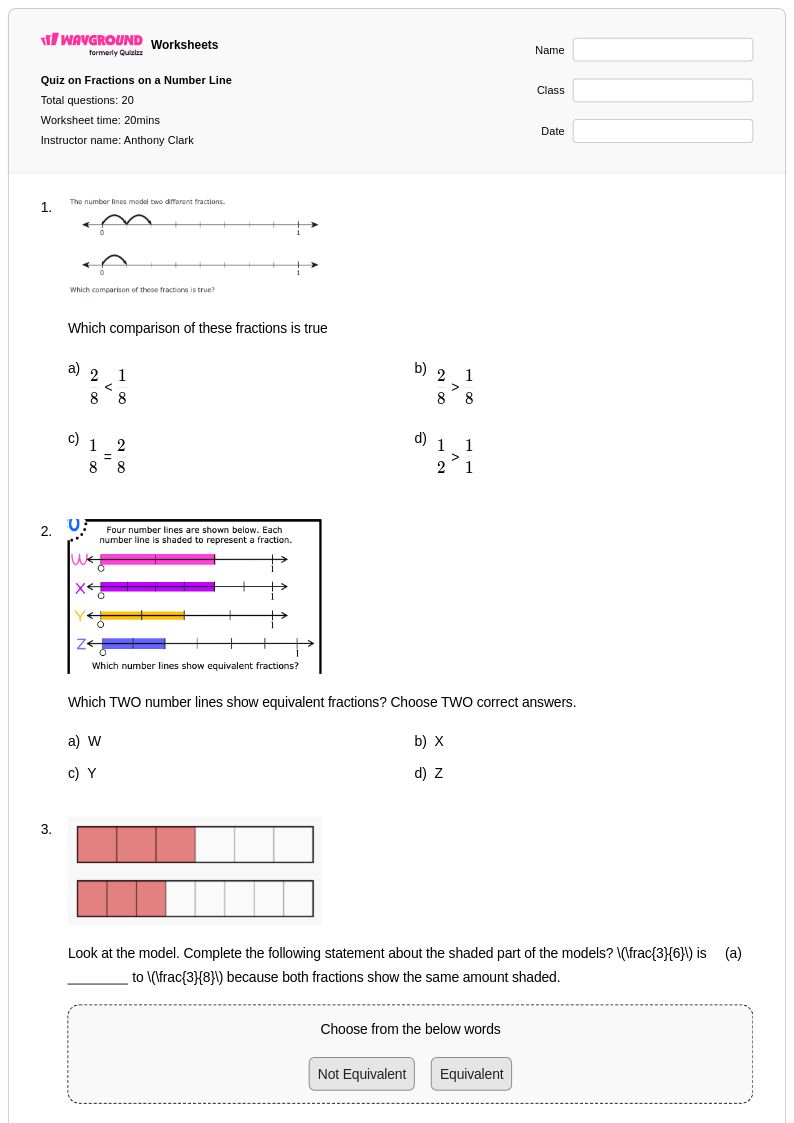
20 Q
3rd - Uni
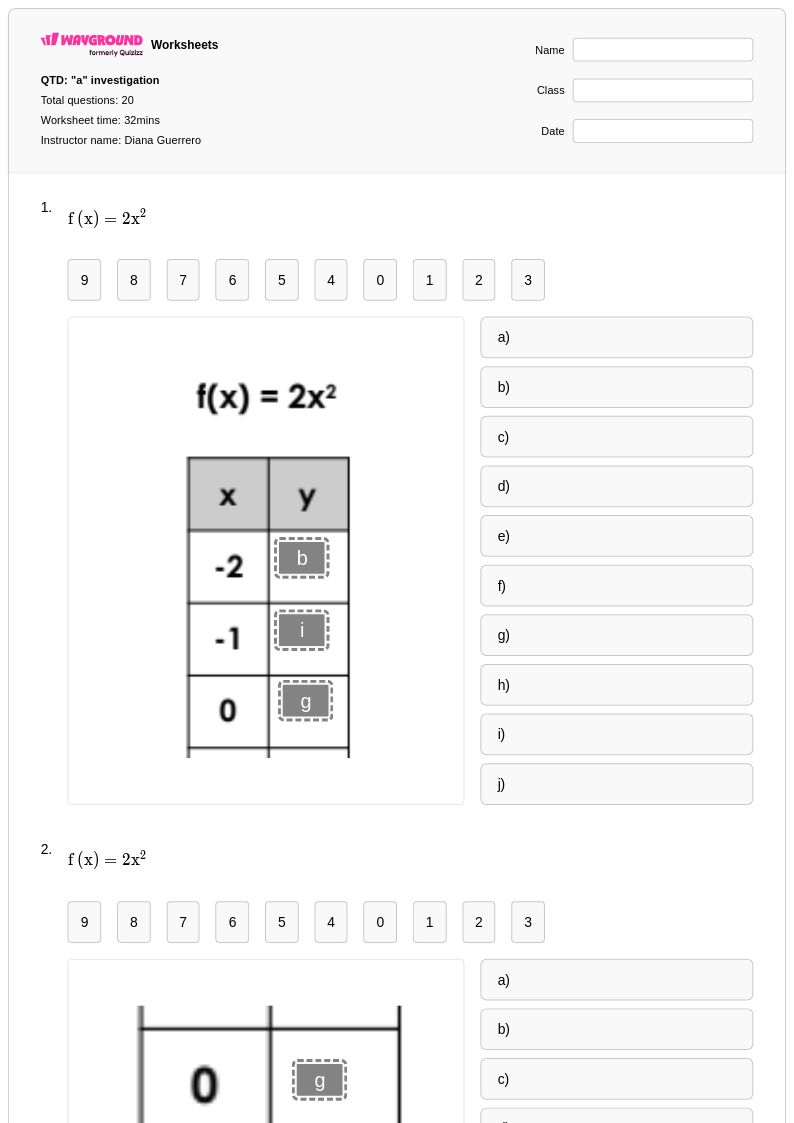
20 Q
9th - 12th
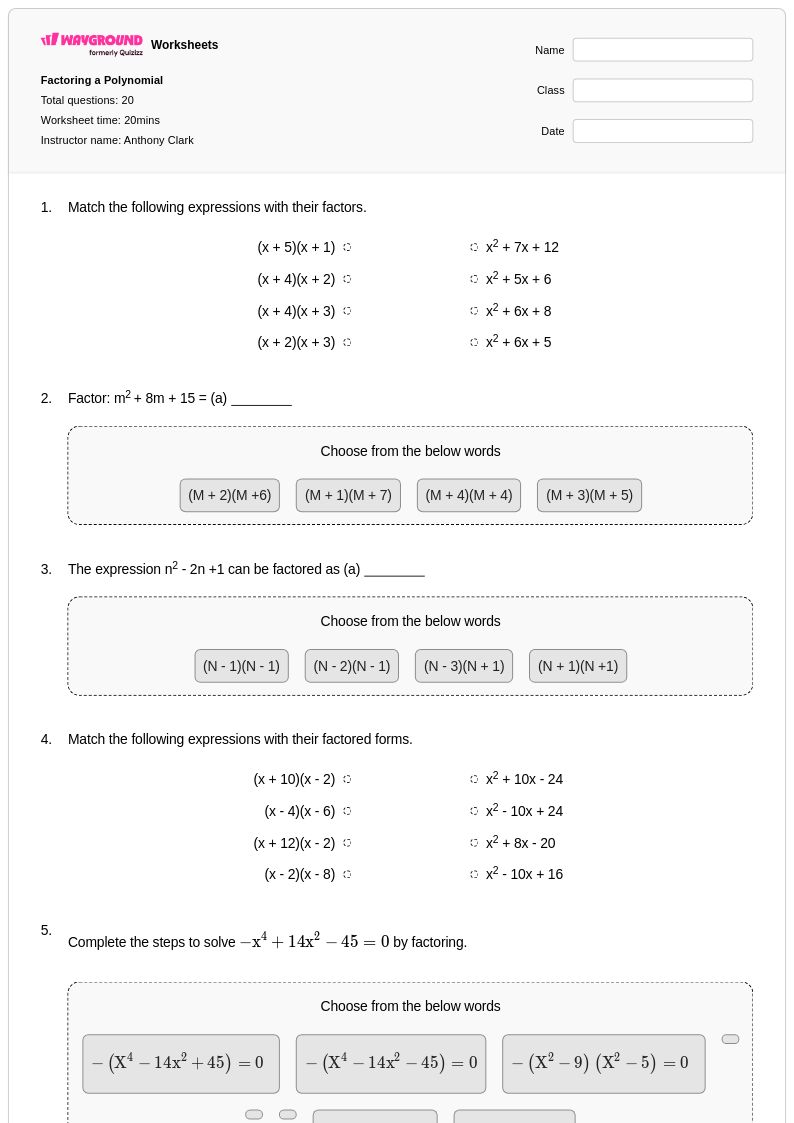
20 Q
9th - Uni
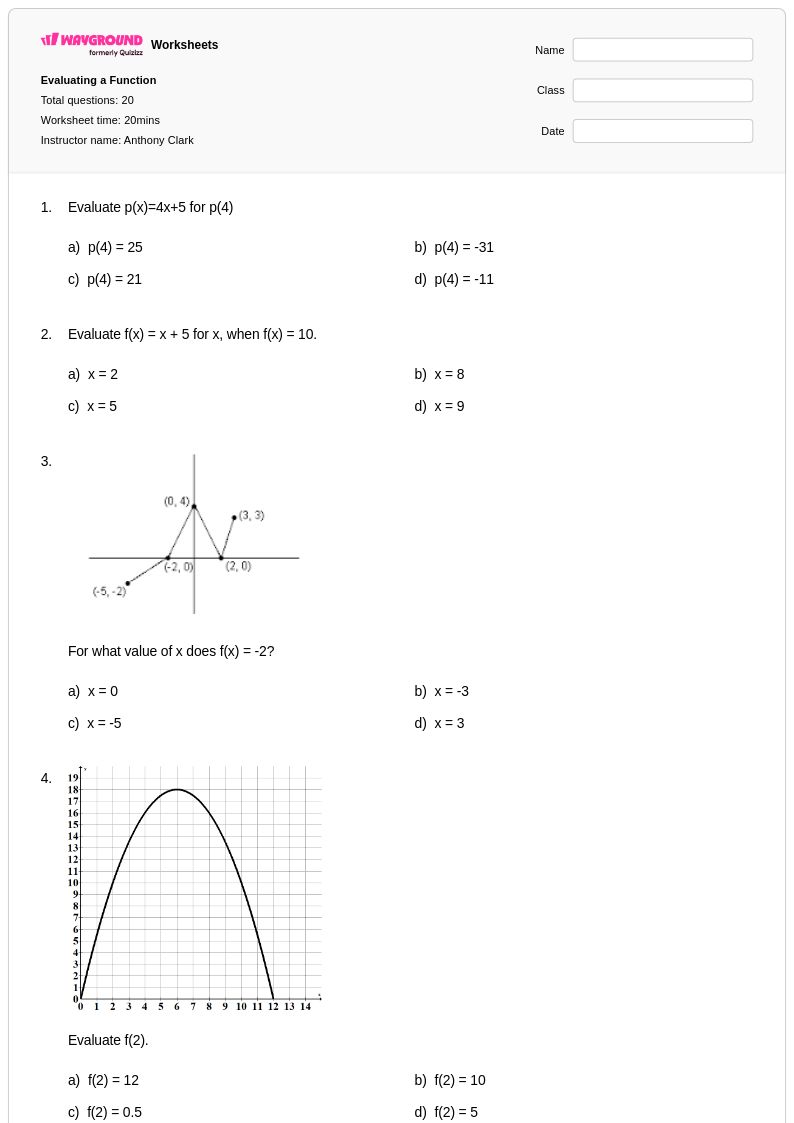
20 Q
9th - Uni
Explore Other Subject Worksheets for grade 11
Explore printable Reading a Dial Caliper worksheets for Grade 11
Reading a dial caliper worksheets for Grade 11 mathematics provide students with essential practice in precision measurement techniques that are fundamental to advanced mathematical and scientific applications. These comprehensive worksheets guide students through the process of interpreting dial caliper measurements, understanding fractional and decimal increments, and developing the visual acuity needed to read these sophisticated measuring instruments accurately. Students work through practice problems that challenge them to identify measurements to various degrees of precision, convert between measurement units, and apply proper caliper reading techniques across different contexts. The collection includes detailed answer keys that allow students to verify their interpretation skills, and the printable pdf format ensures accessibility for both classroom instruction and independent study sessions.
Wayground, formerly Quizizz, empowers educators with millions of teacher-created resources specifically designed to support measurement instruction at the Grade 11 level, including extensive collections focused on dial caliper proficiency. The platform's robust search and filtering capabilities enable teachers to quickly locate worksheets that align with specific curriculum standards and match their students' skill levels, while differentiation tools allow for seamless customization to meet diverse learning needs. Teachers can access these resources in both printable and digital formats, including downloadable pdf versions, making them ideal for traditional classroom activities, homework assignments, or digital learning environments. This flexibility supports comprehensive lesson planning while providing targeted practice opportunities for remediation and enrichment, ensuring that all students develop the precise measurement skills essential for success in advanced mathematics, engineering, and technical fields.
FAQs
How does reading a dial caliper fit into an 11th-grade curriculum?
How can I connect caliper reading to other Grade 11 topics?
What advanced skills do these Grade 11 worksheets cover?
What subtle mistakes might 11th graders make with dial calipers?
How can I use this worksheet for my 11th-grade class?
How can I support students in a mixed-ability 11th-grade class?