
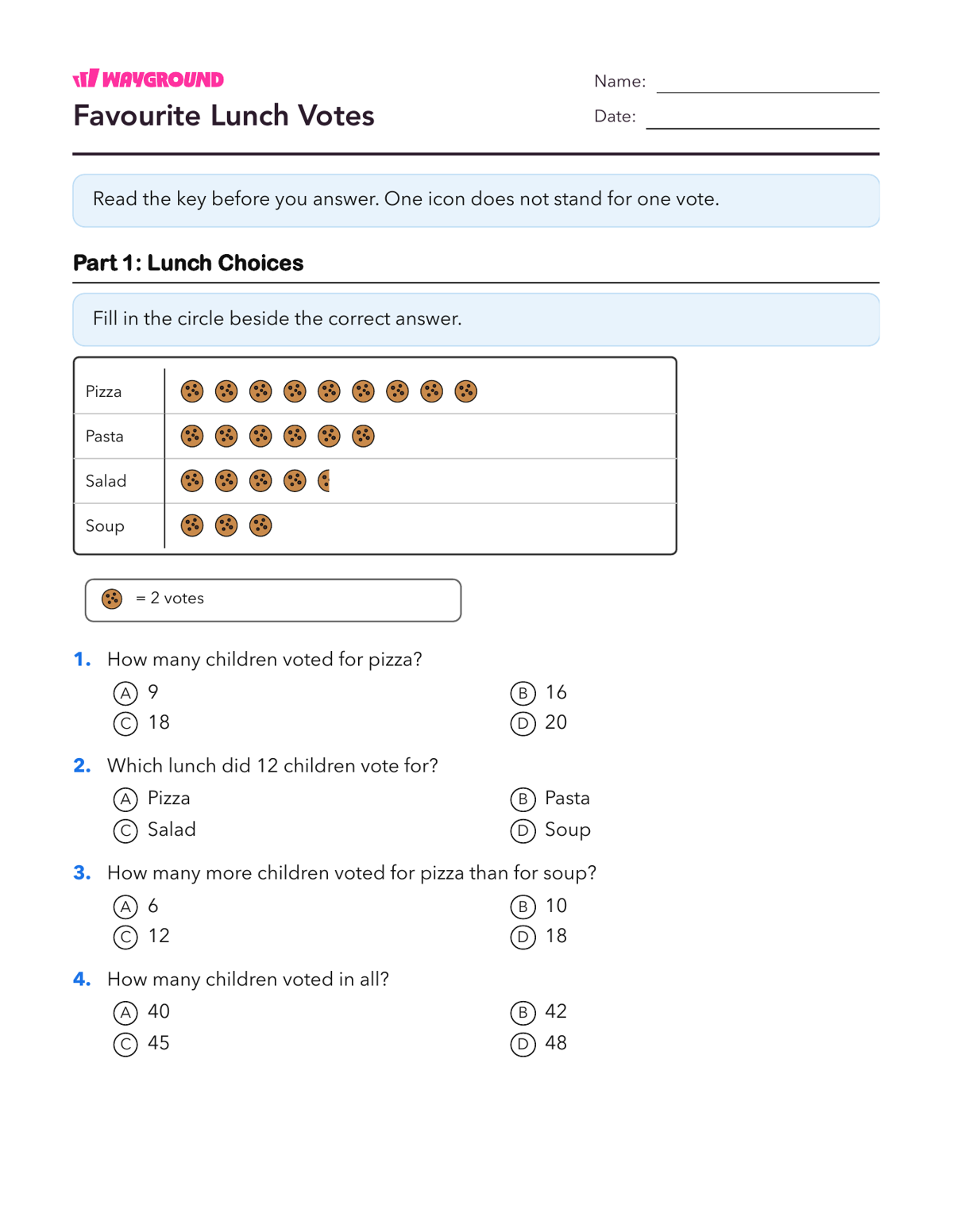
6Q
5th
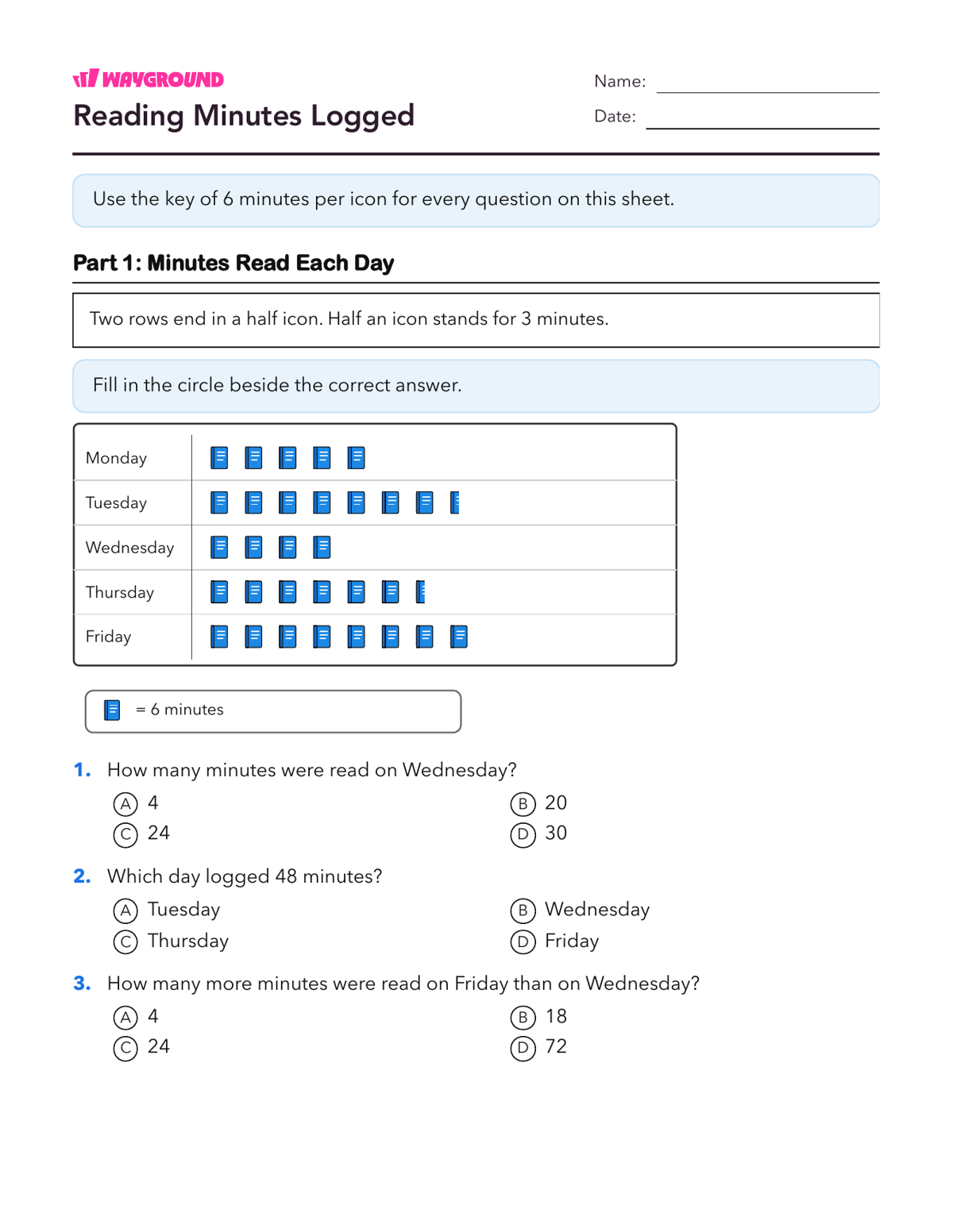
10Q
5th
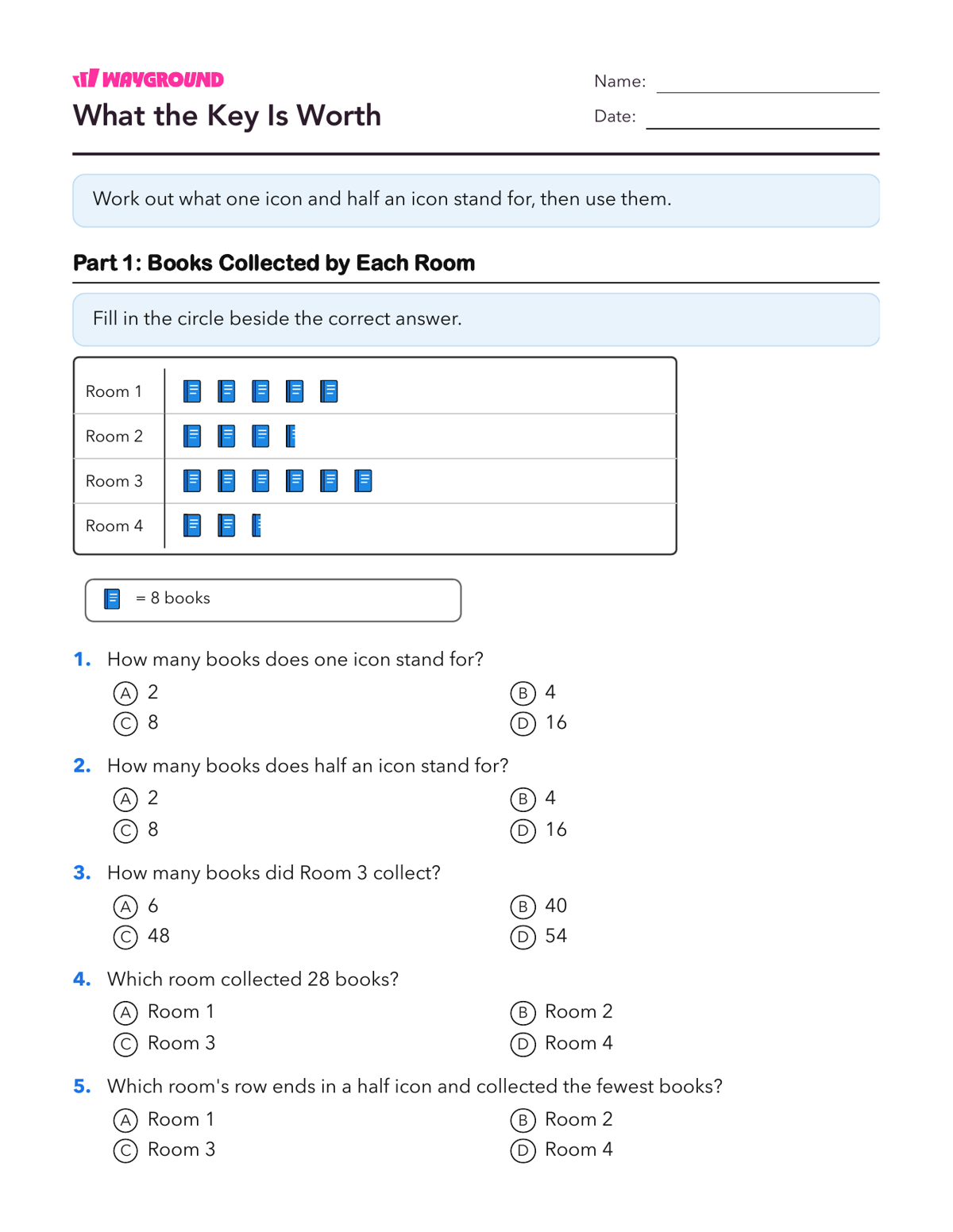
8Q
5th
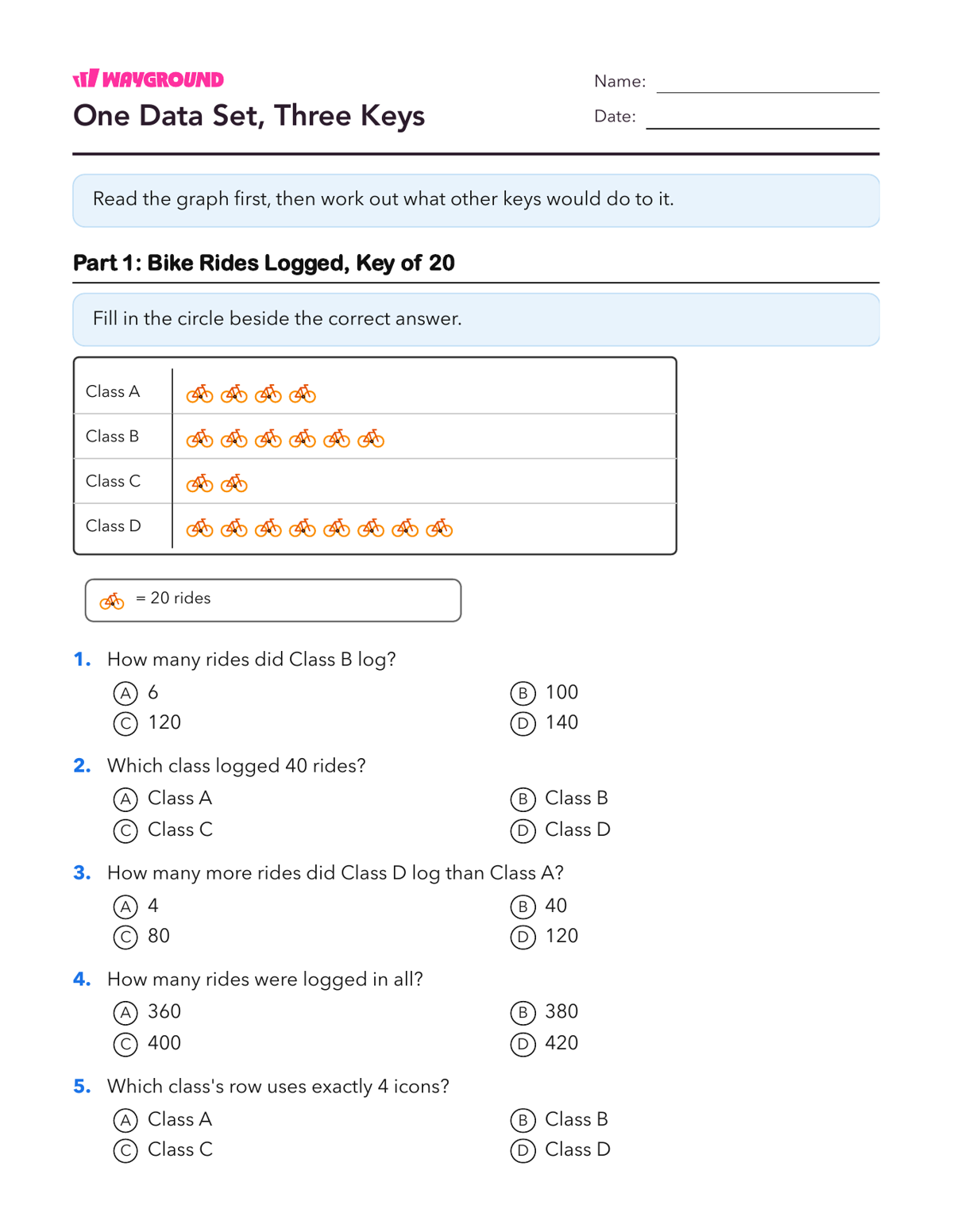
10Q
5th
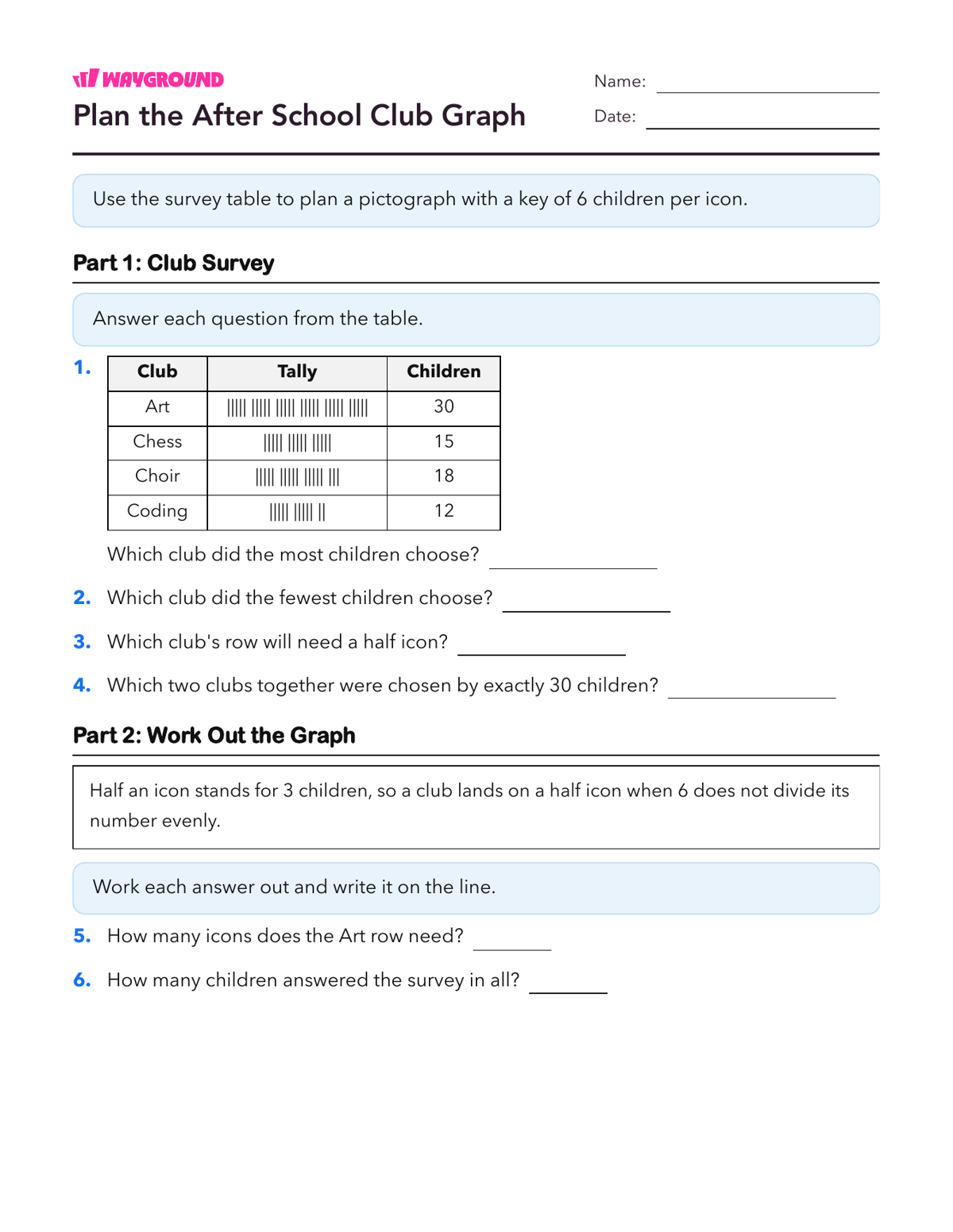
8Q
5th
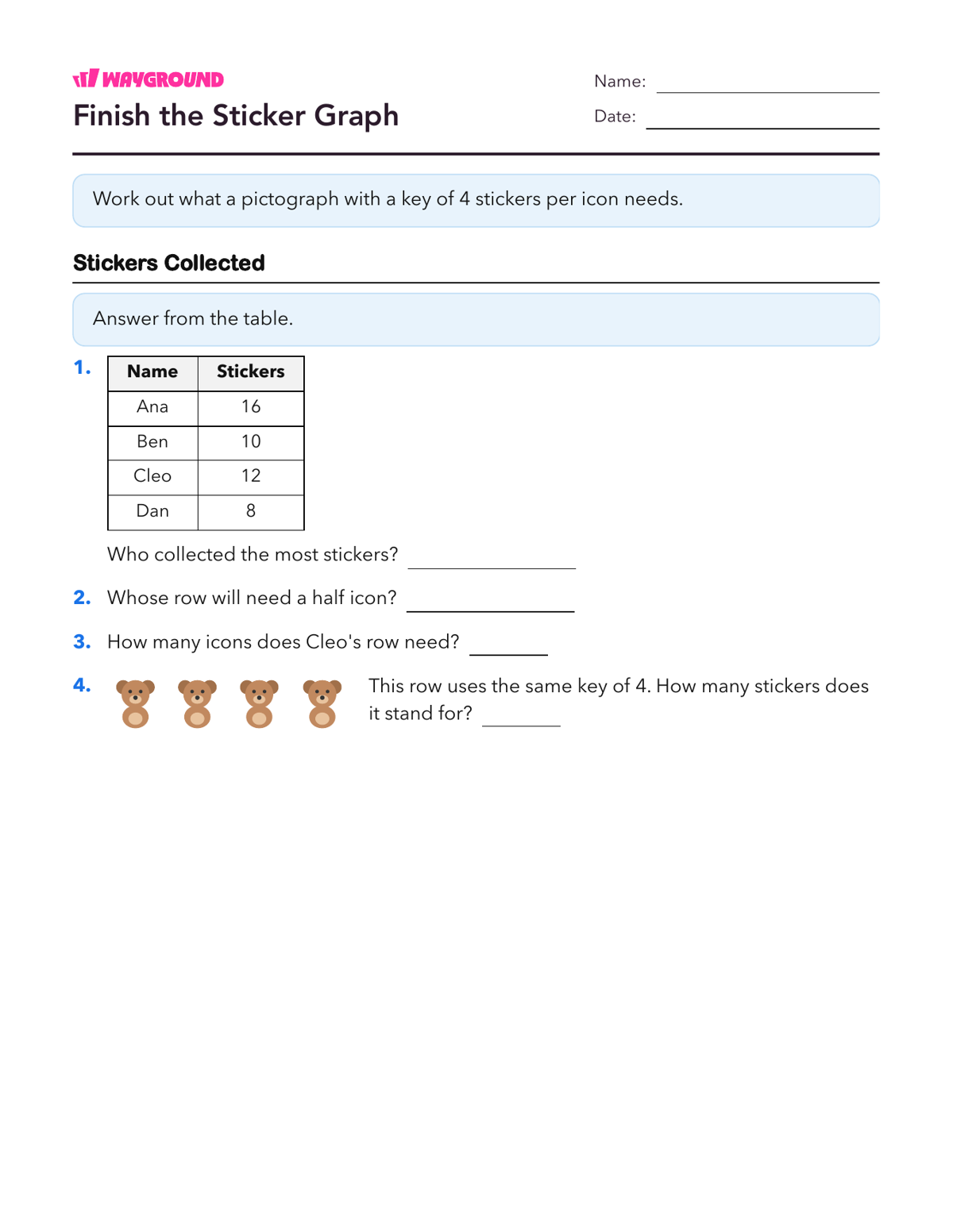
4Q
5th
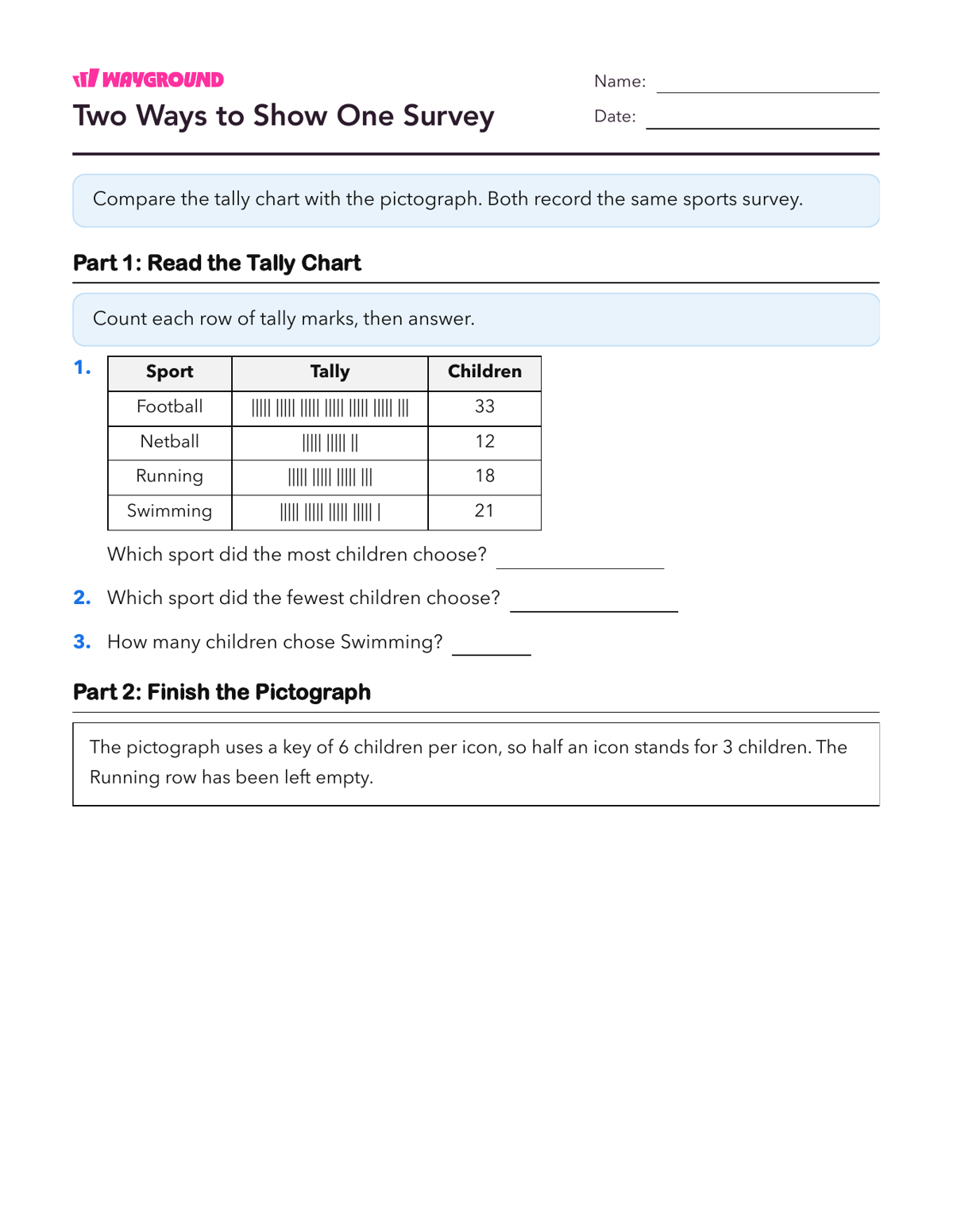
6Q
5th
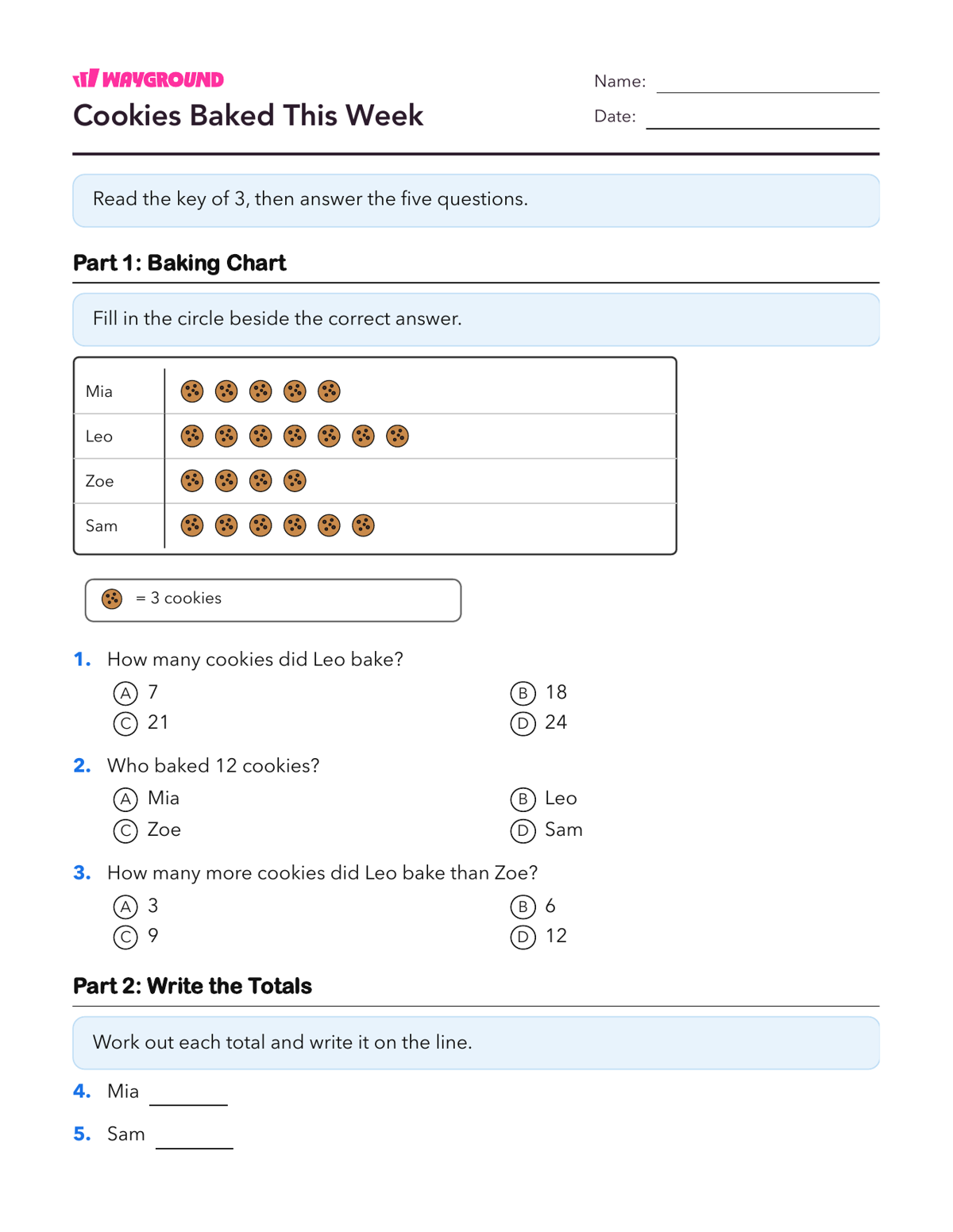
5Q
5th
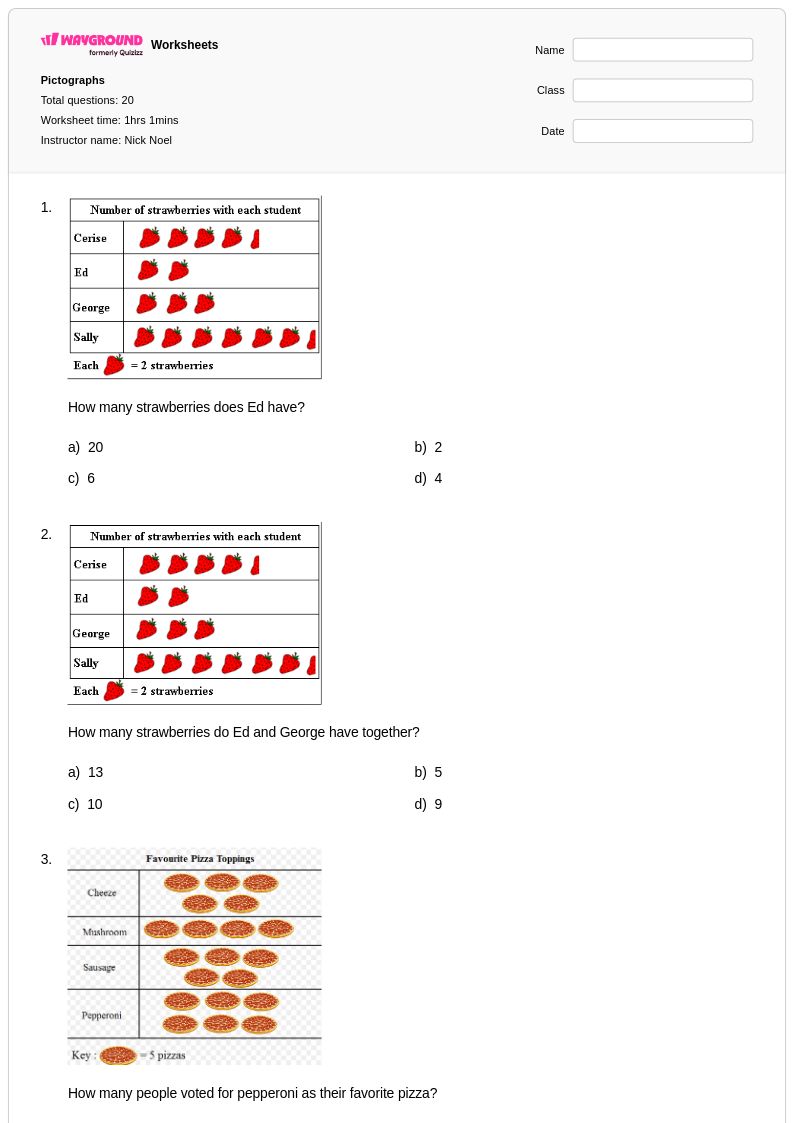
20Q
3rd - 5th
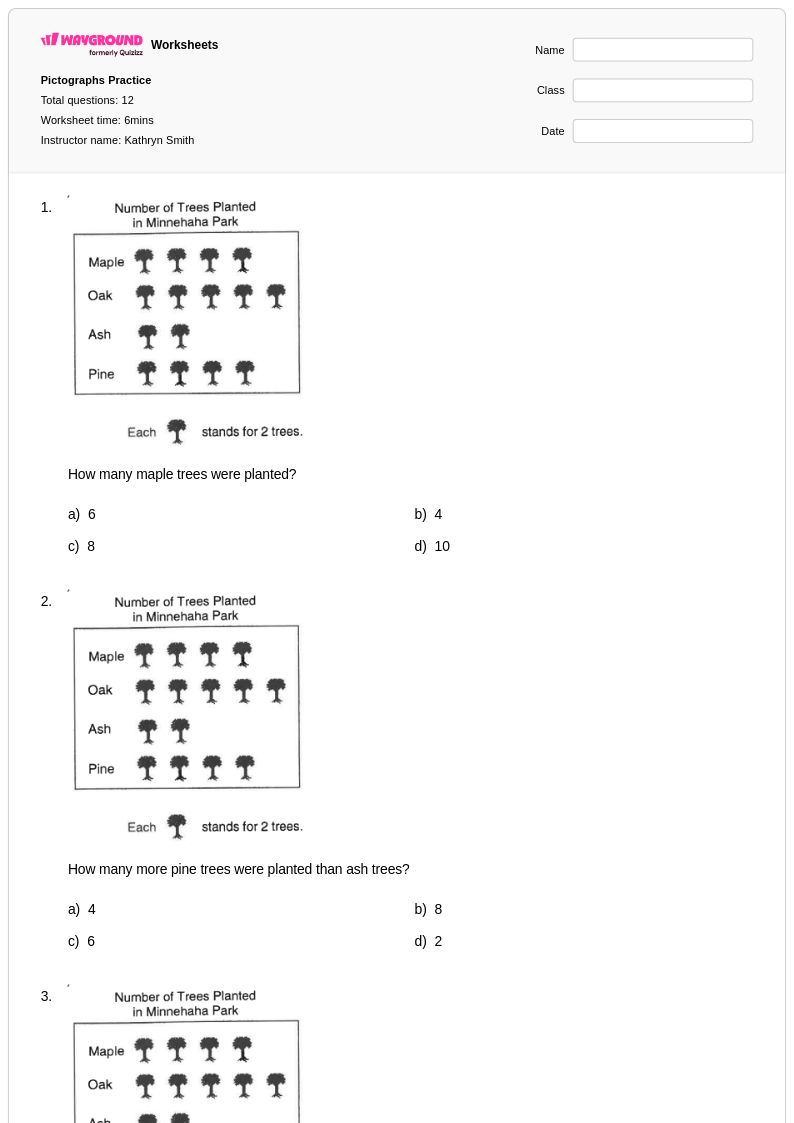
12Q
3rd - 6th
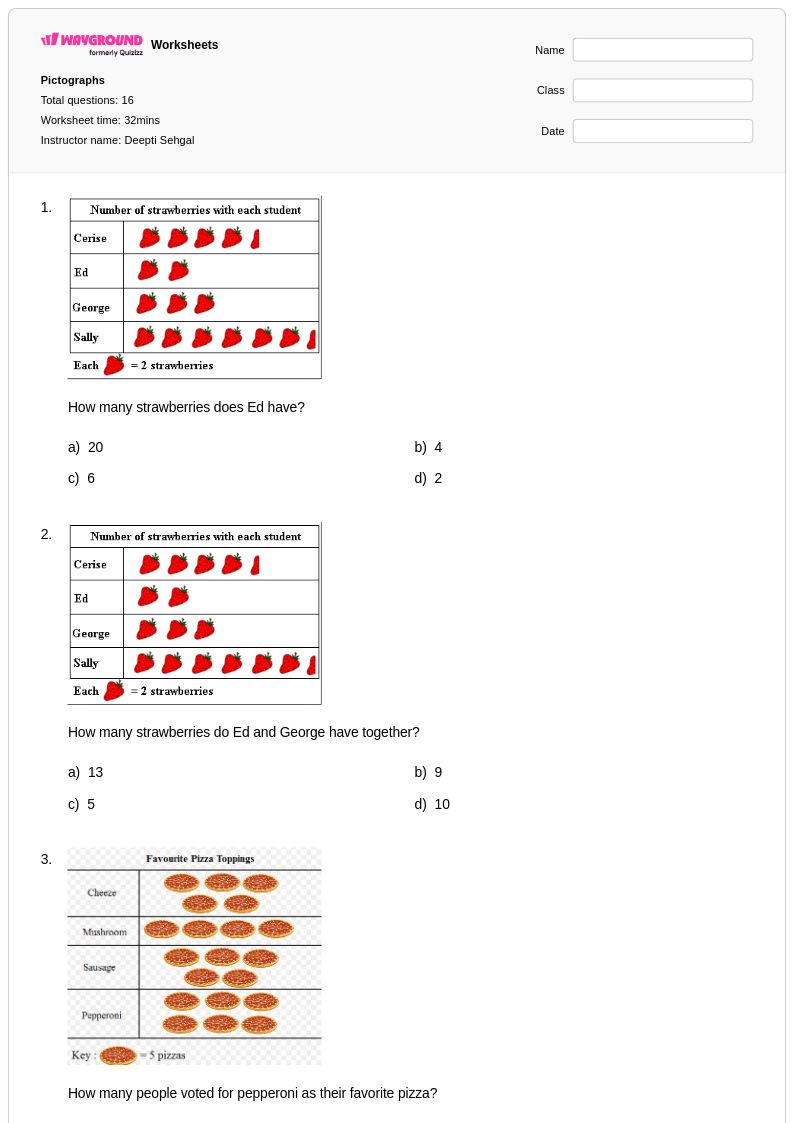
16Q
3rd - 5th
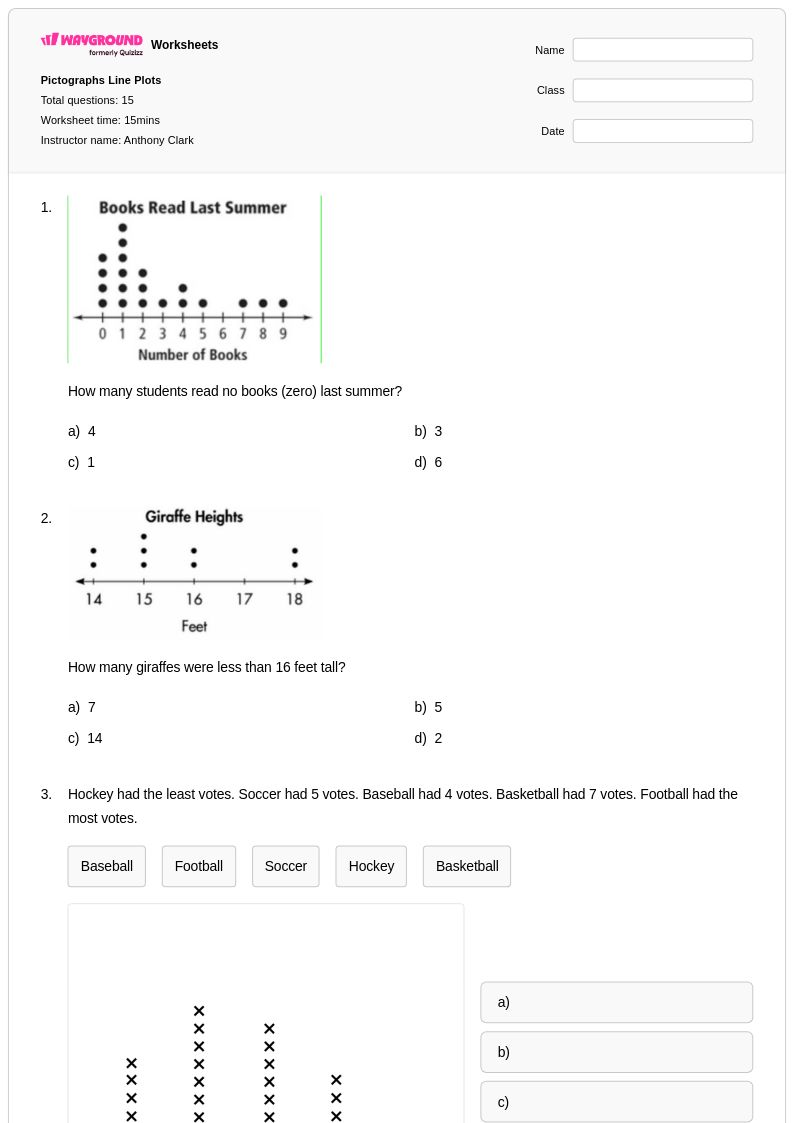
15Q
4th - Uni
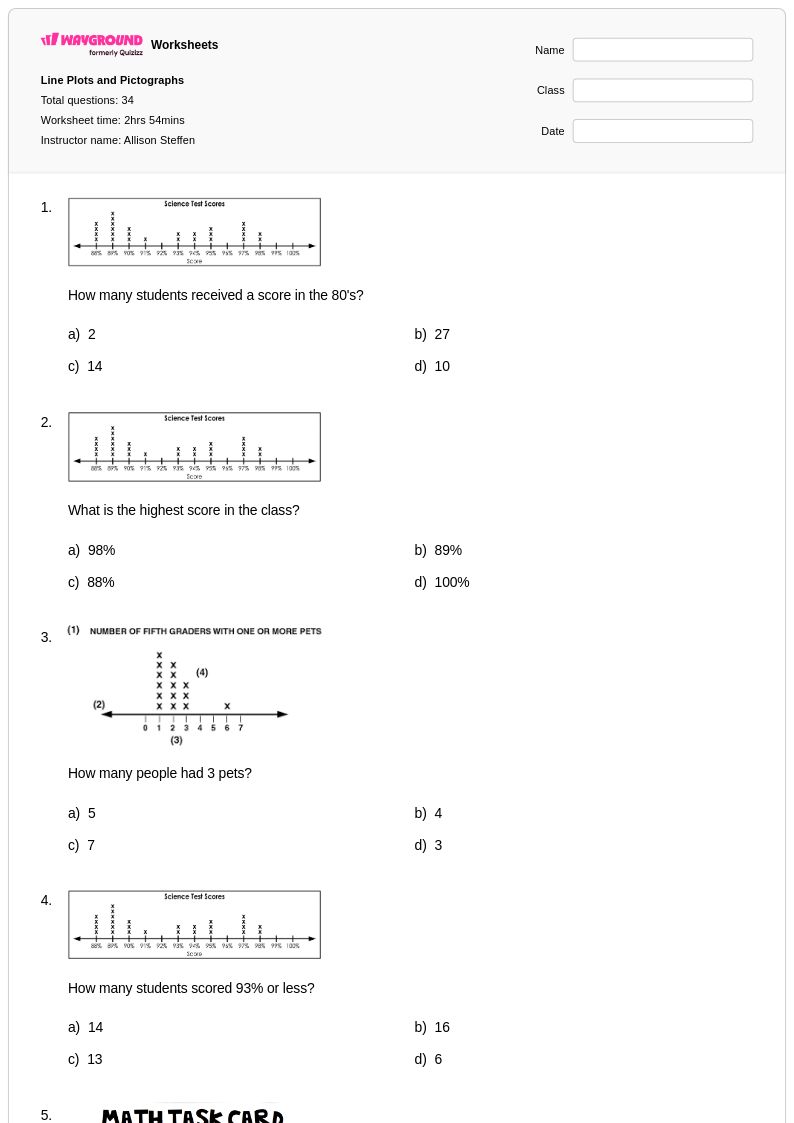
34Q
5th
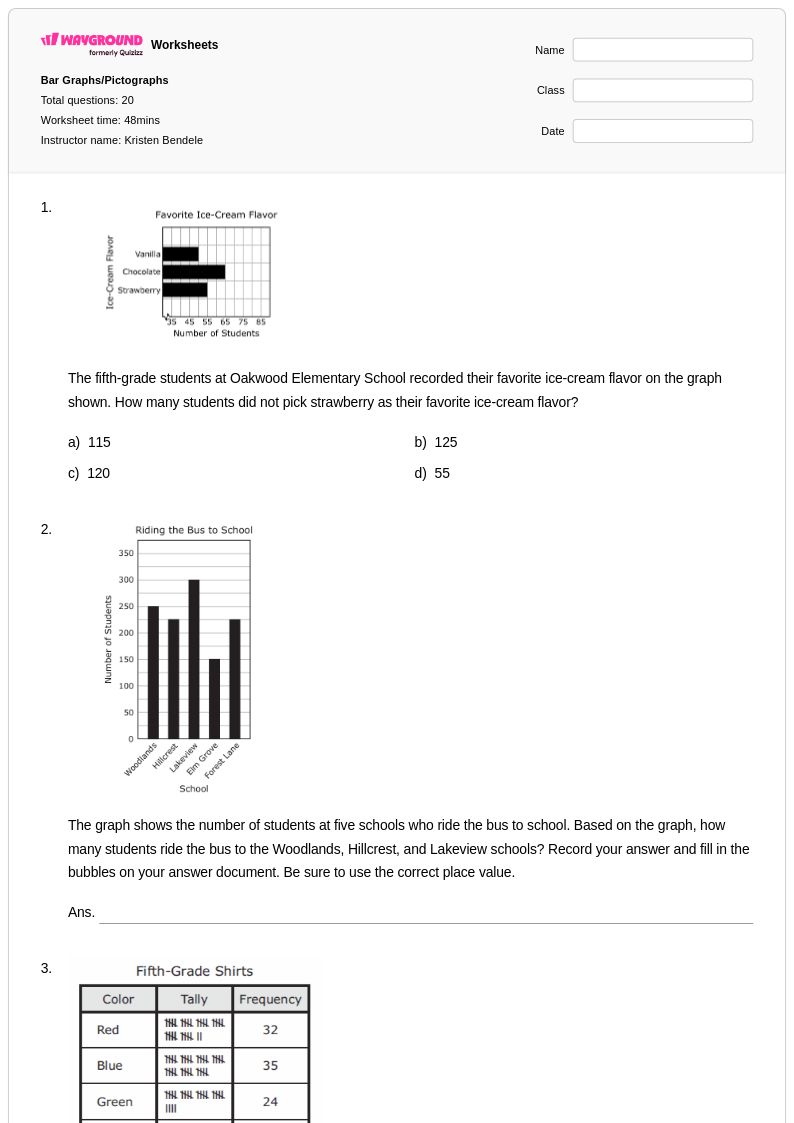
20Q
5th
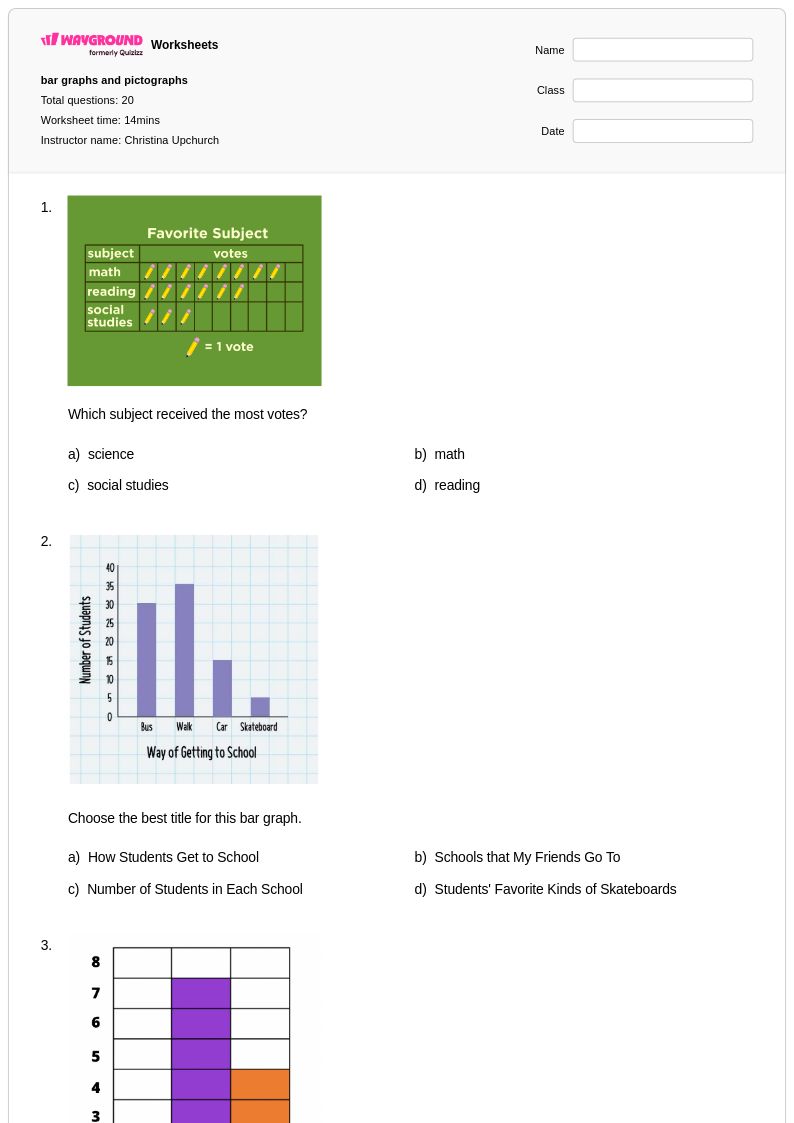
20Q
1st - 5th
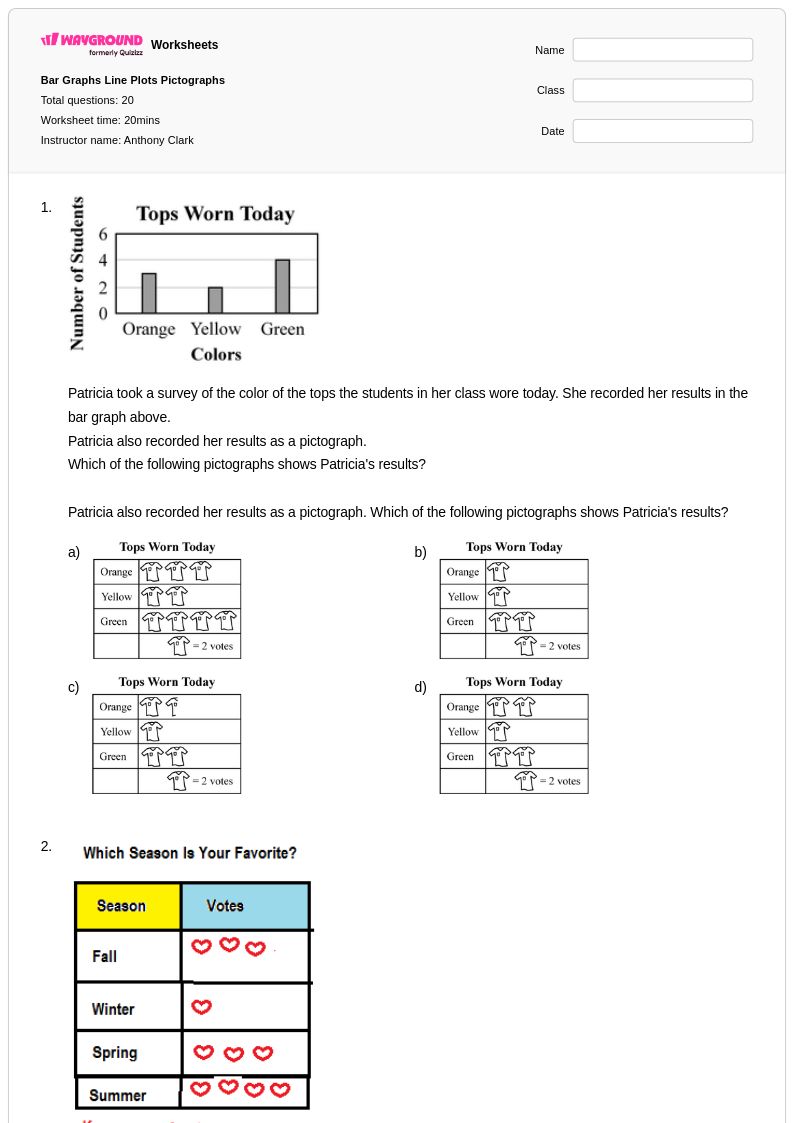
20Q
3rd - Uni
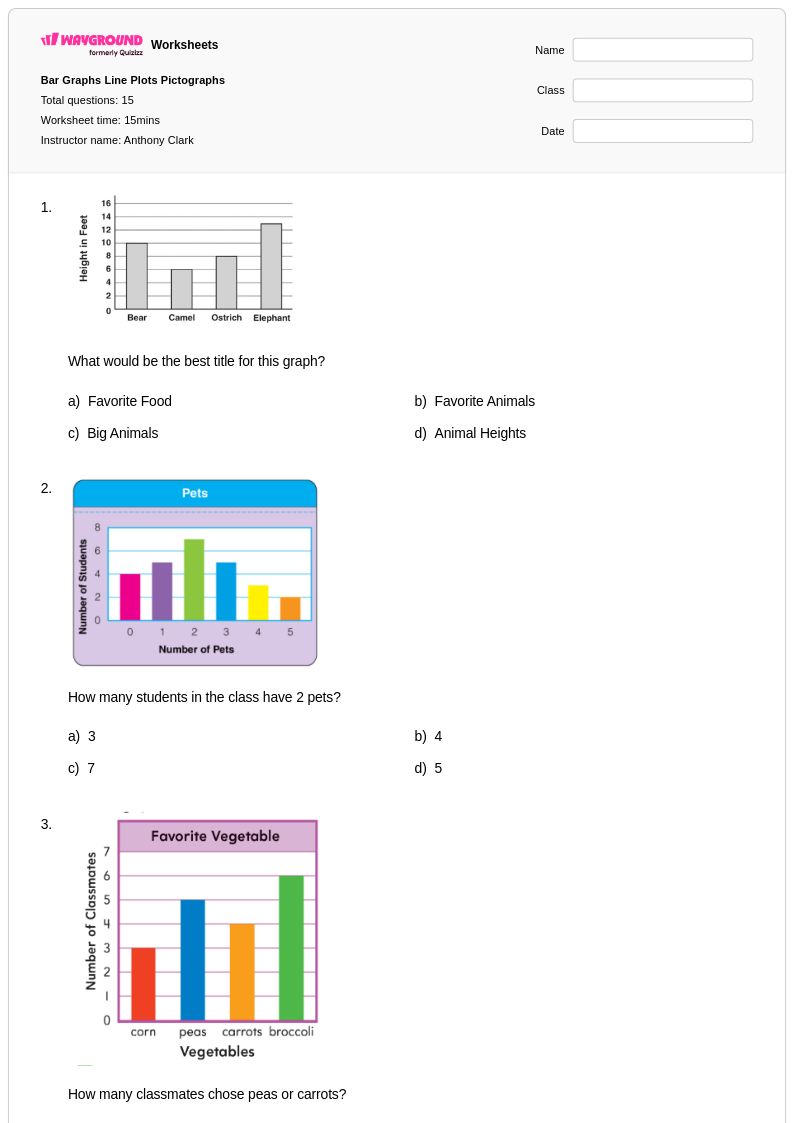
15Q
3rd - Uni
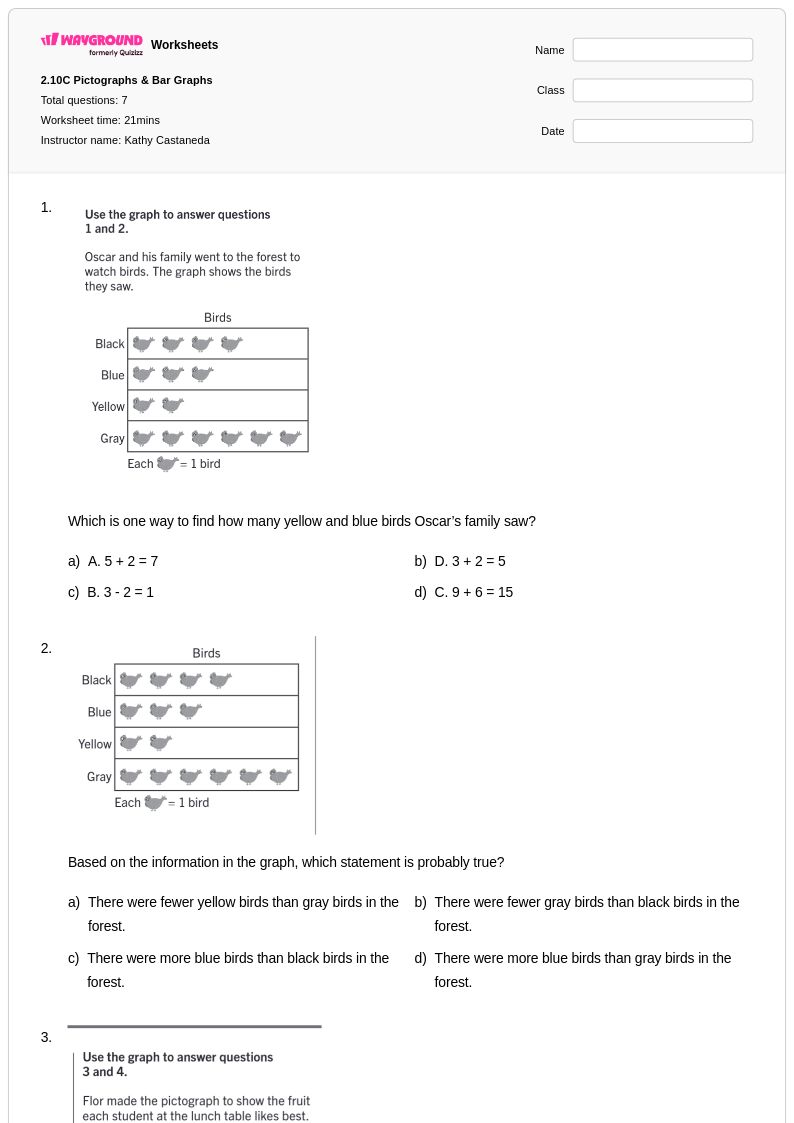
7Q
2nd - Uni
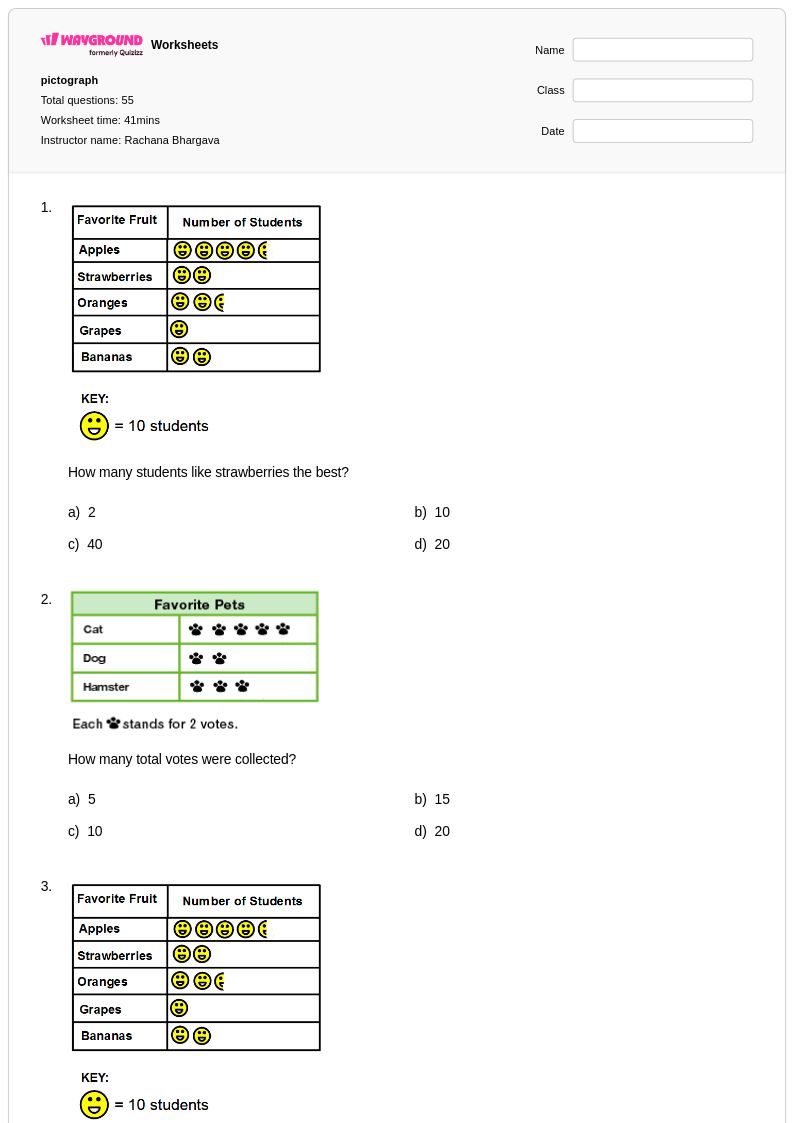
55Q
4th - 6th
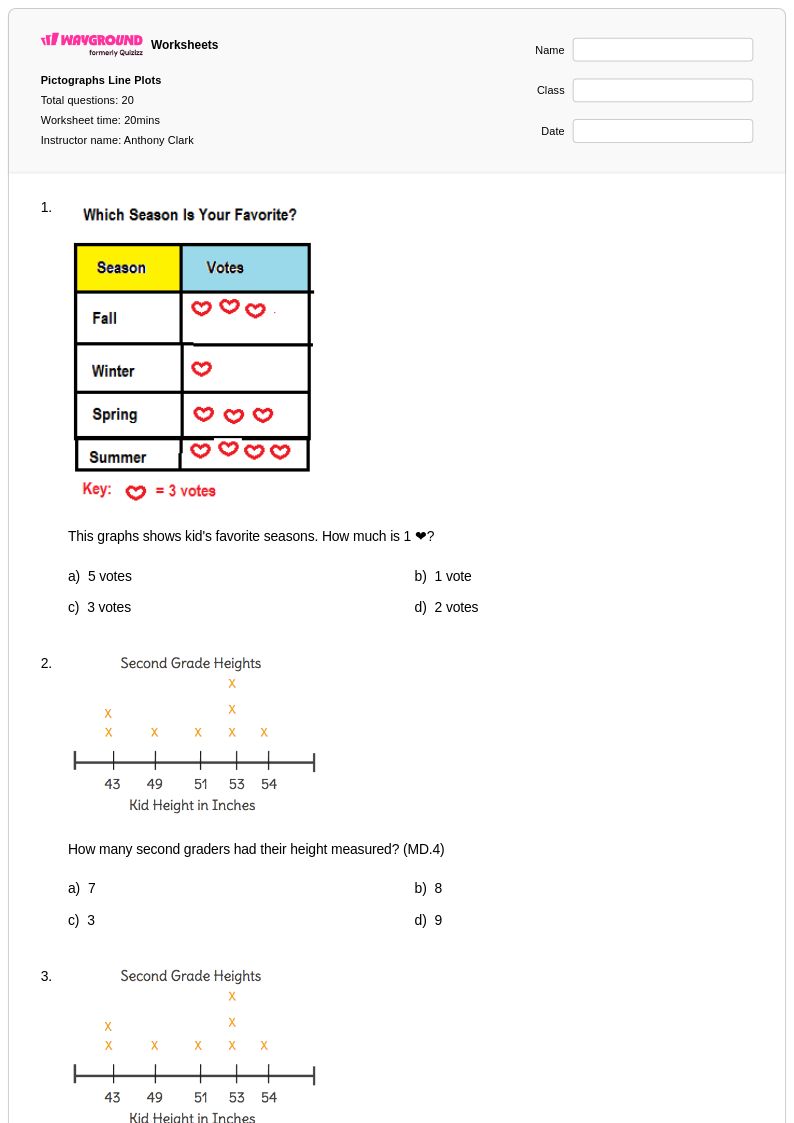
20Q
4th - Uni
11Q
5th
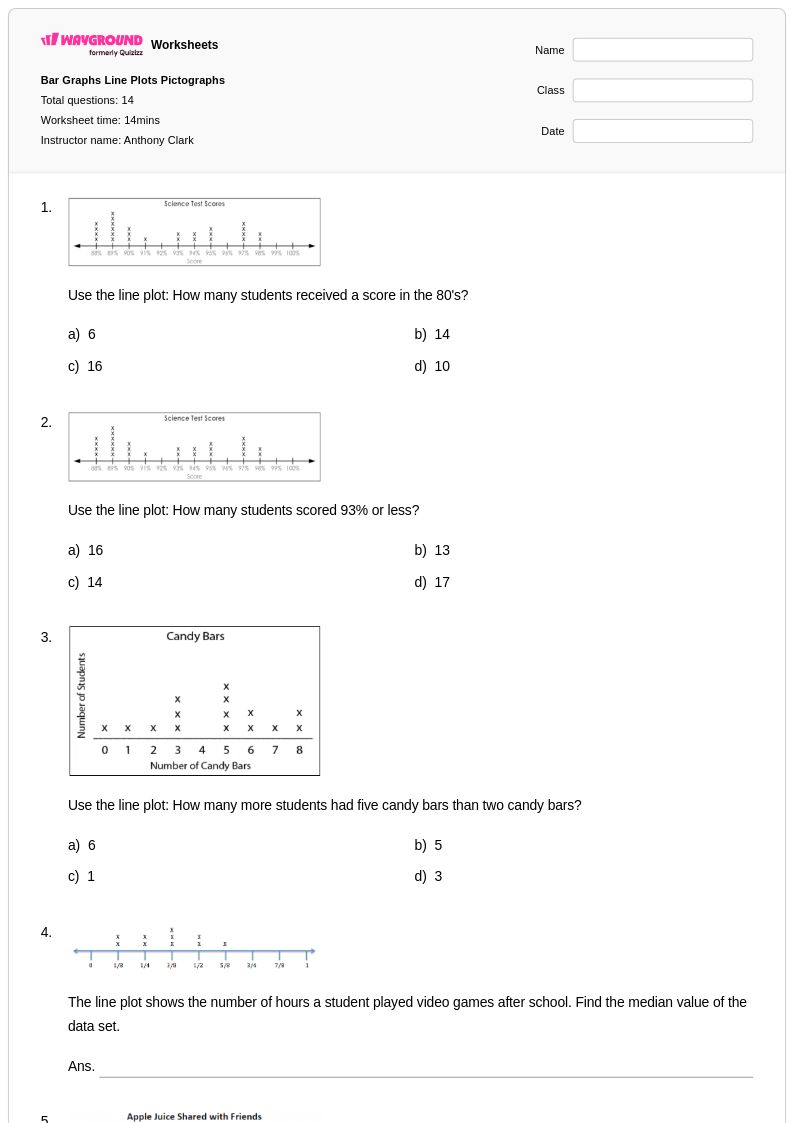
14Q
3rd - Uni
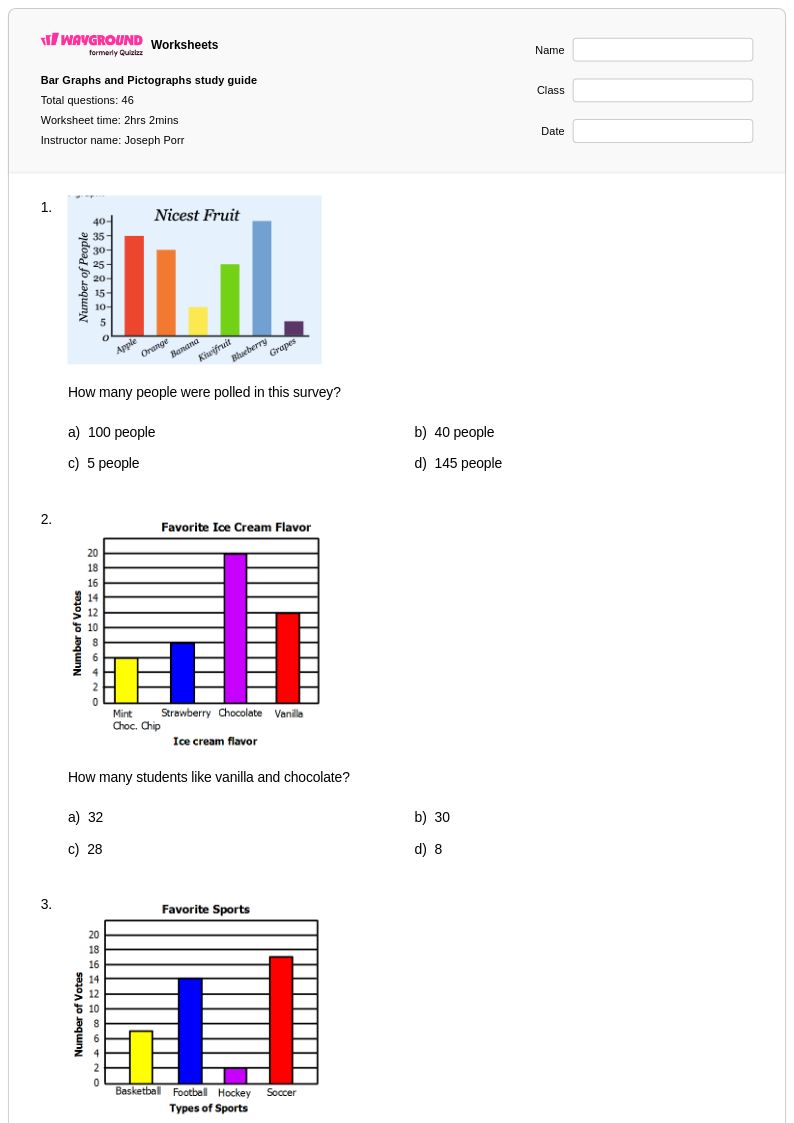
46Q
5th
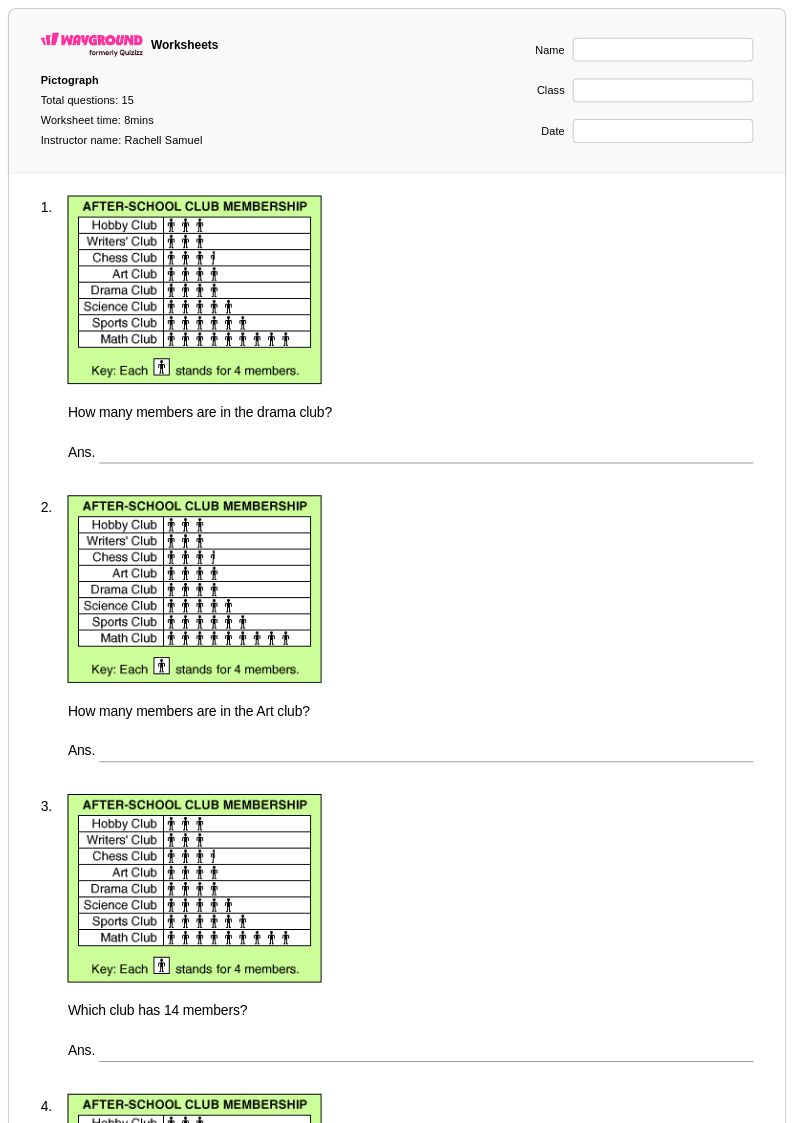
15Q
4th - 6th
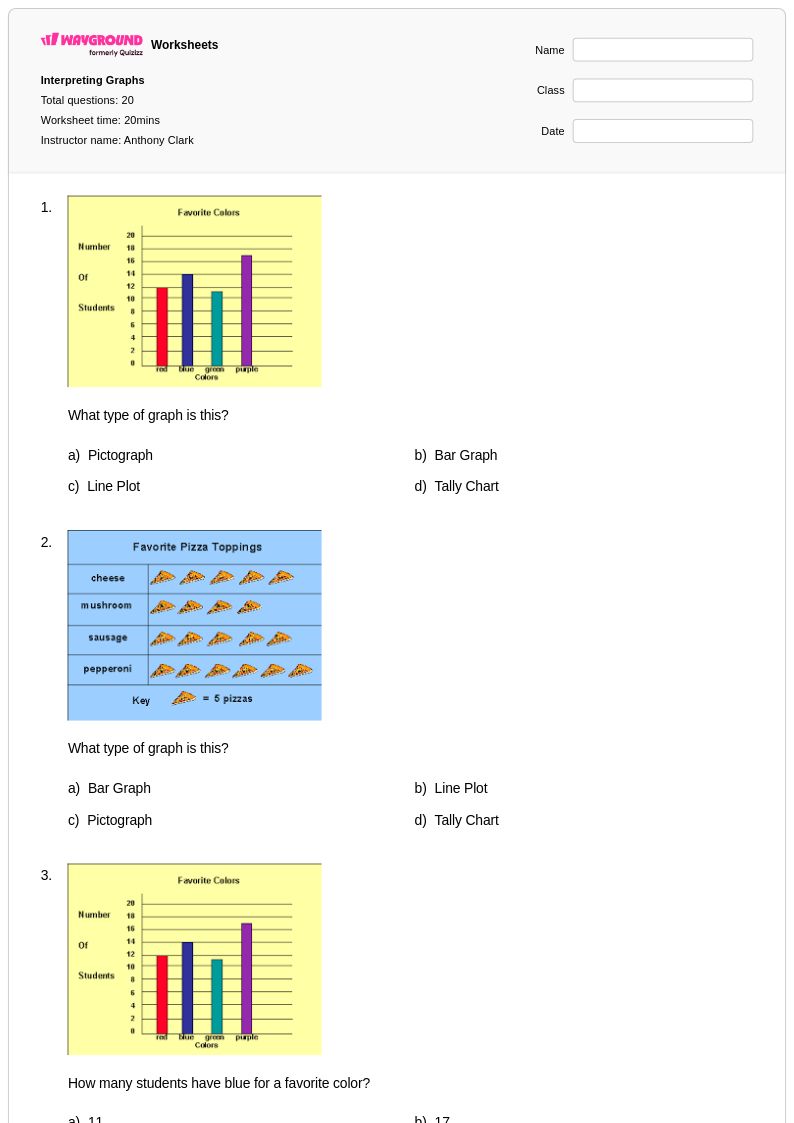
20Q
3rd - Uni
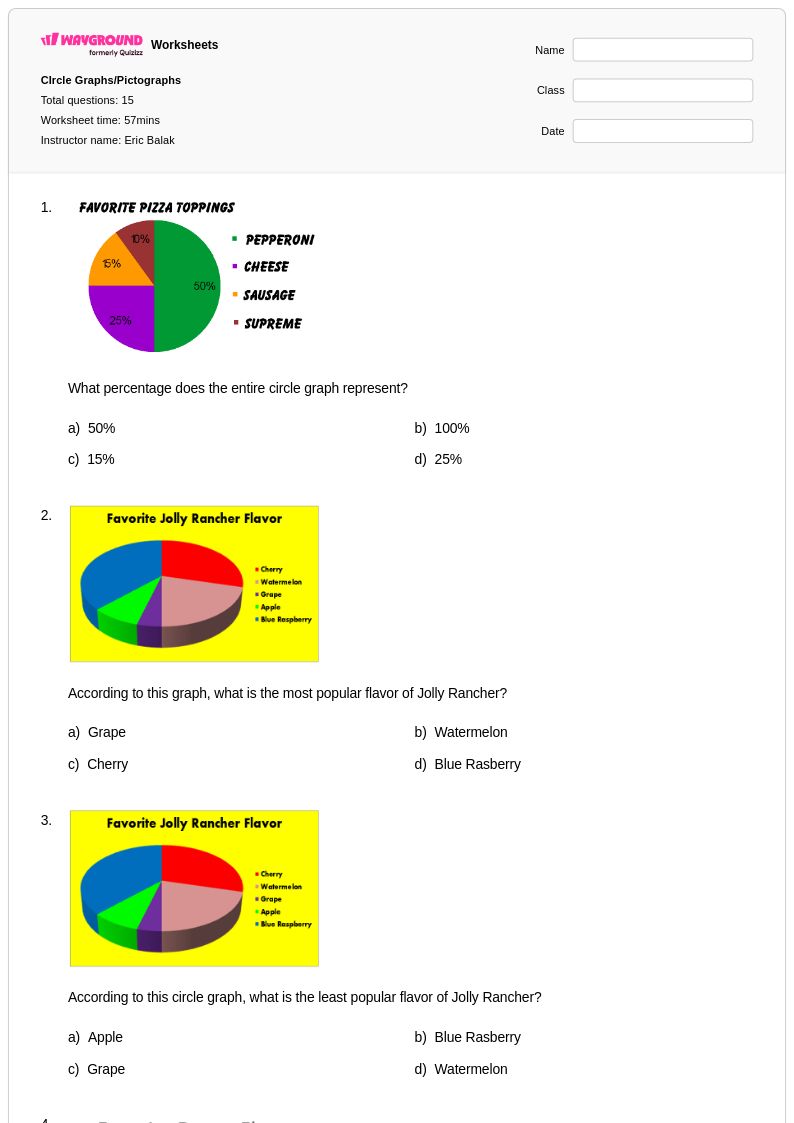
15Q
5th - 6th
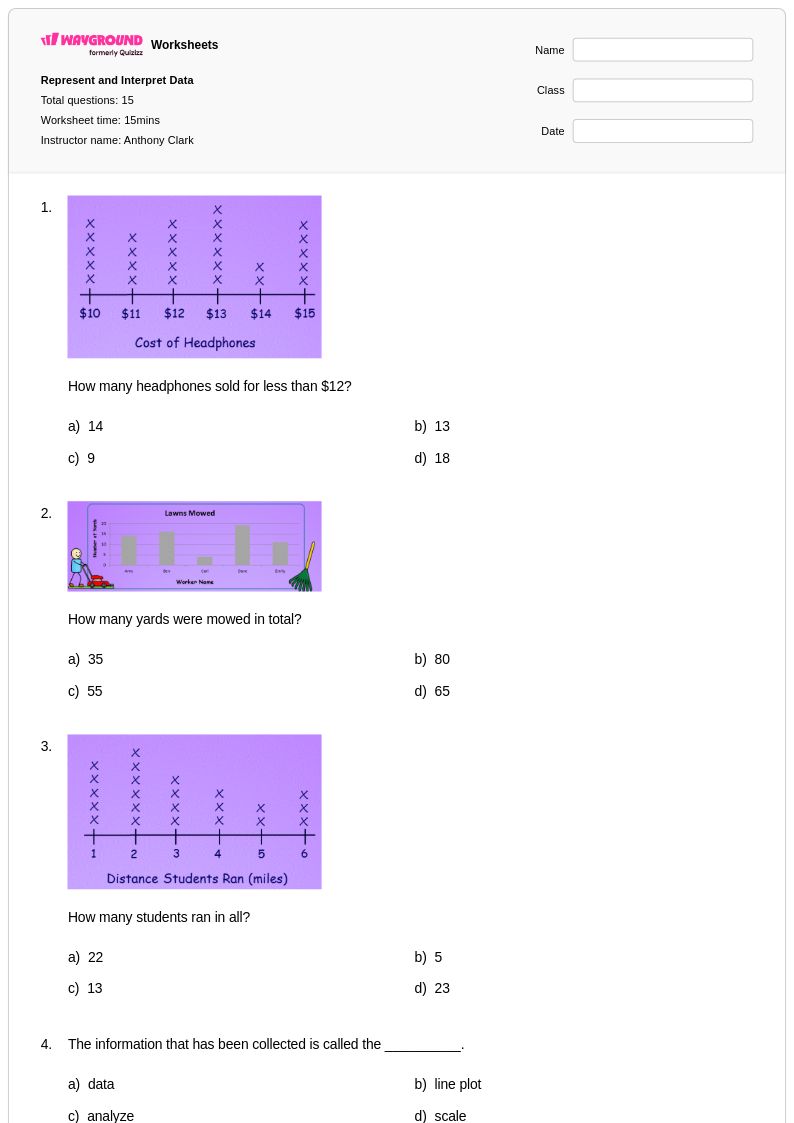
15Q
3rd - Uni
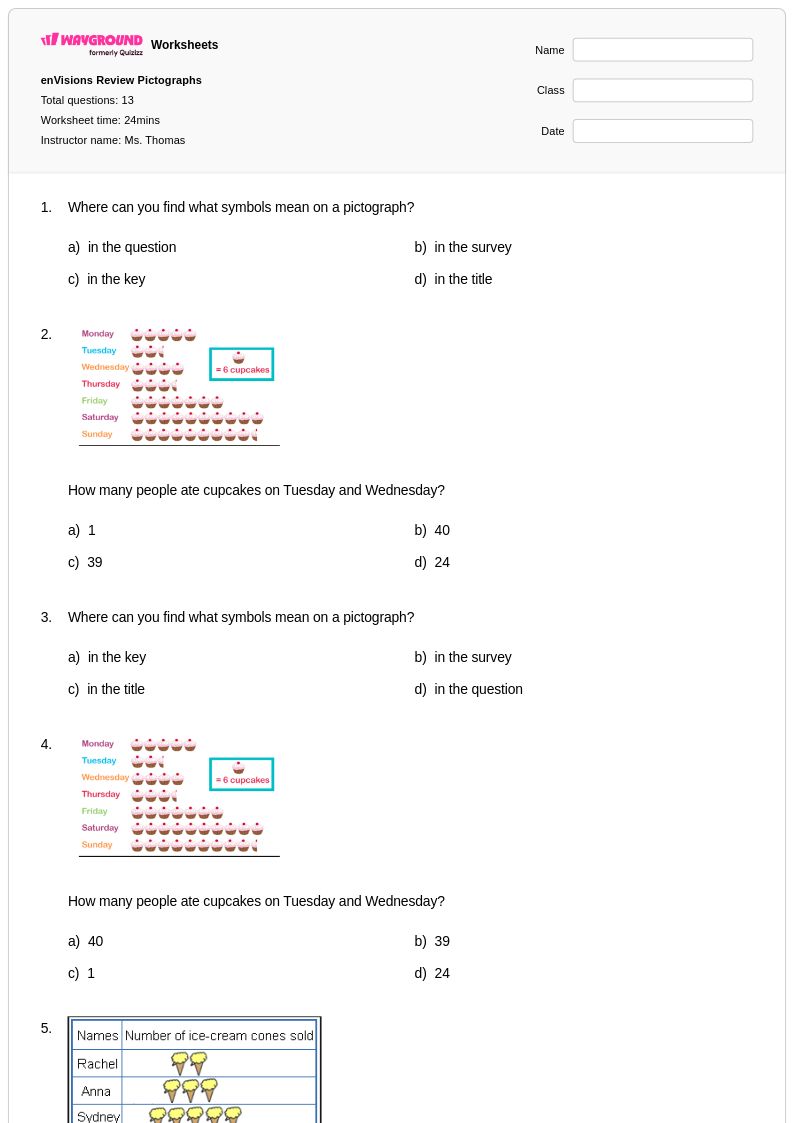
13Q
3rd - Uni
13Q
1st - 5th
15Q
2nd - Uni
13Q
5th
15Q
3rd - Uni
Explore otras hojas de trabajo de materias para grade 5
Explore printable Scaled Pictographs worksheets for Grade 5
Scaled pictographs provide Grade 5 students with an essential foundation for understanding data representation and interpretation through visual graphics where symbols represent multiple units of data. Wayground's comprehensive collection of scaled pictograph worksheets helps students master the critical skills of reading, creating, and analyzing pictographs where each symbol stands for more than one item, building their mathematical reasoning and data literacy. These expertly designed practice problems guide students through interpreting scale keys, calculating totals from pictograph data, and solving multi-step word problems based on scaled representations. The worksheets include detailed answer keys that support both independent practice and guided instruction, while the free printable pdf format ensures easy classroom distribution and homework assignments that reinforce these fundamental data analysis concepts.
Wayground (formerly Quizizz) empowers educators with millions of teacher-created scaled pictograph resources that streamline lesson planning and provide targeted skill practice for Grade 5 mathematics instruction. The platform's robust search and filtering capabilities allow teachers to quickly locate worksheets aligned with specific curriculum standards and learning objectives, while built-in differentiation tools enable customization for diverse student needs and ability levels. Teachers can seamlessly access materials in both printable and digital formats, including downloadable pdf versions, making it simple to support classroom instruction, assign remediation work for struggling learners, or provide enrichment activities for advanced students. This flexibility ensures that educators can effectively address individual learning gaps while building confidence in data interpretation skills through systematic practice with scaled pictographs.
FAQs
What are the expectations for scaled pictographs in Grade 5?
How do I teach scaled pictographs with fractional data?
What kind of practice problems are best for fifth graders?
What errors are common for 5th graders with scaled pictographs?
How does this topic fit within the Grade 5 math standards?
How can I use this Wayground worksheet for practice or assessment?